Joined October 2016
- Tweets 2,399
- Following 60
- Followers 69
- Likes 2,059
35 Photos and videos



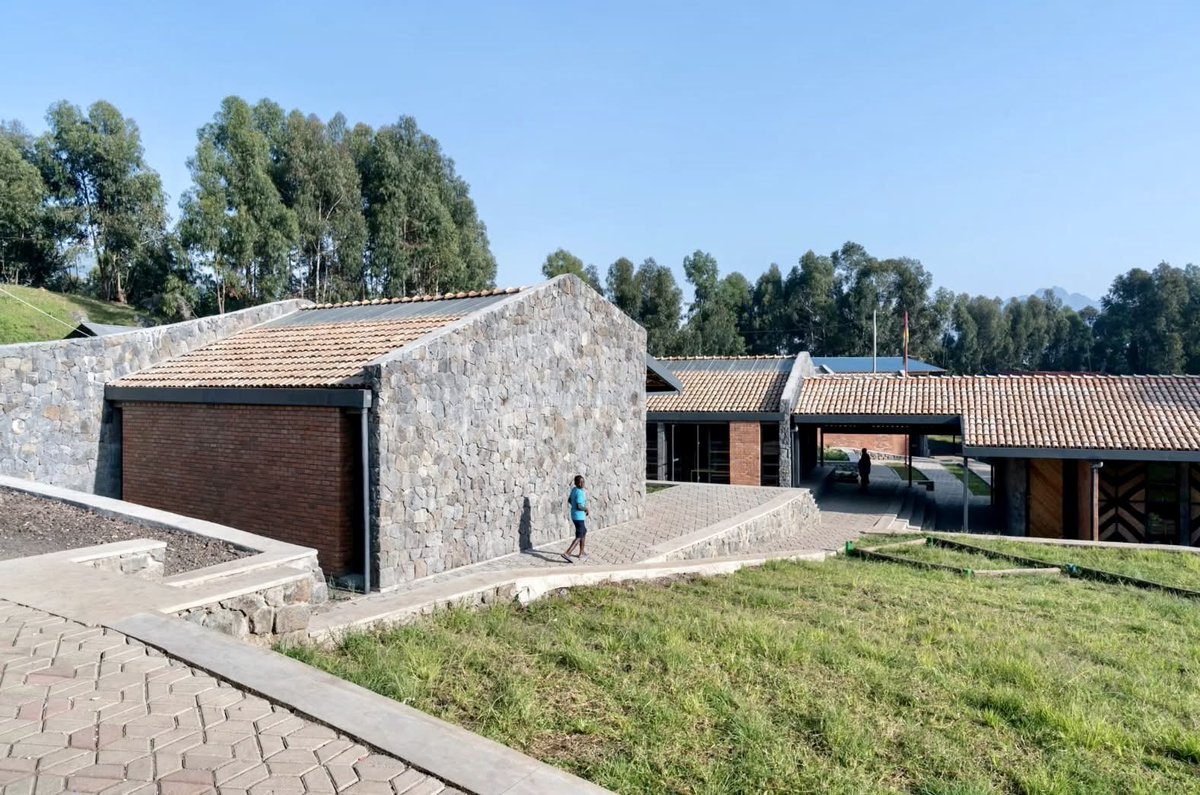
Rwanda keeps raising the standards that most African countries are neglecting.
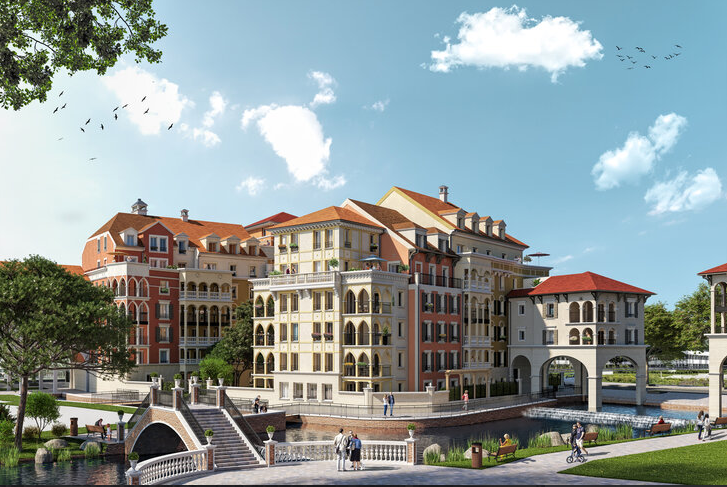
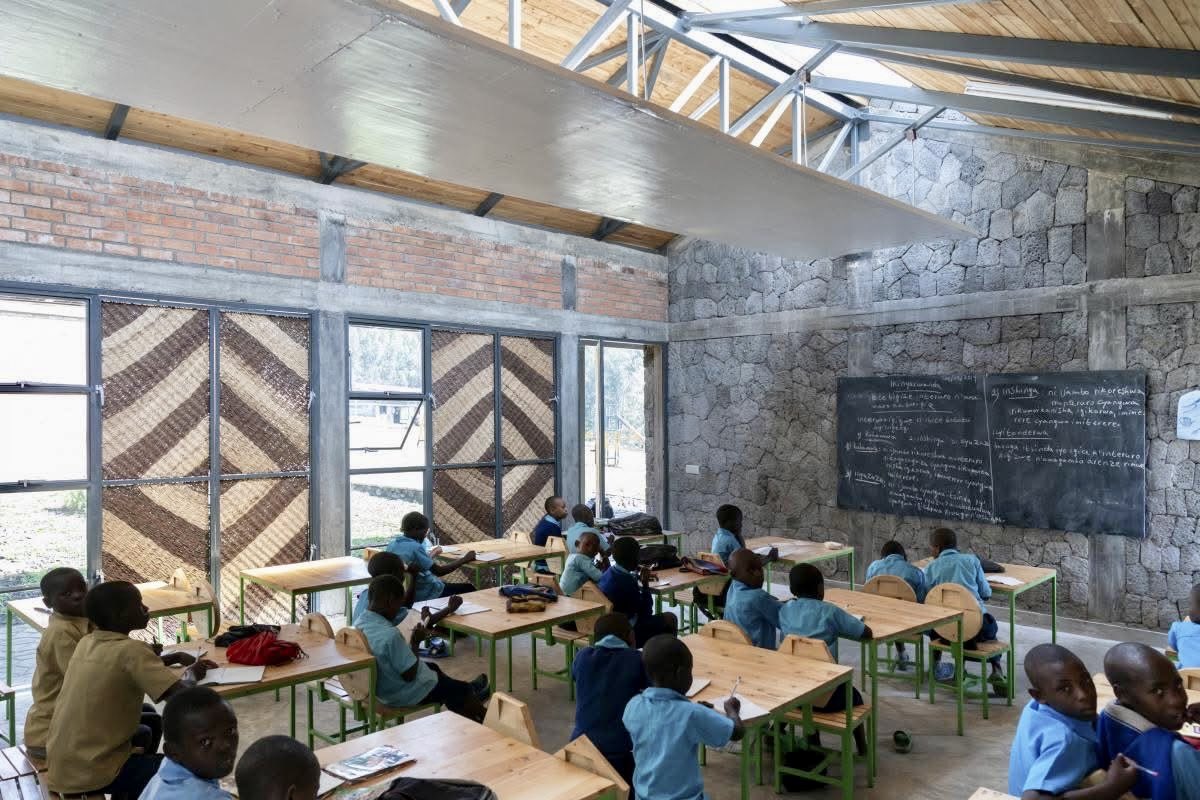
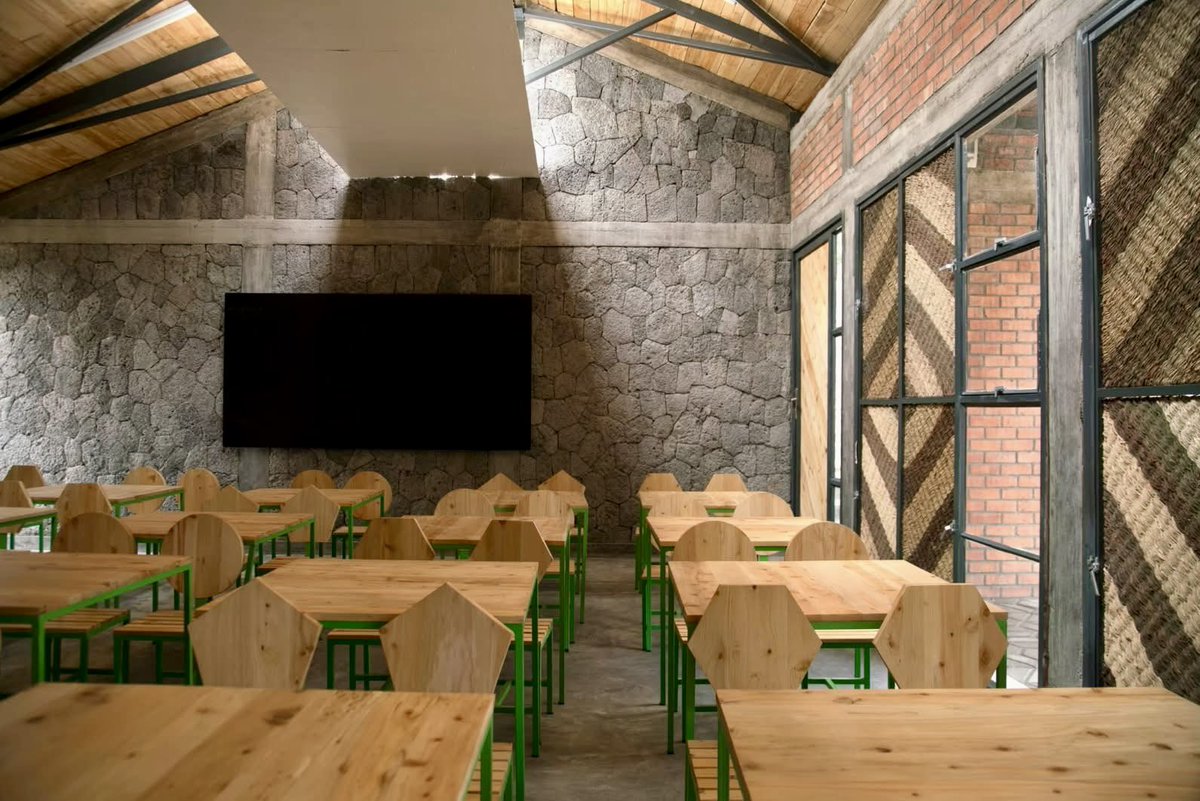
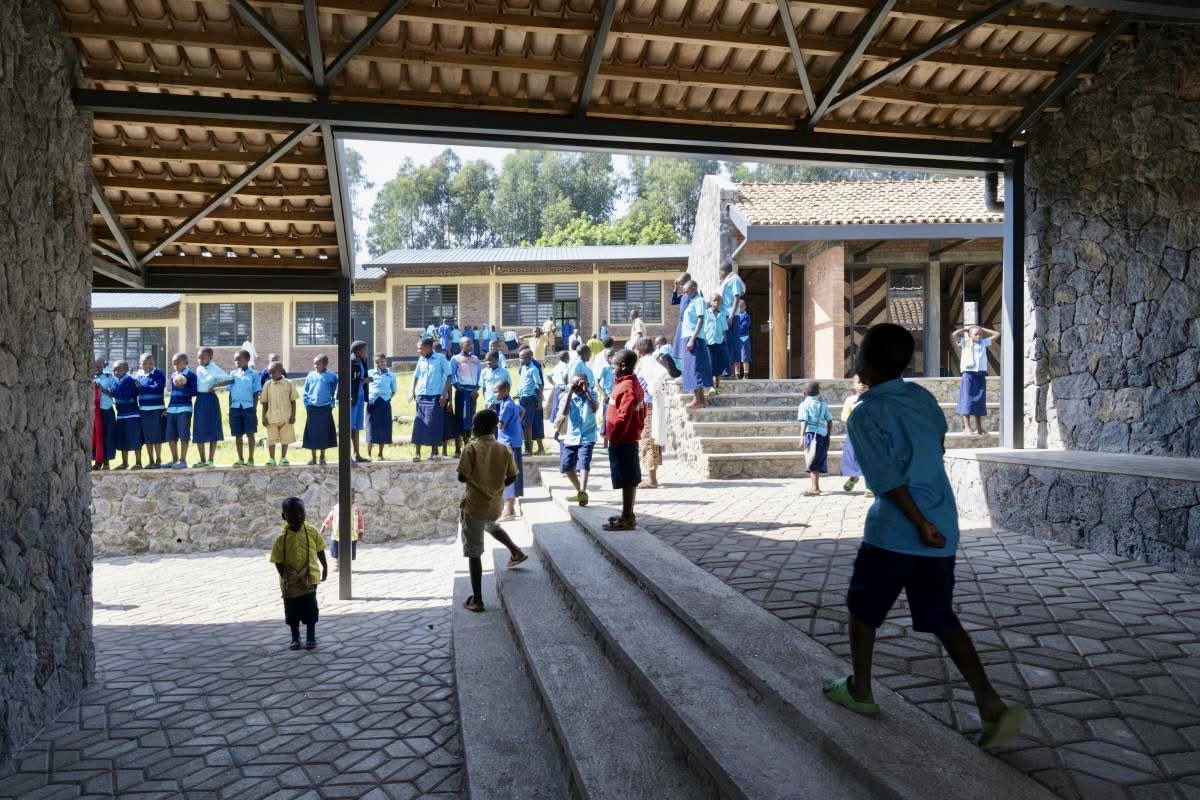
Ruhehe Primary School sits along a gently curving wall of local volcanic stone, paying homage to Rwandan craftsmanship. Volcanic rock on the walls. Clay roofing tiles that muffle rainfall so lessons continue through storms. Woven bamboo and bark panels filtering light and absorbing sound. 80 percent of construction materials sourced within 50 kilometres of the site. 75 percent of the budget spent inside Ruhehe Village and Musanze district. 110 local workers hired. 35 percent of them women.
Now look at what we build and call a school across most of this continent. A cement block box. Plastered over. Painted yellow on top and ox-blood red at the bottom. No ventilation strategy. No acoustic consideration. No connection to the landscape or the culture. A building that could exist anywhere and therefore belongs nowhere.
The material knowledge is here. The stone is here. The clay is here. Rwanda proved that building well does not cost more and it costs differently, and it pays back in ways a painted cement box never will.
This is not a foreign standard. This is an African one.
Ruhehe Primary School, Musanze District, Rwanda 🇷🇼 | MASS Design Group African Design Centre | 1,120 students | 2018 | 📷 Iwan Baan
28
296
1,100
58,548
_H_M_Z_ retweeted

May 18
Pourquoi cette différence de traitement entre Martin Luther King et Malcolm X ?
18
263
1,222
28,006
_H_M_Z_ retweeted
May 6
Le Gabon importe 80% de sa nourriture. Le Guyana, lui, nourrit 100% de sa population. Basée sur l'étude "Nature Food", on vous explique la stratégie "25 by 2025" qui a transformé ce petit État sud-américain en machine de guerre agricole.
12
298
712
34,597
_H_M_Z_ retweeted

Une des meilleurs émissions sur #Marseille que j’ai pu voir et entendre !
Loin des clichés et des évidences habituelles
La musique, le son, l’ambiance de la ville Monde
Merci @Francetele @andremanou 💪🙌💙🤍
france.tv/france-5/8386179-m…
1
2
4
330
_H_M_Z_ retweeted

Apr 28
Enquête publique sur le projet d'extension du tramway "Catalans"
➡️ Retrouvez les informations et notre contribution à l’enquête publique sur notre site Internet. mairie1-7.marseille.fr/actua…
3
6
12
1,208
_H_M_Z_ retweeted

Palmarès du nombre de fusillades pour 100k habitants :
1- Loon-Plage: 83
2- Grenoble: 20
3- Cavaillon: 19
4- Fontaine: 18
5- Villeneuve-Saint-Georges: 14
6- Vénissieux: 13
7- Saint-Ouen-sur-Seine: 13
8- Sevran: 12
9 -Avignon: 11
10- Echirolles: 11
11 -Marseille: 10
12- Nîmes: 10
13- Vaulx-en-Velin: 10
14- Rennes: 9
15- Besançon: 7
16- Villeurbanne: 7
17- Colombes: 7
18- Nantes: 6
19- Toulouse: 5
20- Saint-Denis: 5
44
232
745
71,848
_H_M_Z_ retweeted

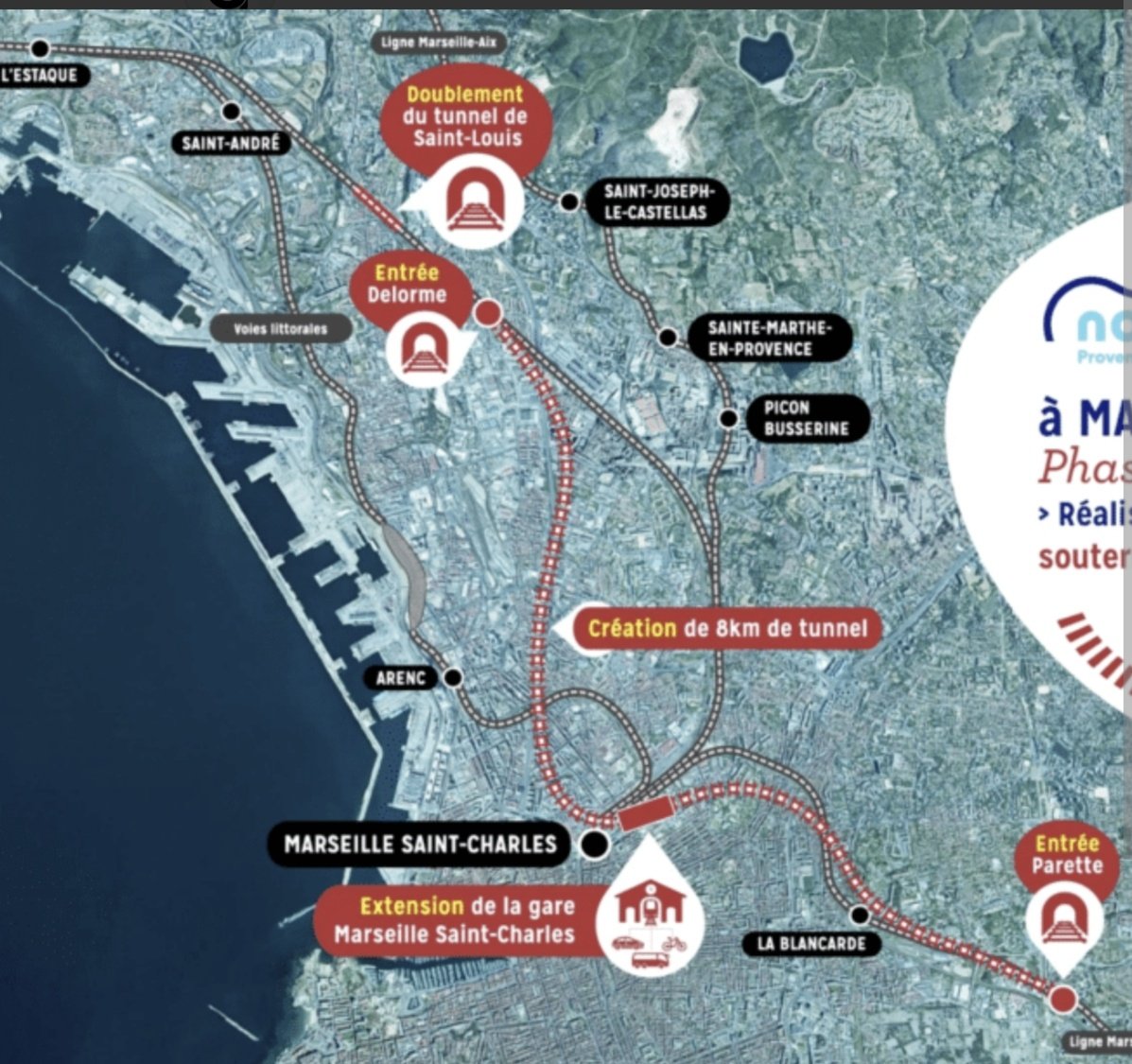
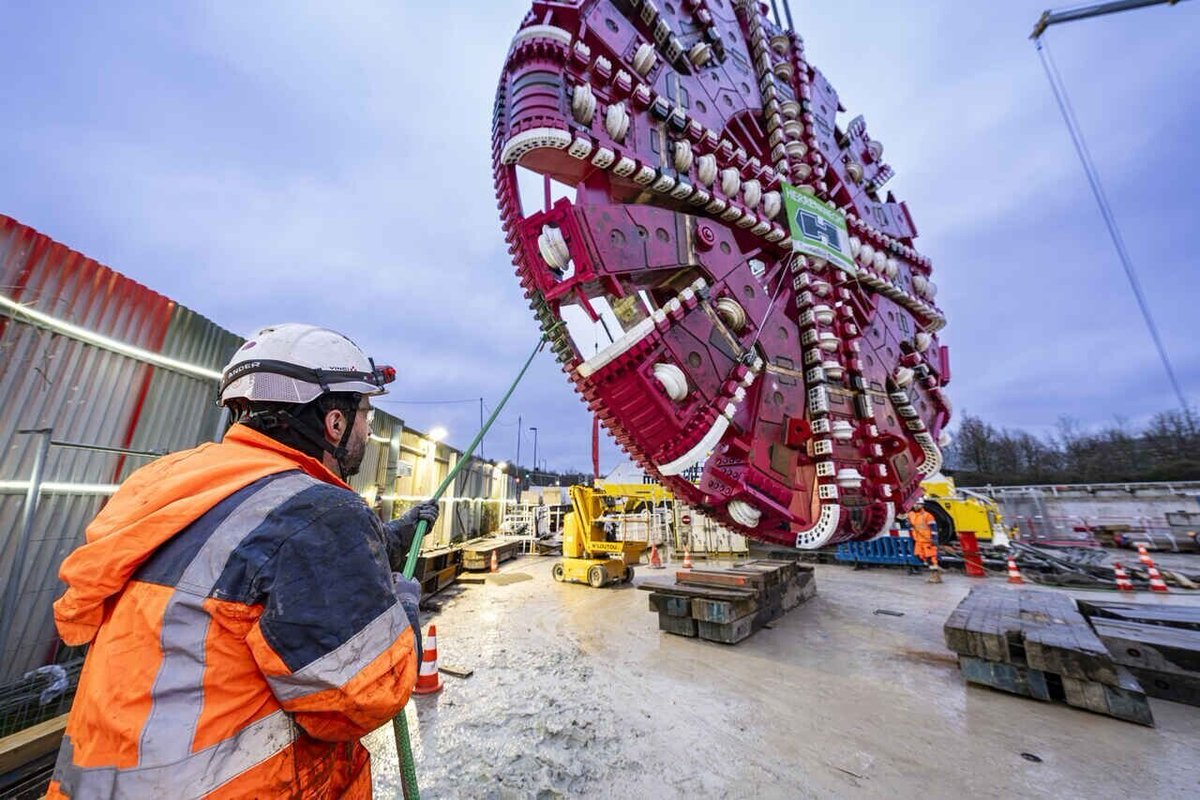
Ils prévoient plus de 8 km de tunnels pour les nouveaux TGV mais impossible de faire un métro ?????
Les marseillais ont le droit d'avoir des métros !!!!!!!

Apres ca depend des sols
Paris est relativement plat, loin de la mer et n’a pas beaucoup de rivières.
Marseille est trop pentu et près de la mer
D’ailleurs c’est impossible de construire un métro à Bordeaux
9
20
145
31,771
_H_M_Z_ retweeted

Vous voyez ça ? C'est impossible à Marseille, la métropole et la RTM l'interdisent.
@denoncer_laRTM

Ligne 15 : le monstre d’acier Tiphaine commence à creuser vers la gare de Rueil-Suresnes-Mont Valérien
➡️ l.leparisien.fr/6duk
5
7
166
49,617
_H_M_Z_ retweeted

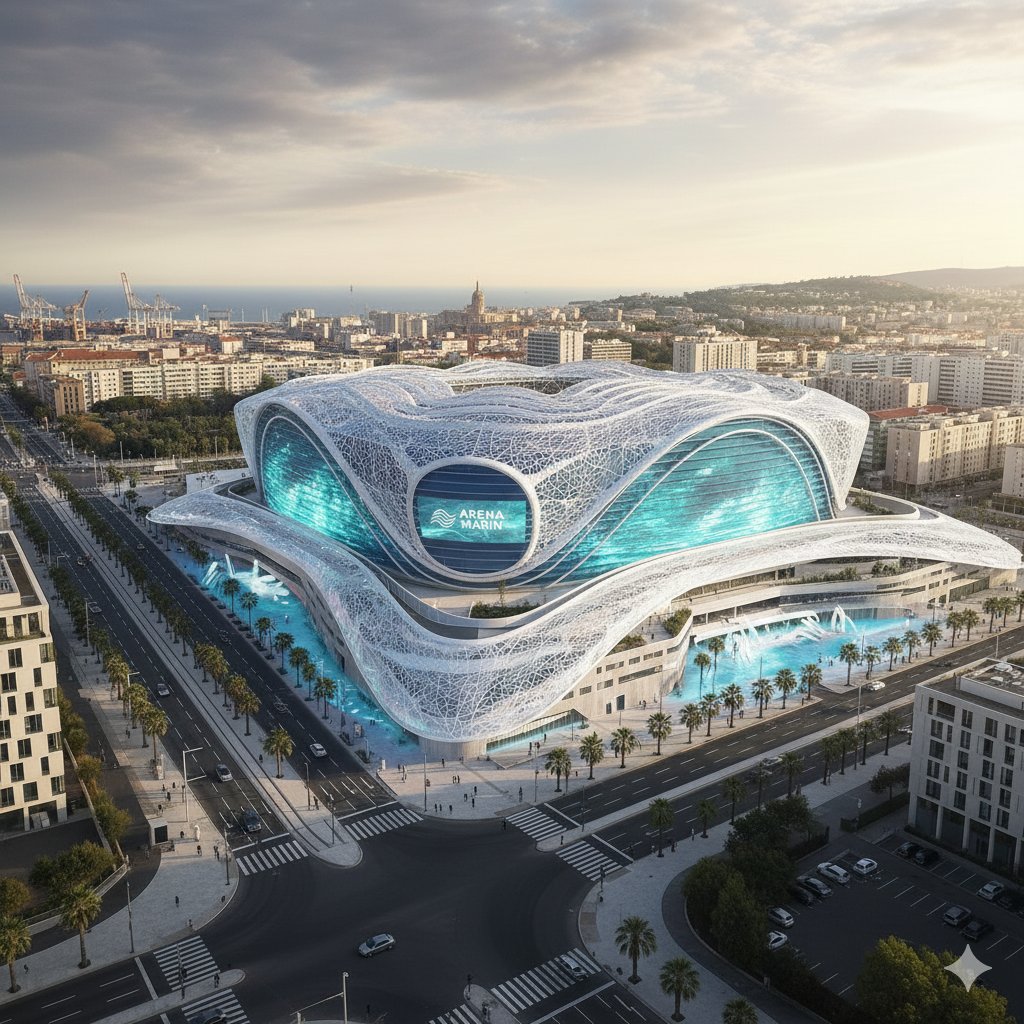
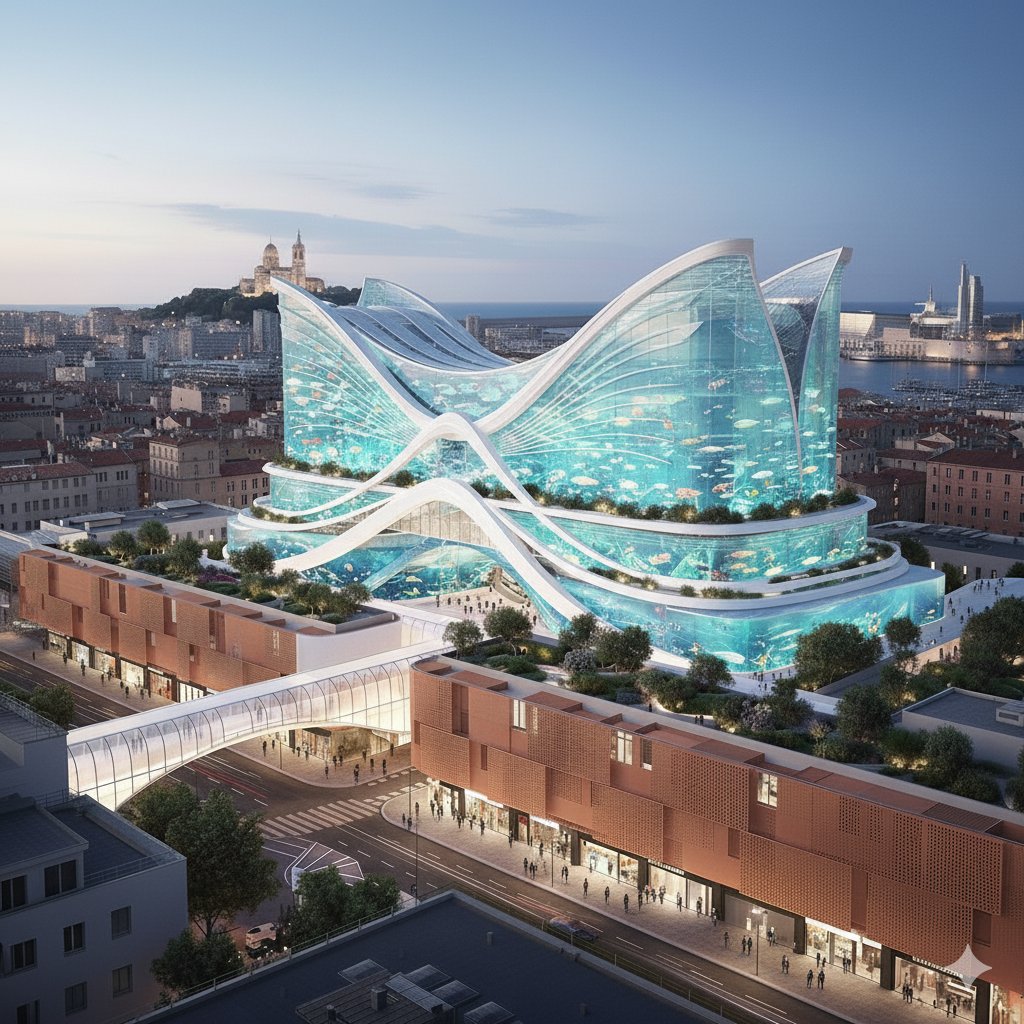
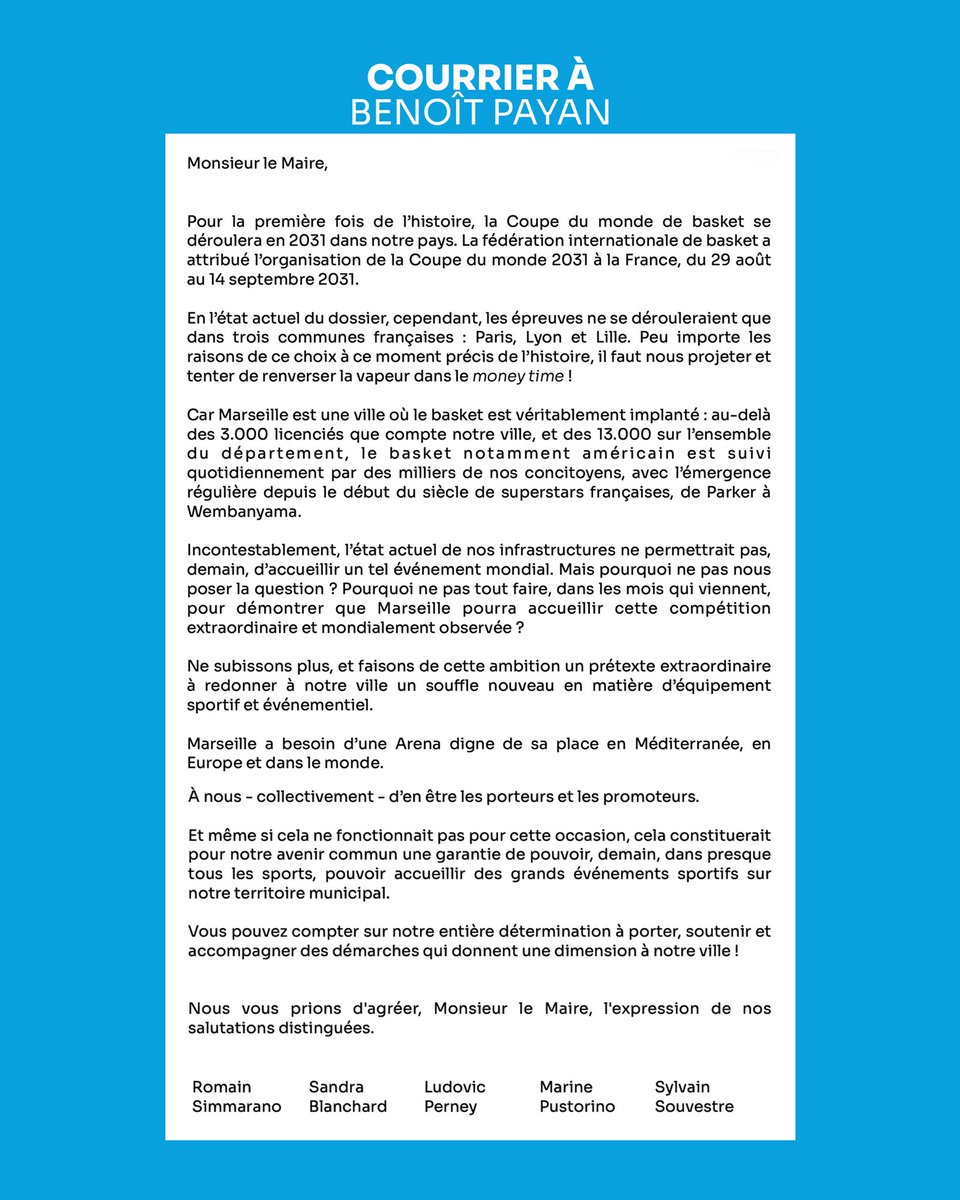
🏀 Coupe du monde de basket 2031 en France : et pourquoi pas Marseille ?
Pour tous les passionnés, pour le rayonnement de Marseille…
Tout simplement pour pouvoir accueillir ces grands moments ! Monsieur le Maire, construisons chez nous la grande Arena qu’on mérite.

2
15
29
1,576
_H_M_Z_ retweeted
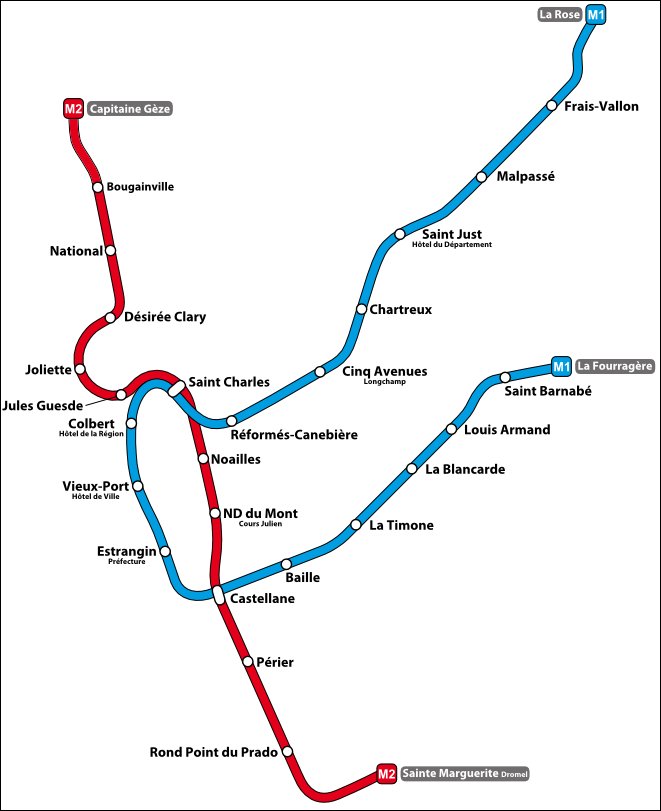
Non.
Jour 447.
Pendant ce temps à Marseille.
Mais vu qu'on est le tiers-monde demander une troisième ligne est totalement dérisoire.
Apr 17

Map of Chongqing's metro system in 3D.
Chongqing is called the "mountain city". Building metro here is more difficult than in plain cities.
Chongqing’s metro total length ranks 7th in the world, with over 550 km.
9
13
108
28,033

Les touristes regardent les bus passer sans s'arrêter car complets... 👏👏👏👏 Pour l'accueil des touristes juste bons à dépenser leur argent sans aucune considération... On ne parle même pas du manque de vélos dispos aux stations @AMPMetropole

Beaucoup de touristes et pas (assez) de bus pour les transporter (83,82s, 19...). C'est parti pour 6 mois d'enfer 😘 #Marseille
3
4
16
1,299
_H_M_Z_ retweeted

Apr 11
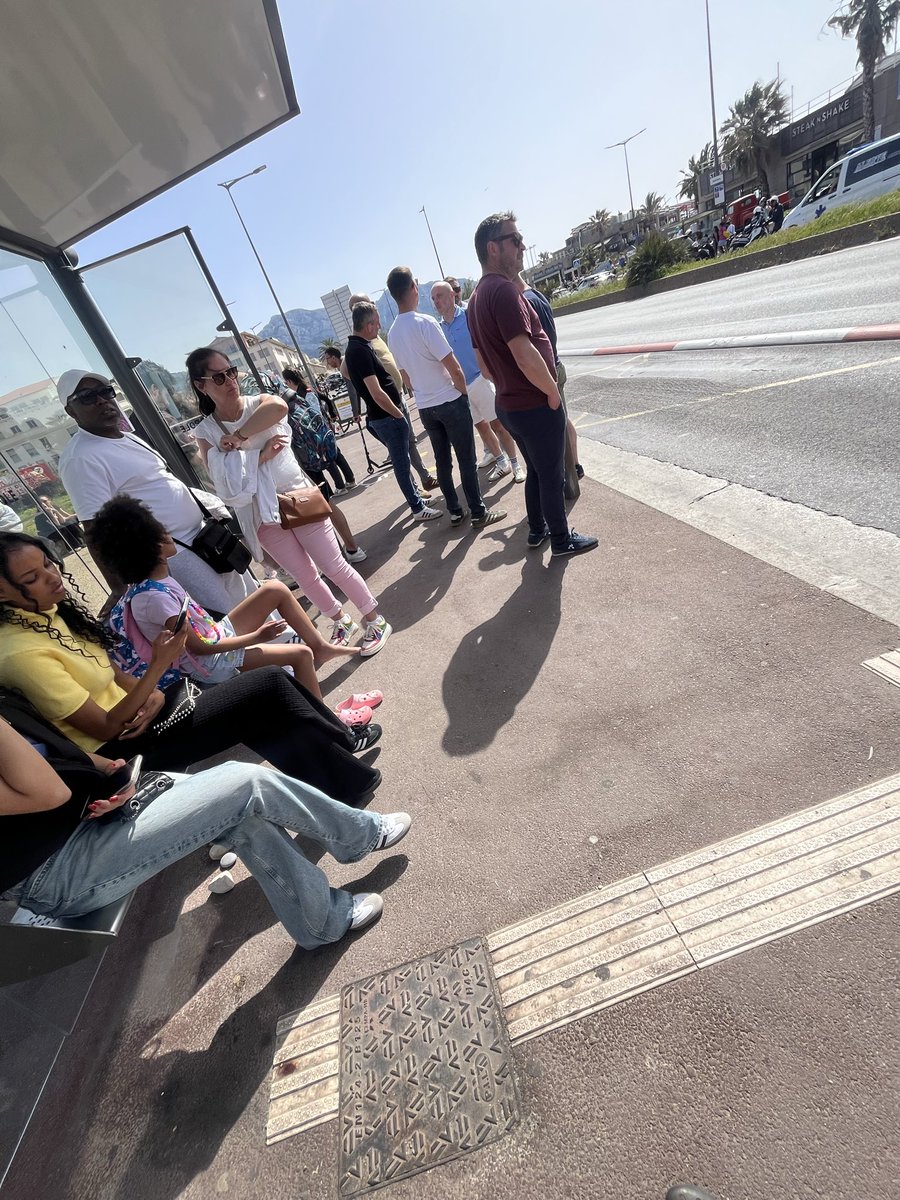
#RTM #Marseille c’est plus possible.
Plus de 30 min d’attente en plein soleil, aucun bus, et quand il arrive il est plein.
Impossible de profiter de la plage ou simplement de se déplacer normalement l’été dans cette ville.À 50€ par mois la carte de transport…
31
10
159
21,688
_H_M_Z_ retweeted

Mar 26
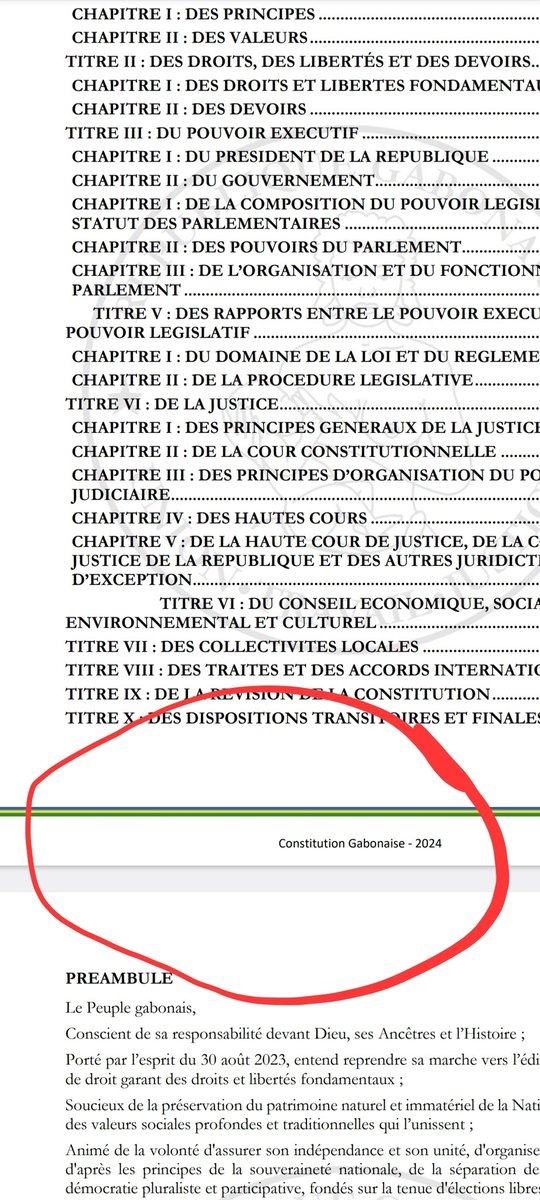
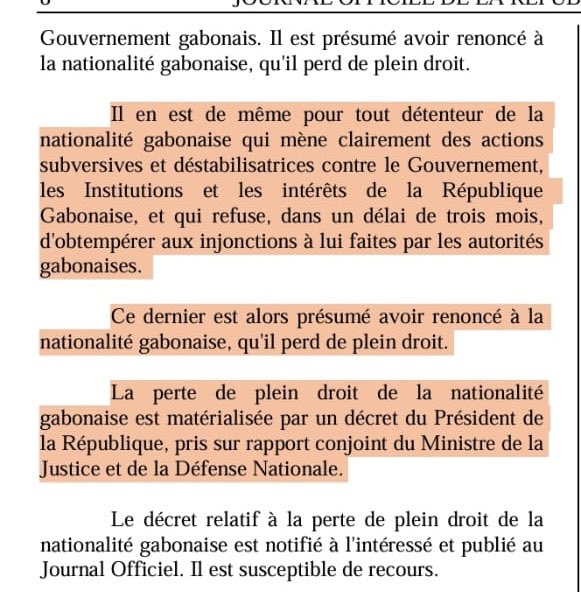
⚠️ ALERTE :Nationalité gabonaise
Un citoyen peut désormais perdre sa nationalité s’il est jugé « subversif » et refuse d’obéir aux autorités pendant 3 mois.
👉 Mais qui décide de ce qui est « subversif » ?
Un opposant ? Un journaliste ? Un citoyen engagé ( activiste) ?
👉 Cette perte peut être décidée par décret.
C’est dangereux.
La nationalité n’est pas une arme politique.
Critiquer le pouvoir n’est pas un crime.
🛑 Défendons l’État de droit. @oliguinguema @jeune_afrique @France24_fr @ONU_es
#Gabon #DroitsHumains #Liberté
5
7
18
1,900
_H_M_Z_ retweeted

Mar 26
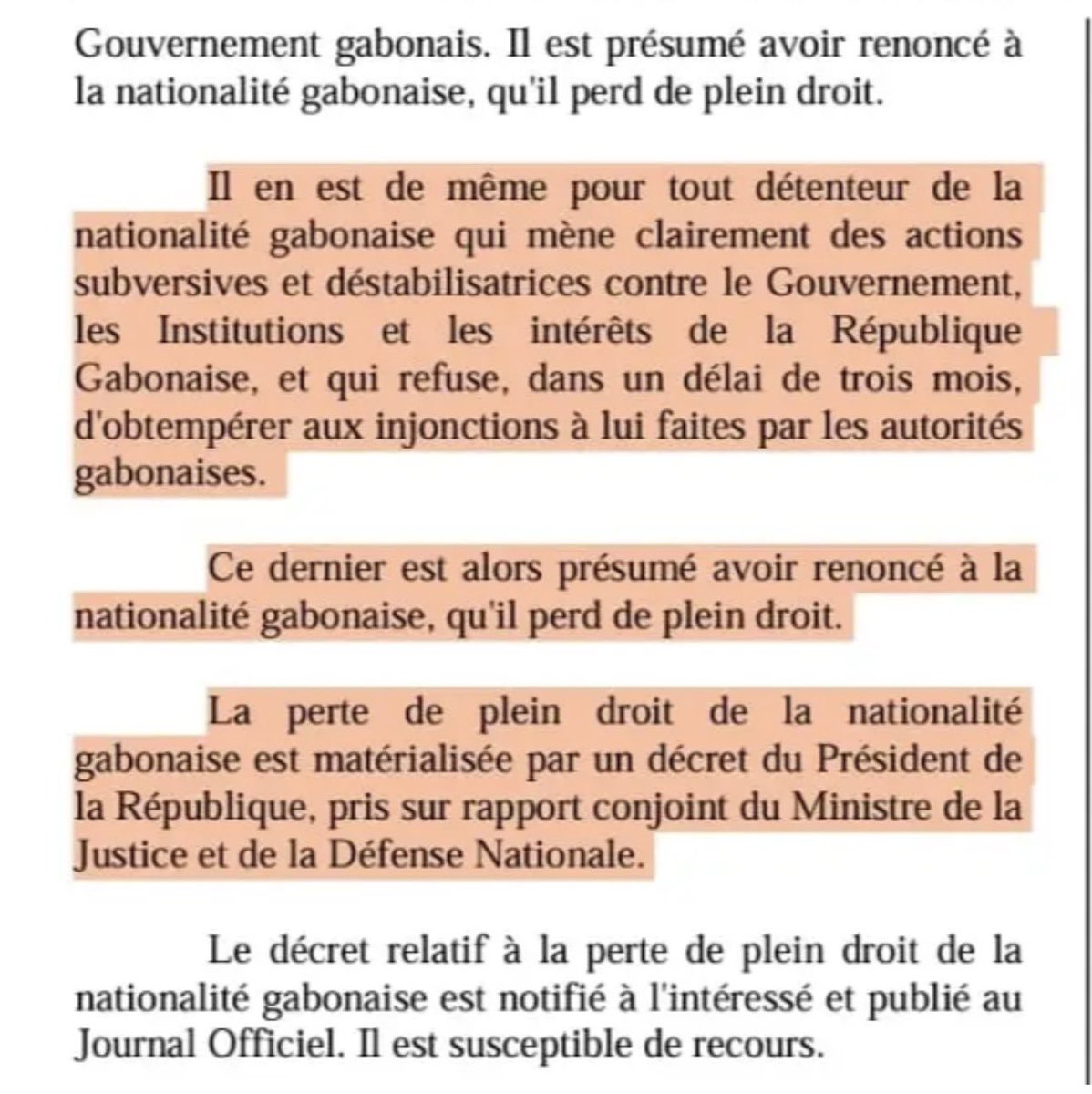
Cette loi est une honte.
Retirer la nationalité à un citoyen parce qu’il critique le pouvoir, avec des accusations floues et sans véritable procès, c’est de l’abus pur et simple.
C’est une manière de faire taire les voix qui dérangent. Ce n’est pas de la justice, c’est de la répression.
Un pays ne se construit pas en retirant les droits à ses propres citoyens.
#Gabon
8
20
47
3,598
_H_M_Z_ retweeted

Olivia Fortin réélue maire (PM) dans les 6e et les 8e arrondissements de Marseille
4
14
24
4,484

Mar 20
RT @LLPourMarseille: Dimanche, pour Marseille, pour notre avenir, mobilisons nous, votons et faisons voter pour Benoît Payan @Pour_Marseill…
9
_H_M_Z_ retweeted

Mar 20
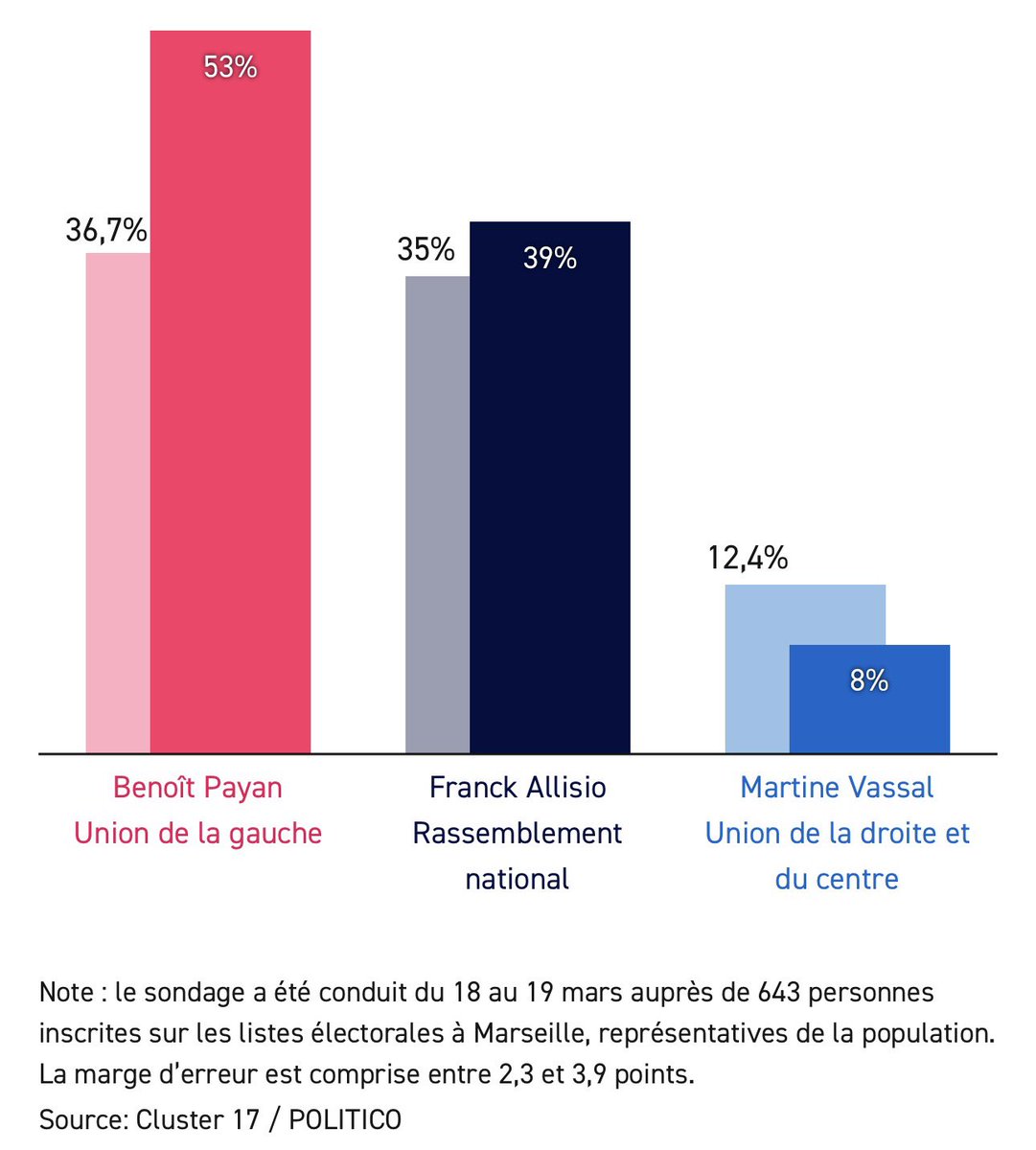
📊 Intentions de vote à Marseille
@Cluster_17 x @POLITICOEurope
▪️B. Payan (UG) : 53%
▪️F. Allisio (RN) : 39%
▪️M. Vassal (LR-ENS) : 8%
100
77
380
64,725
_H_M_Z_ retweeted

Mar 20
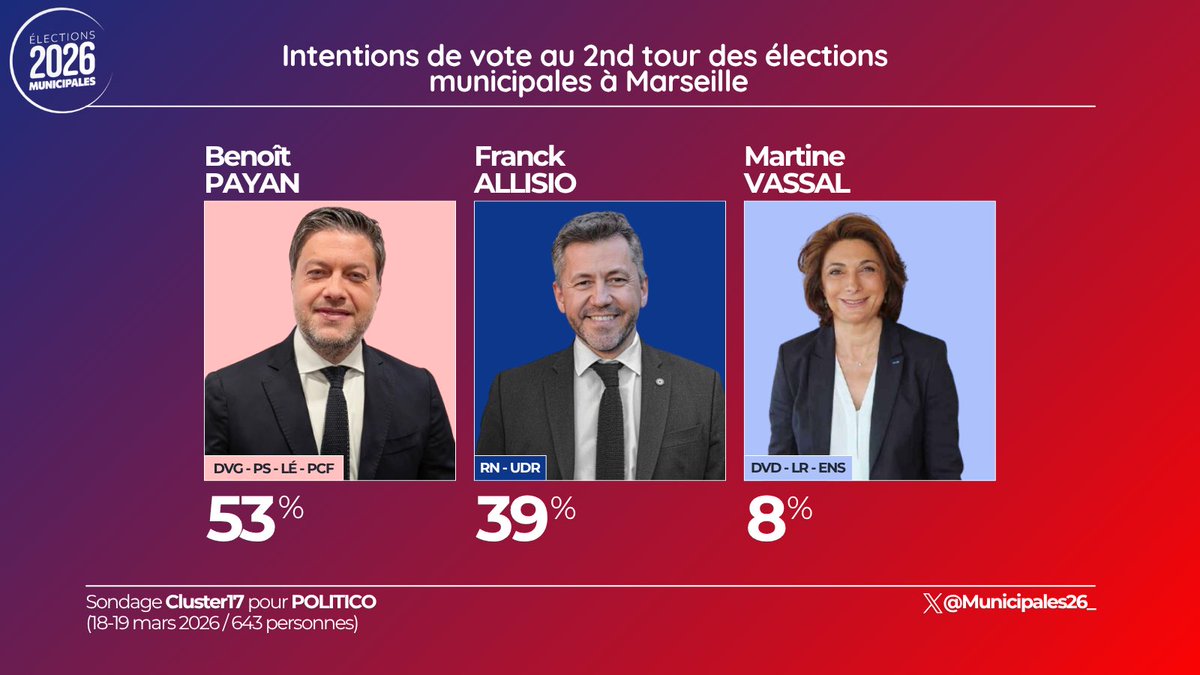
🗳️ Intentions de vote à Marseille - @Cluster_17
• B. Payan (DVG-PS-LÉ-PCF) - 53%
• F. Allisio (RN-UDR) - 39%
• M. Vassal (DVD-LR-ENS) - 8%
#Municipales2026
56
28
290
75,376
_H_M_Z_ retweeted

Mar 17
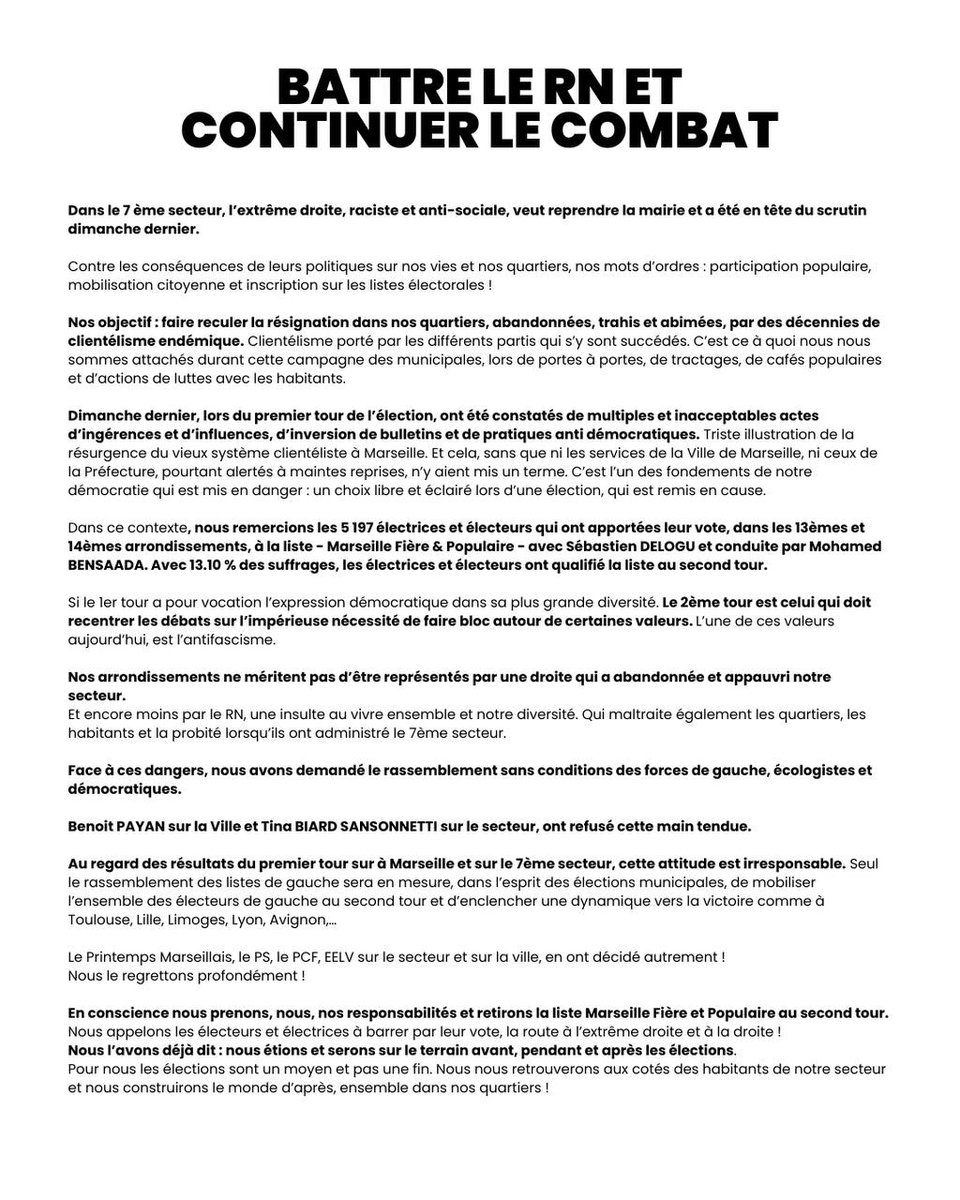
Je salue le courage et la responsabilité admirable de @MoBensaada et de tous ses colistiers.
Dans les 13ème et 14ème arrondissement de Marseille, nous avons déjà connu l’extrême-droite à la mairie.
Jamais, nous ne les laisserons revenir.
Mar 17

Le Combat Continue !
✊✊✊
"Il ne faut avoir aucun regret pour le passé, aucun remords pour le présent, et une confiance inébranlable pour l'avenir." Jean Jaurès
11
156
444
17,973
_H_M_Z_ retweeted

Mar 17
🔴 Sébastien Delogu annonce qu'il se retire et ne participera pas au second tour des municipales à Marseille "dans un esprit de responsabilité" face à la menace du Rassemblement national. On se dirige donc vers une triangulaire à Marseille avec la gauche, la droite et l'extrême droite.
#municipales2026 #municipales #marseille
24
6
14
5,133