
Joined July 2007
- Tweets 11,321
- Following 590
- Followers 605
- Likes 20,874
223 Photos and videos












Davide Taviani retweeted

May 23
Do you think agents ask eachother how their weekend was?
4
1
11
3,101
Davide Taviani retweeted

Vi este mural hoy en la Universidad Nacional y casi que me pongo a llorar de emoción @ringo_ring

41
2,216
13,164
117,528
Davide Taviani retweeted

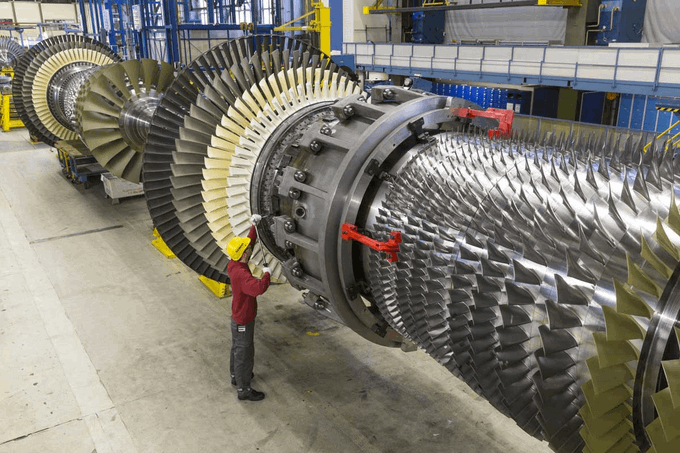
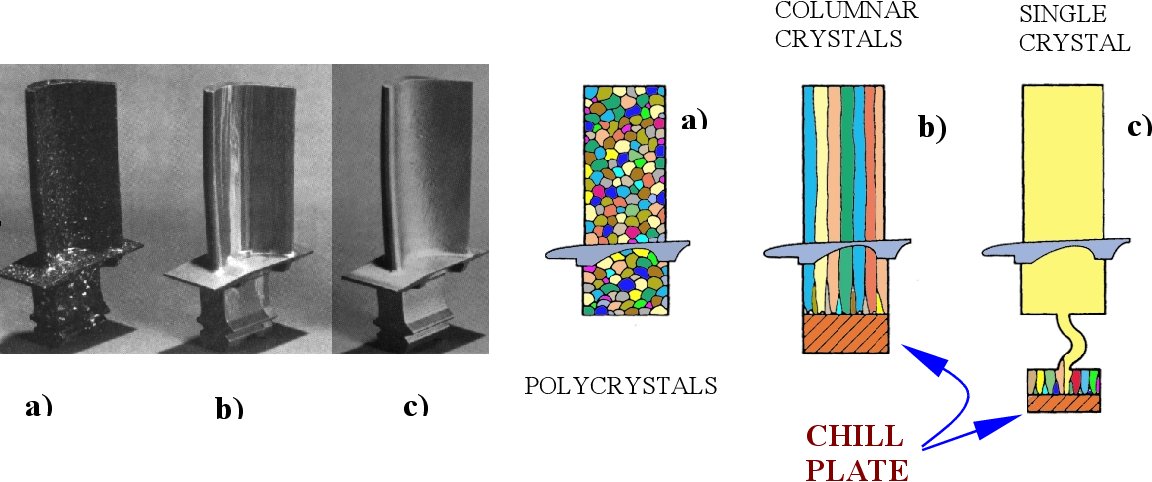
You've seen this image do the rounds.
The story goes Gas turbines blades - 5 years booked - single crystal blade technology - only 3 companies etc.
Yes & No.
Here's a no nonsense, first principles breakdown:
Firstly, Single crystal blades are used in a gas turbines (power) or a jet engines SPECIFICALLY where temperatures exceed 1,600°C
A single crystal blade is a piece of metal made of one continuous grain of nickel superalloy. No grain boundaries, no weak seams.
That is why it can survive 1,600°C gas at 10,000 g of centrifugal force for 30 years.
But SC blades for Jet engines vs power turbines are very different.
Same process but very different.
In a jet engine, the single-crystal blade is the Stage 1 rotor of the high-pressure turbine. It is roughly 10 centimetres long and weighs a few hundred grams.
It spins at 15,000 to 20,000 RPM. It runs in cycles, takeoff to landing, ten times a day.
What kills a jet blade is fatigue i.e - The slow weakening of metal under repeated cycles of stress and temperature change.
A power turbine Stage 1 blade is roughly 20 to 30 centimetres long, including the root and shank. It weighs 1.5 to 5 kilograms
It spins at a steady 3,000 to 3,600 RPM. It does not cycle, it sits in 1,600°C gas continuously for months.
What kills a power turbine blade is creep i.e - The slow stretching of metal under continuous heat and centrifugal force, year after year.
Different killer = different alloy.
Power turbine blades carry more rhenium for creep resistance.
AND Different size means different physics.
Growing a defect-free single grain through a 30 cm volume is multiple times harder than through a 10 cm one.
Casting yields are lower.
That's WHY the number of facilities that can do IGT-grade SC reliably is much smaller than the number that can do aero-grade.
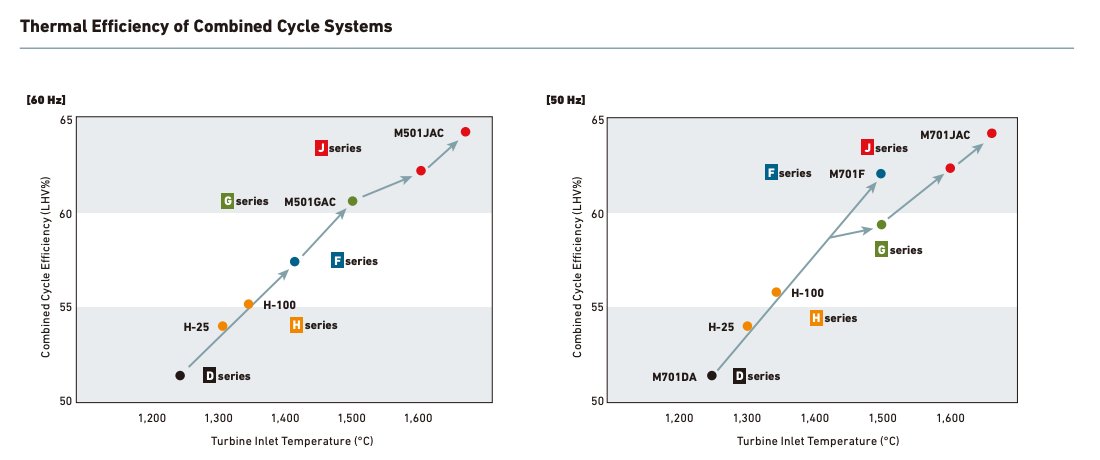
EVEN Within gas turbines we have F-class, H-class, J-class and theese Gas turbines for power generation are sorted by firing temperature.
Meaning, higher firing temperature means higher efficiency, which means more electricity per cubic metre of gas.
1. F-class (mature, 1990s onwards) fire at around 1,300°C with combined-cycle efficiency of 58 to 60%.
2. H-class / HA-class (2000s onwards) fire at 1,450 to 1,500°C with combined-cycle efficiency of 60 to 63%.
3. J-class / JAC-class fire at around 1,600°C with combined-cycle efficiency of 63 to 64%, using rhenium-rich alloys at the absolute limit of metallurgy.
As firing temperature rises, the metallurgy gets harder.
The reason customers want H and J, not F is that each generation jump cuts fuel cost by 5 to 8% per MWh.
For a 1 GW base-load plant, that is over ~₹1,000 crore in fuel savings every year.
Every utility, hyperscaler, and LNG developer specifying new capacity wants H-class or J-class, not F.
WHERE IS THE BOTTLENECK TODAY FOR GAS TURBINES?
F-class capacity has plenty of headroom. Customers do not want F.
H-class and J-class capacity are the constrained ones.
Howmet's IGT-grade Stage 1 single-crystal line for H and J class is sold out. The in-house casting lines at GE Auburn, Siemens Berlin, and MHI Takasago are sold out.
WHO CAN ACTUALLY MAKE THEM?
For aero, capable countries number about 8.
For heavy-duty power turbines, the commercial club drops to 3 as far as ROW is concerned.
GE Vernova in the US, Siemens Energy in Germany, Mitsubishi Power in Japan China & Russia have turbines that perform with varying performance parameters.
Hope this was insightful. If you're still reading. follow and repost. Tc.
51
293
1,386
104,582


Davide Taviani retweeted

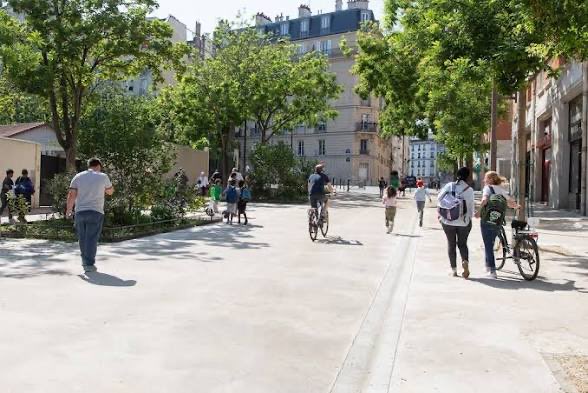
Paris boosting property values and quality of life merely by making streets traffic free
Mar 14

"Homes on these streets also now command a premium....The agency found that properties on these streets have on average a 3 per cent premium compared to similar flats in surrounding streets."
45
139
1,179
108,533
Davide Taviani retweeted

Mar 6
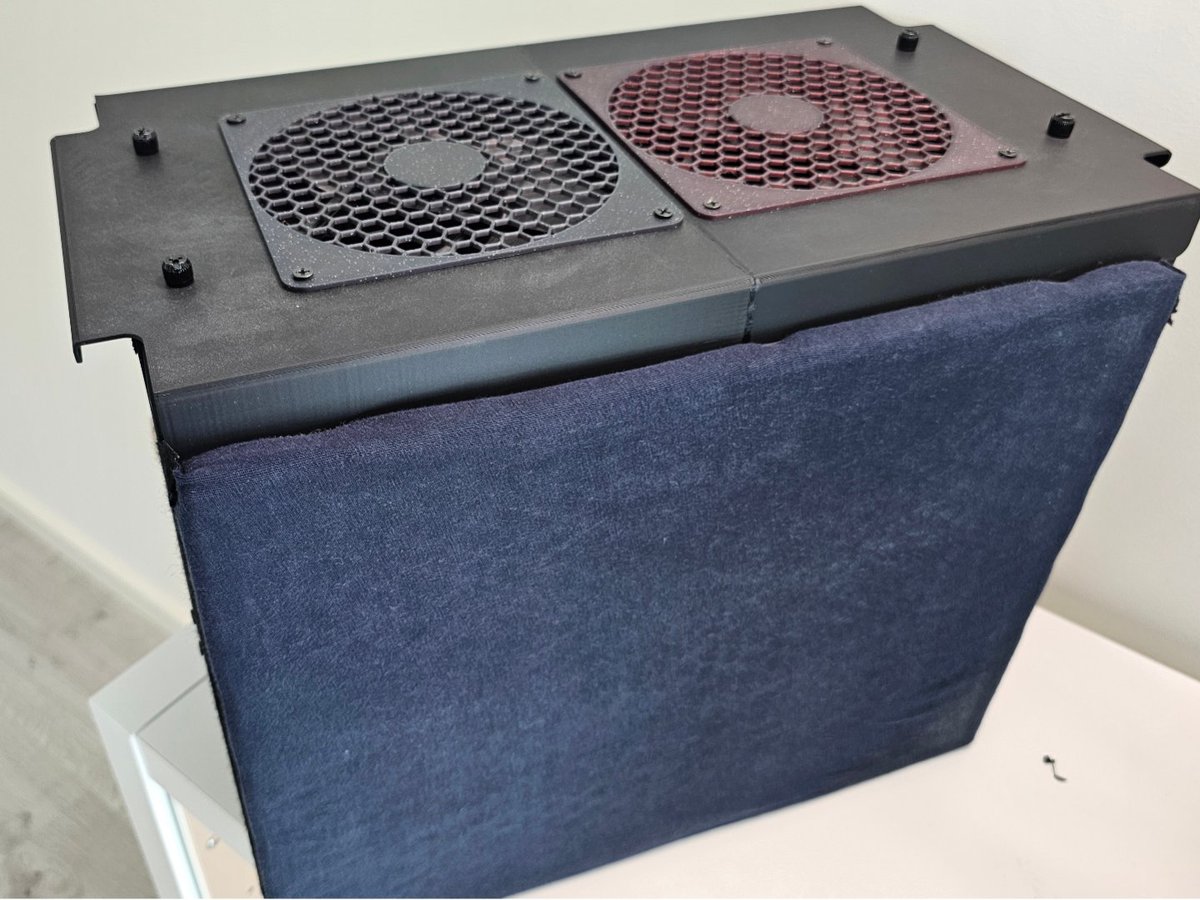
Someone very kindly make a 3D printed version of the Tempest Euro (STARKVIND) available.
makerworld.com/en/models/247…
(The name use is fine there, I just have to keep it down on social media)

5
32
143
3,920
Davide Taviani retweeted

Feb 19
I’m pleased to announce the results of the 2025 State of Clojure Survey! Our 15th edition!
Each year, the Clojure community shares about themselves, how they use Clojure, their favorite things, and more.
See the highlights, and get the full results at:
clojure.org/news/2026/02/18/…
12
22
4,998
Davide Taviani retweeted

Jan 25
Corpi paramilitari composti da:
~ Veterani arruolati rapidamente
~ Reclute improvvisate senza addestramento adeguato
~ Finanziamento abbondante dal governo
~ Immunità di fatto per le violenze commesse
No, non parlo di ICE.
Stavo ricordando i Freikorps nella Germania post-Prima Guerra Mondiale (1918-1923).
39
112
878
33,617
Davide Taviani retweeted

Jan 25
"Terrible things are happening outside. Poor helpless people are being dragged out of their homes. Families are torn apart.
Men, women, and children are separated. Children come home from school to find that their parents have disappeared."
Diary of Anne Frank
January 13, 1943
548
8,056
34,867
942,591




Davide Taviani retweeted

18 Dec 2025
“Europe needs a declaration of independence”. Italy's leading newspaper with a bold call for a United States of Europe. Co-signed by Slavoj Zizek and 53 other prominent Europeans.
It calls for treaty reform NOW 🇪🇺

49
200
843
23,682
Davide Taviani retweeted

21 Nov 2025
People overestimate what they can do with their health in a month, and underestimate what they can do in a year.
9
9
183
8,340
Davide Taviani retweeted

16 Nov 2025
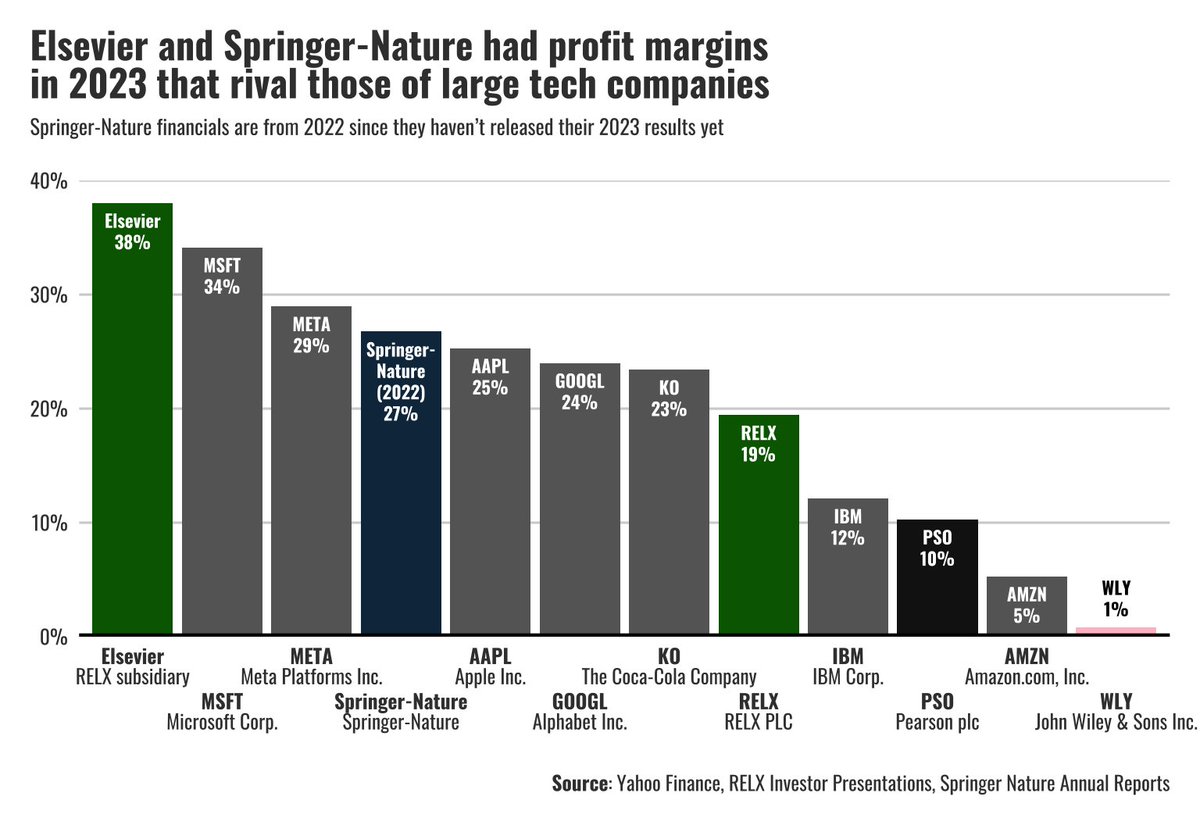
Academic publishing is perhaps the greatest scam perpetrated on intelligent people
1) Write grants (unpaid)
2) Do research
3) Write papers
4) Peer review (unpaid)
5) PAY up to $12K to publish
6) Need publications to get grants (back to step 1)
Publishers: 38% profit margins
75
412
1,688
184,177
Davide Taviani retweeted

22 Oct 2025
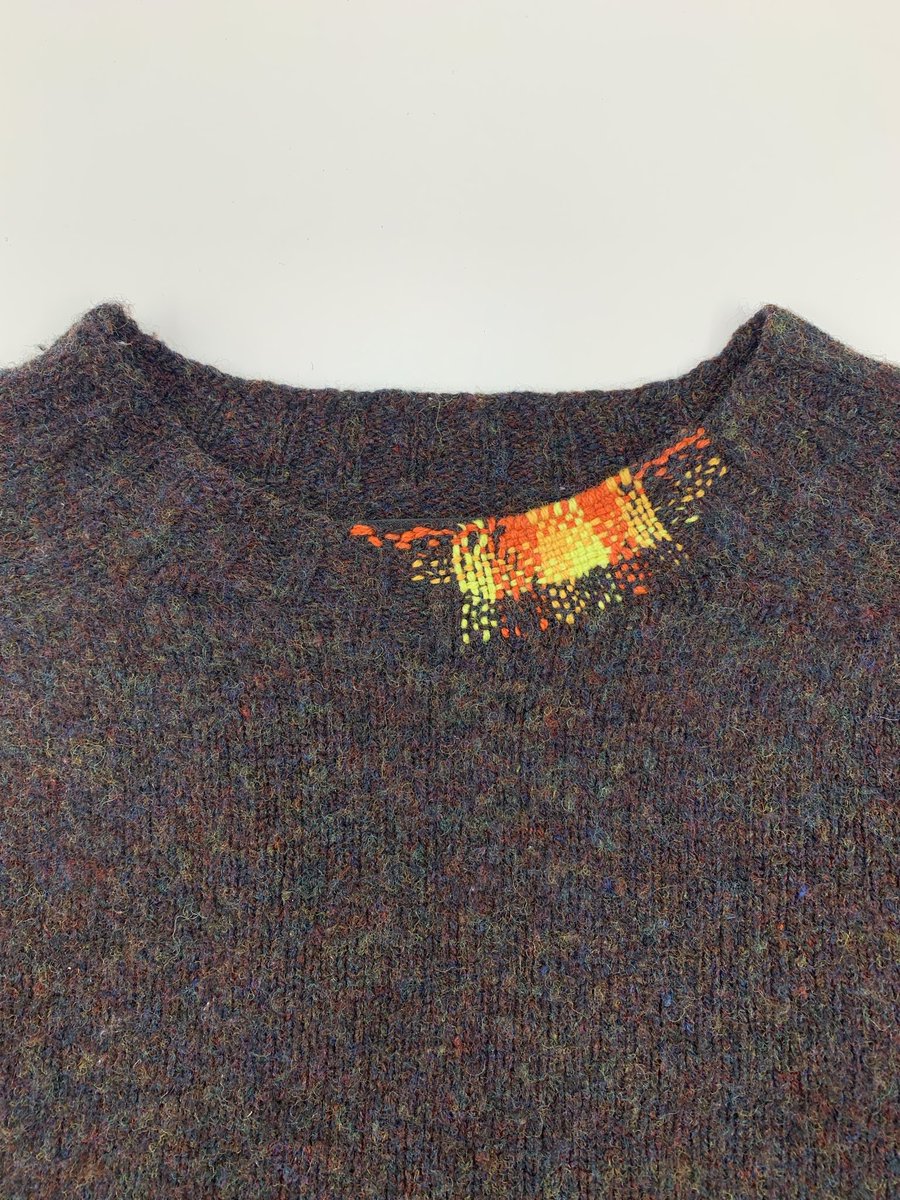
A little neck repair for this lovely wool sweater! No need to replace something because of a small hole, when you can repair it and give it a new lease of life!
#visiblemending #repair #darning #reducewaste #sustainableliving
450
1,479
25,689
599,918
Davide Taviani retweeted

1 Oct 2025
Yesterday was the last day an AOL modem picked up the line for a dialup customer to log in to the Internet.
It is an end of an era and frankly a few hundred still used the service knowingly.
I still have a BBS running for dialup AI and Bitcoin access.
233
874
9,321
1,016,046
Davide Taviani retweeted

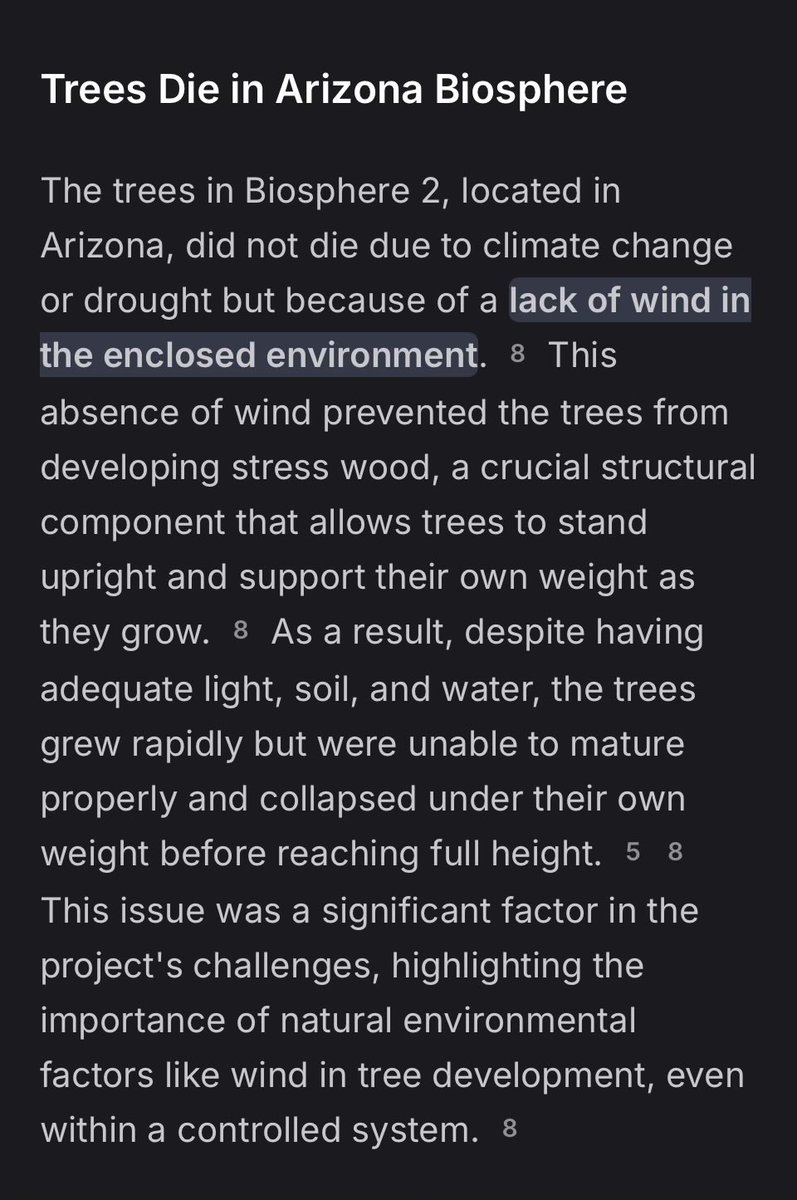
I read of the dead trees in the biosphere 35 years ago. Tho not overly intriguing, it remained on my mental microfiche. Now, I find it perplexing how such knowledge, the reaction to stimulus & the necessity of stimulus, is stored in cellular structure.
1
1
3
514
Davide Taviani retweeted

10 Aug 2025
“The ideal subject of totalitarian rule is not the convinced Nazi or the convinced Communist, but people for whom the distinction between fact and fiction and the distinction between true and false no longer exist.”
― Hannah Arendt, The Origins of Totalitarianism

157
3,860
9,895
498,209
Davide Taviani retweeted

24 Jul 2025
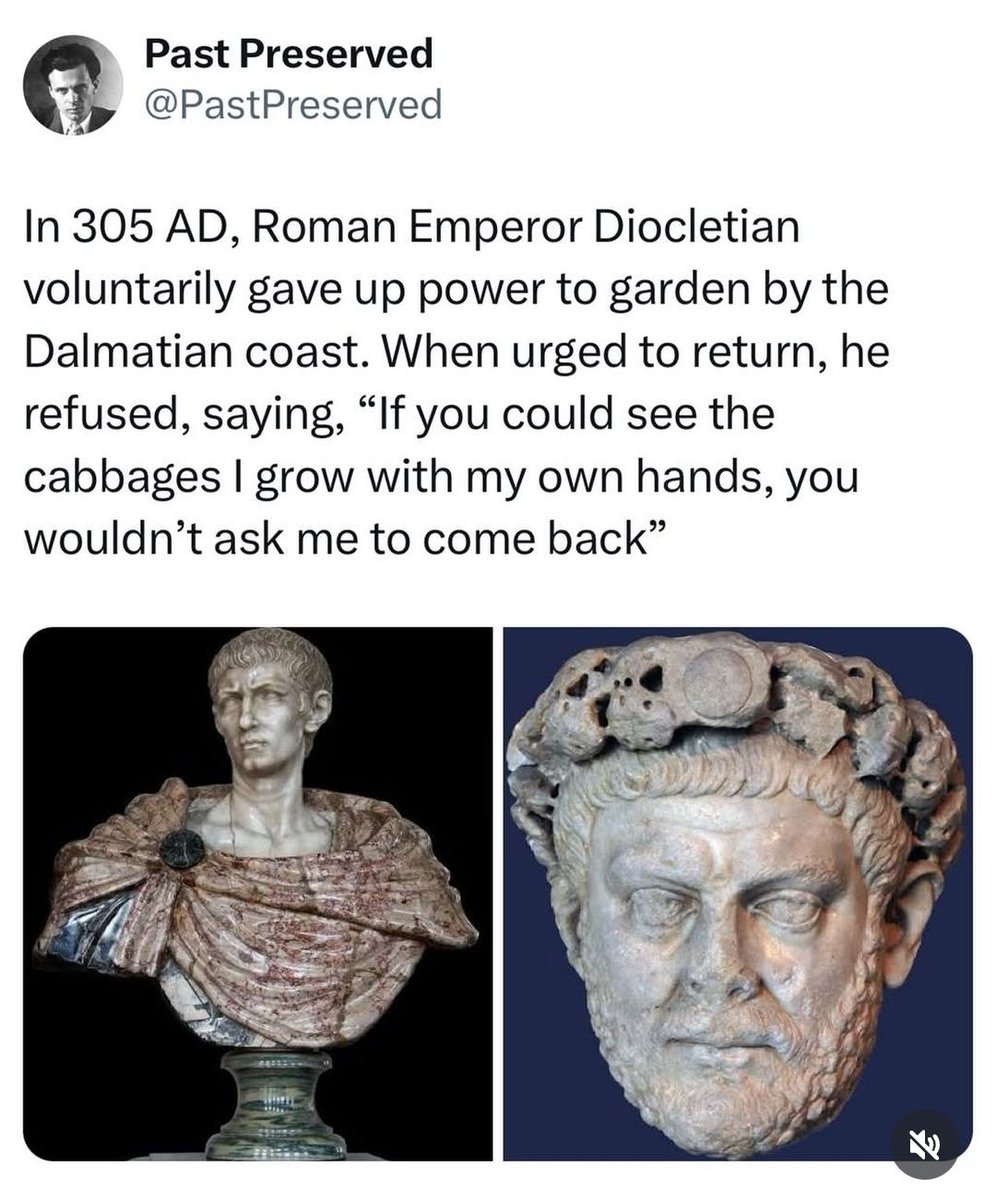
Everyone needs to be a bit more like Diocletian
14
5
152
5,305
Davide Taviani retweeted

7 Feb 2025
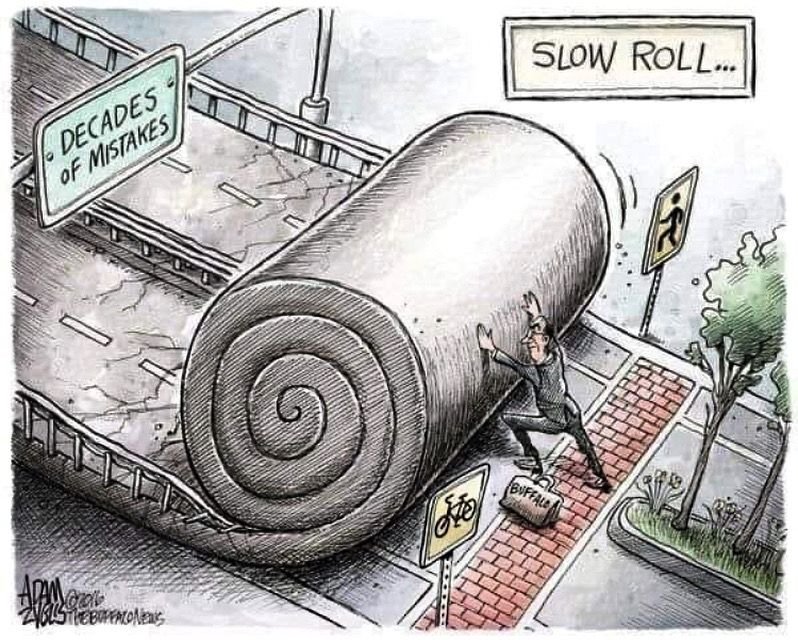
NY City's congestion charge after one month:
👻 1 Million cars disappeared
⌚️ Rush hour traffic delays down 59%
🚍 Bus ridership up 6-21%
🚇 Metro ridership up 7-12%
💰 Expected daily revenue of 3 Million $
♥️ 'We love it!'
Source: fastcompany.com/91272434/a-m…
23
262
1,398
59,564
Davide Taviani retweeted

18 Jan 2025
Oh no we hate all these parenthesis (from the clojure haters), in the meanwhile I opened a random OSS rust project and saw this

3
6
45
2,225