I'm @CorruptNSW 29yr Leila neuroendocrine thymic cancer died17/2/2017 dropbox.com/s/ne7n6xzwhnzj2t…
Joined October 2015
- Tweets 15,040
- Following 1,499
- Followers 666
- Likes 6,488
129 Photos and videos




Pinned Tweet

15 Aug 2016
My beautiful 28yr daughter @HelpLeila #cancer
But I will fight to keep her alive where others give up #auspol x.com/CancerAid_app/status/7…
15 Aug 2016

@HelpLeila receives our first Hero Award 🏅 Read her emotional story: canceraid.com.au/leilas-stor… #canceraid #community #cancer #inspirations
3
101
98
Help Leila retweeted

1
1
7
183
Help Leila retweeted
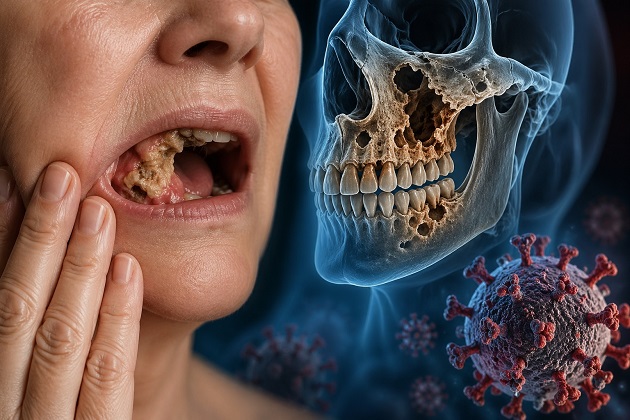
Doctors have identified a condition known as maxillary osteonecrosis, where parts of the upper jawbone begin to die due to a loss of blood supply.
1
1
7
194
Help Leila retweeted
Shocking Post-COVID Jaw Bone Death Cases Emerge
1
3
15
1,078
Help Leila retweeted
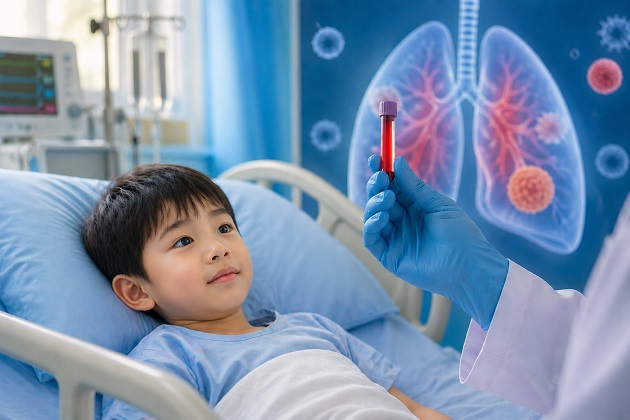
Importantly, this Medical News report underscores that sST2 demonstrated exceptional predictive performance. Statistical analysis revealed an area under the curve (AUC) of 0.944, indicating high accuracy in identifying children at risk of severe complications.
1
1
3
88
Help Leila retweeted
Soluble ST2 Biomarker Shows Strong Potential in Predicting Severe Pediatric Pneumonia
1
1
8
162
Help Leila retweeted

Apr 25
I have no faith whatsoever in Jillian Segal now, in the future, or the past. She’ll do major damage to social cohesion while she remains in that position. A terrible appointment
37
208
819
4,954
Help Leila retweeted

Apr 1
they’re trialing Anktiva to cure sepsis. what have i been saying? it’s a goddamn miracle drug

The more we learn about the power of IL-15 and the literature that exists decades ago (since 2010!) and never exploited is so exciting.
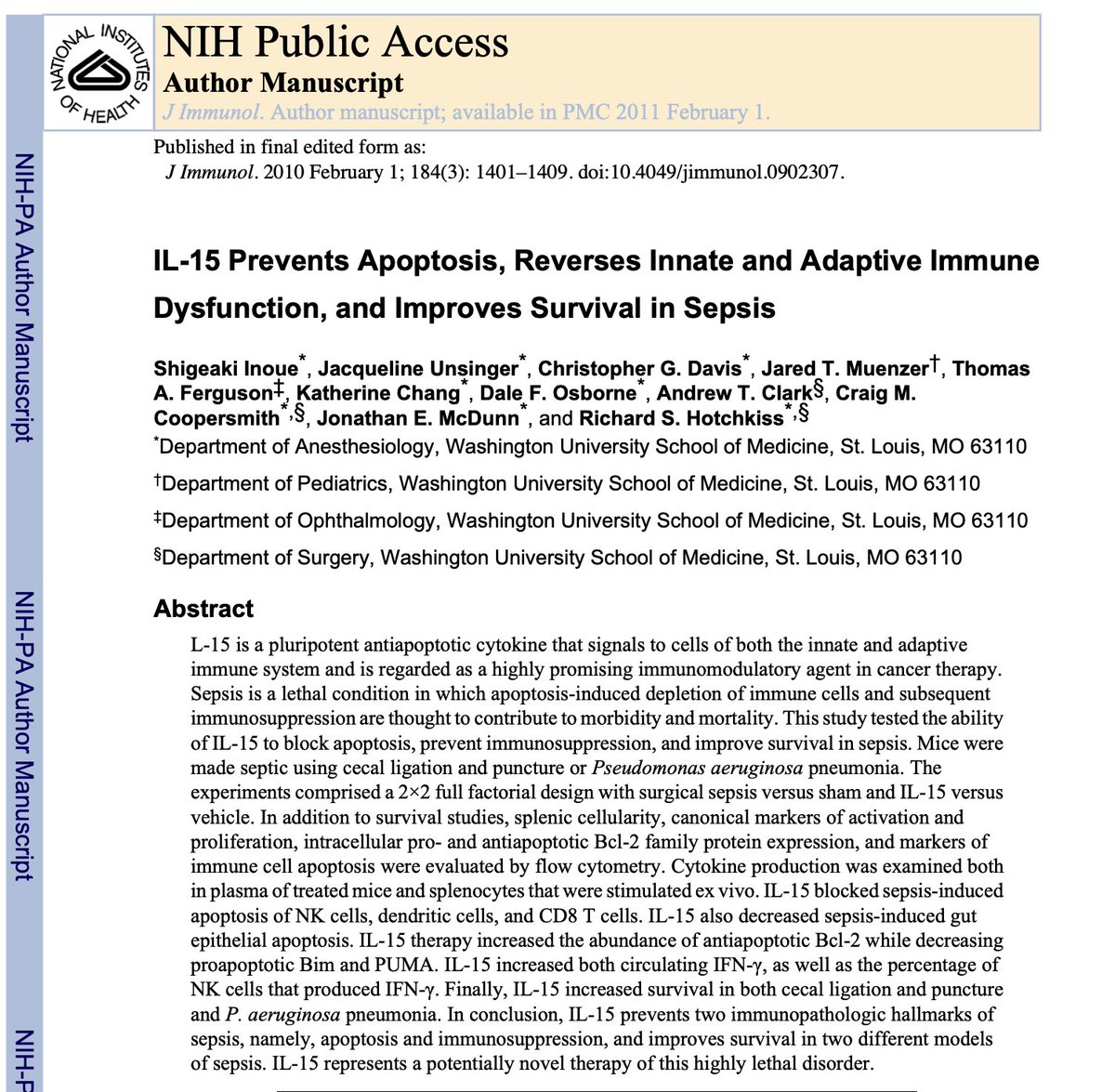
Sepsis is responsible for over 200,000 deaths annually in the United States. We are planning a trial in community acquired pneumonia and sepsis. What is remarkable is the finding that Pseudomonas, a bacterial infection induces apoptosis (cell death) of NK cells, dendritic cells and CD8 T cells contributing to mortality. More remarkable is the finding that IL-15 blocks this killing of these protective NK and CD8 T cells and improves survival. In this paper the final conclusion:
"IL-15 prevents two immunopathologic hallmarks of sepsis, namely, apoptosis and immunosuppression, and improves survival in two different models of sepsis. IL-15 represents a potentially novel therapy of this highly lethal disorder."
The more we learn, the more wondrous is this IL-15 cytokine molecule in our body!
Our Sepsis Trial: ResQ218B-CAP
clinicaltrials.gov/study/NCT…
pubmed.ncbi.nlm.nih.gov/2002…
6
30
206
6,817
Help Leila retweeted

Apr 2
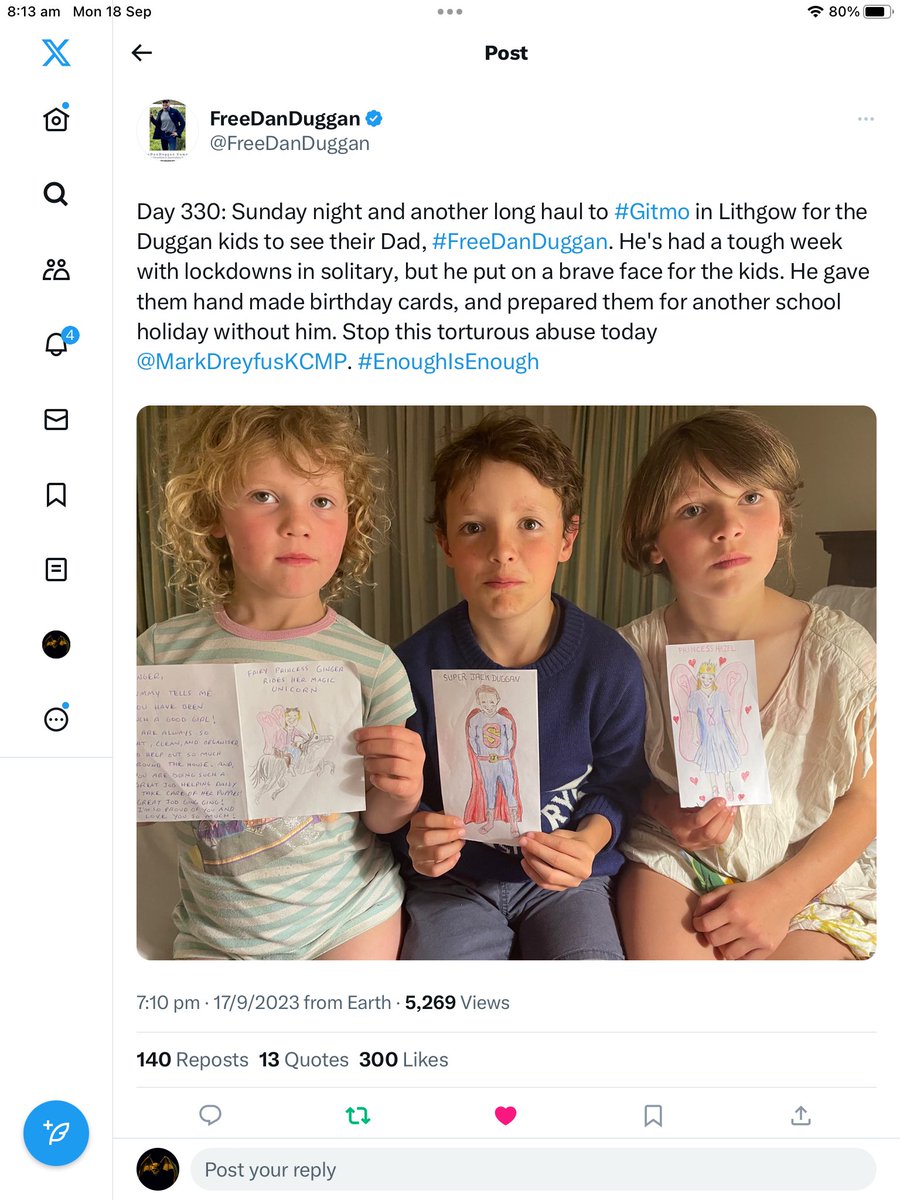
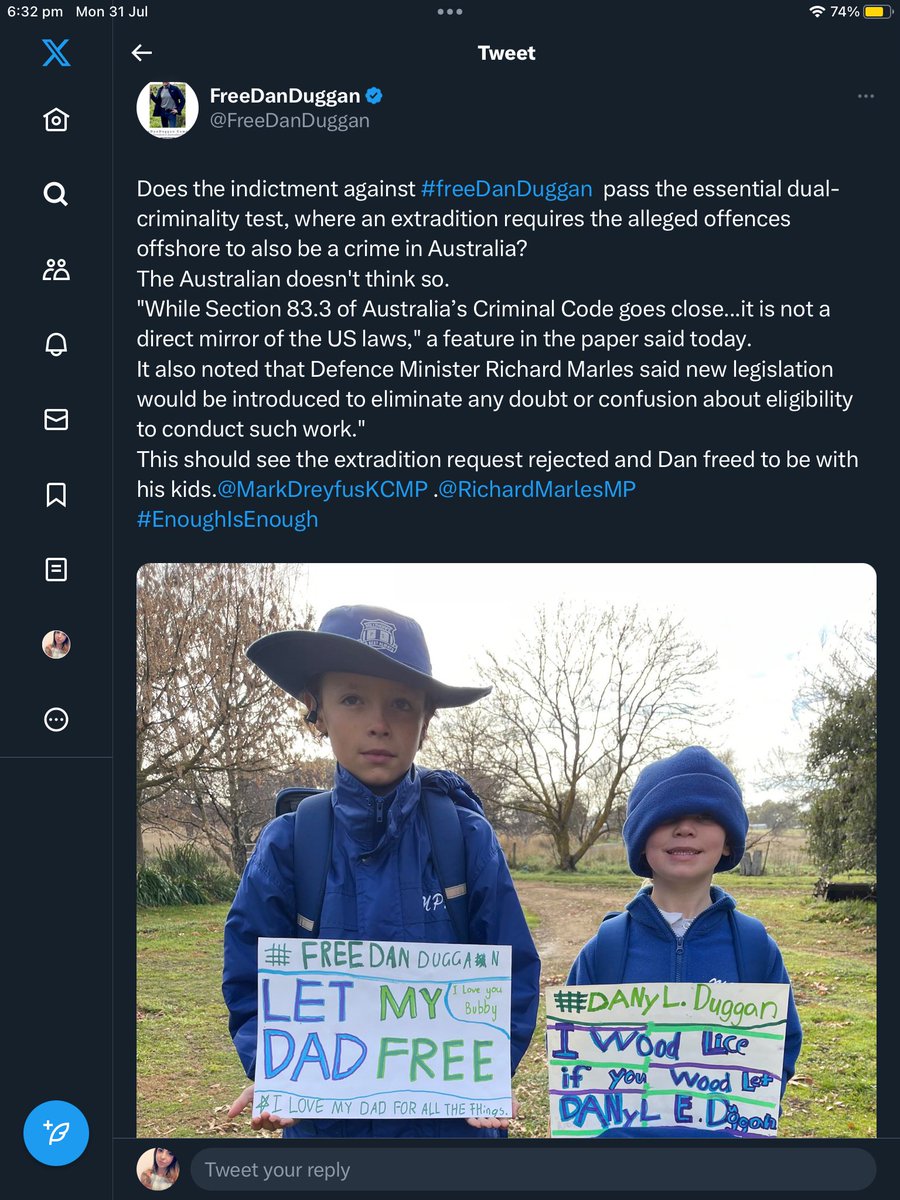
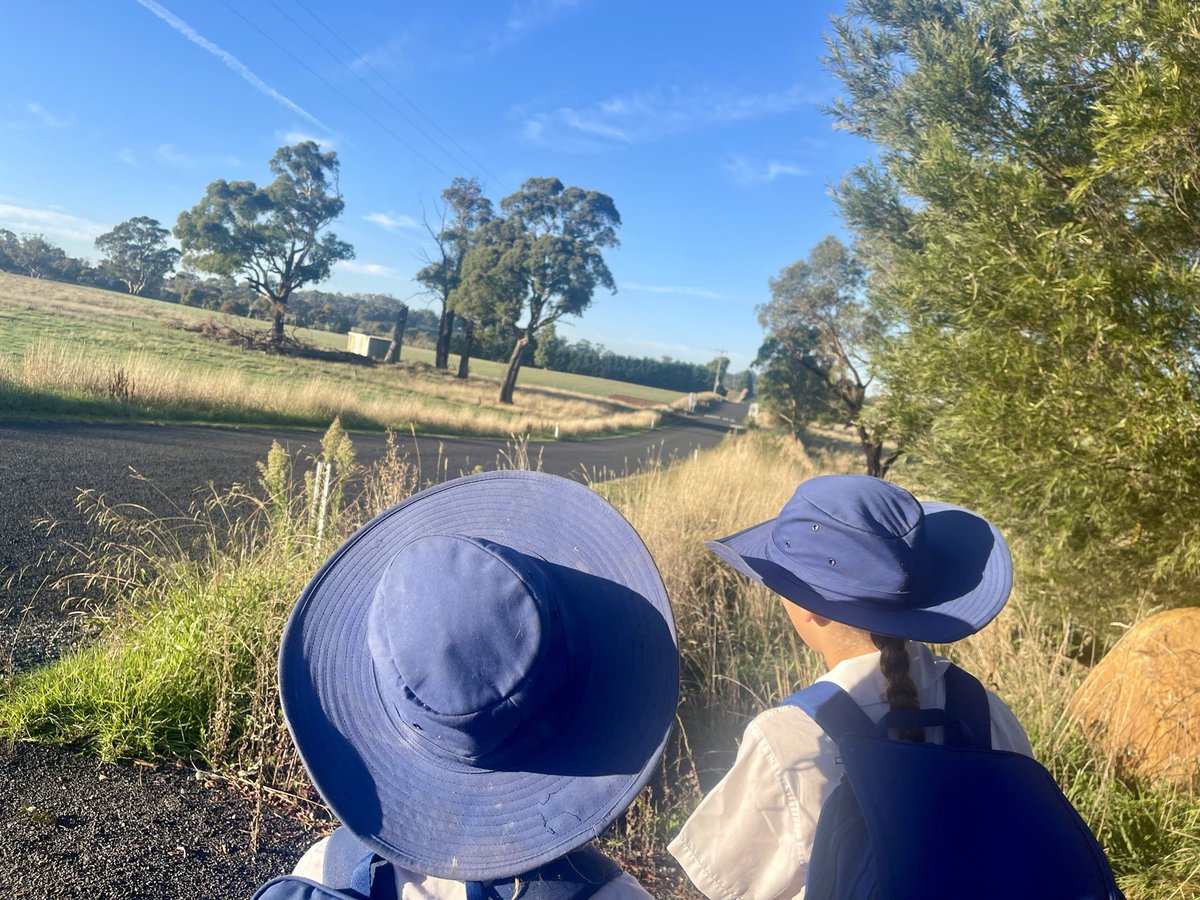
As the youngest Duggan kids waited for the school bus this morning on the last day of term, it echoed the waiting they’ve been doing the last 3 years since their Dad was taken. They've also been waiting on news of the next Federal Court hearing with the decision from the October 2025 court date.
The Duggans are facing their 4th Easter and another school holidays without Dan.
While they wait, the family are putting together the fees for the lawyers and associated travel costs for the trip to Canberra.
Please if you can this Easter, support the Duggans in any way: freedanduggan.org/help-the-c…
4
55
94
2,296
Mar 16
2
7
8
124
Help Leila retweeted

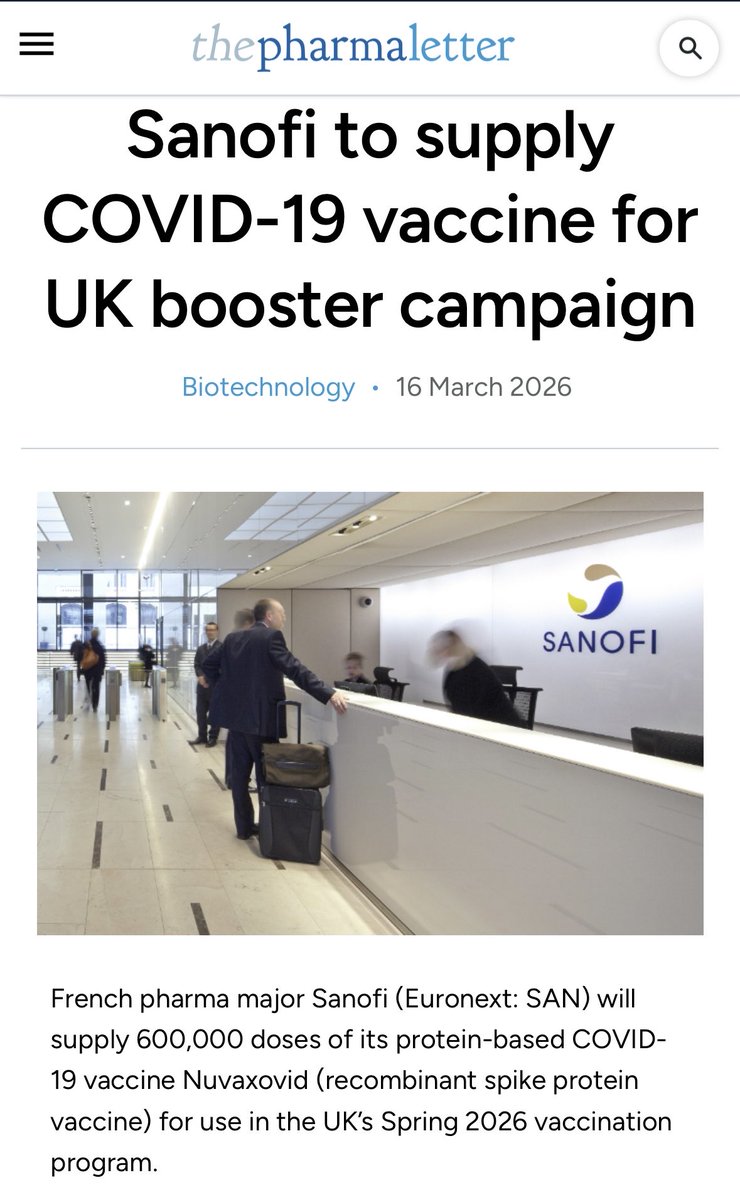
📢Big update on Novavax / Nuvaxovid availability for the UK!
As reported by @ThePharmaLetter, @SanofiUK will be supplying 600k doses of Nuvaxovid for the UK’s spring 2026 vaccination program. This will be the first availability in the UK since early 2024.
33
128
455
29,269
Help Leila retweeted

Mar 16
Every time you get a cancer biopsy, the lab makes a tissue slide that costs about $5. It shows the shape of your cells under a microscope, and every cancer patient already has one on file.
There’s a much fancier version of that test called multiplex immunofluorescence (basically a protein-level map showing which immune cells are near your tumor and what they’re doing). It costs thousands of dollars per sample, takes specialized equipment most hospitals don’t have, and barely scales. But it’s the kind of data oncologists need to figure out whether immunotherapy will actually work for you. Right now, only about 20 to 40% of cancer patients respond to immunotherapy, and one of the biggest reasons is that doctors can’t easily tell whether a tumor is “hot” (immune cells actively fighting it) or “cold” (immune system ignoring it).
Microsoft, Providence Health, and the University of Washington trained an AI to analyze the $5 slide and predict what the expensive test would show across 21 different protein markers. They called it GigaTIME, trained it on 40 million cells in which both the cheap slide and the expensive test coexisted, and then turned it loose on 14,256 real cancer patients across 51 hospitals in 7 US states.
The results landed in Cell, one of the most selective journals in biology. The model generated about 300,000 virtual protein maps covering 24 cancer types and 306 subtypes. It found 1,234 real, verified connections between immune cell behavior, genetic mutations, tumor staging, and patient survival that were previously invisible at this scale. When they tested it against a completely separate database of 10,200 cancer patients, the results matched up almost perfectly (0.88 out of 1.0 agreement).
Nature Methods named spatial proteomics (mapping where specific proteins sit inside your tissue) its Method of the Year in 2024, and specifically cited GigaTIME in a March 2026 update as a model that “democratizes” this kind of analysis. The full model is open-source on Hugging Face. Any cancer research lab with archived biopsy slides, and most of them have thousands, can now run virtual immune profiling without buying a single piece of new equipment.
Mar 15

We’ve trained a multimodal AI model to turn routine pathology slides into spatial proteomics, with the potential to reduce time and cost while expanding access to cancer care.
103
1,741
11,045
946,837
Help Leila retweeted
Laura Tingle encapsulates the issues engulfing the Herzog visit.
An ill conceived provocation that can only fuel anti-semitism here especially as @smh and the @australian today quote Herzog supporting Netanyahu’s UN condemned cruelty. abc.net.au/news/2026-02-07/i…
107
371
1,133
19,257

Help Leila retweeted

@smh @FinancialReview @abcnews need to update your coverage of the slaughter. This & other videos clearly show US Government is lying but you're reporting without stating the truth. Remember the thing about journalism being sticking your head outside to see if it's raining?

Clearer look. I never see the man touch his firearm, and it looks like he's disarmed before being shot.
32
233
638
15,791
Help Leila retweeted

Jan 25
Big News :
Schumer Statement Announcing Senate Democrats Will Not Advance Appropriations Bill If DHS Funding Is Included
3
5
12
2,304
Help Leila retweeted

26 Dec 2025
So they folded to the Zionists What a bunch of sellouts
1
13
88
2,365
Help Leila retweeted

26 Dec 2025
Today @theage published an apology (in page 2 of the print edition) for publishing it. I’d like to know what they apologising for? Is The Age suggesting there should be no Muslim - Jewish solidarity?
3
51
269
4,863
Help Leila retweeted

26 Dec 2025
This is a beautiful piece of humanity expressed sensitively …completely disgusting that the @smh took it down after protest from a right wing vested interest group.
23
244
1,165
21,197
Help Leila retweeted

27 Dec 2025
A Muslim writing on Bondi, published by @smh, but then axed, apparently at the request of the Australian Jewish Association. Worth reading.
25 Dec 2025

On Wednesday the @smh published an opinion piece by Cumberland City councillor Ahmed Ouf about Muslim-Jewish solidarity in the wake of Bondi.
The piece was quickly taken down.
We're publishing it here in full.
deepcutnews.com/p/ahmed-ouf-…
81
666
1,998
82,558
Help Leila retweeted
27 Nov 2025
this is the same drug i am taking, the cancer immunotherapy drug Anktiva that we are trying to push the FDA to approve 🙌
21
346
2,353
74,420