
2,073 Photos and videos
















Drew🌱🔻 retweeted

Jun 15
I actually AM clicking the tiny x to close the phone game ad correctly each and every time. The ad companies just got so mad that I'm perfect at tapping the tiny xs that they programmed the ad to ignore attempts to close them and just open the link to the app store anyway.
109
4,277
73,656
498,643
Drew🌱🔻 retweeted

Jun 13
if you squint at the word trillion it looks like guillotine
130
7,171
61,450
458,310
Drew🌱🔻 retweeted

Jun 10
Release Black men from prison over weed charges 🖤

Seth Rogen opens “Seth Smokes the Bowl” at the Hollywood Bowl by dramatically lighting the mother of all bongs.
271
11,233
85,240
1,567,087


The type of shit Riddler says when Batman's on his last nerve:
Jun 4

What has EARS but does NOT listen ??
61
10,824
135,019
2,161,547
Drew🌱🔻 retweeted

Hi it would mean the world to me if you guys could share my gofundme again or donate if you are able to. It would greatly help me to get out of oklahoma soon
gofund.me/f0c10f0b7
20
278
265
112,245
Drew🌱🔻 retweeted

Jun 3
I thought that I was doing so much better at seeming approachable lately, but one of my friends had to tell people “She’s not mad! She just doesn’t make facial expressions until she has to.” 🤣🤣 Well at least I have friends that understand me
14
82
1,189
14,660
RT @yeeeerika: the human spirit was not designed for this many passwords
22,834
😂
Jun 2

Segundo a lenda, em uma cidade francesa durante a Idade Média, as mulheres realizavam um hábito curioso.
De manhã, as mulheres casadas adicionavam uma pequena quantidade de veneno no café da manhã de seus maridos, que mais tarde recebiam o antídoto quando voltavam para casa à noite.
Isso garantia que o veneno não os prejudicasse e não tivesse efeitos negativos.
A prática tinha um propósito específico: se os maridos demorassem em retornar para casa, os sintomas como náuseas, dores de cabeça, depressão, vômitos, dores ou falta de ar apareceriam devido ao atraso na administração do antídoto.
Quanto mais tempo o homem passasse longe de casa, mais doente ele ficaria. Ao retornar para casa, a esposa inadvertidamente administrava o antídoto, fazendo com que ele se sentisse melhor rapidamente.
Esse truque dava a impressão de que ficar longe de casa causaria desconforto e levava os maridos a se apegarem mais às suas casas e esposas.

21
Drew🌱🔻 retweeted

May 29
pronouncing gen ai like forrest gump
64
1,926
27,708
827,942
Drew🌱🔻 retweeted

May 7
i know a super hot shower is bad for your skin and hair but being boiled alive is important for my mental health
173
21,682
109,842
1,708,974
I knew they did motion capture for grogu

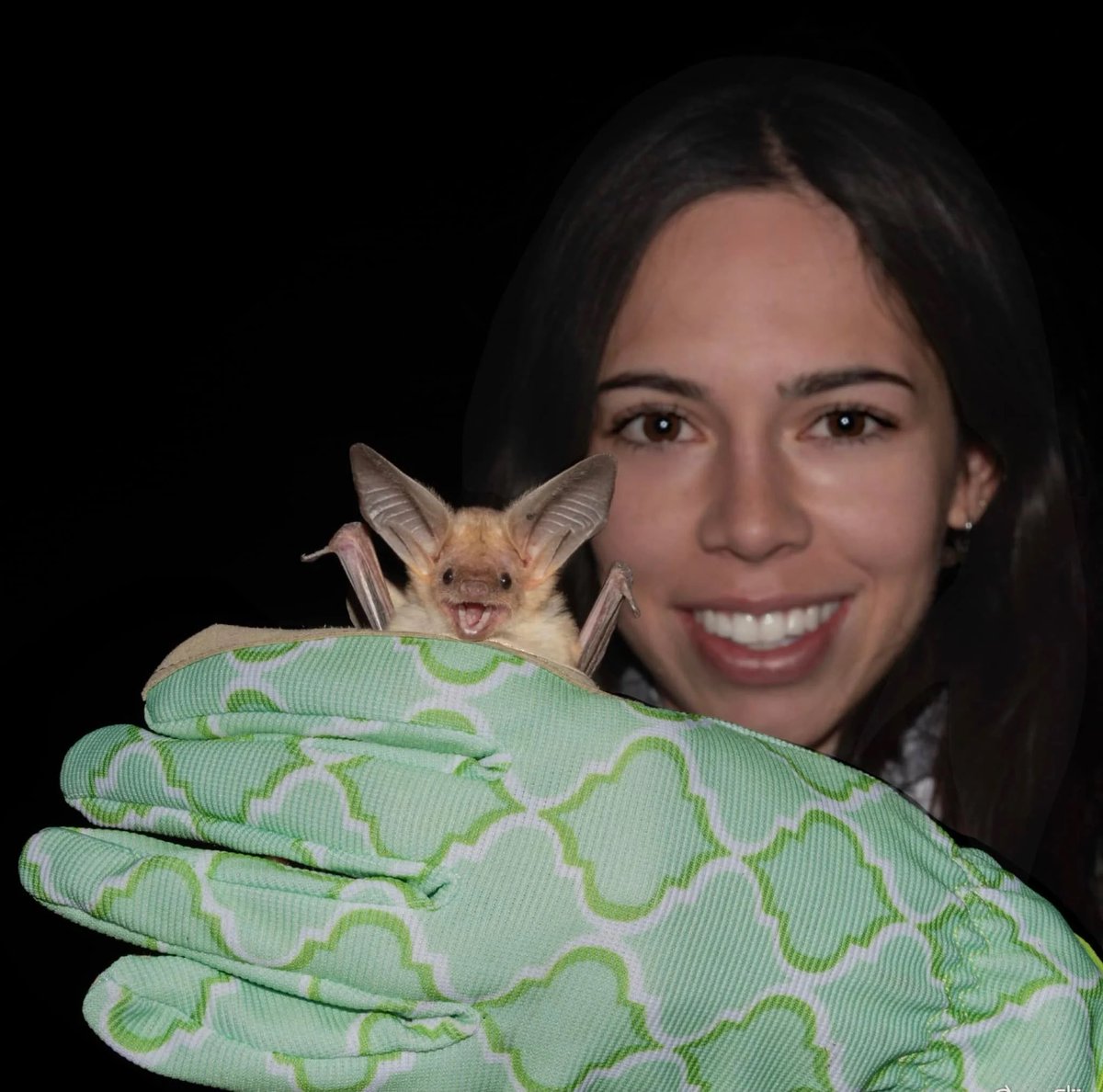
i saw this photo of a pallid bat and i just cant stop smiling boy why you so suprised
1
37
The American Standard
May 3

My parents follow a standard procedure anytime they’re driving to unknown territory:
-Dad drives
-Mom pulls up directions on her phone
-Mom calls out turns along the way
This inevitably leads to constant, petty bickering throughout the ride.
“You didn’t tell me where to turn!”
“That’s because you’re driving too fast!”
“I don’t know what 'right there' means! Tell me the name of the street!”
“You keep talking and I can’t pay attention to the map!”
And so on and so on.
(And so on.)
For years, they have done this while a large, Bluetooth-enabled, navigation-ready screen is positioned inches away, in their nice Lexus SUV, ready at any time to connect to a phone which would then conveniently display the route on screen.
I once offered to set this up for them. They quickly hand-waved the idea and proceeded as usual.
Married 40 years and still going strong.
Marital foundations are built on bizarre customs that outsiders simply cannot understand. Never interrupt a bickering couple while they’re enacting one of the routines that holds it all together.
18
Drew🌱🔻 retweeted

Apr 21
it is imperative the cylinder remains unharmed

Big cylinder going into a tube

ALT MAF_20260420_CS3_Rollout_UAS33
59
4,815
72,197
1,112,197
Drew🌱🔻 retweeted

Apr 21
Temple researchers ran a clean experiment on this in 2017. 38 mothers taught their 2-year-olds two made-up words, "blicking" and "frepping." Same mom, same child, same words, same number of repetitions. Only difference: one teaching session got interrupted by a phone call midway. The other didn't.
The kids learned the uninterrupted word. They did not learn the interrupted one. Same exposure, same parent, zero learning. The interruption alone wiped it out.
The mechanism underneath is called social contingency. Babies and toddlers learn language, emotional regulation, and attachment through a rapid back-and-forth loop. You look, the parent looks back. You point, the parent names it. The brain encodes meaning by detecting that match between your signal and their response, on a timescale of seconds.
A phone in your hand competes for that exact response system. When a parent's gaze flicks down at a notification, the child registers a non-response in real time. Playground studies in Australia, Germany, the Netherlands, and the US all find the same pattern. Parents on phones are slower to respond, miss weaker child signals first, and when the kid escalates to get attention back, the parent is more likely to react with irritation. The kid learns two things at once. Their signals don't reliably get a response. And when they push, the response is negative.
Meta-analyses link this pattern to lower attachment security, more behavioral problems, and weaker self-regulation in early childhood. Parental response timing is the variable that drives the harm. The kid's own screen time is a separate question.
The "hang it up in one place" rule is doing one specific thing mechanically. It moves the phone outside the response window. The parent's reaction time to the kid resets to baseline. Distance from the device restores the timing.
That's the part Cooper is right about and most people skip. The fix is mechanical. Willpower doesn't enter the equation.
Apr 19

Parents - put your phones out of sight when you’re with your kids. I really mean this. Especially at home. Treat it like a landline and “hang it up” in one place. (Wife and I have a little holder for them in the kitchen) When you need to check it, go over to where it’s placed and look at it, then walk away. Do not carry it around like a digital pacifier. Be present without it in sight. I guarantee this will make a huge impact on their childhood experience.
7
193
1,500
220,072
Drew🌱🔻 retweeted

Apr 17
Power to the People!
Devastate their profits!!!

This woman destroyed $2.7 million worth of wine after she was fired
138
5,426
38,953
381,343
Drew🌱🔻 retweeted

Apr 16
This is ONLY deaths where:
-the body has been found
-it was identifiable
-the cause of death could be directly attributed to Israeli weapons
The true death toll is in the hundreds of thousands, almost definitely in excess of half a million.
Apr 16

BREAKING: Death toll from Israel's genocidal war on Gaza increases to 72,345
🔴 LIVE updates: aje.news/060cxq?update=44969…
163
5,935
18,201
314,776