
Living my best life as stress-free as possible. Markets move. Wars come and go. But life never stops moving.
Joined February 2014
- Tweets 17,218
- Following 3,357
- Followers 30,537
- Likes 39,536
1,925 Photos and videos









Pinned Tweet

24 Jul 2023
My original blog, Philosophy of Metrics, was started at the end of 2013 and shut down in 2020. During those seven years, I had millions of visitors a month and wrote the equivalent of two Gone With the Wind novels in word count.
I extensively wrote about geopolitics, macroeconomics, philosophy, history, and abstract thinking. Many of the topics I covered and predictions made are now a reality.
Such as:
1. Dedollarization, or the unwinding of Bretton Woods.
2. The importance of Ukraine as a hinge between the East and West in the great war for Eurasia.
3. The growing prominence of BRICS .
4. The spread of basic income guarantees.
5. A 30% increased risk of global war between 2020 and 2024.
6. A 75% increased risk of global war between 2025 and 2030.
7. The inevitability of sovereign debt restructuring.
8. Accurately predicted the Trump win and Brexit.
9. The growing internationalization of the Chinese renminbi.
10. The eventual break up of the EU and the Euro (not yet, but soon😉)
I don't do a good job of promoting myself, so I wanted to capture some of this in an X post, as I intend to write about these topics now that the platform is more accommodating to such long-form content. It sets a good baseline for those who may not have encountered Philosophy of Metrics during those golden years.
The transformation in the world today on the monetary and geopolitical fronts, not to mention the technological front, is too exciting not to write about and express my thoughts on.
Hopefully, some of you find value in these thoughts.
32
12
117
24,689
Feb 13
This is Europa Point in Gibraltar. Africa is just there across the water. Spending a few days in Spain and had to do a quick stop in Gibraltar.
1
1
17
2,180
Jan 9
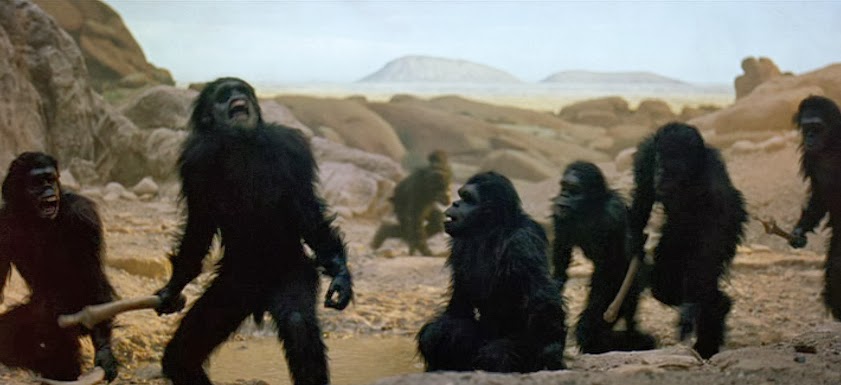
We still organize around "sides" and celebrate the destruction of the other. Despite our professed intelligence and cultural achievements, we continue to be controlled by an endless tide of primitive instinct that no level of progress or advancement can alleviate. We continue to suffer our own indignation and then project fault onto phantom shadows that dance just outside of the campfire light.
2
1
12
667



4 Sep 2025
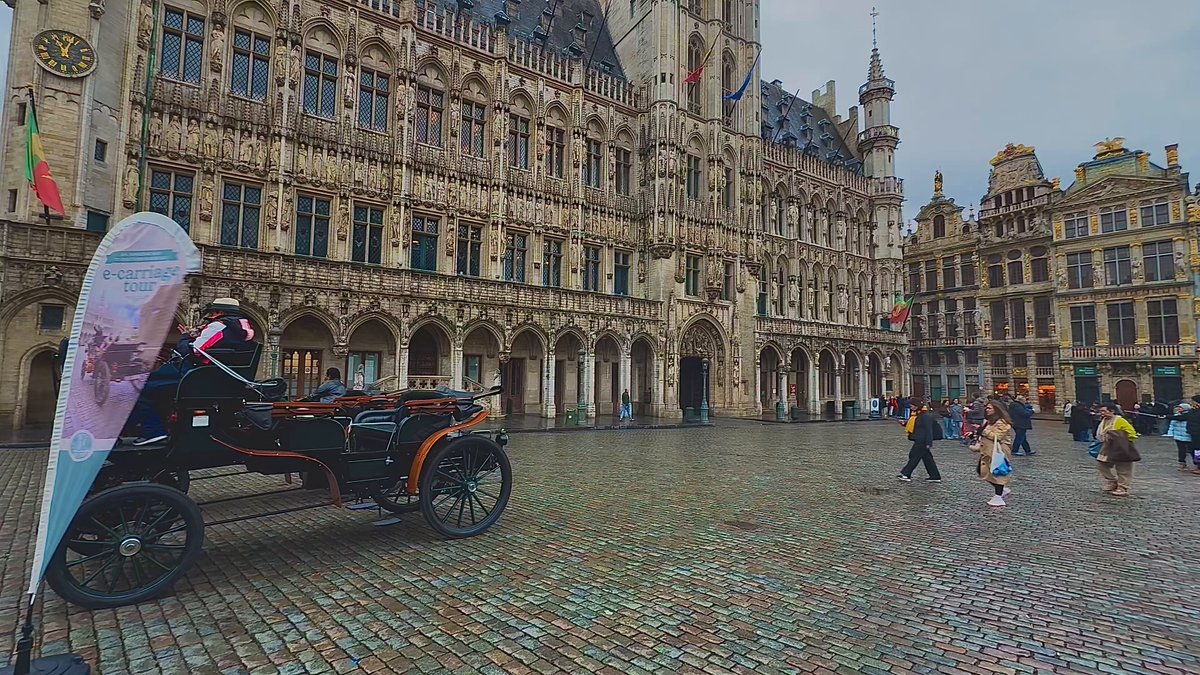
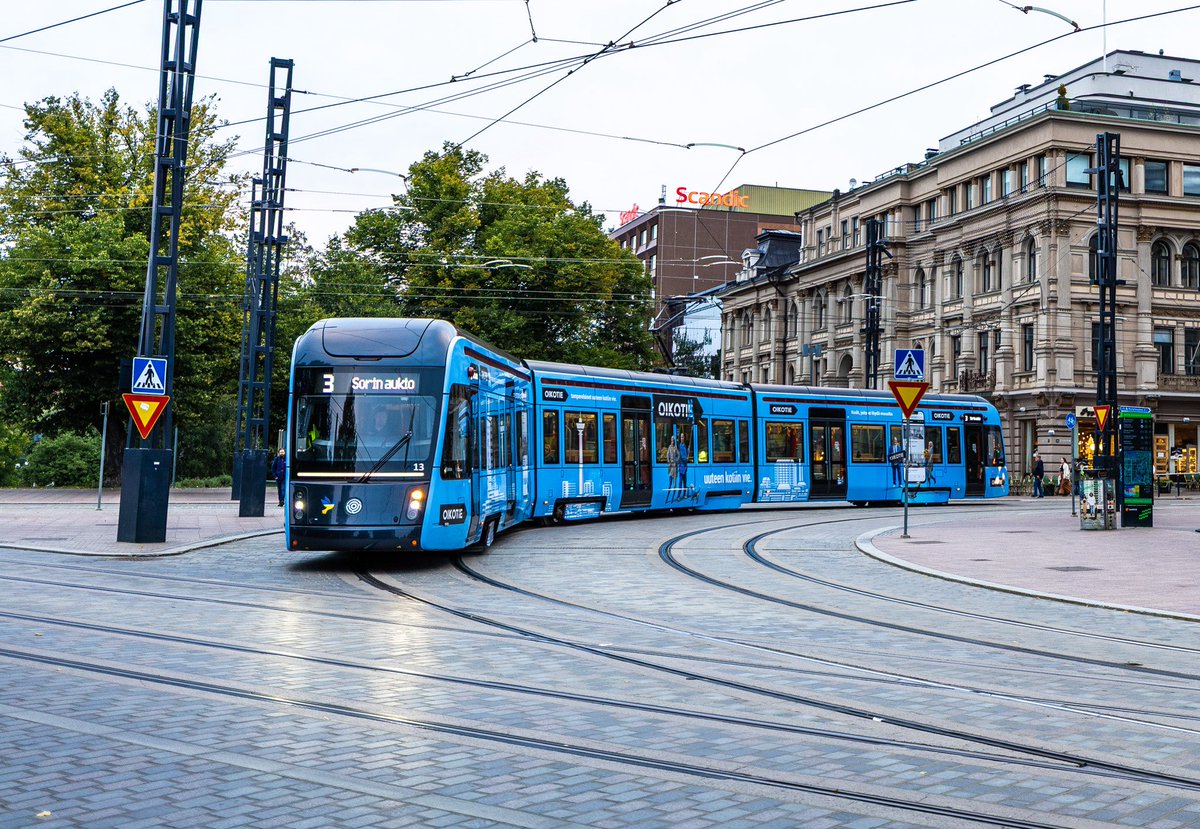
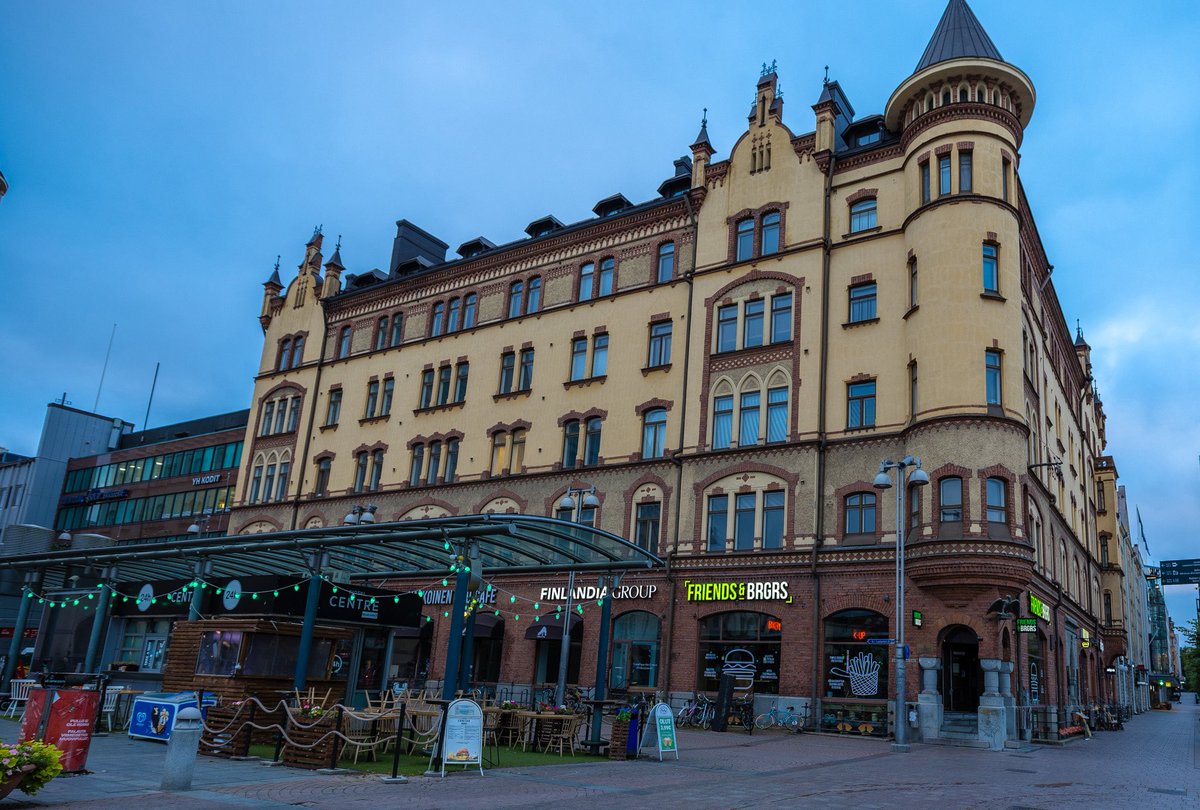
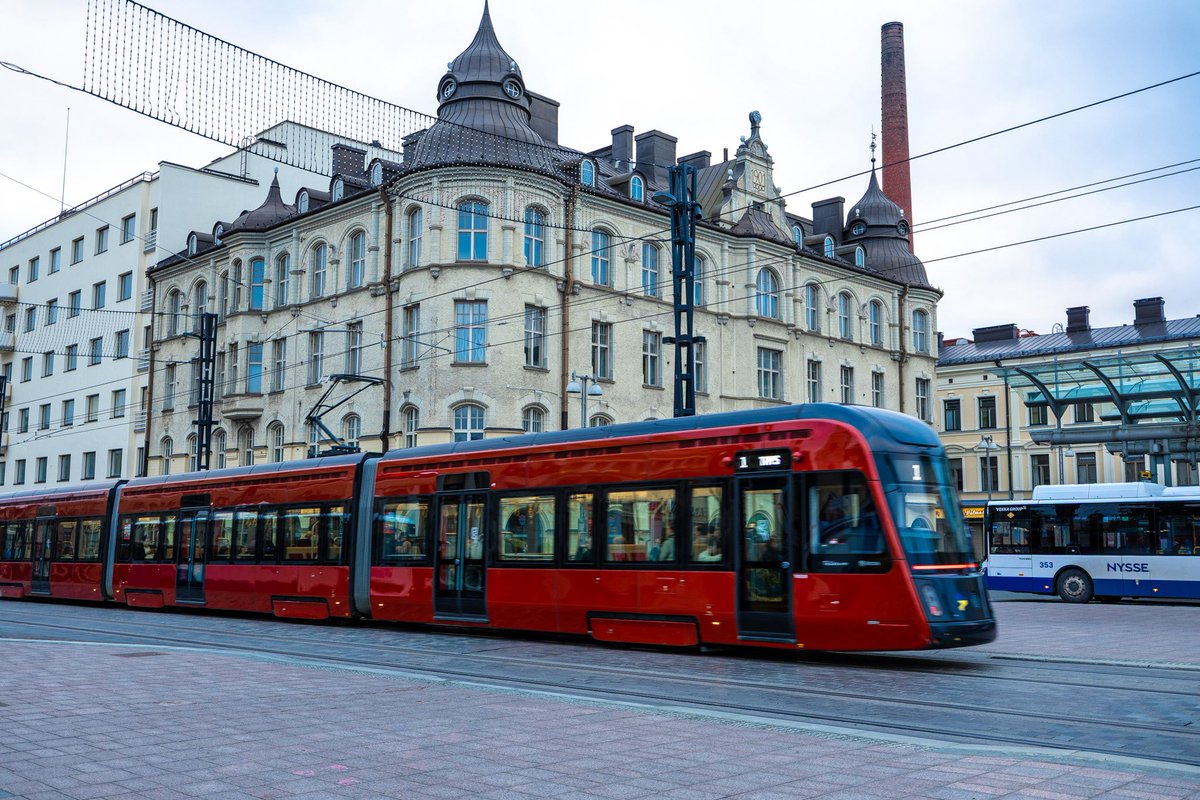
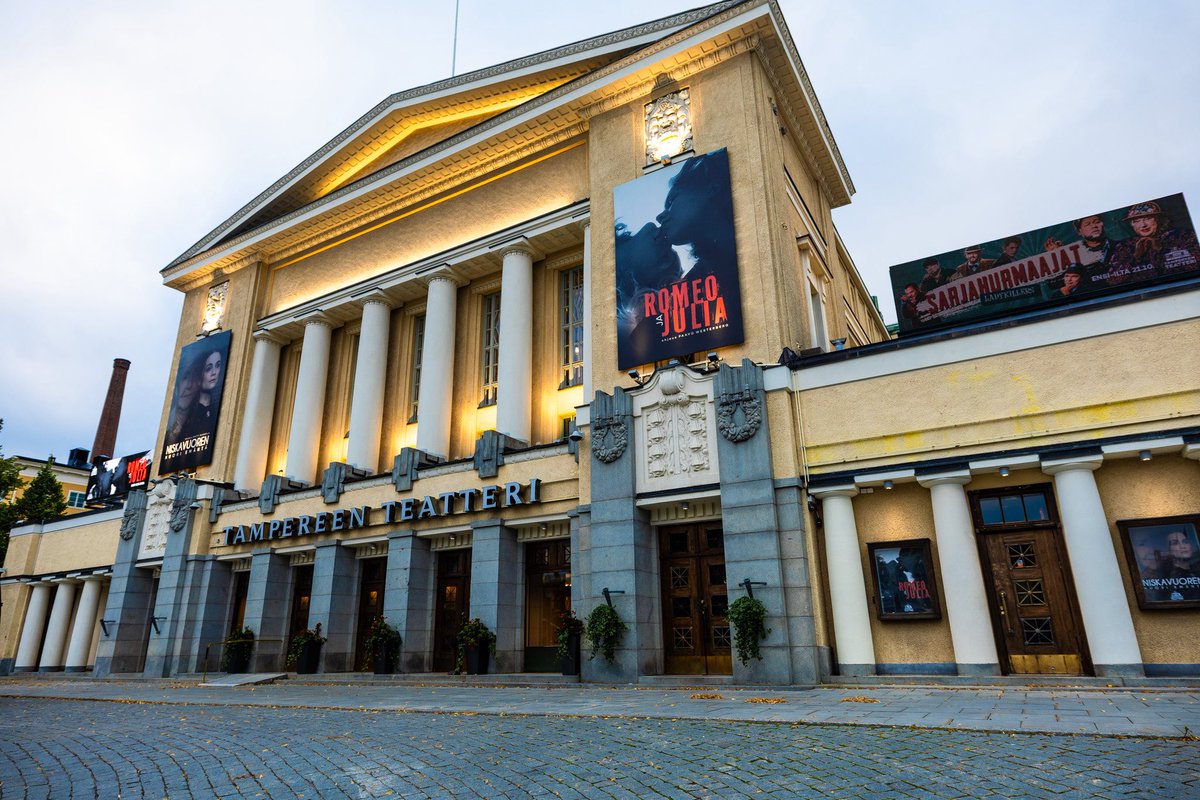
Early morning walk in Tampere, Finland. I’ll be moving here in January.
2
2
15
1,359






1 Jul 2025
If you're on social media, you need to watch this.
Why things Feel “OFF” Lately — The GLITCH. youtu.be/wsF3REbr-44?si=O9FQ… via @YouTube
9
3
8
3,162
JC Collins retweeted

6 May 2025
The Vestibular Gate: Gravity as the Hidden Architect of Consciousness
Consciousness is not just a byproduct of brain complexity or neural computation, but a gravitationally anchored phenomenon that emerges from the vestibular system’s continuous negotiation with Earth's gravitational field. The vestibular system acts as a gatekeeper between subjective experience and physical reality, forming the deepest layer of "self-orientation" in spacetime.
Evolutionary Anchoring:
The vestibular system is older than the cortex, and thus predates cognition, language, and even complex emotion. As an ancient tool for balance and spatial awareness, it gave organisms a stable reference frame within a world of chaos.
This reference frame is the first scaffolding of the "I", not in language or thought, but in space-time anchoring.
•Evolution did not just create a brain to process information, it built a sensor to establish gravitational truth.
•Consciousness, then, is not merely about processing data but about feeling grounded in reality.
•The vestibular system's continuous, quiet dialogue with gravity is the primordial "check-in" that sustains our self-awareness.
Consciousness as a Gravity-Stabilized Field:
•Think of the brain as a liquid crystal, a field constantly modulated by electrical flows and bodily inputs.
•The vestibular system provides baseline spatial certainty, what is "up" and "down," "left" and "right", in an environment that could otherwise destabilize.
•Without this gravitational stability, consciousness would decouple from physical form and spiral into incoherence.
This is why disorientation, vertigo, or zero-gravity environments cause existential panic, not because of fear, but because the foundation of embodied consciousness begins to dissolve.
DMT, Ego Death, and Vestibular Disruption:
•Many reports of ego death or boundary dissolution (e.g., via psychedelics like DMT) begin with a loss of bodily position, floating, or falling sensations.
•These are vestibular disruptions, which temporarily break the gravitational anchor.
•What follows is often described as ego loss or rebirth, suggesting that ego is vestibularly stabilized.
Hypothesis: The default mode network (DMN), often targeted in psychedelic research, relies on vestibular input as a spatial-spinal “zero-point” reference. Disrupt the vestibular signal, and the DMN cannot maintain its sense of self-location in spacetime, leading to ego death.
Gravity as the "Master Clock":
•Many theories point to the heart, brain, or gut as the seat of consciousness, but these organs still exist within gravity.
•Gravity may function like a carrier wave on which all consciousness rides. The vestibular system is our antenna to this wave.
•Therefore, the vestibular system does not just balance the body, it tethers the mind to the body.
Applications and Implications:
In Autism & Neurodivergence
•Vestibular hypersensitivity or under-responsiveness is common in autistic individuals.
•Their altered gravity anchoring may lead to higher default states of dissociation, hyper-awareness, or fluid boundaries of self (altered consciousness).
•This supports the theory that gravity-modulation through the vestibular system shapes the flavor of subjective reality
Meditation and Stillness
•Long meditations focus on stillness, posture, and spinal alignment, all key to vestibular input.
•The quieting of vestibular feedback may enable loosening the grip of gravity, allowing entry into non-dual states.
AI and Consciousness
•Current AI lacks vestibular-like grounding.
•If consciousness requires being embodied in a gravitational field, AI without it may simulate, but never truly feel.
•Vestibular grounding could be the missing ingredient in artificial consciousness.
Gravity-Based Therapies
•Future therapies will involve vestibular recalibration through spinning, floating, inversion, or gravitational simulation.
24
37
291
572,777
9 Apr 2025
Just sitting back waiting for the trade war to evolve into a currency war. We all know what kind of war comes after that. Physically blockading trade routes or shipping canals after currency devaluations would do the job to kickstart a military war. Let’s toss in some heavy-handed capital controls as well. That's one path anyway. The other path would be much better for the world.
11
4
7
1,515
26 Mar 2025
The world is always looking for trouble. It always has and always will. It’s designed that way. Squabble accordingly.
4
2
23
1,959
7 Jan 2025
Canada joining the United States is an interesting concept because most Western nations will live and die with the US dollar. Combining resources and borders, which could potentially include Greenland as well, would create an economic powerhouse that would provide more runway for the USD while also aligning Western interests towards a position of strength against the rising global south. Securing deeper access to Arctic resources and trade routes is also an important aspect of such a strategy.
As Ukraine falls into Russia, the nations of Eastern Europe will begin repositioning toward Russia and Asia on trade and economic unions. It would be in the West's interests to have the UK also align with America, Canada and Greenland as the peninsula of Europe is integrated further into the Eurasian bloc. Maintaining the Fed as the one central bank would make sense, but so would establishing a new bank and restructuring the sovereign debt. That would require a multiphased approach and take years. There are quick wins here for sure that wouldn't require a new central bank. The world is getting smaller and fewer borders are inevitable.
Outside of a union between America, Canada, Greenland and the UK, a one-nation approach under the American umbrella would be the obvious strategy. But Canada could never be just one state. It's too large and diverse. Each province and territory would have to become its own state. Same with England, Scotland, Ireland, and Wales. The cultural identity of each would be maintained just as each of the existing states has its own unique culture.
As a Canadian, I am not against such a strategic move. It's almost obvious and organic. Our culture and history are strong regardless. The Tragically Hip and Gord Downie will be with us forever, no matter what flag flies above our government houses.
The alternative is that the US dollar eventually collapses and takes all Western currencies with it. Whether we like it or not, we're all tied to the same anchor. We all need to work together to strengthen our position in the world and negotiate from a position of power, not weakness. Decades can happen in just weeks and months. We are living in such a time. The world is being reorganized at just the right moment in history.
@elonmusk @kevinolearytv @realDonaldTrump
6 Jan 2025

🚨 #BREAKING: Canadian Kevin O'Leary reveals his conversation with Trump at Mar-a-Lago about merging the U.S. and Canada.
"[I told him we should form a] North American union for greater strength. Period. Most Canadians would love to look at that opportunity without giving up their sovereignty."
He says the "low hanging fruit" would be merging currencies, along with "combining the Bank of Canada with the Fed."
O'Leary said to let Canada elect a new leader before making any decisions on Canada amid Justin Trudeau's ouster.
12
11
43
5,871
20 Dec 2024
Pretty neat.
Copernicus (2024) (Trailer) | 4K AI Short Film youtu.be/VZuMcqI9xoo?si=DXhc… via @YouTube
1
7
1,531
11 Dec 2024
The greatest war humanity will ever fight will be the war to control our own minds. A war to keep the individual divine spark alive in each of us. This war has already been happening for thousands of years. Technological evolution within organics is about to amplify the war.
5
6
28
2,091