
🇺🇸GOD loving Blue collar America first conservative MAGA🇺🇸! We are a movement that won’t go away! No DM’s unless I know you!
Joined August 2024
- Tweets 114,362
- Following 47,549
- Followers 55,026
- Likes 279,134
9,773 Photos and videos

Pinned Tweet

Jun 10
🚨CALL TO ACTION🚨
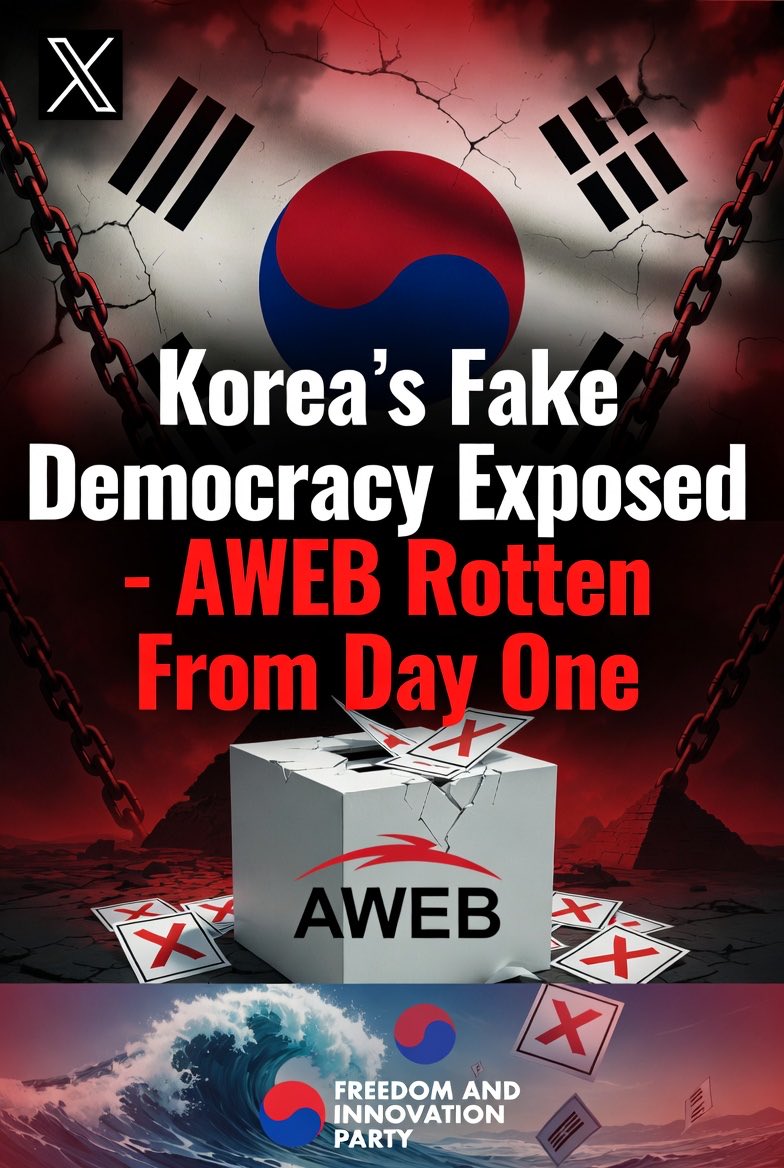
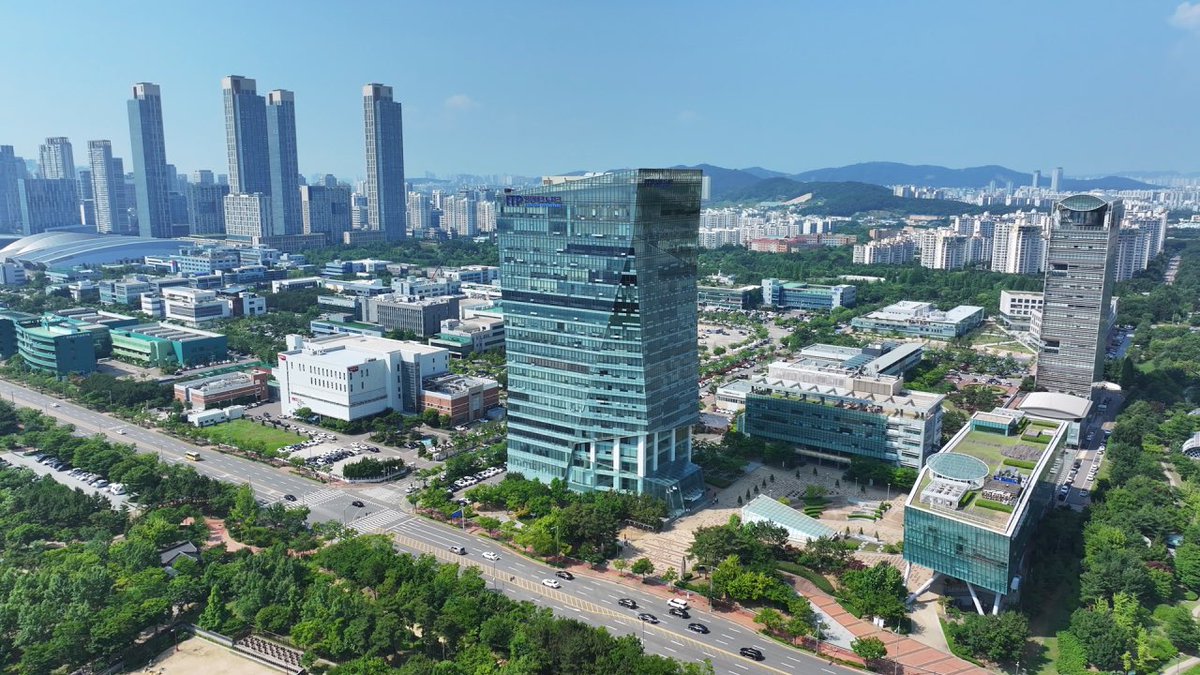
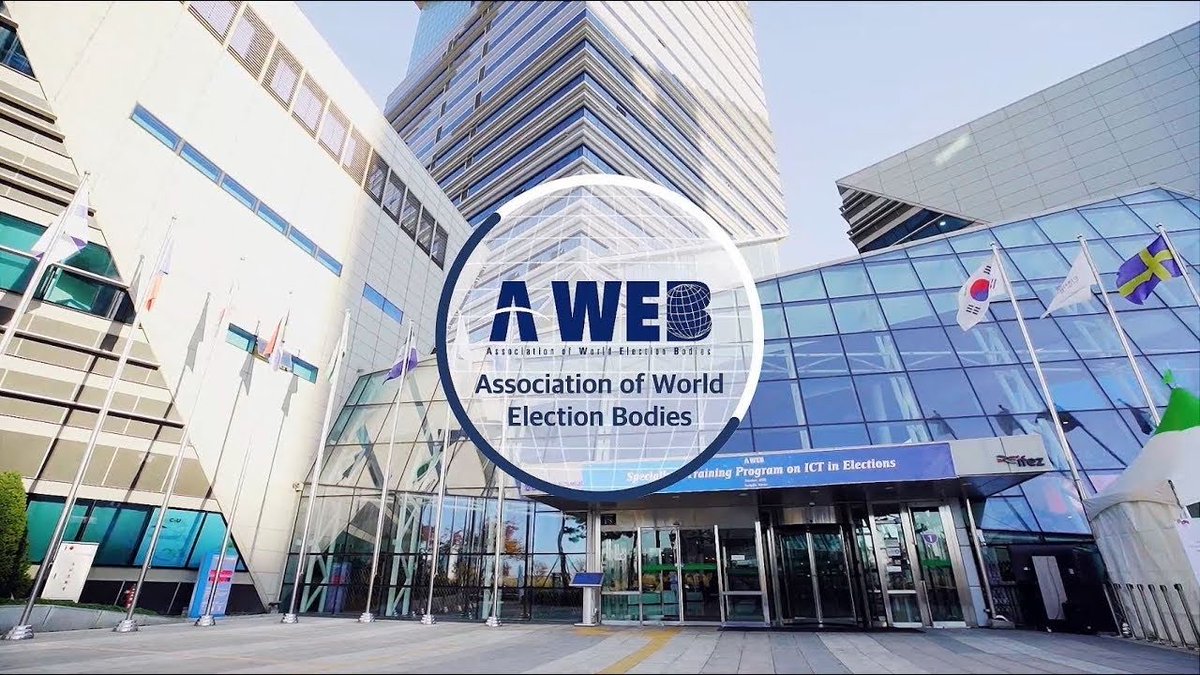
Secretary Rubio, please investigate the links between Korea’s A-WEB and USAID.
American taxpayers funded USAID programs that partnered with A-WEB on election-related activities.
The US government has a clear obligation to fully examine these connections.
We cannot allow any potential interference to threaten fair elections.
@marcorubio @SecRubio
🇺🇸🇰🇷I need everyone to spread this far and wide!
70
451
945
18,969
MAGA’s the Fix™ retweeted

🏴☠️
🚦

İtalya'da yolcuları 42 metreden 87 derecelik açıyla boşluğa bırakan o devasa Roller Coaster..
2
2
10
650
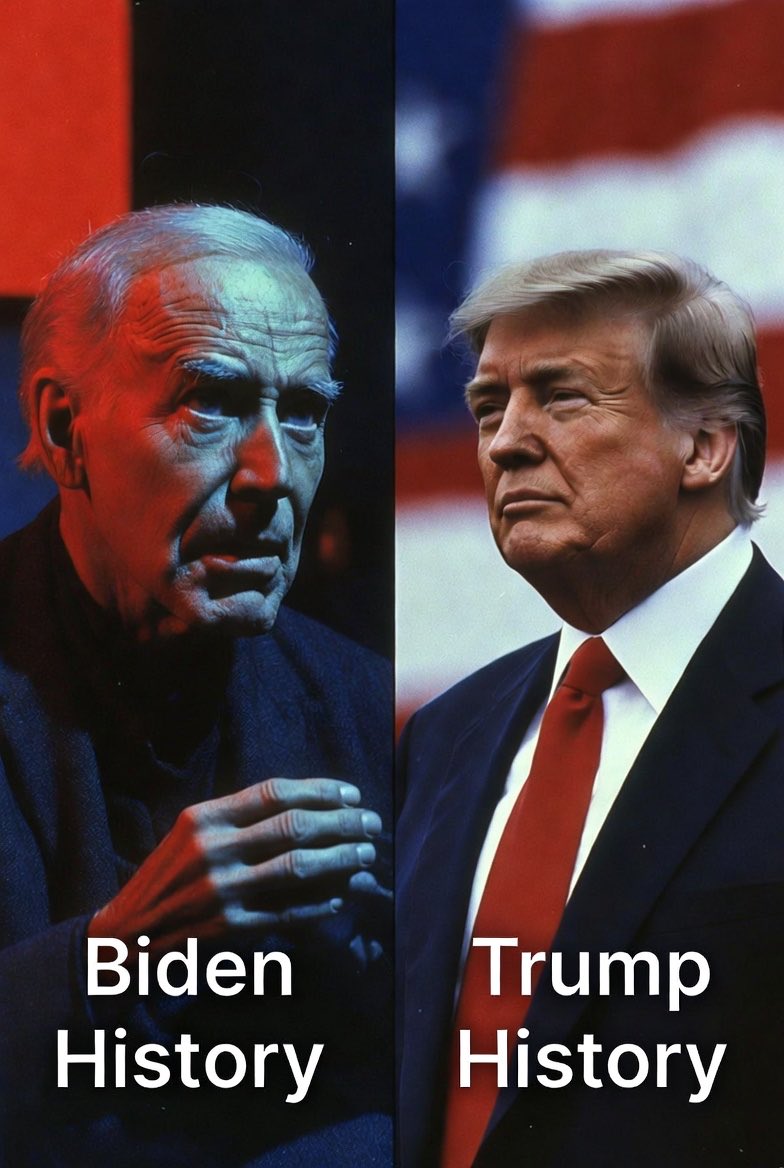
🚨Trump turns 80 tomorrow.
Lets compare Biden’s history vs Trumps:
Bidens history: 50 years as a career politician pushed the 1994 crime bill that jailed generations of Black Americans, voted for the Iraq War that destabilized the Middle East, eight years as VP with exploding debt, weak foreign policy, and stagnant wages, then as president delivered 9 percent inflation crushing families, the Afghanistan withdrawal disaster arming the Taliban and killing Americans, record illegal crossings flooding cities with fentanyl, and reckless spending that wrecked the economy.
Trumps history: outsider who built a real fortune, first term gave historic tax cuts exploding economic growth, Abraham Accords for actual Middle East peace, energy independence, criminal justice reform, no new wars, strong borders, and low inflation now back delivering secure borders, falling crime, reshored jobs, and American strength again.
Decades of Washington failure and excuses versus proven results from a fighter who puts America first.
6
9
20
376
MAGA’s the Fix™ retweeted
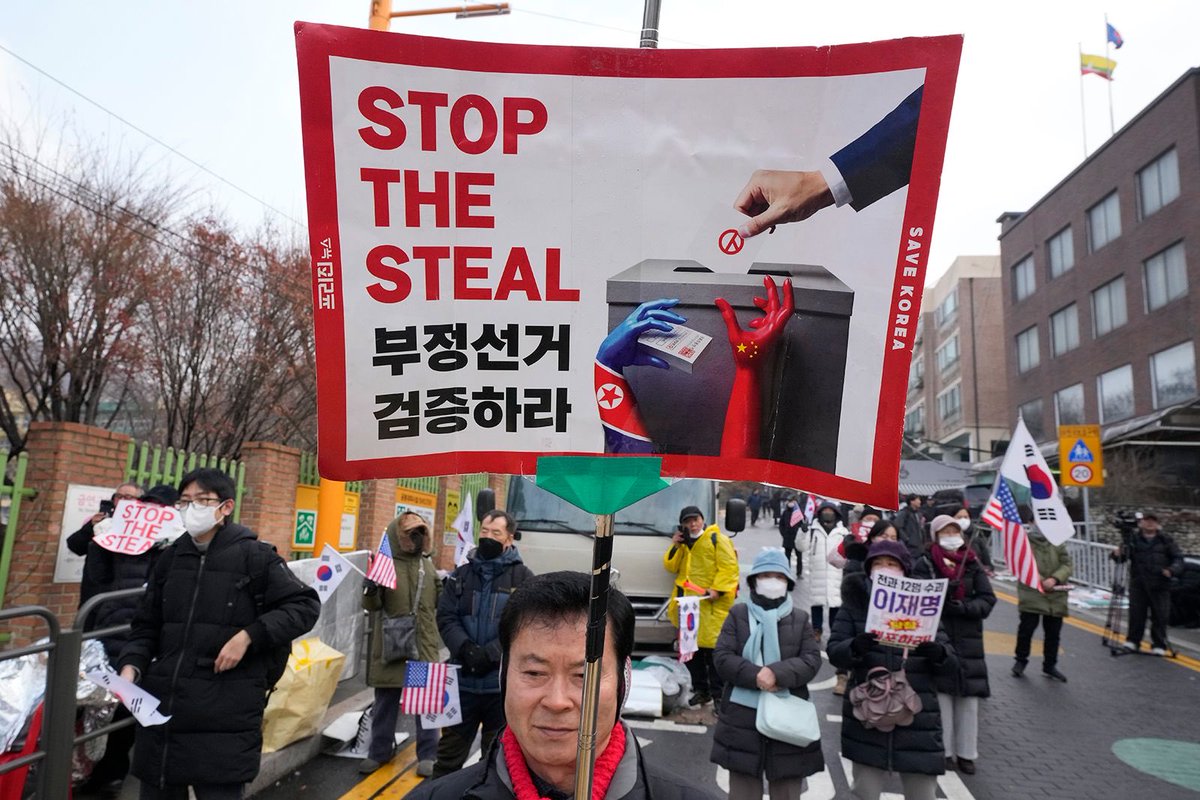
🚨🇰🇷The Korean people will not be deterred!

“Election fraud! Re-election! Same-day voting! Hand count!”
It’s day 8, and Jamsil Olympic Stadium is still awake.
Korean citizens are standing guard to protect the ballot boxes. 🇰🇷
23
70
524
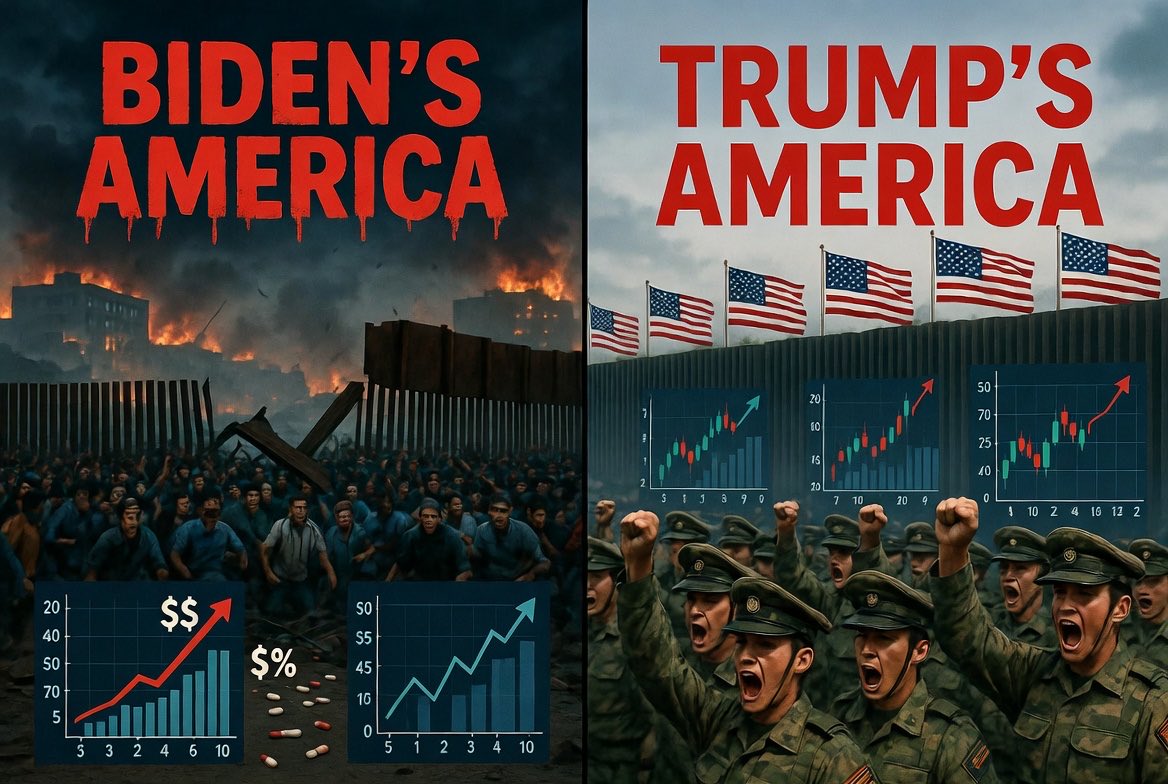
🚨Compare and contrast🚨
Biden’s America was a flaming dumpster fire of open borders flooding us with illegals and fentanyl killing our kids, inflation crushing families, cities turned into crime hellholes by soft on crime DAs, and endless wars bleeding us dry.
Trump’s America was secure borders, booming economy, energy dominance, peace through strength, and real law and order.
The left wrecked everything in four years because they hate you and love chaos. Trump is fixing their mess. America First is winning again.
6
112
🚨🇰🇷Hindsight is always 20/20 and here’s historical context that Korea(and all nations) should take to heart.
OUT W/the CCP!

'안내양외(安內攘外)'는 "외부의 적을 물리치기 전에 먼저 내부를 안정시켜야 한다"라는 장제스의 1920년대 정책기조다.
당시, 중국인들은 먼저 힘을 모아 일본의 침략에 맞서 싸워야 한다고 했다.
그러나, 장제스는 "일본은 피부병이고, 중국공산당은 심장병이다"라고 말하며, 중국공산당을 먼저 진압하고, 일본에 대응해야 한다고 했다.
그럼에도, 1936년 시안 사건을 계기로 제2차 국공합작을 통해 국민당은 중국공산당과 힘을 모아, 일본의 침략을 막아내기는 했다.
이후, 장제스의 국민당은 중국공산당을 막아내지 못하고 '국부천대'하며, 지금의 대만으로 철수했다.
결국, 그의 말대로 '피부병'은 막았지만, '심장병'에 무너졌다.
중국공산당은 그때나 지금이나.. 똑같다.
우리도 '안내양외' 하지 않고, 당장 힘만 모은다면, 낡은 부정선거시스템인 '선관위'와는 싸워 이길 수 있을 것 같다. 새로운 부정선거시스템인 '전자투표'도 막아낼 수 있을까?
3
13
189
MAGA’s the Fix™ retweeted

@elonmusk
@Charlottealocke
@Honesttruthman
@IamMAGATRON
@Katiehopkins711
@EmpowerInnocent
BACK TO MY BUSINESS
A business I don't get paid for, but from my heart you all can have a slice of it tonight 🫴
THE FEAR
This has to be given to those let's say 83 per cent, think we just die a simple funeral lots of flowers lots of sadness burned or in the ground to rot 🫴
THE LIE
It's fucking bullshit, you leave your body straight away look down on your body.
Not in fear you start to believe in a miracle your still alive 🫴
Very soon someone you love who past🫴
Comes to help you understand this part of the journey back to your perfect HIGHER SELF
The Astral plane
This is were we go to evolve as memories of past lives flood the brain, as you won't believe how fucking intelligent BEINGS OF LIGHT WE ARE.🫴✨✨✨✨✨
Then it's a life review of all what we done on earth, good and bad it's the most drawn droping of hurt you caused others. Flashing before your eyes, your whole life and you see every bit🫴
Showing goodness you done for others, even the magical bits of knowing how that person felt inside how the real moments of love you gave 🫴✨✨✨✨✨✨
And all your soul family are there to celebrate what you achieved on earth it's a real loving moment for you, seeing all past loved ones is what we all are about loving beings of light✨✨✨✨✨✨✨✨✨✨
Everything is better when we leave earth
how you can smell better 🫴
look better 🫴
love better and yes I've done this many times I'm an old soul as one was needed for what I'm about to change this 3D MATRIX LIFT US UP TO 5D🫴
FEELING MY ENERGY YET YA SHOULD BE BY NOW 🤝
LOVE 💫HALO💫
3
2
3
206
MAGA’s the Fix™ retweeted
⏳Day 13⏳
Morris Tan is STILL being held hostage against his will by South Korea’s corrupt leftist regime.
This American hero and former Trump Ambassador-at-Large is being kidnapped in broad daylight for daring to expose their stolen election and criminal leadership. No charges and NO due process. Just authoritarian thuggery and political persecution.
South Korea is acting like a third-world dictatorship, not an ally.
Free this man NOW or prove you’re nothing but tyrants.
9
110
308
2,140
🚨Take the head of the snake and it all ends!
Jun 13

What if we told you that this #ActBlue investigation and fraud... goes ALL THE WAY TO THE TOP?
We're talking about the White House... and it's NOT under the Trump administration.
@FTGSolutionsLLC is the lead investigator who blew this case wide open. Here's just the tip of the iceberg - this was an EXCLUSIVE interview that you've got to see.
1
4
119
MAGA’s the Fix™ retweeted

Jun 12
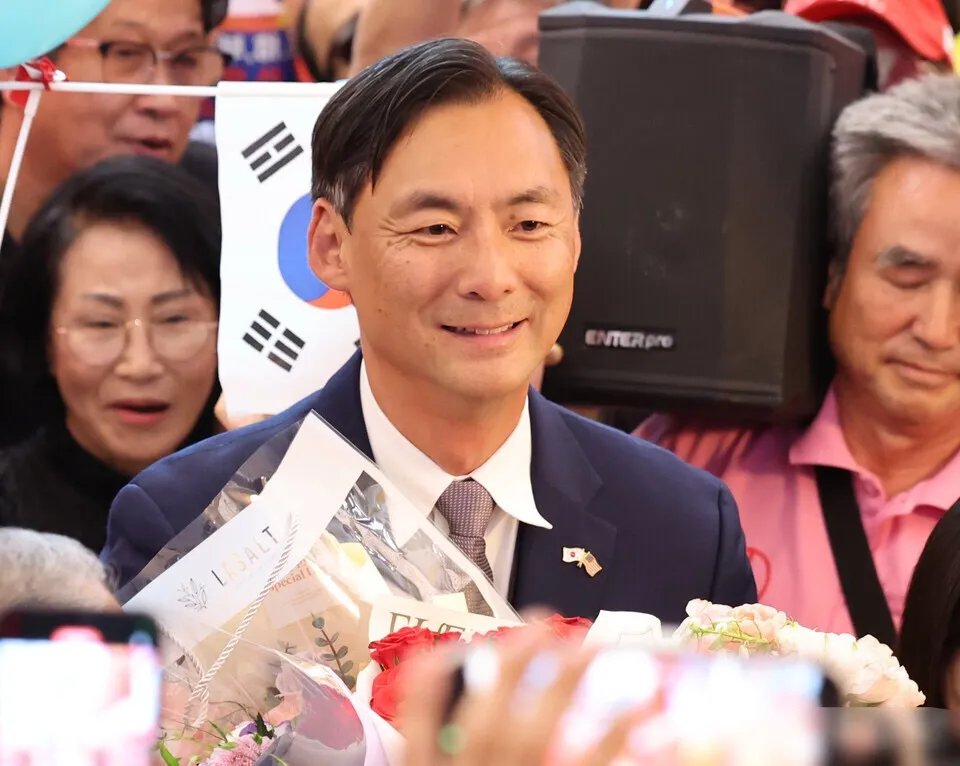
Professor Morse Tan, former U.S. Ambassador-at-Large for Global Criminal Justice under President Trump, has become a deeply appreciated figure among many Korean patriots. For Lee Jae-myung, however, he is likely a troublesome figure, as he has continued to raise questions about matters that some would prefer to keep hidden.
Those of us who value freedom and truth must stand against lies, censorship, hypocrisy, authoritarianism, and political persecution.
It is deeply concerning that South Korean authorities appear to be treating an American citizen who has sought to investigate and speak about issues he believes are important in a manner that many would consider excessive and unjust.
Measures that seem more characteristic of authoritarian regimes than of a modern democratic republic deserve close international scrutiny.
The United States should pay careful attention to developments in South Korea regarding freedom of expression, due process, and democratic principles, and respond appropriately if those values are found to be at risk.
@MorseHTan @realDonaldTrump @GordonGChang @DonaldJTrumpJr @MAGAVoice
#FreeMorseTan
6
19
346
MAGA’s the Fix™ retweeted

10h
The red balloon marker on the map you are looking at now indicates one of the companies in China’s Shandong Province that specializes in printing counterfeit ballot papers for the Republic of Korea.
Since we are still tracking this operation, we ask for your understanding that we cannot yet disclose more detailed information.
Many citizens are already well aware that counterfeit ballot papers for South Korea are printed in China and brought into the country.
They are all printed in the Shandong Province region.
In terms of location and distance, it is the most optimal place.
By sea, it takes about 10 hours to reach Incheon.
In addition, the air route between Incheon and Qingdao is extremely active, with more than ten flights operating each day.
To the northwest of Qingdao, as shown on the map, are cities such as Weifang and Jinan.
Thousands of large and small printing companies are concentrated in those areas.
A massive printing industry cluster has been established there.
Since the era of Mao Zedong, beginning in the late 1940s and expanding throughout the 1950s, this region developed its printing industry to produce propaganda for the communist regime.
Now look at the locations marked with the yellow numbers 1, 2, and 3, labeled as A-WEB dispatch offices.
These are the Chinese branch offices of A-WEB, whose headquarters are located in Songdo, Incheon.
They communicate with each other in real time through dedicated direct communication lines.
In fact, it would be more accurate to say they are receiving real-time directives from the Chinese Communist Party.
But an even more shocking fact is that dozens of Koreans appear at these printing facilities whenever election season arrives.
They usually arrive during the spring of election years in South Korea.
They stay for about one month, sometimes as long as two months, and return to Korea after the election is over.
This is intelligence that we obtained on the ground a long time ago.
Who exactly are these people?
You may have heard reports that, before the June 3 local elections, approximately 180 employees of South Korea’s National Election Commission simultaneously took leave and went on extended absences.
Before the last presidential election, 220 employees also applied for leave and took extended absences.
About 70 percent cited childcare leave.
The remainder cited reasons such as physical and mental exhaustion, long-term overseas assignments, and other personal circumstances.
By now, you have probably begun to understand the situation.
Election season is their busiest and most important period.
Yet it makes little sense that, one or two months before every election, as many as 180 specialized personnel would simultaneously take long-term leave.
They are not taking vacations.
They are going elsewhere to perform other work.
Some of those 180 individuals went directly to that printing facility in Shandong Province.
We are continuing to track them even now.
When the time is right, we will be able to reveal their identities as well.
South Korea’s National Election Commission has been monopolized by the children of May 18 merit award recipients and by individuals from certain regions.
Their identities will also be revealed in due course.
Thank you.

11
16
319
MAGA’s the Fix™ retweeted

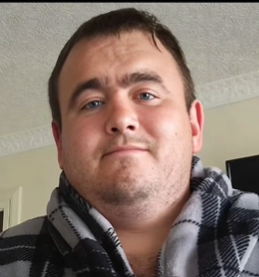
🚨NEWS: It has been reported that Stephen Ogilvie, the man attacked by a migrant in Belfast has sadly lost sight in both eyes
1,155
3,200
24,003
1,103,874
MAGA’s the Fix™ retweeted
12 Dec 2025
Only 1 type of person directs insults toward the family bond.
57
78
1,971
247,735
Imagine if we actually had a real representative government instead of this rotten, bought-and-paid-for swamp of grifters, lobbyist whores, and corporate-owned traitors selling out the country to the highest bidder.
A government for the people?
What a concept.
5
9
81
MAGA’s the Fix™ retweeted

10h
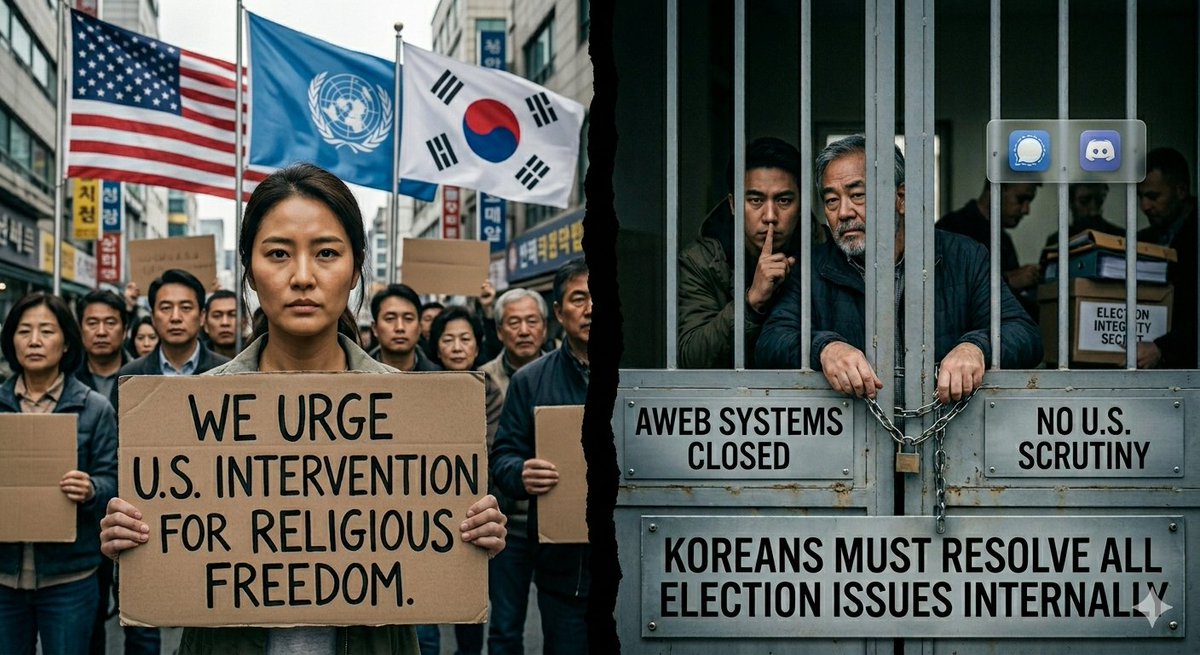
There are people who have appealed to the United States and the international community to help protect freedom of religion and freedom of expression in South Korea.
Yet when it comes to allegations of election fraud or questions surrounding AWEB, their position suddenly changes completely.
"America should not get involved."
"There is no need for an international investigation."
"Koreans should handle it ourselves."
What principle could possibly justify such a drastic change depending on the issue?
Is international attention and support acceptable when it concerns freedom of religion and freedom of expression, but unacceptable when it comes to examining the integrity of elections and the health of democracy?
If they are confident in the truth, there should be no reason to fear an international investigation or independent scrutiny. On the contrary, objective examination would be the best way to resolve doubts and settle the matter.
Yet we see the opposite. Publicly, some present themselves as pro-American. Privately, they organize groups, operate closed Signal and Discord channels, and work in a coordinated manner to discourage U.S. involvement, international investigations, and global awareness of these issues.
Welcoming American support only when it is politically convenient while rejecting scrutiny that may be uncomfortable is not a principle. It is a contradiction. In fact, it reveals what they fear most.
Do they truly trust America? Or are they simply afraid of America taking a closer look at the facts?
Rejecting international scrutiny while simultaneously asking the world to defend freedom and democracy is a position that undermines its own logic.
In the end, their determination to block international investigations may be the clearest indication of what they fear most.
@PatriotMarkCook
@AZSunGal
@DrFrankModels
@Honesttruthman
@AestheticSales_
@POTUS
@SecRubio
@DrTaraO
@GordonGChang
1
5
7
154
MAGA’s the Fix™ retweeted

Governor DeSantis didn't appoint me because I knew the right people.
He appointed me because of a lifetime of service, leadership, and delivering results under pressure.
That's the same approach I'll bring to the Governor's Office.
Your vote should decide this primary. Not an engineered outcome. Not a coronation.
43
168
606
13,010
FACT!!!!

If Trump had lost, America’s entire 250th 4th of July would be about gay pride, apologizing for a history we shouldn’t be apologizing for… and DEI nonsense.
2
4
19
327
MAGA’s the Fix™ retweeted

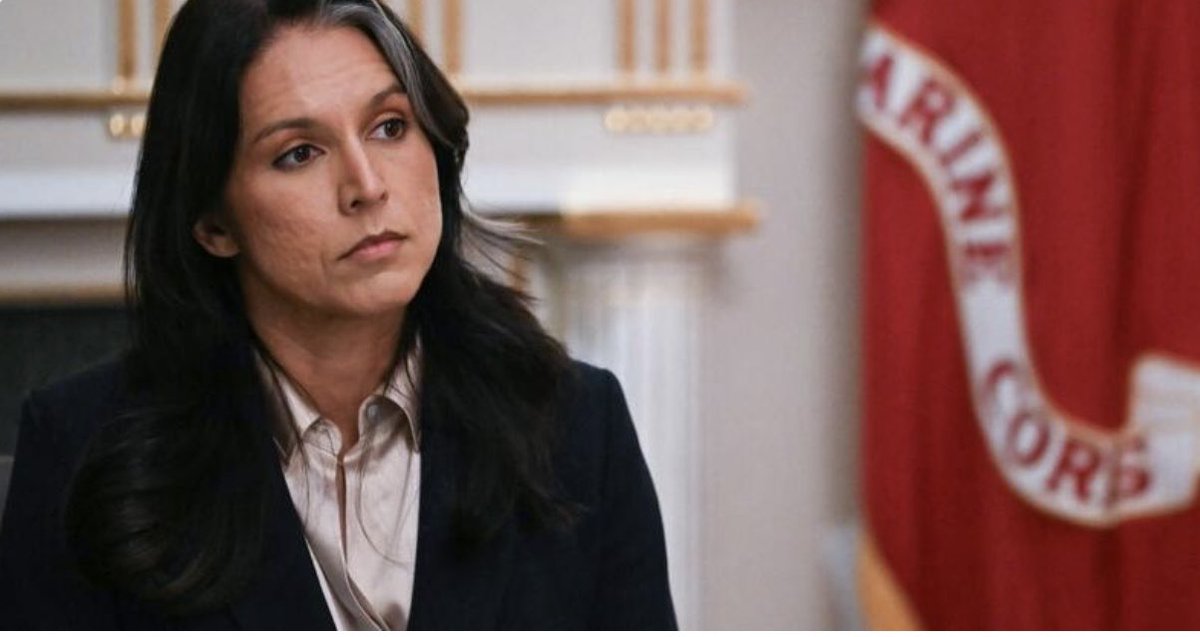
Tulsi Gabbard is an American hero. Eat it Laura Loomer you unhinged psychopath neocon warmonger stonezone.com/dni-tulsi-gabb…
200
361
2,232
29,428
MAGA’s the Fix™ retweeted

그동안 이리갔다 저리갔다 여러분들을 혼란시켜서 죄송합니다.
오늘 저는 제 입장을 마무리 짓겠습니다.
저는 이제 전한길씨와는 작별할 시간이 된 것 같습니다.
1년전 그가 미국에 와서 활동할 때 그가 저에게 이메일을 보내왔습니다.
인터뷰를 해줄 수 있겠느냐구요
저와 제 남편은 사실 그를 첫만남 전부터도 의심하고 있었습니다.
그래서 저는 그의 인터뷰 요청을 거절하였지만 한번 만나라도 보자 라는 마음에 인터뷰 요청을 거절하고 한달 뒤쯤 그의 인터뷰를 진행하자고 말씀 드렸고 의심속에 첫인터뷰를 하게 되었습니다.
그리고 그 첫만남에 전한길 강사는 눈치못챘겠지만 그를 향한 저의 의심이 확신이 되는 순간들이 몇번 포착되었습니다.
그로인해 의심은 확신이 되었고 저희는 이렇게 생각하였습니다.
“그를 이용해야겠다”
전한길씨를 믿고 지지하는 분들에게는 죄송하지만 저희는 마지막 순간 피날레를 위해 그를 철저히 이용해왔습니다.
왜냐면 그가 국민의 힘에 붙어 그들의 졸개로서 일하는 모습이 눈에 너무 훤하게 보였기 때문이죠
아마 전한길씨는 그동안 저희를 본인의 뜻대로 이용해오고 있다고 믿고 있었을 겁니다.
아직까지도 가치를 보고 나아가는 것이 아닌 사람을 믿는 사람들이 너무나 많습니다.
여러분들이 지금 저를 어떻게 평가하시든 진실을 곧 드러날 것입니다.
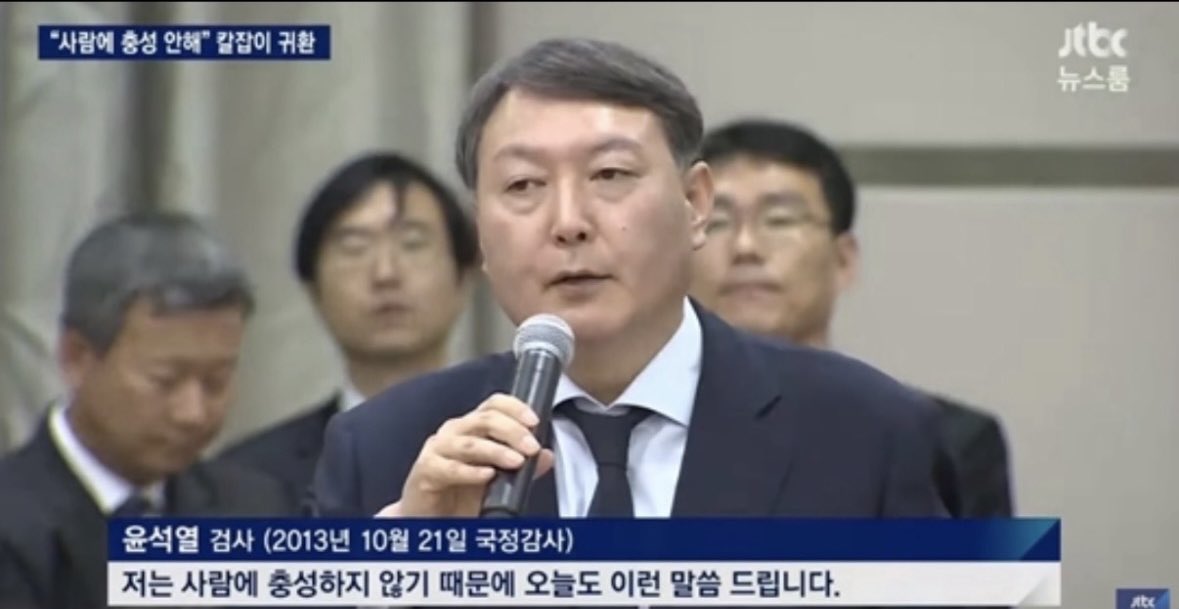
여러분들이 지지하고 돌아오길 바라는 윤석열 대통령도 항상 같은 말을 했습니다.
사람에 충성하지 마십시오
I’m sorry for going back and forth like this and causing confusion among all of you.
As of today, I am finalizing my position.
It seems the time has come for me to part ways with Jeon Han-gil 쌤.
Almost a year ago, when he came to the United States for his activities, he sent me an email asking if I could do an interview with him.
My husband and I had actually been suspicious of him even before our first meeting.
So, I initially declined his interview request. But with the thought of at least meeting him once, I later suggested we proceed with the interview about a month afterward. That’s how we conducted the first interview under suspicion.
During that first meeting, Jeon Han-gil 쌤 probably didn’t notice, but there were several moments where our suspicions toward him turned into firm conviction.
As a result, our suspicions became certainty, and we thought this: “We should use him.”
I sincerely apologize to those who have trusted and supported Jeon Han-gil 쌤, but we have thoroughly used him for our final finale.
This is because his actions: attaching himself to the People Power Party and working as their underling, were so clearly visible to us.
Jeon Han-gil 쌤 probably believed this whole time that he was the one using us for his own purposes.
There are still far too many people who follow and trust individuals rather than values.
No matter how you judge or feel about me right now, the truth will soon be revealed.
Even President Yoon Suk-yeol, whom you all support and hope will return, always said the same thing:
“Do not pledge loyalty to any person.”
266
375
1,470
31,048
