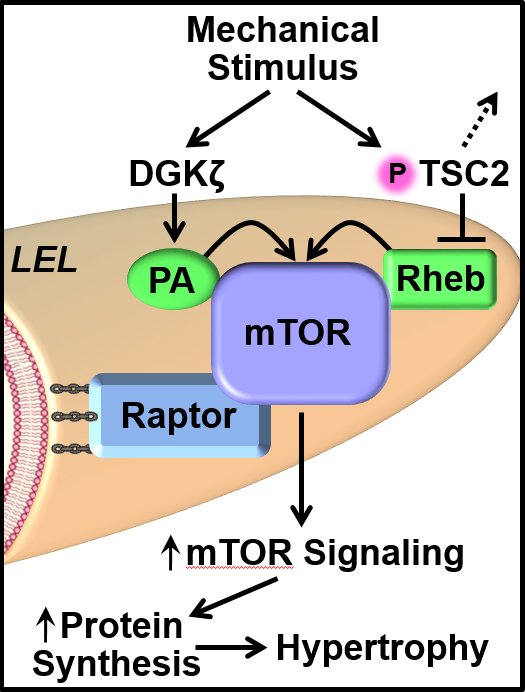
Our lab uses a variety of molecular techniques to define how mechanical signals regulate skeletal muscle mass
Joined December 2018
- Tweets 1,382
- Following 176
- Followers 2,523
- Likes 2,769
177 Photos and videos
Pinned Tweet

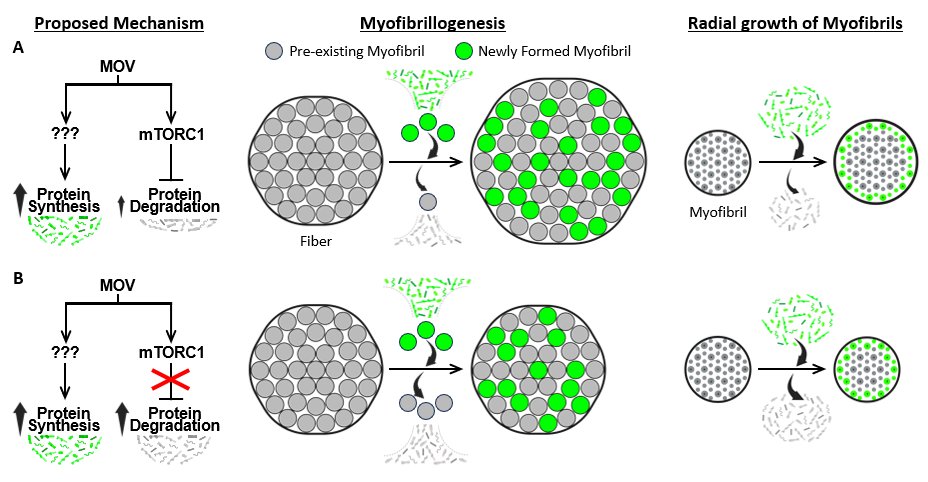
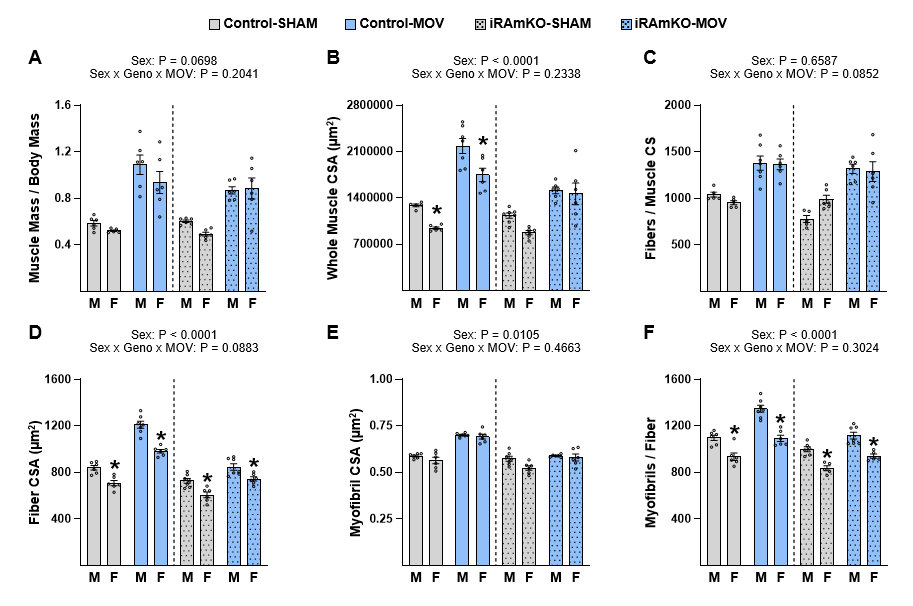
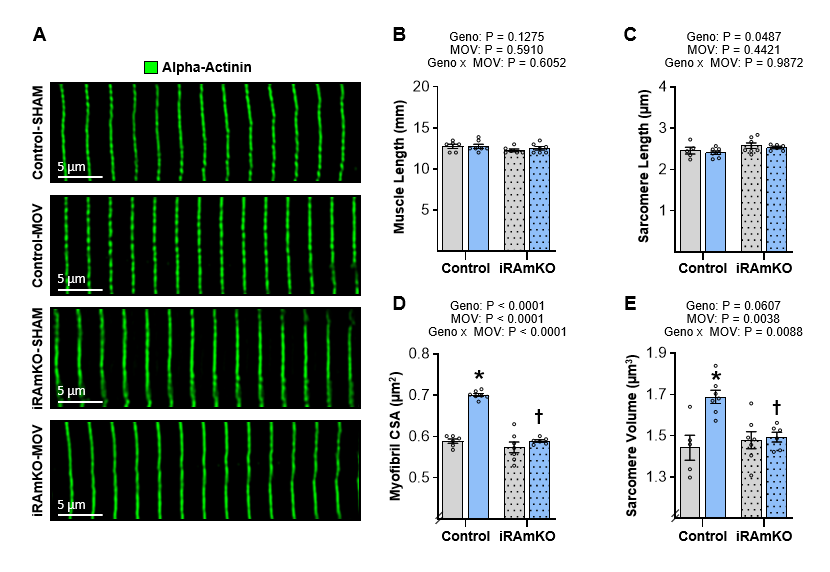
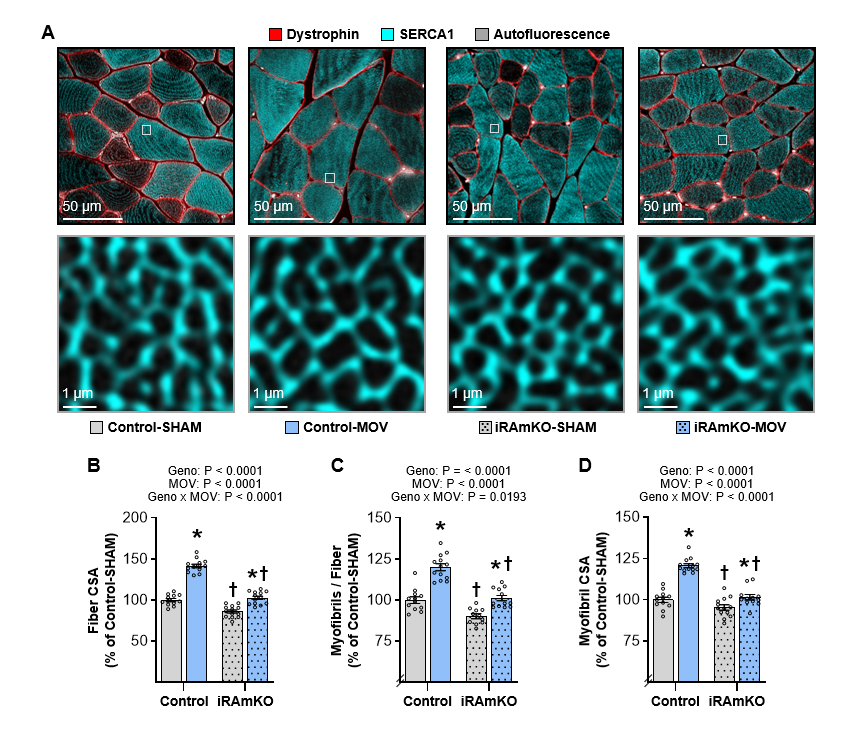
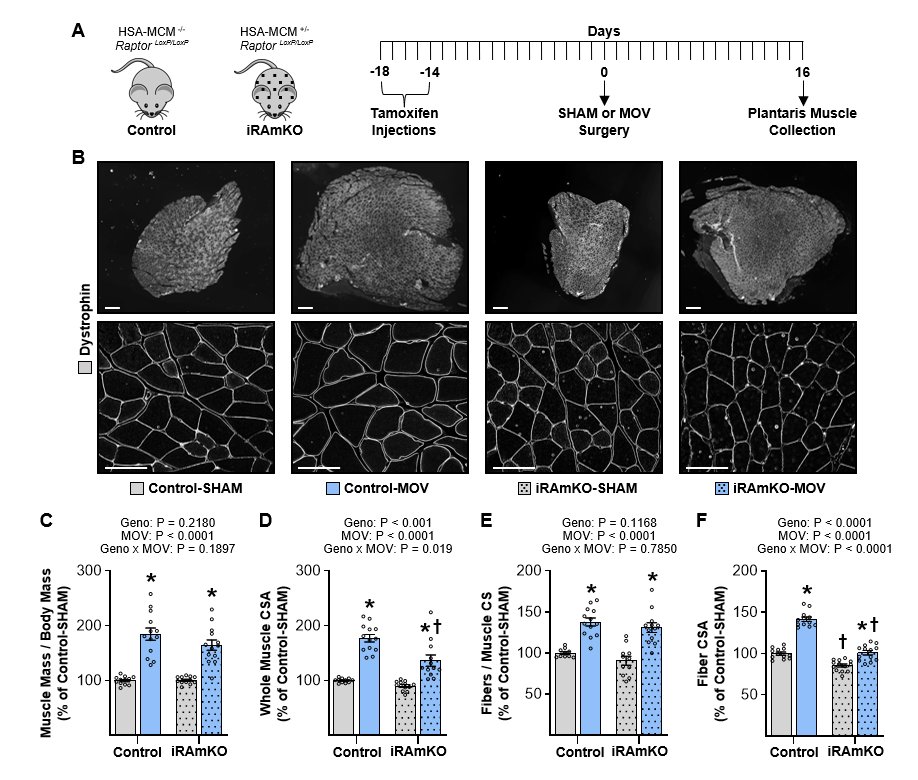
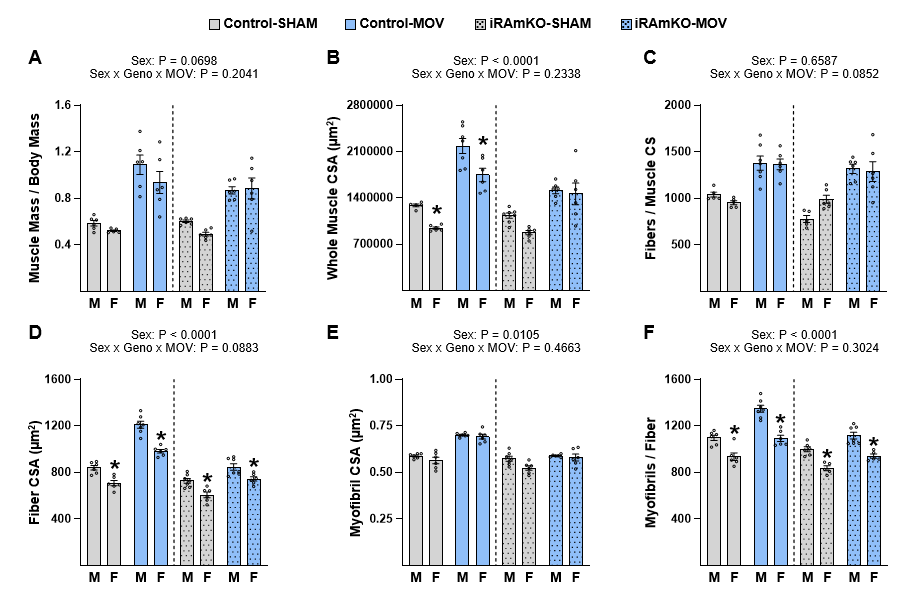
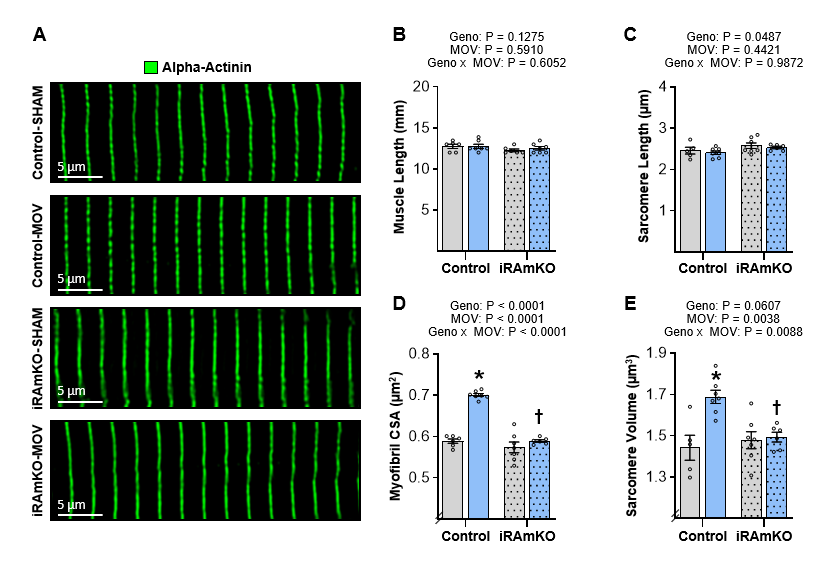
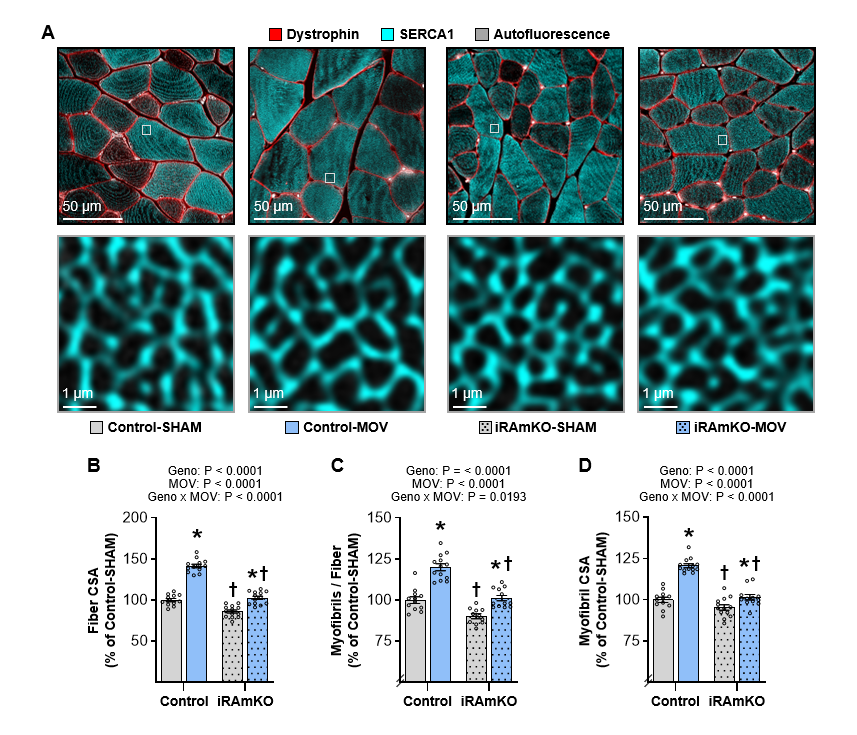
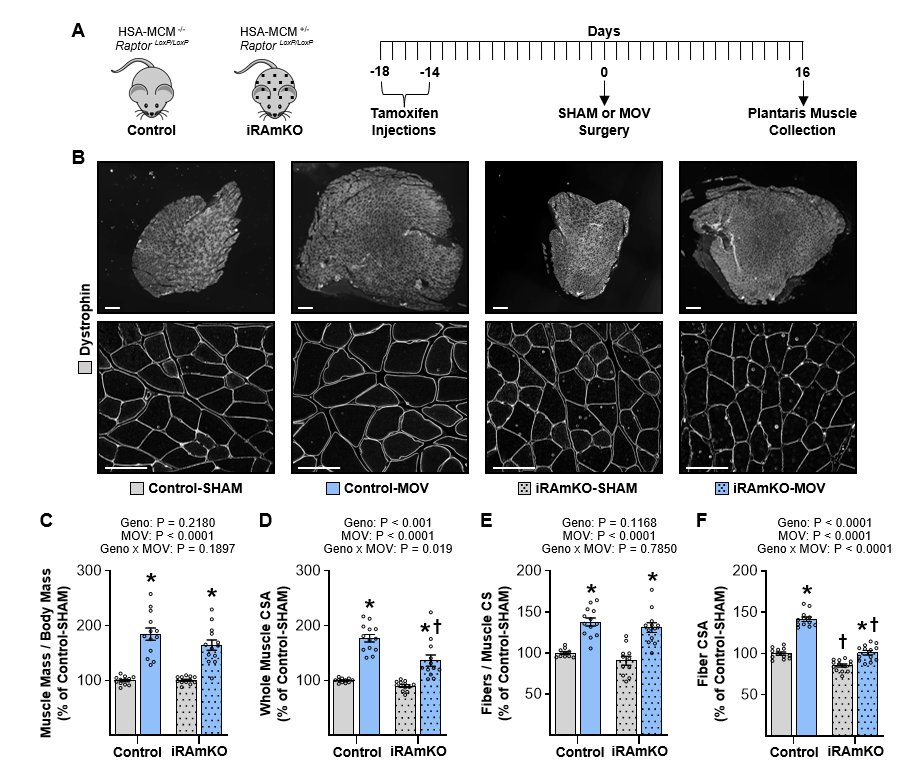
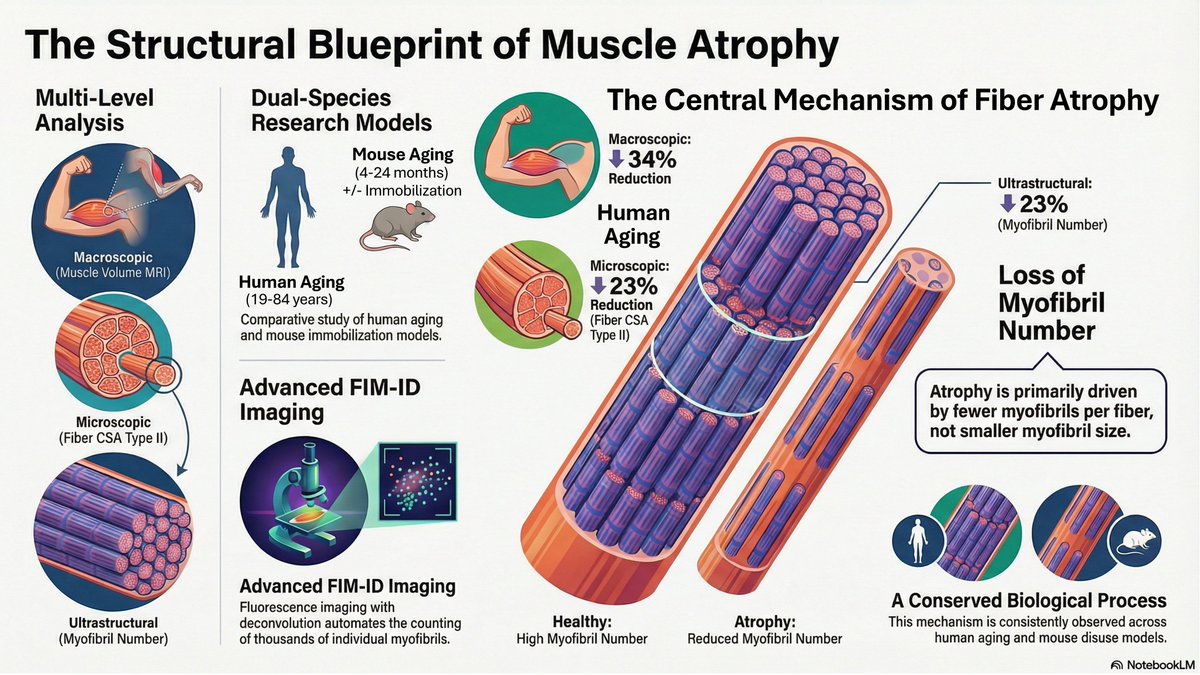
New preprint! We show that mTORC1 is critical for myofibrillogenesis and the radial growth of myofibrils in response to mechanical overload.
biorxiv.org/content/10.64898…
We also propose a model that redefines how mTORC1 might actually drive growth.
Full breakdown in this thread 👇
2
17
55
3,035
The Hornberger Lab retweeted

Skeletal-muscle-targeted non-viral delivery of full-length DMD mRNA for Duchenne muscular dystrophy
nature.com/articles/s41551-0…
9
25
1,363
The Hornberger Lab retweeted

Acute molecular and chronic adaptations to lengthened partial versus full range of motion resistance training. Awesome & hyper relevant dissertation work by @DanielPlotkin_ from @AuburnKINES with collab from @ @EXSS_UMHB. biorxiv.org/content/10.64898…
11
28
1,499
The Hornberger Lab retweeted

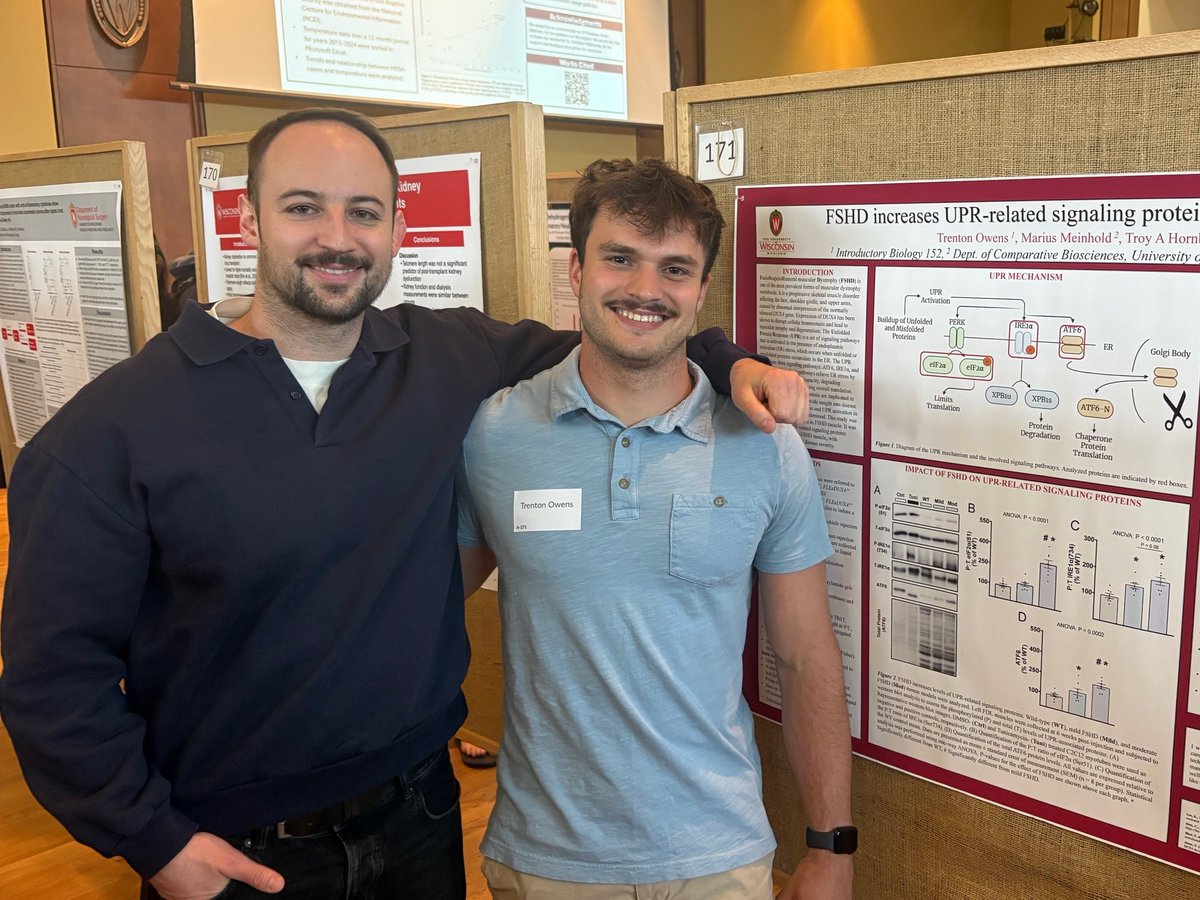
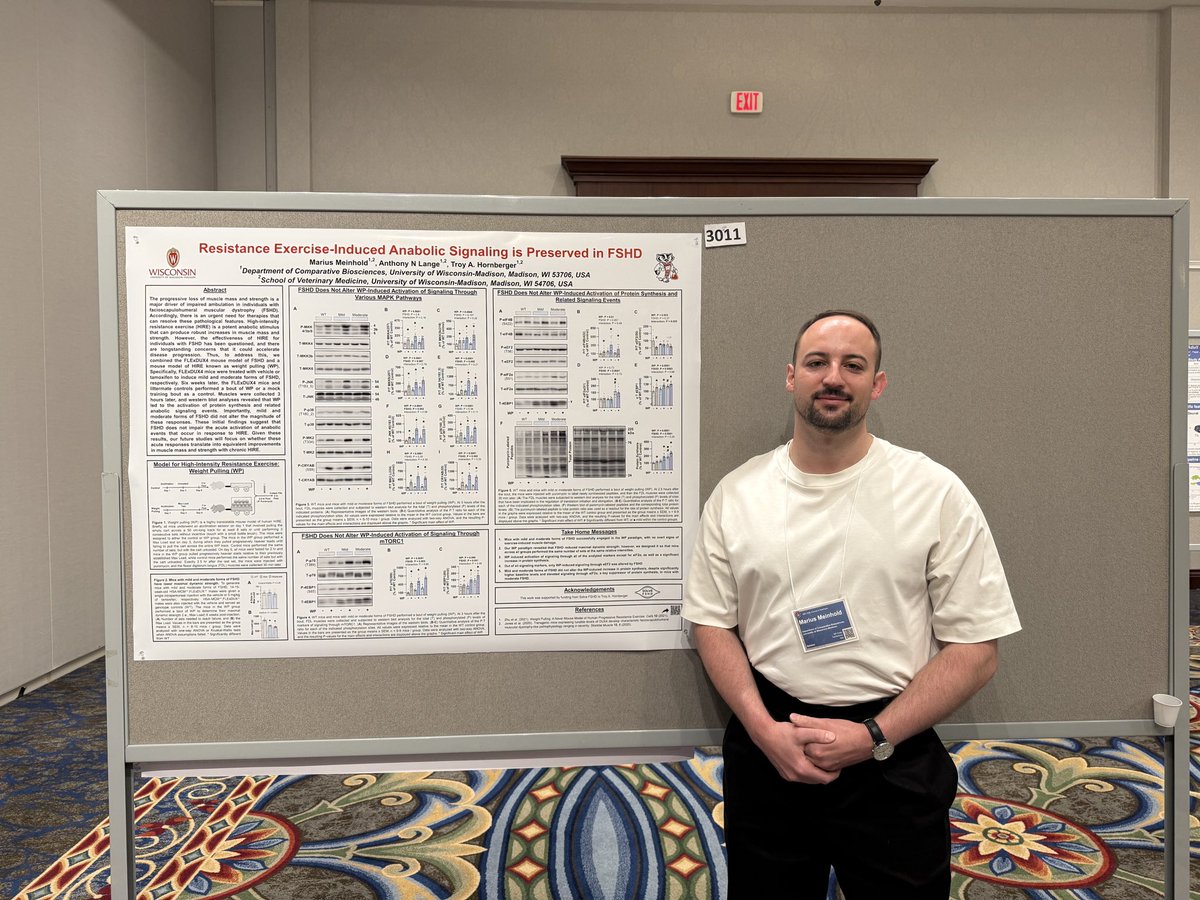
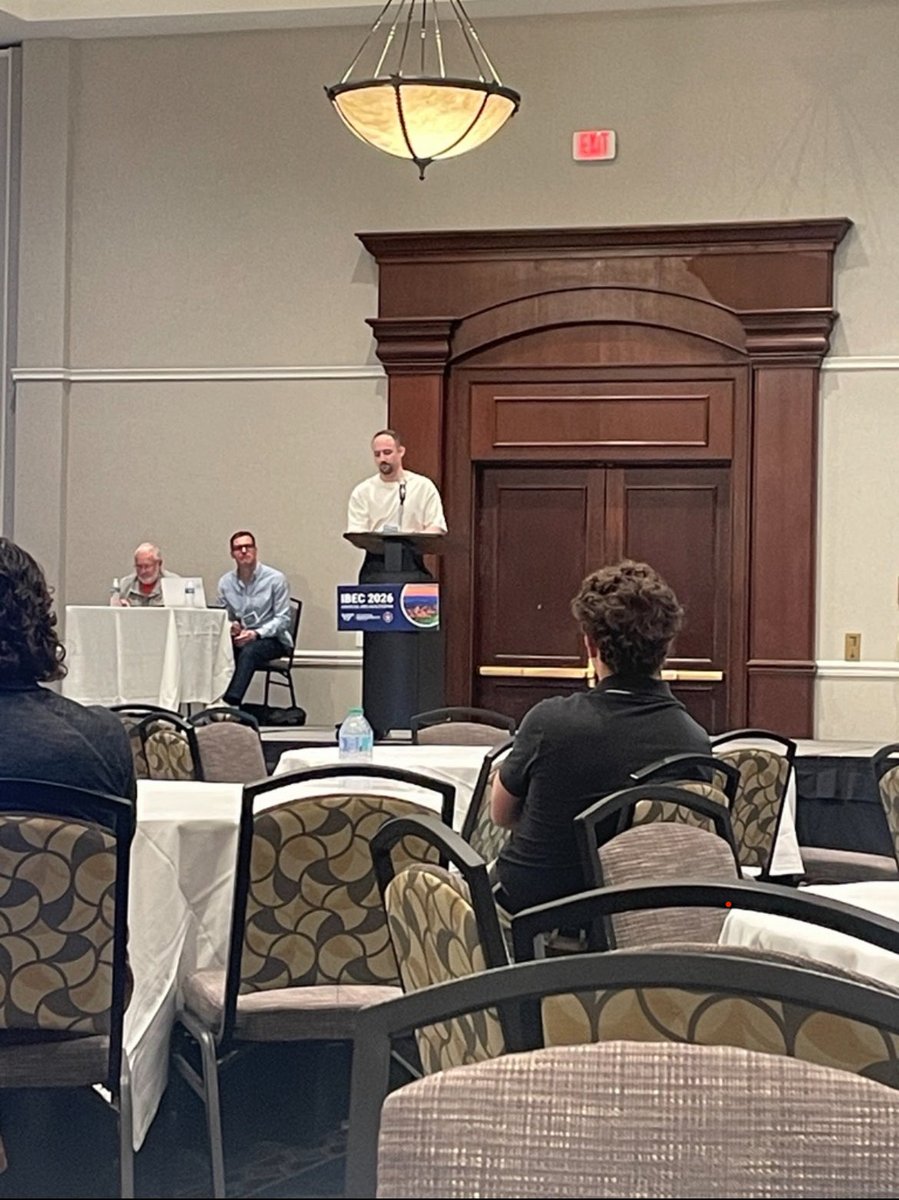
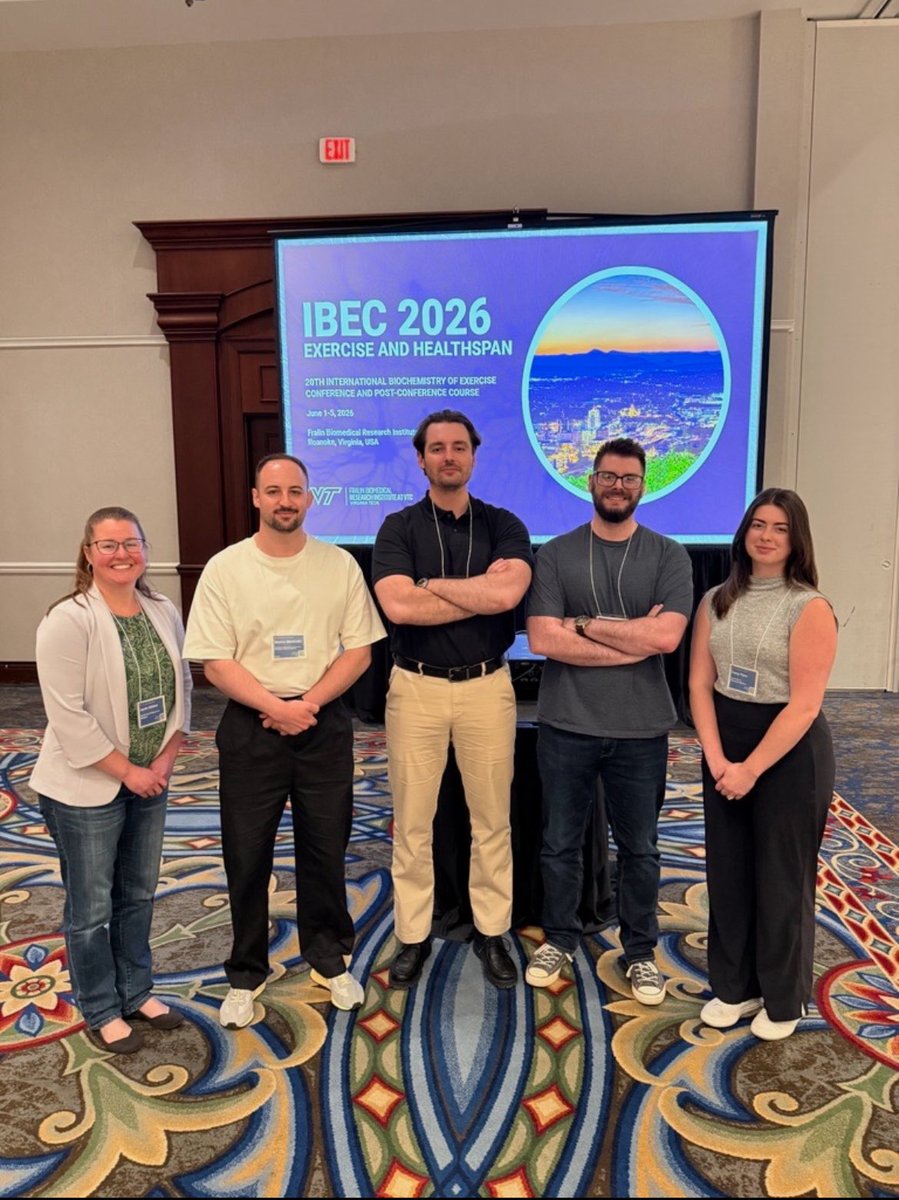
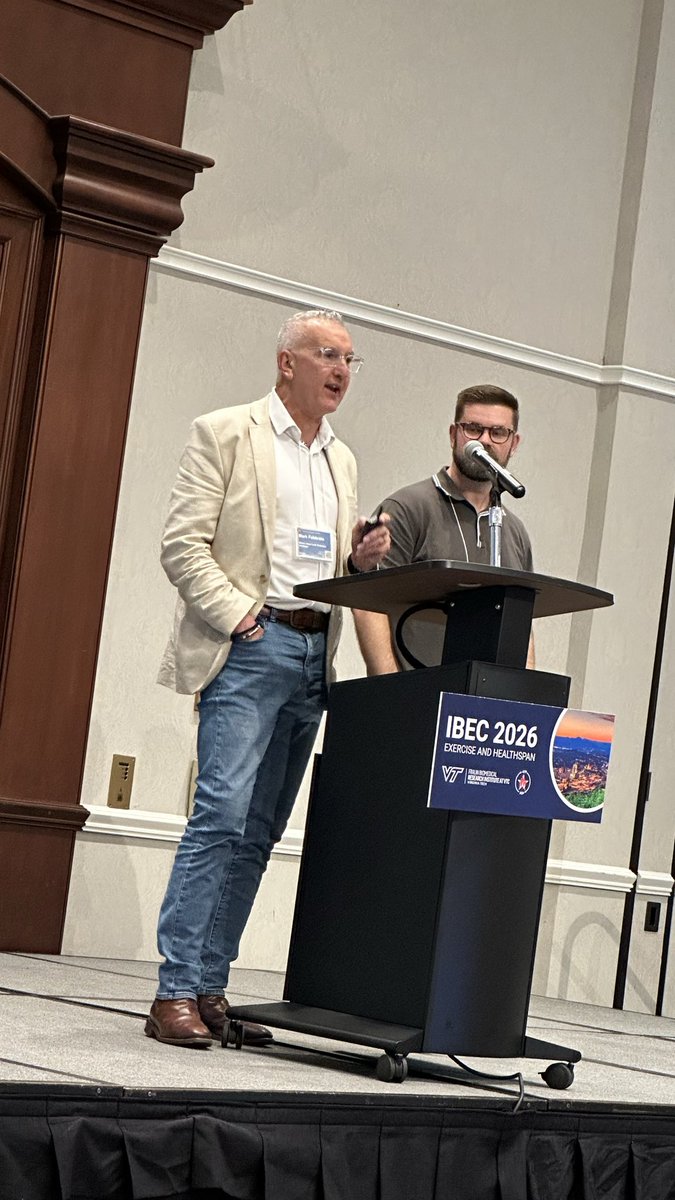
Had a fantastic time presenting some our of our work on FSHD (supported by @SOLVEFSHD) at @BiochemExercise in Roanoke, VA.
Thanks to the organizers for having us and my team at @HornbergerLab for the company and support @Muscles_n_Mitos @jhibbert_phd &Corey Flynn
@RNMarshallPhD
2
6
9
829
The Hornberger Lab retweeted

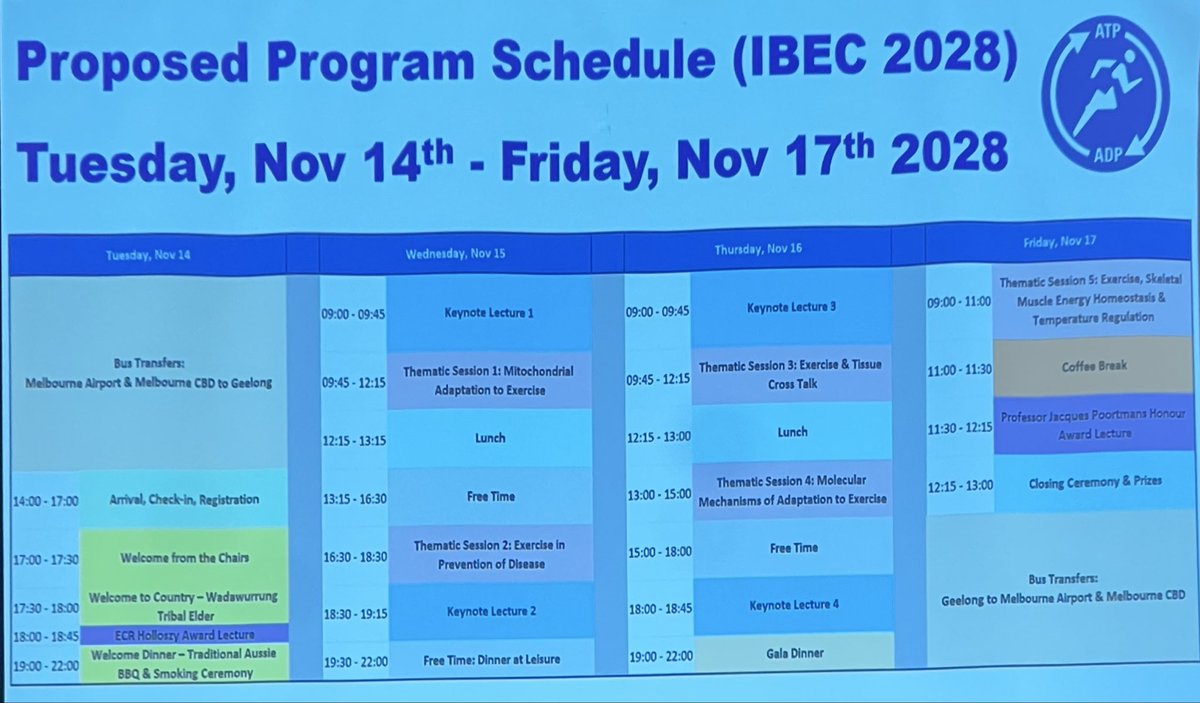
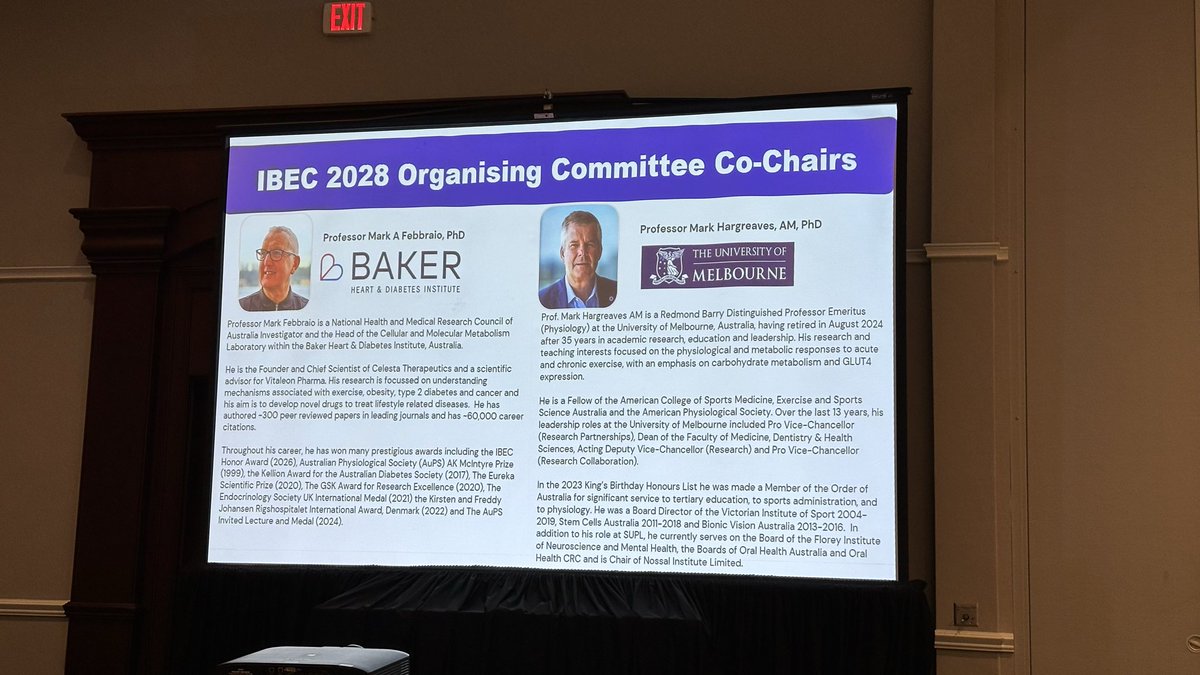
IBEC2028 announced. Australia welcomes you! Geelong is the destination. Lock in the dates and keep your eyes open for more.
#IBEC2028

4
12
977
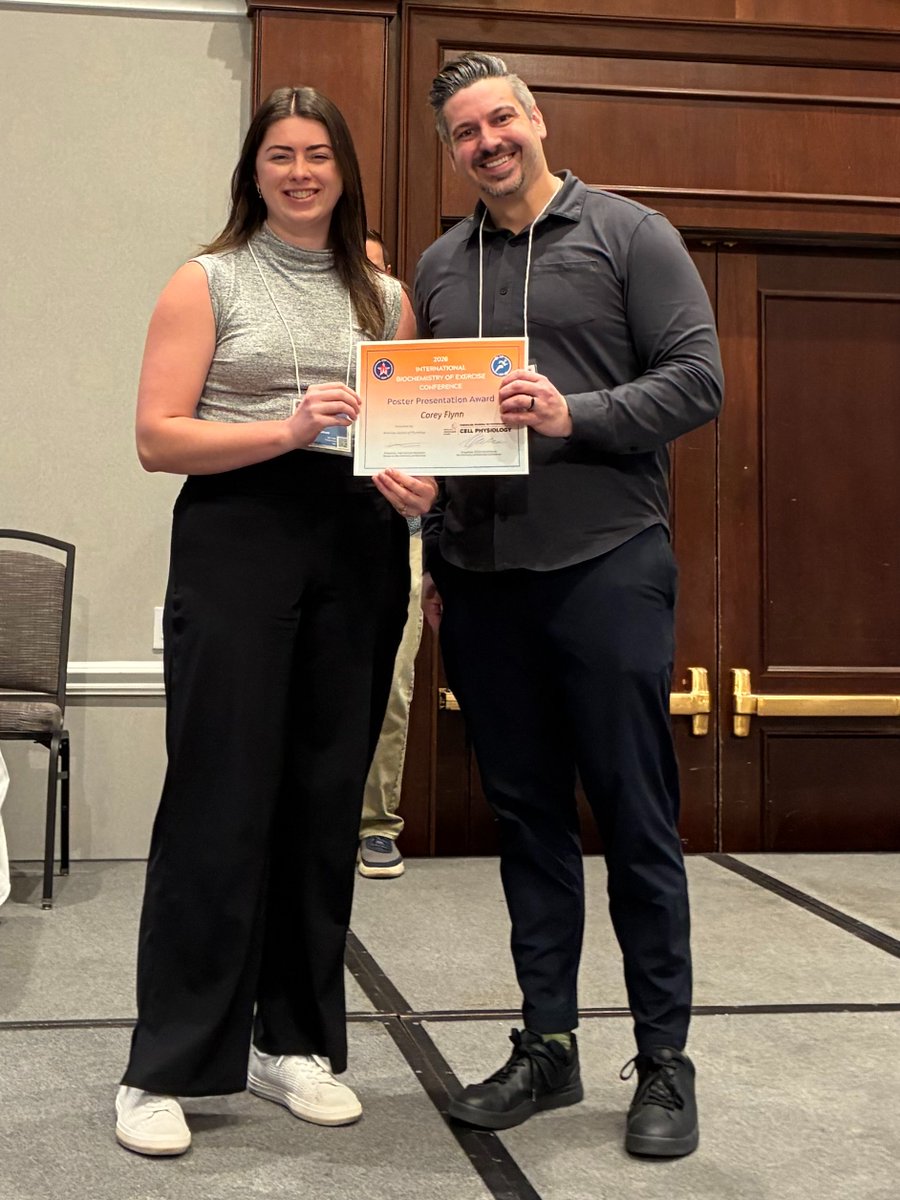
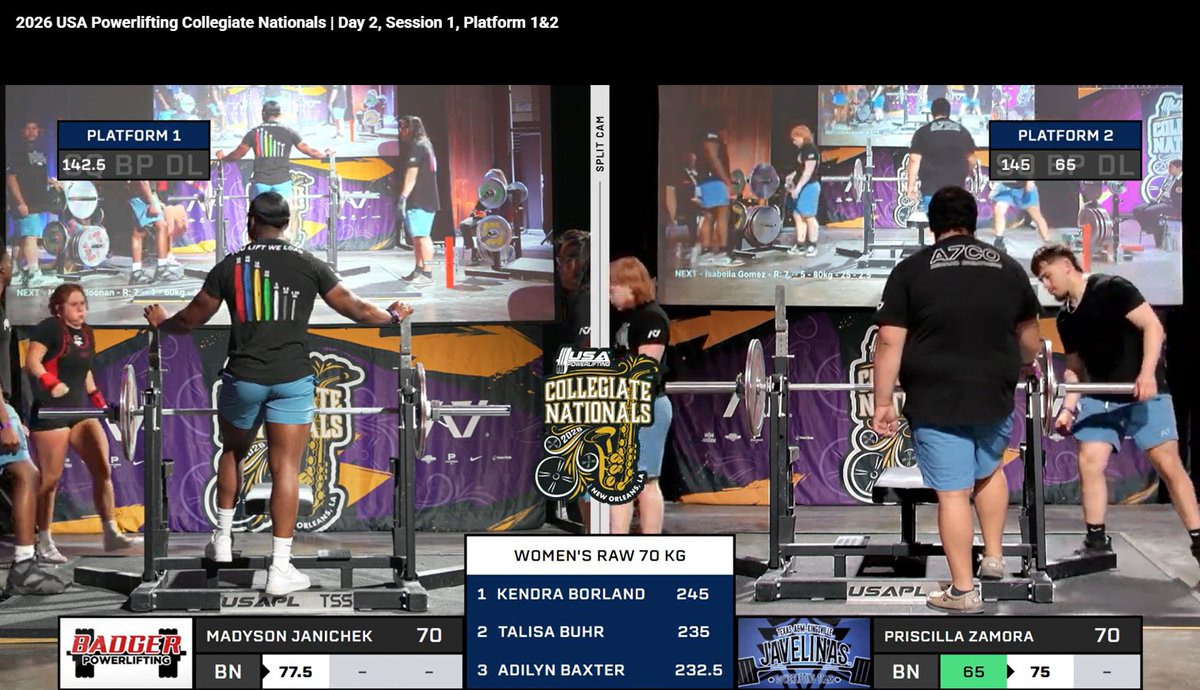
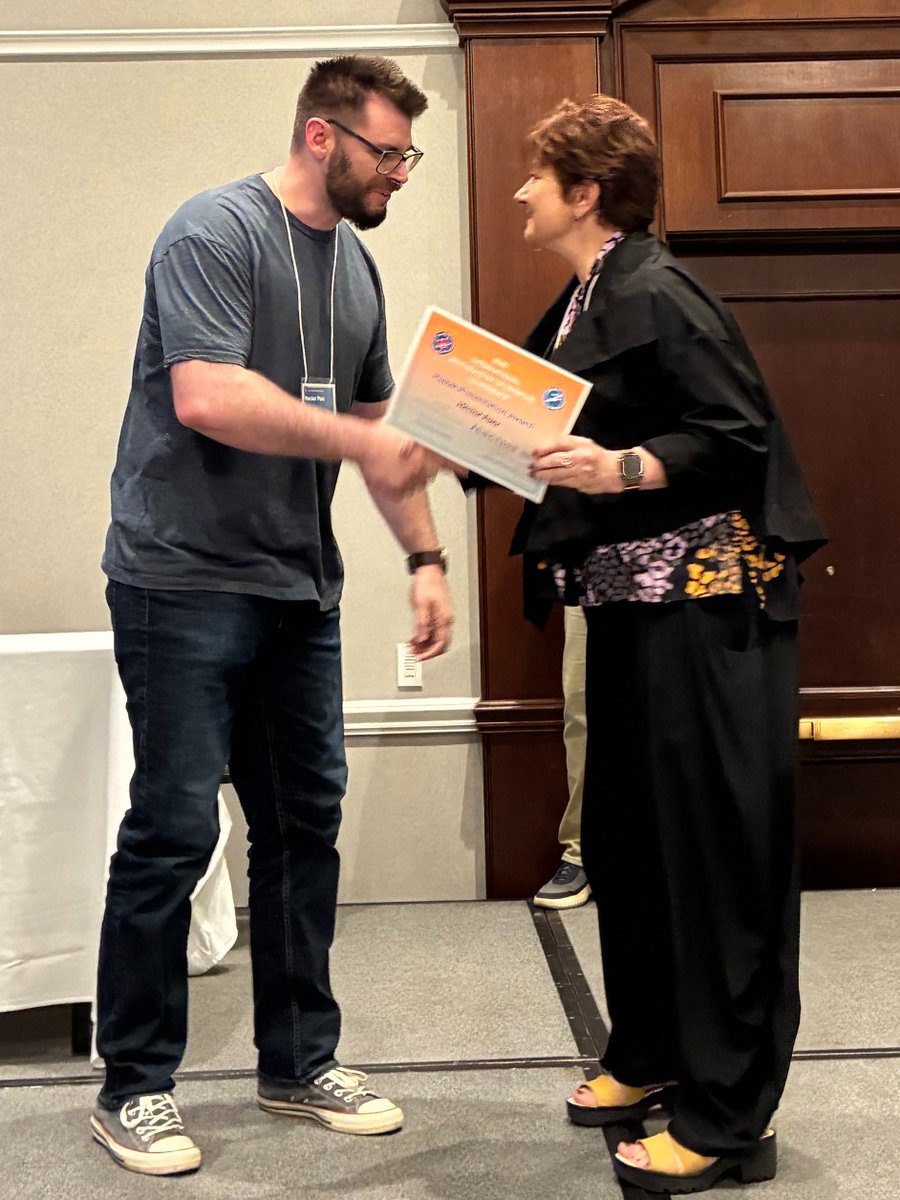
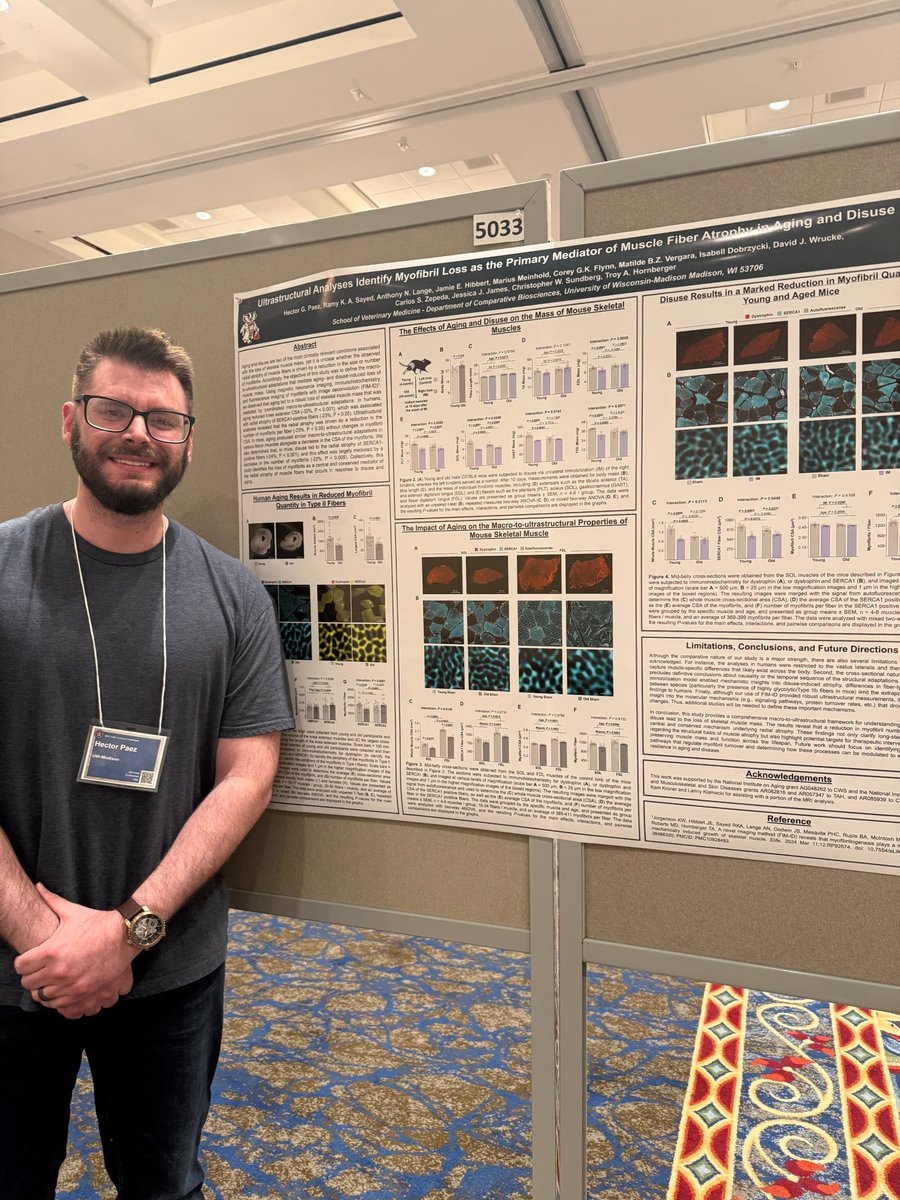
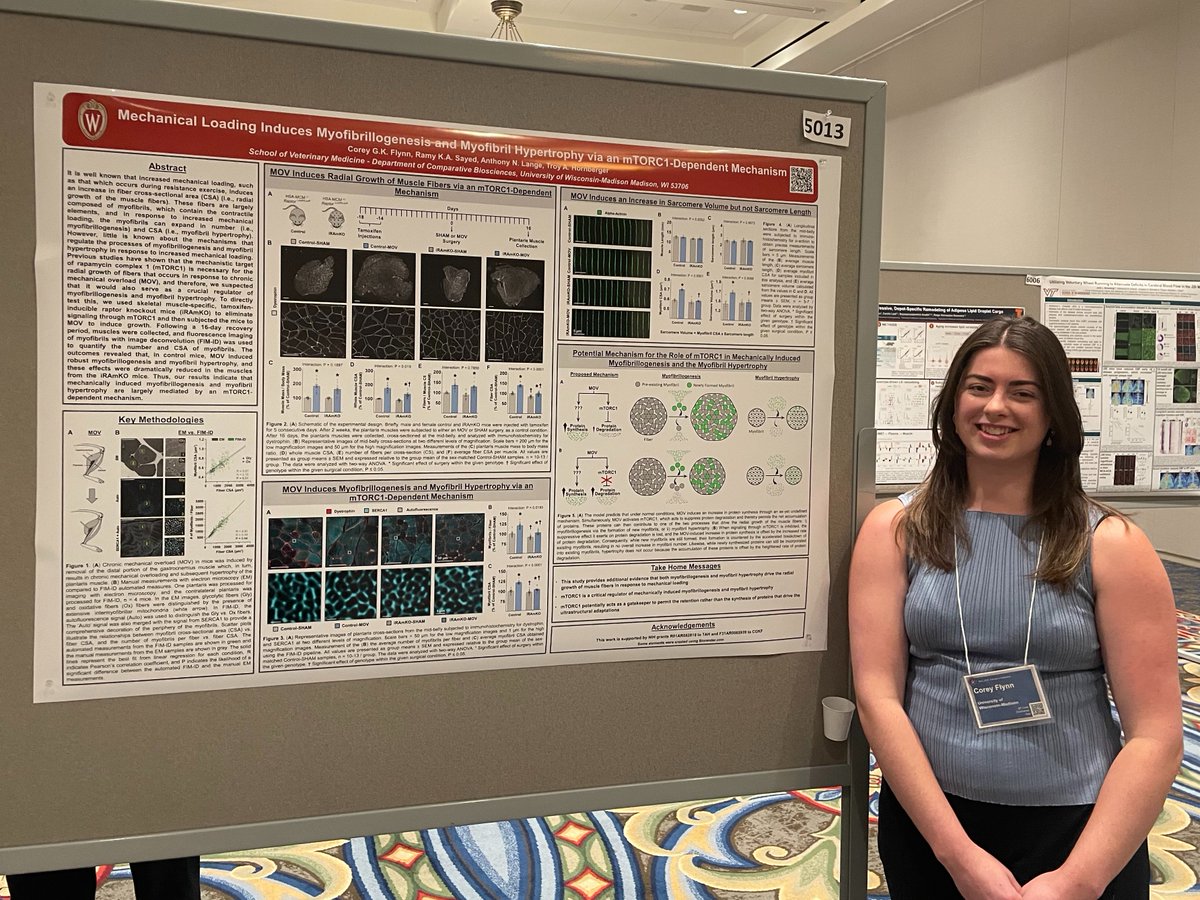
Wish I could've been at #IBEC2026 to see my PhD student Corey Flynn and postdoc Dr. Hector Paez (@Muscles_n_Mitos) collect their APS poster awards. Both are rising stars with exceptional potential ... thrilled that the voting committee picked up on what I see in them. 🎉
4
19
1,514

The Hornberger Lab retweeted

Jun 1
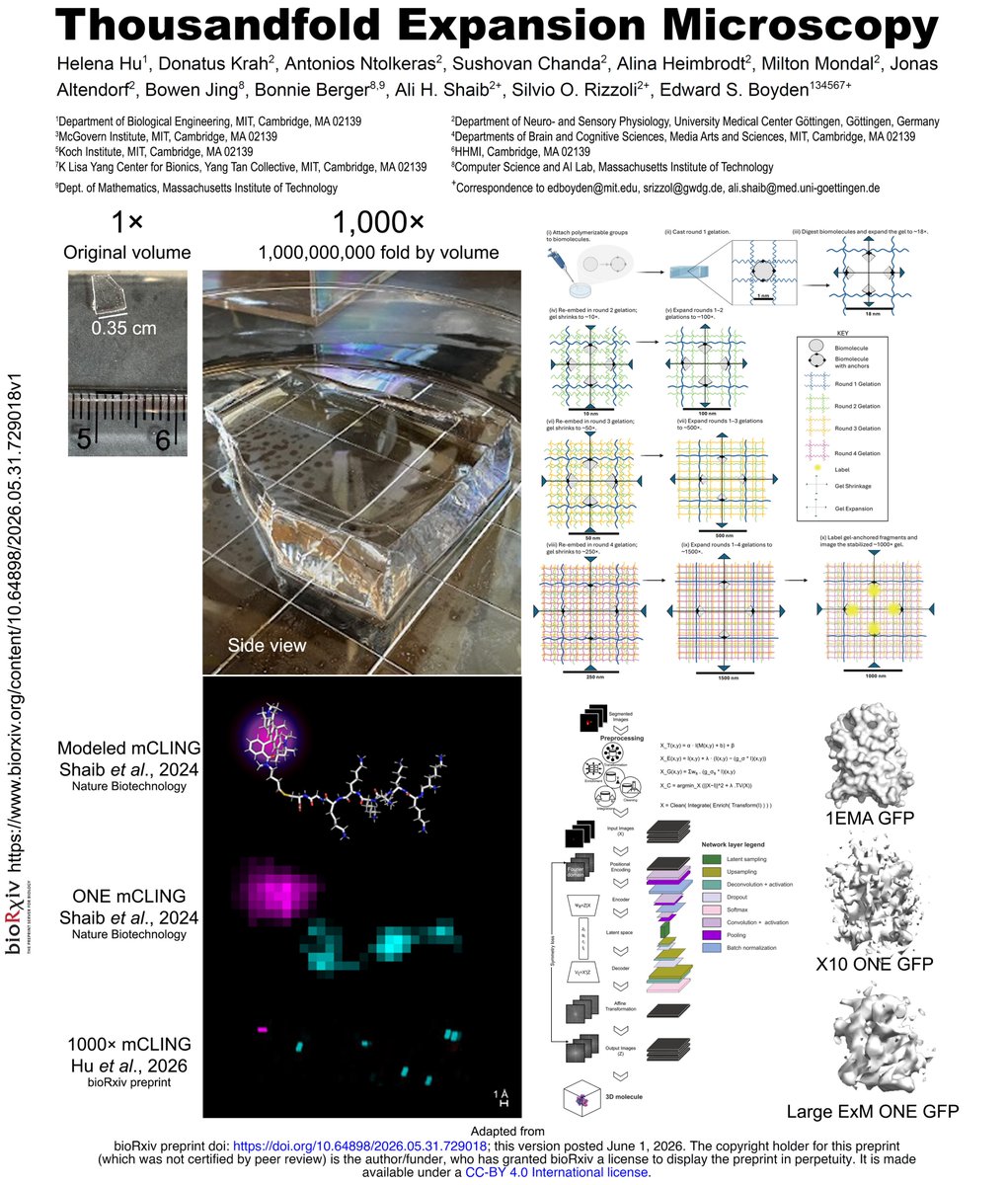
Hello world, meet 1,000× Expansion Microscopy.
1,000,000,000× expansion by volume! A gel that starts at a few centimeters will then expand to the volume of an Olympic swimming pool. biorxiv.org/content/10.64898…
In our new bioRxiv preprint, work carried out between MIT and UMG, led by Helena Hu in collaboration with scientists from the labs of @eboyden3 Ed Boyden, Silvio Rizzoli, and myself, we present Thousandfold Expansion Microscopy.
By enlarging biological specimens across multiple rounds of expansion, molecular-scale features, as small as the distances between adjacent amino acids, can be visualized with conventional optical microscopes.
Democratizing super-resolution microscopy.
12
139
599
96,380
The Hornberger Lab retweeted

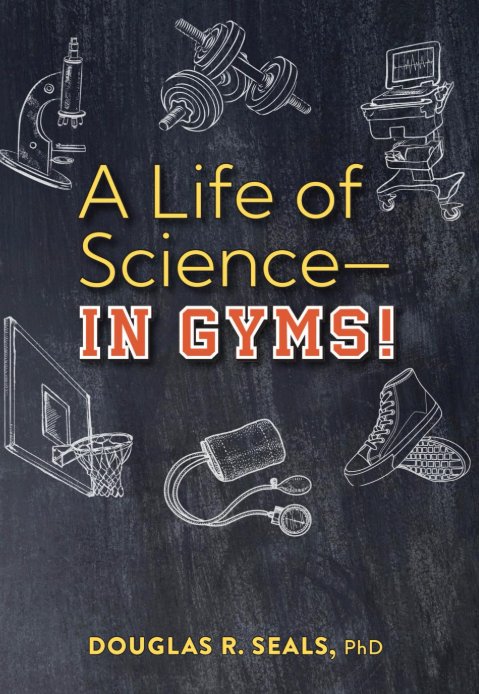
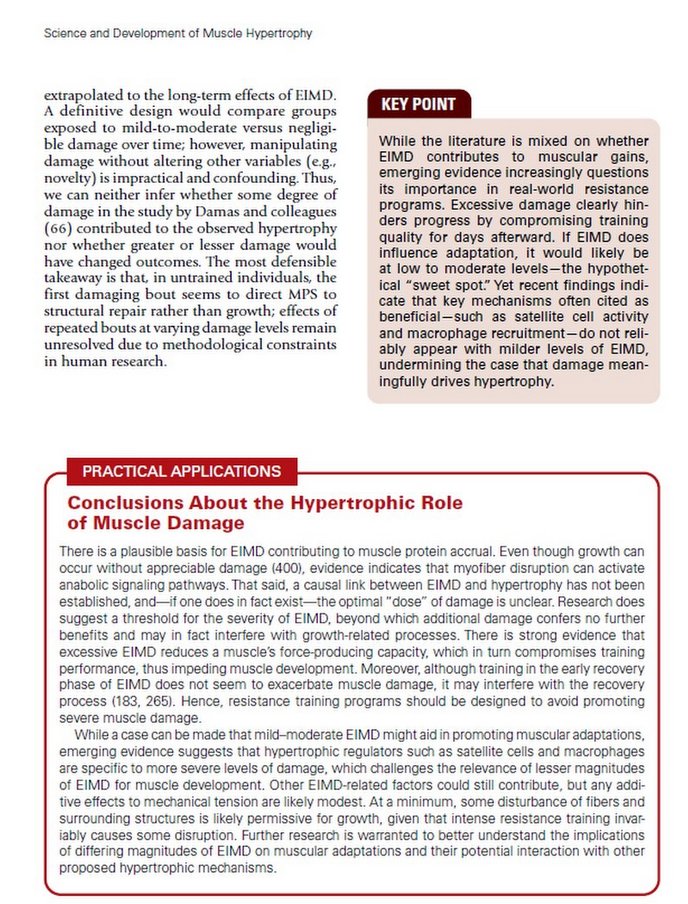
I received the final proofs for the 3rd edition of my textbook, "Science and Development of Muscle Hypertrophy." Looking back, it’s remarkable to see how much hypertrophy science has advanced over the past decade.
One of the most intriguing developments has been our evolving understanding of the mechanisms underlying hypertrophy. Emerging evidence has helped clarify the intrinsic stimuli that drive muscle growth, and in particular, has increasingly called into question a meaningful role for muscle damage in the process. In the past, I speculated that there may be a “sweet spot” whereby mild muscle damage could enhance anabolic processes beneficial to muscle development (e.g., satellite cell activity, macrophage signaling). However, more recent research suggests these responses are primarily associated with more severe muscle damage, which is inherently detrimental to subsequent performance and, hence, long-term gains.
Given the inherent challenges of mechanistic research in humans and the difficulty in establishing causal inference, a contributory role for muscle damage cannot be completely ruled out. That said, if such an effect does exist, it is likely to be minor in practical significance.
The mechanisms that drive muscle development remains an exciting area of research that should continue to evolve in the coming years. We know a lot more than we did a decade ago, but there’s still much to learn.
The book is available for pre-order on Amazon: amazon.com/Science-Developme…
5
20
120
7,731
The Hornberger Lab retweeted

For years, my colleague, Prof. Martin Gibala, and I have appeared on literally hundreds of podcasts. Today, we dropped our own podcast! As lifetime faculty members of the McMaster Department of Kinesiology, we thought it was time for our take on reality in the world of exercise, nutrition, health, and more.
The Podcast is Real Exercise Science, and you can pick it up on all your favourite platforms.
The goal? Real science, not hype. Not fluff, not the latest paper, but evidence, with scientific humility. But reality means disappointment sometimes. That stuff you heard about protein, lifting, Zone 2, peptides, GLP-1... It's often more than the data shows, extrapolation, overstatement, or downright wrong.
Hard facts, no hype!
Episode 1 dropped today realexercisescience.com/?r=7… and featured a chat about the updated American College of Sports Medicine position stand in honour of day 1 of the ACSM annual meeting in Salt Lake City!
I'm in Salt Lake City with Marty, and you can hear an amazing update on the position stand journals.lww.com/acsm-msse/f…
Wednesday, May 27, 3:15-4:45 MDT - see you there.
29
50
313
104,753
The Hornberger Lab retweeted

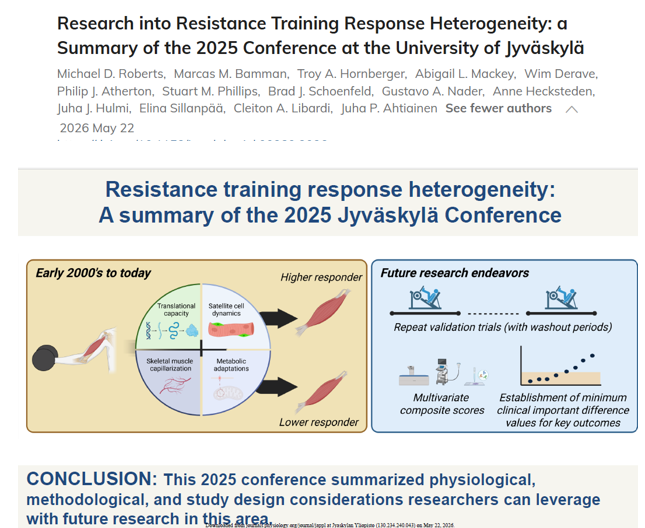
Great team involved in this review based on a conference organized at the University of Jyväskylä, Finland.
tinyurl.com/27zupuhc
@DrMikeRoberts @MarcasBamman @HornbergerLab @AbigailMackey1 Wim Philip @mackinprof @BradSchoenfeld Gustavo Anne Juha H Elina @cleiton_libardi Juha A
1
7
19
2,517
The Hornberger Lab retweeted

Really nice write-up by Katie Cottingham in @UABNews highlighting our lab’s work!
@UABDeptMed @UABHeersink

UAB researchers review how senescent “zombie” cells contribute to skeletal muscle weakness with aging and disease, outlining emerging therapies such as senolytics and senomorphics that could help preserve muscle health and extend health span. go.uab.edu/42e78hN
4
10
1,518
The Hornberger Lab retweeted

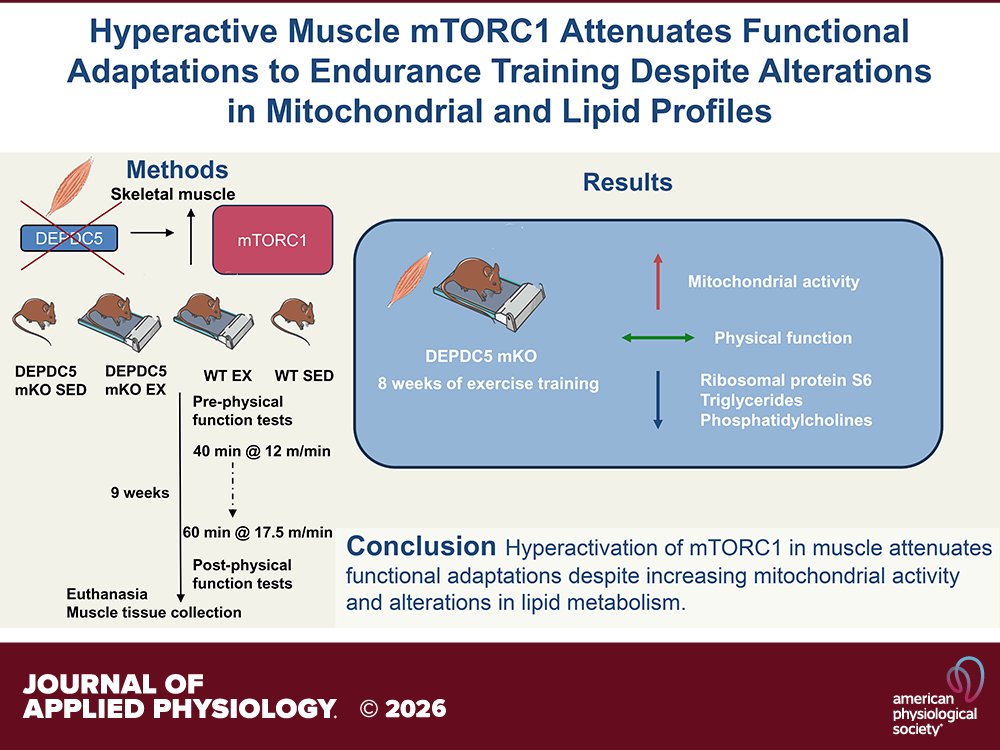
Research Article by H Kalenta et al. (@TheRasmussenLab) #Hyperactivemuscle #mTORC1 attenuates functional #adaptations to #endurancetraining despite alterations in #mitochondrial and #lipid profiles
ow.ly/OZMz50YWefb
5
15
1,114
New preprint! We show that mTORC1 is critical for myofibrillogenesis and the radial growth of myofibrils in response to mechanical overload.
biorxiv.org/content/10.64898…
We also propose a model that redefines how mTORC1 might actually drive growth.
Full breakdown in this thread 👇
2
17
55
3,035
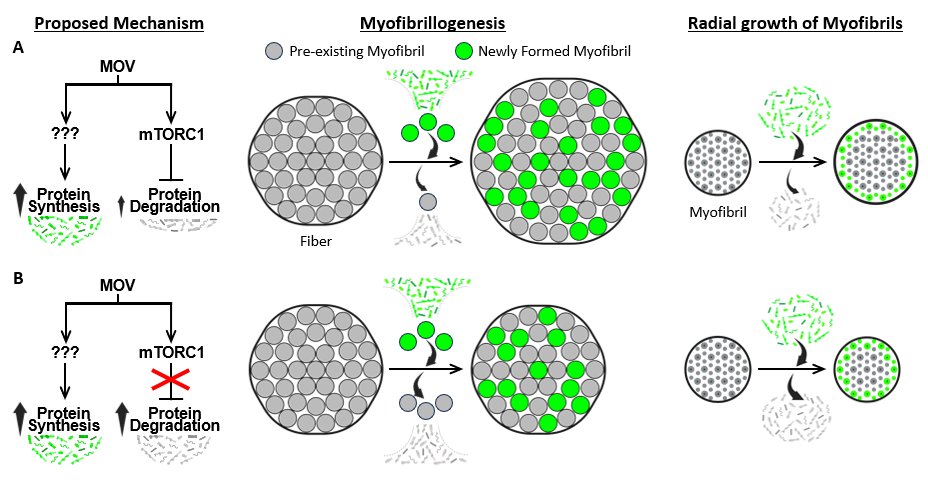
9/ The proposed model:
mTORC1 acts as a gatekeeper of protein RETENTION
MOV → ↑ synthesis (mTORC1-independent)
MOV → mTORC1 → ↓ degradation → net accumulation of proteins for myofibrillogenesis and radial myofibril growth.
No mTORC1, then degradation evens the score.
1
3
20
924
10/ Limitations worth flagging:
The plantaris is essentially all fast-twitch, and MOV is a chronic stimulus. Whether the same mTORC1-dependence holds for slow fibers or intermittent loading (e.g., resistance exercise) is still open.
2
226