Program Director at @cta_west
Joined March 2019
- Tweets 1,642
- Following 5,414
- Followers 3,615
- Likes 3,778
Photos and videos
Coach Huffman retweeted

3
7
171
Coach Huffman retweeted
5
7
434

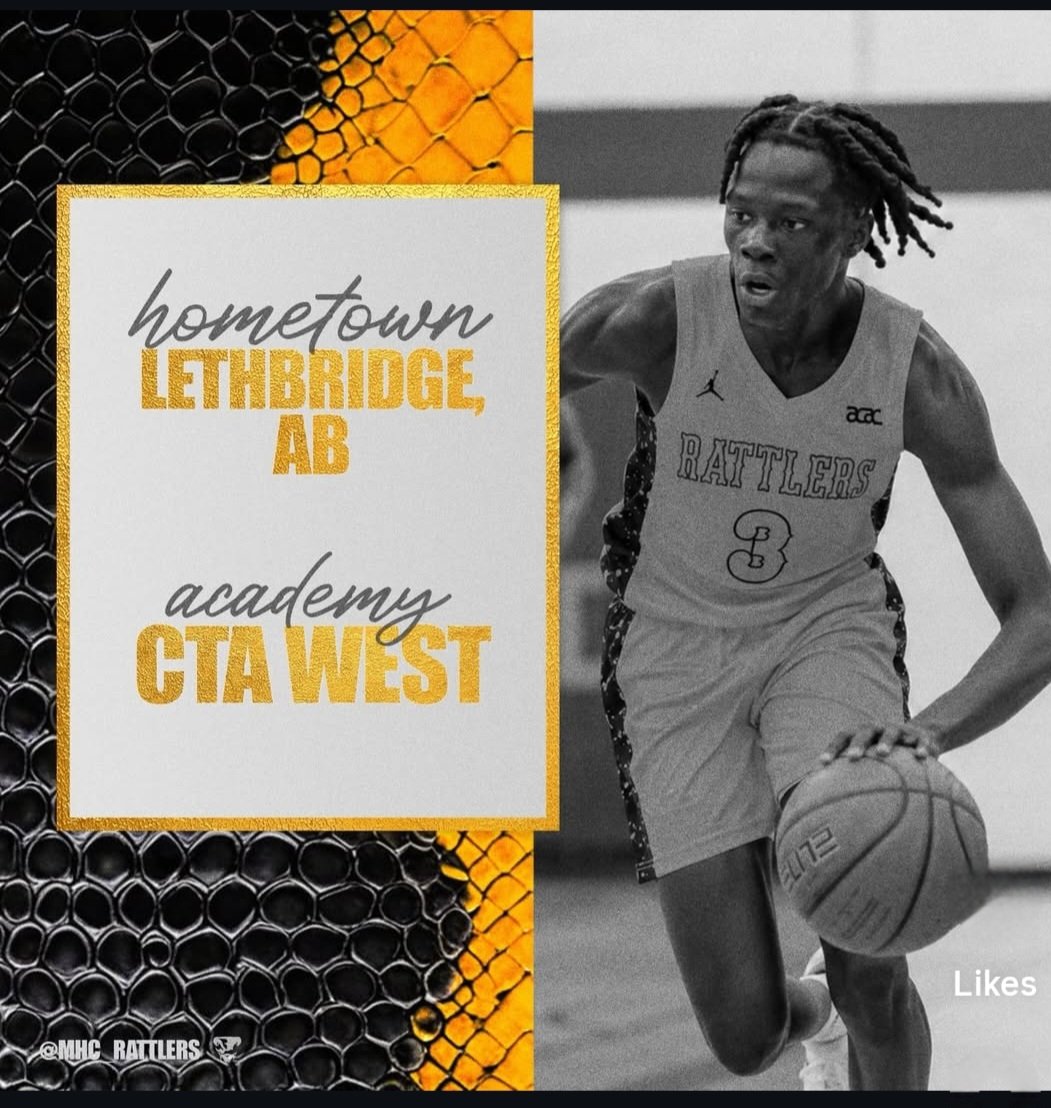
The Northern Circuit Combine Results
Height: 6'4.5
Wingspan: 6'8
Weight: 213.6 lbs
Max vert: 37.5 in
3/4 court sprint: 3.38 s
Lane agility drill: 11.34 s
Named an All-Star
@cta_west @coachsir_value @HuffmanCoach @HPaulichuk
6
10
505
Coach Huffman retweeted
4
9
583
Coach Huffman retweeted
7
11
886
Coach Huffman retweeted

Jun 8
6
6
454
Class of 2026 @ovmifeta plays above the rim and is still available. V is impressive athletically and academically. He’s looking to take computer science.

6'5 SG/SF
Class of 2026
CTA West Full Season Highlights
11 ppg, 5 rpg, 2 apg, 1.2 stl, 52/33/80 splits
2
1
485

Coach Huffman retweeted

Jun 6
RECRUITS ARE LOST AND CONFUSED
One of the biggest misconceptions about recruiting is that more information and more opportunities have made the process easier.
On the surface, recruiting appears simple.
Create highlights.
Attend camps.
Contact coaches.
Perform well.
Make the grades.
Get recruited.
But beneath the surface is a world of competing voices, conflicting advice, and constant pressure that many families struggle to navigate.
They’re being pulled in every direction.
Parents have opinions.
High school coaches have opinions.
Travel coaches have opinions.
Trainers have opinions.
Friends have opinions.
Former players have opinions.
Social media has opinions.
One person says stay close to home. Another says leave the state. One says focus on academics. Another says chase the highest level possible. One says be patient. Another says commit now. Everyone sounds confident, yet nobody fully agrees.
AND college coaches often have opinions that completely contradict everyone else’s.
At the same time, recruits are surrounded by more noise than any generation before them. Every day they see commitment graphics, rankings, scholarship announcements, campus visits, transfer portal news, and highlight videos. They’re constantly comparing their journey to someone else’s best moments.
The pressure of “D1 or bust” only makes things harder. Many athletes grow up believing that if it’s not Division I, it’s not success. The reality is that incredible opportunities exist at every level:
D2, D3, NAIA, JUCO, USCAA, NCCAA, and more
But too many recruits spend their time chasing someone else’s definition of success instead of defining it for themselves.
They’re also trying to please everyone. Their parents. Their coaches. Their teammates. Their friends. The people who invested time and money into them. All while trying to figure out what they actually want.
And perhaps that’s the hardest part. Recruiting isn’t just choosing a school. It’s choosing where you’ll live, who you’ll learn from, who you’ll compete with, and what the next chapter of your life may look like. All while trying to decipher what the financial aid package really means for their future!
That’s a lot of pressure for a 16, 17, or 18 year-old who is still trying to figure out what tomorrow looks like and who to truly trust.
The recruits who navigate the process best aren’t usually the ones who listen to the loudest voices. They’re the ones who eventually learn to tune out the noise, stop comparing themselves to others, and define success for themselves.
Because recruiting was never meant to be about impressing the most people.
It’s about finding the place where you can grow, belong, and become the best version of yourself.
15
52
333
67,873
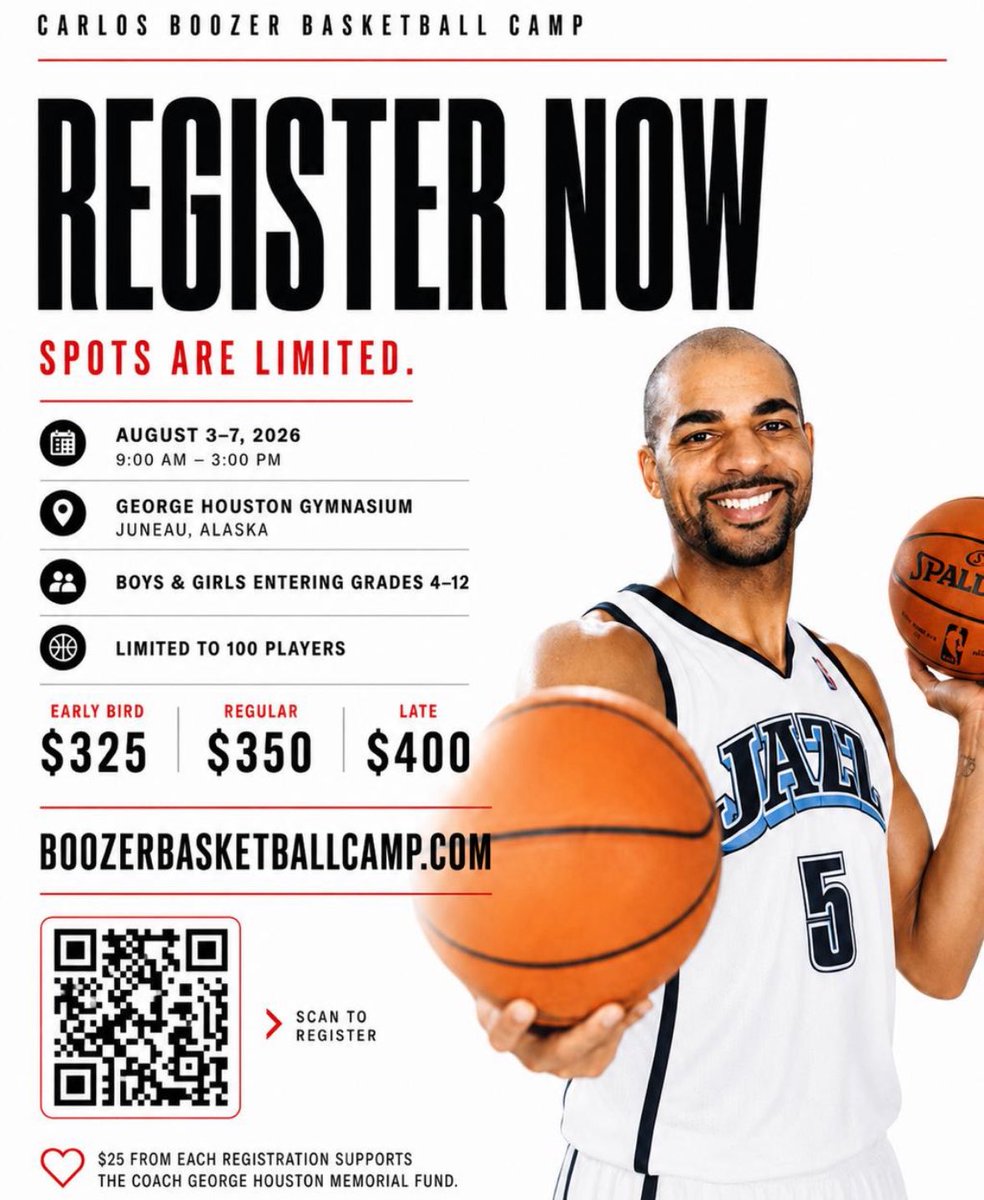
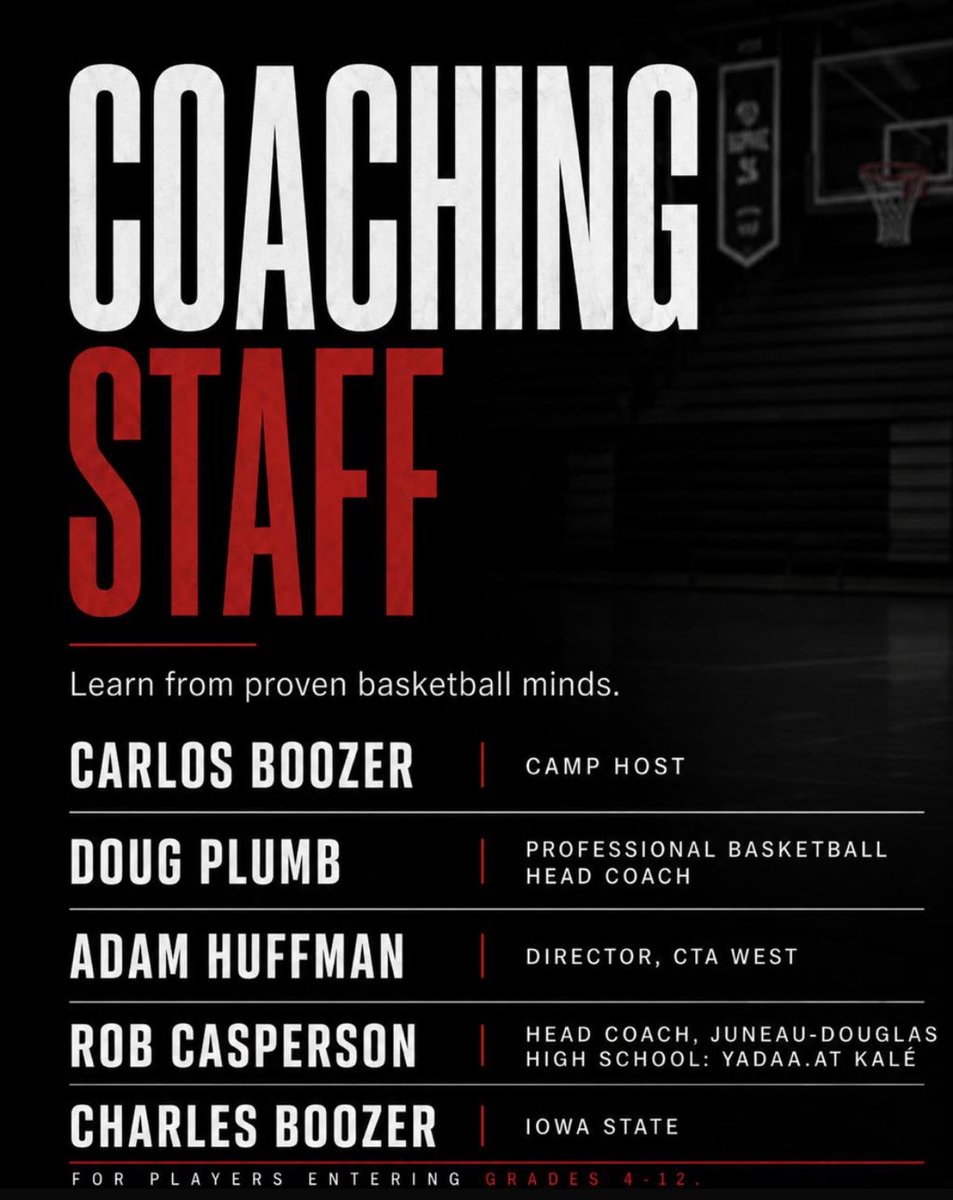
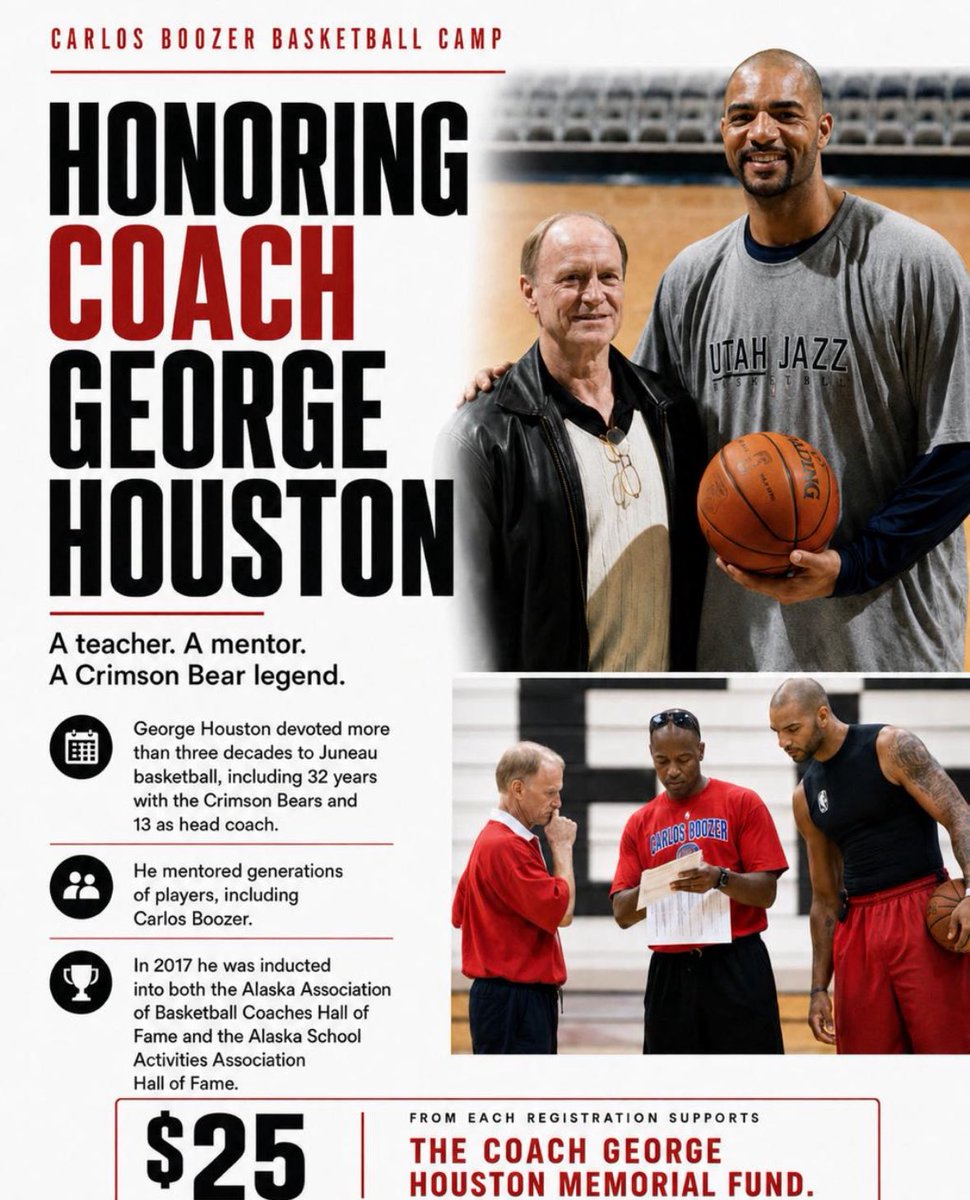
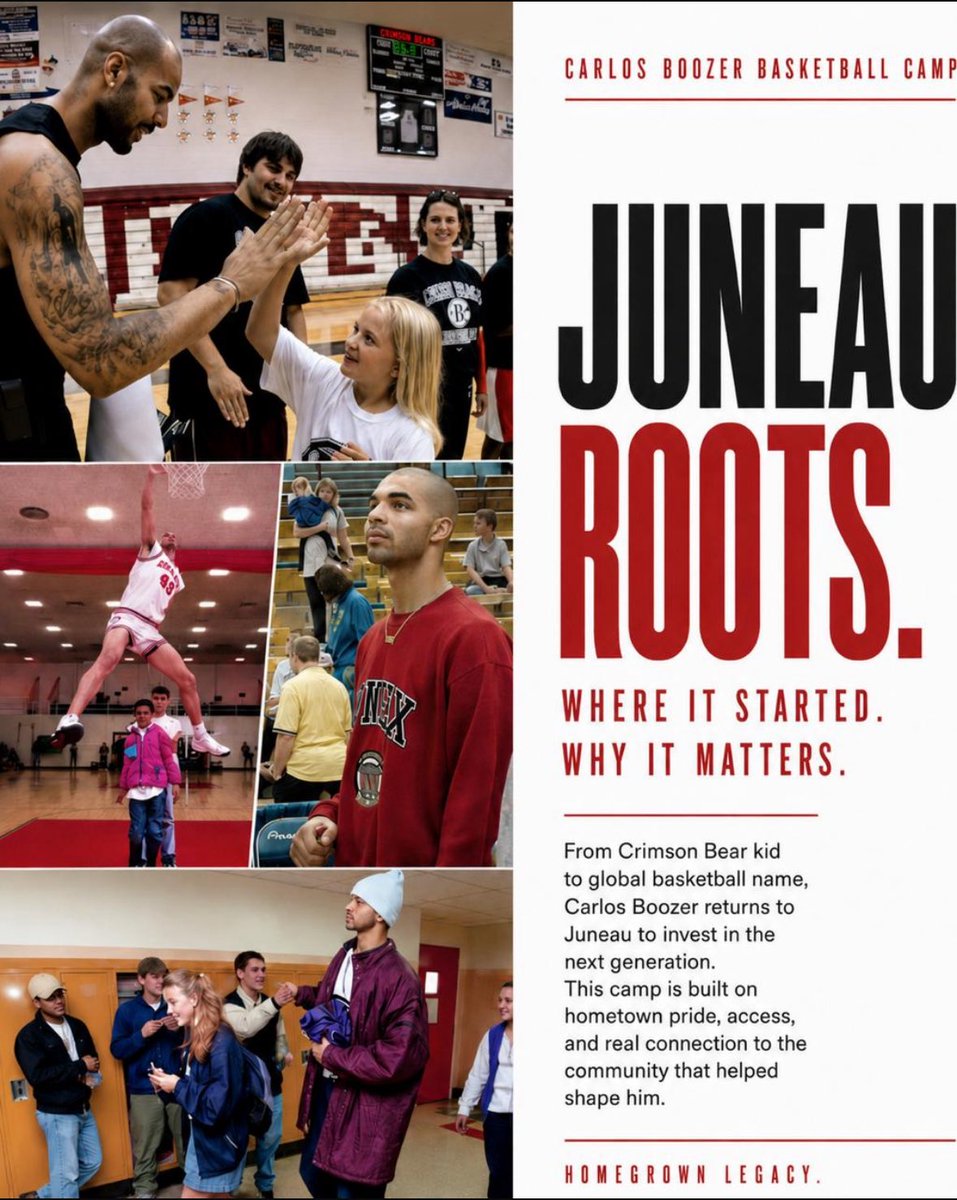
Excited to be back in Alaska for the Carlos Boozer Camp August 3-7 in Juneau.
1
8
1,092
Coach Huffman retweeted
3
10
526
Coach Huffman retweeted

May 12
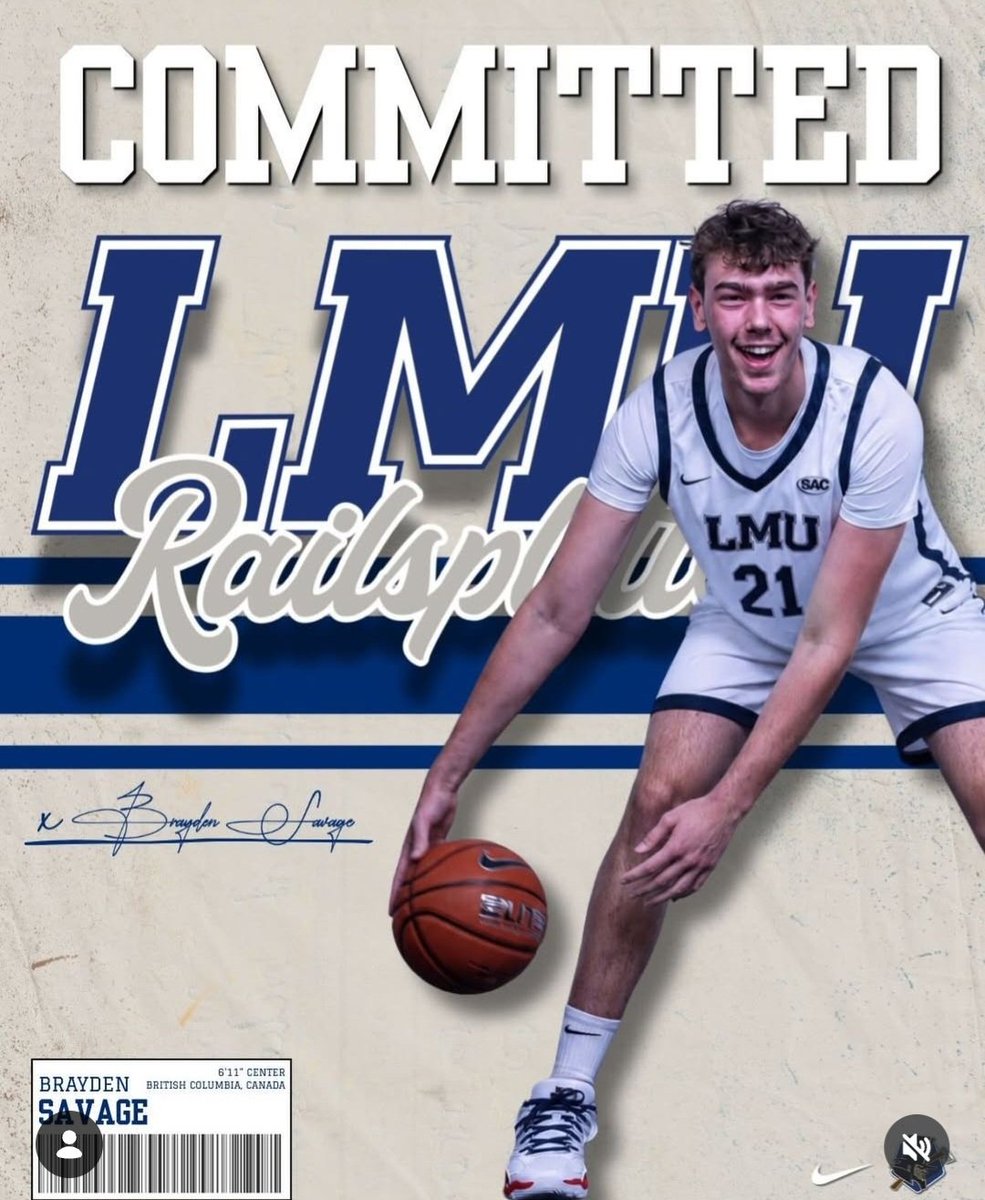
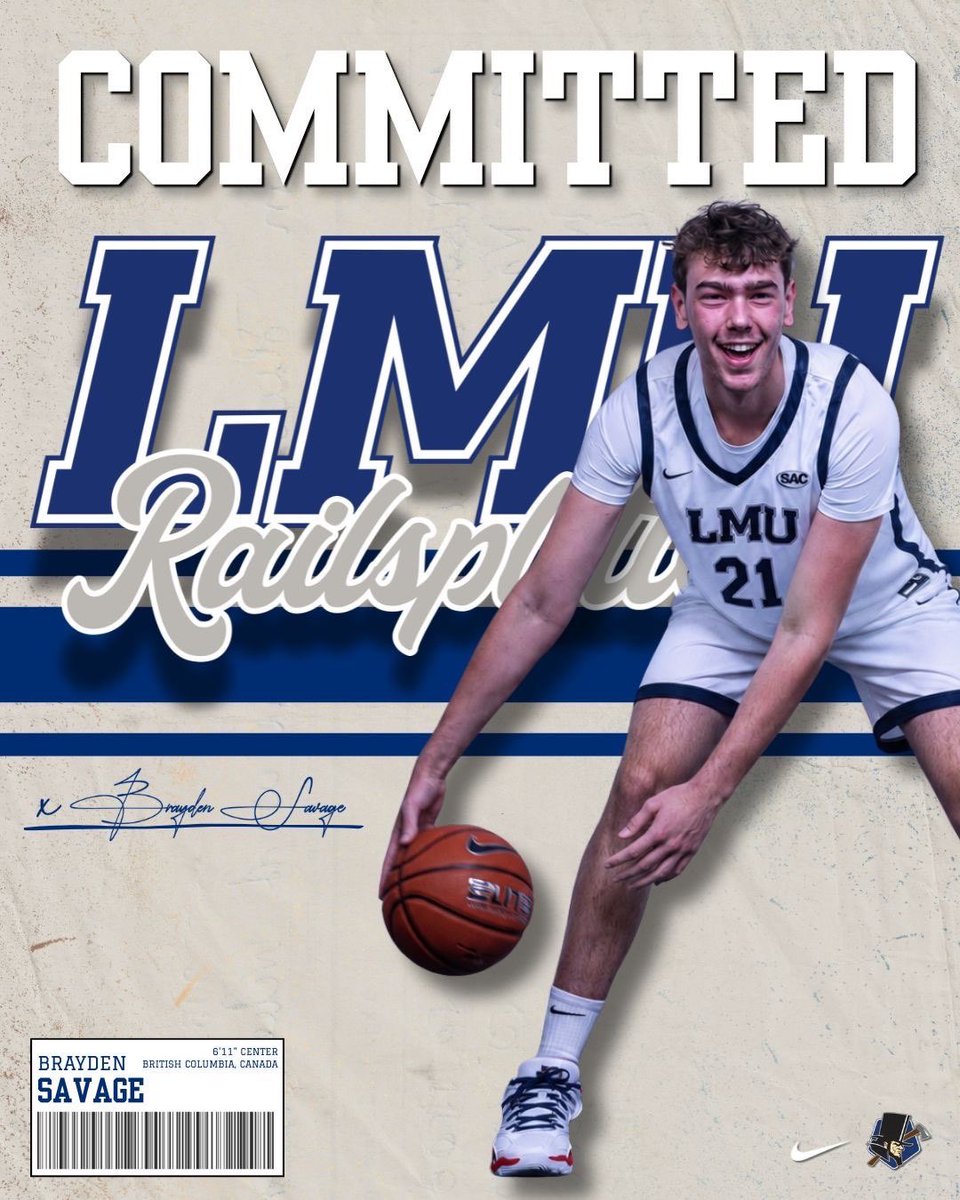
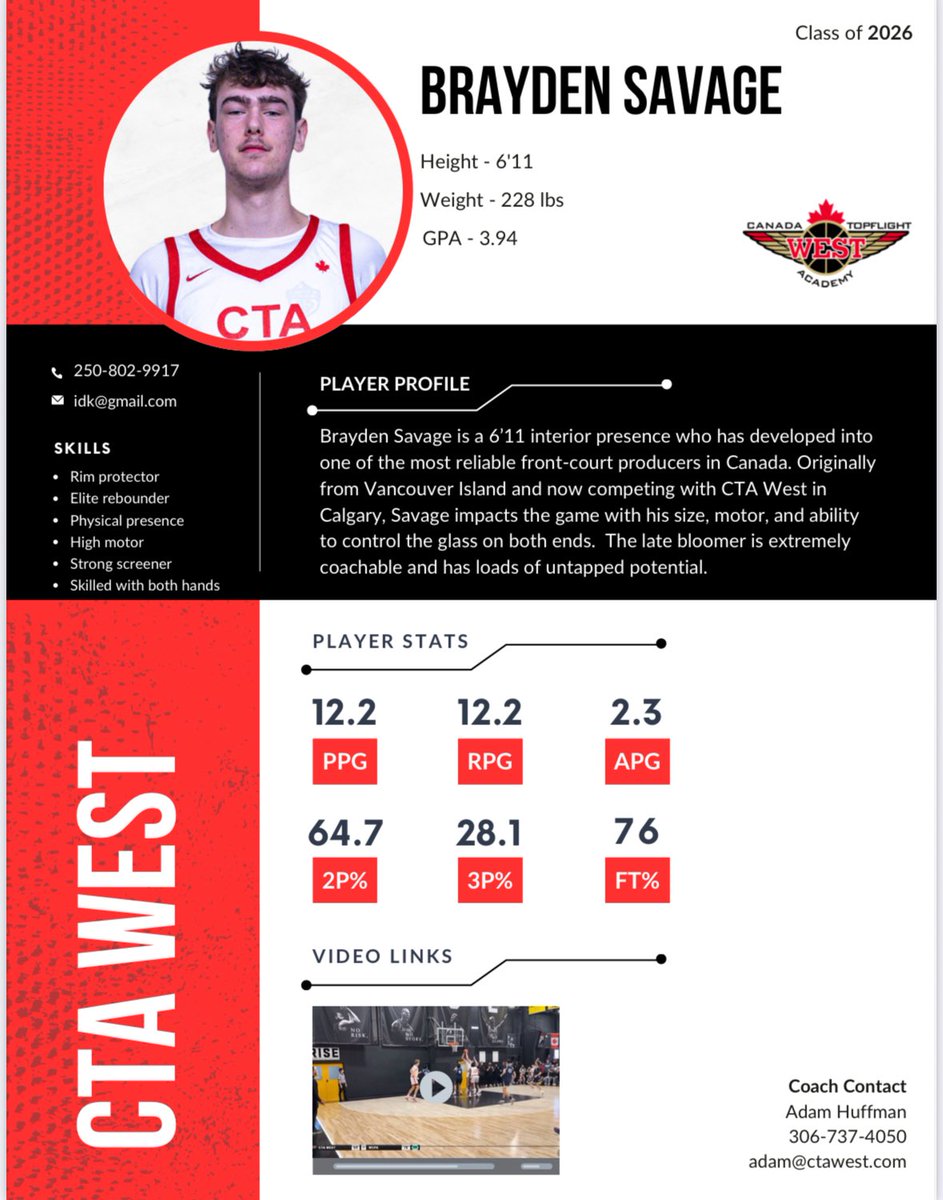
Is 6’11 @Brayden_Savage the best big left in canada?
He doesn’t need an NIL, but he does require a full ride scholarship to compete with existing offers.
College coaches, if you’re unimpressed bigs in the w/ portal , check ⬇️
youtu.be/DzUHq0rscZk
15
40
8,714
Coach Huffman retweeted
3
14
822
May 22
Canadian university/college basketball needs full ride scholarships.
A $5k athletic scholarship might cover tuition, but avg tuition in 🇨🇦 is $7.7k
Room & board is expensive, especially in major cities. It’s Pay-to-play in 🇨🇦 unless you live at home.
10
14
81
12,531
May 22
Full Academic Atheltic scholarships employment opportunities can get you close to “full ride” but schools in the USA can give a true full ride (including flight to and from school) and NIL.
Great facilities, coaching, education in 🇨🇦 but you need family $ or student loan
7
23
2,260
Coach Huffman retweeted

May 18
8
13
942
Coach Huffman retweeted
3
7
644
Coach Huffman retweeted
3
9
843
May 14
6’7 @eli_steed
6’9 @champ_peterson6
6’3 @KasenArcus
College coaches ‼️
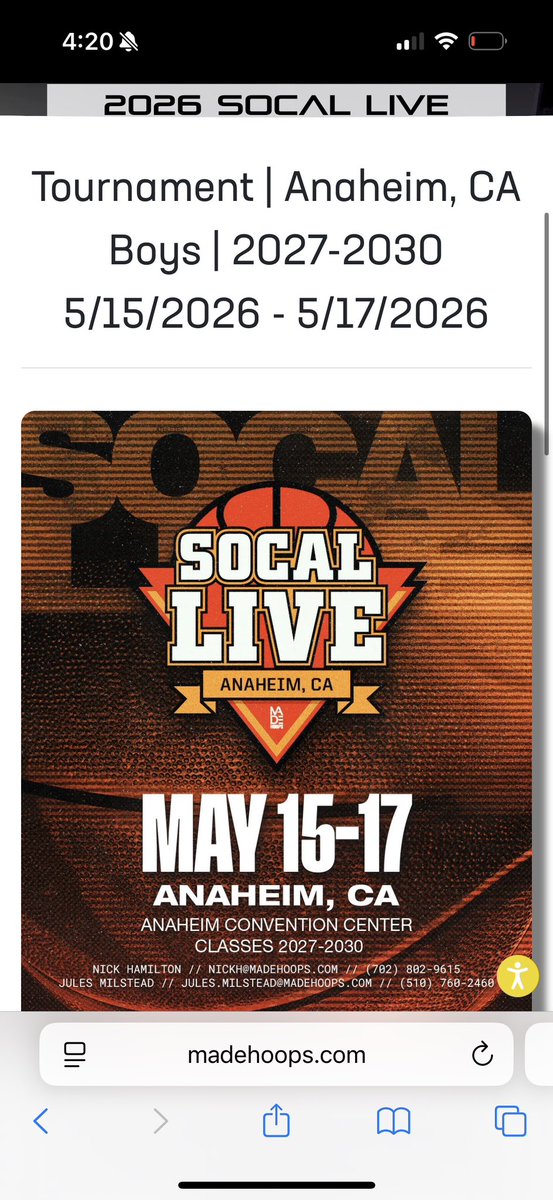
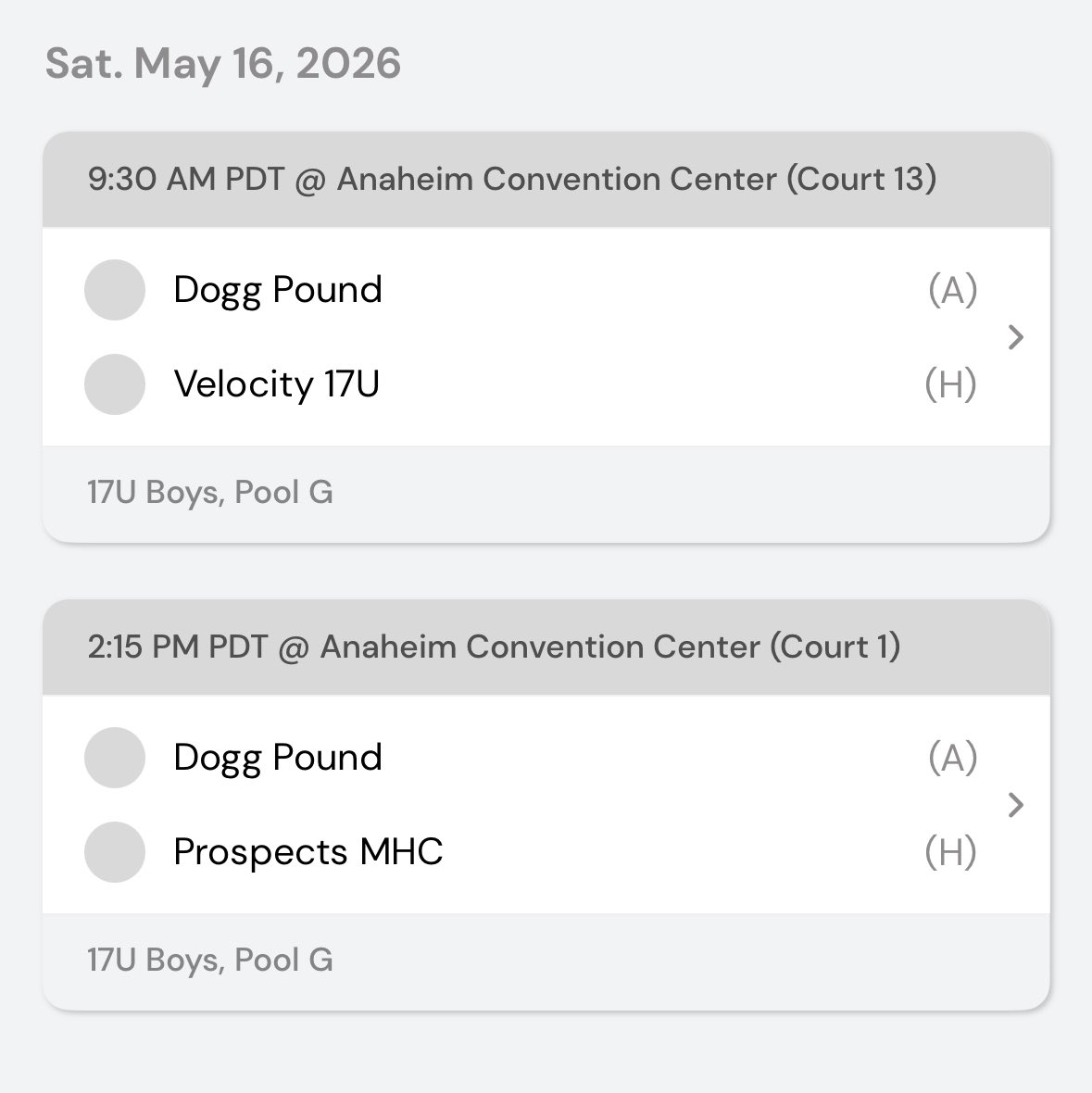
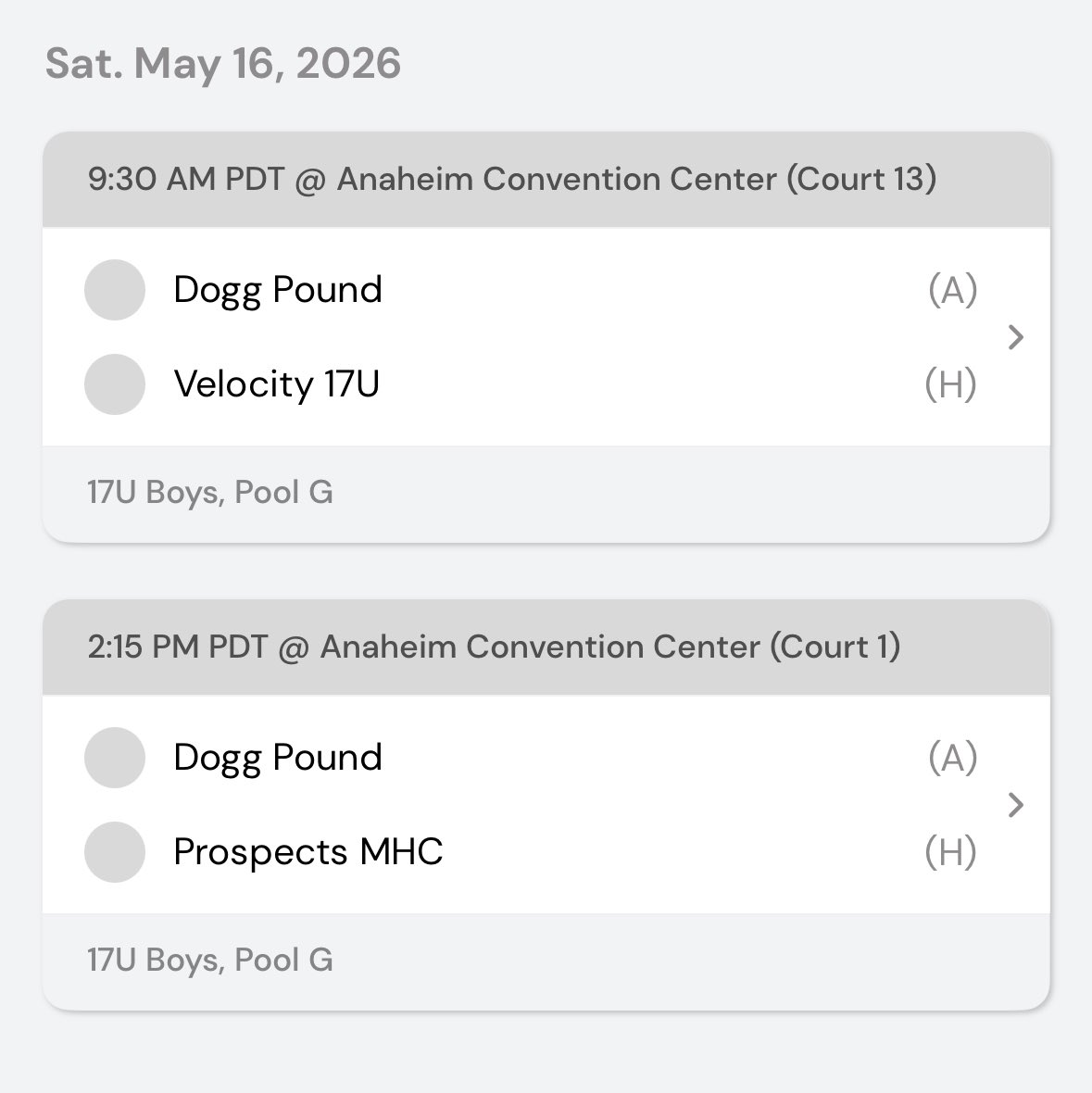
Come check these 3 🇨🇦hoopers out at the SoCal Live in Anaheim, California this weekend
They will be playing for “Dogg Pound”
1
3
5
1,037
May 14
Coach @csteed has college talent ‼️
6’7 @eli_steed
6’9 @champ_peterson6
6’3 @KasenArcus
College coaches,
Come check these 3 🇨🇦hoopers out at the SoCal Live in Anaheim, California this weekend
They will be playing for “Dogg Pound”
2
2
2,089