
Joined July 2010
- Tweets 2,254
- Following 760
- Followers 1,611
- Likes 3,538
301 Photos and videos

Pinned Tweet

25 Sep 2020
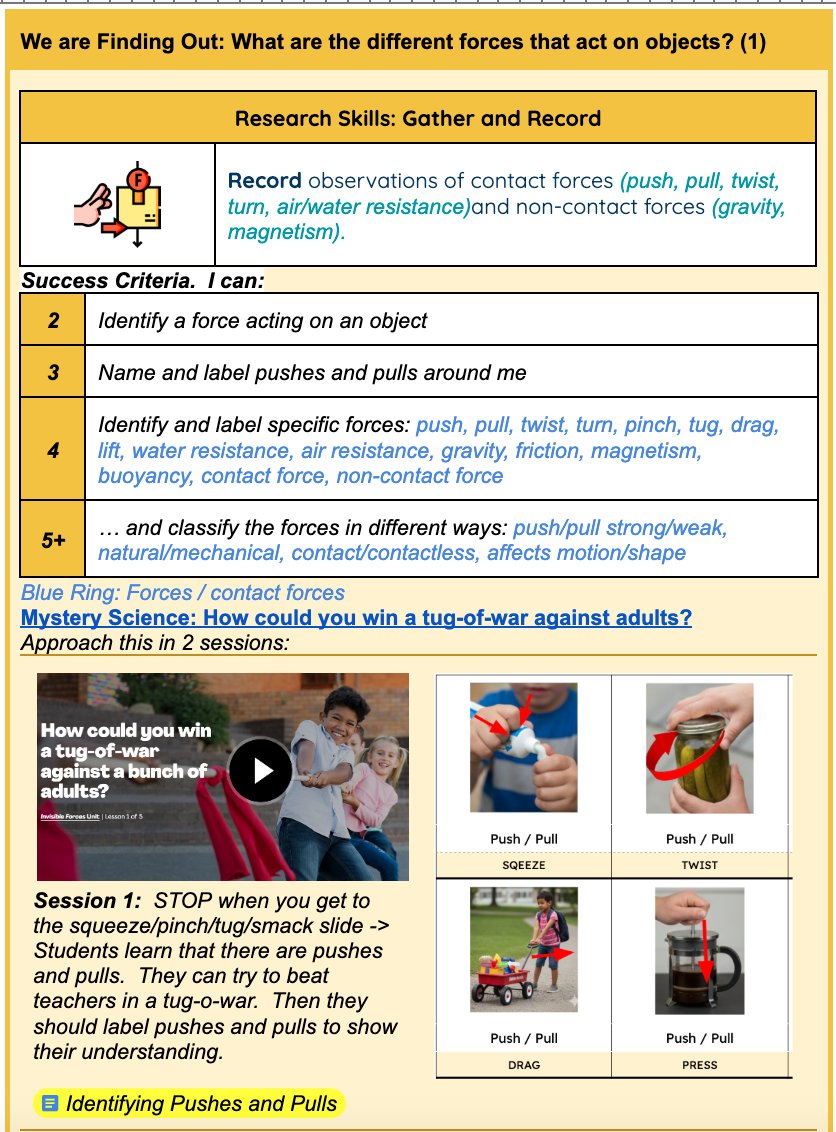
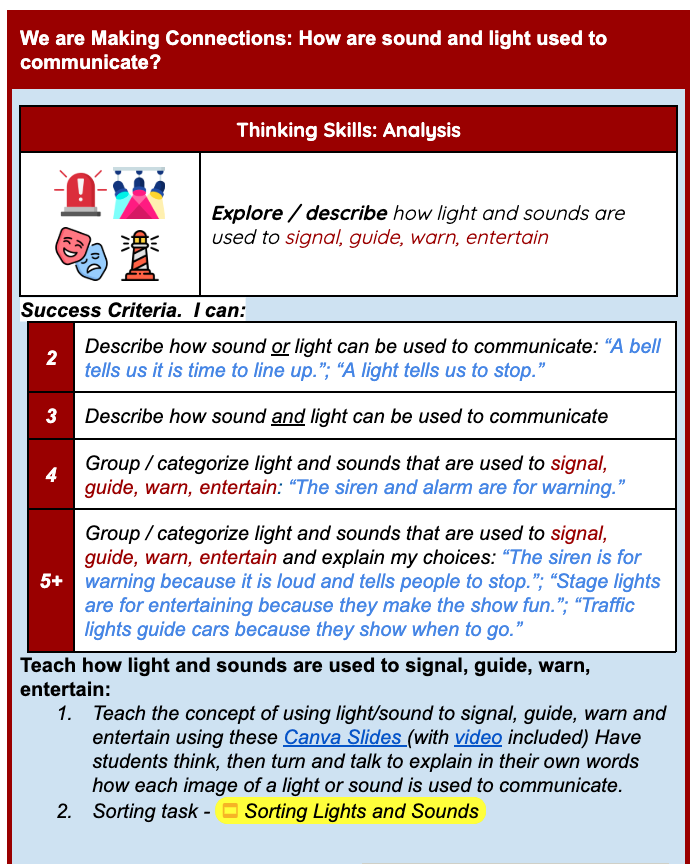
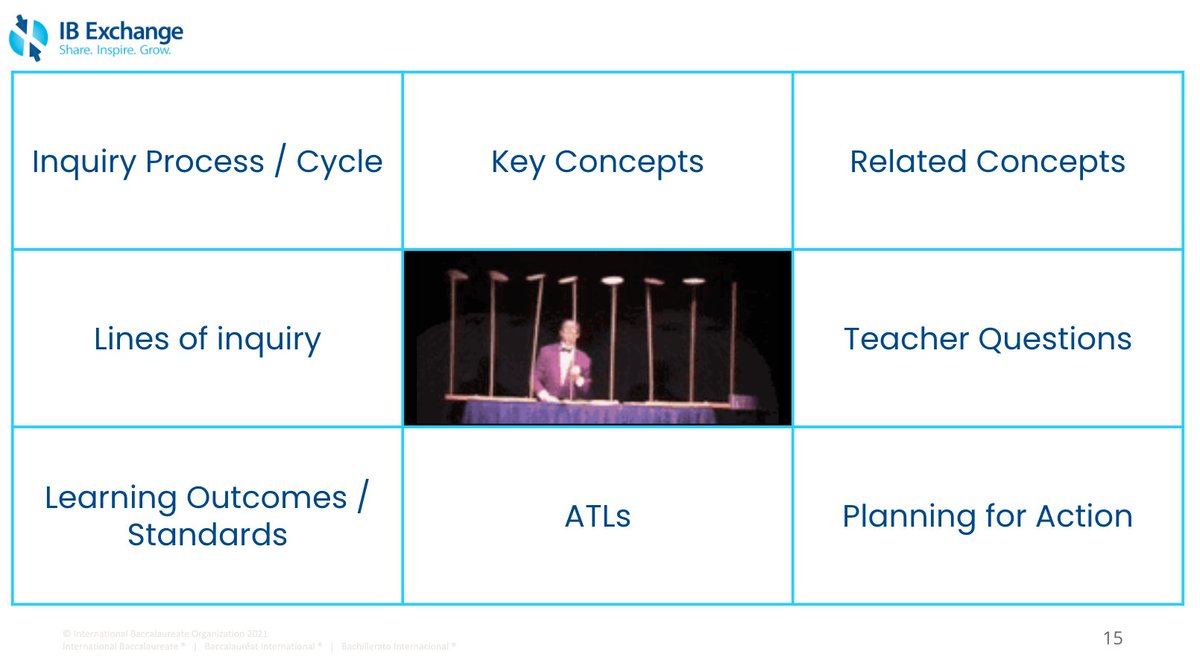
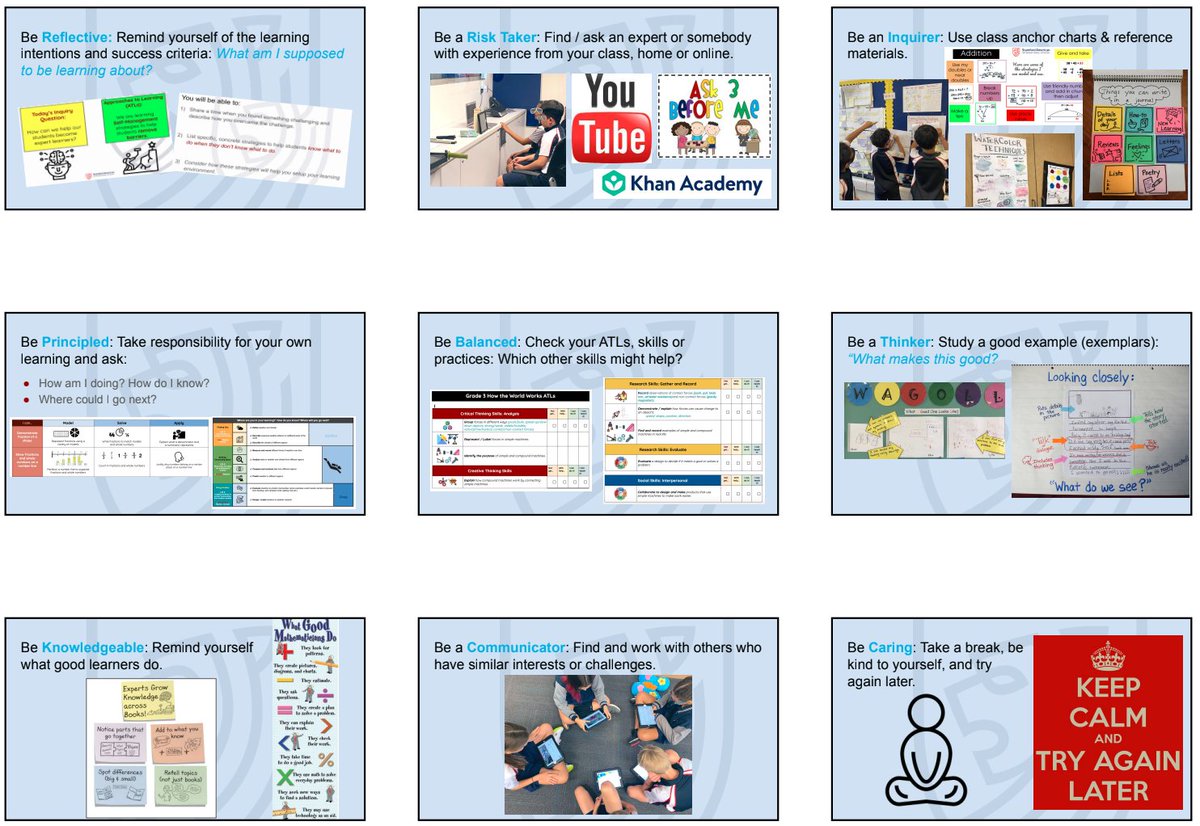
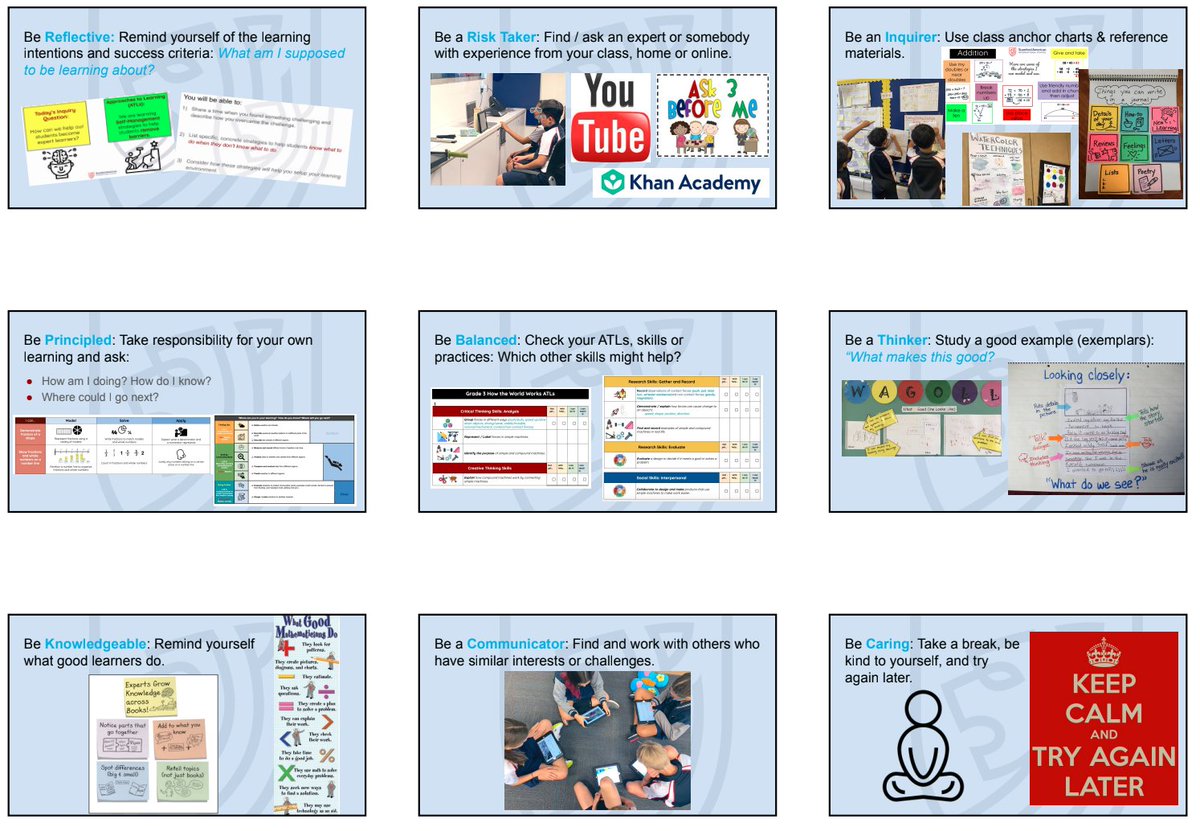
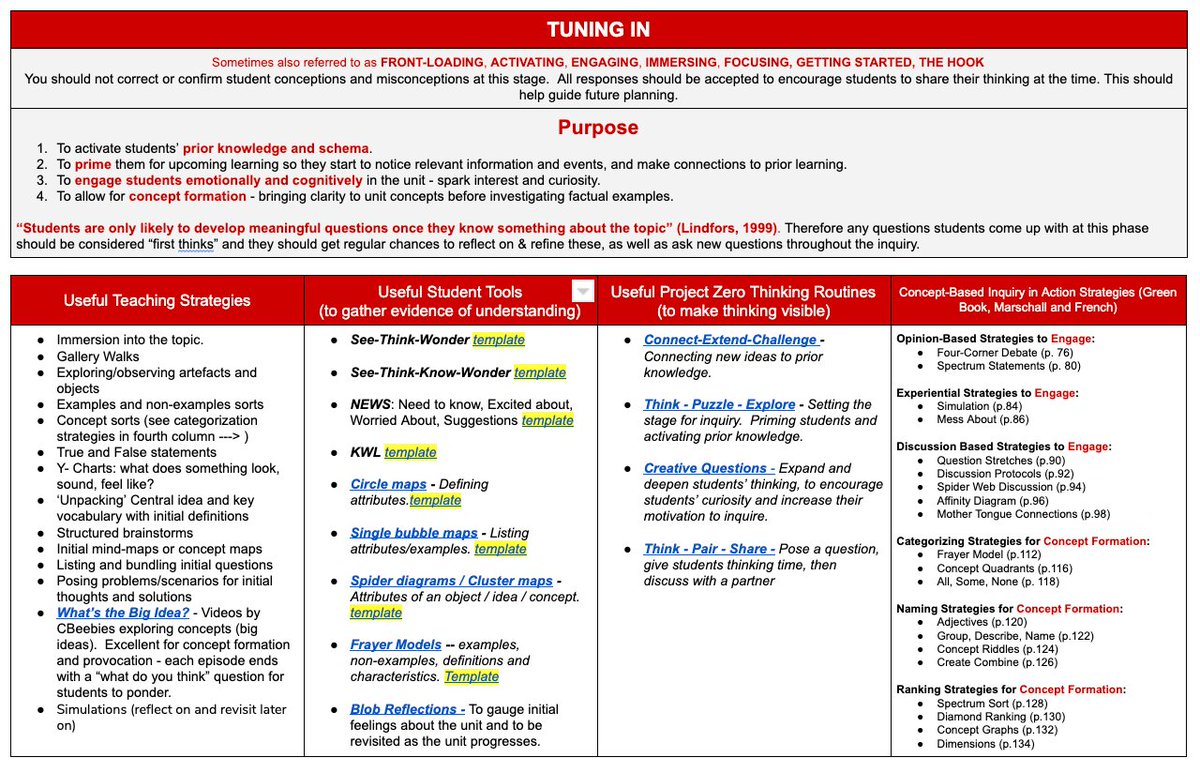
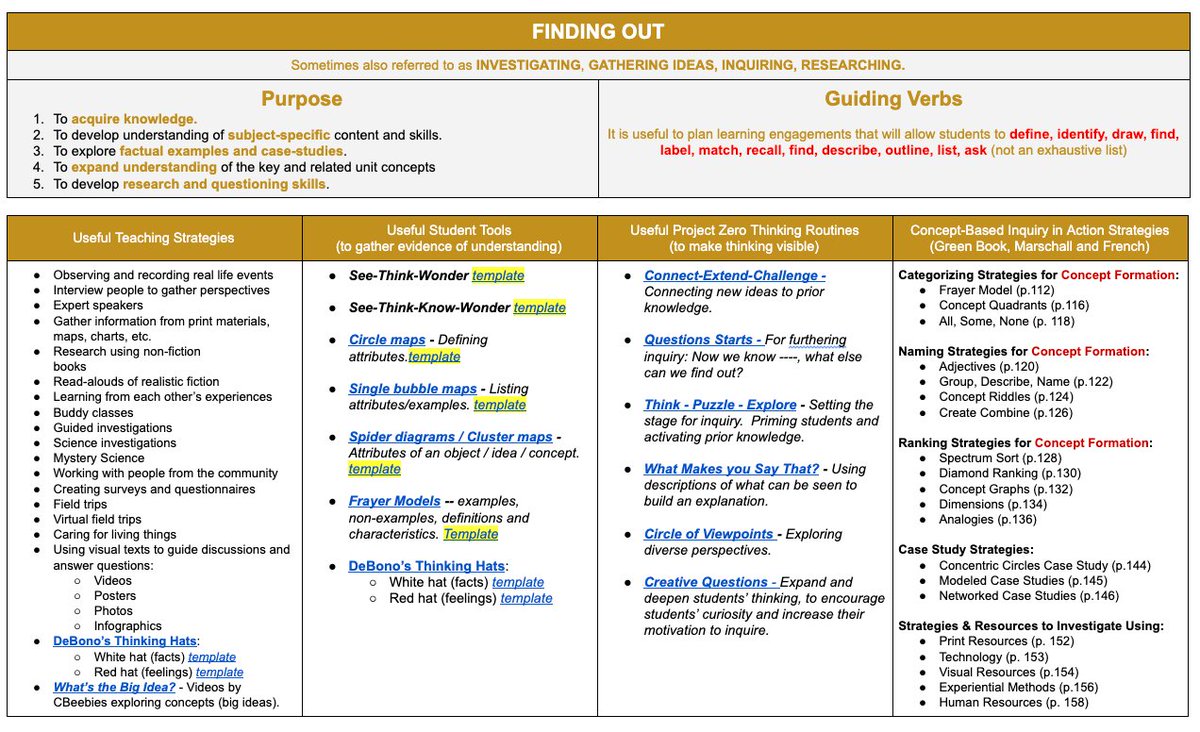
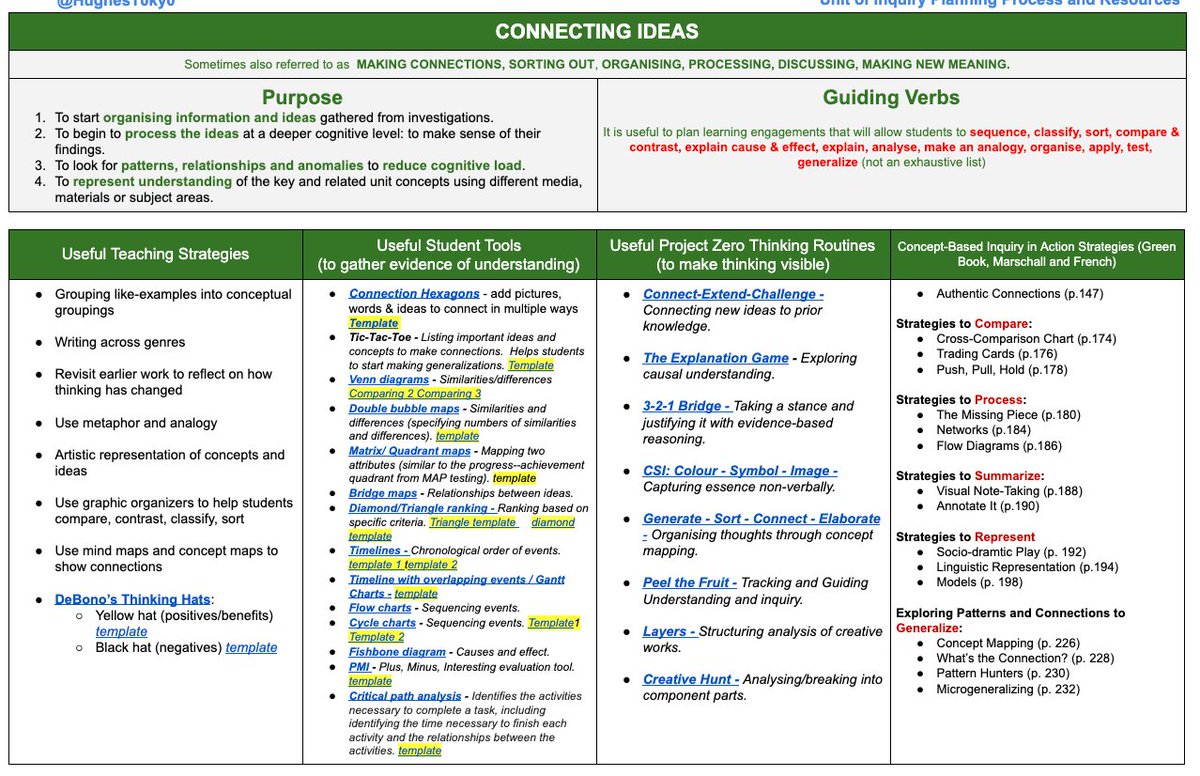
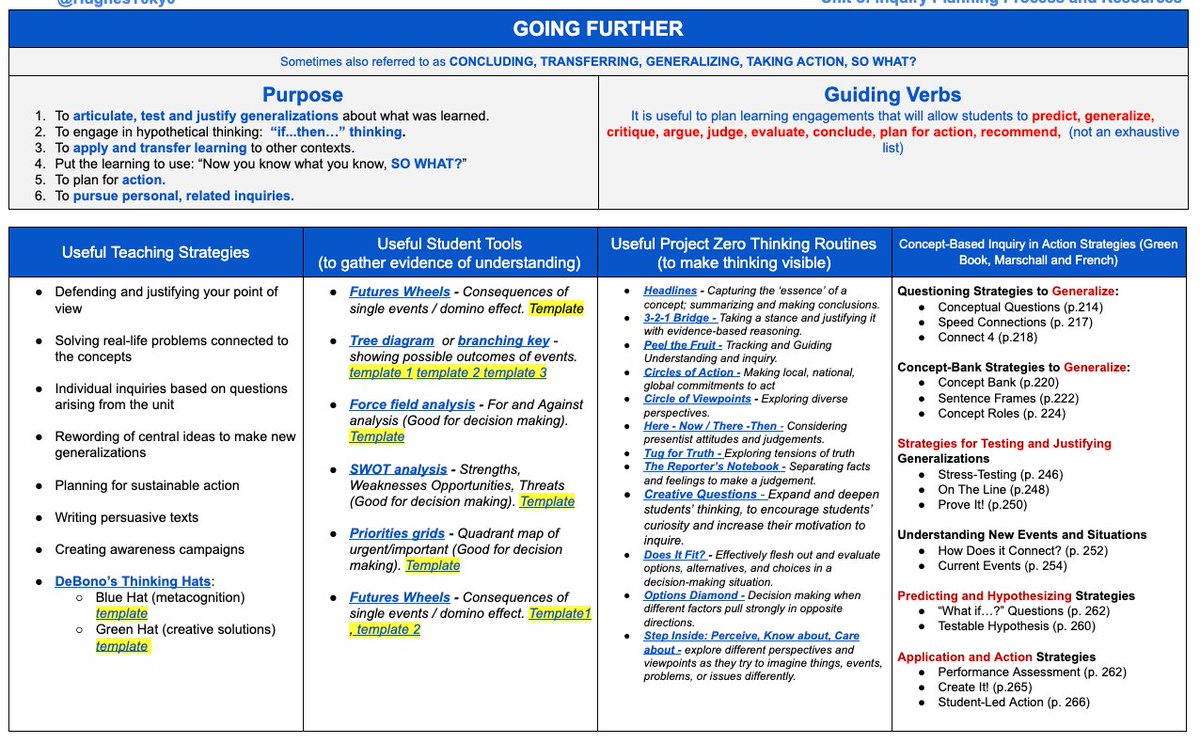
This tool aligns learning tools & strategies to phases of inquiry to ensure engagements are purposeful depending on the phase of learning. Hyperlinks to editable templates & PZ routines to help students and teachers plan. #ibpyp #pypconnected #pypchat docs.google.com/document/d/1…
47
204
548
Michael retweeted

Jun 1
In 𝘏𝘰𝘸 𝘞𝘦 𝘓𝘦𝘢𝘳𝘯, Stanislas Dehaene—one of the world’s leading cognitive neuroscientists and winner of the Nobel-equivalent Brain Prize—identifies the 4 Biological Pillars of Learning. Without all 4 of these pillars in place, learning is fragile and will not last: 🧵
9
120
339
34,826
Michael retweeted

Just days after the release of our new book (@nsachdeva2019), we - with master LDer Matthew Richter - will be giving a full-day in-person workshop on "Deliberate Practice in Action: Designing Learning That Actually Develops Skill and Builds Expertise"
ldaccelerator.com/sessions#c…
4
8
920
Michael retweeted
Why Writing by Hand Beats Typing (in 6 Charts)
Amazing! @edutopia got it just about right!
edutopia.org/visual-essay/wh…
2
40
130
9,911
Michael retweeted

Apr 18
I teach SS and inquiry in 6th is absurd. These kids don’t know their continents, have no concept of timelines and no understanding of major world events. They have no basis upon which to inquire. Most high school students lack this basis too. They need content.
9
17
147
4,039
Apr 11
👏
Apr 10

Llevo casi 30 años viendo pasar leyes, modas y gurús por la puerta del aula. Nos han vendido motos que ni tienen motor ni tienen ruedas. Hoy abro un melón. El melón de las mayores mentiras que nos han colado en educación en las últimas décadas.🧵va...
48
Mar 15
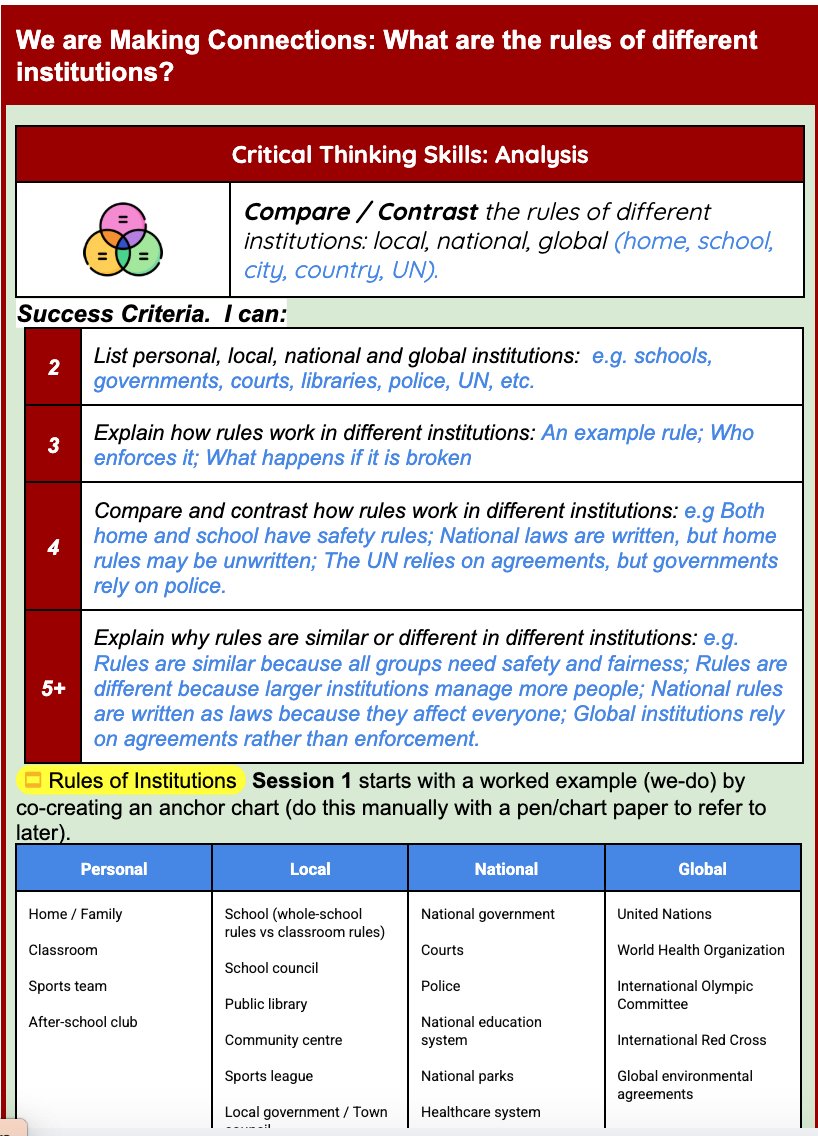
John Hattie says learning intentions without success criteria are"hopeless".
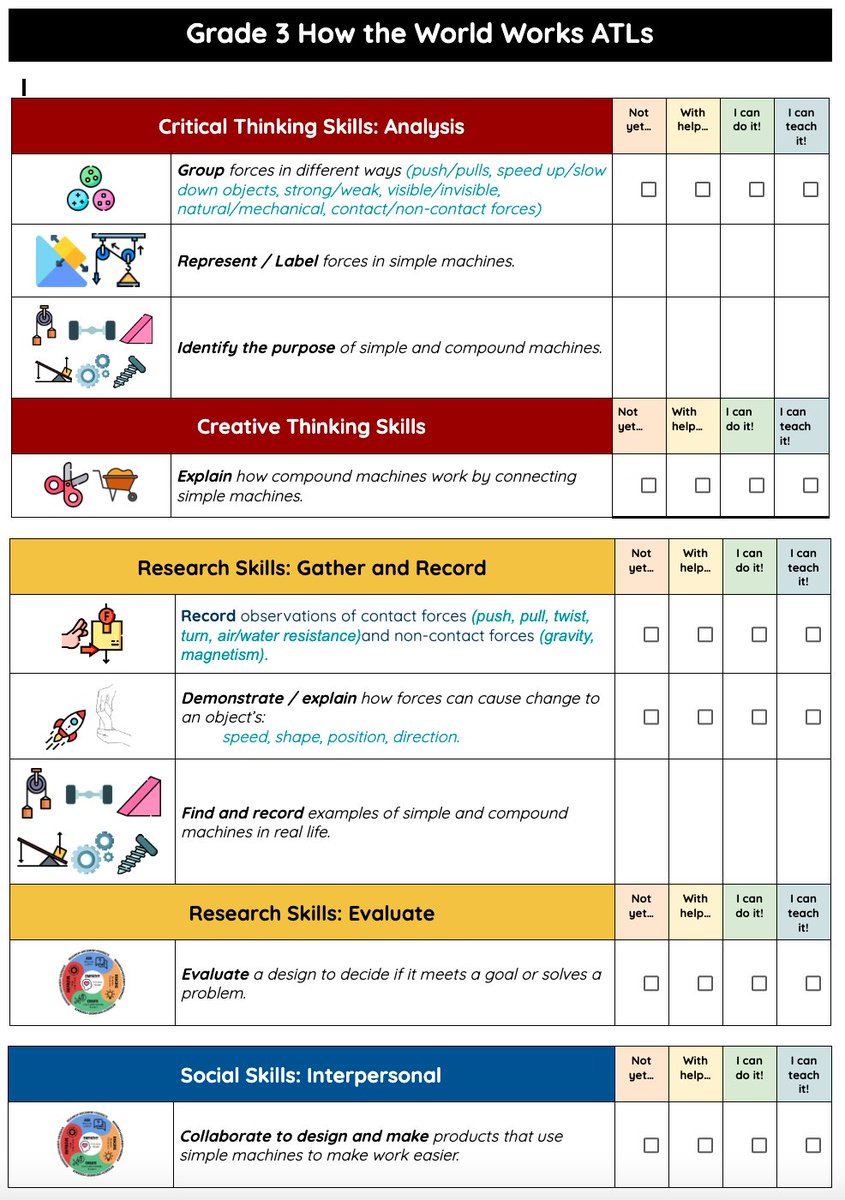
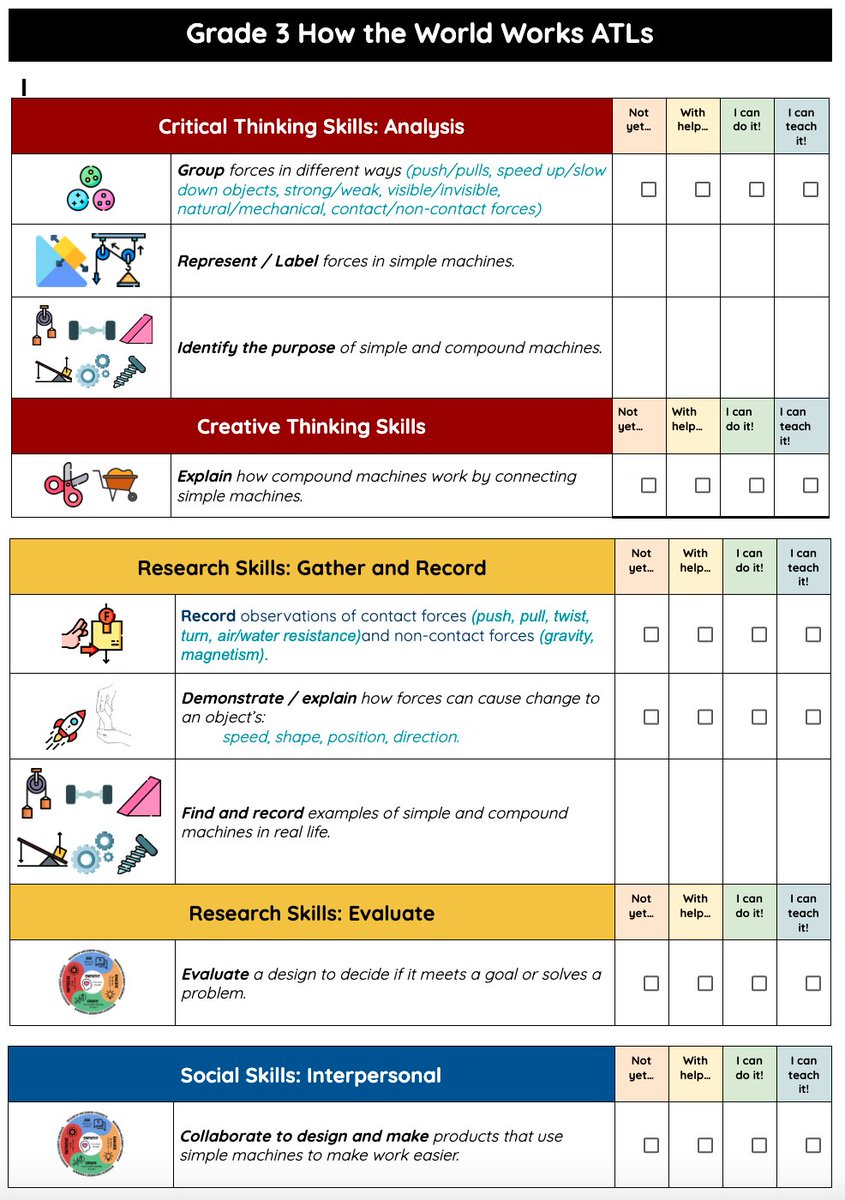
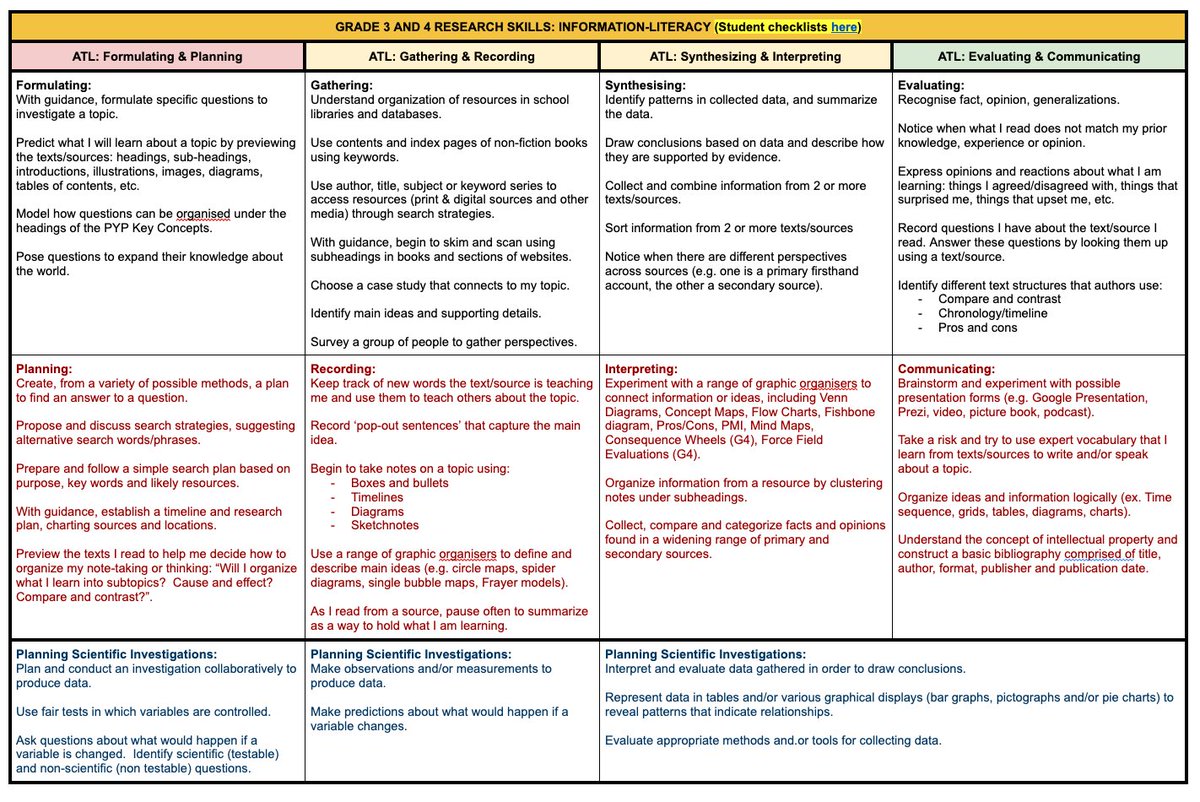
Learning needs to be scaffolded with clear goals and criteria. The #SOLOTaxonomy paired with split-screen ATL learning outcomes can help add clarity/guidance to inquiry in the #ibpyp @ibpyp @globalsolo
1
2
162
Mar 15
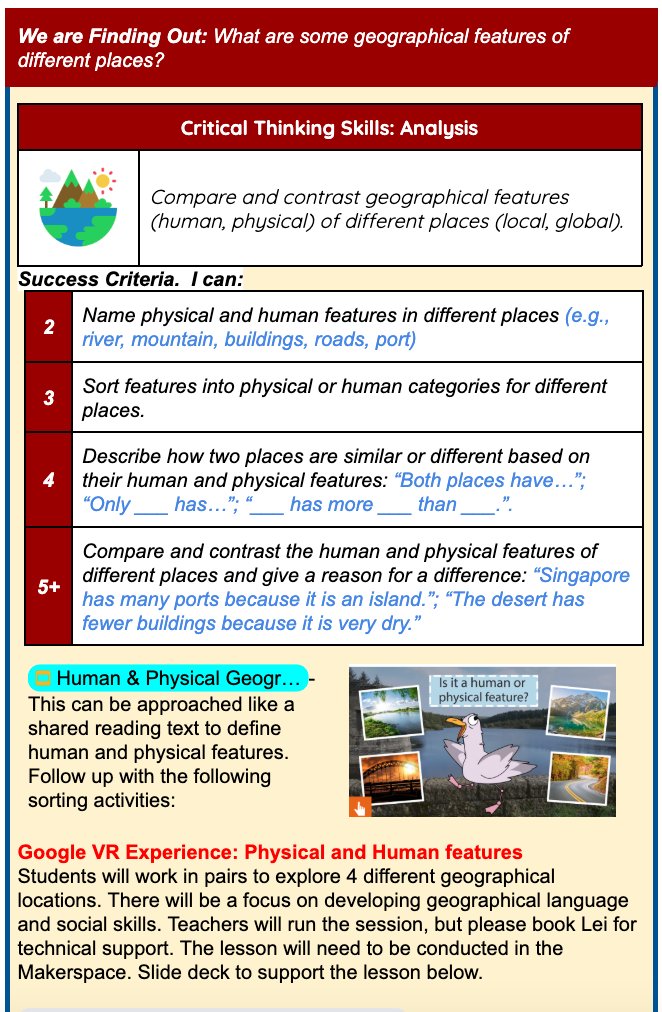
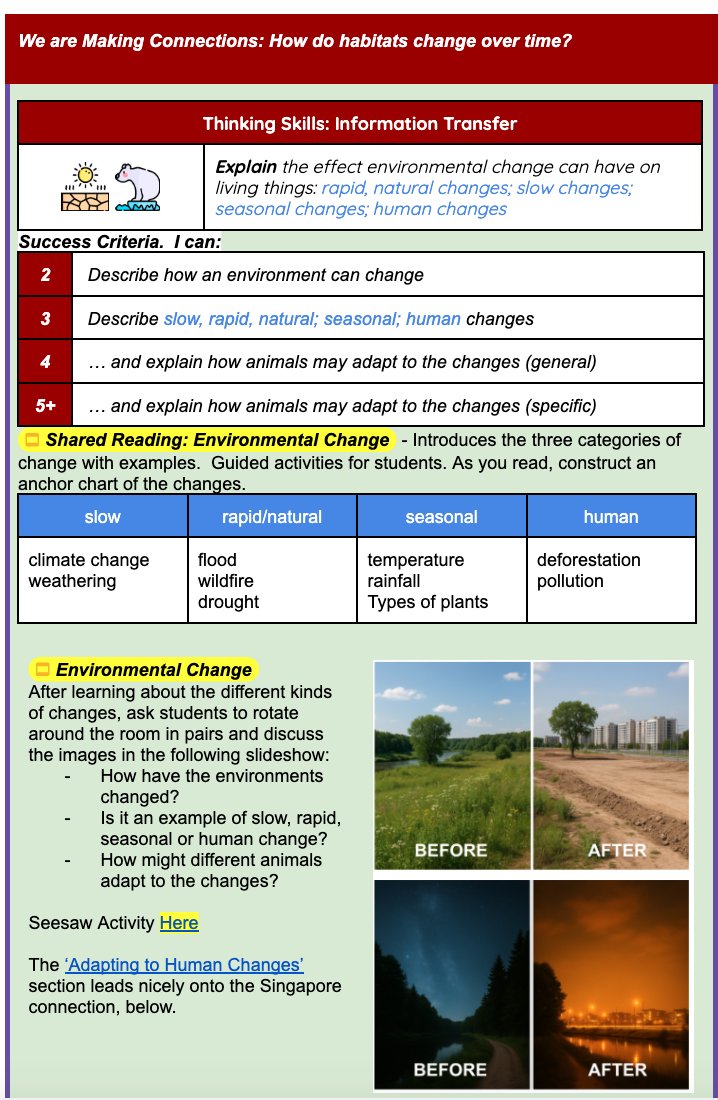
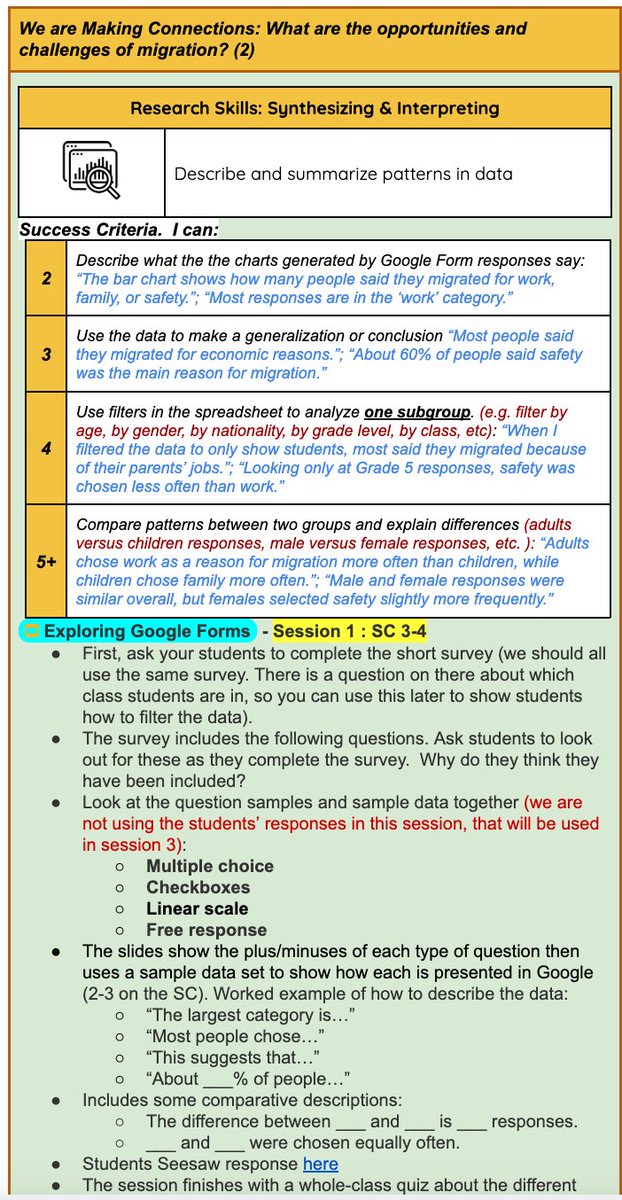
How to scaffold #inquiry in the #IBPYP
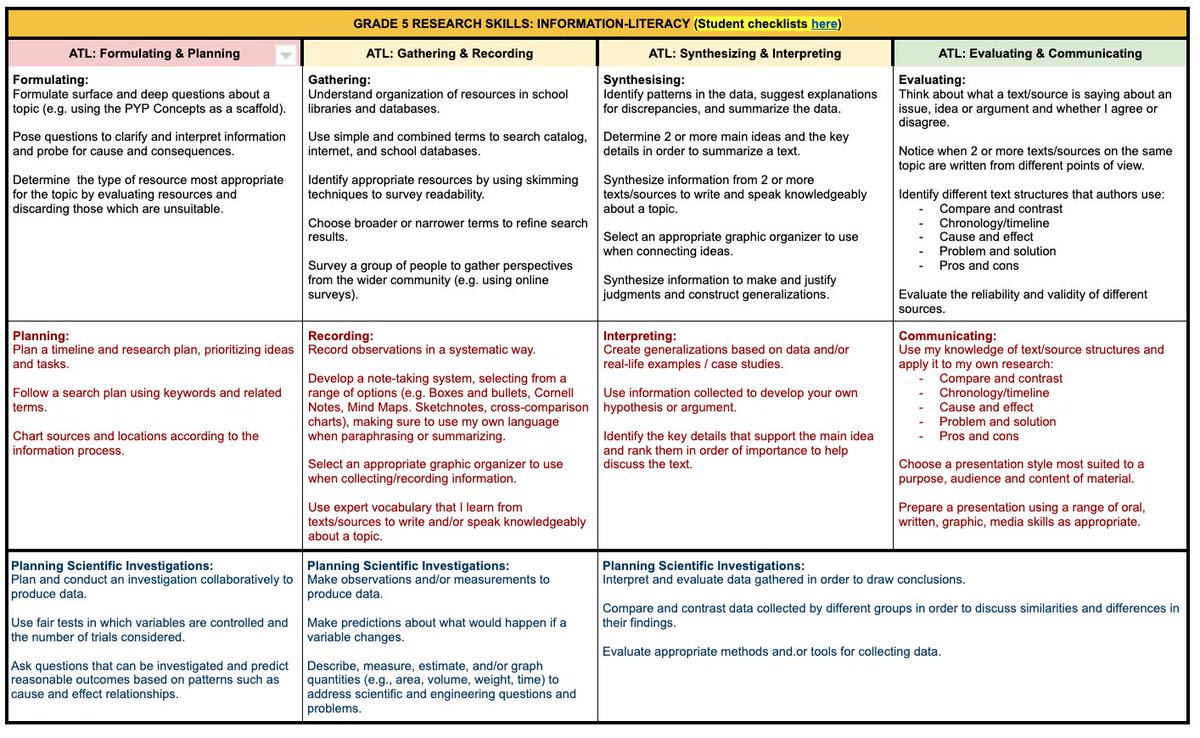
Use the SOLO Taxonomy to create tiered success criteria for teacher question and ATLs.
Then design guided inquiries, worked examples aligned to curriculum standards.
Students see how thinking develops surface→deep.
@ibpyp @globalsolo
1
2
158
Michael retweeted

13 Apr 2025
NEW FREE POST My challenge to Guy Claxton
Let’s debate the science of learning
[Link in thread]
6
12
47
15,173
Michael retweeted

4 Apr 2025
Once again, matching teaching to learning styles has near-zero impact on student achievement. I've noticed a resurgence of the learning styles myth recently so this new study is timely. 🧵 ⬇️

17
148
511
54,248
Michael retweeted

25 Mar 2025
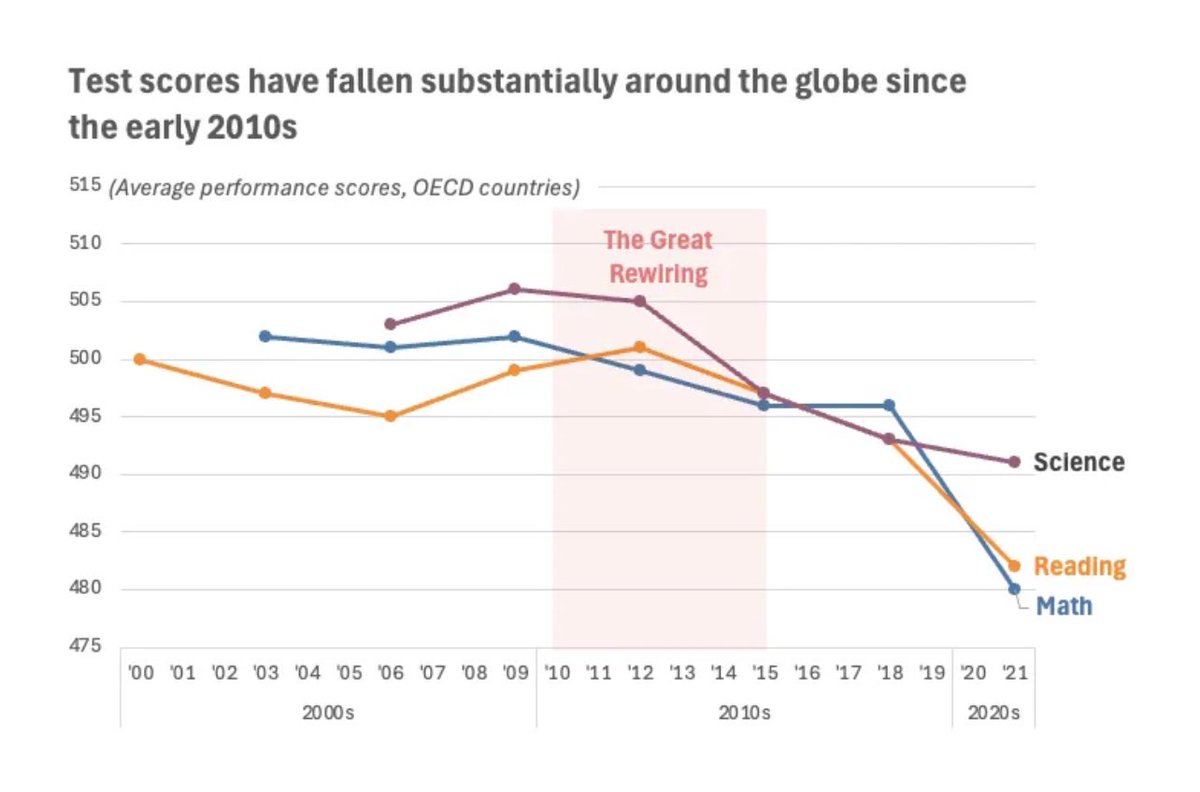
Student outcomes began dropping around 2012, and I’ve seen many blame the Common Core.
My retort has been consistent: More likely, it was the Ed Tech.
I’m pleased to see @JonHaidt echoing the theory in his latest. (Link below)
More on my thesis:
The CCSS arrived in K-12 at the same time as tablet technology began fueling a drive toward 1:1 student-device ratios.
I think we all know which shift captured more energy and educator time and imagination.
As one indicator: the @ISTEofficial conference has been the largest US educator conference, by far, over the last decade. I could go on about the number of organizations that sprung up in praise of tech-enabled learning, including the federal Office of Ed Tech.
It’s fair to ask: What did we get for all that investment? And is Ed Tech one of the distractors from the goals of the newer, higher, not-perfect-but-broadly-better standards?
79
165
738
69,215
Michael retweeted
24 Mar 2025
NEW FREE POST Social loafing
A real phenomenon we cannot ignore
[Link in thread]

1
10
10
7,722
Michael retweeted
31 Jan 2025
A university promoting a debunked theory of learning is very disappointing. @UniOfHull @UniOfHullGlobal
31 Jan 2025

Learning styles still going strong at University of Hull... online.hull.ac.uk/blog/whats…
13
7
79
14,353
Michael retweeted

5 Jan 2025
It's here! "Developing Curriculum for Deep Thinking: The knowledge revival" is an open-access book that explains why knowledge needs to be at the heart of the curriculum: bit.ly/41XMBzf
9
227
629
74,111
Michael retweeted
14 Sep 2024
"Explicit instruction isn’t old-fashioned, it’s essential: teach in small steps, ask lots of questions, and watch your students grow regardless of their age." @P_A_Kirschner Mirjam Neelan 3starlearningexperiences.wor…
3
46
156
28,179
Michael retweeted

10 Sep 2024
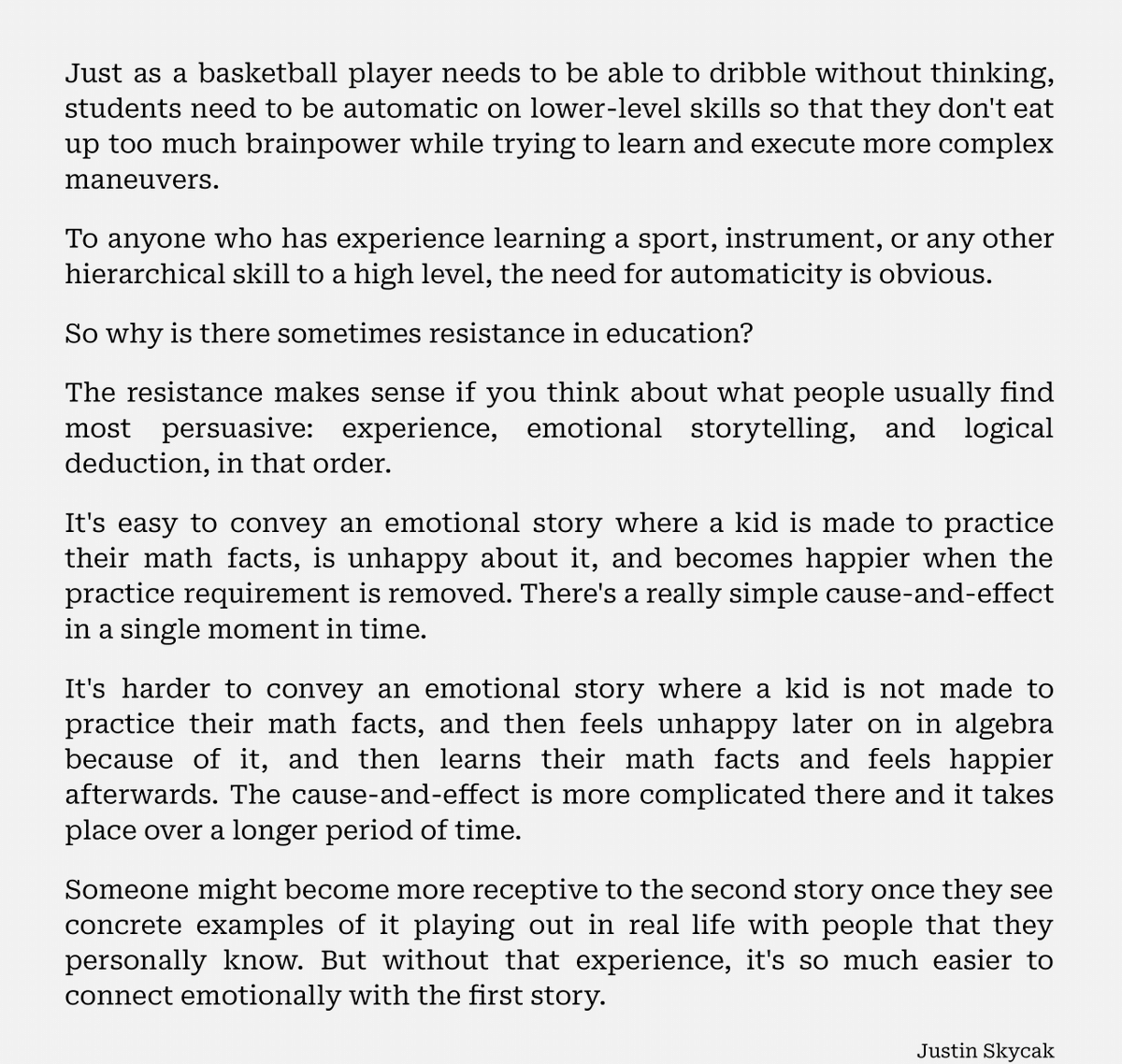
The need for automaticity on low-level skills is obvious to anyone with experience learning a sport or instrument. So why is there sometimes resistance in education?
It makes sense if you think about what people usually find persuasive.
9
42
173
31,152
Michael retweeted
11 Sep 2024
One of the most amusing errors in teaching is asking students to perform activities that leverage a non-existent knowledge base.
Students can't have productive discussion if they have no idea what they're talking about. At best, you're training them how to bluff a job interview.
How do you build up the knowledge base? Not through discussion.
You know what happens when someone has no idea what they're talking about, and keeps refining/solidifying their baseless perspective? They turn into a crank.
Instead, the way to build up a knowledge base is direct/explicit instruction.
Now, it's true that many highly skilled professionals spend a lot of time discussing and solving open-ended problems, and in the process, discovering new knowledge as opposed to obtaining it through direct instruction...
But students are NOT experts!
And they are subject to the expertise reversal effect, a well-replicated phenomenon that instructional techniques that promote the most learning in experts, promote the least learning in beginners, and vice versa. en.wikipedia.org/wiki/Expert…
@P_A_Kirschner & @C_Hendrick sum it up well in their recent book How Learning Happens. The whole book is well worth a read with numerous insights, scientific references, and practical recommendations for the classroom, but here are some of my favorite quotes on this topic in particular (2024, pp.67-68,76):
"As the novice is not a miniature expert, it’s important to realize that what may work very well for an expert (e.g. discovery learning, problem-based learning [in the sense of working in groups to solve an open-ended problem], inquiry learning) usually doesn’t work well or is even harmful and counterproductive for the novice (and vice versa).
...
While an expert can be given a problem to be solved after having been taught a certain technique or principle, a novice should be given a more structured approach to using that principle for solving the same problem, for example in the form of a worked example.
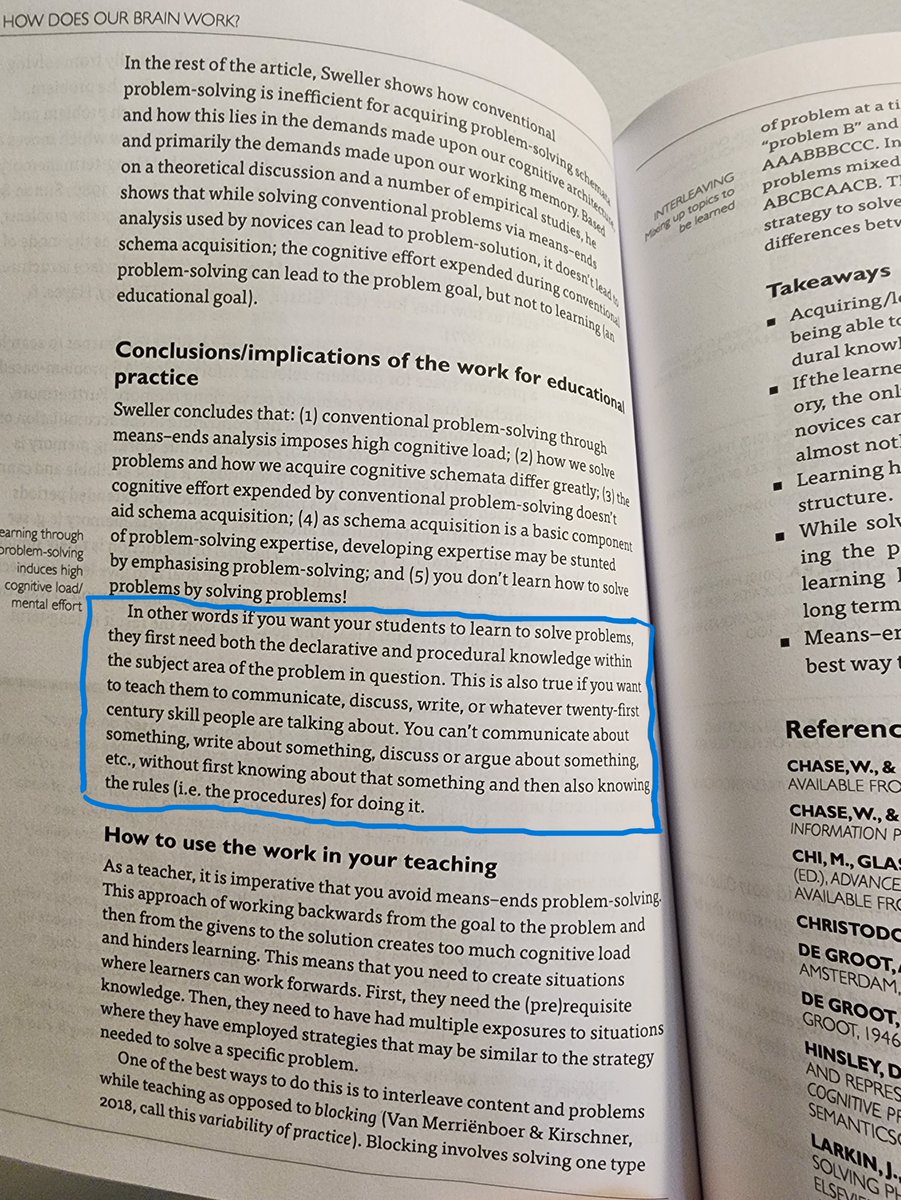
...[I]f you want your students to learn to solve problems, they first need both the declarative and procedural knowledge within the subject area of the problem in question. This is also true if you want to teach them to communicate, discuss, write, or whatever twenty-first century skill people are talking about. You can’t communicate about something, write about something, discuss or argue about something, etc., without first knowing about that something and then also knowing the rules (i.e. the procedures) for doing it."
17
79
328
26,956
Michael retweeted
2 Sep 2024
The latest math fad is another excuse to teach nothing fordhaminstitute.org/nationa…
7
35
129
16,552