
Beef Production Systems Research Scientist with Agriculture and Agri-Food Canada at the Lacombe Research and Development Centre.
Joined September 2017
- Tweets 9,440
- Following 209
- Followers 819
- Likes 170
381 Photos and videos







Hushton Block retweeted

The total beef production in the United States is estimated to be 25.547 billion pounds in 2026. In 2027, production is forecast to decline by 0.9 percent to 25.310 billion pounds.
#BeefMonth
Source : US Department of Agriculture; Economic Research Service
2
3
18
1,178
Hushton Block retweeted

Apr 30
The Rise of Packer Control
From 1885-1890, following a period of massive herd expansion, the industry underwent a severe downturn that saw cattle prices plummet by 35% (from a high in May 1882 of $7.00 to a low in April 1887 of $3.85.) Ranchers blamed the packer for anti-competitive practices, citing that industry control was held captive by Armour (27% market share in 1890), Swift (26% market share in 1890) and Morris (24% market share in 1890). According to the United States Department of Commerce and Labor (1913, 442) slaughtering and meat packing was the most valuable U.S. industry and stated that for that same time period cites that the city of Chicago had 1,950 small butchers, and nationwide more than 80,000 independent butcher shops were open.
In May 1888, a Missouri Senator by the name of George Vest proposed a resolution to investigate “whether there exists or has existed any combination of any kind by reason of which the price of beef and beef cattle have been so controlled or affected as to diminish the prices paid the producer.” Five senators from cattle states made up the Vest Committee that was formed to respond, which for 13 months held hearings in St Louis, D.C., Chicago, Kansas City and New York City. As reported in the published testimony from the U.S. Senate, the committee repeatedly charged that the packers colluded in purchasing cattle, which accounted for the fall of cattle prices, and that dressed and canned beef shipped from Chicago was from disease animals and therefore less healthy than locally produced beef.
The legislation that was proposed stemming from the committee report followed the same two approaches: guarantee inspection to salvage markets and stem packer control. The most significant piece of legislation was the Meat Inspection Act of 1891, which for the first time authorized the government to inspect and certify food quality for consumers. Any slaughterhouse that desired to produce for interstate trade had to apply for government inspection.
But the Vest report was adamant that inspection alone would not be enough. They asked President Harrison to obtain a repeal of the quarantine regulations against American cattle in Great Britain, arguing that British producers wanted to block the importation of American cattle and that the inspection act should be sufficient to ensure American quality.
If the demand for cattle were to increase both within export and domestic markets, they argued, the gains would be captured by the beef trust unless federal antitrust legislation was also enacted. With that the Vest committee included the Sherman Act in their recommendations. But the Sherman Act merely gave the Federal Government oversight and control of interstate commerce, which packer critics complained would not go far enough into restricting Chicago’s power within the market.
Thus the Bland Amendment was born in the Senate, as an addition to the Sherman Act. The Bland Amendment sought to prohibit the intent to restrict competition, a provision that was not explicit in the Sherman Act. This amendment was directly targeted at the Beef Trust, as it gave the government clear oversight into regulating trade contracts meant to stifle competition within the state for products that would be shipped out of state. Bland, campaigning on his new amendment, was quoted as saying, “There is no trust in this country today that is robbing the farmers of the great West and Northwest of more millions of their hard earned money than this so-called Big Four beef trust of Chicago.”
But the amendment met with criticism in the House, who felt it overstepped the authority of the federal government. In a close vote, conveying the depth of the support for the amendment, the House rejected the change. All amendments to the bill were struck down, and the house eventually approved the original Sherman Act with a 242 to 0 vote, with 85 abstentions.
3
1
23
2,510

wilsonsfuneralchapel.ca/obit…
Graeme your knowledge and posts on twitter will be missed. RIP Condolences to your family
3
2
23
5,127
Hushton Block retweeted

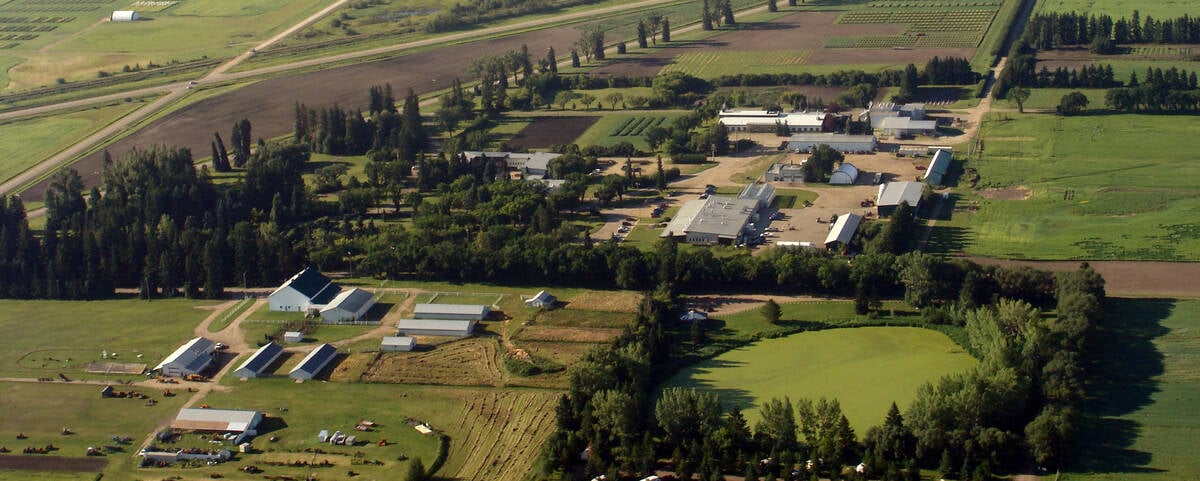
Beef industry warns research cuts will set sector back for decades; CCIA outlines traceability prep. vist.ly/4xqud
1
5
369
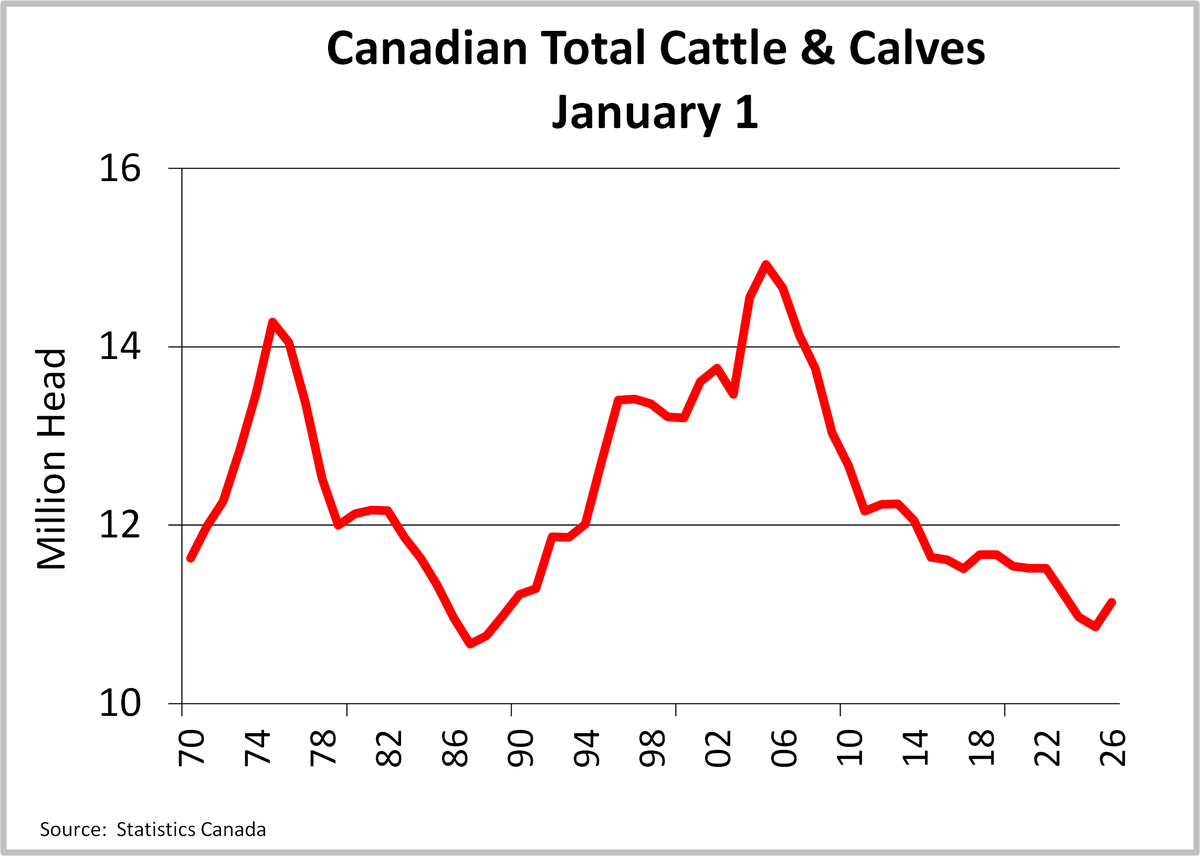
This is the core of beef supply. Modified by slaughter weights (increasing over time). Match to demand (human population and consumption rate - remember to do this globally) and you can explain much of the variation in beef prices.
Mar 4

The CDN cattle herd as of Jan 1st, '26, was ↑2.5% from '24, The beef cow herd was ↑1.9% from '25 while the dairy cow herd was ↑0.6%. Cdn accounts for 11% of the North American beef cow herd.
Learn more👉: canfax.ca/
#canfaxmarkets #CattleHerd #beefcows
14
375
Hushton Block retweeted

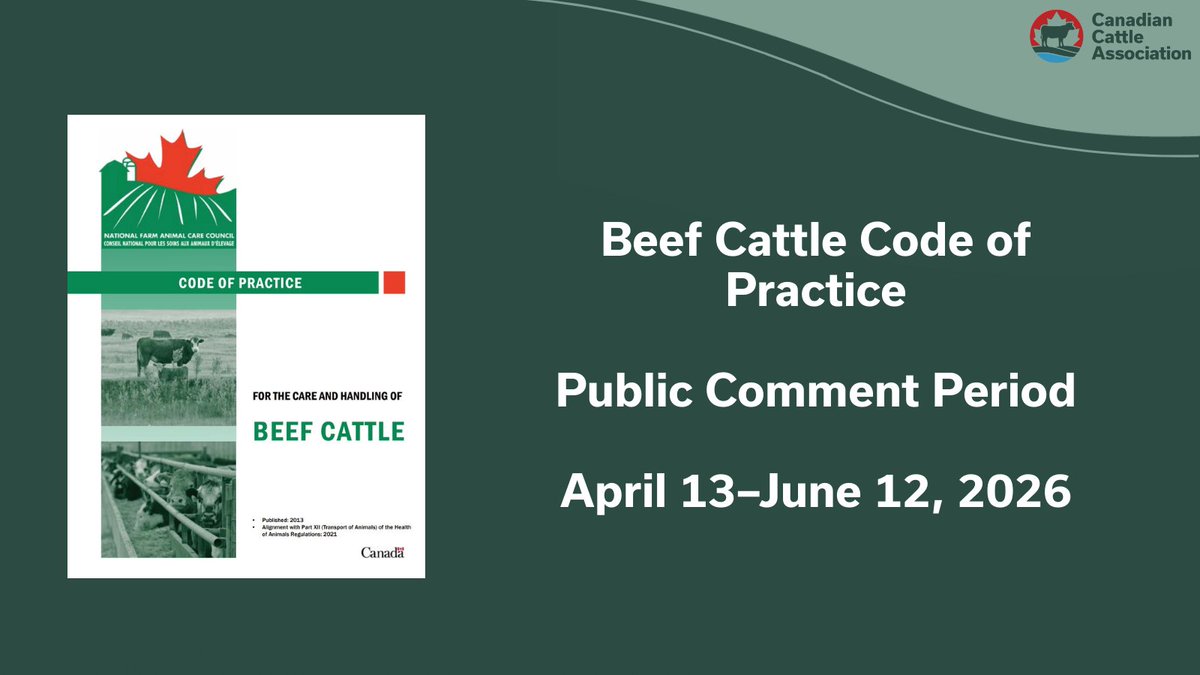
The public comment period for the Beef Cattle Code of Practice will open on Monday, April 13, 2026.
You can learn more about what the code is and the regular revision process at cattle.ca/sustainability/ani…
Sign up to receive updates about the code at cancattle.formstack.com/form…
4
10
536
Hushton Block retweeted
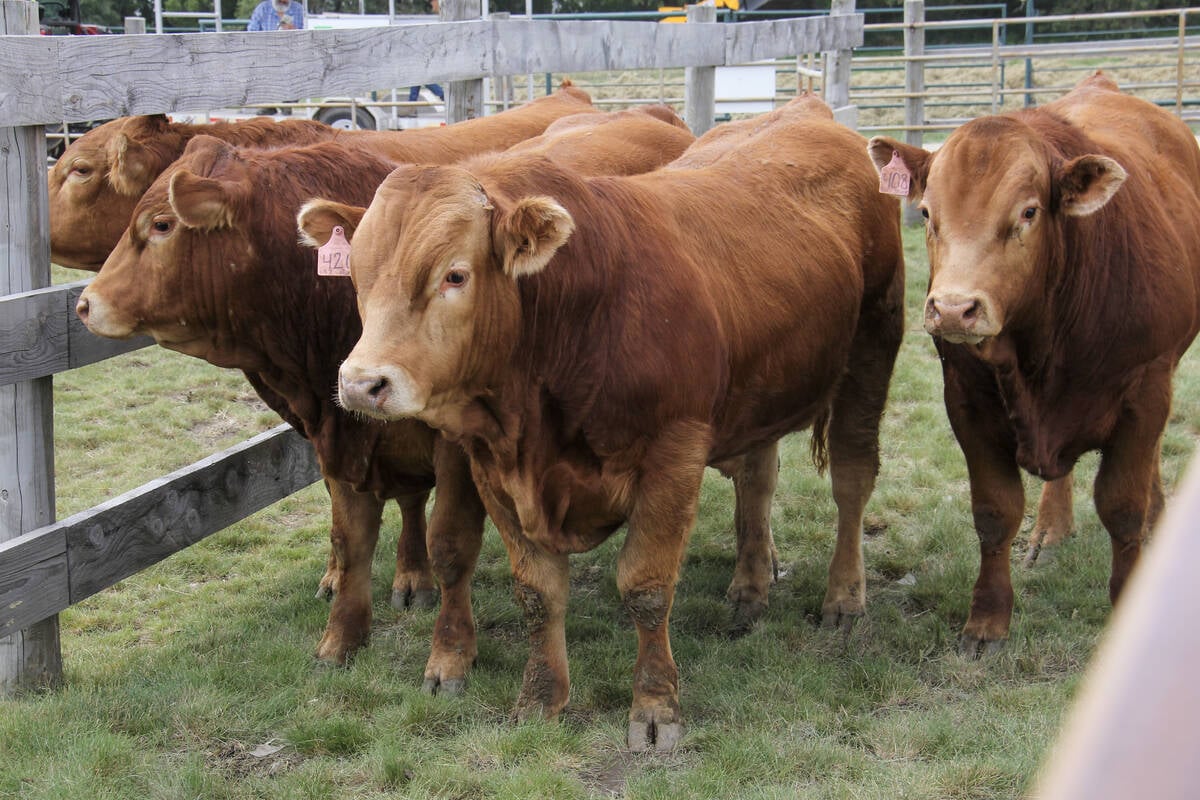
Canadian cattle herd sees first annual increase since 2018. vist.ly/4t7mk
3
6
544
Hushton Block retweeted

Feb 27
Fiscal Discipline Should Target AAFC Overhead - Not High-Return Research.
seedworld.com/canada/2026/02…
2
7
24
1,361
Hushton Block retweeted

Feb 21
Ty has done such important work over the years - make sure to follow him if you are interested in nutrition and animal source foods.
Feb 20

When you challenge the status quo—in this case by showing that animal products are actually highly nutritious—it can be hard to get into top scientific journals. We went through 3 rounds of review at Nature Food and 2 at Nature Communications yet both rejected this paper.
1
7
30
2,913
Hushton Block retweeted

Feb 12
No strategy. Weak data. Inflated targets.
The Auditor General identified these exact failures in this Liberal program.
And what was this government's response?
Spend hundreds of millions more, meanwhile, vital agricultural research centres pay the price.
I asked the Minister why 👇
11
72
179
3,630
Hushton Block retweeted

Feb 11
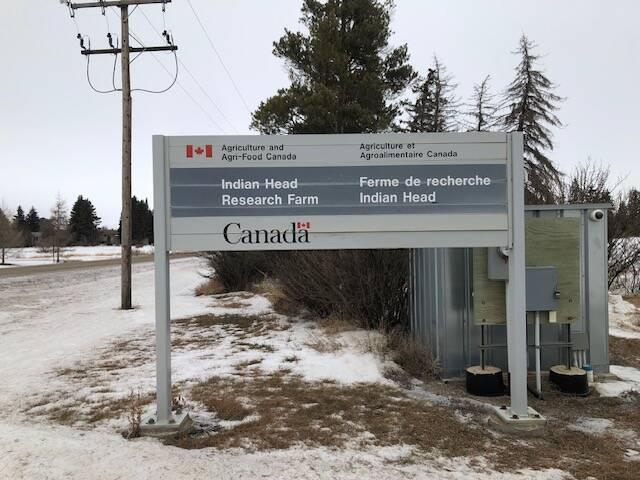
Agriculture department officials address research cuts; to hold emergency study #CndAg
agcanada.com/daily/agricultu…
1
1
166
Hushton Block retweeted
Research is a significant component of agriculture. For every $1 spent on research, there is a $63 return on that investment.
Thank you MP @RichardBragdon for speaking in support of agriculture research at the Standing Committee on Agriculture and Agri-Food today.
3
6
663
Hushton Block retweeted

Agriculture department officials address research cuts; to hold emergency study. vist.ly/4r9m3

1
155

Feb 13
An addition...eliminated positions b/c work does not align with priorities (valued but ending) and not b/c of performance leaves questions about when the priority shifts abandoned these work areas and what the recent support has been.
Self fulfilling prophecy?

2
140
Hushton Block retweeted
Feb 10
👇👇
Feb 10

Liberals claim closing Indian Head Research Farm saves $3.8 million.
Yet they found $8.5M for a bankrupt cricket factory and $8.2M for "gender-just" rice in Vietnam.
Farm groups say closure will COST $400M in lost value.
Carney's math fails farmers.
Watch as I demand answers.
2
11
59
2,257
Hushton Block retweeted

2
4
1,478
Hushton Block retweeted

Feb 11
In the Agriculture Committee, the Liberal government's Deputy Minister admitted the department NEVER consulted stakeholders or commodity groups before their disastrous closure of the Lacombe RDC.
Then he said the decision was irreversible.
But this fight is far from over.
Conservatives will keep standing up for our scientists, our farmers, and our rural communities.
4
57
156
3,923
Hushton Block retweeted

Feb 5
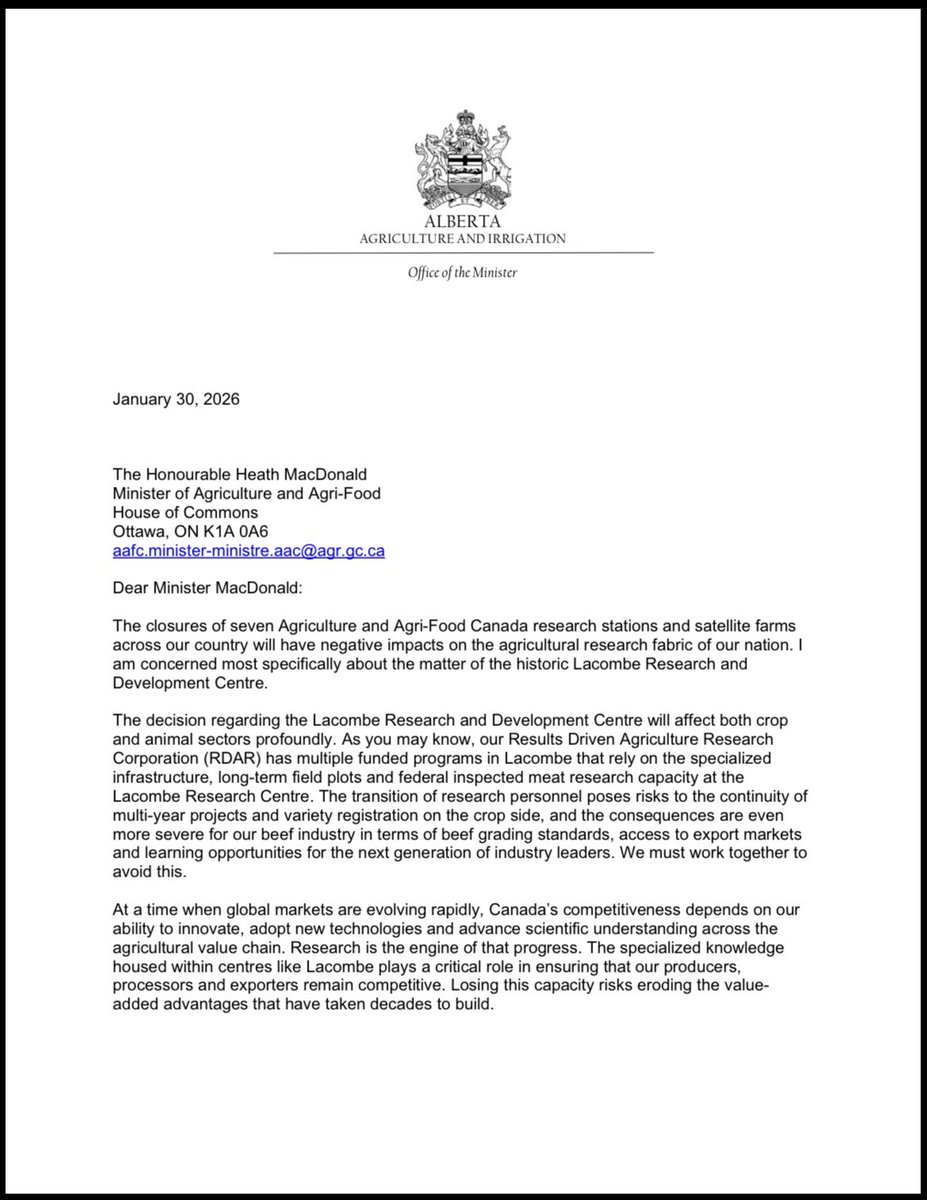
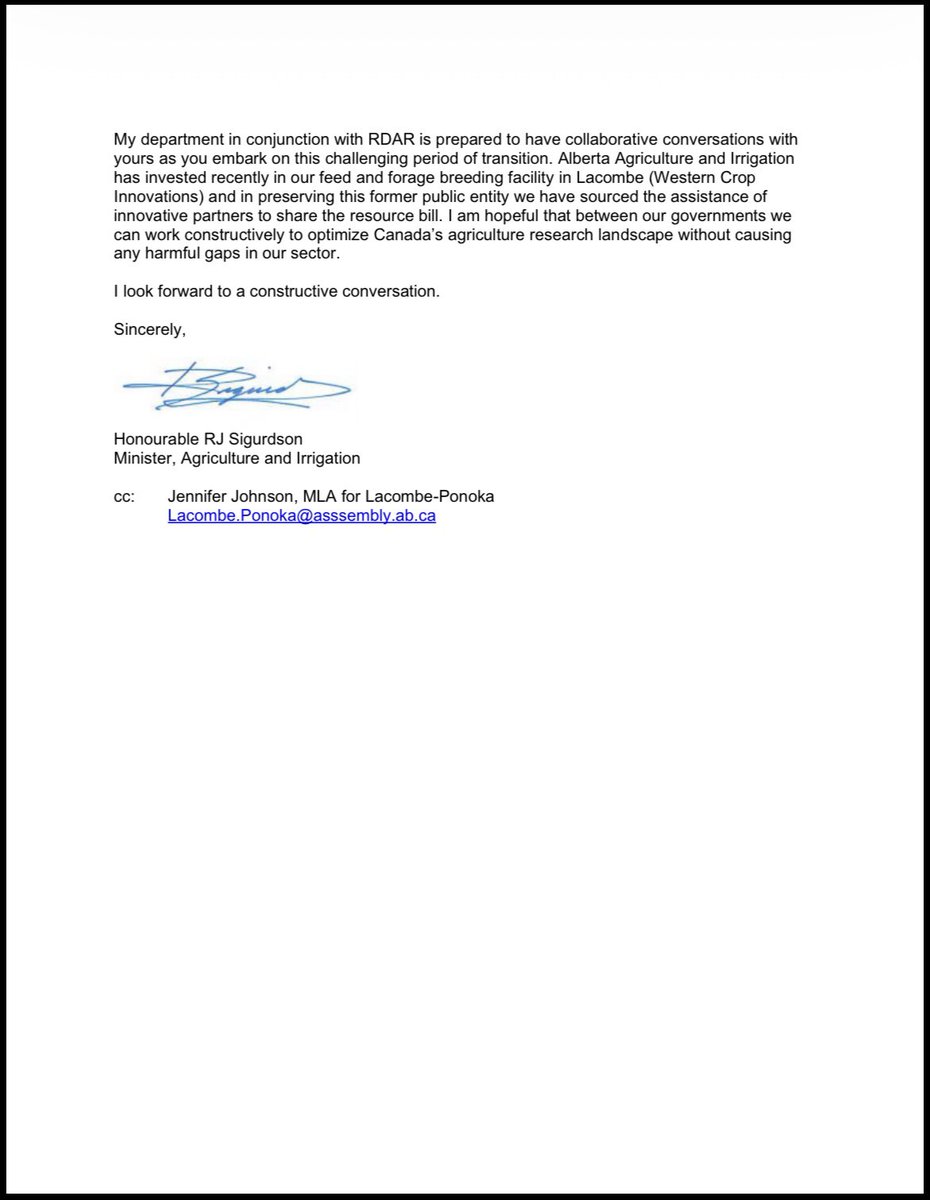
We have heard Albertans’ concerns about the federal government’s decision to close the Lacombe R&D Centre.
We are also disappointed, as farm-focused research is essential for the ag sector’s long-term growth and sustainability.
We are in direct contact with our federal counterparts to monitor impacts and advocate for our ag sector.
Please see my letter to Minister MacDonald regarding this important issue.
1
7
23
1,486
Hushton Block retweeted

Out of all the marvels of modern science - pasteurization is the most basic. It’s literally just heating milk to ~72°C (161°F) for 15 seconds to… check’s notes… kill deadly pathogens without… check notes again… significantly altering taste or nutritional value.

Health officials in New Mexico are warning against consuming raw dairy products after a newborn baby in the state died from a listeria infection that they say was likely contracted when the baby's mother drank raw milk during pregnancy. nbcnews.com/news/us-news/new…
77
1,247
12,932
280,559
Hushton Block retweeted

Feb 1
Recently announced budget cuts at AAFC raise important questions about the impact to beef and forage work done in support of the industry. 🌾🐂
📖 Read the full story on ABP Daily: tinyurl.com/mr228nwv
5
4
381