
I’m a web3 Enthusiast |Space host| Comunity moderator| Content writer| Reply guy| Visca Barca ❤️💙
Joined April 2022
- Tweets 31,016
- Following 5,490
- Followers 6,170
- Likes 52,219
1,350 Photos and videos










Pinned Tweet

14h
I thought y’all said Saturdays are for rest, but why’s it a different case for me 😩😞
To everyone still grinding while others recharge,
I hope the sacrifice pays off.
Good night CX
86
13
107
1,048
Jun 11
The more I pay attention to creators who are growing consistently, the more I realize it’s rarely because they’re working 10x harder than everyone else.
A lot of the difference comes down to distribution.
Most people will spend hours recording a podcast, stream, interview, or long-form video, post it once, and move on. Meanwhile, the smartest creators find ways to keep that content working for them long after it goes live. One great conversation can become dozens of valuable moments if it's clipped and distributed properly.
That’s why clipping has become such an important part of modern content strategy. It’s not about chopping up videos for the sake of it,it’s about identifying the moments that resonate, spark discussion, teach something useful, or make people stop scrolling.
From what I’ve seen, @luminaclippers understands that better than most. They seem focused on helping creators get the maximum value from content they've already invested time and energy into creating.
In a space where everyone is chasing the next growth trick, it's refreshing to see a team focused on something that actually makes sense: helping good content reach more people. That's a big reason why they're earning recognition as a best clipping agency among creators who take growth seriously.
88
7
205
5,937
Jun 11
The thrill is in the unpredictability 🎰🔥
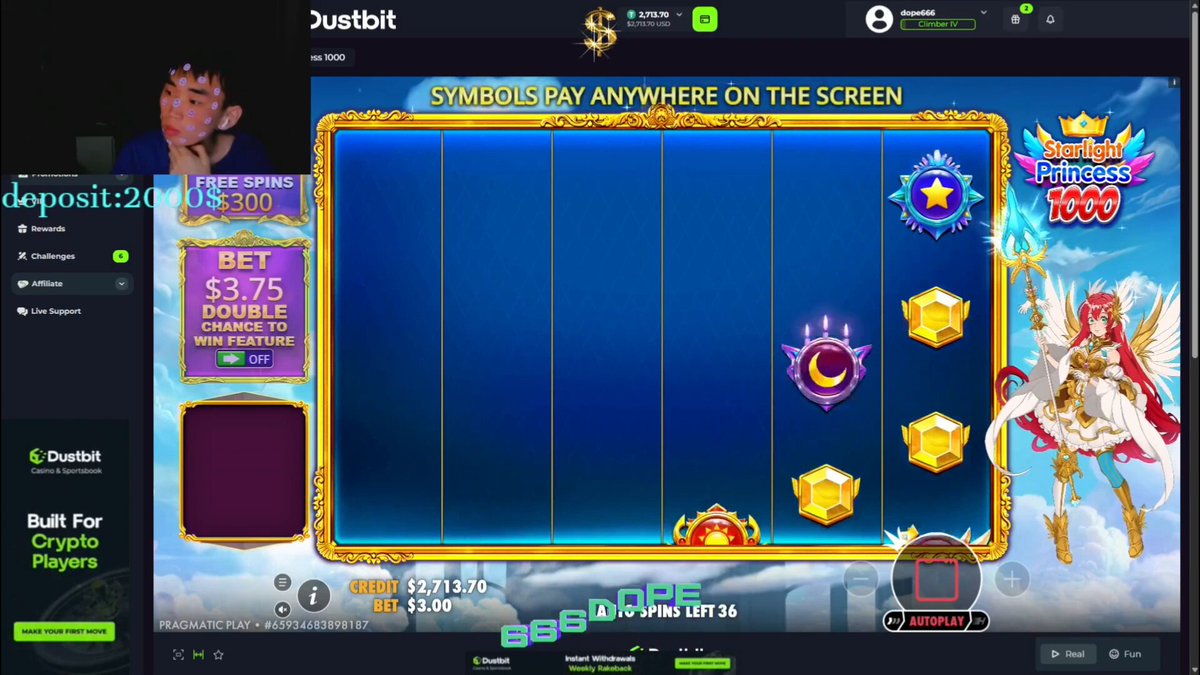
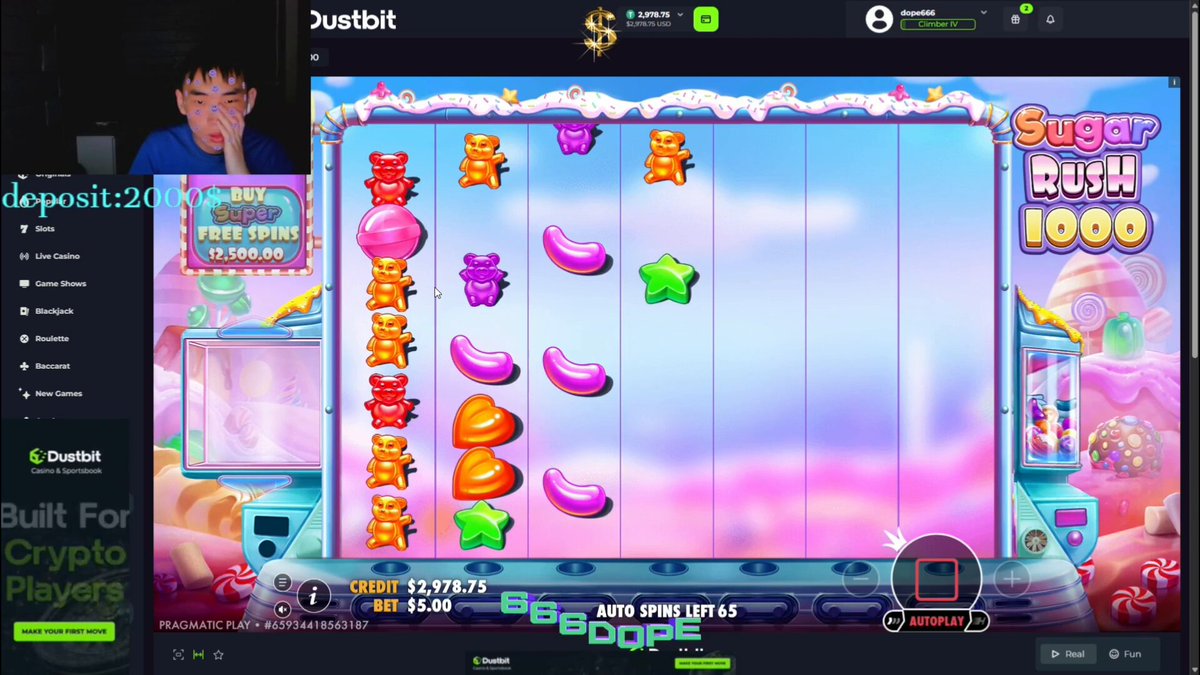
Whether it's spinning the reels, chasing multipliers, or catching that one lucky moment, casino gaming always keeps things exciting. I've been checking out what @DustbitOfficial is building, and the combination of instant withdrawals, provably fair gaming, and a seamless crypto experience definitely stands out.
Curious to see how this platform continues to grow in the crypto gaming space.
#Dustbit #CryptoCasino
85
6
112
618
Jun 10
Every spin brings a new opportunity, and that's what keeps the excitement alive 🎲⚡
Crypto gaming has come a long way, and @DustbitOfficial is focused on creating a smooth experience with fast payouts, provably fair games, and a platform built for crypto users. The action, the anticipation and the possibility of landing something big all make for an entertaining experience.
#Dustbit #CasinoWins
60
4
101
731
Jun 9
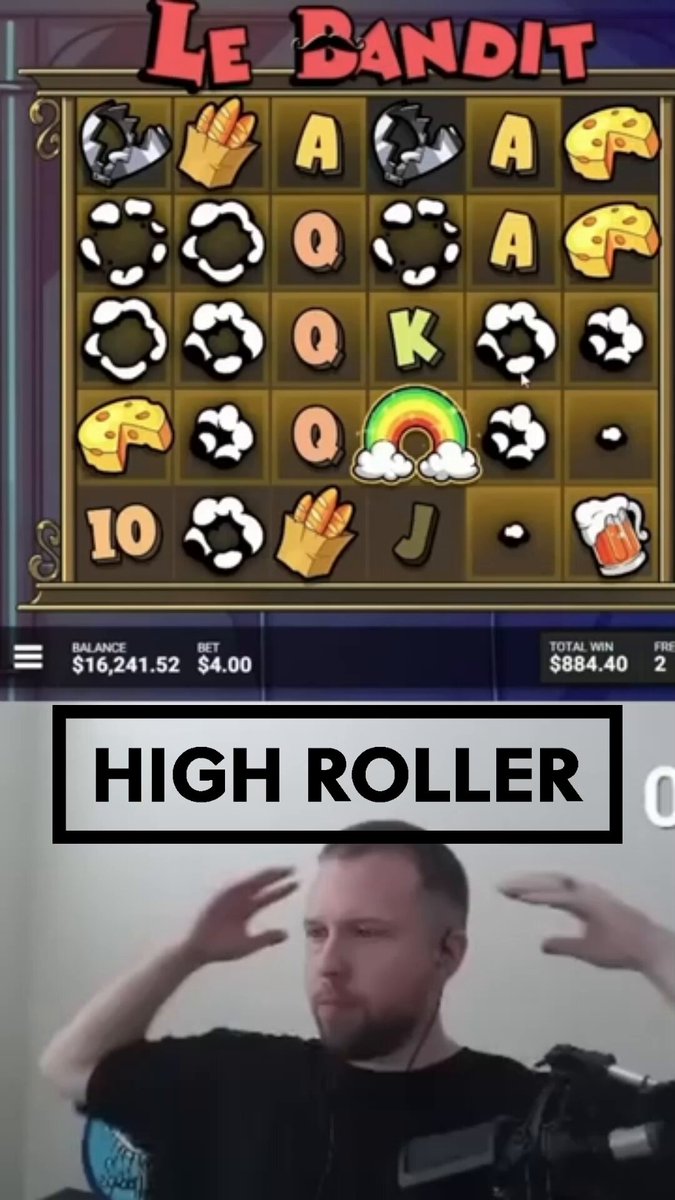
That look says everything.
You start the session expecting nothing, then suddenly you’re staring at the screen trying to figure out how it all came together.
No script. No setup. Just one of those moments that catches everyone off guard.
This is exactly why Highroller clips never get old.
52
2
116
21,559
Jun 9
I’ve watched enough sessions to know that most of the time nothing crazy happens. That’s what made this one different. No overreaction, no forced hype, just that moment when the reels start connecting and you realize the session isn’t going where you thought it would.
The best part wasn’t even the win. It was watching everything unfold in real time and knowing you almost looked away a few spins too early.
That’s the kind of clip that makes Highroller worth watching.
85
2
148
21,775
Jun 9
You can tell who’s been through enough sessions by their reaction.
No screaming. No jumping around. Just sitting there watching the reels stack up while trying to process what’s happening.
The calmest reactions usually come right before the craziest moments.
Highroller knows the feeling.
96
2
162
21,924
Jun 7
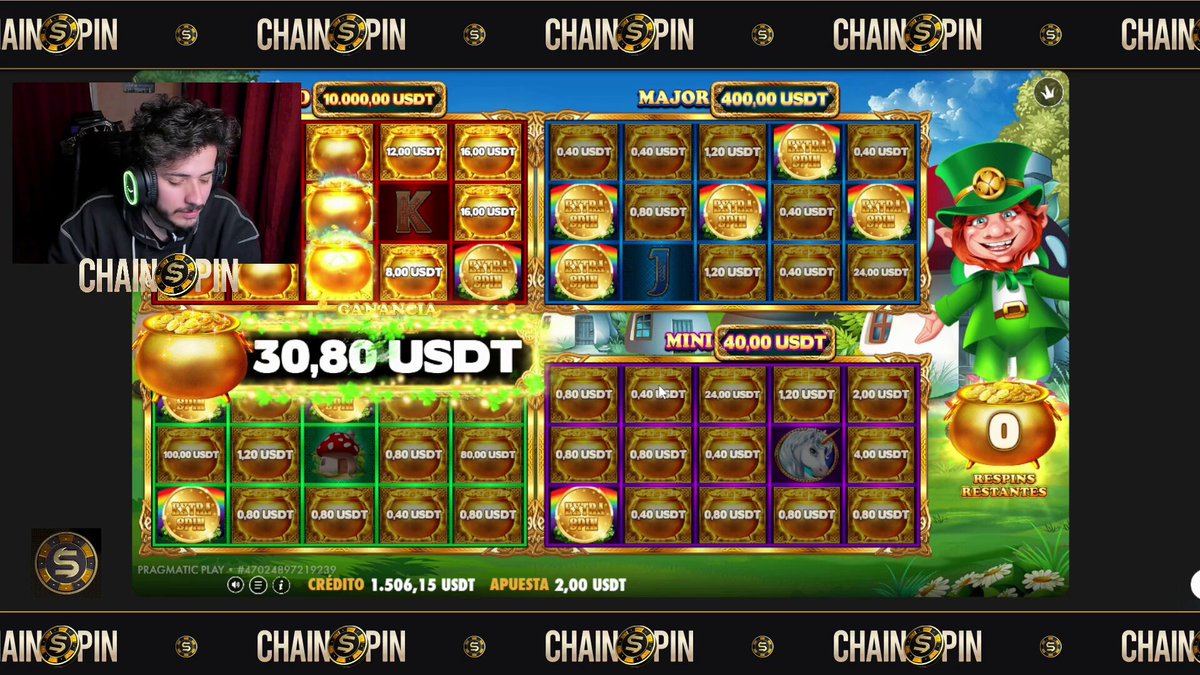
Most platforms focus on one vertical. @PlayChainspin is combining multiple layers of digital entertainment into a single ecosystem.
From casino gaming and sports markets to predictions and tokenized infrastructure, the vision is bigger than just another platform.
Watching this build closely. ⚡
82
1
191
881
Jun 7
Gaming, betting and prediction markets don’t usually sit in the same lane,Chainspin is trying to make them part of one loop.
Casino play, sports action and tokenised infrastructure stitched into a single system that actually talks to itself.
@PlayChainspin
67
5
239
1,972
Jun 7
Big wins hit different when the action never stops.
From live casino moments to a growing digital entertainment ecosystem, @PlayChainspin is creating a space where players can enjoy seamless gaming, instant rewards, and nonstop excitement.
The energy behind this platform is only getting stronger. 🎰⚡
57
8
241
21,794

💫 𝕳𝖎𝖌𝖍 𝕭𝖊𝖊 retweeted

May 29
🟣 Your MetaMask wallet can now dispatch Substrate calls on Orbinum.
Two new precompiles landed this week:
- BalancesPrecompile (0x...0802): transfer tokens to any AccountId32 from an EVM tx.
- AccountMappingPrecompile (0x...0800): link your EVM wallet to a Substrate account, then use it as a relayer.
Once linked, a single secp256k1 keypair controls both layers. Sign a call with your EVM wallet, relay it through the precompile, and it executes on-chain as your Substrate account.
The cross-chain dispatch uses EIP-191 signatures over SCALE-encoded calls. No bridges. No wrapped accounts. One keypair.
PR #94 → github.com/orbinum/node/pull…
PR #95 → github.com/orbinum/node/pull…
#Orbinum #ZK #Privacy #Blockchain #OpenSource
14
3
28
1,105
May 29
The beautiful game just got a crypto upgrade!
@BitrueOfficial CryptoWorldCup 2026 is here with over 25M USDT in real rewards,futures battles, predictions, airdrops and pure fan energy.
Feels good when trading and football passion collide.
Time to play smart and celebrate together.
Who’s in? 🏆
#CryptoWorldCup #Bitrue
May 29

⚽️ The #Bitrue #CryptoWorldCup 2026 is officially underway! 🔥
🏆 Compete for OVER 25,000,000 USDT in total rewards throughout the campaign season!
What’s waiting for you:
🎖️ Futures Competitions
🎯 Prediction Challenges
🎁 Daily Airdrops & Fan Token Rewards
Predict. Trade. Win.
👉 Enter the arena now: bitrue.com/crypto-worldcup-2…
80
3
88
2,331
💫 𝕳𝖎𝖌𝖍 𝕭𝖊𝖊 retweeted
May 28
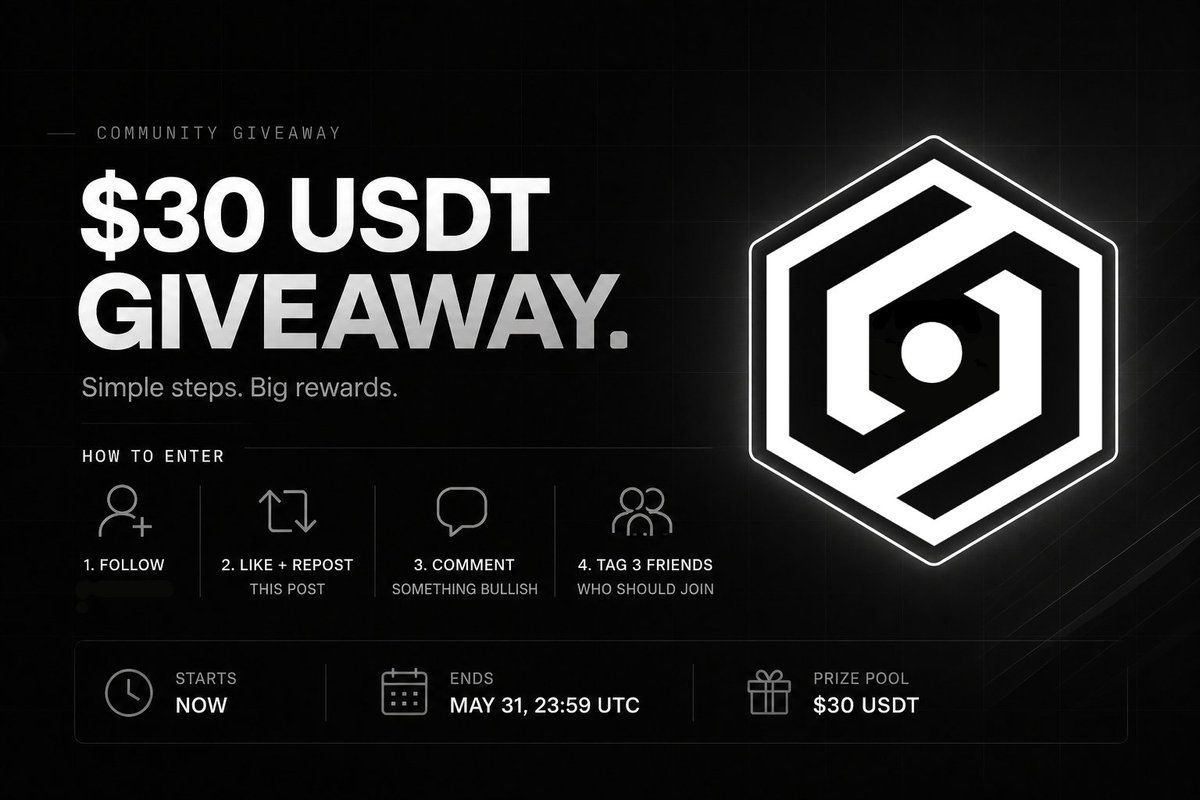
🚨 $30 USDT GIVEAWAY 🚨
We’re kicking off a community giveaway starting now.
💸 Prize Pool: $30 USDT
HOW TO ENTER:
⚡ Follow @orbinumnetwork
⚡ Like Repost this post
⚡ Comment something bullish about our project
⚡ Tag 3 friends who should discover us early
🔥 More activity = more visibility = better chance to win
⏳ Starts now
📅 Ends May 31 — 23:59 UTC
🏆 Winners announced within 24h after closing
💰 Rewards sent within 48h
Thank you for being early. Let’s grow this together 🚀
💠 JOIN US
Discord -> discord.gg/H4zZ5m46ym
Telegram -> t.me/orbinumnetwork
#Blockchain #Airdrop #Orbinum #Privacy #Testnet #Giveaway
35
15
62
2,356
💫 𝕳𝖎𝖌𝖍 𝕭𝖊𝖊 retweeted

May 27
you tell the waiter what you want.
not which truck delivered the ingredients, which highway it took, or how many warehouses the produce passed through to reach your plate.
"hot jollof plus an extra large turkey, please."
that's the full conversation.
➳ you're not coordinating logistics.
➳ you're not auditing a supply chain.
➳ you have exactly one job at that table, decide what you want and the entire system around you exists to make that one job frictionless.
somewhere in the last decade, crypto forgot this arrangement entirely.
moving assets cross-chain became a whole project.
not a task "a project".
want to bridge usdc from arbitrum to base? oya, let's begin.
• first, pick a bridge carefully, because three of them had exploits in the last eighteen months and the fourth has liquidity issues on fridays for reasons nobody has been able to explain with a straight face.
• you'll need to check if your token is the canonical version or the wrapped version, because some protocols on the destination side will warmly accept one and silently reject the other.
• don't forget gas on both chains. and when you're finally done, please wait could be two minutes, could be forty, depending on how the finality gods are feeling today.
this is what "permissionless finance" looked like in practice. permission to stress yourself.
here's the thing though, the kitchen was always going to be complicated.
coordinating ingredients, timing, heat, and staff across a restaurant at full capacity is genuinely hard.
but the genius of a good restaurant is that you never feel it. the complexity is real. the experience of complexity is not yours to carry. that's not a coincidence that's the whole job description of infrastructure.
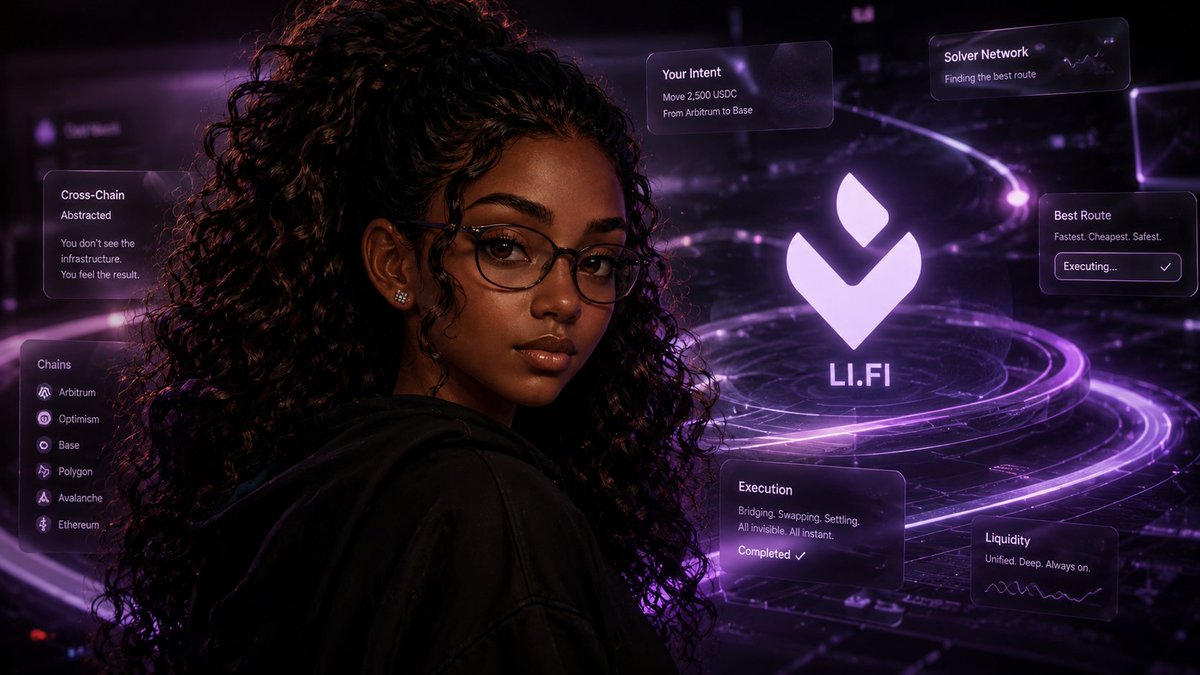
LI.FI looked at all of this and asked one reasonable question:
➠ what if you just... didn't have to know?
you express your intent clearly, simply, just what you want. underneath that request, a network of specialized solvers wakes up and competes.
think of them as very motivated, very prepared parties who already stocked the kitchen based on what they anticipated you'd order and now they're moving fast because their capital is on the line until you're satisfied.
they route, bridge, swap, and optimize using whatever liquidity source makes sense. the one who delivers fastest at the best price gets the table.
not out of generosity.
because the incentive is designed exactly right.
that alignment is what makes the invisibility sustainable
it doesn't get quietly switched off when the team is distracted or the market is slow. the solvers fulfill your order because the spread makes it worth their while.
>> good infrastructure doesn't run on good intentions.
it runs on good incentives.
the best ux isn't designed. it's incentivized.
the destination from here is obvious:
⮕ a version of crypto where nobody asks what chain you're on, the same way nobody asks which cell tower their call is routing through. where "i want to move money" is the complete sentence no footnotes, no prerequisites, no twelve-tab research session at midnight before a simple transfer.
not a revolution.
just a restaurant that finally understood you don't need to see the kitchen to enjoy the meal.
@lifiprotocol
66
5
140
2,586
May 25
Been a while I drop something on here due to been so busy and I must say,I won’t be as active as before 😢
Ngl I have to say I miss X so much
I miss my mutuals much more
I miss walking down the street of X and observing a lot of things going on 😩
But then,it’s for a good course tho
The good thing is that I’m still here and I’ll always be here!
Don’t forget,I’m here for the tech and I’m not leaving that anytime soon 😂
Have a blessed Monday,have a blissful week!
Good morning CX
77
3
88
745
May 22
Just a few hours ago we said goodnight to CX
But now We’re up and running
Ready to get the bag
Ready to acquire the daily bread
Are you with me?!!!!!😤
Good morning CX

May 21

Grinded all day, now we sip & smoke like kings.
Tomorrow we take more.
Rest up, legends.
The bag never sleeps.
Goodnight CX

128
7
147
1,757
💫 𝕳𝖎𝖌𝖍 𝕭𝖊𝖊 retweeted
May 22
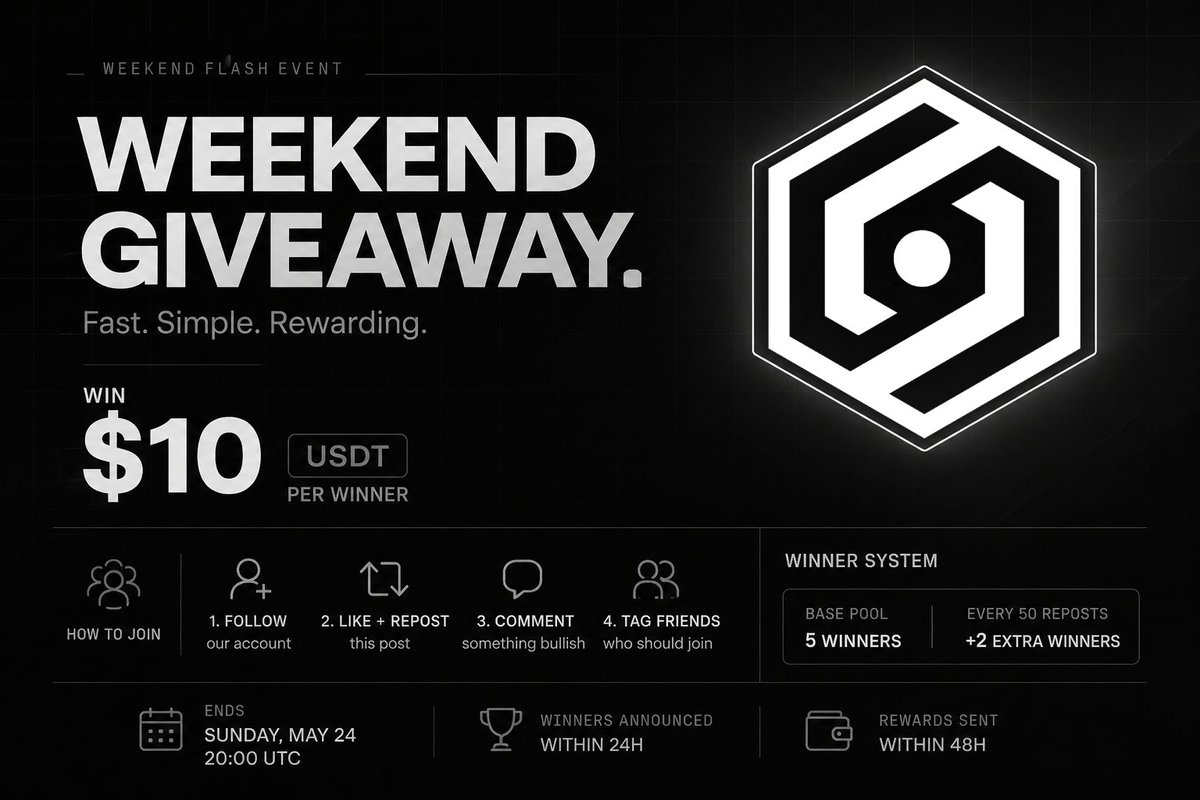
🚨 WEEKEND FLASH GIVEAWAY 🚨
Fast. Simple. Loud.
We’re giving away 💸 $10 USDT to active community members this weekend.
HOW TO JOIN:
⚡ Follow @orbinumnetwork
⚡ Like Repost this post
⚡ Comment something bullish about our project
⚡ Tag friends who should join early
🔥 More activity = higher chance to win
🎯 WINNER EXPANSION:
• Starting pool: 5 winners
• Every 50 reposts unlocks 2 extra winners
⏳ Ends Sunday, May 24 — 20:00 UTC
🏆 Winners announced within 24h
💰 Rewards sent within 48h
Let’s see who really supports the movement 🚀
💠 JOIN US
Discord -> discord.gg/H4zZ5m46ym
Telegram -> t.me/orbinumnetwork
#Blockchain #Airdrop #Orbinum #Privacy #Testnet
28
22
61
2,449
May 21
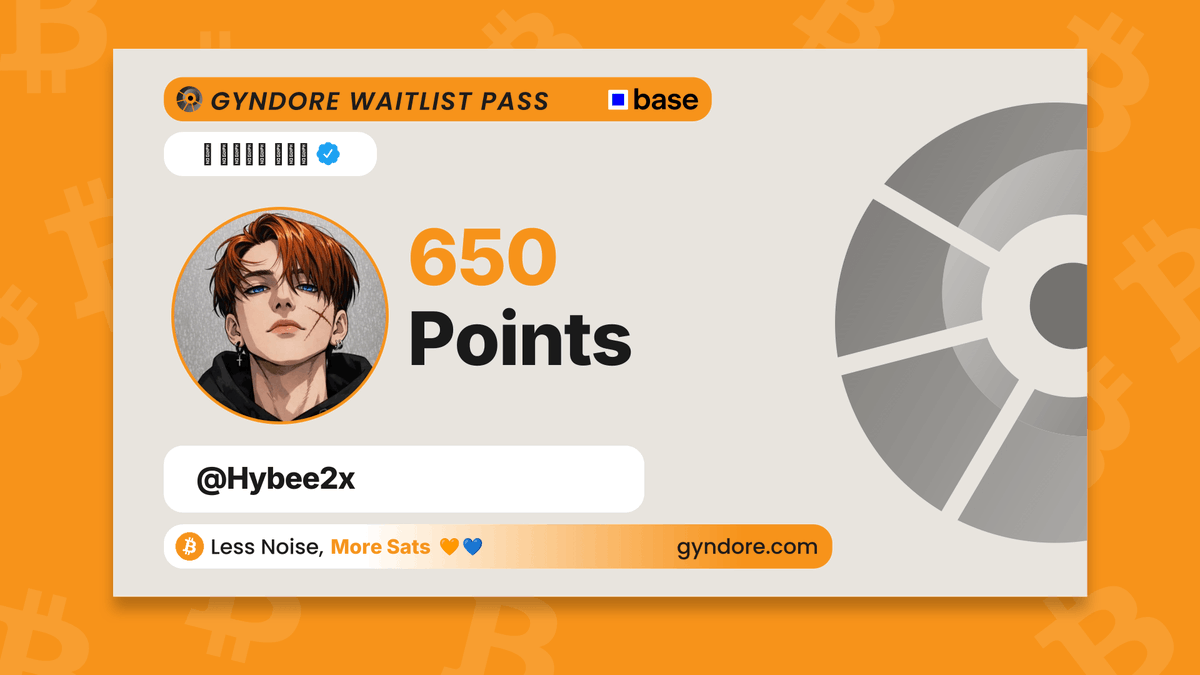
Secured my spot on the @Gyndore waitlist.
Already stacking. It pays to be early.
Join now & claim your points → waitlist.gyndore.com/share/G…
50
2
72
654