Official Account of the University of Hyderabad, India. Established by an Act of Parliament in 1974
Joined July 2011
- Tweets 9,814
- Following 1,268
- Followers 15,438
- Likes 7,631
2,940 Photos and videos

Univ of Hyderabad retweeted

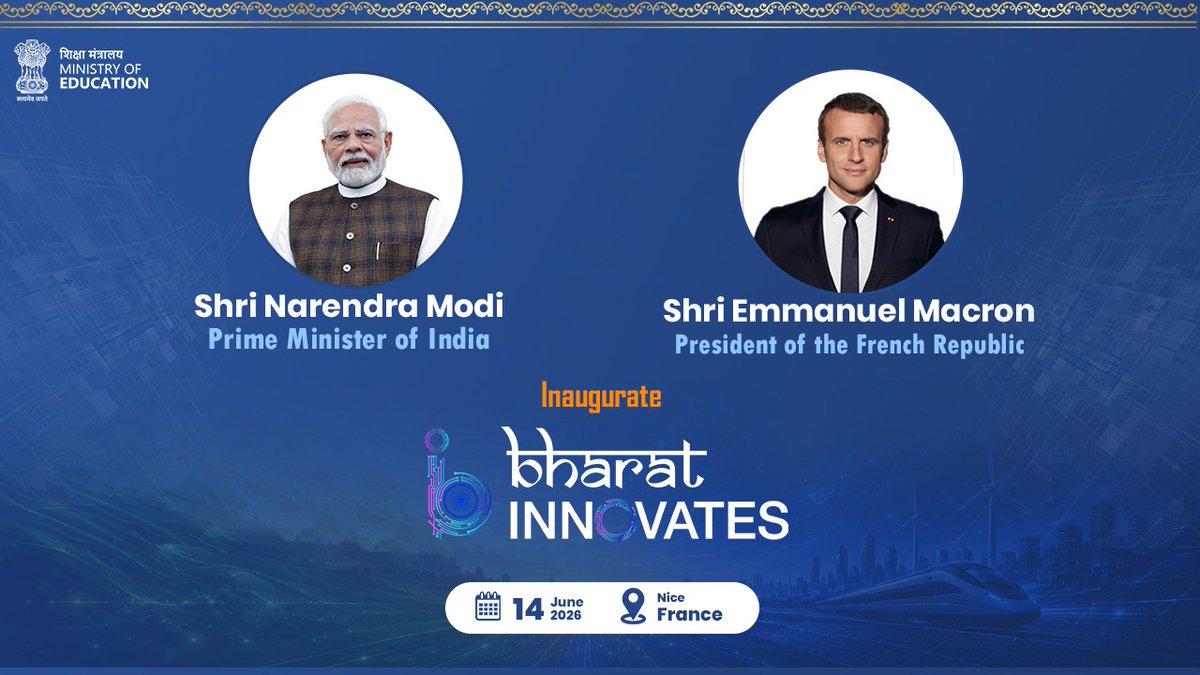
🟢#LIVE: Hon'ble Prime Minister Shri @narendramodi and the President of the French Republic, H.E. Mr. @EmmanuelMacron, jointly inaugurate #BharatInnovates2026 in Nice, France.
⌛️Live stream to start at 1:30 PM (IST)
📺#Watch here 👇
📌YouTube: youtube.com/watch?v=UlYe1IcB…
📌X: x.com/i/broadcasts/1PKqrrYpE…
📌Facebook: facebook.com/events/22044309…
#BharatInnovates #Innovation #DeepTech #ViksitBharat2047
7
27
26
2,390
Univ of Hyderabad retweeted
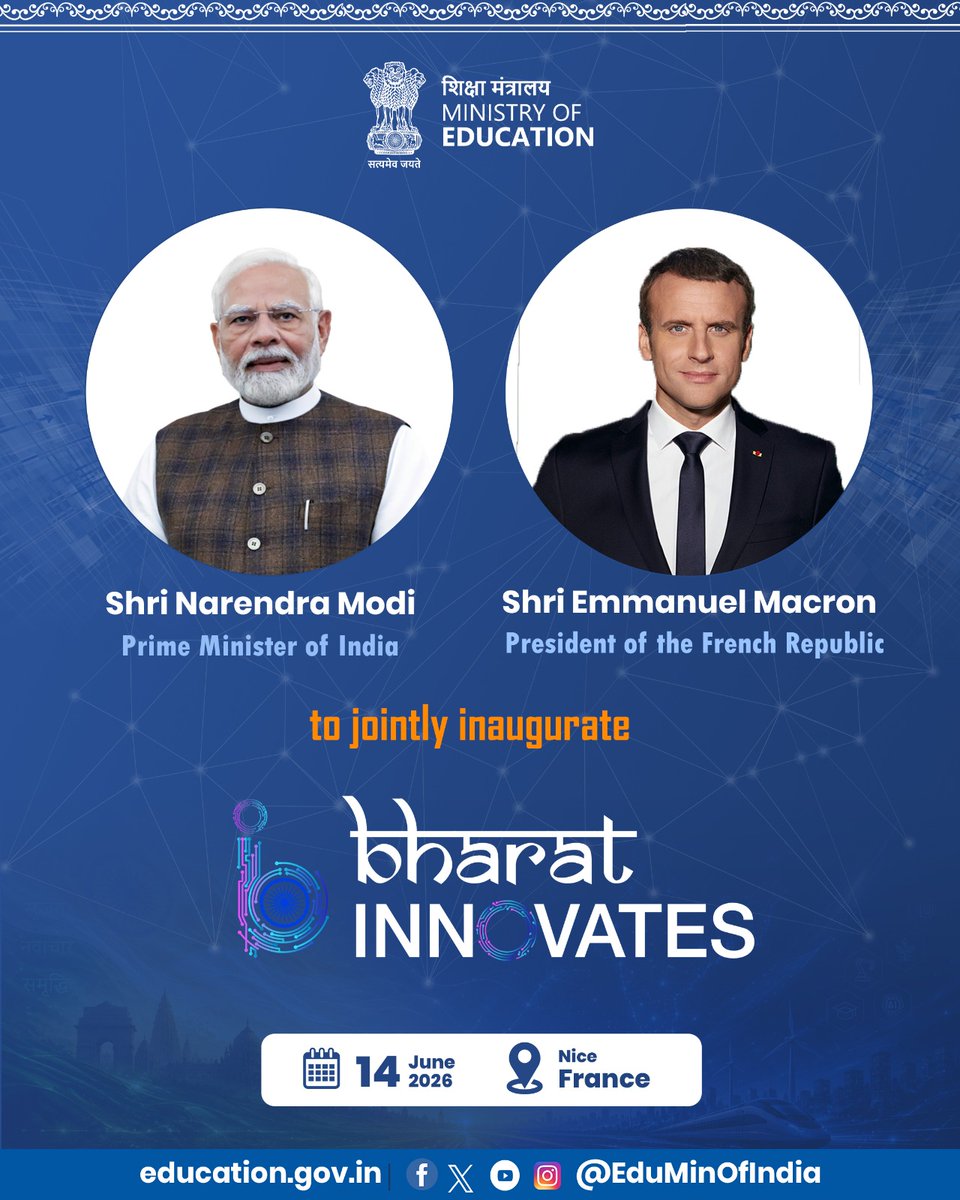
Hon'ble Prime Minister of India, Shri @narendramodi, and the President of the French Republic, H.E. Mr. @EmmanuelMacron, to jointly inaugurate Bharat Innovates 2026 on 14 June, 2026, in Nice, France.
Bringing together innovators and leaders from across the world, #BharatInnovates2026 will showcase India's growing innovation and deep-tech ecosystem while fostering global collaboration.
The event underscores India's commitment to research, innovation, and technology-led development.
📍 Nice, France
📅 14 June 2026
#BharatInnovates #Innovation #DeepTech #ViksitBharat2047
112
79
167
10,024
Univ of Hyderabad retweeted

Jun 13
Three UoH dance scholars win Ustad Bismillah Khan Yuva Puraskar 2024-25 for their contribution to performing arts. #UstadBismillahKhan #YuvaPuraskar #UoH deccanchronicle.com/southern…
1
2
110
Univ of Hyderabad retweeted
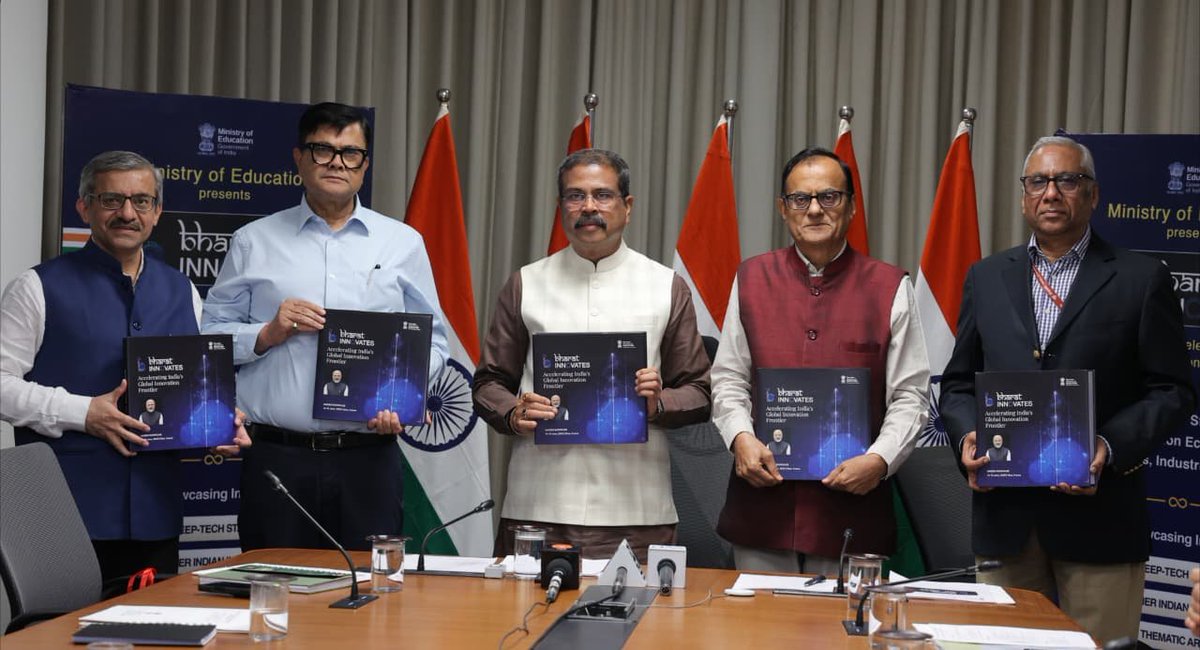
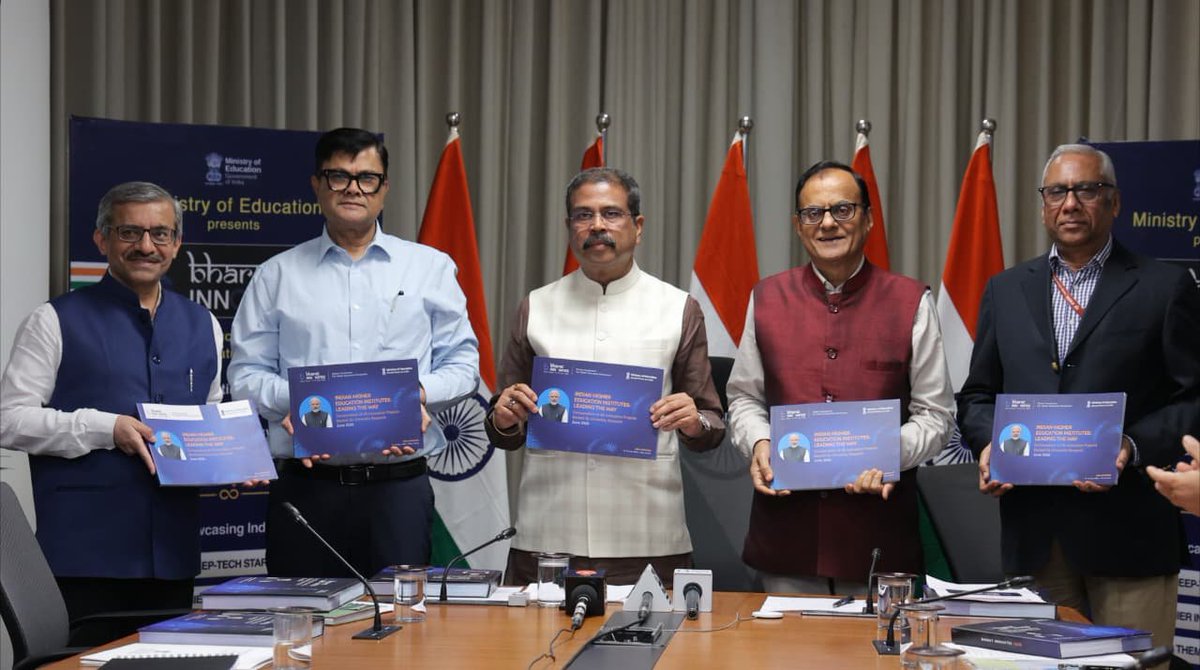
Hon'ble Union Minister of Education Shri @dpradhanbjp released two Strategic Documents on Bharat Innovates, showcasing India's Innovation and Startup Ecosystem.
Reinforces India's transition from a knowledge consumer to a knowledge creator.
#NEP2020 #BharatInnovates
@PMOIndia @narendramodi @PrinSciAdvGoI @Vineet_K26 @PIB_India @BharatInnov2026
23
36
53
4,852
Univ of Hyderabad retweeted
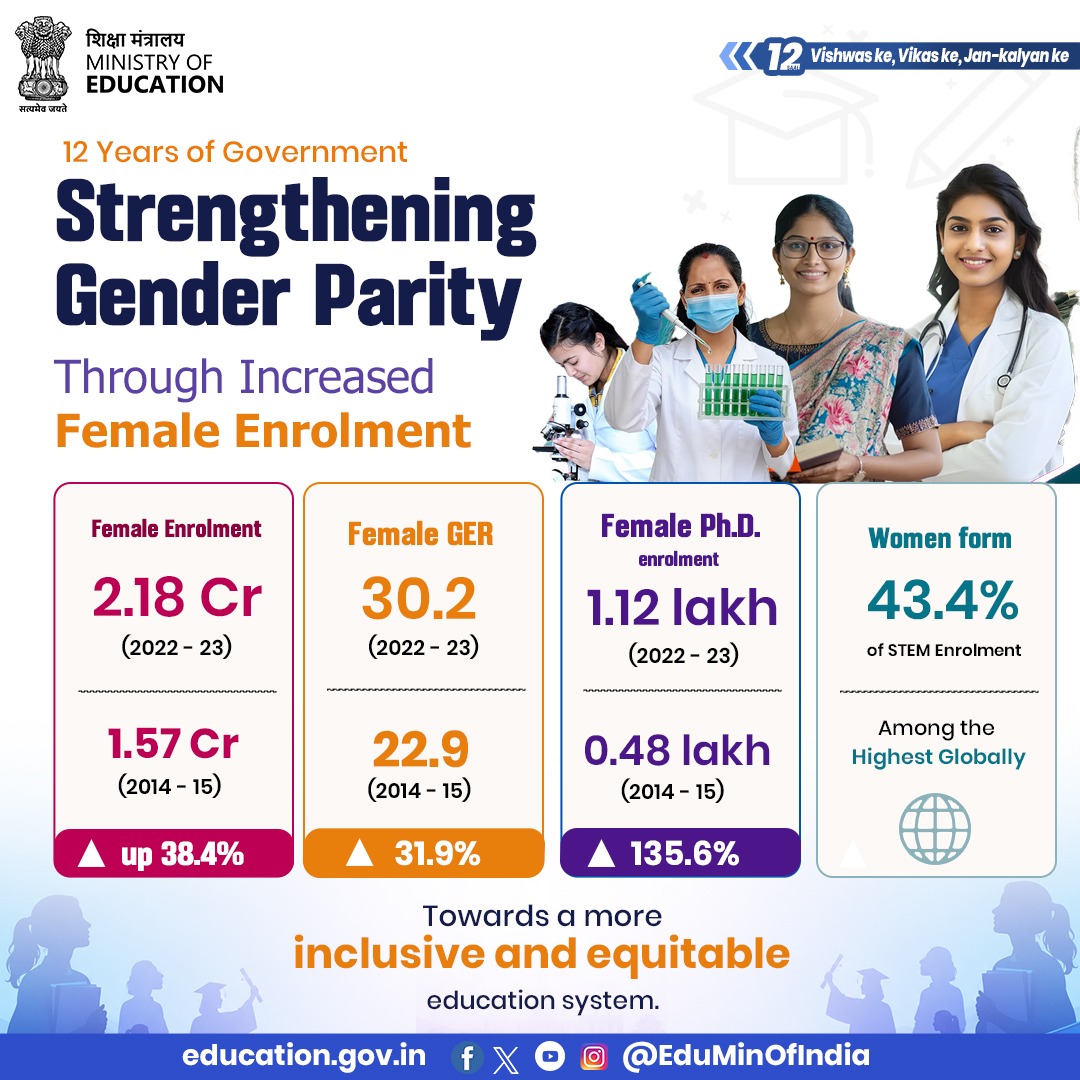
Higher education is witnessing a steady rise in female enrollment reflecting the Government's commitment to inclusive growth.
#12YearsOfGovernment
7
21
32
3,735
Univ of Hyderabad retweeted

Jun 10
Visuals From University of Hyderabad 🏛️
📸: Bindu Bharadwaj @HydUniv
1
30
297
8,257

Jun 12
🎬 University of Hyderabad Alumnae Shine in Sing Geetham 🌿🎶
Proud moment for the University of Hyderabad community as two alumnae from the Department of Communication contribute to Sing Geetham, the bold musical fantasy directed by legendary filmmaker Singeetham Srinivasa Rao, released worldwide on 11 June 2026.
✍️ Gautami Challagulla
MA Communication, Class of 2010–2012
Writer, Sing Geetham
🎭 Shalini Kondepudi
MA Communication, Class of 2010–2012
Actor, Sing Geetham
The film has been appreciated as a refreshing departure in Telugu cinema — blending music, fantasy, ecological concern, and human emotion into an engaging cinematic experience. It is heartening to see UoH alumnae contributing meaningfully to a project that celebrates creativity, courage, storytelling, and social consciousness.
Congratulations to Gautami Challagulla and Shalini Kondepudi on being part of this remarkable film. Their journey reflects the creative strength and interdisciplinary spirit nurtured at the University of Hyderabad.
🌟 Celebrating UoH talent in cinema!
#UniversityOfHyderabad #UoH #UoHAlumni #SingGeetham #GautamiChallagulla #ShaliniKondepudi #SingeethamSrinivasaRao #TeluguCinema #IndianCinema #WomenInCinema #AlumniPride #DepartmentOfCommunication #CreativeExcellence #Cinema #Storytelling
@ShaliniKondepud
1
20
129
4,203
Univ of Hyderabad retweeted
युवा संगम फेज़-VI के तहत छत्तीसगढ़ से दिल्ली आई छात्र प्रतिनिधि ने अपना अनुभव साझा किया तथा माननीय प्रधानमंत्री श्री नरेन्द्र मोदी के ‘एक भारत श्रेष्ठ भारत’ पहल के प्रति आभार व्यक्त किया।
#YuvaSangamPhase6 #EkBharatShreshthaBharat
@PMOIndia @narendramodi @dpradhanbjp @Vineet_K26 @PIB_India @EBSB_YuvaSangam @EBSB_YuvaSangam
5
18
26
4,074
Univ of Hyderabad retweeted
युवा संगम फेज़-VI के अंतर्गत दिल्ली से छत्तीसगढ़ की यात्रा करने वाली छात्र प्रतिनिधि ने अपना अनुभव साझा किया।
#YuvaSangamPhase6 #EkBharatShreshthaBharat
5
19
23
3,503
Univ of Hyderabad retweeted

Bharat Innovates 2026 presents QpiAI, a pioneering Indian deep tech company at the forefront of artificial intelligence and quantum computing innovation. By developing vertically integrated AI and quantum computing platforms, QpiAI is solving complex challenges across healthcare, life sciences, finance, manufacturing, logistics, energy, and sustainability. Through its advanced quantum hardware, AI driven software, and next-generation computing infrastructure, the company is accelerating the adoption of transformative technologies that redefine how industries solve large-scale computational problems.
Bharat Innovates is taking QpiAI to Nice, France | 14–16 June 2026, showcasing India's growing leadership in quantum computing, artificial intelligence, and frontier technologies on the global stage.
With a vision to build sovereign quantum and AI capabilities, QpiAI is driving the future of intelligent computing through indigenous innovation and world class research. From developing India's full-stack quantum computing ecosystem to enabling breakthrough applications across industries, the company represents India's emergence as a global hub for deep-tech excellence and next-generation computational technologies.
@narendramodi @PMOIndia @eduminofindia @dpradhanbjp @PrinSciAdvGoI @Vineet_K26 @sanjayjavin @IndiaDST @AICTE_INDIA @ugcindia @pibindia @DDNewslive @airnewsalerts @sjaishankaroffc @MEABharat @IndiainPortugal @IndiaembFrance @CGIMarseille @eoiberlin @IndiainIreland @HCI_London @iitbombay @SINEIITB @paniitindia @qpiai
#BharatInnovates2026 #QuantumComputing #ArtificialIntelligence #DeepTech #QuantumAI
9
15
914
Univ of Hyderabad retweeted
#BharatInnovates2026, an initiative of the Ministry of Education, is set to transform Nice into a hub of innovation.
Trams across the city are carrying the #BharatInnovates2026 message, bringing the spirit of innovation to the streets ahead of 14–16 June 2026.
Nice is ready to welcome innovators, researchers, investors, and changemakers from around the world.
@narendramodi @PMOIndia @eduminofindia @dpradhanbjp @PrinSciAdvGoI @Vineet_K26 @sanjayjavin @IndiaDST @AICTE_INDIA @ugcindia @pibindia @DDNewslive @airnewsalerts @sjaishankaroffc @MEAIndia @IndiainPortugal @IndiaembFrance @CGIMarseille @eoiberlin @IndiainIreland @HCI_London @iitbombay @SINEIITB @paniitindia
#BharatInnovates2026 #IndiaFrance #Innovation #Startups

1
55
57
9,356
Univ of Hyderabad retweeted

Jun 12
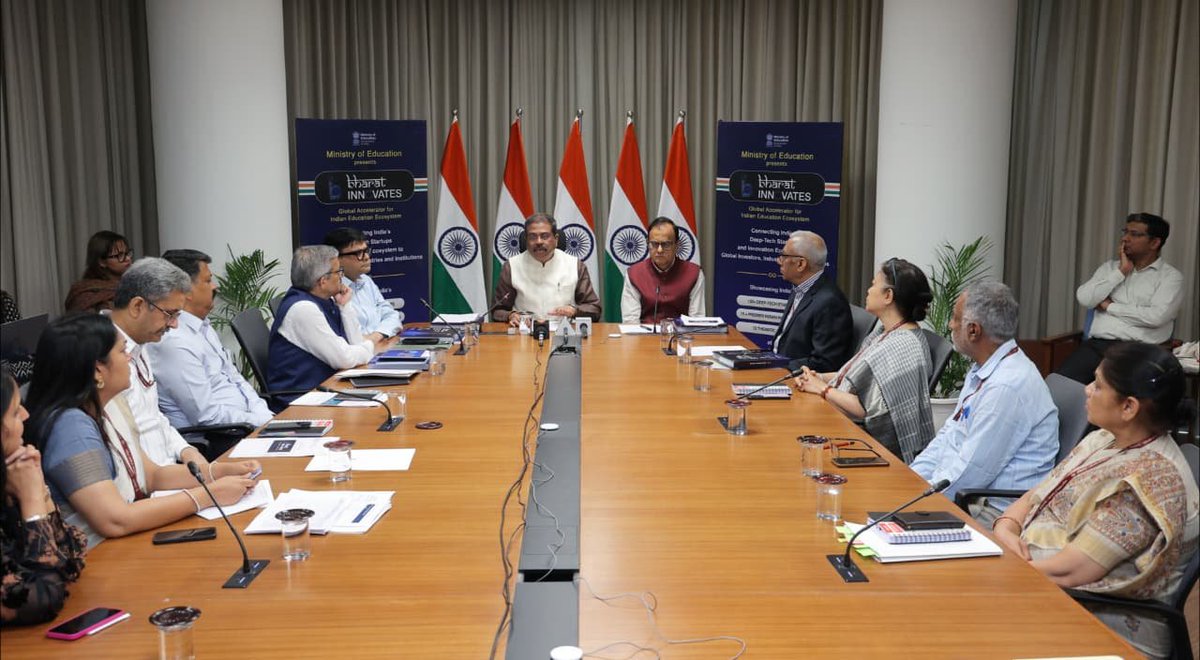
Launched the strategic documents for #BharatInnovates in the presence of Principal Scientific Adviser to the Prime Minister, Prof. @AjaySoodIISc and senior officials from the Ministry of Education, ahead of the flagship initiative's global showcase in Nice, France.
#BharatInnovates reflects India's growing innovation and technology capabilities and our commitment to developing affordable, high-quality and accessible solutions to challenges shared by India and the world. The initiative envisages sustained engagement among institutions, industry and startups. The strong international interest and commitments received reaffirm the world’s confidence in India's research ecosystem and the ingenuity of our young innovators.
#BharatInnovates is inspired by the visionary leadership of Hon'ble Prime Minister Shri @narendramodi Ji and his unwavering faith in India's youth. I also convey my appreciation to President @EmmanuelMacron and the Government of France for their support in strengthening India-France cooperation in innovation and technology for global good.
The world has complete faith in India's young innovators. I am confident that they will continue to develop solutions that address humanity's shared challenges and contribute to global progress.
173
84
249
22,139
Univ of Hyderabad retweeted
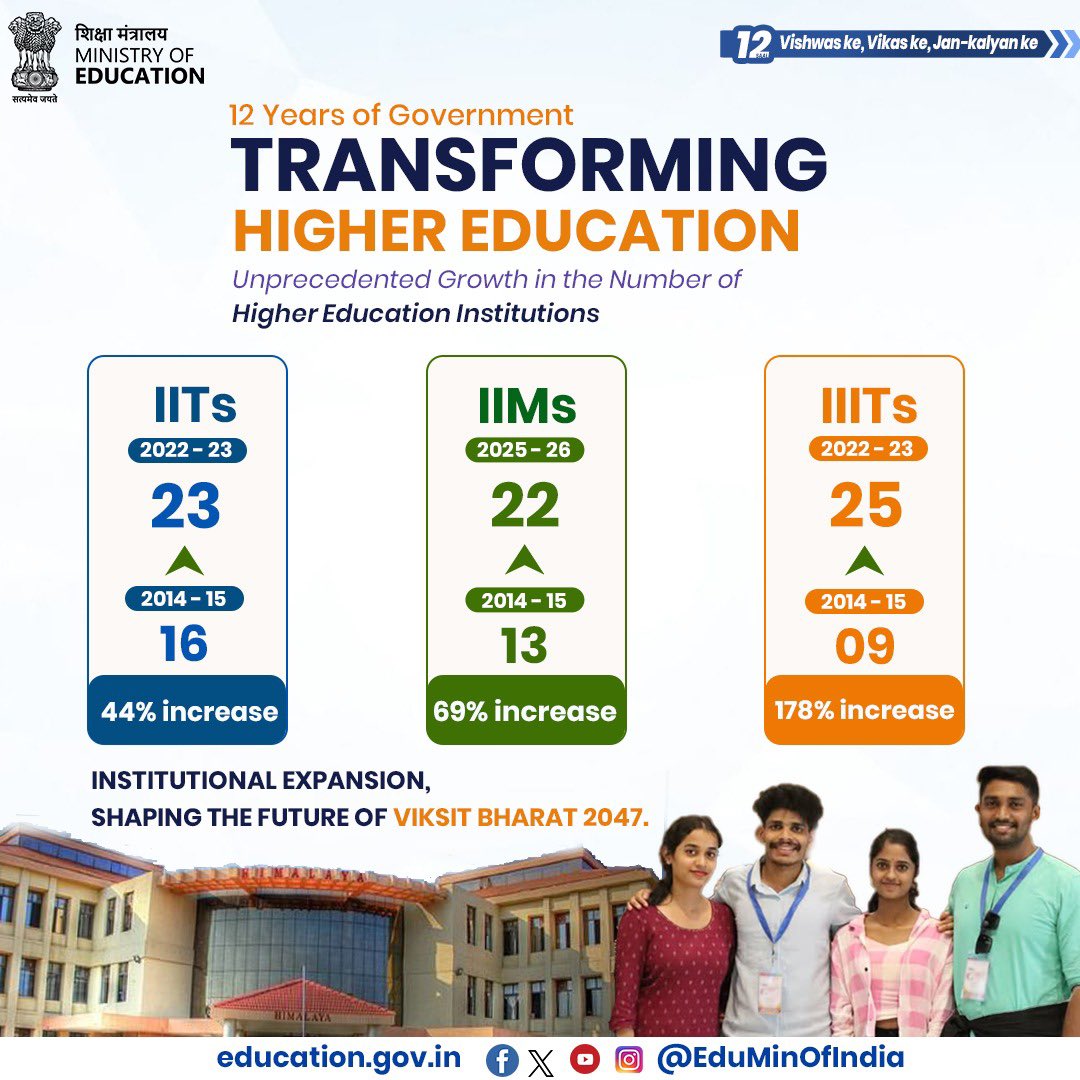
Higher education ecosystem has been strengthened through the expansion of premier institutions, enhancing access to quality education, research, and innovation. The number of IITs, IIMs, and IIITs has increased significantly over the past decade, creating greater opportunities for students across the country.
#12YearsOfGovernment
21
27
38
3,761
Univ of Hyderabad retweeted

Jun 11
Nice is all set to host Bharat Innovates 2026, a landmark event bringing together Indian startups, global investors, and technology leaders
With over 120 Indian deep-tech startups and participants from 28 countries, the event is poised to strengthen Indo-French innovation and technology cooperation
Watch more on #IndiaInnovates2026 🔗 youtu.be/NCr3vyQizts
@PMOIndia @EduMinOfIndia @BharatInnov2026
@Dipikka_M
9
63
102
31,049
Univ of Hyderabad retweeted
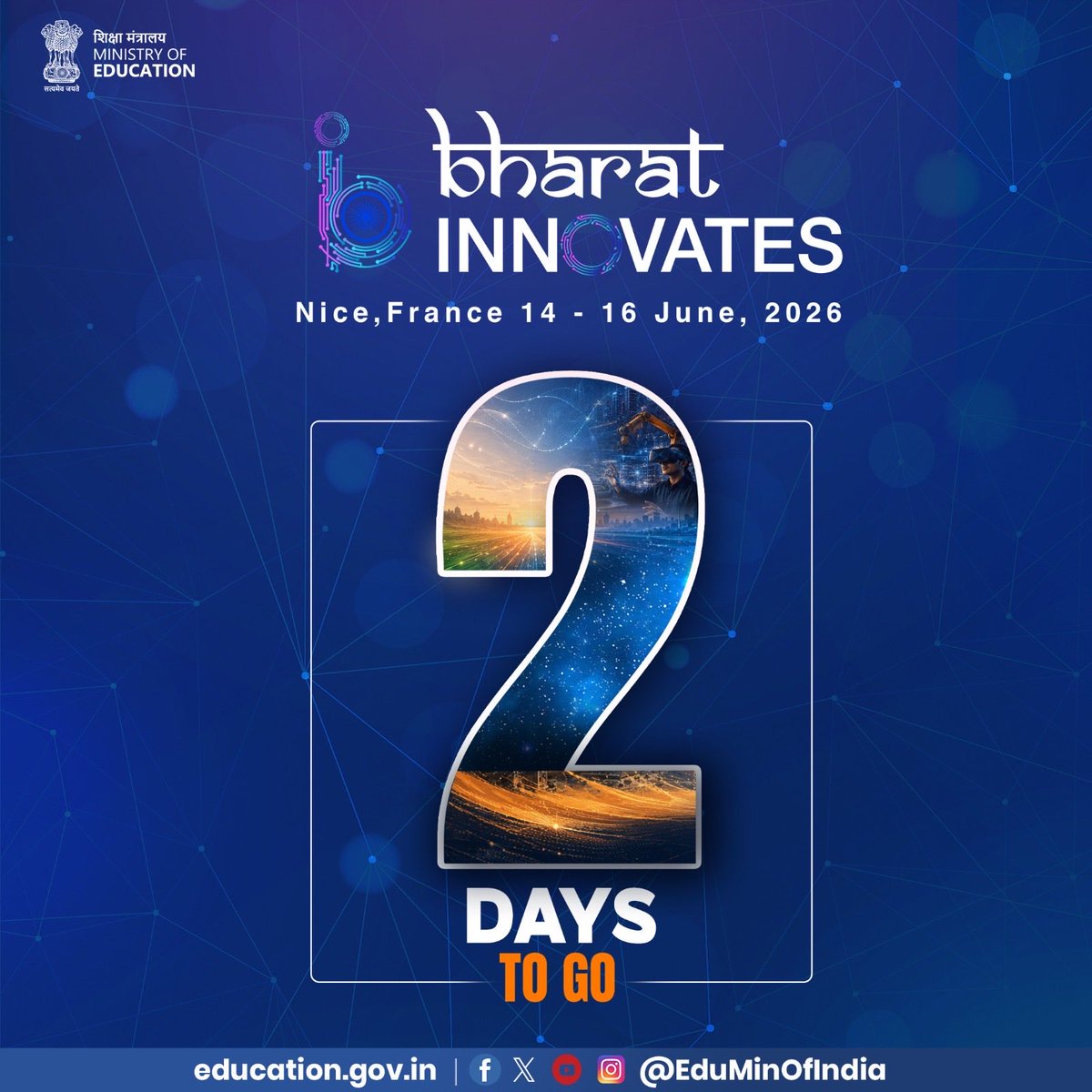
2 days to go!
Bharat Innovates is set to convene in Nice, France, showcasing the strength of India's innovation ecosystem and its growing leadership in deep-tech, research, and entrepreneurship.
Bringing together innovators, industry leaders, policymakers, and academia, the event will highlight transformative ideas and technologies driving the vision of a Viksit Bharat.
#BharatInnovates #Innovation #ViksitBharat #EducationForInnovation
100
89
134
32,628
Jun 11
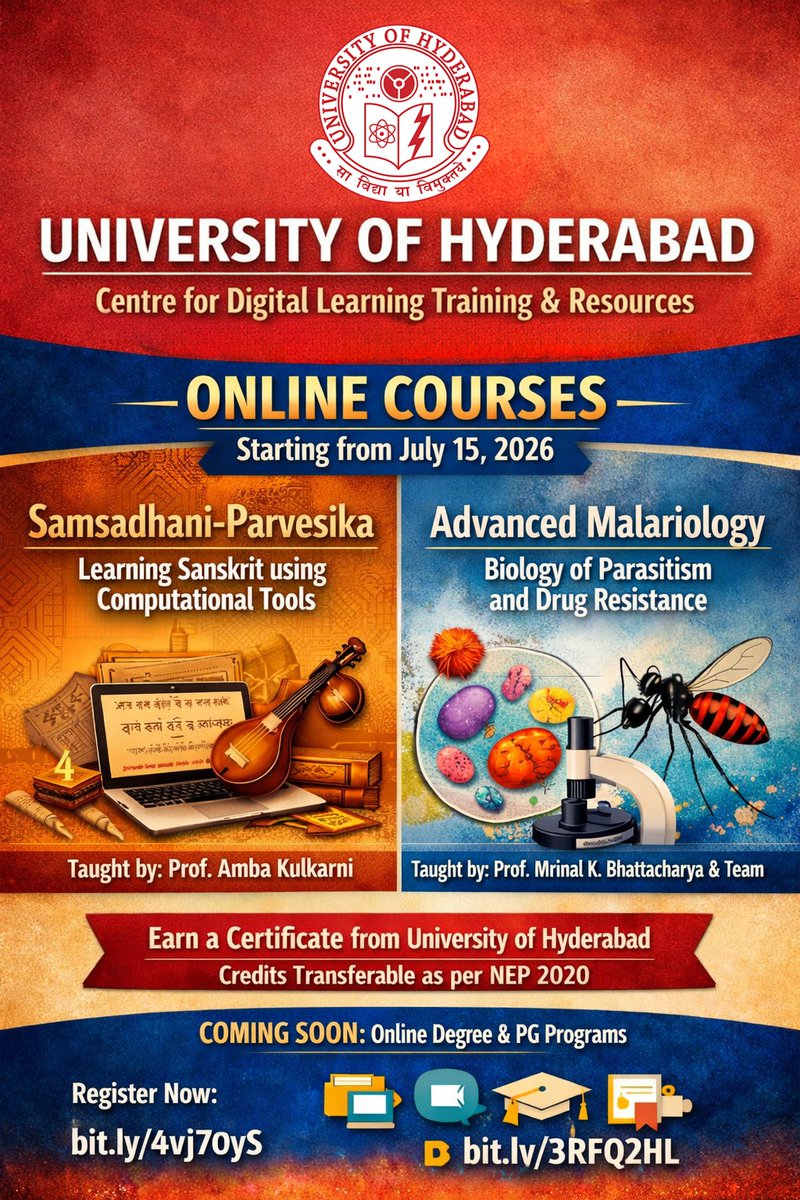
The Centre for Digital Learning Training and Resources (CDLTR) at the University of Hyderabad (UoH) has announced the upcoming launch of two groundbreaking online certificate courses designed to bridge critical gaps in traditional education and specialized scientific research.
Beginning July 15, 2026, the university will officially offer:
1.Advanced Malariology: Biology of Parasitism and Drug Resistance (2 Credits)
2.Samsadhani-Pravesika: Learning Sanskrit using Computational Tools (4 Credits)
Both programs are developed and taught by award-winning faculty members. In alignment with modern educational standards, these courses carry academic credits that are fully transferable across universities. Upon successful completion, candidates will be awarded a formal certificate from the University of Hyderabad.
The newly introduced curriculum targets distinct, high-demand areas in both the humanities and sciences.
"Schools and colleges do not provide enough training to read and understand Sanskrit literature; this course will fill that gap," said Prof. Salman Abdul Moiz, Director of CDLTR. Commenting on the scientific offering, he added, "The course on malariology will be highly beneficial for individuals seeking comprehensive insights into drug-resistance mechanisms and the latest technological advancements in molecular parasitology."
The launch is part of a broader, aggressive push by the University of Hyderabad to expand its digital footprint and deliver flexible, high-quality education to global learners. The upcoming programs are designed to connect ambitious students and working professionals directly with domain experts.
Looking ahead, Prof. Moiz revealed that these certificate courses represent the first phase of a long-term digital roadmap. The university is actively planning to introduce a broader suite of skill-focused online courses, culminating in the formal rollout of full Online Undergraduate (UG) and Postgraduate (PG) Degree Programs starting in the 2027–28 academic year.
The Vice-Chancellor of the University of Hyderabad will formally inaugurate and launch both courses during a virtual ceremony on July 15, 2026.
cdltr.uohyd.ac.in/blog/upcom…
The University of Hyderabad is one of India's premier institutions of higher learning and research. Highly ranked nationally and internationally, UoH is dedicated to providing holistic, cut-edge education across sciences, humanities, and social sciences. The Centre for Digital Learning Training and Resources (CDLTR) serves as the university's central hub for pioneering online pedagogy, digital resources, and accessible higher education.
#UniversityOfHyderabad #sanskrit #biology #malaria #distanceeducation
@HydUniv @ugc_india @EduMinOfIndia @mygovindia @dpradhanbjp @PMOIndia @narendramodi @PIB_India @PTI_News @PIBHyderabad @vbelavadi @pranayrupani
1
4
284
Univ of Hyderabad retweeted
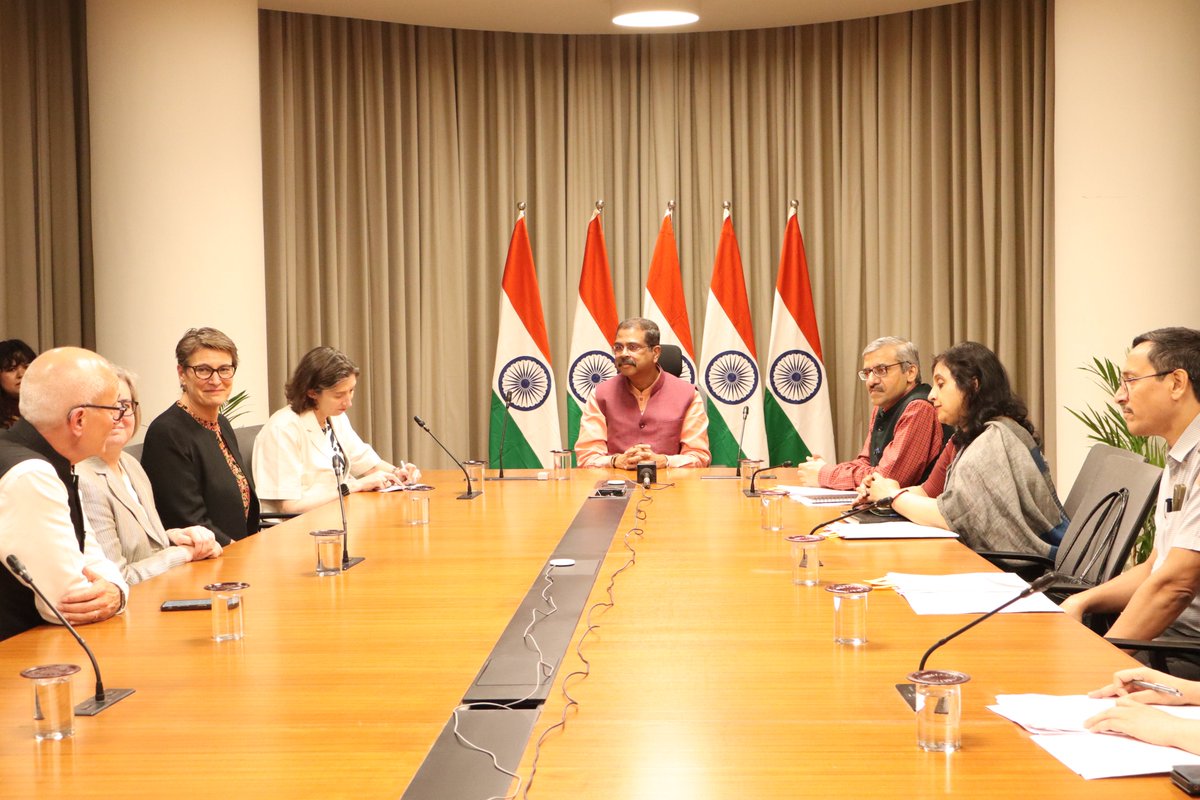
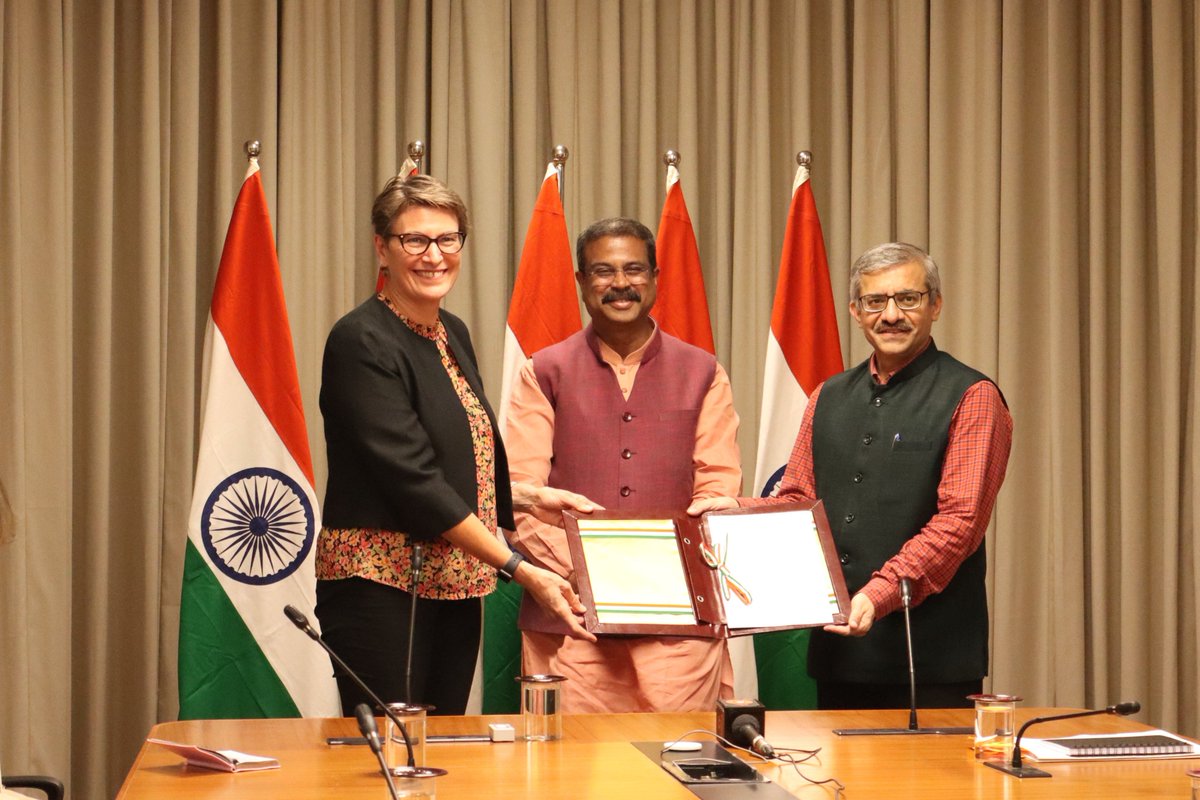
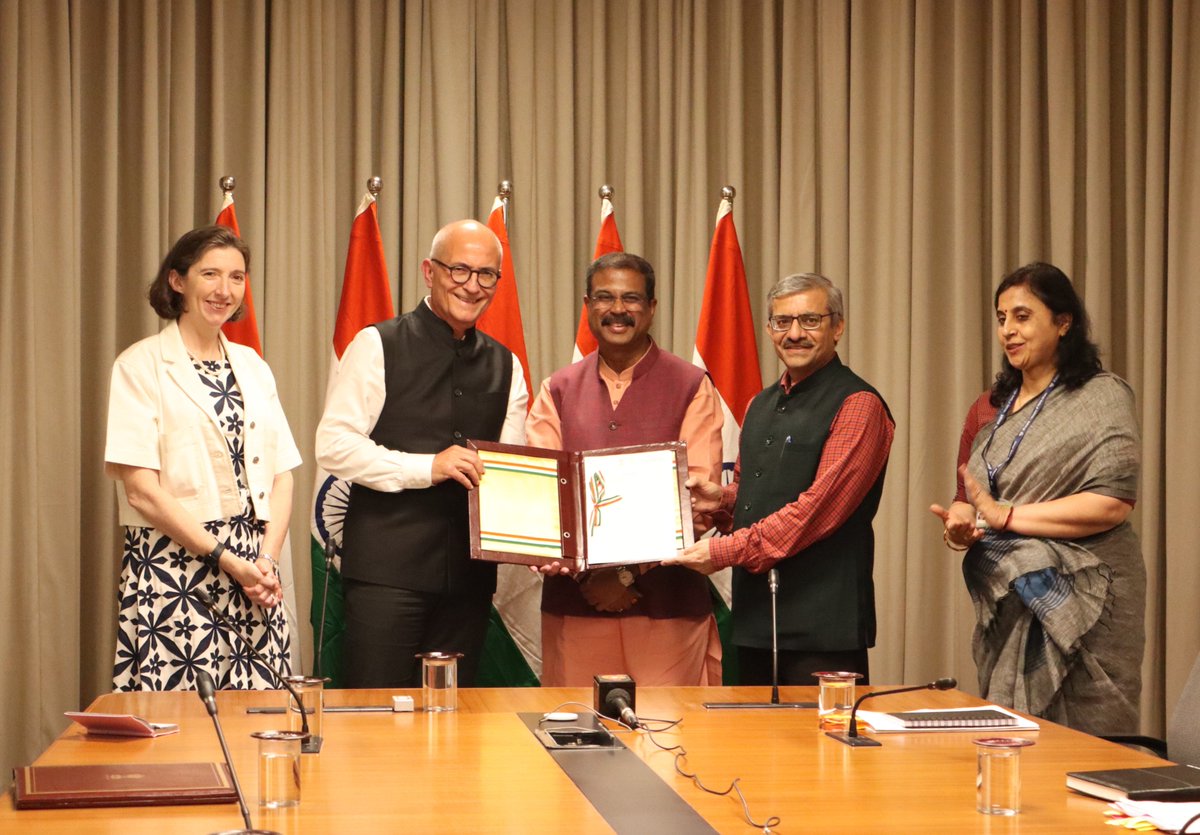
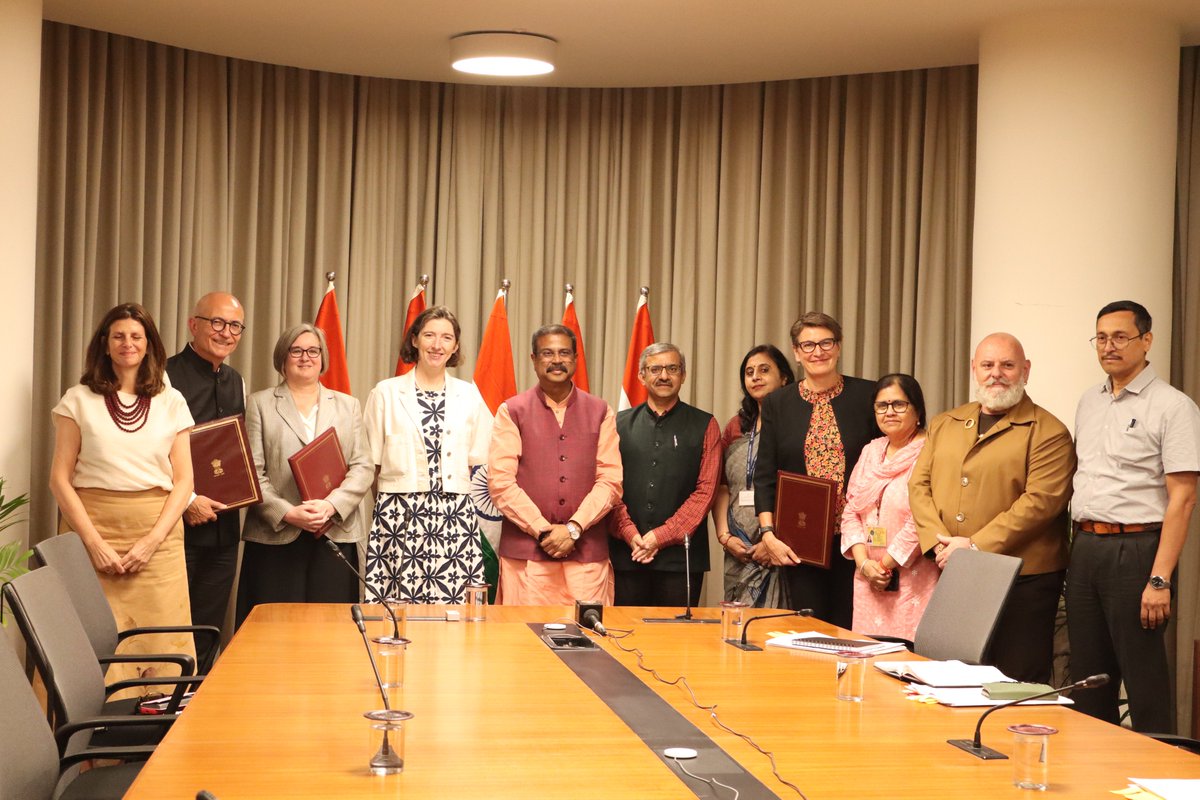
In the presence of Hon’ble Union Minister for Education, Shri @dpradhanbjp, Letters of Approval were handed over to three globally reputed foreign universities from the UK and Australia to establish campuses in India.
The LoAs were received by:
📌 University of Bristol, UK
Mumbai Campus
📌 University of York, UK
Mumbai Campus
📌 University of New South Wales, Australia
Bengaluru Campus
Under #NEP2020, India is advancing “internationalisation at home” by welcoming leading global universities while also enabling Indian institutions to expand globally. With campuses in Mumbai and Bengaluru, these institutions will connect global education with India’s leading knowledge, technology and innovation hotspots.
The campuses will offer future-focused academic and research opportunities in areas such as AI, Cyber Security, Data Science, Finance, Entrepreneurship, Creative Industries, Immersive Arts, Renewable Energy, Health, Transport and Education Technology.
This milestone reflects growing global trust in India’s higher education ecosystem and strengthens the vision of making India a global knowledge hub, powering youth aspirations and the goal of #ViksitBharat.
#StudyInIndia #InternationalisationOfEducation #GlobalStudyDestination
34
96
208
18,962
Univ of Hyderabad retweeted
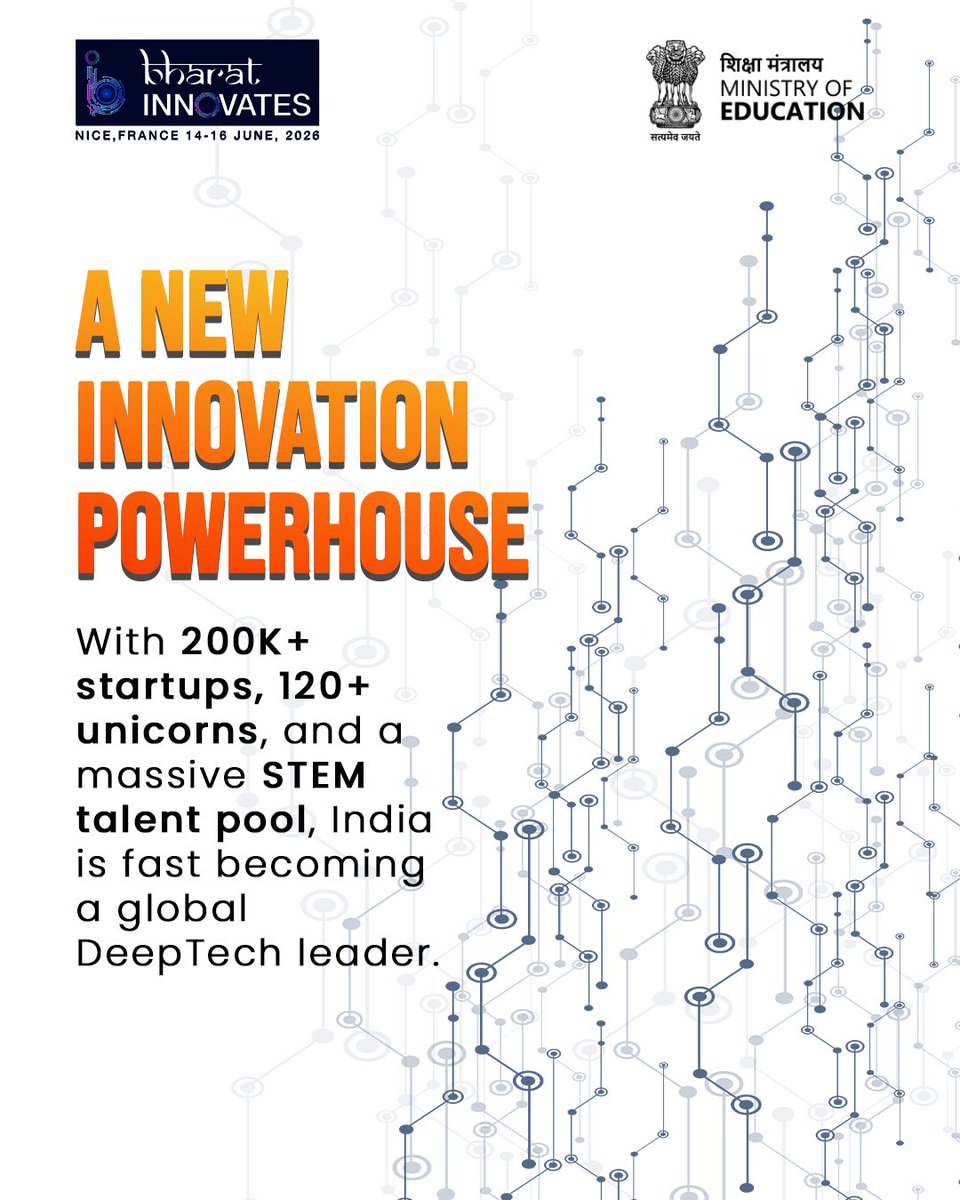
The countdown to Bharat Innovates 2026 has begun.
As India's deep-tech ecosystem scales new heights, Bharat Innovates 2026 will spotlight the ideas, innovations, and entrepreneurs driving the next wave of technological transformation. From AI, semiconductors, and quantum technologies to biotechnology, space tech, and sustainable solutions, India's innovators are building technologies with global impact.
📍 Nice, France
🗓️ 14–16 June 2026
Bringing together startups, investors, industry leaders, researchers, and policymakers from across the world, Bharat Innovates 2026 will showcase the strength of India's innovation ecosystem and open new avenues for collaboration, investment, and growth.
The world is watching. India is ready to innovate, collaborate, and lead.
#BharatInnovates2026 #DeepTech #StartupIndia #InnovationGoesGlobal #ViksitBharat #ResearchToMarket #IndiaInnovates #GlobalInnovation
51
138
149
47,055
Jun 8
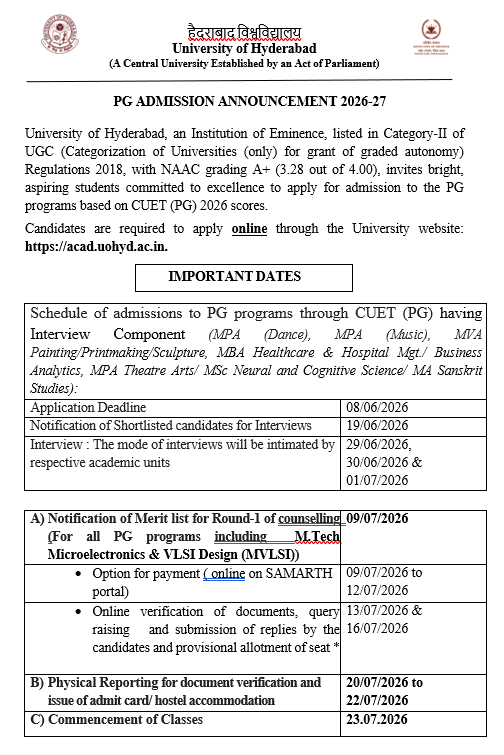
In partial modification of the PG Admission Announcement 2026-27 issued by the University of Hyderabad on 25/05/2026, all concerned are herewith informed that the last date for submission of applications has been extended from 08/06/2026 to 12/06/2026 for the programmes with admissions through CUET-PG and from 08/06/2026 to 30/06/2026 for the programme M.Tech- Microelectronics and VLSI design.
The candidates therefore may please take note of the above and submit their applications accordingly.
Online application form and other details are available at acad.uohyd.ac.in/ .
The other terms and conditions as notified in the notification dated 25/05/2026 remain unchanged.
Date: 08/06/2026 Controller of Examinations I/c
Jun 5

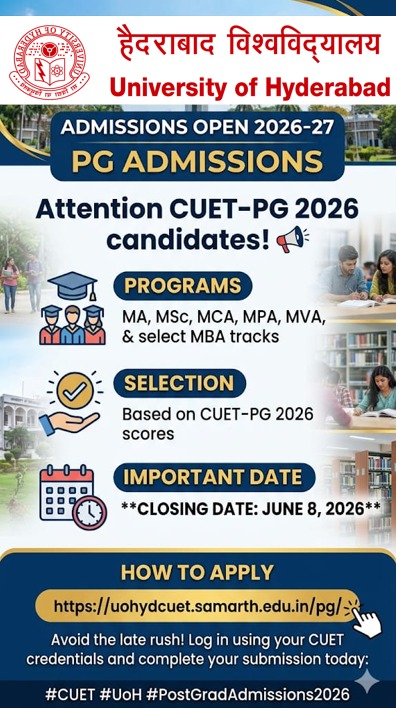
Attention CUET-PG 2026 candidates! 📢
The University of Hyderabad has opened its PG Admission portal for the 2026-27 batch.
🔹 Programs: MA, MSc, MCA, MPA, MVA, & select MBA tracks.
🔹 Selection: Based on CUET-PG 2026 scores.
🔹 Closing Date: June 8, 2026.
Avoid the late rush!
Log in using your CUET credentials and complete your submission today:
👉 uohydcuet.samarth.edu.in/pg/
#cuet #uoh #postgrad #admissions2026
@HydUniv @ugc_india @EduMinOfIndia @dpradhanbjp @PMOIndia @mygovindia
2
4
647
Jun 8
When Scholarship Shapes Justice: University of Hyderabad Scholars Featured in Landmark Supreme Court Judgment on Human Trafficking in India
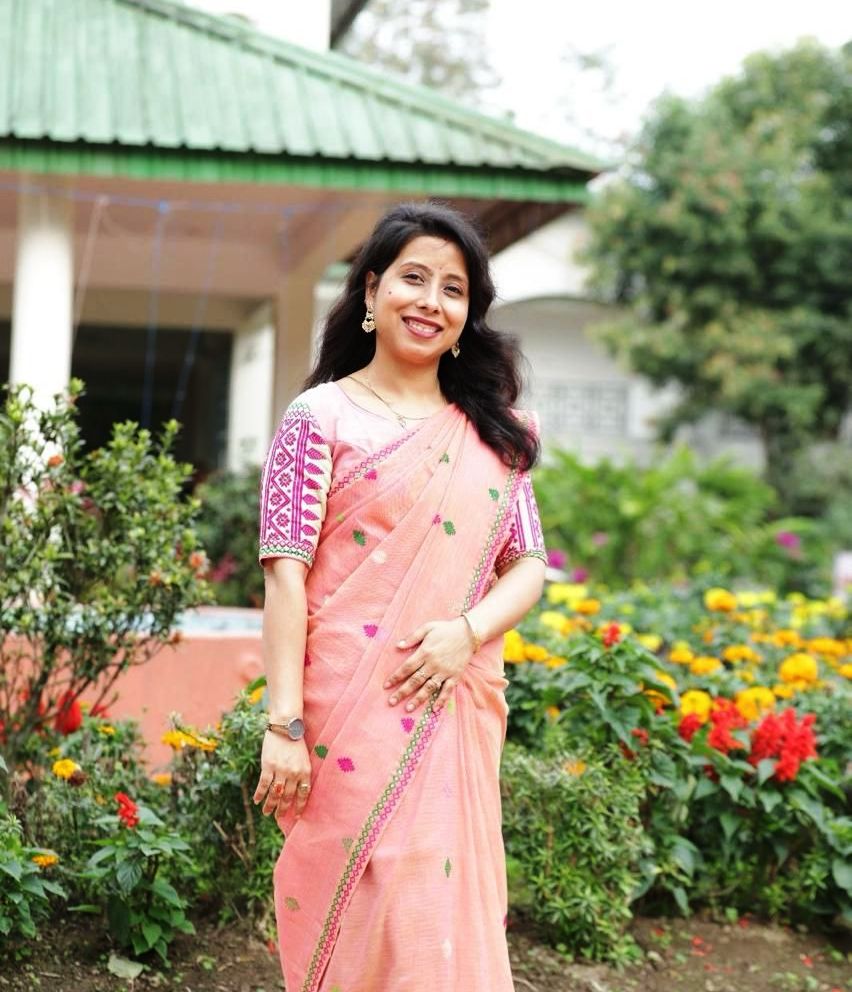
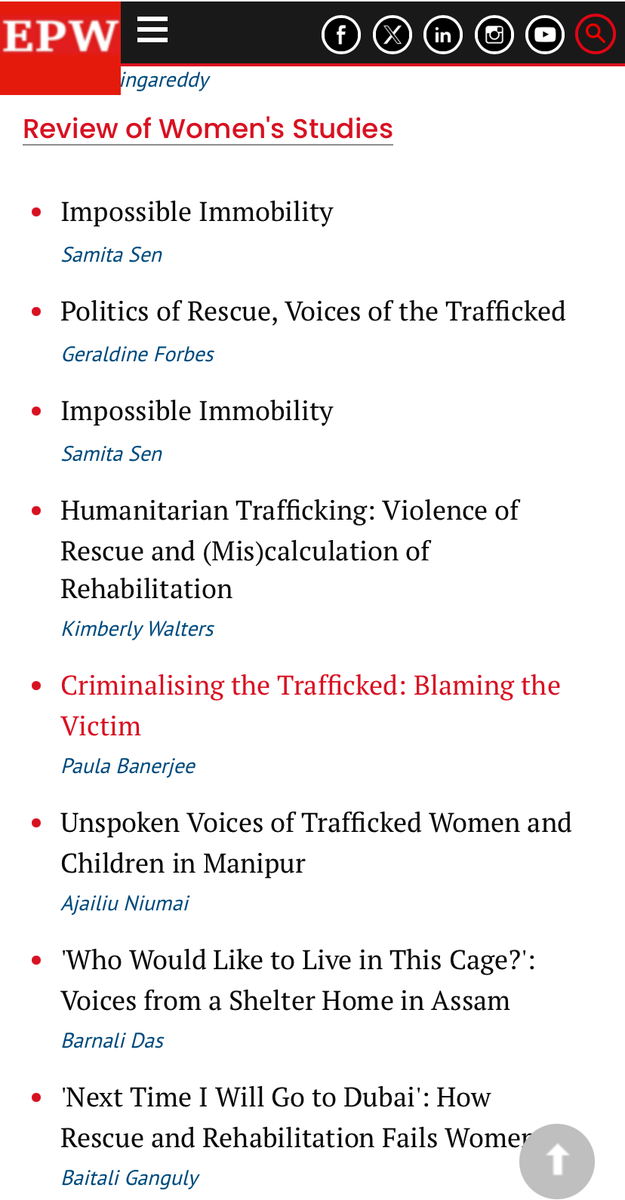
The Supreme Court of India’s landmark judgment in Prajwala vs Union of India (29 May 2026) has opened a new chapter in India’s legal understanding of human trafficking, rehabilitation, dignity, and consent. In 2004, Prajwala, a Hyderabad-based anti-trafficking organisation co-founded by Sunitha Krishnan, filed Public Interest Litigation (PIL) No. 56/2004 seeking stronger legal protections, rehabilitation mechanisms, and institutional accountability for victims of trafficking and commercial sexual exploitation. The 297-page judgment, delivered by Justice J.B. Pardiwala and Justice R. Mahadevan, is being widely discussed for its emphasis on trafficked survivor dignity, constitutional rights, and the need to move beyond narrow “rescue” frameworks in addressing trafficking for commercial sexual exploitation. The judgment acknowledged/mentioned the Economic and Political Weekly (EPW) “Review of Women’s Studies” special issue (2016) on human trafficking, edited by renowned historian Geraldine Forbes, distinguished Professor emerita, State University of New York, Oswego, USA. The EPW special issue brought together critical feminist and sociological perspectives questioning simplistic binaries of “victimhood,” “rescue,” and “rehabilitation.” The special issue (epw.in/journal/2016/44-45) include articles of Samita Sen (Impossible Immobility: Marriage, Migration and Trafficking in Bengal), Kimberly Walters (Humanitarian Trafficking: Violence of Rescue and (Mis)calculation of Rehabilitation), Paula Banerjee (Criminalising the Trafficked: Blaming the Victim), Ajailiu Niumai (Unspoken Voices of Trafficked Women and Children in Manipur), Barnali Das (Who Would Like to Live in This Cage?), and Baitali Ganguly (Next Time I Will Go to Dubai’: How Rescue and Rehabilitation Fails Women).
The special issue is an outcome of a panel that was presented at the Women’s World Congress held from 17 to 21 August 2014 at the University of Hyderabad. What makes this Supreme Court judgment more significant is the recognition of scholarly contributions made by researchers associated with the University. Among the academic works cited in the judgment are the writings of Dr. Barnali Das, an alumna of the University of Hyderabad, and Kimberly Walters. Walters argued that humanitarian interventions often construct trafficked women as passive victims in need of saving while ignoring their own survival strategies, aspirations, and voices. The Supreme Court’s observations resonate strongly with the concerns raised in the six articles including the editorial of the EPW special issue nearly a decade earlier. The special issue critically examined how anti-trafficking interventions sometimes reproduce institutional violence through forced rescue, confinement, surveillance, and inadequate rehabilitation practices, even in cross-border trafficking. By highlighting survivor voices and structural inequalities, the articles challenged dominant narratives that portrayed trafficked women merely as passive victims without agency.
Read more at: herald.uohyd.ac.in/when-scho…
@HydUniv @ugc_india @EduMinOfIndia @dpradhanbjp @mygovindia @PMOIndia @epw_in
2
11
793