#IAS90||Secretary,School Edu & Literacy,MoE,GoI||Nefelibata|| Physics St. Stephen’s College ||PG SUNY,Stonybrook,NY||MPhil 49 NDC||RXs ≠ Endorsement
Joined January 2010
- Tweets 7,150
- Following 717
- Followers 219,411
- Likes 10,401
2,022 Photos and videos
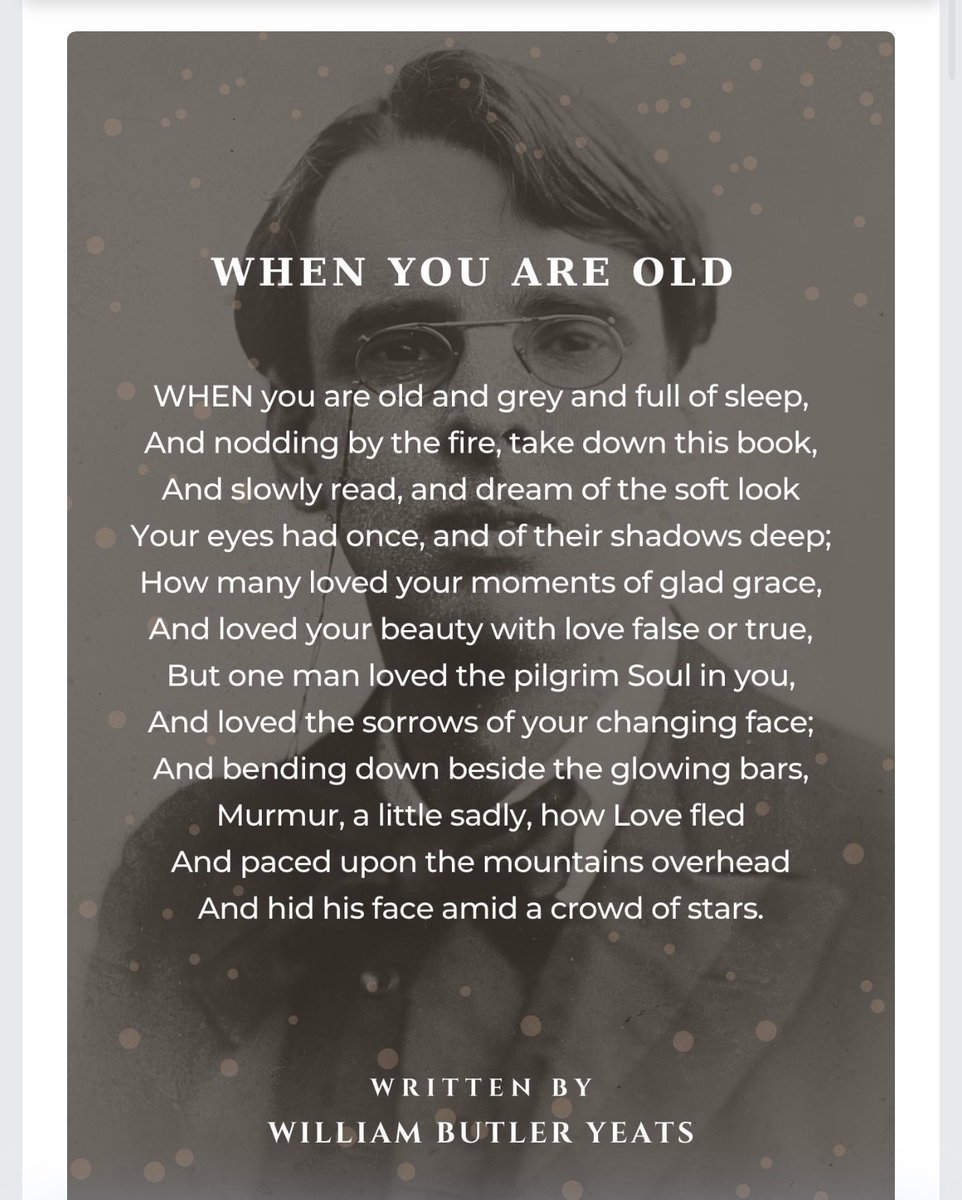
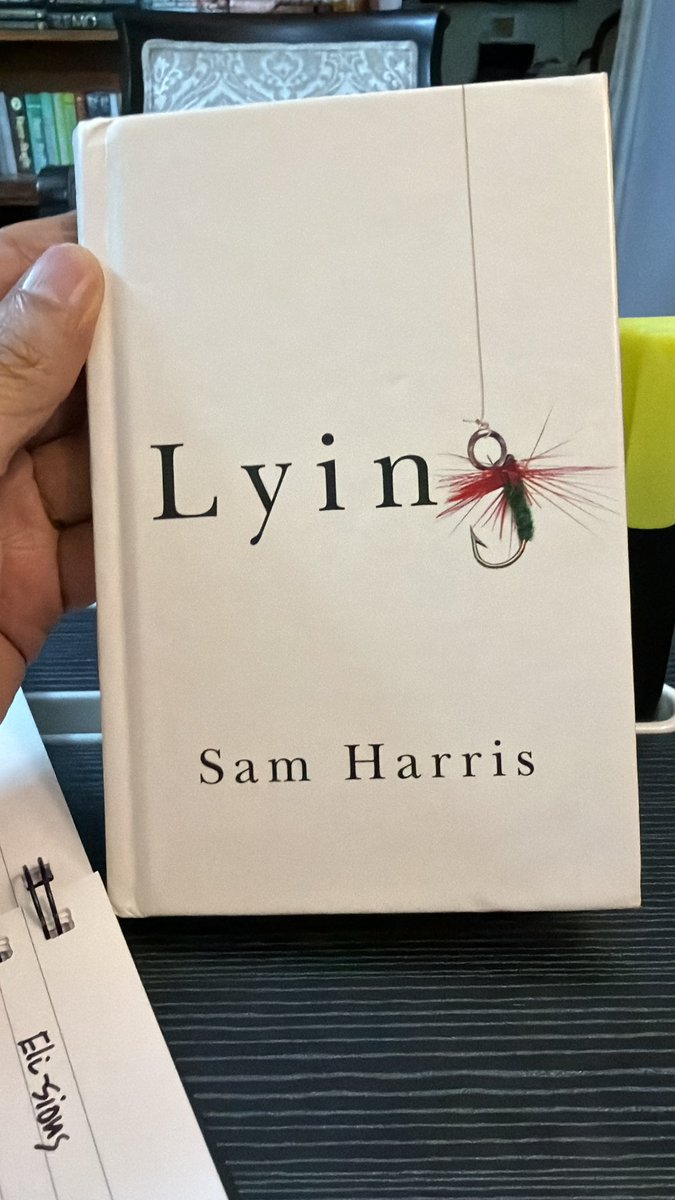
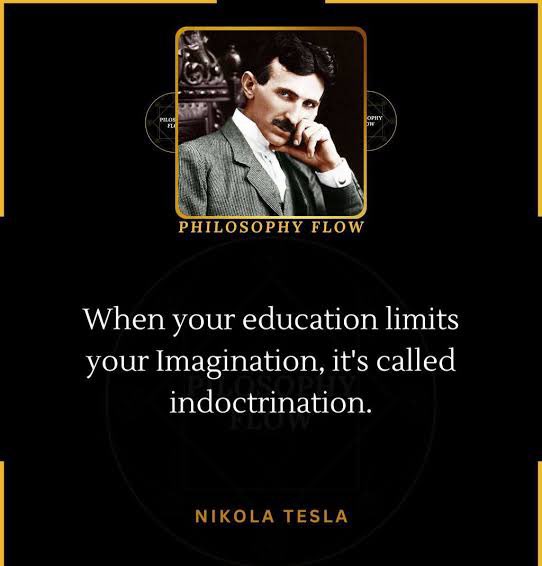

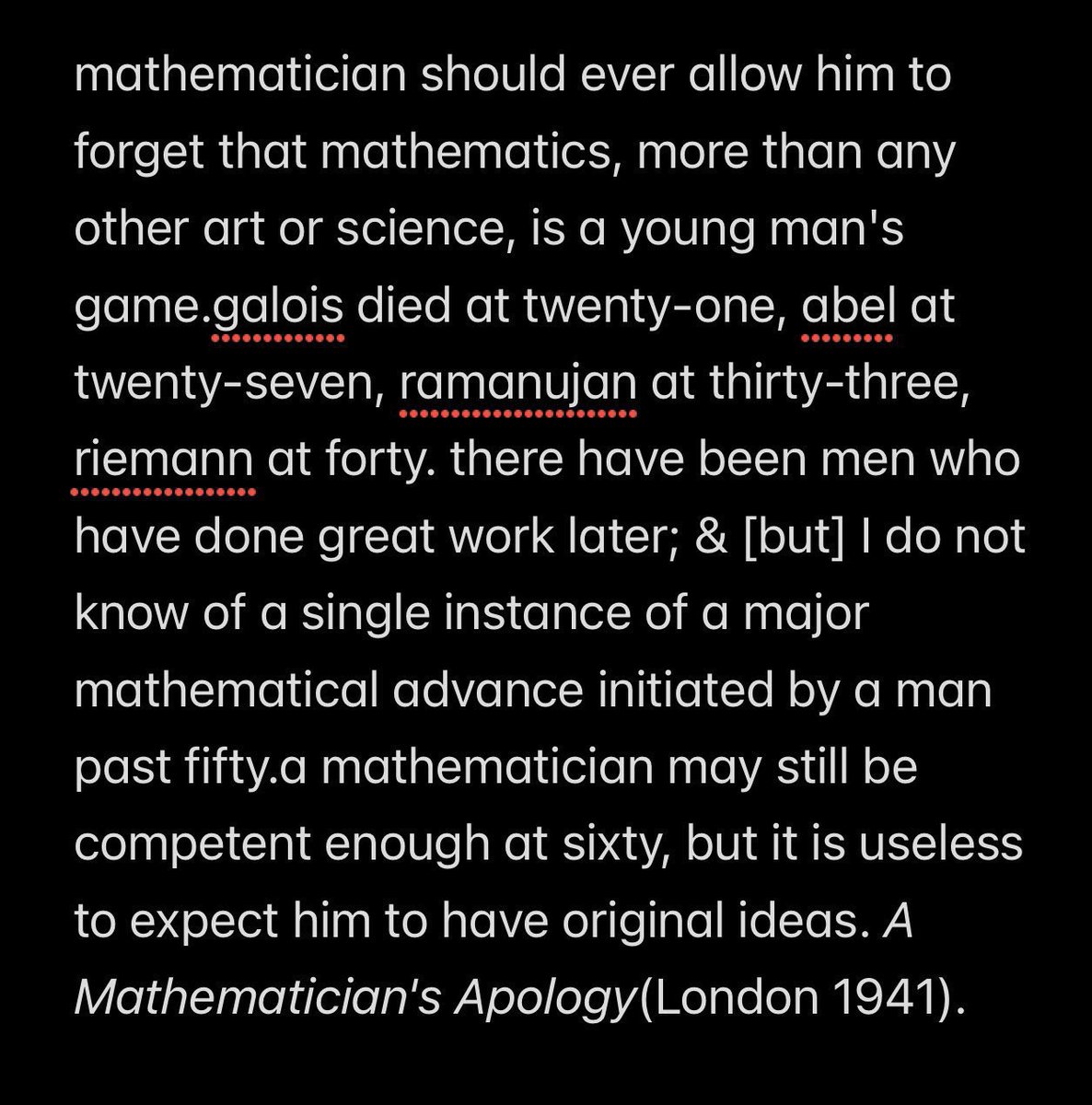
wb yeats was born l on 13/6 in 1865.
“the ceremony of innocence is drowned;
the best lack all conviction, while the worst
are full of passionate intensity.
surely some revelation is at hand;”
from “the second coming.”
@EduMinOfIndia
and as one gets old 👇👇
2
10
260

Jun 9
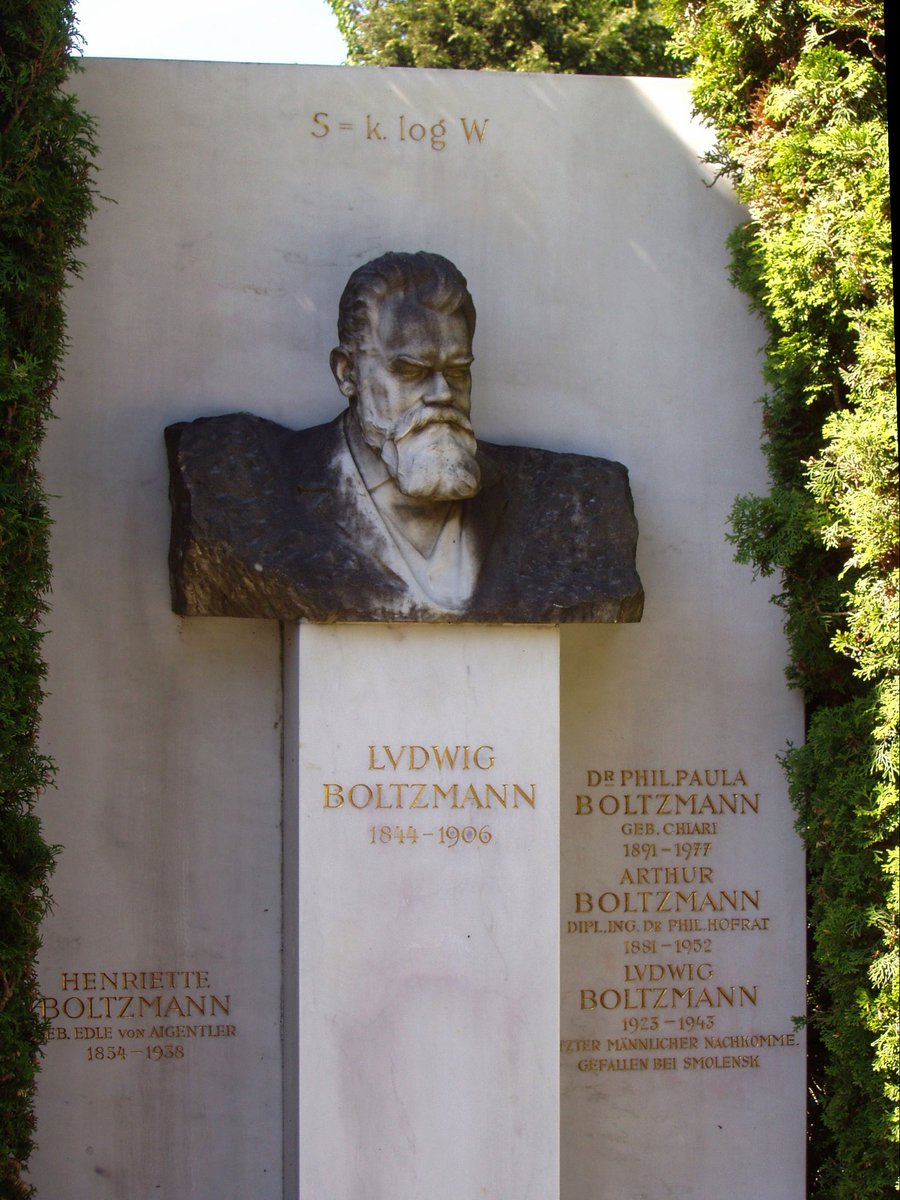
s=k log w.@EduMinOfIndia

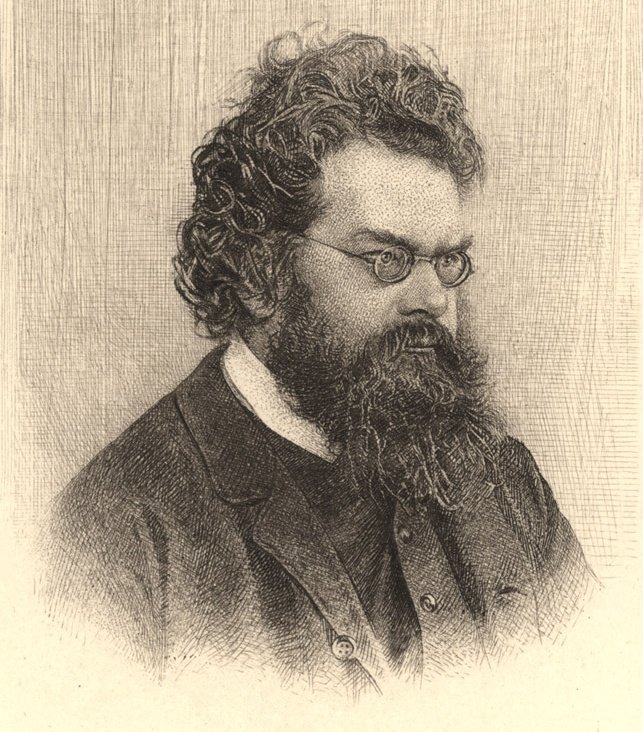
In 1898, an Austrian physicist published a radical mathematical theory that claimed the entire universe was slowly, irreversibly ticking toward its own death.
The elite scientific establishment mocked him so relentlessly that he slipped into a deep depression and eventually took his own life.
Only a few years later, the world realized he was entirely right.
His name was Ludwig Boltzmann.
Today, his breakthrough formula is carved onto his tombstone in Vienna.
Yet outside of the physics community, almost no one understands the brutal, mind-bending philosophical truth he discovered about how our lives actually work.
In the late 19th century, physics was neat, orderly, and beautiful. Scientists believed that if you knew the exact position and velocity of every particle in the universe, you could predict the future perfectly.
The universe was a flawless clock.
Boltzmann looked at the world and realized that was an illusion.
He wanted to solve a deceptively simple riddle: Why does time only move forward? Why does a dropped coffee mug shatter into a hundred pieces, but a hundred scattered pieces never spontaneously jump back together to form a mug?
The laws of standard physics said it could happen. The math didn't forbid it.
So why didn't it?
Boltzmann realized the establishment was looking at the problem completely wrong. They were trying to track every single particle individually. It was an impossible formula.
Instead, Boltzmann decided to use probability and statistics. He stopped looking at individual atoms and started looking at the chaos of the crowd.
He invented a concept called Entropy, the mathematical measure of disorder.
His breakthrough was simple but devastating:
There is only one specific way for the atoms in your coffee mug to be perfectly arranged. But there are trillions of disordered ways for those same atoms to be scattered across the floor.
Things don’t break because the universe is malicious. They break because chaos is statistically overwhelming. Order is rare; disorder is infinite.
Boltzmann proved that the universe is constantly, inevitably moving from a state of low entropy (perfect order) to high entropy (maximum chaos). This cosmic slide toward disorder is the very reason time exists. The "arrow of time" is just the universe getting messier.
The professors of his day were furious. They hated his math because it relied on probability instead of certainty. They refused to believe that the fundamental laws of reality were governed by statistics.
But Boltzmann’s math laid the groundwork for quantum mechanics and explained the fate of the cosmos.
The philosophical lesson Boltzmann left behind is a cold, liberating truth for everyday life:
Order requires deliberate energy. Chaos is free.
Most people treat problems in their lives, a collapsing relationship, a chaotic career, a messy mind, as a sign of personal failure. They think they did something uniquely wrong.
But Boltzmann’s math proves that if you leave any system alone, it will naturally decay into chaos all by itself. Your room doesn't get messy because you are a bad person; it gets messy because the laws of physics dictate that there are infinitely more ways for your clothes to be on the floor than in the closet.
If you want to maintain order, sanity, or success in any area of your life, you cannot rely on things "just working out." The universe is actively trying to scramble your plans.
What is an area of your life right now that is sliding into chaos? Stop waiting for it to fix itself. Chaos is the default setting of the universe. What is the precise, deliberate energy you need to inject into that system today to fight back against the entropy?
1
8
753
Jun 8
one correction. it should be 330 less words per day resulting in 1.2 lakhs words per year.
Jun 7

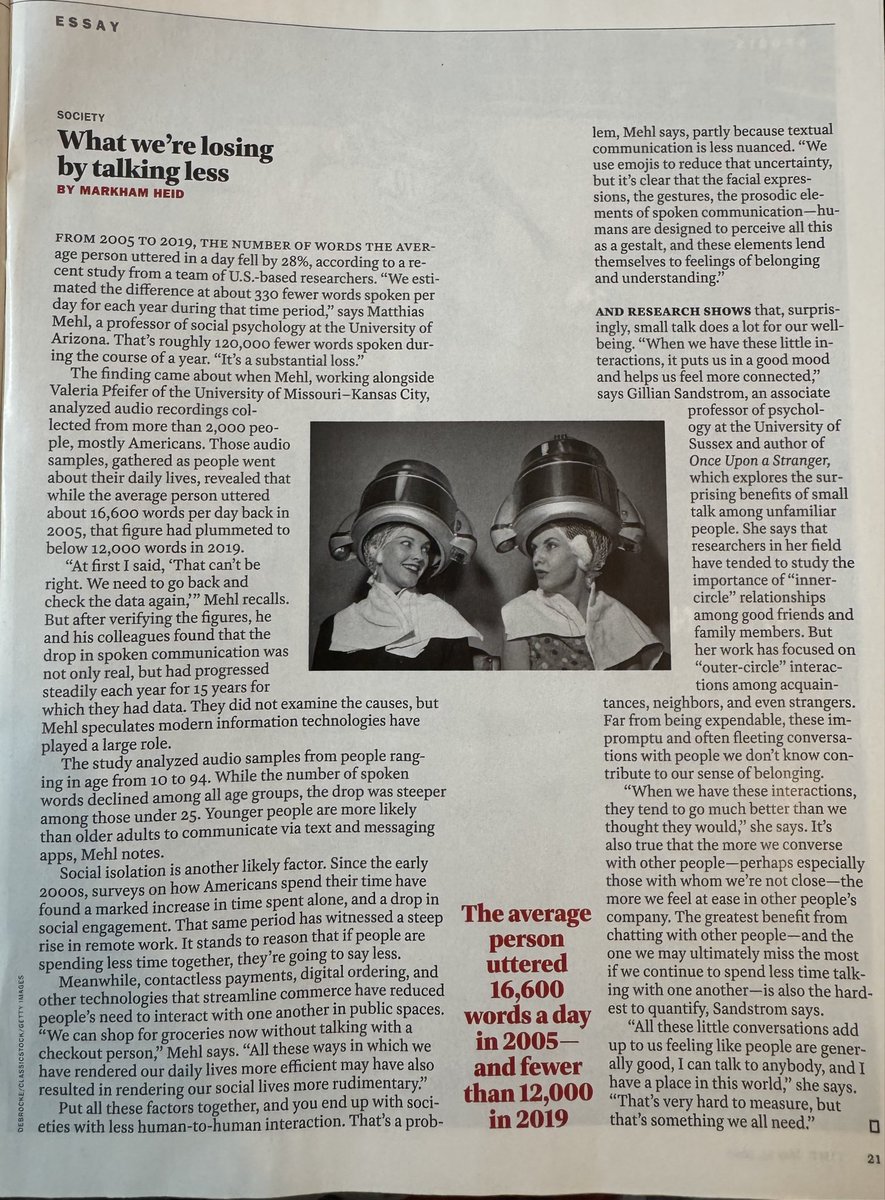
research shows that we are speaking less and hence losing out on the human factor.from 2005 to 2019,average number of words spoken per day has fallen from 16600 to 12000.a fall of 28% over 14 years .that’s 330 less words per year leading to 1.20 lakhs words in a year.
has fallen across all ages but more steeply for persons less than 25 years of age.a sign of increasing social isolation, preference to text than speak aided by the contactless nature of digital economy.
@EduMinOfIndia @TIME
3
4
15
1,339
Jun 7
remembering #AlanTuring on his death anniversary .british mathematician,philosopher & progenitor of artificial intelligence.during ww 2 ,he broke german encryption-enigma ,which probably shortened the war by 2 years,saving 14 million lives.he invented turing machine -now called computers.@EduMinOfIndia
1
7
23
808
Jun 7
research shows that we are speaking less and hence losing out on the human factor.from 2005 to 2019,average number of words spoken per day has fallen from 16600 to 12000.a fall of 28% over 14 years .that’s 330 less words per year leading to 1.20 lakhs words in a year.
has fallen across all ages but more steeply for persons less than 25 years of age.a sign of increasing social isolation, preference to text than speak aided by the contactless nature of digital economy.
@EduMinOfIndia @TIME
8
10
44
4,702

Sanjay Kumar retweeted

A CBSE student with answersheets under reevaluation and good JEE Advanced rank can apply for seats thru JoSAA. If he/she submits updated marks by 15 July to meet qualification criteria, he/she will be allocated seat as per the rank. This will help a lot of students! @EduMinOfIndia

JEE admission 2026: IIT Roorkee says: For those students whose Class 12 (or equivalent) marks are less than 75% (for General/OBC-NCL/GEN-EWS categories) or less than 65% (for SC/ST/PwD categories), please note the following:
You are eligible to fill in your choices at present and seats will be allocated to you based on your rank. You need to send the revised score card with at least 75% or 65% as per your category by July 15th 2026, through the email orgjee@iitr.ac.in. On receipt of the same, admission will be given to whichever seat is allocated to you at the end of the 4th round.
4
19
106
22,226
Jun 5
RT @mamidala90: CBSE’s three-language scheme must be evaluated within the Framework of the NEP 2020. Multilingualism matters in India, give…
7
Sanjay Kumar retweeted

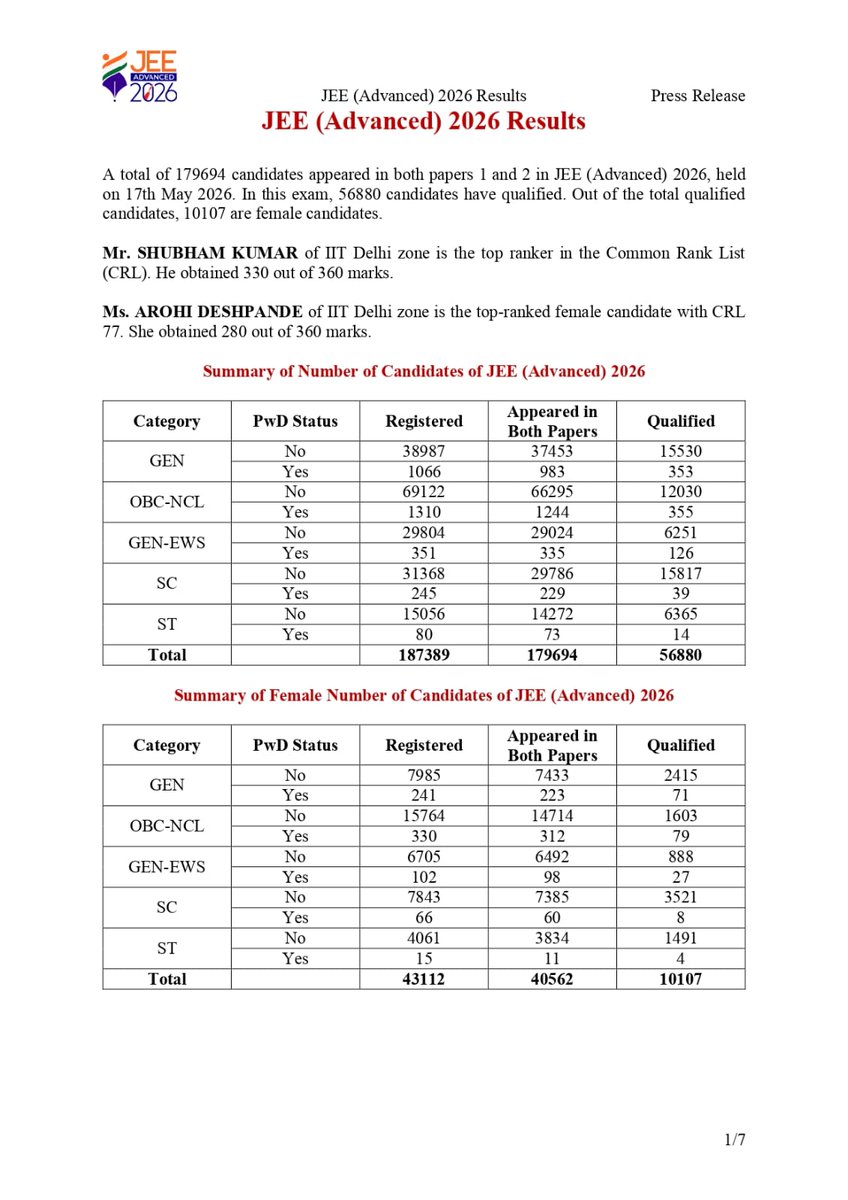
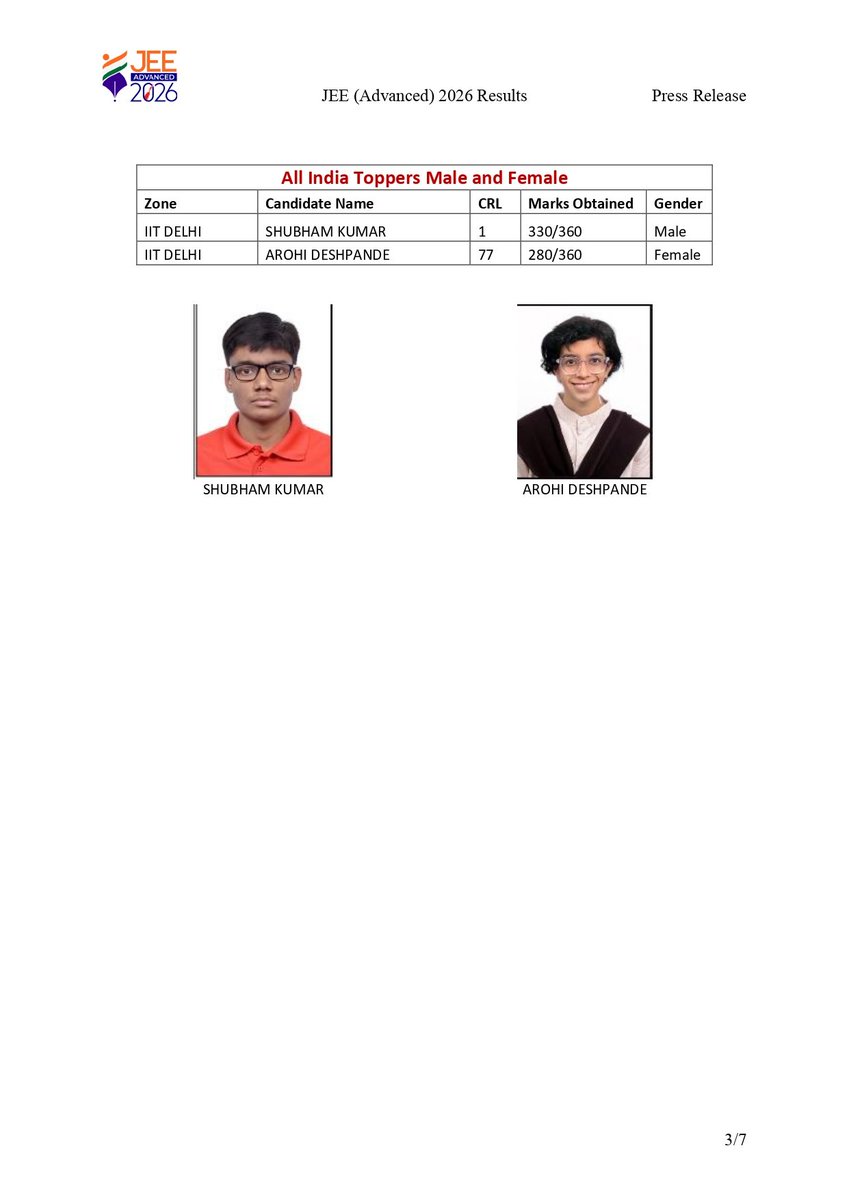
गया के शुभम कुमार द्वारा JEE Advanced 2026 में अखिल भारतीय रैंक 1 प्राप्त करना बिहार के लिए अत्यंत गर्व और खुशी का विषय है।
यह उपलब्धि उनकी प्रतिभा, कड़ी मेहनत, अनुशासन और दृढ़ संकल्प का परिणाम है। शुभम ने न केवल अपने परिवार और शिक्षकों का मान बढ़ाया है, बल्कि पूरे बिहार के युवाओं के लिए एक प्रेरणादायक उदाहरण भी प्रस्तुत किया है।
उन्हें हार्दिक बधाई एवं उज्ज्वल भविष्य के लिए शुभकामनाएं।
33
61
569
40,021
May 24
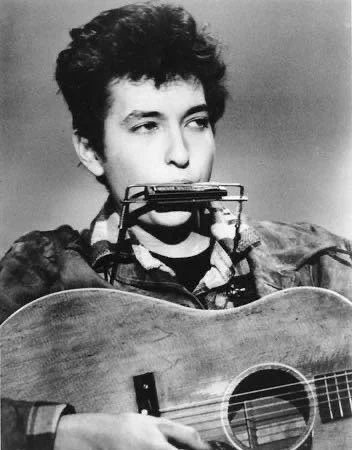
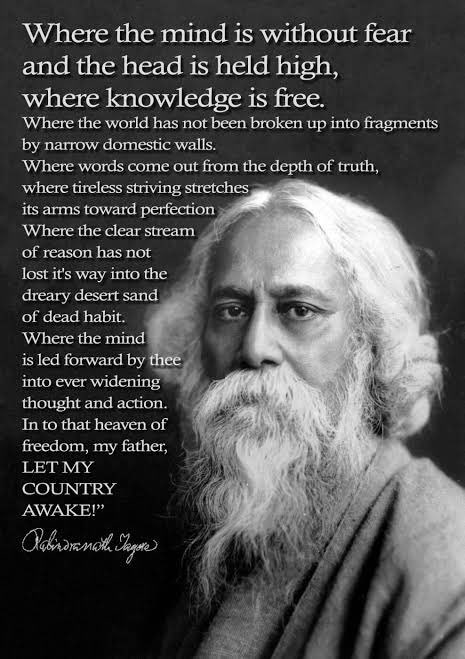
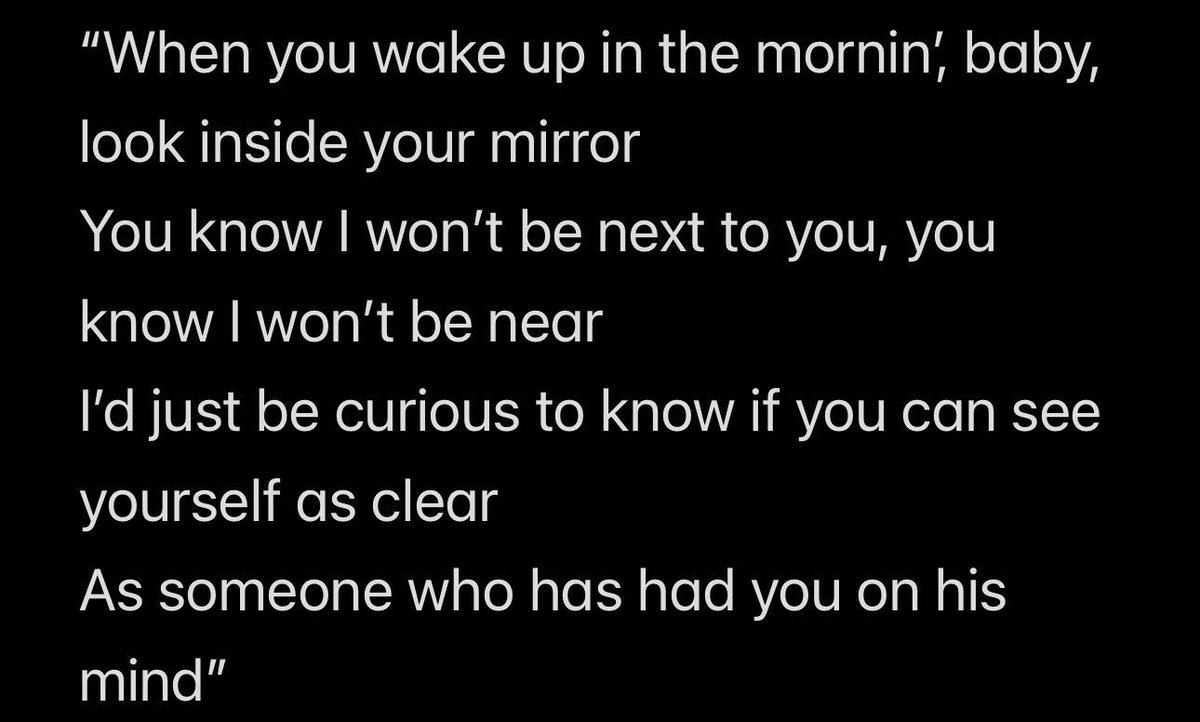
#BobDylan was born on this day in 1941. got the nobel prize for literature in 2016.
to put it in his words-answers to many questions we have is usually blowing in the wind.👇👇
“and how many ears must one man have
before he can hear people cry?
yes, and how many deaths will it take 'til he knows
that too many people have died?
the answer, my friend, is blowin' in the wind
the answer is blowin' in the wind.”
bob dylan @EduMinOfIndia
7
4
30
3,462
May 18
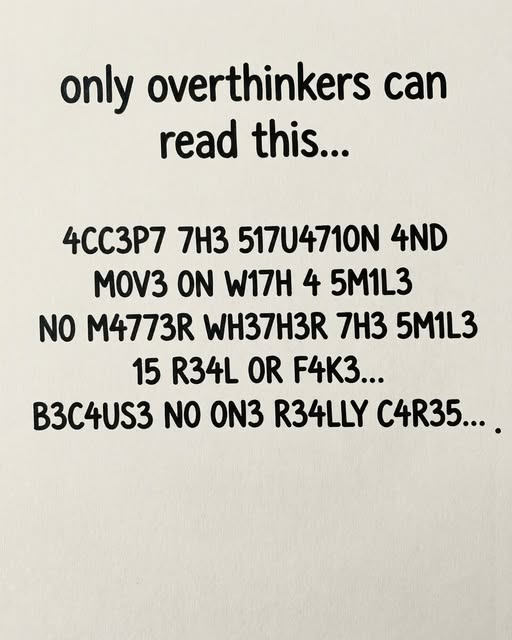
accept the situation and
move on with a smile
no matter whether the smile
is real or fake
because no one really cares.

30
4
25
3,664
May 18
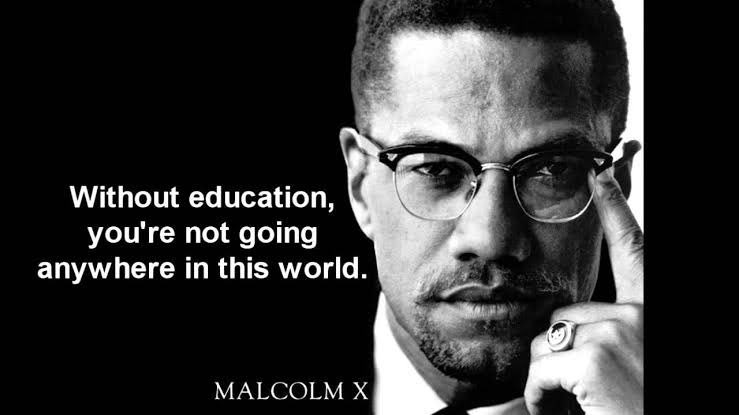
remembering #malcolmx born #otd in 1925 .civil rights activist whose life was prematurely cut short.
“a man who stands for nothing will fall for anything”— malcolm x
@EduMinOfIndia @Rainmaker1973
4
2
21
2,554

#WATCH | Delhi: Sanjay Kumar, Secretary, Department of School Education and Literacy, says, "The process that previously cost Rs 700 rupees, under which we provided you with a copy of your answer sheet, that fee has now been reduced to just Rs 100. Furthermore, the fee for validation, which previously stood at Rs 500, has also been brought down to Rs 100. So, for instance, if you wish to have the answer to a single question rechecked, you would need to pay Rs 225 rupees. However, if for any reason the re-evaluation process reveals that your marks have increased, we will refund the entire amount you paid back to you... We are more concerned about the well-being, welfare, and mental state of our children. Money is important, but it is not the priority in this particular matter..."
He also says, "We will simply provide you with a copy of your answer sheet. By merely looking at the answer sheet, it will become evident how the marking was carried out. Once you review it, you may realise if there were instances where you should have been awarded higher marks. Since the answer sheets have already been scanned, I do not believe there is any need or any alternative method for a further re-examination."
42
15
77
11,633
#WATCH | Delhi: Sanjay Kumar, Secretary, Department of School Education & Literacy says, "We are inspiring the children to learn a new language, besides the language they speak, during summer vacations every year. This is for teachers as well as students. We did this last year, too. It saw unprecedented success. Crores of students across lakhs of schools benefitted from this and learned a new language during the summer vacations...When we become multilingual, it broadens our thinking. It also provides an opportunity to appreciate each other's culture. We are able to read their literature. But the most basic of all, if we become multilingual in this multilingual country, national unity will be boosted, and we will be able to know each other better."
8
5
31
7,711
#WATCH | Delhi: On CBSE class 12 results 2026, Sanjay Kumar, Secretary, Department of School Education & Literacy says, "I am glad that the CBSE class 12 results have come out today and I would take this opportunity to congratulate all the children and all those who have done well. To some, who may not have done that well, I would say not to lose their heart. Some difference in the percentage of marks this time, but that is quite natural because this time the scheme for assessment has changed. So, it shows in the results. But I don't think that is the more important part. The more important part is that the examination results are out. Girls have done much better than the boys, as usual..."
107
12
147
35,249
Sanjay Kumar retweeted

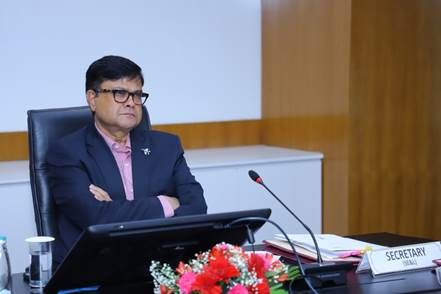
#NCERT and #CBSE introduce new curriculum on computational thinking and AI for Classes 3 to 8: Department of School Education and Literacy Secretary Sanjay Kumar
Speaking on the initiative, the Secretary said the curriculum has already been rolled out.
He added that teachers will undergo training during the summer break, and the teaching of these subjects will begin once schools reopen after the vacation.
@EduMinOfIndia @ncert @cbseindia29
3
23
85
8,663
Sanjay Kumar retweeted

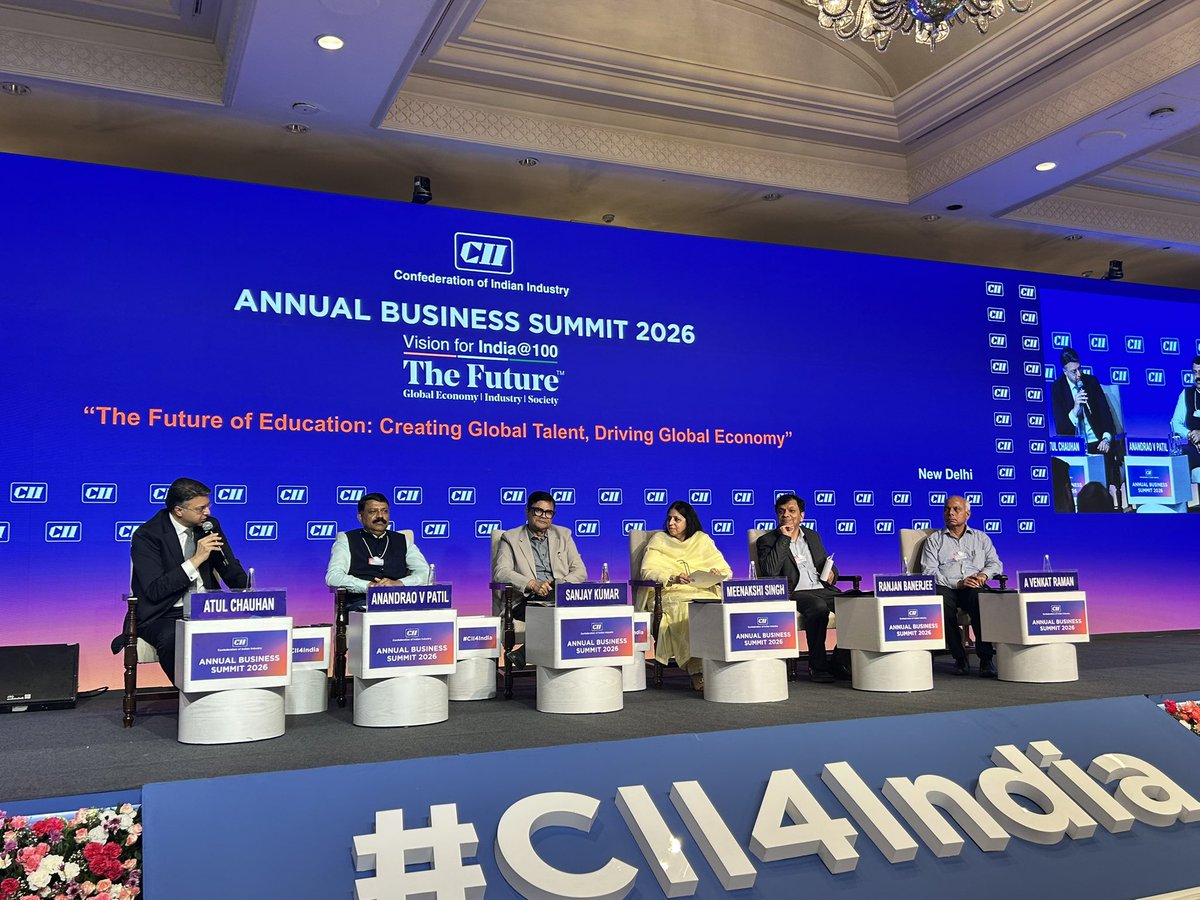
Attending an important session on Future of Higher Education in Annual Business Summit 2026. Moderated by @AmityPresident Sir , Hon’ble Chancellor, @amityuniversity @sanjayjavin @EduMinOfIndia @cii4education #cii4india
3
13
1,105
May 11
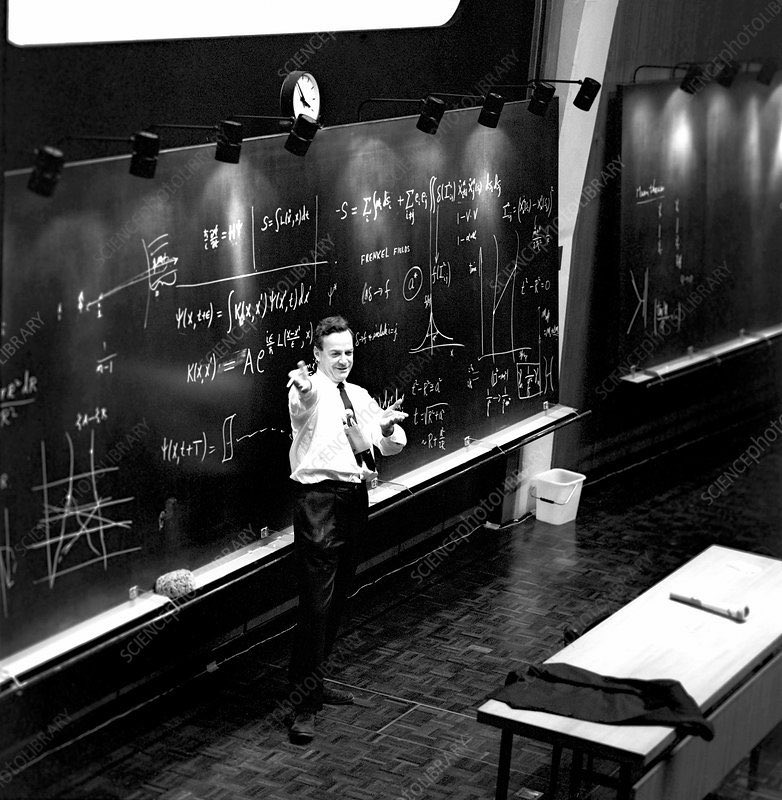
remembering Feynman on his birthday.many of us learnt physics from his books and underlying inspiration.i am reproducing a small excerpt from his book,”lectures on physics”.its a fascinating way to look at what would be historical and he had a fine sense of history.
“from a long view of the history of mankind, seen from, say, ten thousand years from now, there can be little doubt that the most significant event of the 19th century will be judged as maxwell's discovery of the laws of electrodynamics. the american civil war will pale into provincial insignificance in comparison with this important scientific event of the same decade.”
one can already feel that ideas are overtaking politics.
.@EduMinOfIndia @Rainmaker1973 @PhysInHistory
6
2
26
1,246
May 9
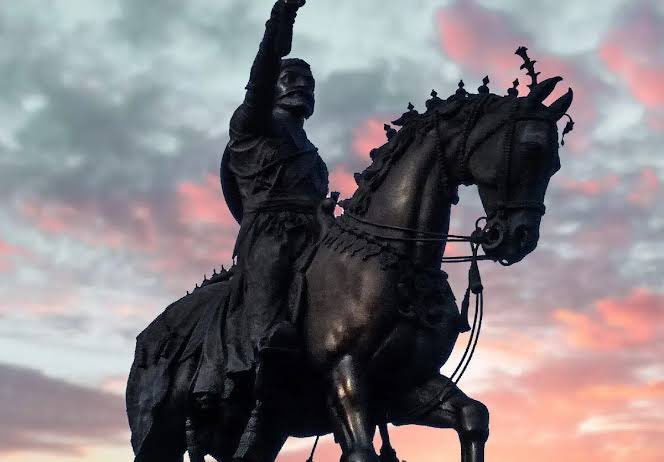
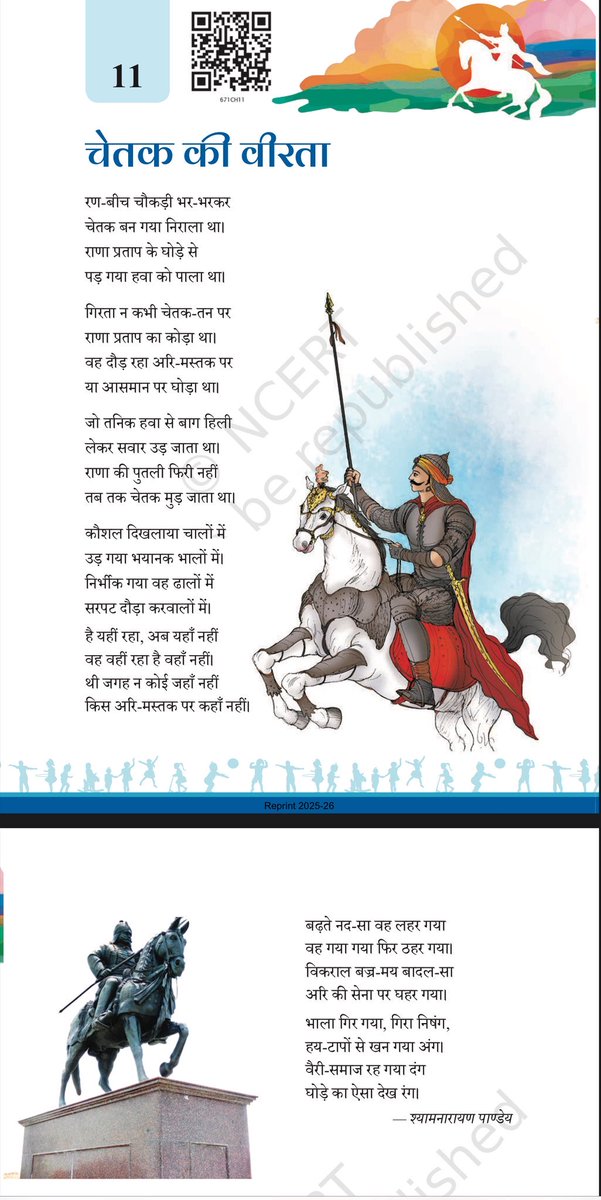
महाराणा प्रताप (९/५/१५४०-१९/१/१५९७) की जयंती पर अनयास उनके घोड़े चेतक की याद आ गई जिसे श्री श्यामनारायण पांडे की कविता ने अमर बना दिया है।भारत की निहित एवं अंदरूनी शक्ति और भारत के शूरवीरों को शत शत नमन।
“रण-बीच चौकडी भर-भरकर
चेतक बन गया निराला था।
राणा प्रताप के घोडे से
पड गया हवा को पाला था।….”
#maharanapratapjayanti @EduMinOfIndia @ncert
3
29
1,471