
Vibes & Retweets
Joined December 2022
- Tweets 31,650
- Following 355
- Followers 1,380
- Likes 121,947
2,055 Photos and videos






Pinned Tweet

25 Nov 2025
real shi 🤦🏻♂️
25 Nov 2025

how u black and can’t do a backflip
1
2,255

Imran (Truth) retweeted

Jun 14
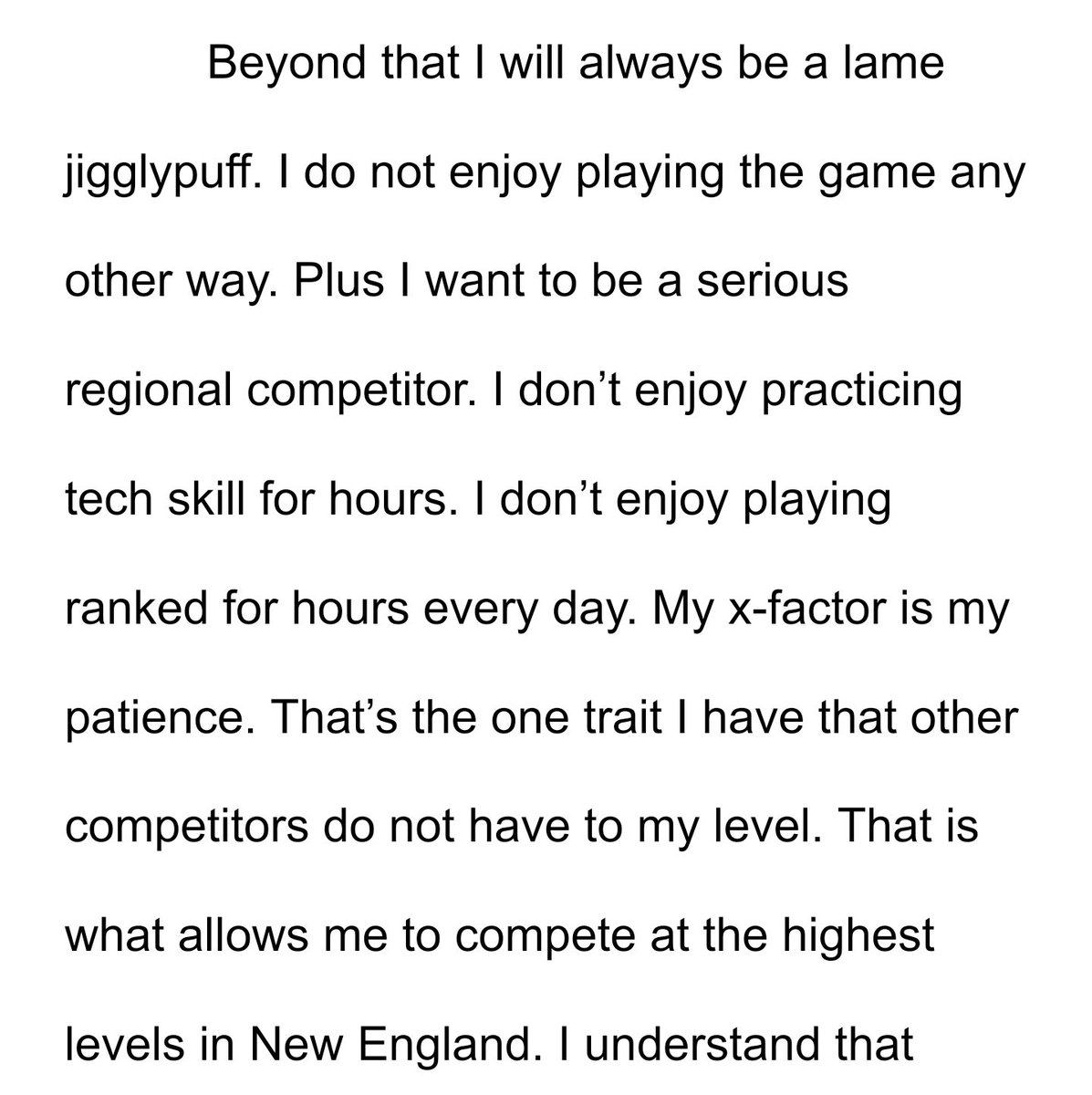
"I am not GOOD, I do not LEARN, I do not IMPROVE, if I can't win by technicality, I don't win"

1
15
470
11,812
took me a whole 40 seconds to realize the puff player was doing all this WHILE BEING DOWN IN PERCENT
this nigga is actually so pathetic
Jun 13

this is after he lost game 1 to ledge grab limit. like what did you expect dude
1
1
38
3,483
Imran (Truth) retweeted

Jun 8
#Mushokutensei #無職転生
Poco se habla de que cualquier hater que critique a Mushoku Tensei por los temas que toca solo muestra su incapacidad de separar la ficción de la realidad. Lo cual se puede traducir a inmadurez.
La humanidad va hacia atrás en vez de avanzar hacia delante


70
96
890
49,702
Jun 13
If Elon Musk spent $50,000,000 every single day from here on out, he'd take just over 60 YEARS to go fully broke.
This is assuming he no longer earns a single penny...


3
7
413
Imran (Truth) retweeted

17
1,465
28,475
568,478


Esto ya se había hablado y todos acordamos que Rudeus la haría su cuarta esposa
Jun 9

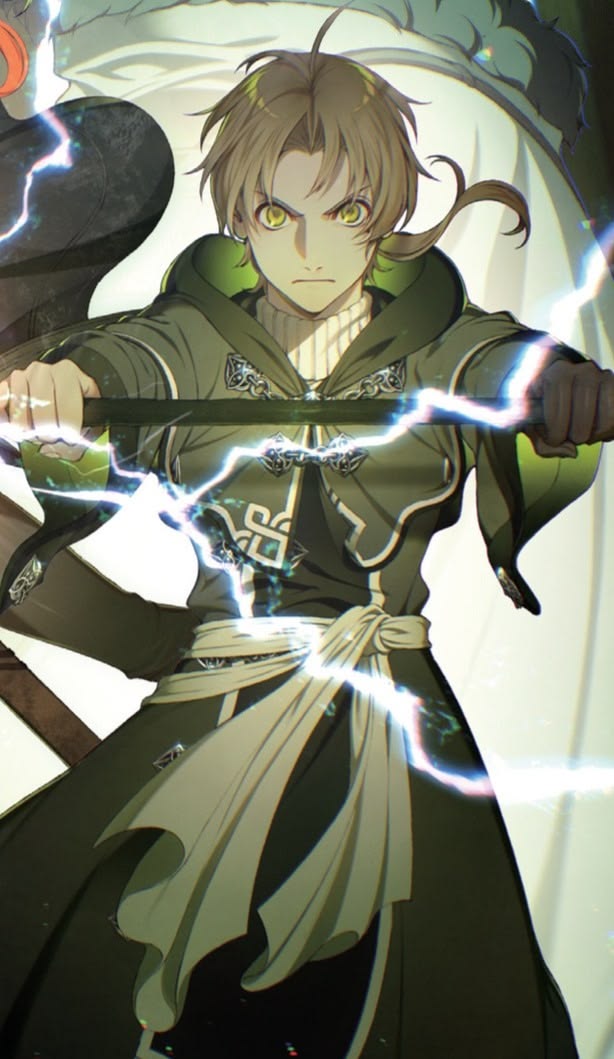
Who is the better mage overall? 👀
Frieren (Frieren: Beyond Journey's End)
or
Rudeus Greyrat (Mushoku Tensei)
Magic mastery, versatility and intelligence? 👇

58
56
1,647
64,404
Imran (Truth) retweeted

May 30
"Where Is the Peak of Comics?" Part 3
Of course, unlike in 1996, the growth of Japanese manga in overseas markets has been extraordinary.
The same can be said for Korean webtoons.
However, that overseas growth also appears to have stalled last year.
Again, much like the webtoon industry.
By 2024, the overseas market for Japanese manga had grown to approximately 6 billion USD.
In Yen(¥) terms, that is roughly ¥ 900 billion to ¥ 1 trillion — larger than Japan’s domestic manga market itself.
But perhaps you remember something I wrote in my earlier post:
x.com/Boichi_Bo1/status/2038…
In overseas markets, local publishers that license Japanese manga title typically pay royalties of around 3% to the creator and 3% to the Japanese publisher. The advantage for the Japanese publisher is that it bears very little financial risk.
However, while a domestic market worth 700 billion yen is a ¥ 700-billion industry for Japan, an overseas market worth 1 trillion yen may only translate into a ¥ 60-billion industry from Japan’s perspective.
This distinction is important.
Now let’s compare this to Hollywood.
For many years, the North American film market remained relatively stable, hovering between roughly 10 and 12 billion USD.
Then came the era of international direct distribution in the 1990s.
Later came the streaming era in the 2010s.
And Hollywood's revenues expanded dramatically.
Not simply from the perspective of worldwide box office revenue, but from the perspective of Hollywood itself — and of the United States as a whole.
The direct distribution alone multiplied the industry's returns.
The streaming era transformed the business on an entirely different scale.
Hollywood continued to grow because it kept intervening.
Again and again.
Hollywood repeatedly escaped the natural limits of the spiral and the standard distribution curve through deliberate intervention.
The comics industry, on the other hand, often seemed to whisper to itself,
“Things are fine as we are.”
And shortly afterward, it reached its peak.
Life is often like that.
The path of a swordsman is often like that as well.
The moment we believe we have finally arrived, decline has often already begun.
We can choose to follow the natural course of rise and fall.
Or we can intervene — and continue growing.
To be continued.
Mar 30

Many people took their time to read and share my previous post, and I was truly grateful—and honestly a bit surprised—by the level of interest it received.
To help avoid any possible misunderstandings, I would like to offer a few additional clarifications.
When Japanese manga publish overseas, their royalty is often around 3%, while in Japan it is generally around 10%.
However, this does not mean that overseas publishers are only paying 3% in total royalties.
In many cases, overseas publishers also pay around 3% to the Japanese publisher.
In addition, translators may receive royalties as well.
Translator royalties often seem to fall somewhere between 1% and 3%, although this can vary, and in some cases translators are compensated with a translation fee instead.
So, taking all of this into account, the total royalties paid by overseas publishers for Japanese manga typically range between 6% and 10%.
Even so, the portion that reaches the original Japanese mangaka is around 3%, which is lower compared to domestic publishing in Japan.
Within Japan, publishers may earn around 20–30% of a book’s price when sales perform well.
Of course, there are risks involved—particularly with print editions, and to a lesser extent with digital editions.
In overseas publishing, Japanese publishers are able to receive around 3% without taking on the same level of risk, while local publishers in each country take on much of that responsibility.
Generally speaking, there is an understanding that higher risk often comes with higher returns, and lower risk with lower returns.
This is the structure of the current system.
With that said, I sincerely hope that publishers around the world who bring my work to readers are able to achieve meaningful success.
I am truly grateful for their efforts and support them wholeheartedly.
At the same time, within the current structure, it can be challenging for the Japanese manga industry to fully create works with a truly global perspective in mind.
This is simply something I wanted to share with you all.
1
19
159
17,361
Imran (Truth) retweeted
Mar 28
This may be a somewhat unfortunate observation, but the Japanese manga industry does not pay much attention to overseas markets.
In a way, this situation is remarkably similar to Hollywood up until the 1980s.
Hollywood films were global hits, yet their storytelling and visual style were clearly created primarily for American audiences and the domestic market.
The reason becomes clear when you look at the revenue structure.
The global manga market can be roughly divided into $5 billion in Japan’s domestic market and about $6 billion overseas.
In terms of market size alone, the overseas market is actually larger than Japan’s domestic market.
(Of course, the data may not be perfectly precise, and I appreciate your understanding.)
However, from the perspective of mangakas, the situation looks very different.
In Japan, royalties on tankōbon (collected volumes) are typically around 10%,
whereas overseas royalties are usually only about 3%.
This means that the total expected royalty income for Japanese manga artists is approximately:
$500 million from the domestic market,
but only about $200 million from overseas markets.
(In reality, the situation is more complex—since not all domestic revenue comes from print volumes, and e-book royalty rates differ—but the overall conclusion remains the same: domestic earnings exceed $500 million.)
If we look specifically at North America, the Japanese manga market there is about $1.1 billion,
yet the expected returns to Japanese creators are only about one-fifteenth of what they earn in the domestic Japanese market.
In short, while the overseas market is large, the income flowing back is relatively small.
This is even more pronounced from the perspective of publishers.
Because of this, Japanese manga—like Hollywood films before the 1990s—are not created with strong consideration for overseas audiences.
Hollywood only began to seriously consider international audiences when direct distribution expanded in the 1990s.
From that point on, the concept of “well-made” productions, designed for global appeal, began to emerge.
Similarly, if Japanese manga begins to directly reach overseas markets through digital platforms, creators will naturally start to place greater importance on international readers.
People often believe that works themselves shape the market—but in reality, it is usually the market that shapes the works and the mindset behind them.
And in the 21st century, markets are shaped by VISION AND FORESIGHT.
I recently saw an article suggesting that the Japanese government—specifically the Ministry of Education—is attempting a bold initiative in this direction.
What will the future of manga look like?
No one can say for certain.
But it is clear that Japanese creators, readers, and publishers all need to begin preparing.
Perhaps those who need to prepare the most are the existing overseas manga publishers.
Every change is an opportunity.
I hope you will keep that in mind and prepare for what lies ahead.
Thank you so much for taking the time to read this long message. 5/5
P.S. I was planning to end this long message here, but as I was writing, a few more thoughts came to mind—so I’d like to continue a bit further.^^
51
355
2,866
509,669
Imran (Truth) retweeted

You were one click away from seeing that he’s speaking as a rape survivor. Many victims have lasting effects from the trauma they went through. What IS wrong with him telling people how to avoid those thoughts left by their trauma?? You bitches do anything for clicks
23
1,467
17,018
308,217
Imran (Truth) retweeted

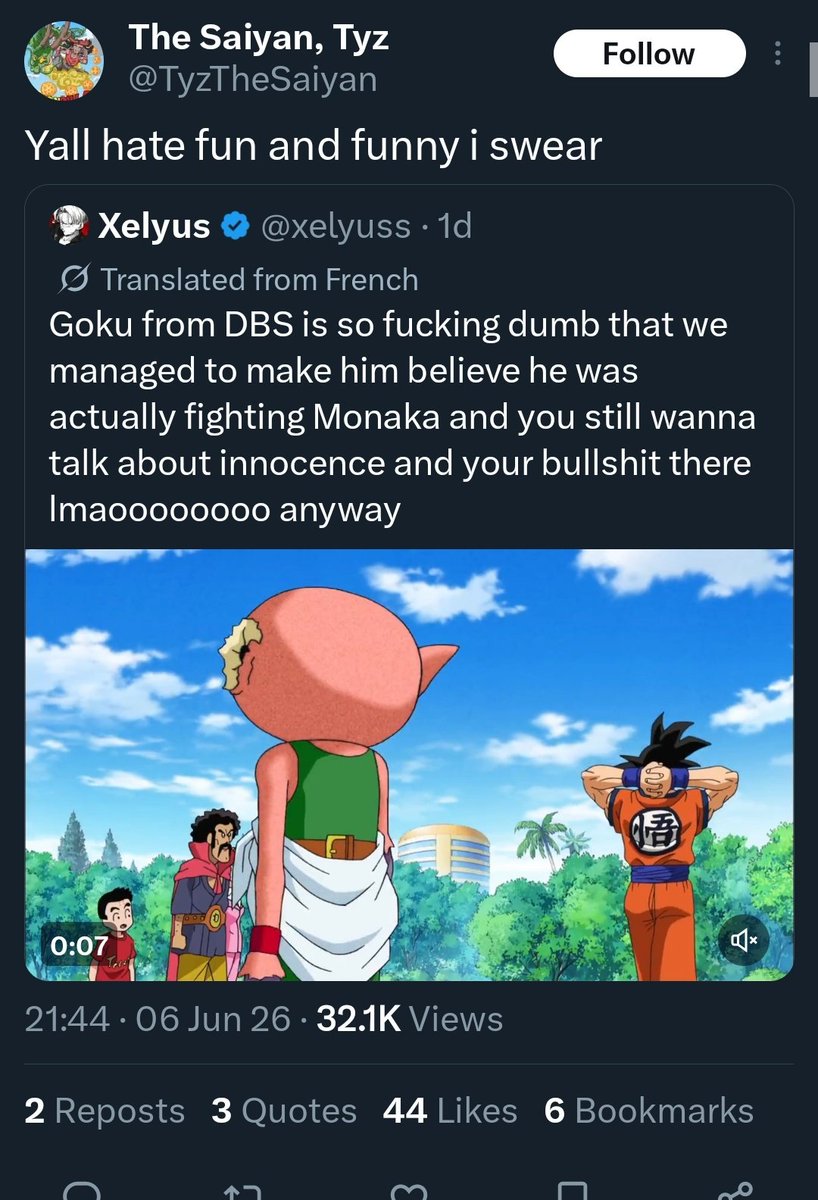
Cause not sure if you know this, but comedy been apart of DB since the very first Dragon ball. shocking I now 🙀 Oh and he right for crapping on ya'll gt fanboys, 99% of ya'll glaze it for SSj4 and only that. outside of it, you guys don't even seem to care about the show😂
Jun 7

Why do DBS fans defend objectively dogshit moments like this.
There's a difference between something being funny and something being braindead.
The baseball episode is the perfect example of something being funny.
He also has the audacity to talk shit about GT fans.
2
8
1,109

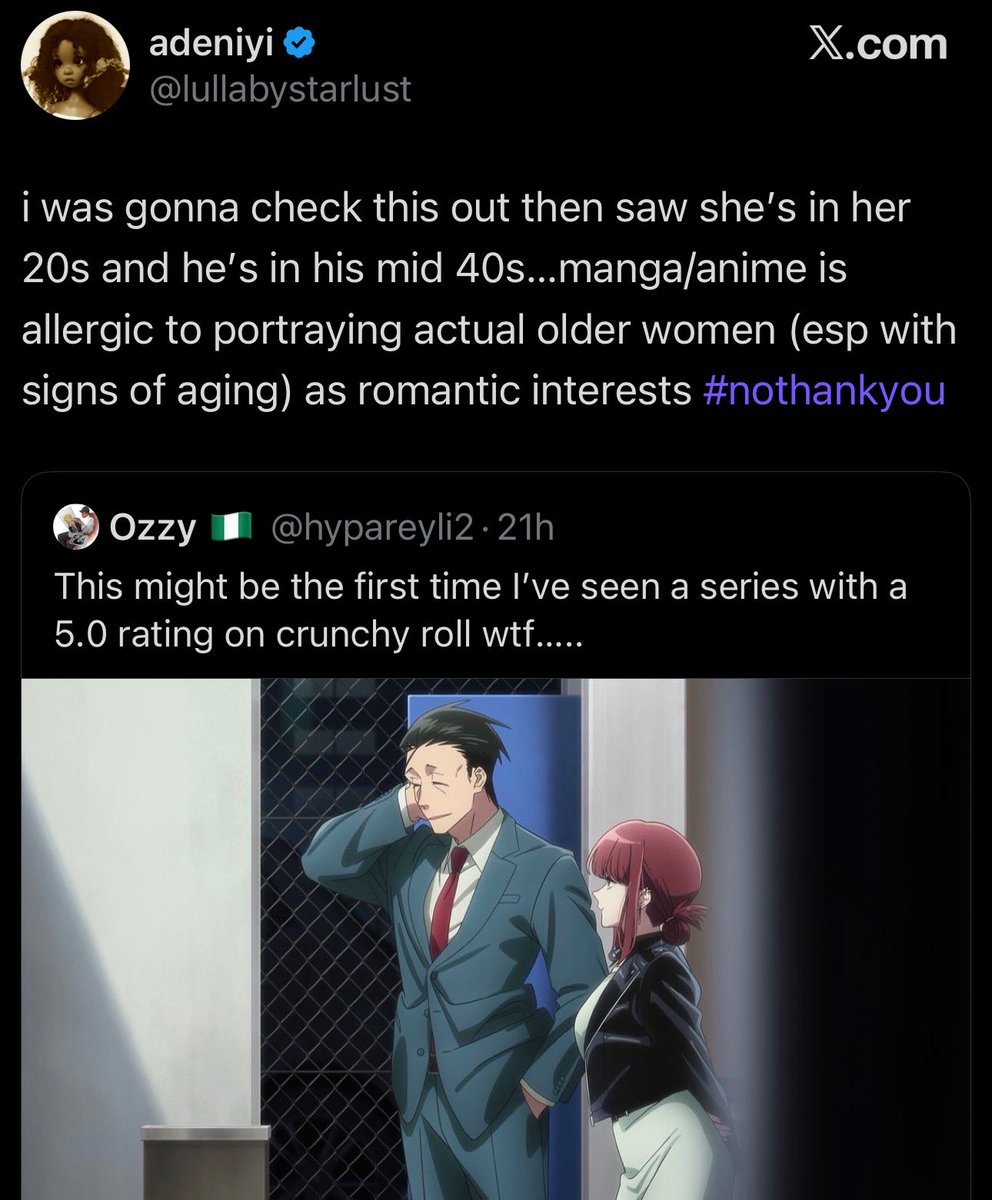
just watched an interview between a professional psychologist and the english va for rudeus from mushoku tensei and I think I honestly have way more respect for the series now
1
2
111


Imran (Truth) retweeted

i don't like this line of thinking because there are many shows airing today that straight up could not have been made in the 1990s

watching older anime and realizing everything now is absolute dogshit. tired of ppl pretending to like it lol
7
29
283
13,462
Imran (Truth) retweeted

people be making their entire personality about being as negative as possible about anything and then wonder why people don’t like them.
5
37
177
5,228
Imran (Truth) retweeted

Jun 6
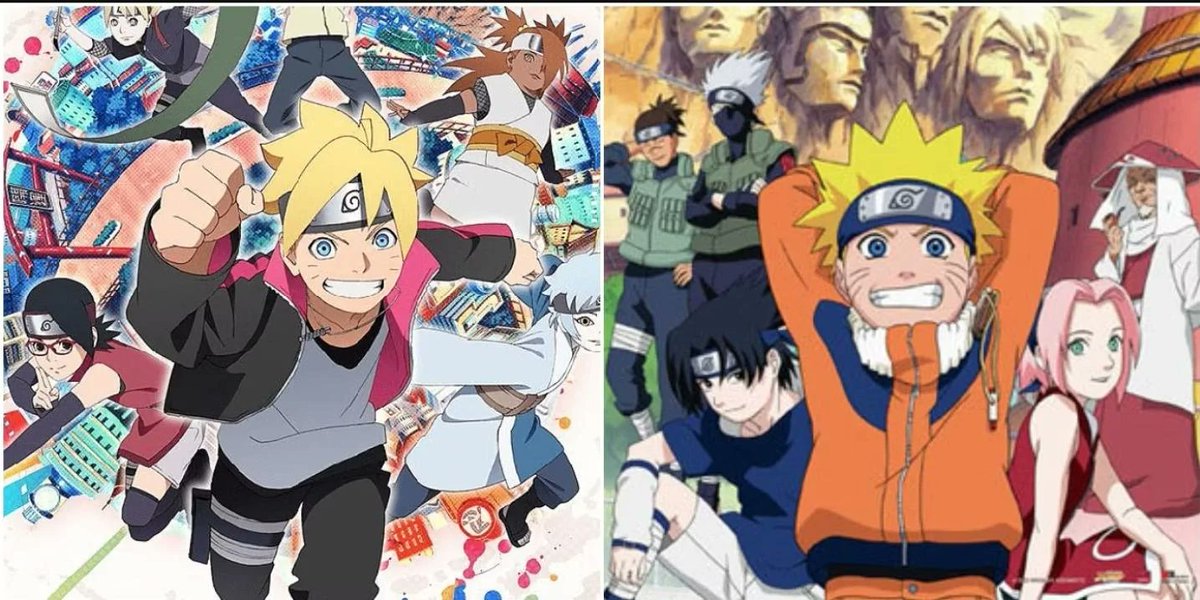
まじでBORUTO面白いのに、批判されてるのが許せなくて...
ナルトが死んだとか、ナルト世代が活躍してないとか、事実と異なる情報が流されてて、それが理由で読んでない人がいるのがもったいない
13
60
527
21,427
Imran (Truth) retweeted

It’s so funny that Rayleigh didn’t even know if he could beat Blackbeard right here but he absolutely knew Blackbeard would be too pussy to find out

107
2,781
47,226
951,466