Nohora Galvis, Coordinator Transdisciplinary Scientific Facts to Improve Accountability/Coral Reef Conservation Effectiveness by tackling causes of Degradation
Joined May 2014
- Tweets 5,548
- Following 631
- Followers 1,330
- Likes 7,861
536 Photos and videos

INTERNATIONAL CORAL REEF OBSERVATORY retweeted

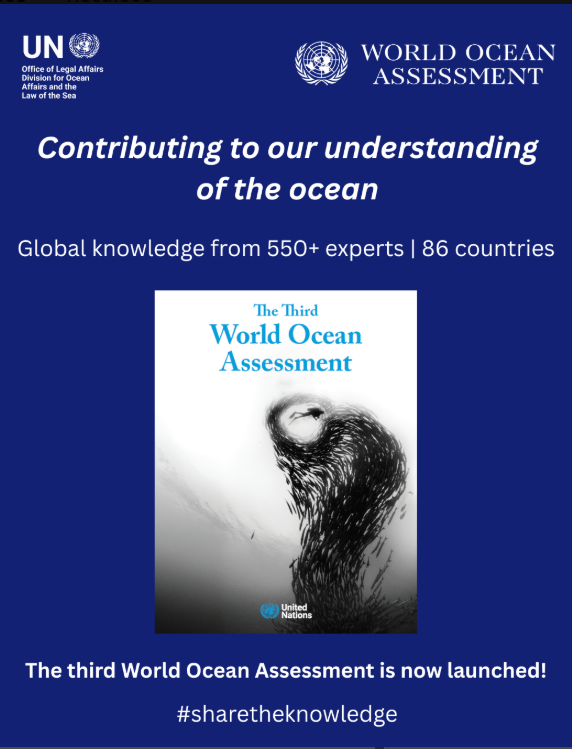
@UNEP_CEP @Journal_UN_ONU New Publication recommends global platforms and knowledge for mapping human pressures and understanding their cumulative effects as crucial to preventing ecosystem deterioration
We are CoAuthors
researchgate.net/publication…
2
2
8
INTERNATIONAL CORAL REEF OBSERVATORY retweeted

Jun 15
#DYK that Howland and Baker Islands in the middle of the Pacific Ocean are part of the United States? They are remote #CoralReef areas that are, unfortunately, currently under a #Bleaching warning.
coralreefwatch.noaa.gov/prod…
@CoralReefWatch
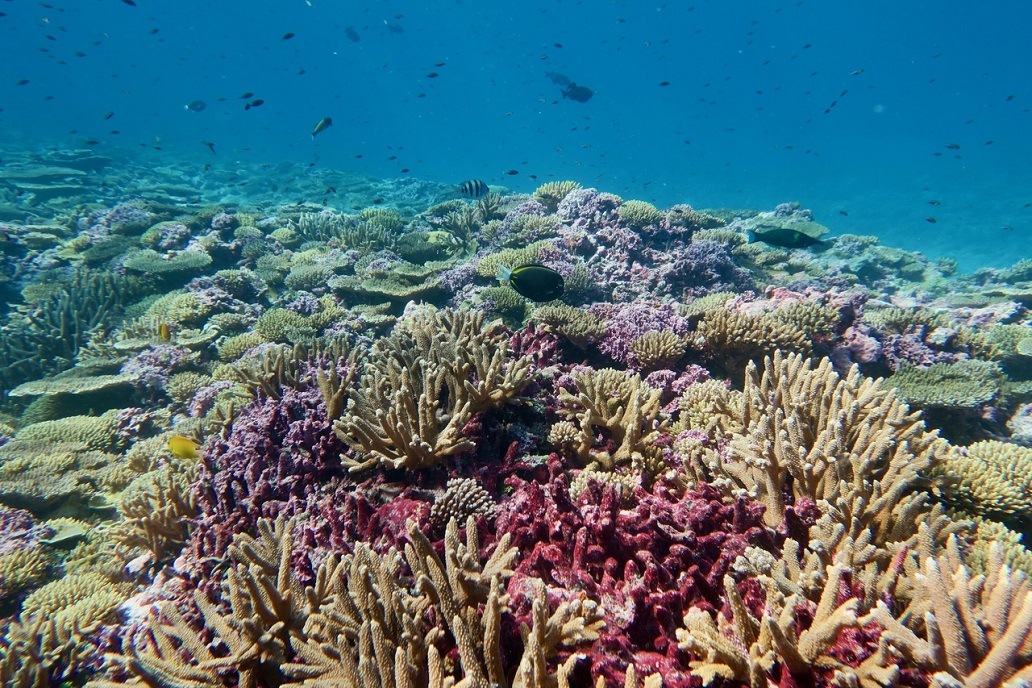
ALT A colorful healthy coral reef
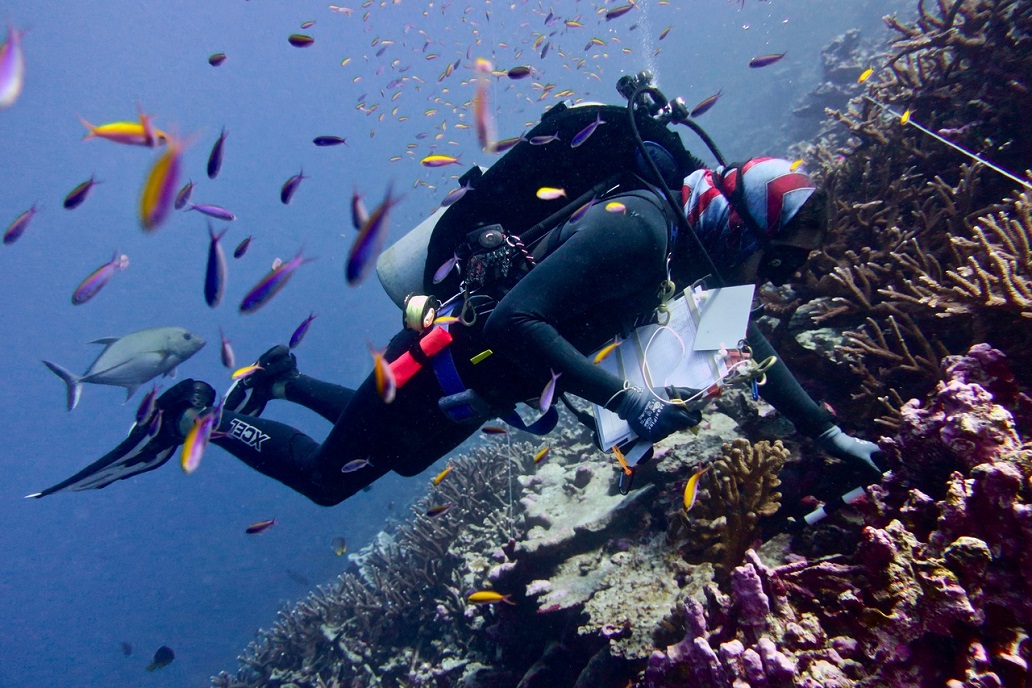
ALT A scuba diver with a clipboard swims over a healthy coral reef slope with many colorful fish surrounding the diver
4
28
491
INTERNATIONAL CORAL REEF OBSERVATORY retweeted
We are part of the coauthors in the Section Tropical and subtropical #CoralReef @UN World #Ocean Assesment WOA III published during #DayOfTheOcean #WorldOceanDay Scientists should #LeadByExample for #GlobalBehaviorChange #GlobalBehaviOURchange Facing #ClimateChange #GlobalWarming

1
1
17
INTERNATIONAL CORAL REEF OBSERVATORY retweeted
We do need to prevent the causes of coral reef degradation in order to save coral reefs !! #Leading ByExample 1) Reduce CO2 Emissions 2) Stop dredging close to #CoralReefs 3) Stop #Pollution Water and Sediments 4) Avoid Invasive species 5) No Blue Washing
woa.un.org/third-world-ocean…
1
1
21
INTERNATIONAL CORAL REEF OBSERVATORY retweeted
@ICRS2026 #ICRS2026 Ten years ago #ICRS2016, was focusing on breaking coral colonies for restoration. Now it has been proven that after coral bleaching events the fragments were the ones that bleached, and died first because they were submitted to further stress. Prevention !!

@ICRSCoralReefs @ICRS_2022 En #ICRS2016 Se promovió quebrar colonias de #Coral para restauración. Ahora se demuestra que tras blanqueamiento coralino, fragmentos murieron 1o. al estar expuestos a estrés adicional. Prevenir causas de degradación de Arrecifes es más efectivo gratis
1
1
50
INTERNATIONAL CORAL REEF OBSERVATORY retweeted

@ICRSCoralReefs @ICRS_2022 En #ICRS2016 Se promovió quebrar colonias de #Coral para restauración. Ahora se demuestra que tras blanqueamiento coralino, fragmentos murieron 1o. al estar expuestos a estrés adicional. Prevenir causas de degradación de Arrecifes es más efectivo gratis
1
2
77
INTERNATIONAL CORAL REEF OBSERVATORY retweeted

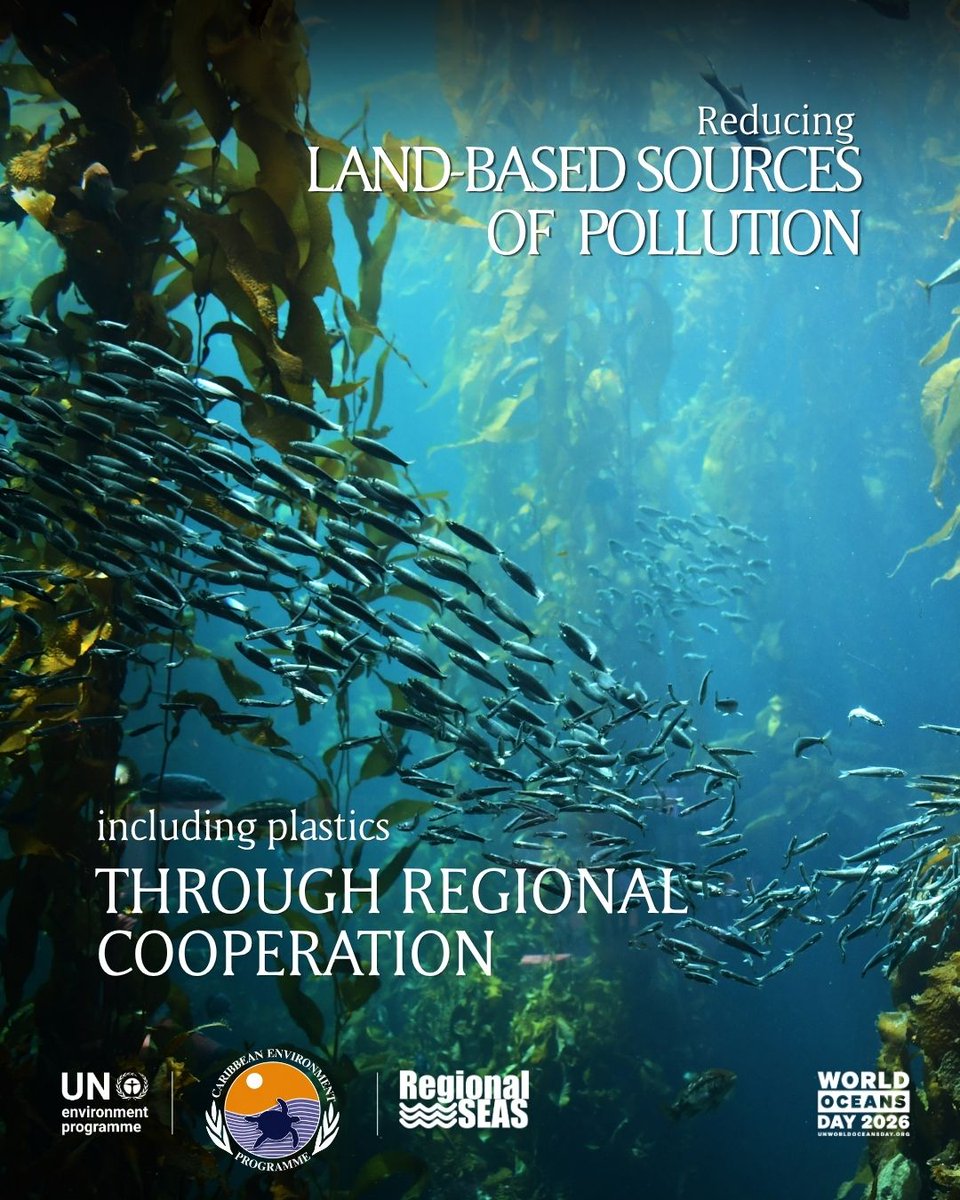
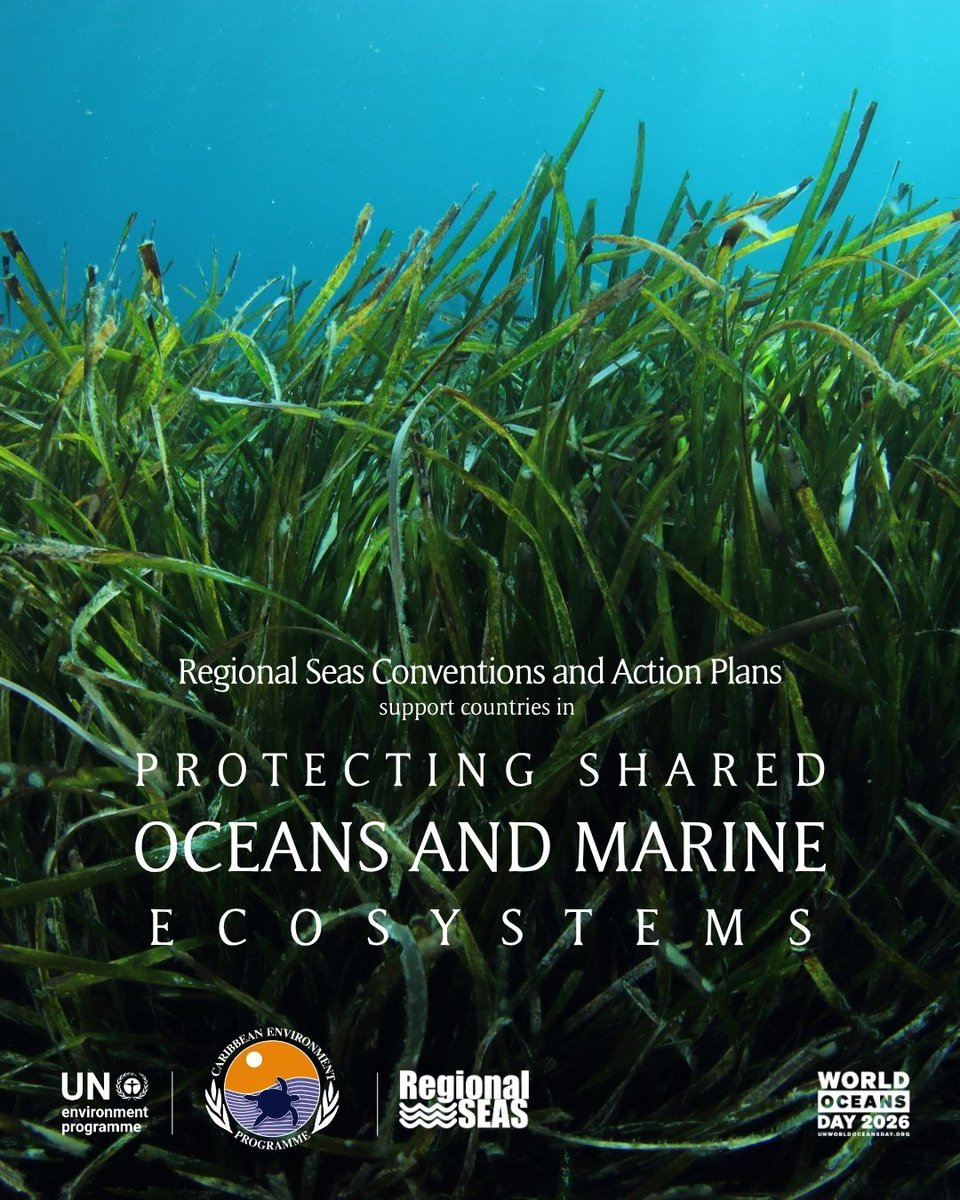
For more than 50 years, the 18 Regional Seas Conventions and Action Plans have brought countries together to protect and sustainably manage shared marine and coastal ecosystems and address common ocean challenges.
The ocean's future depends on what we do together today.
2
1
50
INTERNATIONAL CORAL REEF OBSERVATORY retweeted

Jun 8
🌊🌍On World Oceans Day, @MarineBON1 reaffirms its commitment to protecting and preserving our oceans—the lifeblood of our planet and a vital resource for future generations. Together, let's champion a healthier ocean and a more sustainable future.
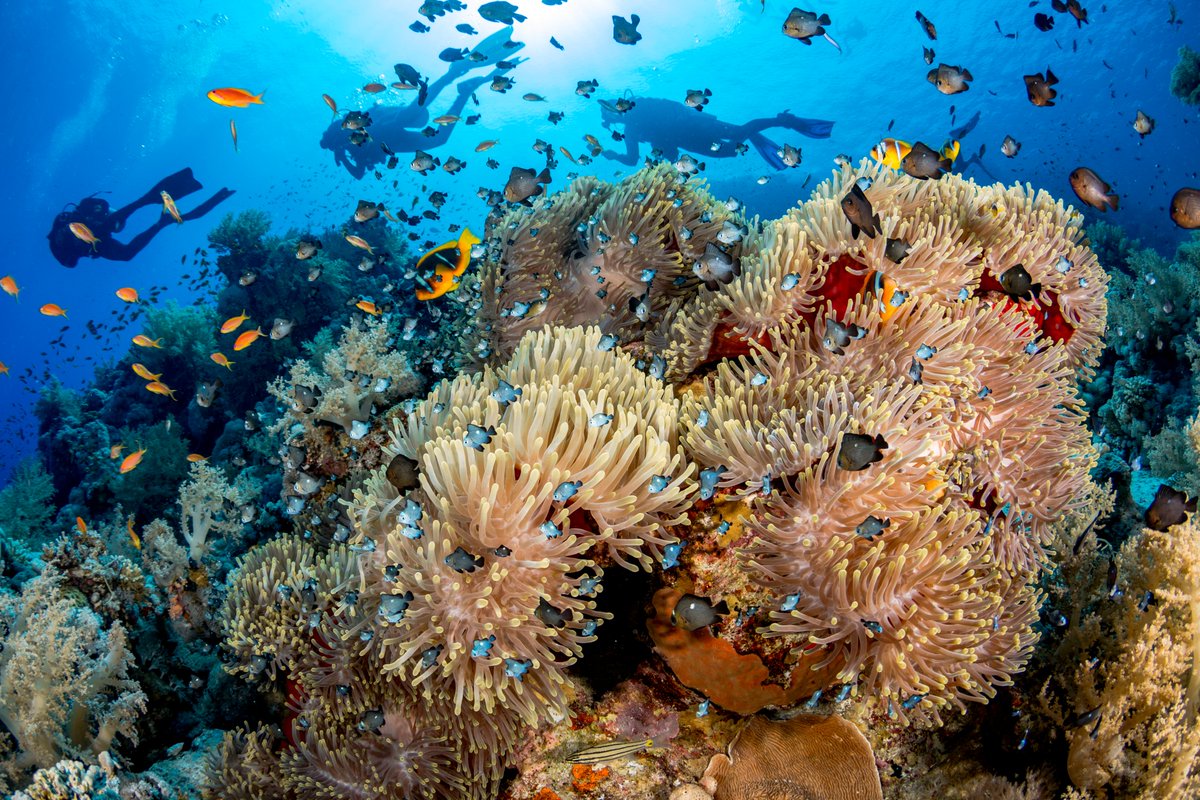
ALT Image credit: Ocean Image Bank / Renata Romeo
1
2
18
INTERNATIONAL CORAL REEF OBSERVATORY retweeted
@UNEP_CEP @UNDRR_Americas @UNEP @ONU_es #DiaDelOceano #DiaInternacionalDelOceano #DiaMundialDelOceano
Somos coautores de la Publicación @UN Evaluación Mundial del Océano Efectos Acumulativos o Cumulative effects | World Ocean Assessment woa.un.org/third-world-ocean… Prevenir es mejor
@ICRSCoralReefs @ICRS_2022 En #ICRS2016 Se promovió quebrar colonias de #Coral para restauración. Ahora se demuestra que tras blanqueamiento coralino, fragmentos murieron 1o. al estar expuestos a estrés adicional. Prevenir causas de degradación de Arrecifes es más efectivo gratis
2
2
24
INTERNATIONAL CORAL REEF OBSERVATORY retweeted
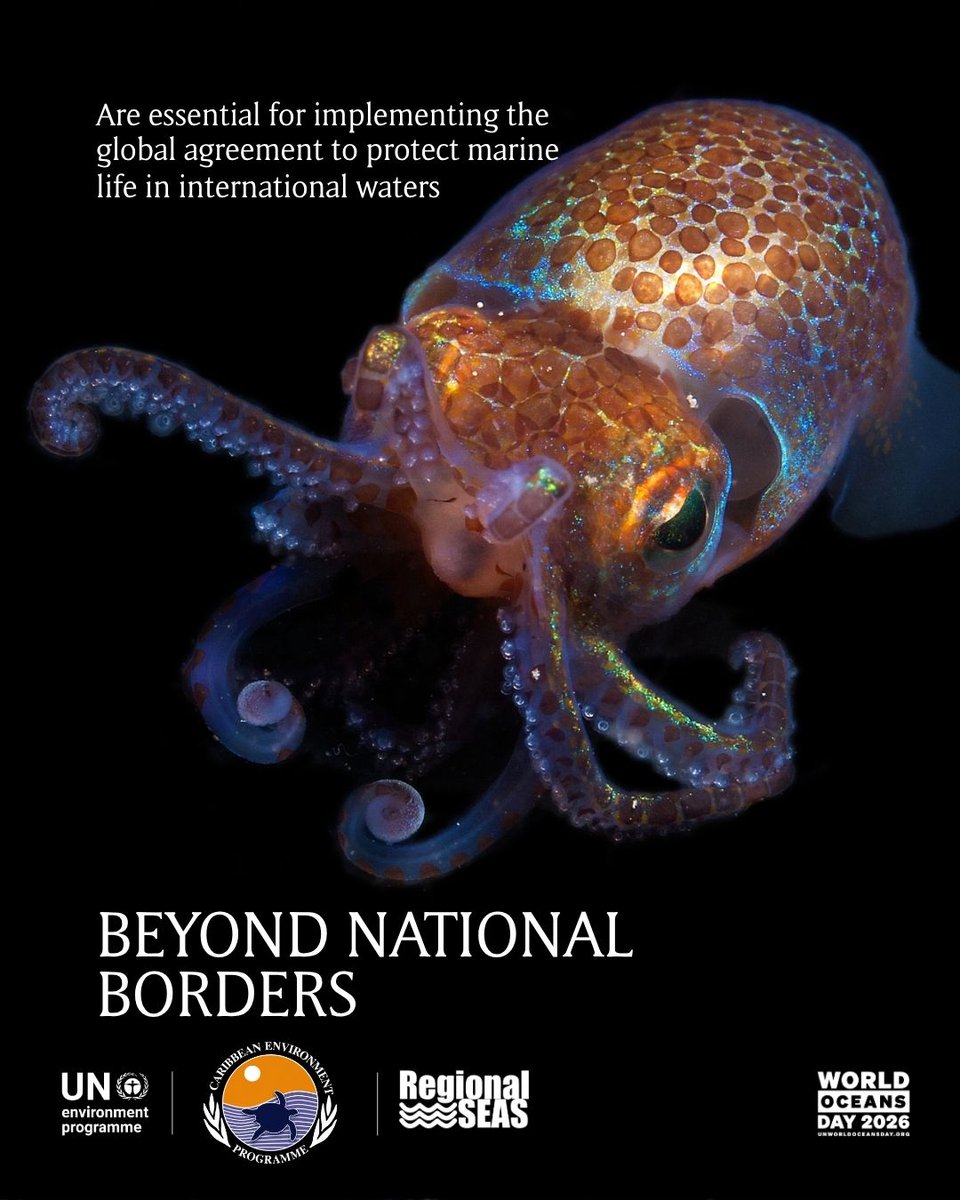
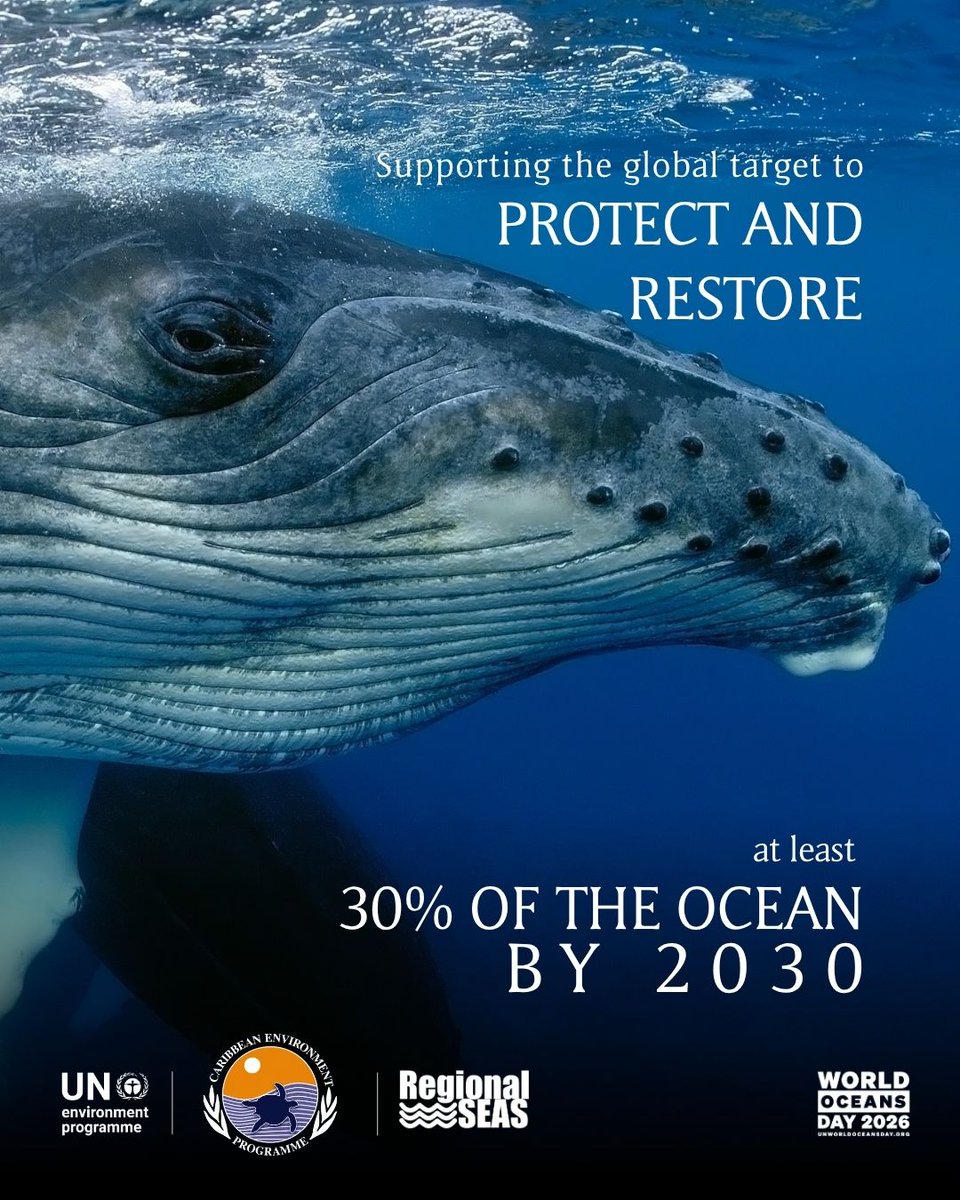
One Ocean. One Responsibility. Reimagining Our Relationship with the Ocean
The ocean produces over half the oxygen we breathe, absorbs around 90% of excess heat from climate change, and feeds more than three billion people. It is fundamental to life on Earth.
1
3
13
249
Effective Protection is needed for #Coral #CoralReef Let us stop the casues of #CoralReefs Degradation
It’s #goodforbusiness to protect the ocean 🌊! It's #WorldReefAwarenessDay #GoodForBusiness to protect #CoralReefs #ArrecifesCoralinos #ODS14 #OceanAction14819 #TenPrinciples of the UN Global Compact and the #GlobalGoals. #UnitingBusiness

6
June is a month to celebrate since the first day. Happy #WorldReefAwarenessDay 🪸#WorldCoralReefAwarenessDay #WorldReefAwarenessDay2026 #InternationalReefDay
What are you doing to stop the causes of #Coral #CoralReef #CoralReefs Degradation ?
1
11
INTERNATIONAL CORAL REEF OBSERVATORY retweeted

🪸🌊 On June 1, #WorldReefAwarenessDay 2026 reminds us why reefs are the Caribbean Sea’s heartbeat: they support 25% of all marine life despite covering less than 1% of the seafloor, the Caribbean hosts ~10% of the world’s coral reefs, and healthy reefs can absorb up to 97% of wave energy—helping protect our coasts and communities.
But warming seas, pollution, rising sea levels, and severe weather are accelerating reef decline—so moving from awareness to action matters for the Greater Caribbean’s safety and well-being.
Read the full article here 👇
acs-aec.org/en/reef-awarenes…
#CaribbeanSea #CoralReefs #GreaterCaribbean #OceanAction
3
4
181
Happy World Reef Awareness Day 🪸
Spawning follows a full moon. Warm water temperature stimulates the maturation of the egg and sperm bundles. Timing of spawning is impacted by the length of the day, tide and salinity levels in the water. Lasts up to a week. Spawning per species of coral prevent cross-breeding.
3

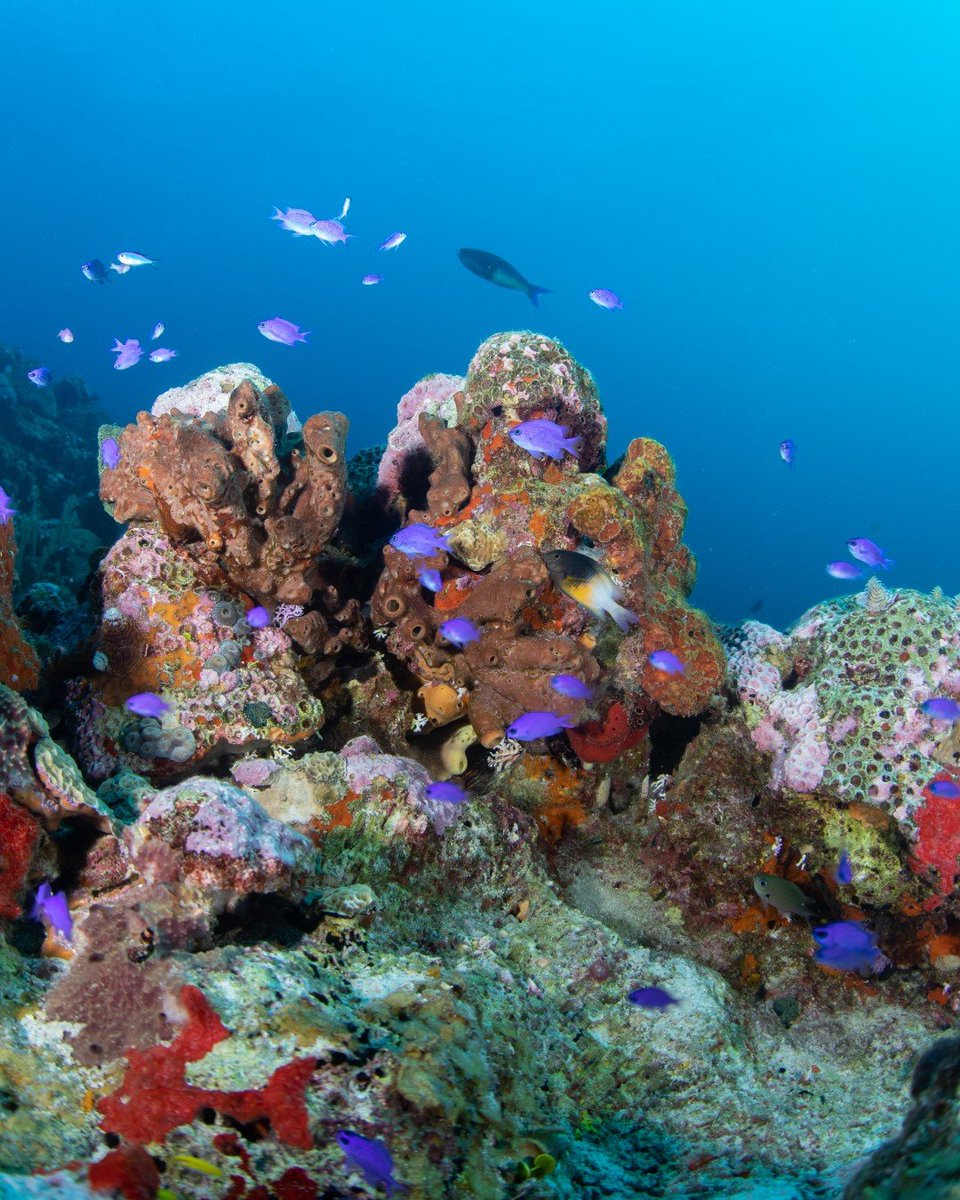
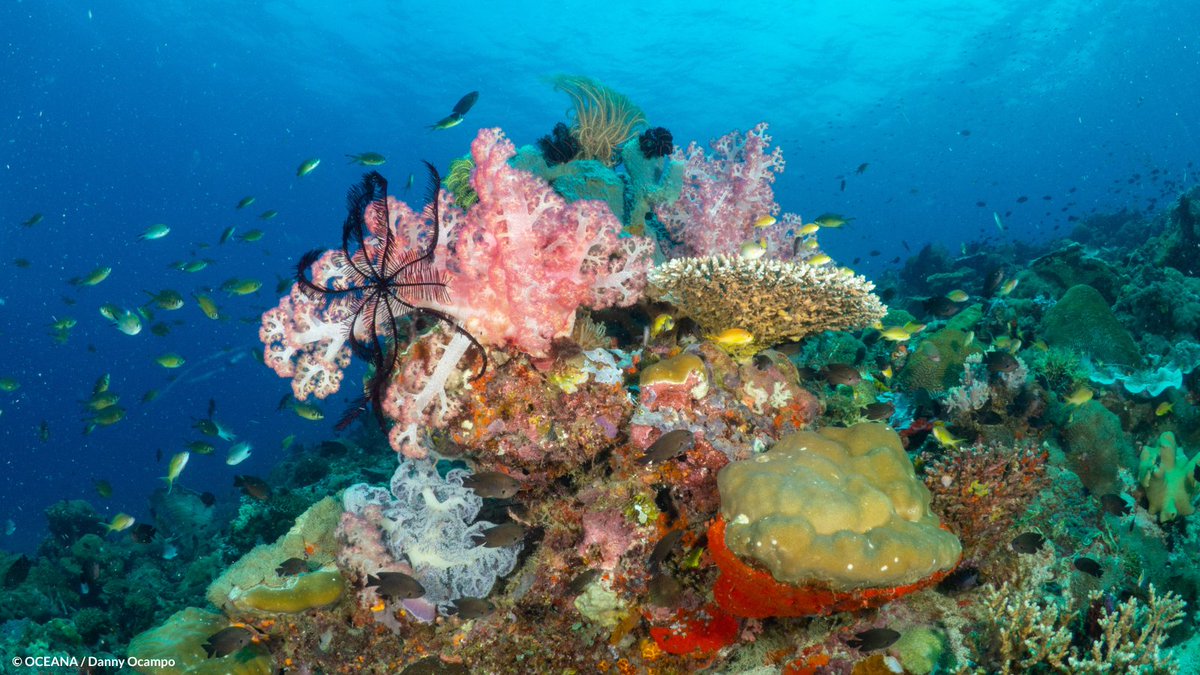
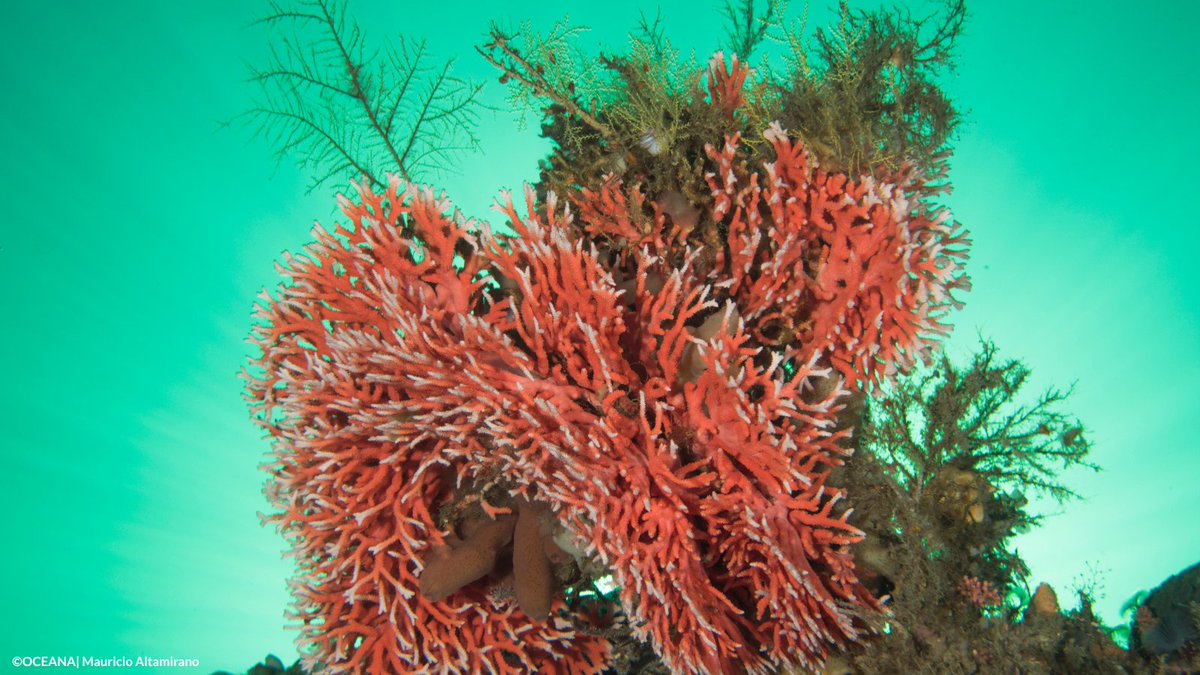
🪸 Today is #WorldReefAwarenessDay!
Coral reefs cover less than 1% of the seafloor, but support more than 25% of all marine species. That’s why Oceana scientists work around the world to document and protect these vital underwater habitats. 🧡
Learn more: oceana.ly/42YyHMB
4
163
404
7,720
INTERNATIONAL CORAL REEF OBSERVATORY retweeted

June 1 is #WorldReefAwarenessDay.
#CoralReefs support 25% of life in the ocean, but they are facing a growing set of climate-driven threats: warming oceans, ocean acidification, sea level rise and stronger storms.
#WorldReefDay
2
8
19
339
INTERNATIONAL CORAL REEF OBSERVATORY retweeted
It’s the first day of #OceanMonth and to kick it off, it’s also World Reef Awareness Day. So, let’s celebrate #CoralReefs!
coralreef.noaa.gov
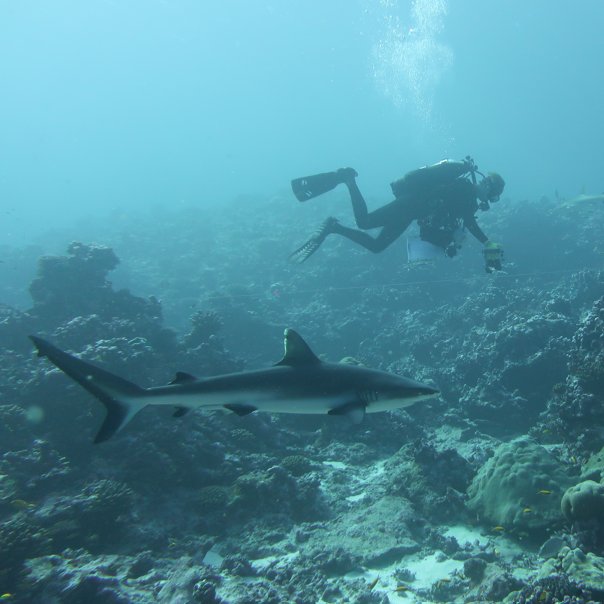
ALT A scuba diver and a shark swim side by side over a coral reef
3
20
70
1,171