An #IEEE technical community facilitating cross-disciplinary collaboration to advance research, standardization & development of #neuroscience technologies.
Joined February 2016
- Tweets 4,465
- Following 1,531
- Followers 9,260
- Likes 750
3,691 Photos and videos

Jun 12
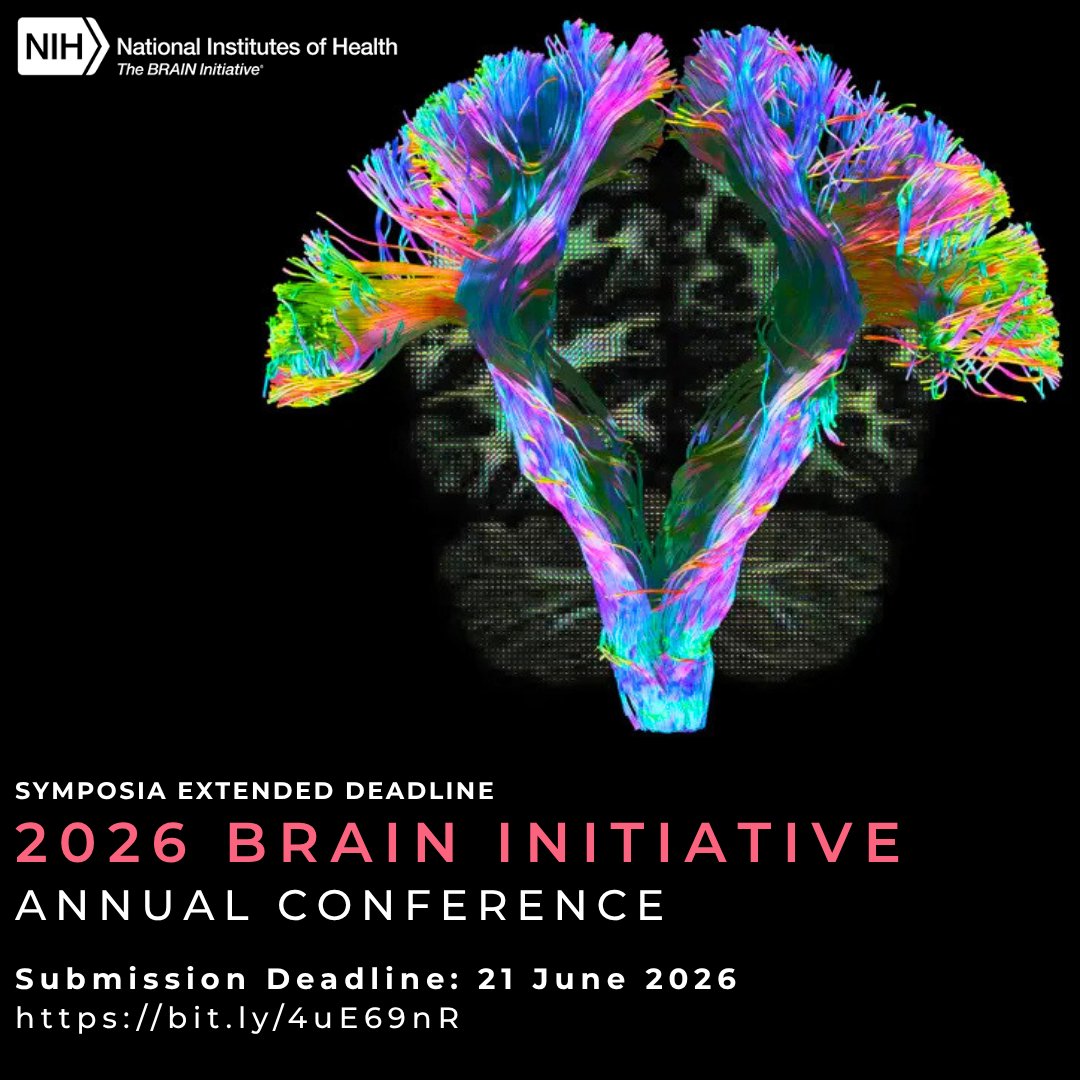
Great news — the 2026 @NIH #BrainInitiative Conference symposia submission deadline has been extended through 21 June! Share your discoveries, connect with the #neuroscience community, and help shape the future of #BrainResearch: bit.ly/4uE69nR #brain #neurotech
1
4
262
Jun 11
We're now moving into audience Q&A, so we'll take this opportunity to thank our moderator and panelists, and everyone attending today's #webinar. #Neurotech's role in #AgeTech is critical and this has been a great discussion. Stay tuned for the on-demand replay! #brain
1
71
Jun 11
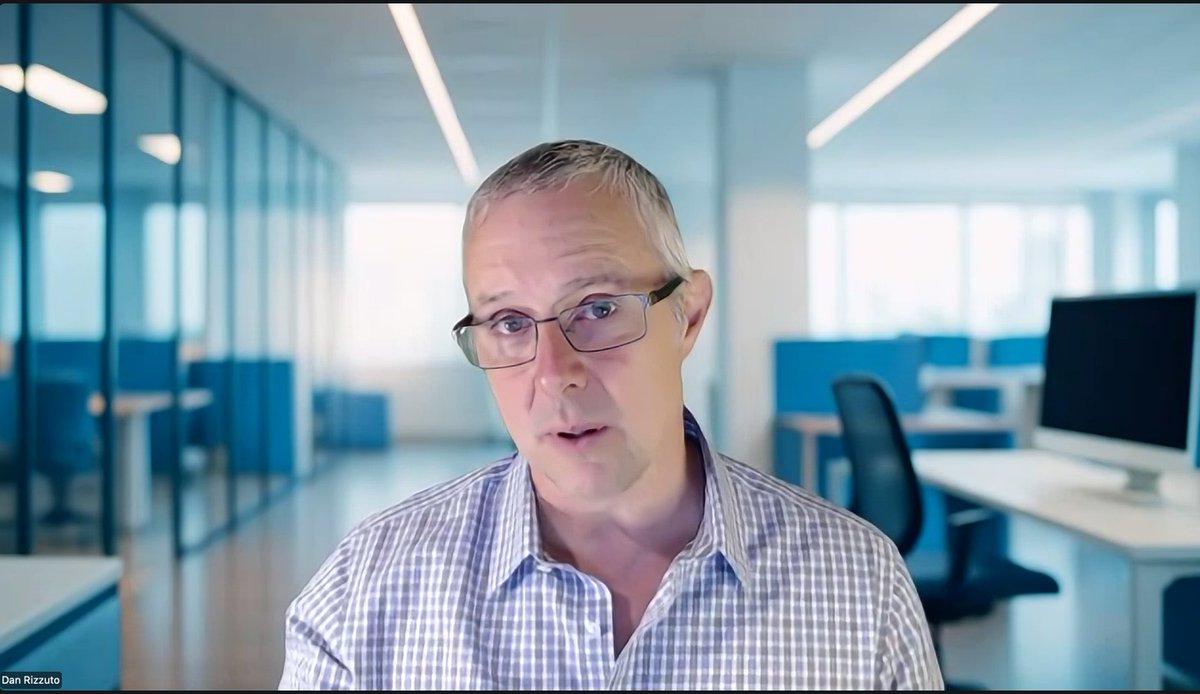
Dr. Dan Rizzo of @NiaTherapeutics has a different take - the biggest thing #AI does to compress the timeline. It can extract signal from noise more efficiently, potentially helping therapies to reach patients faster. However, he notes the best AI is boring AI, that is invisible.
93
Jun 11
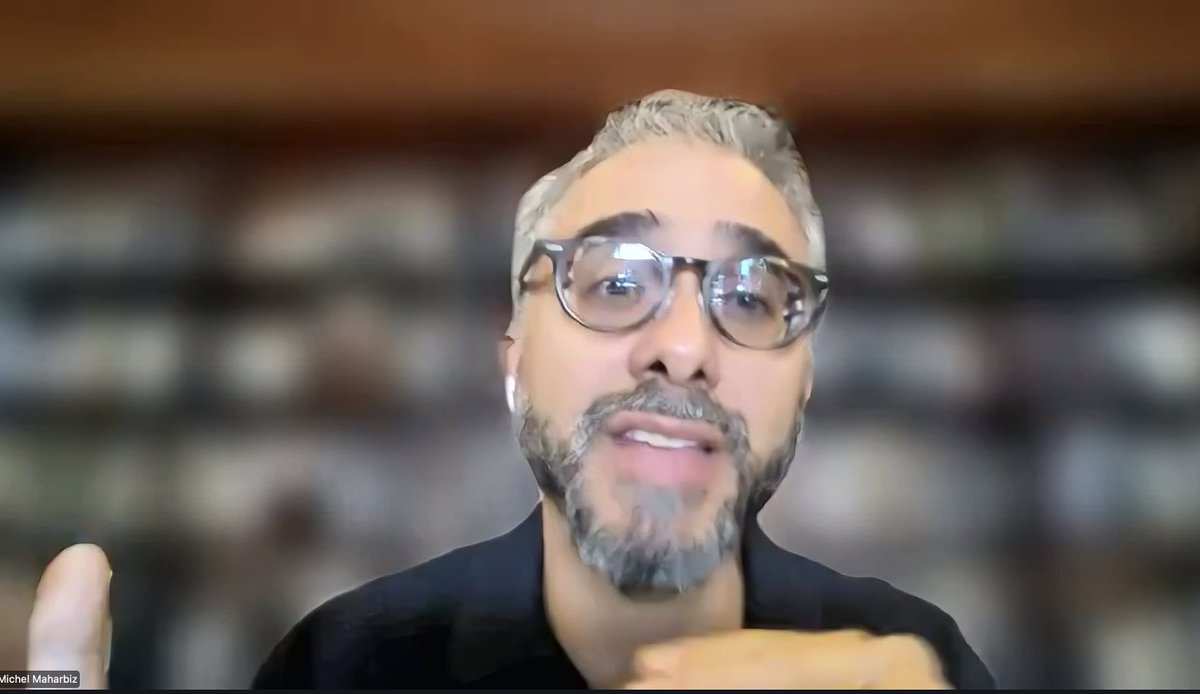
What of #AI? How are advances in #AI changing the field? What needs to happen for AI's use to be clinically useful, #ethical, and safe? According to #EpiaNeuro's Dr. Michel Maharbiz, regulatory and security concerns can have a big impact. #brain #neurotech #AgeTech
1
69
Jun 11
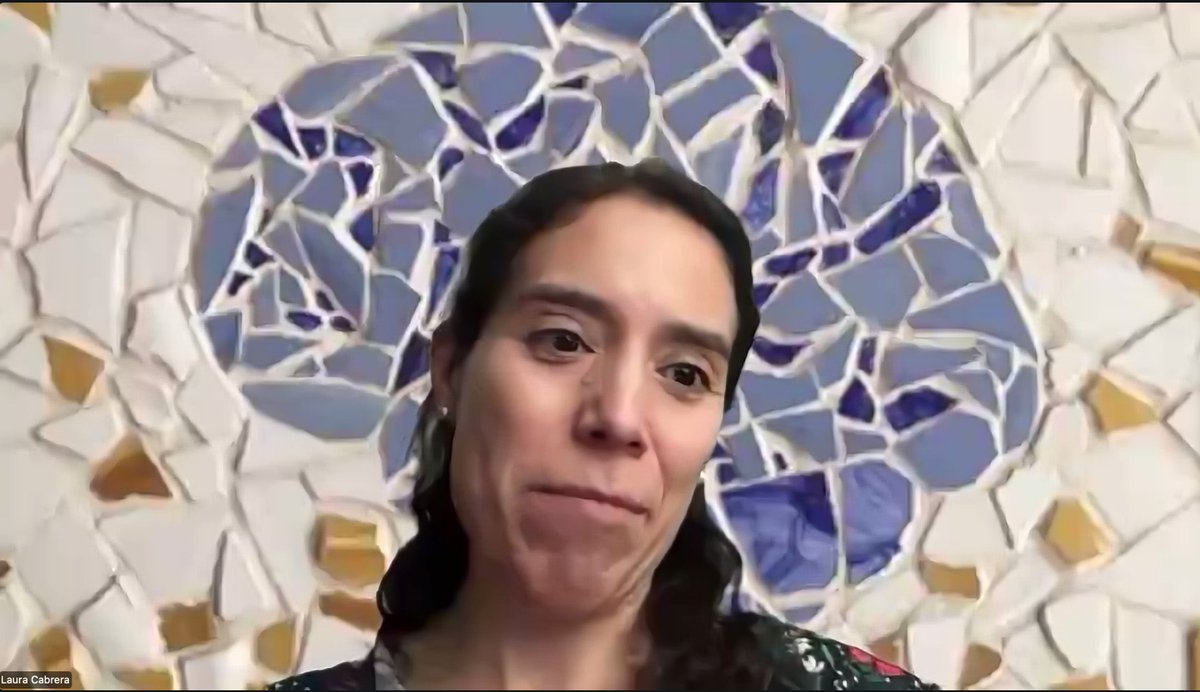
What are some of the key #neuroethical aspects that must be taken into account before getting a #brain implant? @penn_states' Laura Cabrera says timing is critical, and you must find a window where the devices is still beneficial but where the patient can still undergo surgery.
71
Jun 11
#EpiaNeuro's Dr. Michel Maharbiz, one outstanding issue in invasive #neurotech is the lifetime of these devices. While there is the impression that these devices might last a lifetime, that may not always be the case. Communication is absolutely key. #brain #AgeTech #aging
65
Jun 11
According to @penn_state's Laura Cabrera, we need to be thinking not just about solutions but also preventative approaches. #neurotech #brain #AgeTech #aging
53
Jun 11
A great question: what are the biggest barriers to translating new technologies into long-term therapies for patients? @NiaTherapeutics' Dr. Dan Rizzo notes that #regulatory hurdles can be big bar, as is reimbursement. #brain #neurotech #BCI #AgeTech
1
2
75
Jun 11
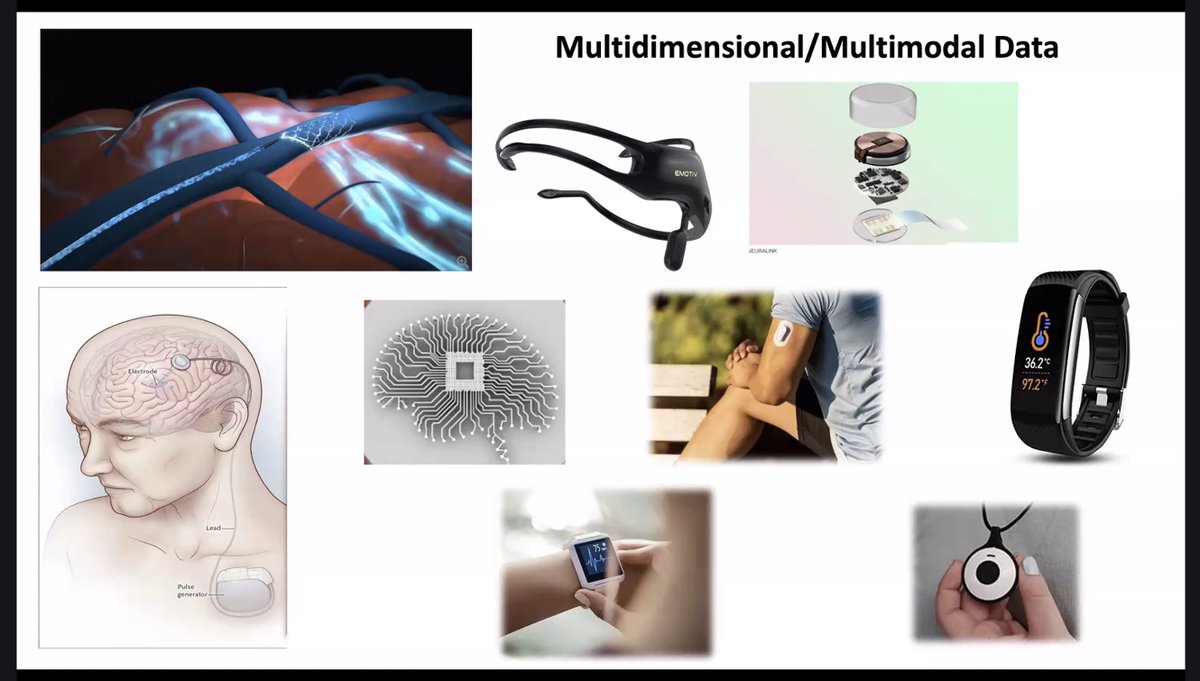
We're moving into an open forum discussion with today's panelists about how #neurotech, #AI, #CognitiveMonitoring, #BCI tech, and beyond could help contribute to better quality of life and #aging. #AgeTech #brain #neurotech
1
1
74
Jun 11
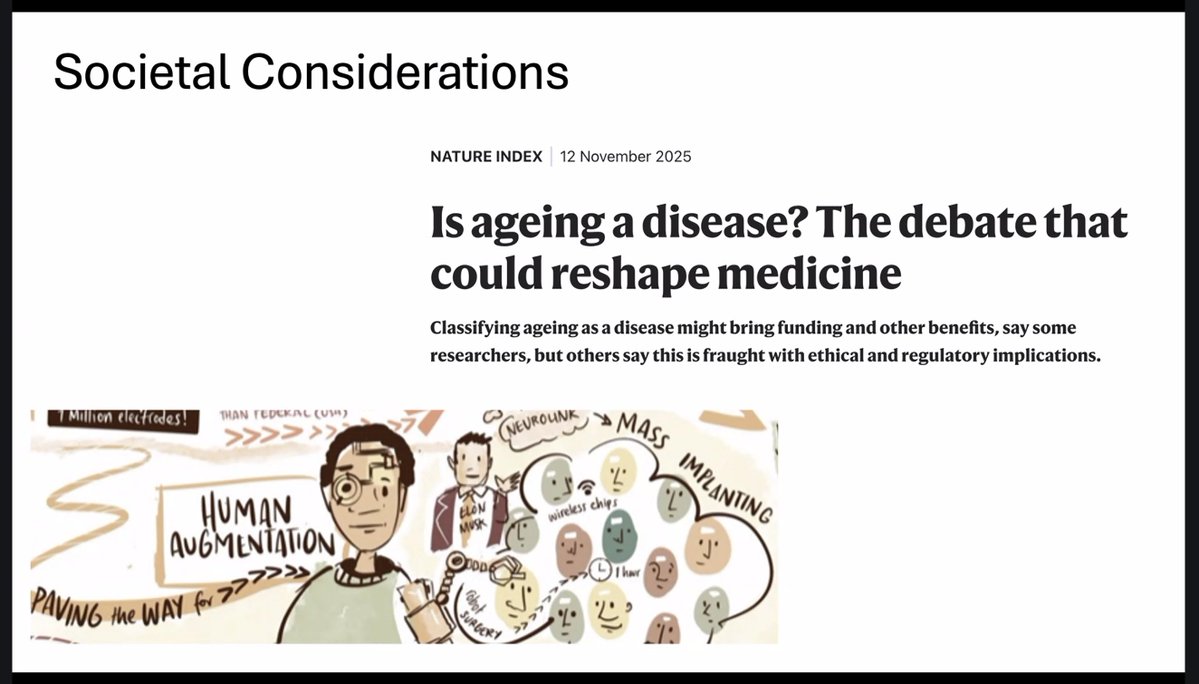
What of the broader societal implications? @penn_state's Laura Cabrera notes that there has been a trend to look at #aging as a disease. That reclassification could significantly impact #medicine. #brain #neurotech
1
3
135
Jun 11
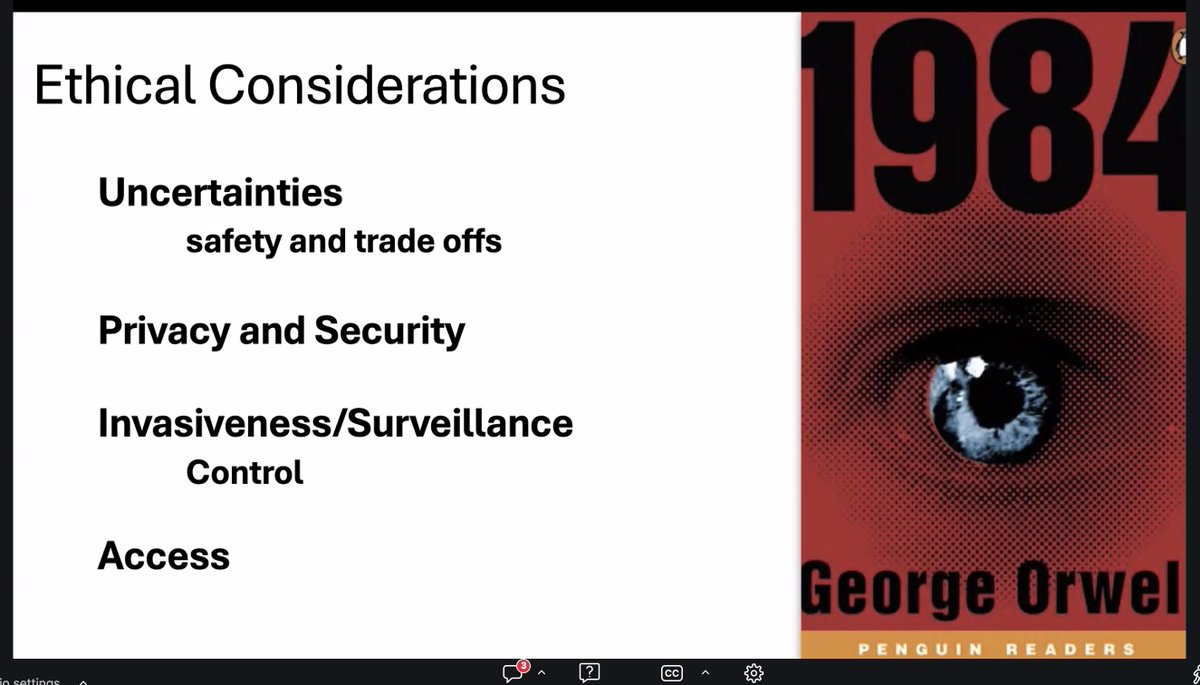
Our next panelist is @penn_state's Laura Cabrera, who is talking about some of the technology-based solutions to help patients but more importantly, the #ethics implications of these technologies, including #privacy, #security, and invasiveness. #brain #neurotech
1
1
74
Jun 11
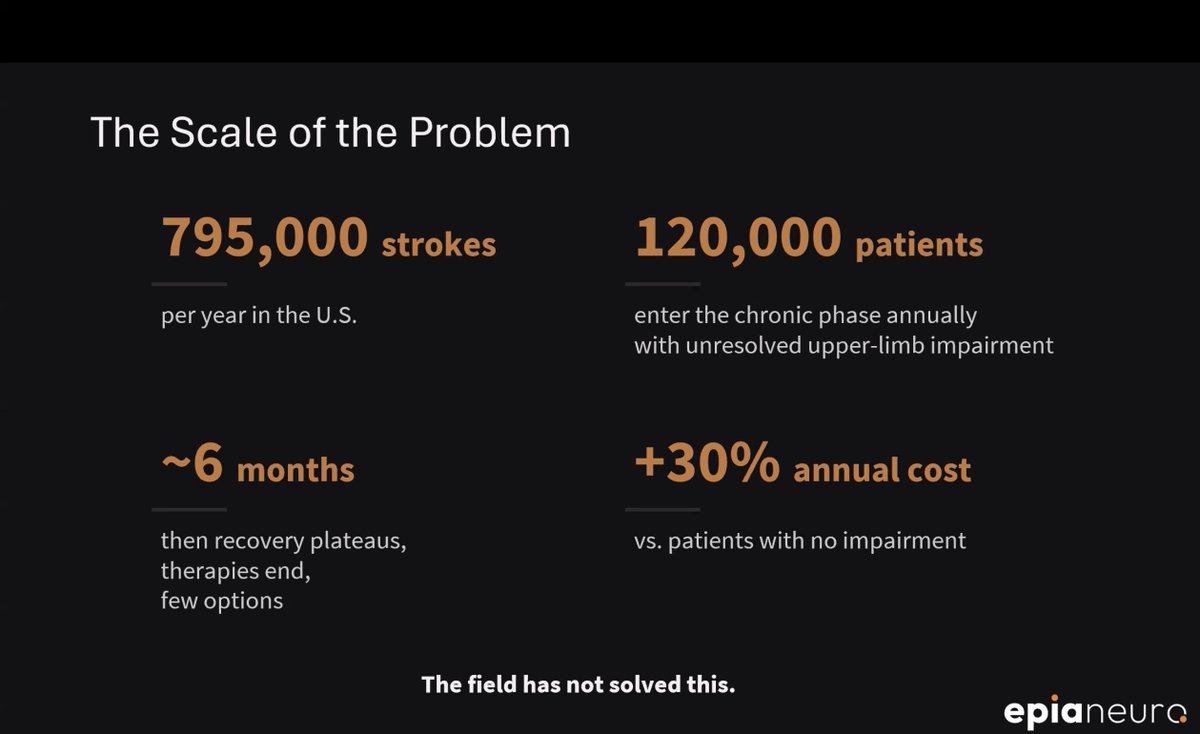
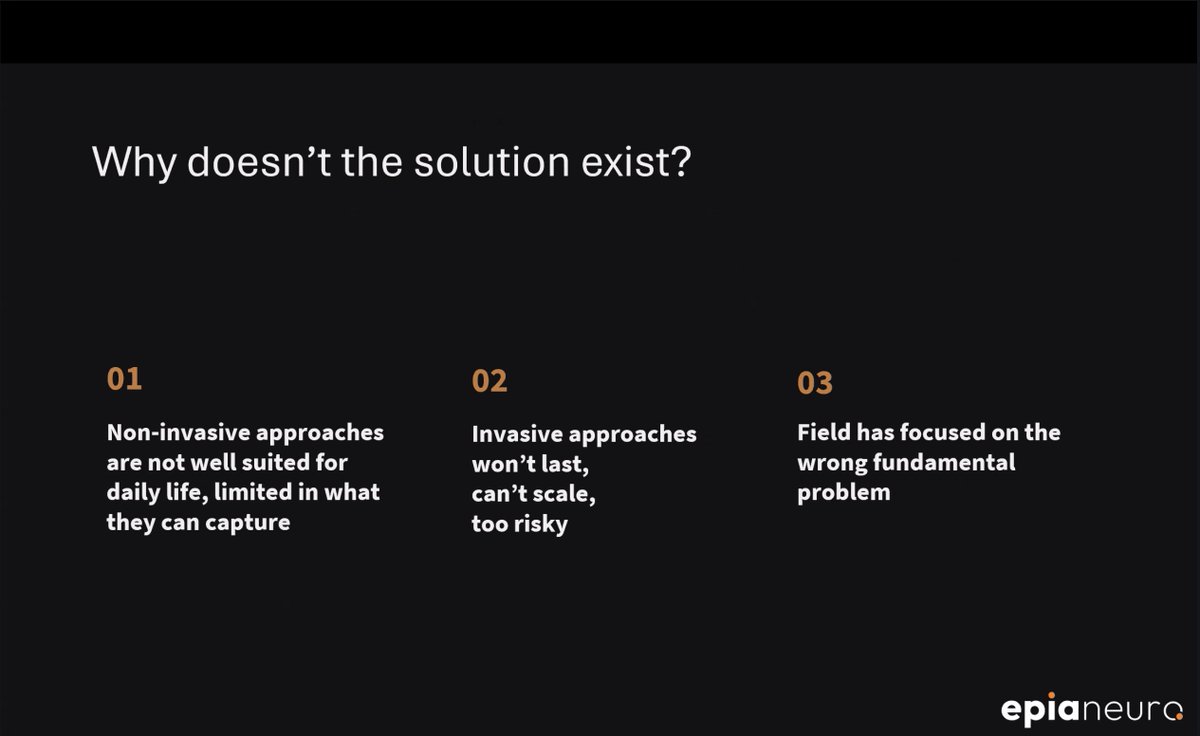
What is the scale of the issue of #strokes? According to #EpiaNeuro's Dr. Michael Maharbiz, it's enormous. And there's currently no good solution to the problem...something that researchers are now trying to change. #brain #neurotech
1
1
110
Jun 11
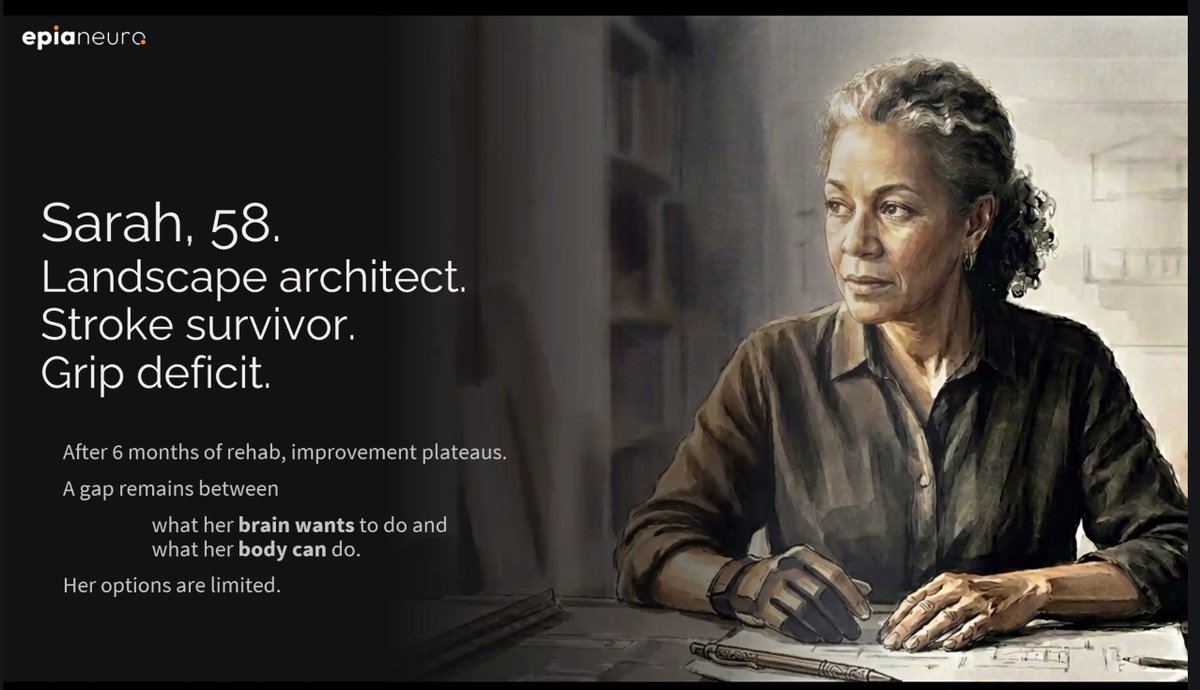
We're now hearing from #EpiaNeuro's Dr. Michael Maharbiz, who is addressing the human impact of strokes - specifically, what happens when a person suffers a #stroke. The recovery journey can be a long one, leaving patients to live with with the affects. #brain #neurotech
1
1
87
Jun 11
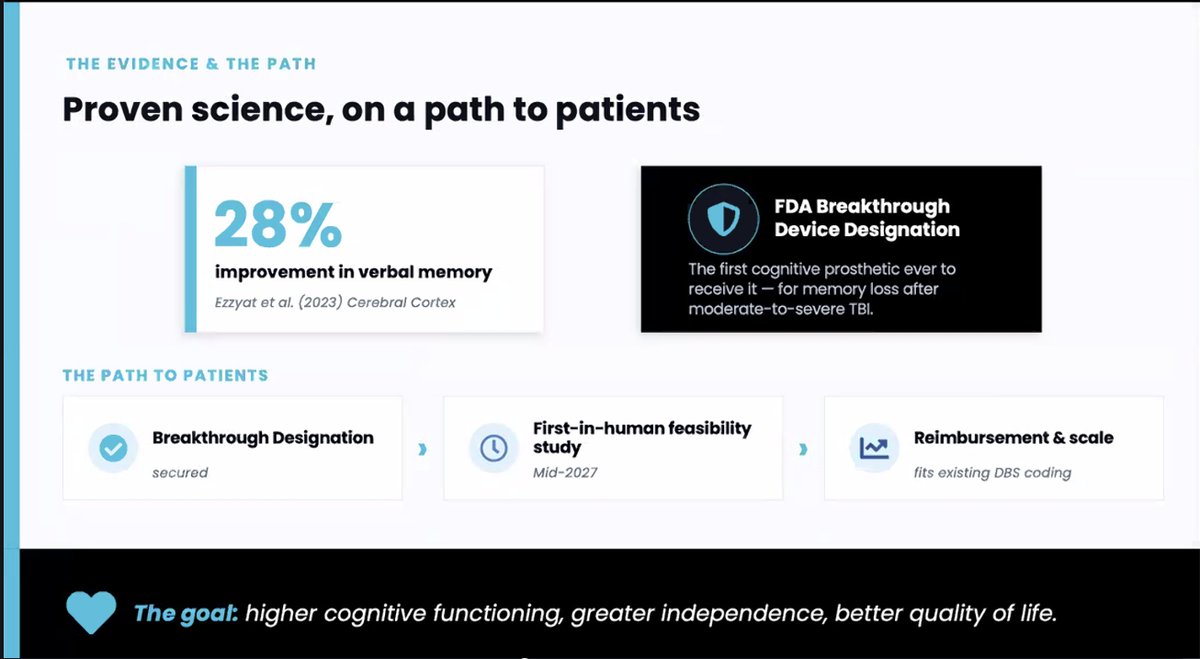
How well does #neurostimulation work for those suffering from memory loss? Here's a look at the results that @NiaTherapeutics has achieved thus far, noting that it can possibly roll back 4 or 5 years for #Alzheimers patients. #neurotech #brain
1
3
86
Jun 11
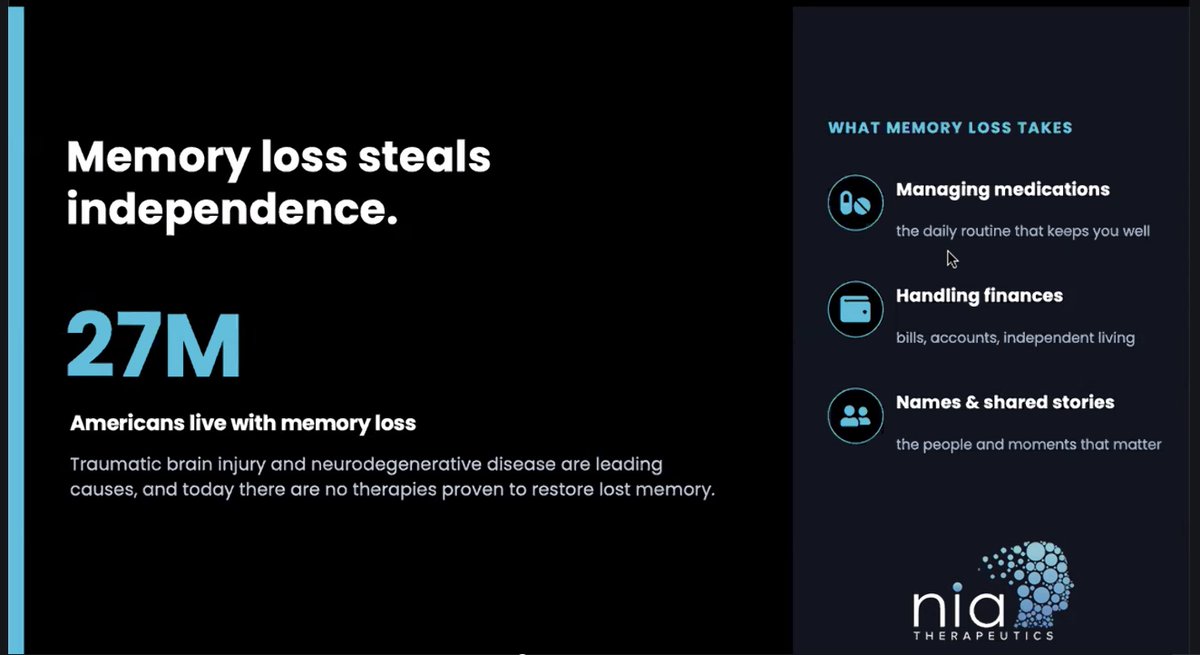
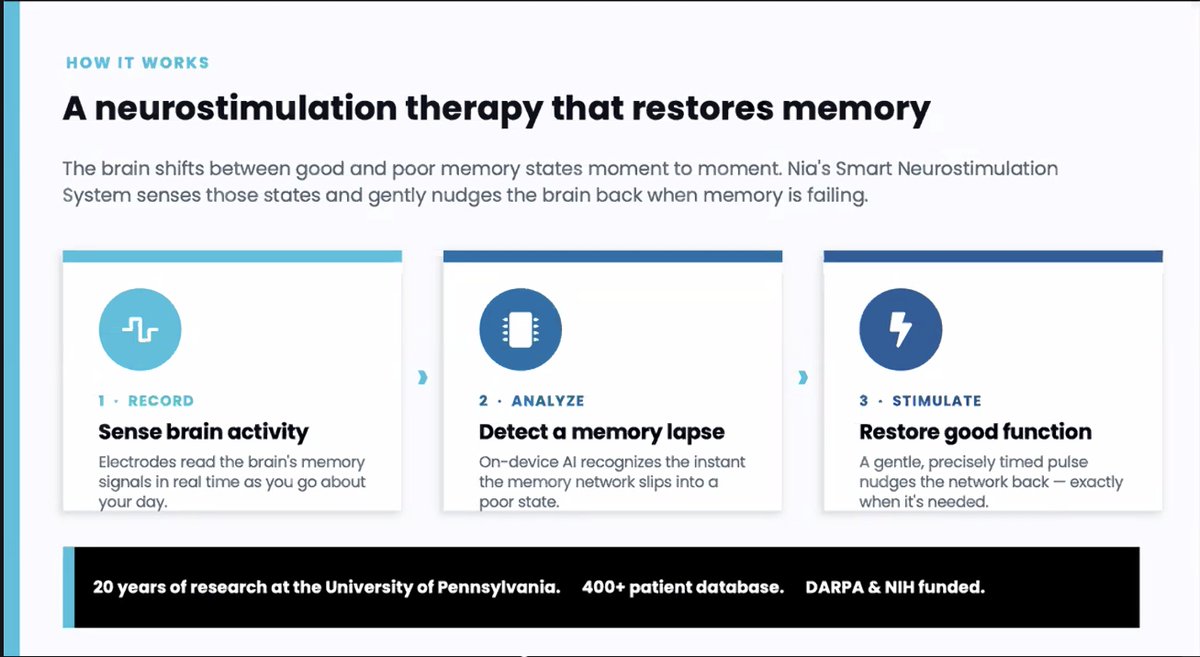
Our first speaker is Dr. Dan Rizzuto of @NiaTherapeutics. He notes that memory loss is a thief that steals independence from some 27M people. However, #neurostimulation therapies can help restore memory. #neurotech #aging
1
66
Jun 11
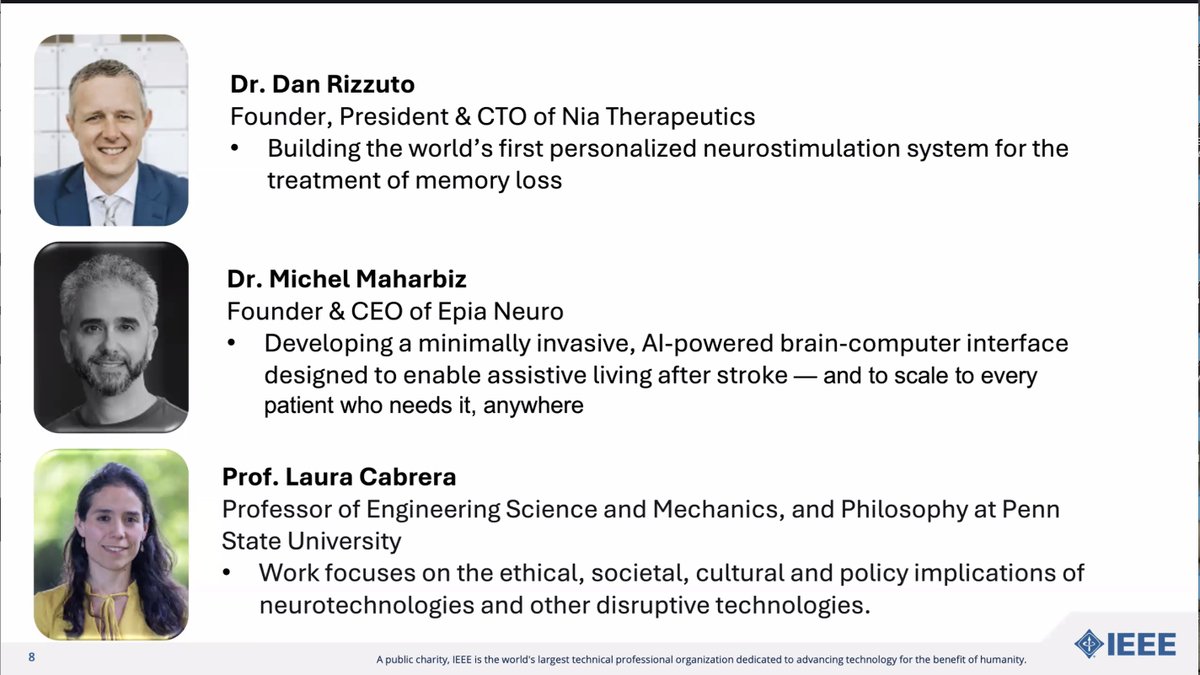
And here's a quick look at the world-class experts, researchers, and #entrepreneurs that will be talking about #AgeTech and #neurotech in today's #webinar. #brain
69
Jun 11
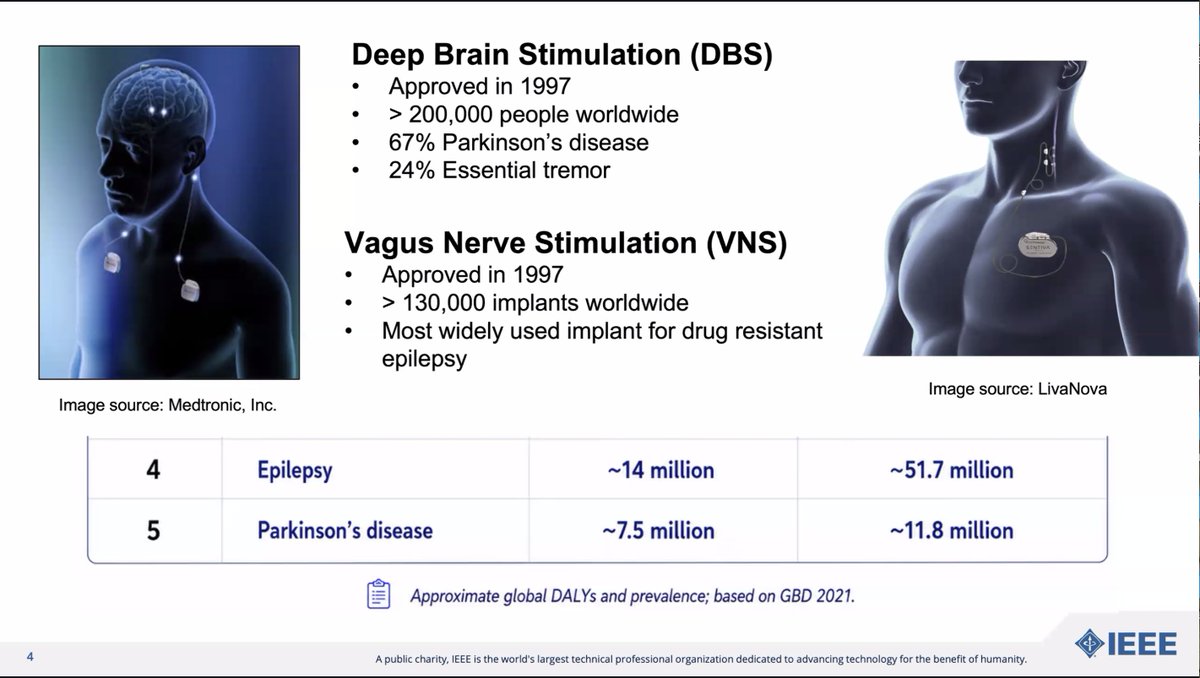
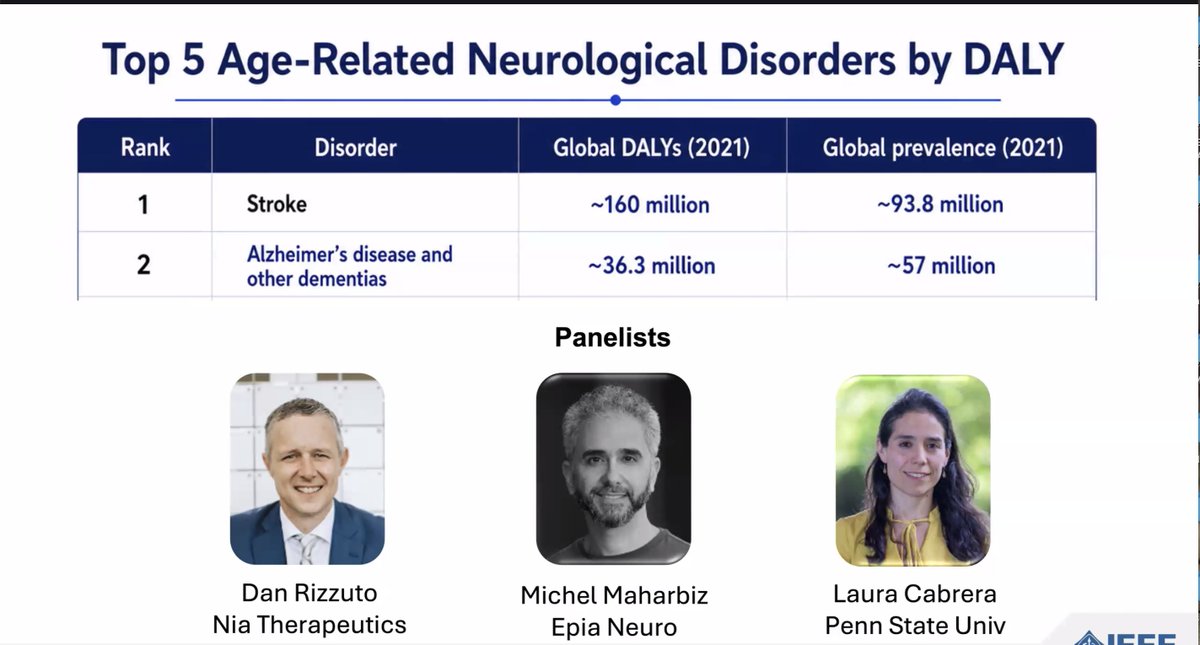
What are some of the current #neurortech technologies being used to address these neurological conditions? #DeepBrainStimulation and #VagusNerveStimulation are two commonly used. Our panelists will dig deeper into these during today's presentation. #brain #DBS #VNS
76
Jun 11
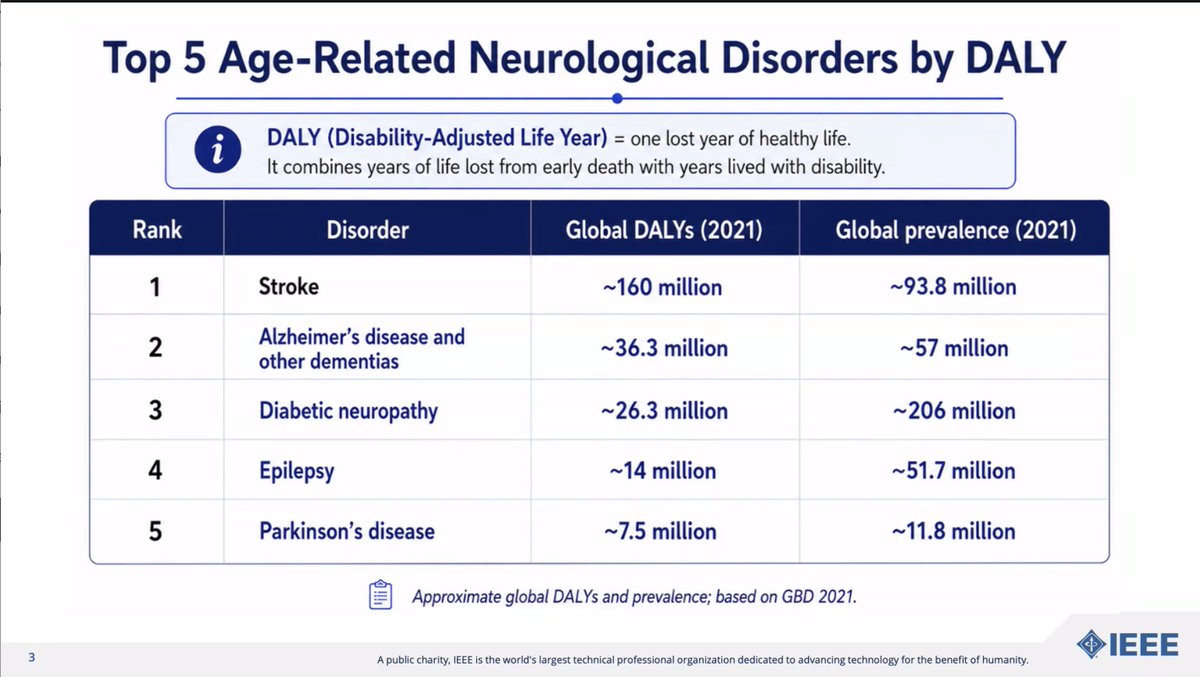
Do you know which are the top five neurological disorders? @UCBerkeley's Rikky Muller has a look at which conditions are most prevalent, with diabetic neuropathy being most common. #brain #neurotech
2
1
105
Jun 11
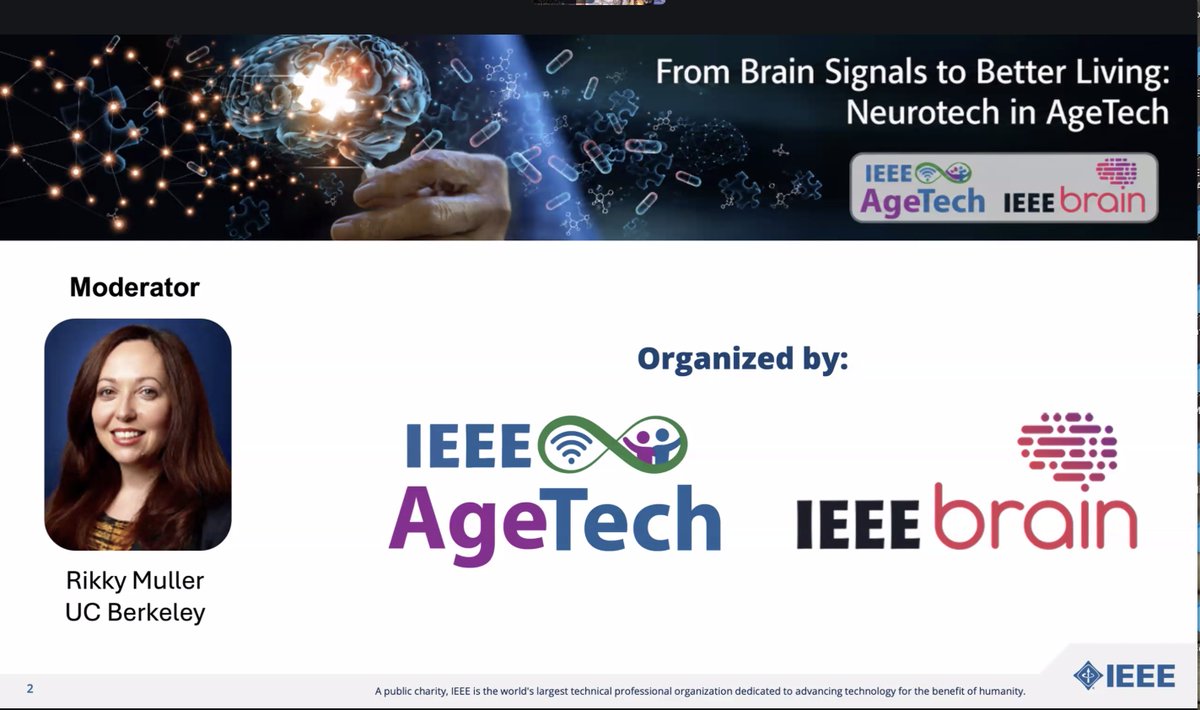
Our moderator today is Rikky Muller of @UCBerkeley, who is providing an introduction to both @IEEEBrain and #IEEEAgeTech, and offering an overview of what we'll be hearing about in today's presentation. #brain #neurotech
69
Jun 11
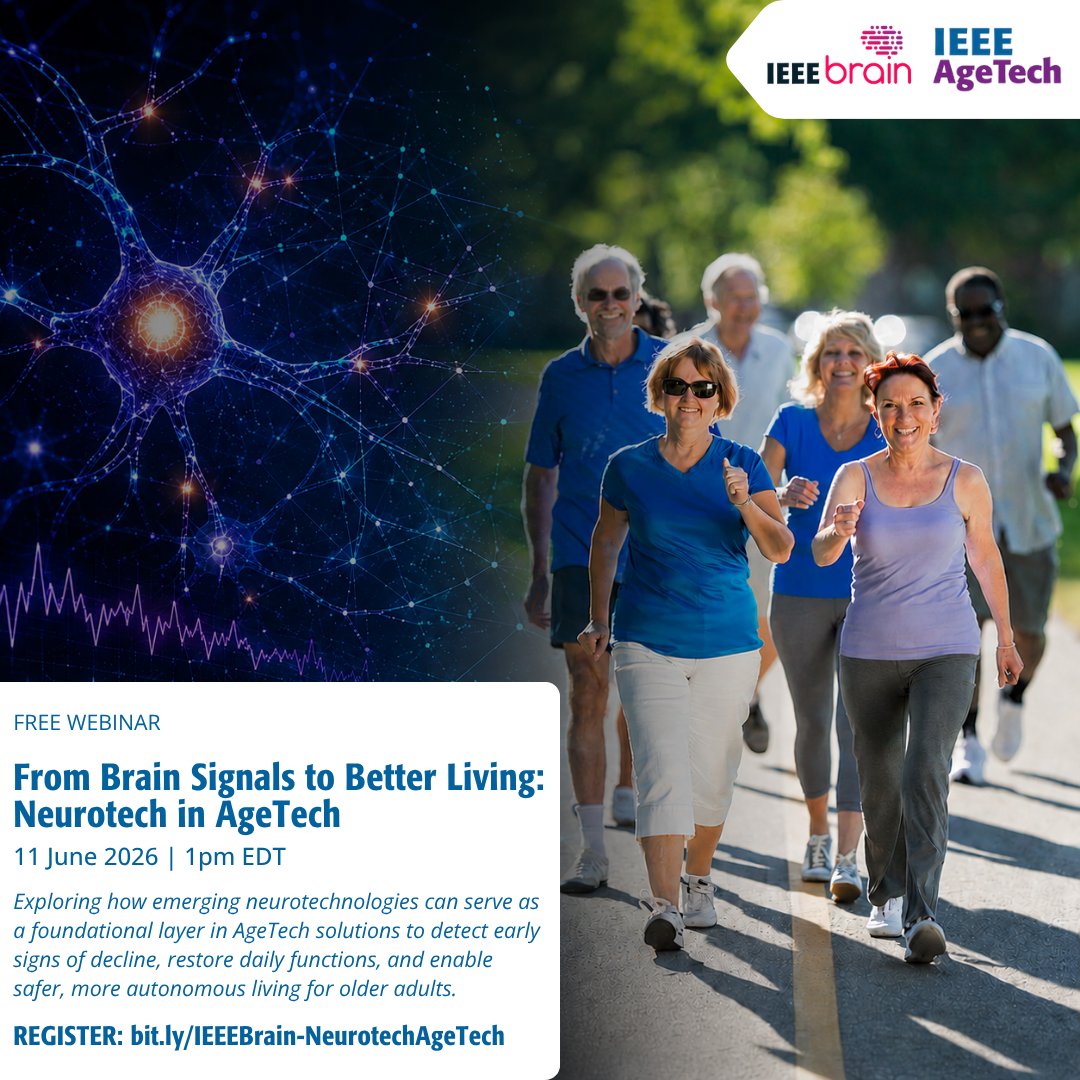
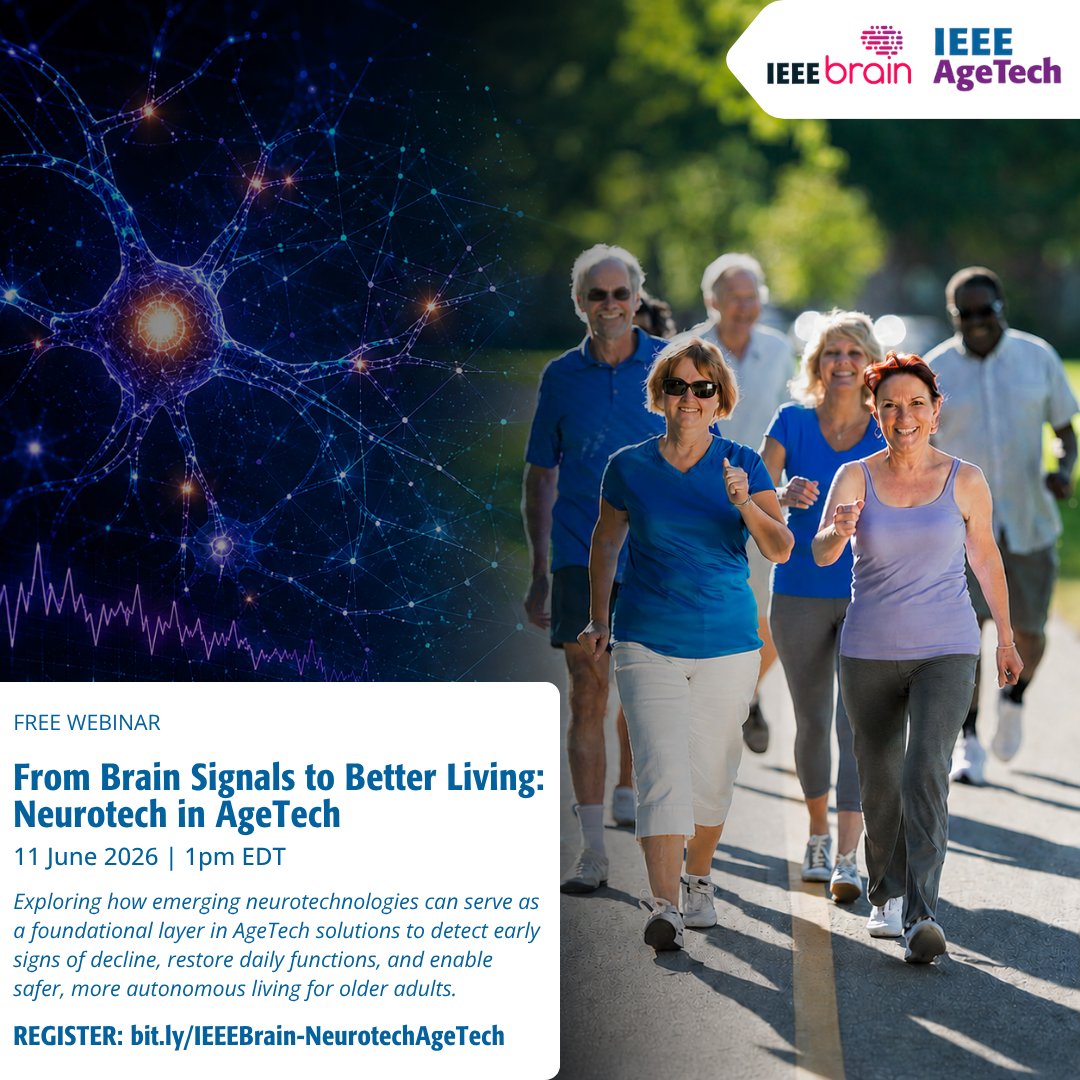
We're just about ready to kick off today's @IEEEBrain and #IEEEAgeTech "From Brain Signals to Better Living: Neurotech in AgeTech" #webinar. We'll be joined by experts from @UCBerkeley, @penn_state, #EpiaNeuro, and @NiaTherapeutics. #neurotech #brain #aging #AgeTech
1
58