
Division of Entomology and Plant Pathology
- Tweets 655
- Following 116
- Followers 1,712
- Likes 1





ALT Weekend Events Nov. 1-2, 2025. Leaf covered path

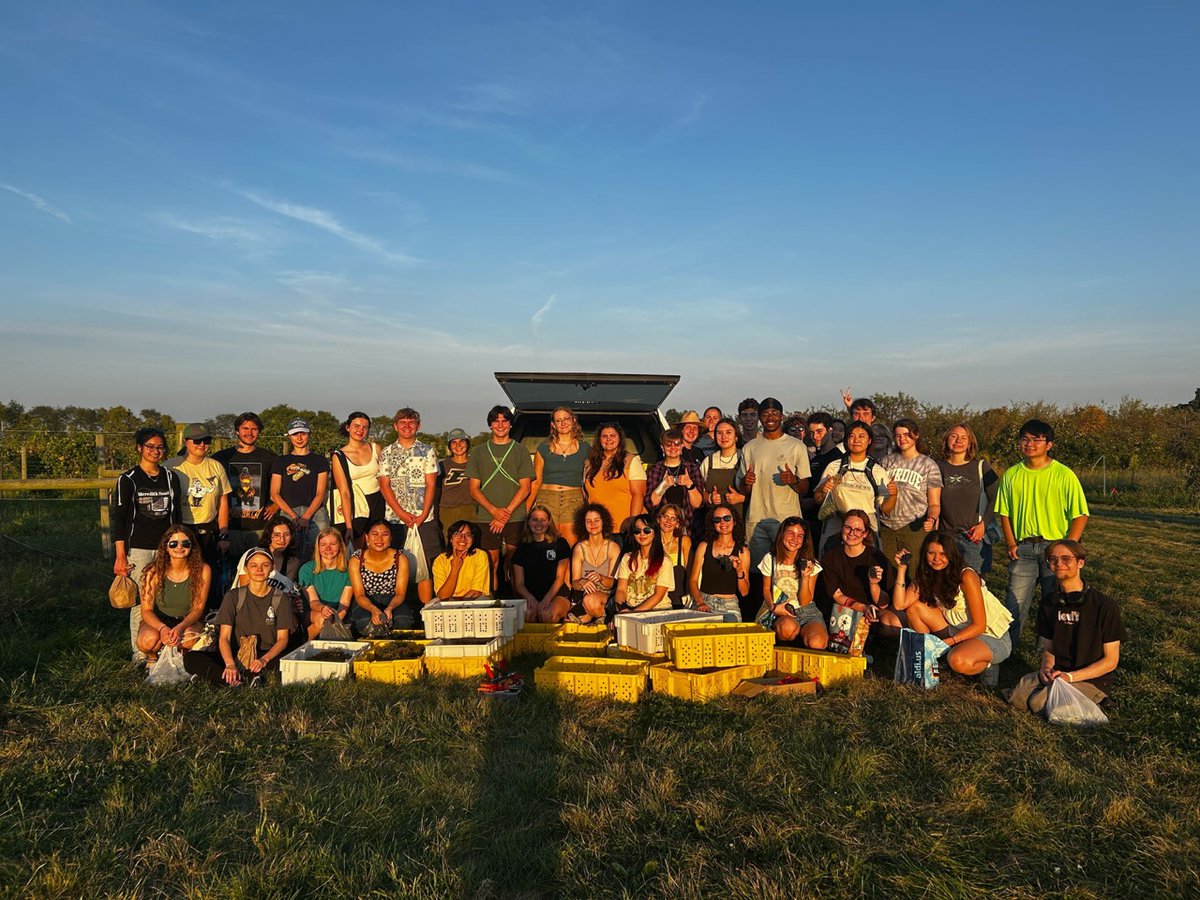





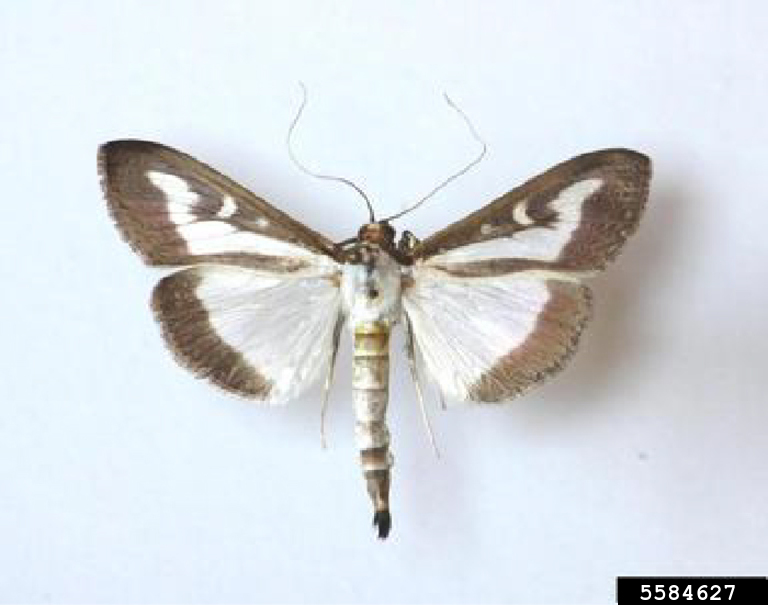
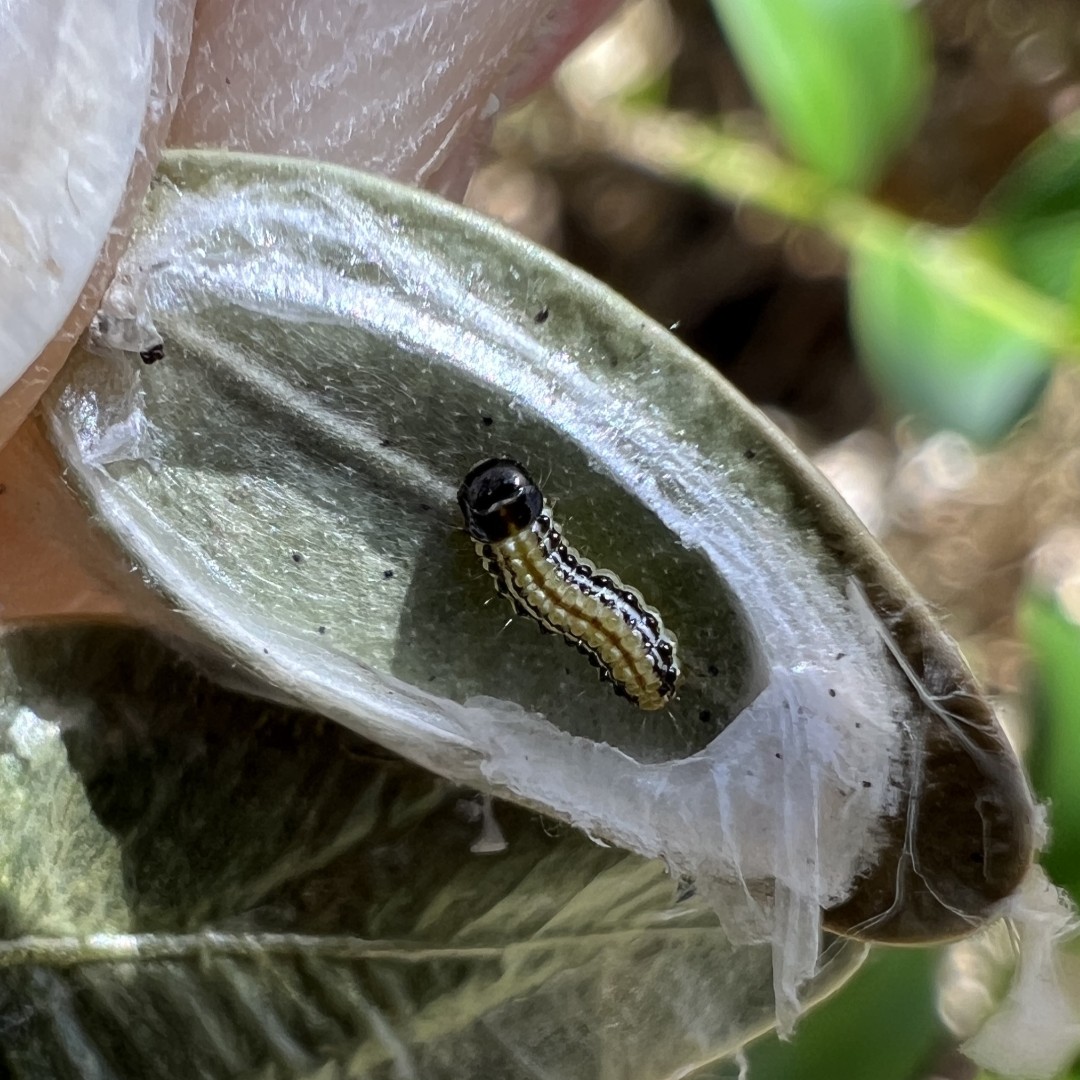
ALT As we continue sharing the most wanted invasive insects for Tree Check Month, let’s look at something we each could find in our landscapes; the box tree moth, Cydalima perspectalis. Boxwoods (Buxus spp.) are a favorite of both landscapers and homeowners; and unfortunately, this invasive pest is spreading throughout the U.S. on infested nursery plants. To date, we have not identified this pest within Indiana, but it has recently been identified as close as Ohio. The caterpillars are ravenous feeders and will cause significant damage to ornamental boxwoods when present. Heavy feeding will result in defoliation and skeletonized leaves. Often, webbing is found with young caterpillars hidden in the twigs and leaves. Adults are white moths with a brown border along their wings. They can be difficult to spot and are mostly active only after dusk.
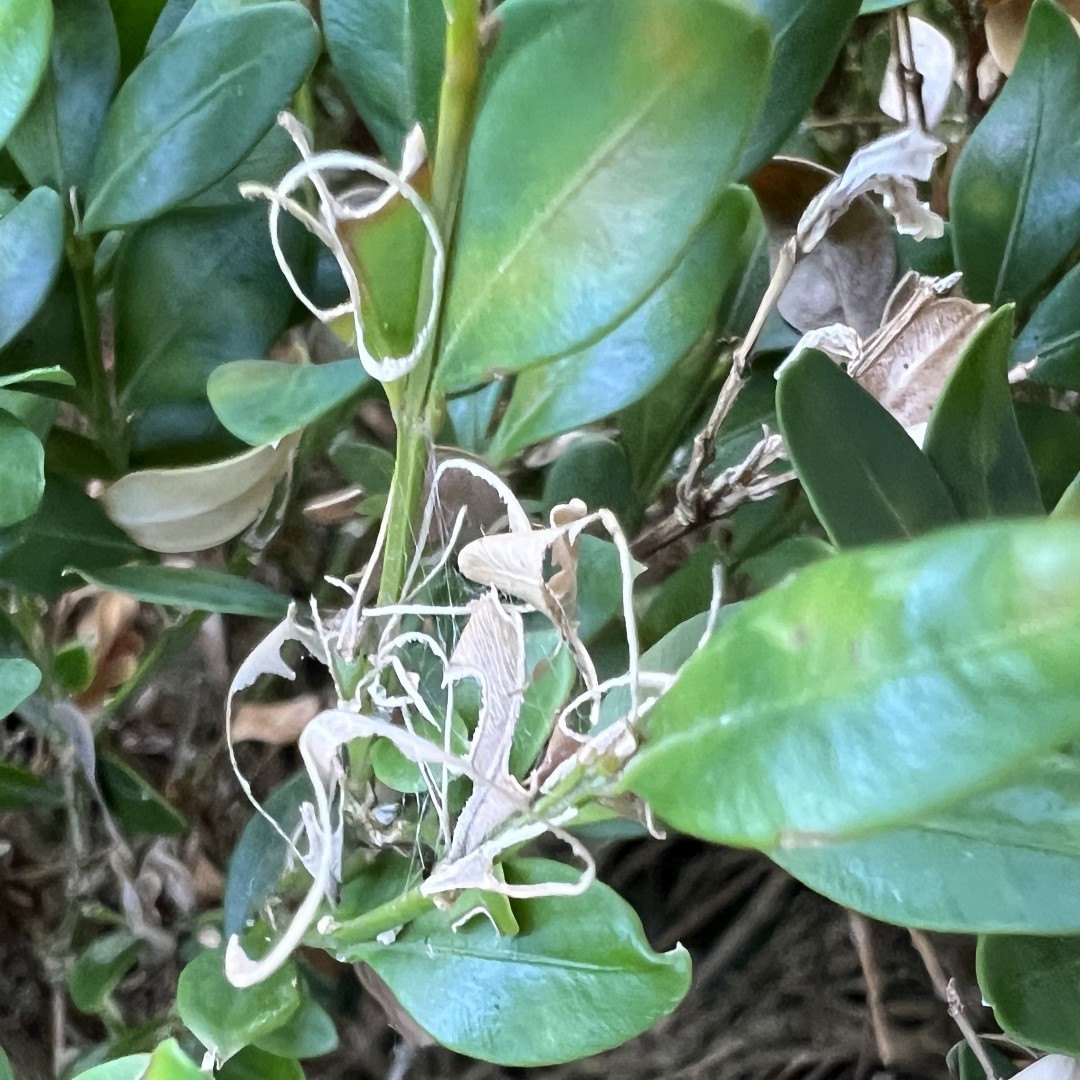
ALT Indiana DNR relies on fellow Hoosiers to protect Indiana resources. If you see any suspicious insects or damage, contact the Division of Entomology and Plant Pathology by email at DEPP@dnr.IN.gov, by calling 1-866-NO-EXOTIC, or by reporting the pest here on.IN.gov/report-pests. Remember to include your name, location, contact information and the pest you are contacting us about. Left photo: Adult box tree moth, Cydalima perspectalis. Credit: Alison Morris, Bugwood.org Middle photo: Common signs associated with box tree moth, note webbing and leaf skeletonization of boxwood leaves. Right photo: Older caterpillar exposed in its overwintering structure, called a hibernaculum.
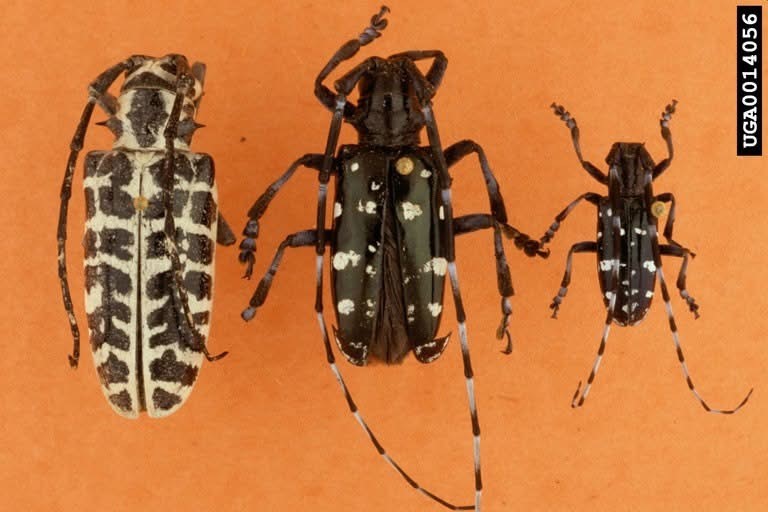
ALT From left to right, comparison of cottonwood borer (native) and ALB female, and ALB male, Gerald J. Lenhard, Louisiana State University, Bugwood.org. If you see any suspicious insects or damage, contact the DNR Division of Entomology and Plant Pathology by email at DEPP@dnr.IN.gov, by calling 1-866-NO-EXOTIC, or by reporting the pest here https://on.in.gov/report-pests. Remember to include your name, location, contact information and the pest you are contacting us about.
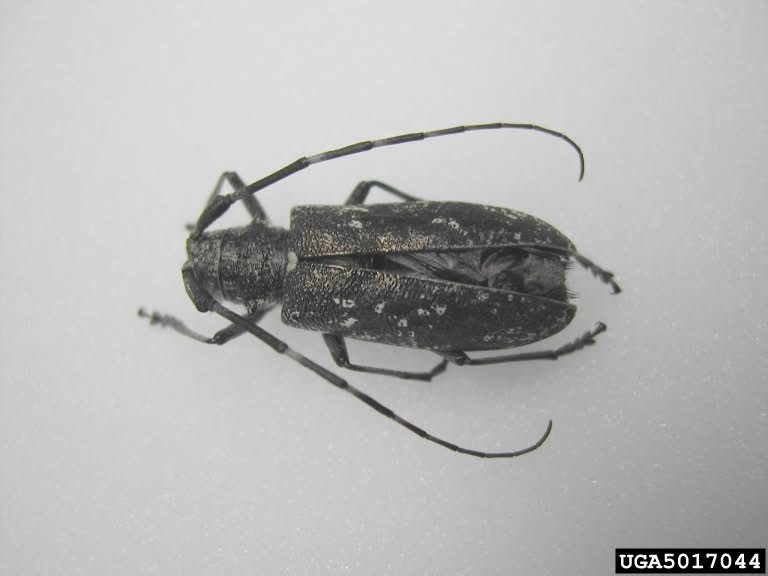
ALT Whitespotted sawyer (native) PA DCNR - Forestry, Bugwood.org If you see any suspicious insects or damage, contact the DNR Division of Entomology and Plant Pathology by email at DEPP@dnr.IN.gov, by calling 1-866-NO-EXOTIC, or by reporting the pest here https://on.in.gov/report-pests. Remember to include your name, location, contact information and the pest you are contacting us about.