
539 Photos and videos


Mar 7
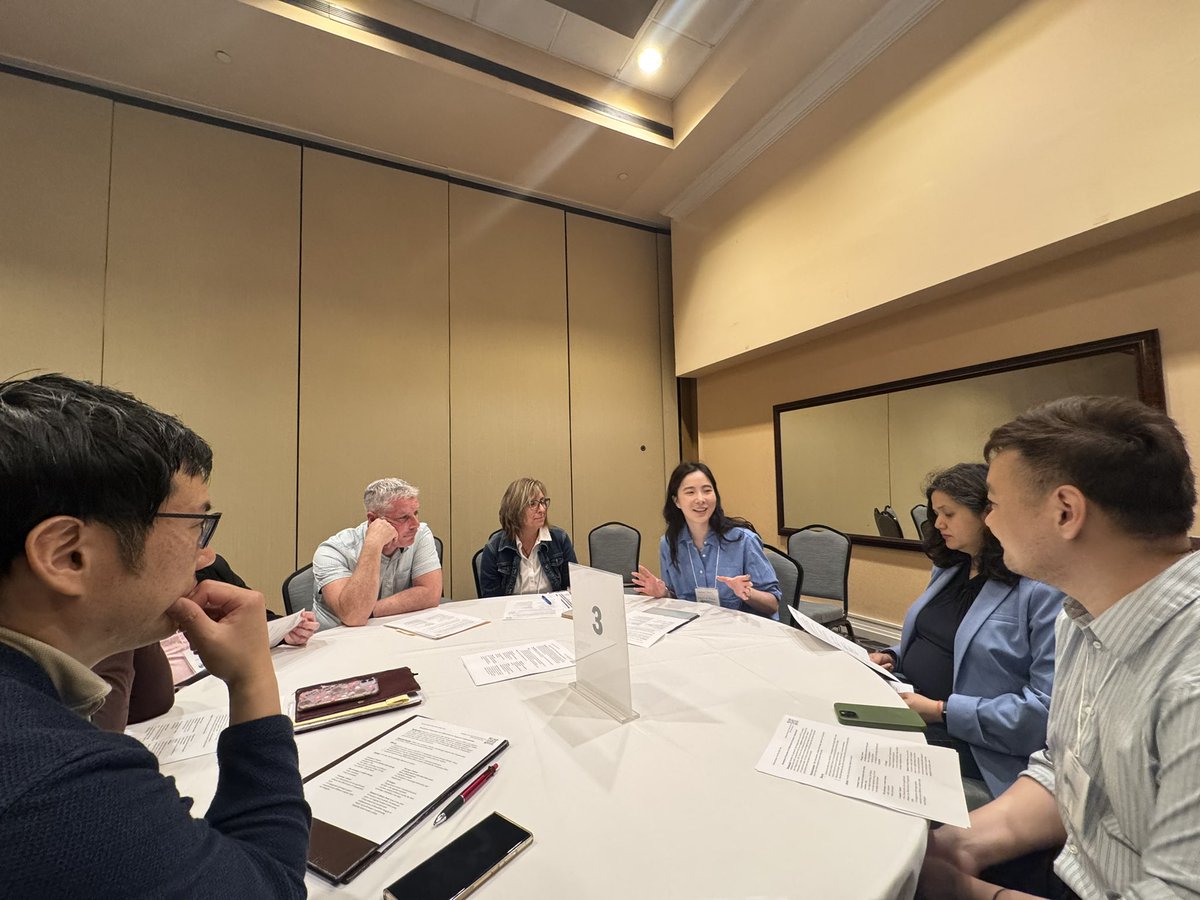
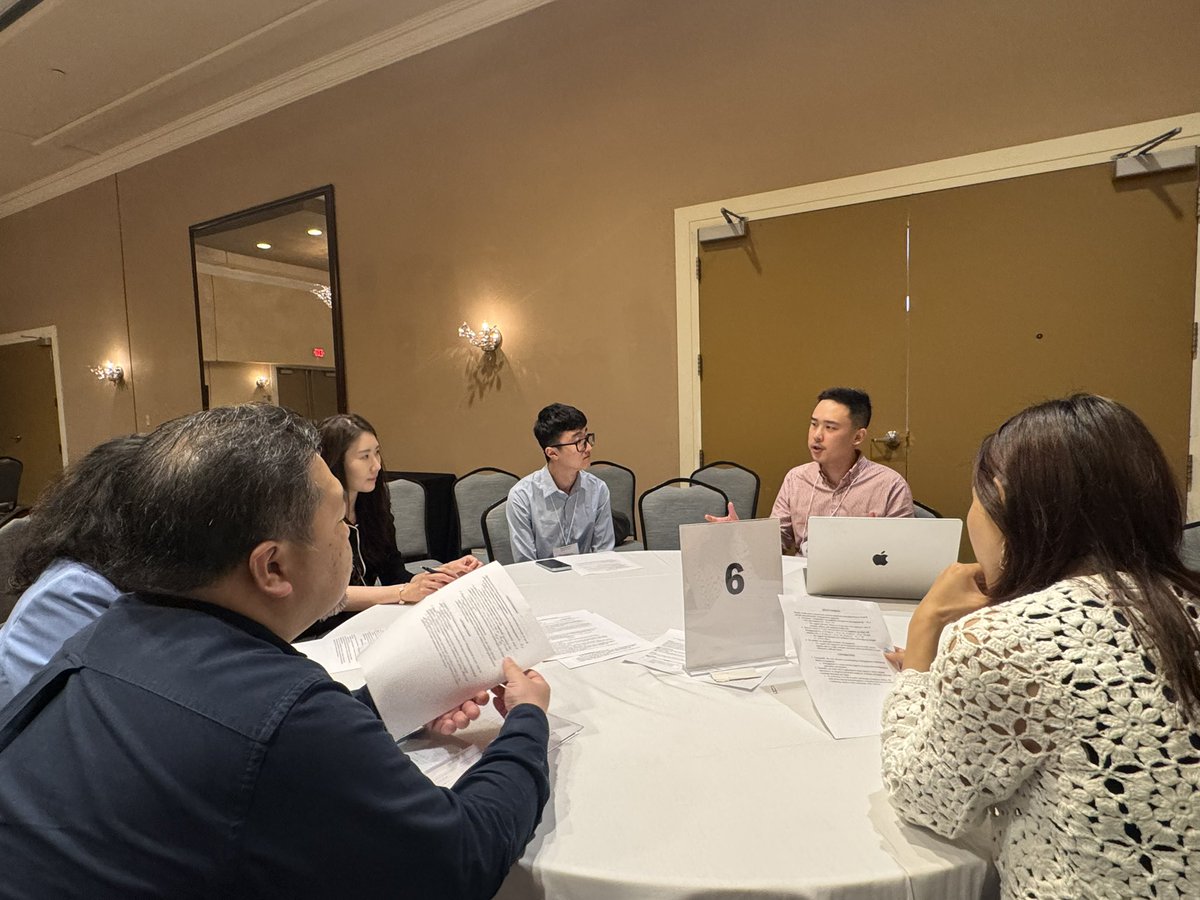
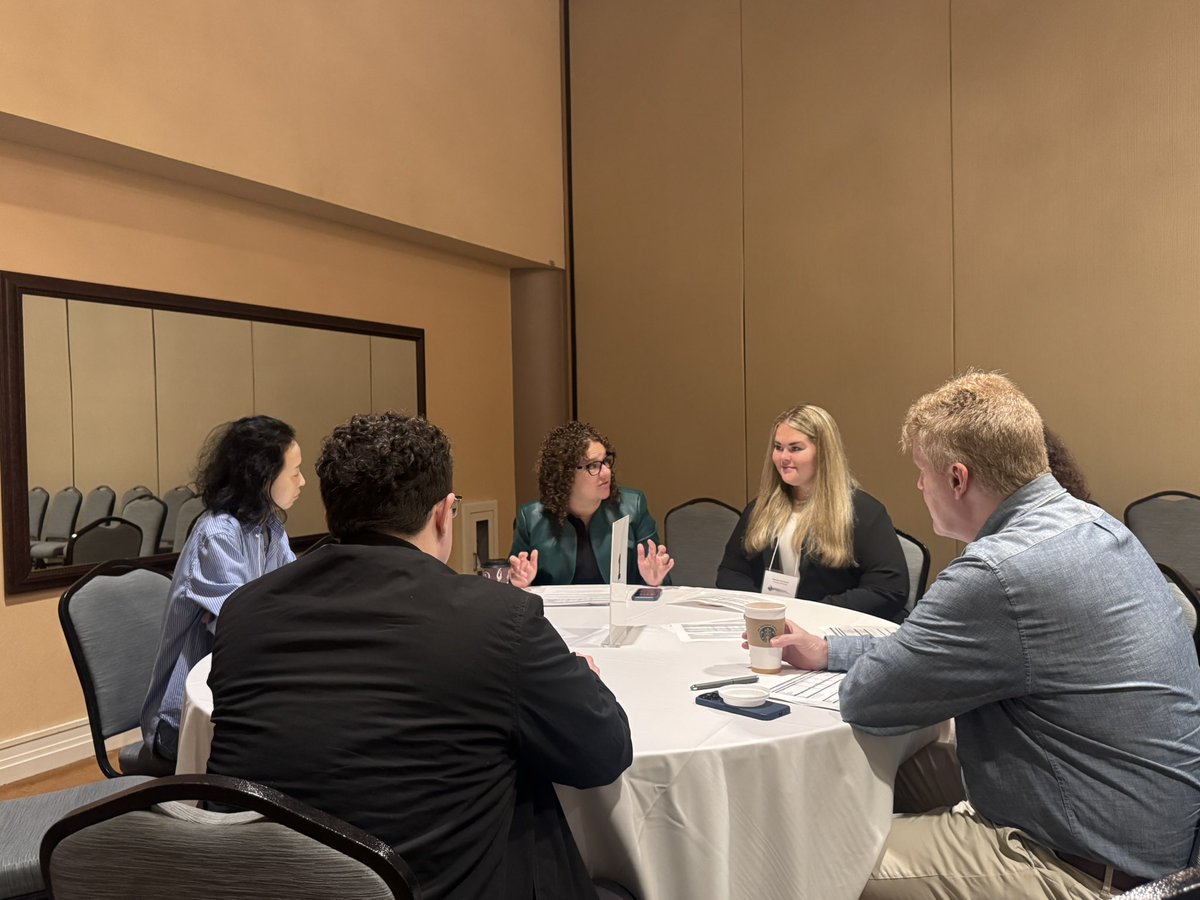
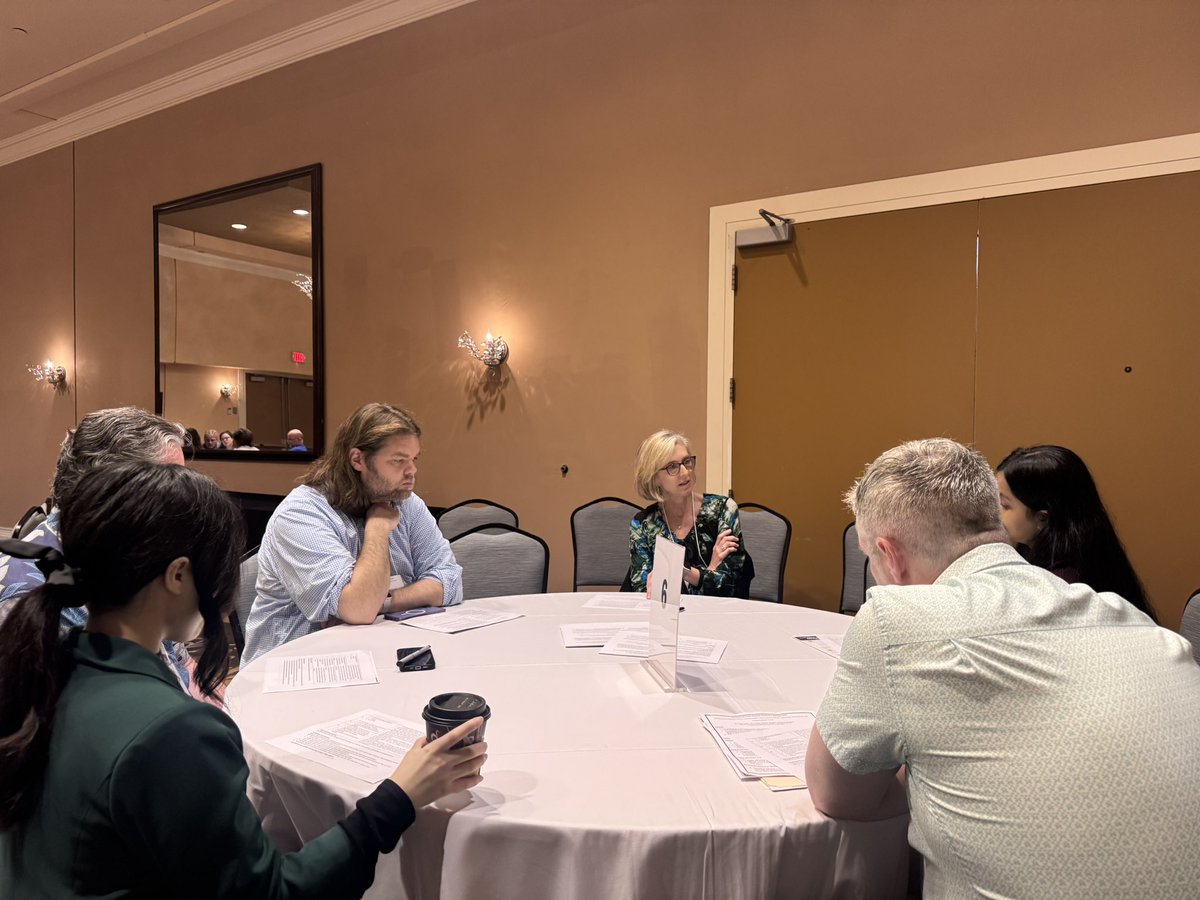
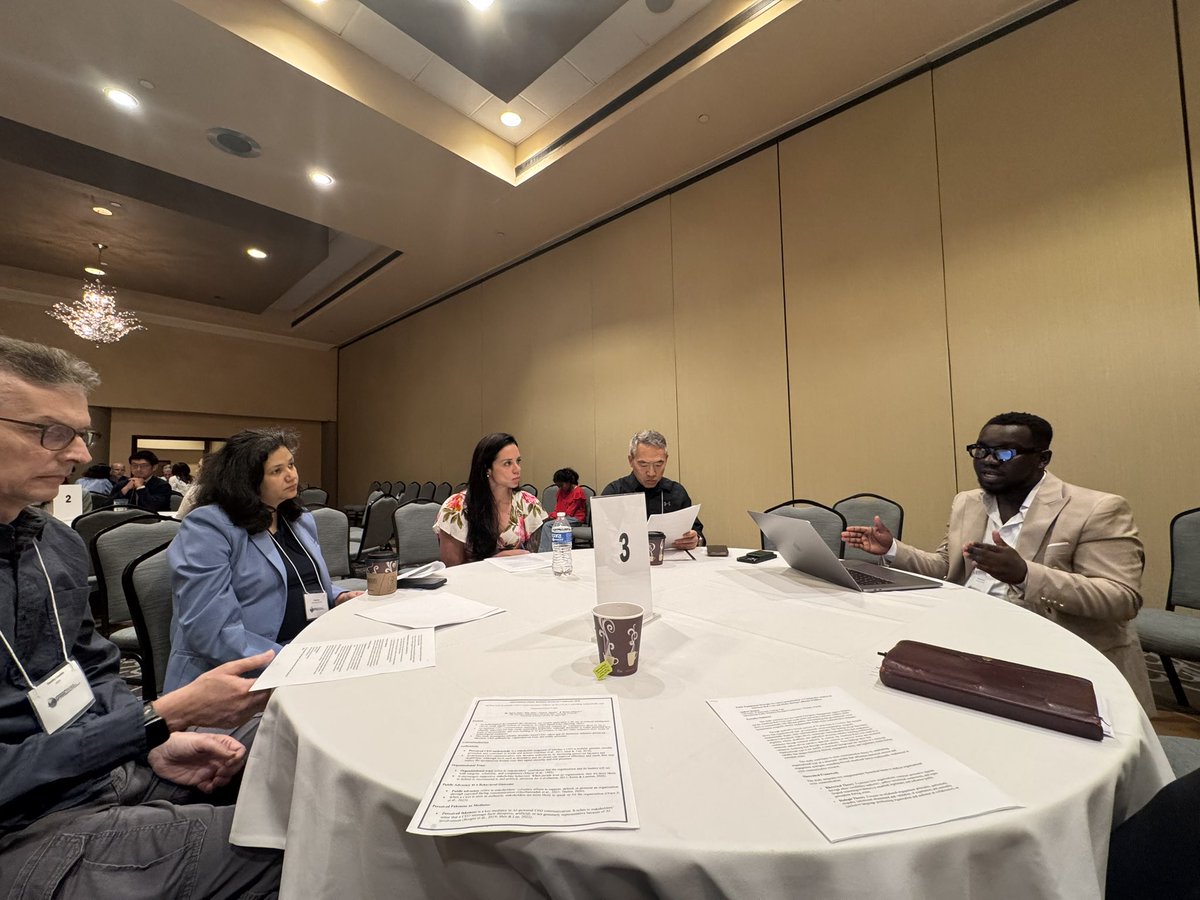
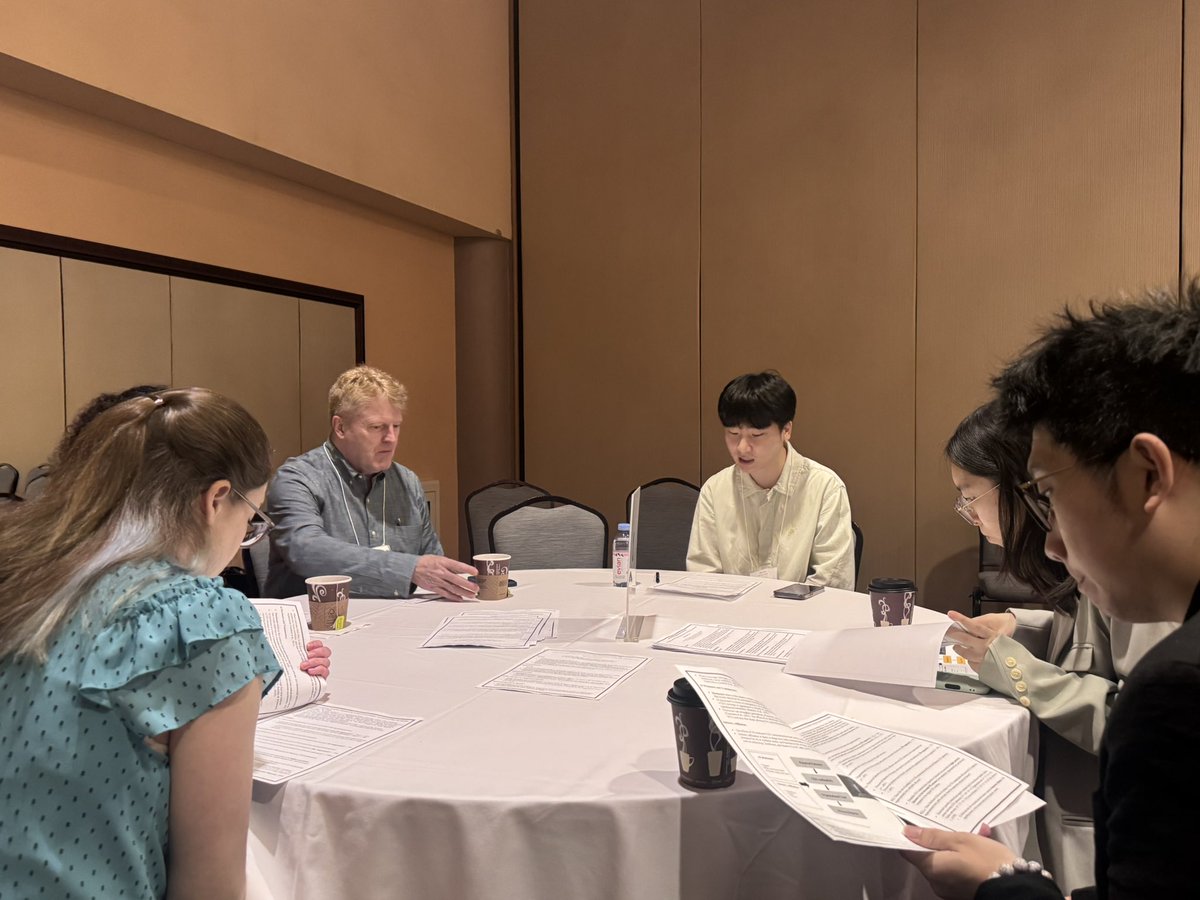
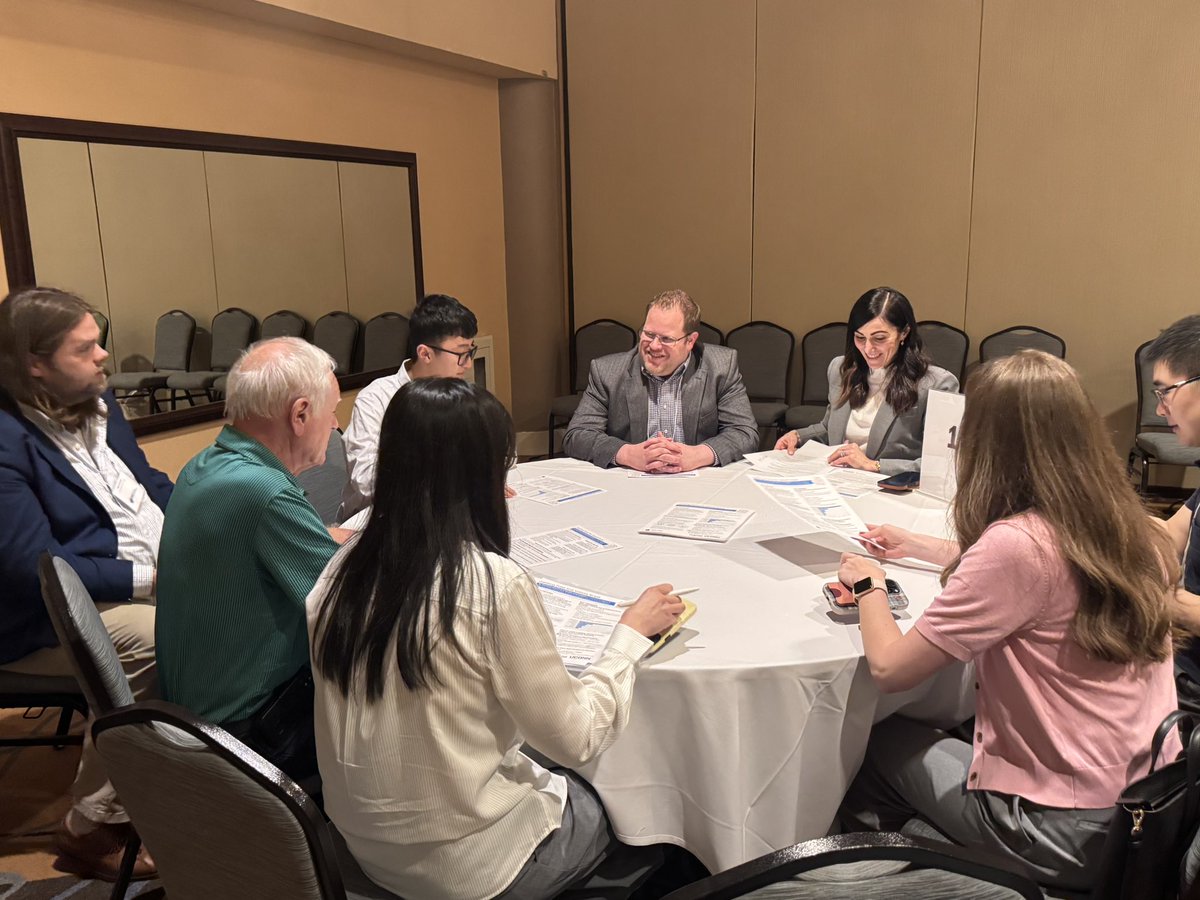
A big thank you to our sponsors for supporting. Your support helps bring this conference together each year and makes it possible for scholars and practitioners to share ideas, research, and conversations that move the field forward. We truly appreciate your partnership!
#iprrc29
2
232
Mar 7
How do AI companies talk about ethics? This study analyzes corporate communication from leading AI firms and finds that while transparency, trust, and fairness are frequently highlighted, key issues like training data practices and algorithmic bias remain largely underexplored.
1
113
Mar 7
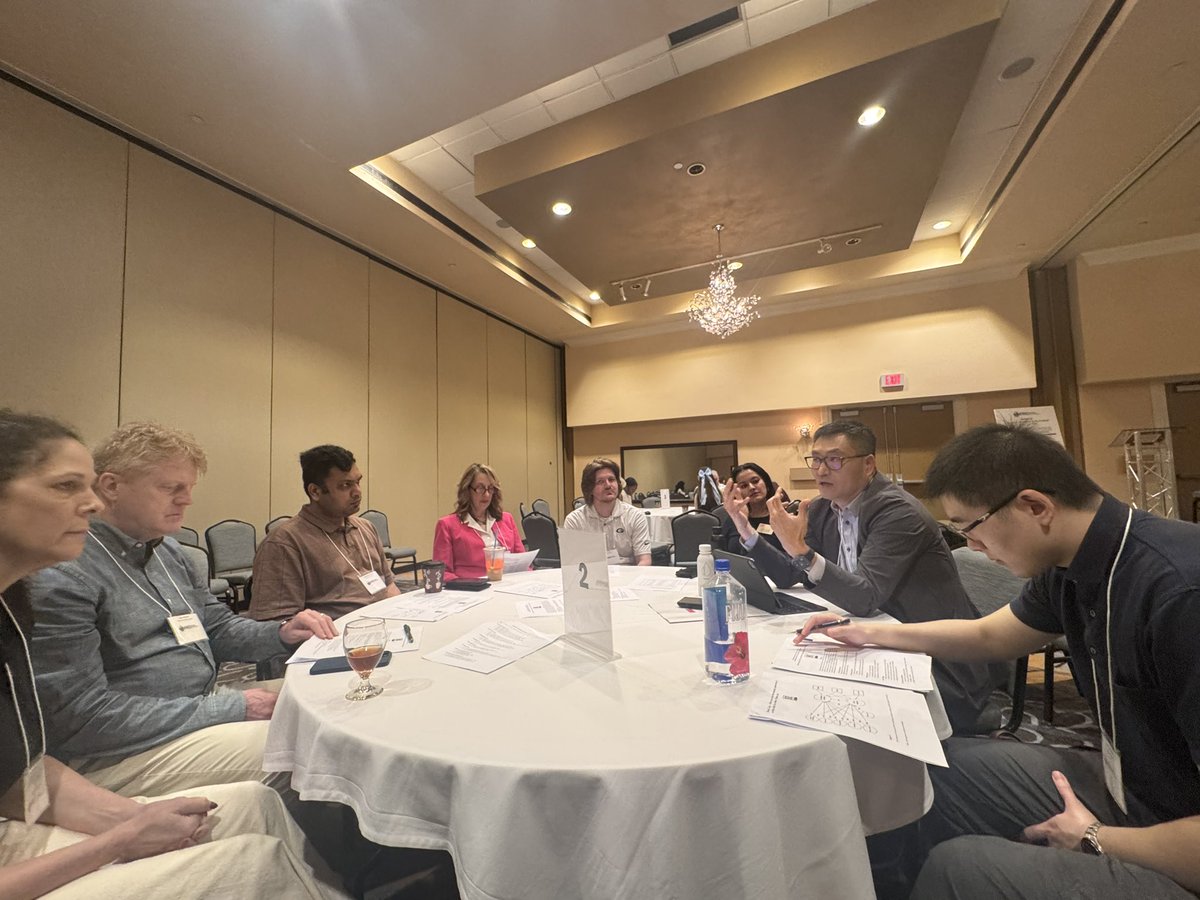
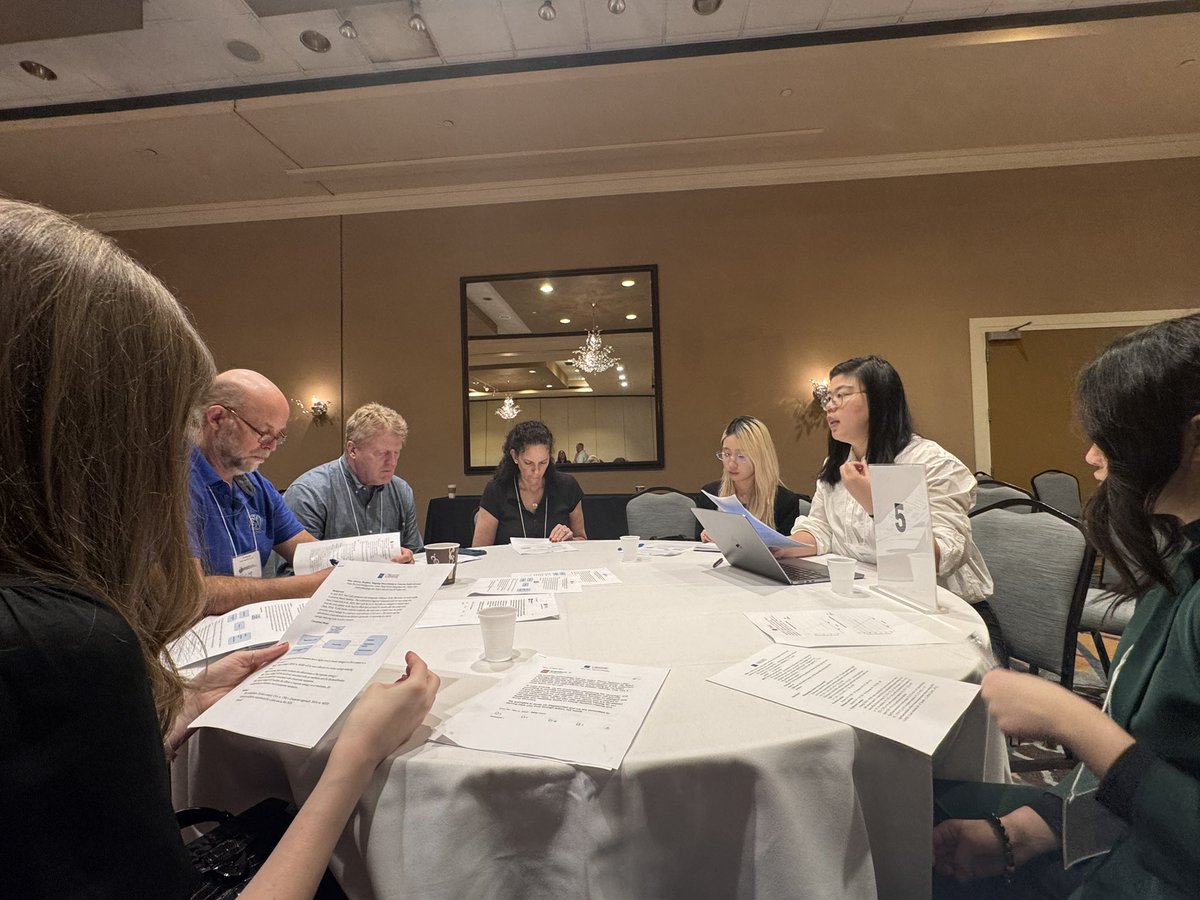
As GenAI becomes embedded in communication practice, leaders face growing ethical and reputational challenges. This research highlights the importance of transparency, governance, and human oversight in sustaining stakeholder trust. Come to Table 5 for more information. #iprrc29
108
Mar 7
Blackhat SEO may do more than manipulate rankings. This research highlights how distorted search visibility can mislead credibility judgments, blur ethical boundaries in digital PR, and gradually erode trust in luxury brands. #iprrc2026 #iprrc29
90
Mar 7
Research applying Diffusion of Innovation theory to AI use in public relations shows that compatibility with existing workflows, ease of use, and observability shape AI adoption, while perceived AI threat can reduce positive attitudes yet still increase use. Hear more at Table 2.
86
Mar 7
When corporate advocacy backfires, response strategy matters. Acknowledging harm and taking corrective action can reduce moral outrage and protect corporate reputation more than defensive responses. Join the discussion at Table 5! #iprrc29 #iprrc2026
100
Mar 7
Congratulations to Yeonsoo Kim (University of Texas at Austin), Yara Acaf (Saint Vincent College), Tianshu Du, and Jingyue Tao (University of Arkansas) for winning the Arthur W. Page Center Benchmarking Award! #iprrc2026 #iprrc29
Mar 7

How do AI-generated chatbots influence CSR communication? Findings show that dialogic competencies and a human tone of voice increase perceived humanness and relational commitment, which in turn boost trust, advocacy intentions, and positive megaphoning toward the company. #iprrc
1
214
Mar 7
How do AI-generated chatbots influence CSR communication? Findings show that dialogic competencies and a human tone of voice increase perceived humanness and relational commitment, which in turn boost trust, advocacy intentions, and positive megaphoning toward the company. #iprrc
1
260
Mar 7
Congratulations to Zhengyan Li and Dongya Wang (University of Miami) for receiving the University of Miami School of Communication Top Student Paper Award! #iprrc2026 #iprrc29
Mar 7
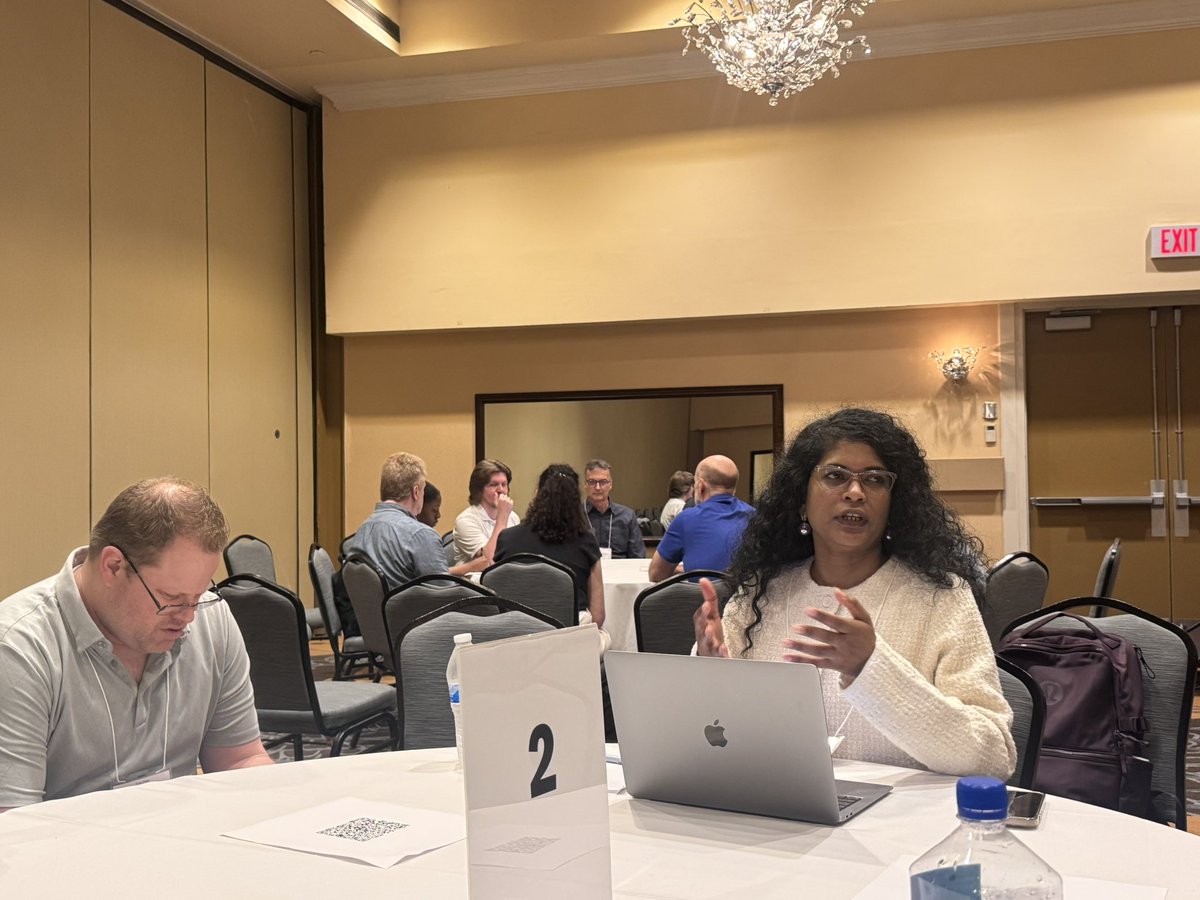
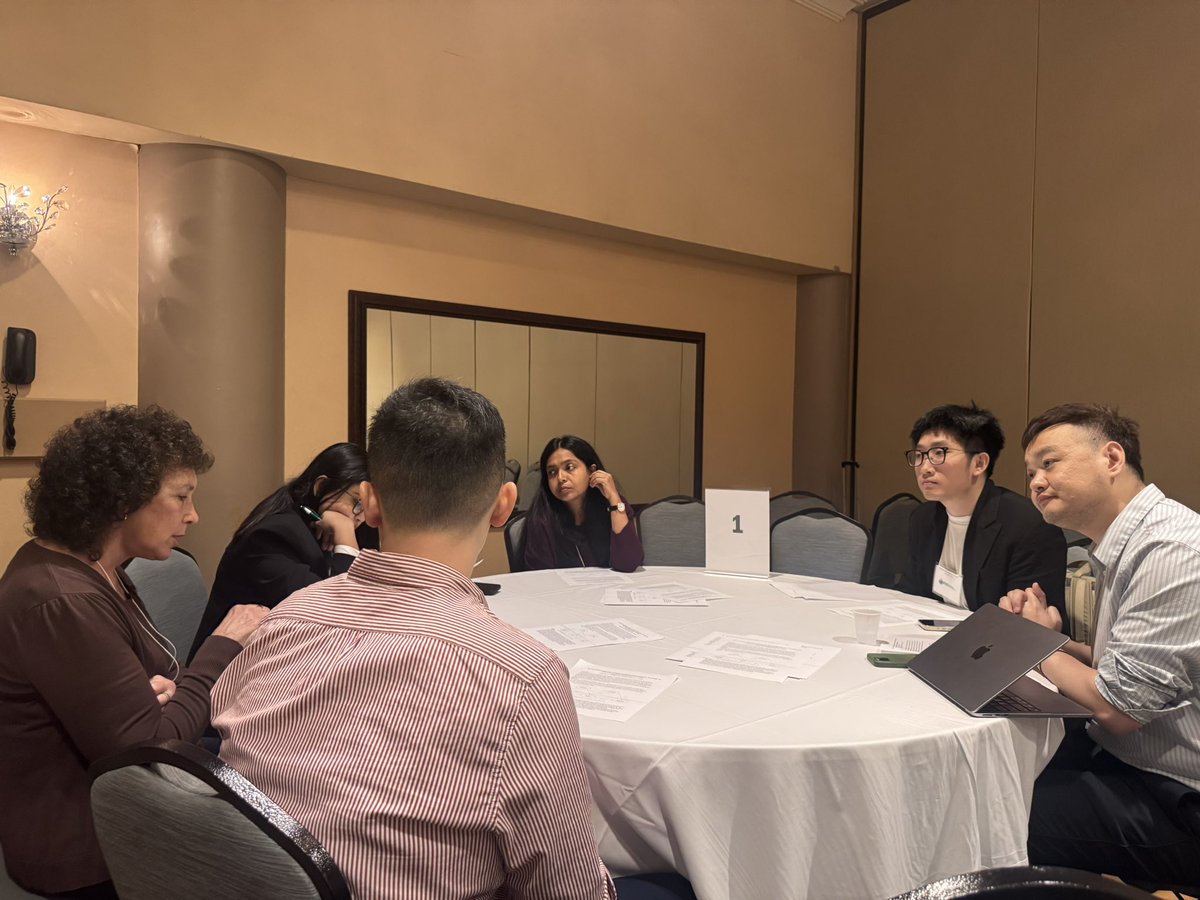
Care-oriented supervisor communication can significantly improve LGBTQ employees’ well-being by fostering a positive diversity climate and reducing perceived stigma, workplace ostracization, and emotional exhaustion. Hear more at Table 1. #iprrc29 #iprrc2026
175
Mar 7
Care-oriented supervisor communication can significantly improve LGBTQ employees’ well-being by fostering a positive diversity climate and reducing perceived stigma, workplace ostracization, and emotional exhaustion. Hear more at Table 1. #iprrc29 #iprrc2026
213
Mar 7
AI-generated corporate posts can outperform human-written ones, but the advantage is context-dependent. Learn more at Table 3! #iprrc29 #iprrc2026
1
91
Mar 7
When does AI support become harmful? A survey of PR professionals finds that while familiarity and trust in AI may reduce exhaustion, heavy dependence on AI is associated with higher disengagement and burnout. #iprrc29 #iprrc2026
1
84
Mar 7
This study challenges traditional crisis timelines by showing that platform persistence, geographic spread, and discourse cycles can extend crises beyond expected durations. Learn more at Table 1. #iprrc29 #iprrc2026
75
Mar 7
Applying crisis communication theories to the controversy surrounding Harrison Butker’s commencement speech. A case study examines responses from the NFL and key players, highlighting strategies like distancing, bolstering, and identity separation. #iprrc29 #iprrc2026
73
Mar 7
Interesting discussion on AI and PR careers: agency professionals report higher productivity with AI, but also concerns about overreliance, ethical risks, and how early-career professionals develop core skills. Hear more at Table 6.
#iprrc29 #iprrc2026
77
Mar 7
Government agencies and humanitarian nonprofits communicate crises differently. A comparative analysis of FEMA and the American Red Cross reveals contrasting rhetorical strategies and trust-building approaches. Join the discussion at Table 3!
#iprrc29 #iprrc2026
61
Mar 7
AI-powered synthetic CEO communication may backfire.
This study finds deepfake CEO videos increase perceived fakeness, lower authenticity and organizational trust, and reduce public advocacy. Even disclosure made outcomes worse. Come to Table 1. #iprrc2026 #iprrc29
92
Mar 6
What makes news content more likely to be cited by generative AI search engines? This study finds that answer-style articles, expert voices, topic-focused headlines, and human-centered visuals increase AI citation likelihood. Hear the full story at Table1! #iprrc29 #iprrc2026
4
3
226
Mar 6
Congratulations to Chuqing Dong and Kassidy Do from Michigan State University for winning the Best Paper on the 29th IPRRC Theme! @MSUComArtSci #iprrc29 #iprrc2026
Mar 6
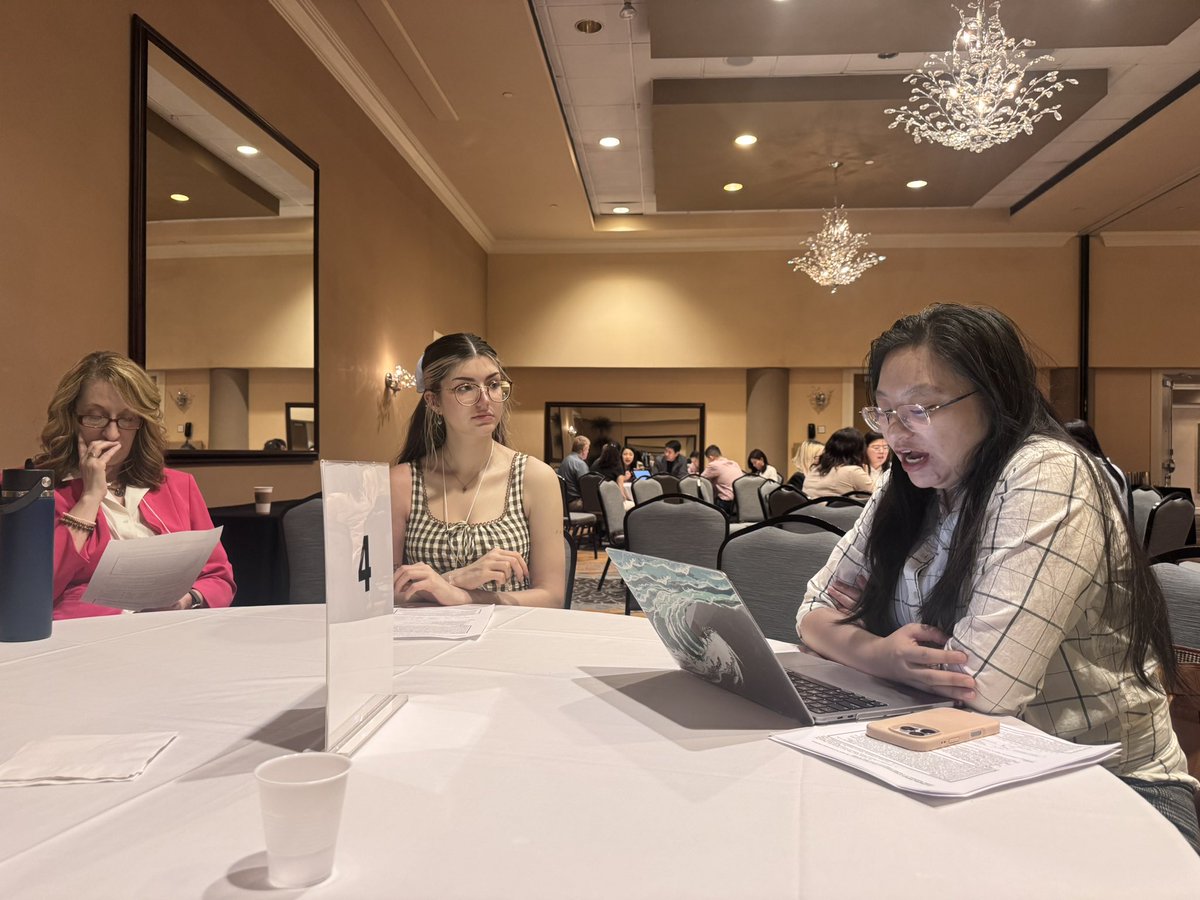
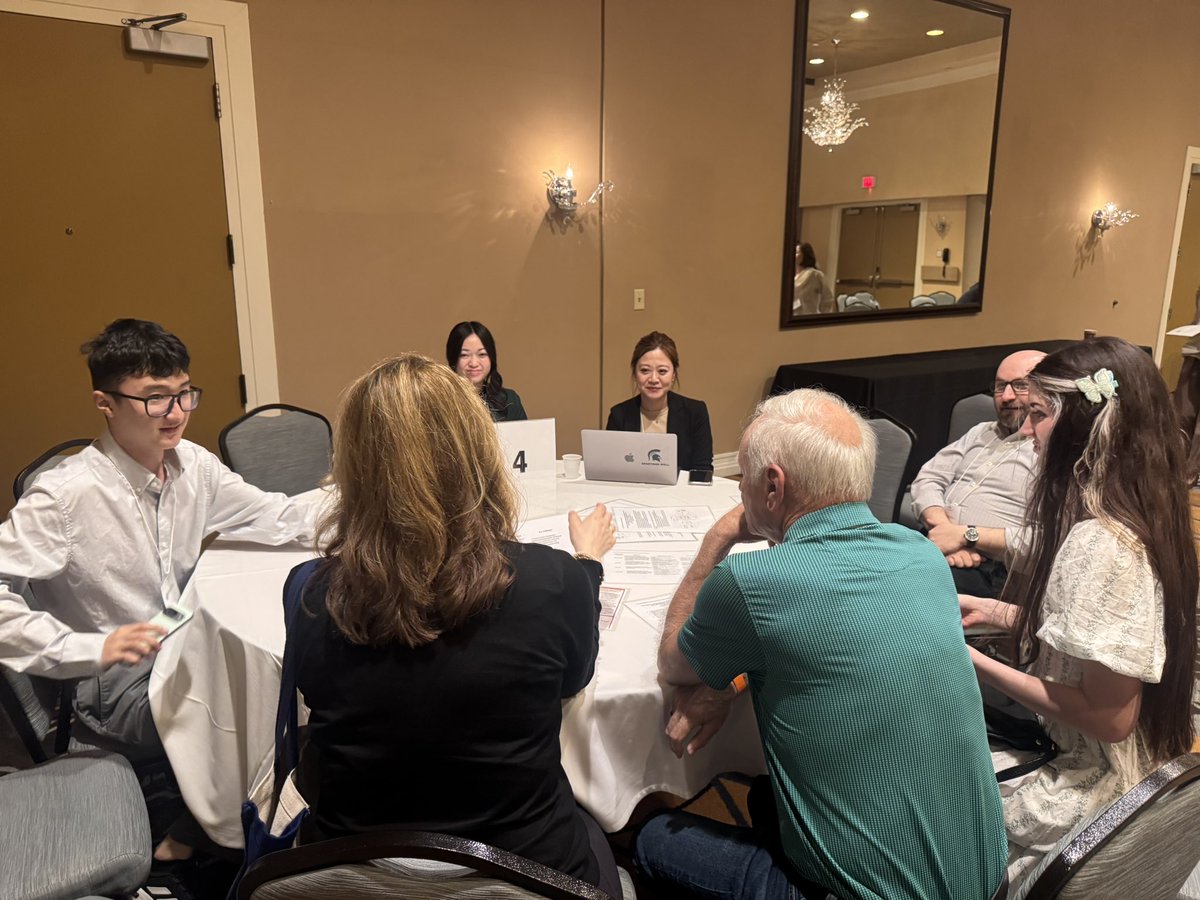
How do AAPI-serving nonprofits manage tensions across stakeholders? Interviews with nonprofit leaders reveal challenges around funding, advocacy, representation, and cross-community engagement. Join the discussion at Table 4! #iprrc29 #iprrc2026
1
1
286
Mar 6
How do AAPI-serving nonprofits manage tensions across stakeholders? Interviews with nonprofit leaders reveal challenges around funding, advocacy, representation, and cross-community engagement. Join the discussion at Table 4! #iprrc29 #iprrc2026
325