IPSS: Research to Build Peaceful African Societies. Retweets ≠ endorsements.
Joined November 2013
- Tweets 5,952
- Following 147
- Followers 13,711
- Likes 2,143
1,943 Photos and videos

🚨New Insight | June 13, 2026
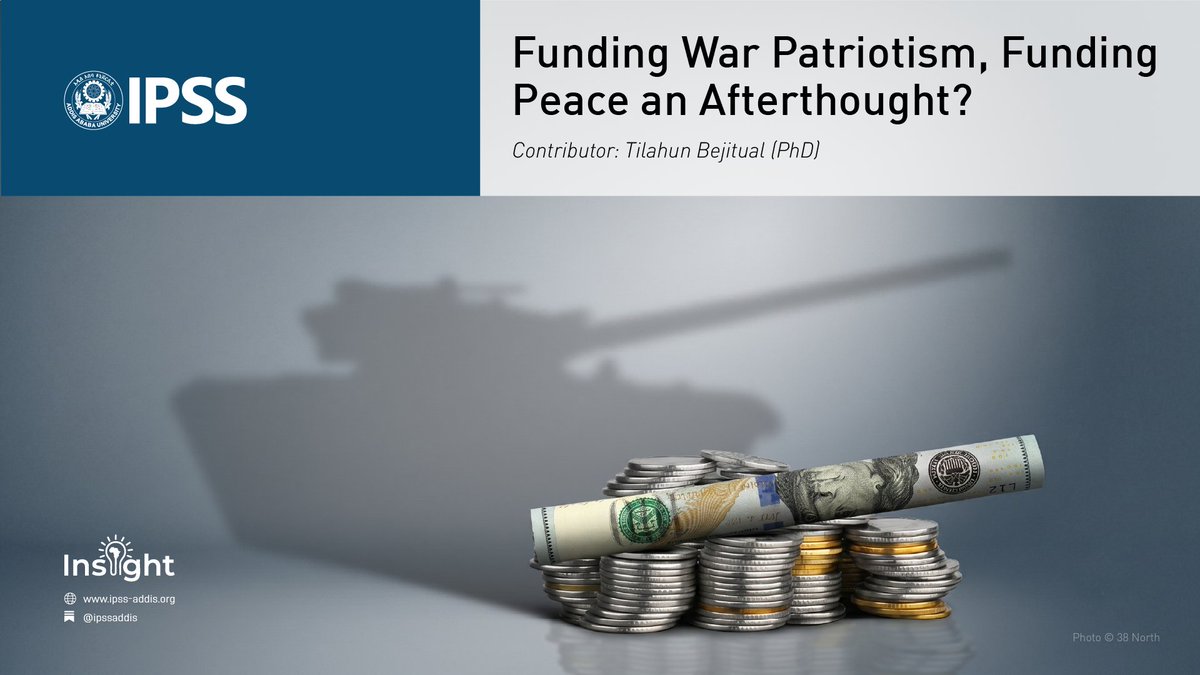
In this week’s IPSS Insight, Tilahun Bejitual (PhD), Lead Researcher at the Institute for Peace and Security Studies (IPSS), explores the critical disparity between mobilizing resources for conflict and financing sustainable peace in his insight titled, "Funding War Patriotism, Funding Peace: An Afterthought?"
In this contribution, he examines the complex shift from conflict-driven economies toward Post-Conflict Reconstruction and Development (PCRD) in Ethiopia and the wider Horn of Africa region.
Follow the link to read the full Insight 👉🔗 shorturl.at/iJA5X
1
3
7
606
🚨 New Publication
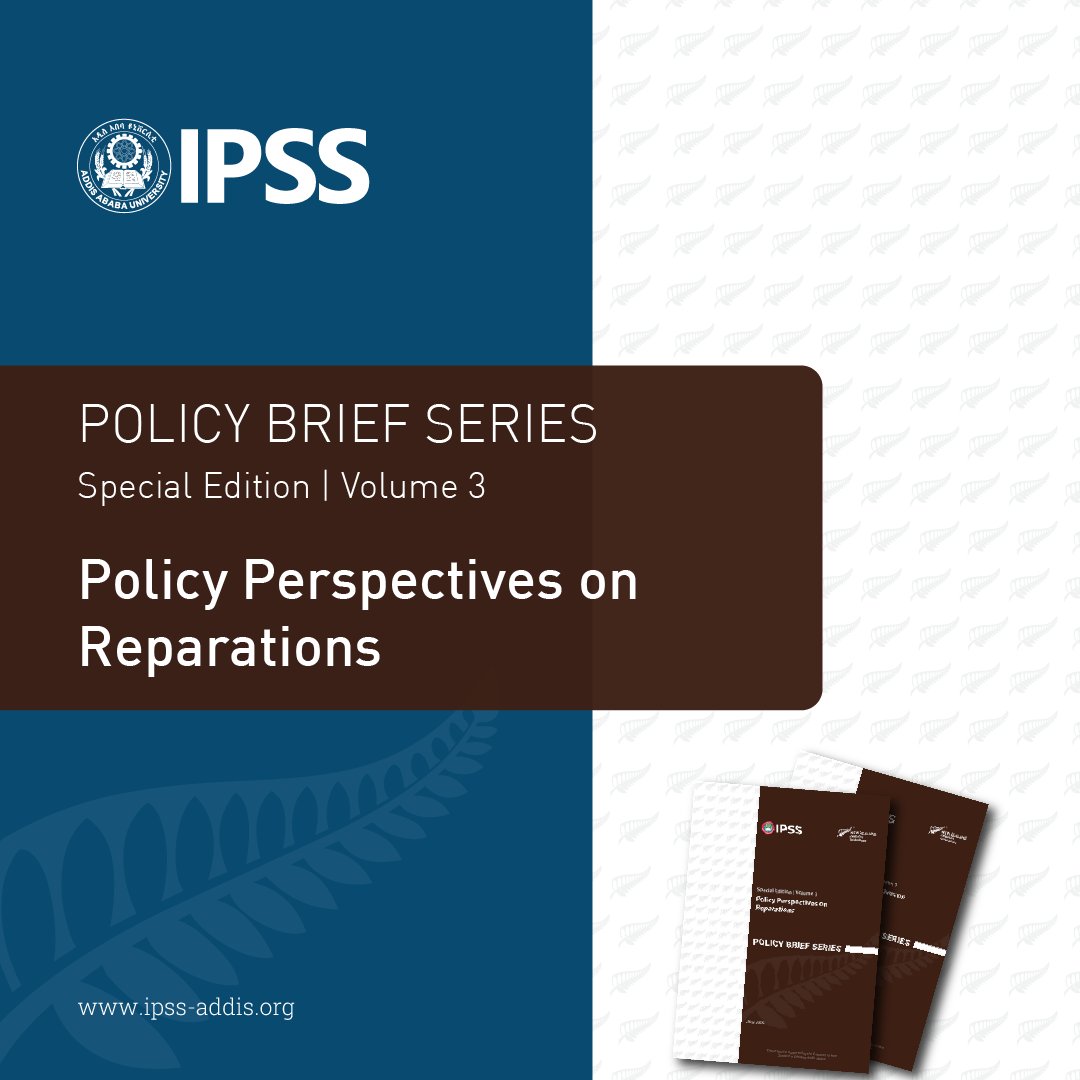
IPSS’s latest release, IPSS-NZ Policy Brief Series: Volume III, explores the structural and practical dimensions of reparations as a vital tool for transitional justice in Africa. Produced in partnership with the Embassy of New Zealand, the volume examines "Policy Perspectives on Reparations: Feasibility, Value, and Utility."
Bridging theoretical debates and actionable policy, the brief analyzes both intra-African reparations and those involving non-African actors. It provides evidence-based strategies for the AU and RECs, emphasizing that realizing successful reparations requires transparent stakeholder mapping, robust institutional frameworks, and targeted policy action.
Read or download the full volume 👉🔗 bit.ly/4e5wHbD
2
8
667
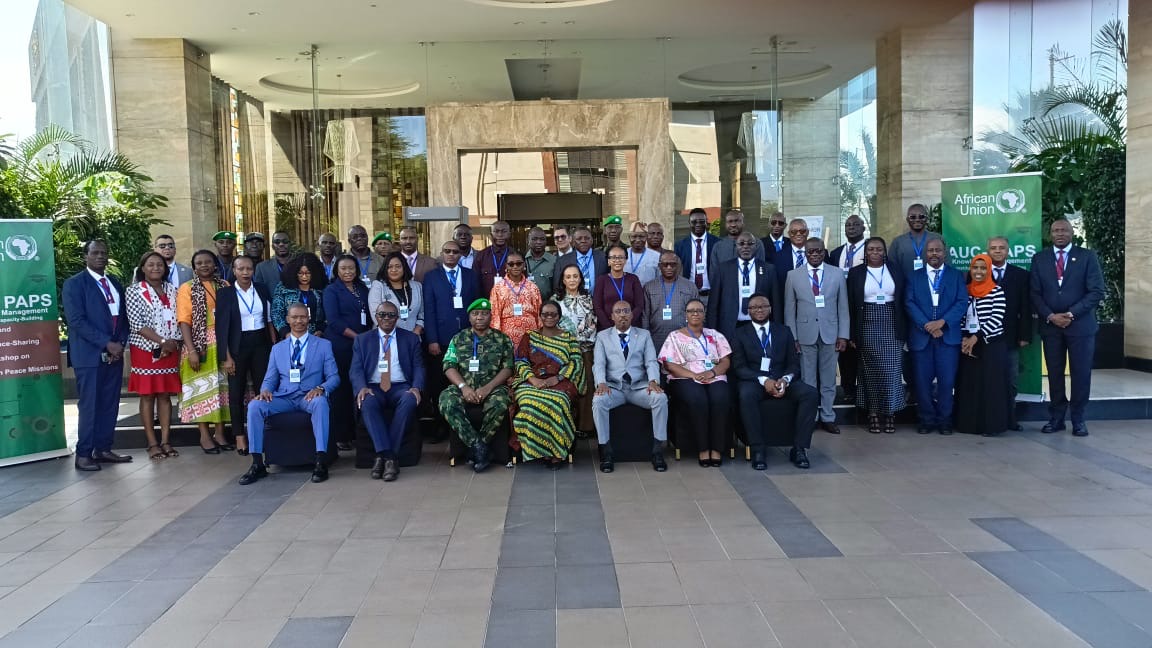
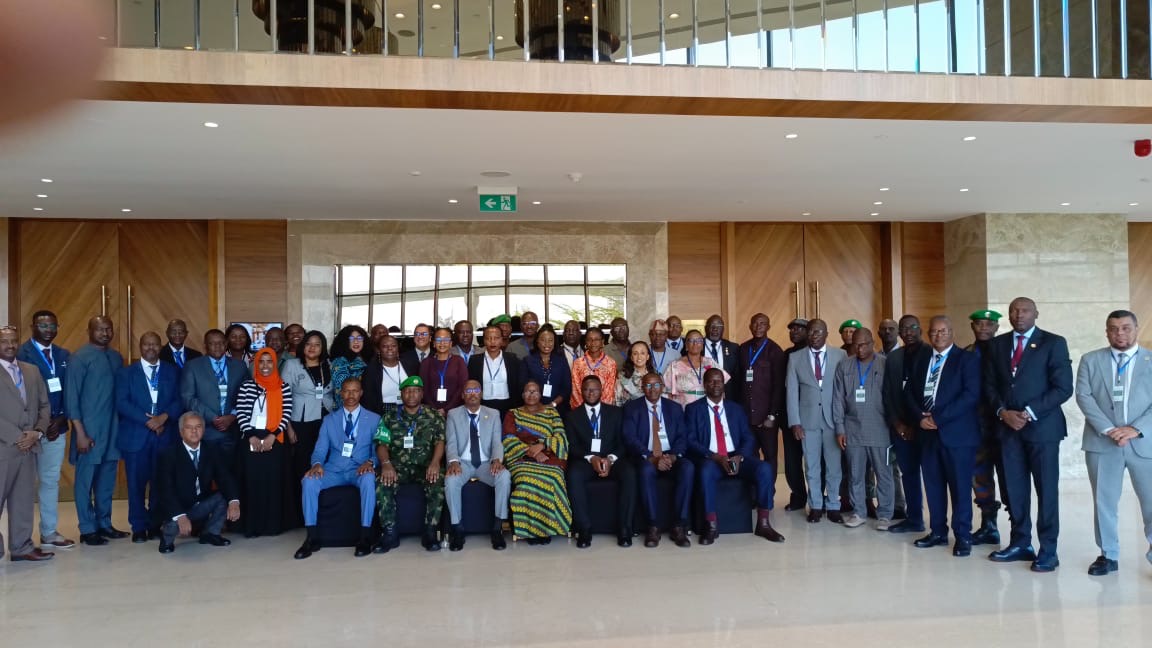
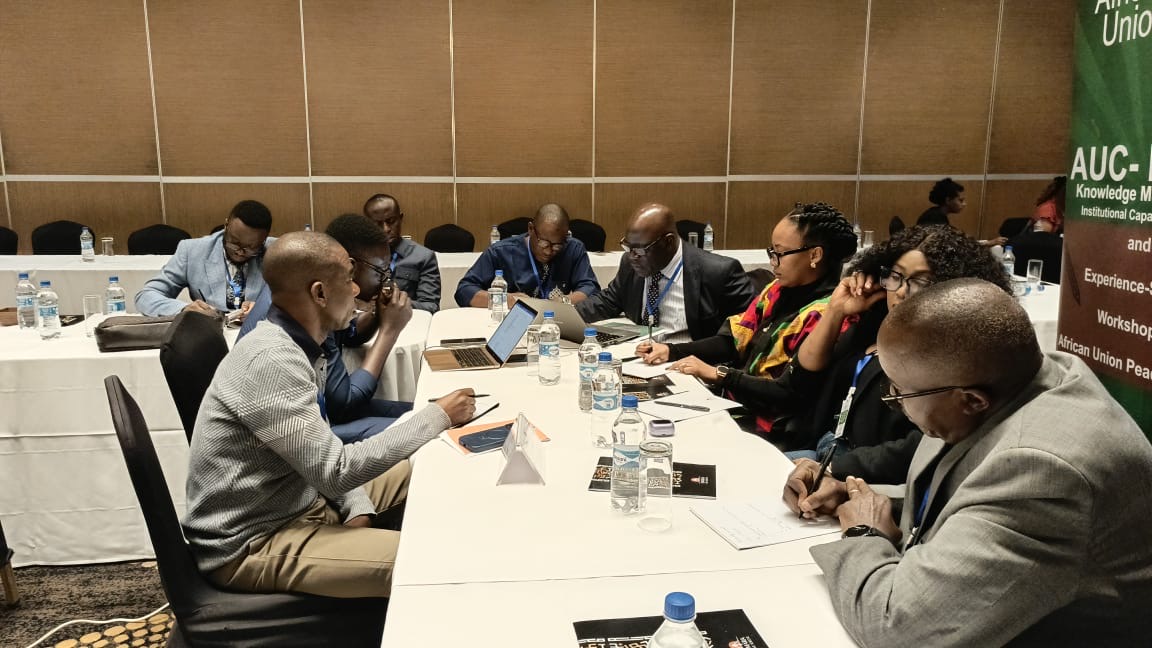
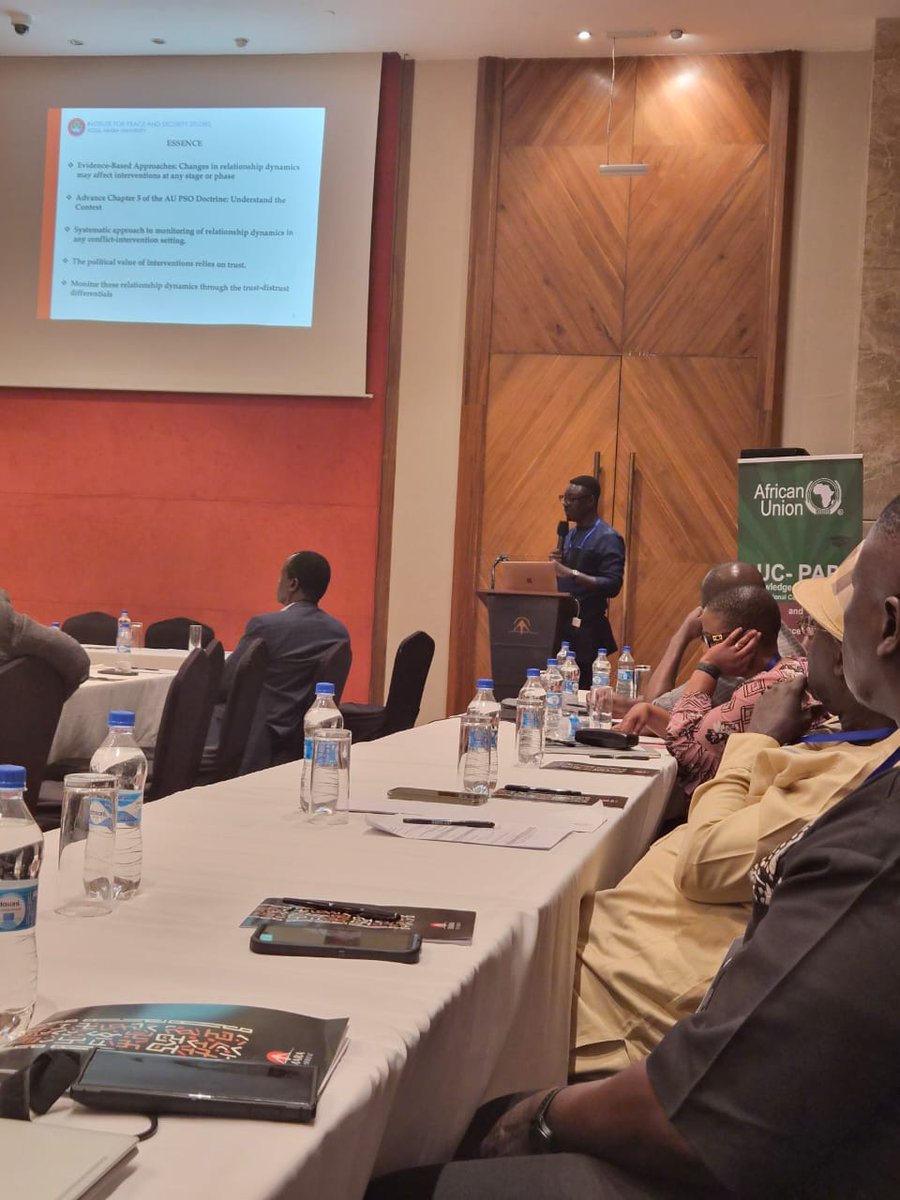
IPSS recently participated in the "African Union Knowledge Management, Institutional Capacity-Building and Experience-Sharing Exercise on African Union Peace Missions."
Supported by the African Development Bank (AfDB), this workshop convened policymakers, practitioners, and subject-matter experts to generate critical knowledge on key thematic security issues. The primary objective was to evaluate and enhance the quality and effectiveness of AU Peace Missions across strategic, policy, operational, and tactical levels.
Collaborative, evidence-based engagement like this remains essential for advancing institutional capacity and improving peace operations across the continent.
#PeaceBuilding #PolicyResearch
2
10
504
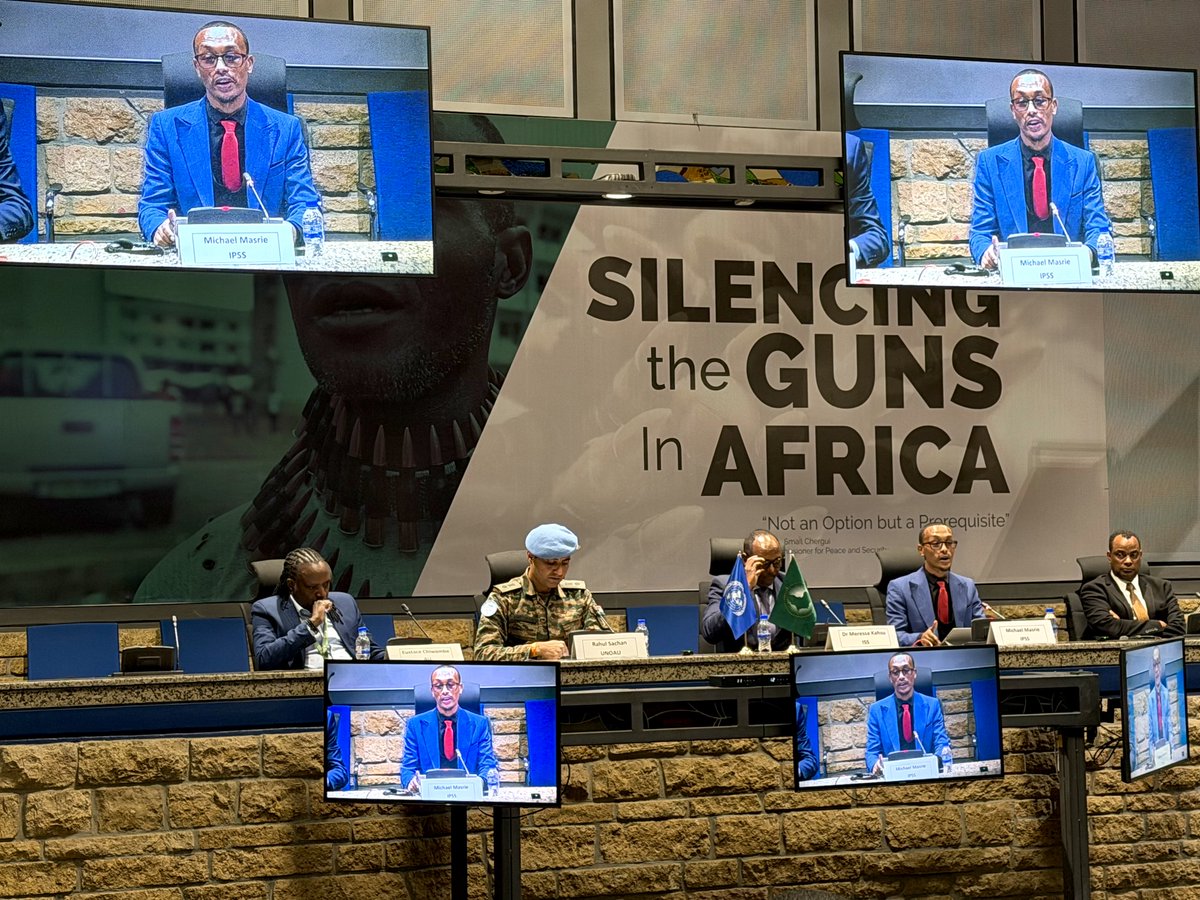
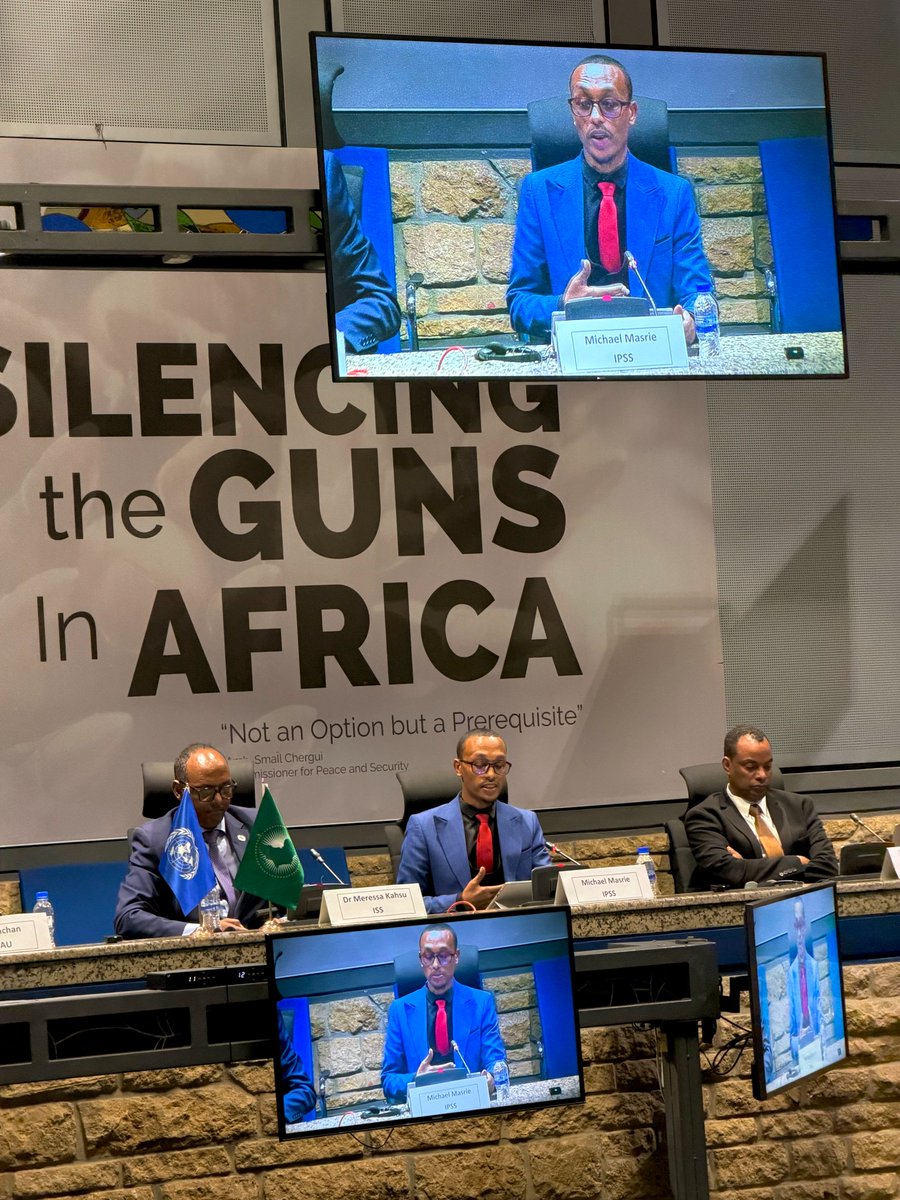
On 8 June 2026, in Addis Ababa, the United Nations Office to the African Union (@UNOAU_ ), the African Union Commission (AUC), the Institute for Peace and Security Studies (IPSS), and the Institute for Security Studies (@issafrica) jointly commemorated the International Day of United Nations Peacekeepers under the theme "Invest in Peace."
The event paid tribute to the dedication, professionalism, and sacrifice of UN and @_AfricanUnion peacekeepers, while reaffirming the importance of peace operations as vital instruments for preventing conflict, protecting civilians, supporting political solutions, and advancing sustainable peace.
#InternationalDayOfUNPeacekeepers #InvestInPeace #Peacekeeping
3
5
419
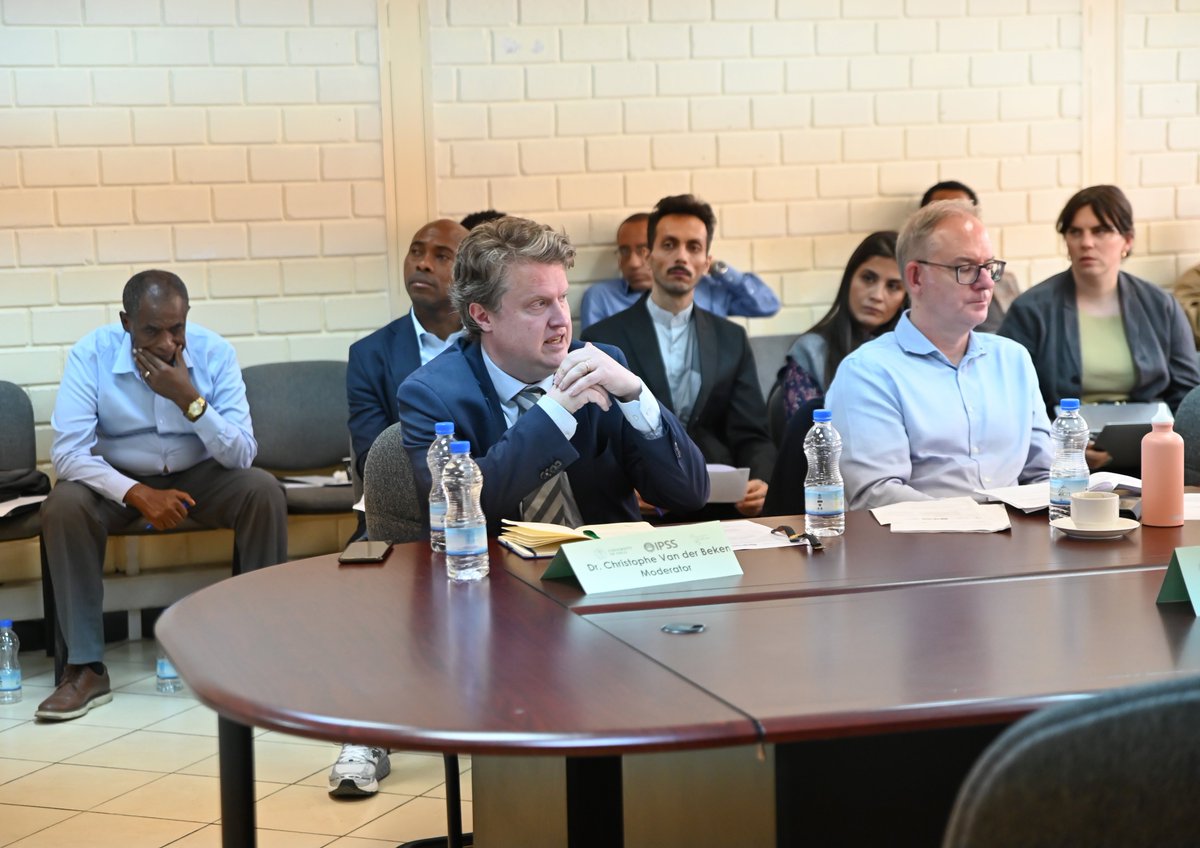
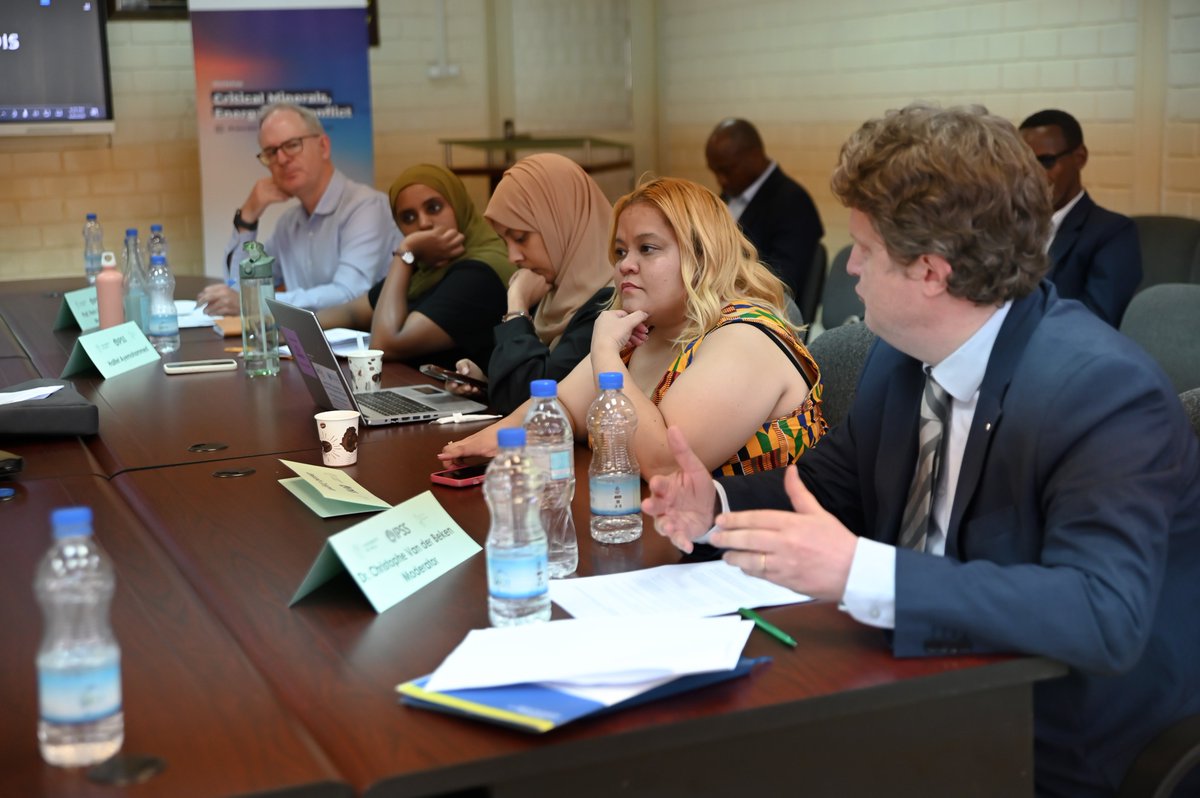
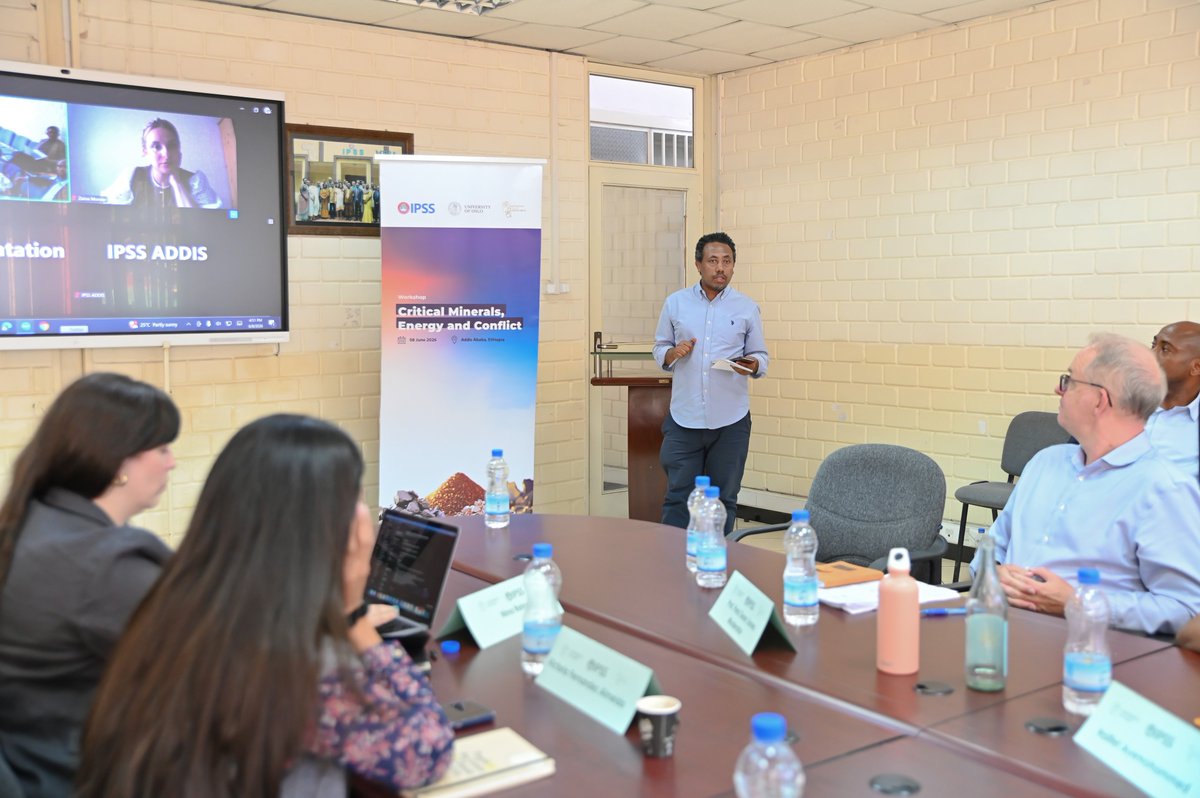
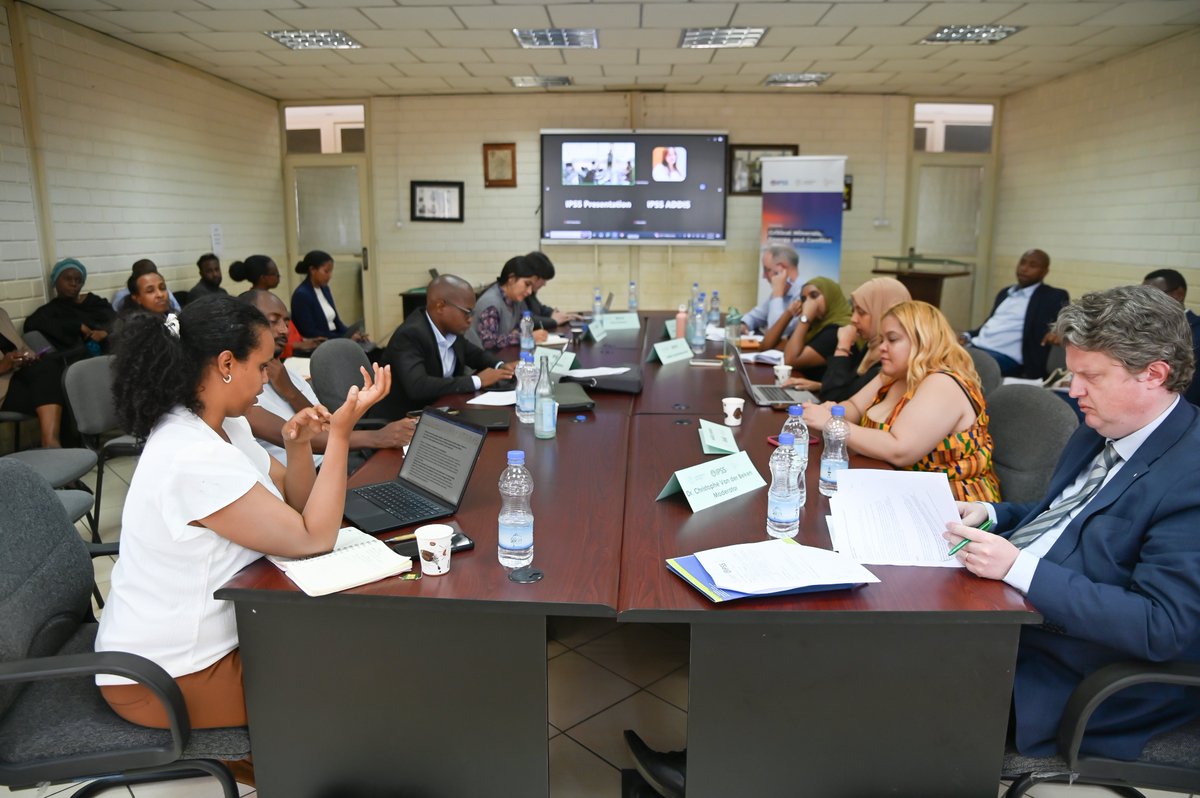
The workshop, “Critical Minerals, Energy and Conflict,” concluded with a debate among discussants. Dalaya Ashenafi and Dr. Christophe Van der Beken, moderated by Prof. Peris Sean Jones reflected on the papers presented and the discussions held throughout the workshop.
The workshop concluded with closing remarks from Dr. Tilahun Bejtual of the Institute for Peace and Security Studies, who commended the quality of the papers presented. Dr. Tilahun further thanked partners for their collaboration, which encouraged interdisciplinary and intercontinental research.
1
3
379
Happening Now: “Critical Minerals, Energy and Conflict”
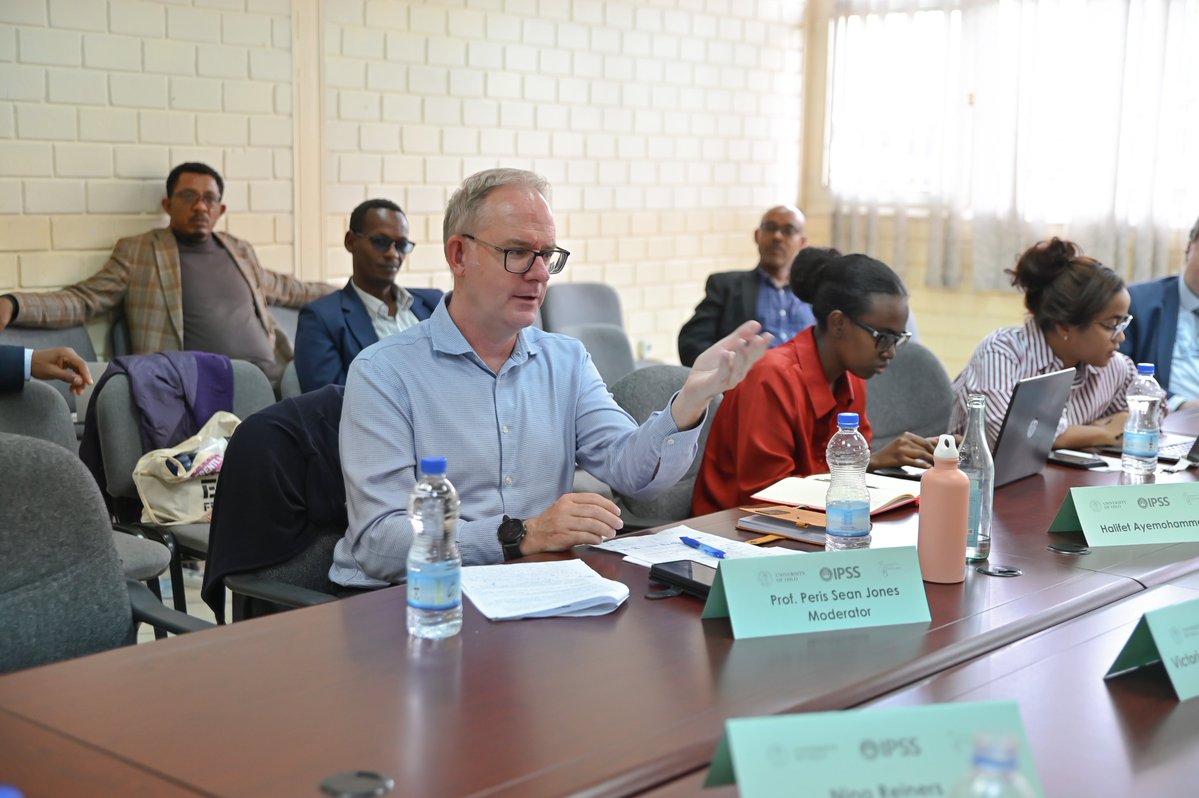
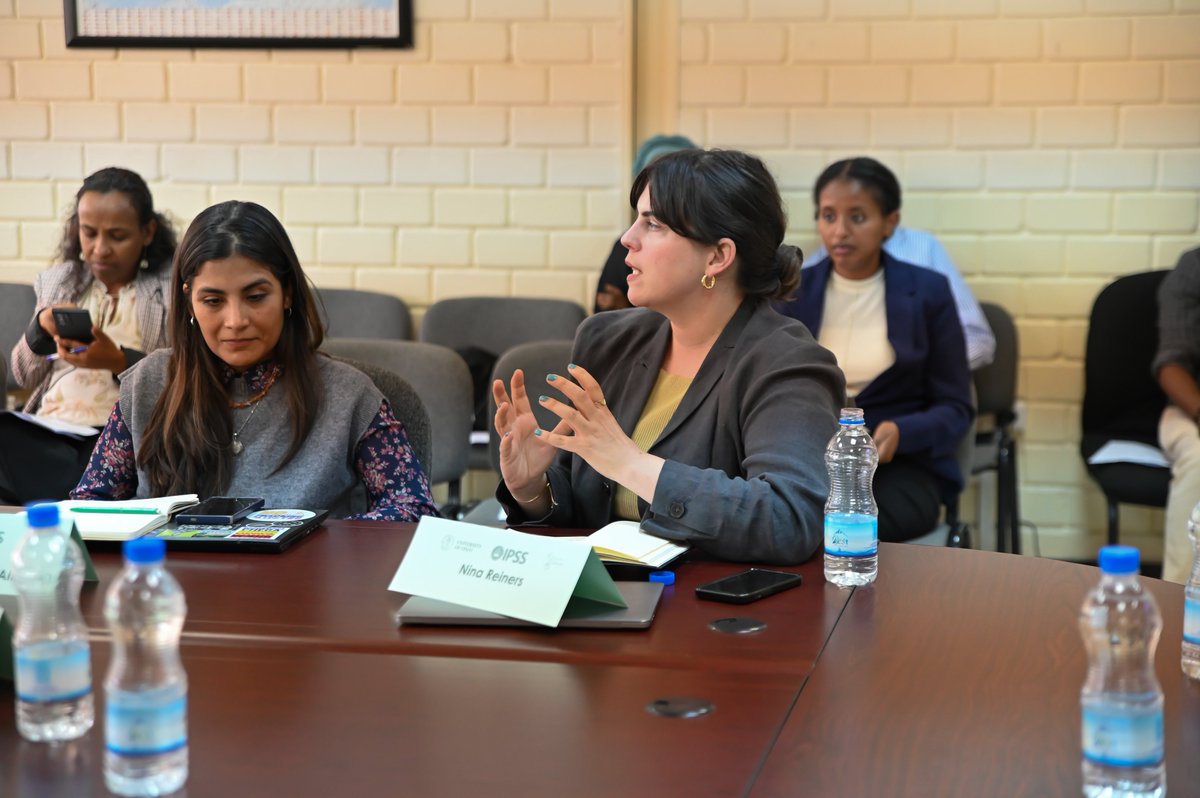
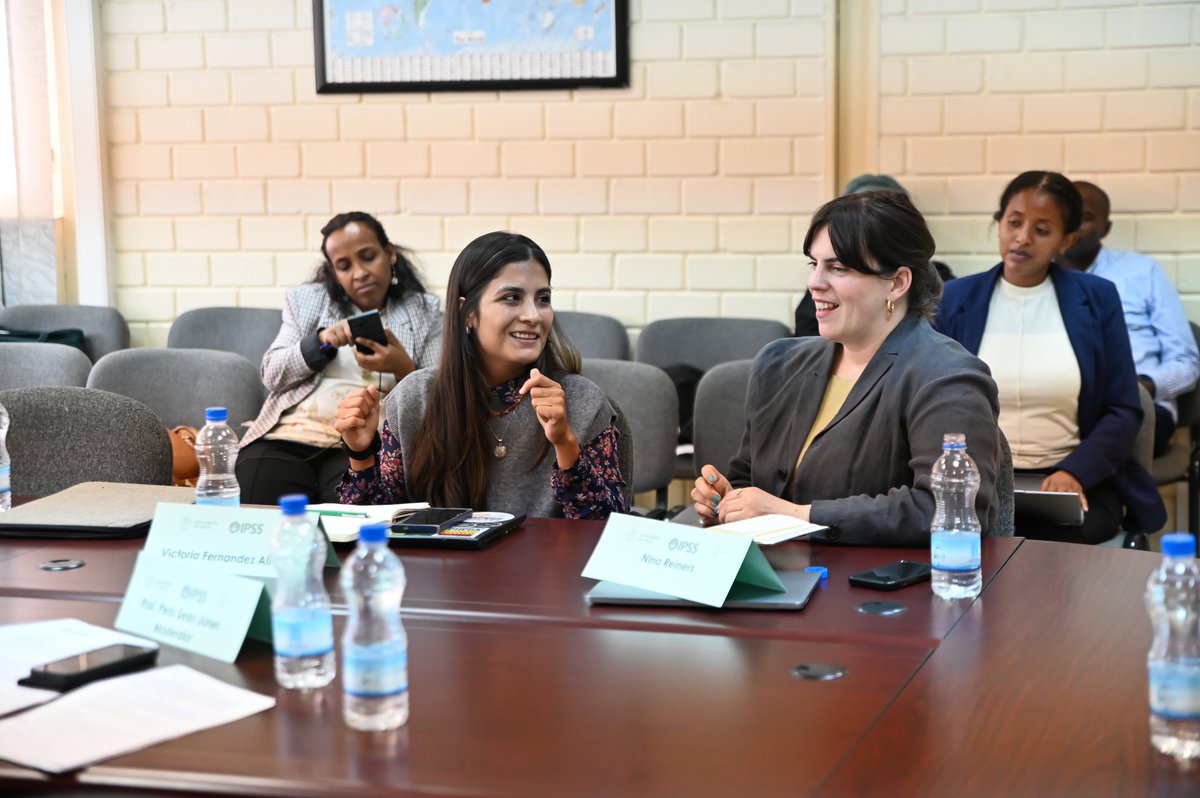
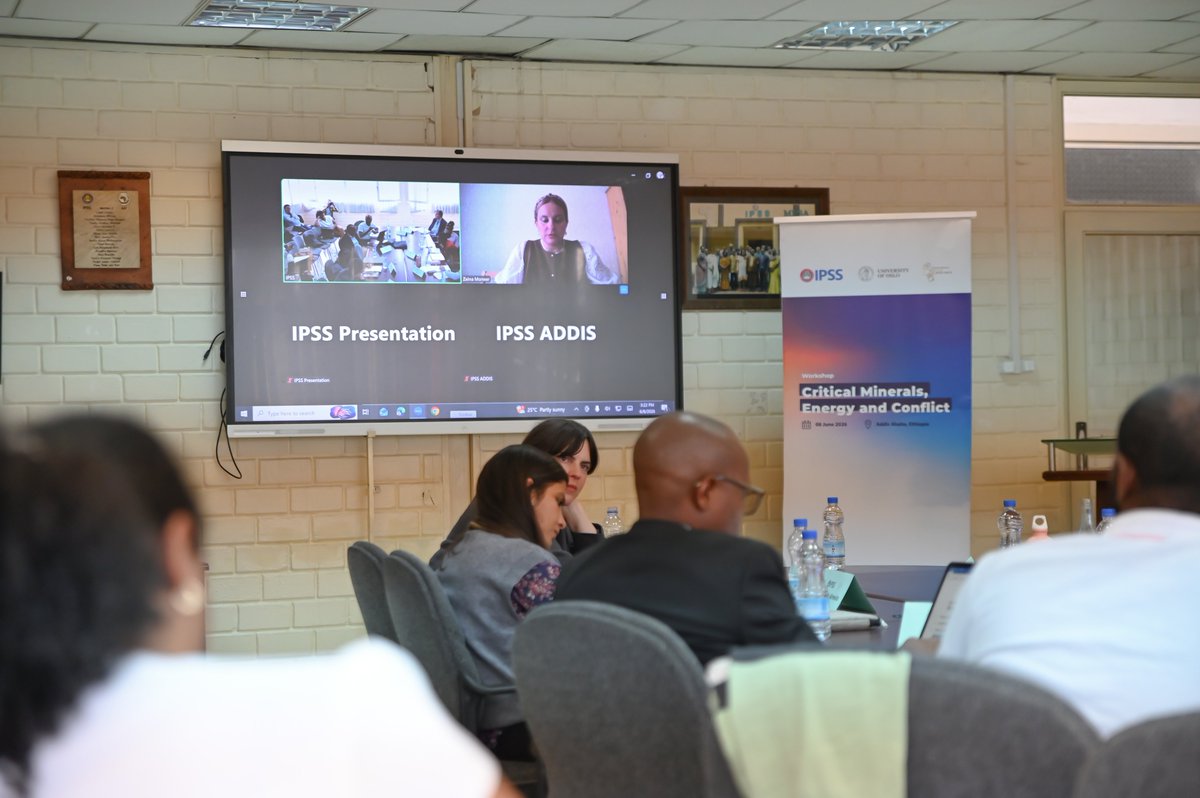
Moderated by Prof. Peris Sean Jones, the third and final panel of the workshop featured Nina Reiners, Victoria Fernandez Almeida, and Dr. Zeina Moneer. The panelists discussed green governance, the extraction of critical minerals in Argentina, and experiences from the Democratic Republic of the Congo regarding the International Tin Supply Chain Initiative, respectively, followed by reflections from participants.
1
6
364
Institute for Peace and Security Studies retweeted

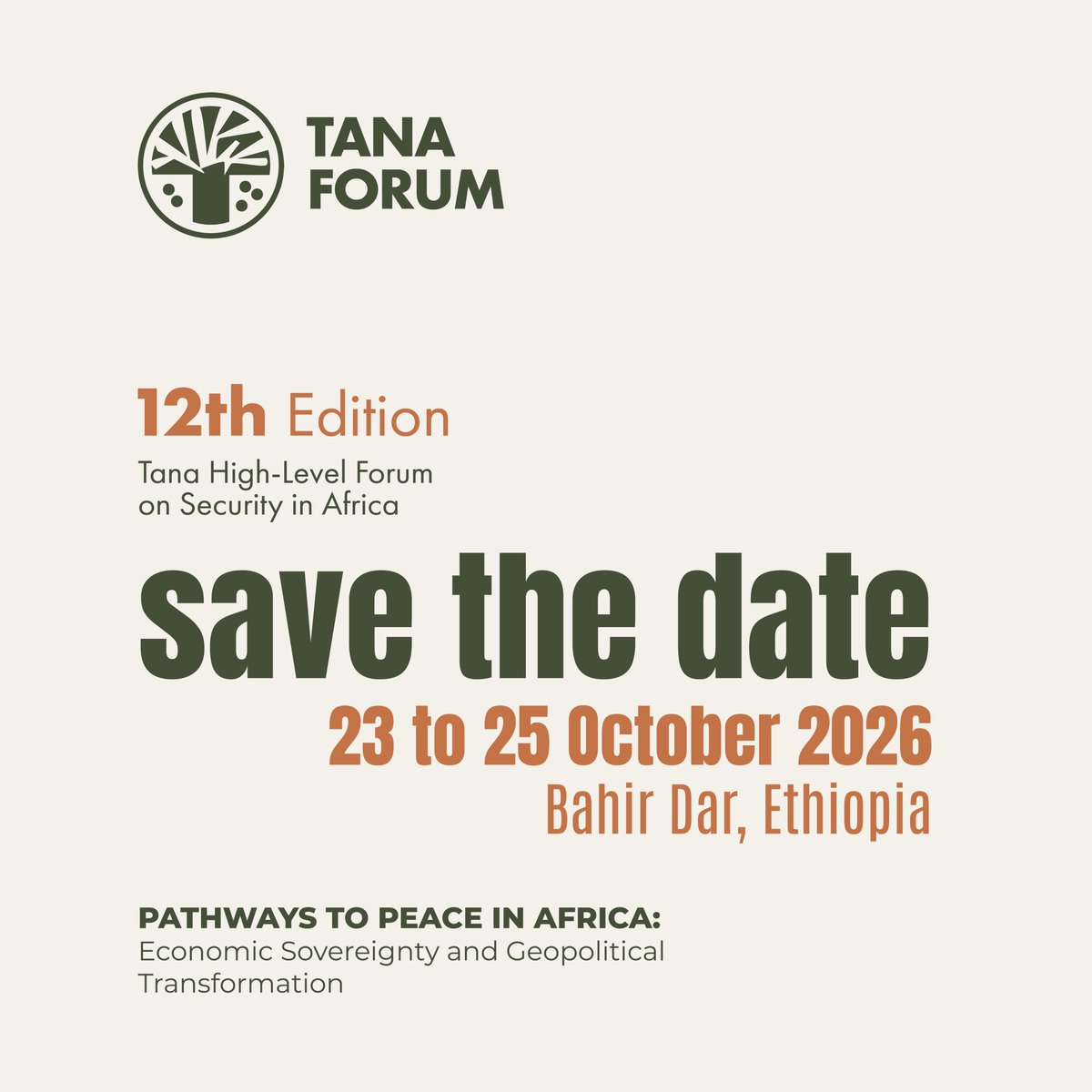
The Tana Forum Secretariat is pleased to announce the theme, date, and venue for the 12th edition of the Tana Forum.
Under the overarching theme, “Pathways to Peace in Africa: Economic Sovereignty and Geopolitical Transformation,” the Forum is set to take place from October 23–25, 2026, in Bahir Dar, Ethiopia.
Save the date and follow Tana Forum platforms to stay updated on the latest information about the upcoming Forum.
1
8
10
584
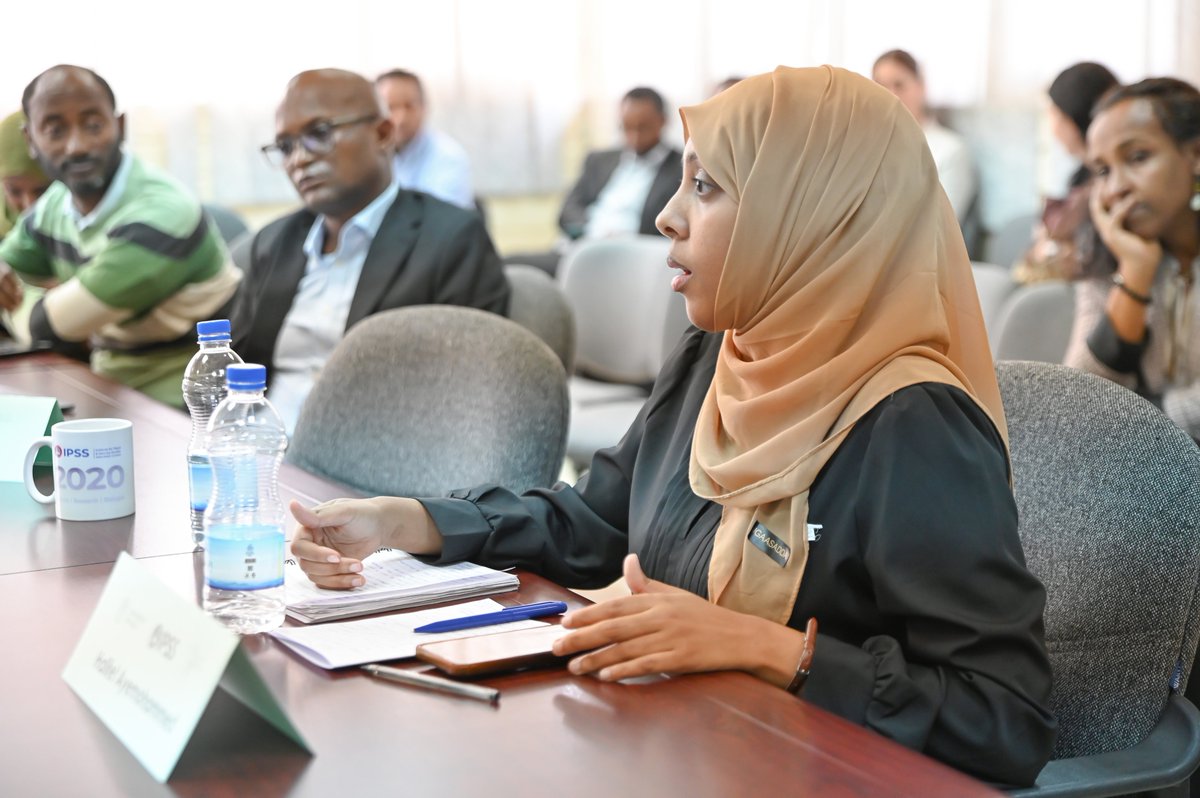
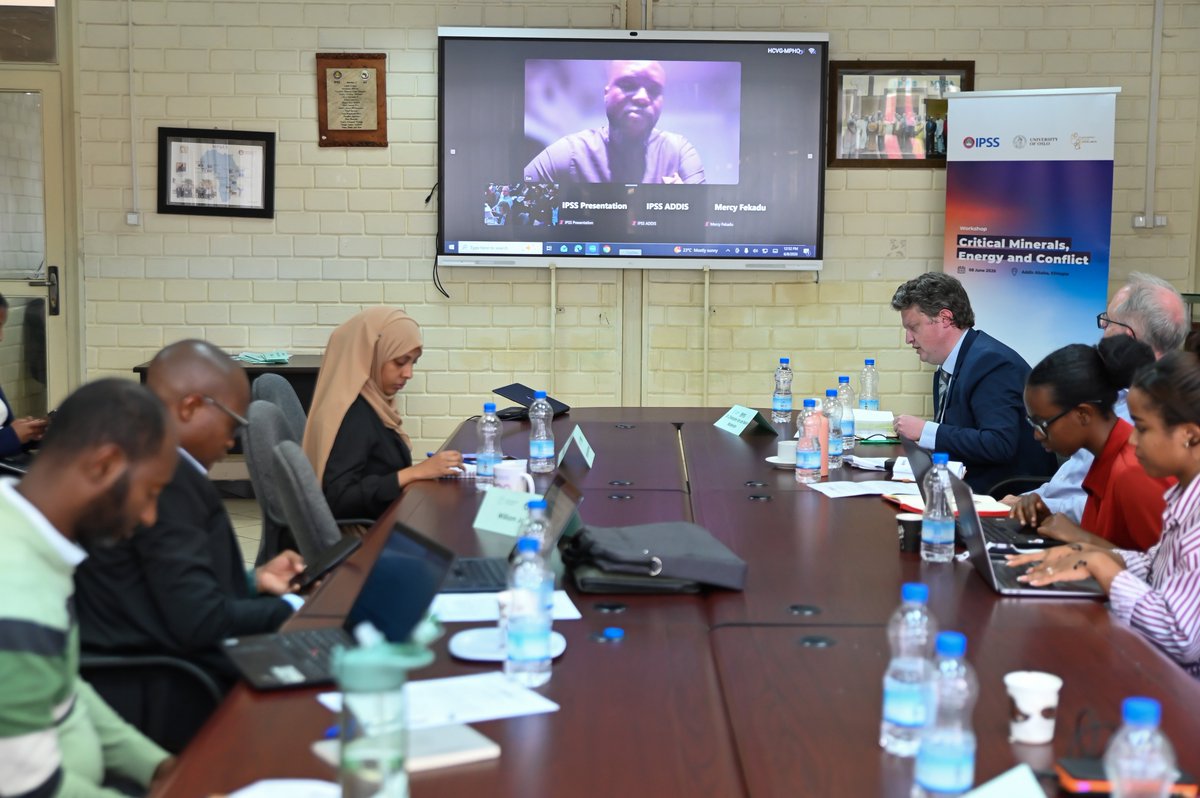
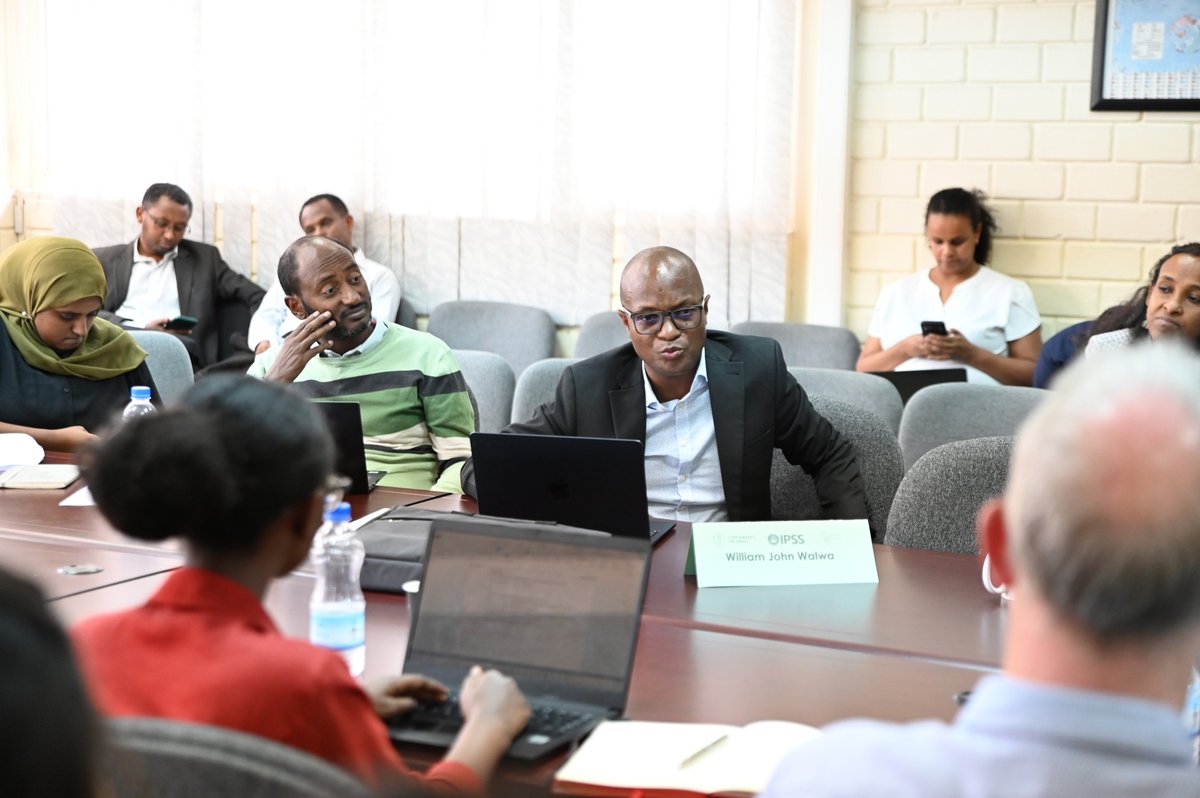
Happening Now: “Critical Minerals, Energy and Conflict”
Moderated by Dr. Christophe Van der Beken, the second panel of the day featured Halifet Ayemohammed, Ese Stephen Owie, and William John Walwa, who discussed the human rights dimensions of the GERD and the Nile, resource governance in an interdependent world, and the governance of natural gas along the Tanzania–Mozambique border, respectively.
1
1
5
375
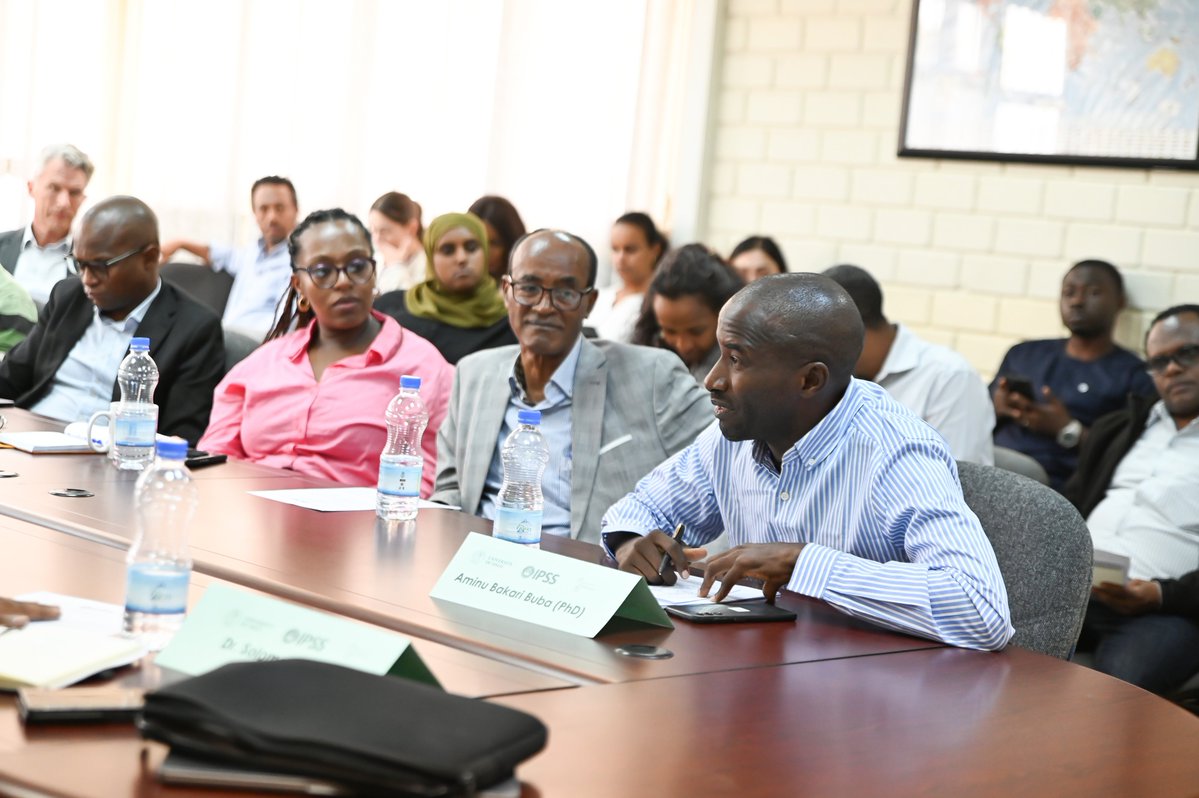
Happening Now: “Critical Minerals, Energy and Conflict”
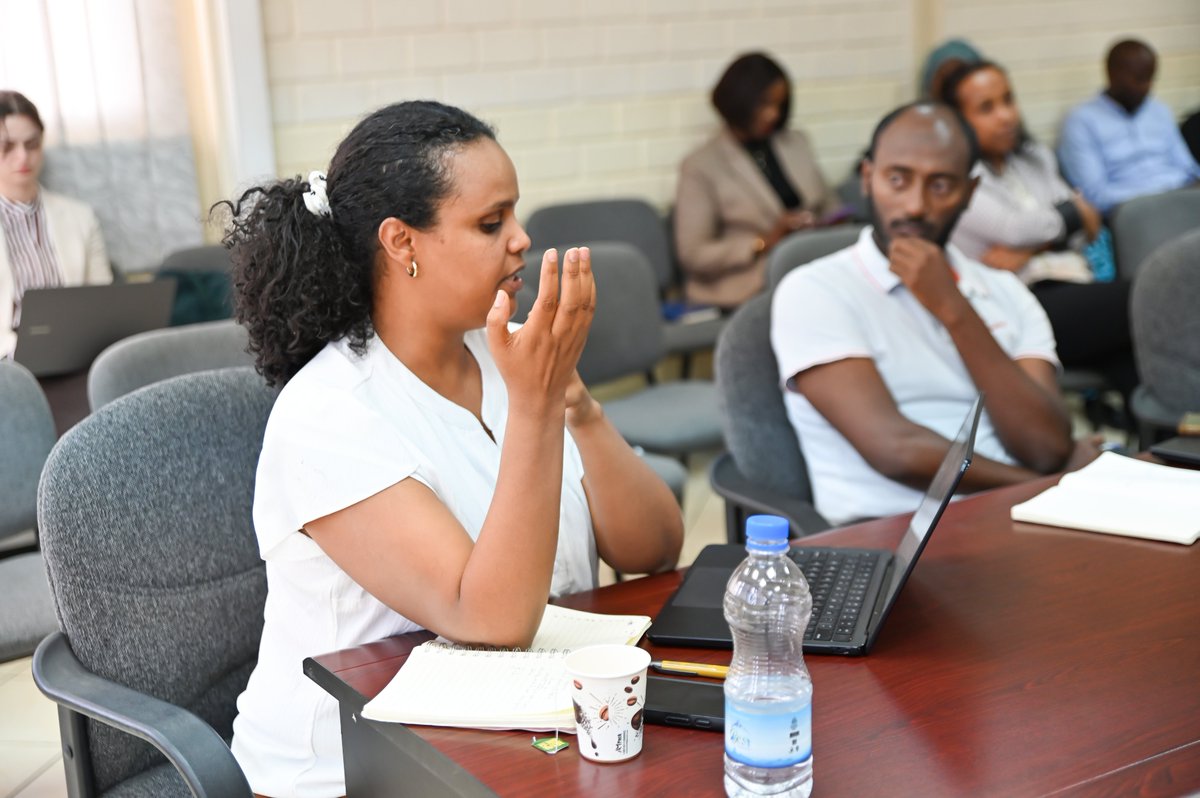
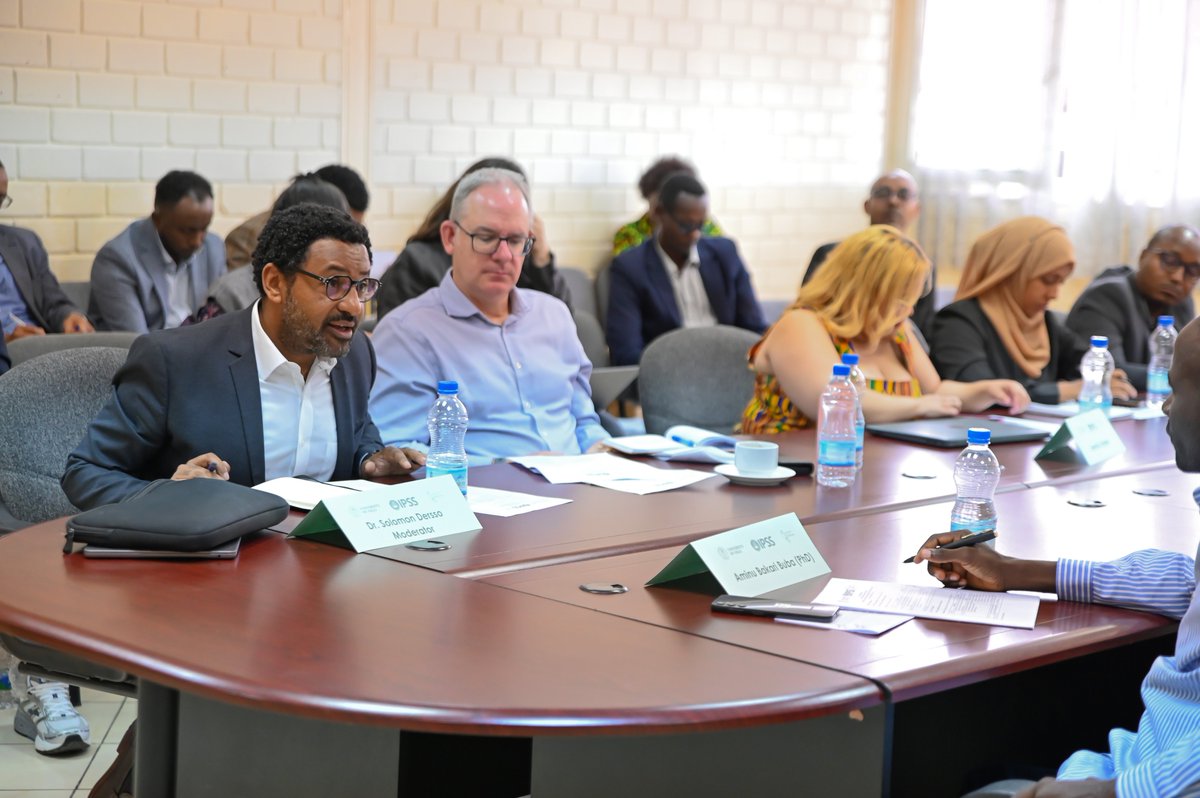
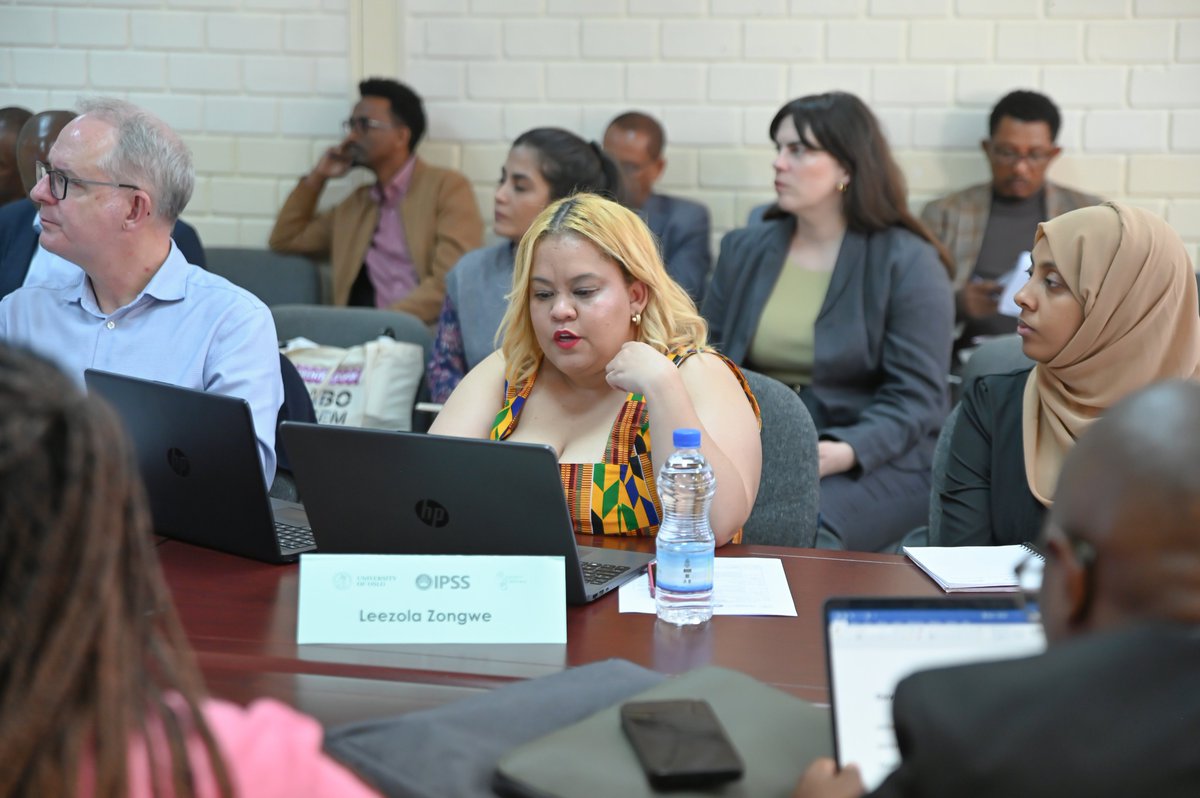
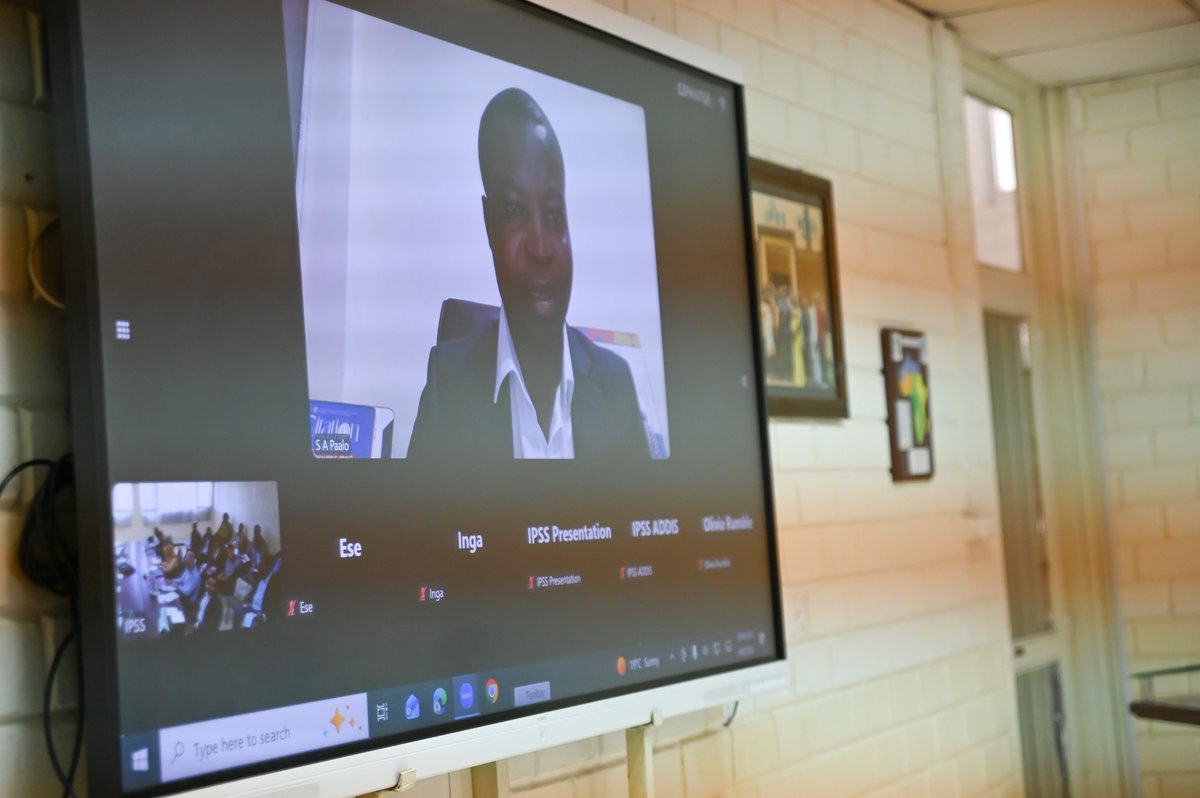
Moderated by Dr. @SolomonADersso, Dr. Aminu Bakari Buba, Leezola Zongwe, and Dr. Sebastian Angzoorokuu Paalo discussed the shadow economy of gold extraction in the Sahel, extractivism and the fragility of peace in the Great Lakes region, and lithium mining in Ghana and its implications for emerging resource conflicts as a challenge to green transition, respectively.
1
2
10
753
A workshop organised by IPSS in collaboration with the Norwegian Centre for Human Rights at the University of Oslo and CoRE on Interdisciplinary Peace under the title "Critical Minerals, Energy and Conflict" is currently taking place.
1
10
436
🚨 New Insight | June 6, 2026
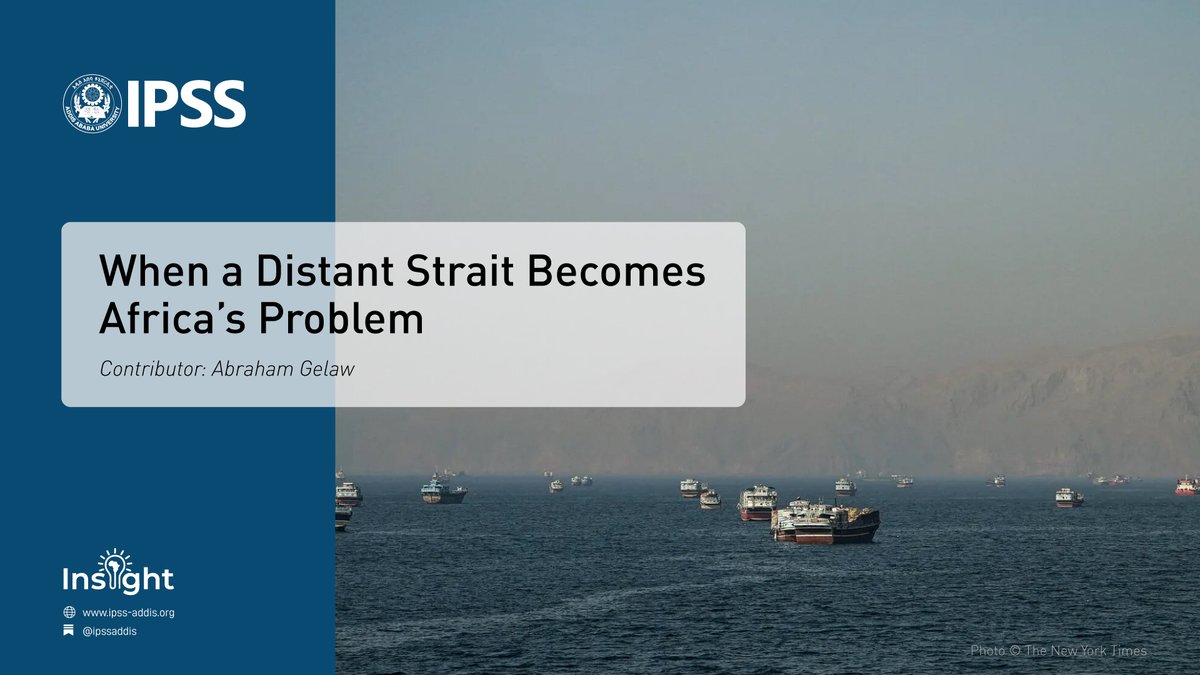
In this week’s IPSS Insight, @AbrahamGelaws, Researcher, explores how geopolitical disruptions in the Strait of Hormuz expose severe vulnerabilities within African economies in his latest insight, "When a Distant Strait Becomes Africa’s Problem".
In it, Abraham demonstrates how maritime tensions and shipping delays translate into rising fuel prices, higher insurance costs, and critical supply shortages for nations heavily dependent on external trade routes.
Follow the link to read the full Insight 👉🔗bit.ly/4ofGkbk
2
1
3
214
🚨New Insight | May 30, 2026
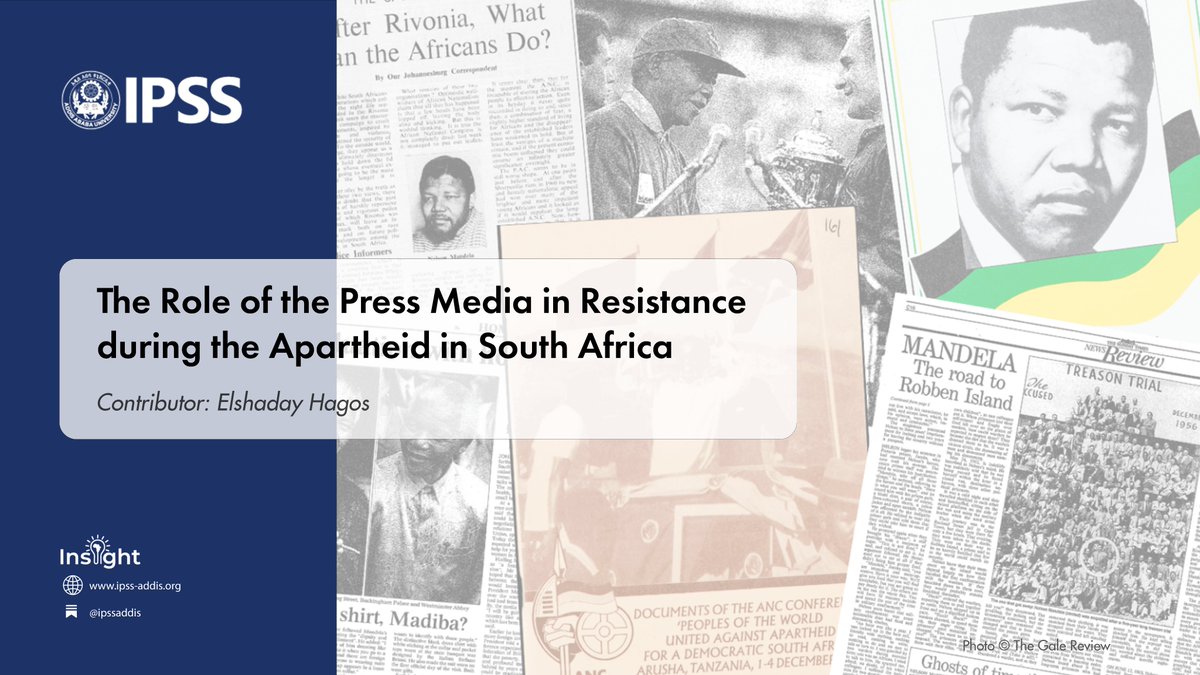
In this week’s IPSS Insight, Elshaday Hagos, Education and Professional Development Officer, explores the role of print media as a space for indirect resistance during the South African Apartheid regime in the latest insight, "The Role of the Press Media in Resistance during the Apartheid in South Africa."
The insight demonstrates how the “Weekly Mail” utilized strategic visual redactions and legal maneuvering to bypass intense censorship and unveil state-led repression. By examining the regime's willingness to tolerate restricted criticism as a means of gaining global credibility, she provides critical historical insights for modern media organizations operating within complex legal and political frameworks.
Follow the link to read the full Insight 👉 bit.ly/4dDBGA6
1
1
4
201
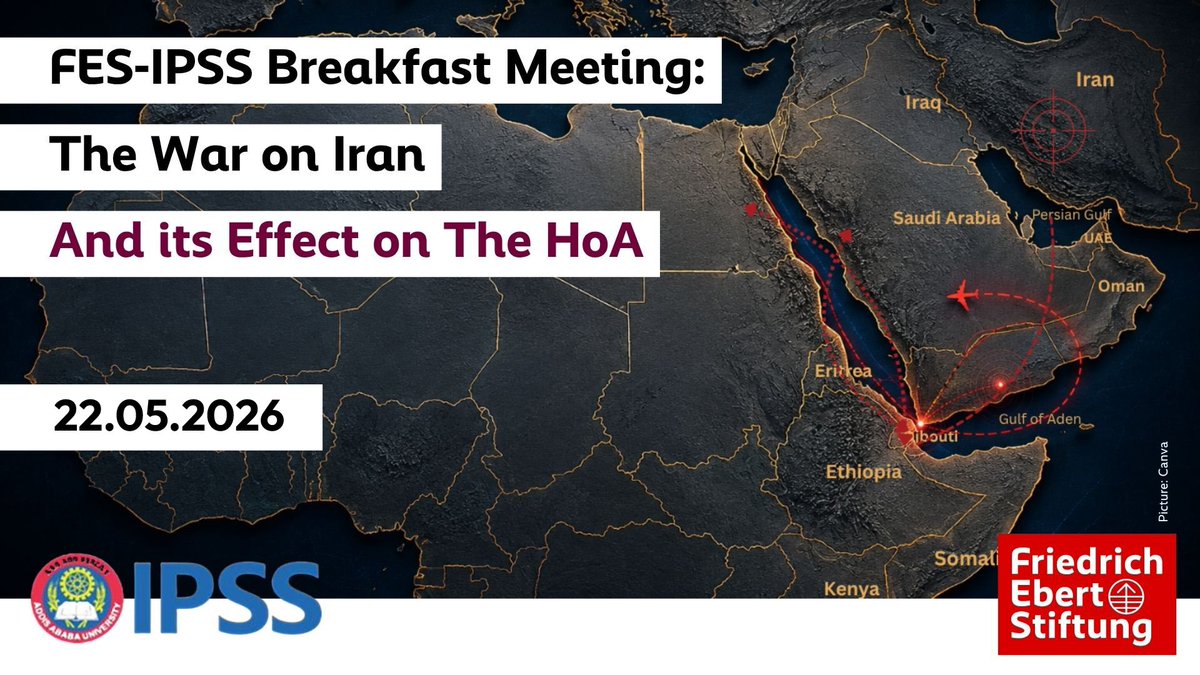
On May 22, 2026, the IPSS-FES Breakfast Meeting, titled “War on Iran: Repercussions on the Horn of Africa,” explored how ongoing geopolitical tensions in the Middle East continue to shape political, security, and economic dynamics across the Horn of Africa.
Discussions highlighted the increasing interconnectedness between global conflicts and regional stability, particularly in relation to maritime security, trade routes, energy markets, and shifting geopolitical alignments.
Speakers reflected on how external shocks continue to affect fragile economies, deepen food and energy insecurity, and place additional pressure on already vulnerable communities across the region.
The discussion reinforced the importance of long-term strategic planning, regional coordination, and the effective implementation of existing continental and regional policy frameworks in responding to increasingly interconnected global crises.
3
5
557
🚨New Insight May 23, 2026
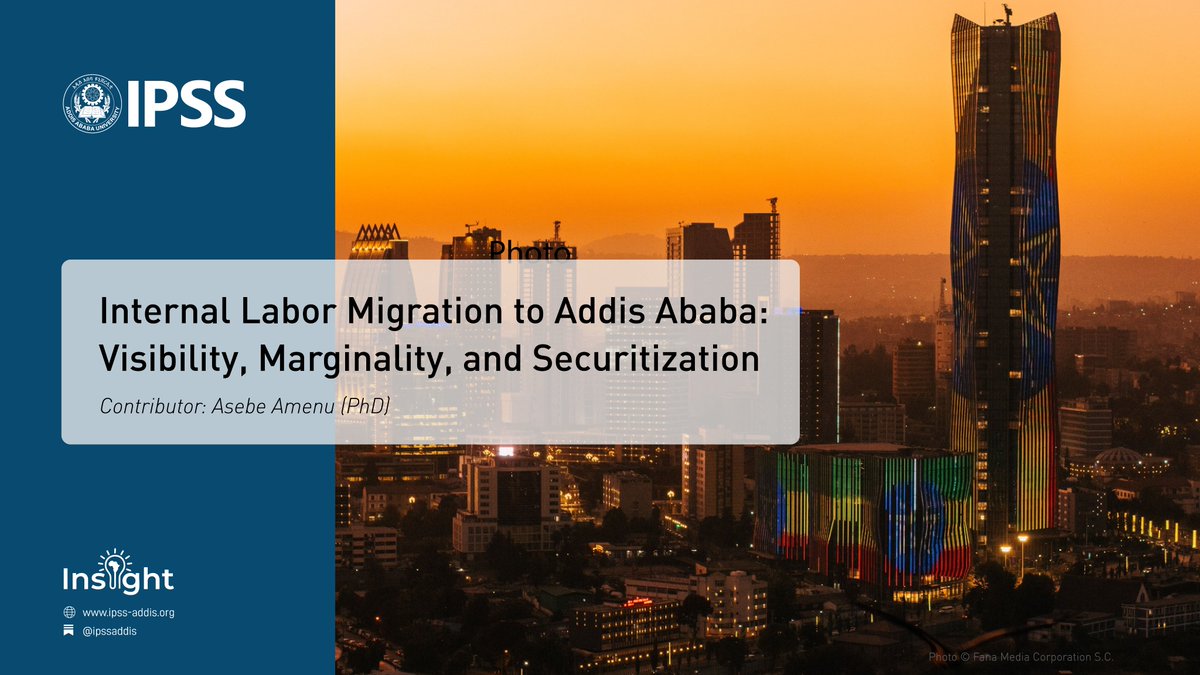
In this week’s IPSS Insight, Dr. Asebe Amenu, Academic researcher, explores the intricate nature of labor migration within Ethiopia in his latest article, "Internal Labor Migration to Addis Ababa: Visibility, Marginality, and Securitization."
The Insight highlights how unregulated urbanization and institutional gaps lead to the socio-economic exclusion of informal migrants. Dr. Amenu advocates for a shift in urban governance, moving away from securitization and toward regularized, inclusive migration management to foster peace and stability.
Follow the link to read the full Insight 👉 bit.ly/4tNAWxa
5
417
Institute for Peace and Security Studies retweeted

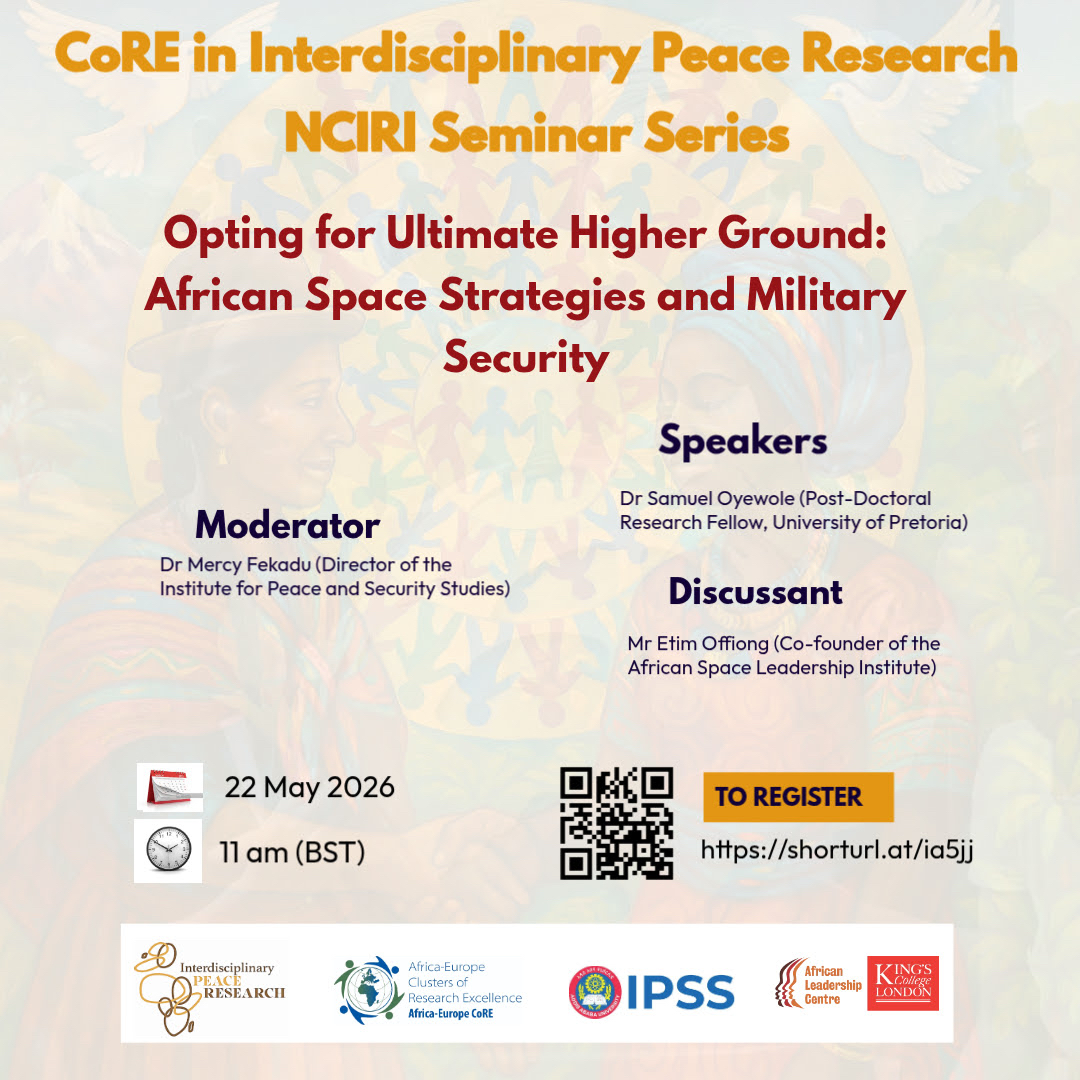
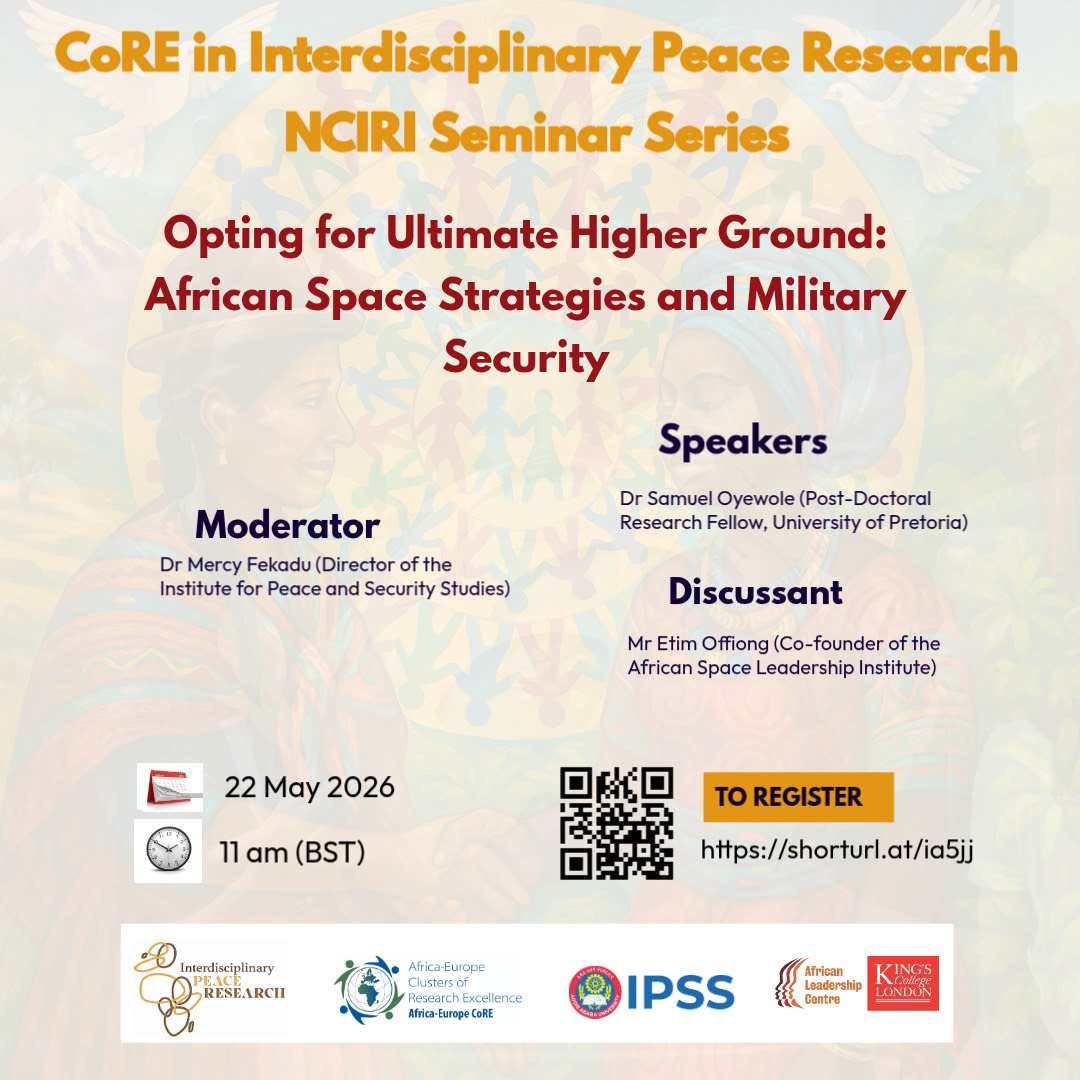
Join @ALC_KCL and @IPSS_Addis for a seminar exploring Africa’s growing military space ambitions, key strategic developments, and their implications for national, regional, and human security.
2
2
416
🚨 New Insight | May 16, 2026
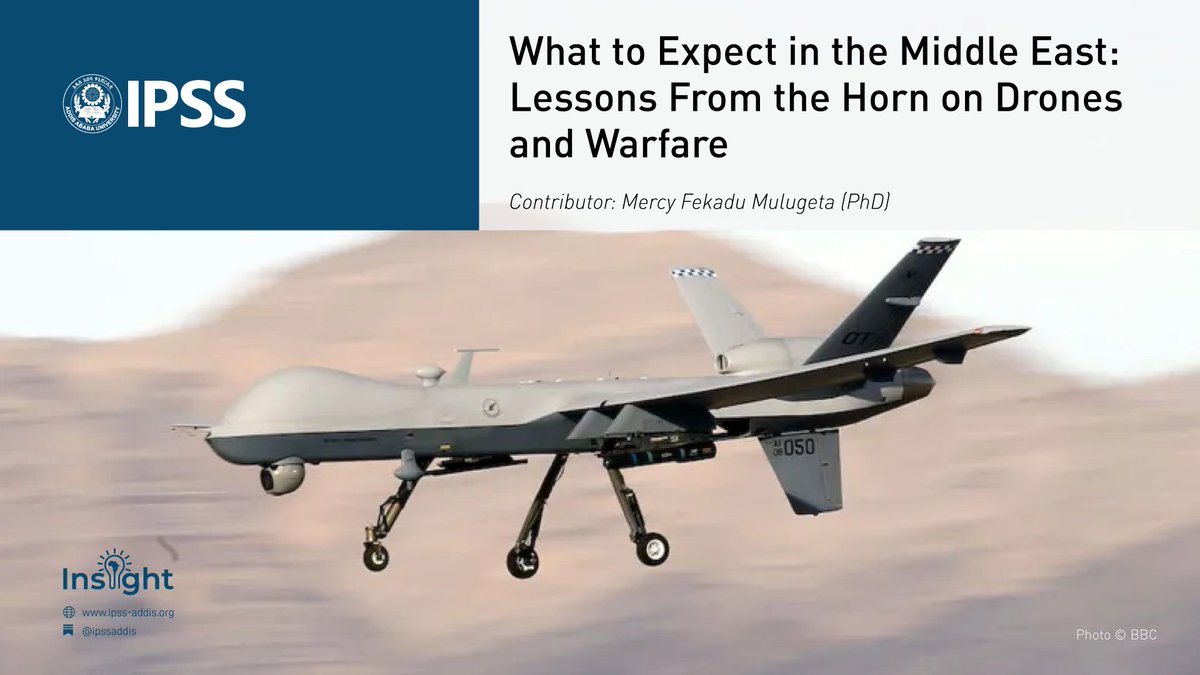
In this week’s IPSS Insight, Dr. @MercyFekadu, Director of the Institute for Peace and Security Studies, presents an excerpt from her recent book chapter, “Drone Discourse: Contemporary Technologies of Warfare in Ethiopia”.
In her Insight, “What to Expect in the Middle East: Lessons From the Horn on Drones and Warfare,” she examines the evolving role of drones in modern conflict and reflects on the broader lessons the Horn of Africa offers for understanding contemporary warfare.
Follow the link to read the full Insight 👉 🔗 bit.ly/4uUQKPK
1
1
439
🚨New Publication
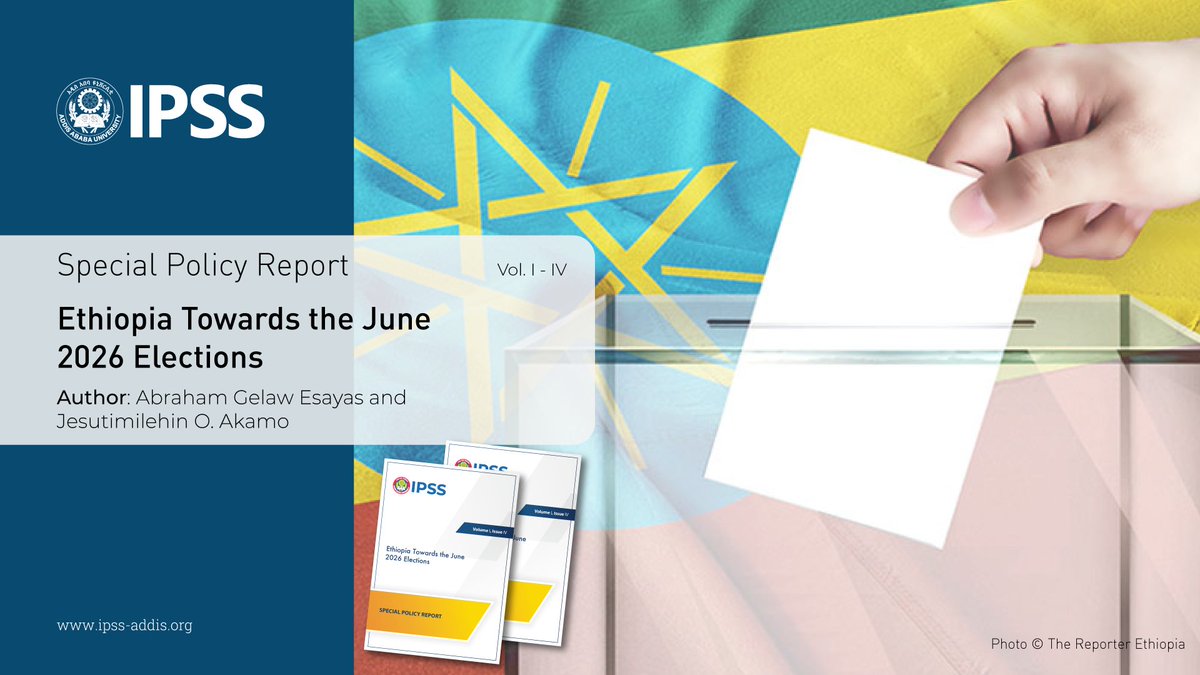
IPSS’s latest Special Policy Report examines the structural drivers of electoral risk in Ethiopia, specifically scrutinizing the intersection of economic grievances, political inclusion, and regional security dynamics. As Ethiopia approaches its 1 June 2026 elections, the pre-election environment is navigating a fragile political landscape shaped by declining public trust and complex socio-economic pressures.
Amidst multifaceted shifts including recent macroeconomic restructuring, the implementation of new asset recovery and property tax laws, and evolving security dynamics concerning the Tigray People’s Liberation Front (TPLF), the trajectory toward the polls requires careful institutional navigation. In their report, "Ethiopia Towards the June 2026 Elections," @AbrahamGelaws and @jo_akamo analyze these intersecting vulnerabilities. They emphasize that mitigating instability risks and ensuring the credibility of the upcoming elections will depend on robust technical preparedness, transparent communication, and inclusive political processes.
Read or download the full report 👉bit.ly/492P8L7
2
6
326
📢 Join the second NCIRI Seminar Series event, co-hosted by the @ALC_KCL and the Institute for Peace and Security Studies, together with partners from the ARUA-Guild CoRE on Interdisciplinary Peace.
This session, “Opting for Ultimate Higher Ground: African space strategies and military security”, will examine the growing interests, developments, and deployment of military space strategies and capabilities by African countries.
📅 Friday, 22 May 2026
🕚 11:00 AM (BST)
To attend, register via the QR code or via link 👉 bit.ly/4nAYDY8
1
2
255
🚨New Publication
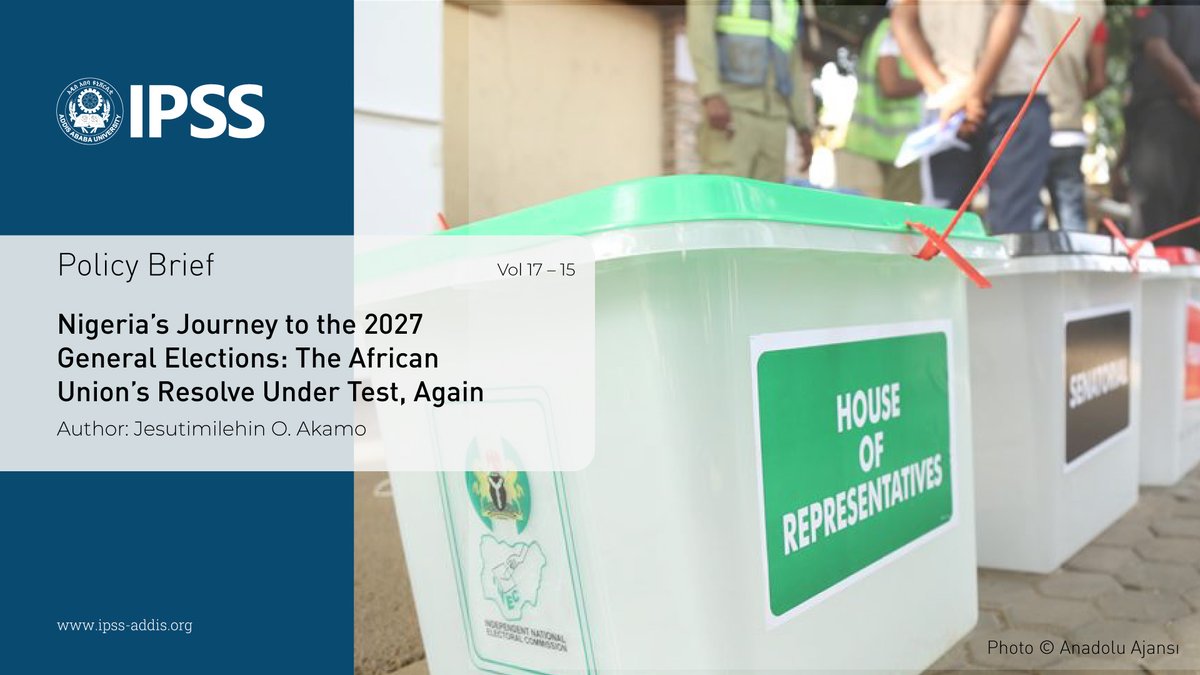
IPSS’s latest Policy Brief examines the intersection of election cycles and conflict mitigation, specifically scrutinizing early warning and action mechanisms. As an influential regional power, Nigeria is nearing a pivotal historical juncture that will challenge the African Union's dedication to the African Peace and Security Architecture and African Governance Architecture.
As Nigeria prepares for its January 2027 general elections, the emerging political trends represent a major test for the African Union’s governance and conflict prevention protocols. In his brief, "Nigeria’s Journey to the 2027 General Elections: The African Union’s Resolve Under Test, Again," Jesutimilehin O. Akamo analyzes these evolving pressures and advocates for a unified preventive diplomacy framework that respects the principle of subsidiarity.
Read or download the full brief: bit.ly/4eFmhjE
1
1
133