
Anatomy and Physiology/Field Biology Teacher at BGHS. My tweets are somebody else's opinion too!
Joined August 2015
- Tweets 917
- Following 152
- Followers 266
- Likes 843
161 Photos and videos






Josh Iler retweeted

14 Oct 2025
Circadian rhythm regulation should be first line lifestyle/behavioural advice for any patient with mental health disorder
13 Oct 2025

What is the name of this journal?
Nature Mental Health.
To improve your mental health, get back to living how Nature says you should live.
This means bright days and dark nights.
This paragraph is ridiculous.
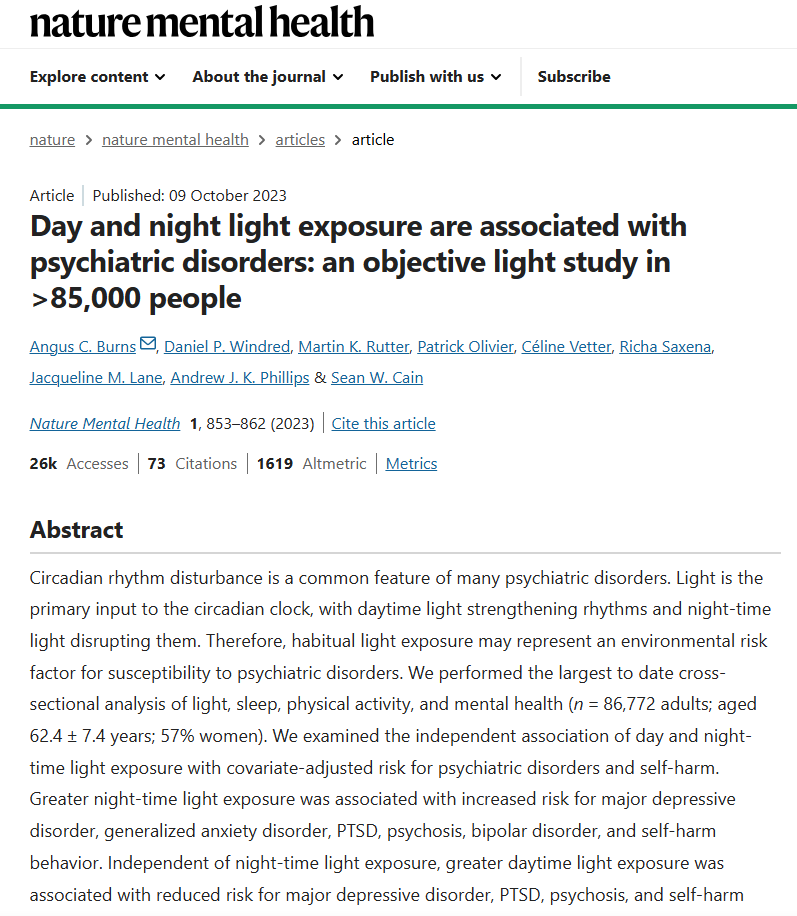
"Greater night-time light exposure was associated with increased risk for major depressive disorder, generalized anxiety disorder, PTSD, psychosis, bipolar disorder, and self-harm behavior. Independent of night-time light exposure, greater daytime light exposure was associated with reduced risk for major depressive disorder, PTSD, psychosis, and self-harm behavior."
Just about any major mental health disorder can be helped with bright days and dark nights.
7
60
280
17,416
Josh Iler retweeted

4 Oct 2025
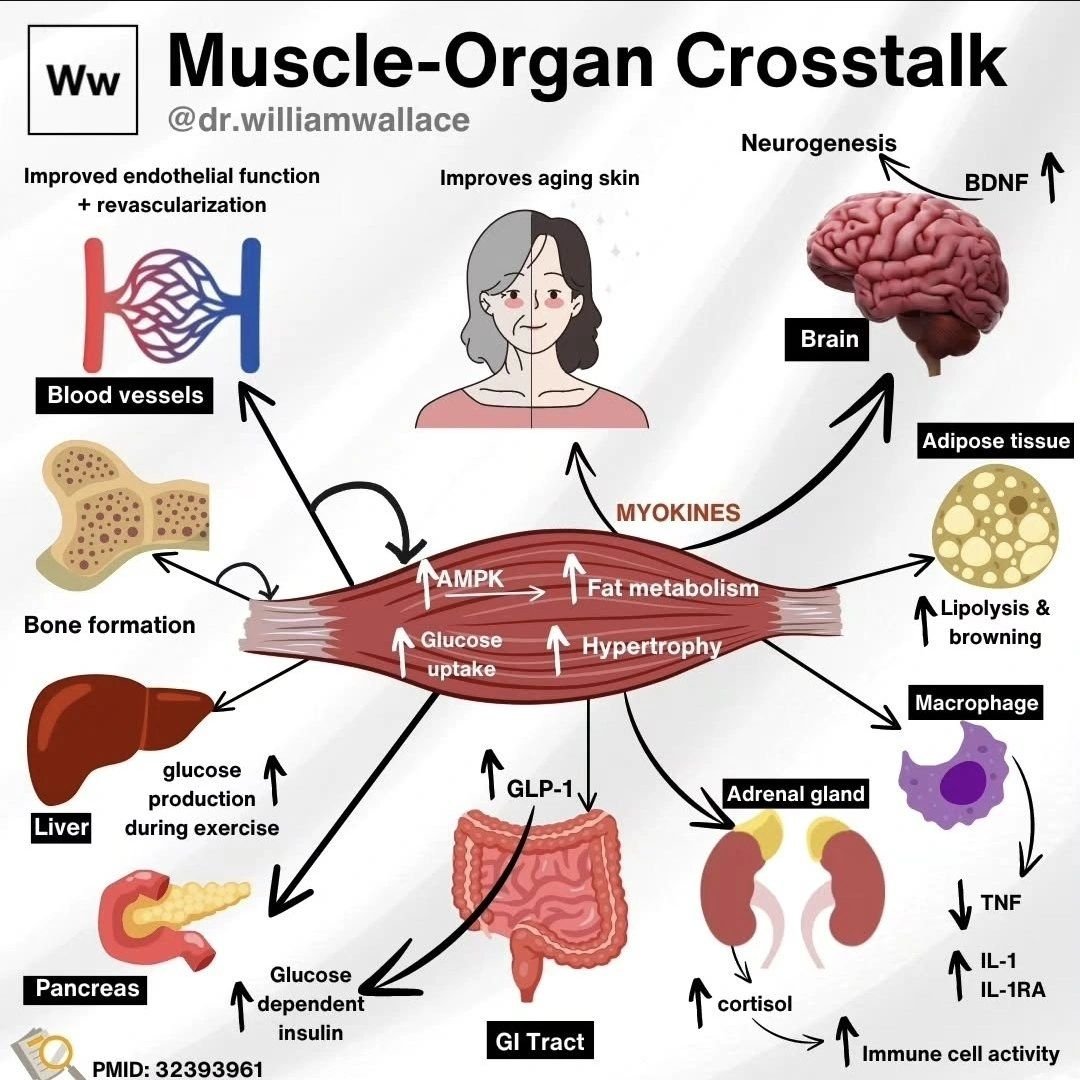
How your muscles talk to your brain (and everything else)
When you move, your muscles don’t just contract; they communicate. During exercise, muscle fibers release small signaling molecules called myokines that act like messengers, carrying instructions to organs throughout the body.
1️⃣ What Are Myokines?
Myokines are specialized peptides released by contracting muscle fibers. Once in the bloodstream, they act on distant tissues, from the brain to the liver, influencing how your entire body functions.
🟢 Example: When you exercise, your muscles become an endocrine organ, not just a source of movement.
2️⃣ Muscles and the Brain
Certain myokines (like BDNF) cross the blood–brain barrier and promote neurogenesis — the growth of new neurons — and enhance cognitive function and mood.
🟢 Example: This is one reason regular exercise improves focus, memory, and protects against neurodegeneration.
3️⃣ Metabolic Regulation
Other myokines boost fat metabolism and glucose uptake, improving insulin sensitivity and energy balance.
🟢 Example: Exercise-trained muscles talk to the pancreas and liver to help regulate blood sugar naturally.
4️⃣ Whole-Body Impact
Myokines influence:
Adipose tissue: promoting fat breakdown and thermogenesis (browning).
Bone: stimulating formation and strength.
Vessels: improving endothelial function and blood flow.
Skin: slowing aspects of skin aging.
🟢 Example: Regular movement literally sends rejuvenating biochemical messages bodywide.
5️⃣ Why It Matters
The discovery of myokines reframed muscle as a hormone-secreting organ, not just a motor tissue. They link exercise to better metabolism, immunity, brain function, and longevity.
Every workout triggers a molecular conversation between your muscles and your organs. Through myokines, exercise tells your body to grow new neurons, burn fat, build bone, fight inflammation, and even keep your brain young. Movement isn’t just physical. It’s biochemical communication.
9
187
754
29,364
Josh Iler retweeted
4 Oct 2025
Mitochondrial biogenesis made "simple"
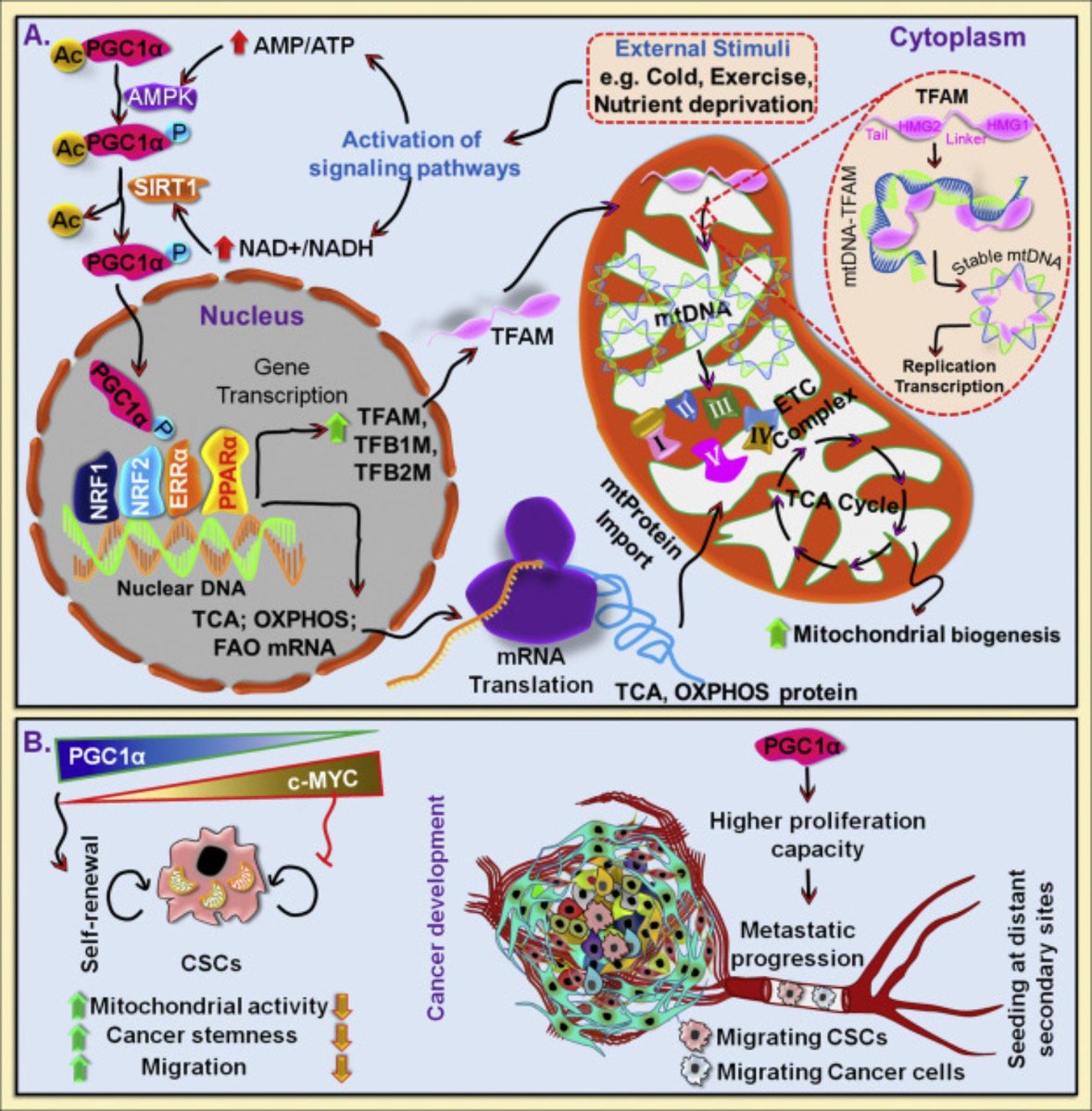
Your cells don’t just rely on the mitochondria they’re born with. They can make new ones when energy demand increases. This process, called mitochondrial biogenesis, keeps your energy systems strong and resilient.
1️⃣ Why It Happens
Mitochondrial biogenesis is triggered when your body faces higher energy needs or mild stress — like exercise, fasting, cold exposure, or nutrient deprivation.
🟢 Example: During a workout, your muscles signal, “We need more power plants,” prompting new mitochondria to form.
2️⃣ The Key Player: PGC-1α
The master switch is a protein called PGC-1α (peroxisome proliferator-activated receptor gamma coactivator 1-alpha).
It gets activated by AMPK (the energy sensor) and SIRT1 (the longevity enzyme).
Both respond to energy stress — when ATP is low and AMP or NAD⁺ levels rise.
🟢 Example: Fasting or high-intensity exercise flips these switches on, kickstarting mitochondrial growth.
3️⃣ Communication Between Nucleus and Mitochondria
PGC-1α turns on genes in the nucleus that encode mitochondrial proteins.
These genes produce mRNA, which directs the synthesis of proteins for energy metabolism (TCA cycle, oxidative phosphorylation).
Those proteins are imported into mitochondria to expand their machinery.
🟢 Example: Your nucleus essentially sends blueprints to upgrade your mitochondrial engines.
4️⃣ TFAM and mtDNA Replication
Inside mitochondria, a protein called TFAM (mitochondrial transcription factor A) helps copy mitochondrial DNA (mtDNA) and regulate the expression of mitochondrial genes.
🟢 Example: Think of TFAM as the “architect” that manages mitochondrial DNA replication and repair
.
5️⃣ The Result: More & Better Mitochondria
Together, these steps increase:
Mitochondrial number and size.
Efficiency of the electron transport chain (ETC).
ATP production capacity.
🟢 Example: More mitochondria = more endurance, better energy balance, and improved metabolic health.
6️⃣ Why It Matters
Mitochondrial biogenesis isn’t just about fitness — it’s a core longevity mechanism.
Exercise, fasting, and certain nutrients (like NAD⁺ boosters, resveratrol, and PQQ) enhance this pathway.
It improves metabolic resilience, supports brain and muscle health, and counters age-related decline.
Mitochondrial biogenesis is how your cells adapt to stress - building new “energy factories” through PGC-1α, AMPK, and SIRT1 signaling. It’s the biological reason why exercise, fasting, and hormetic stress make you stronger over time.
9
138
645
17,939
Josh Iler retweeted

3 Oct 2025
The ERP paper with @msahsorin and our thoughts on the bridge between the physics of energy and biology come out next week 😃
4 Jun 2025

The cycle of life, every instant, in your mitochondria.
The major electron carrier in mitochondria is NAD . When it collects an electron from the food you eat, NAD is converted into NADH. NADH then feeds the electron to the electron transport chain so the electron can flow to oxygen - the ultimate electron acceptor.
How easily electrons make their way to oxygen determines energy resistance (éR) following the energy resistance principle (ERP) osf.io/preprints/osf/hgnmj_v…
Mitochondrial matrix and cell cytoplasm are two different "sealed" compartments, but there is a special system that connects the NAD /NADH pools between mito and cytoplasm: the Malate-Aspartate shuttle
The Malate-Aspartate shuttle shown below is how NADH from the cytoplasm (made by glycolysis) is carried into mitochondria. The electron transport chain can then regenerate NAD by respiring the flowing electron.
Everywhere in biology: energy transfer. Sometimes without molecular carriers. Here with a number of enzymatic intermediates, creating an integrated electrical circuit.
The circuit is in service of the flowing electron looking for a place to rest. Getting back onto oxygen to become H2O (water) again, as it was initially before getting ripped off by light energy and stuck onto a carbon backbone in a green leaf.
Animation by @janetiwasa lab
iwasa.biochem.utah.edu/metab…
6
45
220
16,509
Josh Iler retweeted

1 Oct 2025
Lipids simplified!
🧱 Cholesterol – is the material needed for building cell walls, making hormones etc
🛻 Lipoproteins - are basically Trucks transporting Cholesterol along with other things through blood. Depending on size they are of many types.
⛽ Triglycerides – are portable Fuel containers that trucks are carrying along.
🚛 HDL – They are the Recycling Trucks the patrol the roads collecting leftover cholesterol bricks from tissues & arteries, & bringing it back to the liver’s recycling center. HDL- C in your reports is the total leftover bricks in circulation currently.
🚚 LDL – They are the Delivery Trucks that deliver cholesterol bricks from the liver warehouse to construction sites (cells) around the body. LDL- C in your reports is the total unused bricks in circulation currently.
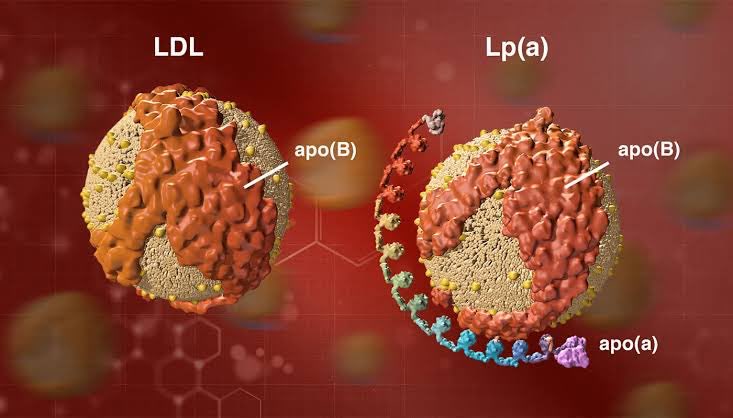
🚨 Lp(a) - Some of these LDL delivery trucks have an extra problem. They are wheel that are extra sticky.
🚛📦 VLDL – They are the Fat Cargo Trucks that mainly transports big boxes of triglycerides (fat) from the liver to storage sites.
🪪♦️ApoB (Apolipoprotein B) - All the main delivery trucks (LDL, Lpa, VLDL..) have a common license plate called ApoB. Counting them gives an idea of the no of trucks on road currently. More means too many cholesterol bricks & extra fuel (Tg) are being transported
🪪🔹ApoA1 (Apolipoprotein A1) - The recycling trucks have a different license plate called ApoA1. If more of these license plates are in action means more cleanup is done.
—————
What to Target?
▶️ Total Cholesterol:
This number is important, but the break up is more important (usually high means more LDL, VLDL… hence a problem)
- Total Cholesterol of around 200 with the right breakup is ideal 🟢
- Too Low & Too High is not ideal 🔴
▶️ HDL-C:
More cleaned up bricks is always better
- For men > 40 mg/dL 🟢
- For women > 50 mg/dL 🟢
▶️ Triglyceride:
Lot of portable Fuel being transported means excess energy/calories in the system.
- Ideal: < 100 mg/dL 🟢
- High Risk: > 150 mg/dL 🔴
▶️ VLDL:
More of portable fuel trucks is indirectly saying more portable fuel is produced.
Hence It is not directly measured, but estimated as 20% of triglycerides
- VLDL < 20 mg/dL 🟢
▶️ LDL-C
More unused bricks in circulation is a concern as more delivery trucks can cause a traffic jam (plaque)
- Ideal: < 130 mg/dL 🟢
- High Risk: > 160 mg/dL 🔴
▶️ Lp(a):
The more unused bricks in circulation especially inside those trucks with sticky tired is a big cause of concern. But it’s not under your control.
- Optimal: < 20 🟢
- SubOptimal: 20- 50🟡
- High risk: 50- 100🟠
- Very high risk > 100🔴
▶️ ApoB:
You want less of trucks with these license plate on the road. They are either carrying unused bricks or extra portable fuel, either way not good.
- Optimal: < 80 mg/dL (high risk patients)
: < 90 mg/dL (general population) 🟢
- High: > 120 mg/dL 🔴
▶️ ApoA1:
You want more of cleanup trucks with these license plate on the road.
- Optimal: < 0.6 🟢
- Acceptable: < 0.8 🟡
- High risk: > 0.9 (men), > 0.8 (women) 🔴
▶️ ApoB / ApoA1 Ratio:
This ratio reflects the balance between Delivery trucks & Clean up trucks. More clean up trucks is always better
- Optimal: < 0.6 🟢
- Acceptable: < 0.8 🟡
- High risk: > 0.9 (men), > 0.8 (women) 🔴
▶️ Triglycerides / HDL Ratio:
This ratio reflects the balance between large Cargo trucks specifically & Clean up trucks. Again more clean up trucks & less portable fuel on the road is always better
- Excellent: < 1 🟢
- Good: < 2 🟡
- At risk: > 2 🟠
- High risk: > 4 🔴
15
275
892
51,821
Josh Iler retweeted
25 Sep 2025
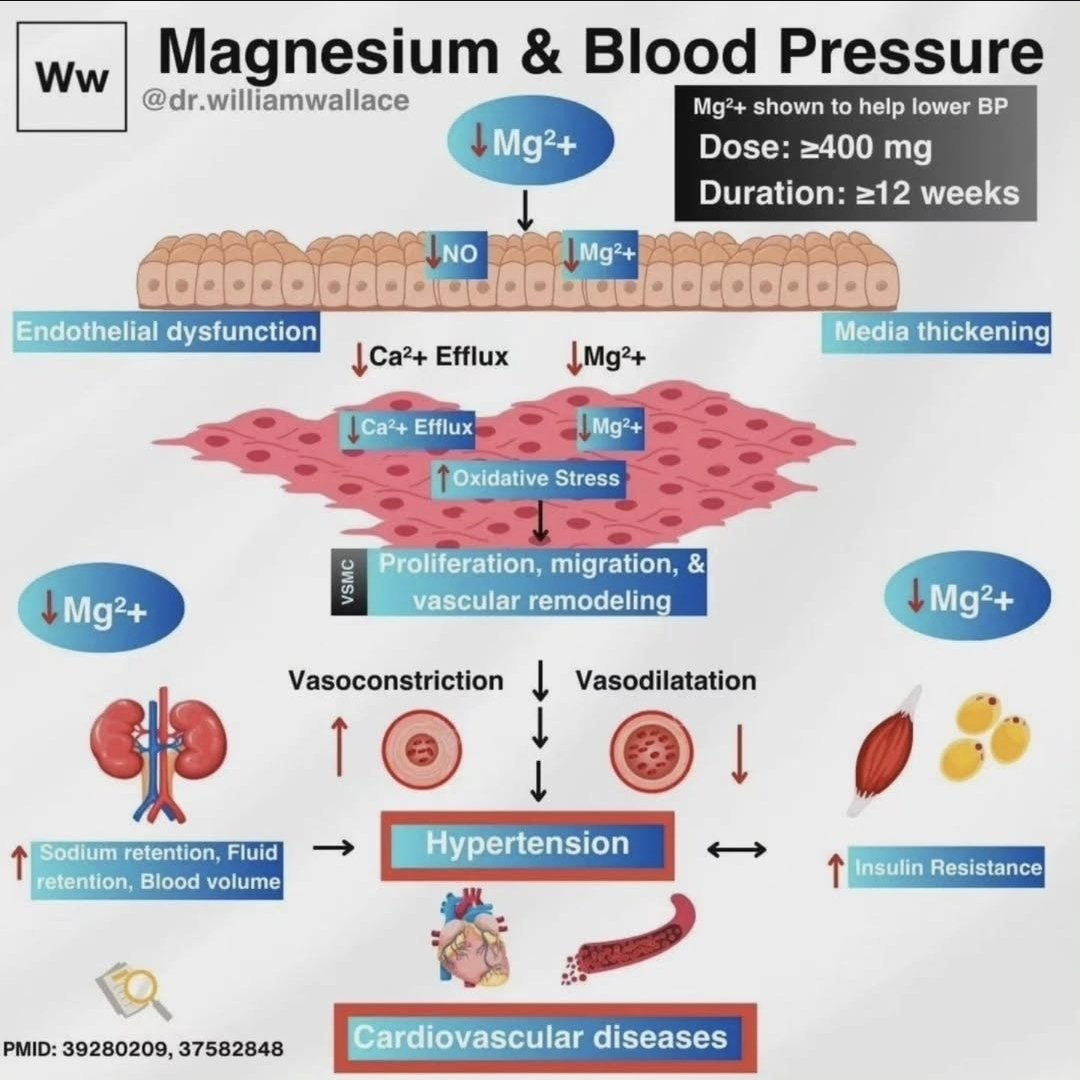
Magnesium plays an important role in blood pressure regulation, as demonstrated by its influence on endothelial function, calcium efflux, and oxidative stress. Magnesium deficiency can contribute to endothelial dysfunction, increased oxidative stress, and vascular remodeling, all of which exacerbate hypertension and cardiovascular disease risk. Supplementation with magnesium has been shown to induce vasodilation, decrease vascular tone, and improve blood pressure outcomes. A recent umbrella meta-analyses (PMID: 39280209) found that magnesium doses ≥400 mg/day, administered for a duration of ≥12 weeks, can significantly reduce both systolic and diastolic blood pressure (SBP: -6.38 mmHg; DBP: -3.71 mmHg) - mostly in people with previous metabolic disorder (and also likely to have inadequate magnesium status before supplementing).
Mechanistically, magnesium influences nitric oxide production, prostaglandin synthesis, and calcium channel function, which collectively promote vasodilation and attenuate blood pressure increases.
In practice, ensuring sufficient magnesium intake may offer long-term cardiovascular benefits, especially when integrated into a broader strategy (as magnesium alone is not strong enough to function as a “monotherapy” for treating hypertension) targeting endothelial health, oxidative stress reduction, and vascular integrity
5
70
333
10,726
Josh Iler retweeted

26 Sep 2025
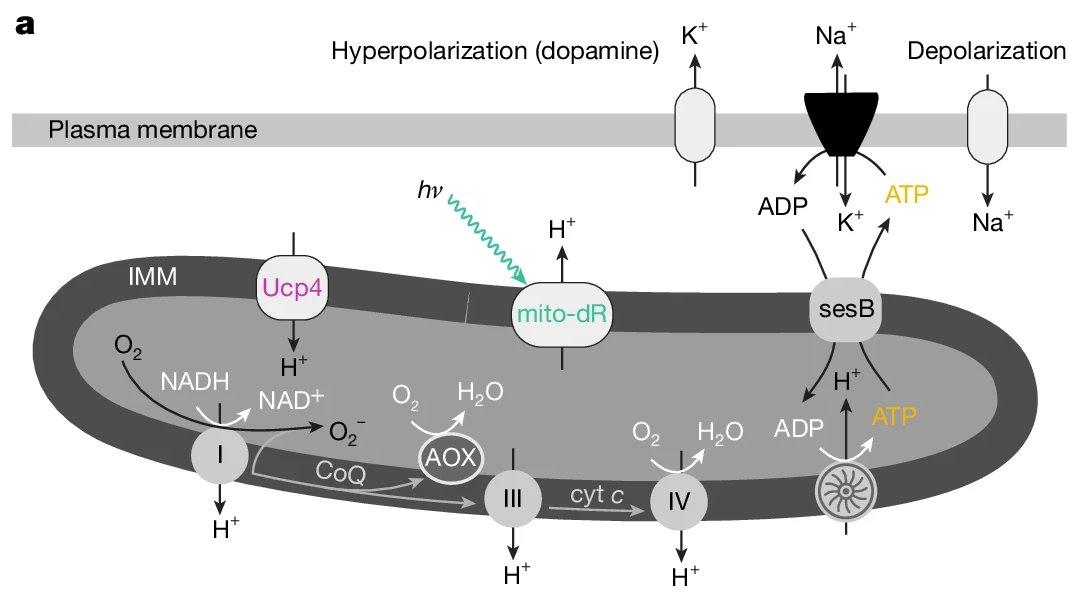
A surplus of mitochondrial electrons induces sleep.
While we sleep, the electrons are consumed through increased energy usage in the brain, which lowers harmful waste.
Sleep, like aging, may be an inescapable consequence of aerobic metabolism
27
130
880
39,049
Josh Iler retweeted
26 Sep 2025
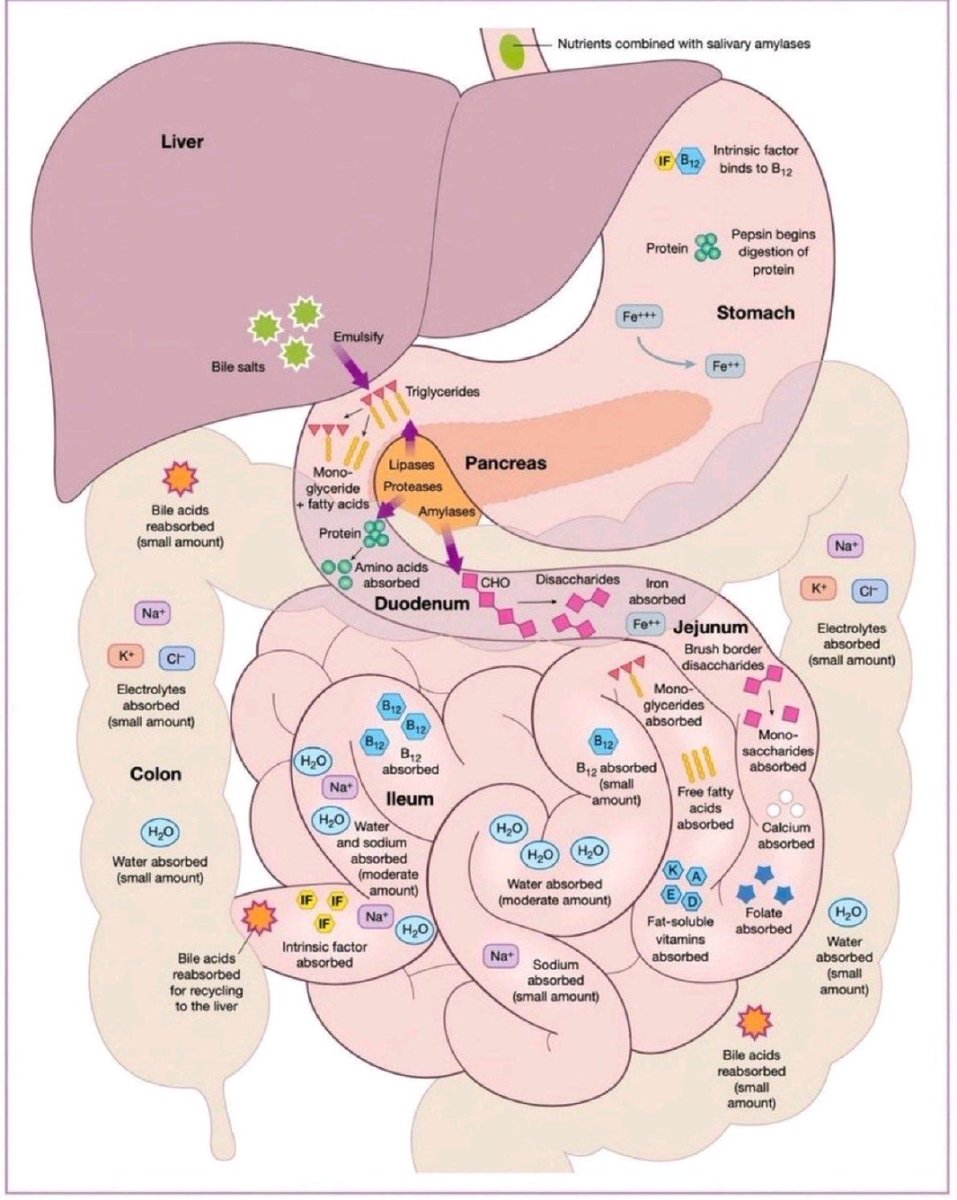
Digestion made "simple": where each nutrient gets in
Your gut isn’t just one tube. Different nutrients are absorbed at different checkpoints. Here’s the simple breakdown:
1️⃣ Mouth & Stomach
Carbs begin breaking down with salivary amylase.
Proteins start with stomach acid pepsin.
Vitamin B12 binds to intrinsic factor here.
🟢 Example: Without stomach acid, B12 can’t be absorbed properly.
2️⃣ Liver & Gallbladder
Bile salts emulsify fats, making them easier for enzymes to digest.
🟢 Example: Bile acts like dish soap, breaking fats into smaller droplets.
3️⃣ Pancreas
Sends enzymes into the small intestine: amylases for carbs, proteases for protein, lipases for fat.
🟢 Example: These enzymes finish the job of turning food into absorbable units.
4️⃣ Duodenum (first section of small intestine)
Carbs → disaccharides.
Proteins → amino acids.
Fats → monoglycerides fatty acids.
🟢 Example: This is where most chemical digestion happens.
5️⃣ Jejunum (middle small intestine)
Main absorption zone: sugars, amino acids, iron, calcium, folate, and fat-soluble vitamins (A, D, E, K).
🟢 Example: Low stomach acid or no bile means nutrients here get poorly absorbed.
6️⃣ Ileum (end of small intestine)
Vitamin B12 intrinsic factor absorbed.
Bile salts recycled back to the liver.
🟢 Example: People with Crohn’s disease affecting the ileum often end up B12 deficient.
7️⃣ Colon (large intestine)
Absorbs water, sodium, potassium, and leftover bile salts.
🟢 Example: This is why diarrhea causes dehydration. Water absorption fails here.
Each nutrient has its own “checkpoint” along the gut. Carbs, proteins, and fats mostly absorb in the jejunum, B12 in the ileum, and water electrolytes in the colon. Smooth digestion depends on stomach acid, bile, enzymes, and every section of the gut working in sync.
10
153
742
35,010
Josh Iler retweeted
23 Sep 2025
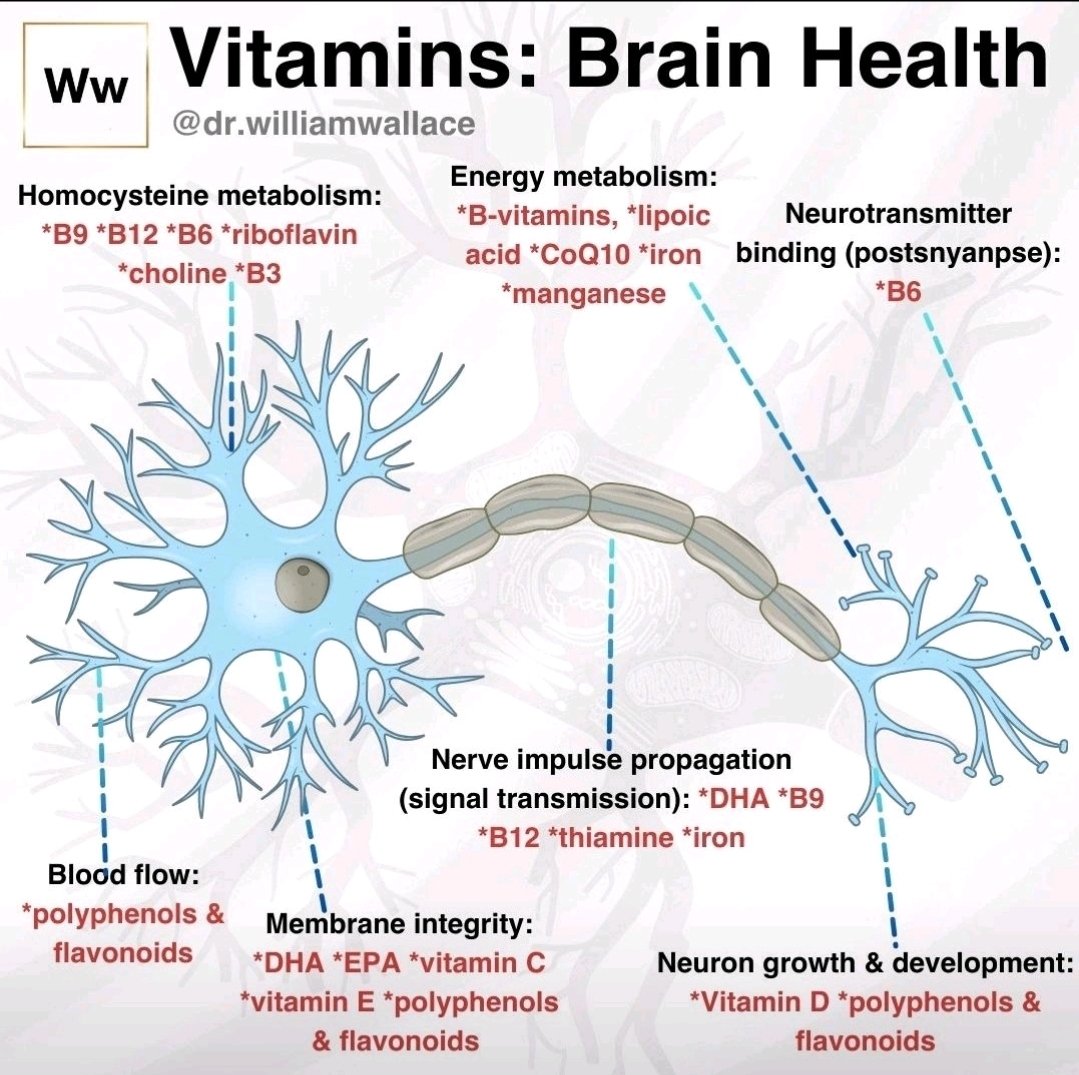
The brain requires a constant supply of vitamins and minerals for energy metabolism, antioxidant defense, neurotransmitter synthesis, ion homeostasis, metabolism, and to maintain basal cognitive function. Surprisingly, the science on the impact of nutrition and brain health is relatively young. However, evidence continues to mount suggesting that insufficient nutrient intake [along with the simultaneous intake of non-nutrient compounds (e.g. pesticides) through poor dietary practices] may be more damaging to the brain compared to any other organ.
It is advised to adopt dietary practices providing a constant supply of vitamins and minerals to support cognitive processes and overall brain health. This should be stressed even more so during developmental periods and in the elderly to stave off disease [the argument could be made that the sooner these practices are adopted, the less likely one might be to fall into a diseased state of cognitive origin (or of different origin and ultimately impacting cognitive health)] later in life.
16
166
898
37,171
Josh Iler retweeted

1 Sep 2025
Your mitochondria decide how long you live.
Over 1,000 studies show that when they fail, diabetes, cancer, Alzheimer’s, and 350 other diseases follow.
Here’s exactly how they work inside your body & how I boosted mine: 🧵
97
1,085
4,810
2,384,685
Josh Iler retweeted
31 Aug 2025
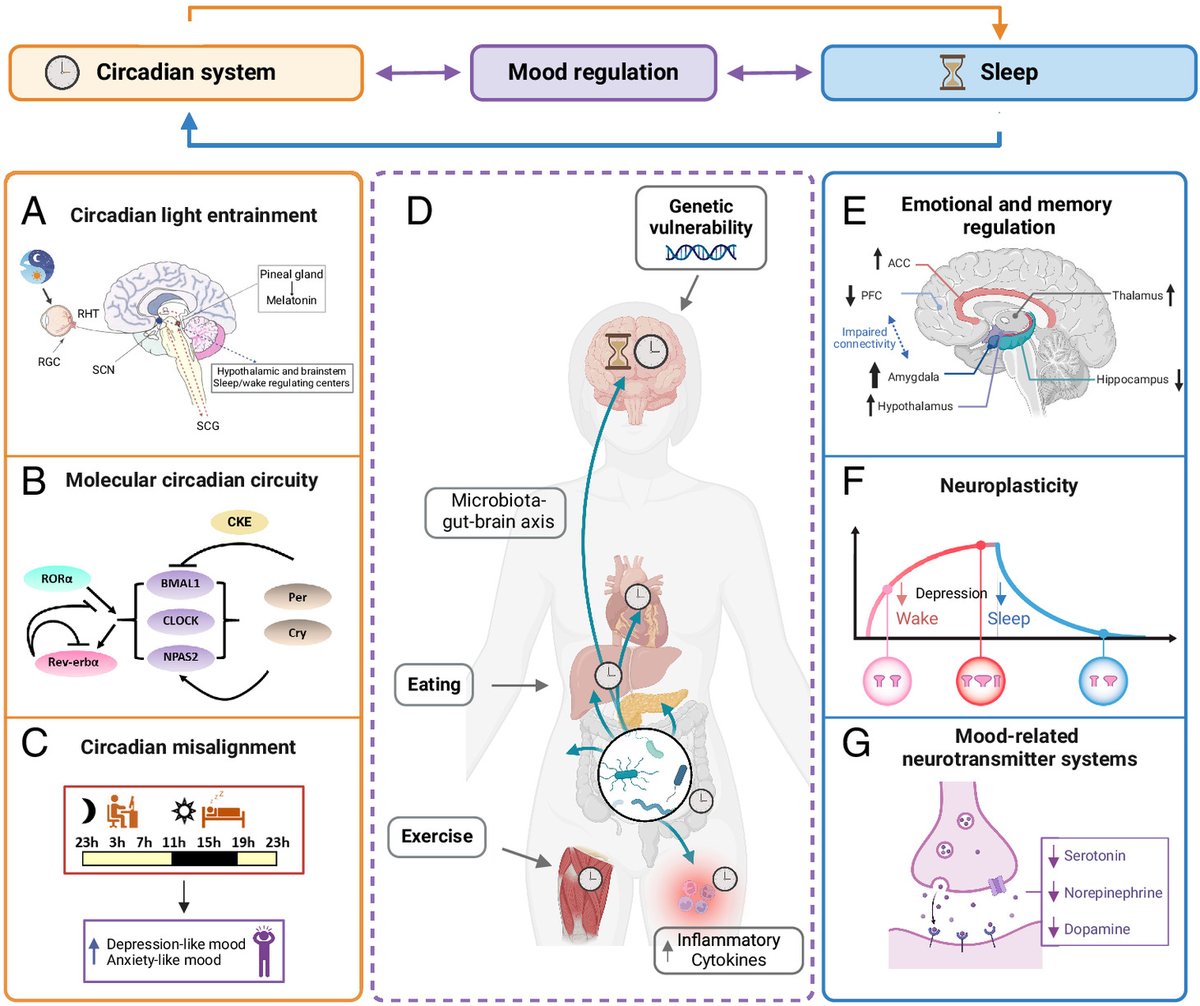
Many mental disorders are better defined as circadian disorders.
20
273
2,076
95,744
Josh Iler retweeted

1 Sep 2025
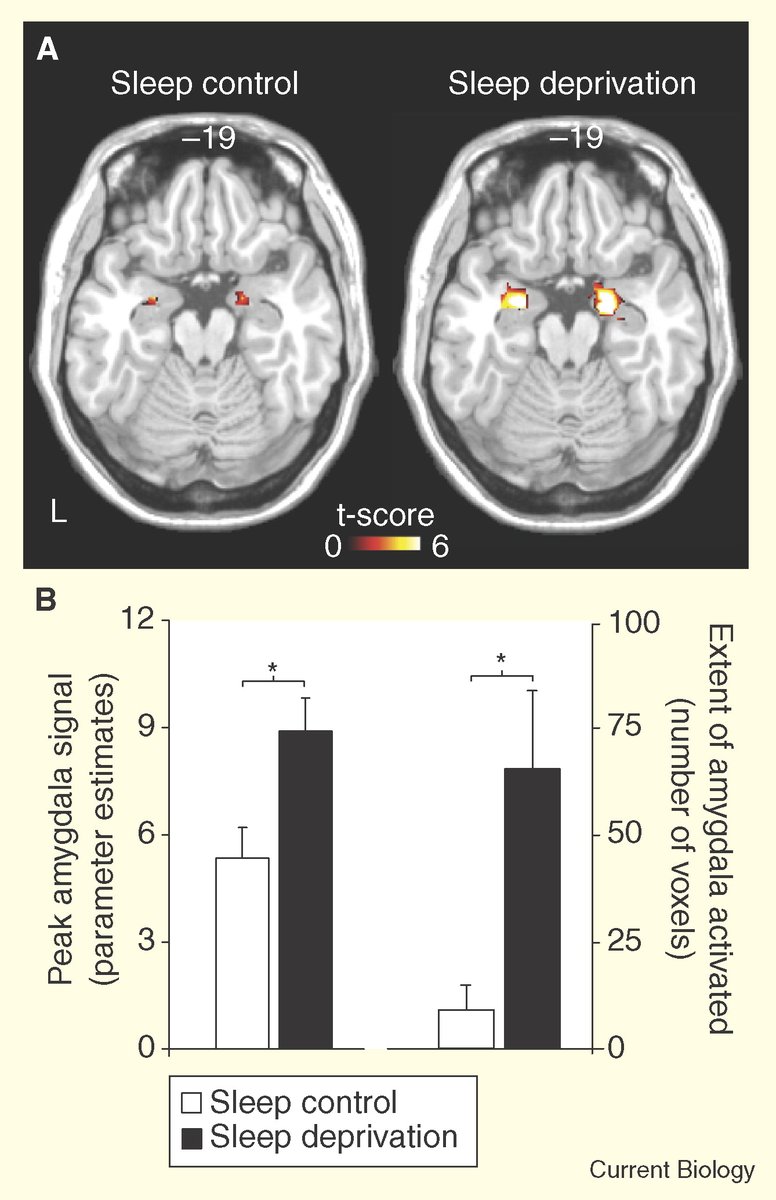
When people are sleep deprived, the emotional control centre of the brain (amygdala) is about 60% more reactive.
27
350
2,345
103,007
Josh Iler retweeted

11 Aug 2025
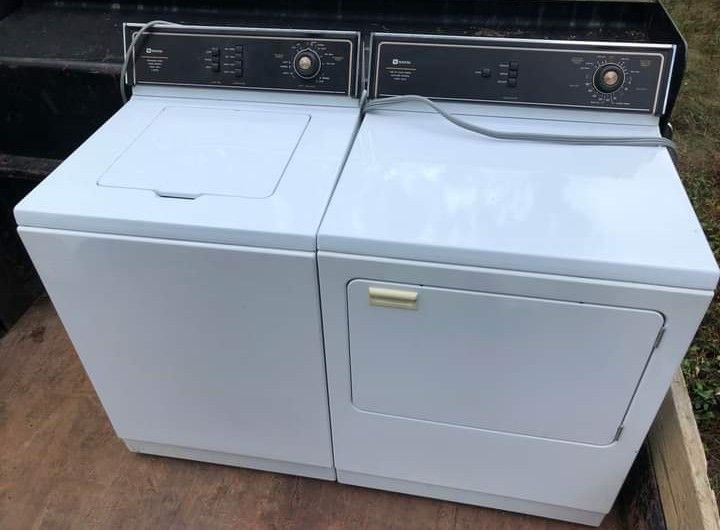
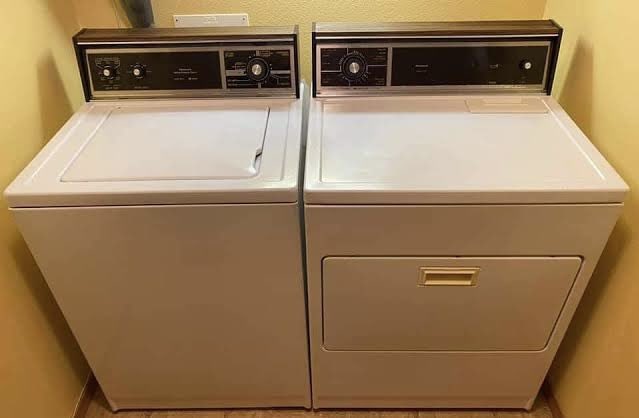
I want to see new companies start up
Make analog pickup trucks without computers. Carburetor engines & standard equipment. No vehicle costing over $20k
And analog mechanical washer & dryer sets
Basic items like they made back in the 1980s that work & last 30 years
Return


5,927
11,917
88,025
5,206,534
Josh Iler retweeted

31 Jul 2025
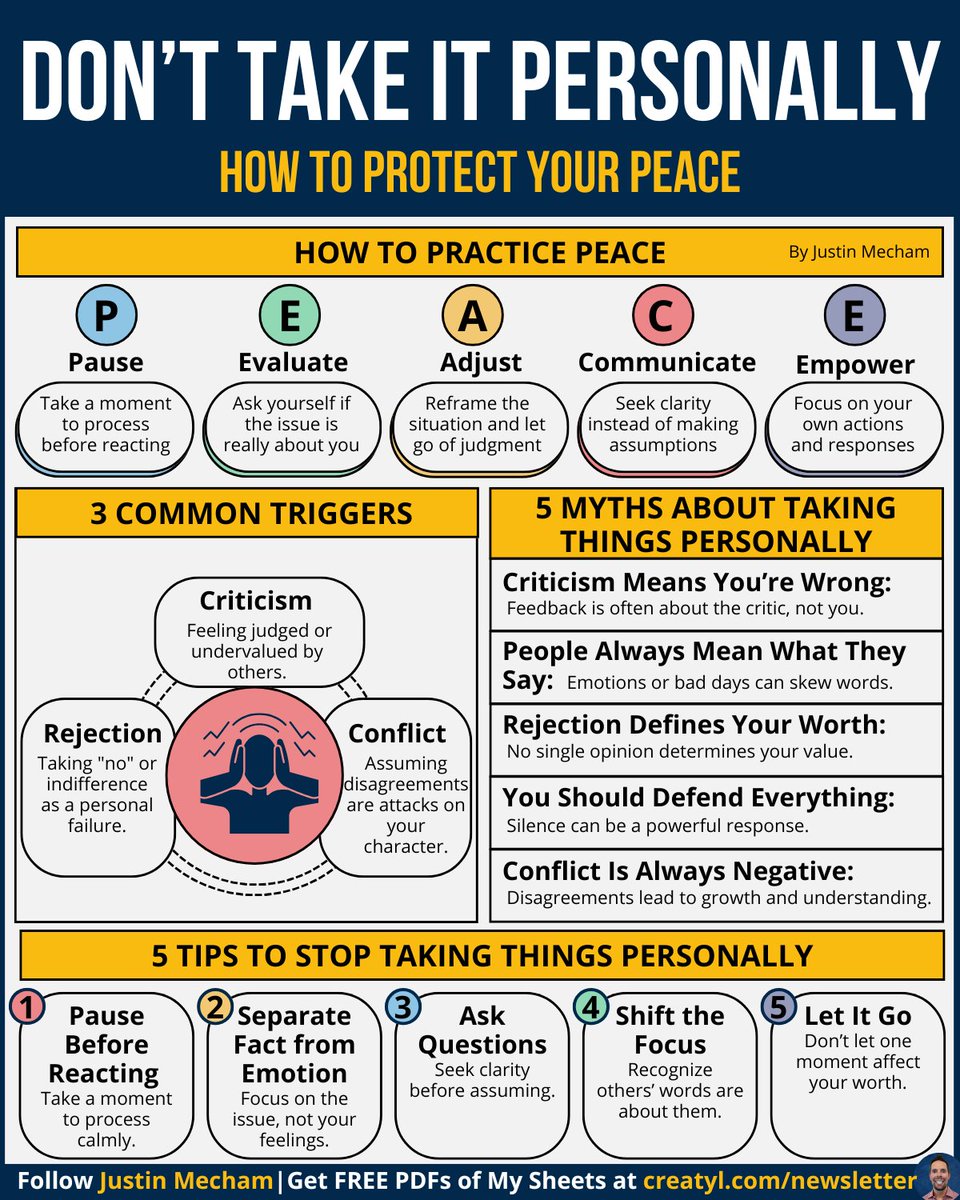
Most people aren’t attacking you—
Here's how to keep your peace:
Someone criticizes.
Someone rejects you.
Someone disagrees.
Your brain says:
“This is about me.”
But it’s usually not.
It’s about their pressure, their story, their fears.
Not your worth.
Use my sheet to protect your peace.
Protect your peace like it’s your job.
Because it is.
👇 Want a PDF of my top infographics? 👇
Go Here: fullpotentialzone.beehiiv.co…
Please repost to help others out there! ♻️
16
113
600
103,639

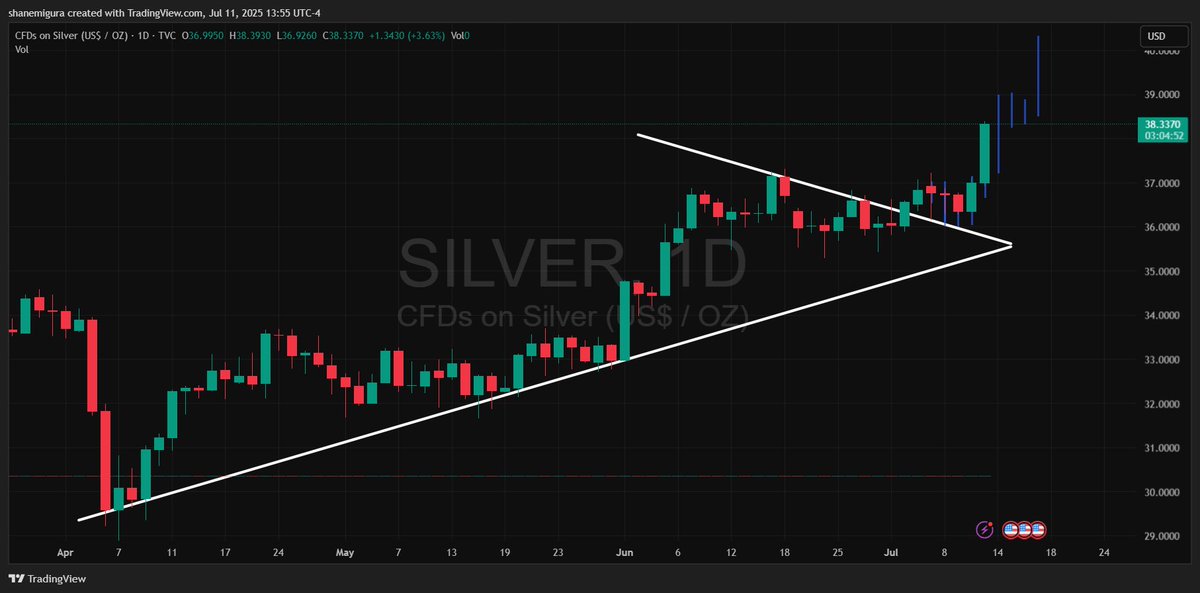
Should it come down and retest breakout next week or so?

70



Josh Iler retweeted

11 May 2025
“Before I formed you in the womb I knew you, before you were born I set you apart…” Jeremiah 1:5
228
3,730
31,348
1,291,716
Josh Iler retweeted

10 May 2025
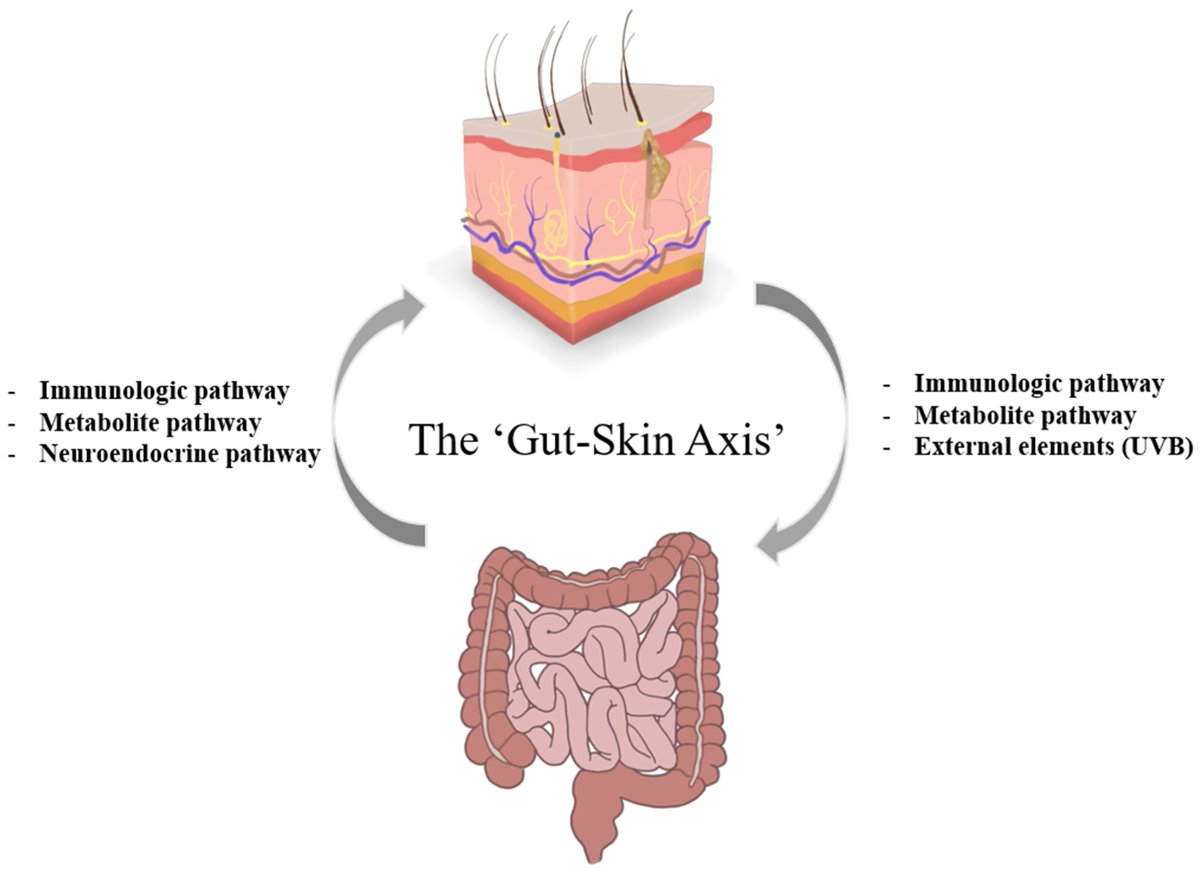
Eczema, dermatitis, and acne aren't skin conditions.
They're gut disorders manifesting on your skin.
Steroids and creams always fail long-term because the root cause is in your GUT.
Here are 16 evidence-based tips to fix it: 🧵
1) Stop eating sugar
93
1,162
6,052
1,131,894
Josh Iler retweeted

3 May 2025
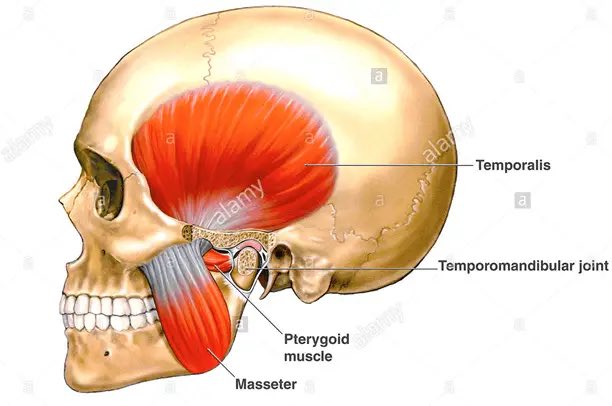
THE SILENT SCREAM
The trauma release technique they never taught you… but your body’s been begging for.
You won’t believe what happens when you try this.
Read this. Save it. Try it today.

318
2,682
21,189
4,032,985