
Once a surgeon, always a patriot. “When a child is born, a soul begins its journey”
Joined July 2014
- Tweets 3,806
- Following 1,490
- Followers 422
- Likes 14,448
10 Photos and videos





Pinned Tweet

10 Feb 2017
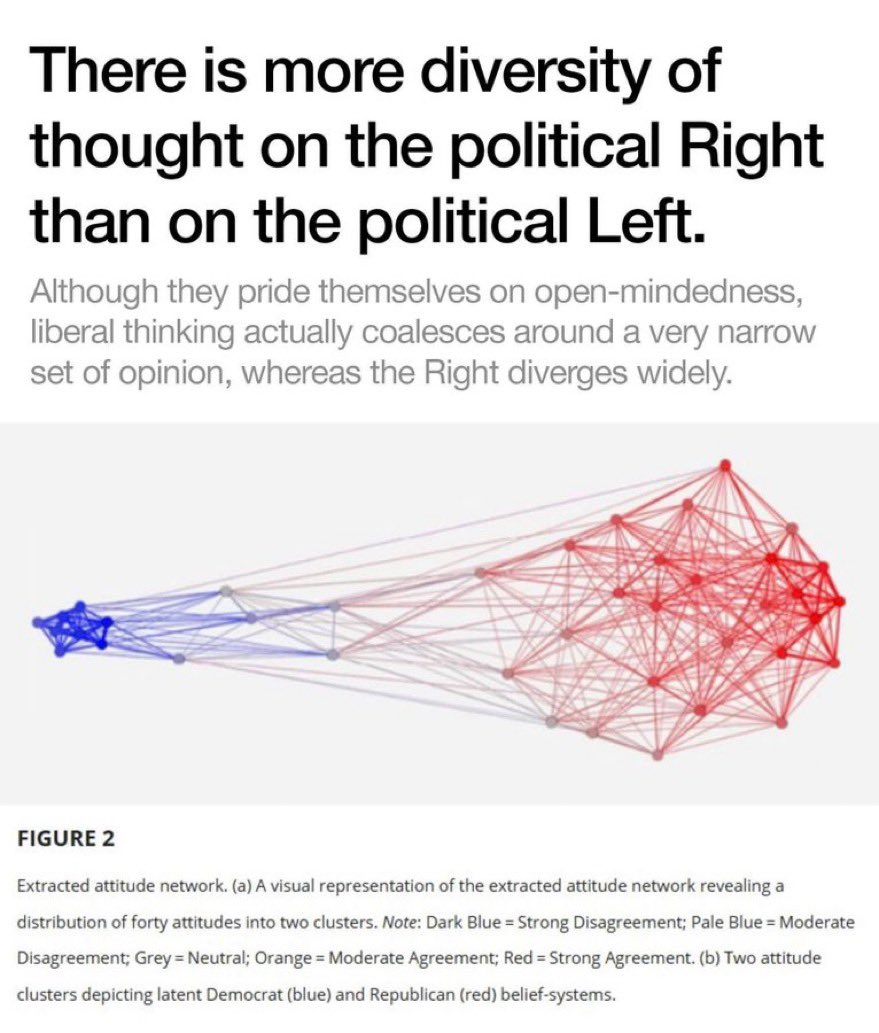
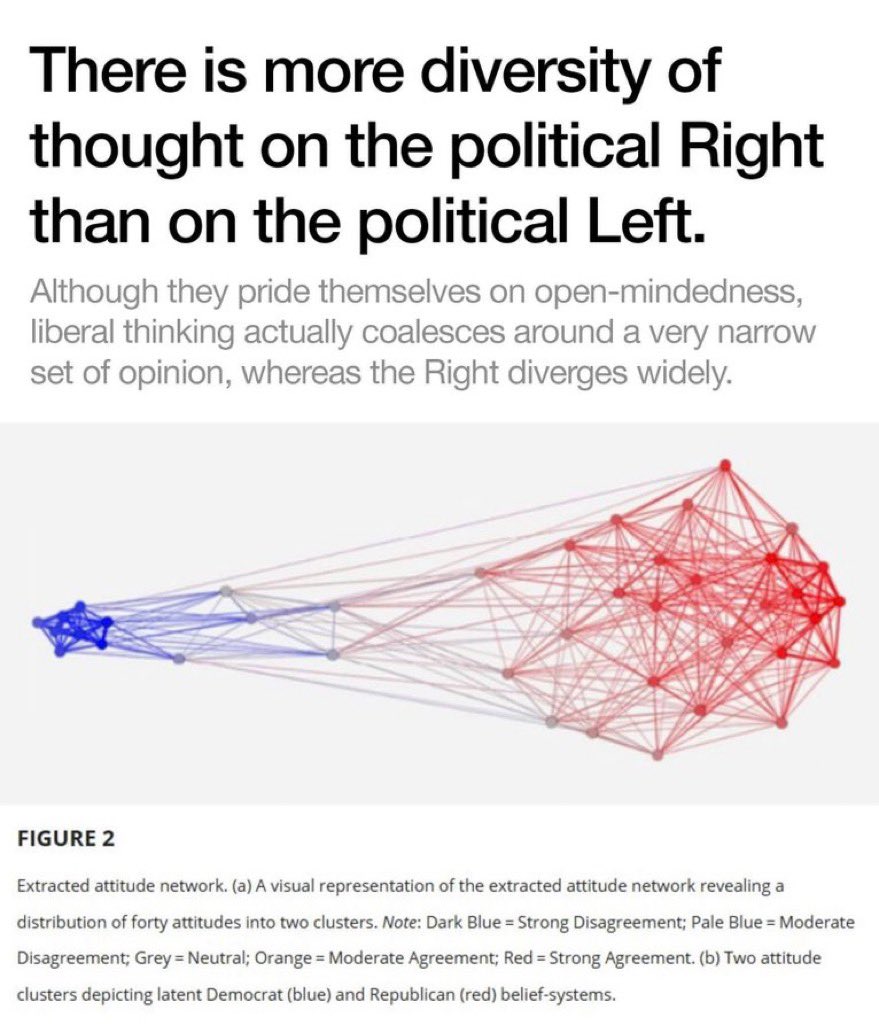
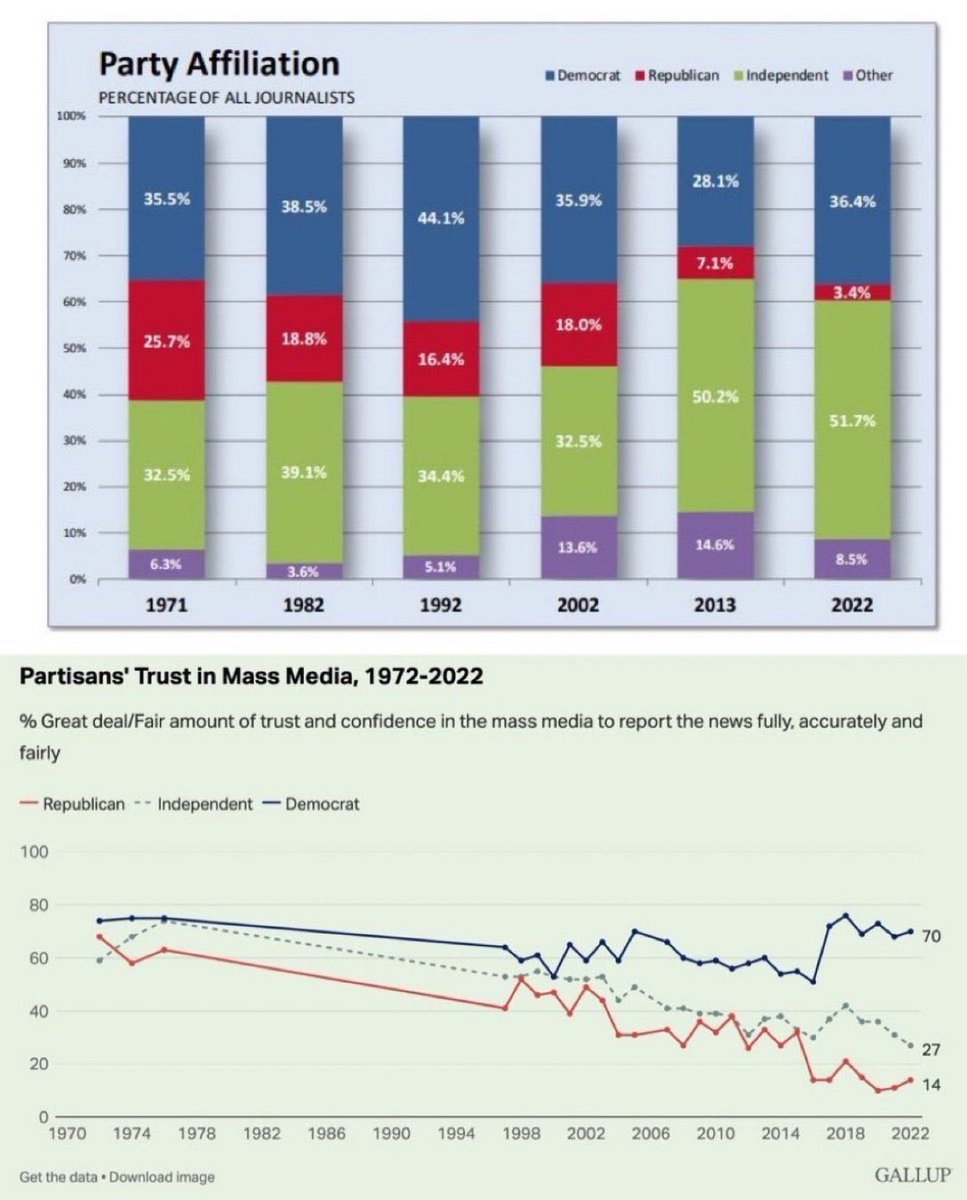
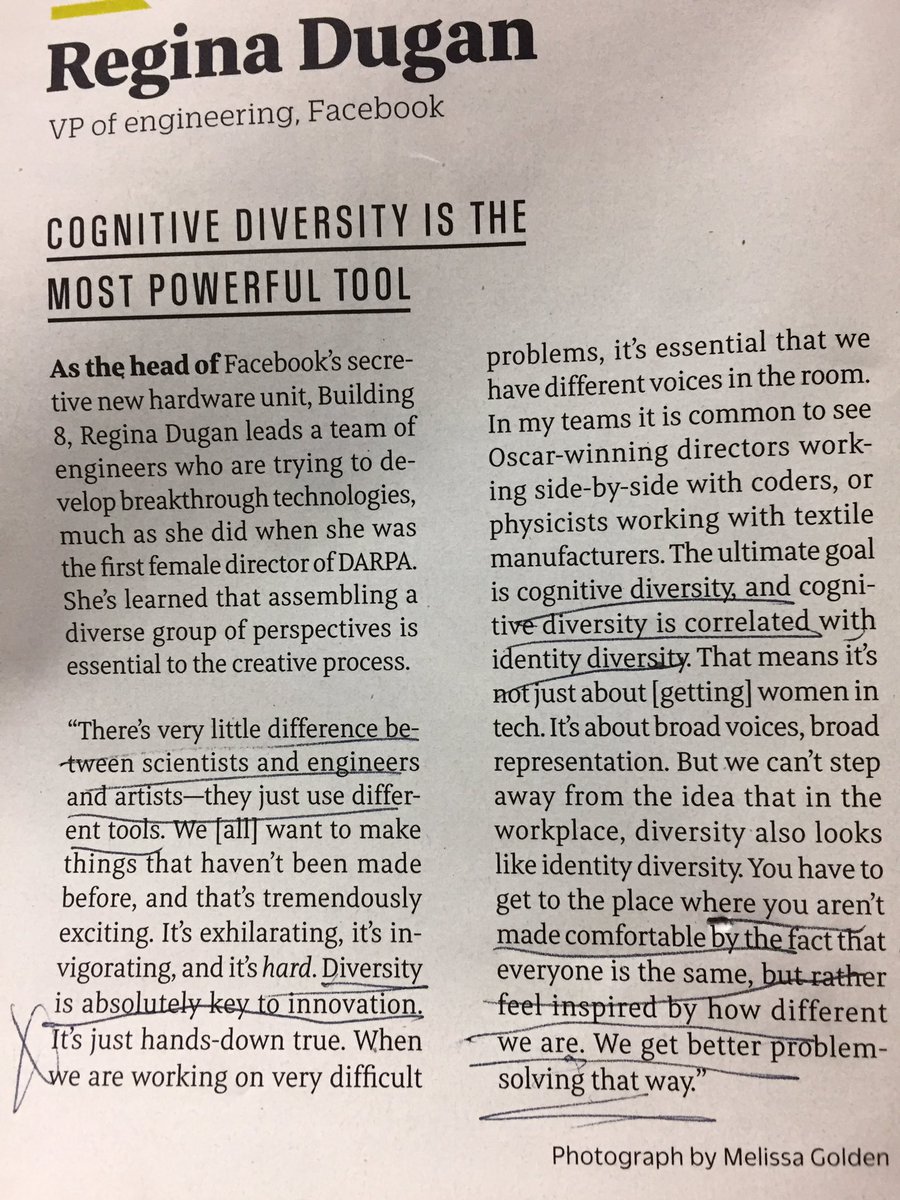
Isn't cognitive diversity the only true and real and significant sort of #diversity?? x.com/ReedOmary/status/82930…
8 Feb 2017

4
3
35
Richard Arthur retweeted

Jun 14
The people who created 40 Trillion in debt are angry that Elon Musk created 1 Trillion in wealth.
478
4,491
34,963
326,538
Richard Arthur retweeted

Jun 13
In Germany, many parking lots are doing double duty as part of the country's "sponge city" strategy . Instead of traditional, water-sealing asphalt, these lots are paved with permeable grass grids .
The reinforced tiles bear the load of a vehicle while the open spaces are filled with soil and grass, allowing rainwater to infiltrate naturally . This design combats urban flooding, recharges groundwater, and filters out heavy metals and oils before they reach the water table .
Furthermore, replacing heat-absorbing asphalt with living grass helps lower the urban heat island effect, cooling the surrounding air by several degrees during summer heatwaves .

2
20
99
1,674

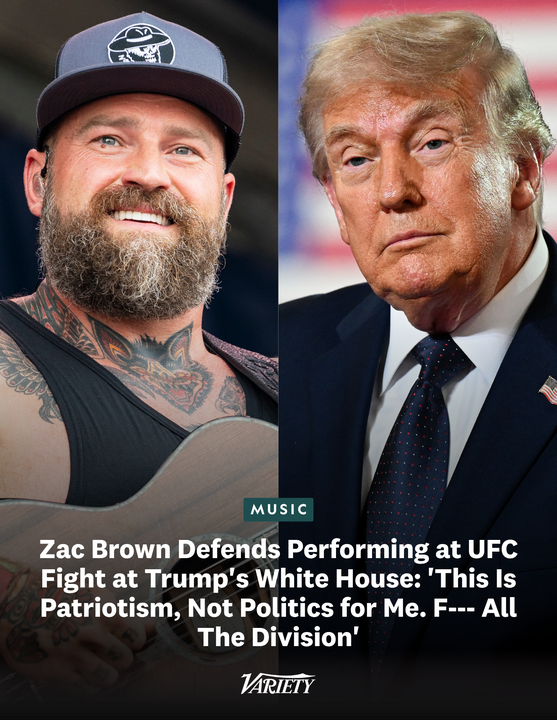
Zac Brown defends performing at Sunday's UFC fight at Trump's White House, saying: "This is patriotism, not politics for me."
"I’m there for the troops, man. I’m there to honor America. This is patriotism, not politics for me. I mean, f*ck all the division. I don’t believe in that. I love this country. I love all the people that have sacrificed so that I can live my American dream and that everyone that lives here gets a chance to do that if they work hard and make the right decisions. So it doesn’t have a place in politics for me.” (The Pat McAfee Show)
variety.com/2026/music/news/…
898
624
5,515
250,289
Richard Arthur retweeted

Jun 11
A 15-year-old girl who had loved wrestling since she was four got put on a mat against a fucking male while the adults in charge knew exactly what they were doing.
She didn’t know. They did. By the end of that match she was sobbing and running to her mother after getting digitally raped through her singlet. She still had to shake the bastard’s hand. Her own coaches just walked the fuck away.
Her mother reported it the next day like any decent parent would. The law and their own policy said report it to the Title IX coordinator immediately and get law enforcement involved within 48 hours.
These gutless fucks did nothing for 53 days. Fifty-three fucking days of silence while they protected their precious policy and kept letting males into girls’ sports.
Only when a journalist started asking questions did these cowards suddenly remember how to do their fucking jobs. The next day they finally filed the report.
The principal had the balls to call the mother afterward and say they take this shit “very seriously.” Seriously? You spineless pricks sat on a sexual assault complaint for nearly two months and only moved when the press showed up.
And what did it cost? The girl quit wrestling. A sport she’d loved since she was four years old. She quit because she no longer trusted the adults in charge to protect her. Students bullied the shit out of her after the story broke and not one coach or administrator lifted a finger to stop it.
They protected the policy. They protected their own asses. They left the girl to carry it alone. Fuck every last one of them.
(article below)
525
7,170
33,688
846,694
Richard Arthur retweeted

Jun 8
I'm finally reading Dune. This quote, which is in the first few pages, hits hard:
"Once men turned their thinking over to machines in the hope that this would set them free. But that only permitted other men with machines to enslave them."
722
21,523
121,536
2,118,592
Richard Arthur retweeted

Jun 9
You know the Overton window has shifted when @GeraldoRivera starts sounding like a Republican on election security.
Jun 8

Elections should be
-in person
-one day only
with exceptions for disabilities, military or travel.
-Photo IDs should be mandatory and available at no cost at any federal government office. example Social Security, VA, USPO, Selective Service or DMV.
129
1,075
7,023
89,575
Richard Arthur retweeted

Any civilized country in which half the population believes voting is a sham would do everything in its power to restore public trust in elections.
365
1,763
10,290
90,595
Richard Arthur retweeted

Every legitimate vote in LA deserves to count, but a broken system dilutes our community's voice. Latinos Por Pratt is launching a data-driven election audit of the June 2 mayoral primary. We aren't waiting for certification—we are building the legal case now. 🧵👇
🗓️ THE TIMELINE:
🔹 Now – June 30: Mapping raw voter data, flagging commercial/vacant addresses, & tracking daily mail ballot returns.
🔹 July 2: Official Certification.
🔹 July 3 – July 7: 5-day window to file a formal state legal contest based on the data.
WE NEED YOU.
How to get involved:
1️⃣ Data Analysts/Coders: Help us parse LA County voter files & flag anomalies.
2️⃣ Eyes on the Ground: Verify suspicious addresses in your neighborhoods.Protect the integrity of our vote. DM us or click the link to join the team: docs.google.com/forms/d/e/1F…
¡SPENCER, SACA LA BASSURA! @spencerpratt
275
2,122
6,716
85,744
Richard Arthur retweeted

Japan and Germany were devastated during WW2.
Their children didn’t become terrorists.
Stop making excuses for your terrorists.
313
13,170
79,845
915,517
Richard Arthur retweeted

Is the Gain-of-Function Cabal finally unraveling?
Congratulations and thank you to everyone involved in detecting the smuggled monkeypox and arresting those responsible.
A thorough investigation is necessary to identify all co-conspirators and prosecute them to the full extent of the law.
justice.gov/usao-edmi/pr/fed…
148
1,024
2,858
62,276


Richard Arthur retweeted

Abolishing private property in 2 easy steps
Step 1 - Rent control: Rent is lower than costs and taxes so you can't do maintenance.
Step 2 - Seizure: You don't have the money to do maintenance and the state uses it as an excuse to take your property.
1,231
5,135
24,472
936,027
Richard Arthur retweeted

May 16
When the Moderna mRNA flu shot is approved this summer, it will quickly go into production for the "fall flu season." It will kill thousands of seniors every year. The Moderna mRNA flu shot is a tool of eugenics to reduce Social Security and Medicare costs through senicide.
196
1,274
3,761
79,796
May 16
“personal agency is a myth if you check the right oppression boxes”

Elon just endorsed it.
Gad Saad dropped the hammer on Fox this morning.
We now live in a world where:
- Rape victims get less sympathy than their rapists
- Homeowners get less than the squatters breaking in
- American vets get less than illegal migrants
- Repeat felons with 186 charges get 200 more “chances” because “society made them do it”
This isn’t kindness.
This is suicidal empathy.
Universities spent decades teaching our judges, leaders, and elites that personal agency is a myth if you check the right oppression boxes. So criminals become victims, victims become bigots for complaining, and the whole system rots from the inside.
5
May 15
Judges that ignore ICE detainers should be in violation of a federal law. Too many cases of recidivism with a violent crime.
Compassion for crime victims, not criminals.
1
3
Richard Arthur retweeted

May 13
Just a reminder that Joe Biden gave Zelensky $8 BILLION DOLLARS on the same day that Hurricane Helene hit the United States.
Read that again.
1,236
11,037
28,184
226,185
May 13
The Mennonite kids with measles deserved proper medical care. Denial of care is a tort and probably a crime.
Disgusting lack of medical ethics.
May 13

🚨 HEALTH SEC. RFK JR. JUST EXPOSED IT
2 little girls without vaccinations for measles DIED in the hospital because the hospital refused to give them proper care.
They were part of the Mennonite community in Texas, who haven't been vaccinated since 1796
“I went to the funeral of one of those little girls, and I spent a day with the family of the other.”
“Both of them told me that when they took their children to the hospital, they were treated as pariahs. They were SHAMED."
RFK wants to treat unvaccinated people just as judiciously as the vaccinated:
“There’s a lot of people in this country who… are not going to vaccinate...I believe that we need to treat them with COMPASSION and UNDERSTANDING — and empathy, and get them the treatments that they would get anywhere else in the world!"
Masterclass. How could anyone oppose this?
H/t @EndTribalism
6
Richard Arthur retweeted

I'm a board certified OBGYN. I've practiced for 20 years. Here's what's actually happening with mifepristone, because the coverage of it has been a mess.
On May 1, the 5th Circuit Court of Appeals ruled that the FDA overstepped its authority in 2023 when it eliminated the in-person dispensing requirement for mifepristone and allowed the drug to be mailed. On May 4, the Supreme Court issued a temporary administrative stay restoring mail-order access while it reviews the emergency appeals from Danco and GenBioPro. That stay expired May 11. We're waiting on the Court.
Let me say this clearly: I don't want mifepristone banned. Almost no OBGYN I know does. It has a legitimate place in our practice. What's being argued in Louisiana v. FDA is not whether the drug exists. It's whether the FDA's safety protocol "the REMS" should include the in-person dispensing safeguard the FDA itself required for the first 23 years this drug was on the market.
Here's what an in-person visit does that a telehealth call cannot:
1. It confirms gestational age by ultrasound. Patients are not always accurate about their dates. They are sometimes weeks off. Without imaging, no one knows.
2. It rules out ectopic pregnancy. Mifepristone does not treat an ectopic. If you take it and your pregnancy is in your fallopian tube, the tube will still rupture. Women die from this.
3. It creates a local physician who is accountable when something goes wrong — hemorrhage, sepsis, incomplete abortion requiring surgery. A doctor in another state on a video call cannot manage a bleeding patient at 2 a.m.
The 2023 REMS change removed all three. And here is the part the mainstream media will not tell you: it is entirely predictable that a partner, a parent, or a boyfriend will substitute themselves on the telehealth visit to spare the patient an awkward conversation. That means the person actually taking the drug may never be seen, never be examined, and never have her dates verified. If she is further along than she said, the outcome can be a severely preterm infant. This is a child who may live decades with profound disability, at a public cost in the tens of millions of dollars over a lifetime.
This is why the FDA itself opened a safety review in September 2025. Real-world claims data is suggesting complication rates well above what is on the drug label. Secretary Kennedy and Commissioner Makary launched that review for a reason. Until it's finished, returning to in-person dispensing is the conservative clinical position. And by "conservative" I mean cautious. Careful. The standard of care.
The Fifth Circuit didn't ban anything. It restored the same safeguard the FDA enforced under Clinton, Bush, Obama, and the first Trump administration. That's not extremism. That's medicine.
86
677
2,182
70,563
Richard Arthur retweeted

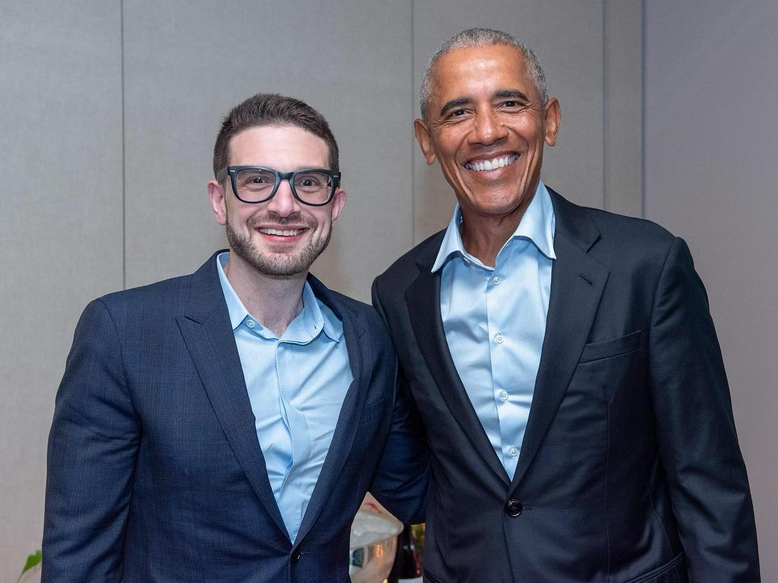
Soros is with Obama on this trip, visiting Carney.
This is bad...very bad.
406
844
6,212
88,865
Richard Arthur retweeted

May 10
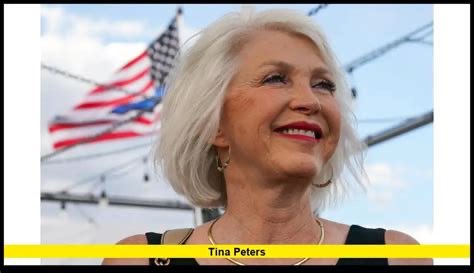
I wanted to wish a special Happy Mother’s Day to Gold Star Mom Tina Peters.
Her Navy SEAL son lost his life in service to our nation and she is now a political prisoner in Colorado for the crime of exposing Democrat election fraud.
Free Tina Peters.
1,106
12,033
35,302
203,915