Research progress on the association between viruses and cardiac diseases
šØYour heartās deadliest serial offender just got named: SarsCoV2
Interesting Chinees review just mapped how six viruses attack the heart.
One stands out!
Not because the authors scream āworst ever,ā but because the science does.
āDirect heart-cell invasion long-term damage cumulative hits from regular reinfections = a unique threat!
Vaccines help. But the data is sobering.
Letās break it down virus by virus(review):
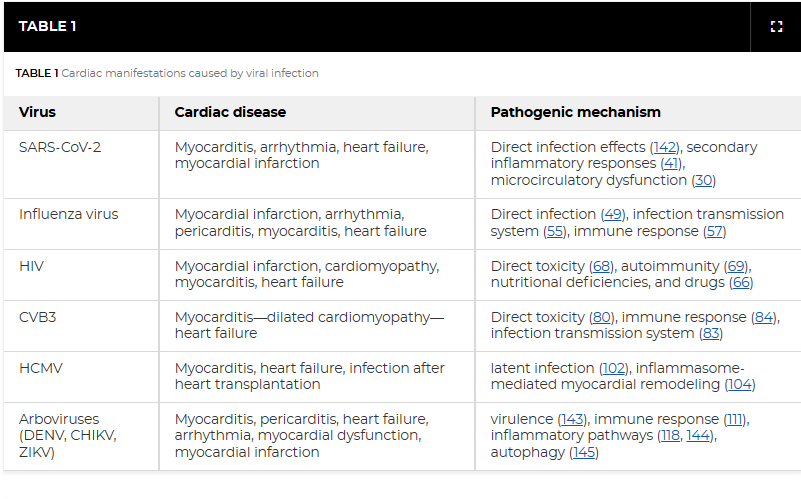
1. SARSCoV2:
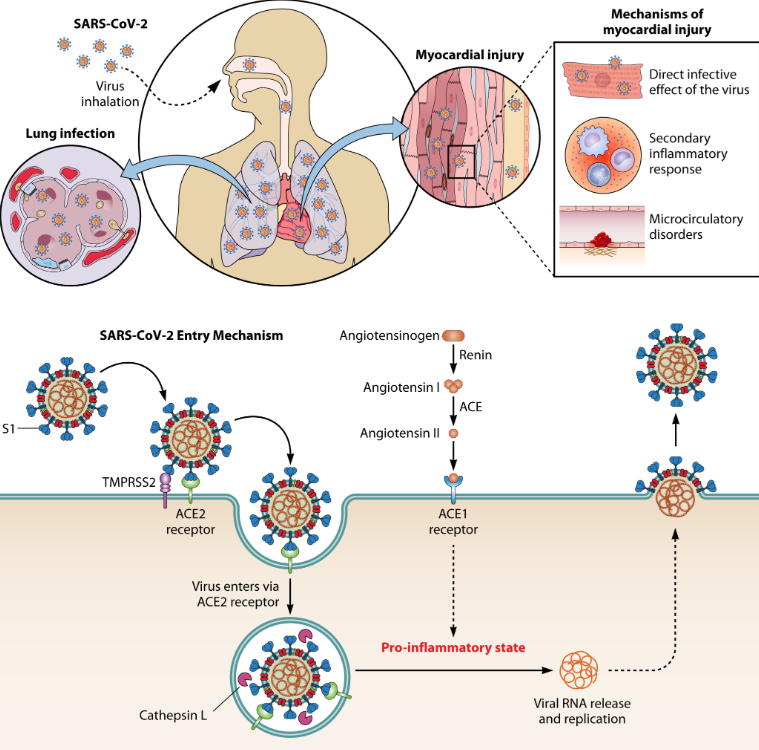
- Enters cardiomyocytes and pericytes via ACE2 receptor (membrane fusion/endocytosis).
- Direct infection triggers myocarditis, pericarditis, arrhythmias, heart failure (de novo or exacerbation), microclots, thromboembolic events and myocardial infarction,
- Long-term: persistent cardiac inflammation, dysautonomia and long-COVID cardiovascular symptoms,
- Possible viral persistence in tissue,
- Vaccination reduces myocarditis risk/CV complications compared with natural infection,
-Regular reinfections!
2.Influenza (A/B):
- Direct replication in cardiomyocytes, Purkinje cells and endothelial cells (independent of lung titers),
- Causes myocarditis, pericarditis, arrhythmias, heart-failure flares and myocardial infarction via both cytopathic effects and cytokine-driven systemic inflammation/endothelial dysfunction.
- Long-term: myocardial fibrosis and remodelling,
- Vaccines lower infection-related cardiovascular complications,
3. HIV:
- No productive cardiomyocyte infection,
- Indirect damage from chronic immune activation, endothelial dysfunction, metabolic changes and antiretroviral toxicity,
- Drives cardiomyopathy (myocarditis in advanced cases), heart failure, myocardial infarction and stroke,
- Long-term: premature cardiovascular aging, fibrosis and remodelling even on suppressive therapy,
4. CVB3 (Coxsackievirus B3):
- Enters via CAR receptor,
- Direct cytopathic necrosis, oedema and impaired contractility in cardiomyocytes,
- Rapid progression to myocarditis, dilated cardiomyopathy, arrhythmias (QTc prolongation) and heart failure,
- Chronic inflammatory cardiomyopathy is a hallmark sequela,
5. Human cytomegalovirus(HCMV):
- Lifelong latency with reactivation (especially in immunocompromised),
- Induces myocarditis, heart failure, transplant vasculopathy and atherosclerosis through sustained inflammation and vascular injury,
- Long-term myocardial remodelling,
6. Arthropod-borne viruses(Arboviruses = DENV, CHIKV, ZIKV):
- Direct cardiac invasion (some models) plus immune-mediated injury,
- Associated with myocarditis, arrhythmias, heart failure, shock and (CHIKV) dilated cardiomyopathy or long-term ischemic heart disease/cerebrovascular risk.
ā¼ļøSo, this minireview examines six cardiotropic viruses side-by-side, yet SARS-CoV-2 receives the most space because of its proven direct cardiomyocyte invasion, explosive multi-pathway damage, and documented long-term cardiac persistence, risks that broader population data show accumulate relentlessly with every regular reinfection, creating an immediate and chronic cardiovascular burden on a global scale that no other virus in this review matches.
āYour heartās deadliest serial offender just got named: SarsCoV2!
#PREVENTION #COVIDHeart #RepeatInfectionKills #AvoidSars2 #AvoidReinfections #YouOnlyHaveOneHeart
journals.asm.org/doi/10.1128ā¦