
Joined January 2024
- Tweets 4,285
- Following 823
- Followers 186
- Likes 905
267 Photos and videos

⚡Kīmani Ngūgī⚡ retweeted

Jun 11
Simba Corp’s Associated Vehicle Assemblers is investing Sh1 billion in a dedicated EV assembly line in Mombasa.
The move includes new equipment and training as demand for electric vehicles grows.
25
81
407
10,331
⚡Kīmani Ngūgī⚡ retweeted

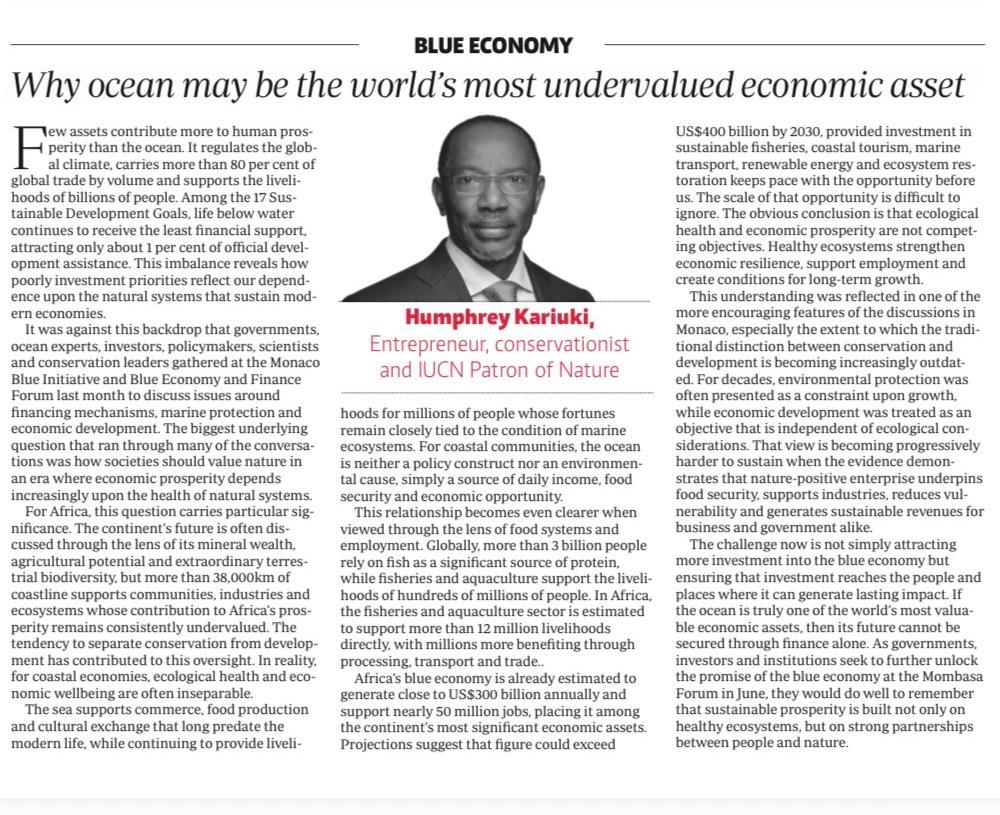
The ocean carries 80% of global trade and feeds more than 3 billion people, yet receives just 1% of official development assistance.
With Africa’s blue economy already worth $300 billion annually and projected to exceed $400 billion by 2030, the challenge is not recognising its value. It is investing where it matters most.
standardmedia.co.ke/amp/opin…
2
16
41
1,423
⚡Kīmani Ngūgī⚡ retweeted

Jun 10
Nassim Taleb sat down with Daniel Kahneman - two of the sharpest minds on risk ever - and the takeaway was blunt: stop trying to be smart
Kahneman's prospect theory explains why almost nobody can do what Taleb does
We're wired to hate the steady trickle of small losses his strategy needs - even when one huge win more than pays for all of them
So you structure it the other way: tiny safe bets plus a few wild ones, never the comfortable middle.
"You'd rather be antifragile than intelligent - any time."
"Trial and error is really just trial with small error."
"Make your gains in small bites. Take your losses all at once."
~1 hr, free. two legends on risk, prediction, and how to win without forecasting ↓
Jun 9

Nassim Taleb helps run one of the most famous crash funds on earth. His edge: having no idea what's coming
He and Spitznagel buy far out-of-the-money options non-stop, regardless of the news. They never forecast the crash - they just stay positioned so one shock pays for years of small losses
~10% a year in normal times. ~3,700% in a single crisis month
"We have absolutely no notion of the future. We just buy the options."
"If you have a reason in mind to buy an option, don't - it'll already be priced in."
"Up the escalator, down the elevator."
~25 min, free. how the world's most famous crash-trader actually makes money ↓
27
292
1,931
1,393,379
⚡Kīmani Ngūgī⚡ retweeted
Jun 9
Uber is seeking a courier licence from CA Kenya to expand into parcel delivery in Kenya.
42
364
2,454
53,842
⚡Kīmani Ngūgī⚡ retweeted

Jun 7
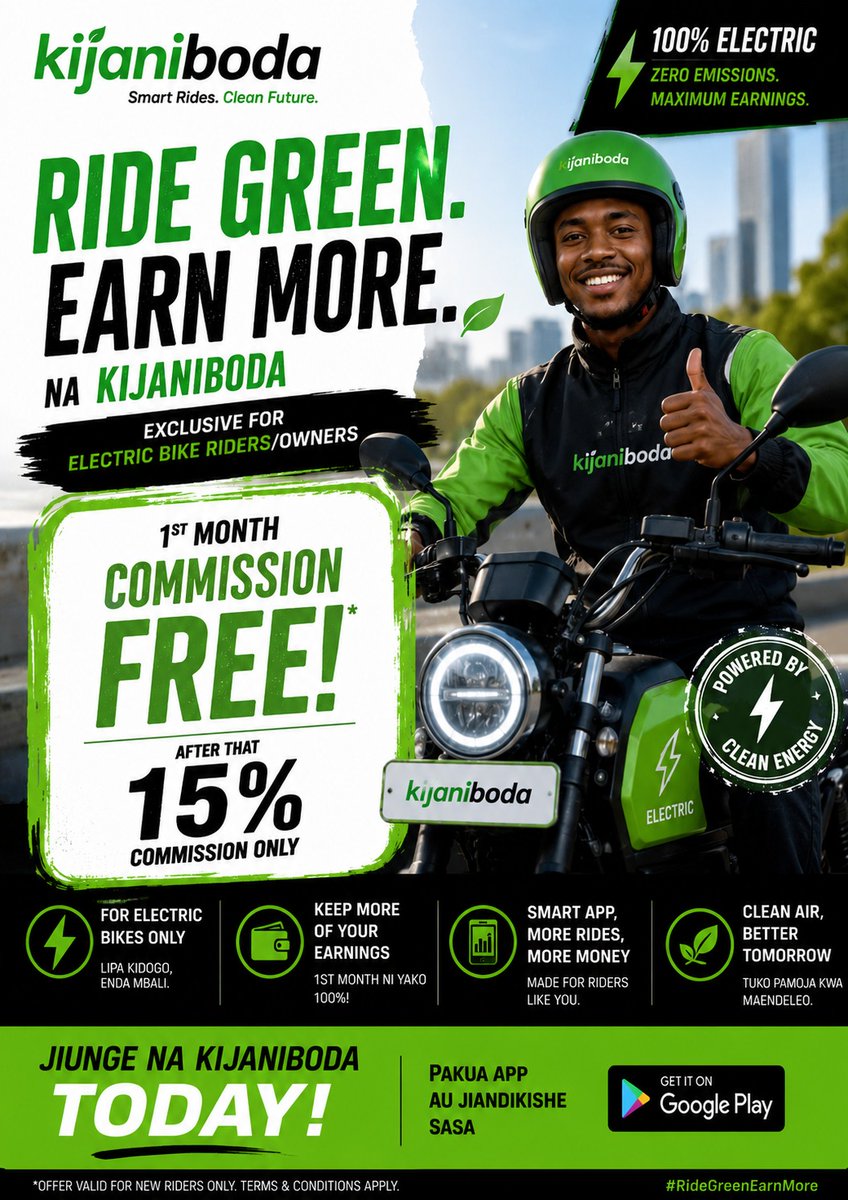
China’s largest electric two-wheeler manufacturer, Yadea, has entered the Kenyan market with a range of electric motorcycles as it seeks a share of the country’s fast-growing e-mobility sector. zurl.co/gZ9yh
1
16
27
3,712
⚡Kīmani Ngūgī⚡ retweeted

Jun 8
Uber Tried to Take Over the World, but Nigerian Drivers Taught Them a Lesson They’ll Never Forget! 😂
1,055
5,757
26,621
2,748,997
Lily Allen | The Fear (Official Video - Explicit Version) youtu.be/q-wGMlSuX_c?si=Bojd… via @YouTube
24
Lykke Li - I Follow Rivers (Director: Tarik Saleh) youtu.be/vZYbEL06lEU?si=dz9m… via @YouTube
45
⚡Kīmani Ngūgī⚡ retweeted
Jun 6
Kenya Power is moving electric vehicle users to a special electricity tariff as EV charging grows in Kenya.
The new plan is set to separate EV charging from normal electricity use and apply a different pricing system for it.
123
275
1,713
64,130
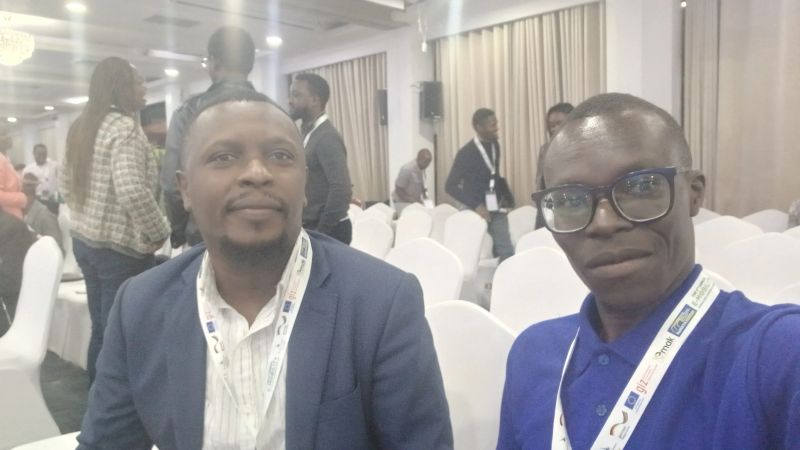
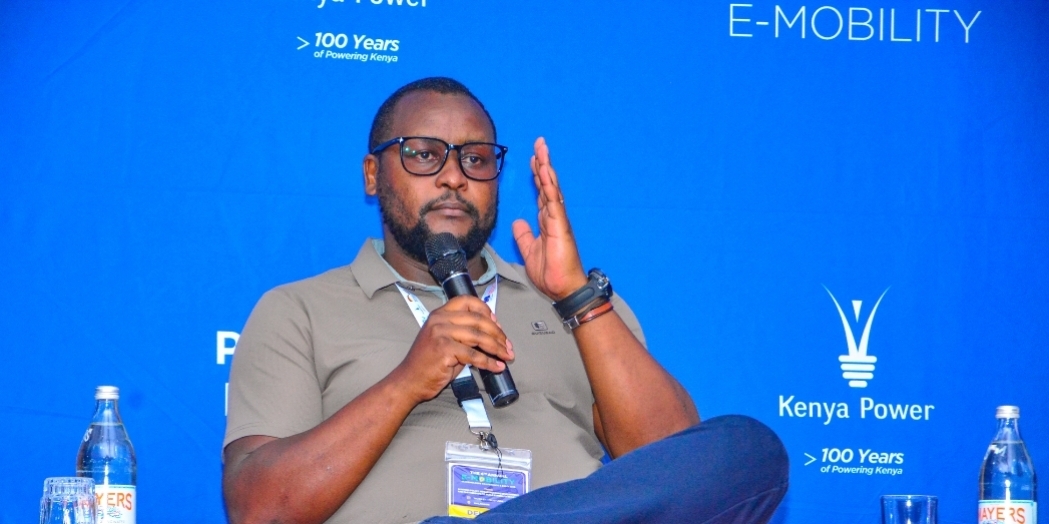
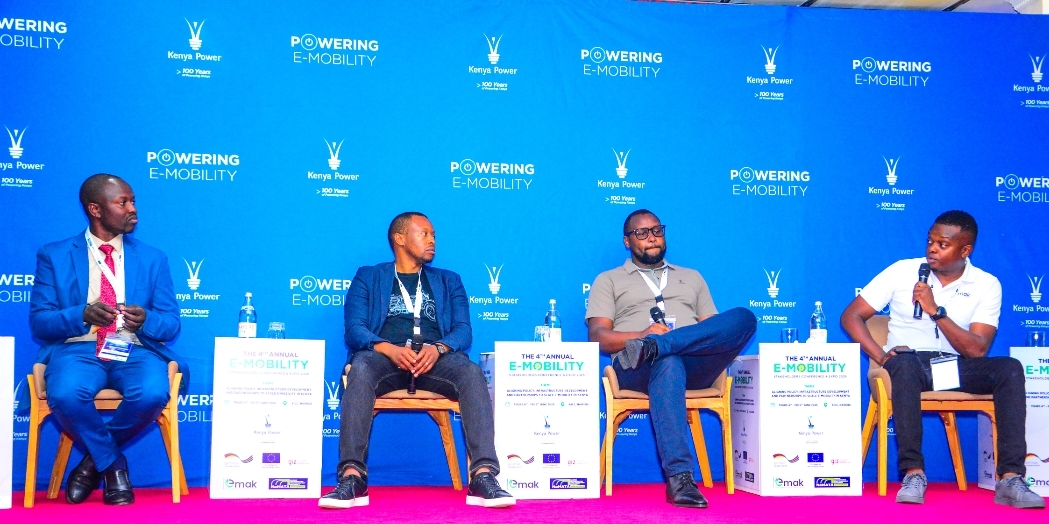
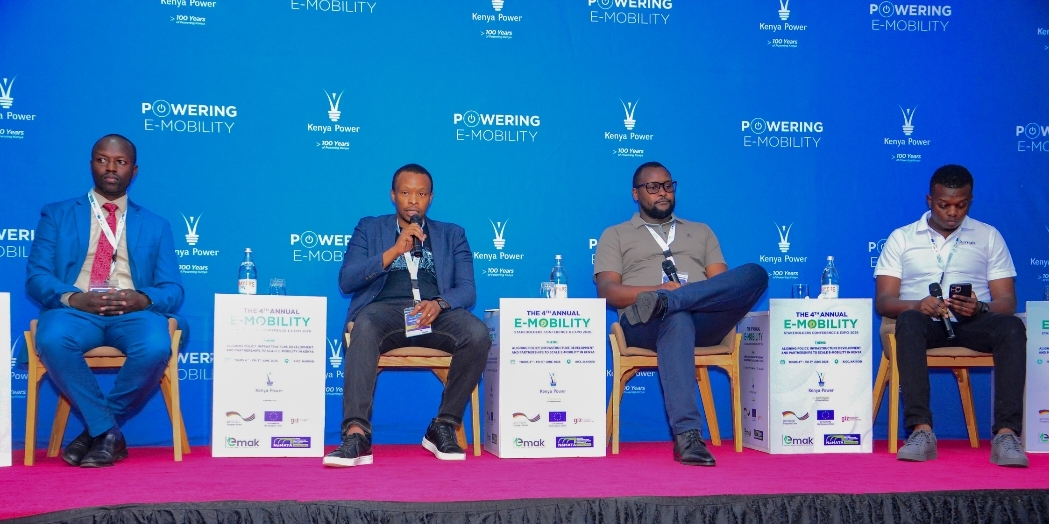
Met Mr Ngema of
@SPIROEVKENYA at the Just concluded 4th Annual E Mobility Stakeholders Conference at the KICC. @SPIROEVs
11
⚡Kīmani Ngūgī⚡ retweeted

Jun 5
Local assembly of electric vehicles in Kenya has grown rapidly.
Building a robust ecosystem is central to sustainable industrial capacity, reducing production costs, and creating green jobs.
@KenyaPower @EMobilityKenya @KAM_Kenya #PoweringEMobilityKE #EnergyOnTheMove
2
3
78
⚡Kīmani Ngūgī⚡ retweeted

Jun 5
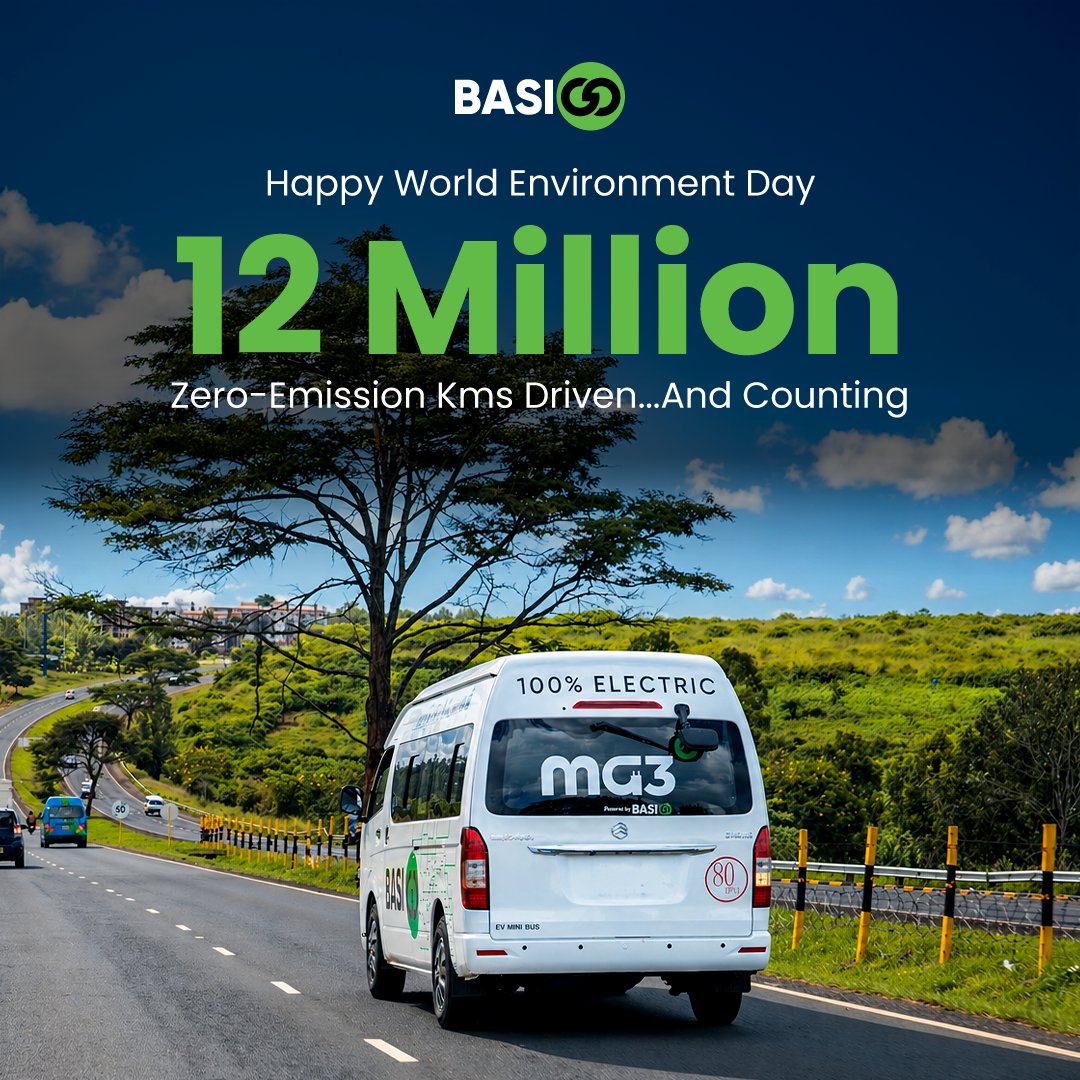
Today is World Environment Day, and this year’s theme, 𝘐𝘯𝘴𝘱𝘪𝘳𝘦𝘥 𝘣𝘺 𝘕𝘢𝘵𝘶𝘳𝘦. 𝘍𝘰𝘳 𝘊𝘭𝘪𝘮𝘢𝘵𝘦. 𝘍𝘰𝘳 𝘖𝘶𝘳 𝘍𝘶𝘵𝘶𝘳𝘦 resonates deeply with everyone working to build a cleaner transport future.
At BasiGo, we believe one of the most effective ways to reduce emissions in Africa is through public transport, not because it is the easiest path, but because it moves entire communities and delivers significant impact at scale.
Every electric bus operating across Kenya and Rwanda is proof that clean mobility is no longer a future ambition. It is already transforming how people move today. To date, our buses have driven over 𝟭𝟮 𝗺𝗶𝗹𝗹𝗶𝗼𝗻 𝘇𝗲𝗿𝗼- 𝗲𝗺𝗶𝘀𝘀𝗶𝗼𝗻𝘀 kilometres across Kenya and Rwanda, connecting people and communities.
Today, let us rethink how we move. From city streets to inter-county routes, zero-emission transport is not only better for the planet but also creates healthier, more sustainable communities for everyone.
#WorldEnvironmentDay
8
15
490
⚡Kīmani Ngūgī⚡ retweeted
Jun 4
Kenya Railways plans to roll out electric trains under the Sh65 billion Kenya Urban Mobility Improvement Project.
They are set to link Nairobi to towns such as Thika, Ruiru, Kikuyu, Ngong and Kitengela.
169
678
3,914
97,394
Modjo - Lady (Hear Me Tonight) (Official Video) youtu.be/mMfxI3r_LyA?si=2lpY… via @YouTube
7
Tuko Waks Mzeiya!
bloomberg.com/news/articles/…
4
Miles Davis - So What (Official Video) youtu.be/zqNTltOGh5c?si=a0_H… via @YouTube

1

⚡Kīmani Ngūgī⚡ retweeted

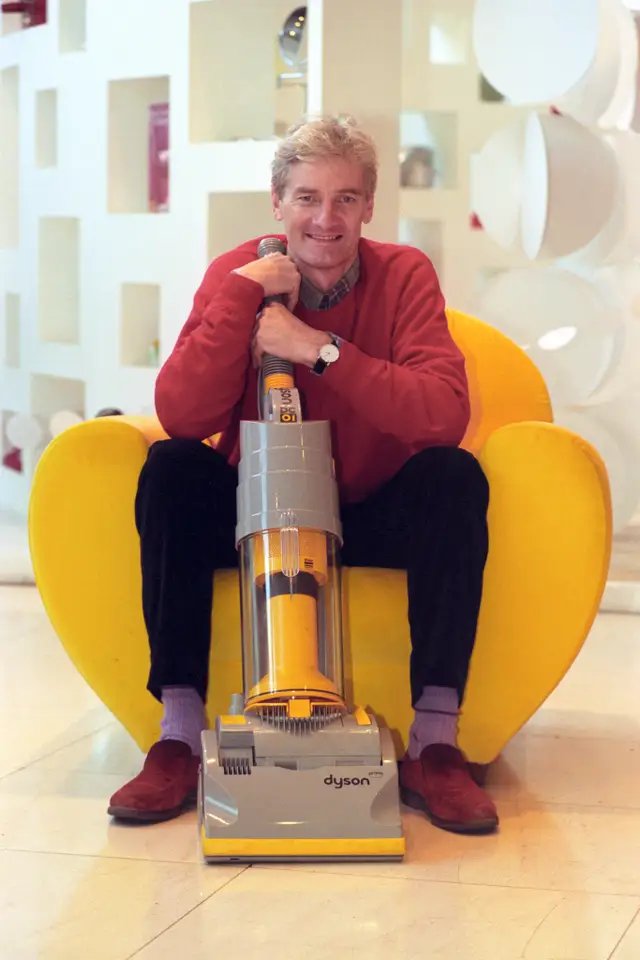
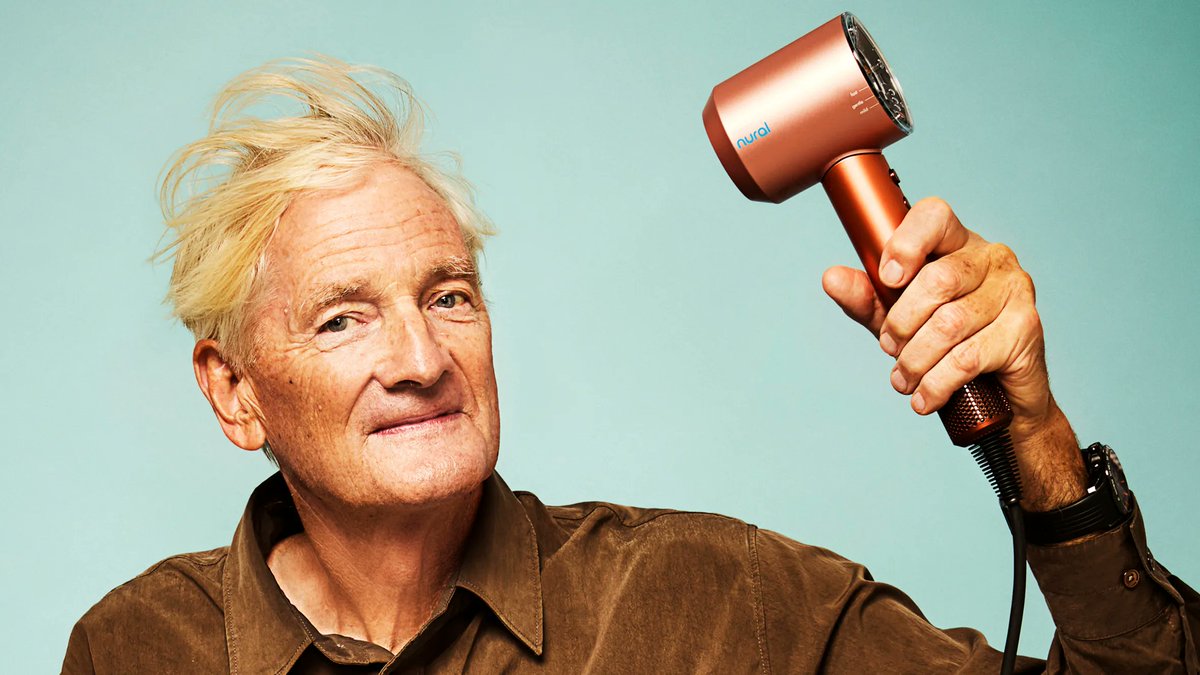
Dyson is a $25 billion company.
It is 100% owned by James Dyson.
No investors. No venture capital. No public shareholders.
But there was a time when he had no job and his wife was working to keep the house running.
In 1974, James Dyson left a steady engineering job at a company called Rotork to start his own business. He'd spent four years there designing boats. Stable salary. Respected employer. He walked away from all of it to make a better wheelbarrow.
That company eventually failed. By 1978, he was running a workshop on borrowed time and that's when a broken vacuum cleaner changed everything.
He was vacuuming his house when the suction died mid-clean. He opened the bag clogged with fine dust. The machine lost power every time the bag filled more than a third of the way. He was paying for something that failed at its only job.
At his factory, he'd seen an industrial cyclone, a cone that spun air at high speed to separate paint particles from the air. No bag. No filter. Just centrifugal force and a clean exhaust.
He thought: what if you did that to a vacuum cleaner.
He didn't know it would take five years and 5,126 prototypes to find out.
His wife Deirdre taught art to keep the family going. They remortgaged the house to fund his experiments. Then again. Then a third time. Every prototype got a number. Every failure got documented, not just that it failed, but exactly how, and exactly what he'd change next.
5,126 times he built something that didn't work.
5,126 times he went back to the workshop.
By prototype 5,127, the cyclone geometry was right. Constant suction. No bag. No power loss. It picked up what every other vacuum left behind.
He was 32. He had a working prototype and no idea what to do next.
He went to every major manufacturer. Hoover. Electrolux. Every big name.
They all said no.
One Hoover executive later admitted they'd looked at it, understood exactly what it was, and passed because it would kill their replacement bag revenue. The vacuum cleaner bag market was worth over $500 million in Europe alone at the time. They knew his machine worked. That was precisely why they declined.
He spent years being rejected. Banks wouldn't lend. Investors wouldn't back a product the entire industry had already reviewed and passed on.
Then a Japanese company licensed it. Sold it for the equivalent of £3,500 a unit. It appeared in design galleries. Won awards. It made him just enough to keep going.
In 1993, the Dyson DC01 went on sale in Britain. By early 1995, it was the best-selling vacuum cleaner in the country.
He was 46 years old.
Here's what the story is actually about.
He built a $25 billion company without giving away a single share to an outsider. No VC round. No IPO. No co-founder dilution. Just a remortgaged house, a wife's teaching salary, and 5,126 failed experiments.
Most founders at his level had given away 60-70% of their company long before reaching scale. Dyson gave away nothing because he had nothing anyone wanted to invest in. The rejection that looked like a curse was the thing that kept him whole.
Since 2018 alone, the Dyson family has collected £5 billion in dividends. Not from selling the company. From never selling it.
In 1999, Dyson sued Hoover for copying his cyclone technology with their Triple Vortex vacuum. The High Court ruled that Hoover had deliberately copied a fundamental part of his patented design. Hoover agreed to pay £4 million in damages.
He said it wasn't about the money.
It was about the executives who'd looked at his machine, understood exactly what it was, and chosen bag revenue over building something better.
Dyson wanted them to know he remembered.
50
348
1,846
207,234