
World Affairs with focus on Middle East and Bible prophecy
Joined March 2019
- Tweets 18,104
- Following 679
- Followers 225
- Likes 18,956
107 Photos and videos
















Informed retweeted

May 27
One of the few declassified IDF drone videos from high altitude over Gaza.
First 5-7 seconds: Watch Hamas rockets launching from right in the middle of civilian areas. The IDF then tracks the exact launch sites in real time and destroys them with precision strikes.
This is the reality behind the “indiscriminate bombing” lie.
Hamas hides among civilians, IDF targets the terrorists.
Share this. The truth needs to be seen. 🇮🇱
284
6,046
19,547
600,039
Informed retweeted

May 25
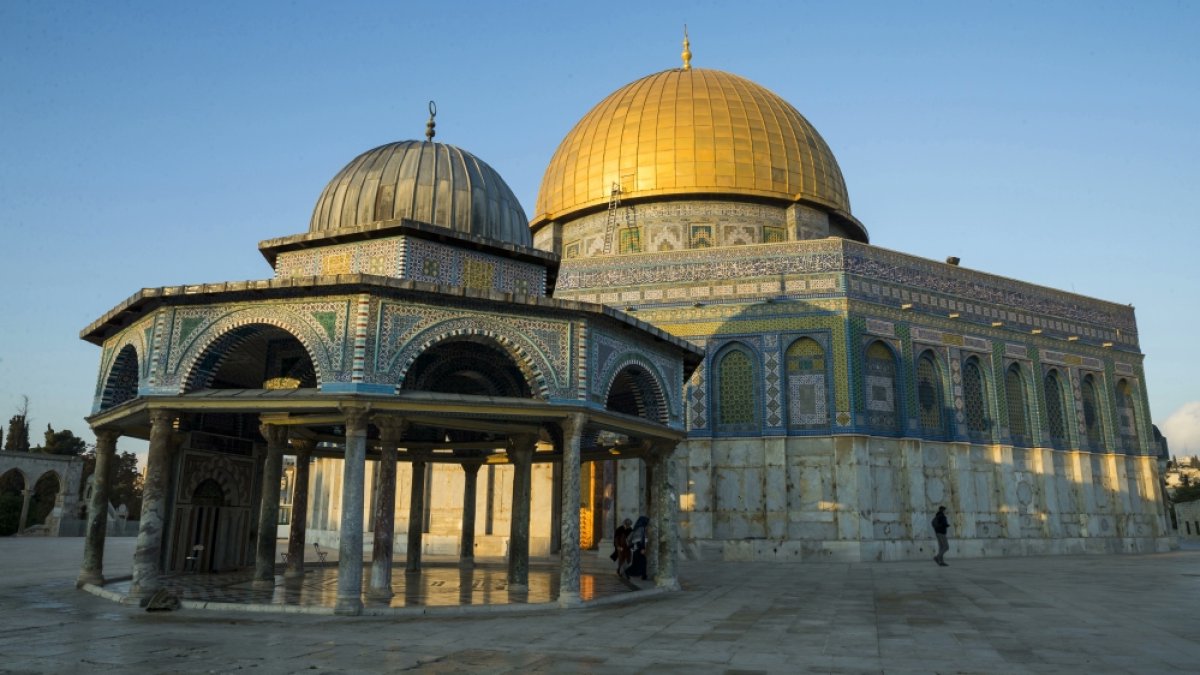
US and Israel are working to end Jordan’s custodianship of Jerusalem’s Al-Aqsa Mosque and replace it with a new Israeli-controlled “multi-faith” administration.
The proposed plan would allow expanded Jewish prayer access and give Israel influence over mosque leadership and Friday sermons.
Source: MEE
335
1,532
3,625
1,543,363

Informed retweeted

May 12
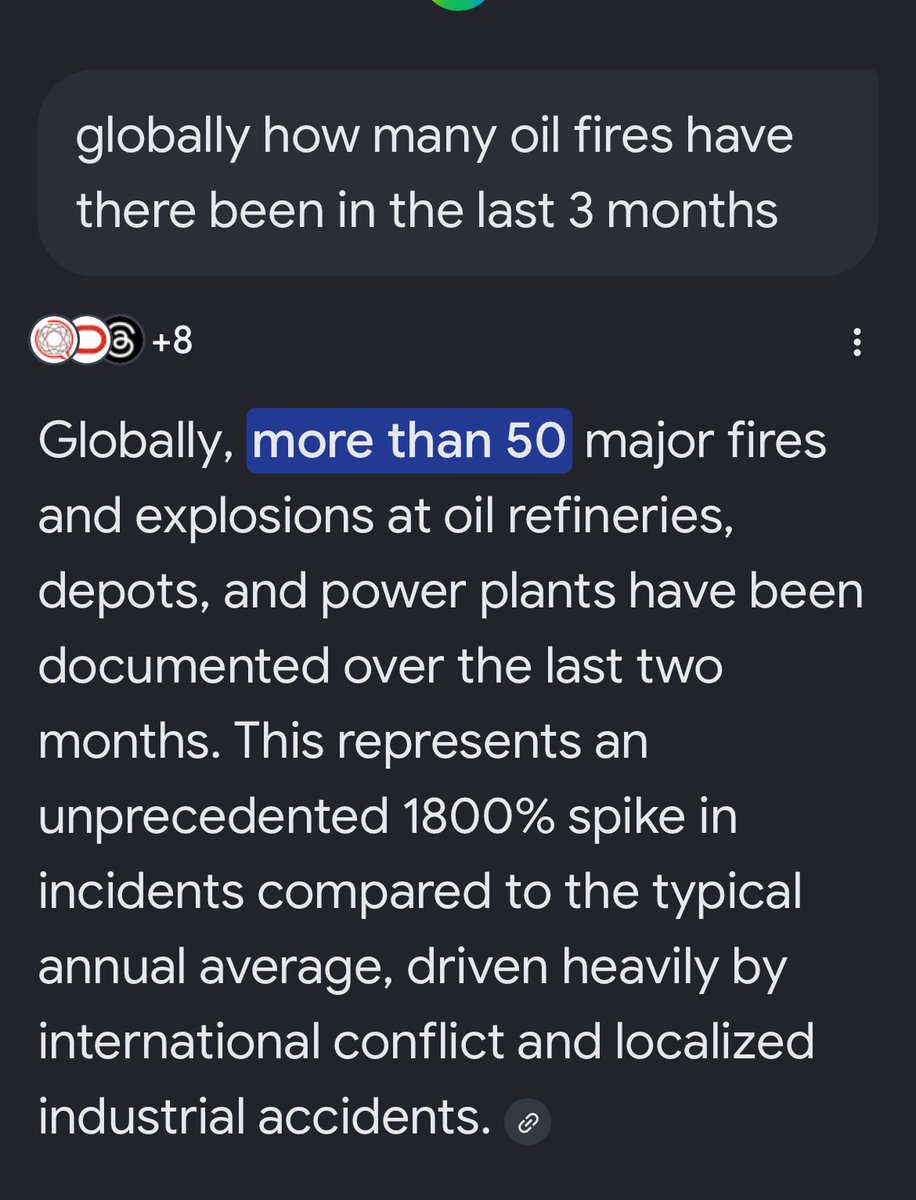
🚨🚨🚨Holy moly!!
TWO oil refinery explosions today!
- May 11 morning: HF Sinclair refinery, West Tulsa, Oklahoma
- May 11 evening: Pemex Antonio Dovali Jaime refinery, Salina Cruz, Mexico (6 injured)
Full sequence so far since Geelong's explosion:
15 Apr → Australia Geelong Refinery
16 Apr → Pakistan blast (8 dead)
18 Apr → Russia Tuapse refineries
20 Apr → India HPCL Rajasthan
20 Apr → Texas oil well explosion
20 Apr → Romania CET Vest blast
22 Apr → Erbil refinery fire (Iraq)
23 Apr → Russia “Gorky” pumping station drone strike
25 Apr → Vietnam Dong Anh recycled oil facility (Hanoi)
8 May → Louisiana PBF Chalmette Refinery explosion/fire
11 May → Oklahoma HF Sinclair (West Tulsa) Refinery explosion/fire
11 May → Pemex Antonio Dovali Jaime refinery, Salina Cruz, Mexico (6 injured)
This is getting insane!
27
249
393
9,417
Who stands to gain the most from this?

1
1
22
Informed retweeted

May 12
⛽ Daily Bulletin - Wed 13 May
Today: Chalmers' $14.8 billion budget fuel-resilience package funds the excise cut and lifts the stockpile target; the IRGC declared a tenfold expansion of its Hormuz zone; the Pentagon put the Iran war cost at $29 billion.
📊 Reserves (effective): diesel ~32d (29-33) | petrol ~41d (38-42) | jet ~25d (23-26) (projected from DCCEEW snapshot verified inbound deliveries less consumption)
🚢 28 AU-bound tankers en route, ~1,423 ML. Wider tracking: 4,351 vessels, ~126,001 ML.
📰 Today's signals
• POLICY: Treasurer Chalmers' Tuesday budget delivered $14.8 billion in fuel-resilience measures - the petrol stockpile lifted to about 37 days and diesel/jet to 50 days, the fuel excise more than halved to 20.6 cents per litre through 30 June plus the heavy-vehicle road-user charge to zero ($2.9 billion combined), $1 billion interest-free business loans, $1.1 billion Cleaner Fuels Program, plus the existing $7.5 billion Facility and $3.2 billion Reserve.
• GEOPOLITICAL: IRGC Navy deputy Mohammad Akbarzadeh declared a tenfold expansion of the Strait of Hormuz operational definition - a 200-300 mile "complete crescent" from Jask to Siri Island, vs the prior 20-30 mile strait; second expansion since the conflict began. Reuters, Baird Maritime.
• GEOPOLITICAL: Pentagon acting comptroller Jules Hurst III told congressional hearings the Iran war has cost the US $29 billion, up $4 billion from the $25 billion late-April estimate. Al Jazeera, CNN, Military Times.
• MARKET: Brent traded around $105/bbl Monday; OPEC April production fell to a 26-year low 20.04 mbpd amid Iran-war shut-ins; EIA STEO sees Brent averaging $106/bbl in May-June. EIA, OilPrice.
• OPERATIONAL: Offshore Alliance members at Inpex's Ichthys LNG voted unanimously Tuesday to serve strike notice after the 15 May FWC meeting, citing outstanding pay-deal concerns; sixth FWC session since 24 April. Argus, LNG Prime, Riviera.
📅 Tomorrow: 14 May - Trump-Xi Beijing day 2.
My read: the budget tranche detail is the biggest direct AU-fuel-security commitment of the crisis - $14.8 billion crosses from frame-setting into binding fiscal lines. But the new 37/50-day target still sits well short of the 90-day IEA threshold Australia has missed since 2012 (about 49 days in early 2026), and a four-year build-out with refining work "beyond 2030" exposes Australia if the next crisis lands inside that window. The excise cut to 20.6 cents per litre is the load-bearing demand-side measure, but it also removes the price signal that would normally ration demand against tight supply, and the 30 June return to 52.6 cents per litre is the second-order risk if Hormuz has not reopened. Offshore, the IRGC's "complete crescent" formalises a wider operational claim over shipping while Aramco's Q1 call puts the cost at 100 million barrels per closed week and the Pentagon now puts the US Iran-war bill at $29 billion.
2
4
20
949
Informed retweeted

May 12
New: Trump said the US “know[s] more about drones than anybody” and it didn’t need Ukraine’s help. But a statement of intent obtained by @FT shows the Pentagon is asking for Ukraine to send it drones for testing and evaluation “to inform development of US military requirements for potential future acquisition”.
ft.com/content/461ec432-e647…
4
26
94
14,436
Informed retweeted

The International Union of Muslim Scholars has issued a 'Gaza' fatwa:
- For the salvation of Gaza from genocide, the governments of Muslim countries must, in accordance with Islamic Sharia, urgently mobilize their armies. x.com/neyikaybettik/status/2…
43
385
816
16,642
Informed retweeted

May 10
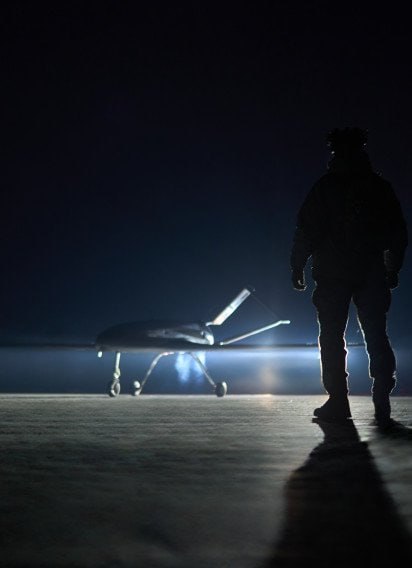
Europe is turning to Ukraine for defense answers. Countries that once focused on supporting Kyiv now study how it fights.
Ukraine's defense production reached $55 billion in 2026, and Ukraine launched more long-range drones on Russia than Russia on Ukraine in March. — U24.
1/
4
40
124
4,536
Informed retweeted

May 11
The Australia–Israel relationship is not symbolic. It has saved Australian lives.
In 2017, ISIS planned to bomb an Etihad Airways flight departing Sydney. The device was intended to detonate shortly after take-off, killing around 400 passengers and creating the deadliest terrorist attack in Australian history.
That attack was stopped because Israeli intelligence identified the threat and provided critical information that enabled Australian authorities to intervene before the bomb reached the aircraft.
This is what intelligence cooperation means in practical terms. Not diplomacy in the abstract, but Australians getting home alive.
🎬 WATCH: youtu.be/QPo56Q0-RJA
🎧 LISTEN: open.spotify.com/episode/2ow…
Subscribe to our regular YouTube podcast youtube.com/@Dr.MikeKelly
🔗 Follow:
Instagram: @Dr.MikeKellyAM
X: @MikeKellyofEM
Facebook: mike.kelly.819432
LinkedIn: mike-kelly-0336a055
#FrontlinesandFaultlines #DrMikeKelly #Australia #Israel #CounterTerrorism #NationalSecurity
132
299
1,036
19,035
Informed retweeted

May 9
every school should have a "fix-it lab" where students learn to repair their clothes, bikes and electronics. we should grow up knowing that not everything is disposable, that care and repair are part of living well on this planet.
582
9,023
53,916
684,207
Nice
May 9

JUST IN—WhatsApp cofounder Jan Koum has donated $200 million to Jerusalem’s Shaare Zedek Medical Center — the largest single gift ever made to an Israeli hospital. 🇮🇱
The hospital will be renamed Koum Shaare Zedek Medical Center, with a new 24-story complex featuring advanced surgical and emergency care facilities.
“This gift reflects our confidence in a future of medical innovation and research that will benefit patients in Israel and around the world,” Koum said. 🇮🇱🙏

11
Informed retweeted

May 9
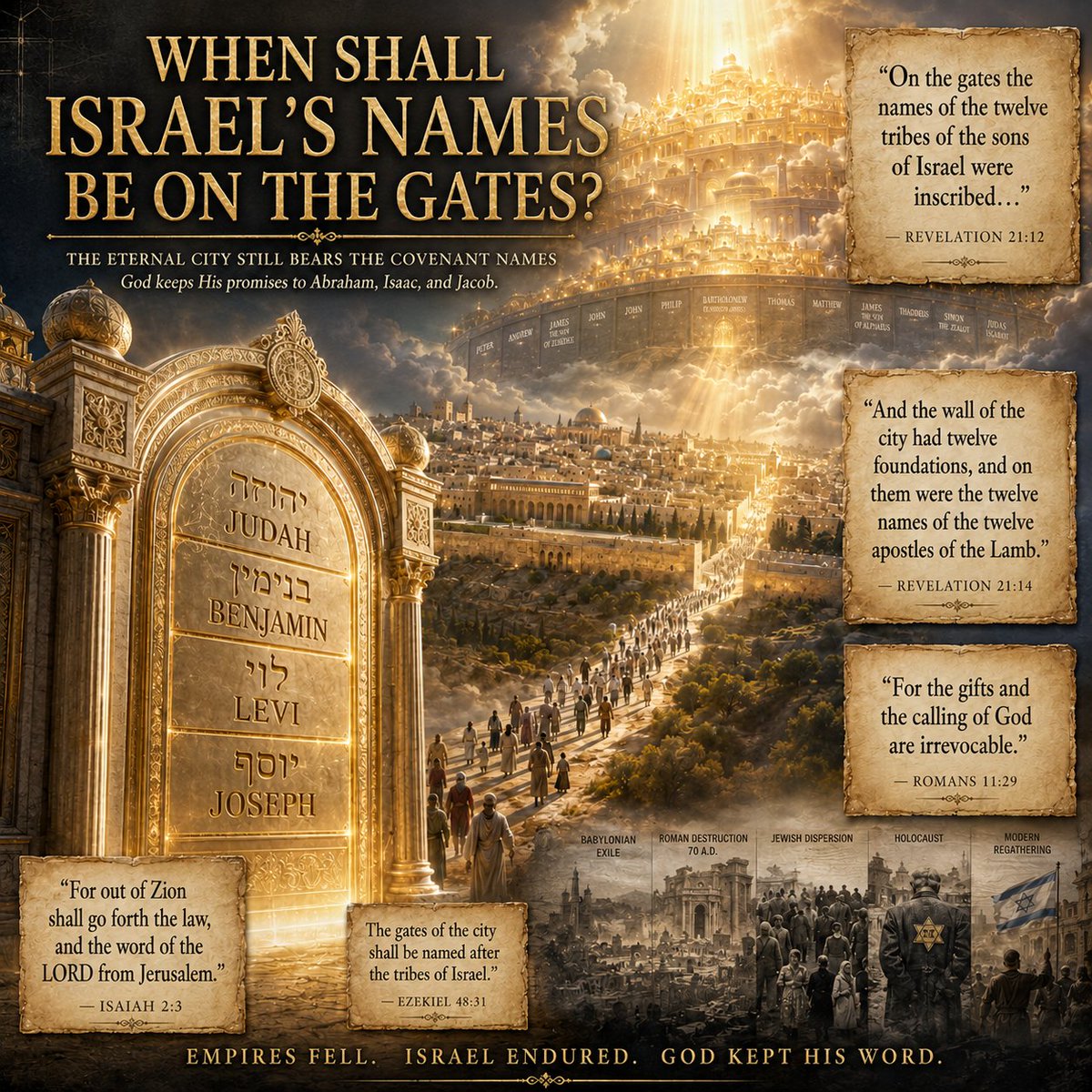
❖ WHEN SHALL ALL THE NATIONS FLOW TO ZION?
When God unveils the eternal city, He does something astonishing.
He places the names of the twelve tribes of Israel on the gates of New Jerusalem itself.
Not Rome.
Not Constantinople.
Not the empires that conquered Jerusalem.
Not the kingdoms that tried to erase the Jewish people from history.
Israel.
“It had a great, high wall, with twelve gates, and at the gates twelve angels, and on the gates the names of the twelve tribes of the sons of Israel were inscribed… And the wall of the city had twelve foundations, and on them were the twelve names of the twelve apostles of the Lamb.” Revelation 21:12, 14
That imagery is deliberate.
The gates bear the names of the tribes.
The foundations bear the names of the apostles.
Distinct.
Intentional.
Covenantal.
One Messiah.
One redemptive plan.
One King over Jew and Gentile alike.
Yet God still preserves the identities and promises He established throughout Scripture.
If God permanently rejected Israel, why will Israel’s names be engraved on the eternal city?
❖ THE STORYLINE OF SCRIPTURE IS ROOTED IN COVENANT
The Bible does not begin with the Church.
It begins with creation, the fall, and then God calling Abraham out of the nations.
“I will make of you a great nation, and I will bless you and make your name great… and in you all the families of the earth shall be blessed.” — Genesis 12:2–3
From the beginning, God’s plan involved both:
• a particular people
• and a global blessing flowing through them
The Abrahamic Covenant included:
• land
• descendants
• kingship
• national continuity
• worldwide blessing through Abraham’s seed
And God did not describe those promises as temporary.
“I will establish my covenant between me and you and your offspring after you throughout their generations for an everlasting covenant.” — Genesis 17:7
Later, God promised David an everlasting throne centered in Jerusalem:
“Your house and your kingdom shall be made sure forever before me. Your throne shall be established forever.” — 2 Samuel 7:16
Then came the promise of the New Covenant:
“Behold, the days are coming, declares the LORD, when I will make a new covenant with the house of Israel and the house of Judah.” — Jeremiah 31:31
Notice the specificity.
Not humanity in general.
Not a vague spiritual collective.
“The house of Israel and the house of Judah.”
❖ THE MILLENNIAL KINGDOM
The prophets describe a coming earthly reign of Messiah centered in Jerusalem.
Israel restored.
The nations streaming to Zion.
Messiah reigning from David’s throne.
Isaiah writes:
“It shall come to pass in the latter days that the mountain of the house of the LORD shall be established as the highest of the mountains… and all the nations shall flow to it… For out of Zion shall go forth the law, and the word of the LORD from Jerusalem.” — Isaiah 2:2–3
Ezekiel’s vision of the future kingdom city includes gates named after the tribes of Israel:
“The gates of the city shall be named after the tribes of Israel.” — Ezekiel 48:31
Even in the Messianic Kingdom, Israel’s tribal identity remains visible and honored.
❖ THE ETERNAL STATE
Then comes something even more astonishing.
After the Millennial Kingdom, John sees the New Jerusalem descending from heaven.
And the tribal names are still there.
“On the gates the names of the twelve tribes of the sons of Israel were inscribed.” — Revelation 21:12
That continuity matters profoundly.
The tribal names appear:
• in the patriarchal era
• in the covenants
• in the kingdom promises
• in the Tribulation
• in the Millennial Kingdom
• and even in the eternal state
Israel’s identity is not erased anywhere in the prophetic storyline.
❖ AN OPPOSING VOICE
Some argue that Israel forfeited her covenant role and that the Church now inherits all of Israel’s promises spiritually.
Historically, this idea expanded after Jerusalem’s destruction in AD 70 and through increasing allegorical interpretation in parts of church history.
And Christians should admit something painful:
At times, the Church did exactly what Paul warned against. It boasted against the branches.
The result was often contempt toward Jewish identity, denial of Israel’s future, and sometimes even theological justification for persecution.
But Paul directly confronts Gentile arrogance:
“Do not be arrogant toward the branches… remember it is not you who support the root, but the root that supports you.” — Romans 11:18
Then Paul asks the question directly:
“Has God rejected his people?” — Romans 11:1
His answer is immediate:
“By no means!”
Then Paul unveils a future restoration:
“A partial hardening has come upon Israel, until the fullness of the Gentiles has come in. And in this way all Israel will be saved… As regards election, they are beloved for the sake of their forefathers. For the gifts and the calling of God are irrevocable.” — Romans 11:25–29
Irrevocable.
That word matters.
God disciplined Israel.
He scattered Israel.
But Scripture never says He erased Israel.
As Charles Spurgeon once said:
“I think we do not attach enough importance to the restoration of the Jews… certainly, if there is anything promised in the Bible, it is this.”
❖ THE SURVIVAL OF ISRAEL IS ITSELF PROPHETIC
Egypt fell.
Assyria fell.
Babylon fell.
Rome fell.
Yet the Jewish people remain.
Scattered.
Persecuted.
Exiled.
Driven from nation to nation.
And still preserved.
Exactly as Scripture said.
“I will make a full end of all the nations among whom I scattered you, but of you I will not make a full end.” Jeremiah 30:11
Jeremiah goes even further:
“If this fixed order departs from before me, declares the LORD, then shall the offspring of Israel cease from being a nation before me forever.” — Jeremiah 31:36
Amos adds this promise:
“I will plant them on their land, and they shall never again be uprooted out of the land that I have given them.” Amos 9:15
Israel’s continued existence is not merely political.
It is covenantal evidence.
❖ THE GATES WILL TESTIFY
The prophetic storyline does not end with Israel erased.
It ends with Jerusalem exalted, Messiah reigning, and the tribal identity of Israel still honored in God’s future.
Ezekiel saw the future Kingdom city and declared:
“The gates of the city shall be named after the tribes of Israel.” — Ezekiel 48:31
Then John saw the New Jerusalem descending from heaven and wrote:
“On the gates the names of the twelve tribes of the sons of Israel were inscribed.” — Revelation 21:12
That continuity is staggering.
The same God who called Abraham, preserved Jacob’s descendants, formed Israel into twelve tribes, brought them through Egypt, judged them in exile, scattered them among the nations, and promised their restoration, still displays their tribal names in the future city.
Not as relics.
Not as symbols of replacement.
As covenant testimony.
The Millennial Kingdom points forward with gates named after Israel’s tribes.
The New Jerusalem confirms the same truth in eternity.
The tribes will be remembered.
The promises are still intact.
The covenant identity is still visible.
And beside those tribal gates stand the foundations bearing the names of the apostles of the Lamb.
Jewish Tribes on the gates.
Jewish Apostles on the foundations.
Israel and the Church are not confused.
God’s plan is not blurred.
His promises are not rewritten.
They are fulfilled under one Messiah, one King, one Redeemer.
That is why Gentile Christians should not boast over the branches.
We were grafted into a story God began with Abraham, carried through Israel, fulfilled in Messiah, and will display before all creation.
The eternal city itself becomes the final testimony:
For the gifts and the calling of God are irrevocable.
Romans 11:29
37
70
177
4,131
Informed retweeted

May 10
Amen Mark! Also, Zechariah 8:23 “Thus says the LORD of hosts: In those days ten men from the nations of every tongue shall take hold of the robe of a Jew, saying, ‘Let us go with you, for we have heard that God is with you.’”
1
1
6
71
Informed retweeted
May 8
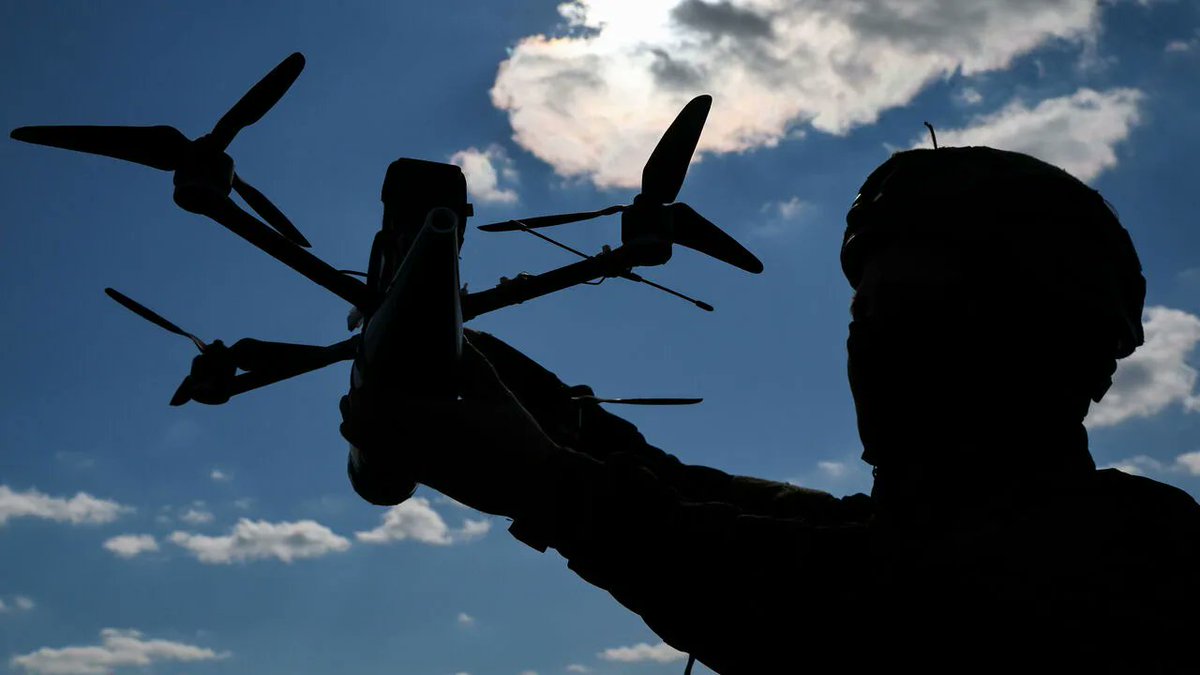
Russia planned to use Iran to kill Americans.
The plan involved training 10,000 students from Iran, Tajikistan and Syria to operate drones that would sink American landing ships and destroy personnel — The Economist. 1/
3
78
240
8,210
Informed retweeted

May 7
I don’t know what he did wrong, but I really hope she forgives him. 😂
403
2,592
18,675
362,273
Informed retweeted

Zelensky: 1,820 Russian ceasefire violations recorded by 10 a.m. Ukraine will respond "symmetrically."
Further steps to be decided after military and intelligence assessments.
7
9
79
12,843
Informed retweeted

A black woman learns about how the Gazans treat black people.
Wait for her reaction when she learns what Al-Abid means...
139
2,327
7,787
164,897
Informed retweeted

May 5
🚨🚨#عاجل
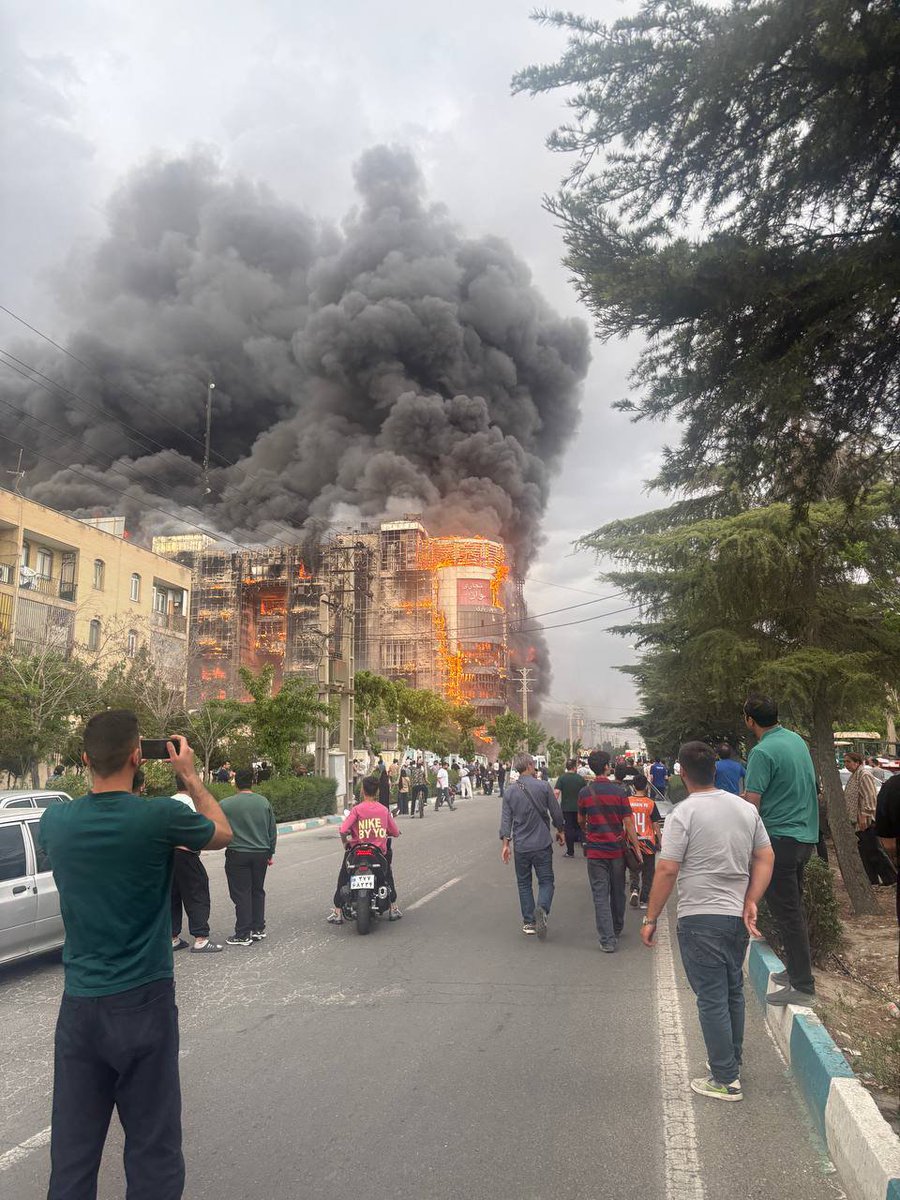
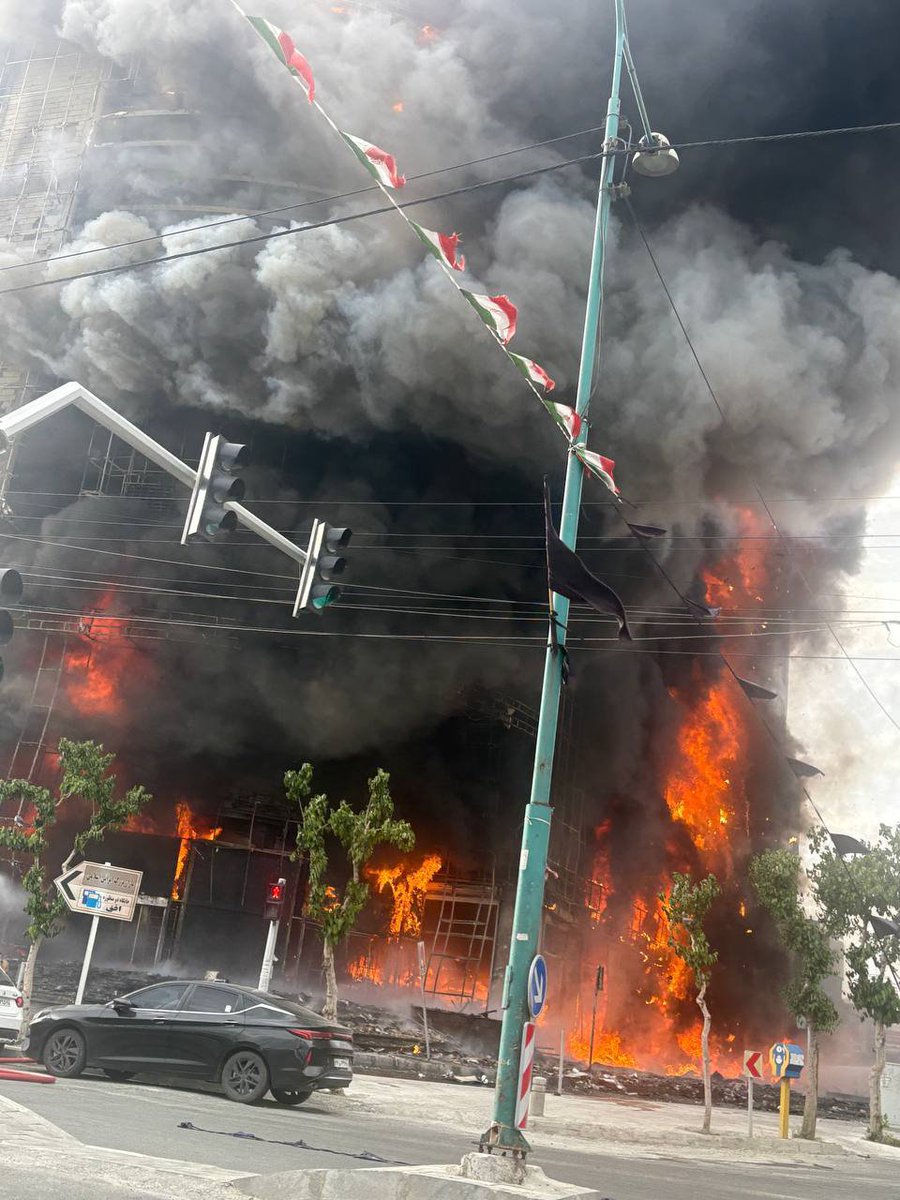
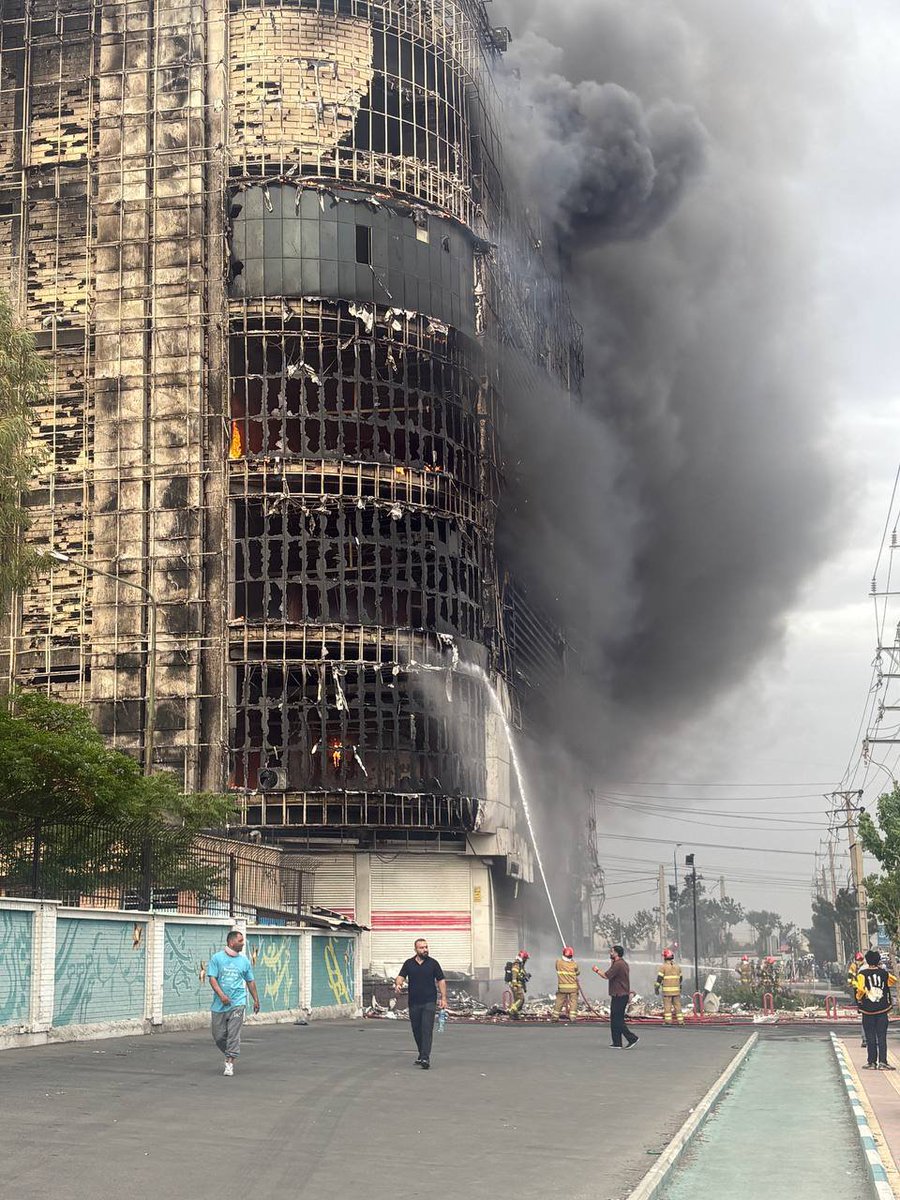
الحرائق في طهران شكلها شغل درونز صغيرة حارقة لل Clading القابل للاشتعال او اختراق للانظمة الخدمية في البنايات...
بتقديري ومن خبرتي في الابنية هي بين عمل الطرف الثاني والطرف الثالث.
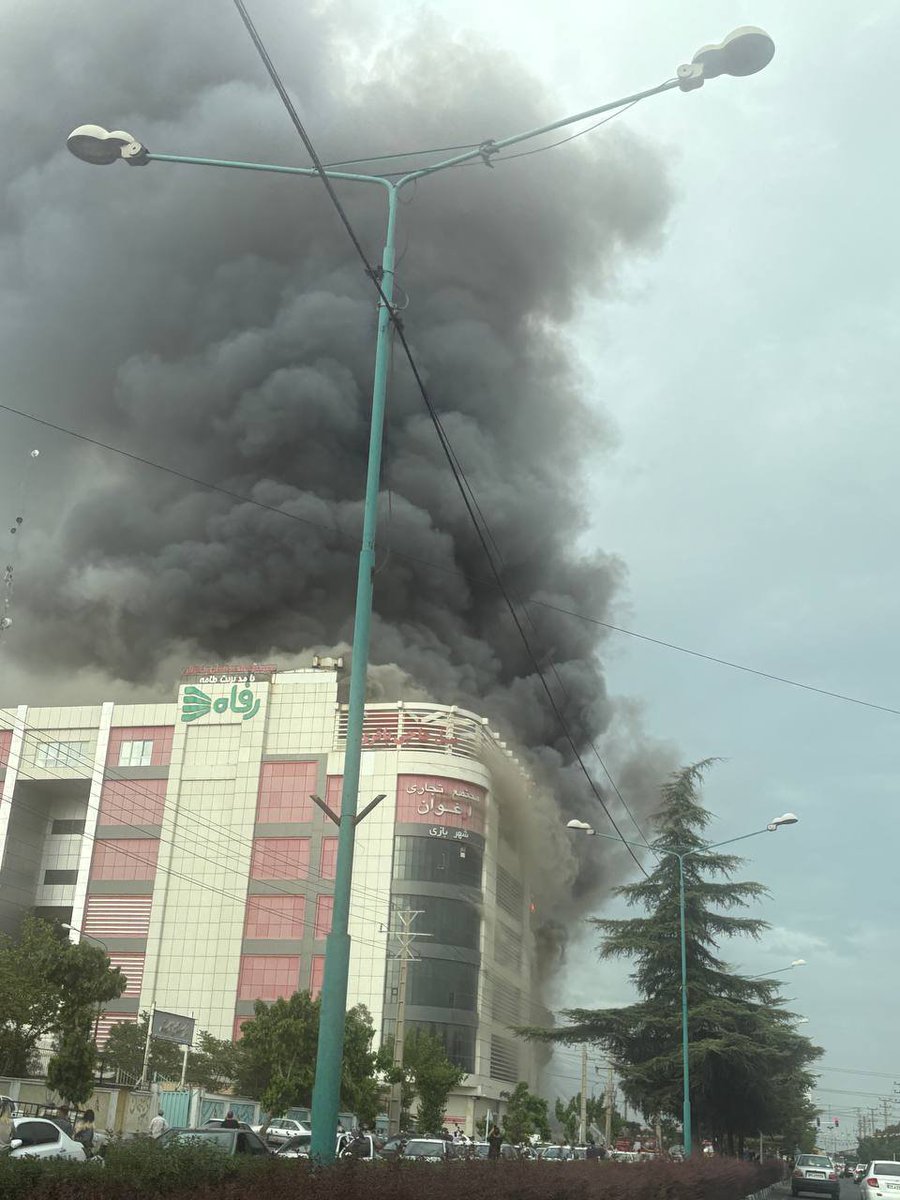
2
11
70
4,310