
Soil health educator, rethinking soils through a lens of biology.
Joined April 2017
- Tweets 2,489
- Following 2,144
- Followers 8,728
- Likes 7,230
65 Photos and videos


Joel Williams retweeted

And just like that we go from solubilizing urea yesterday to applying it on our fields today. 5 gal of solution with 5 water for a 10gal ride. Herbicide plus full nutrition pkg. applied at the 3 leaf stage for max yield potential. Oh yeah, no up front N...none.
7
3
48
12,945
Joel Williams retweeted

May 5
Lovely foliar fertilizer set up by @jhealyq
@IntegratedSoils

Foliar fertilizer working a treat. So far only 35 units put out on grazing ground. Thanks to @ArableSam for the advice! Cows flying at 2.65 kgms on 8.5 kg meal. Silage on the ground since yesterday. Hopefully staying dry for the next 24 hours. Picking up in the morning.
1
2
5
1,970
"Years of breeding crops in the presence of easily accessible fertilisers has created high yielding crops for modern farms, but they can be ‘lazy’ underground"
news.uq.edu.au/2026-04-futur…
1
2
8
848
“As soon as the phosphorus was less soluble and harder to access in our experiments, the modern sorghum was outgrown by the traditional sorghums which had adapted to grow in environments with less available nutrients.”
2
6
514
Joel Williams retweeted

In Journal of Sustainable Agriculture and Environment-Review of Amino Acid Foliar Application as a Stress Mitigation Strategy: Unraveling the Protective Mechanisms Against Abiotic Stress - Ma - 2026 -
onlinelibrary.wiley.com/doi/…
6
30
889
Joel Williams retweeted

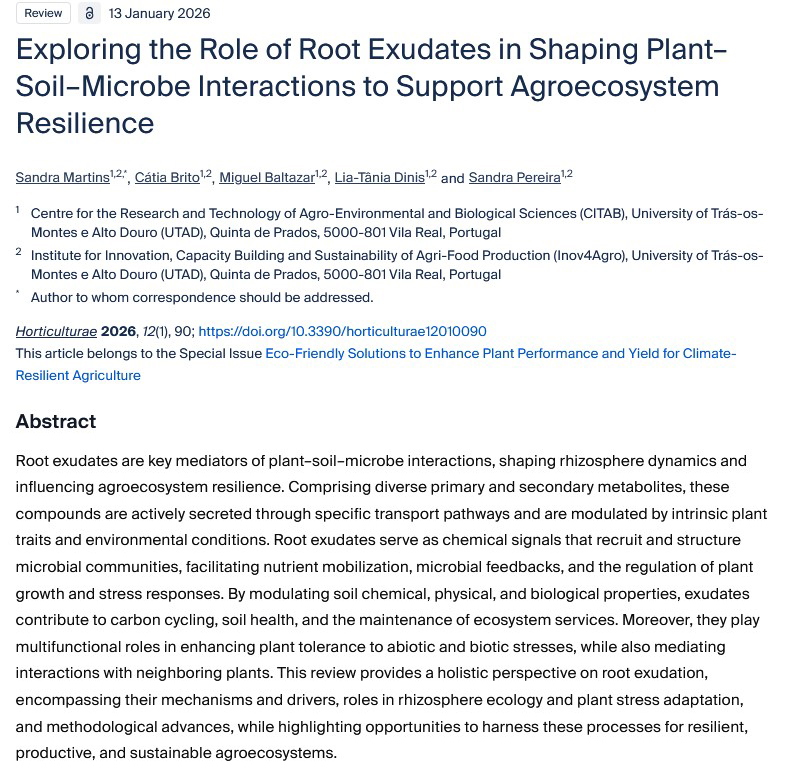
Real interesting review paper on the role a wide array of root exudates play in shaping soil microbial communities and mitigating plant stress. Root exudates include a lot more than "cookies and cakes."
Full article here: mdpi.com/2311-7524/12/1/90
cc. @Johnkempf @IntegratedSoils @MattPowersSoil @samdknowlton @CSUChicoRegenAg @UnderstandingAg @AcresUSA
2
10
743
Joel Williams retweeted
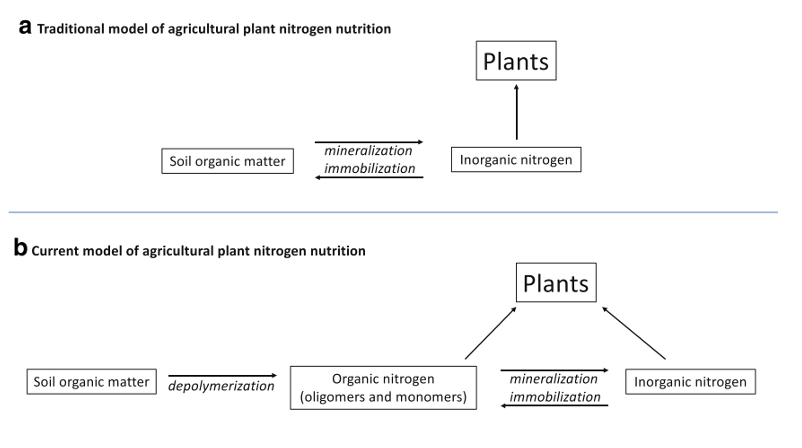
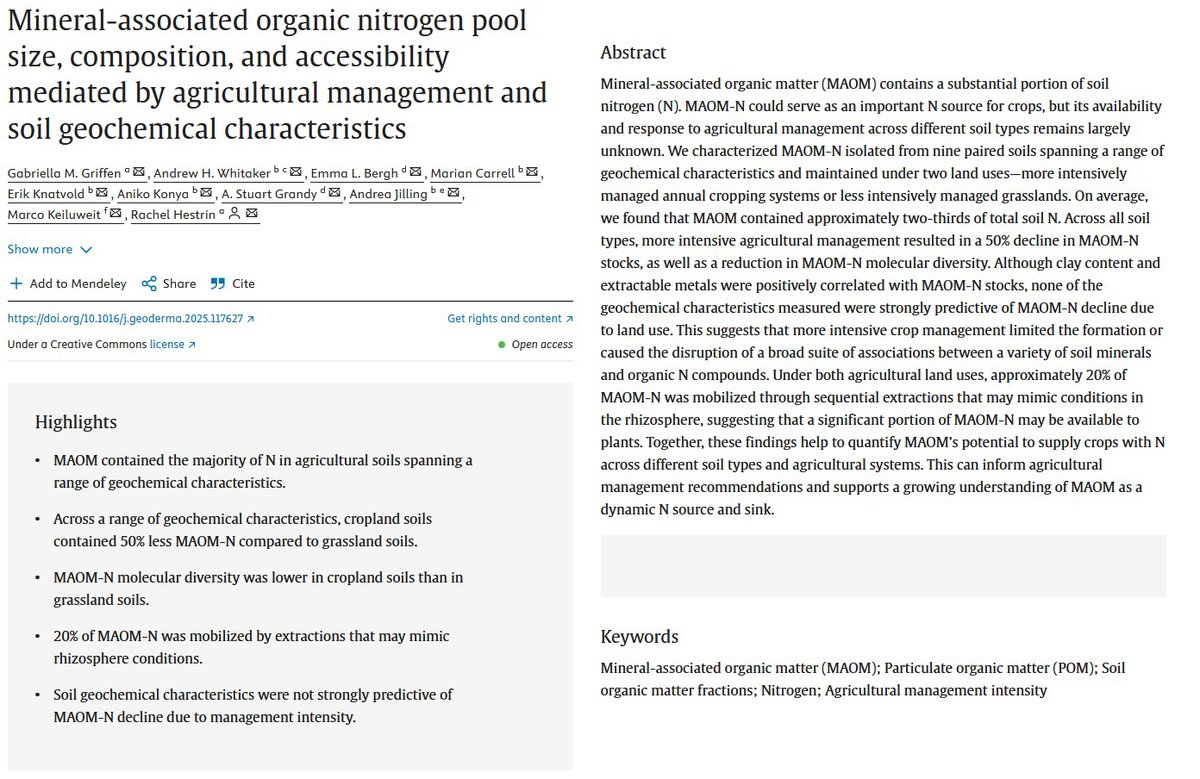
Interesting new open source paper on MAOM-N, Mineral-associated organic nitrogen pool size, composition, and accessibility mediated by agricultural management and soil geochemical characteristics.
Link to full paper here: tinyurl.com/mnv5ntb9
Below are some excerpts:
"...Organic matter can provide a relatively slow-cycling source of bioavailable N that may be better matched to plant demand than mineral N fertilizers (Franklin et al., 2017, Yang et al., 2020)..."
"...However, in many soils, the majority of SOM-N is held within mineral-associated organic matter (MAOM).."
"....Agricultural management practices could also exert a significant influence on MAOM-N stocks (Villarino et al., 2023). On average, soils maintained under long-term cropping systems contain 37 % less MAOM-N compared to grasslands (Lugato et al., 2021). Tillage practices are likely partly responsible for this observed decline: soils maintained under conventional tillage may contain 9–20 % less MAOM-N compared to soils maintained under reduced tillage practices (Jilling et al., 2020, St. Luce et al., 2022). Mineral N fertilizers applied to agricultural soils can accelerate MAOM-N loss by stimulating microbial decomposition or through pH changes that disrupt mineral-organic associations (Ren et al., 2024). Agricultural management may also reduce the quantity of new organic N inputs available to form MAOM-N. A decrease in the amount and diversity of root exudates and other rhizodeposits under annual monocropping systems has been linked to a decline in SOM stocks and mean residence time compared to soils maintained under perennial grasslands and mixed croplands (Cotrufo et al., 2022, Domeignoz-Horta et al., 2024, Eisenhauer et al., 2017, Ma et al., 2022, Poeplau et al., 2021, Seitz et al., 2023)...."
cc. @Johnkempf @IntegratedSoils @samdknowlton @UnderstandingAg @CSUChicoRegenAg @MattPowersSoil @SusFoodTrust @ffinlocostain
1
1
6
870
"...grasslands can function as net carbon sinks, even after accounting for methane emissions from livestock"
science.org/doi/10.1126/scie…
1
8
13
1,155

19 Dec 2025
“People usually think of microplastics as a problem for oceans [...] our work shows that terrestrial plants are also on the front line and may become an important gateway for plastics into land food webs.”
eurekalert.org/news-releases…
5
707
Joel Williams retweeted

18 Dec 2025
Excited for this fantastic line up of speakers for NACC NRM to benefit farmers north of Perth in early 2026 @KevinElmy @IntegratedSoils @grant_sims
18 Dec 2025

Have been busy curating these events in early 2026 to support farmers in the Northern Ag Region with my work at NACC NRM. Feel free to please email me or PM me for expression of interest and further details! nacc.com.au/resilient-farmin…
1
2
2
1,536
17 Dec 2025
A selection of upcoming webinars for the new year, I'll be taking part in the biochar discussion... see you there.
linkedin.com/posts/food4sust…
1
426
Joel Williams retweeted

5 Dec 2025
🪱🐜 Happy #WorldSoilDay!! 🕷️🪲
Although we celebrate soil everyday, today is a great reminder to appreciate the breadth of diversity beneath our feet.
Check out the GSBI atlas to explore the organisms that call soil home!
globalsoilbiodiversity.org/a…
2
10
32
1,724
Joel Williams retweeted

4 Nov 2025
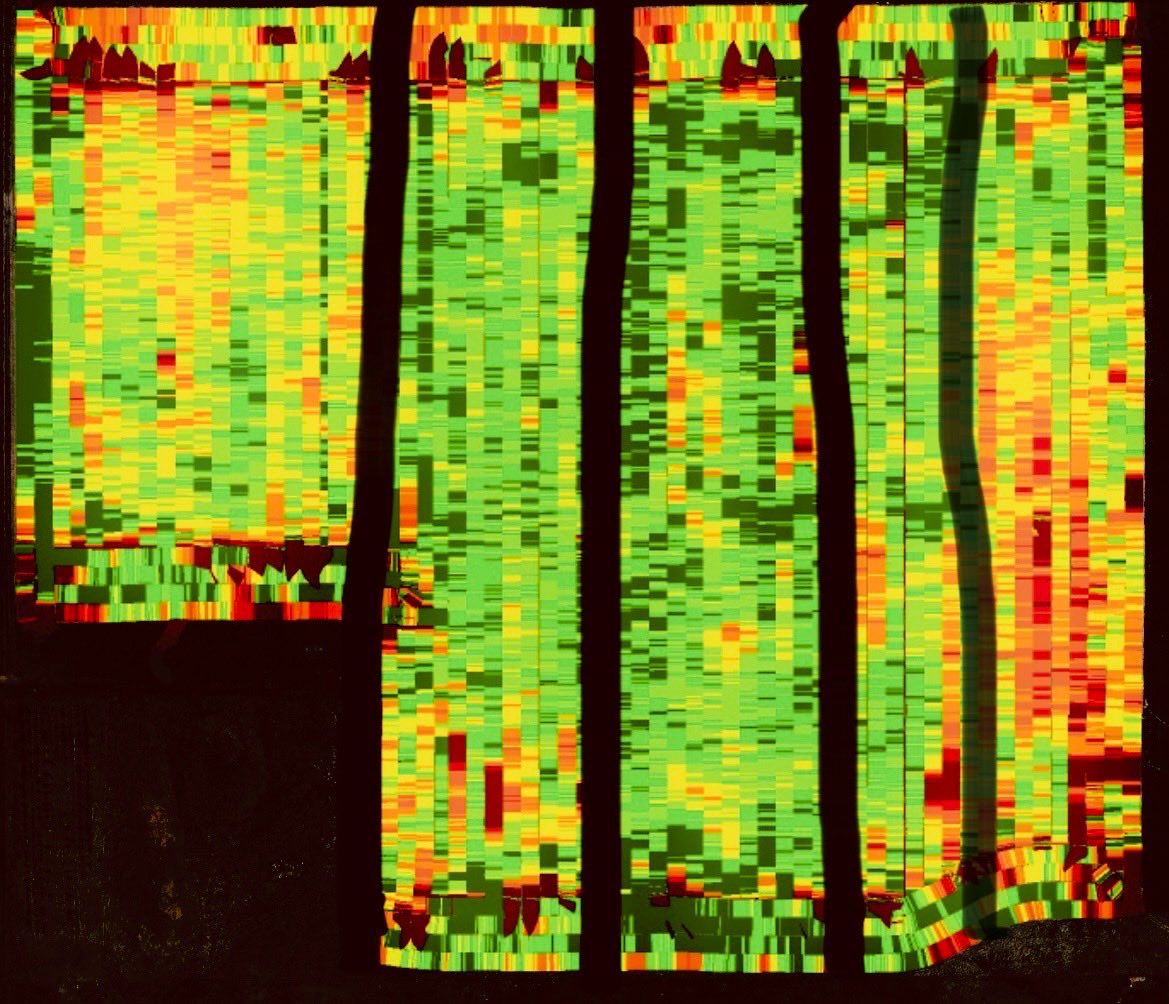
Foliar feeding PAYS, but we were told it does NOT! How far is ag BEHIND because we were told something did NOT work and we did not push back and or do our own research?
From the best treatment to the check is just under 25 bushels better. Second guess standard ag, and continue to look for answers.
This is what we focus on. How to become more efficient. This is also why we build our own data and don’t rely on everyone else’s data and a bunch of outdated information!
17
6
70
40,286
24 Oct 2025
Looking forward to this tour of Saskatchewan in November- talking Nitrogen and Cover Crops

🌱 Conquest & area producers — Discover how #covercrops can boost soil biology, improve nutrient cycling & build long-term farm resilience. Join us Nov 13 for a full-day workshop with #soilhealth expert @IntegratedSoils!
🎟️ $25 - details at SaskSoil.ca/Event
#SaskAg

3
880

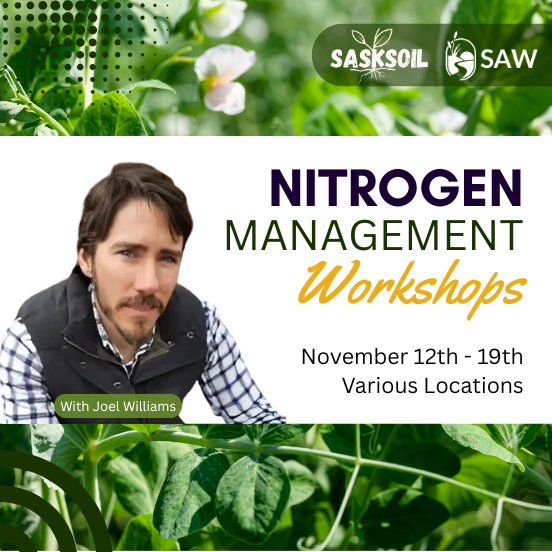
🌾#SaskAg, let’s talk nitrogen! From Nov 12–19, join a workshop with @IntegratedSoils designed to help you optimize inputs, improve #soilhealth, & build resilient cropping systems.
Find a workshop near you: sasksoil.ca/event
#SustainableFarming #SaskAg
1
4
490
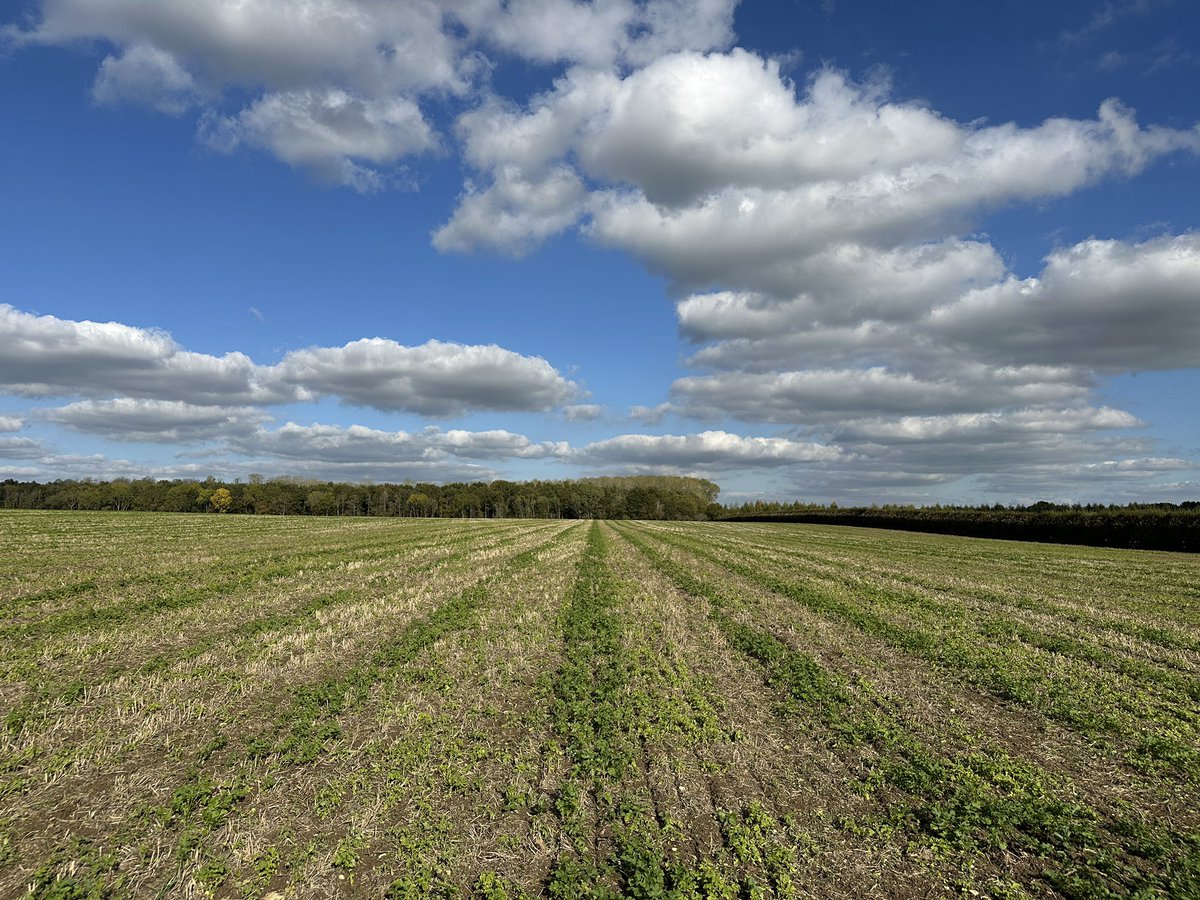
Learn how #covercrops can improve your bottom line from an internationally recognized soil educator. Dig into the types & timing of adding cover crops to your rotation at one of our fall workshops with @IntegratedSoils.
🎫 sasksoil.ca/event
#SustainableFarming #SaskAg

1
4
466

Joel Williams retweeted

16 Sep 2025
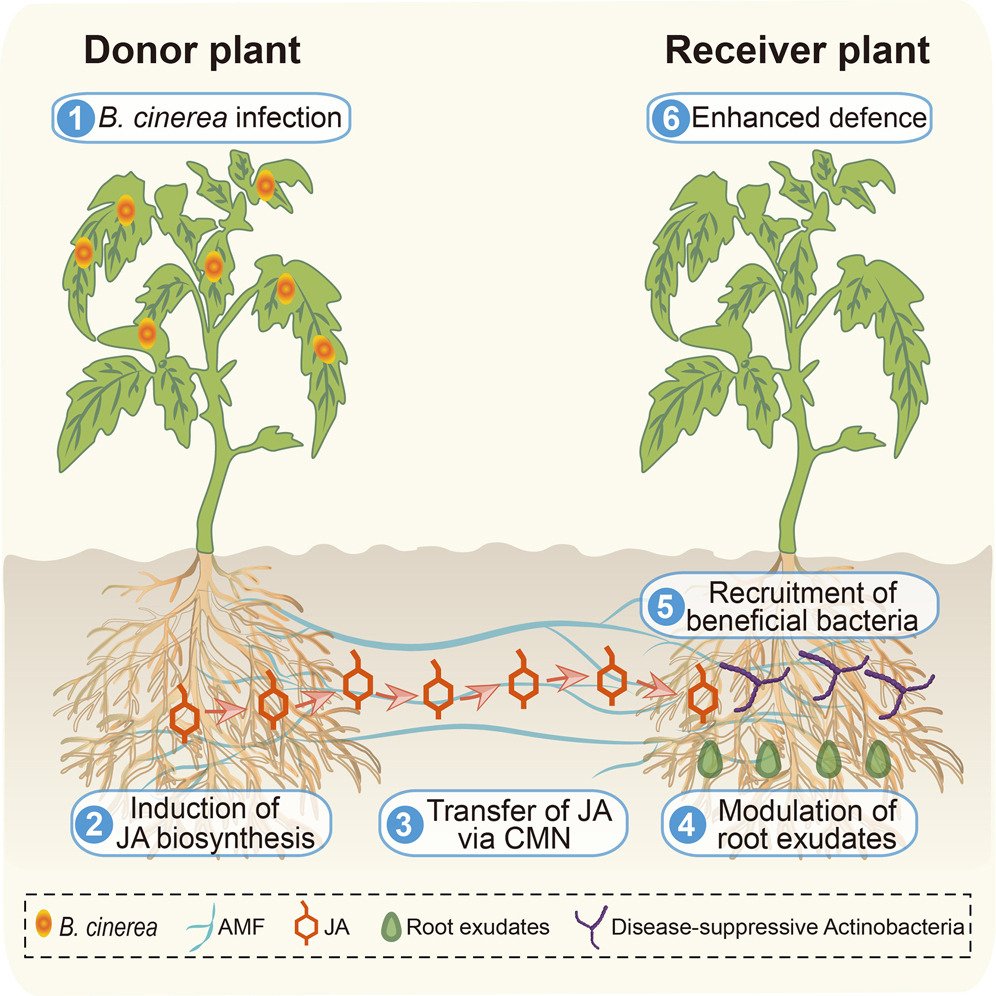
Pleased to share our new article in Cell Host & Microbe, a collaboration with the group of Zhong Wei at NJAU
Common mycorrhizal networks facilitate plant disease resistance by altering rhizosphere microbiome assembly
Free share link: authors.elsevier.com/c/1lnTD…
4
42
156
11,901

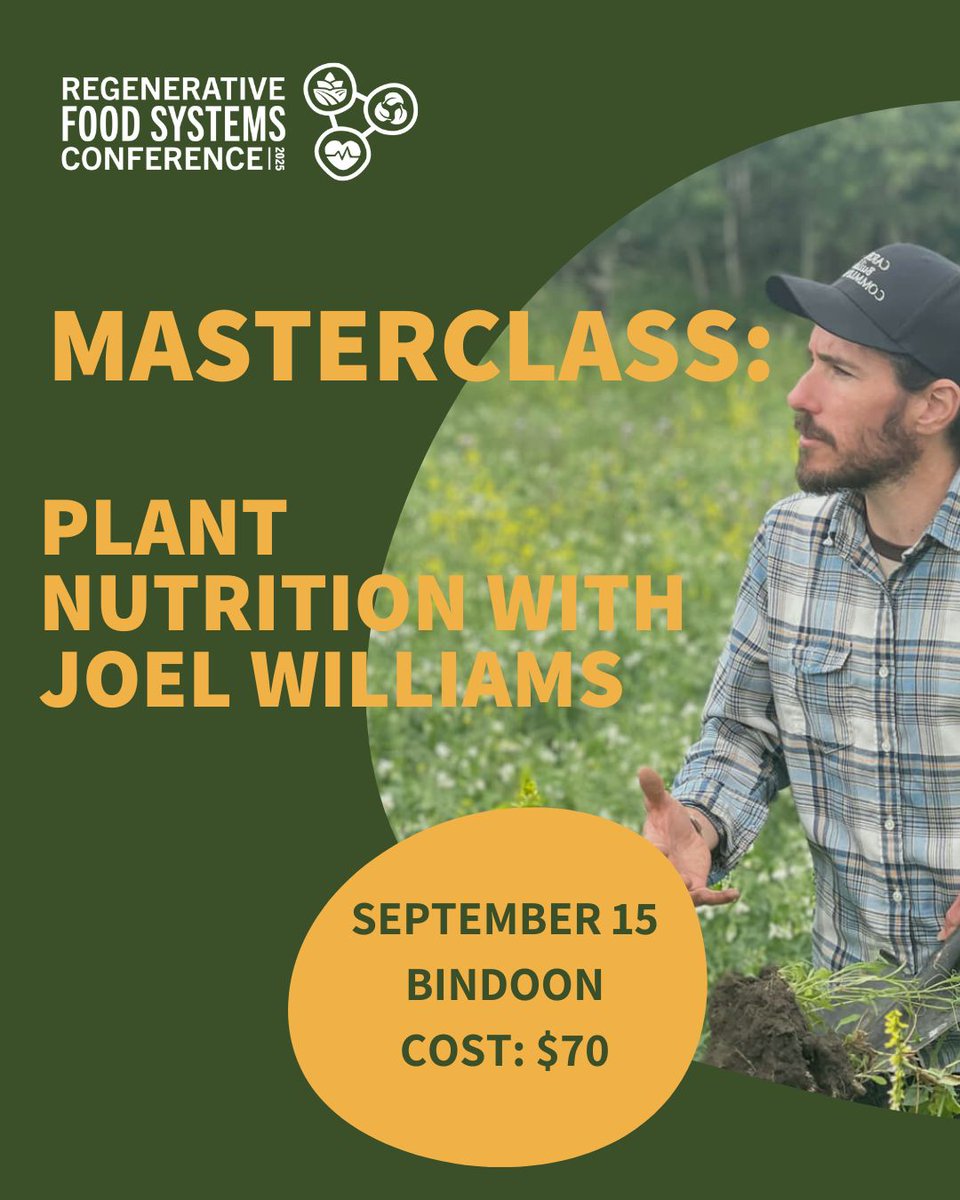
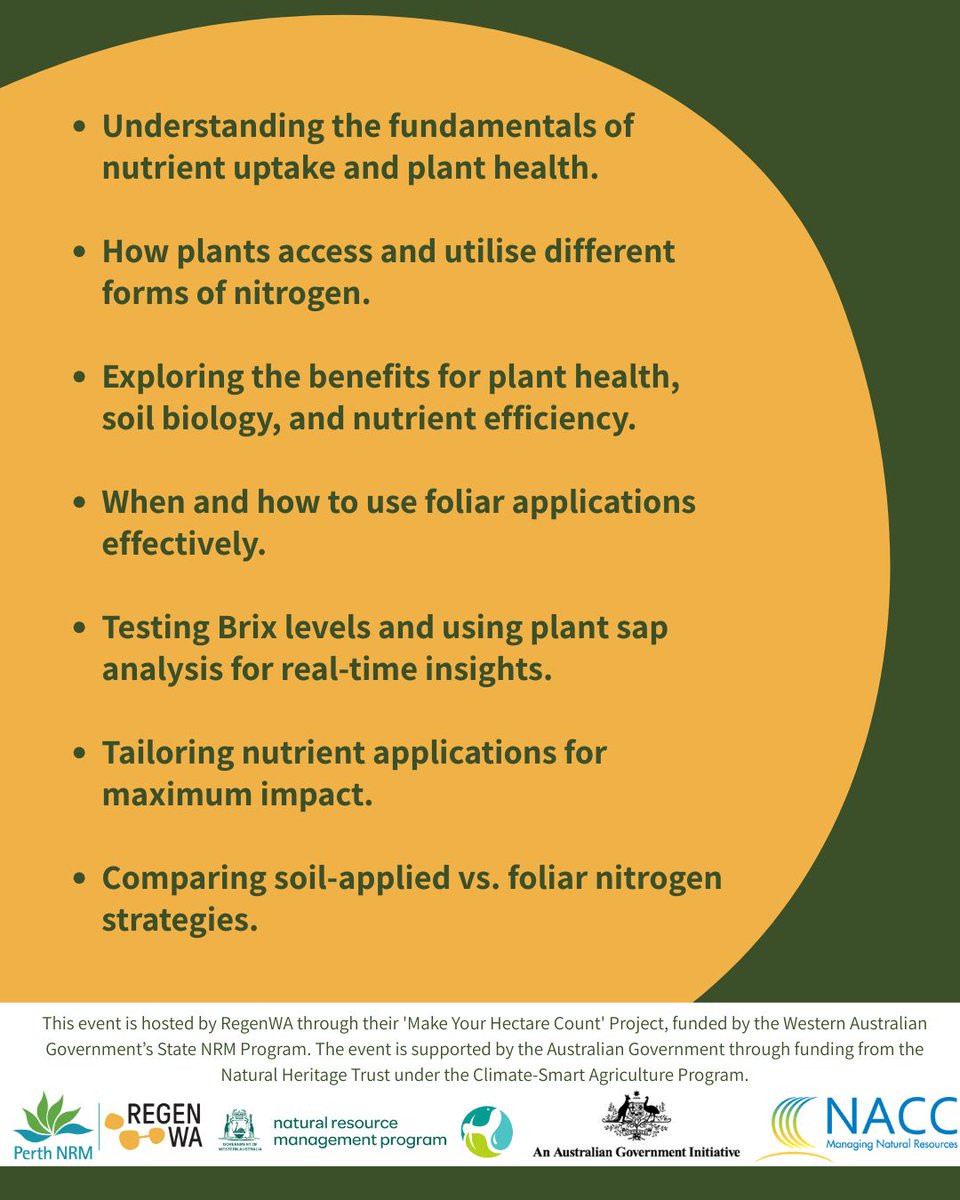
Whether you're a farmer, agronomist, or farm manager, you'll gain actionable strategies to fine-tune your approach to plant nutrition and foliar applications with this Plant Nutrition Masterclass, so grab your tickets today!
@IntegratedSoils
buff.ly/g4KSoCb
1
2
7
941
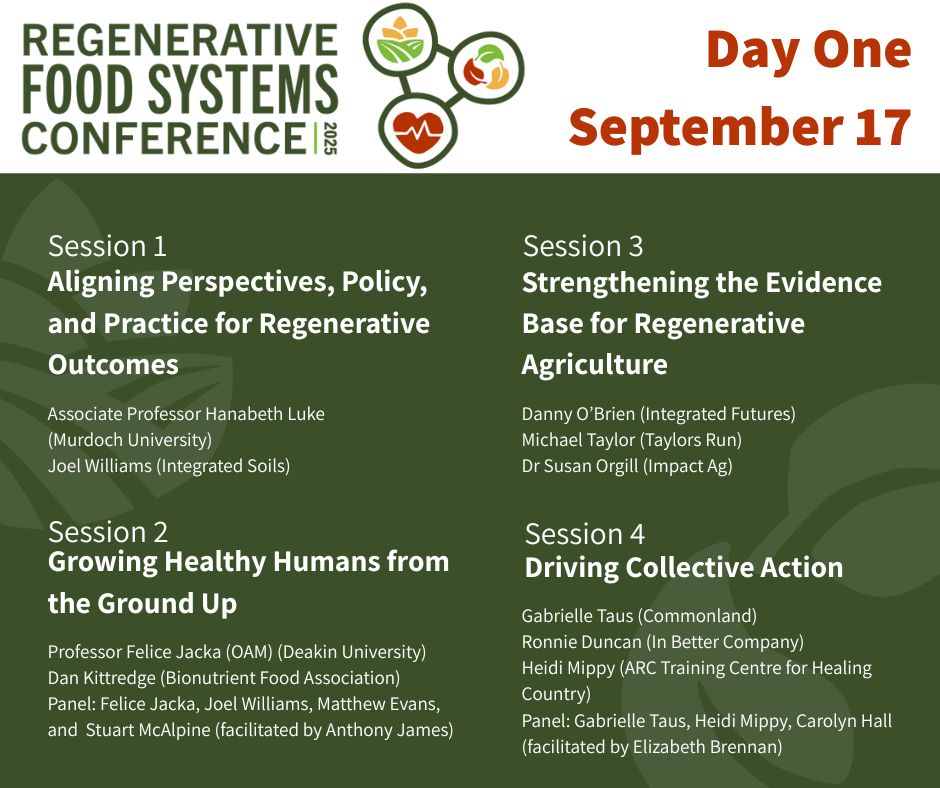
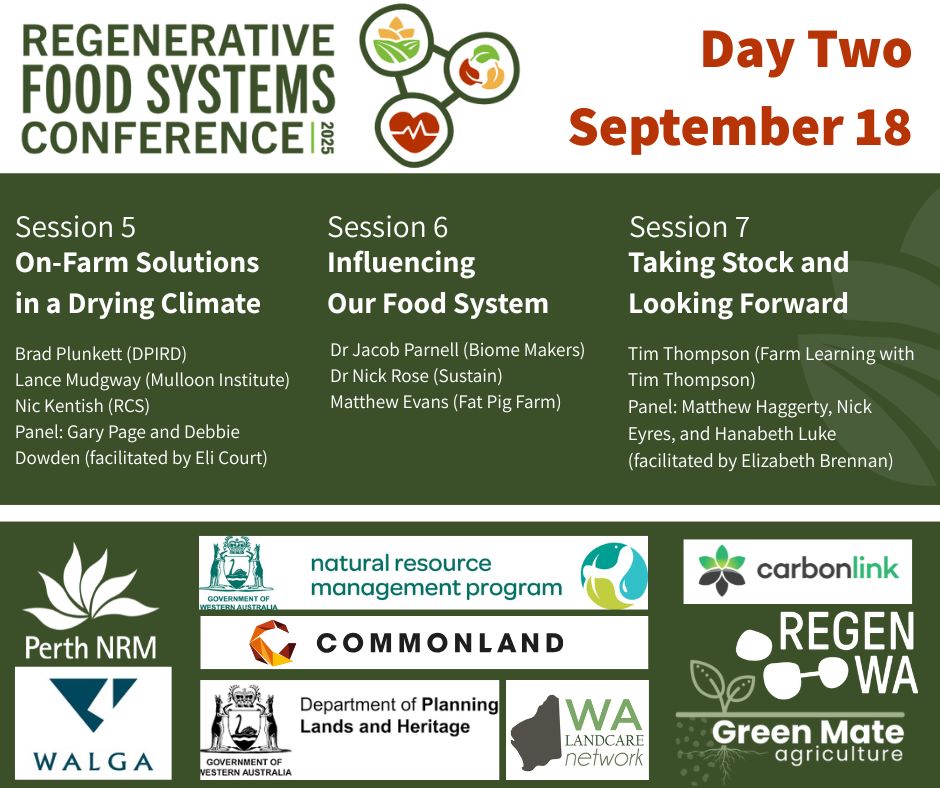
The Regenerative Food Systems Conference program is here - visit the website to view & secure your tickets before Early Bird sales close at 5pm on 08/08!
buff.ly/5vVyWOc
@BiomeMakers
@Commonland
@MulloonInst
@sustainaus
@SoilsforLife
@dan_kittredge
@IntegratedSoils
6
4
879