
JAI HIND
Joined November 2022
- Tweets 34,107
- Following 352
- Followers 184
- Likes 40,650
1,583 Photos and videos



Pinned Tweet

Feb 17
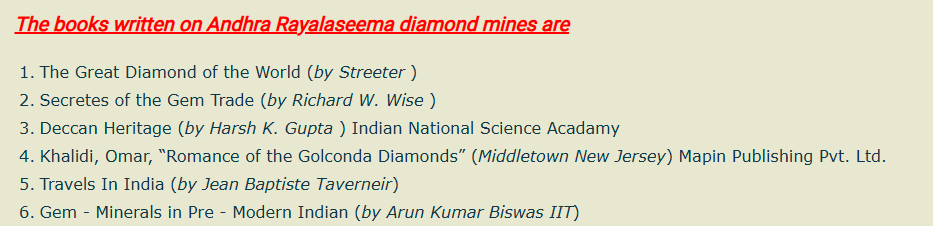
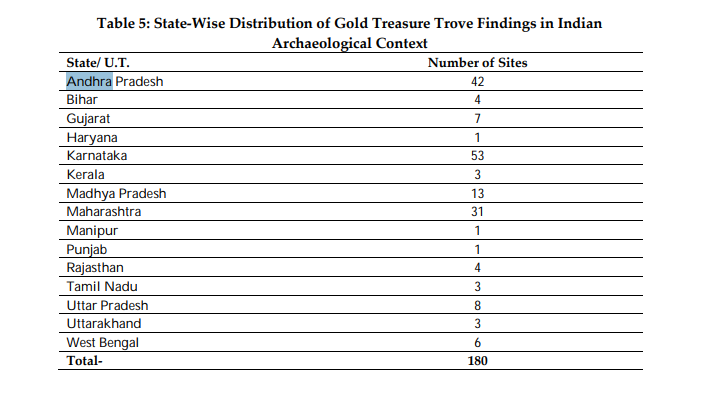
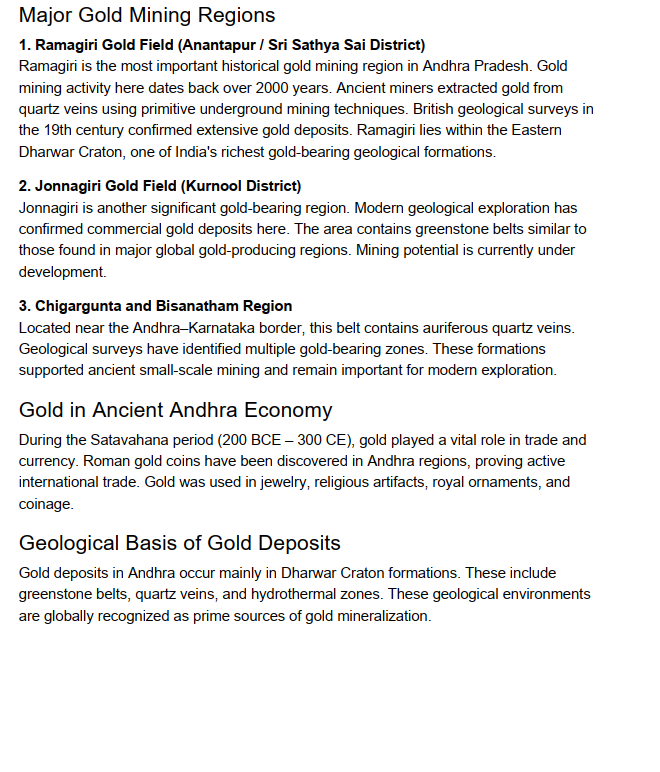
Ancient Andhra Desa was one of the richest regions of the ancient world.
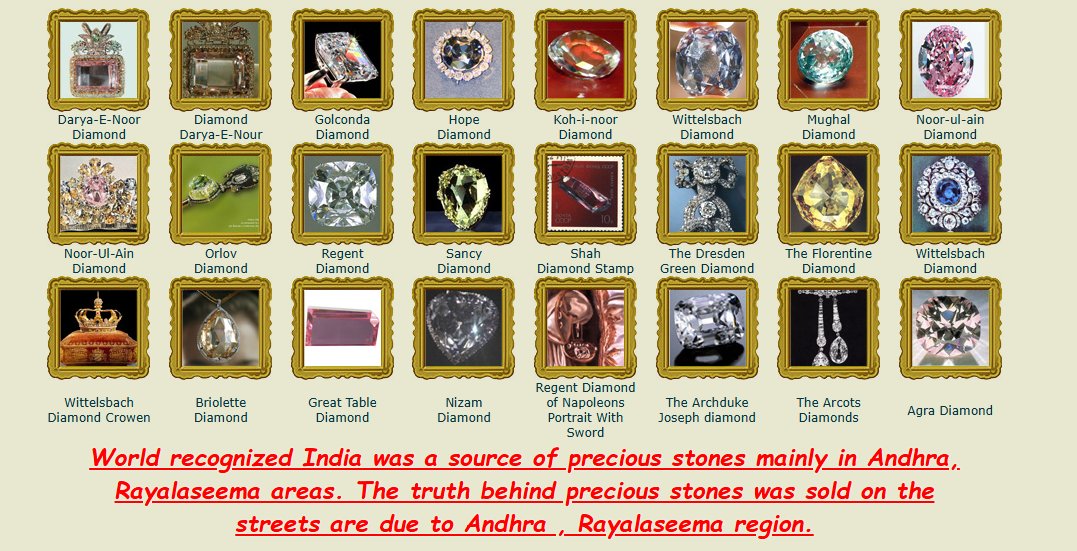
-Its land produced legendary diamonds(KOHINOOR IS ONE OF THEM) from the Krishna River valley, including the famous Kollur mines. Gold, gemstones, and rare minerals flowed from its rivers and plateau.
7
9
29
2,844
Veera Andhra retweeted

30 Dec 2025
Magic Well 🪄
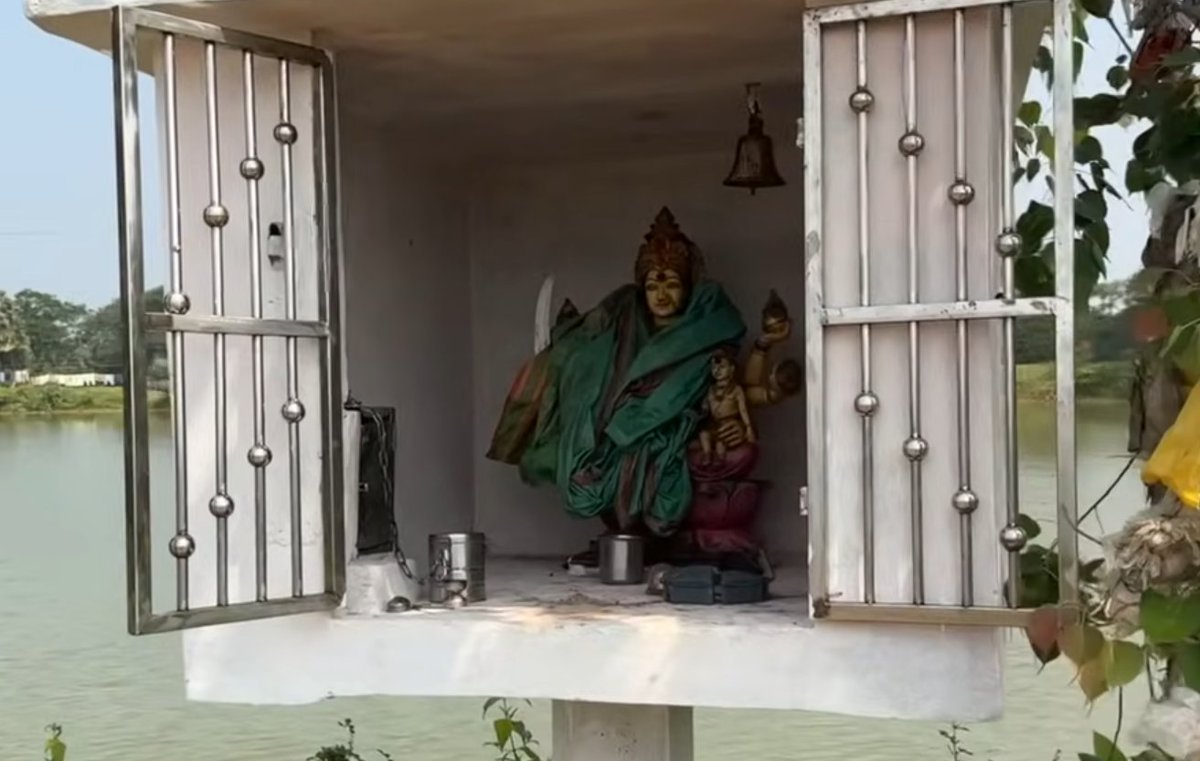
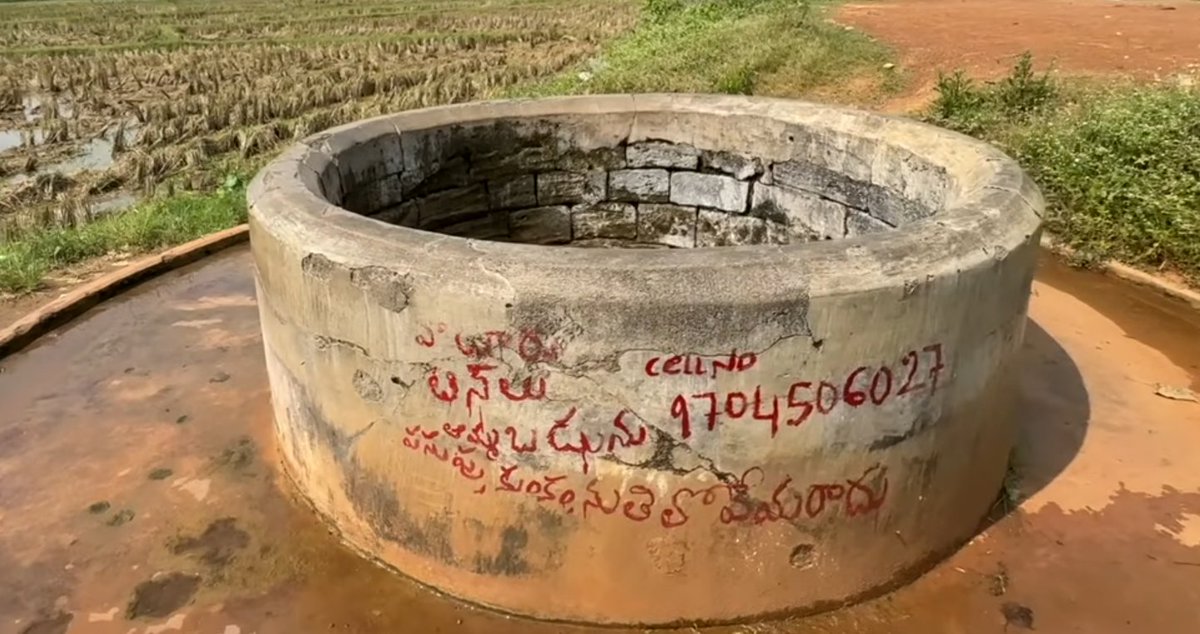
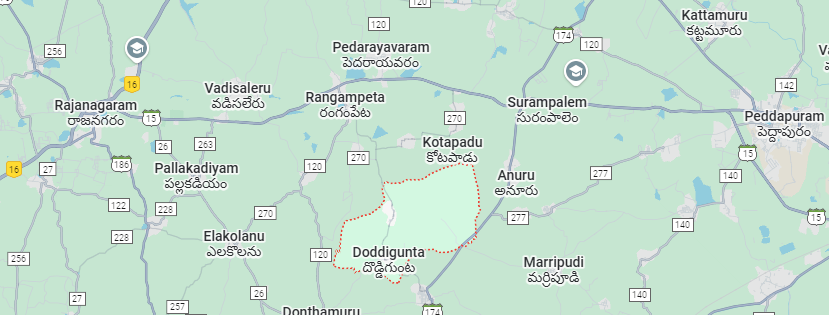
Doddigunta (Rangampet Mandal, EG Dist. AP), is known as the “Village of Twins.” A local well water is magically believed to bless couples with twins and help childless couples conceive, if drunk.
Opposite the well stands Mother Parvati Devi Murti beneath a banyan tree, where devotees tie Mudupu (sacred cloth).
Today, the village has 150 pairs of twins.👀
#MiracleWorld #Telugu #Andhra #Telangana #TFI #OG #Telugu #India #Culture #AndhraPradesh #News
5
23
1,338
Veera Andhra retweeted

Kakata Ganapatideva's Kuladevi, Ishtadevi and Ilavelpu is Kanakadurga of Vijayawada. She was referred to as Bejjamahadevi at that time and he named his favorite daughter after her as Bejjamahadevi. Palkuriki Somanatha writes about her in his magnum opus which praises Srisailam.
2
21
1,516
Veera Andhra retweeted

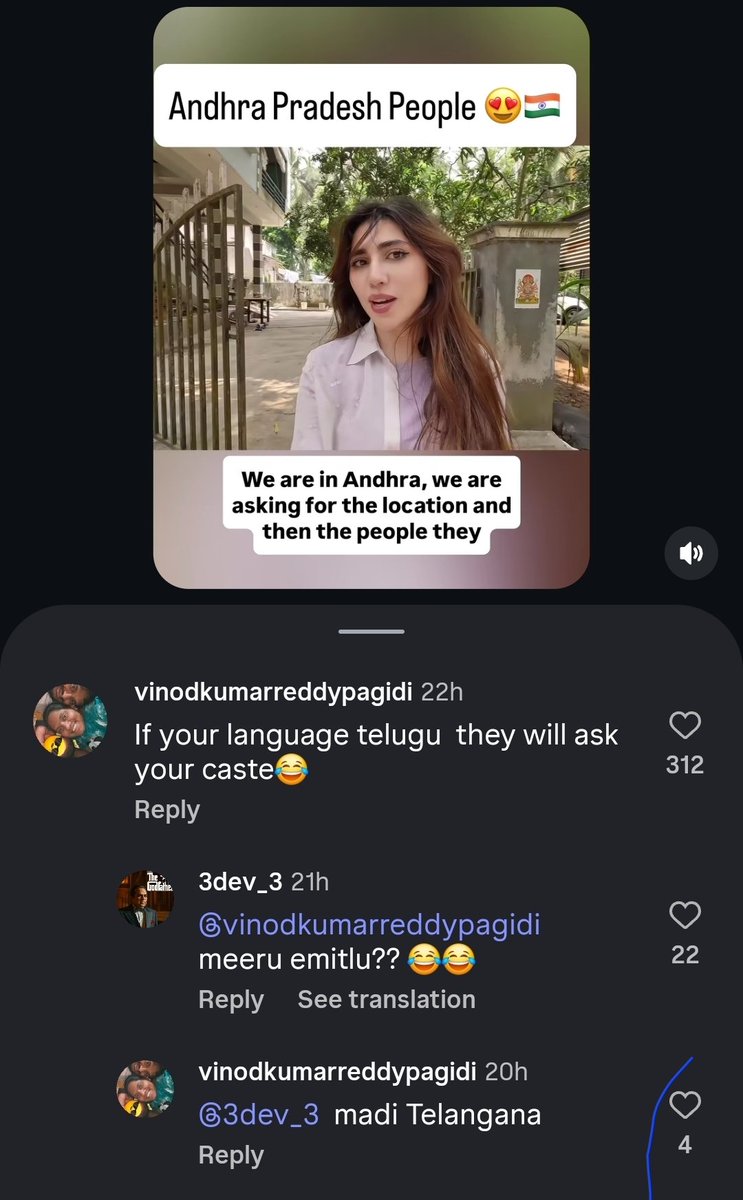
Found a reel on insta where a woman was talkin positively abt hospitality experience in Andhra. The comments section is full of Telangana batch making -ve comments. Hatred for Andhra is so ingrained in TG culture that they cannot even tolerate a positive word being said about AP.
19
54
286
49,962

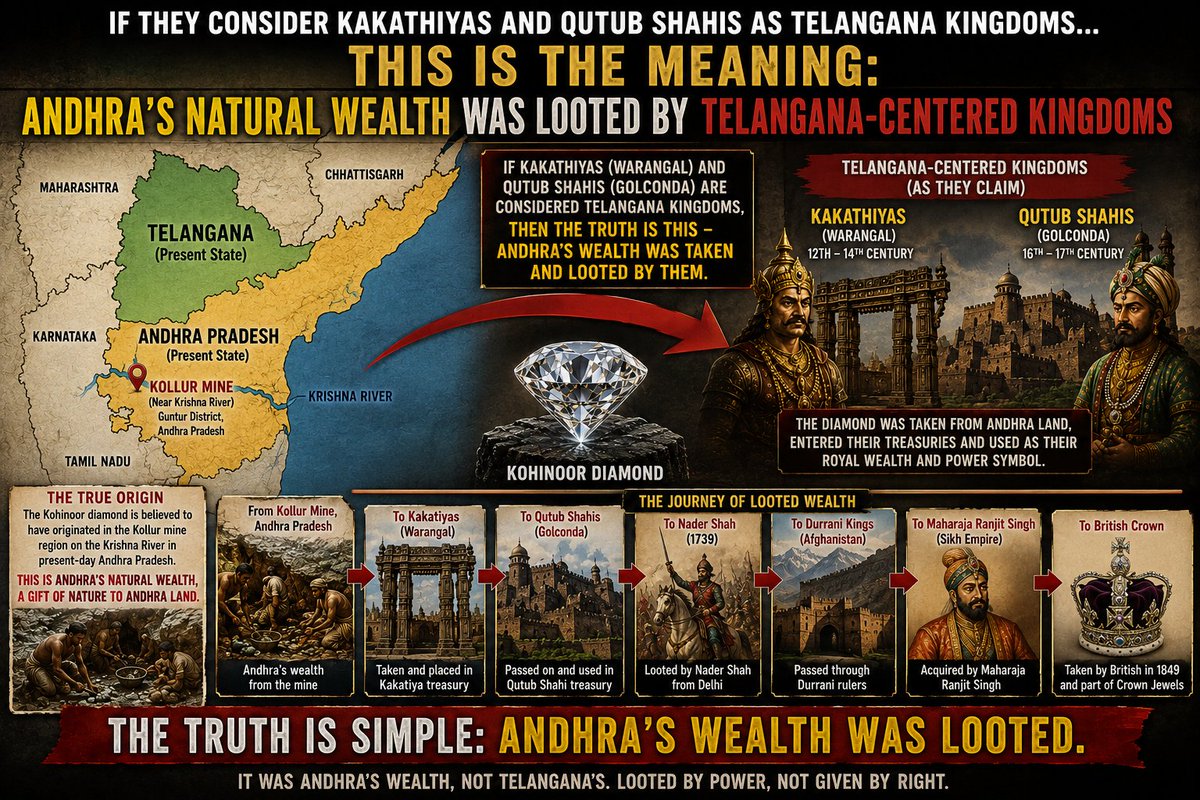
Veera Andhra retweeted
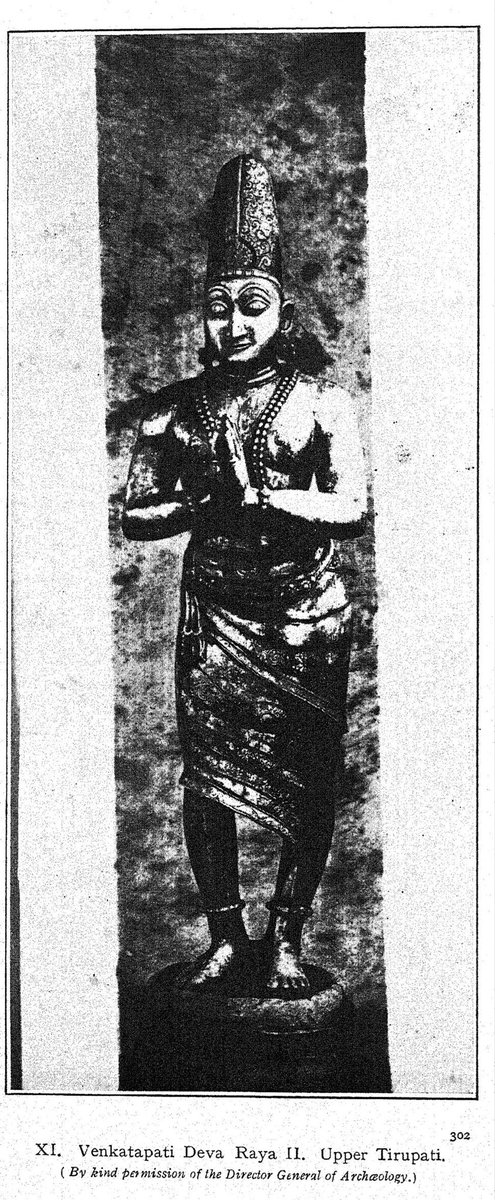
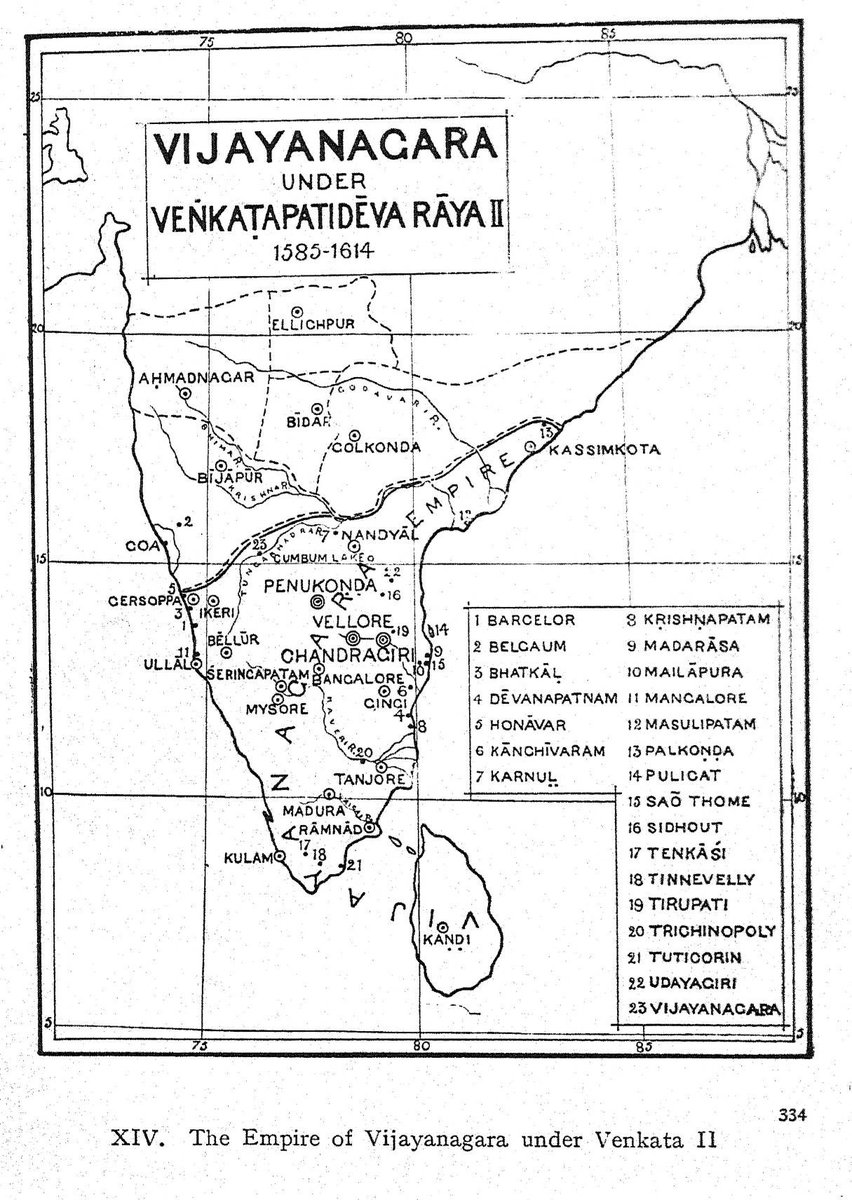
After Talikota, the enemies thought Vijayanagara was finished.
Then came, Vira Pratapa Venkatapati Deva Raya Maharaya.
Barely 20 years, he restored imperial strength and prestige, just as his Kakatiya forebears had risen again within 13 years of defeat.
Telugu civilisation never surrenders.
They always fights back. 🔥⚔️👑
Pic2 : Territory recovery
#Andhra #Telangana #TFI #OG #Vijayanagara #Telugu #Aravidu #History #India
2
33
163
4,878
Veera Andhra retweeted

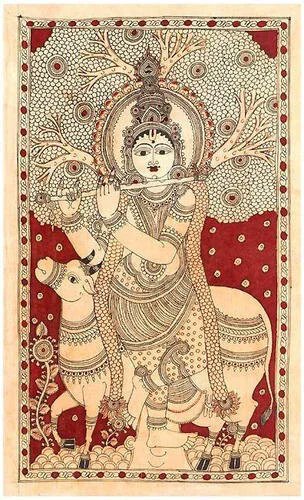
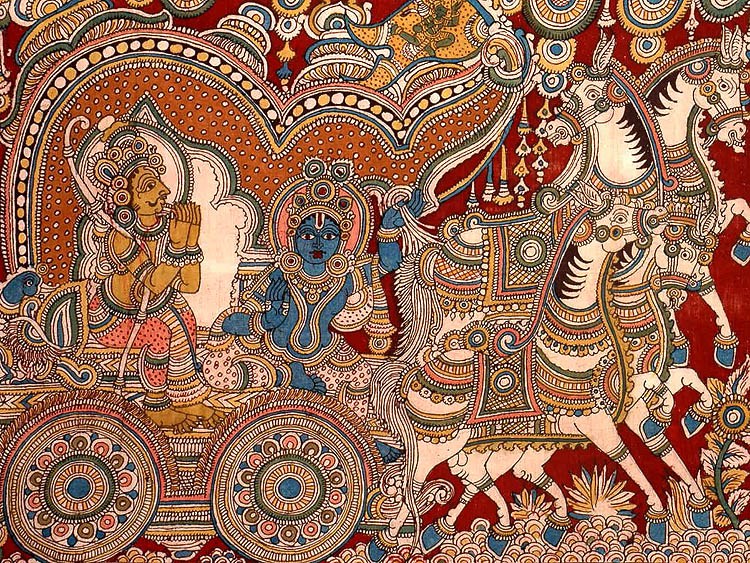
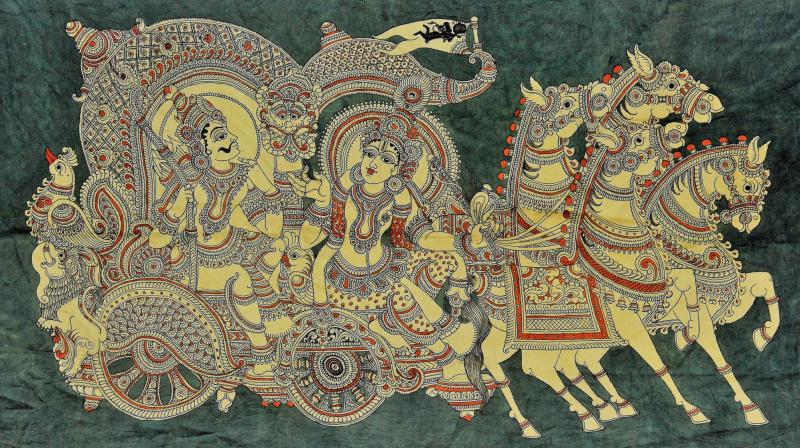
Kalamkari, originally called Vraata Pani in Telugu, is an ancient textile art from Andhra Pradesh dating back to over 3,000 years.
x.com/praveenvar1625/status/…
Mar 26

KALAMKARI TEXTILE ART FROM ANDHRA PRADESH IS A 3,000-YEAR JOURNEY OF CHEMISTRY, CRAFTMANSHIP, AND TRADE.
The history of textiles in Andhra Pradesh is a 3,000-year journey of chemistry, craftsmanship, and trade. From the ancient production of natural dyes to the refined narrative art of Kalamkari, the region has long been a global hub for high-quality fabrics.
Ancient Textile Dyeing (c. 1000 BCE – Early CE)
Archaeological evidence and ancient texts suggest that the Telugu-speaking regions were pioneering centers for textile technology as early as the Iron Age.
The Indigo Mastery :
Ancient Andhra Pradesh was famous for its mastery over Indigofera tinctoria. By 3,000 years ago, local communities had perfected the fermentation process required to extract deep blue pigment from green leaves.
Mineral and Plant Mordants :
To make dyes permanent, ancient artisans used "mordants" (fixatives). They utilized local alum and iron-rich clay to ensure that colors survived repeated washing and harsh sunlight.
The Red Revolution :
The use of Madder (Rubia cordifolia) and the roots of the Oldenlandia umbellata (Chay root) allowed the region to produce a vibrant, "fast" red that became highly coveted in Roman and Middle Eastern markets.
The Origins of Kalamkari :
The word Kalamkari is derived from the Persian words Kalam (pen) and Kari (craftsmanship). While the name gained prominence during the Golconda Sultanate, the technique itself is rooted in the ancient temple traditions of the Andhra region.
1. Srikalahasti Style (The Temple Art) :
Originating in the Chittoor district, this style was born from the need to create visual aids for religious storytelling.
The Technique:
Artisans use a bamboo pen (Kalam) to freehand draw scenes from the Ramayana, Mahabharata, and Puranas directly onto cloth.
Purpose:
These were originally used as "Padas" (large scrolls) or backdrops in temples to educate those who could not read the scriptures.
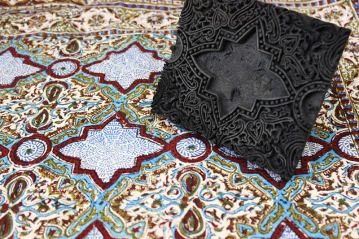
2. Machilipatnam Style (The Trade Art) :
Based in the Krishna district, this style evolved due to the heavy demand from the Dutch and British East India Companies.
The Technique :
Unlike the freehand Srikalahasti style, this involves hand-carved wooden blocks for the outlines, though the intricate coloring is still often done by hand.
Aesthetics:
The designs are more decorative, featuring floral patterns, "Tree of Life" motifs, and Persian-influenced borders.
The 23-Step Process :
The longevity of Kalamkari is due to its rigorous, purely organic process. Even today, traditional practitioners follow steps that have remained unchanged for centuries:
01. Bleaching: The cloth is treated with cow dung and sun-dried to whiten it.
02. Myrobalan Treatment: The cloth is soaked in a mixture of milk and crushed Myrobalan (nut) seeds. This prevents the dyes from bleeding.
03. The Charcoal Outline: Initial sketches are made using burnt tamarind twigs.
04. Black Dye (Kasim): Created by fermenting iron scraps with jaggery and water for 21 days.
05. Multi-Stage Washing: The cloth is washed in flowing river water (like the Swarnamukhi or Krishna rivers) after every color application to remove excess minerals.
1
6
9
134
Veera Andhra retweeted

27 Dec 2025
The #Bhattiprolu script later influenced the Kadamba script, which in turn gave rise to the Telugu-Kannada script.
🧵2/2
3
5
23
1,472
Veera Andhra retweeted

21h
Tg people have started abandoning their district-wise dialects and imitating the Hyd Muslim-influenced urban dialect. This trend has become more noticeable in recent years, with words like "chūddām" turning into "chūsdām" and "cheyadaniki" becoming "cheyaniki. Wtf is niki naaki?
2
6
294
first of all manaki clarity undali ah hyd capital ganu 230yrs andhra koda undedi since qutubs timeline tarvata nizam for few years and then skipped to united andhra timeline .val manaki chotu iche dialogues ani waste .its our more than thiers .

Nice video saar ippudu janabha lekkalu vachayi ga sudden ga seema & andhra telugus mida prema kuripistunnaaru manalani vaddu ani meda pattukoni genti ,telugu icons vigrahalu padagottina rojulu marchipoyara leka andhra puttina varu anta rakshasulu anna bapu ni marchipoyara
1
65
Veera Andhra retweeted

from working in RSS while studying FA around 17, to having Karl Marx in PUSHPAKA VIMANA, to the shelved 'Prince of Peace' Jesus film with Pawan Kalyan... the Singeetham arc!
4
56
678
45,519
Veera Andhra retweeted

22h
#Prabhas anna 🤩🤩🤩🤩👌👌👌 with #CoupleFriendly Couple #SantoshSoban anna & #ManasaVaranasi @ #Fauzi sets...
9
313
2,645
88,254
Veera Andhra retweeted

We should declare Andhra as "Dvi-linga Desam" and TG as "Eka-linga Desam" then.
4
3
5
156
Veera Andhra retweeted
10 Jul 2023
HM REDDY (DIRECTOR,PRODUCER)
1. MADE FIRST PAN INDIAN FILM (MULTILINGUAL)
2.MADE POPULAR MOVIES KALIDAS(1931),BHAKTA PRAHLADA(1932),TENALI RAMAKRISHANA ,GHARANA DONGA
3.ALSO MADE HINGLISH MOVIE -JAZZ OF LIFE (1932)
4. ALSO KNOWN AS :FATHER OF <SOUTH INDIAN CINEMA>
5
4
16
16,497
Veera Andhra retweeted
10 Jul 2023
first indian movie to collect 1000cr nboc -telugu
first indian movie to get oscar -telugu
first indian movie to debut at comiccon - telugu
first indian movie in america to collect 20m$ -telugu
Guinness World Records for winning the most number of awards (short film)-telugu
1
3
22
1,677

Veera Andhra retweeted

Jun 13
Bapu🙇🙏. King of authentic Telugu art!! I always want to purchase a big painting of bapu and hang it on my house's wall.
Jun 12


1
4
26
374
Veera Andhra retweeted

Jun 13
⚡ Andhra Pradesh is aiming big in green energy.
🎯 160 GW Renewable Energy Target
💰 ₹5 Lakh Cr Investments Attracted
🤝 ₹5 Lakh Cr Additional Commitments Received
With ambitious plans in solar, wind, storage and green manufacturing, AP is positioning itself as India’s Green Energy Capital. 🌱
#AndhraPradesh #RenewableEnergy #GreenEnergy #InvestInAp

1
5
27
640
Veera Andhra retweeted

Jun 13
Amarnath Yatra is starting and 80000 soldiers are deployed to protect it
You Know Why - Bcz Hindu & Muslims are brothers.
81
2,078
11,148
132,118

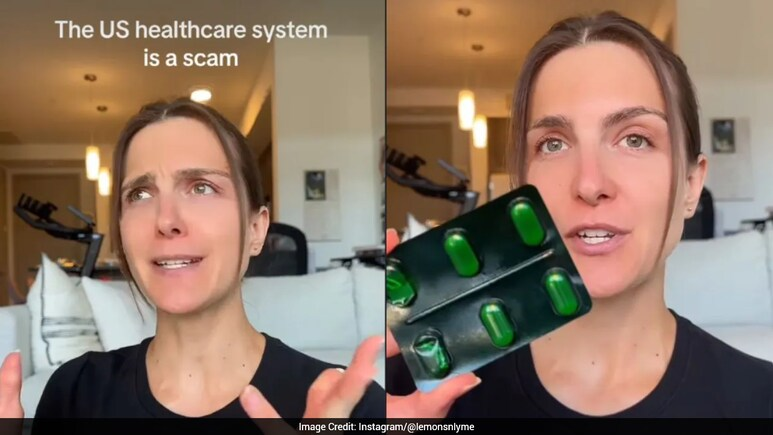
Woman Calls US Healthcare System 'Scam' After Getting Affordable Medicine From India: '$1000 vs $25'
ndtv.com/offbeat/woman-calls…
46
392
2,413
74,169