
Post-graduate students/Residents/SHOs of Internal Medicine at @MakCHS_SOM @MakerereCHS attached to both @kirudduNRH & @MulagoReferral Teaching Hospitals.
Joined February 2021
- Tweets 1,952
- Following 333
- Followers 6,692
- Likes 2,380
426 Photos and videos
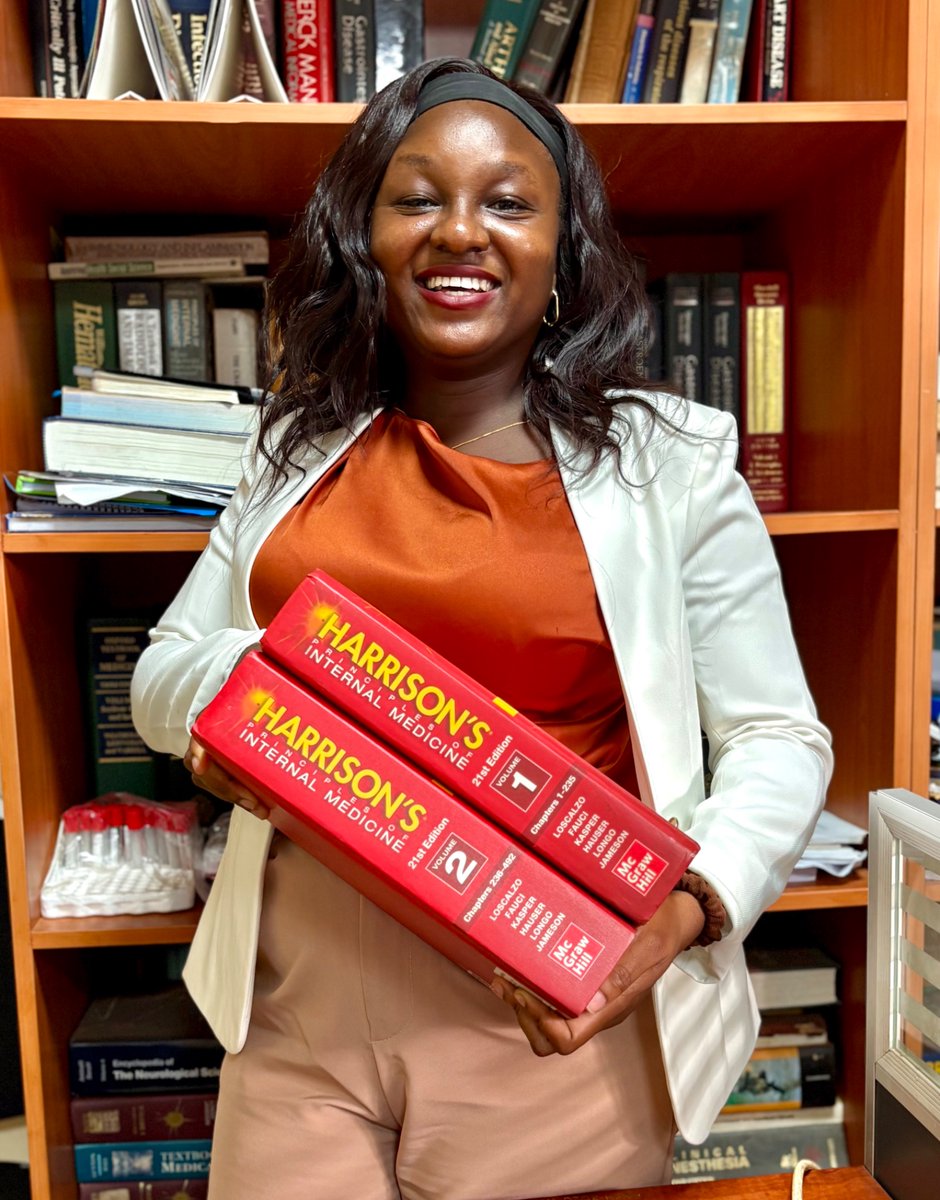
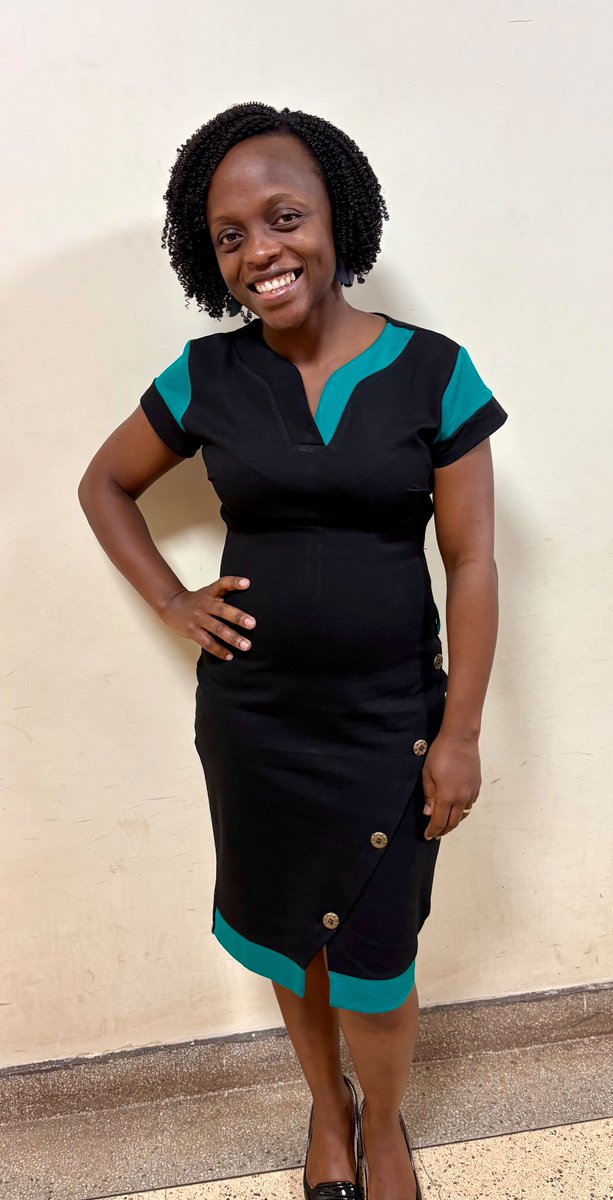
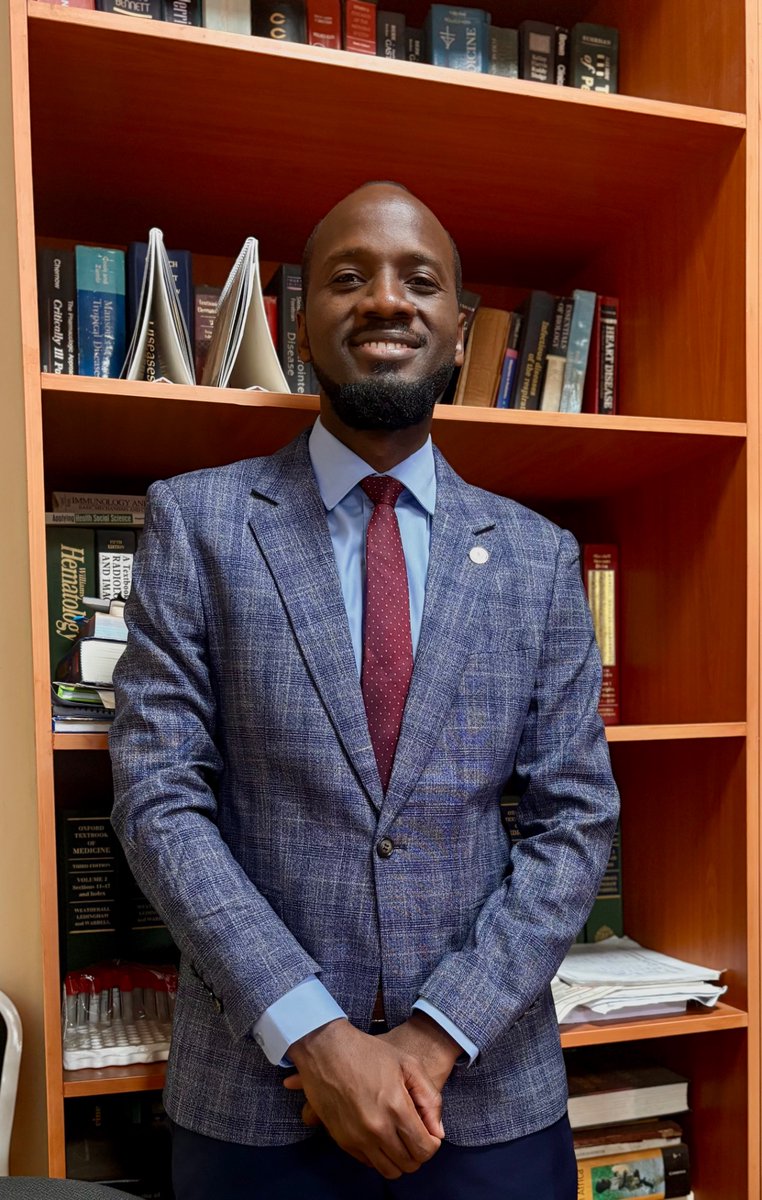
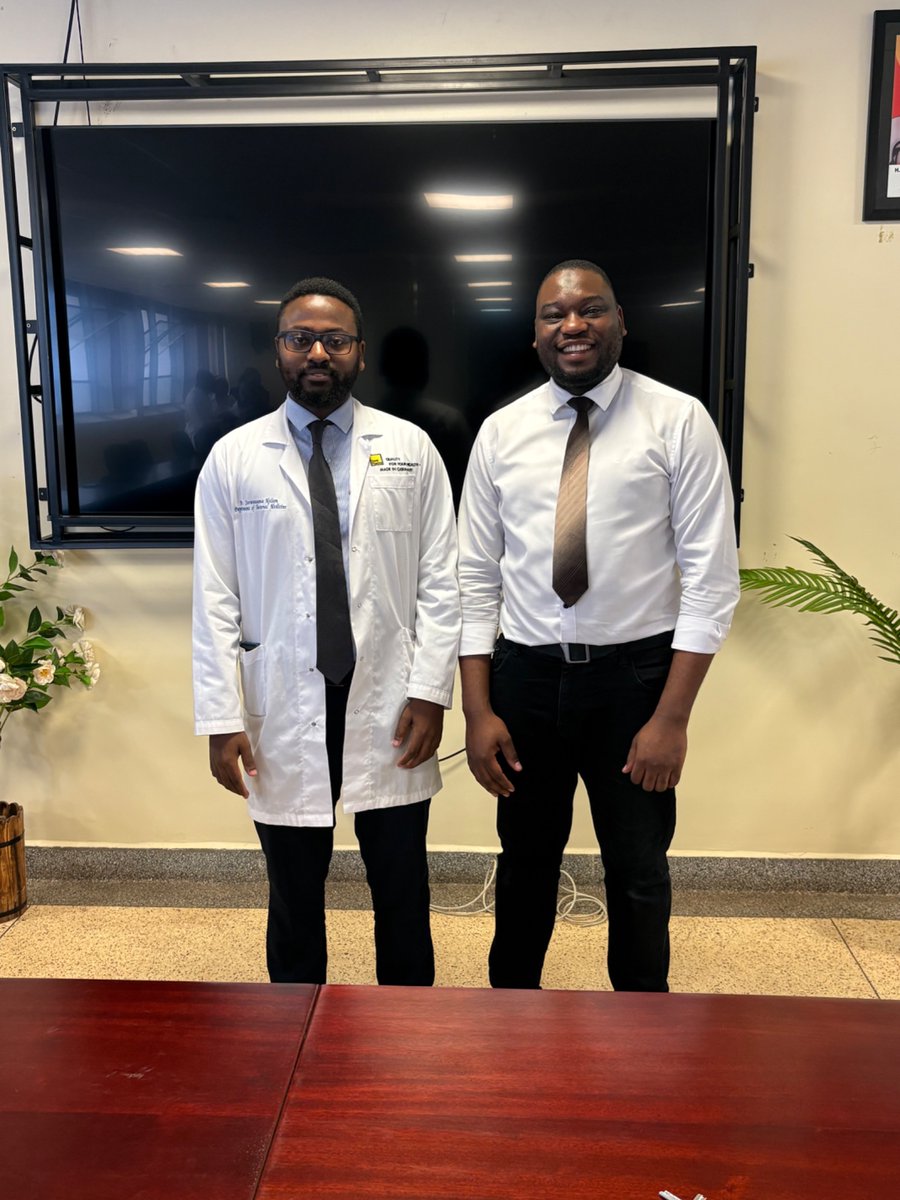
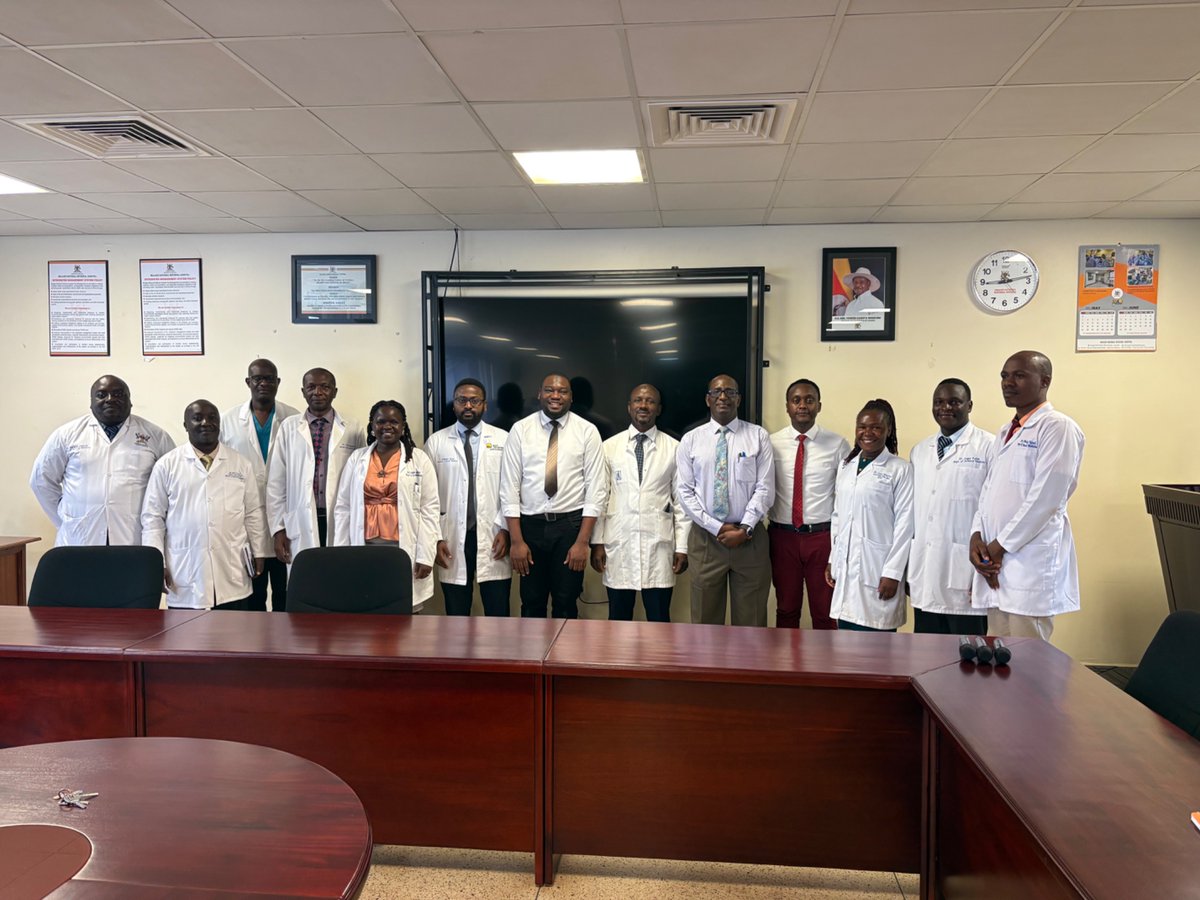
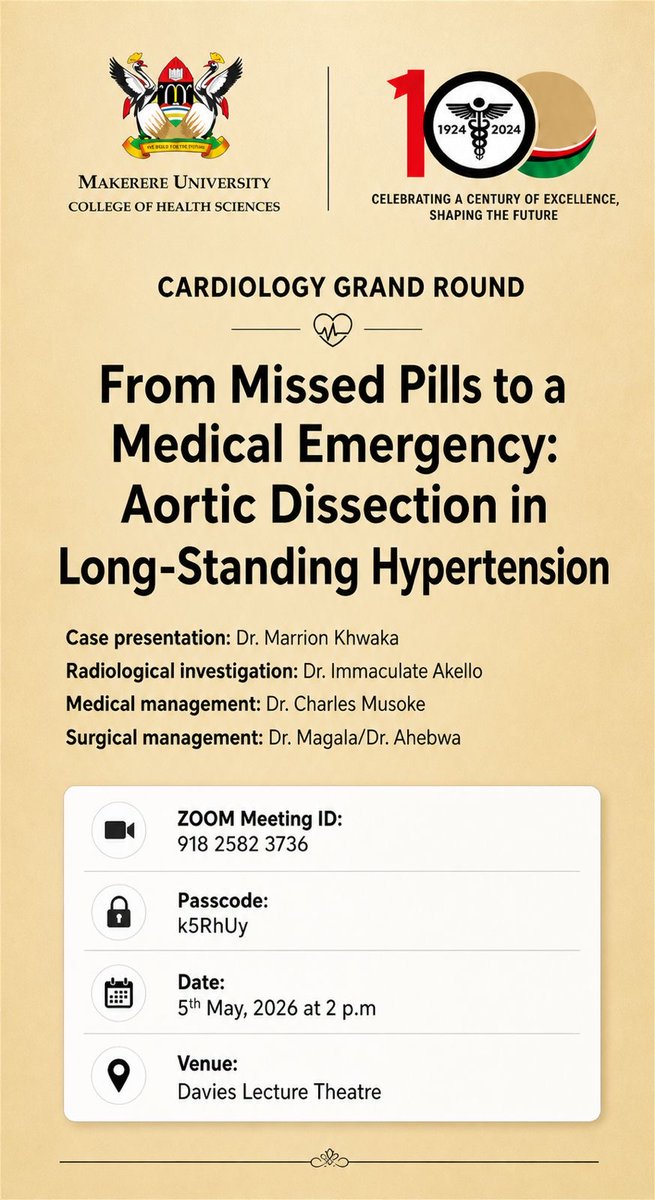
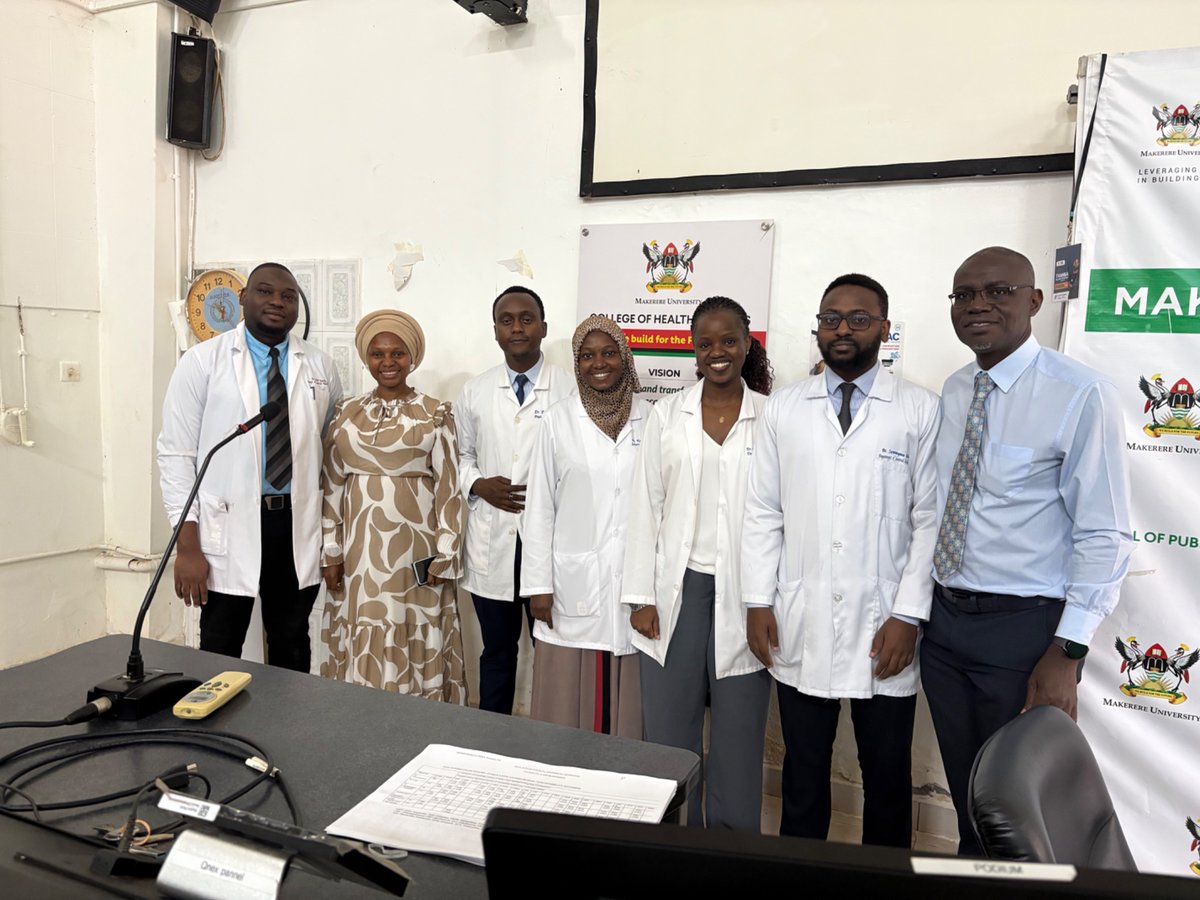
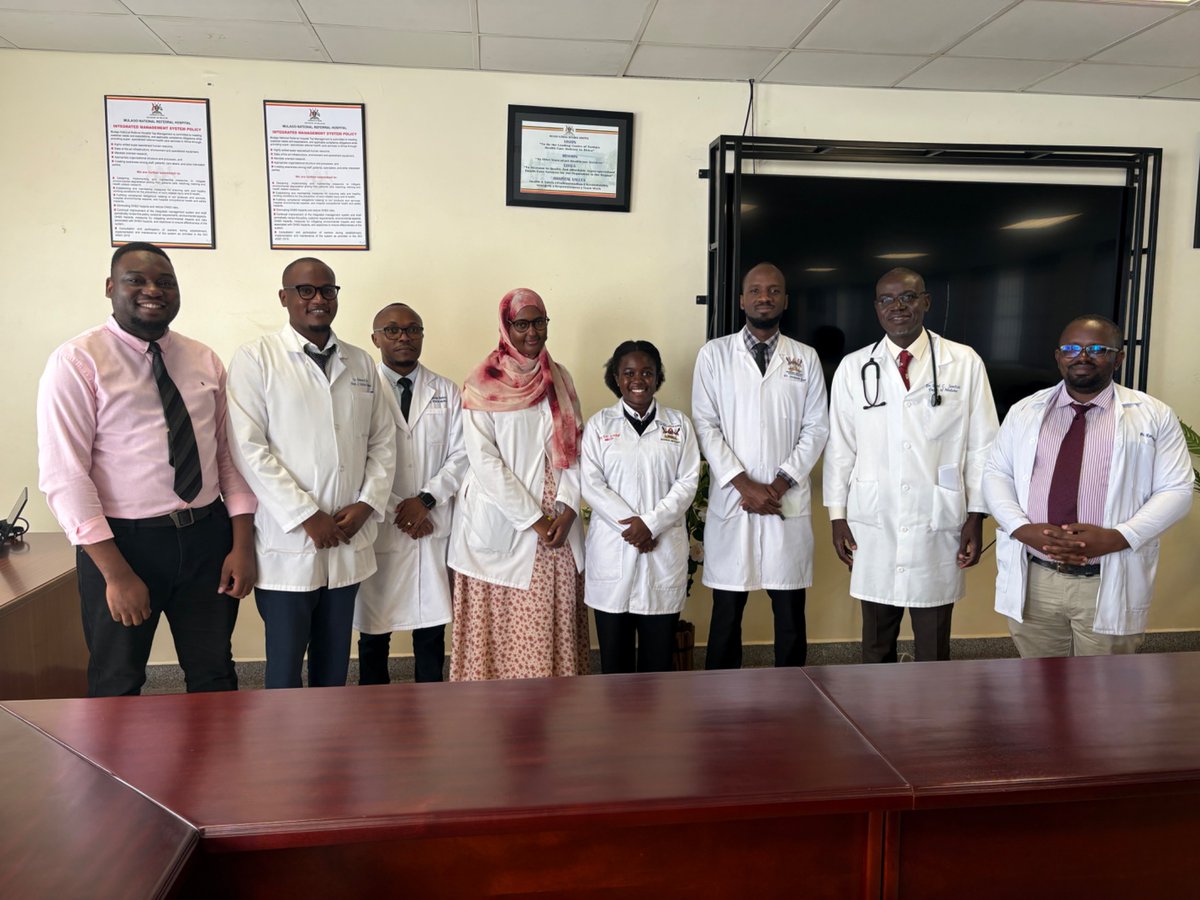
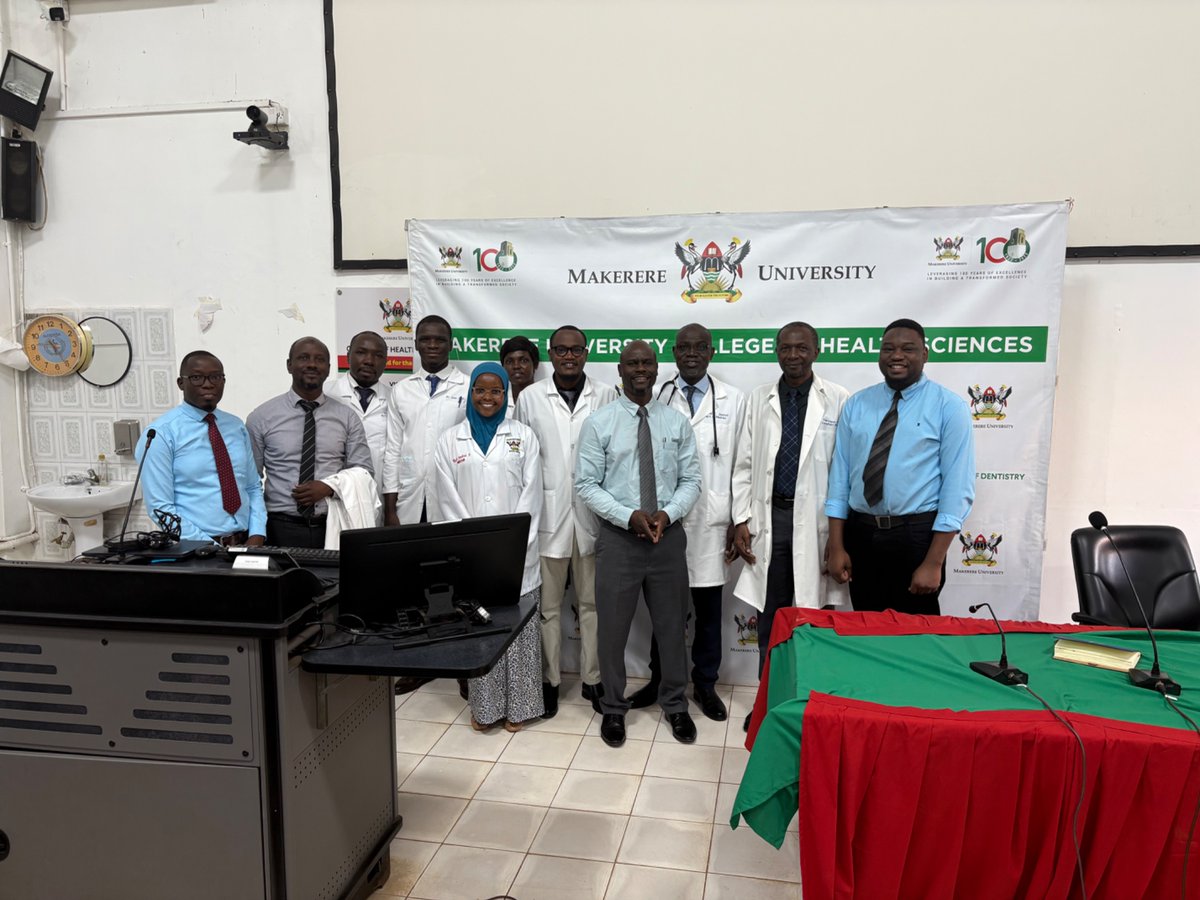
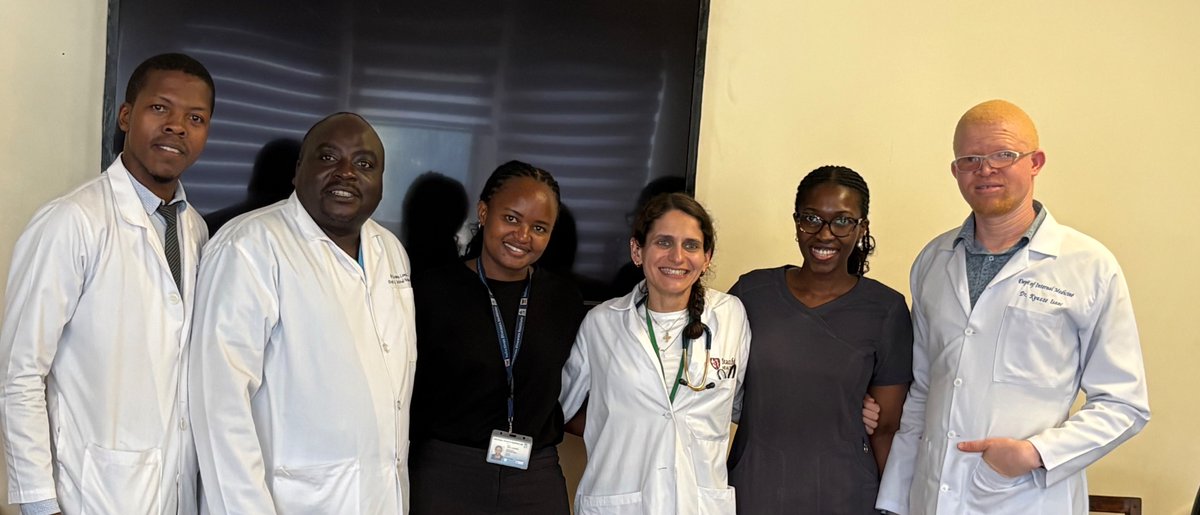
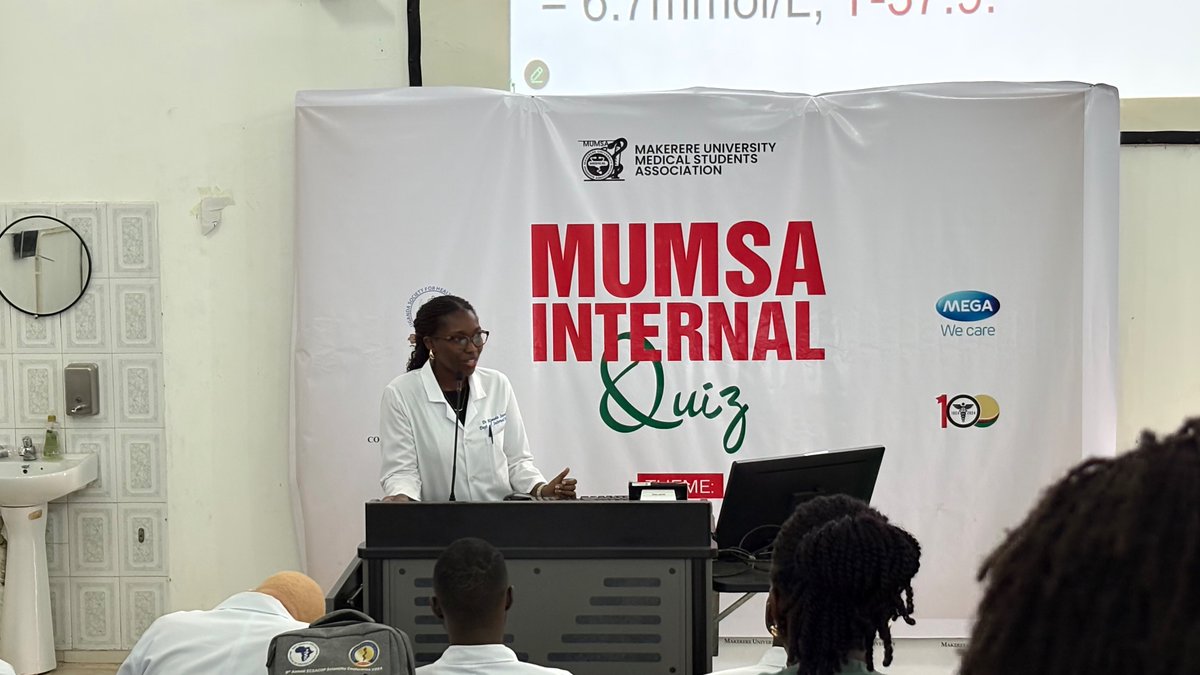

Adieu for now Till the second part of the defense. Still a few more physicians to churn out
1
10
967
Congratulations Dr Berna Akwii on a successful defense. Indeed she has joined the table of physicians. Super proud of you. And of course we had to show you just a few of the books she’s conquered.
19
29
266
8,505
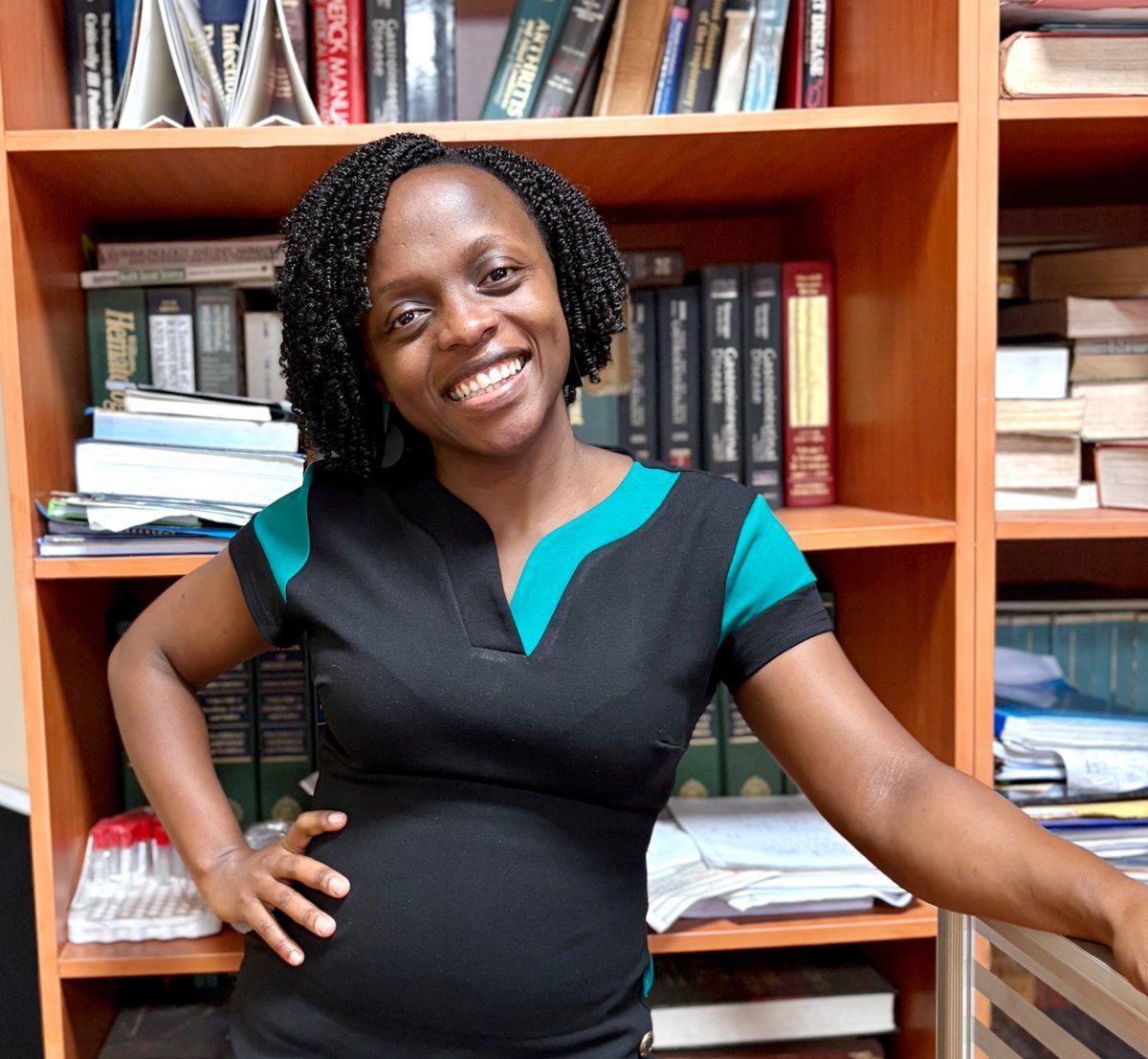
Congratulations Dr Audrey Kisaka on a successful defense. Very proud and happy for you.
10
14
166
8,247
Hearty congratulations to Dr Jacob Senkondo the man from Tanzania on a successful defense.
18
16
183
5,208
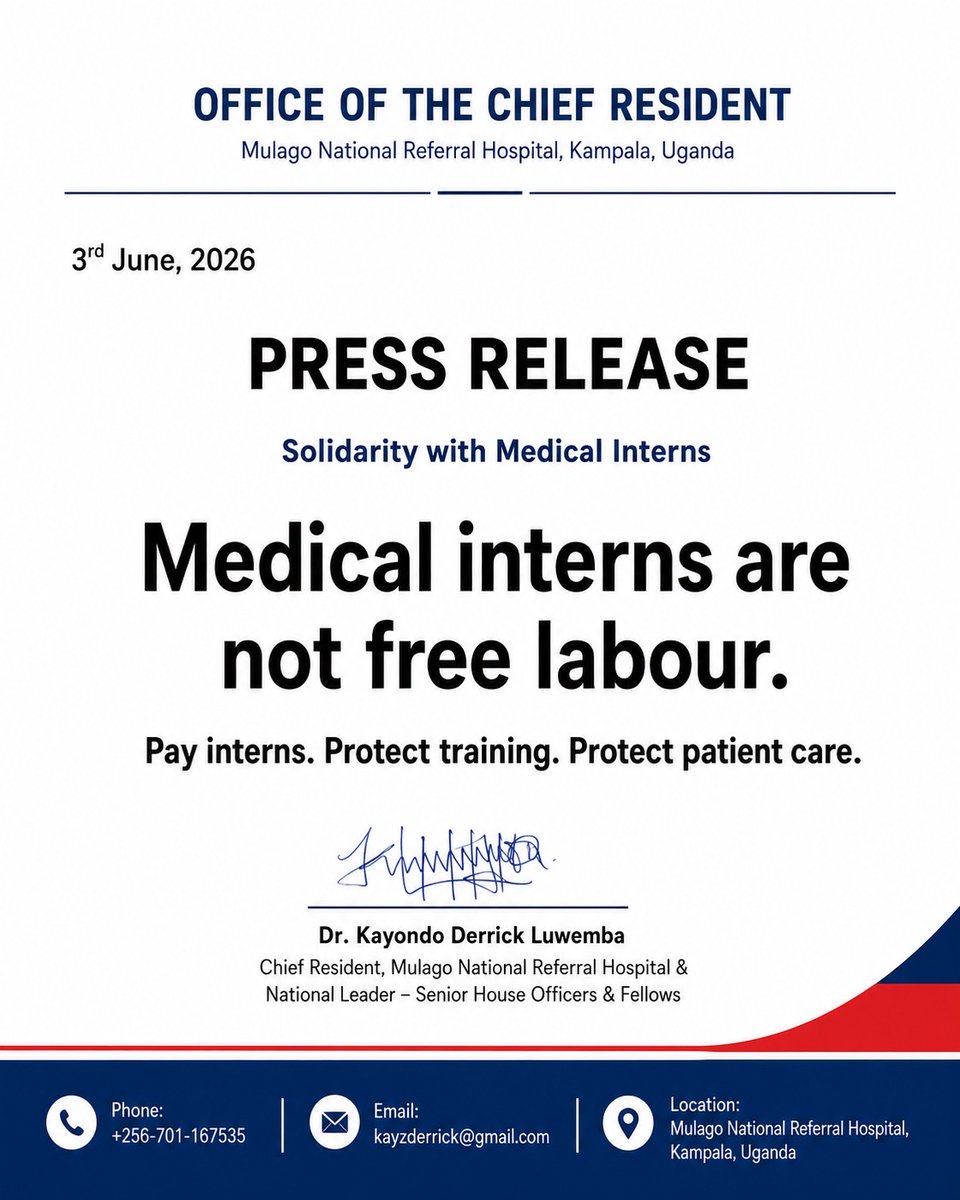
One liner to drive the point home.
19
311
781
12,764
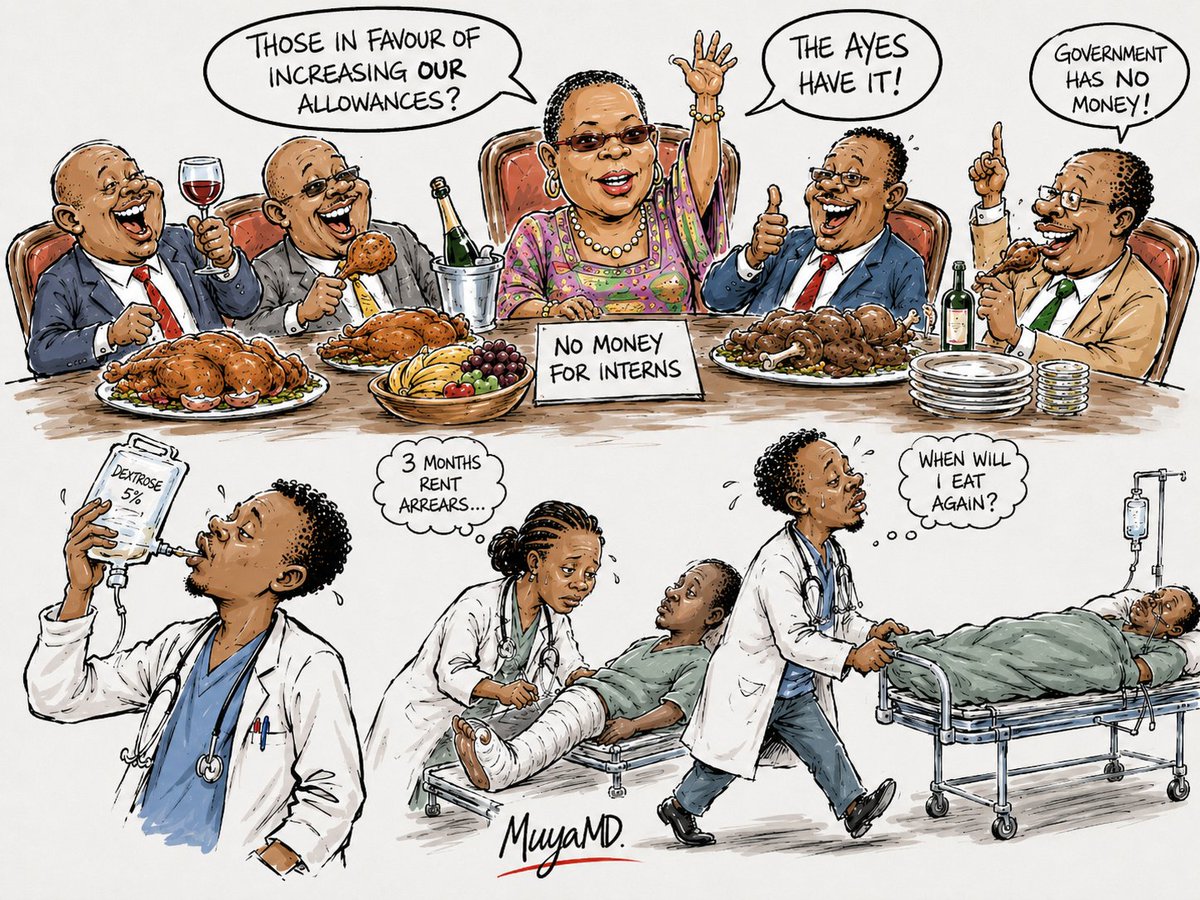
What are our priorities as a country?

Let us be honest: the issue is not that medical interns are too many.
It is not that Uganda has no money.
It is that medical interns are not being treated as a priority.
Consider the choices being made:
• Parliament keeps growing.
Parliament’s budget reportedly doubled to about 𝗦𝗵𝘀 𝟭. 𝟮 𝘁𝗿𝗶𝗹𝗹𝗶𝗼𝗻. The money going to 529 MPs rose from about 𝗦𝗵𝘀 𝟰𝟬𝟬𝗯 in 2020/21 to 𝗦𝗵𝘀 𝟳𝟰𝟰.𝟰𝗯 in 2026/27, an increase of about 𝗦𝗵𝘀 𝟯𝟰𝟰.𝟰𝗯.
What direct return does this give the common Ugandan in a crowded hospital?
• Two offices alone tell the story.
The Speaker and Deputy Speaker offices had about 𝗦𝗵𝘀 𝟳.𝟭𝗯 combined in 2020/21. In 2026/27, they stand at about 𝗦𝗵𝘀 𝟱𝟬.𝟮𝗯 , an increase of about 𝗦𝗵𝘀 𝟰𝟯.𝟭𝗯 for only two offices.
That increase alone can pay 𝟯𝟬𝟬𝟬 interns 𝗦𝗵𝘀 𝟭𝗺 𝗽𝗲𝗿 𝗺𝗼𝗻𝘁𝗵 𝗳𝗼𝗿 𝗮 𝗳𝘂𝗹𝗹 𝘆𝗲𝗮𝗿, with money left.
• Questionable spending continues.
In 2025/26, selected Speaker’s office lines reportedly included 𝗦𝗵𝘀 𝟮.𝟰𝗯 for foreign travel, 𝗦𝗵𝘀 𝟵𝟲𝟲𝗺 for fuel, 𝗦𝗵𝘀 𝟰.𝟴𝗯 for incapacity, death benefits and funeral expenses, and 𝗦𝗵𝘀 𝟱.𝟮𝗯 for donations. Total: about 𝗦𝗵𝘀 𝟭𝟰.𝟮𝗯. What lasting public health return does this produce compared with doctors on wards?
• RDC structures are being funded.
Uganda reportedly has 146 RDCs, 170 Deputy RDCs and 432 Assistant RDCs, total 748 officials. Their proposed salary enhancement requires an extra 𝗦𝗵𝘀 𝟮𝟵.𝟬𝟳𝟵𝗯 every year.
Add the reported 𝗦𝗵𝘀 𝟯𝟬𝗯 for LC I to LC V political leader facilitation, and that is about 𝗦𝗵𝘀 𝟱𝟵𝗯. In what way does this benefit the common Ugandan?
• Donations are funded.
State House donations reportedly consumed 𝗦𝗵𝘀 𝟳𝟱𝟭𝗯 over seven financial years. In 2023/24 alone, donations were budgeted at 𝗦𝗵𝘀 𝟭𝟴.𝟭𝗯, but actual spending reached 𝗦𝗵𝘀 𝟴𝟬.𝟭𝟴𝗯. If tens and hundreds of billions can be found for donations, how does 𝗦𝗵𝘀 𝟮𝟰𝗯 to 𝗦𝗵𝘀 𝟯𝟲𝗯 for over 2,000 medical interns become impossible?
• Health was not protected with the same urgency.
The Ministry of Health vote fell from about 𝗦𝗵𝘀 𝟭. 𝟲𝟵𝟯 𝘁𝗿𝗶𝗹𝗹𝗶𝗼𝗻 in FY2023/24 to about 𝗦𝗵𝘀 𝟭. 𝟯𝟰𝟰 𝘁𝗿𝗶𝗹𝗹𝗶𝗼𝗻 in FY2024/25, a reduction of about 𝗦𝗵𝘀 𝟯𝟰𝟵𝗯. Even the 2025/26 estimate of 𝗦𝗵𝘀 𝟭.𝟱𝟲𝟰 𝘁𝗿𝗶𝗹𝗹𝗶𝗼𝗻 remains below the 2023/24 level. Yet health is the sector that directly touches mothers in labour, accident victims, children with malaria, emergency patients and families in public hospitals.
Now compare:
• 2,000 interns × Shs1m × 12 months = 𝗦𝗵𝘀 𝟮𝟰𝗯 per year
• 2,500 interns × Shs1m × 12 months = 𝗦𝗵𝘀 𝟯𝟬𝗯 per year
• 3,000 interns × Shs1m × 12 months = 𝗦𝗵𝘀 𝟯𝟲𝗯 per year
Even using the Ministry of Health’s own gross figure of Shs15.6m per intern per year, the reported 2,706 eligible interns would require about Shs42.2b. That is still small compared with what is being found for political comfort and administrative expansion.
That money is not a handout.
✨ It avails doctors on wards.
✨ It keeps emergency units covered.
✨ It supports maternity care.
✨ It fills staffing gaps in regional referrals.
✨ It protects patients.
So let us stop pretending.
This is not a numbers problem.
This is not a money problem.
It is a priority problem.
Medical interns are doctors under apprenticeship, not free labour!
#InternsNotSlaves
3
12
39
1,429
Internal Medicine Residents @Makerere retweeted

Jun 3
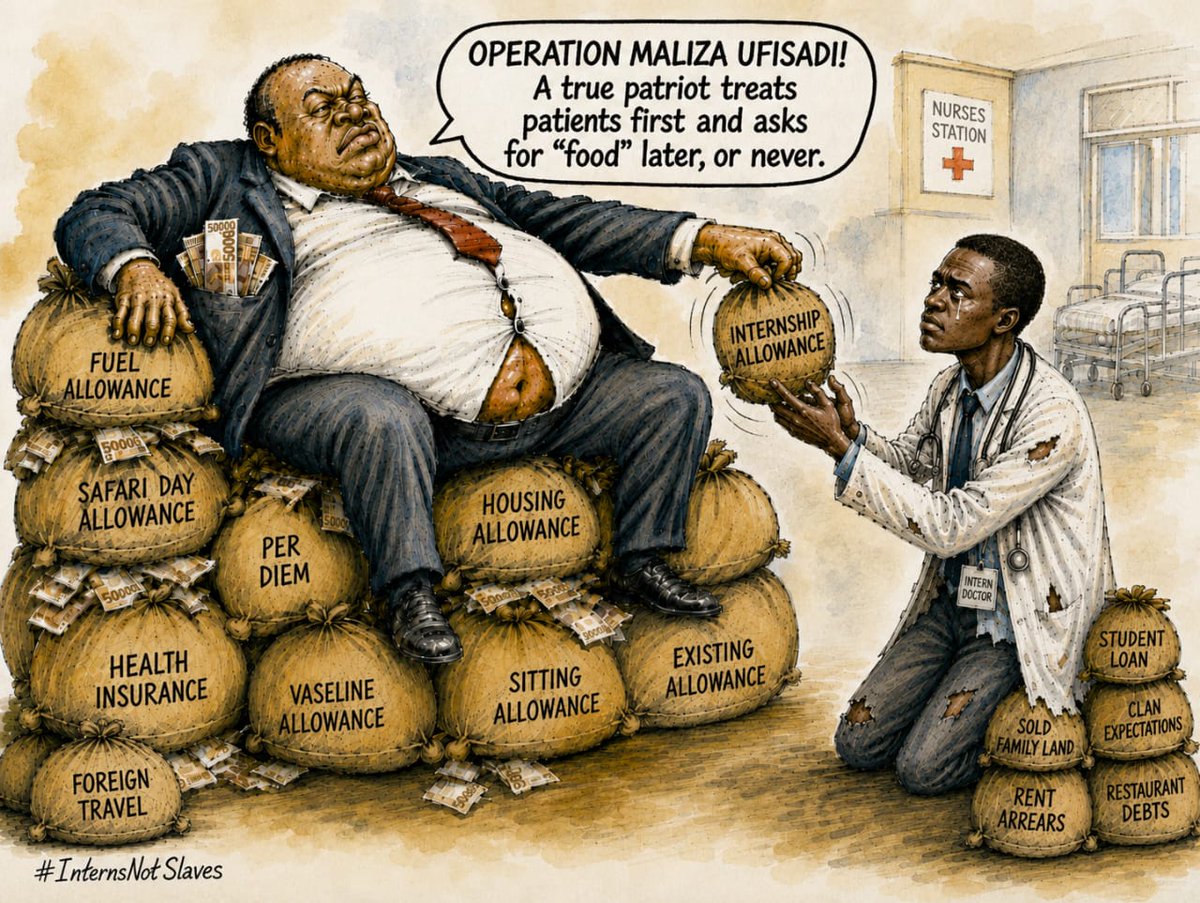
Found this to be communicating real facts
9
47
100
4,824
Internal Medicine Residents @Makerere retweeted

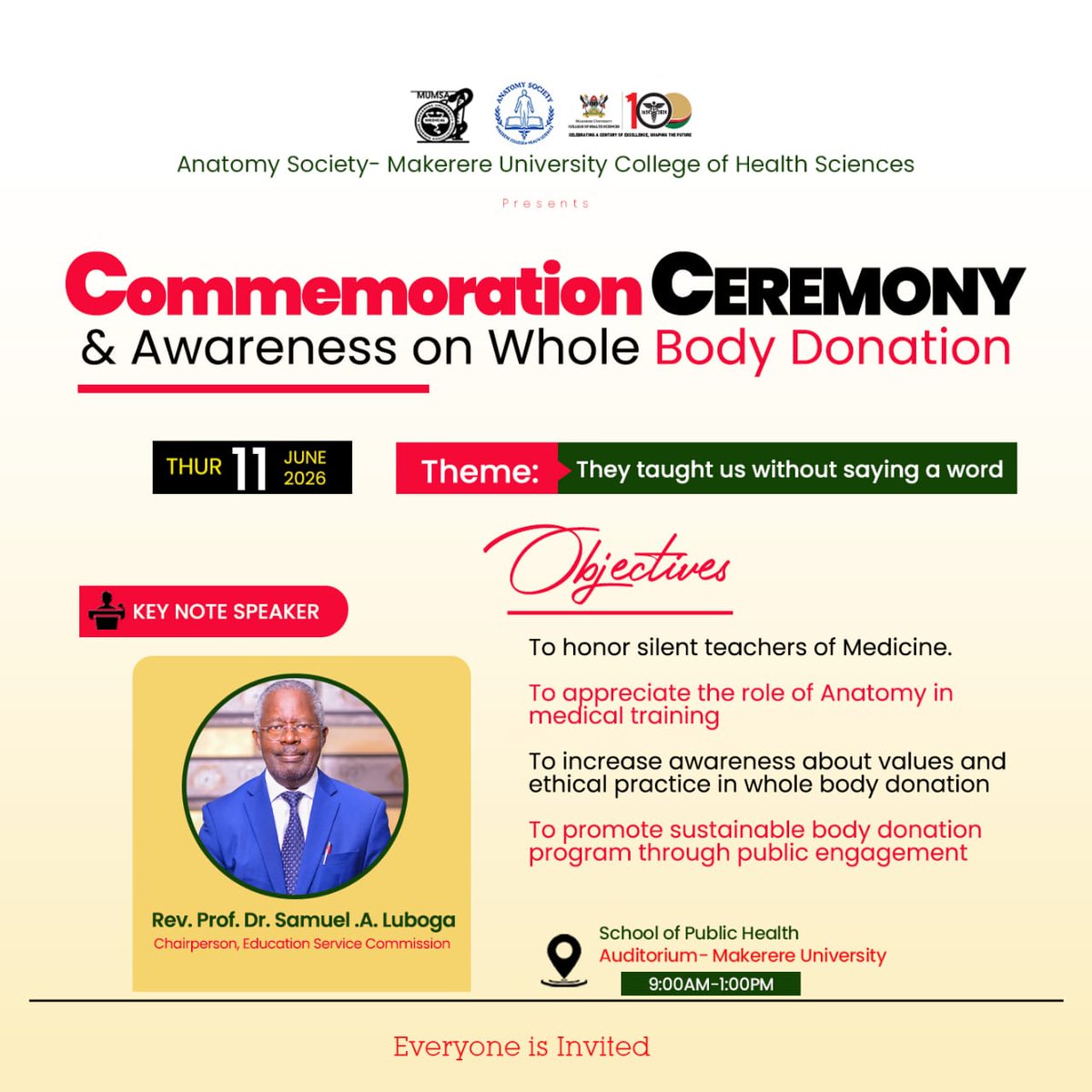
@MakerereCHS ANATOMY SOCIETY presents:
🎓 Commemoration Ceremony & Awareness on Whole Body Donation
🕯️ Theme: “They taught us without saying a word.”
Let's honor the silent teachers of Medicine, appreciate the role of Anatomy in MedEd, and promote ethical whole-body donation.
1
16
24
3,390
Internal Medicine Residents @Makerere retweeted

As we mark World Asthma Day, join us for an insightful webinar on the asthma disease burden in Uganda, supported by the @MinofHealthUG Let’s raise awareness, share knowledge, and improve care.
Register using the link: t.ly/XvWoz
@katswincey @patricia_a61836 @aany99217 @rnantanda @ikimuli2020 @rianom @winterzie @dtess89marie @Kutsmarie @JoanitaNampijj2 @brucekirenga
#WorldAsthmaDay #AsthmaCareUg #LungInstituteUG
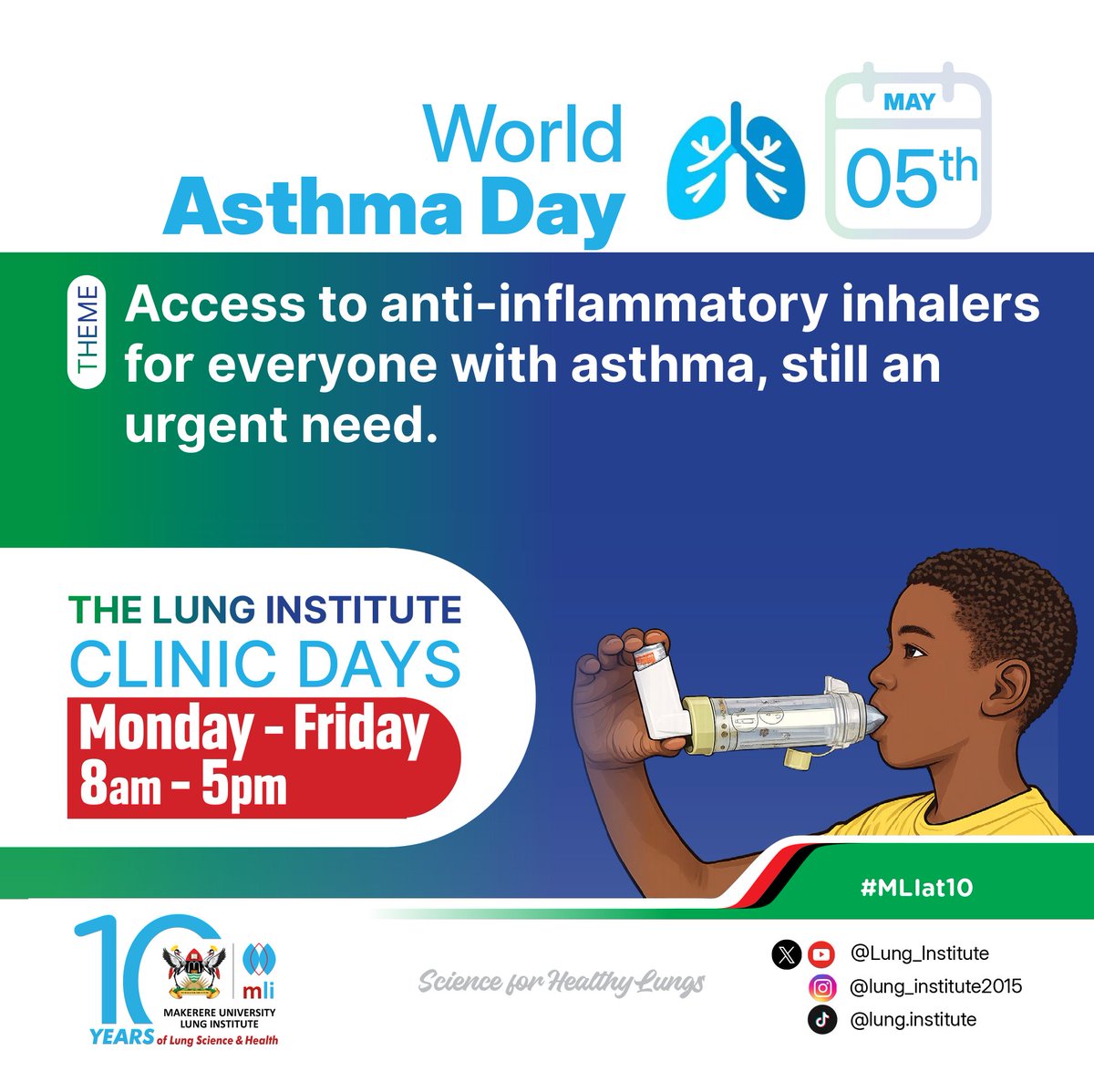
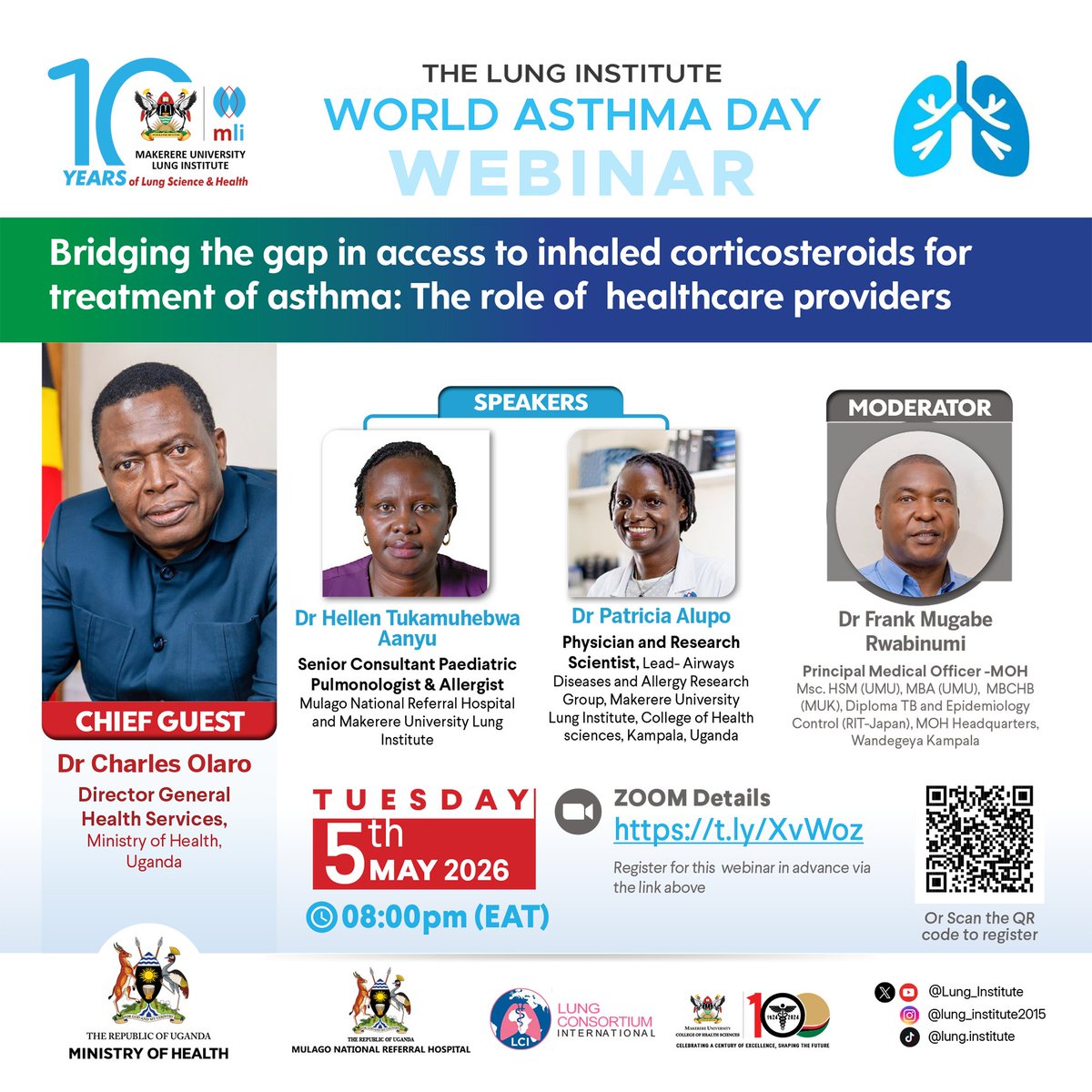
5
18
974
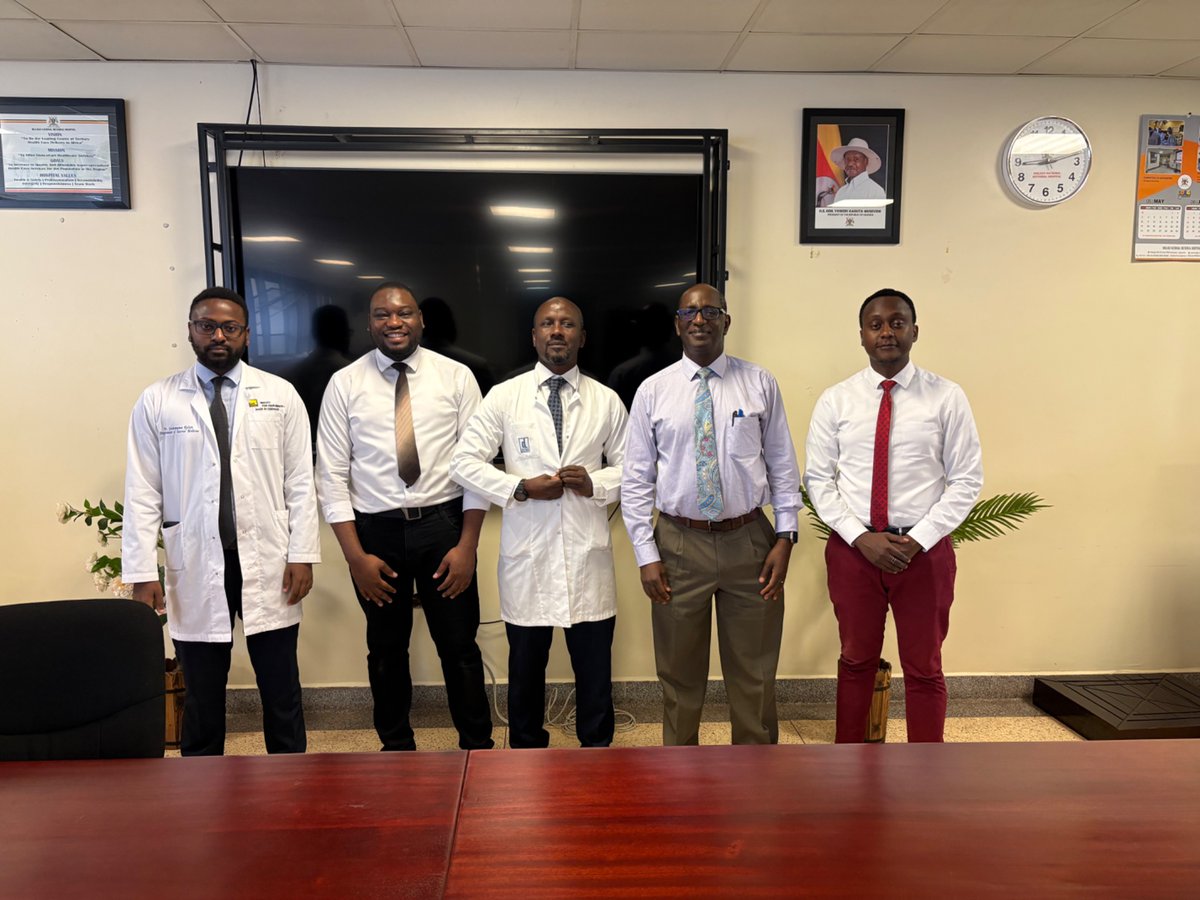
And it’s handover time. We pass on the baton. Welcome @MedicalNelson the next coordinator for the mini rounds. Well done Dr Jumba for the past year. Honorable mention @1baxy for mentoring Dr Jumba. And thank you our patrons @SemitalaFred, Prof Kamya.
4
7
88
3,680
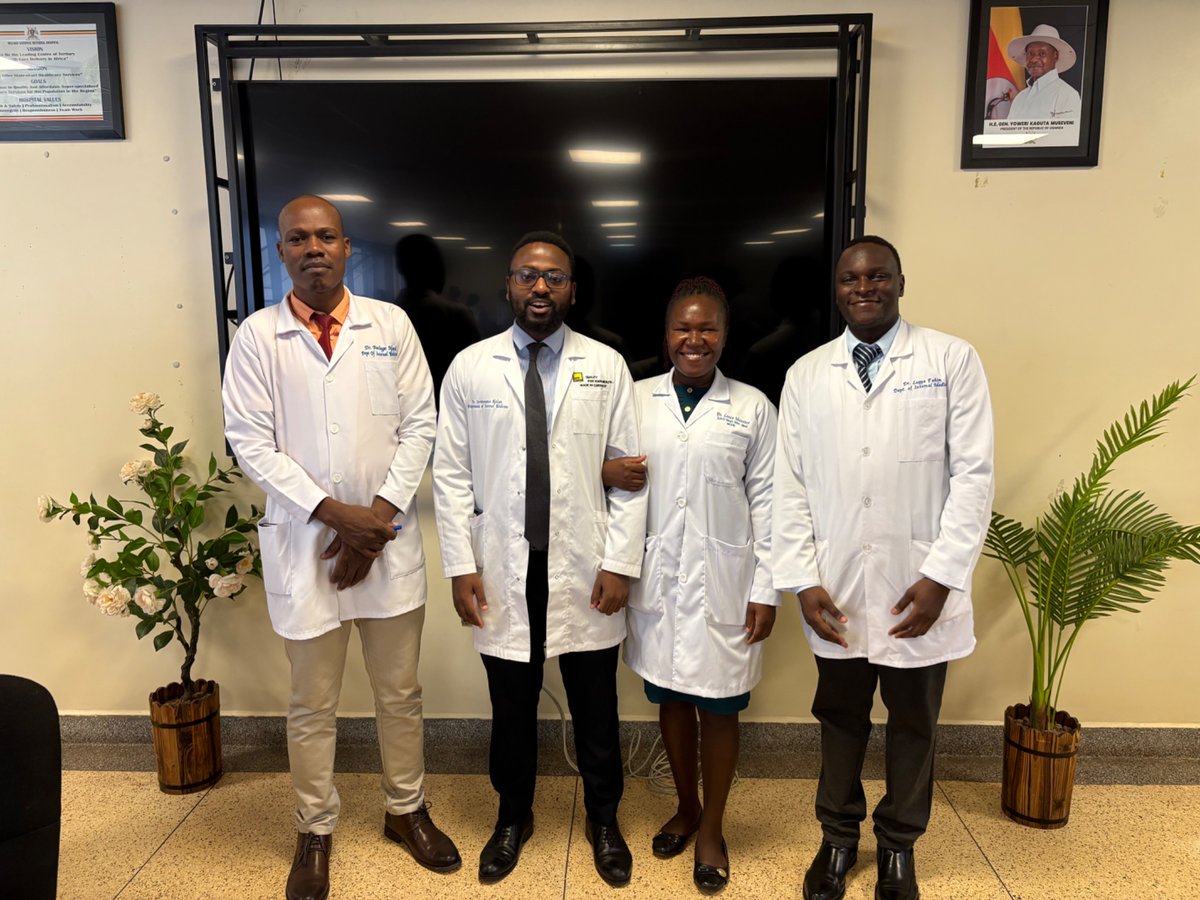
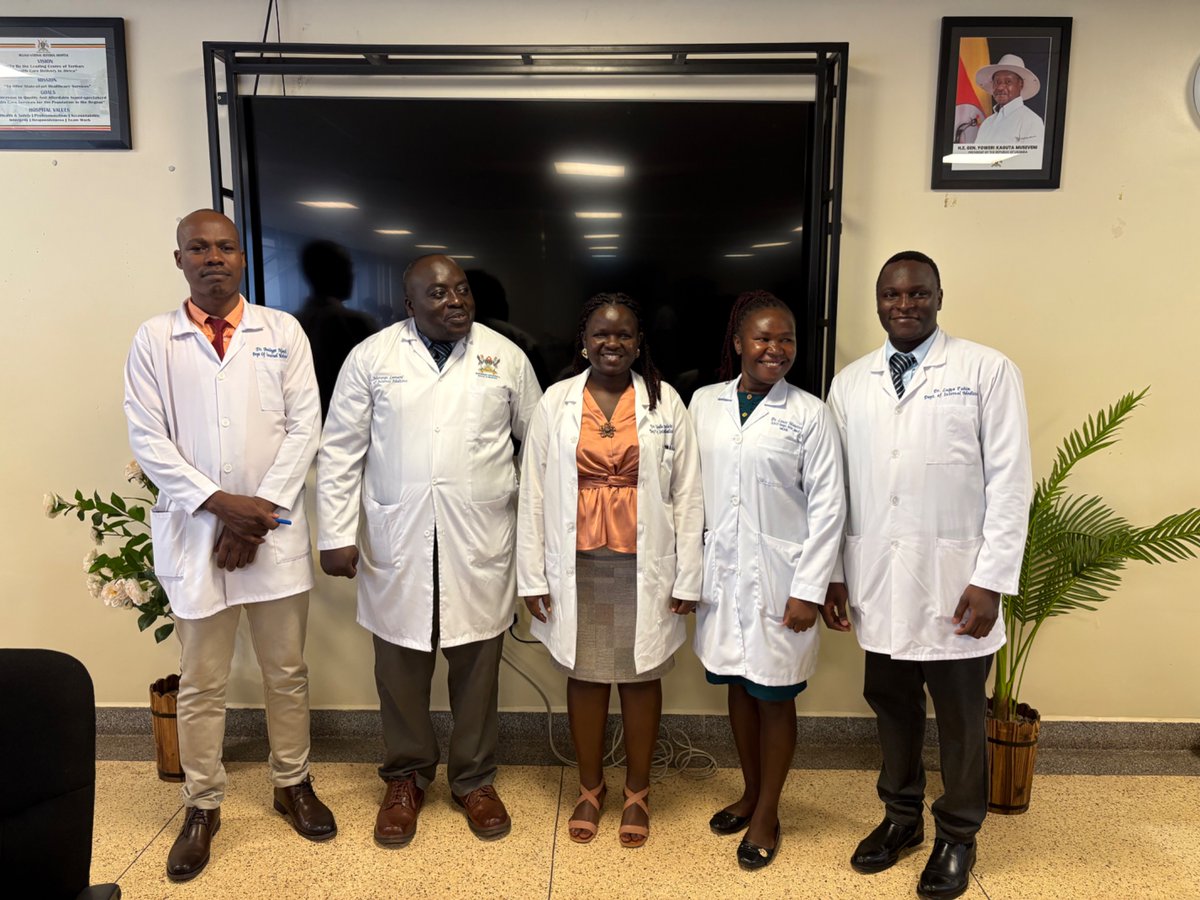
The team today: Pulmonology. This is what it takes to prepare a mini round of a patient with 2 possibly different malignancies: lung and thyroid. Treated for cough for quite a while. He still needs input from nuclear medicine to narrow it down. Thank you team
3
9
70
3,281
Join us tomorrow for an interesting grand round.
1
12
40
2,022
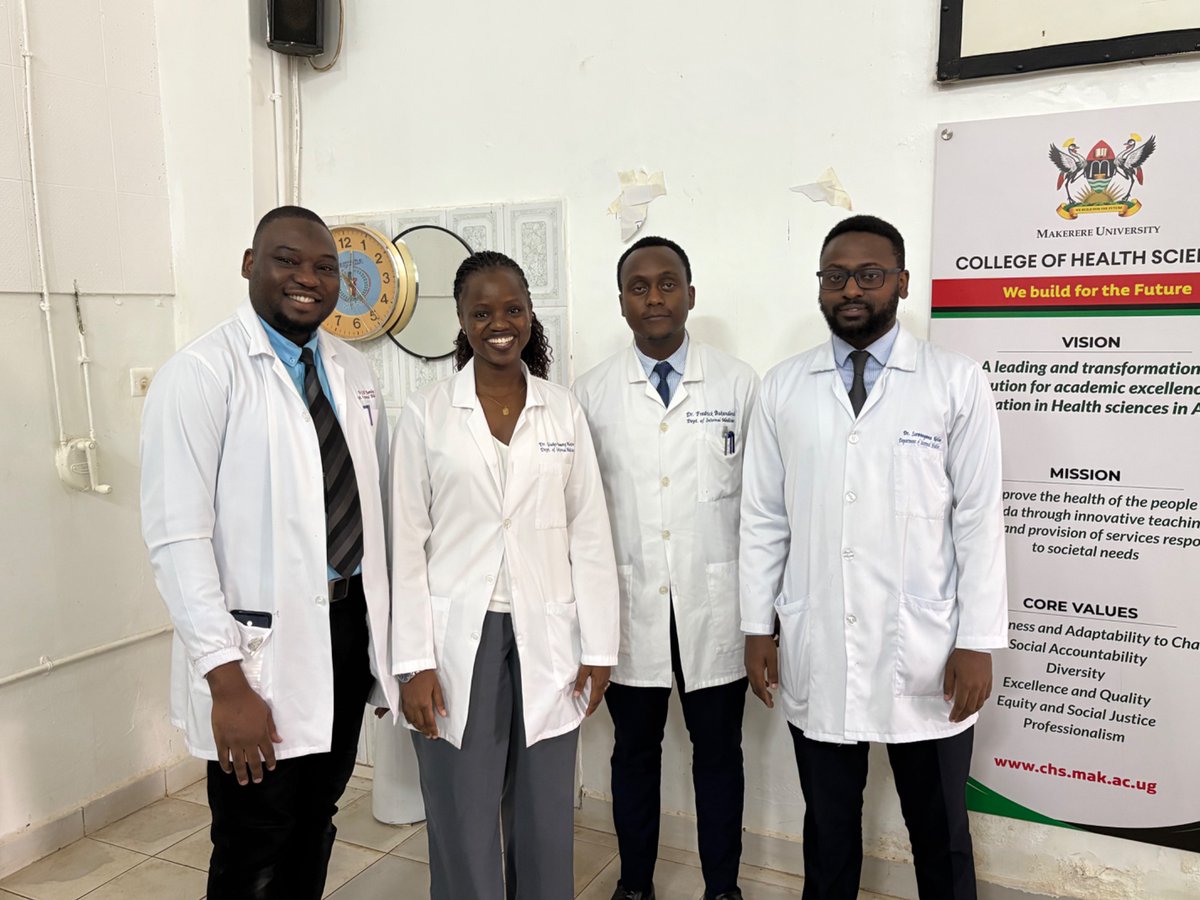
Today’s miniround about antimicrobial stewardship from the ID team got us thinking..what are you doing to promote antimicrobial stewardship? What practical steps would you advise us to follow?
10
65
3,258
Internal Medicine Residents @Makerere retweeted
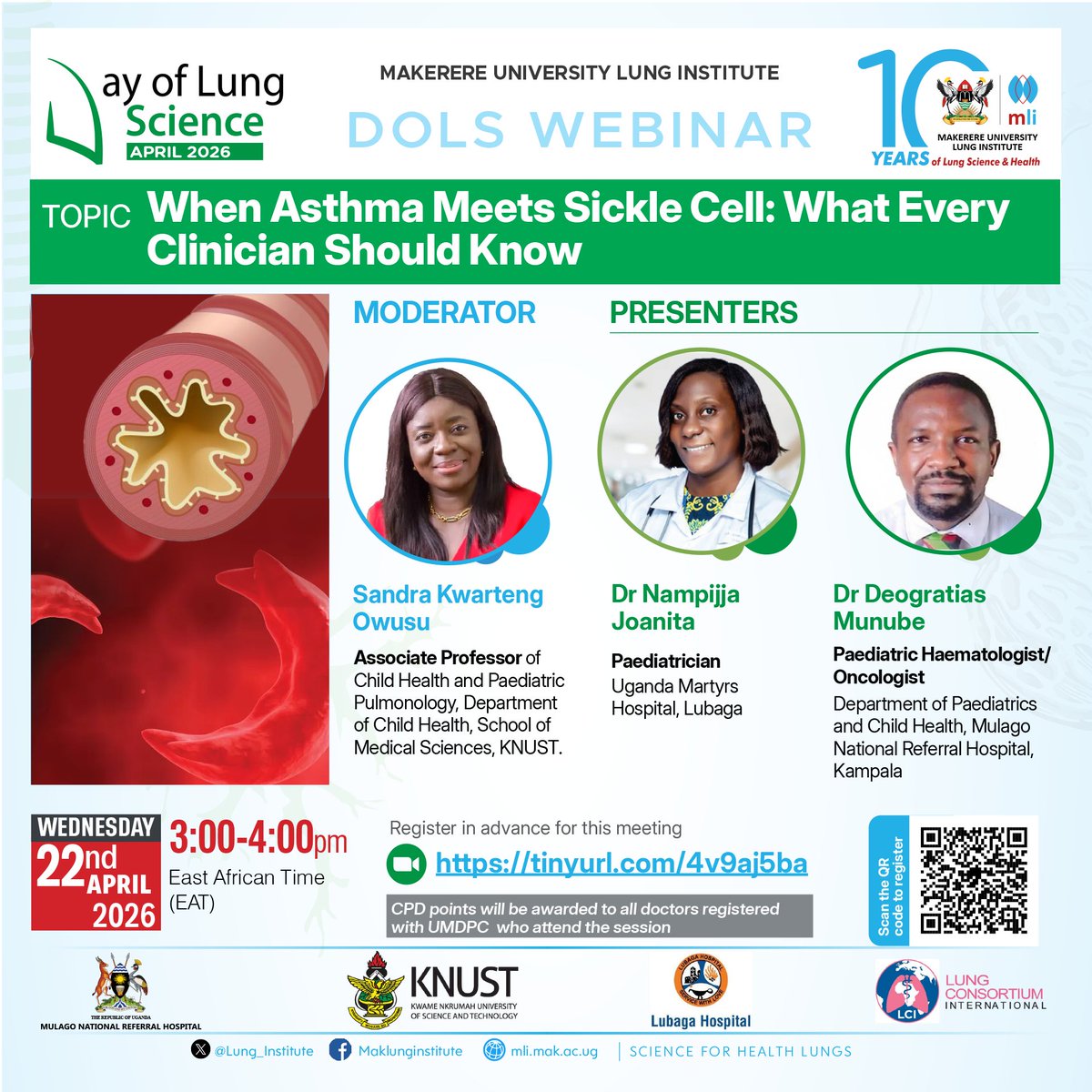
This Month’s Day of Lung Science session explores a critical but often overlooked intersection in clinical care.
Children with sickle cell disease frequently present with asthma-like symptoms linked to increased risk of acute chest syndrome, hospitalisation, and mortality.
Join us for:
🫁 When Asthma Meets Sickle Cell: What Every Clinician Should Know webinar
📅 22 April | ⏰ 3–4PM (EAT)
🔗 tinyurl.com/4v9aj5ba
With Dr. Nampijja Joanita, Dr. @DeoMunube and Prof. Sandra Kwarteng Owusu
@brucekirenga @winterzie @winterzie @rnantanda @Jackynakabira @emkansiime @MORDECAI1992 @ikimuli2020 @Zahranamuli @UgandaSickle @LubagaHospital @JoanitaNampijj2 @SandraKwarten16 @jmukwaba @SCNationUK @SickleCellMN @SickleUganda @SickleCellUK @UPAuganda @Paeduganda @UPA_western_ug @KNUSTGH @MulagoReferral @rkalyes1 @ChefKarim02 @MinofHealthUG @DrOribaDan @NorvikHospital @NakaseroHosp @PlatinumHosp @casemedservices
@C_Care_Uganda
1
21
33
4,332
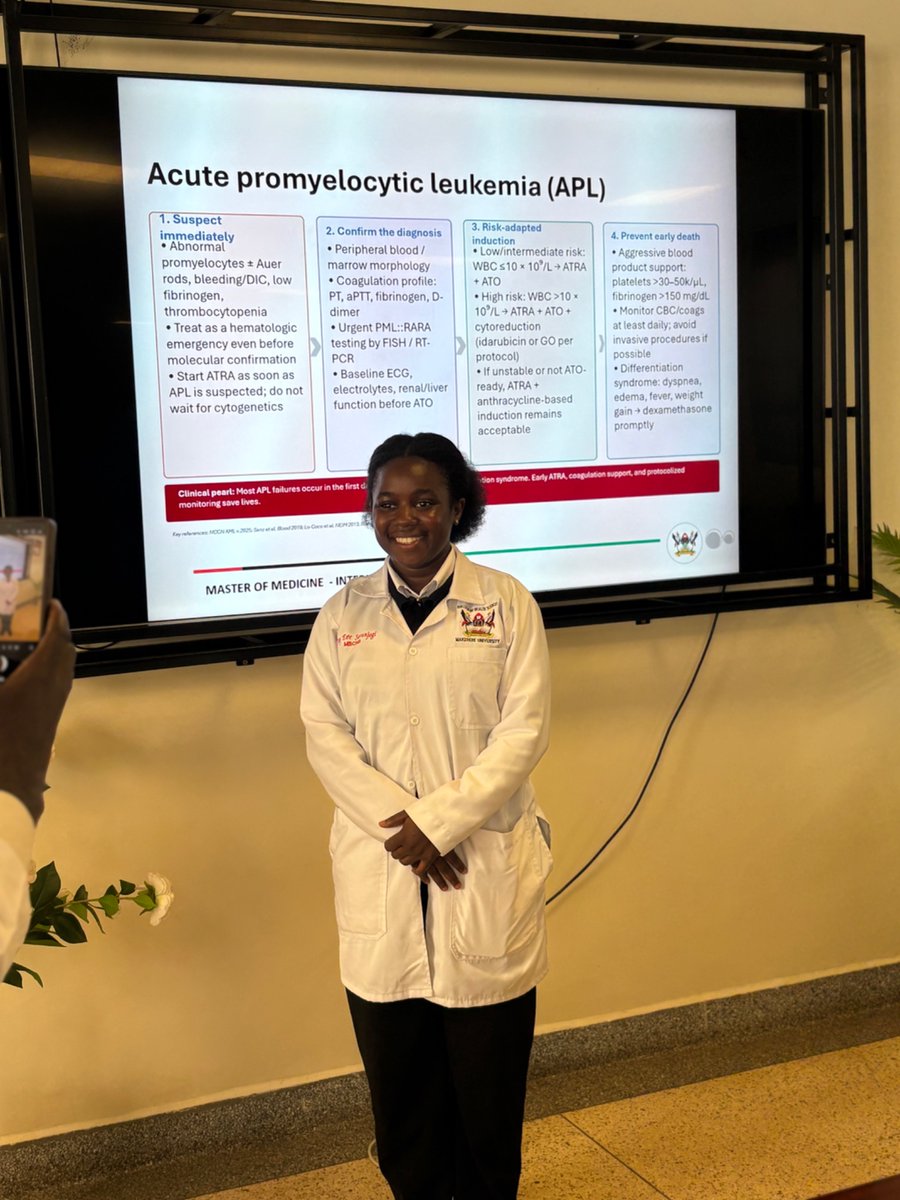
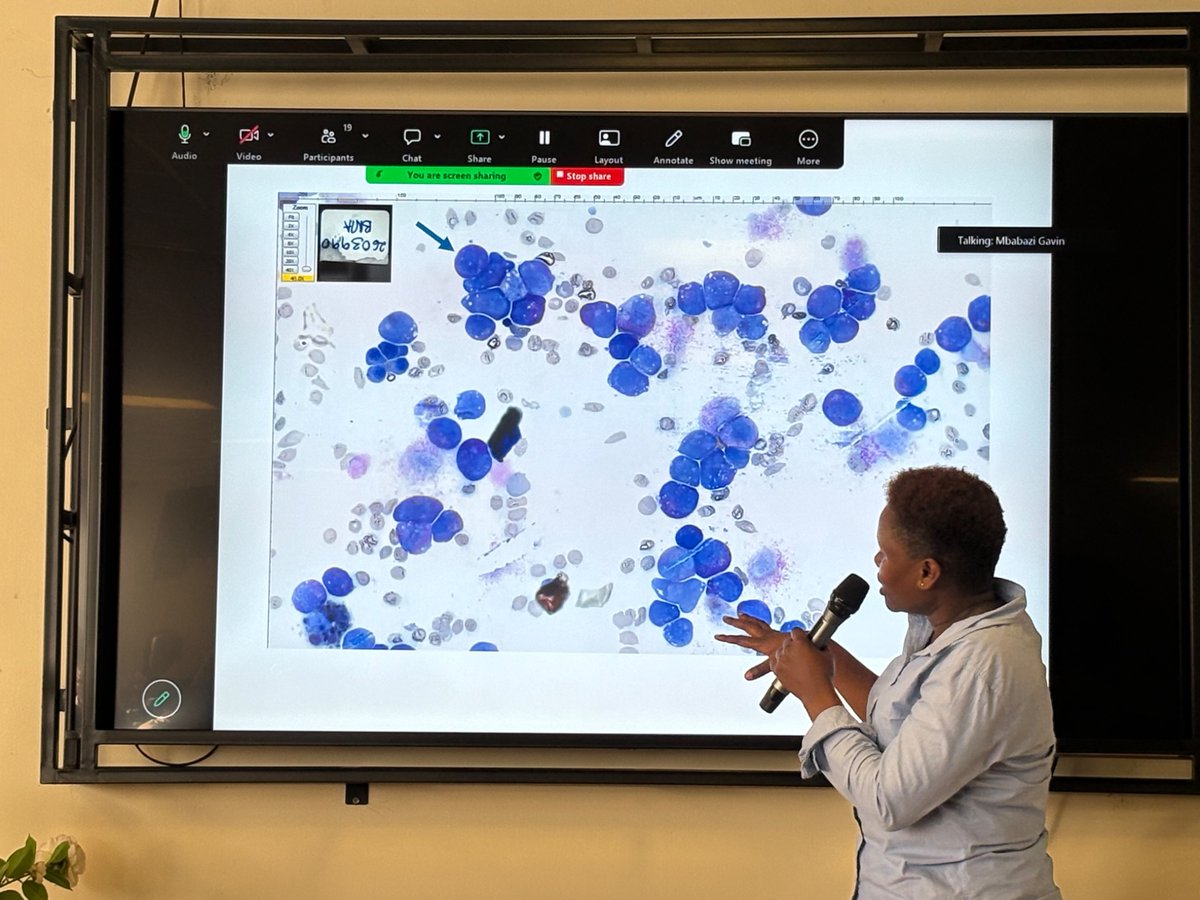
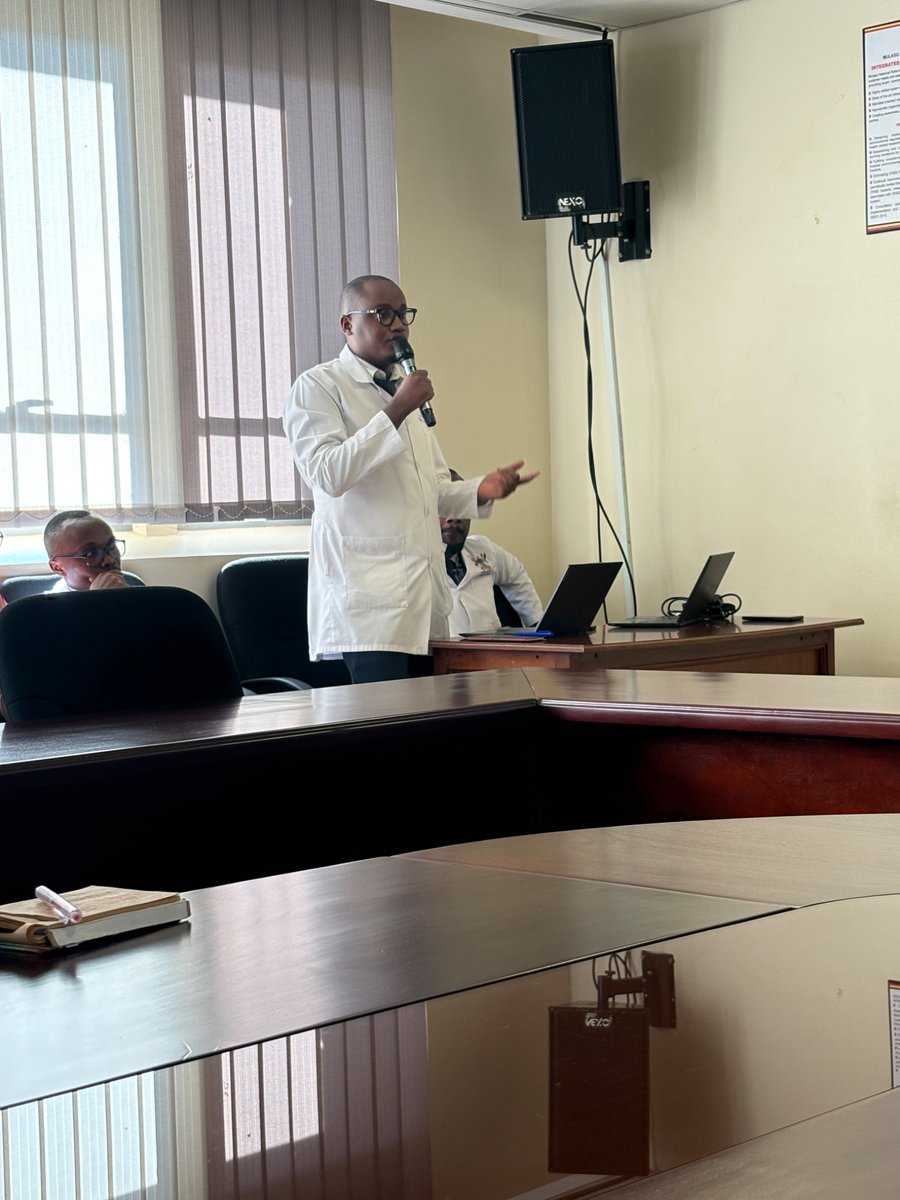
Today’s miniround presentation was of an 18/M with 1 week history of fever later followed by bleeding from the gums and hematemesis. What’s your first thought process?
The patient was eventually diagnosed with AML. Thank you team hematology.
3
10
114
6,982
Dr Jumba our miniround host. He definitely leads as with charisma and style.
2
3
75
11,915
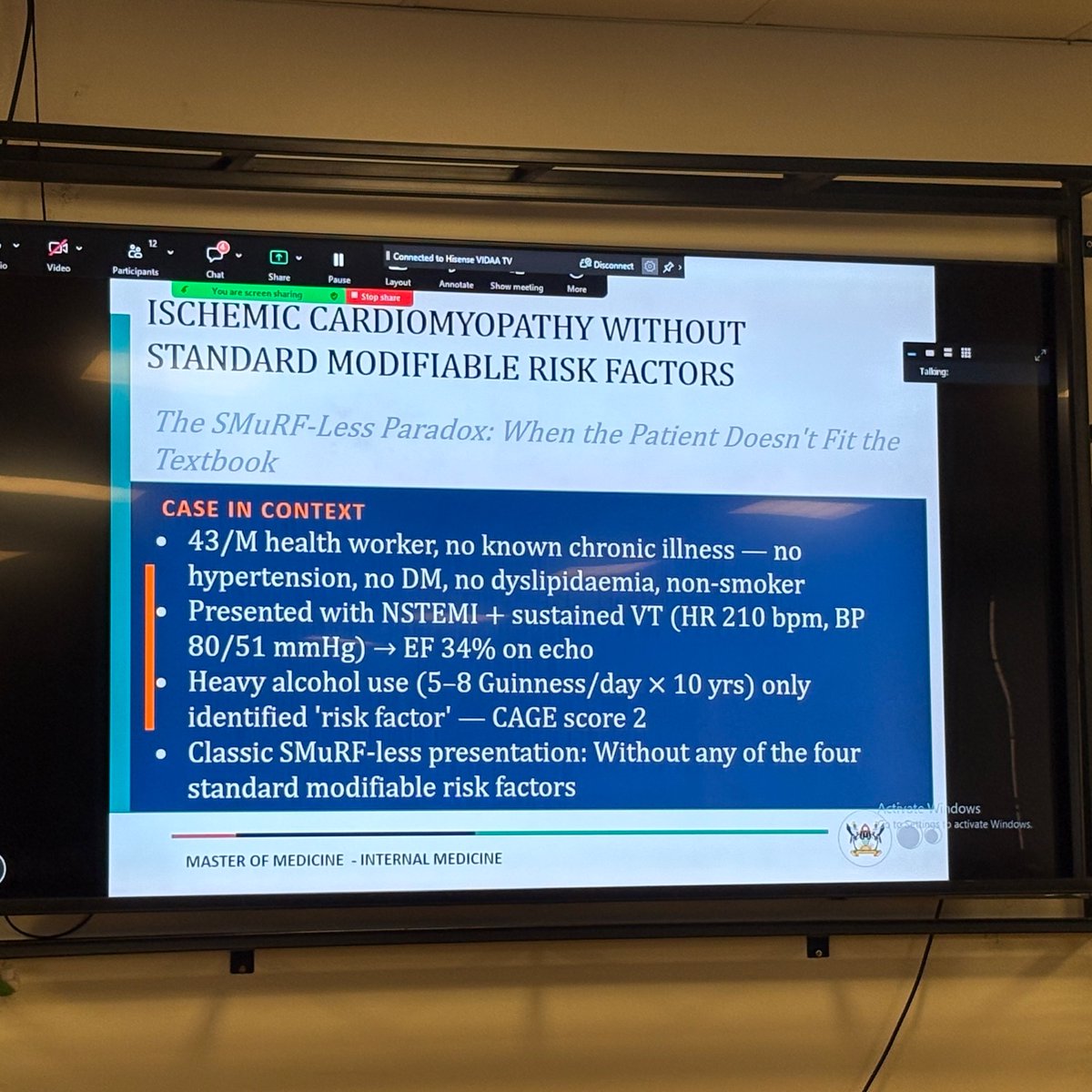
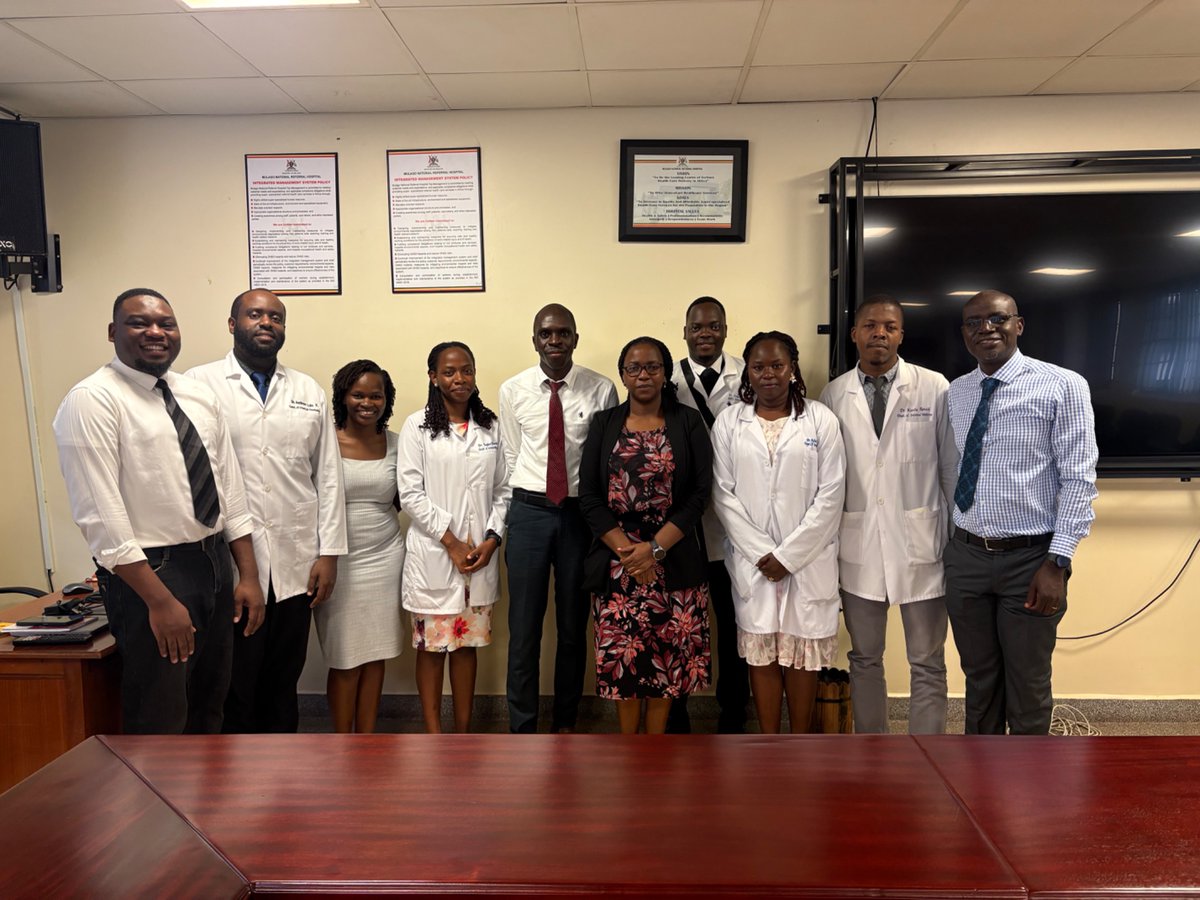
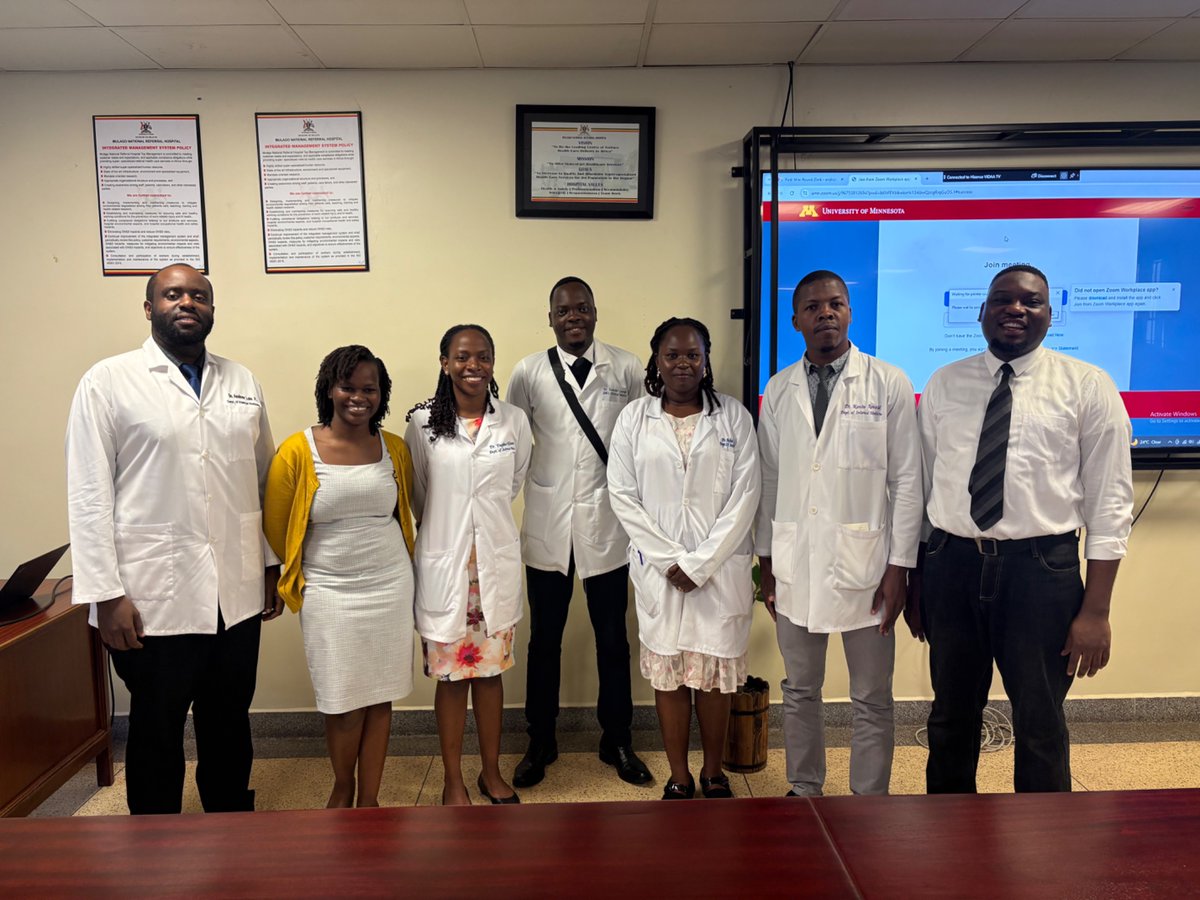
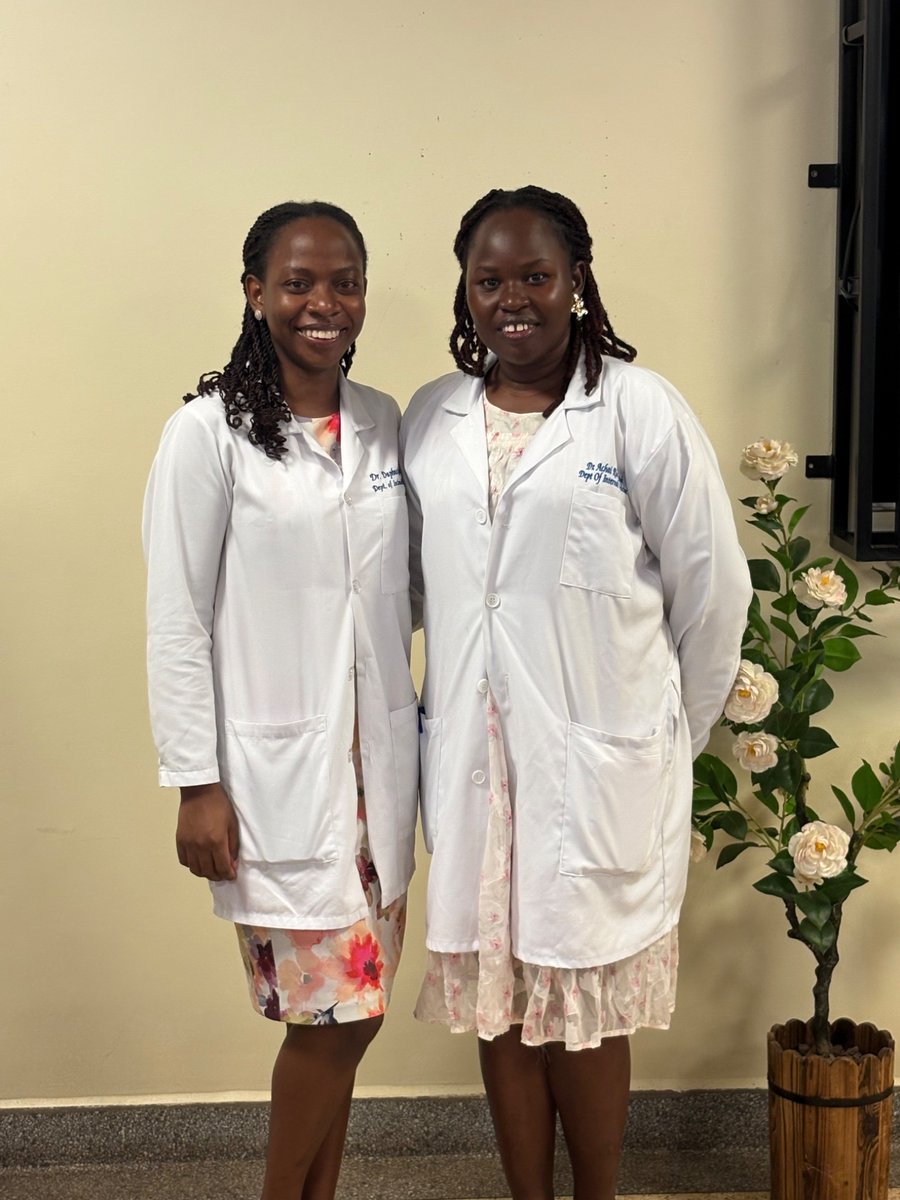
An excellent learning session this morning from the cardiology team. A middle aged man with Acute coronary Syndrome and ventricular tarchycardia without modifiable risk factors. (SMuRF-less). How often do you see ACS. How do you approach patient management?
2
10
63
4,483
Internal Medicine Residents @Makerere retweeted

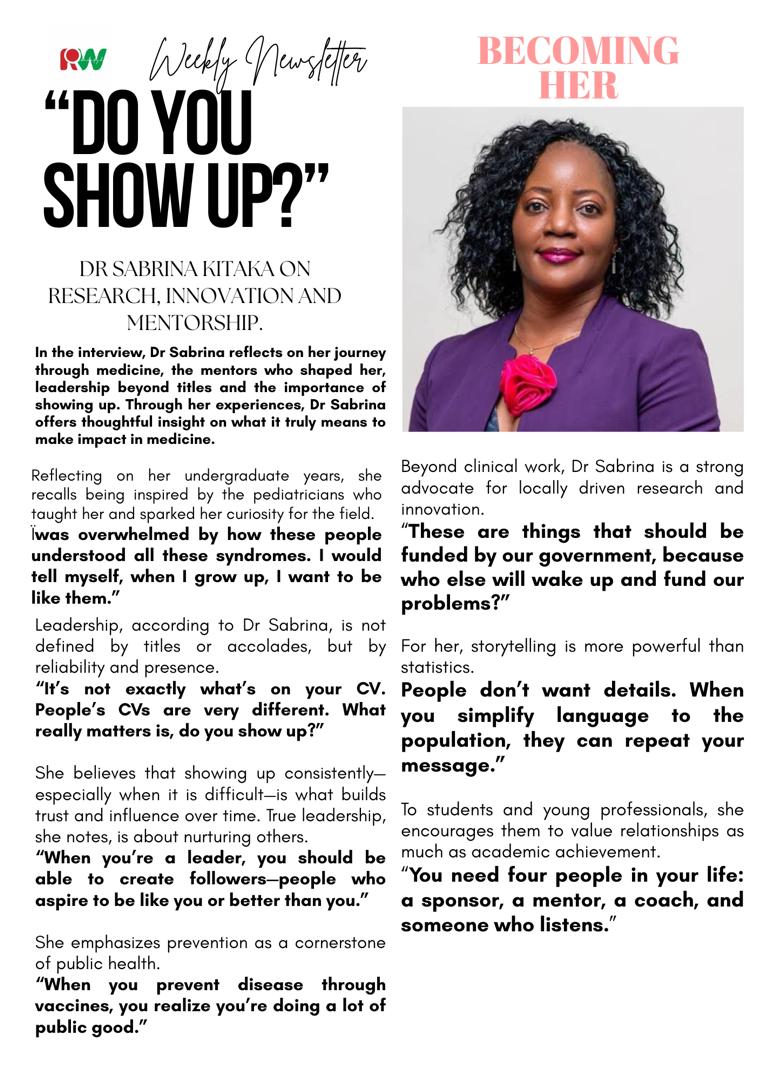
"Do you show up?" Dr. Sabrina Kitaka 🌟
We sat down with our patron on mentorship, leadership, and locally driven research
👩⚕️ Inspired by her mentors
💡 "Who else will fund our problems?"
👥 Find your 4
📖 Full interview in the 52nd MMJ.
#DrSabrinaKitaka #MMJ #WomenInSTEM
3
7
569
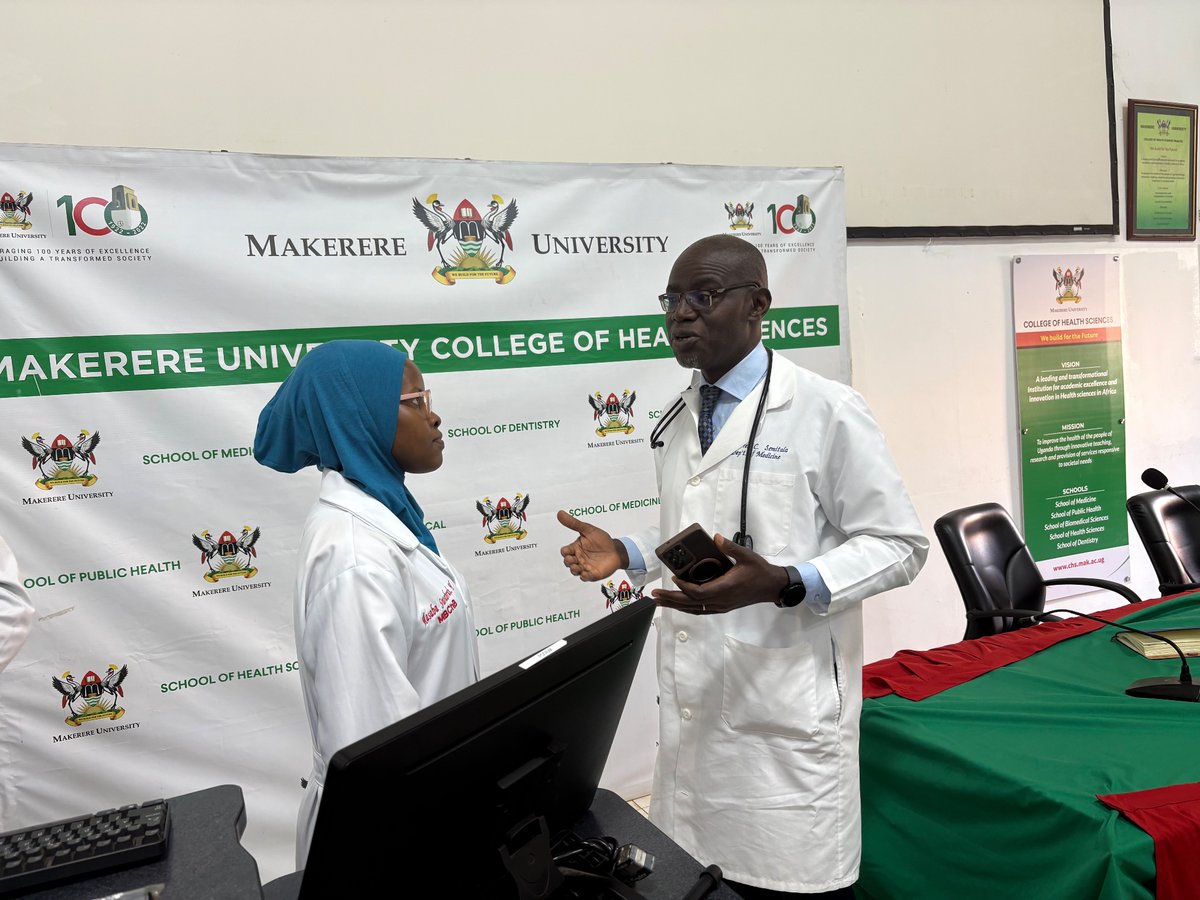
Mentorship at its best. @SemitalaFred always has a word of wisdom/encouragement/praise to pass on to the students. This is how we improve. This is how we maintain the culture of excellence.
1
11
56
2,564
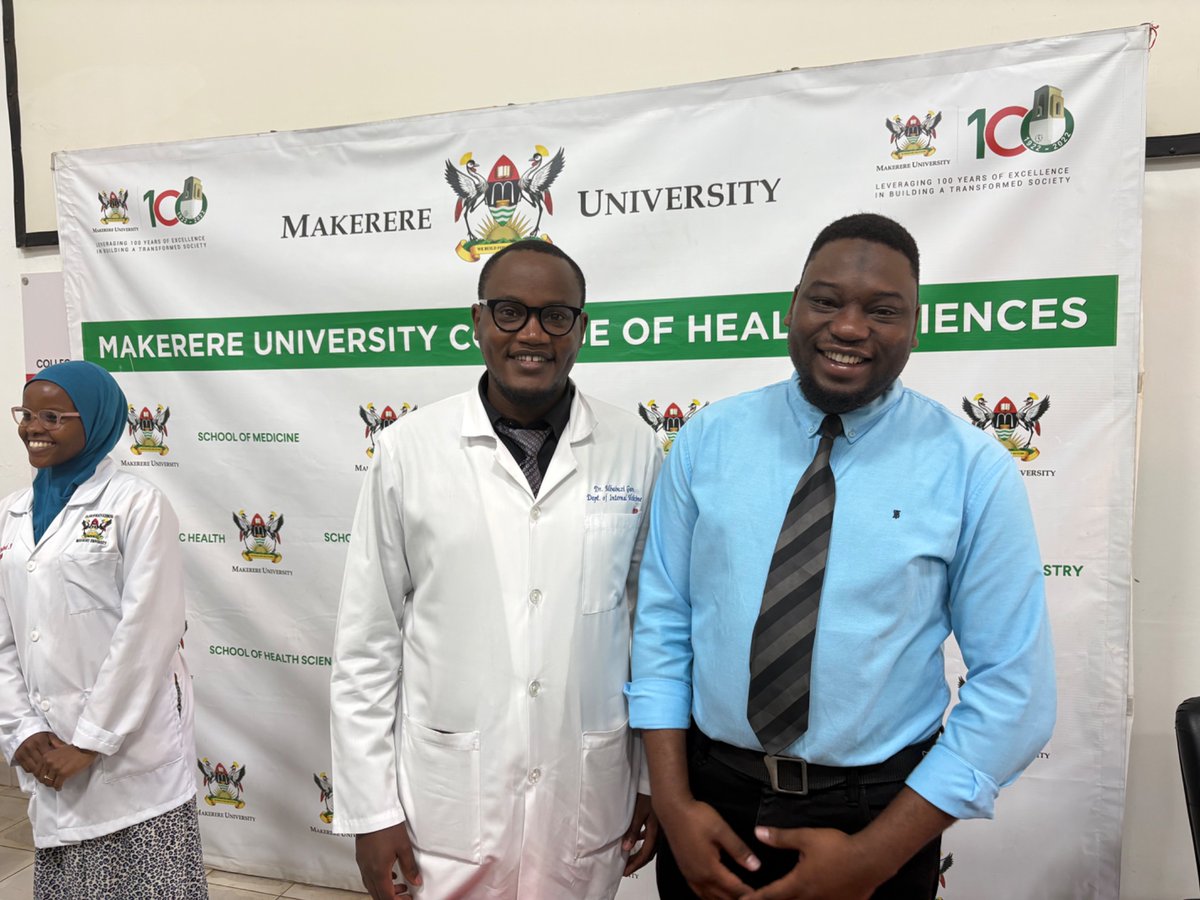
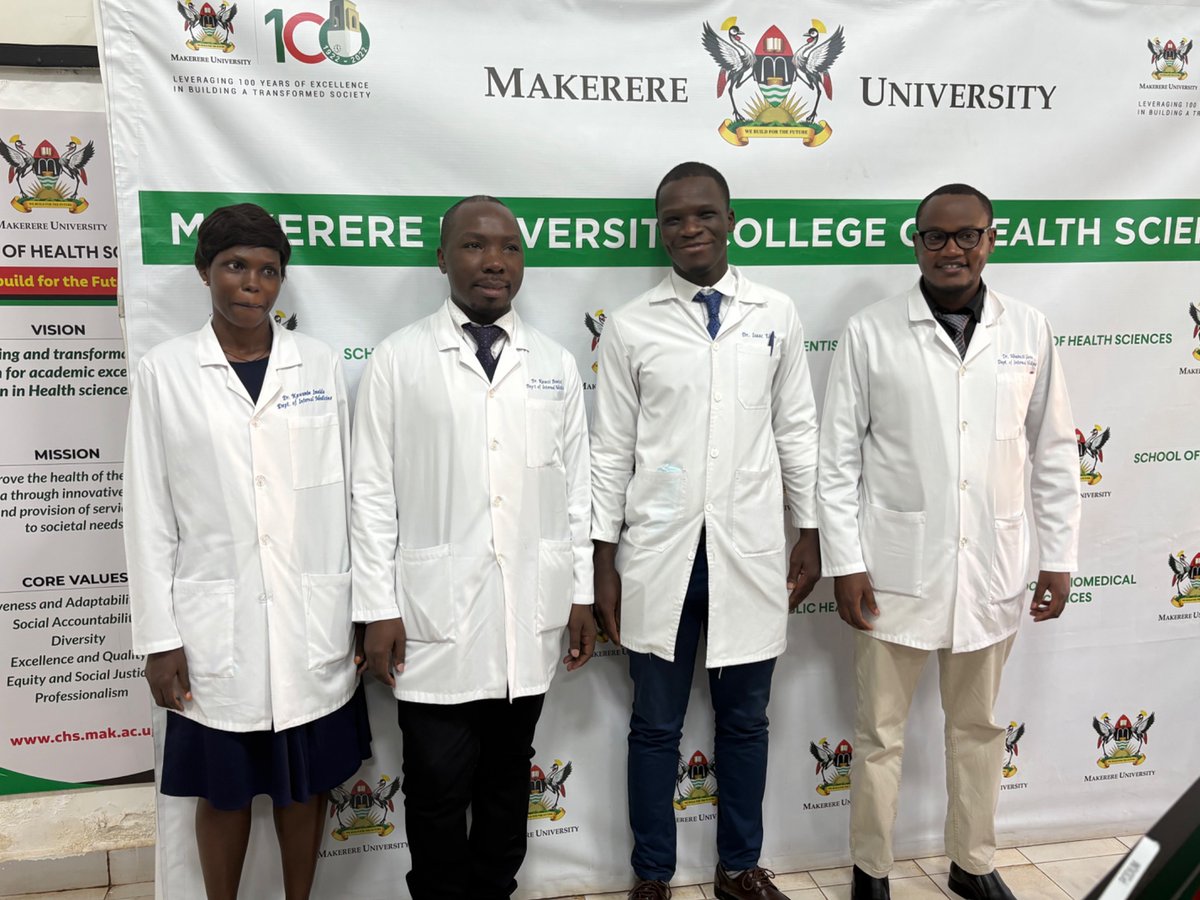
Another scintillating miniround. The endocrine team presented a patient with multiple comorbidities..ISS, HTN, DM, adrenal insufficiency, metabolic syndrome, osteoporosis with history of self prescribed chronic steroid use.
3
10
64
3,450
One of the key messages is how do we get the different specialists to “sit in one room” and manage the patient without her having to keep moving to different clinics.
3
335