
Joined March 2019
- Tweets 64
- Following 29
- Followers 260
- Likes 33
24 Photos and videos




4 Oct 2022
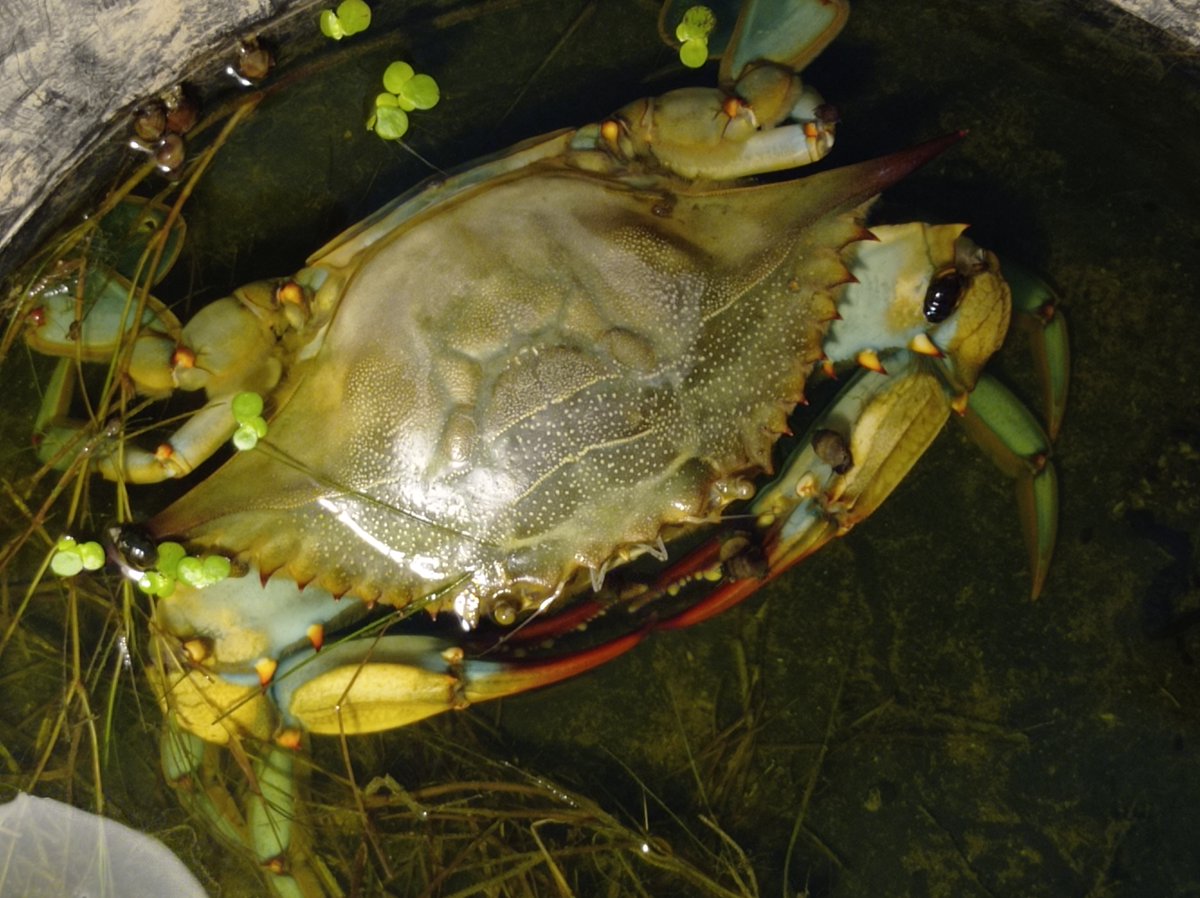
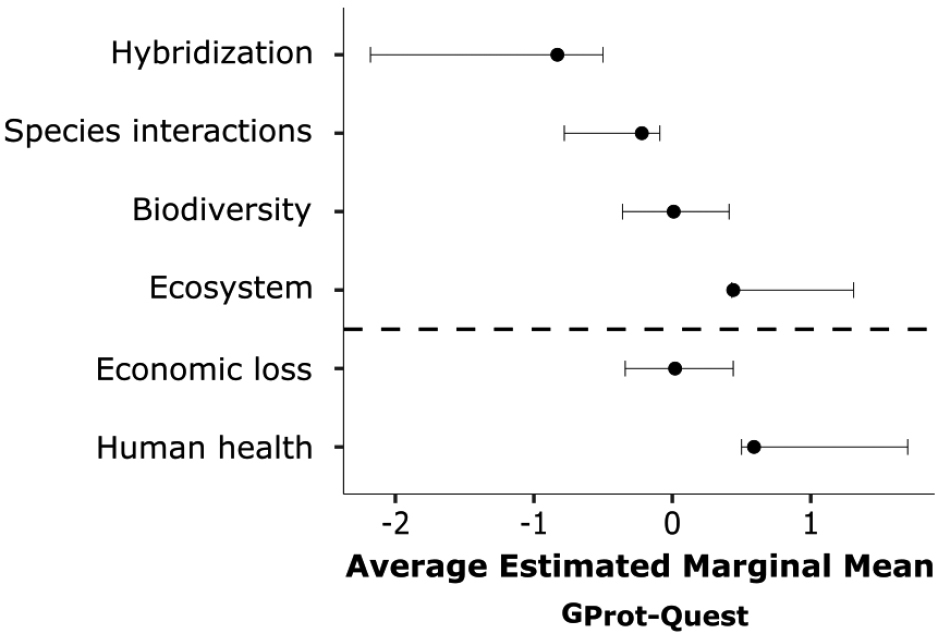
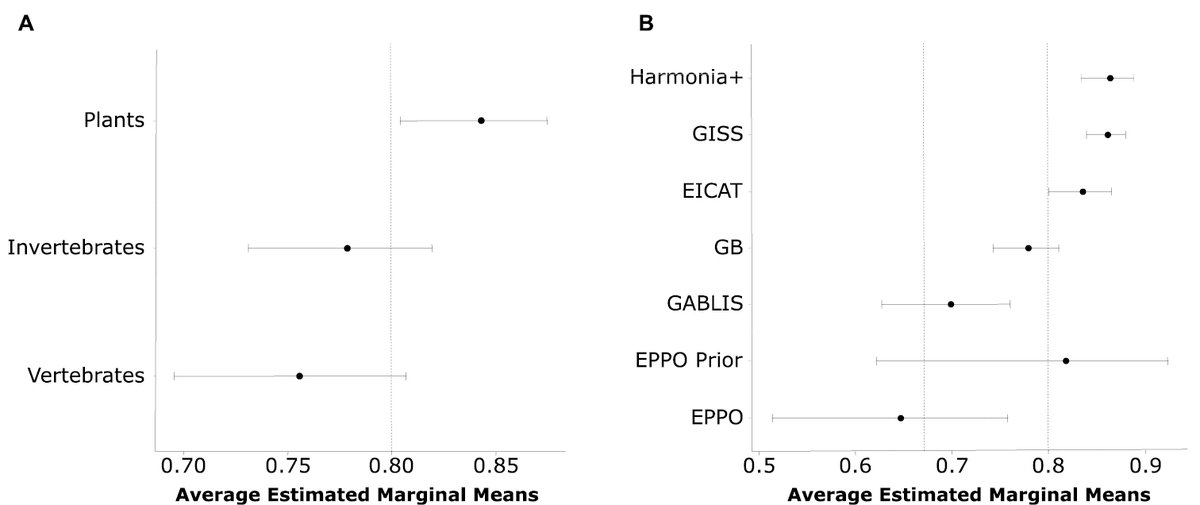
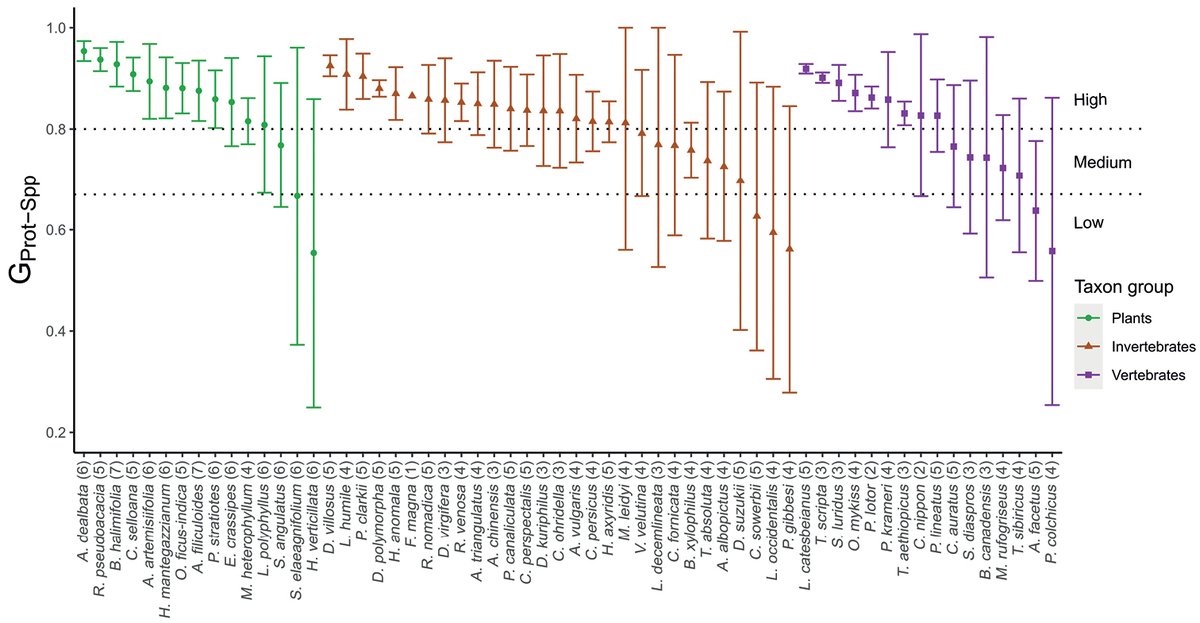
The InvasiBES team investigated the consistency of invasive species' risk assessments
We used data from 1,742 impact assessments 😯of 60 terrestrial, freshwater and marine IAS
We found:
1⃣ High consistency across assessments (67%!!)👍
2⃣ Variability across individual species 👍
4 Oct 2022

🗨️"The results are encouraging [...] in the face of the worrying forecasts of increasing #BiologicalInvasions & their damages."
New paper in our journal confirms the reliability of #IAS impact assessments tools.
👇More on @Pensoft's blog:
blog.pensoft.net/2022/10/04/… #NeoBiota76 1/2
1
5
9
4 Oct 2022
What does this mean?
@RBernardoMadrid "These results are encouraging as they suggest that IAS risk assessment protocols are valid to support decision making in the face of worrying forecasts of increasing biological invasions and their damages" 🤓
1
2
4 Oct 2022
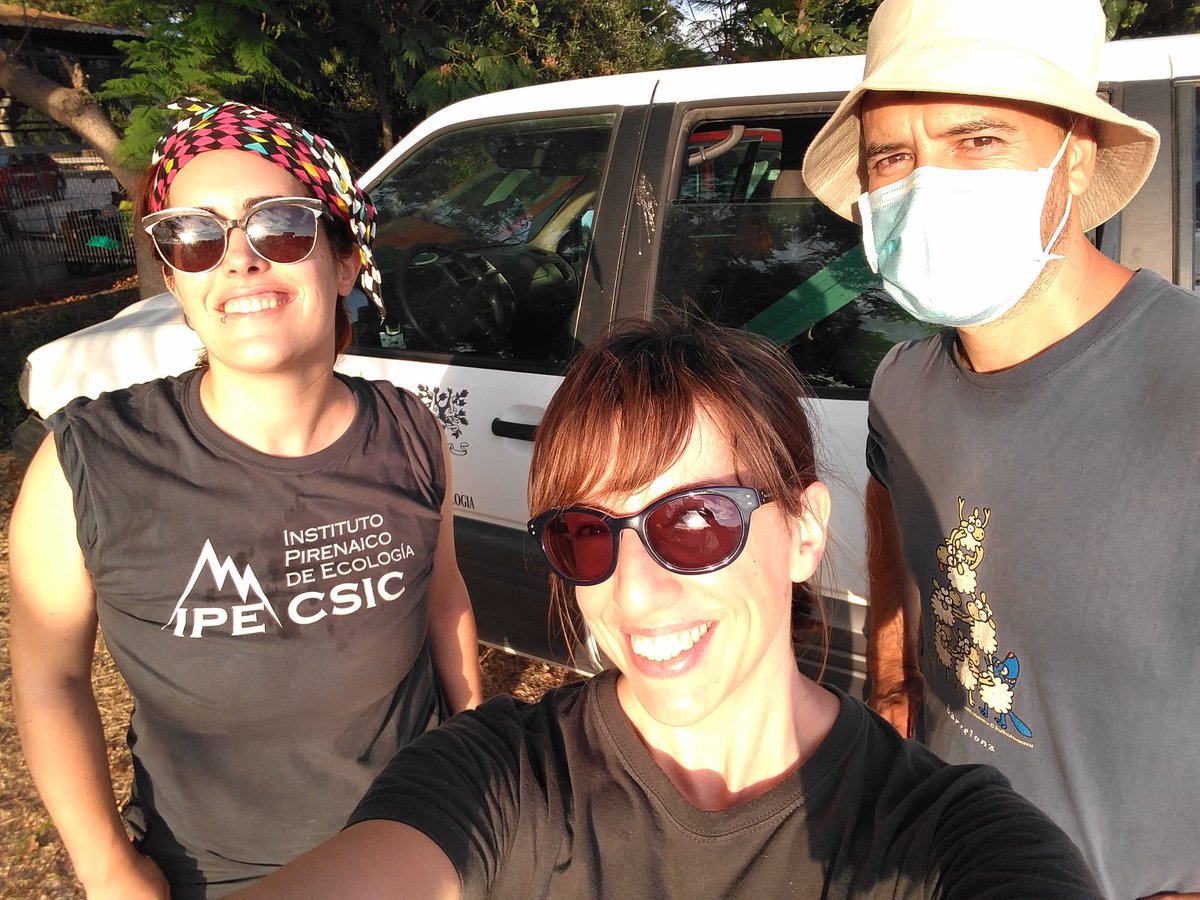
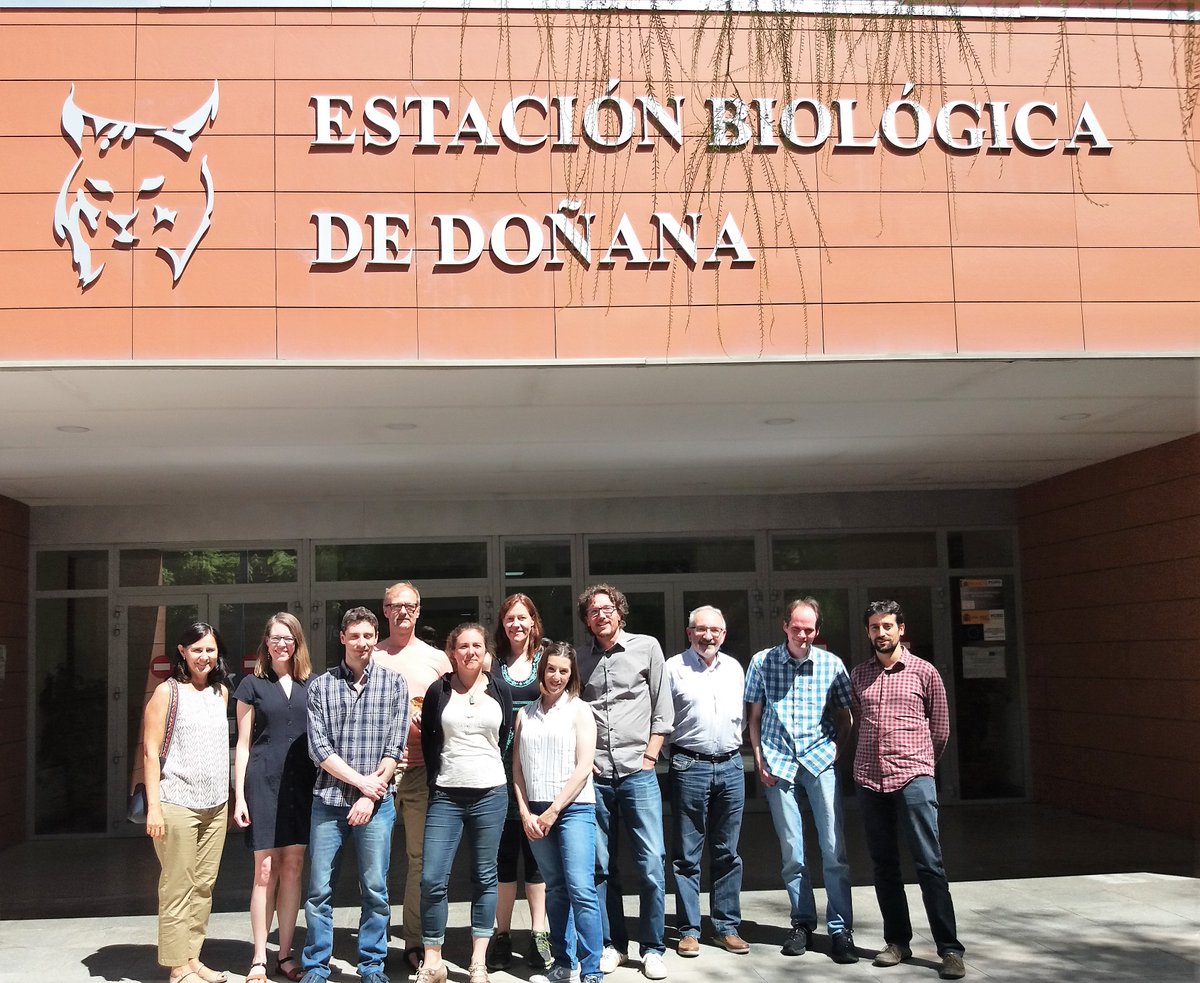
This study has been funded by @BiodiversaPlus and conducted at @ebdonana with the collaboration of @IPE_CSIC, U. Cordoba and U. Fribourg
@pglezmoreno @SvenBacher @BelinGallardo @NeobiotaJournal @NeobiotaGroup @EICAT_Authority
2
InvasiBES retweeted

4 Oct 2022
We're reaching the end of this fantastic IAS project, and excited to share some of the outcomes with you all....

As well as threatening wildlife, invasive alien species are estimated to cost economic damage of at least €12.5 billion a year in Europe.
The #BewareOfAliens awareness campaign focuses on key messages for key audiences. Download free materials from
easin.jrc.ec.europa.eu/easin…
2
11
18
19 Aug 2022
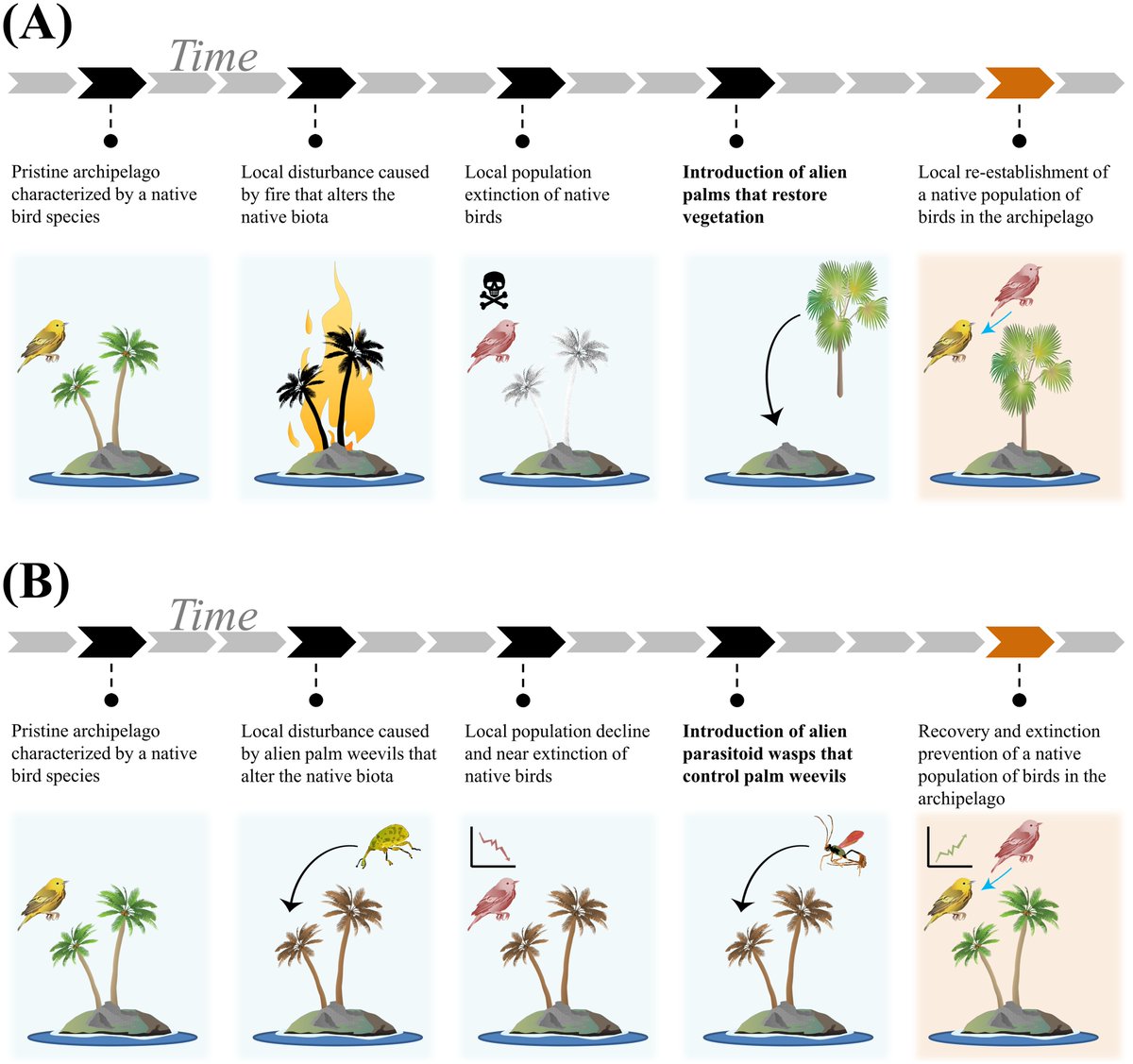
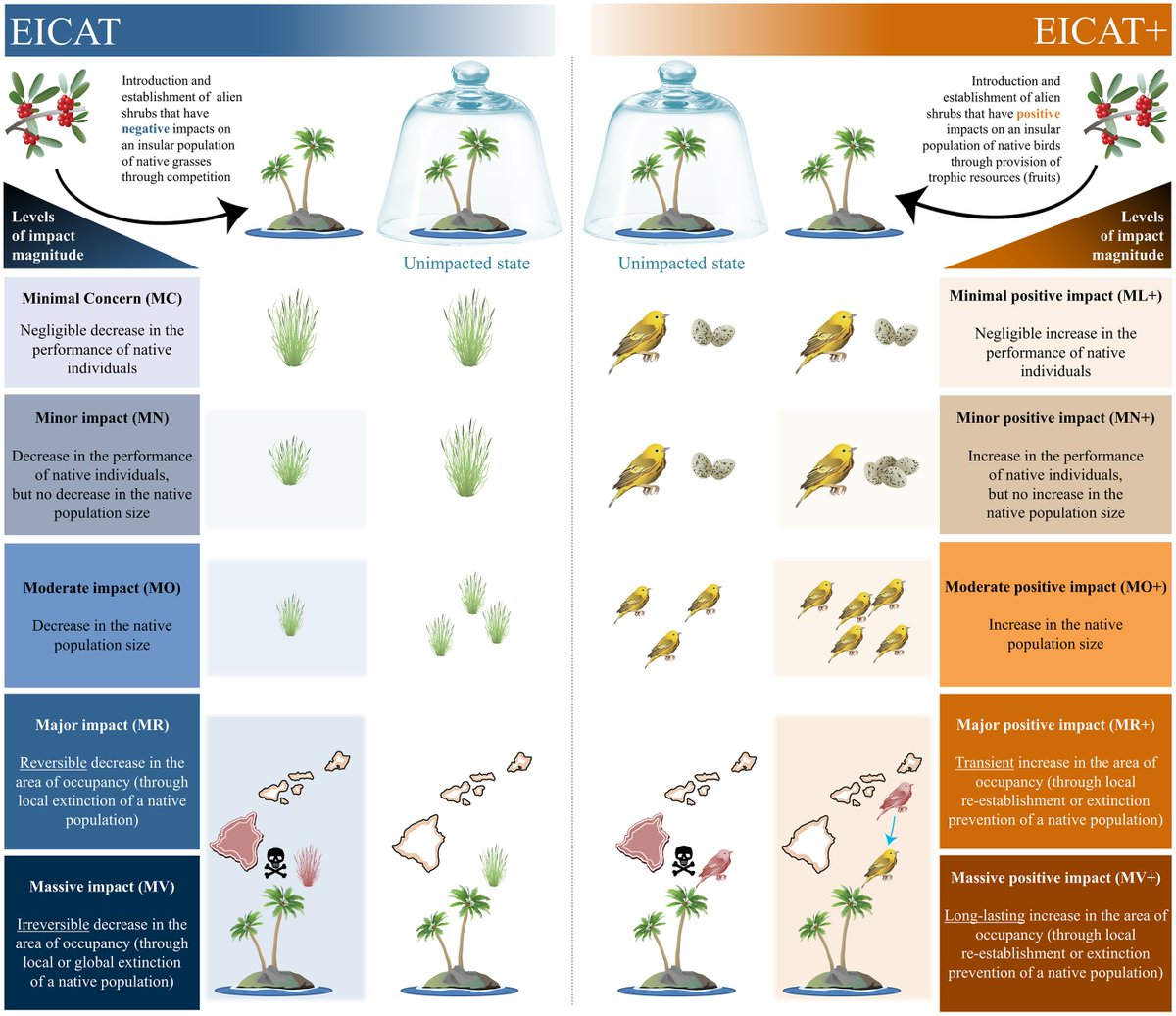
EICAT evaluates ➕effects of #alienspecies on native biodiversity to advance science and inform management
EICAT fills a critical gap in the field of #biologicalinvasions
Chek it out here:
doi.org/10.1371/journal.pbio…
🧵1/5
#EICATplus
1
3
9
19 Aug 2022
With the support of @AFProbert Lara Volery @RBernardoMadrid Sandro Bertolino @vane_cespe @FranzEssl1 Thomas Evans, Laure Gallien @BelinGallardo Pablo González-Moreno Marie Grange @CangHUI_Ecologytelios Jonathan Jeschke @SKatsanevakis @KuhnIngolf ...
wait, there's more!
1
2
19 Aug 2022
...Sabrina Kumschick @JanPergl Petr Pysek, Loren Rieseberg, Tamara Robinson, Wolf Saul, @CascadeJBS Montse Vilà, John Wilson & @SvenBacher
🤓🤓🤓
1
4
InvasiBES retweeted

17 Aug 2022
#PLOSBiology: The EICAT framework enables classification of positive impacts of alien taxa on native biodive ... dx.plos.org/10.1371/journal.…
2
7
InvasiBES retweeted

17 Aug 2022
Native #biodiversity can be negatively or positively affected by alien species; however the existing EICAT scheme only assesses negative impacts. The proposed new EICAT scheme enables positive impacts to be categorized @InvasiBES #PLOSBiology plos.io/3A5vfAK
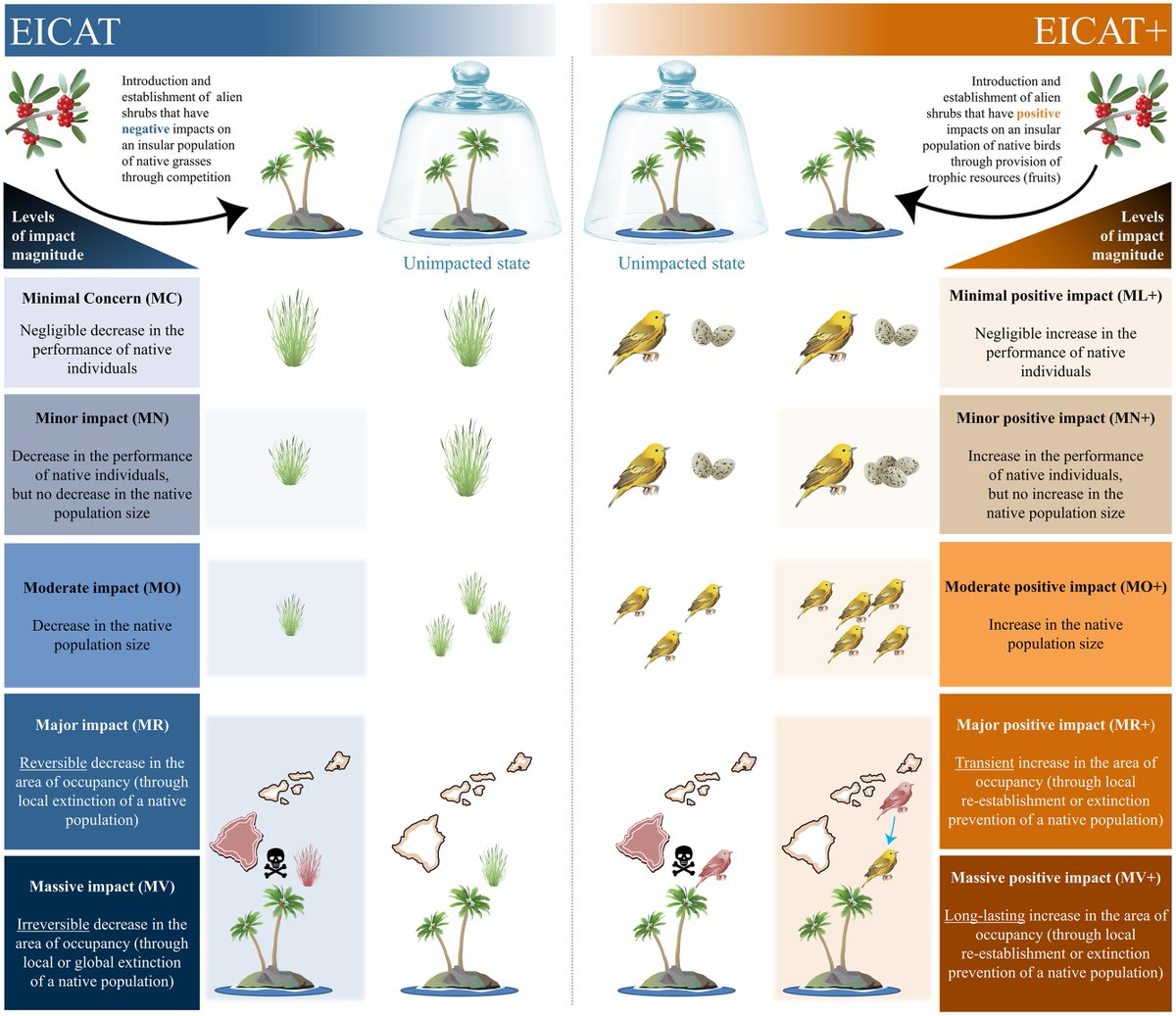
ALT Illustration of EICAT and EICAT scenarios
3
10
5 Jul 2022
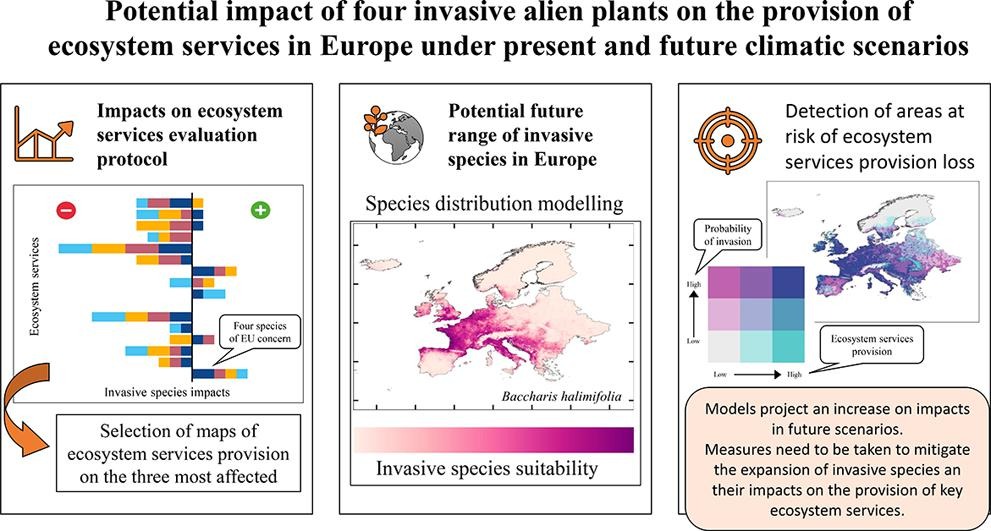
📢New paper out📢
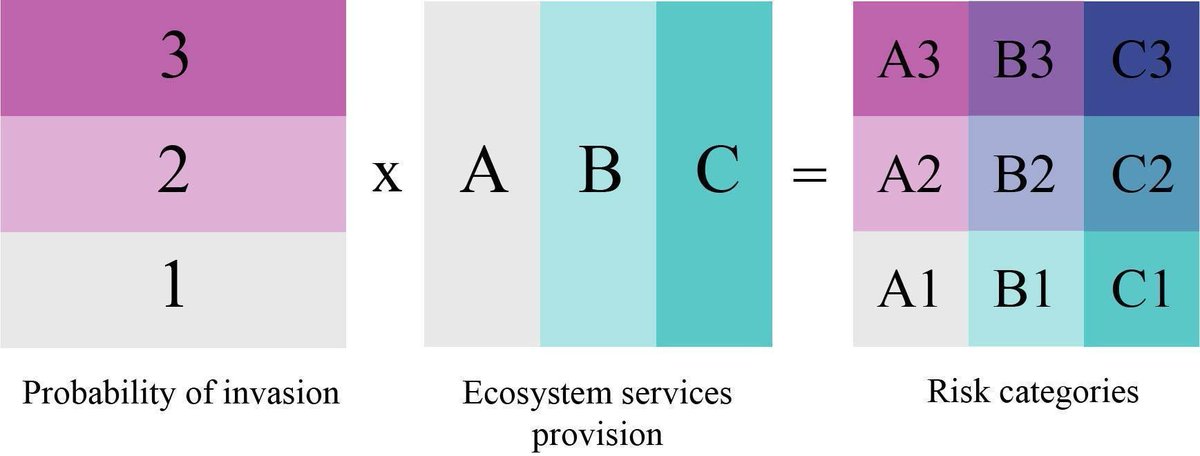
We investigate the potential impacts of #invasiveplants on three #ecosystemservices at continental scale
Access the full text here:
bit.ly/3nJLLAw
1
3
15
5 Jul 2022
With the participation of @BelinGallardo, Montserrat Vilà and led by master student @Gio_Perez__ 👏👏👏
Funded through the 2017-2018 Belmont Forum and @BiodiversaPlus joint call for research proposals, under the BiodivScen ERA-Net COFUND programme
1