Conversations with the world's best investors, founders & domain experts / hosted by @patrick_oshag / part of @colossusmag
Joined July 2020
- Tweets 2,004
- Following 131
- Followers 35,471
- Likes 4,174
551 Photos and videos
Pinned Tweet

Gavin Baker (@GavinSBaker) says the disaggregation of inference can extend GPU useful lives from 3-4 years to 10-15.
That may single-handedly save private credit and reduce the financing rates for GPUs, which will drive demand and help finance the build-out.
"The disaggregation of prefill and inference is going to be amazing for the useful lives of GPU and may single-handedly save private credit.
Private credit is in pain from these SaaS loans. But there's a lot of private credit in GPUs too.
They were underwriting that to 3-4. The disaggregation of inference means that these GPUs are going to have 10 or 15-year lives.
The AI skeptics are like, "Oh, these companies are all cooking their books. The useful life of a GPU is only a year or two. The useful life of a CPU is only four years because the rapid technological change."
No. What rapid technological change has done with the disaggregation of prefill and inference is you can put a Cerebras system or Groq LPUs effectively in front of a Hopper or even an Ampere, use that Hopper and Ampere for prefill, and extend the useful life of that GPU until it melts.
This is going to be really good for the whole private credit industry. It's gonna help finance the AI build-out.
Because if you can start to finance GPUs at 5% or 6% instead of – I think CoreWeave's lowest financing was low sevens – that actually mathematically changes the cost to finance this build-out."

This is my sixth conversation with @GavinSBaker.
As always with Gavin, the conversation covers a lot of ground, but we spend the most time on watts and wafers.
We discuss:
- Why the wafer shortage may prevent an AI bubble
- Data centers in space (reframed)
- Elon's Terafab and the new chip companies challenging Nvidia
- Usage-based pricing
- The disaggregation of GPUs
- DRAM, frontier tokens, and open source
Enjoy!
Timestamps:
0:00 Intro
7:55 Anthropic and OpenAI Valuations
12:58 Watts, Wafers, and Infrastructure
14:39 Orbital Compute and Data Centers in Space
22:49 Avoiding the AI Bubble
28:26 Terafab and the Future of US Manufacturing
32:16 Returns to the Frontier
37:23 Continual Learning
42:03 New Chip Companies
48:52 Extending GPU Lifespans and Private Credit
51:22 The Application Layer
57:32 The Token Path and Open-Source Dynamics
1:01:37 Cybersecurity
1:05:46 Diversity Breakdown
1:11:59 Assessing the Big Tech Players in AI
1:19:02 Geopolitics, Personal Safety, and the AI Horizon
21
51
416
206,709
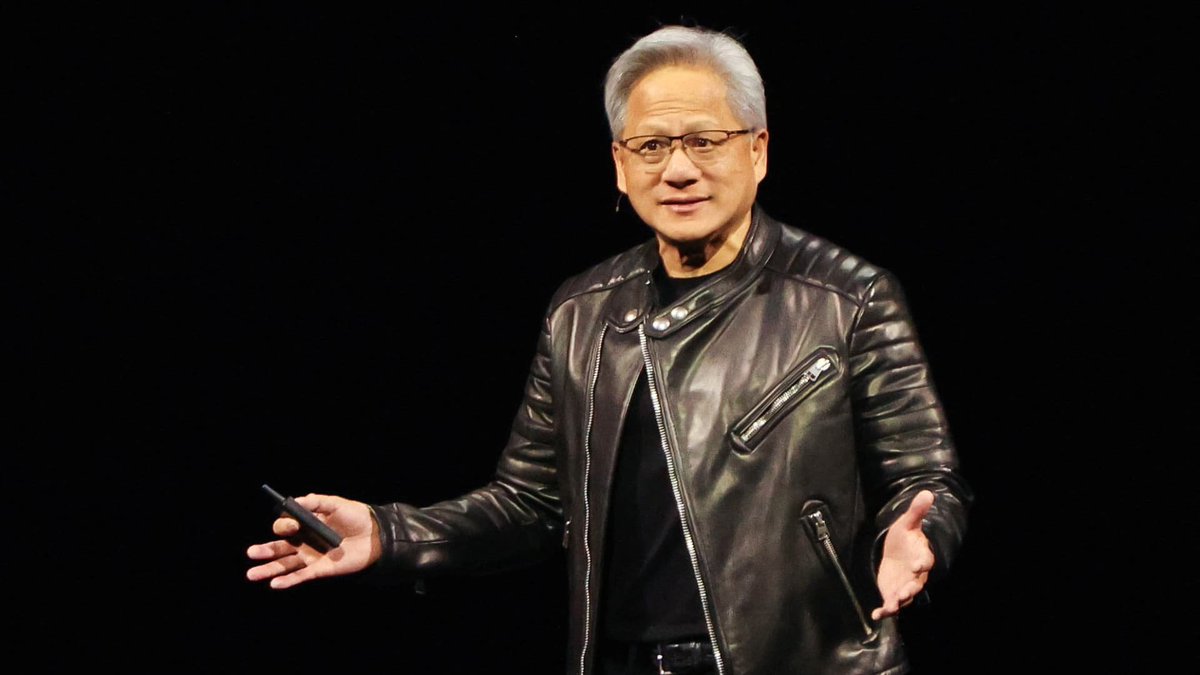
Why is Jensen Huang one of the loudest champions of open source AI?
Alex Sacerdote: "If Anthropic or OpenAI hits a wall and stops improving, then the open-source models will catch up.
It might be a race to the bottom, and it probably won't be good for the stocks.
It could be good for the chip companies, though.
Chip companies don't care who wins, and they'll benefit.
Jensen really wants open-source to take off. It's all he kept mentioning at his last GTC."
@GavinSBaker (from Dec 2025): "If Meta can catch up, that's really important.
I am sure Nvidia is doing whatever they can to help Meta.
If Blackwell comes back to China, which it seems like it'll probably happen, that will also be very good because then Chinese open source will be back."
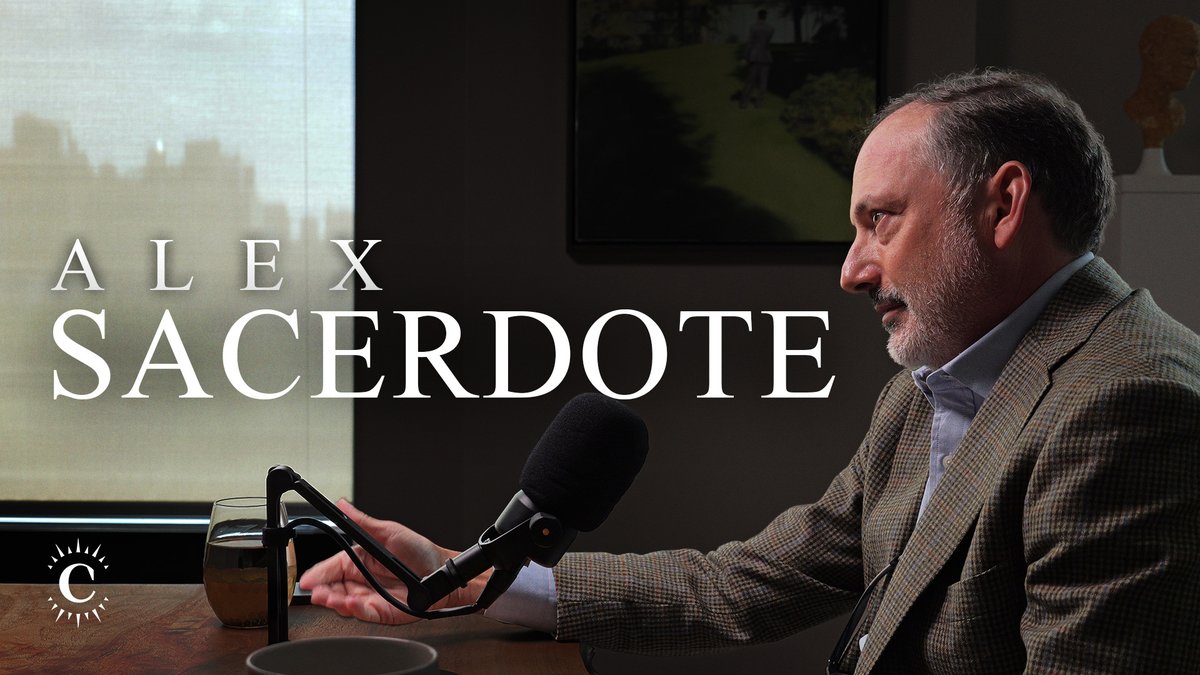
My conversation with Alex Sacerdote, founder of Whale Rock Capital Management.
Alex runs more than $17B and has been one of the best performing tech investors for years, though he keeps a low public profile.
As you'll hear, he is singular in how he thinks about investing through technology cycles.
For over 25 years, he has built his entire investment framework around a single idea, the S-curve.
We discuss:
- The AI L-Curve
- When to buy into an S-curve and when to sell out
- The de-commoditization of data center hardware
- Why he went net short software
- His two models for tech adoption
- Finding alpha
Enjoy!
Timestamps
0:00 Intro
9:55 AI's L-Curve
19:31 Whale Rock's S-Curve Playbook
26:14 Spotting Inflection Points
32:02 Finding AI Winners
40:04 AI vs Software
48:13 The Hardware Renaissance
58:04 Why Investors Miss AI
1:05:18 Whale Rock's Research Machine
2
1
23
5,109
Invest Like the Best retweeted

Josh and I talked about Thrive Holdings at length in our last conversation.
He shared the origin story and why they believe people become more valuable with AI, not less.
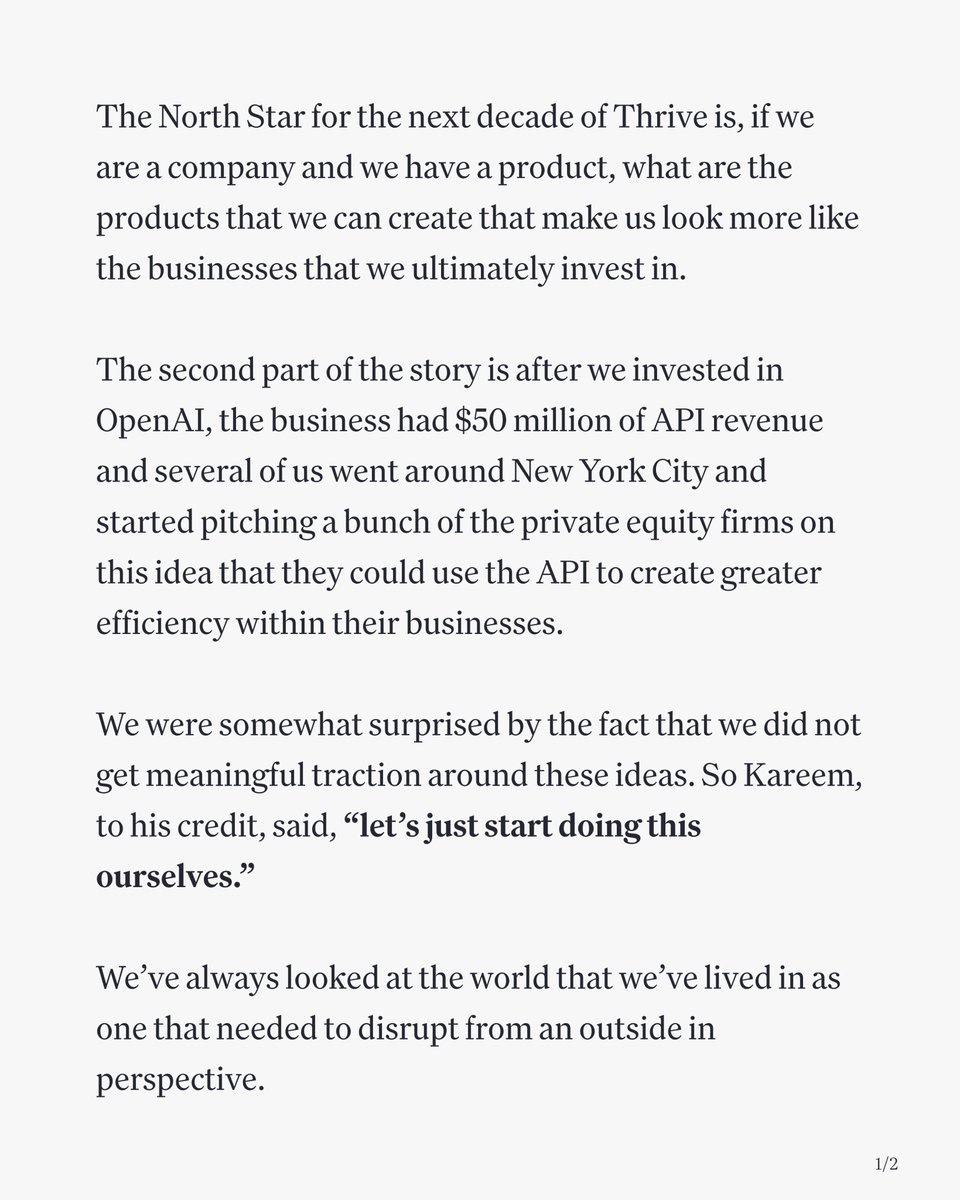
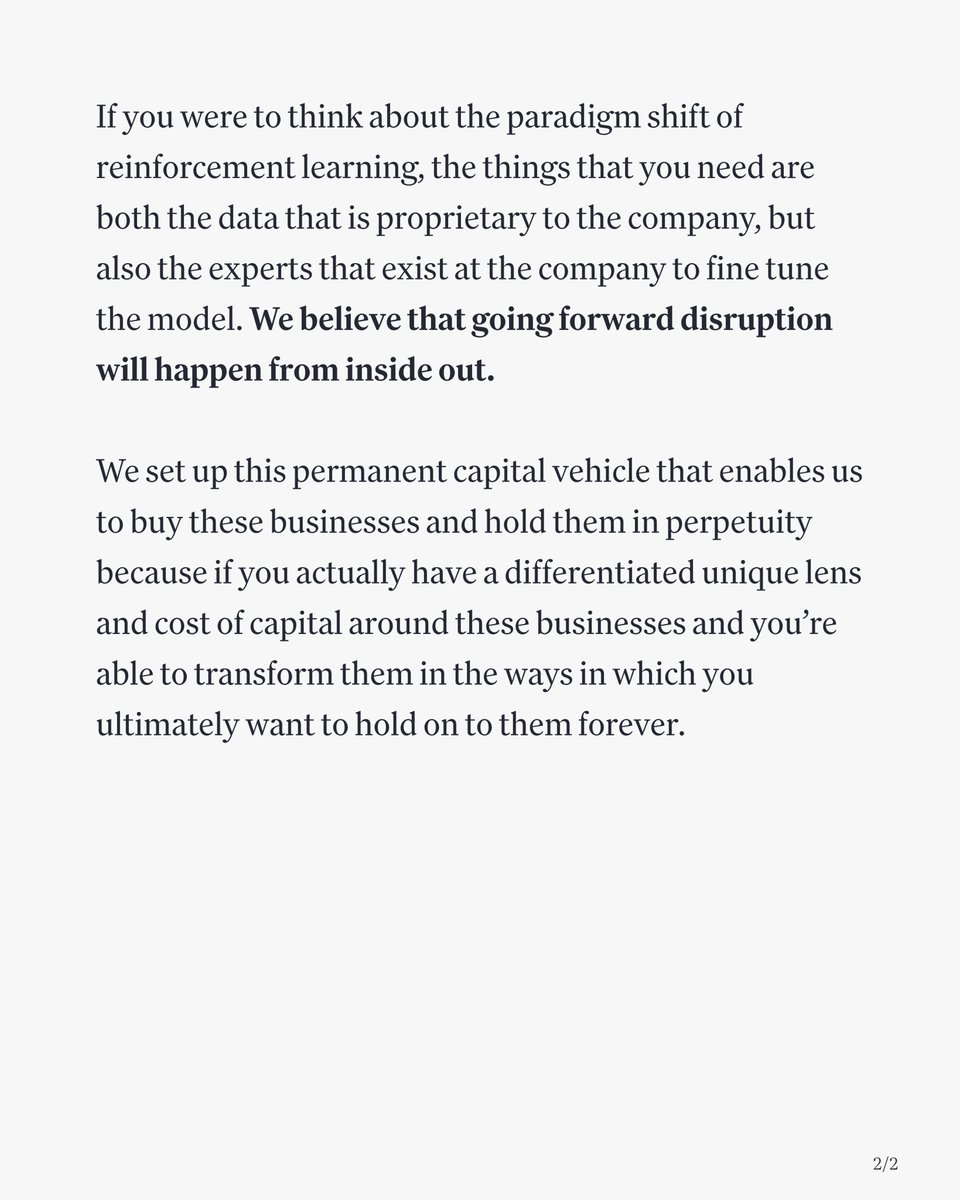
Jun 11

in markets, to go long on something is to bet it grows more valuable over time. much of the conversation today is short on humans, wagering that ai makes people redundant. we believe the opposite is true for the industries @ThriveHoldings operates in.
we are long humans.
thriveholdings.com/long-huma…
13
19
254
58,697
Invest Like the Best retweeted

Jun 11
MUST LISTEN!
If you are a beginner investor or a experienced investor, listen to this podcast with @patrick_oshag and Alex Sacerdote. Masterclass and a masterful job interviewing Alex.
My conversation with Alex Sacerdote, founder of Whale Rock Capital Management.
Alex runs more than $17B and has been one of the best performing tech investors for years, though he keeps a low public profile.
As you'll hear, he is singular in how he thinks about investing through technology cycles.
For over 25 years, he has built his entire investment framework around a single idea, the S-curve.
We discuss:
- The AI L-Curve
- When to buy into an S-curve and when to sell out
- The de-commoditization of data center hardware
- Why he went net short software
- His two models for tech adoption
- Finding alpha
Enjoy!
Timestamps
0:00 Intro
9:55 AI's L-Curve
19:31 Whale Rock's S-Curve Playbook
26:14 Spotting Inflection Points
32:02 Finding AI Winners
40:04 AI vs Software
48:13 The Hardware Renaissance
58:04 Why Investors Miss AI
1:05:18 Whale Rock's Research Machine
1
8
28
15,380
Invest Like the Best retweeted

Jun 11
This was ABSOLUTELY INCREDIBLE.
Just listened to it after hearing the glowing reviews. Unbelievably good. A masterclass in growth investing filled to the brim with insights from an investor with a track record that speaks for itself.
My conversation with Alex Sacerdote, founder of Whale Rock Capital Management.
Alex runs more than $17B and has been one of the best performing tech investors for years, though he keeps a low public profile.
As you'll hear, he is singular in how he thinks about investing through technology cycles.
For over 25 years, he has built his entire investment framework around a single idea, the S-curve.
We discuss:
- The AI L-Curve
- When to buy into an S-curve and when to sell out
- The de-commoditization of data center hardware
- Why he went net short software
- His two models for tech adoption
- Finding alpha
Enjoy!
Timestamps
0:00 Intro
9:55 AI's L-Curve
19:31 Whale Rock's S-Curve Playbook
26:14 Spotting Inflection Points
32:02 Finding AI Winners
40:04 AI vs Software
48:13 The Hardware Renaissance
58:04 Why Investors Miss AI
1:05:18 Whale Rock's Research Machine
13
42
460
137,887
Invest Like the Best retweeted
If you zoom out, we are still so early
Alex Sacerdote has spent twenty years studying S-curves
He says AI is the biggest one, and it has barely started:
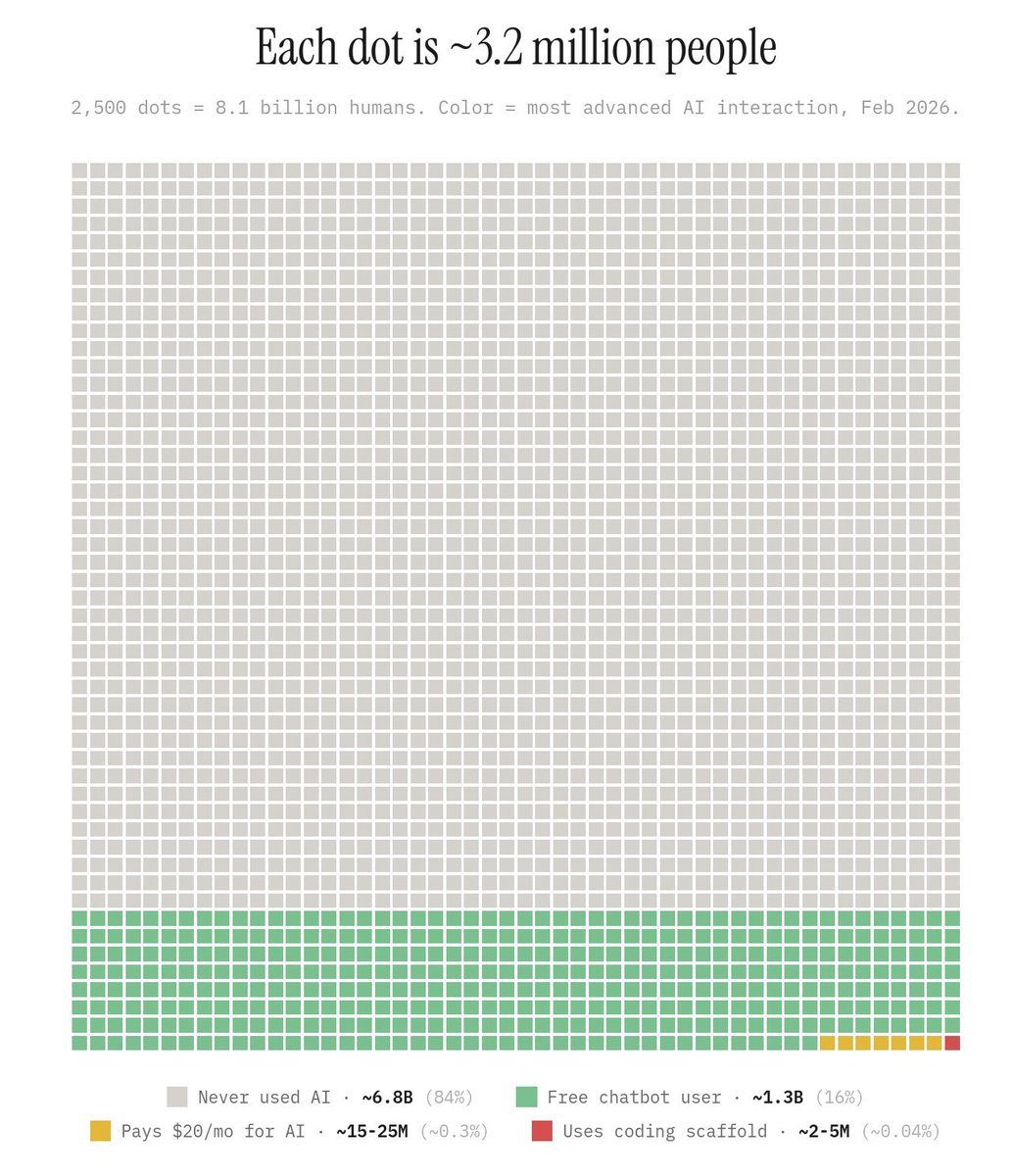
- "Hundreds of millions of people are using AI. They're just using AI 1.0, which is like a search engine on steroids."
- "Sundar Pichai said it's ten bips (.1%) of the knowledge workers of the world."
- "The enterprise application AI market is less than 1% penetrated."
- "So it's classic S curve where these are the tinkerers, and then it's gonna go to the early adopters, then it's gonna go to the early mainstream.
- "You're going to go from .1% to 1% to 5% to 15% percent in the next four years."
- "We're at ten basis points of people really using AI, and there's not enough compute in the world.
- "We have this infrastructure layer S-curve, which we think is 10% penetrated. We think it's still one of the best ways to play AI."
- "Marc Andreessen (@pmarca) said in the next four years, one thing he's sure of is there's not gonna be enough compute."
- "We've been lucky that we've had Internet 1.0, mobile, cloud, e-commerce, and now AI, which we can confidently say is the biggest, and all these things build upon one another."
- "The rewards are the highest, because we're talking about a market in the trillions –– we now think three to five."
- "But what's amazing about AI is you just, at least with consumers or even business, you just open up the browser and it's there.
- "We talk about S curves, we call this a backward L curve, just straight up."
image source: @damianplayer
My conversation with Alex Sacerdote, founder of Whale Rock Capital Management.
Alex runs more than $17B and has been one of the best performing tech investors for years, though he keeps a low public profile.
As you'll hear, he is singular in how he thinks about investing through technology cycles.
For over 25 years, he has built his entire investment framework around a single idea, the S-curve.
We discuss:
- The AI L-Curve
- When to buy into an S-curve and when to sell out
- The de-commoditization of data center hardware
- Why he went net short software
- His two models for tech adoption
- Finding alpha
Enjoy!
Timestamps
0:00 Intro
9:55 AI's L-Curve
19:31 Whale Rock's S-Curve Playbook
26:14 Spotting Inflection Points
32:02 Finding AI Winners
40:04 AI vs Software
48:13 The Hardware Renaissance
58:04 Why Investors Miss AI
1:05:18 Whale Rock's Research Machine
27
70
554
113,394
Alex on AI adoption:
"B2B stuff can take a long time, because it needs to be plugged into the existing systems. Consumers generally tend to go a lot faster.
That is a risk with AI, in that these big companies are very security-conscious and can be slow to move.
There are a lot of cultural issues with AI, where you really need a few evangelists to push it through.
The top management needs to push it through, but then IT is saying this is risky. And that happened with cloud too.
Everybody was afraid that it's not secure to have your data in the cloud. And then we saw the CIA do it, and we saw Capital One.
We talked to the Capital One CIO, who said it's more secure in the cloud. And then it really started to take off."
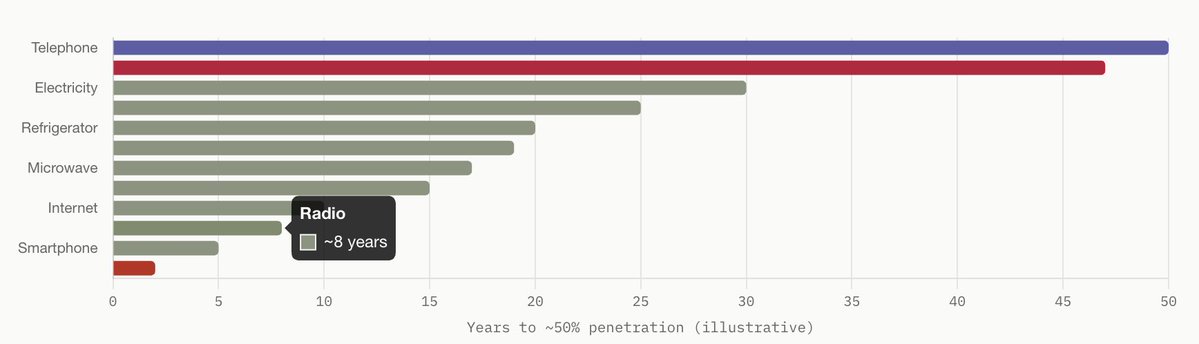
Fascinating that the radio is the third fastest technology in history to reach 50% penetration
It spread faster than the internet (only AI and the smartphone beat it)
But the dishwasher took 47 years
I loved Alex's analogy for the two models of adoption, the radio and the dishwasher:
"We commissioned Horace Dediu, who used to work with Clayton Christensen, to go look at S-curves over the last 100 years.
The radio S-curve is one of the fastest ever. But the dishwasher S-curve is the opposite, because it needs to be plugged into the back end.
B2B stuff can take a long time, because it needs to be plugged into the existing systems. Consumers generally tend to go a lot faster.
I covered B2B internet at Fidelity.
The underlying infrastructure wasn't in place for B2B to happen. It ultimately happened 20 years later, with SaaS.
That is a risk with AI, in that these big companies are very security-conscious and can be slow to move.
There are a lot of cultural issues with AI, where you really need a few evangelists to push it through.
The top management needs to push it through, but then IT is saying this is risky. And that happened with cloud too.
Everybody was afraid that it's not secure to have your data in the cloud. And then we saw the CIA do it, and we saw Capital One.
We talked to the Capital One CIO, who said it's more secure in the cloud. And then it really started to take off.
But what's amazing about AI is that you just open up the browser and it's there. And so that's why we're getting this straight up, we call it the backwards L-curve."
2
16
3,834
Invest Like the Best retweeted
Fascinating that the radio is the third fastest technology in history to reach 50% penetration
It spread faster than the internet (only AI and the smartphone beat it)
But the dishwasher took 47 years
I loved Alex's analogy for the two models of adoption, the radio and the dishwasher:
"We commissioned Horace Dediu, who used to work with Clayton Christensen, to go look at S-curves over the last 100 years.
The radio S-curve is one of the fastest ever. But the dishwasher S-curve is the opposite, because it needs to be plugged into the back end.
B2B stuff can take a long time, because it needs to be plugged into the existing systems. Consumers generally tend to go a lot faster.
I covered B2B internet at Fidelity.
The underlying infrastructure wasn't in place for B2B to happen. It ultimately happened 20 years later, with SaaS.
That is a risk with AI, in that these big companies are very security-conscious and can be slow to move.
There are a lot of cultural issues with AI, where you really need a few evangelists to push it through.
The top management needs to push it through, but then IT is saying this is risky. And that happened with cloud too.
Everybody was afraid that it's not secure to have your data in the cloud. And then we saw the CIA do it, and we saw Capital One.
We talked to the Capital One CIO, who said it's more secure in the cloud. And then it really started to take off.
But what's amazing about AI is that you just open up the browser and it's there. And so that's why we're getting this straight up, we call it the backwards L-curve."
My conversation with Alex Sacerdote, founder of Whale Rock Capital Management.
Alex runs more than $17B and has been one of the best performing tech investors for years, though he keeps a low public profile.
As you'll hear, he is singular in how he thinks about investing through technology cycles.
For over 25 years, he has built his entire investment framework around a single idea, the S-curve.
We discuss:
- The AI L-Curve
- When to buy into an S-curve and when to sell out
- The de-commoditization of data center hardware
- Why he went net short software
- His two models for tech adoption
- Finding alpha
Enjoy!
Timestamps
0:00 Intro
9:55 AI's L-Curve
19:31 Whale Rock's S-Curve Playbook
26:14 Spotting Inflection Points
32:02 Finding AI Winners
40:04 AI vs Software
48:13 The Hardware Renaissance
58:04 Why Investors Miss AI
1:05:18 Whale Rock's Research Machine
15
10
103
33,425
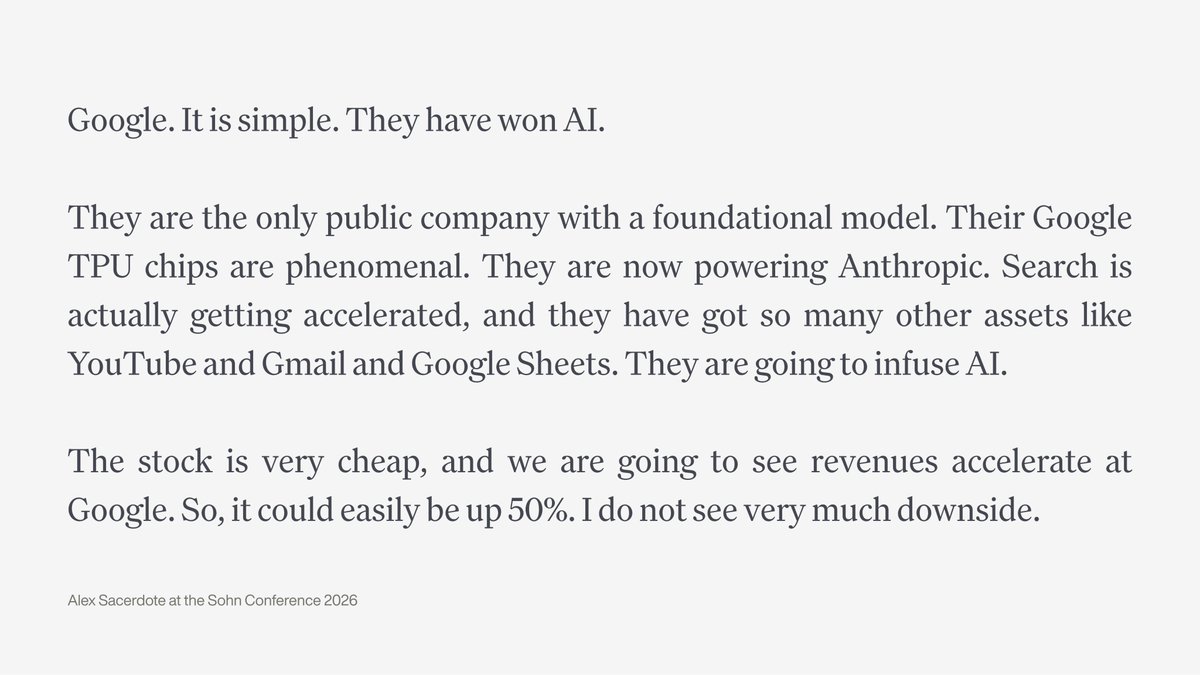
Alex Sacerdote on the best way to play AI:
"Google. It is simple. They have won AI.
The stock is very cheap, and we are going to see revenues accelerate at Google.
It could easily be up 50%. I do not see very much downside."
My conversation with Alex Sacerdote, founder of Whale Rock Capital Management.
Alex runs more than $17B and has been one of the best performing tech investors for years, though he keeps a low public profile.
As you'll hear, he is singular in how he thinks about investing through technology cycles.
For over 25 years, he has built his entire investment framework around a single idea, the S-curve.
We discuss:
- The AI L-Curve
- When to buy into an S-curve and when to sell out
- The de-commoditization of data center hardware
- Why he went net short software
- His two models for tech adoption
- Finding alpha
Enjoy!
Timestamps
0:00 Intro
9:55 AI's L-Curve
19:31 Whale Rock's S-Curve Playbook
26:14 Spotting Inflection Points
32:02 Finding AI Winners
40:04 AI vs Software
48:13 The Hardware Renaissance
58:04 Why Investors Miss AI
1:05:18 Whale Rock's Research Machine
2
5
41
26,063
Invest Like the Best retweeted

Jun 9
If you're starting to get anxious about the AI trade with all the noise out there this past week, listen to the first 12 minutes of this interview. "There's not enough compute." We're just getting started, folks: youtube.com/watch?v=DZt1DDmM…
16
15
141
40,503
Invest Like the Best retweeted

Jun 10
On "alpha of seeing things first hand":
Michael Dell, incredible entrepreneur, smarter than the rest of us here, also had an epiphany travelling in Japan early 2000s when he saw people using PC screens as TVs. "PCs will be the center of every home." Dropped "computer" from the company name, and invested big into LCDs. Guess where that alpha went.
For investment managers so much of the work is storytelling, that packages randomness to sell it as process. The longer you can keep money from your investors, the more rolls of the dice, the higher the chance something hits (the investor in the interview was down 50% in 21-22, good for him that he kept some of the money talking about S curves and Beijing olympics, allowed him to come back). x.com/i/status/1808522429368…
Another great example of the alpha in seeing things firsthand.
Alex explains the difference between spotting consumer and enterprise trends:
"Andy Grove says when you have strategic inflection points, you can't trust the data.
And strategic inflection points are about intuition and anecdotal evidence.
We invested in the mobile video game S-curve for so long.
The screens were small and the processing power wasn't good, so you had all these casual games.
But then I was in China and I saw this little 12-year-old boy with a huge phone playing an awesome video game.
I'm like, "It's now coming to the phone." So it's visual.
Enterprise is hard because you can't see it.
So we go to the Gartner IT Symposium, 30,000 American CIOs go there.
We saw this happen with Splunk - the room where they were explaining it was standing room only.
And with AWS, we went there and the grand ballroom was completely packed, and that was at nine o'clock. And at 10 o'clock the grand ballroom was completely packed.
So you could see the demand exploding before it happened."
1
6
28
9,291
Invest Like the Best retweeted

Jun 10
I was listening to the latest episode of @InvestLikeBest and it talked a lot about S-curves..
So I had Fable one shot a website that talked about all the S-curves, their inflection point & commentary on each being a bubble in the last 200 years.
Live now on escurves dot com 🌊
31
64
793
99,409
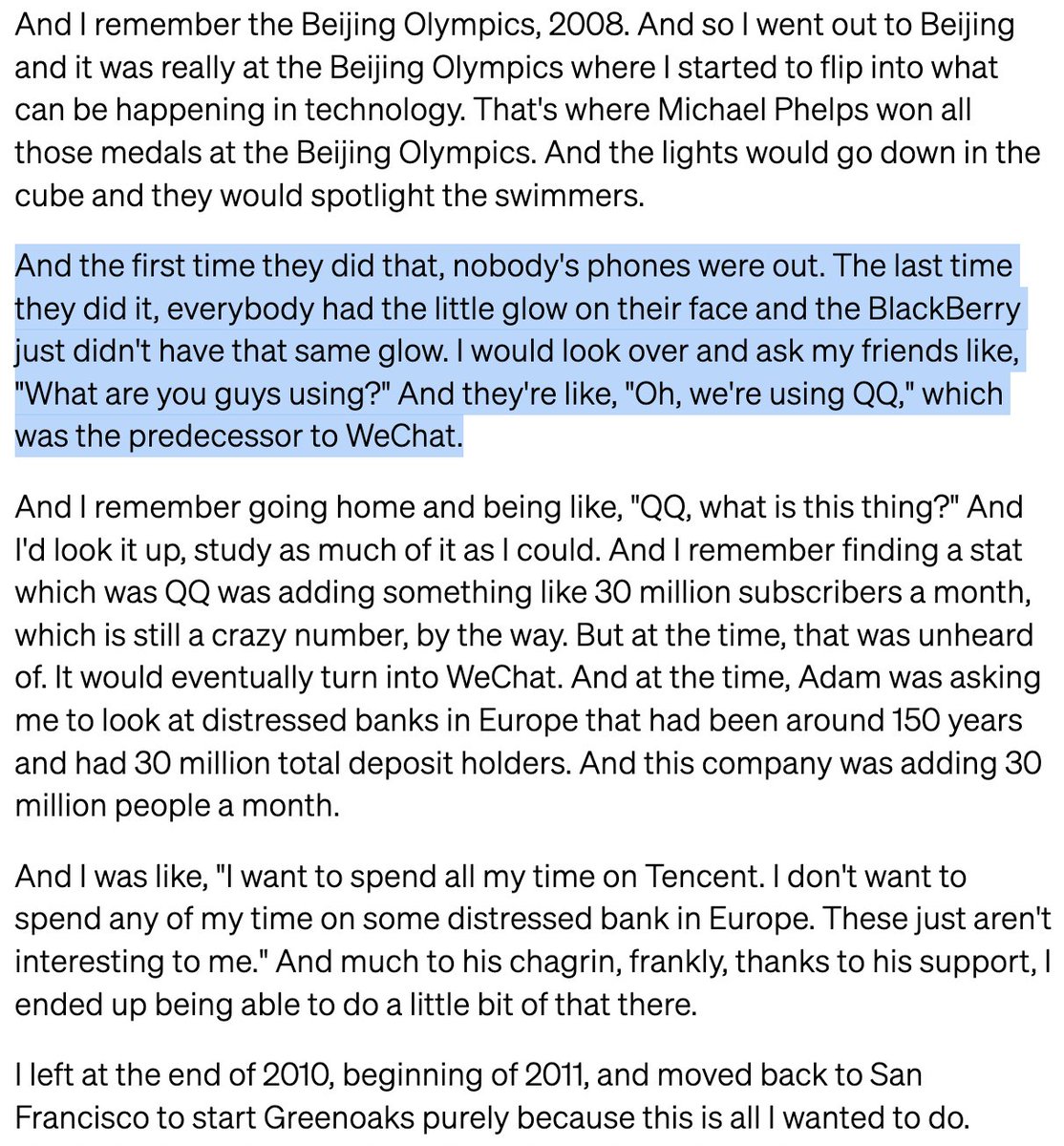
Neil Mehta had a similar moment at the Beijing Olympics in 2008. It led him to found Greenoaks:
Another great example of the alpha in seeing things firsthand.
Alex explains the difference between spotting consumer and enterprise trends:
"Andy Grove says when you have strategic inflection points, you can't trust the data.
And strategic inflection points are about intuition and anecdotal evidence.
We invested in the mobile video game S-curve for so long.
The screens were small and the processing power wasn't good, so you had all these casual games.
But then I was in China and I saw this little 12-year-old boy with a huge phone playing an awesome video game.
I'm like, "It's now coming to the phone." So it's visual.
Enterprise is hard because you can't see it.
So we go to the Gartner IT Symposium, 30,000 American CIOs go there.
We saw this happen with Splunk - the room where they were explaining it was standing room only.
And with AWS, we went there and the grand ballroom was completely packed, and that was at nine o'clock. And at 10 o'clock the grand ballroom was completely packed.
So you could see the demand exploding before it happened."
1
3
93
21,013
Invest Like the Best retweeted
Another great example of the alpha in seeing things firsthand.
Alex explains the difference between spotting consumer and enterprise trends:
"Andy Grove says when you have strategic inflection points, you can't trust the data.
And strategic inflection points are about intuition and anecdotal evidence.
We invested in the mobile video game S-curve for so long.
The screens were small and the processing power wasn't good, so you had all these casual games.
But then I was in China and I saw this little 12-year-old boy with a huge phone playing an awesome video game.
I'm like, "It's now coming to the phone." So it's visual.
Enterprise is hard because you can't see it.
So we go to the Gartner IT Symposium, 30,000 American CIOs go there.
We saw this happen with Splunk - the room where they were explaining it was standing room only.
And with AWS, we went there and the grand ballroom was completely packed, and that was at nine o'clock. And at 10 o'clock the grand ballroom was completely packed.
So you could see the demand exploding before it happened."
My conversation with Alex Sacerdote, founder of Whale Rock Capital Management.
Alex runs more than $17B and has been one of the best performing tech investors for years, though he keeps a low public profile.
As you'll hear, he is singular in how he thinks about investing through technology cycles.
For over 25 years, he has built his entire investment framework around a single idea, the S-curve.
We discuss:
- The AI L-Curve
- When to buy into an S-curve and when to sell out
- The de-commoditization of data center hardware
- Why he went net short software
- His two models for tech adoption
- Finding alpha
Enjoy!
Timestamps
0:00 Intro
9:55 AI's L-Curve
19:31 Whale Rock's S-Curve Playbook
26:14 Spotting Inflection Points
32:02 Finding AI Winners
40:04 AI vs Software
48:13 The Hardware Renaissance
58:04 Why Investors Miss AI
1:05:18 Whale Rock's Research Machine
5
10
153
75,726
Invest Like the Best retweeted

Jun 9
This slide from Coatue immediately came to mind when listening to Alex discuss alpha in large-cap companies.
$AMZN $NVDA $GOOGL
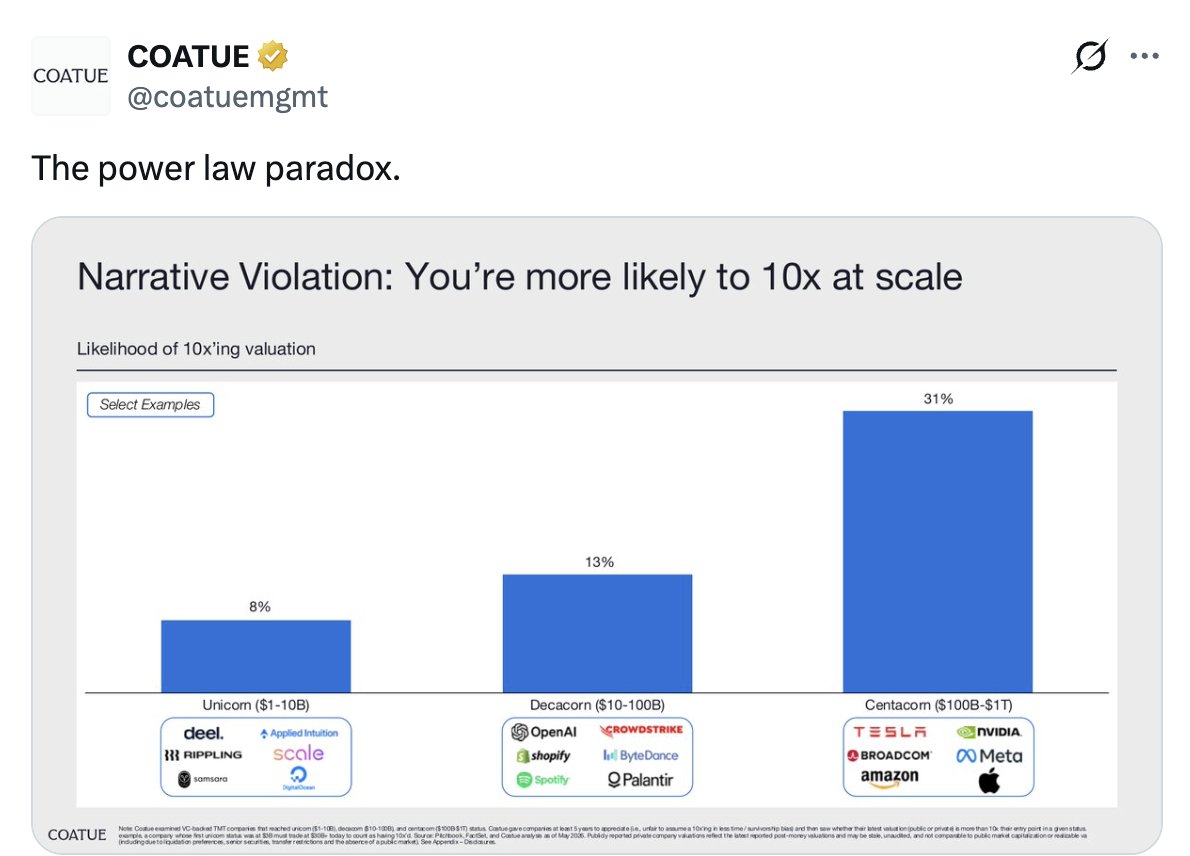
"I think there's tremendous alpha in the largest cap."
Alex manages $17B and runs one of the best performing hedge funds over the last 3 years.
"There's a huge structural underweight of the largest tech companies in the world.
We also realized that a lot of our performance over the years was from some of the largest companies.
There's a belief that there's no alpha in large cap, so the largest pools of capital are underweight this.
They have a lot of small and mid managers that are stock pickers because it's intuitive that large cap can't have alpha.
In tech, the leader usually grows bigger and wins and develops very high market share quickly, and there's great competitive advantages.
So this is gonna lead to massive profit pools and massive market caps.
Most endowments are betting against this because they're completely underweight this.
I think there's tremendous alpha in the largest cap because a small cap, it just takes one person to figure out it's good and move it up.
But it takes a hundred diversified PMs to realize Google's not a loser, it's a winner.
And can we figure that out before 95% of those generalist PMs, and we've been able to do it."
1
4
47
10,334
Invest Like the Best retweeted

Jun 9
One of the smartest and most savvy investors I've met. Looking forward to listening.
6
8
263
86,646
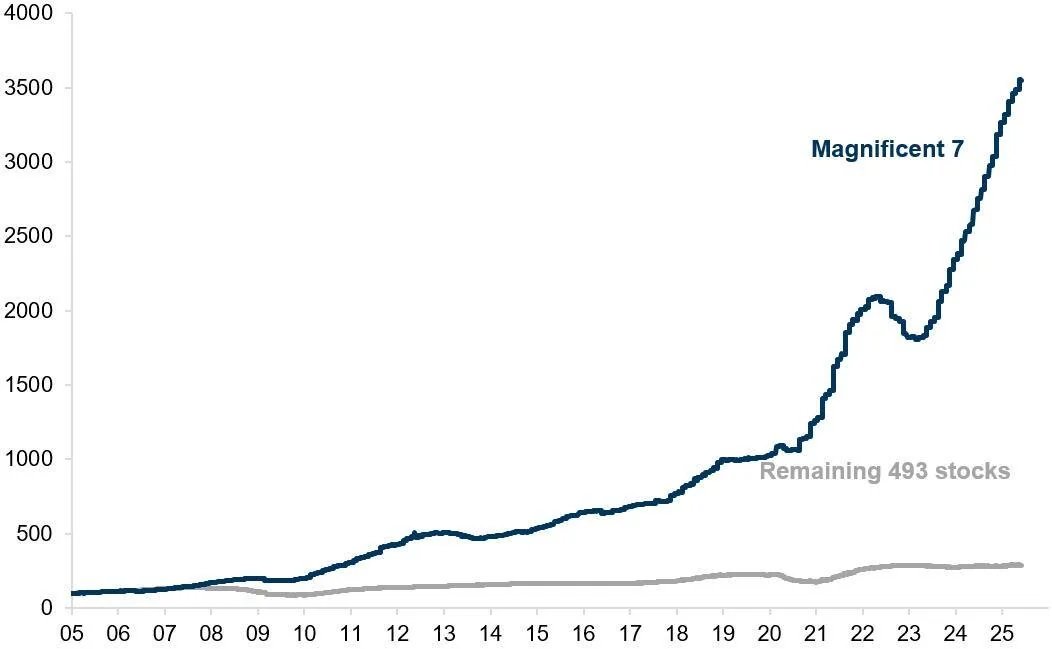
S&P 7 v. S&P 493
Source: Goldman Sachs
"I think there's tremendous alpha in the largest cap."
Alex manages $17B and runs one of the best performing hedge funds over the last 3 years.
"There's a huge structural underweight of the largest tech companies in the world.
We also realized that a lot of our performance over the years was from some of the largest companies.
There's a belief that there's no alpha in large cap, so the largest pools of capital are underweight this.
They have a lot of small and mid managers that are stock pickers because it's intuitive that large cap can't have alpha.
In tech, the leader usually grows bigger and wins and develops very high market share quickly, and there's great competitive advantages.
So this is gonna lead to massive profit pools and massive market caps.
Most endowments are betting against this because they're completely underweight this.
I think there's tremendous alpha in the largest cap because a small cap, it just takes one person to figure out it's good and move it up.
But it takes a hundred diversified PMs to realize Google's not a loser, it's a winner.
And can we figure that out before 95% of those generalist PMs, and we've been able to do it."
2
10
86
25,423
Invest Like the Best retweeted
"I think there's tremendous alpha in the largest cap."
Alex manages $17B and runs one of the best performing hedge funds over the last 3 years.
"There's a huge structural underweight of the largest tech companies in the world.
We also realized that a lot of our performance over the years was from some of the largest companies.
There's a belief that there's no alpha in large cap, so the largest pools of capital are underweight this.
They have a lot of small and mid managers that are stock pickers because it's intuitive that large cap can't have alpha.
In tech, the leader usually grows bigger and wins and develops very high market share quickly, and there's great competitive advantages.
So this is gonna lead to massive profit pools and massive market caps.
Most endowments are betting against this because they're completely underweight this.
I think there's tremendous alpha in the largest cap because a small cap, it just takes one person to figure out it's good and move it up.
But it takes a hundred diversified PMs to realize Google's not a loser, it's a winner.
And can we figure that out before 95% of those generalist PMs, and we've been able to do it."
My conversation with Alex Sacerdote, founder of Whale Rock Capital Management.
Alex runs more than $17B and has been one of the best performing tech investors for years, though he keeps a low public profile.
As you'll hear, he is singular in how he thinks about investing through technology cycles.
For over 25 years, he has built his entire investment framework around a single idea, the S-curve.
We discuss:
- The AI L-Curve
- When to buy into an S-curve and when to sell out
- The de-commoditization of data center hardware
- Why he went net short software
- His two models for tech adoption
- Finding alpha
Enjoy!
Timestamps
0:00 Intro
9:55 AI's L-Curve
19:31 Whale Rock's S-Curve Playbook
26:14 Spotting Inflection Points
32:02 Finding AI Winners
40:04 AI vs Software
48:13 The Hardware Renaissance
58:04 Why Investors Miss AI
1:05:18 Whale Rock's Research Machine
10
18
290
154,333

Invest Like the Best retweeted
My conversation with Alex Sacerdote, founder of Whale Rock Capital Management.
Alex runs more than $17B and has been one of the best performing tech investors for years, though he keeps a low public profile.
As you'll hear, he is singular in how he thinks about investing through technology cycles.
For over 25 years, he has built his entire investment framework around a single idea, the S-curve.
We discuss:
- The AI L-Curve
- When to buy into an S-curve and when to sell out
- The de-commoditization of data center hardware
- Why he went net short software
- His two models for tech adoption
- Finding alpha
Enjoy!
Timestamps
0:00 Intro
9:55 AI's L-Curve
19:31 Whale Rock's S-Curve Playbook
26:14 Spotting Inflection Points
32:02 Finding AI Winners
40:04 AI vs Software
48:13 The Hardware Renaissance
58:04 Why Investors Miss AI
1:05:18 Whale Rock's Research Machine
41
133
1,491
778,648
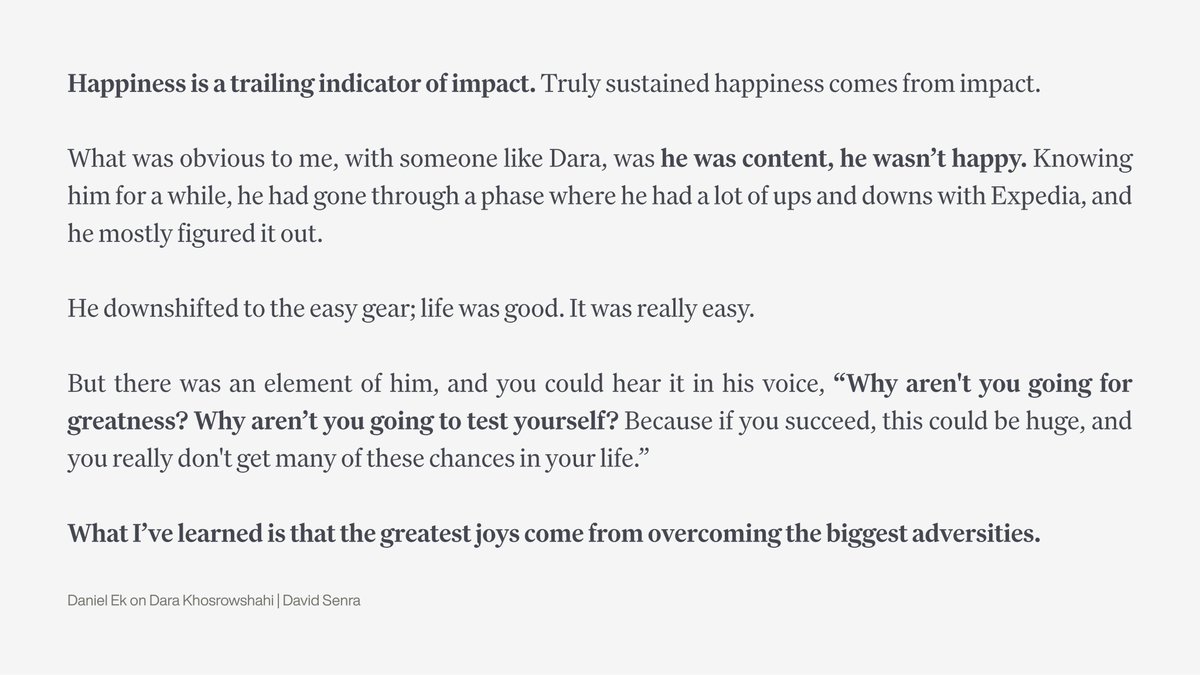
Daniel Ek (@eldsjal) on Dara:
"Happiness is a trailing indicator of impact...He was content, he wasn't happy.
You could hear it in his voice: "Why aren't you going for greatness? Why aren't you going to test yourself?
The greatest joys come from overcoming the biggest adversities."
From Daniel Ek's appearance on @davidsenra
"Since when is life about happiness? It's about impact."
What Daniel Ek (@eldsjal) told Dara at Allen & Company Sun Valley in 2017 to convince him to take the Uber CEO job.
Daniel was also the one who recommended Dara to the headhunter.
3
18
4,183