
Assist. Professor in Healthcare Artificial Intelligence & Cybersecurity @UCL | Emergency Doctor @NHSuk | MD MPH MRes PhD in #AI | Director at @bleep_Digital l
Joined August 2013
- Tweets 612
- Following 7,846
- Followers 7,203
- Likes 961
59 Photos and videos

Pinned Tweet

6 Aug 2024
💡[1/5] Here we tell the story of *Daniel—a patient who died while streaming to the cloud. His case highlights the gaps in modern #autopsies, that overlook the changing nature of dying & #digital elements of patient death. Link > jmedicalcasereports.biomedce… 🤖*Pseudoynm #AI @UCL_IHI
2
10
19
8,214
13 Jan 2025
Awesome to see PM @Kier_Starmer_PM speaking at University College London @ucl today, launching the 'AI Action Plan' from @GOVUK 🙌. The report highlights the growing role of AI in the UK & the importance of ensuring it benefits citizens gov.uk/government/publicatio…
@UCLEast @UCL_IHI
13 Jan 2025

How can we make developments in AI work for working people?
Great to see the Prime Minister @Keir_Starmer set out the government’s plan at @UCL today, alongside inspiring scientists, medics, entrepreneurs and community leaders.




1
5
772
Dr Isabel Straw retweeted

13 Jan 2025
How can we make developments in AI work for working people?
Great to see the Prime Minister @Keir_Starmer set out the government’s plan at @UCL today, alongside inspiring scientists, medics, entrepreneurs and community leaders.
3
5
34
3,498
18 Dec 2024
A great article summarising the cybersecurity challenges facing the @NHSuk. Securing the #healthcare sector against #cyberattacks comes with domain-specific issues, requiring novel solutions designed at the intersection of #medicine & engineering. Cybersafety is patient safety 🏥
12 Dec 2024

Emergency medicine doctor and researcher in AI and cybersecurity in healthcare @IsabelStrawMD warns that cyber-attacks on the NHS are increasing year-on-year, adding that the vast and interdependent digital ecosystem of the health service made it particularly vulnerable.
‘Healthcare [in particular] relies on this huge landscape of interacting vendors and servers, different technologies,’ explains Dr Straw.
‘When a cyberattack hits, even if it might not have initially been targeting healthcare, healthcare services can end up being taken down as a result.’ [3/6]

2
8
548
26 Nov 2024
Latest #NHS Cyberattack appears to be evolving across multiple sites - Early reports still coming out on the impact on clinical operations and #patient care 🏥digitalhealth.net/2024/11/ma… #Cyberattack #patientsafety #patientcare
26 Nov 2024

More NHS hospitals affected by 'major cyber incident' as appointments cancelled liverpoolecho.co.uk/news/liv…
1
2
5
818
8 Oct 2024
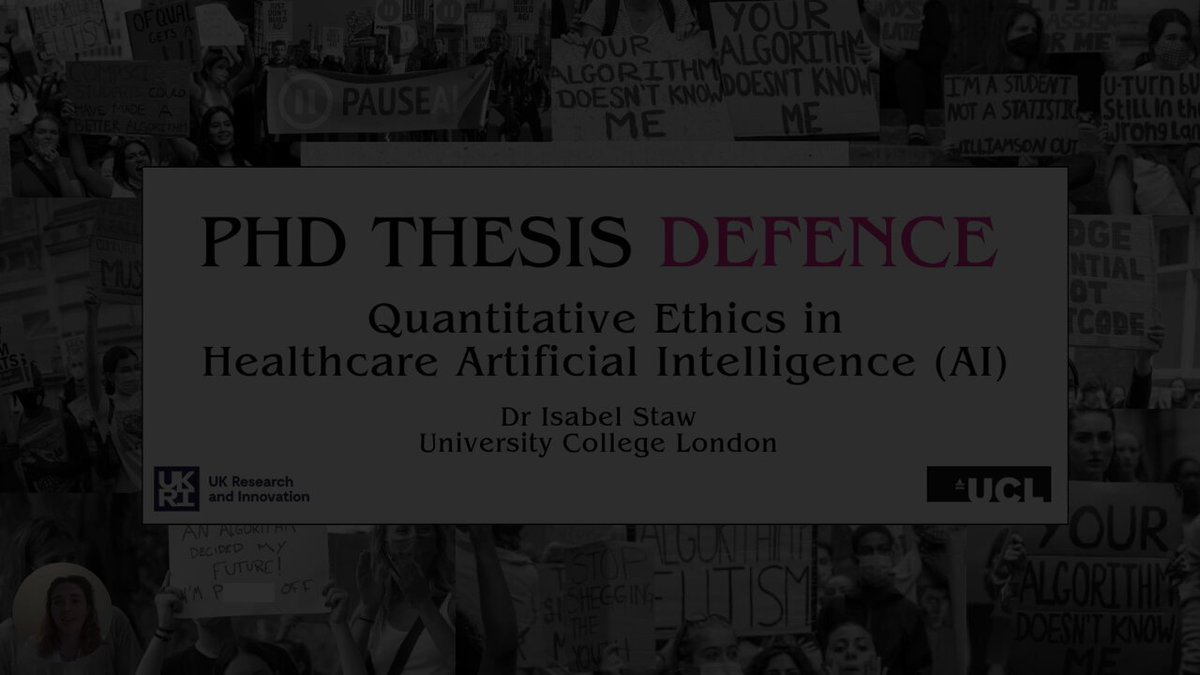
🎉 Last week I successfully defended my #PhD focused on #AIbias. This video summarises key findings of: (1) Bias in psychiatric & cardiac #AI, (2) limits of #ML fairness metrics in health, & (3) causal & representation #ML to address bias (Full vid: isabelstraw.com/media) [1/2]
1
2
16
1,001
8 Oct 2024
🙌 Thank you to my supervisors Prof Parashkev Nachev & @profgeraintrees for their support during my PhD, the team @UCL_IHI, & my mentors in @uclcs including Dr @leotanczt & the #Gender & Tech team! Find the full video on my website for a deep dive into #AI bias in medicine [2/2]
1
5
258
Dr Isabel Straw retweeted

25 Aug 2024
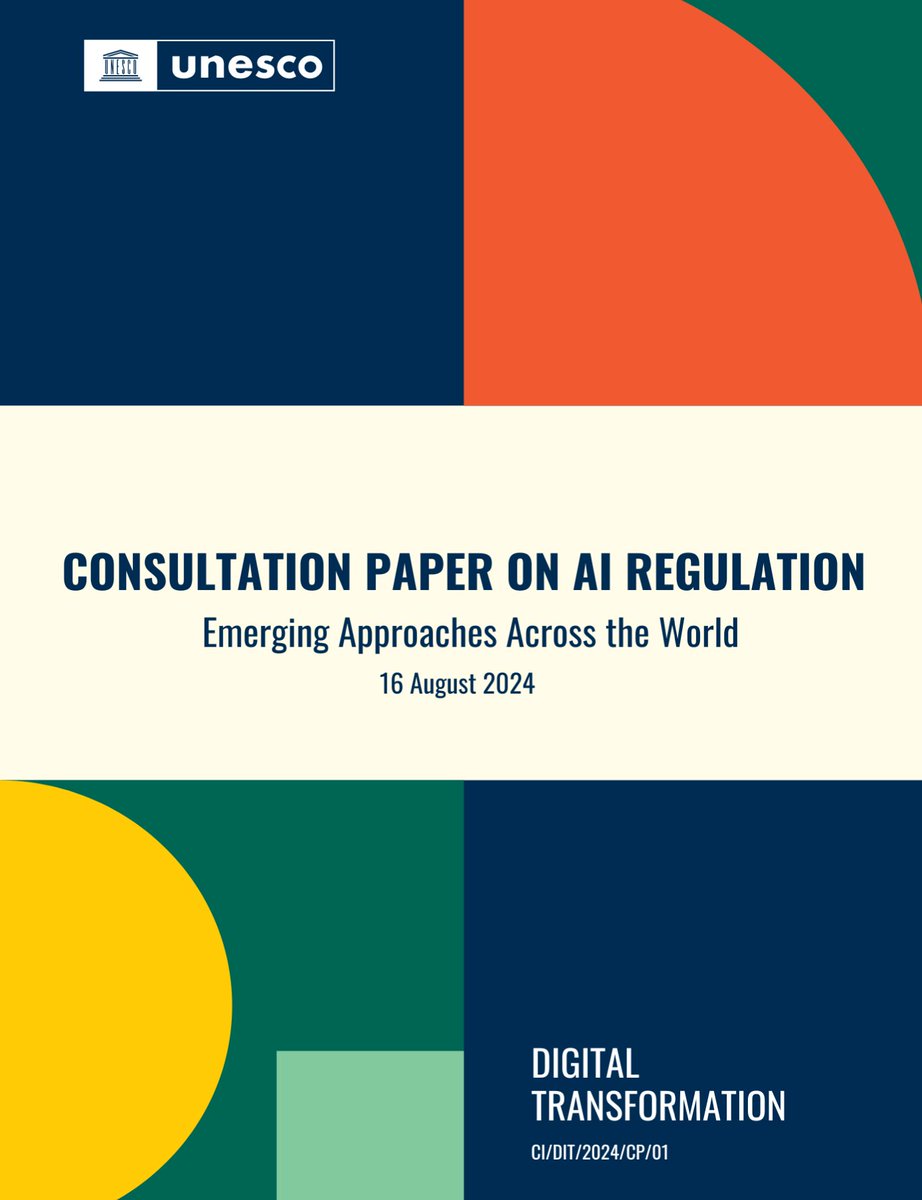
🚨 [AI REGULATION] @UNESCO published its "Consultation Paper on AI Regulation - Emerging Approaches Across the World," and it's a MUST-READ for everyone in AI governance. Important information:
➵ Among other topics, the consultation paper describes 9 regulatory approaches (with examples from around the world) that are extremely interesting to anyone working or studying AI governance & regulation:
"1️⃣ Principles-Based Approach: Offer stakeholders a set of fundamental propositions (principles) that provide guidance for developing and using AI systems through ethical, responsible, human-centric, and human-rights-abiding processes.
2️⃣ Standards-Based Approach: Delegate (totally or partially) the state’s
regulatory powers to organizations that produce technical standards that
will guide the interpretation and implementation of mandatory rules.
3️⃣ Agile and Experimentalist Approach: Generate flexible regulatory schemes, such as regulatory sandboxes and other testbeds, that allow organizations to test new business models, methods, infrastructure, and tools under more flexible regulatory conditions and with the oversight and accompaniment of public authorities.
4️⃣ Facilitating and Enabling Approach: Facilitate and enable an environment that encourages all stakeholders involved in the AI lifecycle to develop and use responsible, ethical, and human rights-compliant AI systems.
5️⃣ Adapting Existing Laws Approach: Amend sector-specific rules (e.g., health, finance, education, justice) and transversal rules (e.g., criminal codes, public procurement, data protection laws, labor laws) to make incremental improvements to the existing regulatory framework.
6️⃣ Access to Information and Transparency Mandates Approach: Require the
deployment of transparency instruments that enable the public to access basic information about AI systems.
7️⃣ Risk-Based Approach: Establish obligations and requirements in accordance with an assessment of the risks associated with the deployment and use of certain AI tools in specific contexts.
8️⃣ Rights-Based Approach: Establish obligations or requirements to protect individuals' rights and freedoms.
9️⃣ Liability Approach: Assign responsibility and sanctions to problematic
uses of AI systems."
➵ It's important to notice that the regulatory approaches described above are not mutually exclusive, and AI laws around the world will often combine two or more approaches.
➵ The paper will be available for open public consultation in English until 19 September 2024.
➵ Link to download the document below.
🔥 To stay up to date with the latest developments in AI policy, compliance & regulation, join 32,600 people who subscribe to my weekly newsletter (link below).
4
323
658
57,996
Dr Isabel Straw retweeted

10 Aug 2024
Opening new doors on Day 3 of #Defcon32 🔓! We've been learning about the #cybersecurity of baby monitors (think #techabuse), trends in hospital #ransomware, & the landscape of the #IoMT & #bioweapons. Great to see such a range of workshops & talks at @defcon ! 🤖 🏥 @physsec



6
11
923
9 Aug 2024
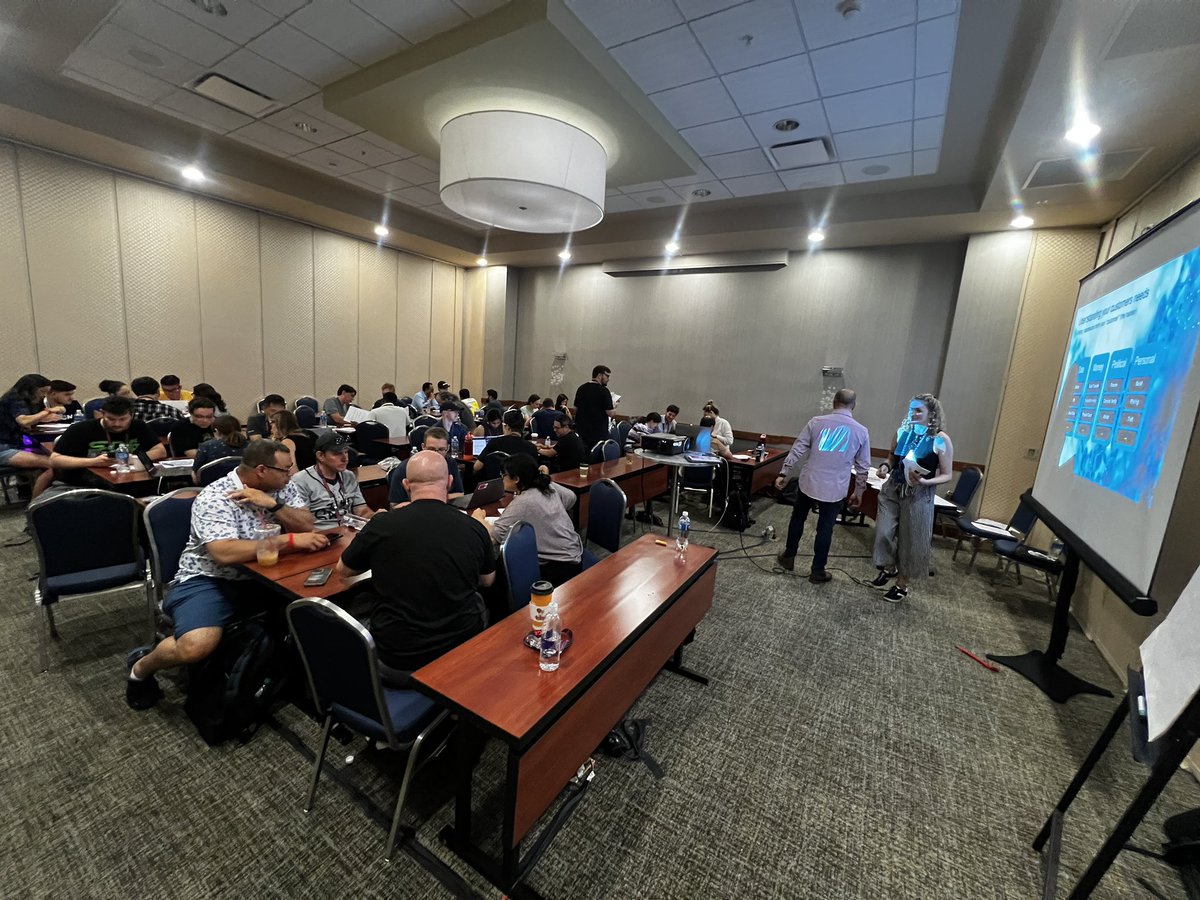
Loved delivering this workshop at the #Biohacking Village today, with a great team & audience! In a constantly evolving #threat landscape, defending #healthcare infrastructure from #cyberattacks is no small challenge. Well done to all our participants/victims! @DC_BHV #defcon32
9 Aug 2024

Global Repercussions:
A Tabletop Exercise about decisions making in Healthcare Cybersecurity
Is in full effect at the Spring Hill Suites @defcon and the room is buzzing!!!
#defcon32 #biohackingvillage #tabletopgaming #healthcare
4
9
1,130
8 Aug 2024
It's that time of year again! Let's go #defcon32 ✈️🎊 !! Drop by our workshop at the Biohacking Village (@DC_BHV) tomorrow to learn about hospital #ransomware & all things #MedTech #security... 🤖 Next stop... Vegas! ☀️ #Roadtodefcon @defcon
1
13
524
Dr Isabel Straw retweeted

8 Aug 2024
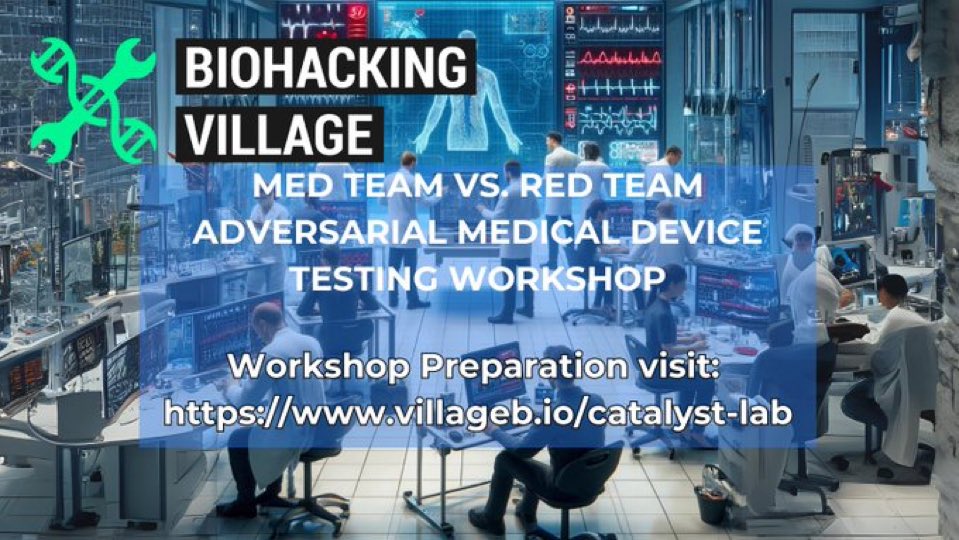
Set your alarms ⏰ Tomorrow morning at @defcon - 9am PDT to 1pm PDT Med Team vs. Red Team workshop with @v3ga_hax at the Spring Hill Suites Desert Inn Room. See you there!
Info: villageb.io/catalyst-lab
#defcon #biohackingvillage #medicaldevices #cybersecurity #hackers
4
13
4,372
Dr Isabel Straw retweeted

7 Aug 2024
This is just brilliant research by Dr Straw and co and highlights some incredibly hard challenges doctors and patients face with our ever-connected society
Brilliant work Izzy!!!
6 Aug 2024

💡[1/5] Here we tell the story of *Daniel—a patient who died while streaming to the cloud. His case highlights the gaps in modern #autopsies, that overlook the changing nature of dying & #digital elements of patient death. Link > jmedicalcasereports.biomedce… 🤖*Pseudoynm #AI @UCL_IHI
2
8
2,377
Dr Isabel Straw retweeted

In Dr Isabel Straw's latest article we hear how the nature of death is changing, through the story of a patient who died while connected to the cloud via his #medical implant. Read on to learn how autopsies are adapting in response to #AI & #tech. @UCLResearch @UCLPopHealthSci
6 Aug 2024
💡[1/5] Here we tell the story of *Daniel—a patient who died while streaming to the cloud. His case highlights the gaps in modern #autopsies, that overlook the changing nature of dying & #digital elements of patient death. Link > jmedicalcasereports.biomedce… 🤖*Pseudoynm #AI @UCL_IHI
1
3
10
992
6 Aug 2024
💡[1/5] Here we tell the story of *Daniel—a patient who died while streaming to the cloud. His case highlights the gaps in modern #autopsies, that overlook the changing nature of dying & #digital elements of patient death. Link > jmedicalcasereports.biomedce… 🤖*Pseudoynm #AI @UCL_IHI
2
10
19
8,214
6 Aug 2024
[4/5]👩⚕️To appropriately care for #implanted patients, we require @NHS protocols in life, & mortuary protocols in death, that account for the potential harms of #digital techn. With this, practitioners can better understand digital pathways to death & protect their #patients.
1
2
426
6 Aug 2024
[5/5] 👏 Lastly, a huge thanks to the patient and their family who shared their story to make this research possible, and to the @NHS teams who supported their care. Read the full story and our summary here: jmedicalcasereports.biomedce… @Health_Eng @ucl @uclcs
1
2
501
Dr Isabel Straw retweeted
29 Jul 2024
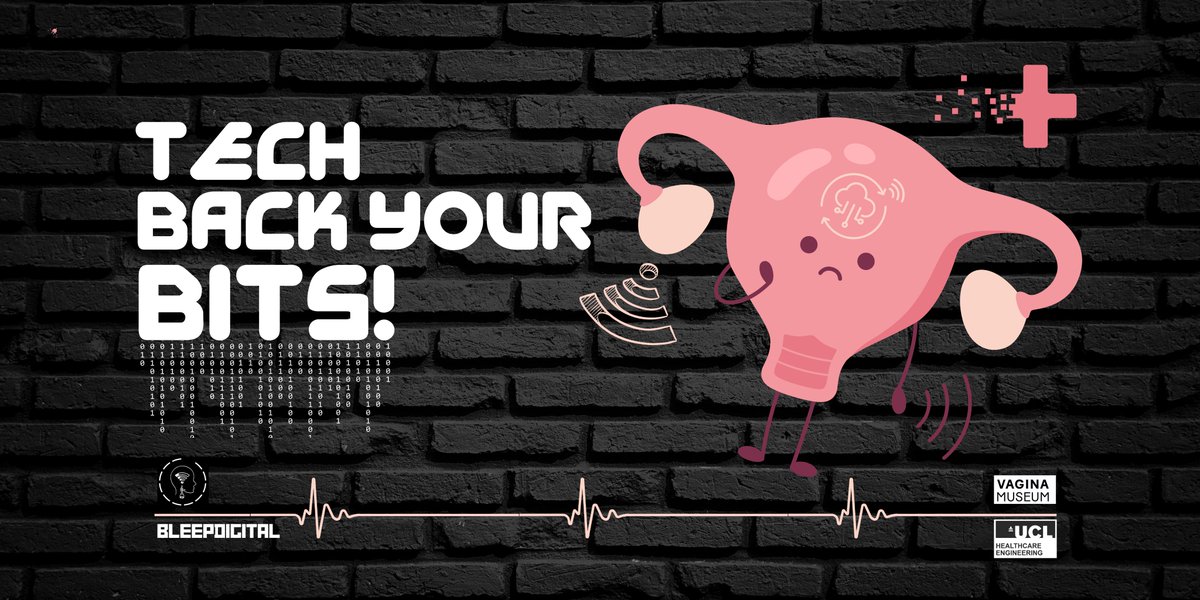
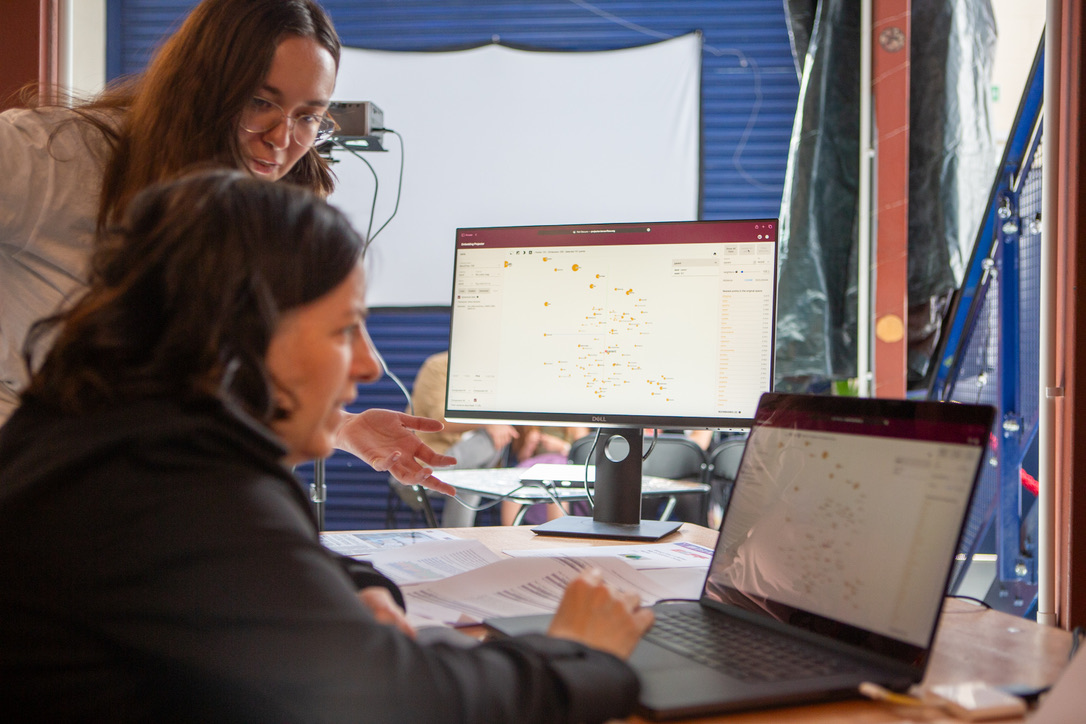
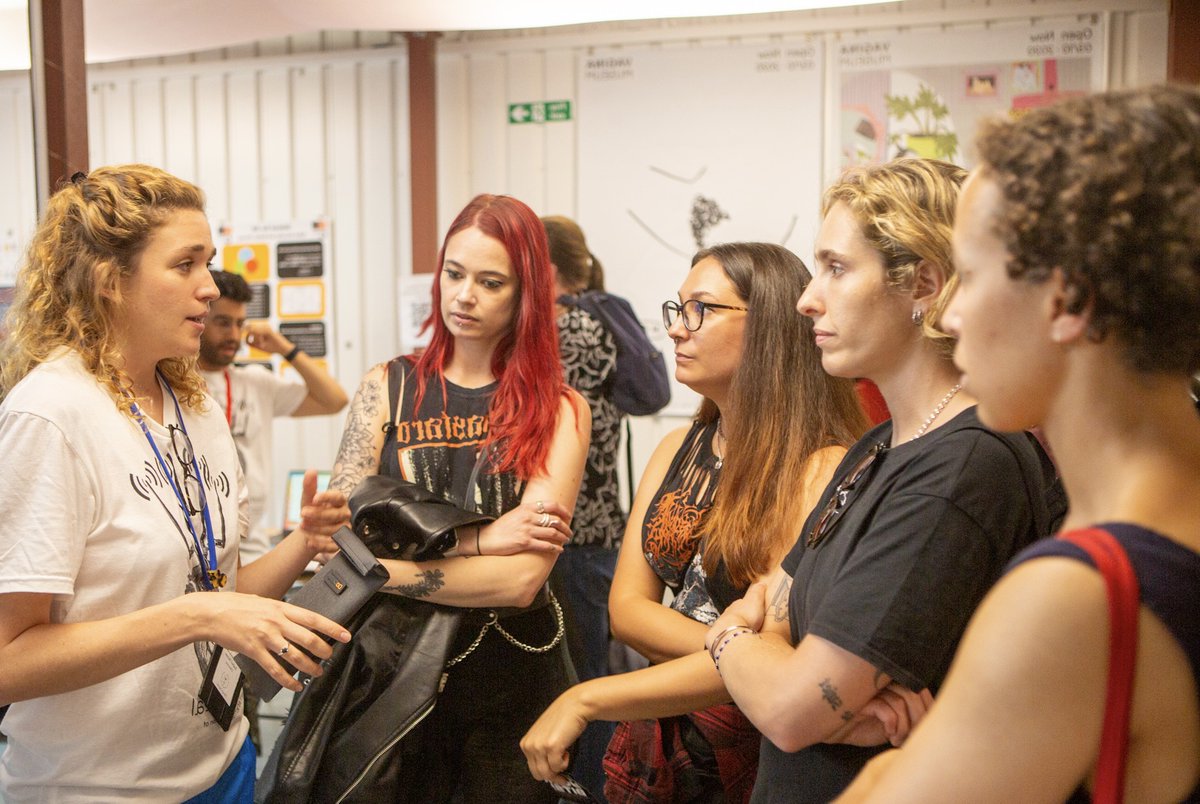
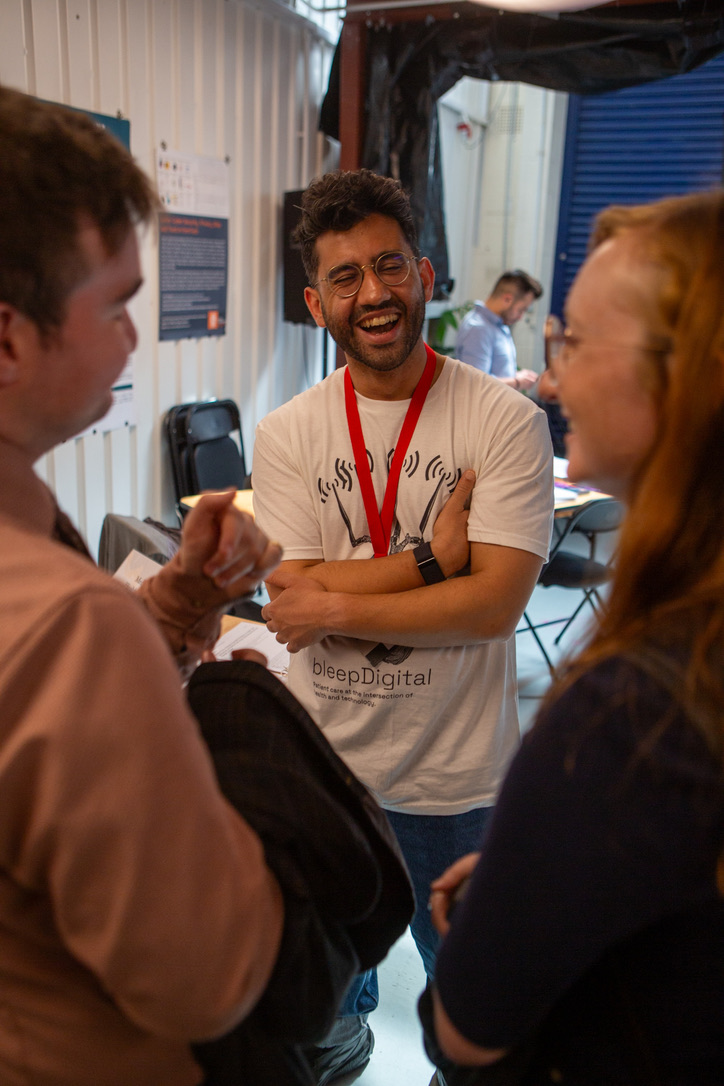
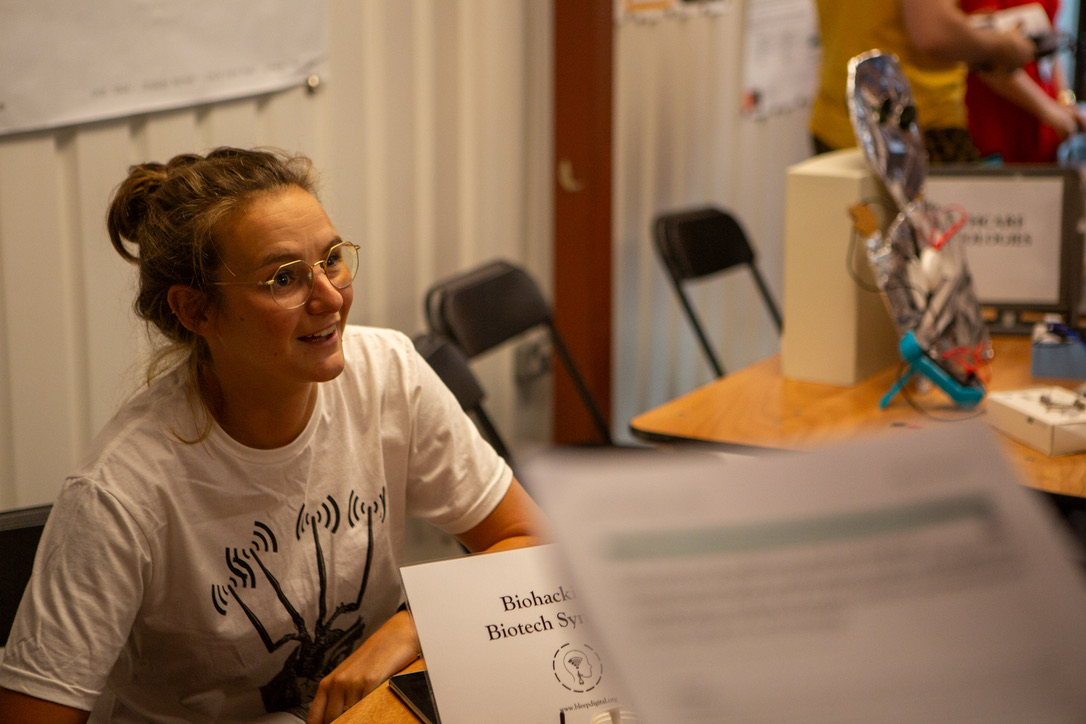
Thank you to everyone who came to “Tech back your bits!” at the @vagina_museum to learn about #Biohacking, Medjacking, #AI bias & #Tech-abuse! Our event material will be available soon, but until then... Check out this great summary from @AgencyResUK !⚕️: agencyresearch.net/tech-back…
2
5
467
26 Jul 2024
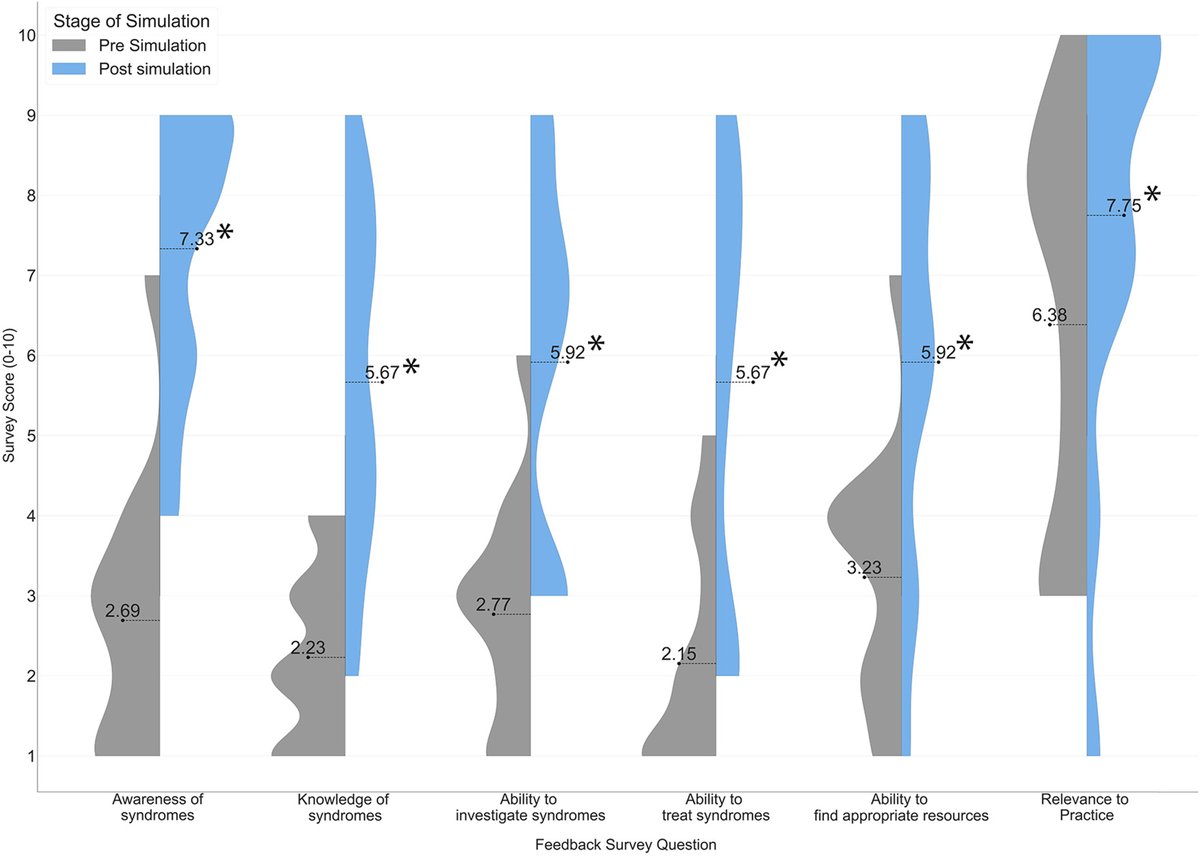
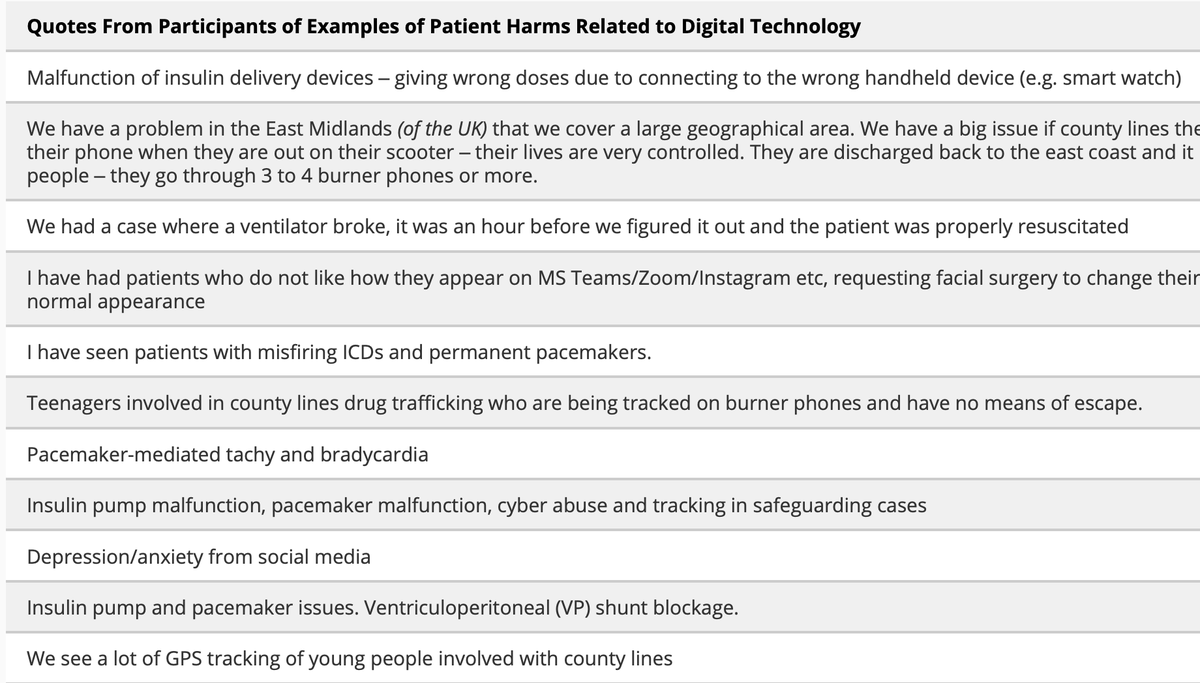
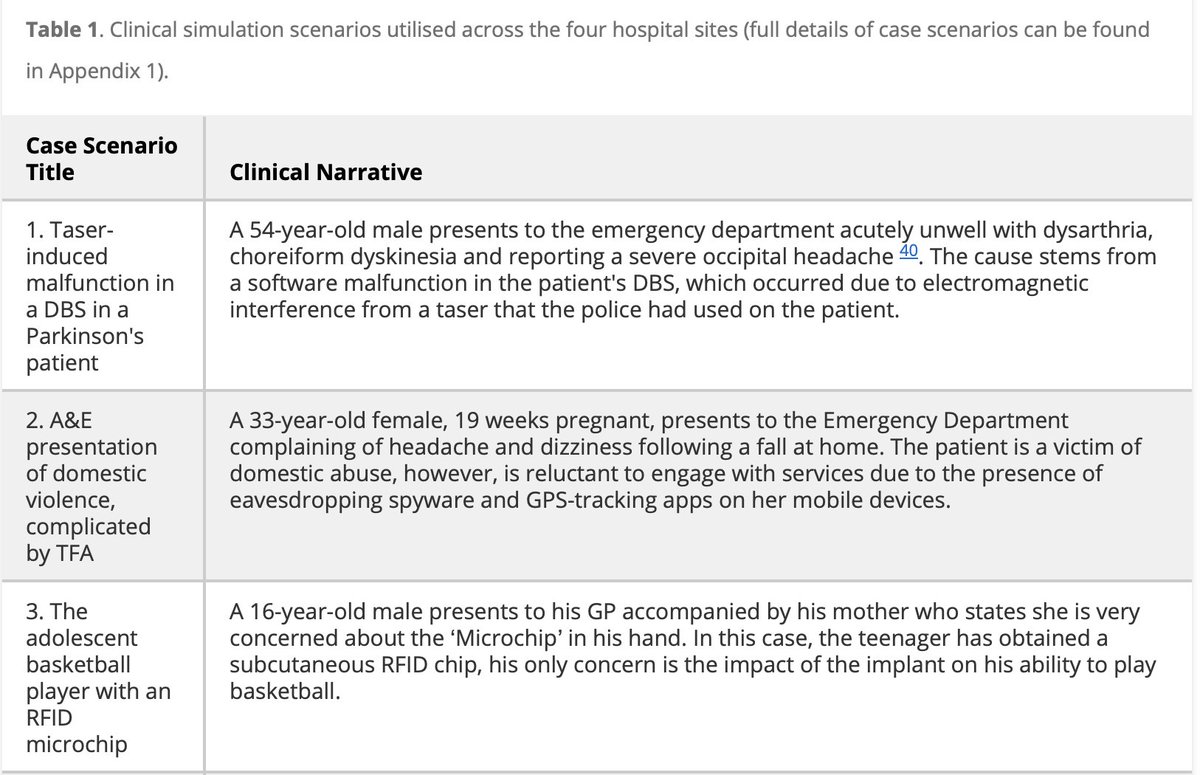
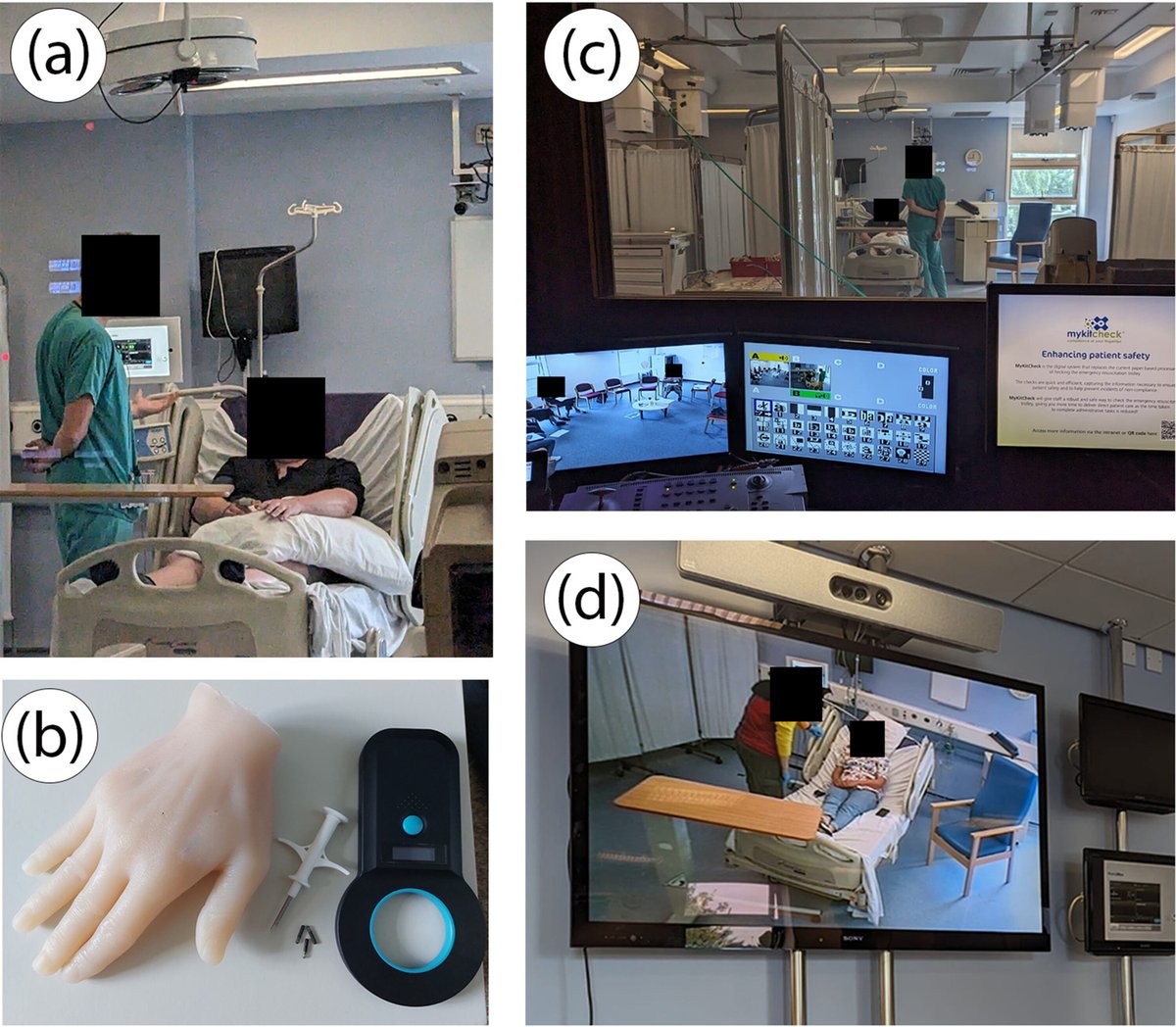
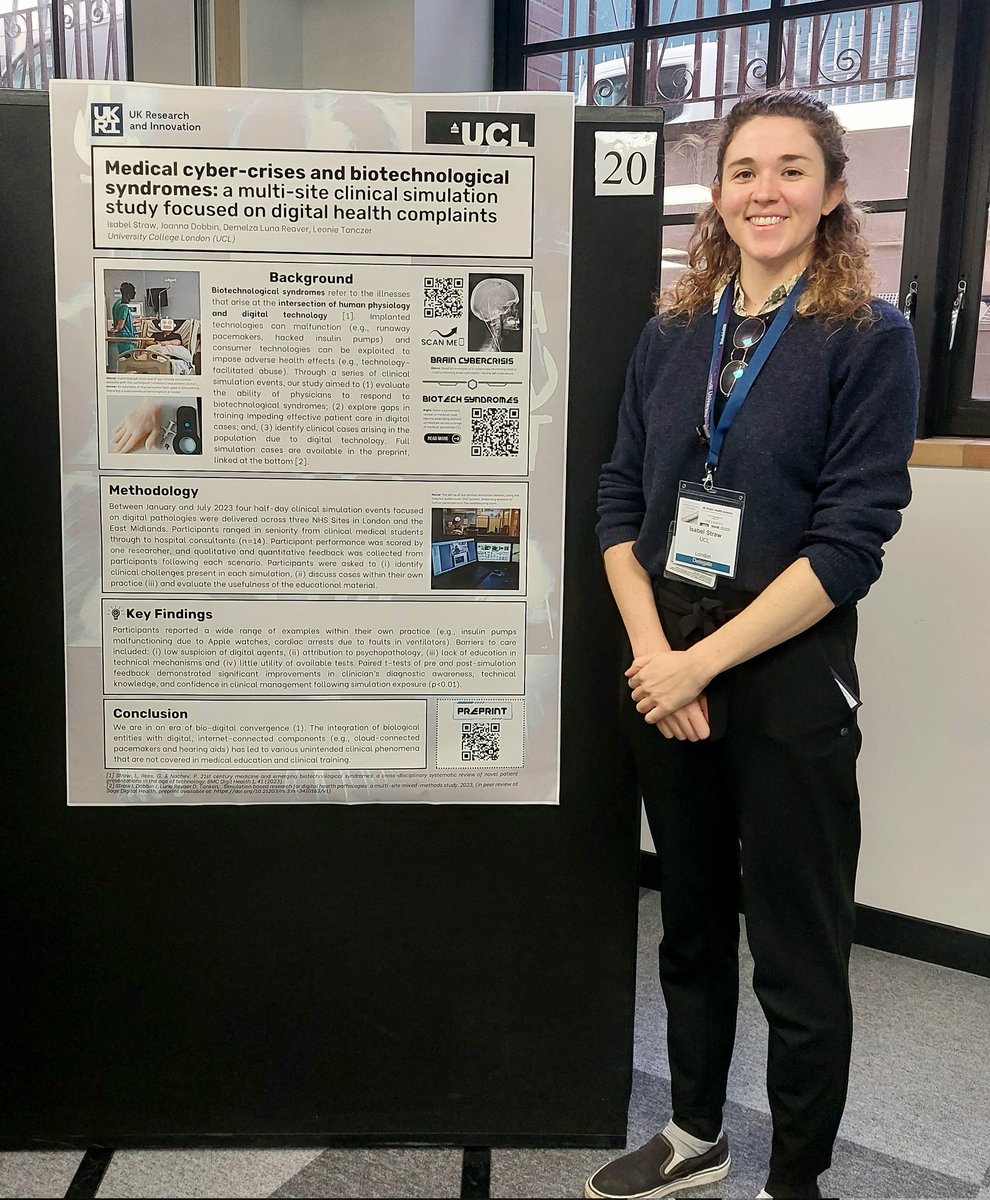
[1/6]🚨New Research! A patient who seeks care due to a #device fault, #cybersecurity exploit or #digitalhealth failure, may encounter clinicians unable to treat their condition. Dive into our study for insights at @jmirpub ! > jmir.org/2024/1/e50505 @AndrewMkwashi, @InaBrass
1
8
12
753
26 Jul 2024
[6/6] #Cybersecurity in healthcare is crucial & clinicians need training in handling #digitalhealth failures. Workshop scenarios revealed gaps in #medical knowledge, absent protocols, & little awareness of key
@MHRAgovuk pathways. Read on here! > jmir.org/2024/1/e50505 #MedEd
1
218