
Social Worker & Academic with an interest in child welfare, domestic violence and the impact of adversity in childhood across the lifecourse.
Joined August 2011
- Tweets 25,376
- Following 2,488
- Followers 6,851
- Likes 22,201
920 Photos and videos




Pinned Tweet

6 Mar 2021
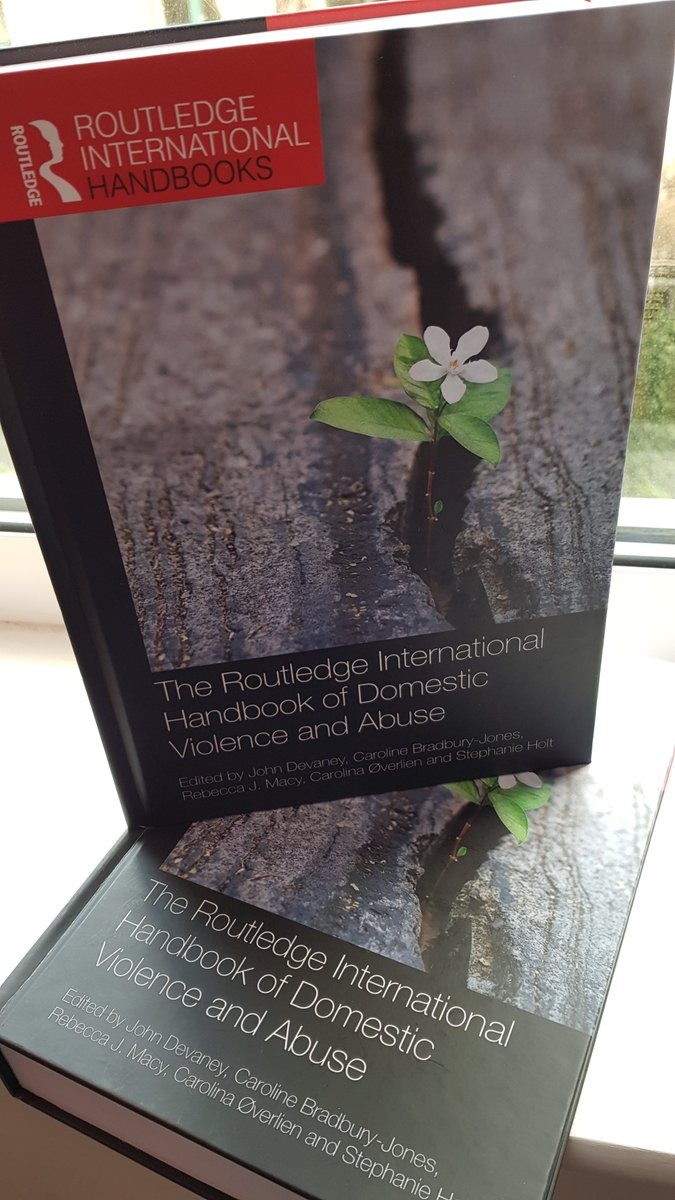
Many thanks to my fellow editors and the one hundred fantastic contributors to the fifty chapters in this new Handbook - it's been an absolute delight working with you all. For those interested in purchasing, the e-book is cheaper and just as good! routledge.com/The-Routledge-…
14
35
157
John Devaney retweeted

Operation Encompass acquisition-international.co…
@CarlEveCrime @JoshMacAlister @JDev65 @alisonraynsford @AlisonHernandez
3
4
290
John Devaney retweeted

“𝗧𝗵𝗼𝘀𝗲 𝘀𝗮𝗺𝗲 𝗳𝗲𝗲𝗹𝗶𝗻𝗴𝘀 𝘀𝘁𝗶𝗹𝗹 𝗰𝗼𝗺𝗲 𝗶𝗻 𝗺𝘆 𝘀𝘁𝗼𝗺𝗮𝗰𝗵 — 𝘁𝗵𝗲 𝗳𝗲𝗮𝗿 𝗮𝗻𝗱 𝘁𝗵𝗲 𝗮𝗻𝘅𝗶𝗲𝘁𝘆 𝗼𝗳 𝗵𝗮𝘃𝗶𝗻𝗴 𝘁𝗼 𝗴𝗼.”
As a child, “Katy” was forced to visit her father in prison after he killed her mother. Years later, she says simply driving down the same roads still brings back the fear.
Today on @BBCr4today @BBCWomansHour, her story laid bare the lifelong trauma many children affected by parental domestic homicide are left to carry — often without the protection, understanding, or support they need.
A new report is now calling for urgent reform across the UK and Ireland, warning that children’s voices are too often ignored in decisions about contact, care, and recovery after domestic homicide.
No child should be forced to carry trauma alone. No child should feel unheard in decisions about their own safety.
Thank you to BBC Radio 4 for creating space for this important conversation, with @SarahBurrows100 from Children Heard and Seen and Professor John Devaney discussing why a child-centred, trauma-informed response is urgently needed.
Listen to the full interview here: bbc.co.uk/programmes/m002w5y…
13
17
784
John Devaney retweeted

Jan 26
Lets jump into #QuiltArtWeek with 'The jump', a pictorial work by Spanish quilter and textile artist Cristina Arcenegui Bono #Womensart #QuiltArtWeek

9
142
858
43,892
John Devaney retweeted

10 Dec 2025
My research on #ChildrensAgency #ContactDisputes #Protection #Participation #Alienation has been published onlinelibrary.wiley.com/doi/… #publishedarticle @wileyinresearch It explores how #SocialWorkers assess postseparation contact in #FamilyCourt & if #CoerciveControl is being missed
1
1
168
John Devaney retweeted
1 Dec 2025
My latest article explores how, in private law child arrangement cases, social workers assess postseparation contact but how is children’s agency understood and are signs of #alienation or #CoerciveControl being missed?doi.org/10.1111/cfs.70092
#SocialWork #FamilyCourt #ChildAgency
2
130
John Devaney retweeted

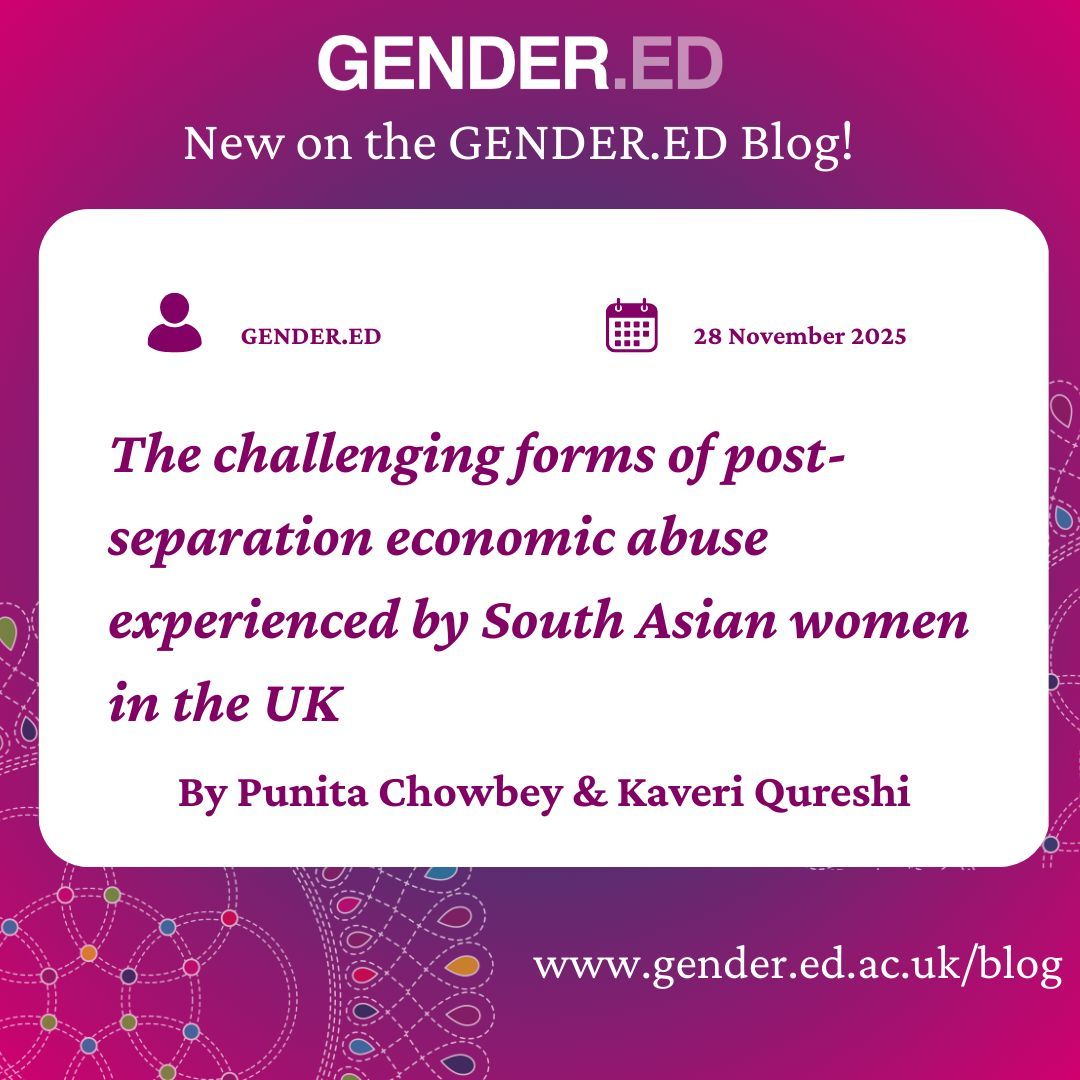
New on the blog!
As November 26 was economic abuse awareness day, Punita Chowbey and Kaveri Qureshi examine the challenging forms of post-separation economic abuse experienced by South Asian minoritised women in the UK.
Visit: edin.ac/43UxyGN
1
128
John Devaney retweeted
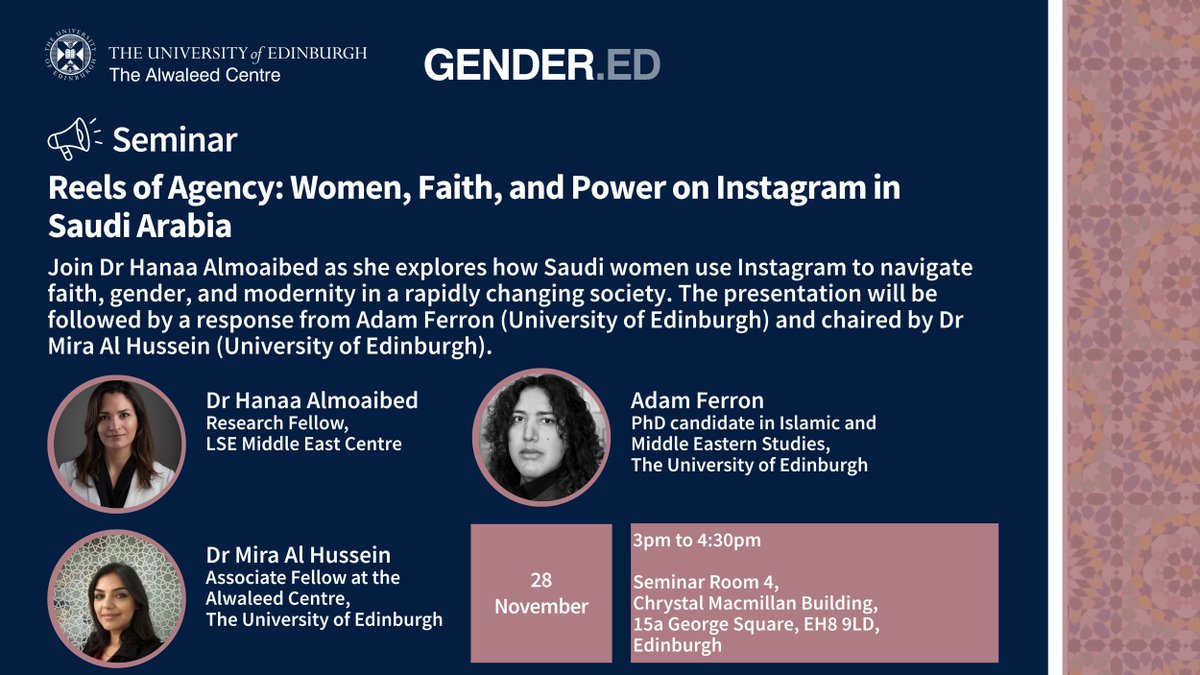
📢 Just announced!
Reels of Agency: Women, Faith, and Power on Instagram in Saudi Arabia with Dr Hanaa Almoaibed.
28 Nov, 3-4.30pm, CMB
Organised by the Centre for the Study of Islam in the Contemporary World, supported by GENDER.ED.
Visit: edin.ac/3WQ6gNJ
1
1
176
John Devaney retweeted
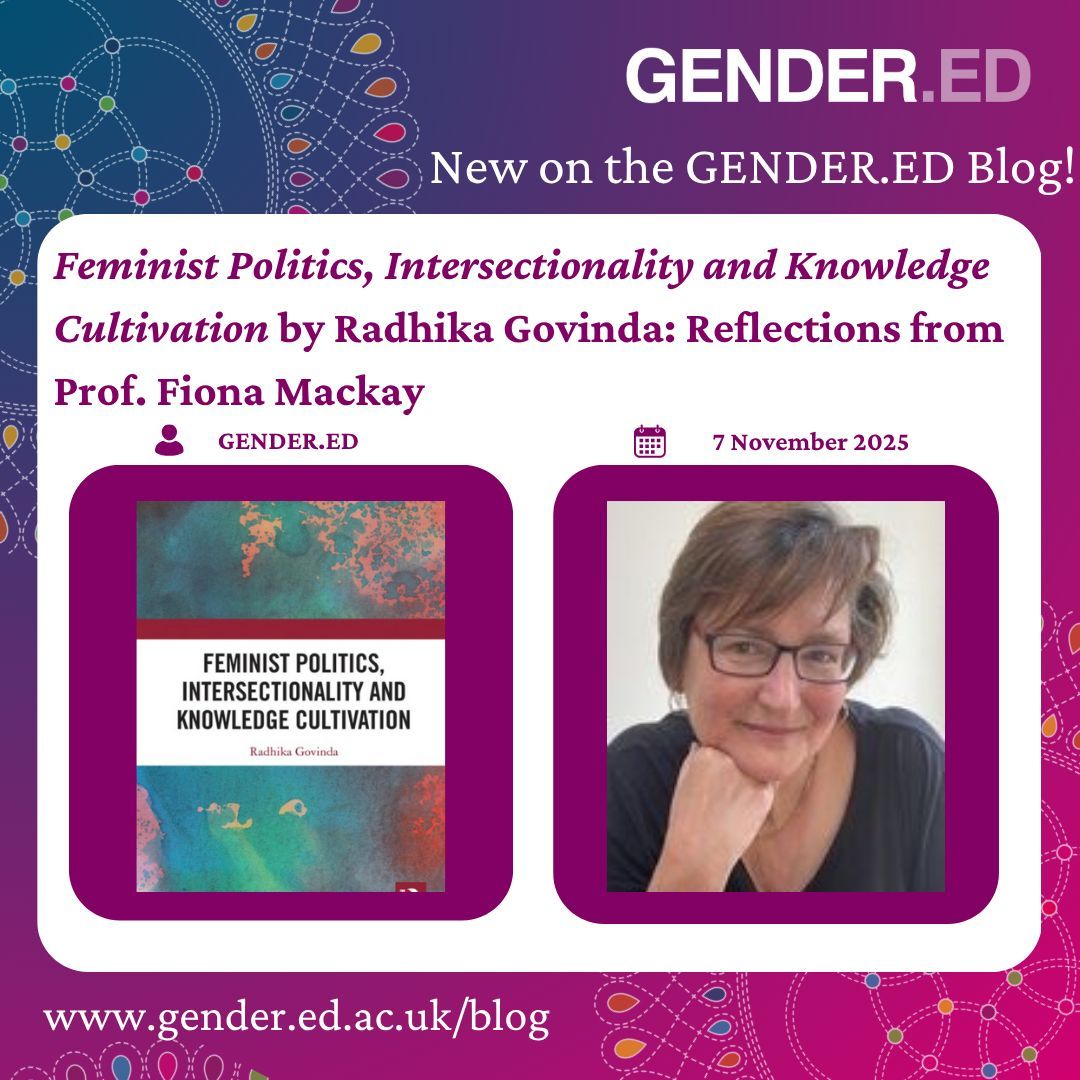
Read Fiona Mackay’s reflections on GENDER.ED Director Radhika Govinda’s new book Feminist Politics, Intersectionality and Knowledge Cultivation. From a book forum co-hosted by GENDER.ED, CRITIQUE and the Centre for South Asian Studies earlier this year.
edin.ac/46Af6VD
1
2
283
John Devaney retweeted
Just announced!
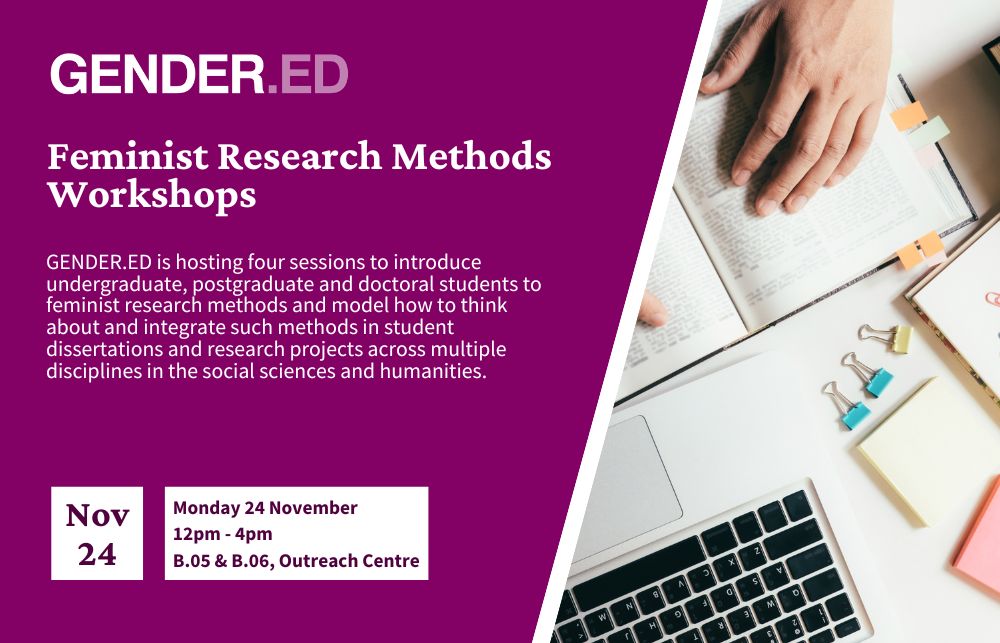
Feminist Research Methods Workshops
24 Nov, one hour workshops ranging from 12pm - 4pm
Sign up to any of our four workshop sessions to introduce undergraduate, postgraduate and doctoral students to feminist research methods.
Visit: edin.ac/47XXYJV
2
4
507
John Devaney retweeted

6 Nov 2025

2
3
189
John Devaney retweeted

23 Oct 2025
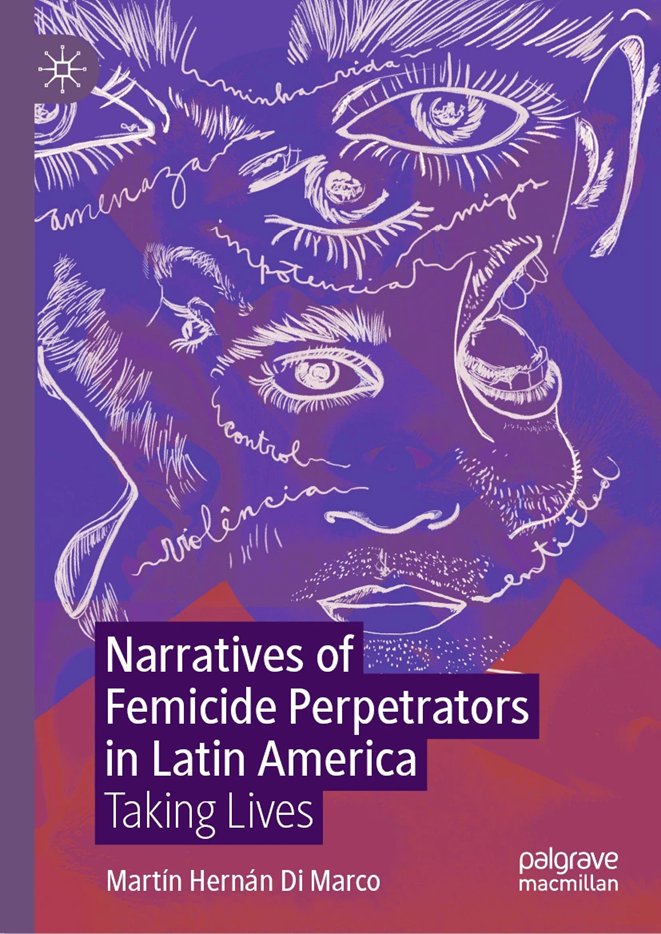
The Narratives of Femicide Perpetrators in Latin America: Taking Lives (@palgravecrim / @SpringerNature ) is now out!
As a preview, you can download the front matter: link.springer.com/book/10.10…
Illustrations and cover art by lorena leonhardt & Laura Spangenberg.
10
12
986
John Devaney retweeted
15 Oct 2025
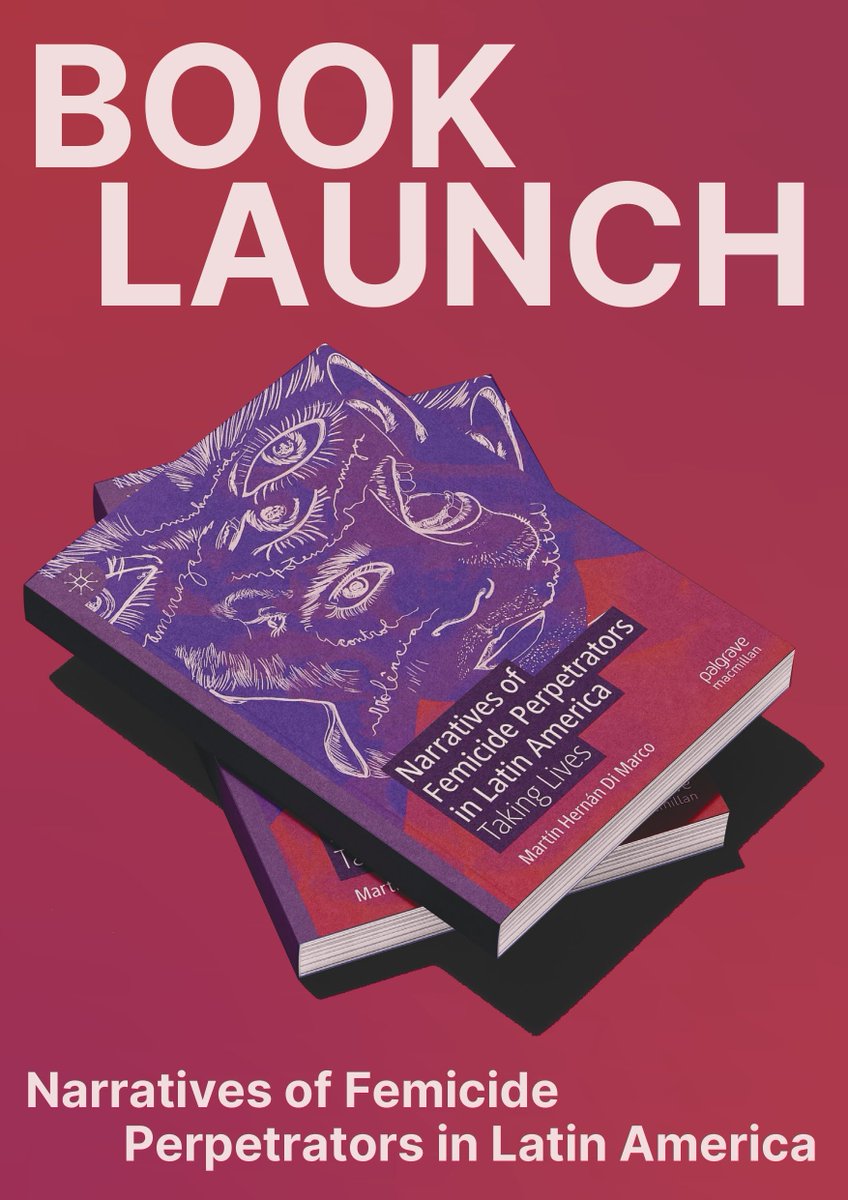
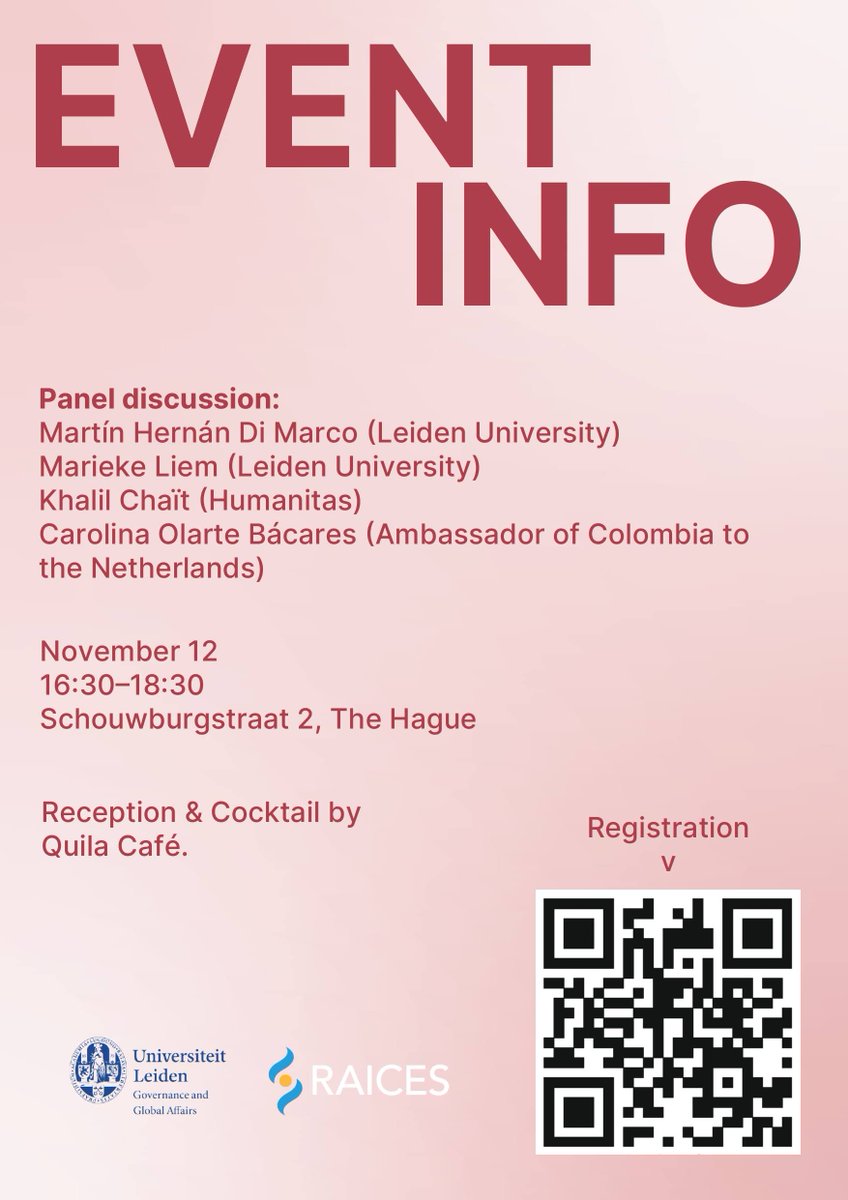
📘 Book Launch in The Hague! @ISGA_Hague @UniLeidenNews
Join us on 12 November for the launch event: followed by drinks, food and mingling.
5
6
263
John Devaney retweeted

Are you an experienced, dynamic social work leader?
We're looking for a Deputy Chief Social Work Adviser to provide strategic leadership and expert advice, to lead change and champion the vital role of social work.
If this is you?👆Apply before 29 Oct
tinyurl.com/3m86xy38
2
2
1
329
John Devaney retweeted
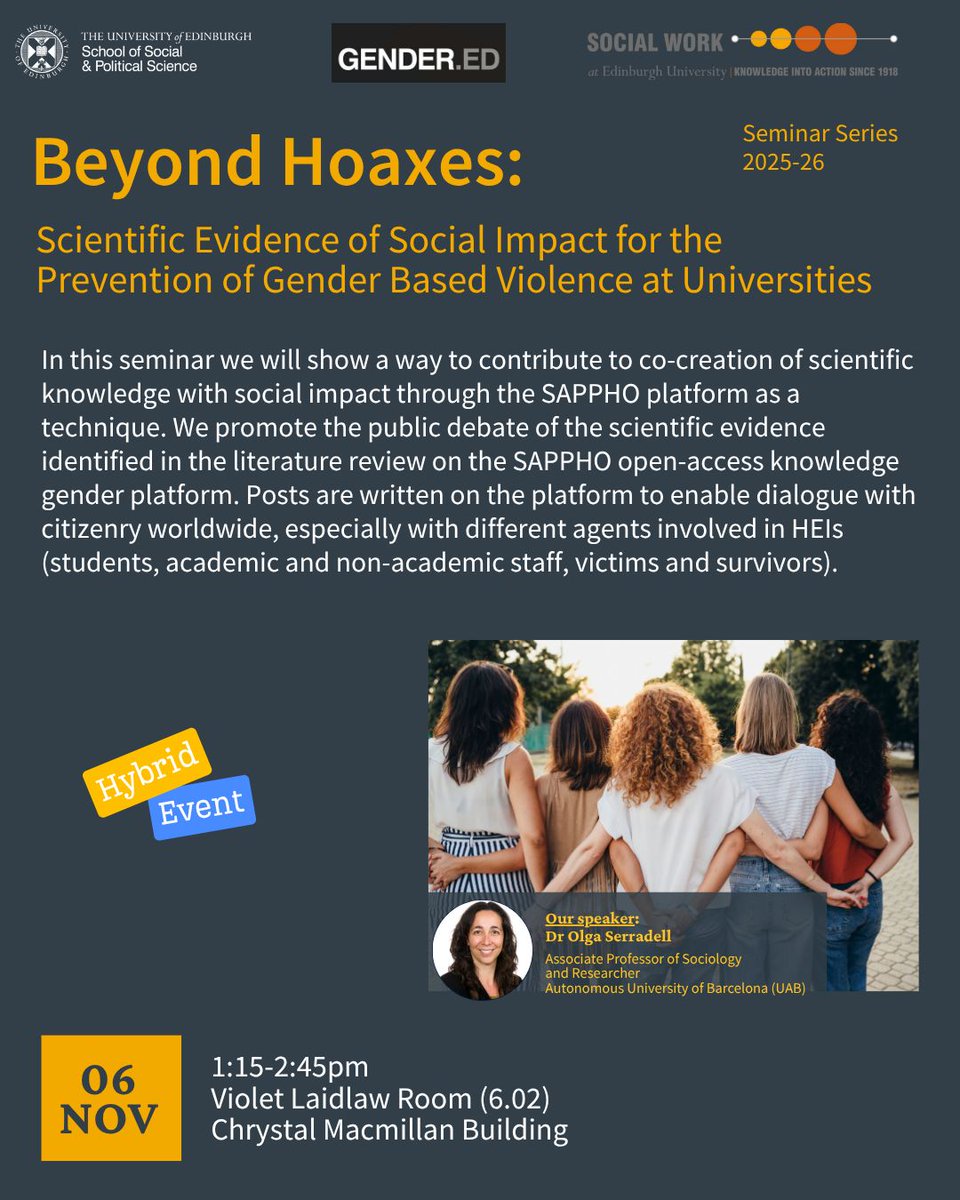
Don't miss: Beyond Hoaxes: Scientific Evidence of Social Impact for the Prevention of Gender Based Violence at Universities, with @OlgaSerradell.
Organised by Social Work at @uoessps and co-badged by GENDER.ED
Thurs 6 Nov, 1.15-2.45pm, CMB/Online
Visit: edin.ac/4nBrcUk
11
13
671
John Devaney retweeted

8 Oct 2025
Excited to give a seminar at @uoessps & @UoE_GENDER_ED on Nov 6: Beyond Hoaxes: Scientific Evidence of Social Impact for Preventing Gender-Based Violence at Universities. Details: gender.ed.ac.uk/events/2025/…
5
11
388

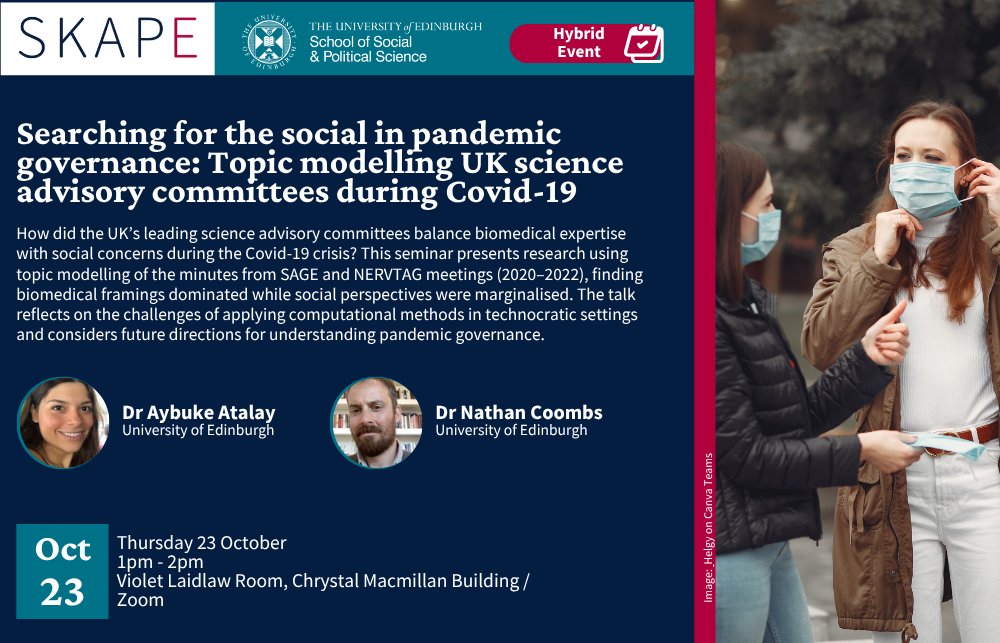
Our first seminar of 25/26 is now hybrid:
Topic modelling UK science advisory committees during Covid-19
23 Oct, 1-2pm, VLR, Chrystal Macmillan Building / Online via Zoom
More info and registration: edin.ac/46uJMGn
1
96
John Devaney retweeted

Register for the 2025 Janis Rotman Distinguished Lecture Series on Mental Wellness! On Nov. 12, #FIFSW presents “Rescue and Recovery: Building Resilience with Children, Families & Communities,” with Prof. Ramona Alaggia.
Learn more and register here:
socialwork.utoronto.ca/event…
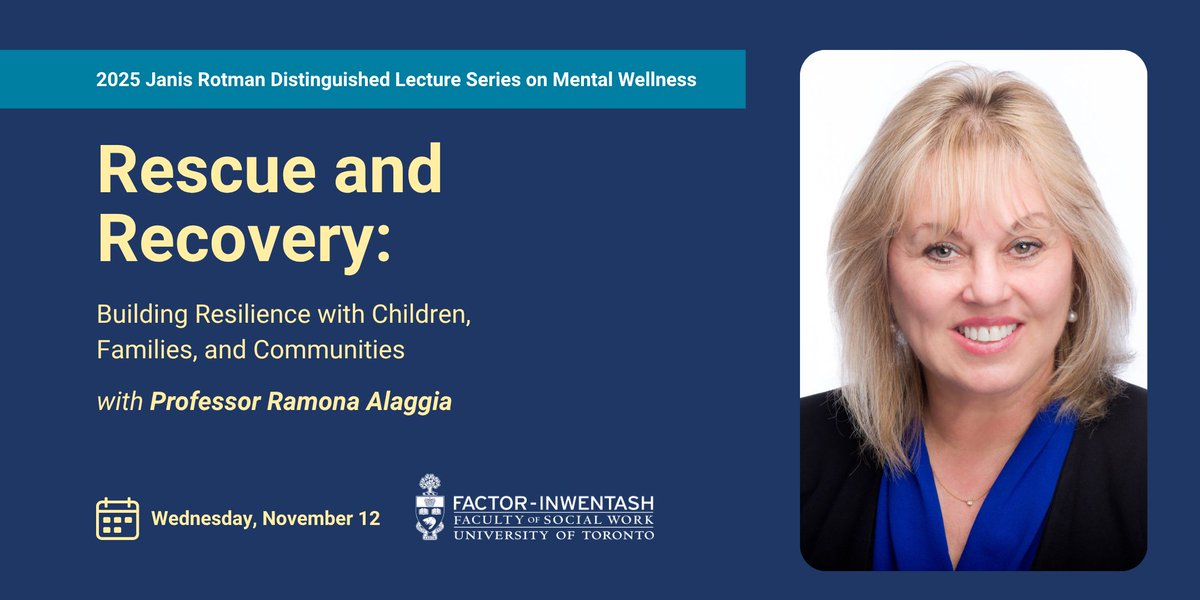
ALT Event poster for the 2025 Janis Rotman Distinguished Lecture Series on Mental Wellness, featuring a photo of keynote speaker Ramona Alaggia. Text repeated in post.
1
1
291
In case you missed it!
The 25/26 SKAPE Seminar Series kicks off with:
Topic modelling UK science advisory committees during Covid-19
23 Oct, 1-2pm, VLR, Chrystal Macmillan Building
More info and registration: edin.ac/46uJMGn
1
286
John Devaney retweeted
4 Oct 2025
I recommend this journalistic report presenting evidence from the international scientific community to help overcome violence: Beyond the Bystander Effect (Kennerdell, Parsons & ShortCutsTV, 2022).
🔗 shortcutstv.com/blog/beyond-…

7
10
422
John Devaney retweeted

3 Oct 2025
We are delighted to welcome our first intake of the Queen's-Aston Dual Award PhD Programme.
The four successful #PhD students will be jointly supervised by academic staff at each institution and upon successful completion will be able to graduate with a doctorate from both Queen's University and @AstonUniversity.
The programme aims to strengthen collaborative research and training, with this initial intake focusing on projects in @pharmacyatQUB and @qubcancer.
Good luck to you all, we can't wait to see what you discover!
You can find out more about our collaboration with Aston University here ➡️ ow.ly/2Rv150X613E
#LoveQUBResearch
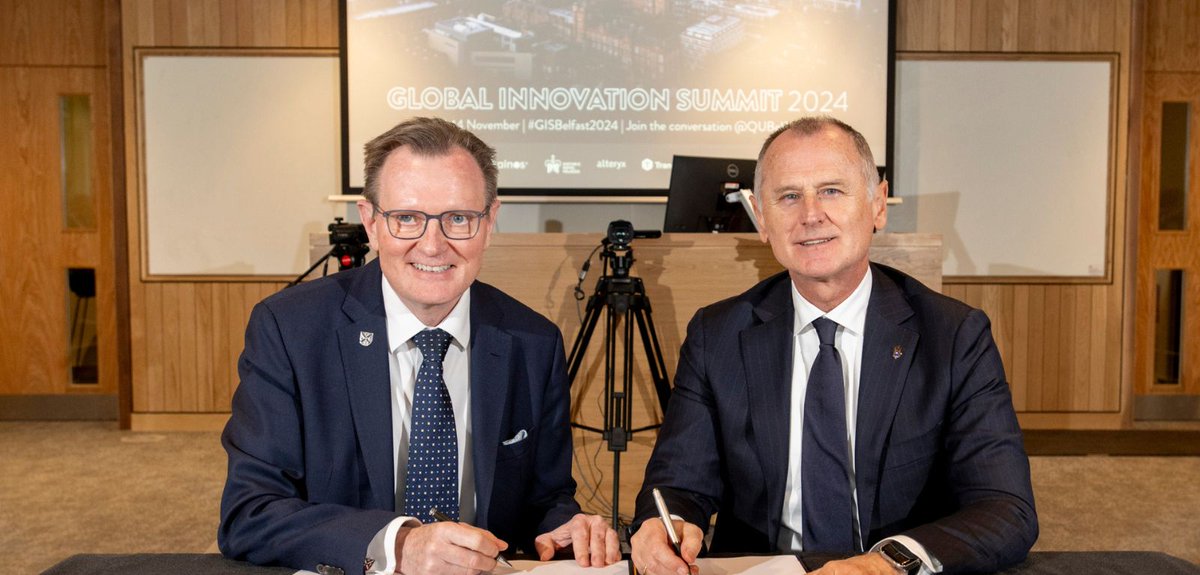
ALT Image shows President and Vice Chancellor of Queen's Professor Sir Ian Greer and Professor Aleks Subic, Vice-Chancellor and Chief Executive of Aston University marking the announcement of the Dual Award PhD Programme with an official signing at the Global Innovation Summit 2024 held at Queen's University Belfast
9
11
3,906