
Joined October 2011
- Tweets 4,576
- Following 2,084
- Followers 268
- Likes 24,305
375 Photos and videos

Jun 14
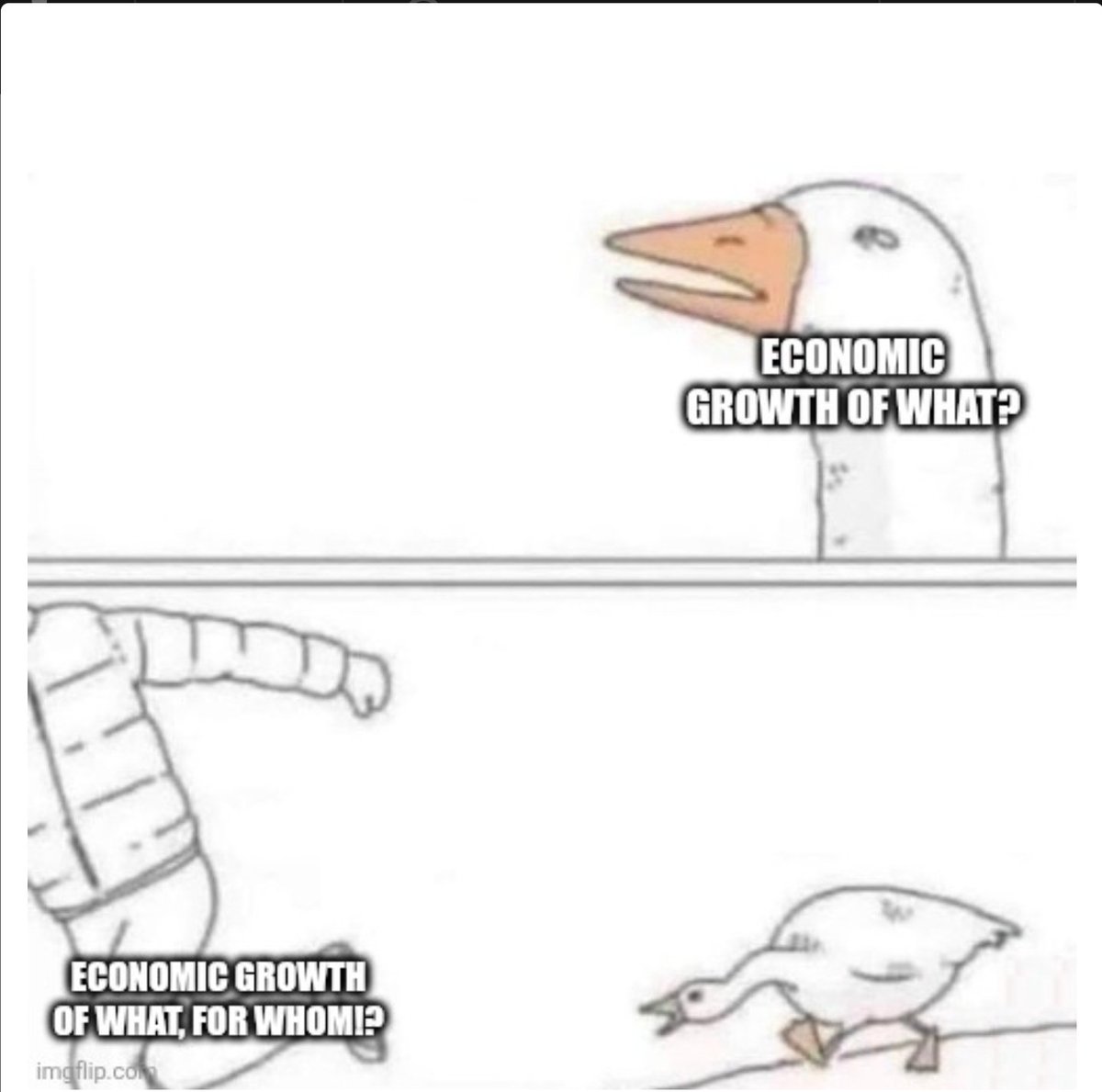
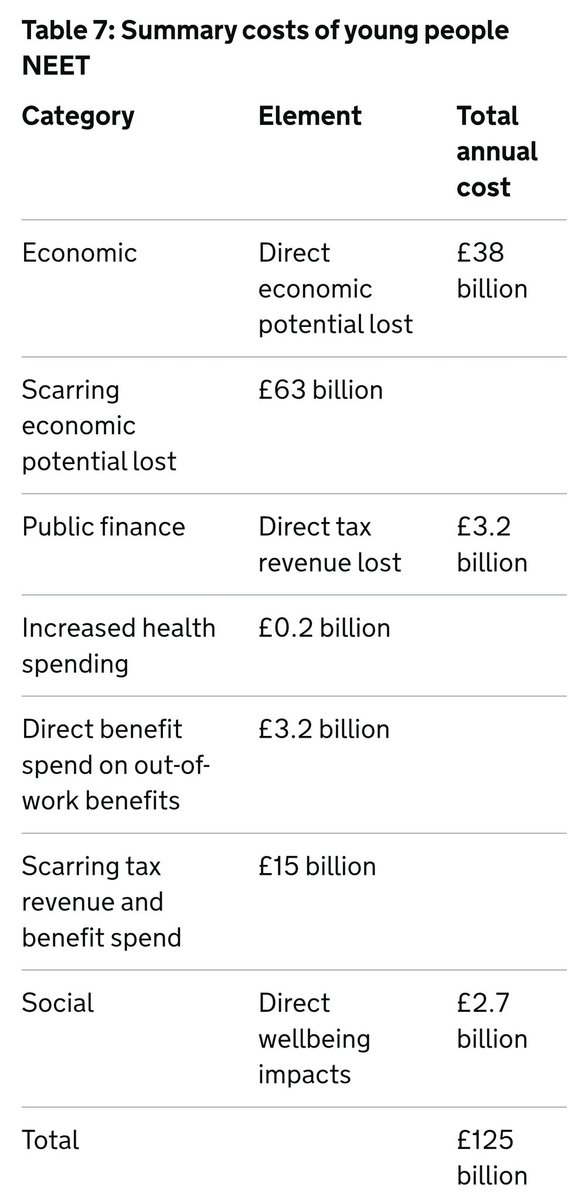
I've been saying for a while. It's not just the level but the *composition* and distribution of production that matter.
De-growth/post-growth is just about recognising this explicitly and in policy industrial strategies.
Jun 13

Misconceptions about degrowth are making the rounds once more.
This is degrowth: a planned reduction of excess energy and resource use.
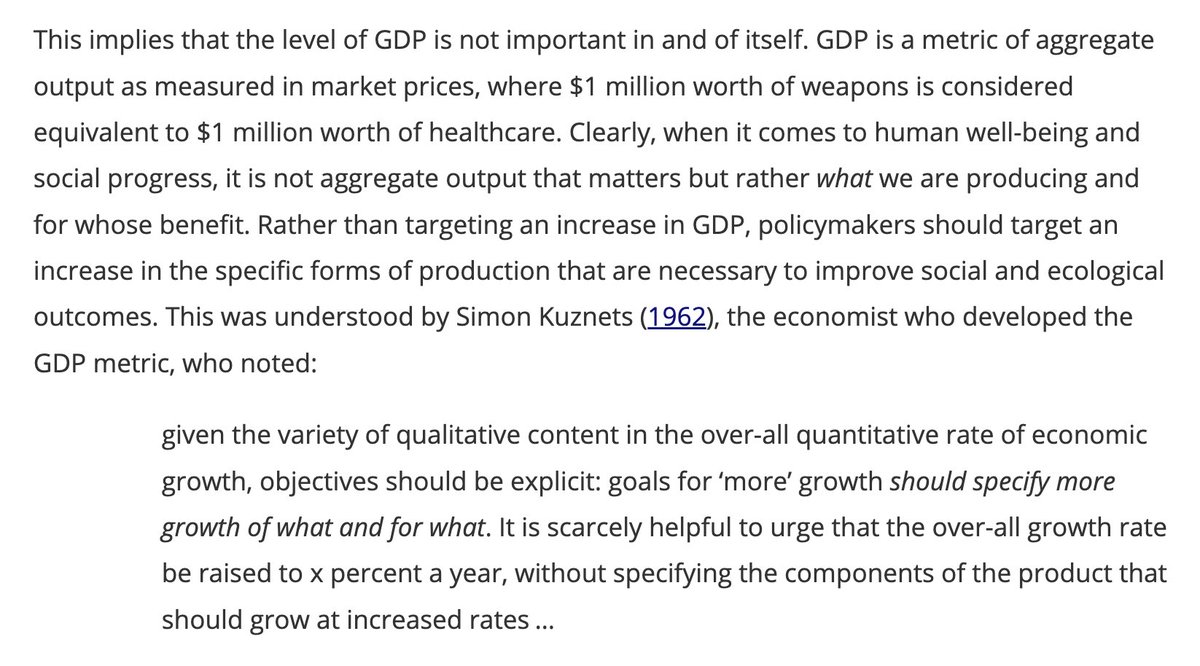
Degrowth's views on GDP echo those of Kuznets, GDP's inventor, who said GDP growth isn't an end worth pursuing for its own sake.
2
7
23
1,211
Jamie Smith retweeted

Jun 11
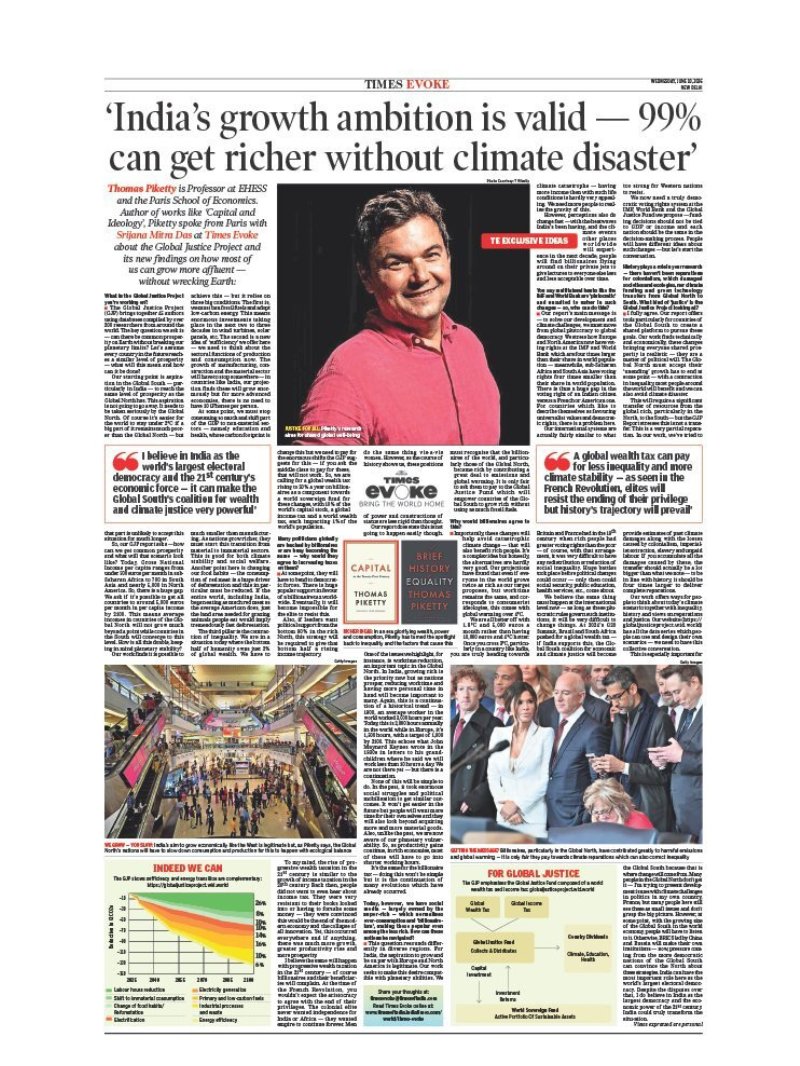
One week after the launch of the #GlobalJusticeReport, we've received a wide range of reactions. We're grateful for the many comments, critiques, and questions we've received so far, and we hope the discussions continue in the weeks ahead. We see the report as a contribution to a broader public debate.
Here are three common criticisms we'd like to address:
1) “The report proposes a radical de-growth agenda”
2) "The report uses an unrealistically pessimistic 4.5°C warming scenario."
3) "The report is a utopian dream."
🧵
31
93
320
57,281
Jun 11
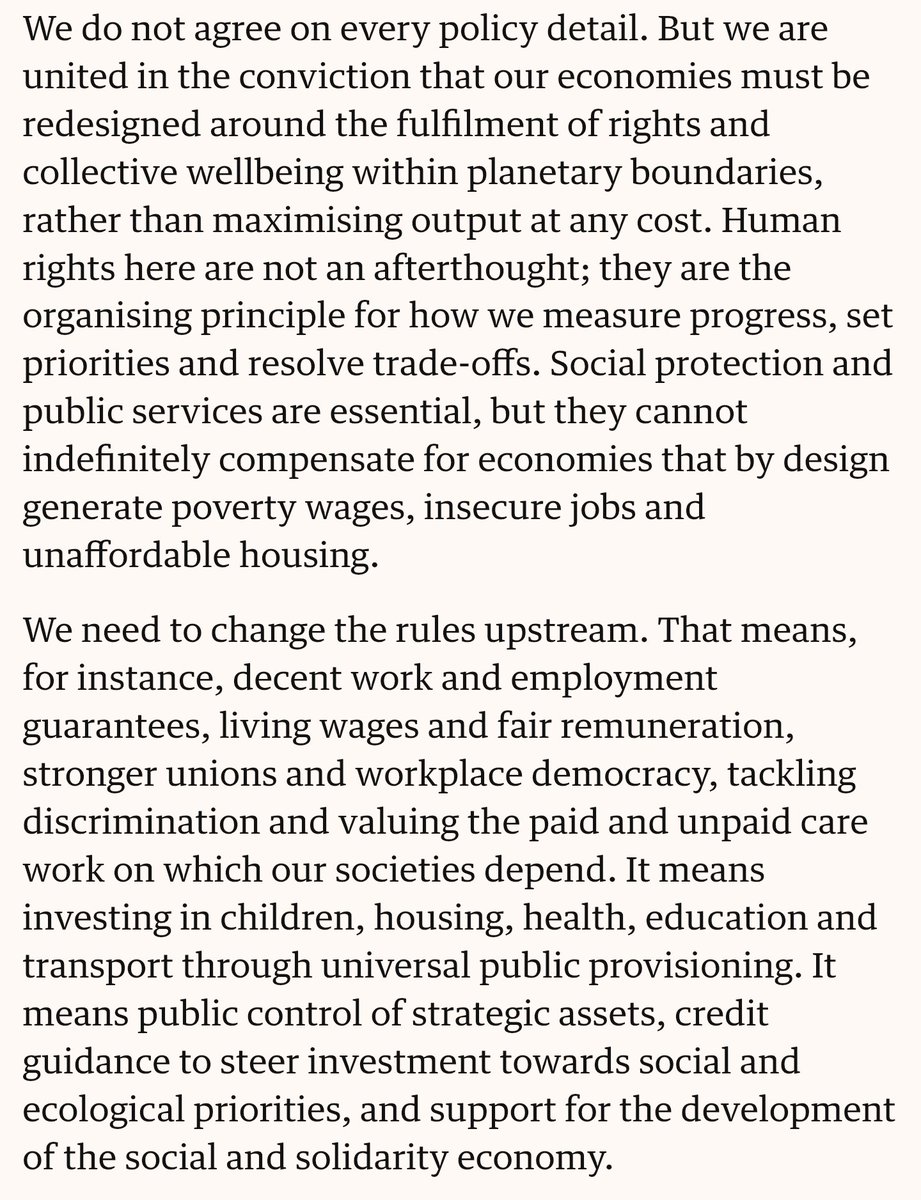
Old guard economists sneering at this will never get it. They're completely stuck in an economic paradigm blinded by its own dogma.
The level, composition and distribution of production at a global level *has* to be at the centre of 21st C economics.
theguardian.com/commentisfre…
49
Jun 11
*Self-imposed fiscal rules widely understood to not be fit for purpose.
It is beyond parody that we're still doing this infantile dance about nominal budget rules for a sovereign macroeconomy, particularly when several million people are unemployed or underemployed!
Jun 11

It's easy to bash the Treasury here. But it's the Treasury's job to make the sums add up, so that we meet the fiscal rules, etc. The core problem is the government *as a whole* has committed to spend 3%, then 3.5%, of GDP on defence but doesn't want to pay for it.
3
3
15
363
Jamie Smith retweeted
Jun 4
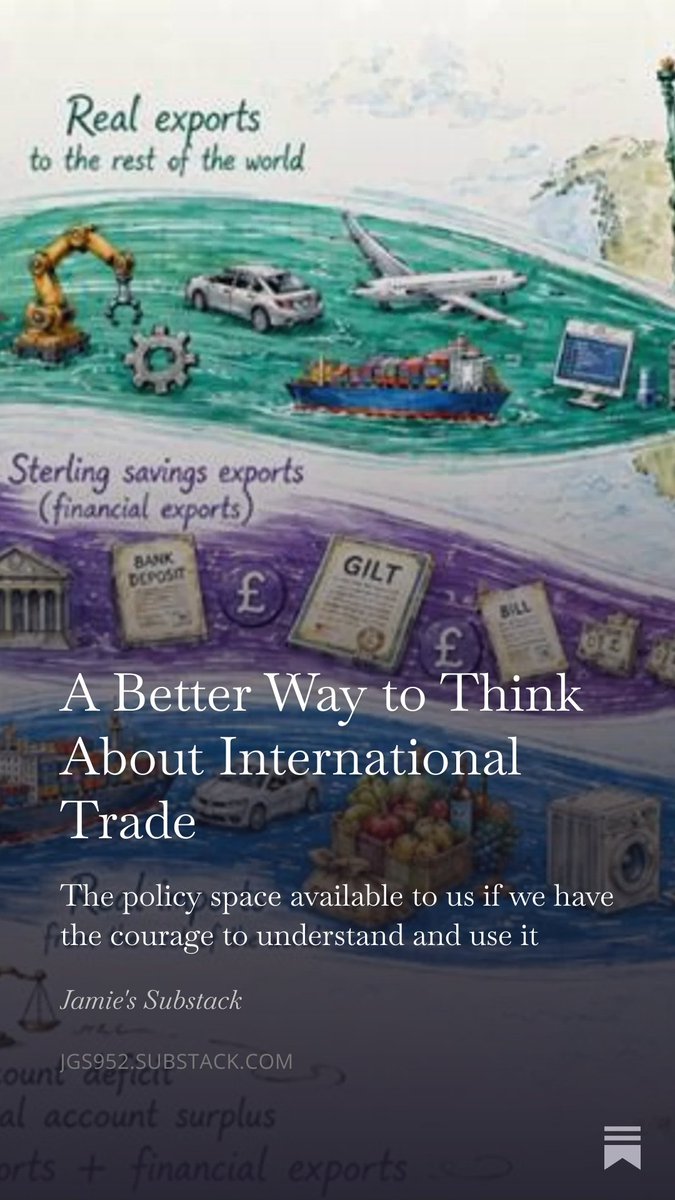
Int. trade is a tricky topic, but it's vital we understand how it works and the dynamic and institutional forces involved.
I've written here about just that and how mainstream narratives of inherent disaster if we restructure the economy are overblown.
open.substack.com/pub/jgs952…
1
11
14
1,491
Jun 10
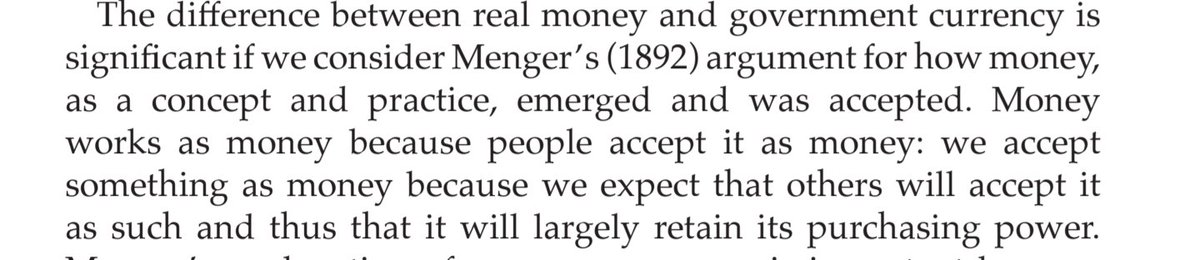
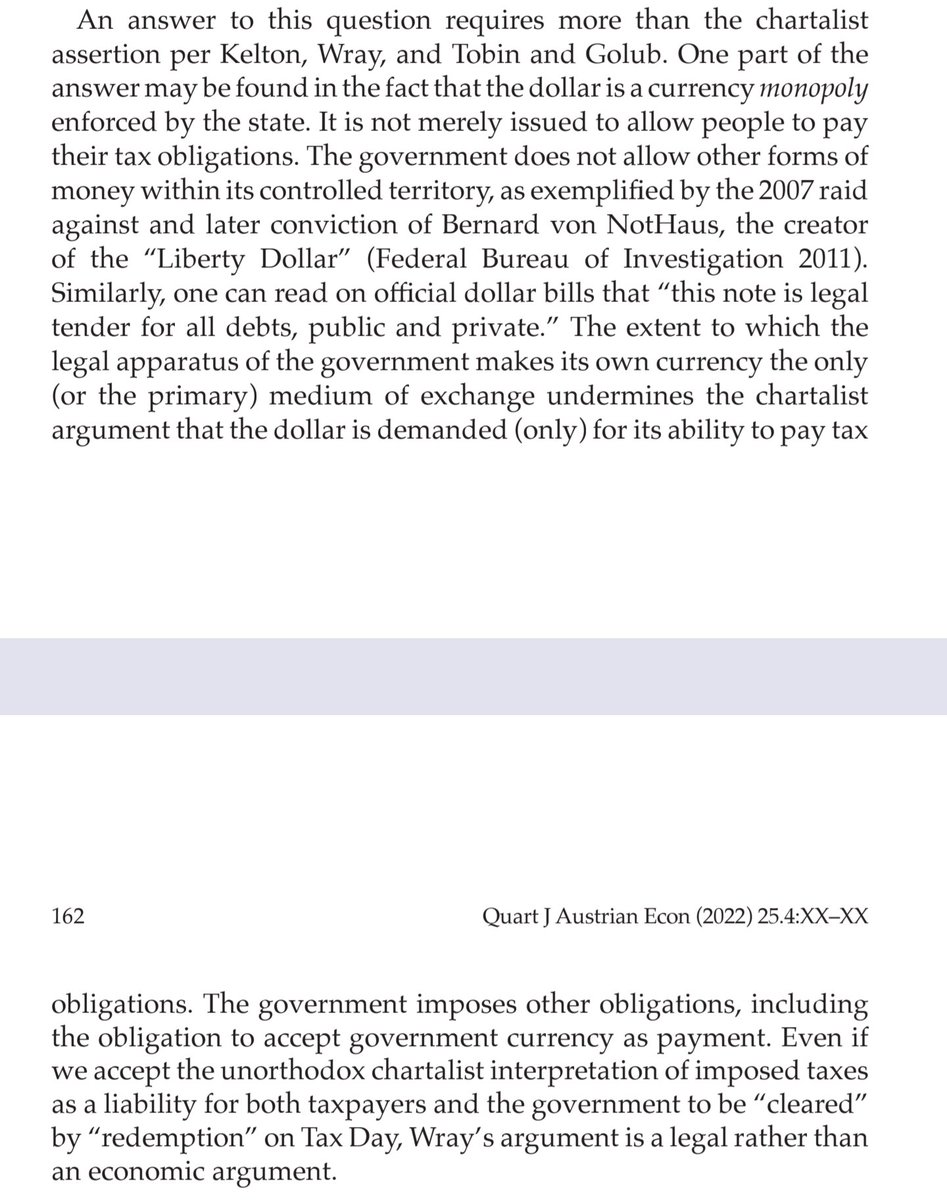
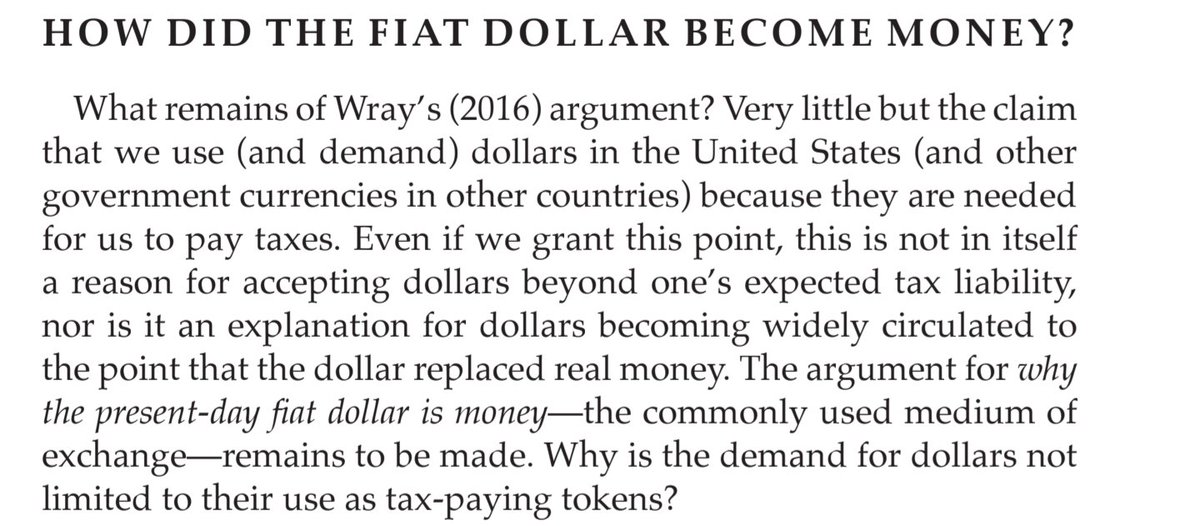
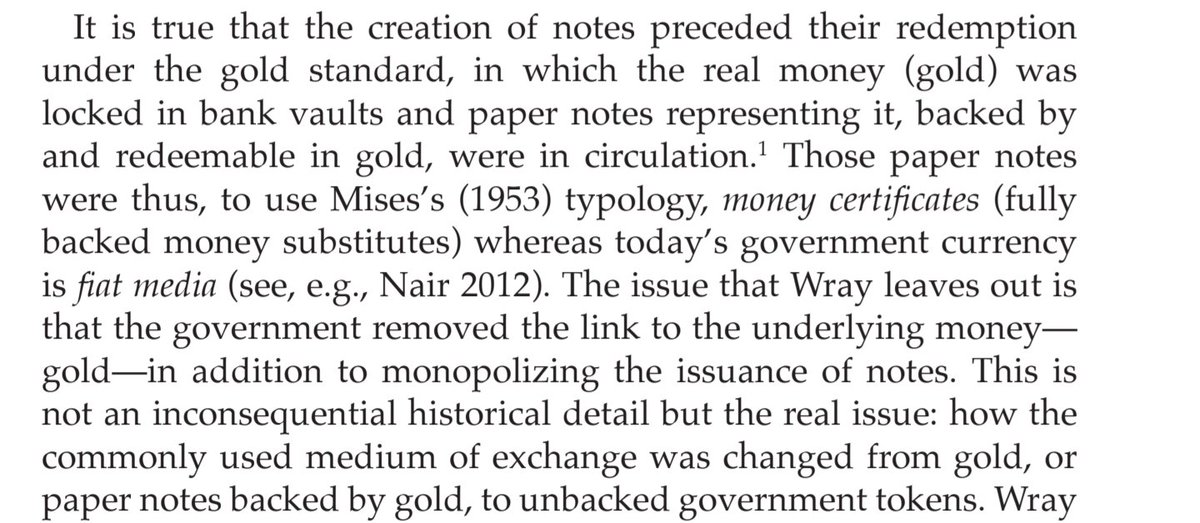
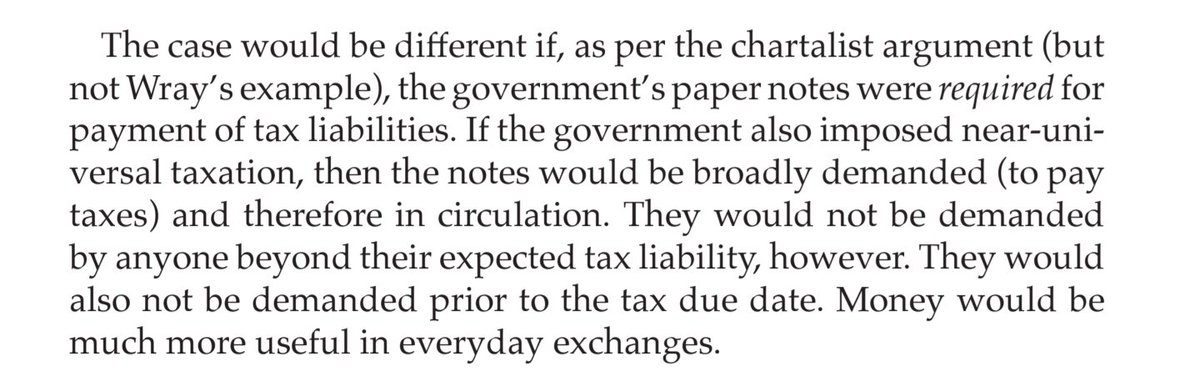
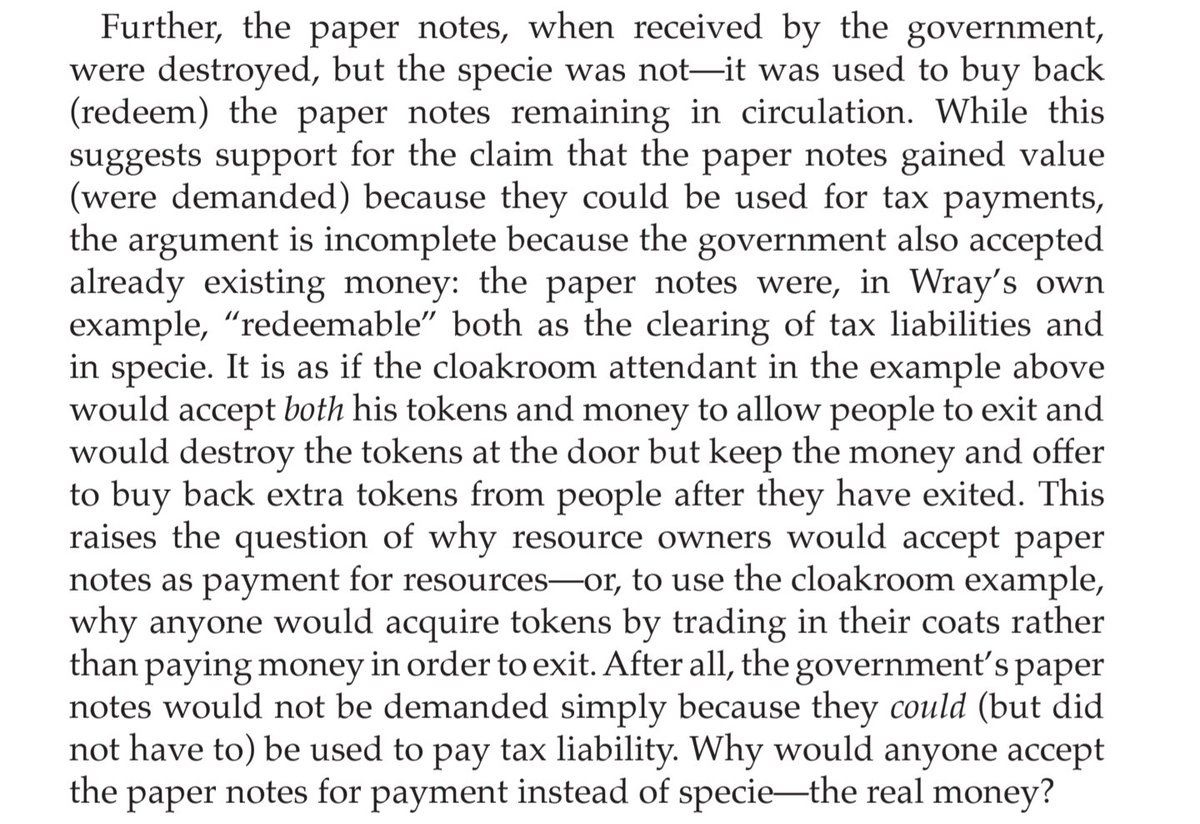
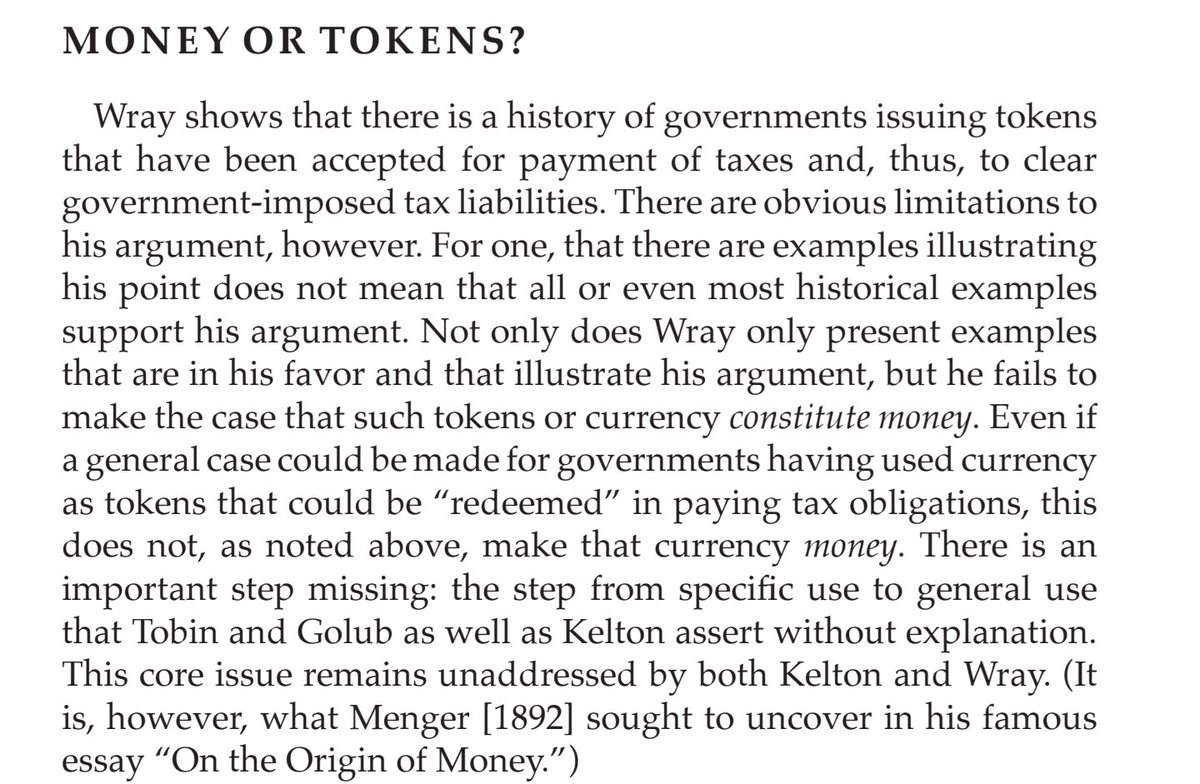
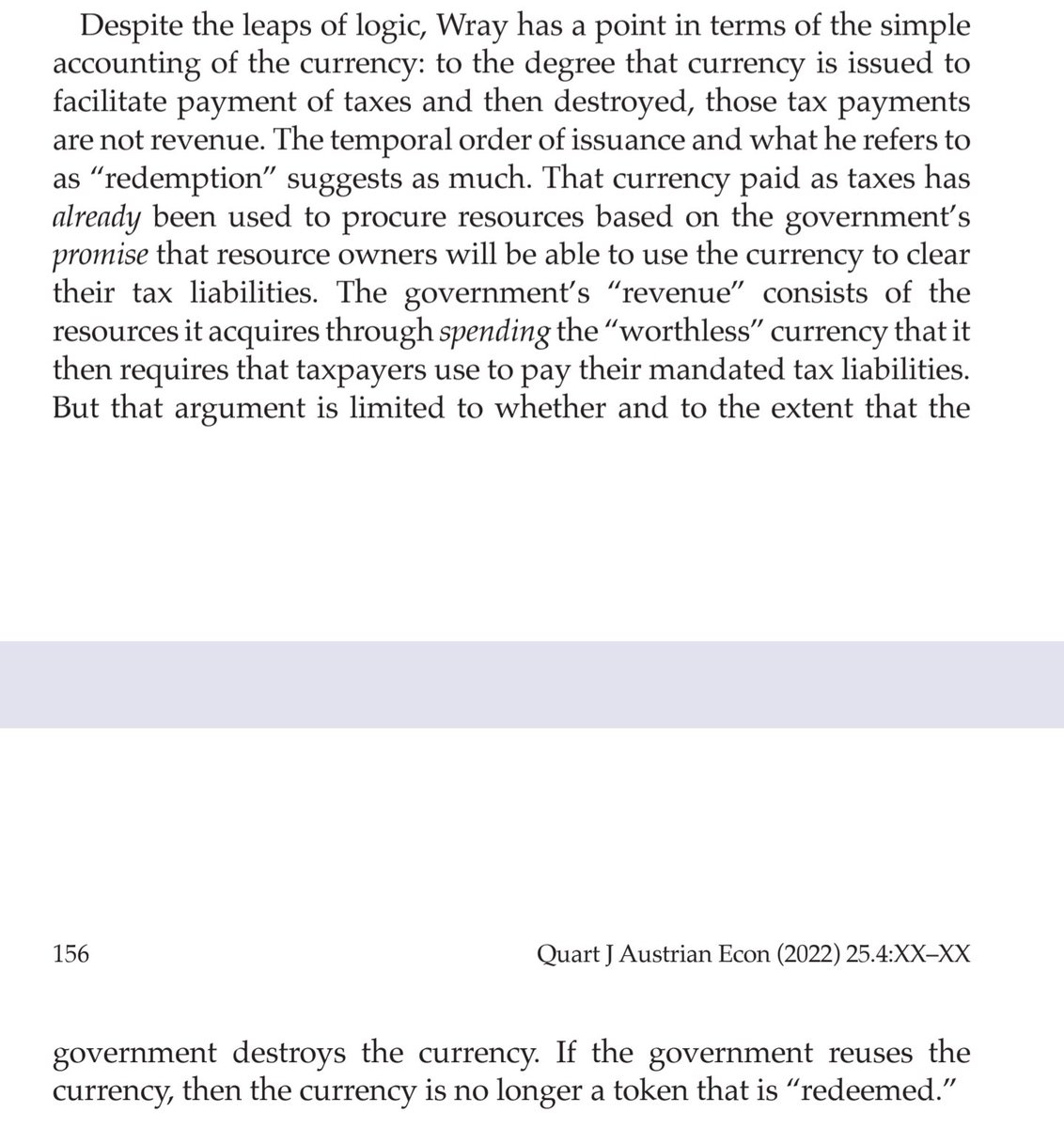
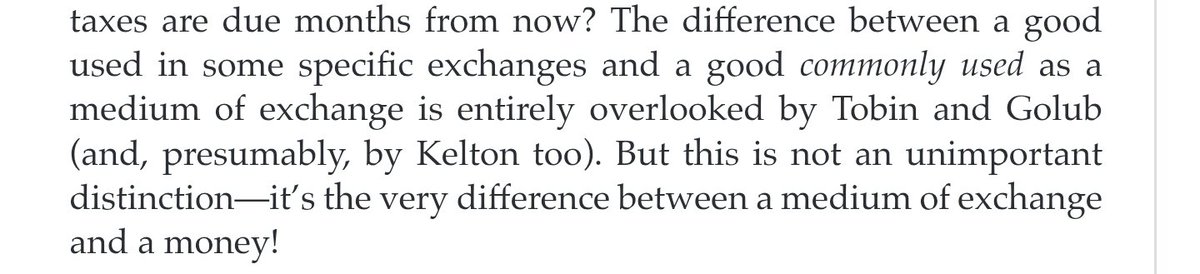
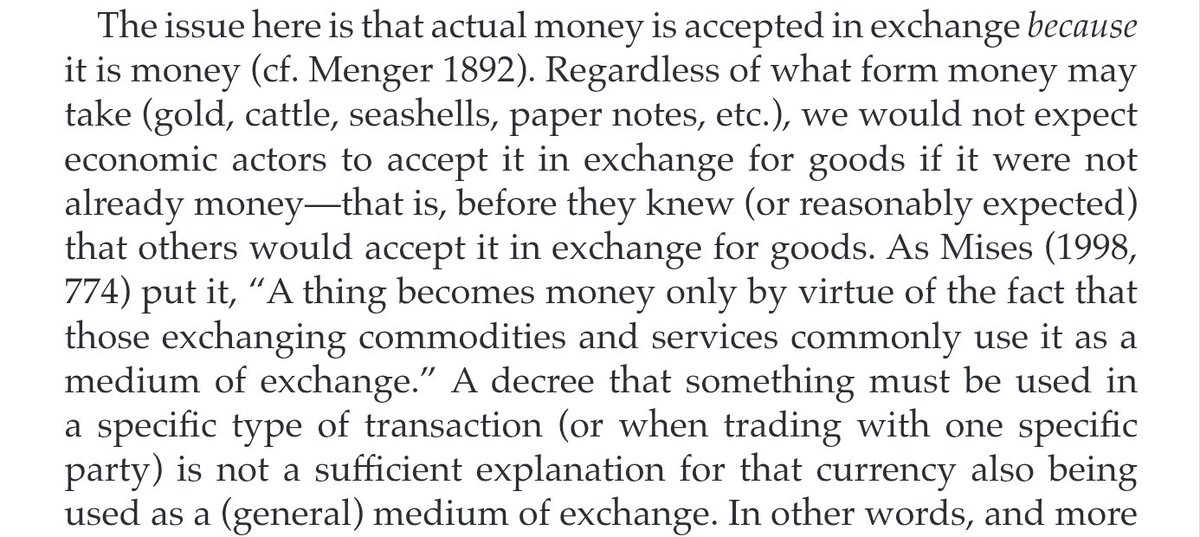
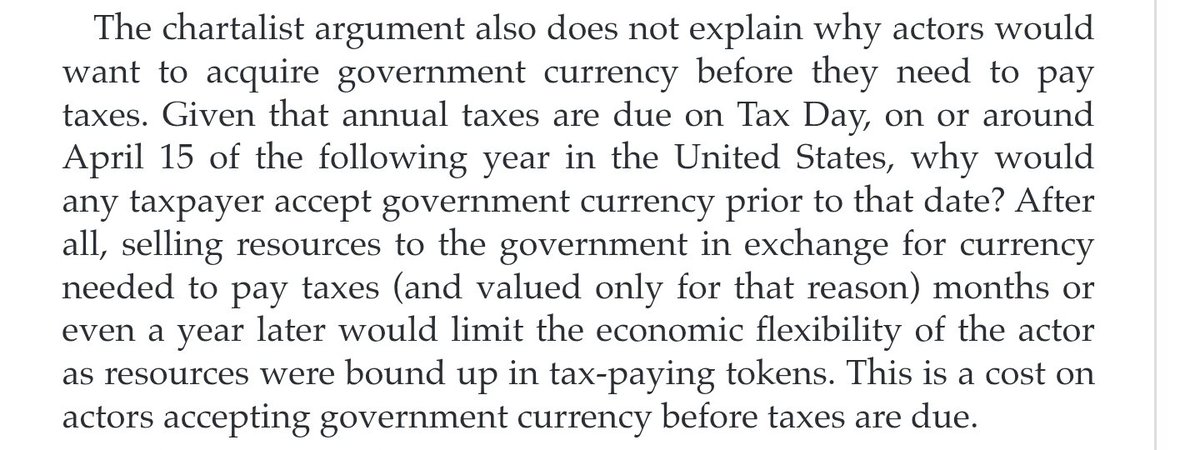
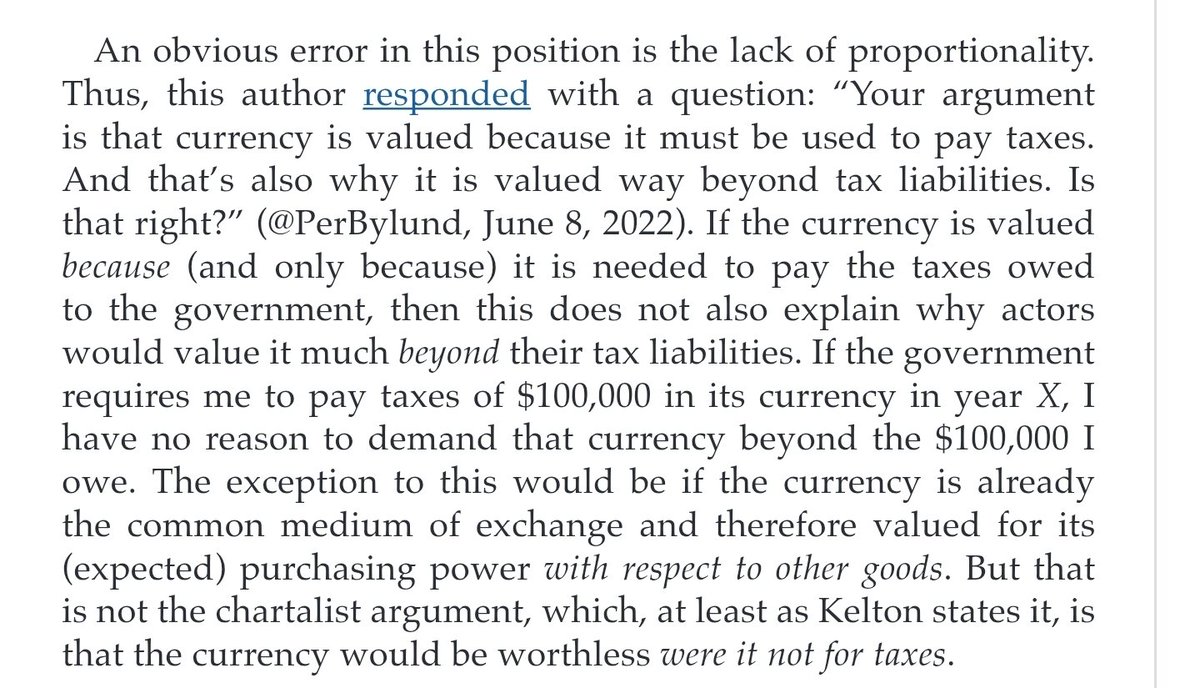
If seems clear to me that the claim is never "currency is *only* demanded to settle taxes".Tax is simply a sufficient way for a state to monetise its economy in its unit of account. Tax drives an emergent network effect such that it's adopted as a med. of exchange and value store
Jun 10

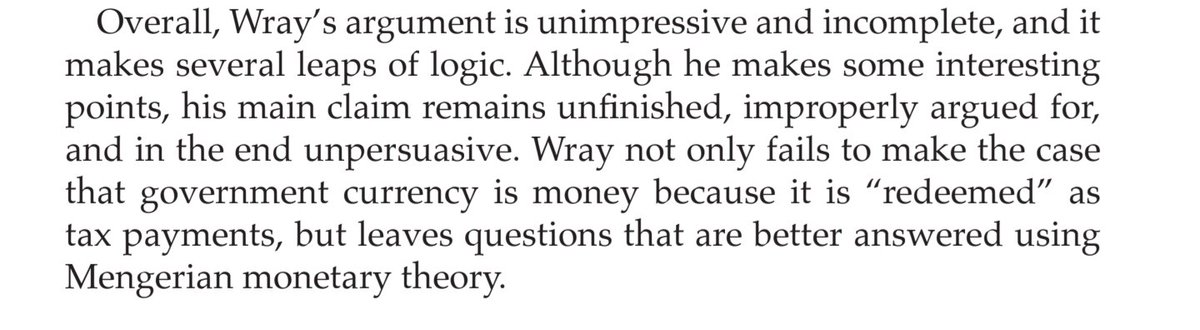
Their own argument has been debunked. But they didn't bother (or dare try) responding to it. qjae.mises.org/article/77380…
2
2
8
467
Jun 10
I'm actually surprised this logic doesn't sit at ill with you. It's so obviously circular.
The pot at the end of the rainbow you're looking for to end this "money because money because money" infinite regress is tax ;)
1
20
Jun 10
It's perhaps unsurprising that an Austrian economist would remain unconvinced by Chartalist arguments. We naturally seek to defend our adopted world views and always think our reasoning is sound and the other's flawed.
But I like to think an eventual consensus can emerge.
1
2
22