Scientist. Bee choreographer. Amateur statistician.
Joined April 2022
- Tweets 31
- Following 20
- Followers 178
- Likes 16
5 Photos and videos


14 Oct 2024
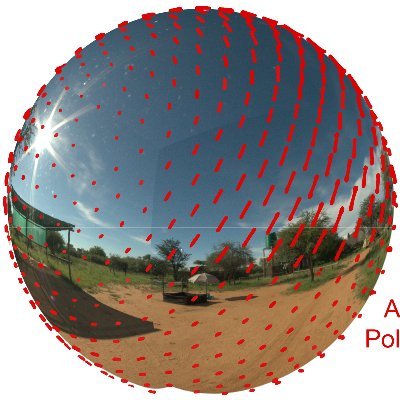
I remember finding the first edition of this book in the Bristol University library during my Bachelor’s studies and being absolutely fascinated. A real honour to have the opportunity to contribute a chapter on bee polarization vision to the 3rd edition! link.springer.com/chapter/10…
3
18
1,125
6 Sep 2024
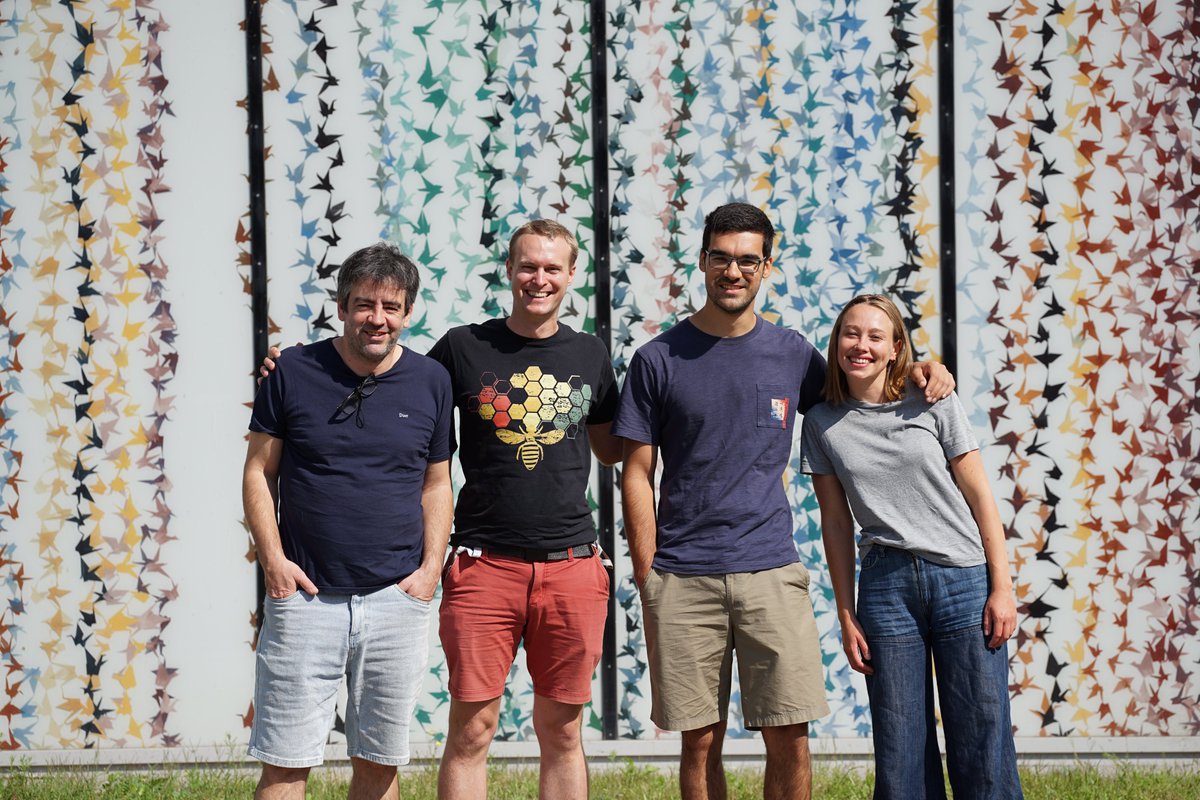
What are those people doing with that picnic table? Find out here.
campus.uni-konstanz.de/en/sc…
2
6
290
1 Aug 2024
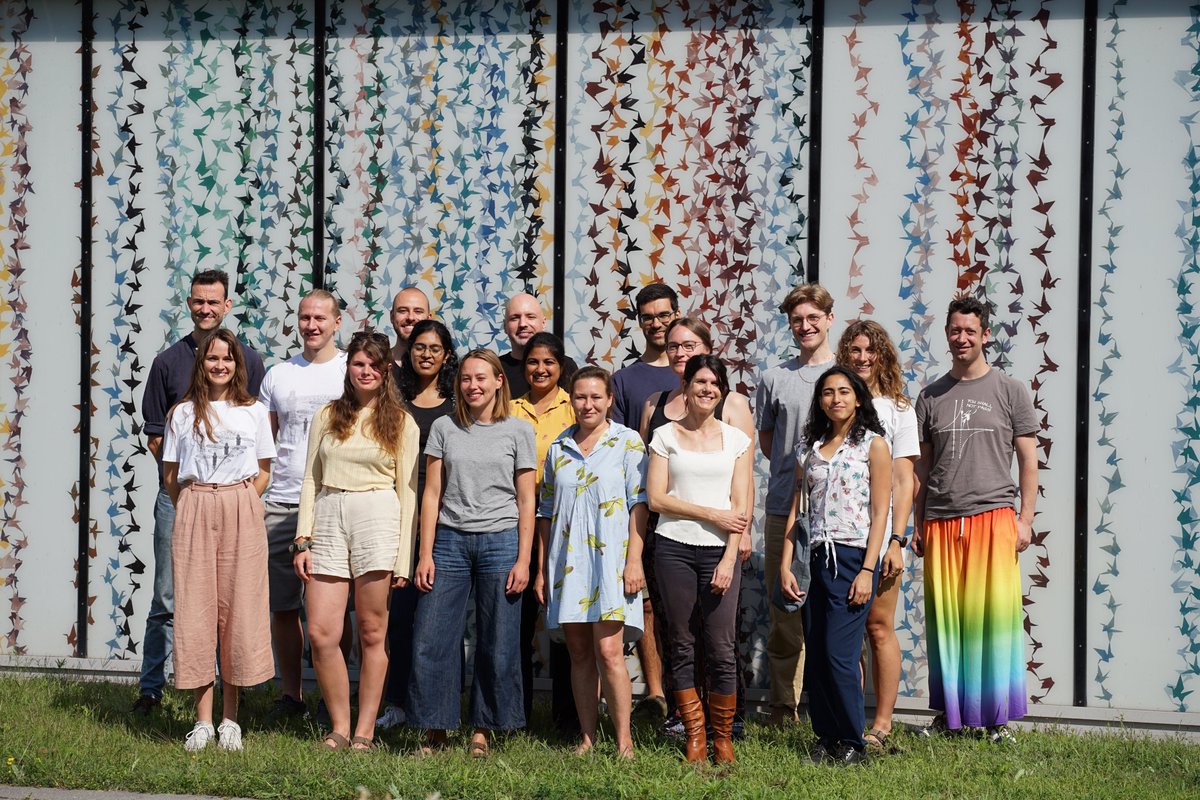
Final puzzle pieces on display today! Don't miss your chance to win #icn2024berlin @neuroethology

🧵🚨The Konstanz Neuroethology swarm is coming to Berlin #icn2024berlin @neuroethology
🦋🐝🦗🪰🕷️🐟🐉
We will exclusively present posters, and spice it up with a treasure hunt🔍. Visit all posters (lineup👇),
solve the riddle (see 🧵👇) and win a prize🏆!
1
2
476
JJFosterLab retweeted
25 Jul 2024
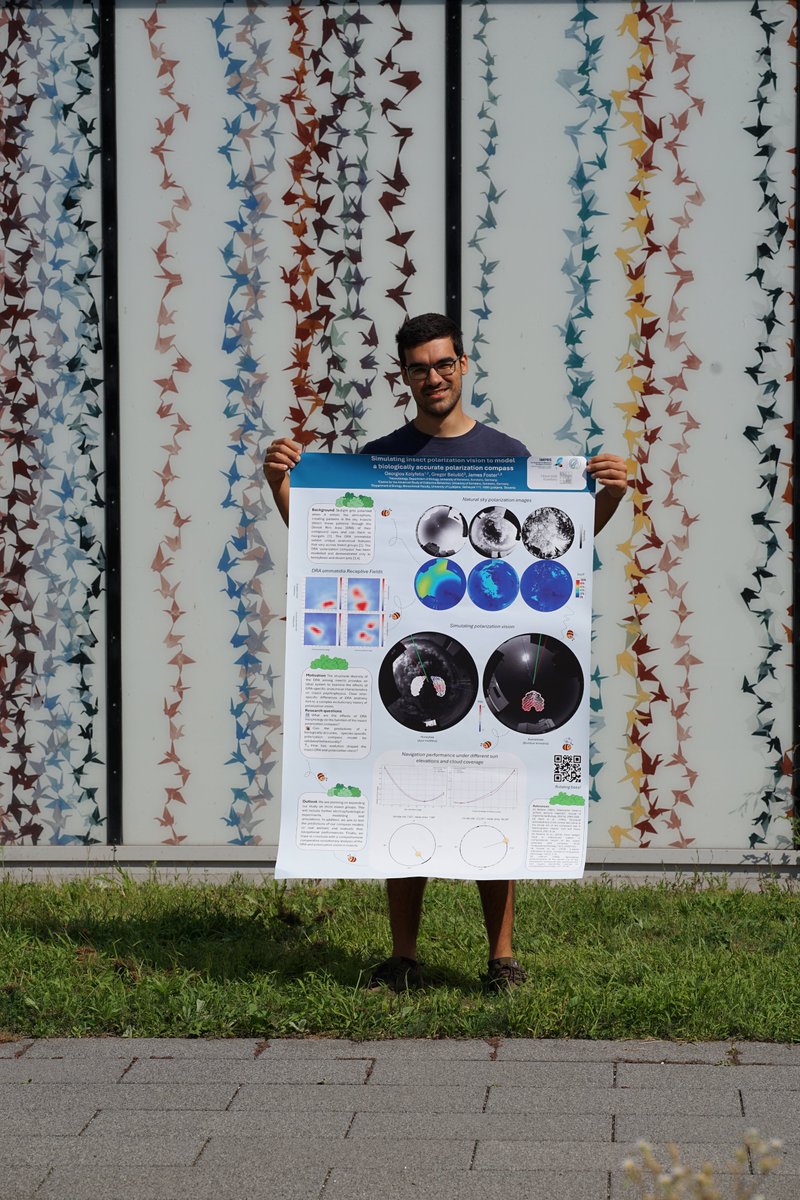
PS2.183 Simulating insect polarization vision to model a biologically accurate polarization compass.
George Kolyfetis @kolyfetis
1
4
238
JJFosterLab retweeted
25 Jul 2024
PS2.186 Propagation and resolution of incomplete information from polarized light in social and semi-social insects.
Frida Hildebrandt @FAhildebrandt

1
6
253
30 Jul 2024
Thankyou @gregoeur, @araujobees, Keram Pfeiffer @Uni_WUE, and @MarieDacke for an excellent symposium!
1
1
6
210
25 Jul 2024
Thank you Martín Berón de Astrada @ib3enfcen for visiting us in Konstanz to share your work and your expertise on polarization vision! 🦀🐝🇦🇷🇩🇪🤝Now even more excited for #icn2024berlin ! @neuroethology
1
13
492
JJFosterLab retweeted

🧵🚨The Konstanz Neuroethology swarm is coming to Berlin #icn2024berlin @neuroethology
🦋🐝🦗🪰🕷️🐟🐉
We will exclusively present posters, and spice it up with a treasure hunt🔍. Visit all posters (lineup👇),
solve the riddle (see 🧵👇) and win a prize🏆!
2
13
58
8,023
JJFosterLab retweeted

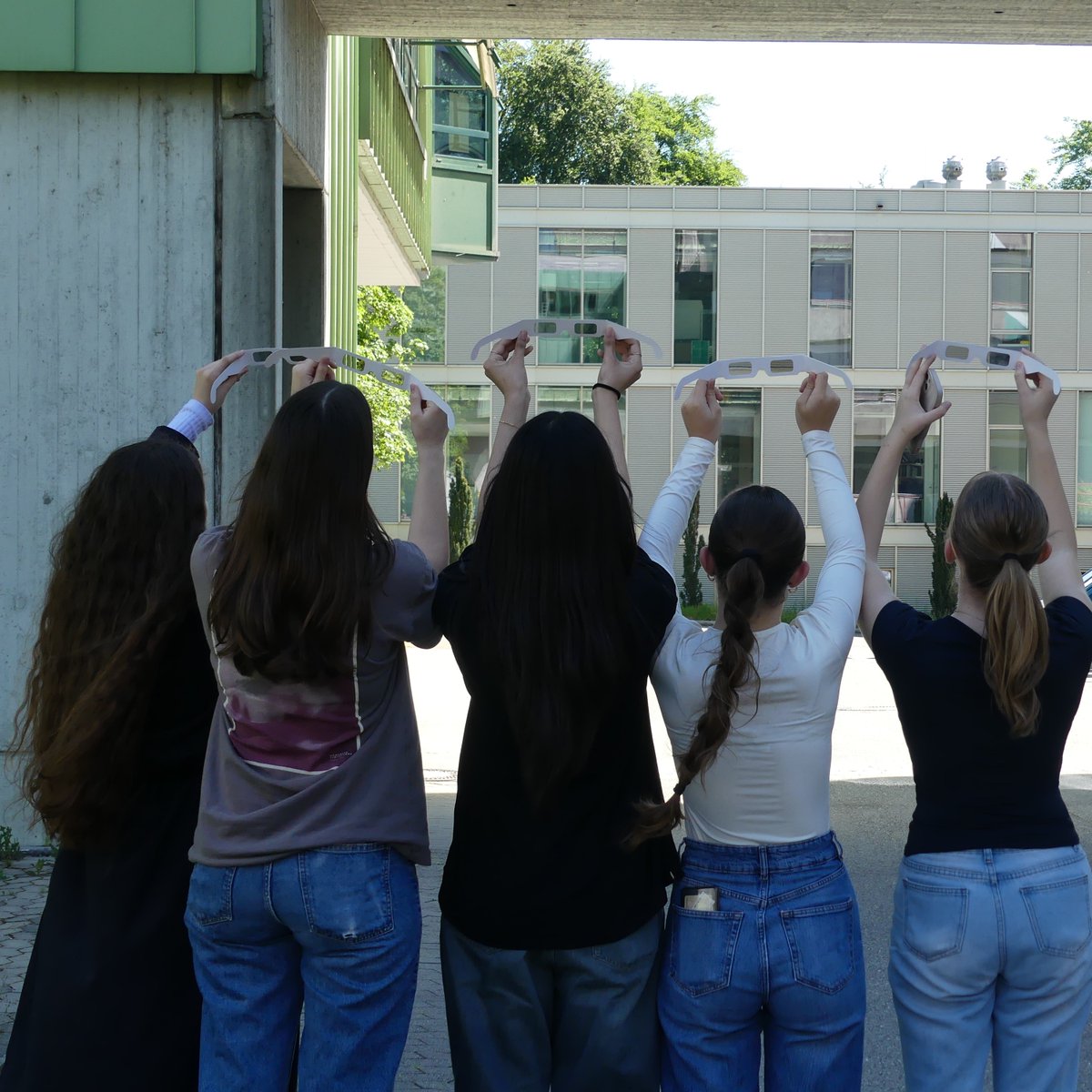
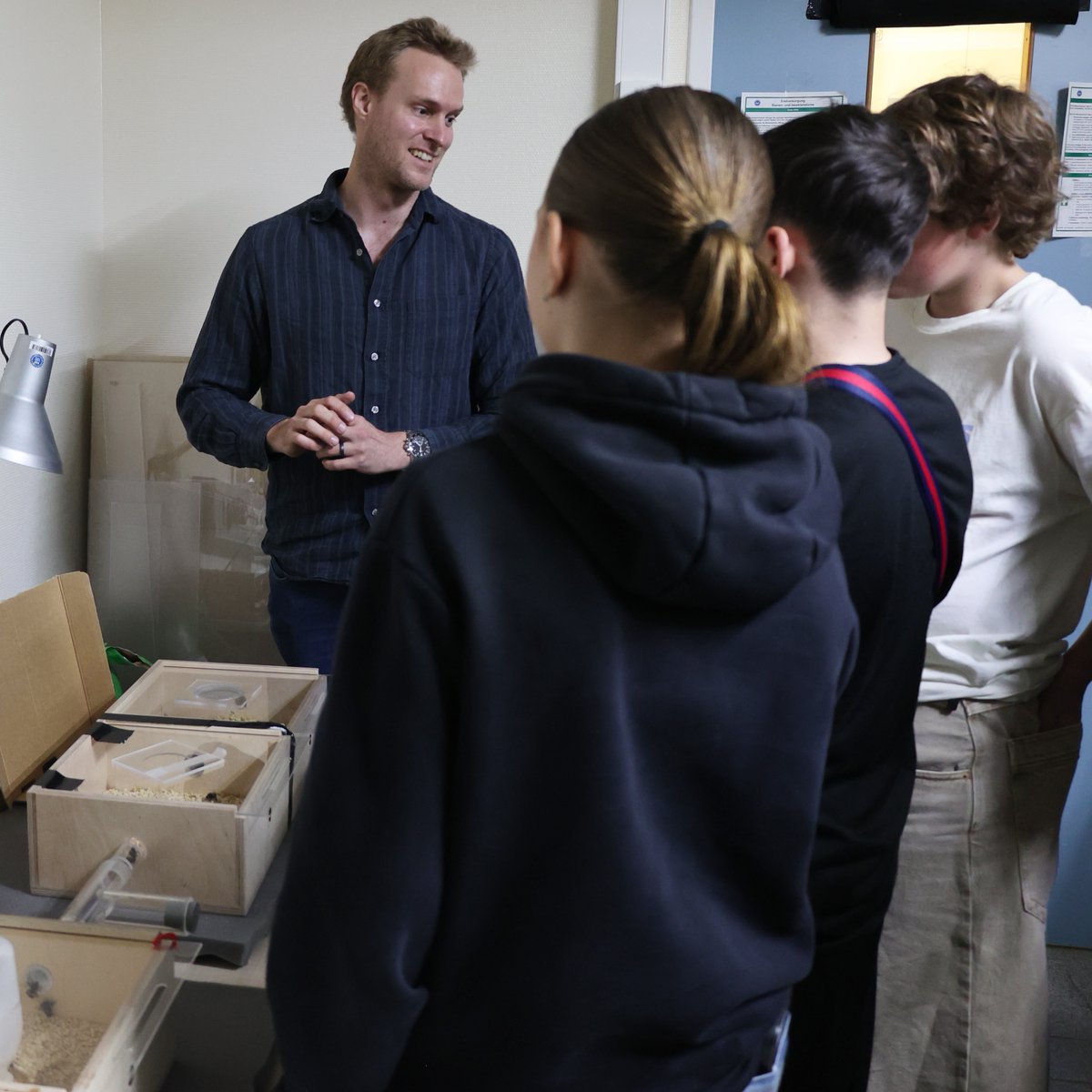
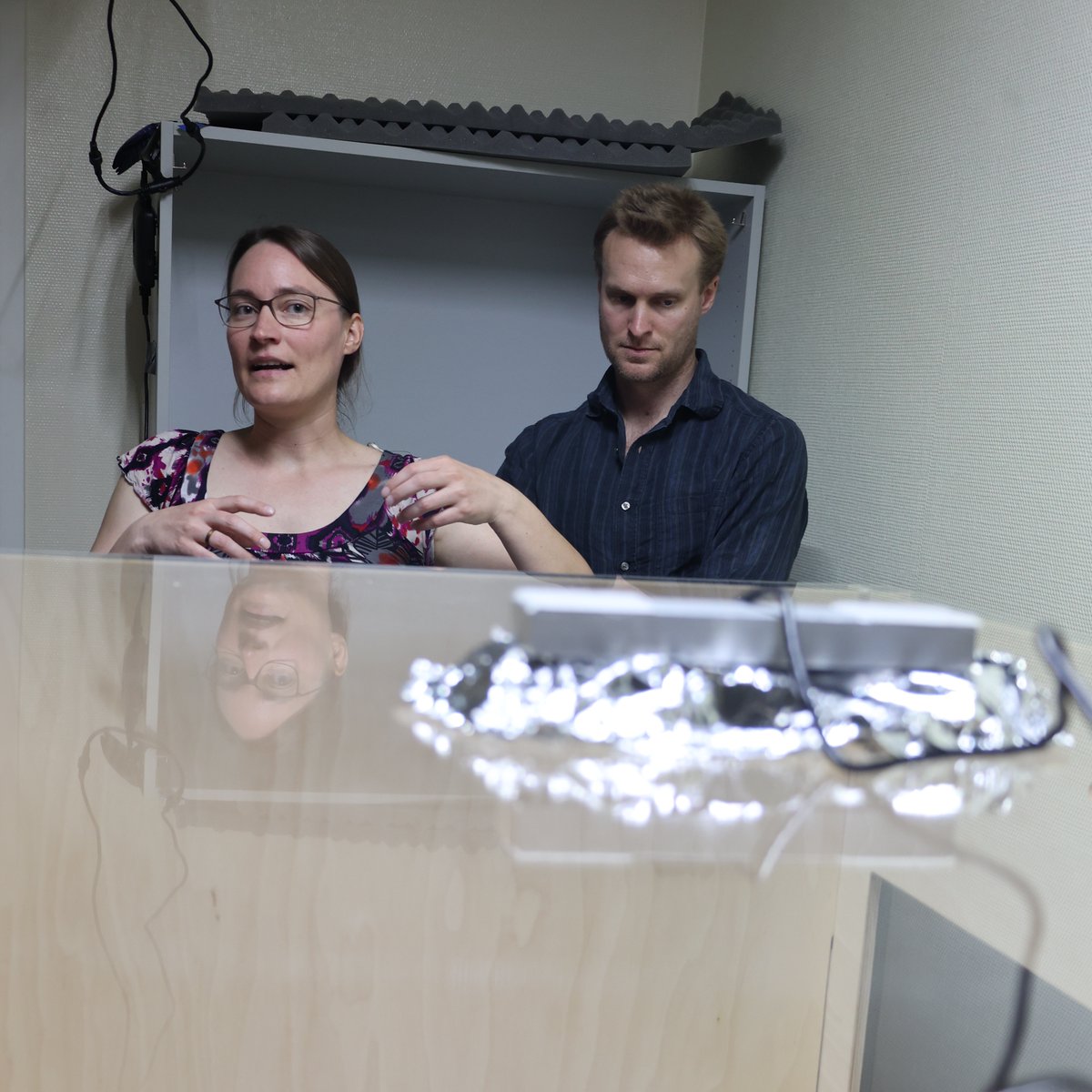
Off to university: That is the motto for year 8 pupils from #Konstanz this week. The pupils gain insights into research topics @UniKonstanz and are invited to conduct experiments. @CBehav neurobiologists @anna_stoeckl and @JJFosterLab gave a workshop on “Strange Sensory Worlds”.
4
16
2,809
JJFosterLab retweeted
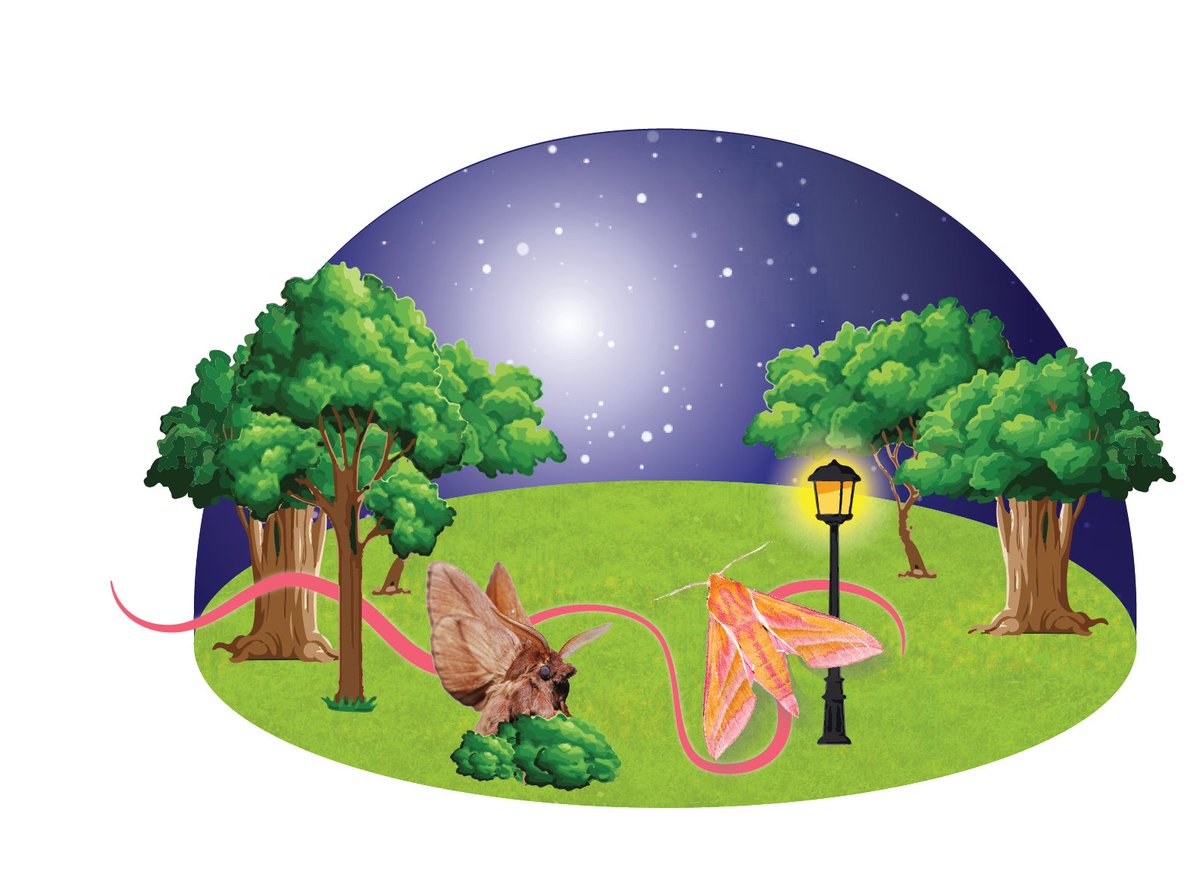
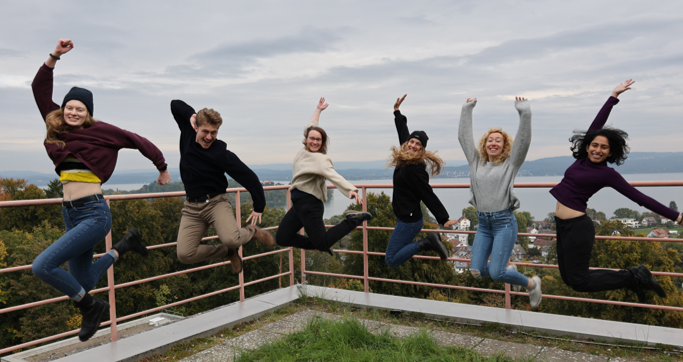
🚨#PhDposition You love🦋👁️#insects #vision #flight and are curious about how moths adjust their vision and movement dynamically to night-time lights (incl. #ALAN): apply to become part of our team @UniKonstanz (insect-vision.com):
t.ly/QDkZS 📢pl RT
1
33
47
17,569
26 Apr 2024
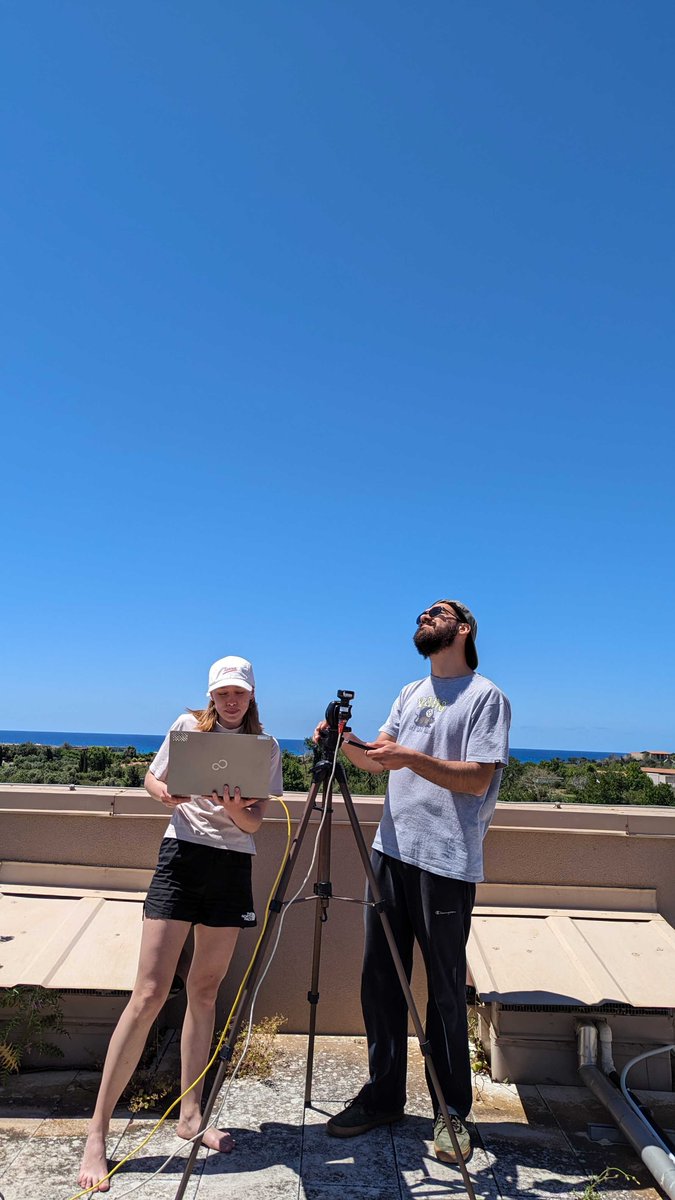
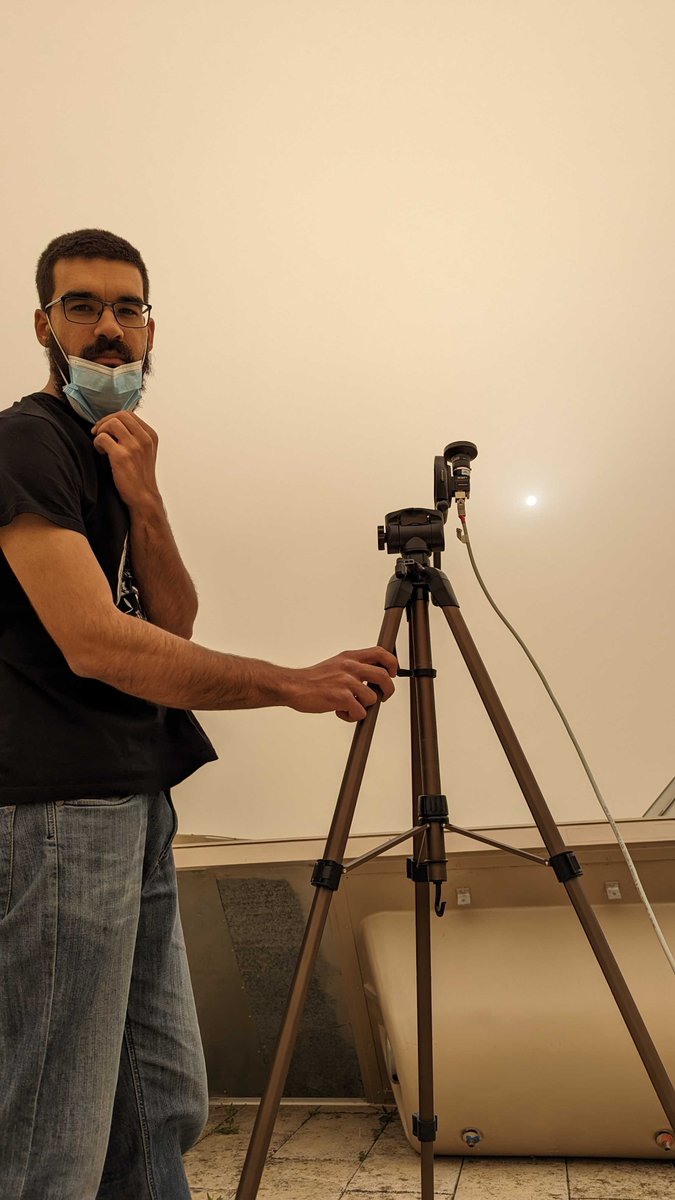
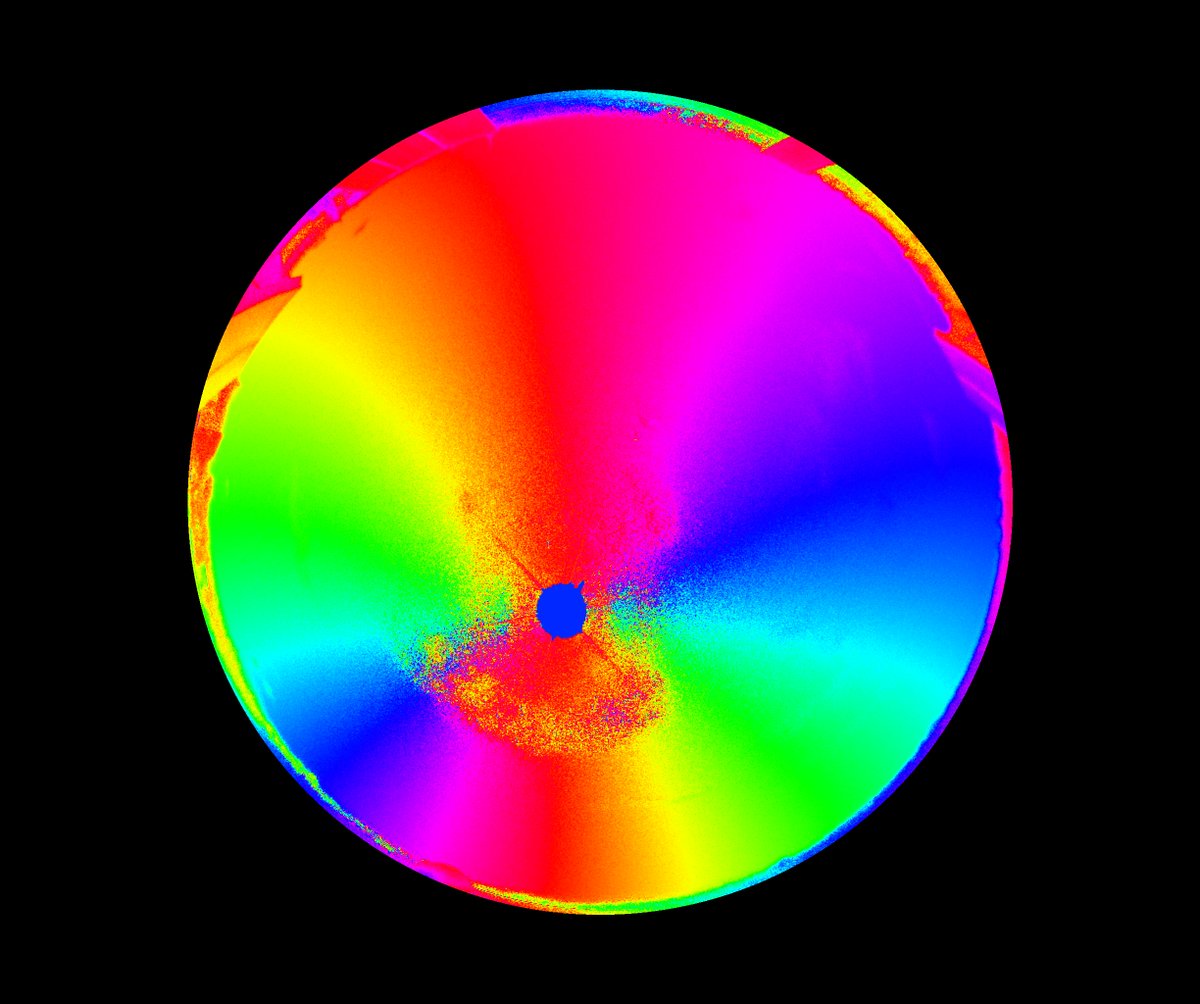
How do sky conditions impact bumblebee navigation? In collab w/ @araujobees of @INSECTLab_SU Frida & @kolyfetis took polarization images of skies at @navarinoNEO that were clear, overcast & even full of Sahara dust! These help us understand how insects use the sky to navigate🐝🧭
10
26
1,412
JJFosterLab retweeted
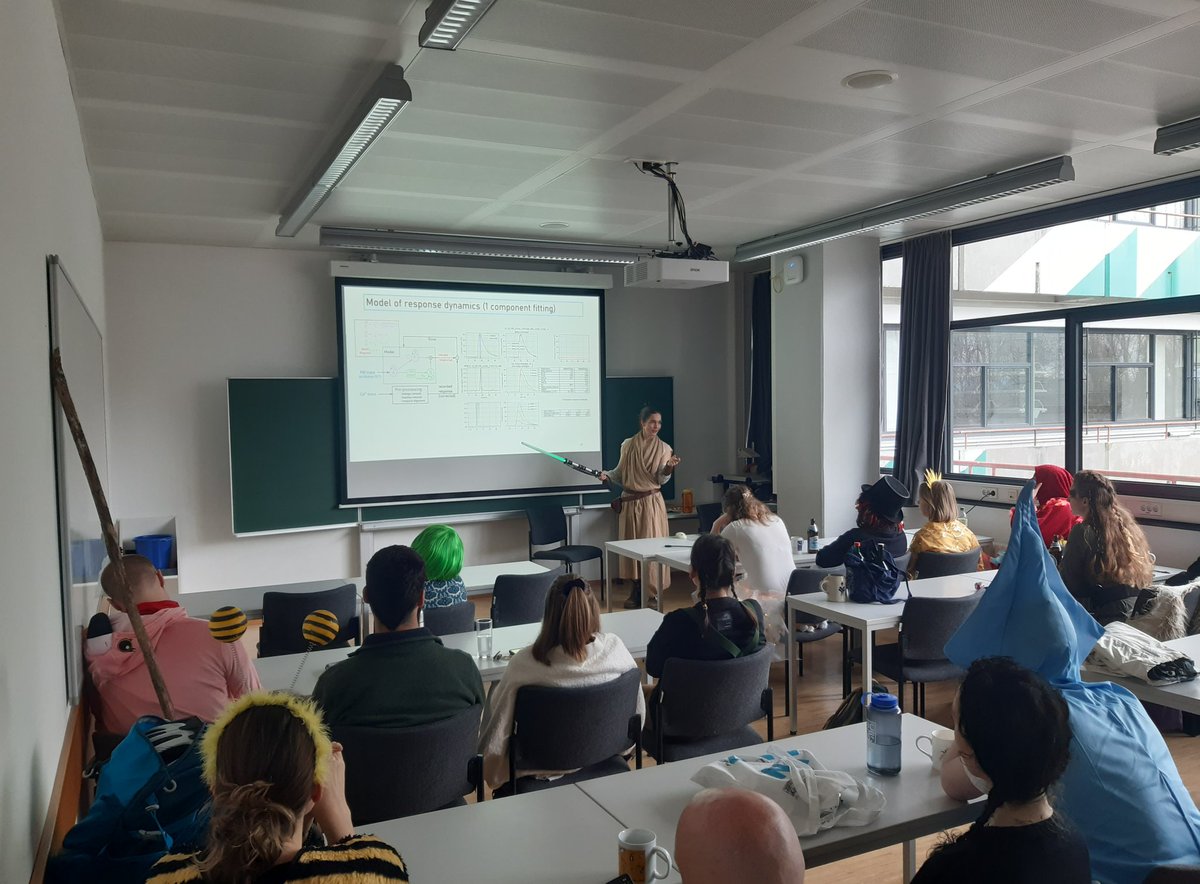
Best of both worlds: science and carnival in our neurobiology seminar today 🥳🎊🪅 the time of the year when we broaden our scope to organisms other than insects 🐸🦑☀️🐓🦩🎩🌈
3
29
1,408
1 Feb 2024
Crazy story of beetles continuing to defy our expectations by doing things differently at night. Thanks @AyseYH1 for inviting me on this journey into the weird world of big eyes and green skies.
29 Jan 2024

Nocturnal dung beetles keep oriented using a dorsal rim, made of broadband-sensitive, green-peaking photoreceptors. Last article w @AyseYH1 & @LundVision from the series, based on a 2 week recording session during the first lockdown in 2020. journals.biologists.com/jeb/…
1
10
562
JJFosterLab retweeted
Paper🚨t.ly/Q1EV- we show how hummingbird hawkmoths visually control their proboscis when probing flower patterns. Basically: not so different from how we get our fingers to an app on our phone! But using a "tongue".
t.ly/HTIcM (PR @UniKonstanz)
🧵
4
45
139
20,046
21 Dec 2023
What do 🦋 learn about the positions of the flowers they visit? Thank you @BeetzJerome inviting me to work on the statistics on this one.
20 Dec 2023

So excited to advert our recent publication @RSocPublishing . We behaviorally tested the spatial memory of monarch butterflies and found that the🦋can learn landmarks to localize a food source.
@Uni_WUE
royalsocietypublishing.org/d…
10
291
20 Dec 2023
We end the year by belatedly welcoming George @kolyfetis to the lab! His PhD project funded by @dfg_public and @CBehav investigates how 🐝 turn sky polarization patterns into an internal 🧭
2
26
1,364
JJFosterLab retweeted
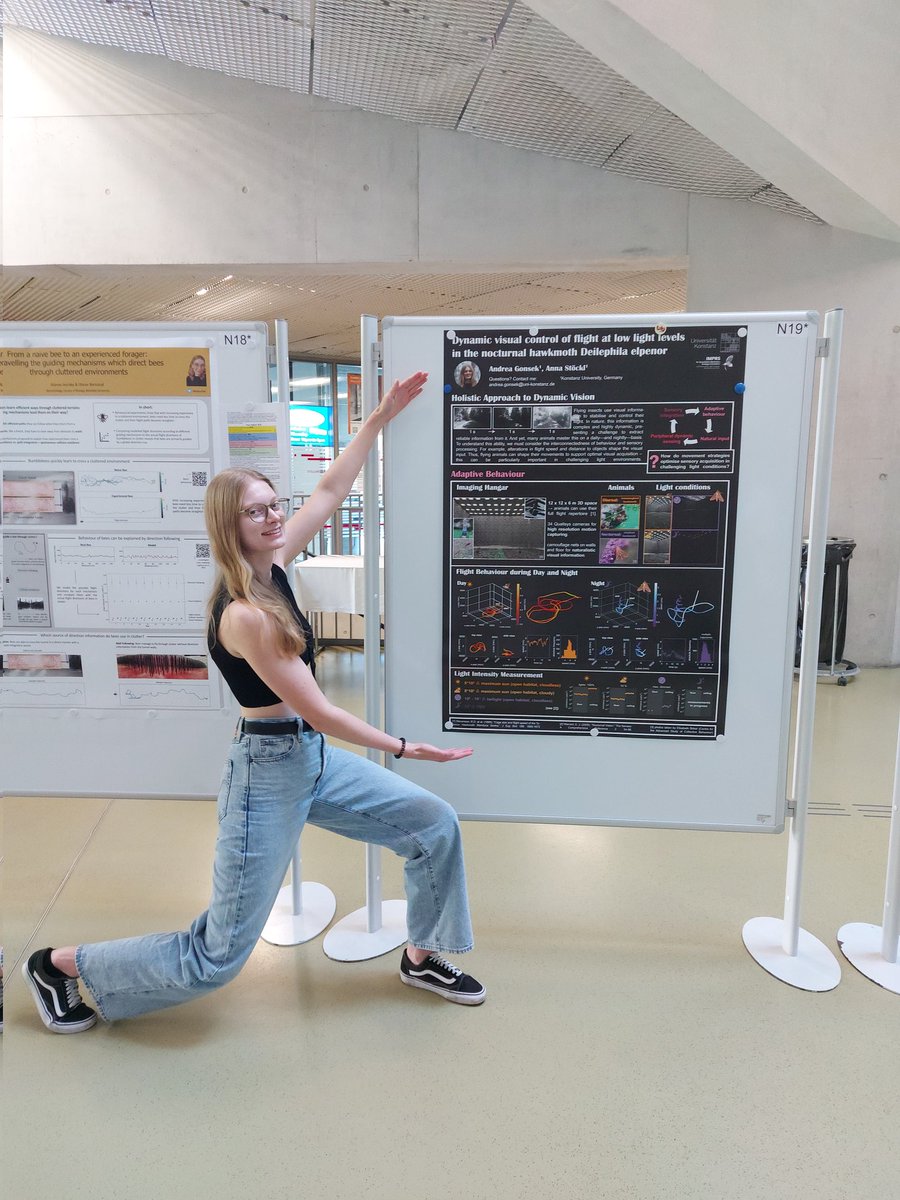
Are you at the #dzg23 and have you ever thought about how flying insects might adapt their flight strategies to optimise visual acquisition in dim light?
Come and check out poster N19 from our @AndreaGonsek!
@DZG_FG_Neurobio
@ZoolSocietyGer
@MultiscaleC
5
26
1,332
JJFosterLab retweeted

5 Sep 2023
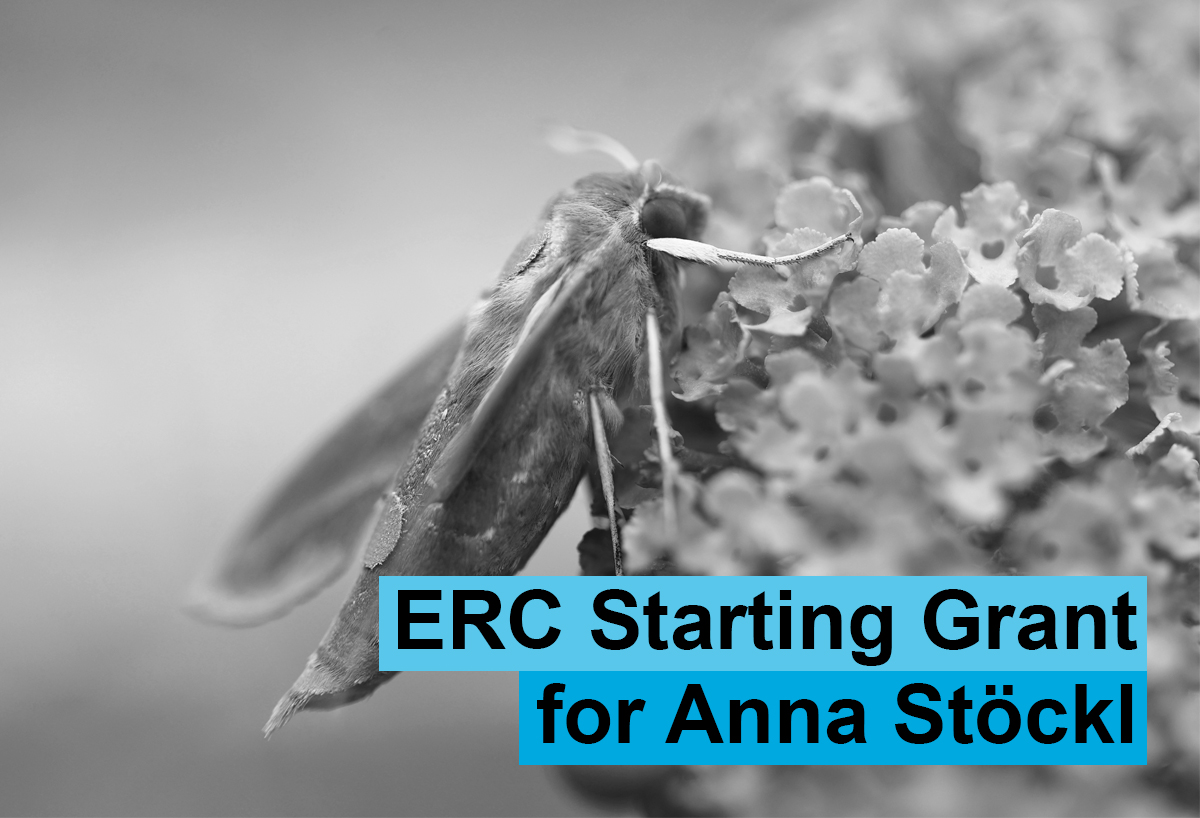
ERC Starting Grant @ERC_Research of 1.5 million euros in funding awarded to #UniKonstanz @CBehav biologist Anna Stöckl @anna_stoeckl for her project "DynamicVision" investigating the visually-guided flight of moths @insectvision. Details: t1p.de/3cmvl
1
7
29
2,591