
#OpenScience publisher of #oa journals. J Med Internet Res (IF 6.0), JMIR Medical Education (IF 12.5), #overlay #JMIRx #planp #digitalhealth #digitalscience
Joined April 2009
- Tweets 78,826
- Following 15,129
- Followers 35,560
- Likes 15,172
33,673 Photos and videos







Pinned Tweet

18 Mar 2025
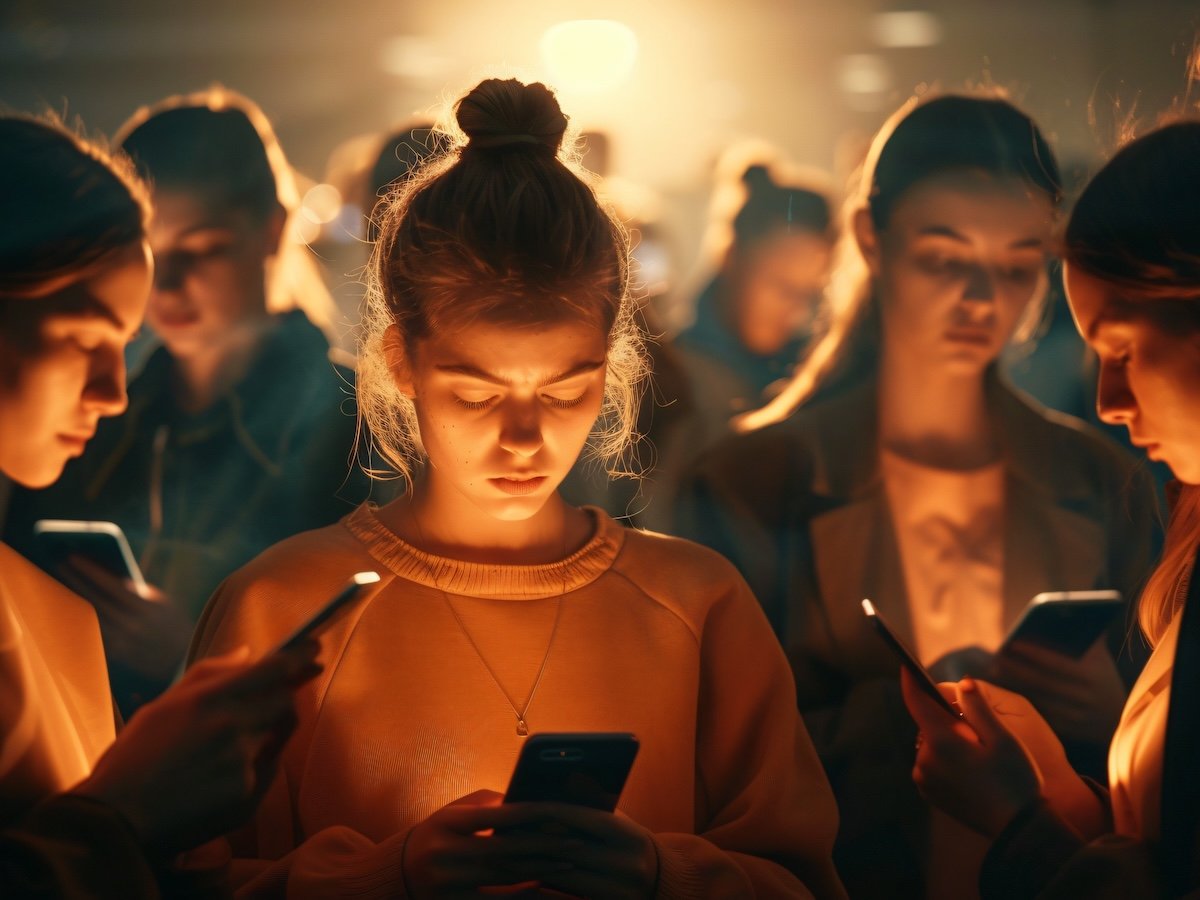
Can fostering emotion regulation in adolescents be a better approach than bans for managing social media use? ➡️ mental.jmir.org/2024/1/e6462…
#AdolescentMentalHealth #EmotionRegulation #DigitalWellbeing
9
46
415
328,224
How do we prevent alcohol-involved sexual violence on college campuses?
Researchers from @PittTweet collaborated with students and campus professionals to map the complex system of factors driving sexual violence, creating a model that could help test prevention strategies before they're implemented.
Read the full study: researchprotocols.org/2026/1…
#PublicHealth #CampusSafety #SystemsScience #Research #JMIR
17
Announcement ❗JMIR Perioperative Medicine moves into the top quartile (Q1)
CiteScore: 3.5 | (Health Professions)
A strong signal of growing impact in perioperative and surgical care research.
Read the full announcement: periop.jmir.org/announcement…
#PerioperativeMedicine #DigitalHealth #CiteScore #Scopus #JMIR #HealthProfessions #Surgery #Anesthesiology #OpenScience
37
📣 JMIR Publications has signed a 3-year partnership with MetaROR to advance open science and transparent peer review.
The collaboration will focus on integrating MetaROR’s publish-review-curate platform with JMIR’s innovative publishing ecosystem—specifically its JMIRx overlay journal series, including JMIRx Med and JMIRx Bio.
Read more about the partnership: jmirpublications.com/announc…
#OpenScience #PeerReview #Metascience #ResearchIntegrity
2
100
Jun 12
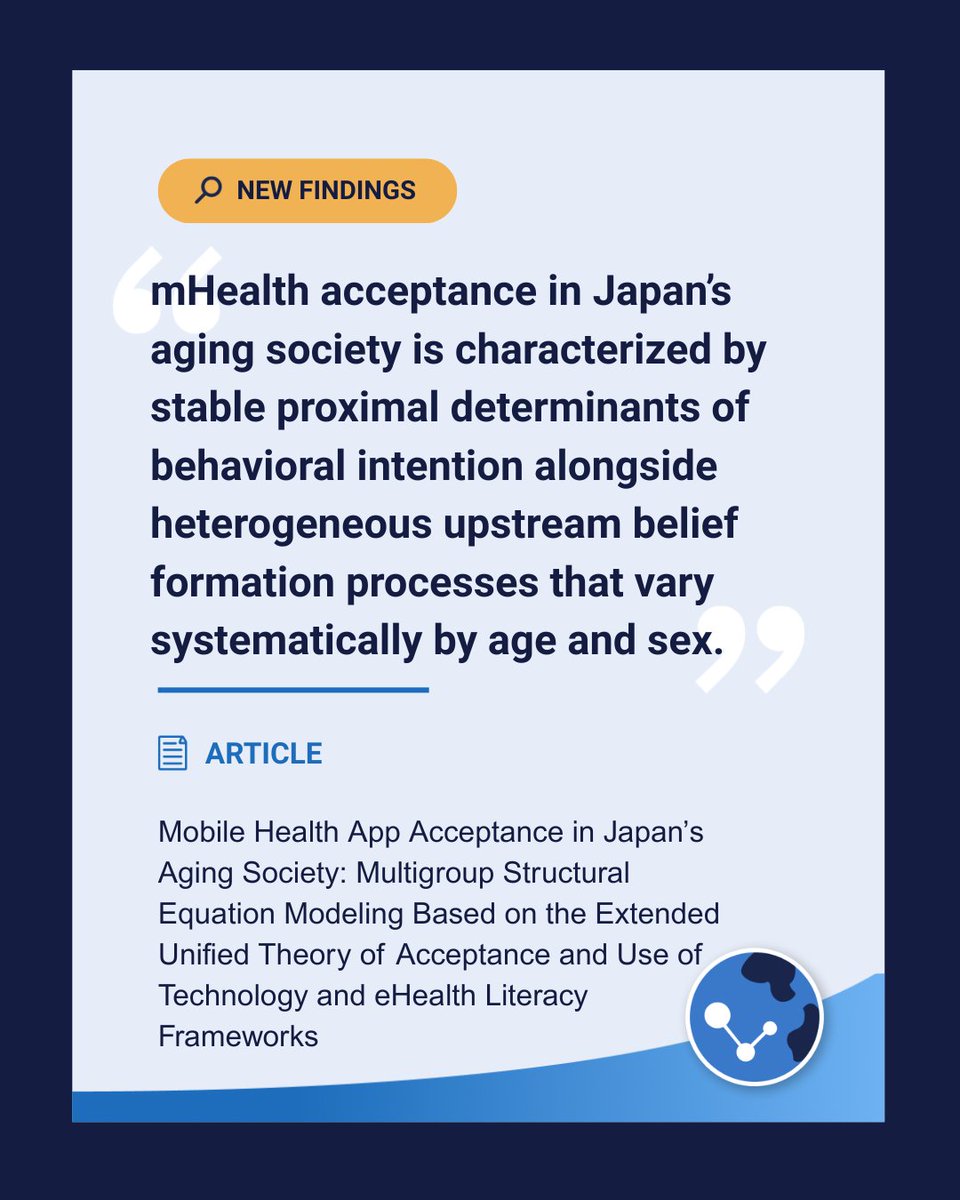
What drives people to use health apps and what holds them back?
A study of 960 Japanese adults found that ease of use, support, and perceived usefulness are key to mHealth adoption, while trust and digital health literacy vary in importance across age groups.
Read the full article: mhealth.jmir.org/2026/1/e878…
#DigitalHealth #mHealth #HealthyAging #HealthLiteracy #HealthTech #JMIR
1
2
129
Jun 12
As the 2026 World Cup season kicks off, wearable tech in soccer is everywhere ⚽
But how accurate is it for measuring kicking performance?
An article in JMIR Research Protocols sets out to evaluate wearable technologies used in soccer kicking, focused on validity, reliability & accuracy.
Because in modern football, it’s not just about collecting data, it’s about trusting it.
Read the full article: researchprotocols.org/2024/1…
#SportsScience #WearableTechnology #Soccer #FootballScience #PerformanceAnalysis #FIFA #DataInSport #JMIR
94
Jun 12
🎉 JMIR XR and Spatial Computing has received its first-ever Scopus CiteScore, officially securing its initial ranking within the Critical Care and Intensive Care (Medicine) category.
A key milestone for research in XR, VR, AR, and spatial computing in health care.
Read the full announcement: xr.jmir.org/announcements/68…
#ExtendedReality #XR #HealthTech #DigitalHealth #CiteScore #Scopus #JMIR #MedTech #VirtualReality
1
3
282
Jun 11
Can your smartwatch improve your mental health?
A study of nearly 2,000 US adults found that health app and wearable users were more physically active and had lower emotional distress overall.
But greater wearable use was also linked to fewer hours of sleep, which may undermine some benefits. Read the full study from @KeanUniversity: mhealth.jmir.org/2026/1/e754…
#DigitalHealth #mHealth #Wearables #MentalHealth #PublicHealth #JMIRPublications
1
1
103
Jun 11
🎉 JMIR Neurotechnology has earned its first-ever Scopus CiteScore: 2.7, placing it in Q2 in Rehabilitation (Medicine).
A strong early signal of momentum at the intersection of neuroscience, clinical care, and technology.
Read the full announcement: neuro.jmir.org/announcements…
#Neurotechnology #DigitalHealth #OpenScience #CiteScore #Scopus #JMIR #HealthTech #Neuroscience
1
99
Jun 10
The 2025 Scopus CiteScore rankings highlight continued momentum across the JMIR Publications portfolio:
28 journals ranked | 14 in Q1 | 8 at the 90th percentile | 18 with year-over-year growth Plus inaugural CiteScores for 2 JMIR journals.
A strong reflection of the work behind advancing open, impactful digital health research.
Explore the full results: jmir.org/announcements/683
#JMIR #DigitalHealth #OpenScience #CiteScore #Scopus #ResearchImpact #OpenAccess
1
89
Jun 10
“Bias of all kinds is ingrained in medical education, and we as teachers and academics should do our best to mitigate them.” — Dr. Catherine Tong from @McMasterU introduces the JMIR Medical Education theme issue on bias, diversity, inclusion & cultural competence in medical education.
Submissions are open now: mededu.jmir.org/announcement…
#MedicalEducation #CulturalCompetence #InclusiveMedicine #HealthProfessionsEducation #JMIR
1
83
Jun 9
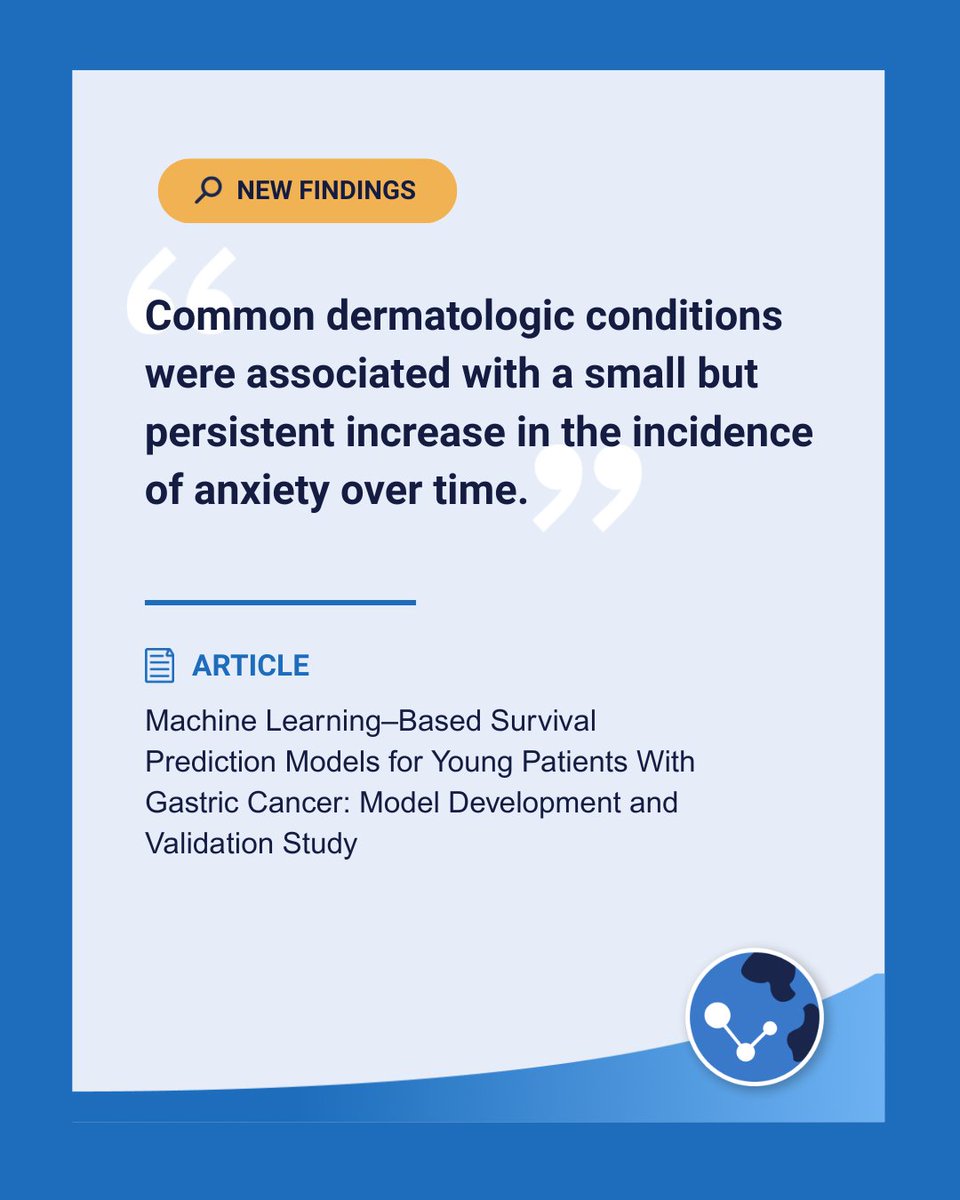
Acne, psoriasis, and dermatitis aren’t just skin deep.
A large cohort study found young adults (18–22) with dermatologic conditions had a small but consistent increase in anxiety over 1, 3, and 5 years.
Skin health = mental health.
Read the full study from @UMassChan: derma.jmir.org/2026/1/e90820…
#Dermatology #MentalHealth #Anxiety #JMIR #PublicHealth
124
Jun 9
Can social robots support heart failure care?
A new study found psychological well-being—not anxiety, depression, or personality traits—was the key driver of social robot acceptability.
Higher well-being = higher intention to use.
Read the full study from @uOttawa: cardio.jmir.org/2026/1/e8316…
#DigitalHealth #HeartFailure #SocialRobots #JMIR #HealthTech
1
73
Jun 9
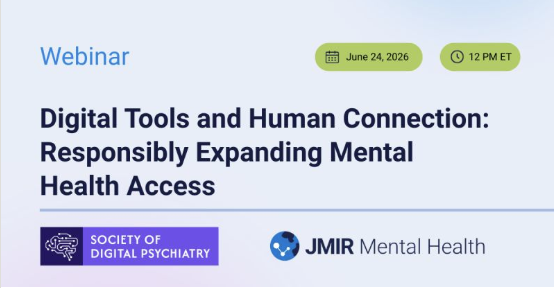
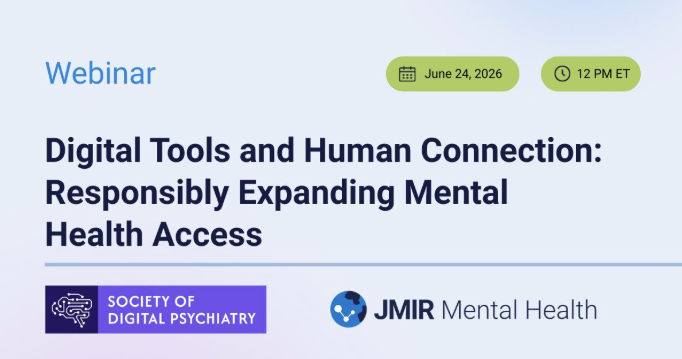
Scaling mental health care with digital tools is easy.
Scaling it responsibly is not.
Join @JohnTorousMD and Jeff Fladen for a free webinar on keeping empathy at the center of AI-enabled mental health care.
📅 June 24 | 12 PM ET
Register now: landingpage.jmirpublications…
#MentalHealth #DigitalPsychiatry #AIinHealthcare #JMIR #DigitalMentalHealth
3
4
315
Jun 9
Can augmented reality make surgeons better?
A systematic review from the @BristolUni of 11 studies (347 trainees) found AR improves technical performance—especially for novices—reducing errors and cognitive load.
But benefits decrease with experience. Context still matters.
Read the full study: mededu.jmir.org/2026/1/e7157…
#AR #MedEd #SurgicalTraining #JMIR #HealthTech
82
JMIR Publications retweeted

Before asking clinicians to assess XR adoption, we should let them experience the technology first.
That is the “experience gap” we discuss in our JMIR Formative Research paper.
Thanks @JMIRpub for the author video.
youtube.com/watch?v=K7CmJ_xf…
#MyJMIRResearch #XR #DigitalHealth
1
343
Jun 8
Missed our webinar on AI in perioperative care?
🎥 The recording is now available.
Watch Dr. Nidhi Rohatgi and Dr. Piyush Mathur discuss real-world AI applications, patient safety, and the future of perioperative medicine: youtube.com/watch?v=AjjWR1_Q…
#ArtificialIntelligence #PerioperativeCare #HealthcareInnovation #DigitalHealth #MedicalAI #PatientSafety #JMIR
2
240
Jun 6
Did you know that snakebite envenoming is still one of the world's most overlooked health emergencies?
A new review maps 52 digital apps/web tools for prevention & care but finds major gaps in AI-powered snake identification, uneven first aid guidance, and limited clinical validation.
Innovation is growing. Standards need to catch up.
Read the full paper: mhealth.jmir.org/2026/1/e837…
#DigitalHealth #GlobalHealth #Snakebite #mHealth #PublicHealth #AI #HealthTech #JMIR
1
148
Jun 5
What happens to “treatment as usual” when AI, YouTube, and online mental health content are just a click away?
🎥 The recording of our recent webinar with the Society of Digital Psychiatry is here.
Watch Dr. Benjamin Kaveladze & @JohnTorousMD discuss the future of digital mental health research: youtube.com/watch?v=TY-4E5eY…
#DigitalMentalHealth #Psychiatry #AIinHealthcare #MentalHealthResearch #DigitalPsychiatry #JMIR
1
3
566
Jun 5
98% of stress apps lack peer-reviewed evidence.
In a new JMIR Human Factors study from @RCSI_Irl, researchers co-designed “Wellby” with students and found something clear:
- Wearables doubled engagement
- Students preferred self-tracking over advice
- Co-design = stronger alignment uptake
Read the blog post here: blog.jmir.org/co-designing-s…
#DigitalHealth #YouthMentalHealth #Wearables #JMIR #mHealth
1
3
273
Jun 4
Can telerehab work in rural areas without reliable internet?
This study found asynchronous video-based therapy was highly usable, effective, and reduced travel burden for rural patients even with limited connectivity.
Design for real-world conditions matters more than perfect infrastructure.
Read the full study: rehab.jmir.org/2026/1/e66343…
#DigitalHealth #Telerehabilitation #GlobalHealth #HealthTech #mHealth #Rehab #HealthEquity #JMIR #RuralHealth
115