
Conservative Christian
Joined December 2012
- Tweets 50,974
- Following 5,746
- Followers 6,210
- Likes 780,129
64 Photos and videos











Julia B retweeted

We have wicked cool soaps!!
😁😎🧼
Link below to learn about our herbal infused soaps.. they’re awesome!
1
8
28
449
Julia B retweeted

If our government wasn't so corrupt these savings accounts would be a great idea and helpful to the future of American youth's pursuit of the American Dream.
The problem is these savings accounts are the framework for digital currency that will turn into the digital wallet for universal income.
These savings accounts are like the candy that a pedophile offers a child.

First lady Melania Trump and Treasury Secretary Scott Bessent announced the launch of Fostering the Future Accounts, a spinoff of the Trump Accounts investment funds meant to give $1,000 to every newborn whose parent opens one. abcnews.link/aBnJtVL
5
11
21
837
Julia B retweeted
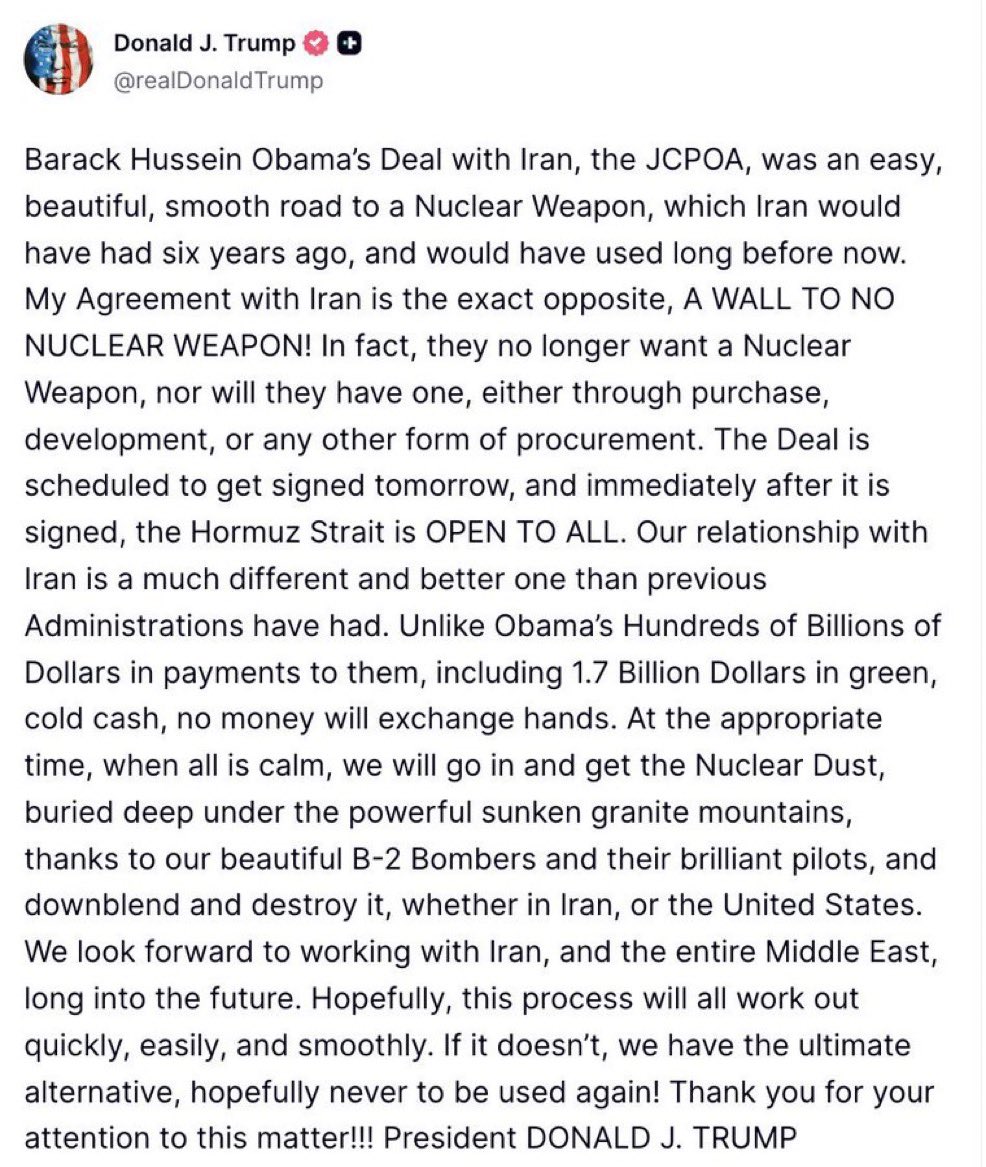
When you read @realDonaldTrump diatribe, he has the American people believing that he's secured a deal with Iran on everything that @realDonaldTrump demanded.
However, that isn't the truth, that is the spin.
The "DEAL" is remove the US Military Blockade in trade for Iran to stop attacking ships in the Hormuz Strait and a 60 day window, to negotiate the rest.
The so-called DEAL is really just a MOU.
The Memorandium of Understanding isn't a legally binding "DEAL."
It's a pinkie promise to negotiate.
"A memorandum of understanding (MOU) is a formal, non-binding document that outlines the shared intentions, responsibilities, and expectations of two or more parties before entering into a legally binding contract."
So basically, today we're no farther along with a "Deal" with Iran than we have been in the last 8 weeks.
21h

President Trump makes clear that the Iran deal he will sign will be nothing like Obama’s JCPOA.
7
10
17
1,228
Julia B retweeted

The Triangle is rife with foreign influence. Investigation and deportation or prison.
2
2
4
39
Julia B retweeted

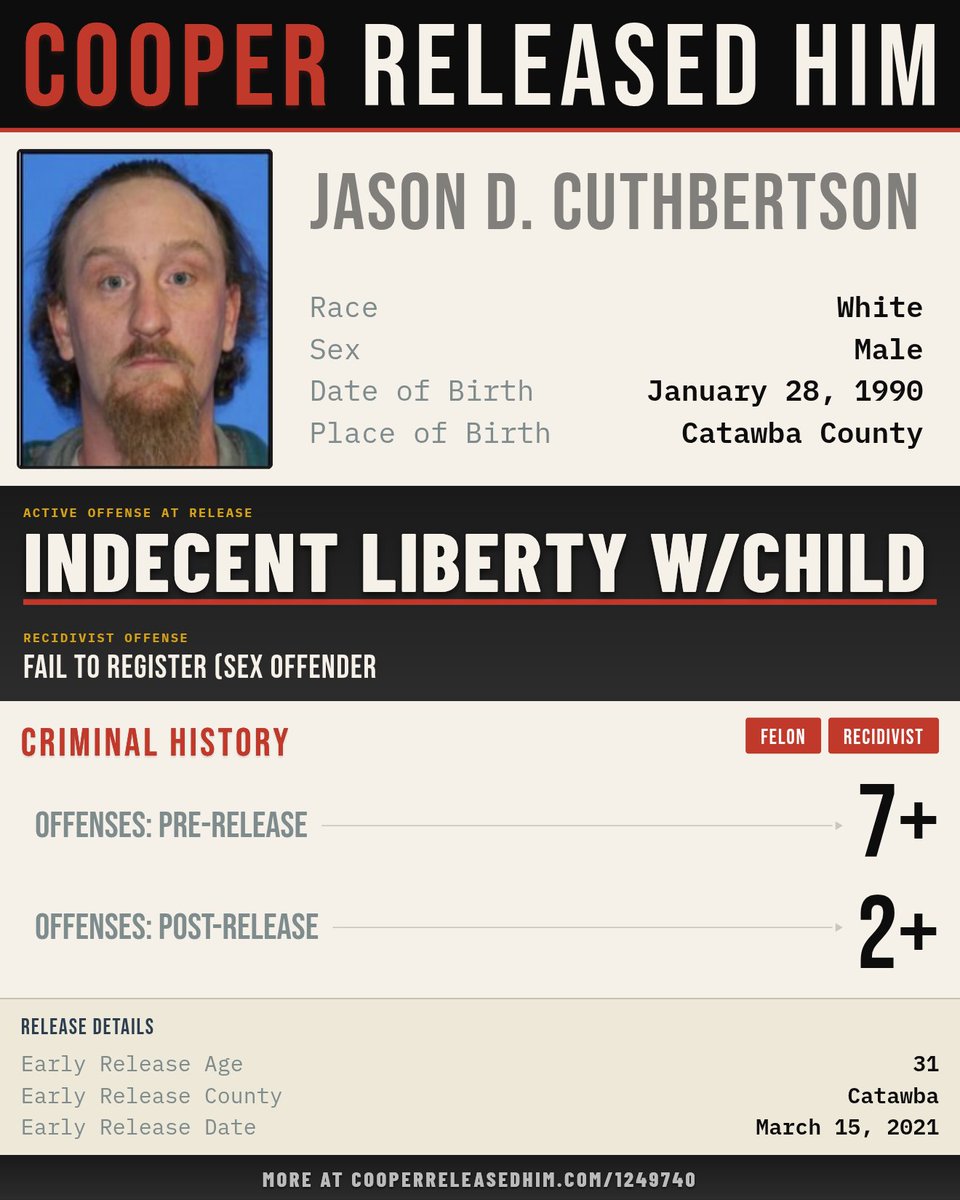
Gov. Roy Cooper's Child Sex Predator of the Day
Jason D. Cuthbertson was convicted of Taking Indecent Liberties with a Child in 2014
Cooper released him early, on March 15, 2021
After his early release, Cuthbertson was convicted of Failure to Register as a Sex Offender
Source: @CooperReleased
19
28
144
Julia B retweeted
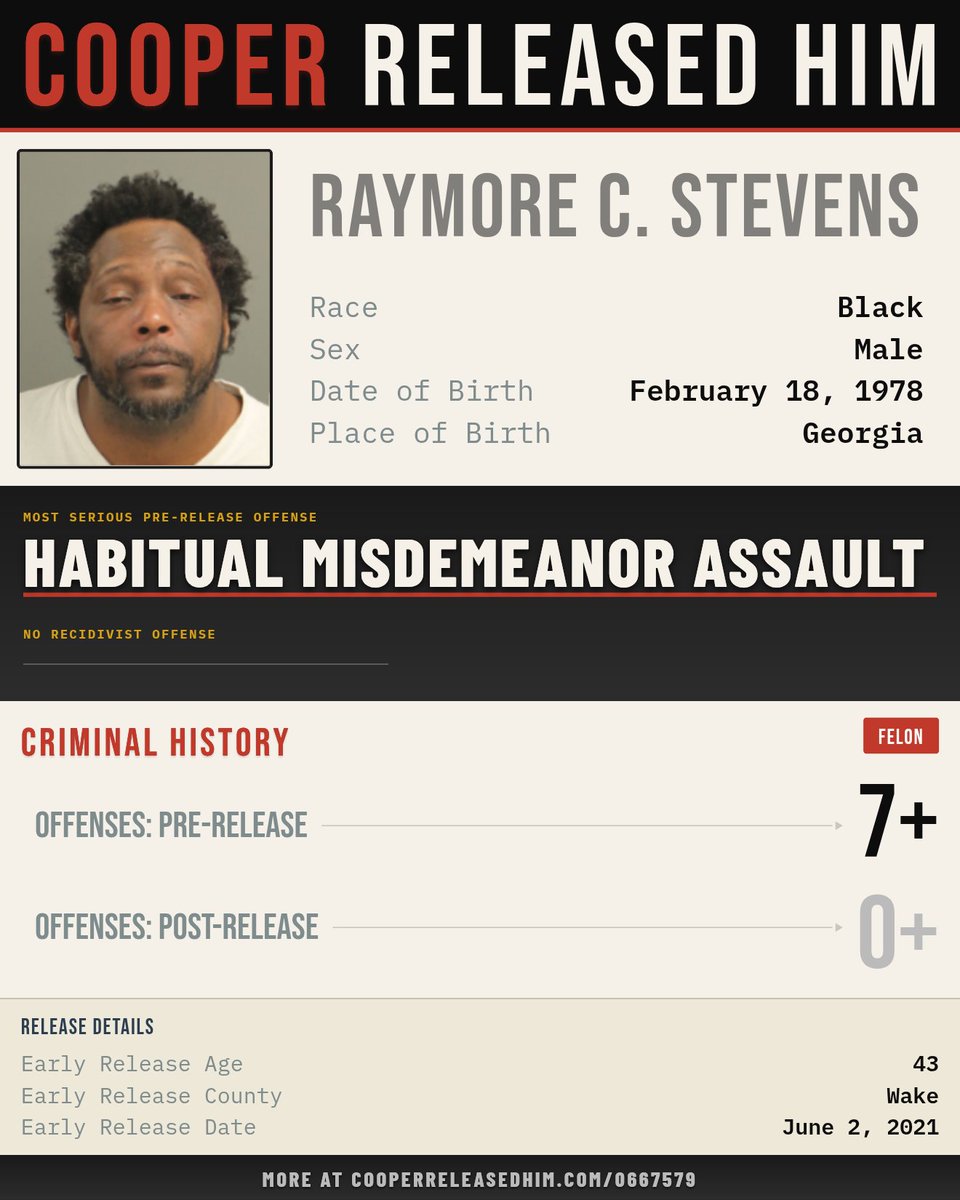
Raymore C. Stevens was convicted of Habitual Misdemeanor Assault
Gov. Roy Cooper released him early, on June 2, 2021
Source: @CooperReleased
14
27
119
Julia B retweeted
We didn't cave to Iran.
We caved to the Muslim Brotherhood.
CC: @realDonaldTrump
Jun 13

Qatar has proposed a $12 billion package for Iran to break the deadlock in talks: $6 billion would come from releasing Iran’s frozen funds in Qatar, while another $6 billion would be provided as a loan or credit line.
The previously agreed restrictions on the $6 billion released funds—limiting them to humanitarian spending under the 2023 Iran-U.S. framework—would remain in place.
Iran would be able to decide how to use the additional $6 billion credit facility.
Source: Mehr
3
19
34
1,625
Julia B retweeted
Everything you need to know about @JDVance corruption you can find archived on my feed.
All you have to do is take the time to look for it.
4
10
343
Julia B retweeted

Which Design should we do for our next shirt?
54%
Balaclava cow
46%
New logo
0%
Udderly delicious
0%
0%
0%
0%
0%
13 votes • 20 hours
11
10
46
1,880
Julia B retweeted

Dear Flawed People,
Let me start by saying this: if you cuss when you stub your toe or let the dishes pile up in the sink, I'm not talking about you.
I'm talking to the deeply flawed folks.
The alcoholics.
The addicts.
The ones with a mean streak.
I was born to a seventeen-year-old boy who grew up to be a deeply flawed man.
Daddy could wake up all smiles—bright-eyed and bushy-tailed. But by the time the sun went down, he could be cold and callous. Scary.
You never knew which version of him was coming through the door. Would it be laughter around the kitchen table? Or would you end up hiding under the bed?
It wasn't exactly Daddy's fault.
A TBI left him unable to self regulate or mature. He looked normal. Most folks never knew.
But his mind was broken.
Daddy raged like a wild man and then fell silent, knowing he'd gone too far. The people who loved him most could see it.
There really were two wolves fighting inside him.
Pretending the bad times never happened would be a lie. But denying the good might be a worse sin.
Daddy taught me how to change a tire and check my oil before I ever had a license. To spot the difference between a tom and a hen from a distance. To identify bloodroot on the forest floor and how to use it. He taught me to appreciate the opening chords of every Skynyrd song.
He taught me to raise hell and praise Dale.
I'm funny. Passionate. Fiery. I can hold my own.
I didn't become those things despite having a deeply flawed daddy. I became them because of it.
I inherited his best traits right alongside the damage.
Do I tell you this because I think it excuses what he did?
No.
I tell you this because it's Daddy's birthday, and I want to offer a little hope.
If you're deeply flawed, hear me when I say: the people who love you are paying attention.
Your brokenness isn't invisible.
That unpredictability you think you've hidden teaches your children to brace for storms, even on sunny days.
The bottle doesn't just steal your evenings. The rage doesn't just ruin your mood. The selfishness doesn't just affect you.
It steals their sense of safety.
And if you never acknowledge it—never fight it—that fear becomes the inheritance.
Trauma explains a lot.
Addiction explains a lot.
Injury explains a lot.
A hard life explains a lot.
But explanation isn't permission.
You can't control what broke you, but you can decide what you do with the pieces.
If you refuse to face it, eventually you stop being only the victim of your pain and become the architect of someone else's.
I've lived it.
I've watched good people lose families, peace, and the legacies they wanted to leave behind because they fed the wrong wolf.
The story doesn't have to end there.
I carry the best parts of Daddy like a lantern through the dark.
Those gifts didn't come from a perfect man. They came from a flawed one who still showed up some days with bright eyes and useful hands.
You can be that for someone, too.
The good wolf is still hungry.
Feed it.
Get help.
Make the call.
Put down the bottle.
Go to therapy.
Make the apology.
Teach the tire-changing, the bloodroot, and the Skynyrd chords without the terror that comes after.
And to those who grew up under roofs like mine:
You get to sort through the inheritance.
Keep the stories.
Keep the skills.
Keep the grit and resilience.
Leave the fear under the bed where it belongs.
You don't have to carry everything that was handed to you.
You can honor the good without whitewashing the bad.
Both shaped who you are.
And flawed people, your slate isn't clean.
But the story isn't over when the rage fades, the bottle empties, or the broken mind grows quiet.
It ends with what we choose to build from the pieces.
The South is full of people like us—imperfect hands cleared the land, wrote the songs, raised the families, and passed down something worth keeping.
Feed the good wolf.
The rest of us are rooting for you.
Always,
Cassie
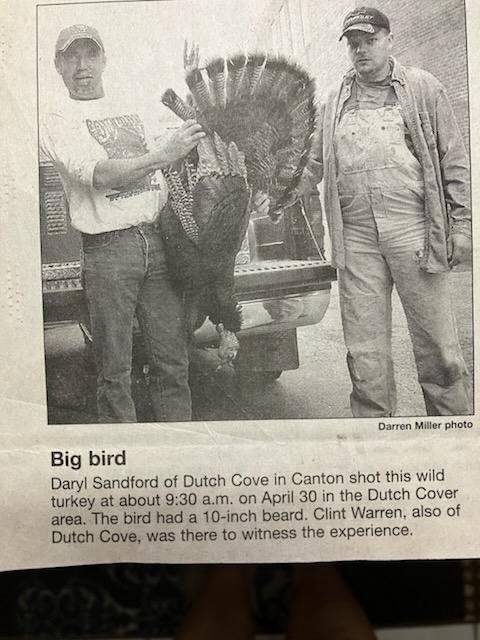
33
23
184
2,740
Julia B retweeted

Article I, section 34 of the N.C. Constitution is quite clear on this…monopolies are NOT allowed!
Thank you @Mashburn4NC!
Jun 12

Wow— I had no idea. Duke Energy needs to be broken up, just like Ma Bell was decades ago.
4
5
121
Julia B retweeted

👇👀
NC...
Pls USE THE ICE TIPLINE if you're aware of specific locations of illegals!!!
Let's see if this works!
👉The more tips, the more chance they'll be acted on👈
ice.gov/tipline

Send Bovino around Lillington, Benson, Angier, Coats, Dunn, Sanford, Fuquay. I'd be glad to give him a grand tour & fill a few planes🔥not kidding either.
8
19
41
557
Julia B retweeted

Imagine how fast prices at the supermarket would plummet if 42 million people weren't getting their food for free
15h

Elon Musk isn't the one clearing out the shelves at my grocery store between the 10th and the 14th every month
27
576
2,813
17,078
Julia B retweeted


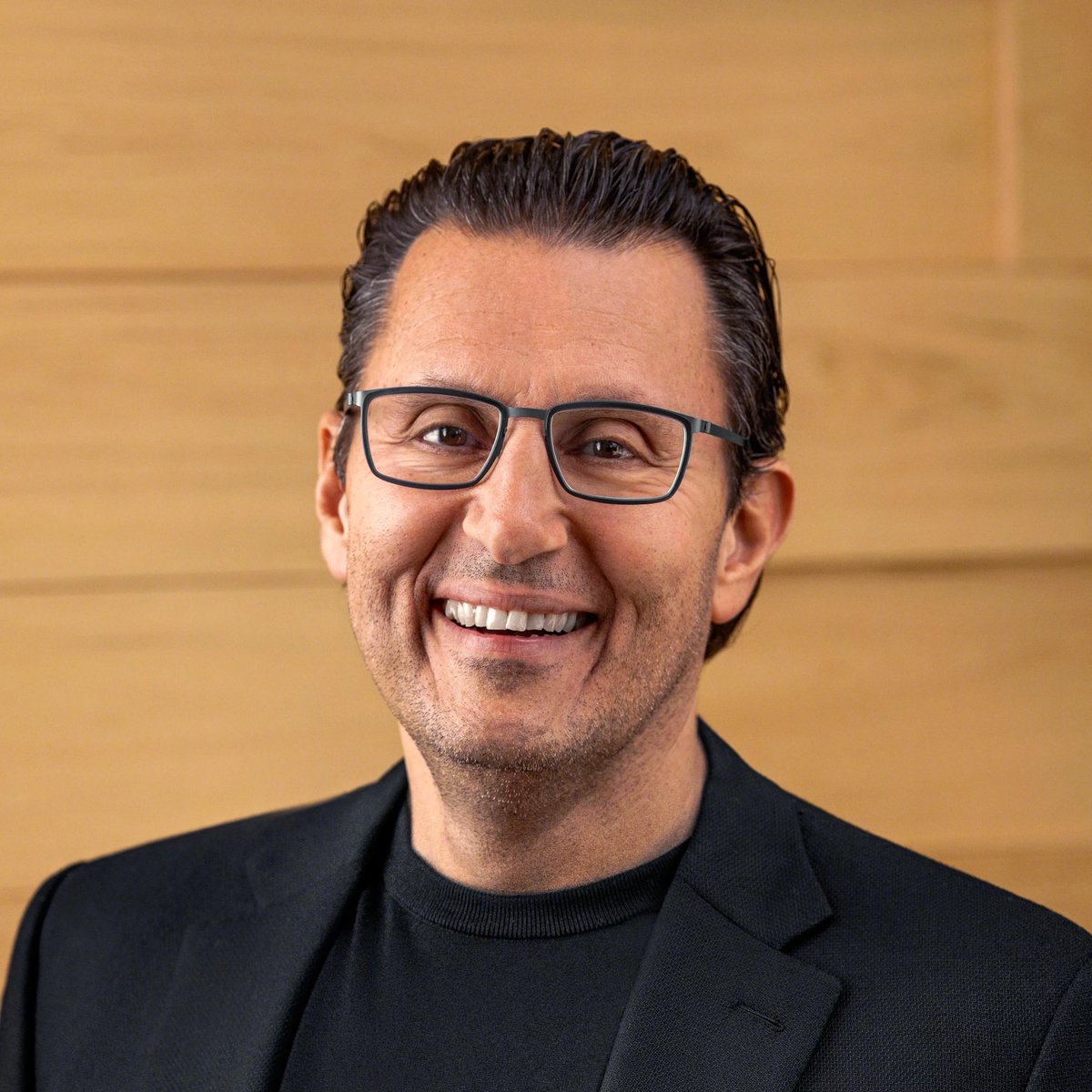
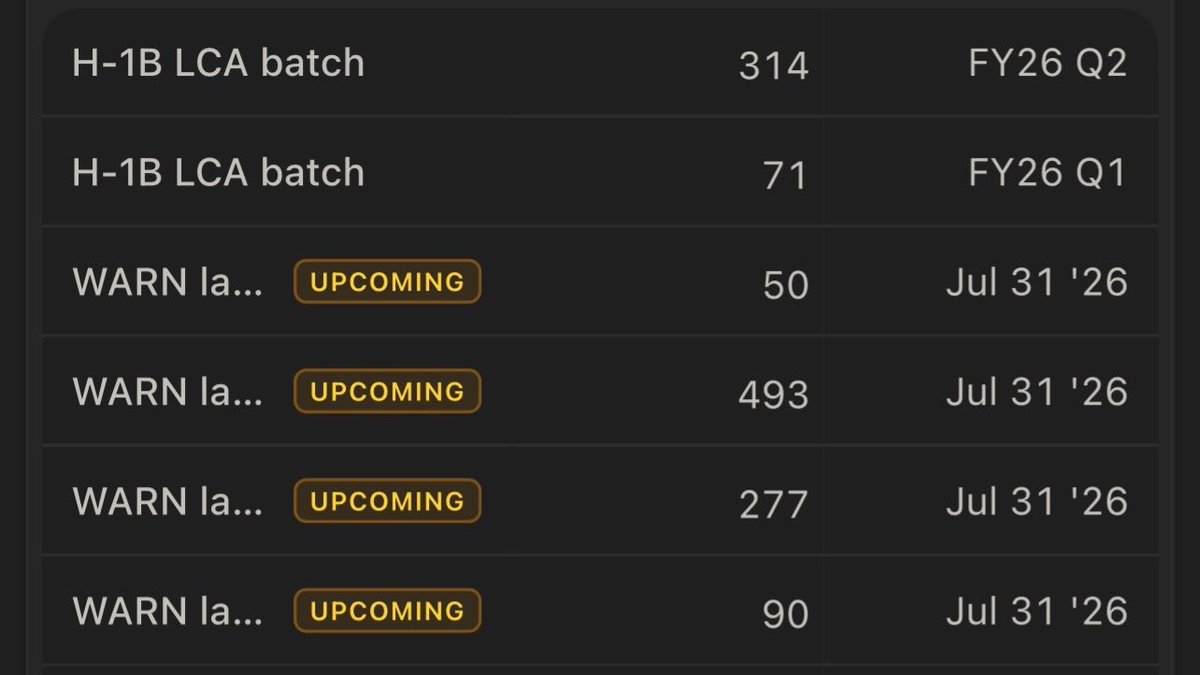
🇺🇸 Intuit CEO Sasan Goodarzi plans to fire 910 Americans on July 31, 2026.
He filed for 385 H-1B visa hires in Q1/Q2 2026.
$CUTOFFS
3
41
59
462
Julia B retweeted
“Have you tried Tylenol?”
Yes.
The same way someone stranded in the ocean has tried drinking rainwater.
At some point, survival requires something stronger.
Millions of chronic pain patients already know this.
The people making the rules don’t.
14
18
125
1,749
Julia B retweeted
Before I got sick, I thought strength meant pushing through.
Now I know strength sometimes means resting.
Strength means asking for help.
Strength means adapting.
Strength means getting back up after another setback.
Strength means refusing to quit when your body gives you a thousand reasons to.
A lot of warriors don’t wear uniforms anymore.
Some of us wake up already exhausted and go to war with our own bodies before most people have their first cup of coffee. 💜
I once wore the uniform of a United States Marine. 🪖
Today, I stand in awe of a different kind of warrior.
The men, women, and children fighting chronic pain, chronic illness, disability, cancer, rare disease, and invisible battles every single day.
You may never receive a medal.
You may never receive a salute.
But from one warrior to another…
I salute you. 🇺🇸❤️
18
14
93
956
Julia B retweeted

Jun 13
People call us warriors.
The truth is, most of us never asked to be warriors.
We asked for a healthy body.
We asked for a normal life.
We asked for the chance to work, travel, raise families, and make plans without wondering if our bodies would cooperate.
But since life gave us this battle, we fight it anyway.
Not because we’re fearless.
Not because we’re special.
Because giving up was never an option.
8
10
76
774
Julia B retweeted

Happy Birthday President Trump!!

1
1
24
Julia B retweeted

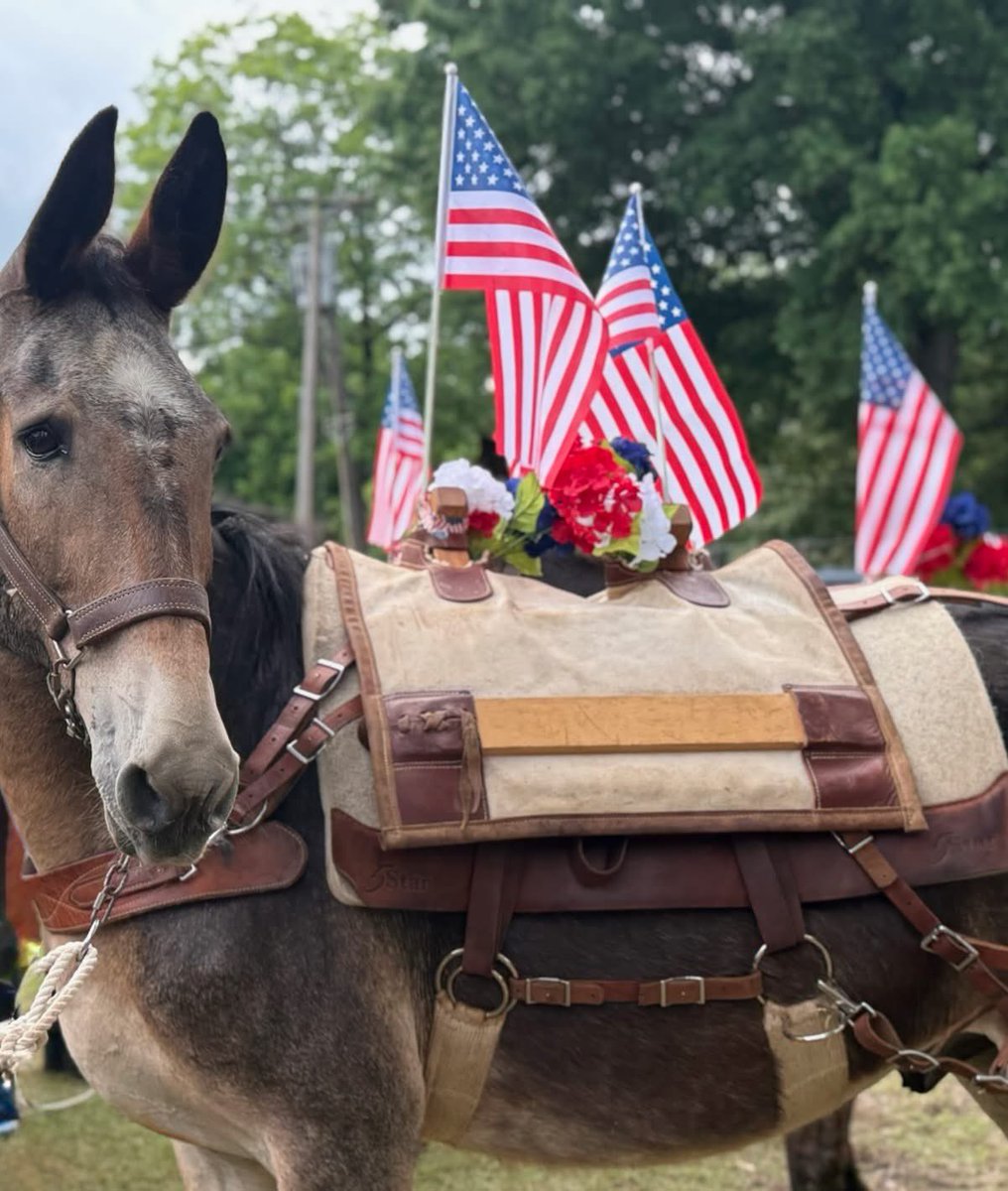
Today we proudly celebrate Flag Day and honor one of the most recognizable symbols of our great nation, the American flag.
As Americans, we are grateful for the freedoms it represents and proud to display our colors whenever and wherever we can. The Stars and Stripes serve as a reminder of the sacrifices made by those who came before us and the courage, service, and dedication that have shaped our nation.
Today, and every day, we are proud to be Americans and proud to fly our flag.
Happy Flag Day, and God Bless the U.S.A.! 🇺🇸
#FlagDay #usa #ProudAmerican #missionmules #mulepower #StarsAndStripes #GodBlessAmerica
35
62
269
1,361
Julia B retweeted

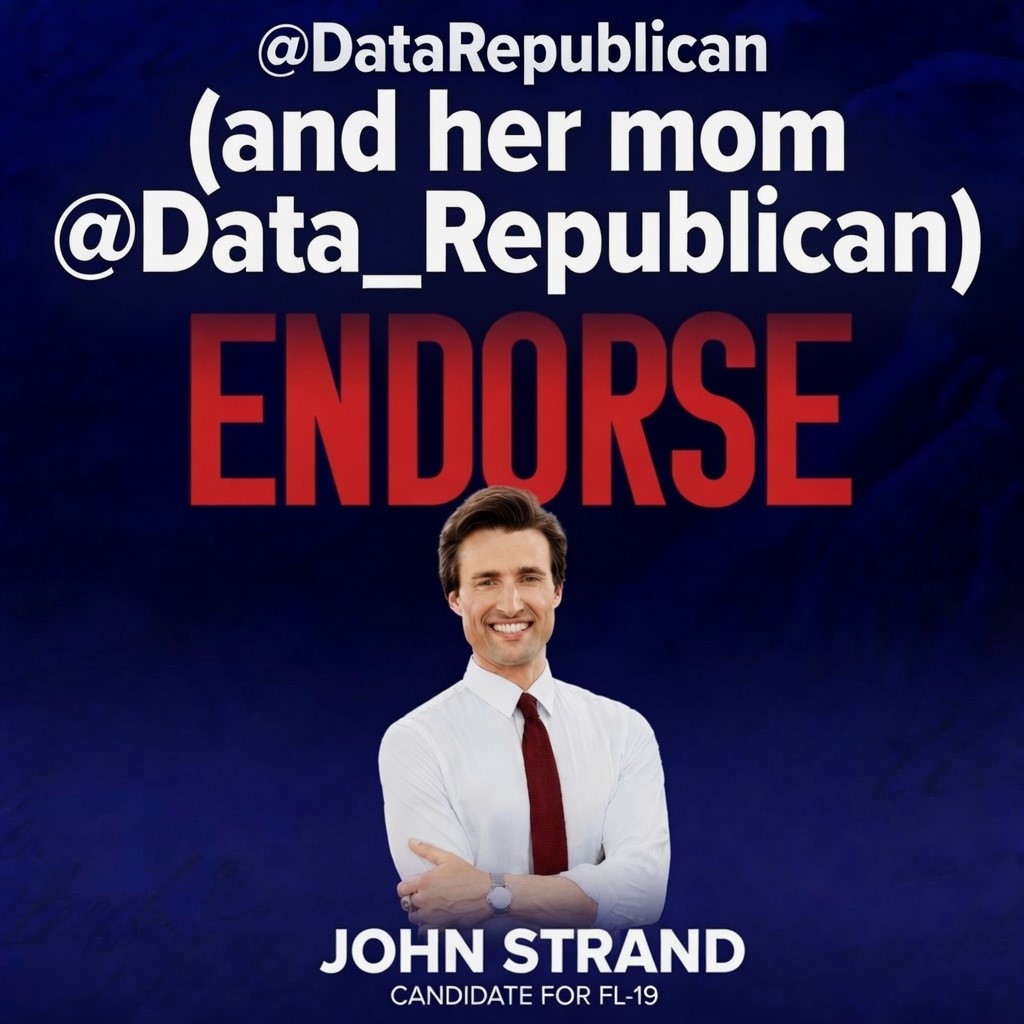
So, like my daughter @DataRepublican, I've never made a formal endorsement either. I wanted to wait until after the primaries, but John Strand is so remarkable that I feel compelled to endorse now.
This is my district. There are quite a few candidates running for this seat, and many are good candidates. I've met them all and even know several of them. BUT John stands out.
What is most impressive to me is his J6 experience (as told by my daughter):
"In 2022, the DOJ offered John Strand a plea deal. One misdemeanor; a wrist slap. His co-defendant took a similar deal and got 60 days. All he had to do was say he was guilty of something he believed he wasn't guilty of. He said no... twice. He went to trial. A D.C. jury convicted him on all five counts, including a felony carrying up to 20 years. He was sentenced to 32 months in federal prison. He spent four months in solitary confinement ... punished, in part, for helping other J6 defendants get outside support and for speaking publicly about conditions inside. Then the Supreme Court ruled in Fischer v. United States that the obstruction statute used against him was wrongly applied. He was released, and on January 20, 2025, he was fully pardoned."
This kind of integrity cannot be ignored! He was recently endorsed by Turning Point USA @TPUSA. I'm quite sure Charlie would approve!
Please repost! And FL-19, please VOTE for John Strand @JohnStrandUSA!
44
646
2,111
32,500