
Joined August 2017
- Tweets 129,224
- Following 499
- Followers 616
- Likes 278,212
1,755 Photos and videos

Pinned Tweet

19 Nov 2025
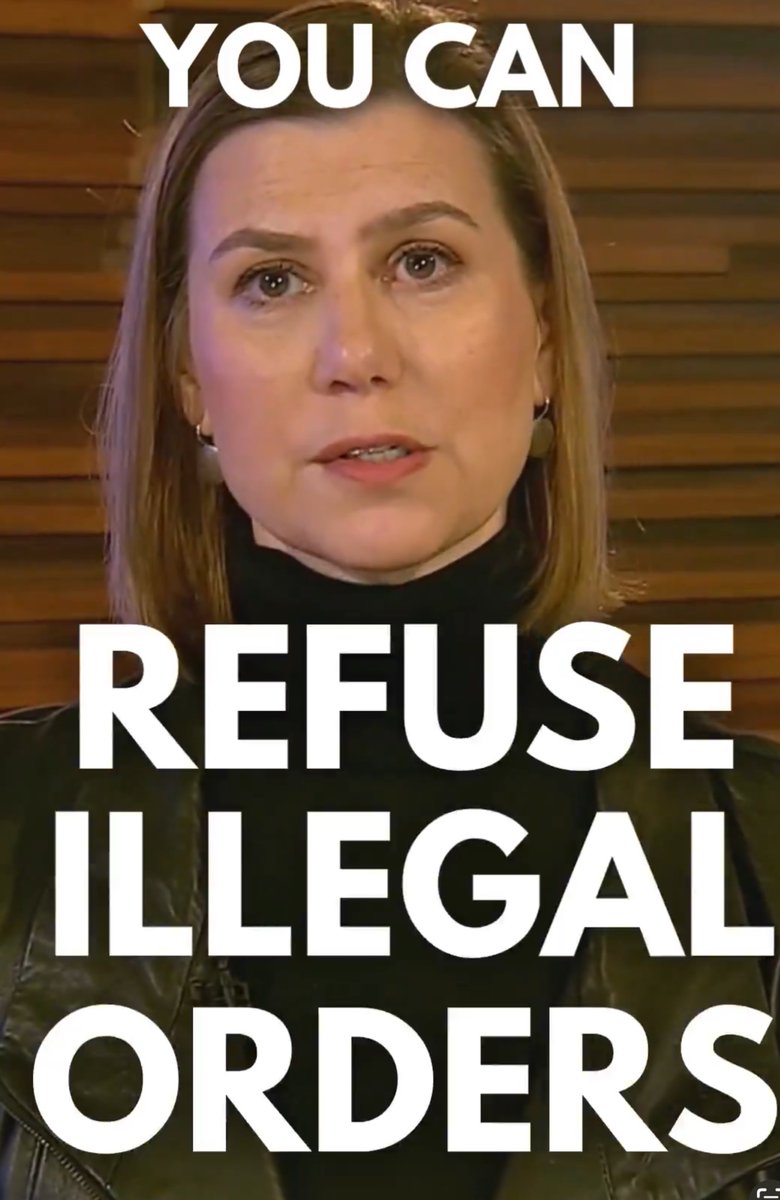
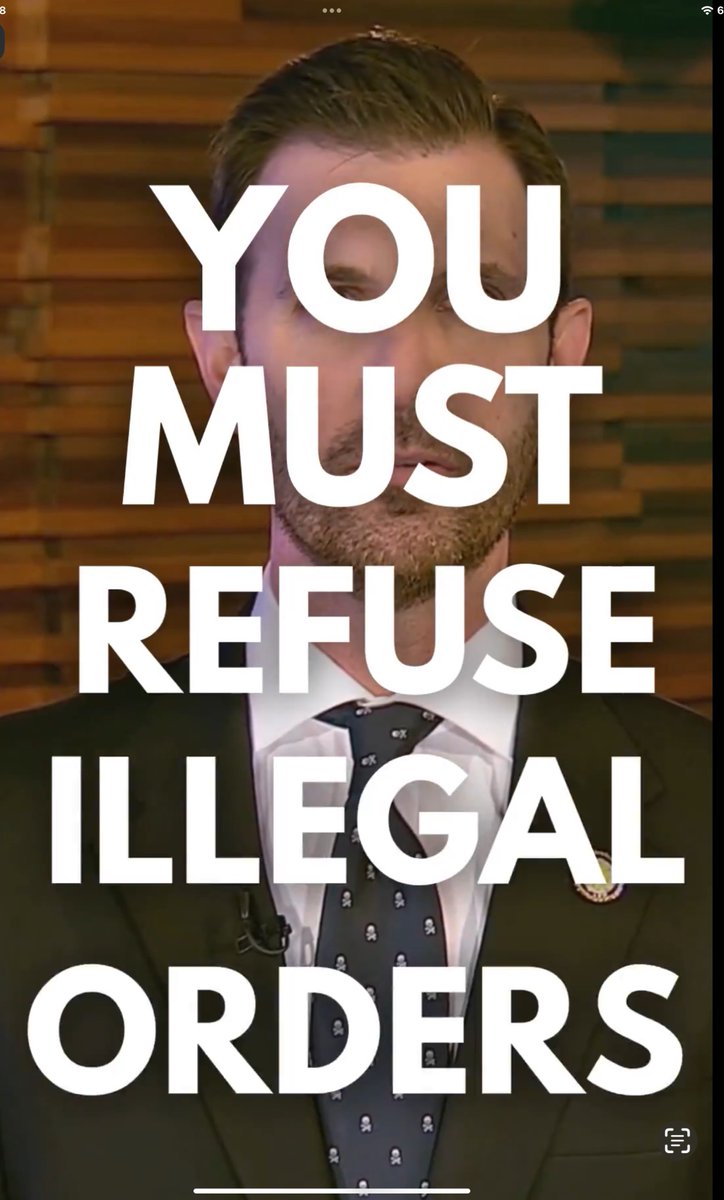
Democrats are no longer sugarcoating it; this is what we are preparing for.
18 Nov 2025

We want to speak directly to members of the Military and the Intelligence Community.
The American people need you to stand up for our laws and our Constitution.
Don’t give up the ship.
4
6
17
2,252
jonn mccly retweeted

Donald would hate seeing this ad on his birthday. Too bad!
@senecaprojectus is targeting the UFC White House event and the alleged 80,000 attendees with this ad.
We will never forget who protected predators, Donald!
#AmericaIsWatching
Help us make it go viral!
27
1,214
1,918
19,168
jonn mccly retweeted

Jun 13
As I said... This is not pure idiocy, useful or otherwise. This is intentional abuse of power and, in fact, falsifications, all in furtherance of the interests of a foreign adversary.
Jun 13

EXCLUSIVE:
🚨 @TulsiGabbard Recycled Published Russian Intelligence And Claimed It Was An Official American Intelligence Document In Her Latest Act Of Deception Days Before She Is Set To “Resign” As DNI 🚨
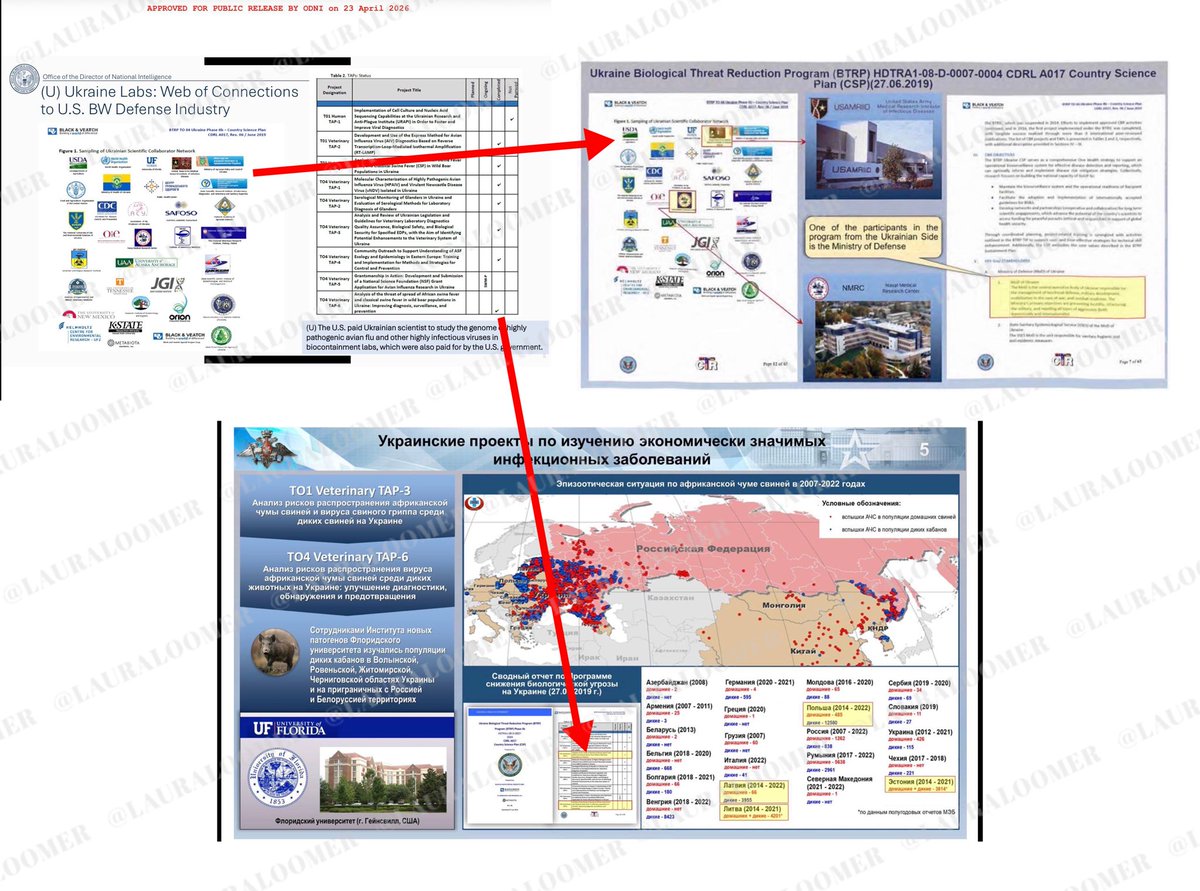
In her “Ukrainian Bio lab” document “declassification” release this week, I’ve discovered that DNI Tulsi Gabbard used graphics from official Russian intelligence documents and slapped an ODNI @ODNIgov logo on top of these same documents to present them as an official intel report created by the US government.
Upon further analysis of Tulsi Gabbard’s most recent declassification related to Ukraine, I have discovered evidence that she is directly peddling Russian government propaganda.
Here’s the evidence:
Source: dni.gov/files/BIOLAB_Slides.…
Slide 1 ironically includes an IC assessment that claims Russia will attempt to spread false narratives about the US’s bio labs in Ukraine, which is exactly what @TulsiGabbard just helped the Russian Government do.
Slide 2 contains an AI generated map of Ukraine which is clearly not an IC product, and which contains basic spelling and geographical errors, making a mockery of the US government.
Slide 4 contains the internal work product of an American corporation (Black and Veatch) that worked with the Defense Threat Reduction Agency (DTRA) in Ukraine. The Russian Government claims to have captured these documents during their invasion of Ukraine. The Russian Government then widely publicized these products in their own official reports in 2022.
Gabbard’s political staff (not IC analysts) recycled published propaganda of the Russian Government in an attempt to spread false narratives while falsely claiming the slideshow she released this week is an original work product of US intel agencies.
Page 83 of the following document presented by the Russian Government to the UN Security Council shows the exact figure that Gabbard recycled in slide 4 of her release this week.
Source: the-trench.org/wp-content/up…
Gabbard’s intent with this deception is to conflate the biological safety work being done to prevent dangerous uses of Soviet era pathogens (which has been publicly disclosed since 2005 as the Nunn-Lugar Cooperative Threat Reduction framework) with bioweapons production so that Russia has another manufactured excuse to continue its prolonged war with Ukraine.
Let’s be clear: there is no evidence that Ukraine in its longstanding cooperative program with the US has engaged in Gain of Function or biological weapons research.
But what is clear is Tulsi Gabbard and her staff promulgated Russian intelligence products as American work, in violation of the Espionage Act.
My FOIA request to ODNI regarding the production of these documents is being submitted on Monday morning. By law, ODNI has 10 business days to respond.
I look forward to reading the emails.
The Trump administration should order ODNI to take these Russian documents down today. This is embarrassing for the Trump administration.
Nice to know ODNI gets their “intel” and their graphics from Russian intelligence.
See photographic evidence below 👇🏻
64
707
3,067
124,091
jonn mccly retweeted

Michael Ian Black's piece has one observation that cuts through everything else written about the Epstein files this week.
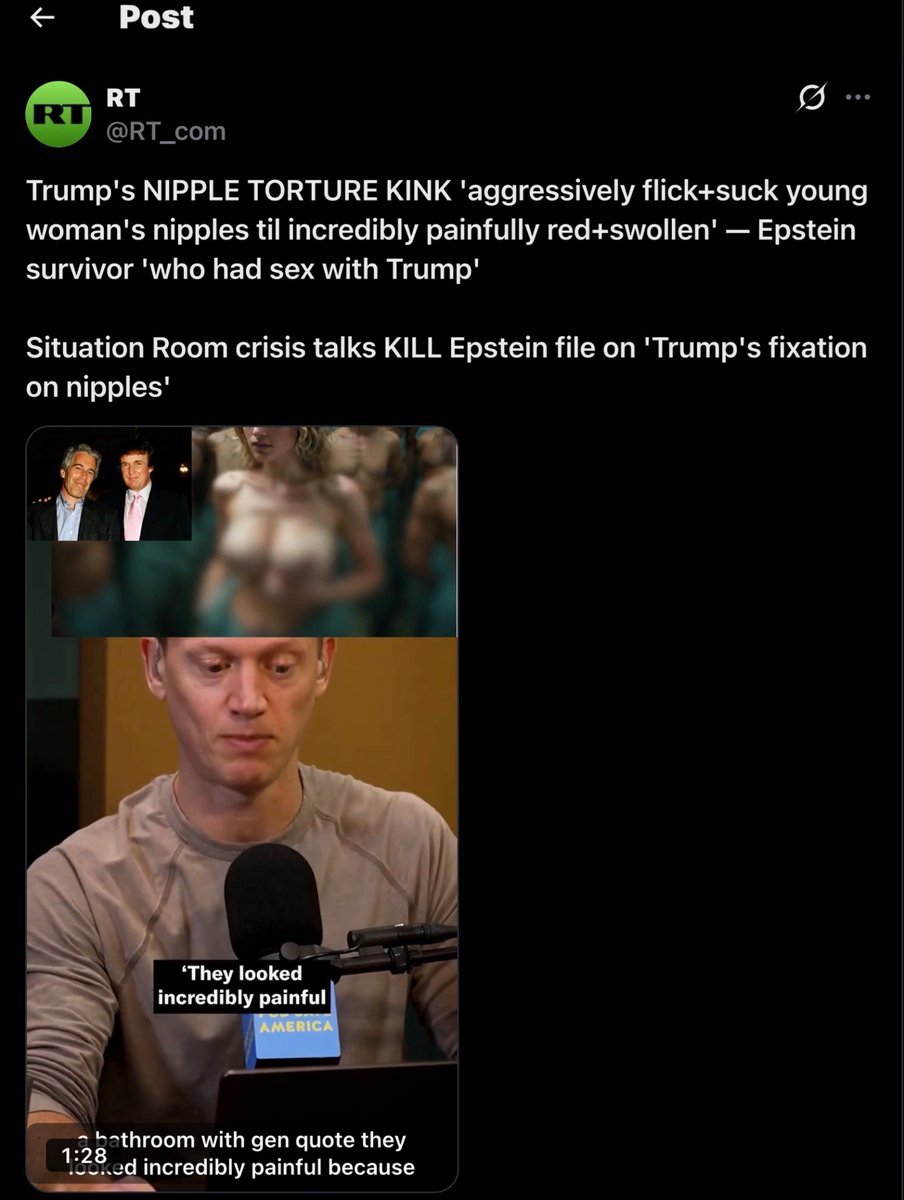
The senior officials who gathered in the Situation Room last July - Vance, Wiles, Blanche, Leavitt, Cheung, Patel - spent hours strategizing about how to protect Trump from the political fallout. They workshopped options. They debated whether to call Tucker Carlson or use DOJ lawyers instead. They reportedly discussed nipples in the White House Situation Room. One official described it as "surreal."
What none of them apparently did: ask whether the allegations against their boss had merit. Not once. Not raised. Not even Bongino, who is Black's unlikely near-hero for the piece - Bongino's objection was to the botched rollout, not to the underlying situation that made a rollout necessary.
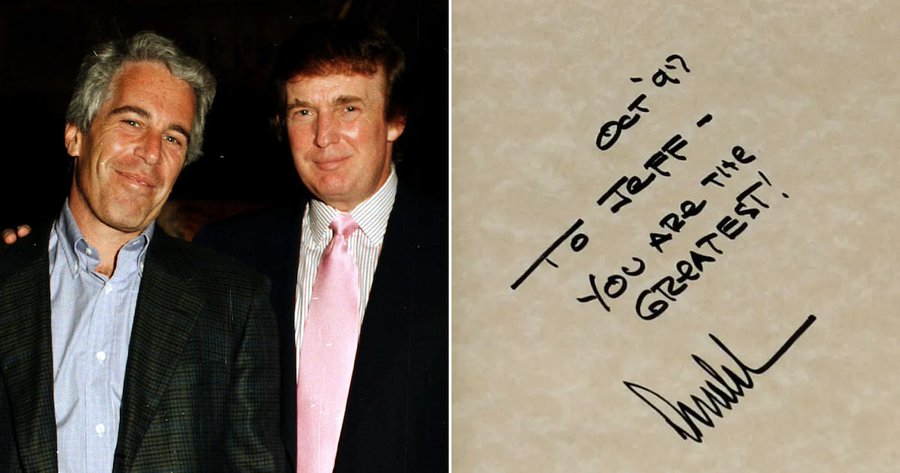
The documentable facts now in the record: Trump flew on Epstein's plane at least eight times after claiming he hadn't. Trump denied writing the birthday letter, then the Wall Street Journal obtained it. Epstein's personal secretary testified to Congress this week that she arranged calls between Trump and Epstein shortly before the 2016 inauguration - after Trump claimed he had cut off contact in 2004.
These are not allegations about what happened on Epstein's properties. These are documented lies about a documented relationship. The people in that Situation Room knew the relationship existed. They chose to manage the politics instead of asking the question that the people they serve - the American public - would want answered.
Black closes with the names of Epstein's accusers who went public. That's the right place to close.
Jun 11

OPINION | Trump has done nothing but lie about his relationship with his “best friend” of 15 years. Yet only one person in his inner circle seemingly acted with anything resembling a conscience, writes @michaelianblack. thedailybeast.com/how-the-ep…
7
441
1,014
44,143
jonn mccly retweeted

The real reason Russia is pushing the Ukraine biolab narrative is more serious than the propaganda suggests. 𝗬𝗼𝘂 𝗮𝗹𝘀𝗼 𝗵𝗮𝘃𝗲 𝘁𝗼 𝘄𝗼𝗻𝗱𝗲𝗿 𝘄𝗵𝘆 𝗧𝘂𝗹𝘀𝗶 𝗻𝗲𝘃𝗲𝗿 𝗺𝗲𝗻𝘁𝗶𝗼𝗻𝘀 𝘁𝗵𝗶𝘀. As the old saying goes, accuse your opponent of what you are doing yourself.
Russia claims Ukraine and the United States operated secret biological weapons labs in Ukraine. That claim has not been substantiated. The UN has said it is not aware of any biological weapons programme in Ukraine, and Ukraine has repeatedly denied developing, producing, or stockpiling biological weapons.
Ukraine’s facilities are publicly described as public health, disease surveillance, biosafety, biosecurity, and threat-reduction labs. Ukraine says it complies with the Biological Weapons Convention and rejects the claim that these sites were military bioweapons facilities.
Russia’s position is the opposite.
Russia accuses Ukraine of hidden biological weapons activity while keeping its own military biological infrastructure secretive and largely inaccessible to meaningful international scrutiny.
Russia inherited the Soviet biological weapons legacy. The Soviet Union operated one of the largest and most secretive biological weapons programmes in history. After its collapse, serious questions remained about how much of that infrastructure, expertise, and military research culture survived inside Russia.
Those concerns remain unresolved.
The U.S. State Department has assessed that Russia maintains an offensive biological weapons programme in violation of the Biological Weapons Convention. Russia denies this, but its relevant military biological facilities remain closed, opaque, and shielded from independent verification.
Ukraine’s labs are discussed as public health and disease surveillance facilities.
Russia’s military biological sites are treated as restricted state secrets.
Ukraine’s cooperation with the United States was linked to biosafety, biosecurity, and reducing risks from dangerous pathogens inherited from the Soviet period.
Russia, by contrast, has a documented Soviet bioweapons legacy, current official compliance concerns, and restricted military facilities that outside observers cannot meaningfully inspect.
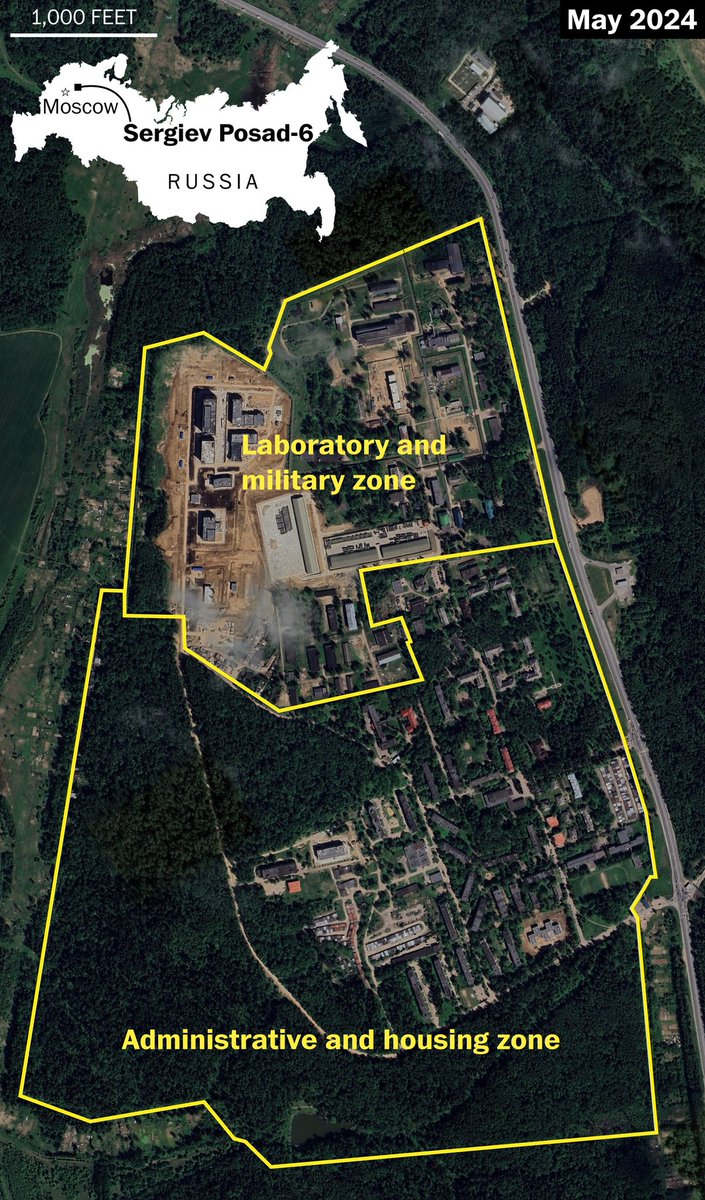
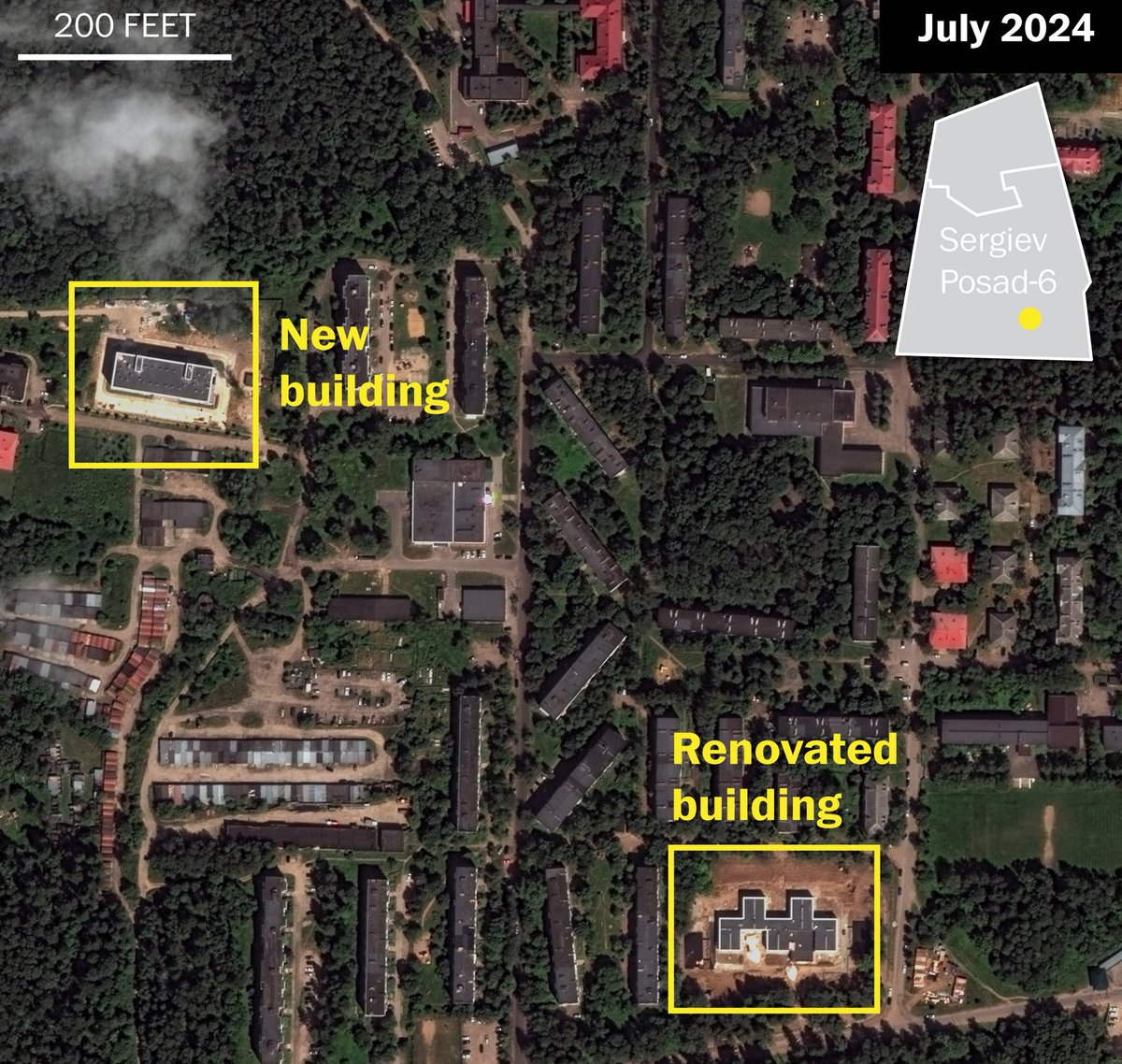
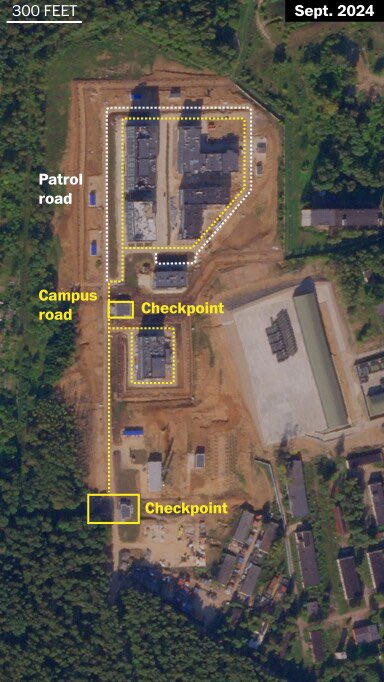
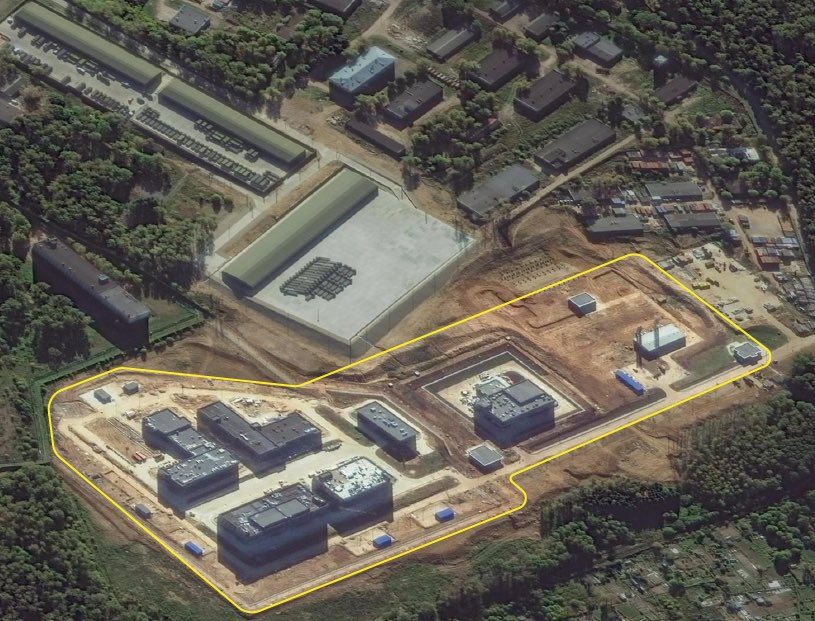
In 2024, satellite imagery and expert analysis reported major construction and expansion at Sergiev Posad-6, a restricted Russian Ministry of Defence biological research site with a Soviet-era bioweapons history. The reported construction began in May 2022, shortly after Russia’s full-scale invasion and during the same period when Moscow intensified its claims about Ukrainian “biolabs.”
That timing does not prove the new construction is an offensive biological weapons programme. But it does make Russia’s propaganda campaign look highly suspect.
Russia demanded outrage over Ukrainian public health laboratories while expanding or upgrading its own secretive military-linked biological research infrastructure.
The strongest factual argument is not that every Russian biological activity is illegal. It is that Russia has no credibility accusing Ukraine of hidden bioweapons activity while refusing transparency over its own military biological facilities.
This is classic projection and deflection.
Russia turns Ukrainian public health and threat-reduction work into a fake Western bioweapons plot.
It shifts attention away from its own closed military biological sites.
It muddies the waters around biological weapons compliance.
Ukraine denies the allegations, points to peaceful public health work, and says it complies with international obligations.
Russia has a Soviet bioweapons legacy, U.S.-assessed BWC violations, secretive military biological facilities, and refuses the transparency it demands from others.
So when Russia talks about Ukrainian “biolabs,” the relevant question is why a country with closed military biological sites is trying so hard to redirect attention onto Ukraine’s public health laboratories.
Jun 13

This video was published in January 2020.
And that timing matters, because it shows Russian “Ukrainian biolab” propaganda did not magically appear after the 2022 invasion. Moscow had been dragging this corpse of a conspiracy around for years, especially against Ukraine, Georgia, Kazakhstan, and other post-Soviet countries that dared to cooperate with the West.
The video explains the U.S. Biological Threat Reduction Program as exactly what the name says: a threat-reduction program. Its purpose was to help partner countries secure dangerous Soviet-era pathogens, improve disease detection, strengthen public-health laboratories, and stop natural outbreaks from becoming regional security disasters. In Ukraine, the official priority was to consolidate and secure pathogens and help detect and report disease outbreaks before they became wider threats. The U.S. Defense Threat Reduction Agency also states that the work was peaceful, subject to export-control and vetting processes, and did not sponsor gain-of-function research or human experimentation.
The video also makes clear why Russia hated these labs: not because they were secret weapons sites, but because they represented Western cooperation with countries Moscow still treats like stolen property. Georgia’s Lugar Center is the perfect example. Russia smeared it as a U.S. proxy bioweapons facility, while Georgia opened it to international review. In 2018, 22 experts and observers from 17 countries inspected the Lugar Center under the Biological Weapons Convention framework and found transparency around its activities. Russian experts were invited, then refused to participate, because obviously the propaganda works better when you never look at the evidence.
So the Russian narrative is not “skepticism.” It is geopolitical sewage with a lab coat thrown over it. The same machine that calls invasions “liberation” and civilian massacres “staged” also tried to turn public-health laboratories into cartoon villain bioweapon factories. The goal was not truth. The goal was fear, confusion, and poisoning public trust in countries moving closer to the West.
The whole point of the video is transparency: these projects were not classified, scientists were encouraged to publish, international experts were invited in, and the work was described as peaceful public-health cooperation. Russia’s claim was the opposite: secret U.S. bioweapons plots on Russia’s borders. One side offered inspections, publications, and open cooperation. The other side offered paranoia, state media hysteria, and the usual Kremlin swamp gas.
This is basically pre-2022 evidence that the “Ukrainian biolab” panic was never a serious argument. It was an old Russian disinformation weapon, reheated when useful, then thrown into the invasion narrative to make Russia look like the victim while it was the aggressor.
13
164
355
12,274
jonn mccly retweeted

This is awesome

4
66
461
7,228
jonn mccly retweeted

So now full text until the 19th.
But the details we do know involve:
* Iran getting funds
* Iran getting control of the Strait including “service fees”
* US lifting blockade
* Ceasefire in Lebanon
* Lifting Iranian sanctions
* No hand over of uranium
* Other details to be discussed over 60 days starting from when the US transfers back Iran’s frozen funds
…Embarrassing.

Iran deputy foreign minister: text of MoU to be published after official signing
6
20
64
4,545
jonn mccly retweeted

Putin’s advisor Ushakov says Trump, in a conversation with Putin today, promised to put pressure on the Europeans and Ukraine during the G7 summit, and otherwise, to accept Russian peace conditions.
(Uncommon in a readout to speak on behalf of the interlocutor, by the way.)
314
669
1,957
274,253
jonn mccly retweeted

Dangerous hormone-disrupting chemicals found in US breast milk samples
Study of mothers in Seattle underscores ‘widespread, systemic problem’ of chemical contamination, experts say.
theguardian.com/us-news/2026…
1
2
2
72
jonn mccly retweeted
Eventually, forever chemicals will in some way be associated with every genetic mutation, disease, and death of every living being on planet Earth. And my money's on it being linked to the exponential increase of autism.
All hail the mighty petroleum industry, and the stupid GOP
1
1
18
jonn mccly retweeted

Apparently the size of gas stations is now a measure of quality of life


The whole European narrative is crumbling…
The United States: has bigger homes, bigger gas stations, bigger everything, and we love life.
The whole “you will own nothing and be happy” is for suckers. Now it’s being exposed.
45
93
2,046
56,080
jonn mccly retweeted

NEW: Trump’s approval rating hits 28%. The lowest for any president in U.S. history.
805
4,150
27,157
934,683
jonn mccly retweeted

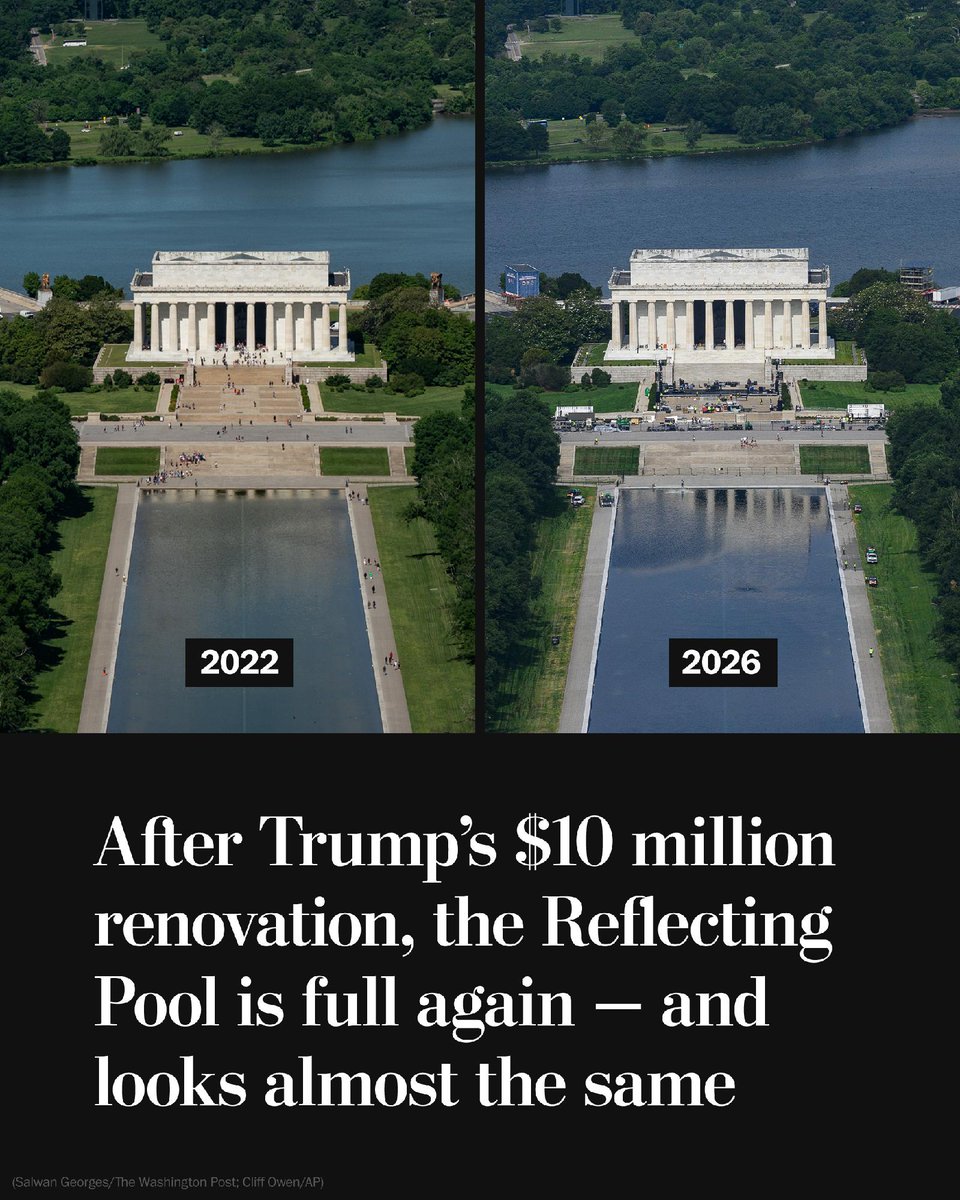
These are your tax dollars hard at work. Are you happy with how he's spending them?

The Reflecting Pool on the National Mall has been refilled following President Trump’s renovations.
The project ultimately took six weeks and cost more than $10 million, far more than Trump initially projected. wapo.st/4uspV4H
108
41
154
15,709
RT @SenLBR: Forcing our loved ones to take out loans to cover care is not a solution.
Health care costs are already too high and this pro…
2
RT @MichaelEMann: By 2008, there was a veritable "Hockey League" of reconstructions each of which indicated that global/hemispheric warmth…
59
RT @MichaelEMann: But more importantly, the #HockeyStick was not only validated, but extended using independent data and methods in subsequ…
113
RT @MichaelEMann: The Hockey Stick was extended to the past 1000 years in 1999 (agupubs.onlinelibrary.wiley.…) and appeared in it's most recogniz…
89
RT @DaleGribble_666: @MichaelEMann @CBSEveningNews @johnrobertsFox @DanRather A talented person born the day the #HockeyStick was published…
4
jonn mccly retweeted

*Secretary of Defense Pete Hegseth reposted a video of Christian nationalist pastor Doug Wilson saying on CNN that women shouldn’t vote
1
1
9
jonn mccly retweeted

Several women said they’d be willing to give up their right to vote if it meant creating a more conservative country at the Turning Point USA Women’s Leadership Summit recently held in San Antonio, Texas. democracydocket.com/news-ale…
1,715
989
2,241
185,266