PhD | The University of Queensland, Australia | Researching serious games in physiotherapy. Other interests: AI/automation, mobile health, behavioural economics
Joined June 2018
- Tweets 16
- Following 18
- Followers 35
- Likes 7
1 Photos and videos

19 Mar 2024
Excited to share my latest research exploring the potential of a GPS-based app in assessing mobility for those with persistent pain. We investigated if smartphones can reliably measure walk distance, allowing for remote assessment. Read our findings here: formative.jmir.org/2024/1/e4…
3
2
178

Evaluation framework for conversational agents with artificial intelligence in health interventions: a systematic scoping review academic.oup.com/jamia/artic…
2
2
102
21 Sep 2023
Are you using mobile apps to monitor pain? Our latest research evaluates the apps available to the Australian public, revealing strengths and limitations you should know. Learn more: mhealth.jmir.org/2023/1/e468… #ChronicPain @RecoverResearch
1
27
Josh Simmich retweeted

The RECOVER Conference 2021 is a full-day, in-person event hosted by our RECOVER researchers alongside international and national keynote speakers.
Conference 7 Oct in Brisbane. Early bird registration extended until Friday 10th September. Get in quick! bit.ly/3cNLozW
2
2
31 May 2021
Just published my paper titled 'Perspectives of older adults with chronic disease on the use of wearable technology and video games for physical activity' journals.sagepub.com/doi/ful…
1
15 Feb 2021
My pilot trial of a game designed to encourage physical activity in older adults with COPD (game developed by @BitlinkAU) has been published by @jmirpub! games.jmir.org/2021/1/e23069
1
1
7
23 Nov 2020
Not sure if scientists are lazy or just very busy, but so many just copy and paste from a journal article to make their slides. Stop it. The presentation is an advertisement for your paper, not a PowerPoint version of the paper. nature.com/articles/d41586-0…
Josh Simmich retweeted

28 Jun 2018
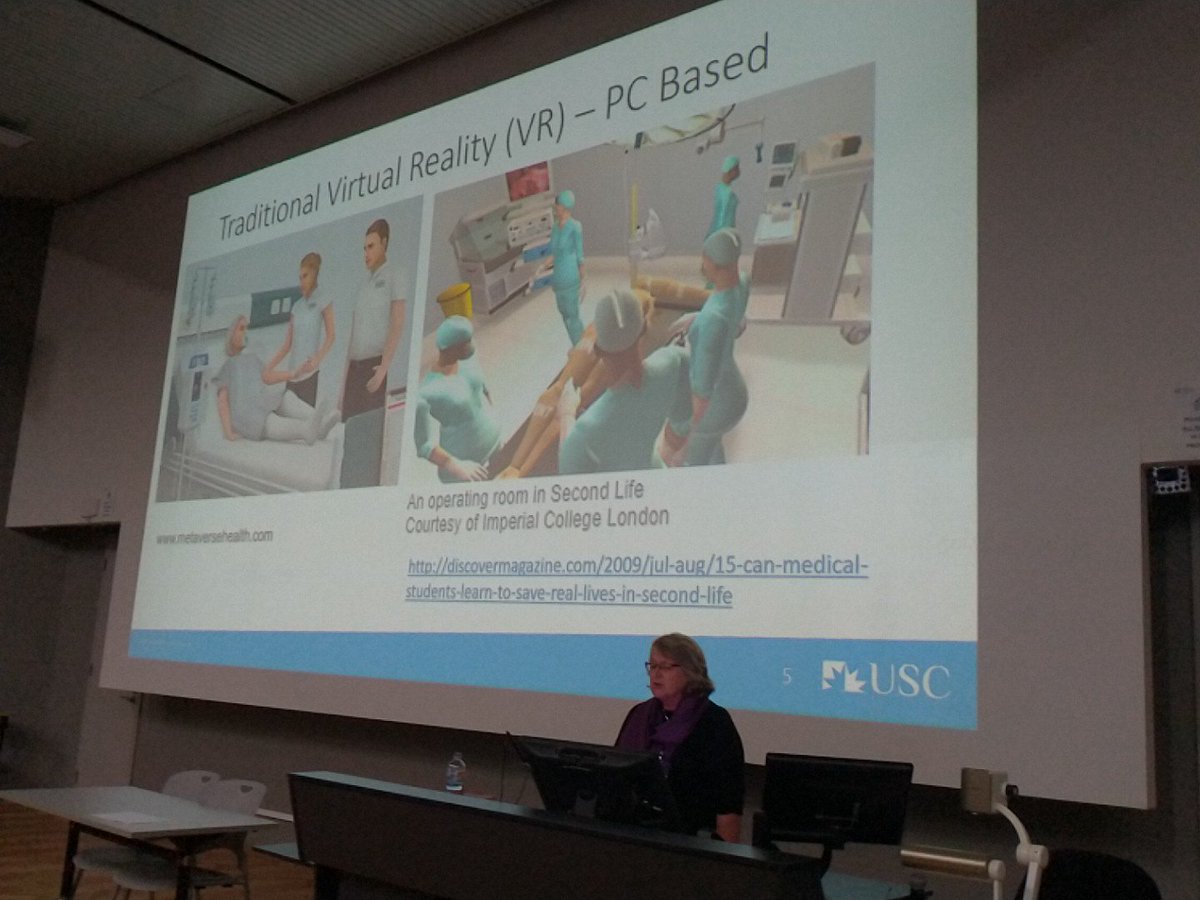
Patrea Andersen sharing examples of technology changing health professional education at #SG18AUS
2
7
19 Jun 2018
Artificial intelligence debates humans on topic of telemedicine. theverge.com/2018/6/18/17477…
16 Jun 2018
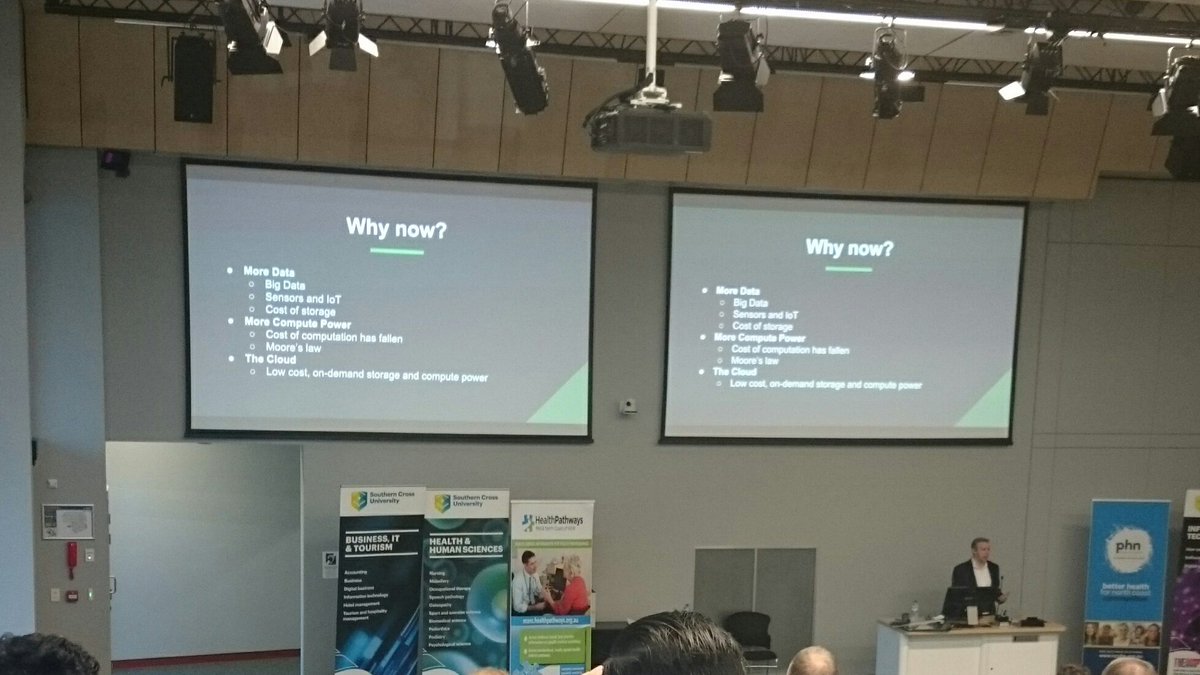
Great to see so many people interested in spending a weekend learning about AI in health #aiinhealthSCUGC
2
Josh Simmich retweeted

23 Mar 2018
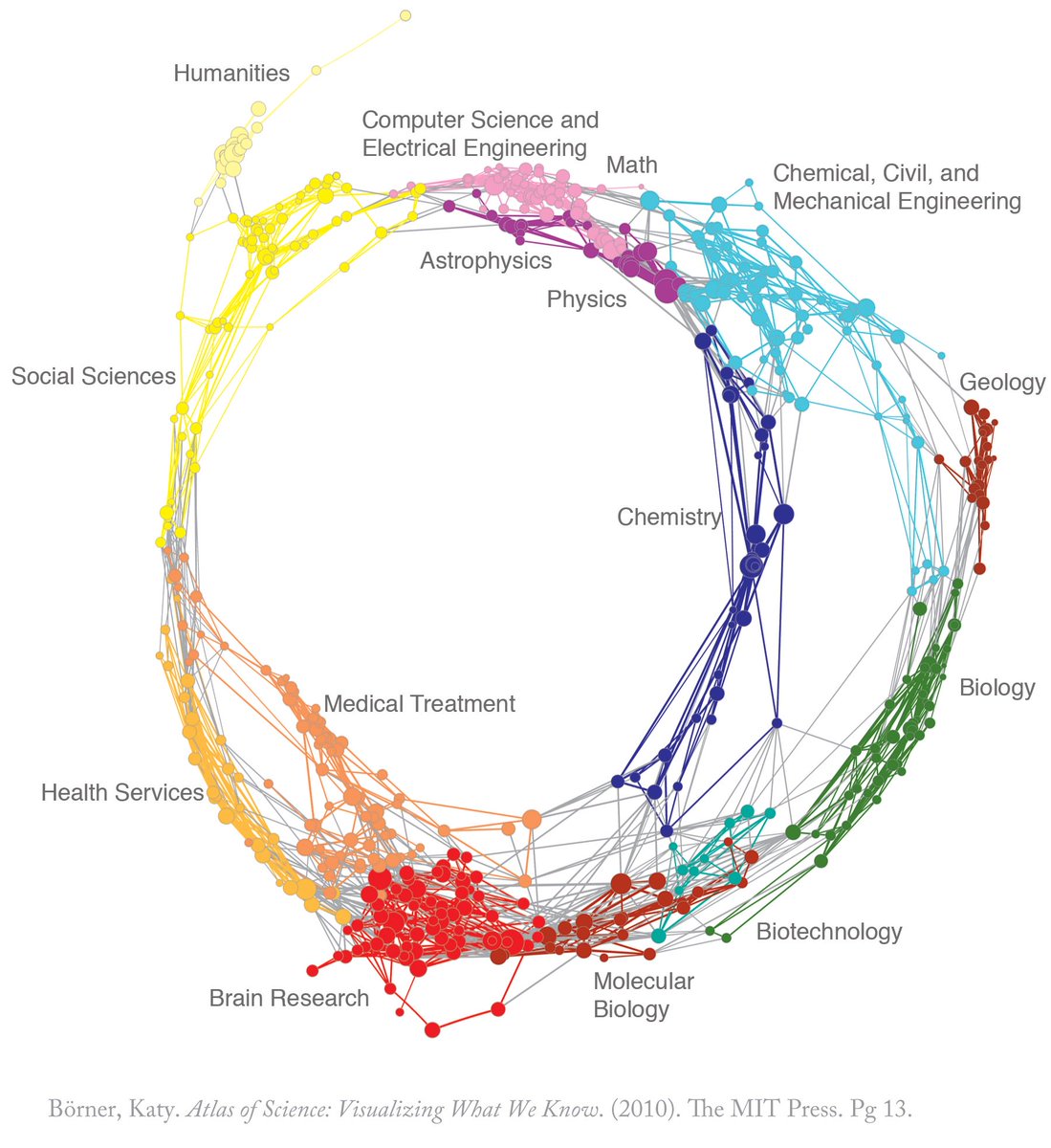
It still amazes me that academic fields, connected by co-citation, are arranged in a ring. Is there a missing "dark field" in the middle that we will find someday to connect it all together well?
334
2,234
5,060
Josh Simmich retweeted

31 May 2018
This tech from @CTRLlabsCo which can read and interpret nerve signals via ML (even when the movement is not made) has a huge amount of potential - no cameras, no trackers, and not limited to what humans can do (note the robot arm can rotate its wrist 360 degrees). Links below vvv
9
495
1,101
Josh Simmich retweeted

3 May 2018
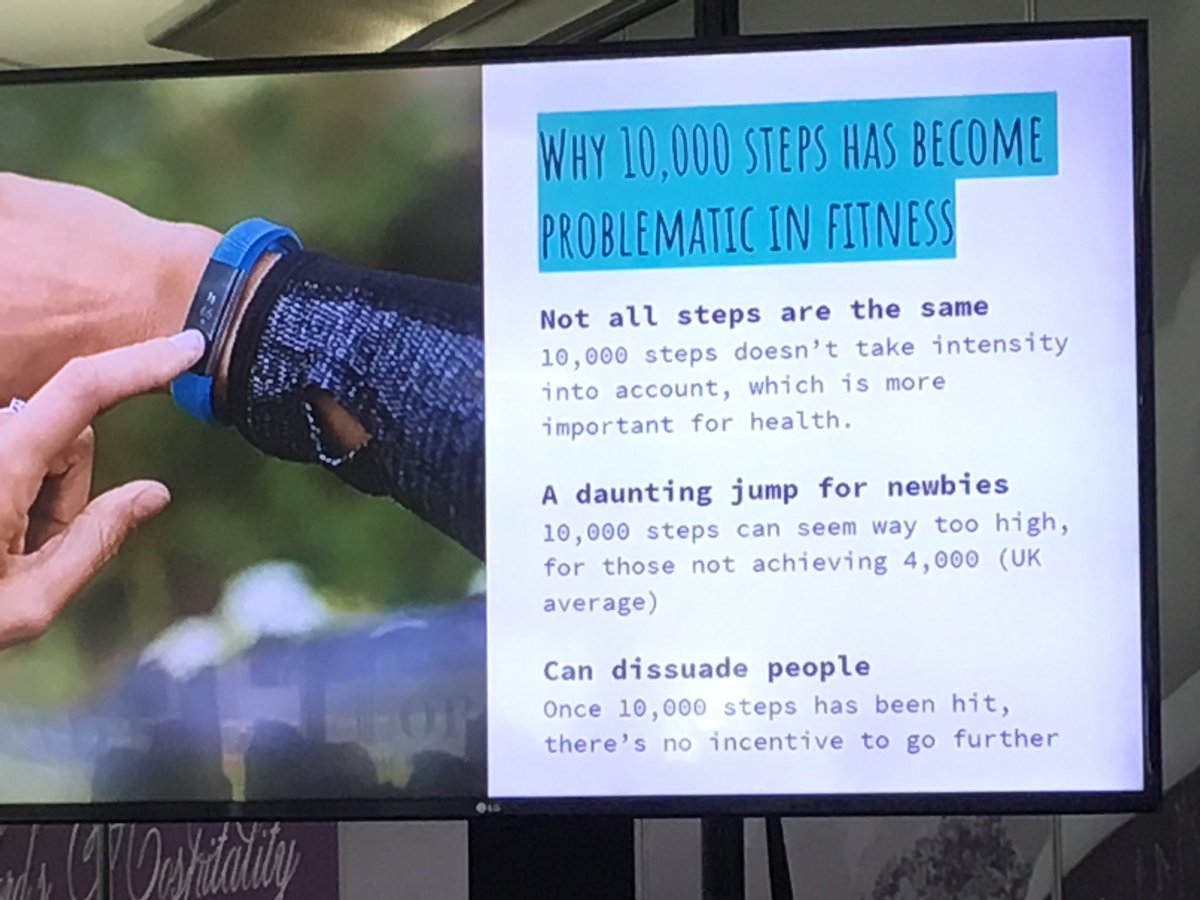
Rethinking 10,000 steps? The theory has been around for over 50 yrs...@FirstbeatInfo #HRVSummit
3
3