Follower of Christ | Husband to Claire | Papa to Ellie | reluctantly a Chartered Engineer by trade | Theology nerd at heart | Book worm | Coffee enthusiast
Joined January 2021
- Tweets 1,373
- Following 1,165
- Followers 224
- Likes 18,514
243 Photos and videos














Jack Griffiths retweeted

Mar 13
What if everyone is actually destined for hell?
When Christian Apologist Wesley Huff joined me on The Diary Of A CEO, he explained a central idea in Christianity that many people misunderstand.
According to scripture, the standard for being “good” isn’t simply being better than other people. The standard is God himself.
Which means, by definition, no human being meets it.
That’s what Christianity calls the bad news. Humanity can’t save itself through good actions or intentions.
Here's him breaking it down
301
851
4,802
265,409
Jack Griffiths retweeted

3 Sep 2025
“Raise your hands, all nations (if you’re able)! Clap your hands, all peoples (if you feel led)! Sing, if you’re confident! You may also want to bow before him in worship (or not, whatever), and kneel before the Lord your Maker (but no pressure).”
#ThingsThePsalmistsNeverSaid
8
7
74
5,351
Jack Griffiths retweeted

19 Aug 2025
“If ‘hymns’ agree with Scripture, they are needless…” ❌
“If ‘pastoral counsel’ agrees with Scripture, it is needless…” ❌
“If ‘J.I. Packer books’ agree with Scripture, they are needless…” ❌
“If one portion of Scripture agrees with another Scripture, it is needless…” ❌
2
2
30
684
Jack Griffiths retweeted
19 Aug 2025
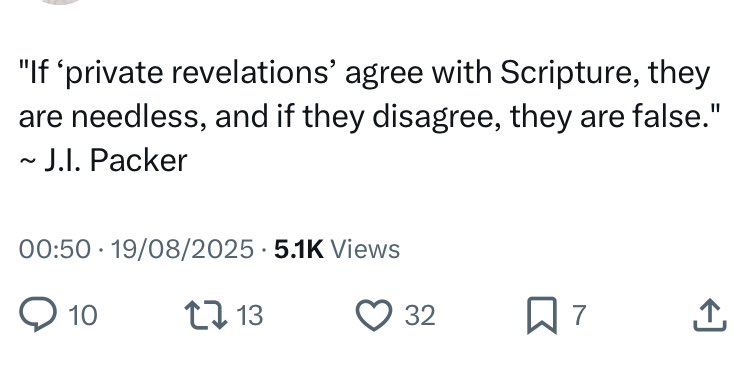
I’m thankful for Packer & the many wise things he wrote. But this frequently circulated quote is not wise. Let me illustrate why by applying the same logic.🧵
“If ‘sermons’ agree with Scripture, they are needless…” ❌
“If ‘the Supper’ agrees with the Word, it is needless…” ❌
12
9
53
7,091
Jack Griffiths retweeted

16 Aug 2025
Want to learn biblical languages? Here’s a little advice from someone who himself does not particularly feel gifted in languages but learned to love them:
- Stay away from interlinears: if you don’t know the language(s) they’re not helpful, and if you do know the language(s) they’re not helpful.
- Commit to learning something every day: a word (or a few), a grammatical form, etc. You’re going to learn best when you allow your brain to become familiar with the vocabulary, grammar, and syntax via slow repetition rather than attempting to cram.
- Optimize your learning. There are SO many excellent resources now:
1. Frequent visits to @dailygreek @doseofhebrew and @DailySeptuagint IS going to help you regularly keep practiced and learn.
2. @biblingoapp is going to be your best friend and will help you learn, master, and gain comprehension in an easy and even gamified way (make sure to use promo code WESHUFF10 at checkout so you’ll get a discount!).
3. Subscribe to @Logos, and particularly, their Biblical Languages: Foundational Study Bundle. Logos Software has all sorts of helpful resources and you can try it for free for 60 days at logos.com/partner/huff?ircli….
- A little knowledge can be a dangerous thing. The danger when you start to get the hang of it is thinking that now you know better than your pastor, or the choices of an English translation. It’s almost always better to assume that you probably don’t know what you don’t know.
- Don’t expect to become an expert overnight. Commit to the task and take things in stride. The moment you open up a Greek New Testament or Hebrew Old Testament and realize you can make sense of the sentence you’re looking at is one of the most edifying feelings. But that takes time, and that’s ok!
- Learn to build up, not to be puffed up. Learning the original languages is going to help you better understand scripture. Your learning should be used to encourage yourself and maybe even bless others with a greater and more relatable understanding of the Word of God. Stay humble.
62
159
1,496
81,284

12 Aug 2025
Anyone know if you can get a hardback copy of the Anglican house BCP:2019 edition in the UK?
55
Jack Griffiths retweeted

1 Aug 2025
Shocked to read that Spurgeon’s College, London, is closing suddenly after 169 years.
Many theological colleges across the UK are facing strains in recruitment and/or finance.
spurgeons.ac.uk/
4
6
41
4,391
Jack Griffiths retweeted

7 Jul 2025
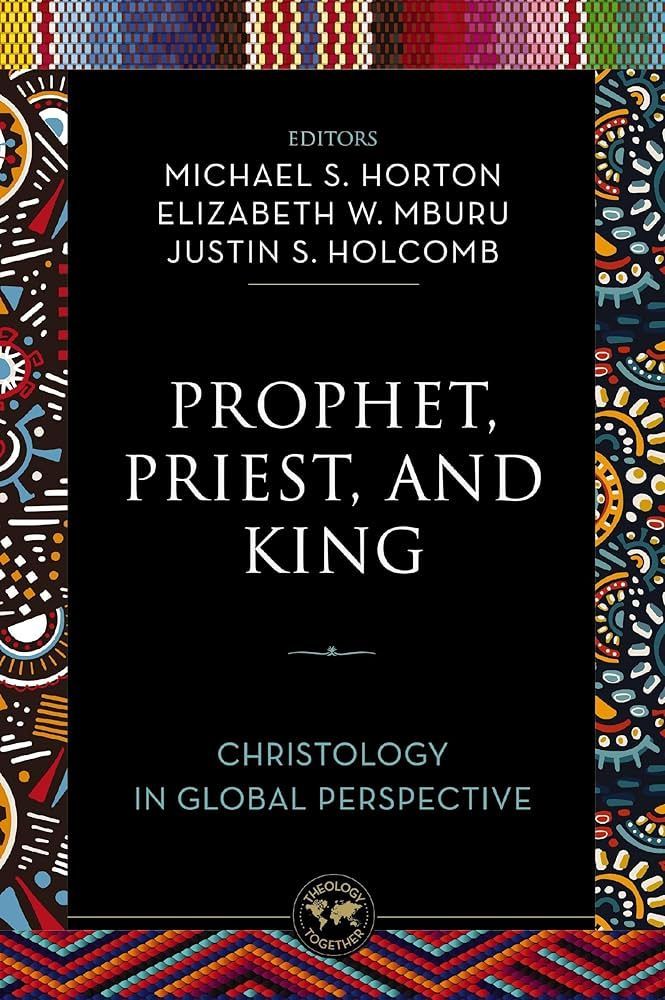
🚨Book Giveaway🚨
This month we are giving away a copy of 𝘗𝘳𝘰𝘱𝘩𝘦𝘵, 𝘗𝘳𝘪𝘦𝘴𝘵, 𝘢𝘯𝘥 𝘒𝘪𝘯𝘨! Follow and RT to enter. Tag a friend for an extra entry.
Interview w/ Adam Smith: buff.ly/7anarx5
Sponsored by @Zondervan
38
87
113
7,843
6 Jul 2025
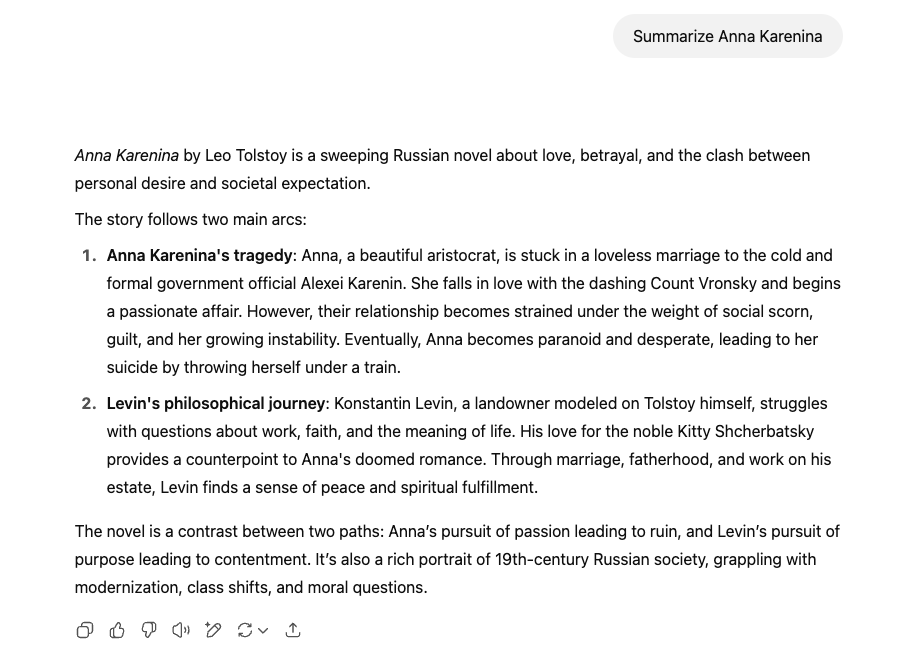
Pro tip: ChatGPT summaries are not the equivalent of reading the actual book. Don’t do it.
5 Jul 2025

pro tip: you can basically read >100 books per day by asking chatgpt to summarize them for you.
1
1
112
Jack Griffiths retweeted

5 Jul 2025
Mature people are easily edified.
Immature people are easily irritated.
2
22
179
7,270
Jack Griffiths retweeted

21 Jun 2025
I was ‘close to suicide’ in 2022, 2023, and 2024.
The NHS is not in any way fit for purpose when it comes to mental health crises.
There is presently a SIX MONTH wait on the NHS for an initial appointment with a psychiatrist.
This is not a tenable way to run a dignified health service.
But the NHS is to be trusted to prematurely go out of their way to end lives, when they cannot even effectively assist those who are in life.
Ok. Got it.
16
16
117
3,089
Jack Griffiths retweeted

21 Jun 2025
“Only Christianity is up to the job.”
Danny Kruger 100% right.
The alternatives are starker than they’ve ever been for Britain: Christ or death.
20 Jun 2025

"Now, splendidly, everything had become clear. The enemy at last was plain in view, huge and hateful, all disguise cast off. It was the Modern Age in arms."
After this week I feel like Evelyn Waugh at the time of the Nazi-Soviet Pact in 1939. The politics of 'progress' has found its fulfilment in the union of two total malignancies: the campaigns to abort babies at full term and to kill old people before their time. Here is our enemy, all disguise cast off. 1/7
1
13
195
8,274
Jack Griffiths retweeted

19 Jun 2025
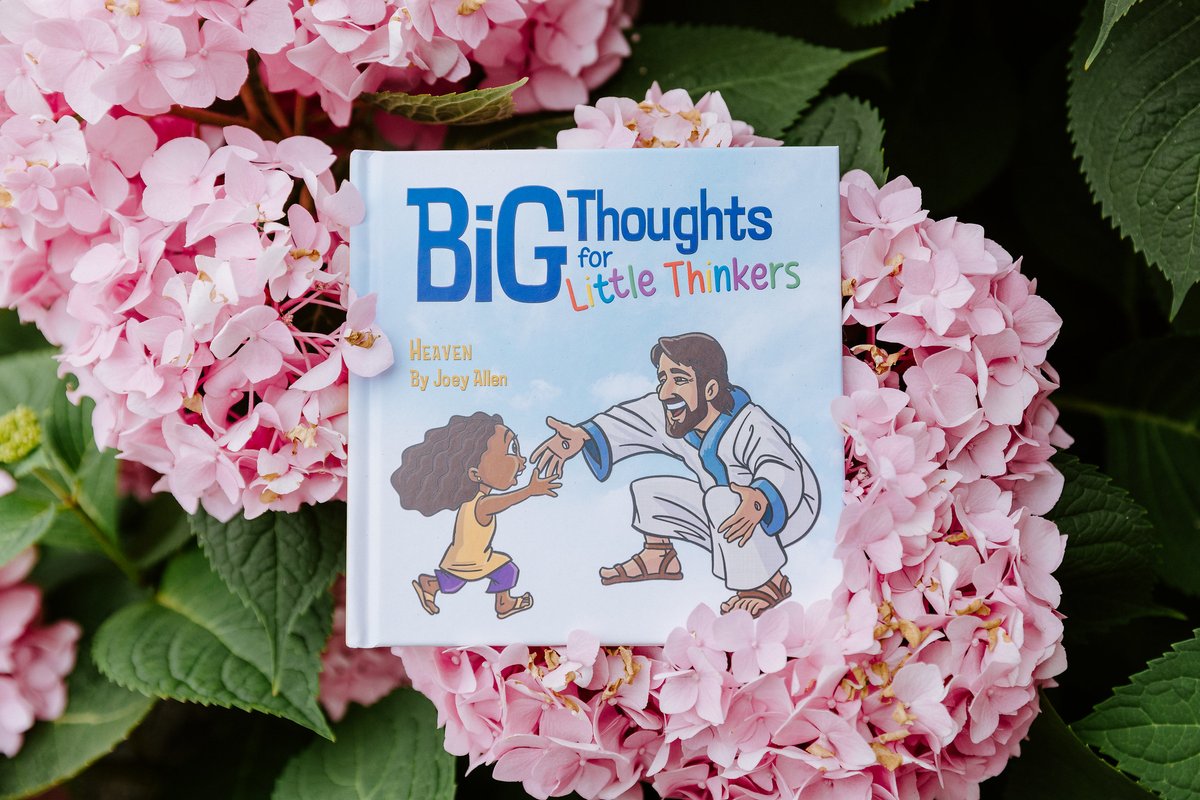
📚 GIVEAWAY!
To celebrate the release of 3 new books in Dr. @joeyallendazole's "Big Thoughts for Little Thinkers" children’s book series, we're giving away a FREE copy of each to one of you!
FOLLOW US, LIKE this post, and RT this post to enter to win!

61
75
4,710
Jack Griffiths retweeted

18 Jun 2025
It feels kinda unfair that I'm writing a sermon about Pentecost, which I'll have to preach with a translator.
2
1
11
393
Jack Griffiths retweeted

17 Jun 2025
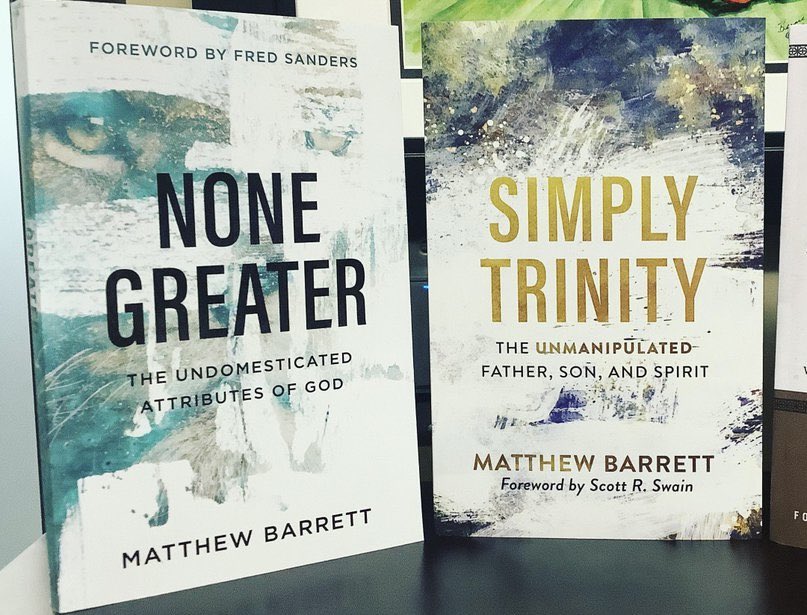
📣 GIVEAWAY 📣
To celebrate the Credo Conference, we are giving away @MattMBarrett’s books, None Greater and Simply Trinity @ReadBakerBooks.
Like, Follow, and Retweet to win!
You can now watch his message from the Credo Conference: youtu.be/MHwxNMoU9iQ?si=QV3y…
1
110
152
5,484
Jack Griffiths retweeted

1 Jun 2025
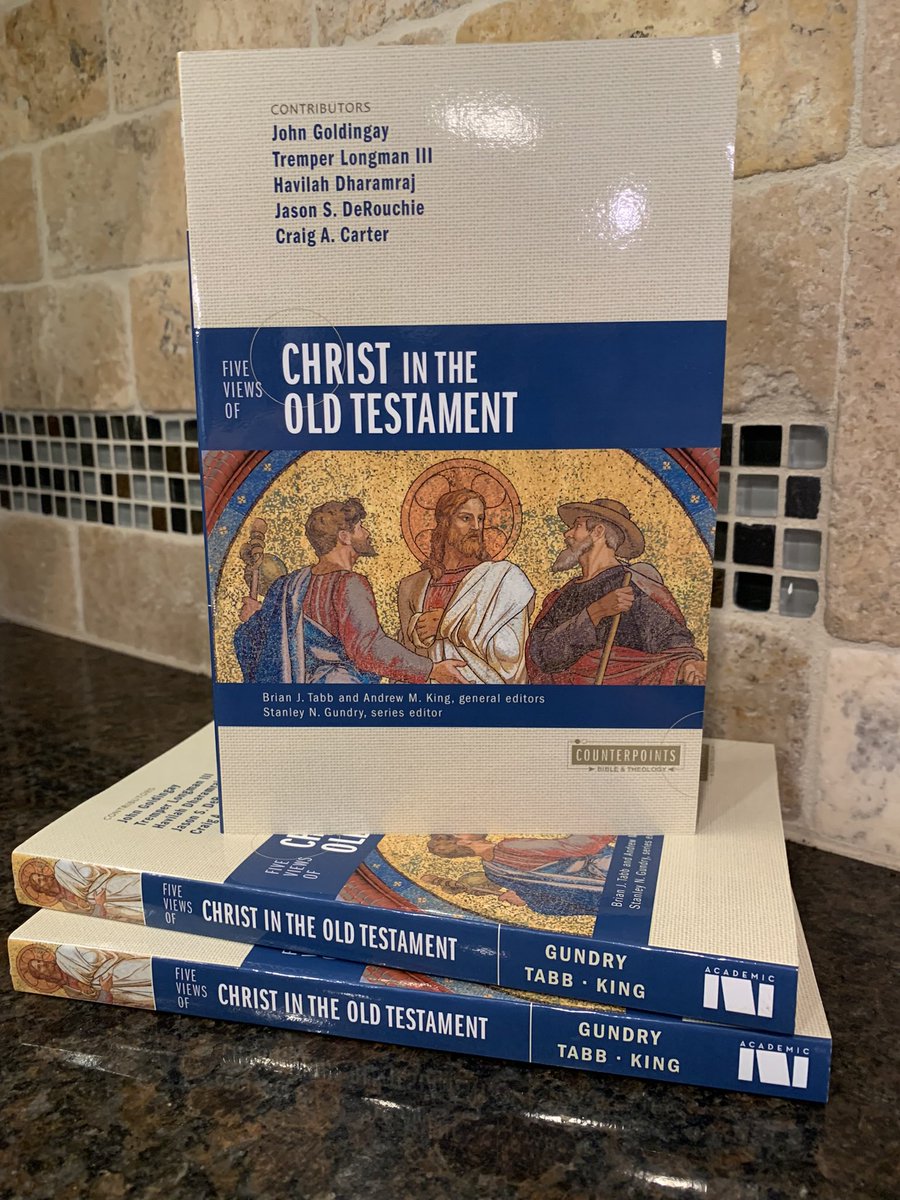
I’m giving away a copy of our book 𝘍𝘪𝘷𝘦 𝘝𝘪𝘦𝘸𝘴 𝘰𝘧 𝘊𝘩𝘳𝘪𝘴𝘵 𝘪𝘯 𝘵𝘩𝘦 𝘖𝘭𝘥 𝘛𝘦𝘴𝘵𝘢𝘮𝘦𝘯𝘵. RT and follow to enter. Tag a friend for an extra entry. Winner announced Jun 9.
137
420
451
37,690
29 May 2025
And in the Anglicised edition it should be “yoos” and must be said in an Essex accent when read aloud.
29 May 2025

I make a motion for “y’all” to be the official use of plural “you” for American English.

1
3
116
24 May 2025
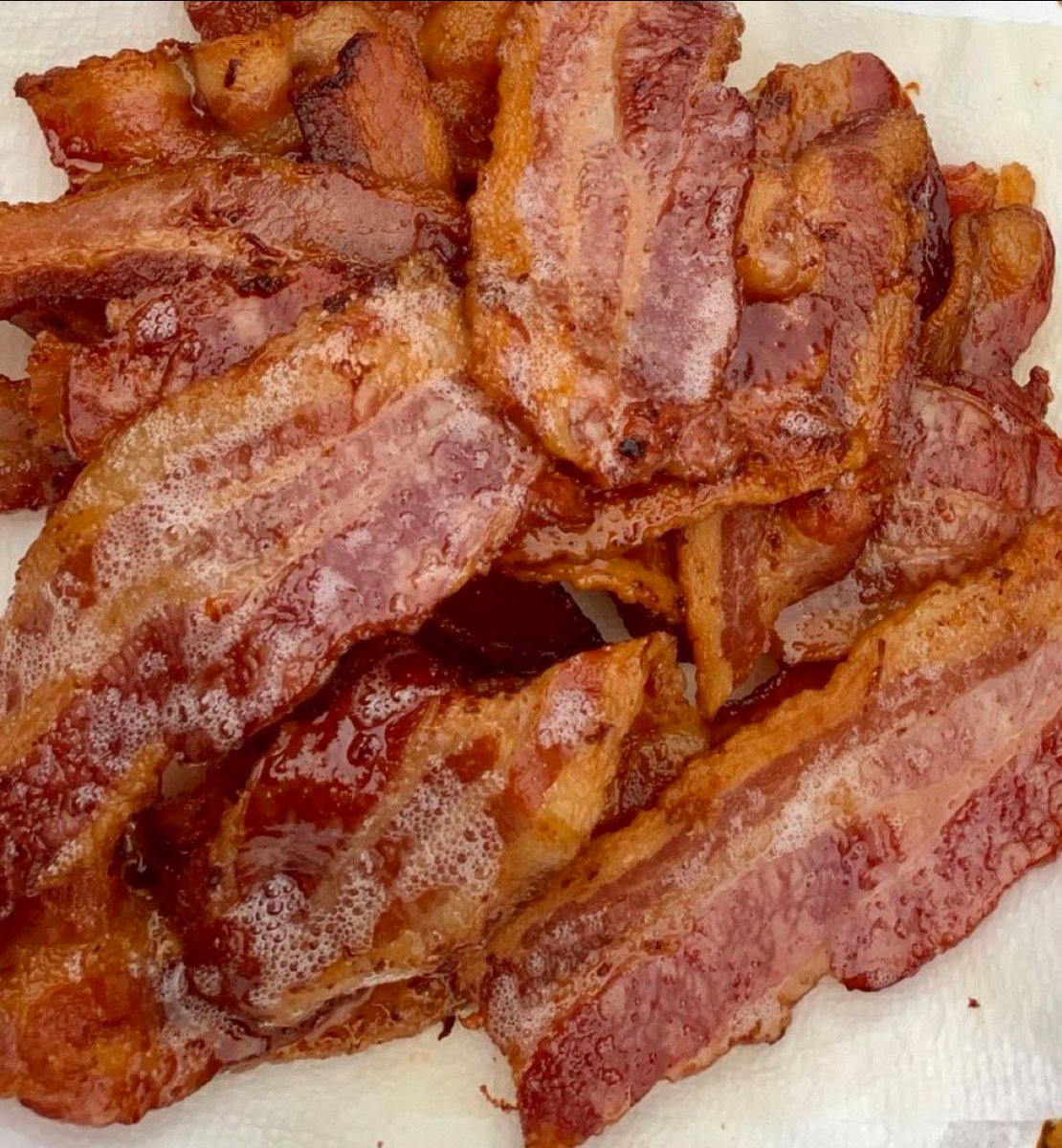
This is an oxymoron. Isn’t it?

1
2
126
Jack Griffiths retweeted

23 May 2025
If the government issued one of these for every baby aborted since 1967, the stack of paper would be taller than Mt Everest.

Content warning: this post includes information about baby loss.
Baby loss certificates are available on GOV.UK. The baby loss certificate officially recognises the loss of a baby, no matter how long ago. 🤍
You can request a certificate if:
- you’ve lost a baby before 24 weeks of pregnancy (or 28 weeks before 1 October 1992)
- you’re one of the baby’s parents or surrogate
- you’re at least 16 years old
- you live in England
What do you need to apply?
- your NHS number or postcode registered with your GP
- the mobile phone number or email address registered with your GP
- permission from the other parent and their email address, if you want their name on the certificate
Visit gov.uk/request-baby-loss-cer…
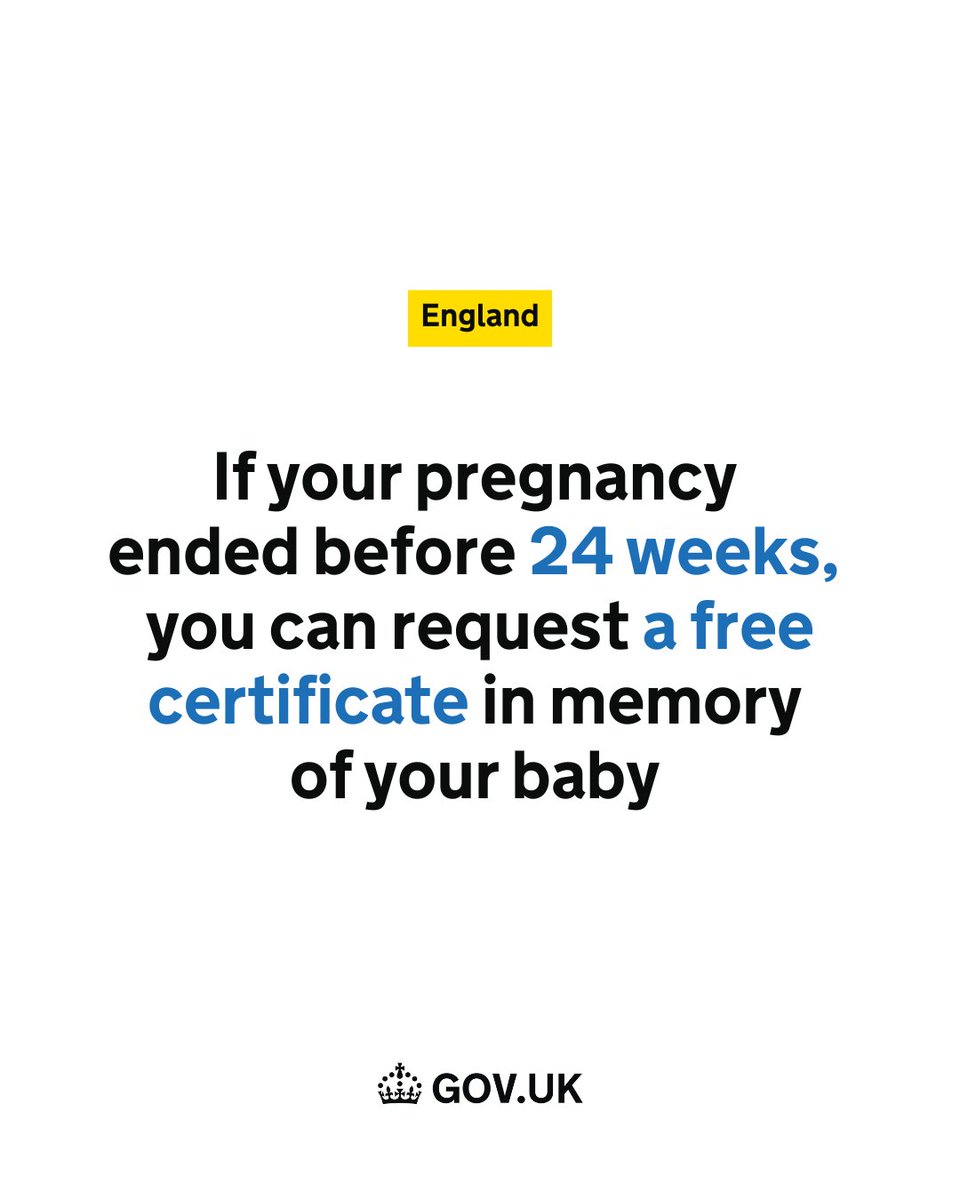
ALT White graphic from GOV.UK with text "If your pregnancy ended before 24 weeks, you can request a free certificate in memory of your baby."
3
8
57
4,088
Jack Griffiths retweeted

20 May 2025
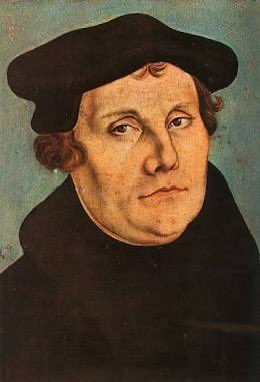
“I must listen to the Gospel. It tells me, not what I must do, but what Jesus Christ, the Son of God has done for me.”
-Martin Luther
56
169
1,160
24,132