
Economist. Researching Institutions, Intellectual Property, Innovation, and Inequality. MPhil Student, on leave from @OxfordEconDept, MSc @LseEcHist (RT!=E)
Joined March 2015
- Tweets 14,390
- Following 950
- Followers 19,895
- Likes 61,554
3,201 Photos and videos











Pinned Tweet

May 11
Here it is, the article you’ve all been waiting for: open.substack.com/pub/jackbm…

Apr 30

I’ve been holding off in pursuit of other topics, but I think it’s about time I write a “why institutions” article
2
29
141
20,525
Fun fact, prior to grad school I worked at a boutique craft beer retailer and was certified as the beer equivalent of a sommelier
3
22
1,645
Jack Meyer 🏛️ retweeted

smh Italy had lots of trillionaires before it joined the Euro.
3
39
4,752
On the one hand, revolutionary communist governments tend to repudiate all foreign and domestic debts incurred by the preceding regime, on the other hand U.S. public debt is roughly equivalent to the private wealth held by the top 0.5% of Americans
Jun 12


3
1
54
5,708
Jack Meyer 🏛️ retweeted

Jun 13
that this is possible, is, perhaps, a reason to have a moral objection to trillionaires
Jun 12

I don't have any moral objection to trillionaires, but does it have to be a whack job obsessed with white identity politics and conspiracy theories
6
22
334
8,511
Jack Meyer 🏛️ retweeted

Jun 12
How come nobody is a natural burgher. Who out here is born to break up guild privileges and sell fur futures.

26
58
1,429
71,487
Jun 12
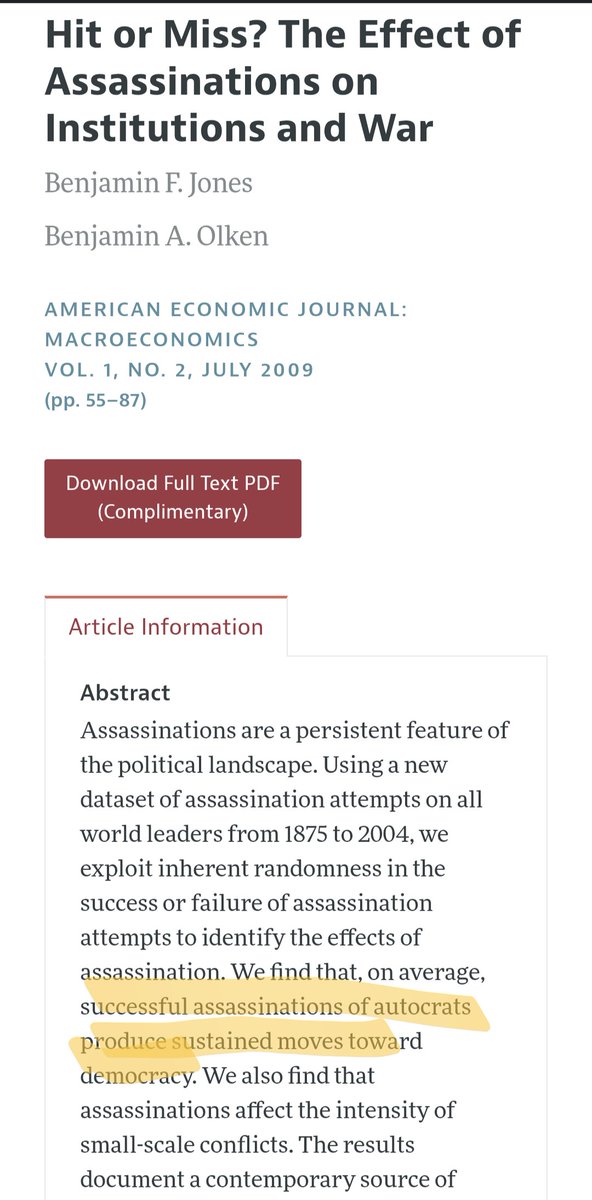
I’m guessing the RCT proposal didn’t make it past the ethics review board

Dictators checking the table of contents in the American Economic Journal: Macroeconomics this morning: 😳
2
11
169
9,299
Jun 12
Minor methodological nitpick, but comparisons of the relative concentration of incomes throughout history ought to account for the frontier of possible inequality at a given per capita income level since the minimum individual allocation is ultimately subsistence.
2
10
1,294
Jack Meyer 🏛️ retweeted

Jun 12
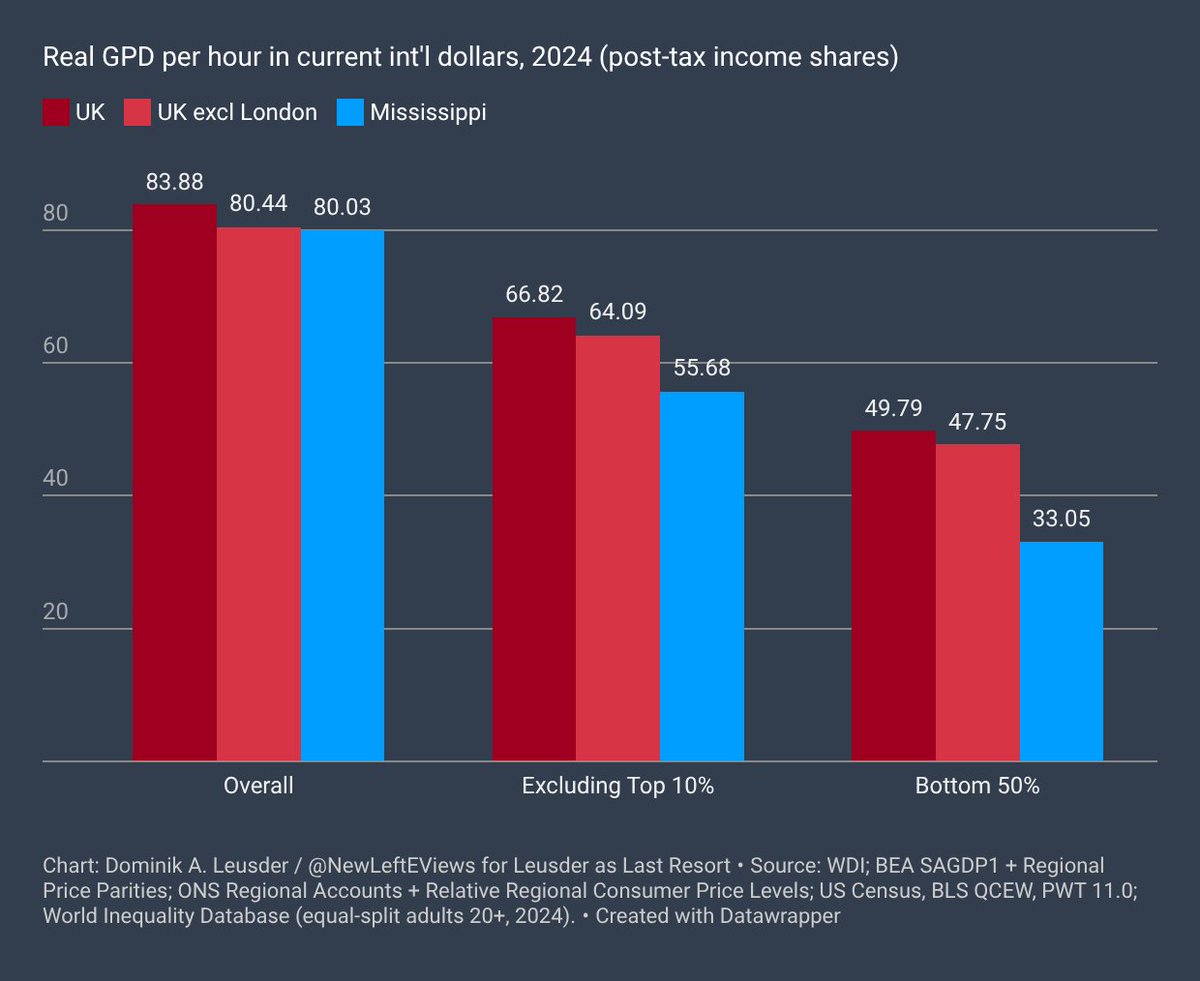
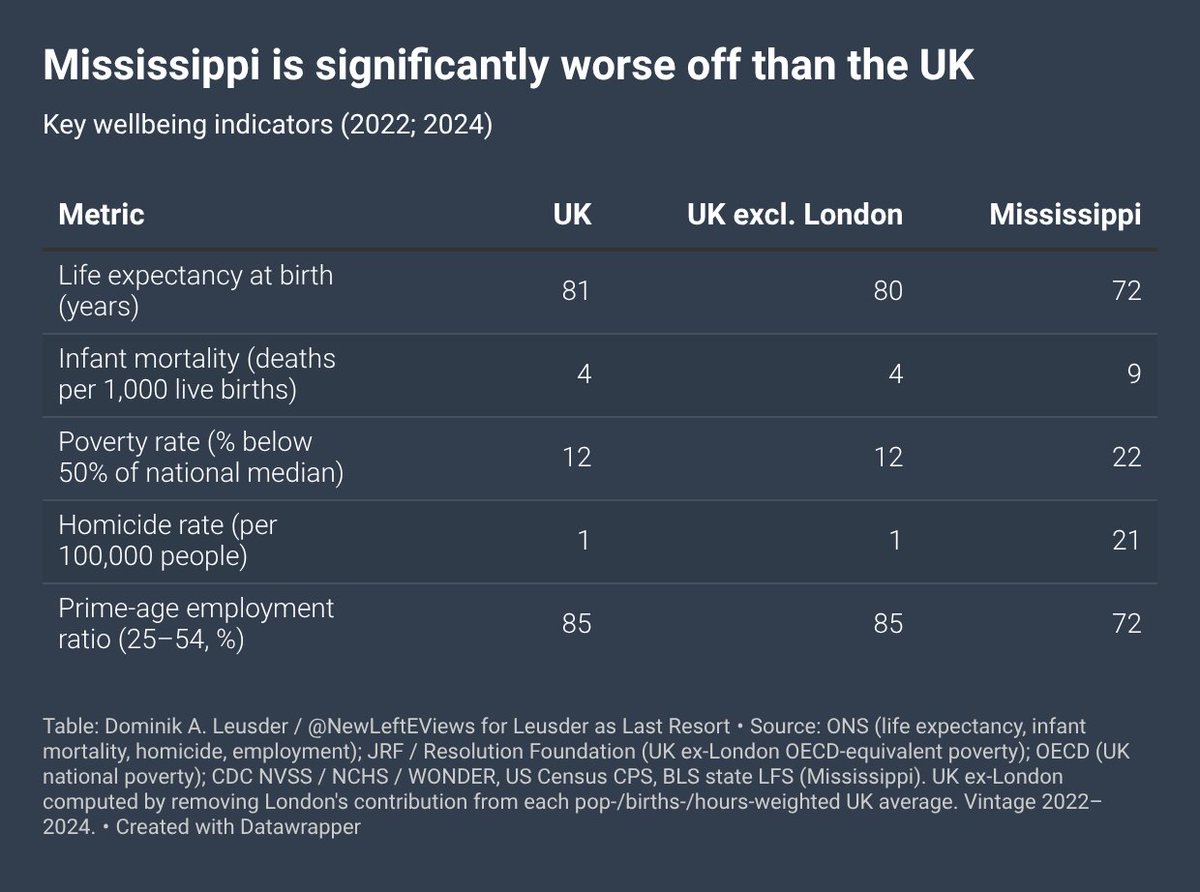
The Mississippi versus UK thing is funny and I think it's worth discussing in a longer essay that I'm writing on Britain's decline, so I've removed the thread from yesterday for now. But for now here are the headline graphics.
4
12
113
9,183
Jack Meyer 🏛️ retweeted

Jun 11
It's the opposite. During the mid- to late-19th century, suits were the uniform of clerks and administrators. Those higher on the social and economic ladder — such as lawyers, doctors, and politicians — wore the more "gentlemanly" frock coat with a silk top hat. In fact, Labour Party founder Keir Hardie caused quite a stir when he showed up to work on his first day as a Member of Parliament while wearing a tweed suit to show his allegiance to his working-class constituents. The press was shocked, noting that he wore a "cloth cap in Parliament" (a tweed deerstalking cap, rather than the silk top hat).
With time, everyone wore the suit. By the early 20th century, those who owned the means of production wore the same uniform as those who managed them. Blurring this distinction can seem meaningless today, but it was quite a big deal in the early 20th century. Even manual laborers who wore more utilitarian clothing to work — chambray shirts, blue jeans, chore coats, etc — had a suit for religious services on Sunday. Thus, the suit was not a symbol of domination, but rather hid class markers.
To be sure, there were distinctions in how people wore suits and where they bought them. In London, businessmen could be distinguished by whether they bought their clothes from a "City tailor" or a "West End tailor" (the West End being the higher-grade option reserved for those with money). But these were relatively minor and only for the trained eye. Relatively speaking, class symbols today are significantly more obvious not only through the different grades of quality, but also logos and general aesthetics. Hence, to some degree, why fashion changes so rapidly today — people are constantly shifting their social position.
Jun 11

Change my mind: Business suits are a symbol of domination of men over other men.
63
308
5,039
336,948
Jack Meyer 🏛️ retweeted

Jun 12
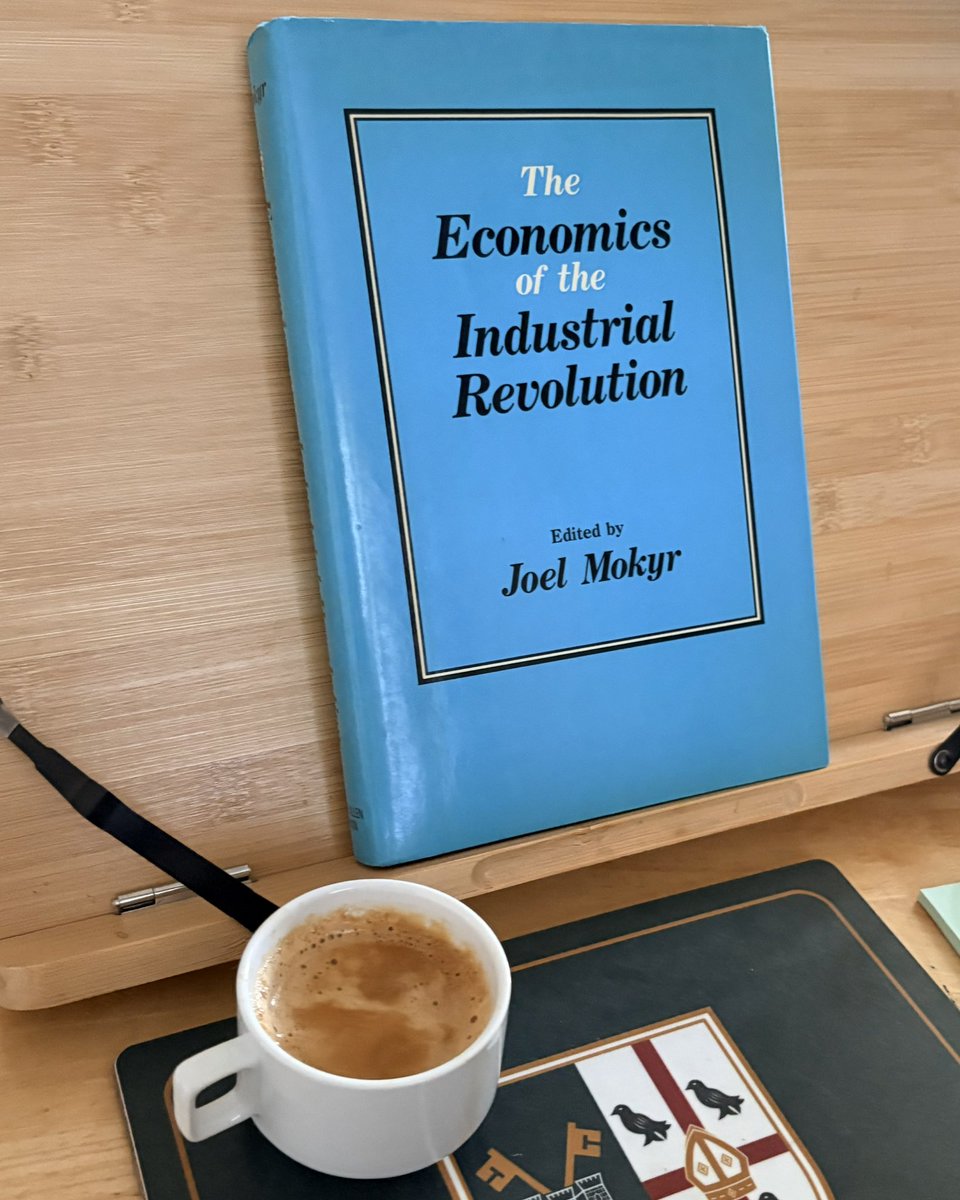
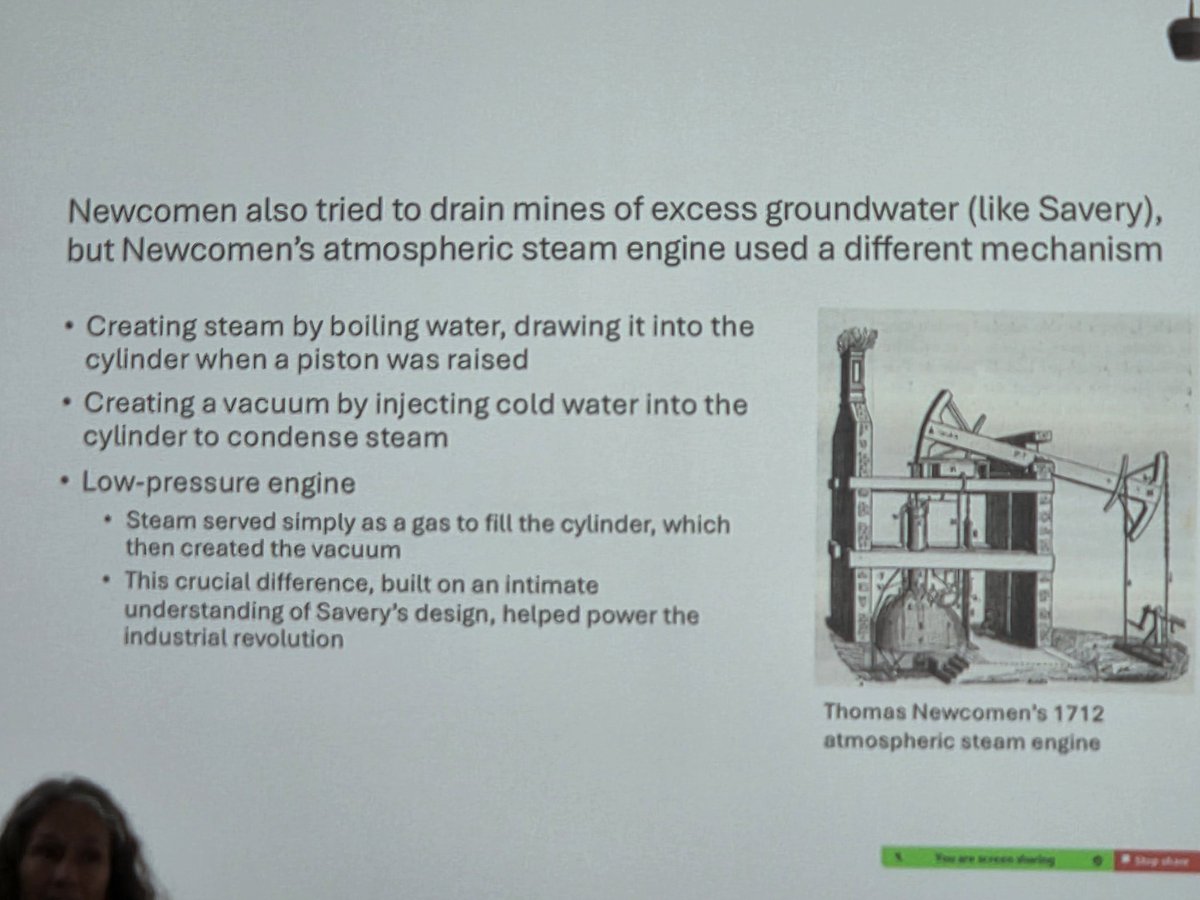
Paper 9 is Petra Moser asking whether patents really drove the IR.
She tells us that Newcomen worked on Savery's engine for 10 years, and eventually succeeded in making in work (and not blow up)
1
2
9
1,004
Jack Meyer 🏛️ retweeted

Jun 12
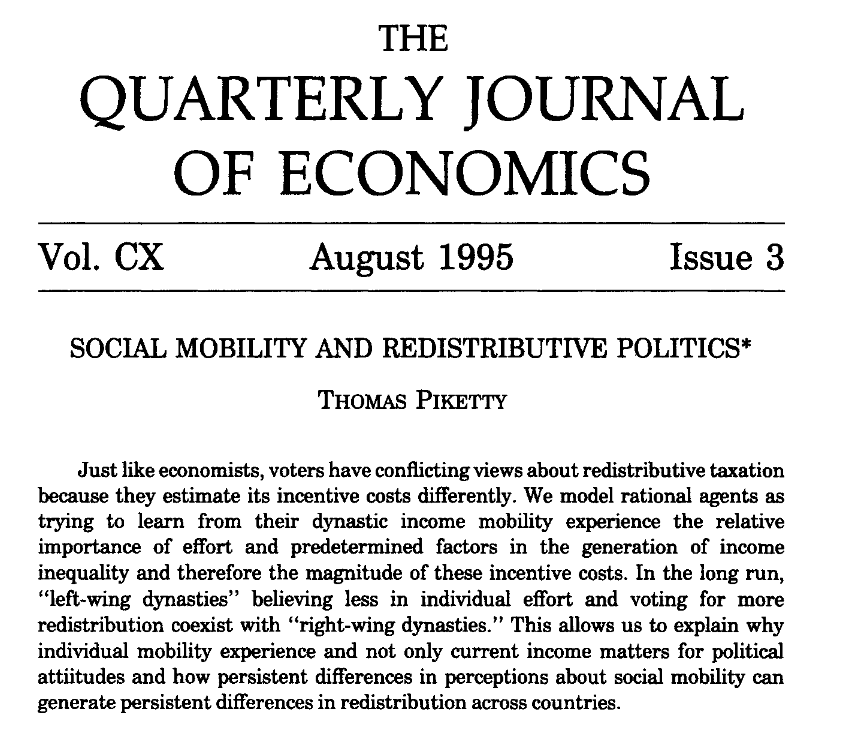
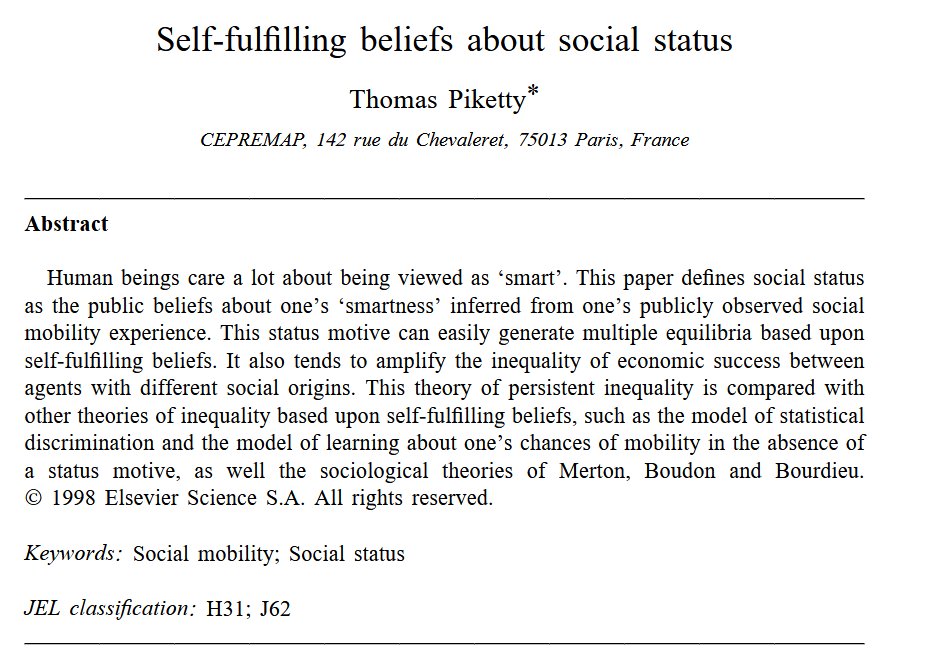
Some Piketty (et al.) bangers to explain why he is so respected, even before Das Capital 2.0, and whatever AI-generated stuff he publishes in the newspaper today
In the 1990s, he formalised theories of self-fulfilling preferences and redistribution. He showed us (1/4)
15
73
728
95,184
Jun 11
Slimmer-cut, mid-rise trousers are perfectly good and not without precedent in classic American style

Jun 11
The whole gen-z, high-rise, full-cut, pleated trouser thing is getting out of hand. It’s time to take a step back, get some perspective and remember that mid-rise straight-leg trousers are decidedly NOT the same thing as low-rise skinny jeans
9
3
255
58,768
Jun 12
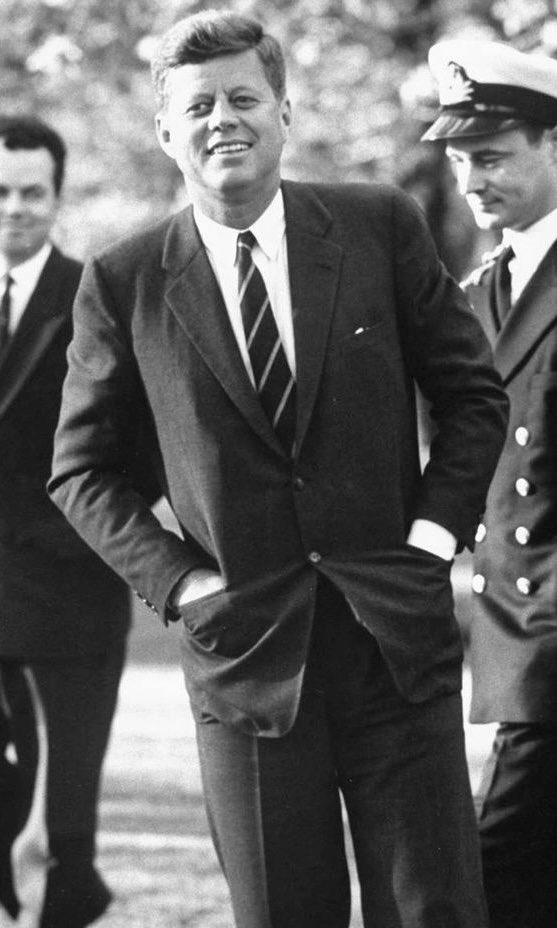
I’m partial to this style myself. A handful of my suits are Brooks Brothers’ Fitzgerald fit, directly inspired by Kennedy’s tailoring
14
1,806
Jun 11
I, an economist, have done the maths: 'Geography' is a doomed strategy – there is a better way
5
9
191
7,992
Jun 11
For those interested in learning more about why: x.com/Jackbmeyer/status/2053…
May 10
Why institutions? The simple case for institutionalism in economics is that ‘counterintuitive’ empirical evidence, defying economic logic, is often by comparative institutional construction and the result of frictions or other constraints on market behaviour.

1
3
951