
CEO of Raindrop (Raindrop.Agency), 4x Emmy®️Winner, Host of “Marketing People Love,” Husband & Father, Tweets about business, marketing & silly jokes.
Joined February 2018
- Tweets 6,319
- Following 932
- Followers 3,034
- Likes 11,292
1,215 Photos and videos





Jun 14
Brunson left $113M on the table so the Knicks could build around him.
Now everyone eats.
Happy for him!
1
125
Jacques Spitzer retweeted

Jun 10
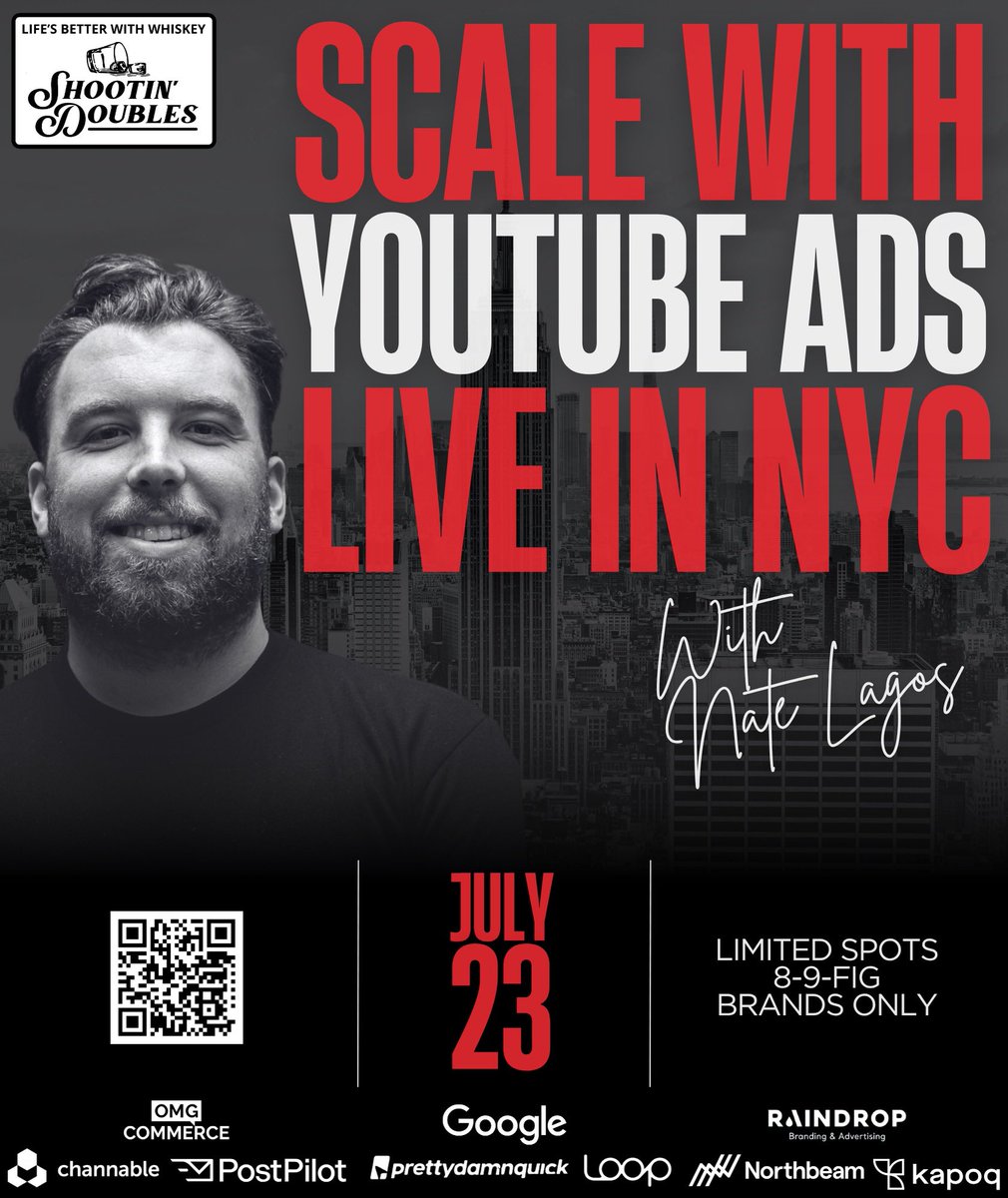
I’ve spent a lot of money working with YouTube creators across 4 different brands, from major networks like Barstool & Jomboy, to niche creators that only average a few thousand views. But we found a way to make creators on both ends of the spectrum perform at a better ROAS & CAC than meta, and ultimately drive a ton of profitable revenue
I’ll share the wins, the losses, and all the lessons July 23rd in NYC alongside @BrettCurry @JacquesDrop & a few other legends.
If you’re YouTube-curious, this event is a must.
3
2
15
930
Jun 9
I looked this up and it’s real. This really shouldn’t be legal.
Jun 8

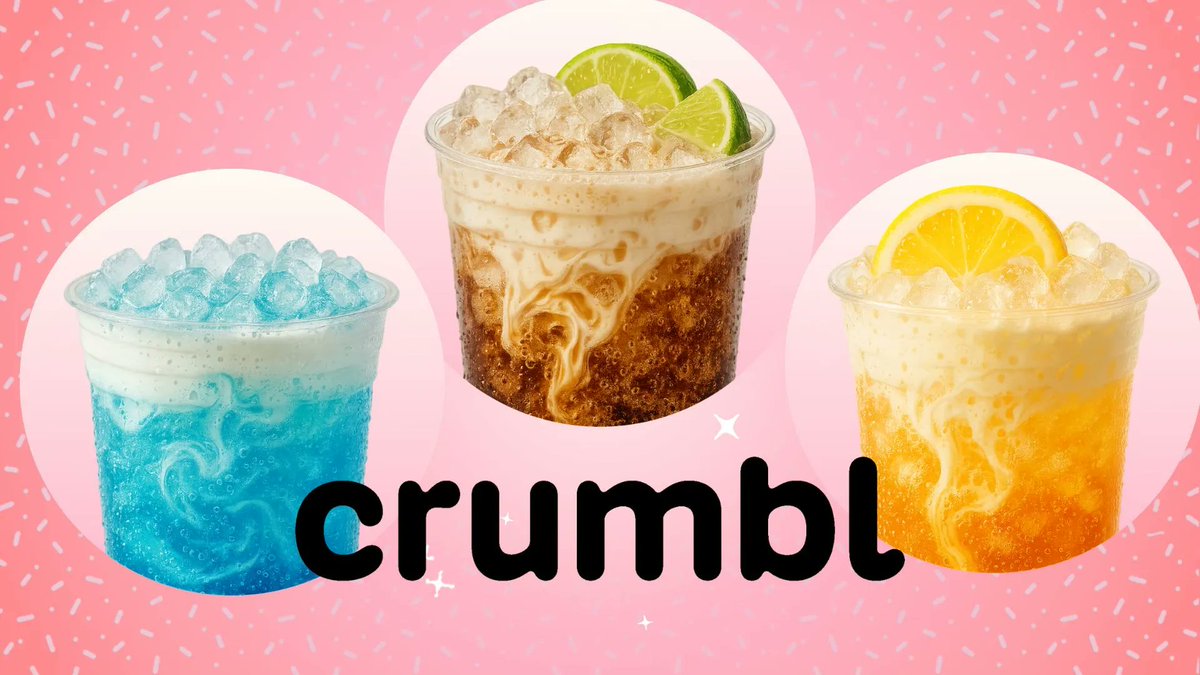
Crumbl needs to be stopped.
Their new "dirty soda" contains 186 grams of sugar, the equivalent of eating 19 Krispy Kreme donuts. This is a metabolic disaster and should be illegal.
Please do not drink this.
2
2
2,037
Jacques Spitzer retweeted

Jun 6
A friend of mine has two tickets for game 4 of the nba finals. They are courtside seats plus airfare and hotel accommodations. He didn't realize when he bought them that this is the same day as his wedding - so he can't go.
If you're interested and want to go instead of him, it's at St. Peter's Church in New York City at 5 PM. Her name is Donna. She will be the one in the white dress.
103
285
5,926
1,064,906
Jun 5
Someone presented this to me today and I’m still laughing about it
71
Jun 4
I saw a new Coke ad for the world cup .. and my first reaction was .. ehhh is it AI?
Kind of sad that they have burned their trust with me and whatever they make now has me assuming the effort to shoot it isn't there. First time I have felt that.
3
4
2,430
Jun 3
Telly winner for @mbertulli and the Lomi team!
Loved this story that turns food waste into something fun worth sharing.
1
146
Jun 3
New work for Willie's!
It's legendary.
Always love working with @forrestjdein and his team.
92

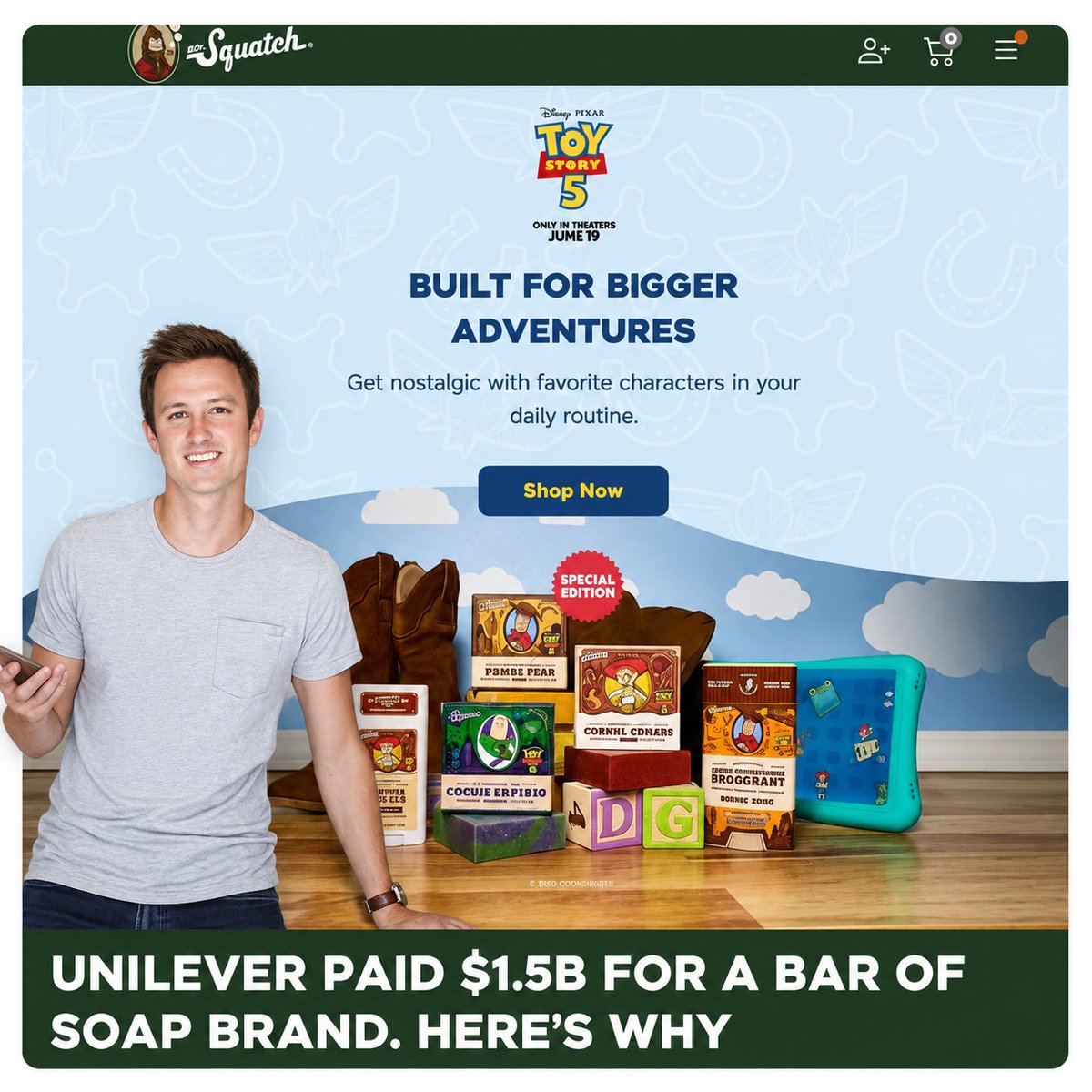
Dr. Squatch sold to Unilever for up to $1.5B.
Here's how a guy making soap at farmer's markets built a $400M brand that a $60B consumer giant had to own.
The numbers:
Grew revenue 20x in 2 years, from $5M to $100M, purely through DTC and viral content
Scaled further from $100M to $400M before the exit
85% DTC, 15% retail
Acquired by Unilever at roughly 17x EBITDA
Now here's what actually built it:
1. They made soap addictive
Monthly consumable. Natural reorder cycle. No chasing customers. On a brand scaling this aggressively, 20-30% of revenue coming from subscriptions is rare. That's $80-120M (Estimation) in predictable annual revenue before they ever had to acquire a new customer.
2. Their ads were a cheat code
They ran ads that cost 83% less than the industry average. They weren't just viral, they were efficient. Most brands burn cash as they scale. These guys got cheaper.
3. They stayed 85% direct on purpose
$340M out of $400M coming straight through their own channels. Unilever didn't just buy a brand. They bought a customer list, a subscription base, and a data machine.
4. Bundles 5x'd their order value
They didn't just sell soap. They sold kits, bundles, full grooming routines. One transaction, multiple products, one customer acquisition cost.
5. Retail was the multiplier, not the foundation
They only went to Walmart after the brand had pull. 1,600 stores, but DTC was already doing the heavy lifting. Retail became upside, not survival.
Unilever didn't buy Dr. Squatch because it was a nice brand.
They bought it because it was taking enough market share from their legacy portfolio that ignoring it was no longer an option.
That's what triggers a strategic acquisition at a premium multiple. Not just growth. Disruption that threatens something much bigger.
Build a brand that becomes someone else's problem. The exit follows.
1
15
2,081
May 29
So much wisdom
May 28

Today is my 45th birthday.
Here's 45 lessons & principles I've collected along the way:
01 - Pessimists sound smart, optimists get rich.
02 - Today is the youngest you'll ever be.
03 - Your happiness depends on the quality of your thoughts.
04 - Don't eat with people you wouldn't starve with.
05 - Trustworthiness beats attractiveness.
06 - Trust is earned in drops and lost in buckets.
07 - If you keep score with your partner, you've already lost.
08 - Spend your time becoming a great person and the right people show up.
09 - Everything we say at funerals should be spoken at birthday parties instead.
10 - Look down for gratitude, around for support, and up for inspiration.
11 - Make a fool of yourself more often. Embarrassment is the cheapest tuition there is.
12 - You are the only person on earth who can use your gifts, so stop waiting for permission.
13 - Everyone is jealous of what you've got, but nobody is jealous of how you got it.
14 - Never compare yourself to someone else's highlight reel.
15 - Live your life like everything is working out.
16 - The price of inaction is almost always higher than the price of being wrong.
17 - Accountability is the currency of autonomy.
18 - Good luck competing against someone who cares and is having fun.
19 - If you stand for everything, you stand for nothing.
20 - Strong position, loosely held.
21 - I'm either winning or I'm learning.
22 - Volatility is good for velocity.
23 - Movements don't start with stopping.
24 - Do the unscalable; that's where real leverage hides.
25 - Most people need to hear something seven times before it sinks in, so repeat yourself shamelessly.
26 - Incentives drive behavior, not the other way around.
27 - Perception is reality, whether you like it or not.
28 - Stories move people; spreadsheets don't.
29 - Marketing takes a day to learn and a lifetime to master.
30 - Don't rush to get big.
31 - Starting something to exit it is weird.
32 - People don't quit companies, they quit leaders.
33 - You're building a team, not a family.
34 - If you wouldn't work with them for a lifetime, don't work with them for five minutes.
35 - Great communicators take ownership of the other person's comprehension.
36 - Scale your thinking through writing.
37 - Every hour of your life is not worth the same. A few are probably worth 100x more than all the others combined.
38 - Givers have to set limits because takers never will.
39 - Be the biggest fan of the people you love, out loud, while they can hear it.
40 - Lift heavy. Walk daily. Cook your own food. Your body is the only one you get.
41 - Money buys options, not character.
42 - Your kids are watching how you handle the hard days, not the easy ones.
43 - Family is the only compounding asset that matters.
44 - Success is daily impatience combined with decades of patience.
45 - Your ducks are probably not in a row. You likely don’t even know where they all are. And one of them is probably a pigeon. Welcome to life.
1
76
Jacques Spitzer retweeted

i used to think spending ANY dollars on anything other than purchase conversion ads (aka 'brand building ads') was the stupidest thing any marketer could do
turns out i had the wrong definition of brand
and being wrong on that front was one of the most costly errors i made while building Chubbies
if you're a performance marketer seeing CAC rise, incorporating brand into your mix could be one of the most impactful things you do this year
here is what i learned about what a more performance-marketer-friendly definition of brand is
sharing here so you don't have to go through the same paid I did - flushing millions (legit) down the toilet thinking all media spend had to drive an easily attributable purchase
what brand isn't:
• logos and fonts
• a brand book nobody opens
• disconnected from performance
• only for super bowl advertisers
• unaccountable
what brand actually is:
• your moat
• pricing power
• future incremental growth
• the reason people buy without you fighting on price and features every time
the thing that kept us from starting was an incorrect assumption i call the mythical trough of despair --- aka the idea you eat a short-term revenue hit before the payoff shows up (if ever)
in our direct experience, and across marathon engine customers, the trough doesn't happen
and we see that be the case time and time again
one of the key reasons: the least efficient 5-20% of current DR spend is completely wasted, so reallocation can, in some cases, drive increases
and the long-term compounding we all want, but seems impossible to measure?
we measure it. marathon data's brand value model geo holdout incrementality tests
the lift is real. and it doesn't stay on the dtc site.
it halos to:
• amazon
• tiktok shop
• and most of all (by a factor of 2) brick and mortar retail shelves
construct a funnel of actions, especially the brand actions we need to drive for the 95% of potential customers who are not currently in market, and generally, good things happen
enjoy
7
1
22
3,752
May 22
Subway unlocked something massive with their Jared campaign and I think about it all the time.
His story was so powerful, not only because of his weight loss, but because he ate there every single day, it normalized the idea of eating at a subway 3-5 times a week for people. It turned something that most of us would have found awkward at the time, into something that was a healthier choice. (Whether people were getting meatball subs or turkey wraps is a different story)
Then came the $5 foot long.
When it comes to brand building I think we all know that discounting can feel like a short term solution with potential longer term ramifications.
I've felt that tension with Subway over the last few years.
"14 dollar, 14 dollar foot loonnnnng" doesn't have the same ring to it.
It's a good reminder not to make your pricing your identity.
** sent from the 99 cent store where everything is $1.25 now**
2
6
603
May 19
I paid $4 tonight to purchase two old episodes of Pimp My Ride to show my son what it was.
It lived up to my memories and Xhibit was even better than I remembered as host.
1
9
218
May 18
The opening track from ICEMAN, "Make Them Cry," broke the all-time Spotify record for the biggest debut of a rap song in a single day, pulling in 13.2 million streams and edgeing out Kendrick Lamar's "Not Like Us" (which previously held the record at 12.8 million).
1
3
184
May 16
Remember when people were calling the Jaguar campaign brilliant?
1
1
150
May 14
My friend said this yesterday and I loved it. Teaching it to my son ASAP.
Confidence is what empowers you to live your values.
2
112
May 13
Incredible
May 13

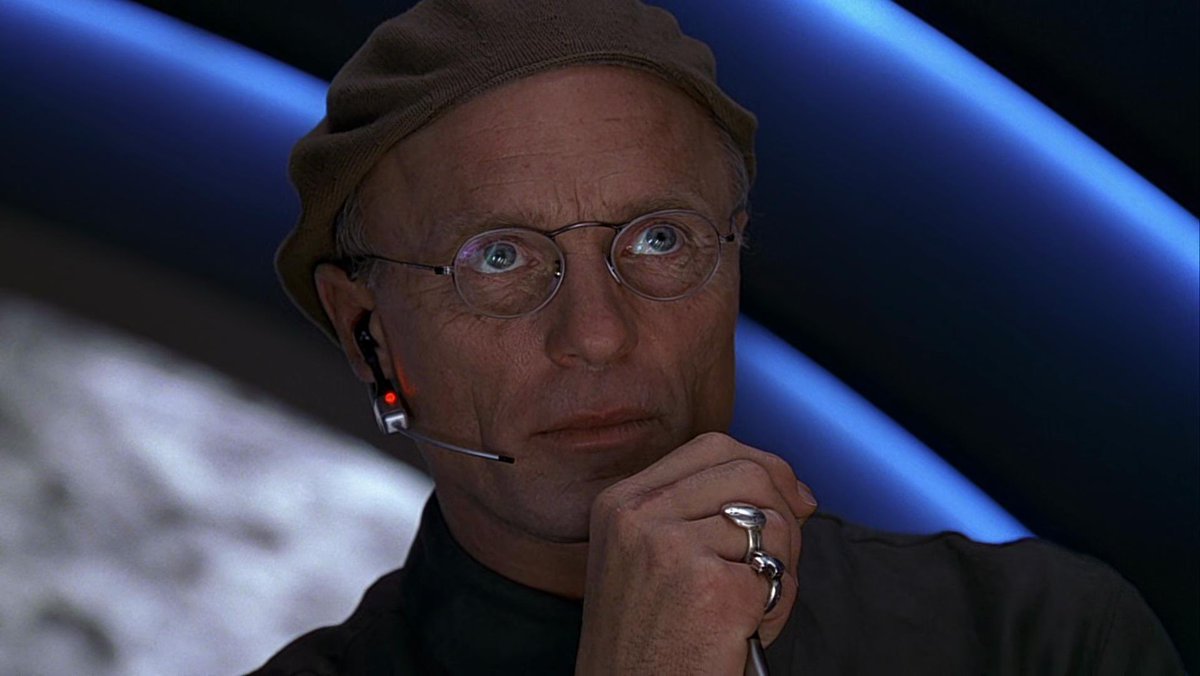
He’s presenting the final design. Add seven brand new stakeholders he’s never met
3
226