Making language a bridge for bold visions at @localazy as #netpositive #CMO. Green Thumb.
Joined February 2008
- Tweets 9,436
- Following 648
- Followers 702
- Likes 1,792
2,166 Photos and videos










Pinned Tweet

7 Feb 2023

301
20 Jun 2024
It's a family friendly company :)
17 Jun 2024

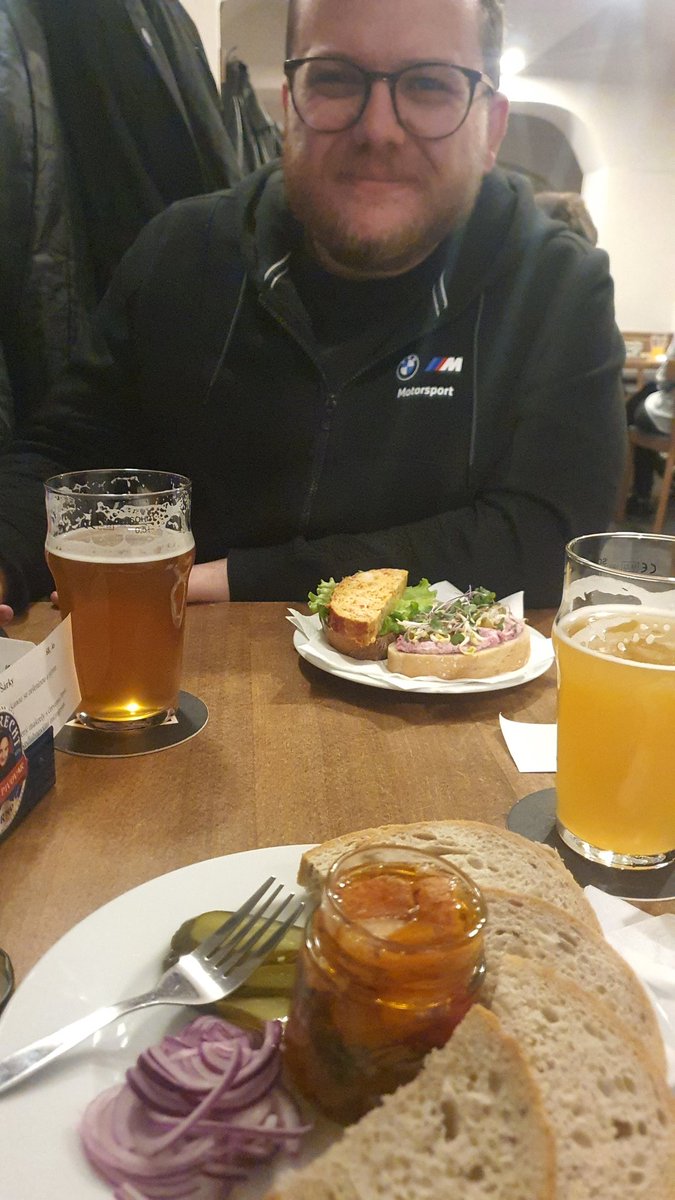
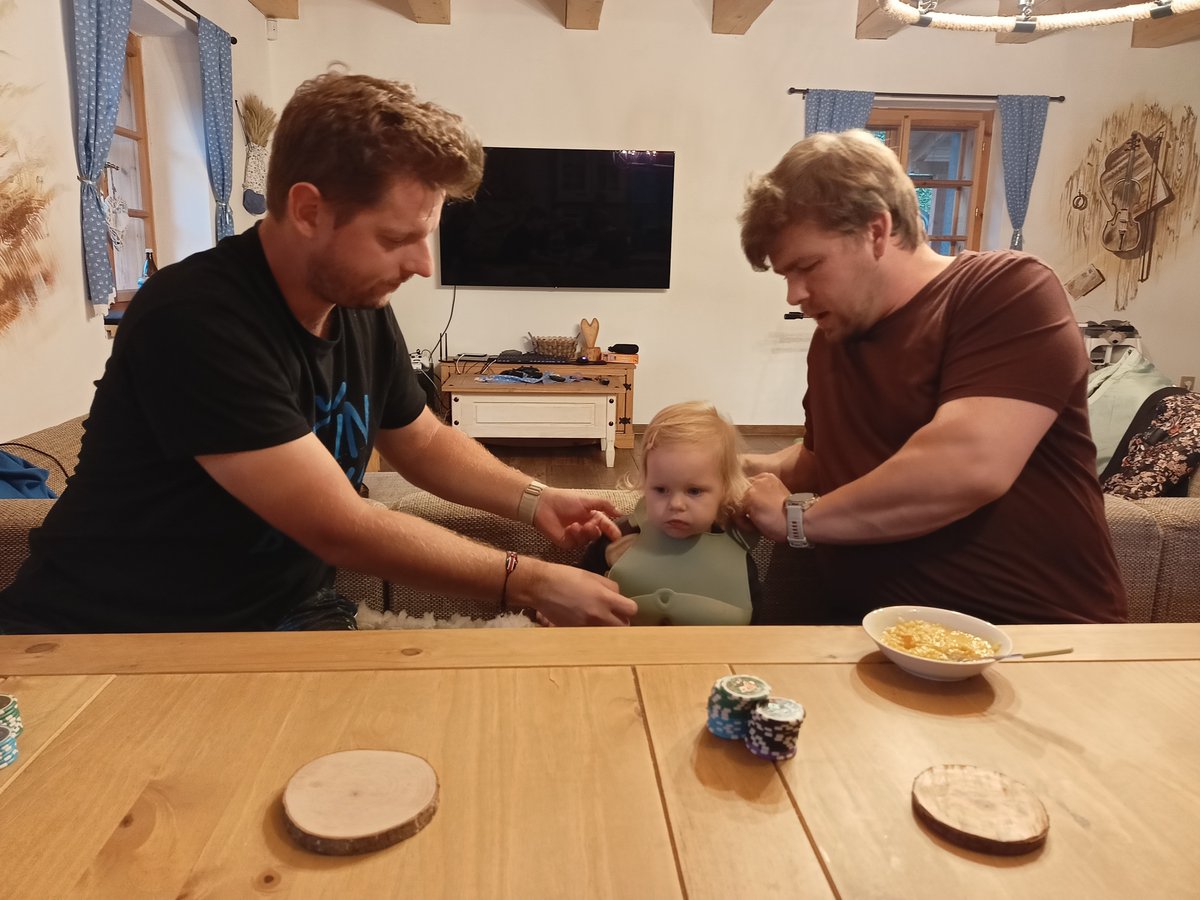
One photo from our hackathon instead of 1000 words...
Our CMO, @JakeDubec, on the right, and our awesome developer, @dave_vaclavek (who, among other things, is the author of our state-of-the-art Figma plugin), are working together to achieve the goal!
1
54
23 May 2024
Marketer & the datalake with raw data.

2
37

Juggling platforms and formats, tracking updates, coordinating with designers and developers... 🤯
📈How can you handle localization when your business is growing quickly?
Check out our feature in @storyblok 's blog to find out!
storyblok.com/mp/integrate-l…
2
1
99
6 May 2024
Dirty bit..pardon, CEO. The best one! :-)
4 May 2024
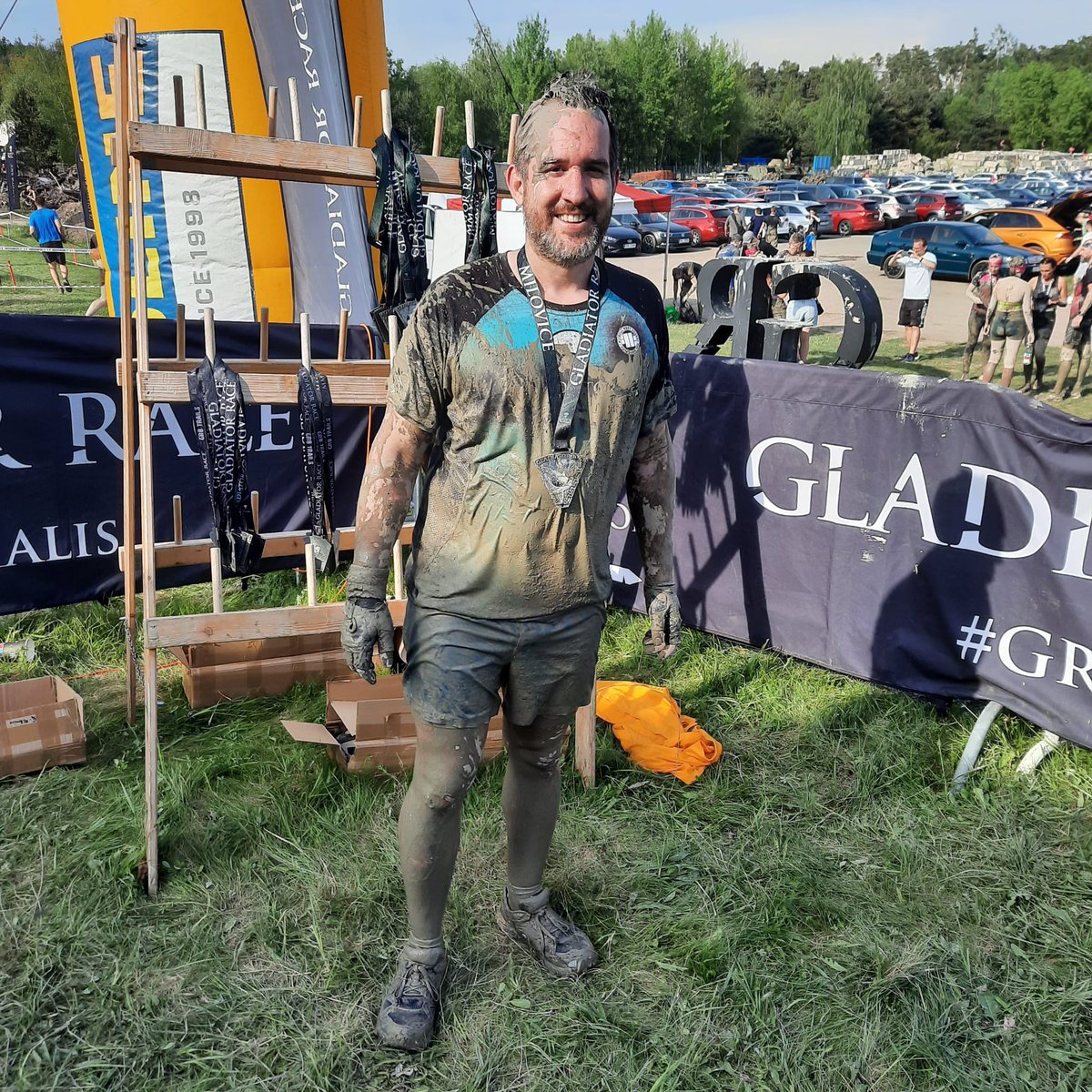
What was your weekend like?
Me after 8km obstacle run. Recharging batteries to overcome obstacles in business next week 🙂
1
51
26 Apr 2024
Will @EndelSound ever support @Garmin? The FAQ answer is quite foggy on ETA for other wearables than @Google or @Apple ones.
1
96

Nuxt I18n new docs have been released!🚀🔥 We appreciate the contribution from Nuxt community! 💚
i18n.nuxtjs.org/

1
12
84
6,861
15 Feb 2024
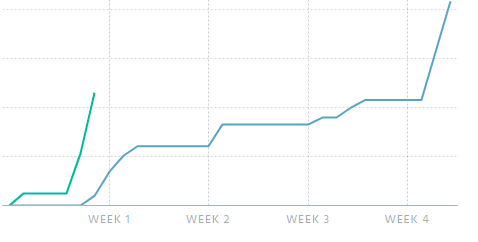
As Lenin said: in some decades nothing happens, and in some weeks a whole decade happens.
Looks like our recent MRR growth after stagnation 😂
1
2
81
Jakub Dubec retweeted

15 Feb 2024
Stripe, Profitwell, exchange rates -> my tool -> @fibery_io
Business expenses, manual invoices -> @fibery_io (managed manually through fibery's UI by my non-technical colleague)
Financial plan 2024 -> @fibery_io (entered manually once)
@fibery_io -> my tool -> beautiful automatic reports Google Sheets for investors
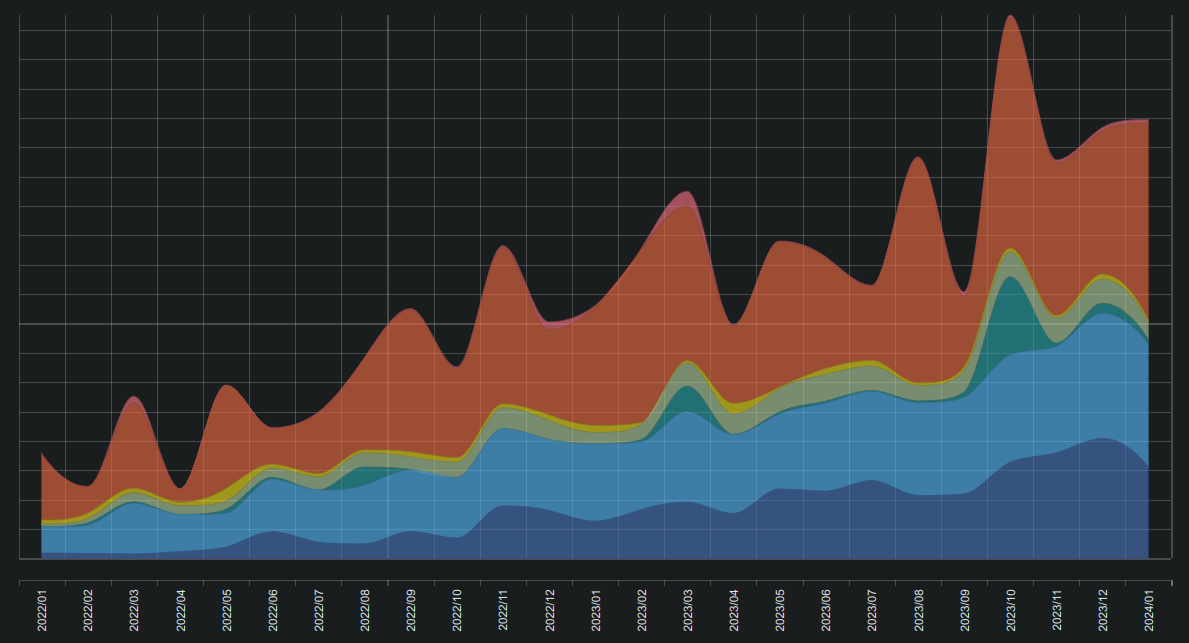
This is how I can nicely monitor our cash flow, revenues, expenses, #saas metrics (MRR, Churn, CAC, LTV, MtR, Opex, Capex, ARPPU, ...), and performance.
For example, our revenue distribution across products/services:
2
11
1,418
8 Feb 2024
Petr Is my Black horse! 🤣
7 Feb 2024
When your head of product marketing returns from a strategy meeting with the CMO drunk and at midnight... 😀

1
48
7 Feb 2024
My god this CEO just woke up? no, kidding, He Is fckn awesome all the time.
6 Feb 2024
1
43
7 Feb 2024
These Lazy bastards, especially our CEO @vaclavhodek, deliver while you sleep, because they love to make life easier.

We have recently upgraded our TMS with new and exciting features!
Need a refresher?
🧵 Unroll to check out what's new at Localazy!
1
42
7 Feb 2024
Supposed to be a product marketing meeting, this was actually a meeting with a friend. And I am So happy for this.
We've managed to exchange the ideas, opinions, ambitions and company rumors as well, lol.
But most importantly, it was a great time to talk about life.
2
2
59
6 Feb 2024
Shall I make a hall of shame website for all of those website owners with unmaintained @WordPress and @joomla #CMS?
1
44
Jakub Dubec retweeted

5 Feb 2024
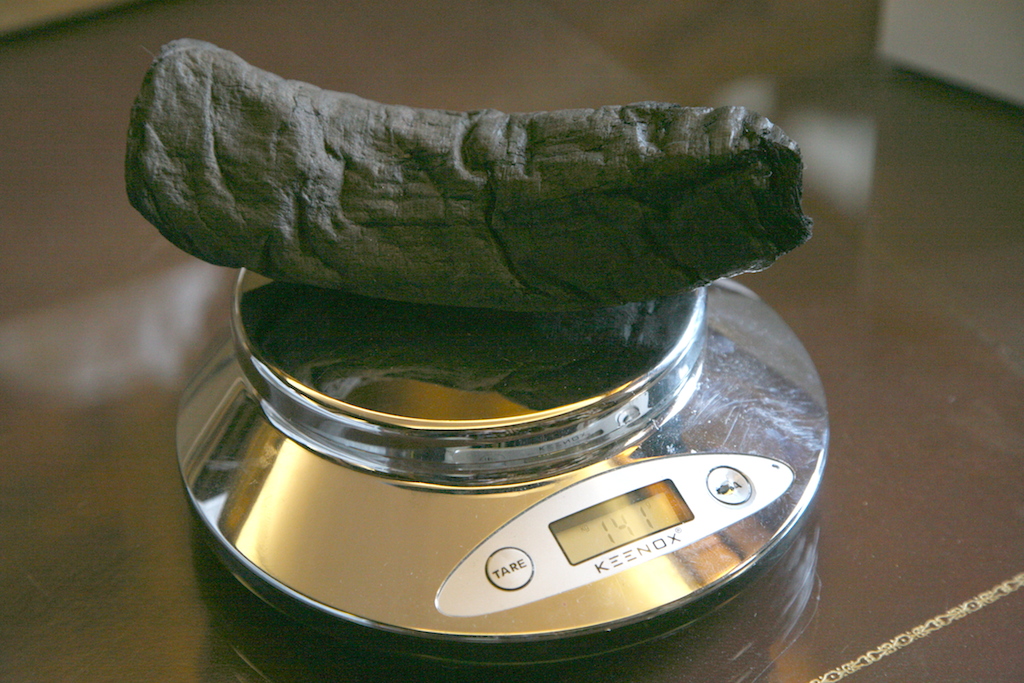
buried for 2000 years, a team of brilliant researchers employ the use of powerful new technology to reveal what are sure to be an earth-shattering bevy of insights. the insights: “fuck the stoics man what a bunch of little bitches”
5 Feb 2024

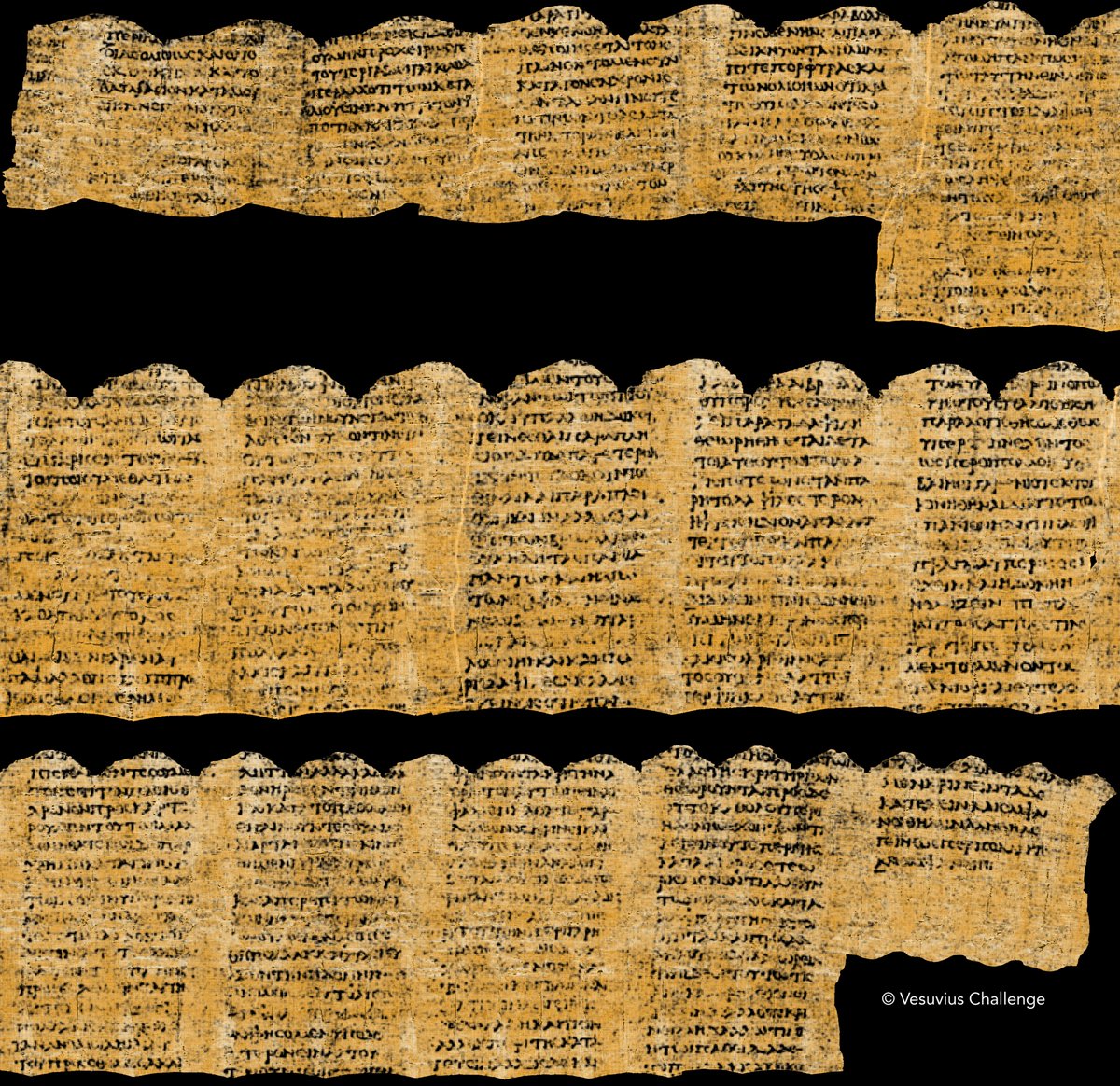
"The thoughts of our ancestors, locked in mud and ash for 2000 years, hidden in darkness — now, with the light of a worldwide effort shining upon them, finally seen again."
The Herculaneum Scrolls, also known as the Villa of the Papyri Scrolls, are a collection of ancient Roman papyri that were carbonized by the eruption of Mount Vesuvius in 79 AD. The carbonization helped to preserve the shape of the scrolls, but it also made them very fragile and difficult to unroll and read. So basically, we don’t know what they say… but we know they say something, because they’re scrolls. Discovered in the 18th century in the ancient town of Herculaneum, near modern-day Naples, they were found in a villa believed to belong to Julius Caesar's father-in-law, Lucius Calpurnius Piso Caesoninus.
But today, the Vesuvius Challenge — a computer science competition where participants were challenged to use computer vision and machine learning to read the scrolls — announced that they can read the first scroll! From @natfriedman's announcement:
"These fifteen columns come from the very end of the first scroll we have been able to read and contain new text from the ancient world that has never been seen before. The author – probably Epicurean philosopher Philodemus – writes here about music, food, and how to enjoy life's pleasures. In the closing section, he throws shade at unnamed ideological adversaries – perhaps the stoics? – who 'have nothing to say about pleasure, either in general or in particular.'"
Thanks to cutting edge engineering and AI, we now have completely new ancient writing to add to the canon. And there's more to do, still: 95% of the scrolls are still unread.
59
144
1,925
279,170
6 Feb 2024
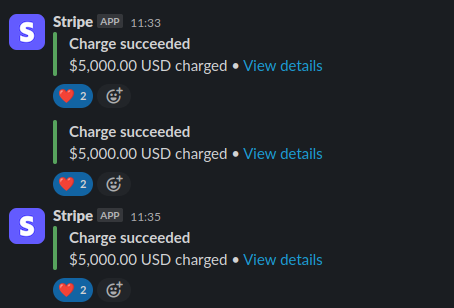
Start of this month is really nice, speaking new MRR, after optimizations in week 3 of previous month.
2
40
26 Jan 2024
Do you have an #opensource project you would love to make multilingual? Post a link in comments and win a @localazy plan!
2
3
105
18 Jan 2024
Am I completely out of the world? As I proceed with buying a home, you can get the fun out of it and learn how I grow @localazy. Aiming at 10K subscribers at 1 dollar a month, you can help me kill the #mortgage.
#CMO #crazyinpublic
jakubdubec.substack.com/
24