Optimistic Costa Mesan for walkable neighborhoods, human-scaled development, and people-oriented city planning.
Joined January 2017
- Tweets 15,269
- Following 3,211
- Followers 1,438
- Likes 93,996
1,166 Photos and videos



Pinned Tweet

8 Nov 2023
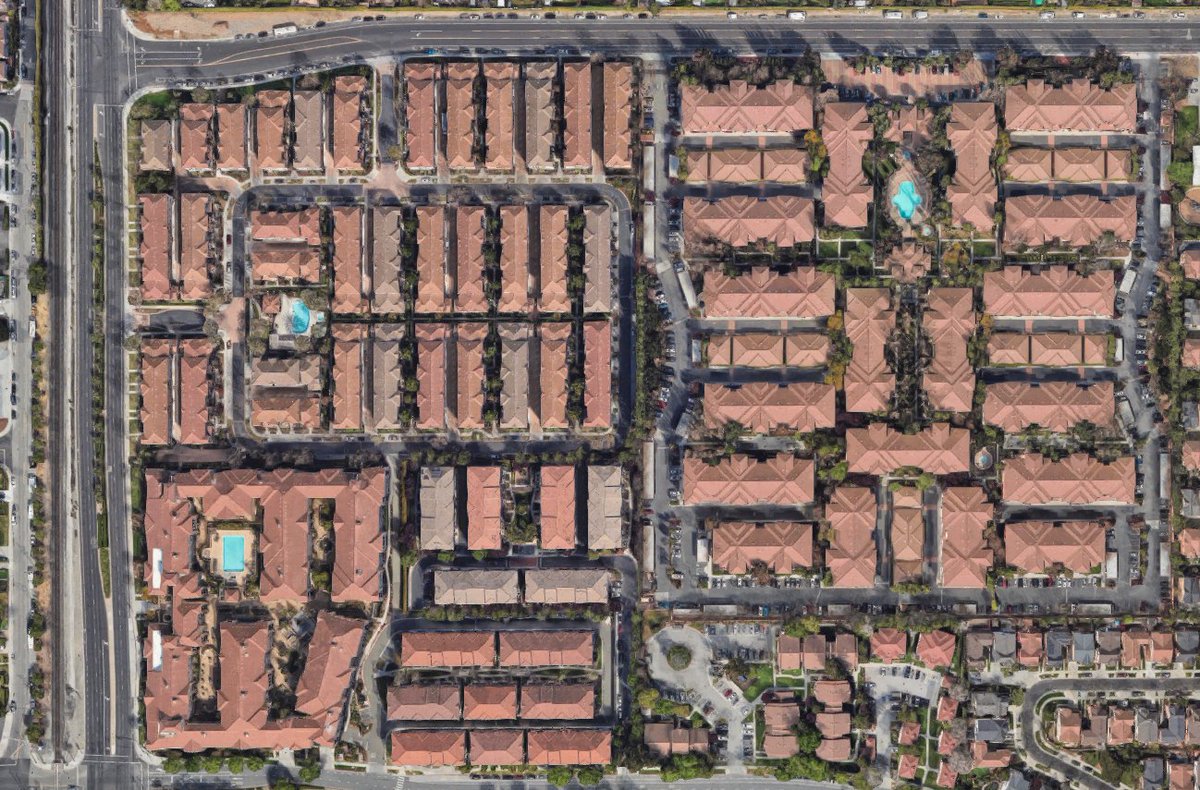
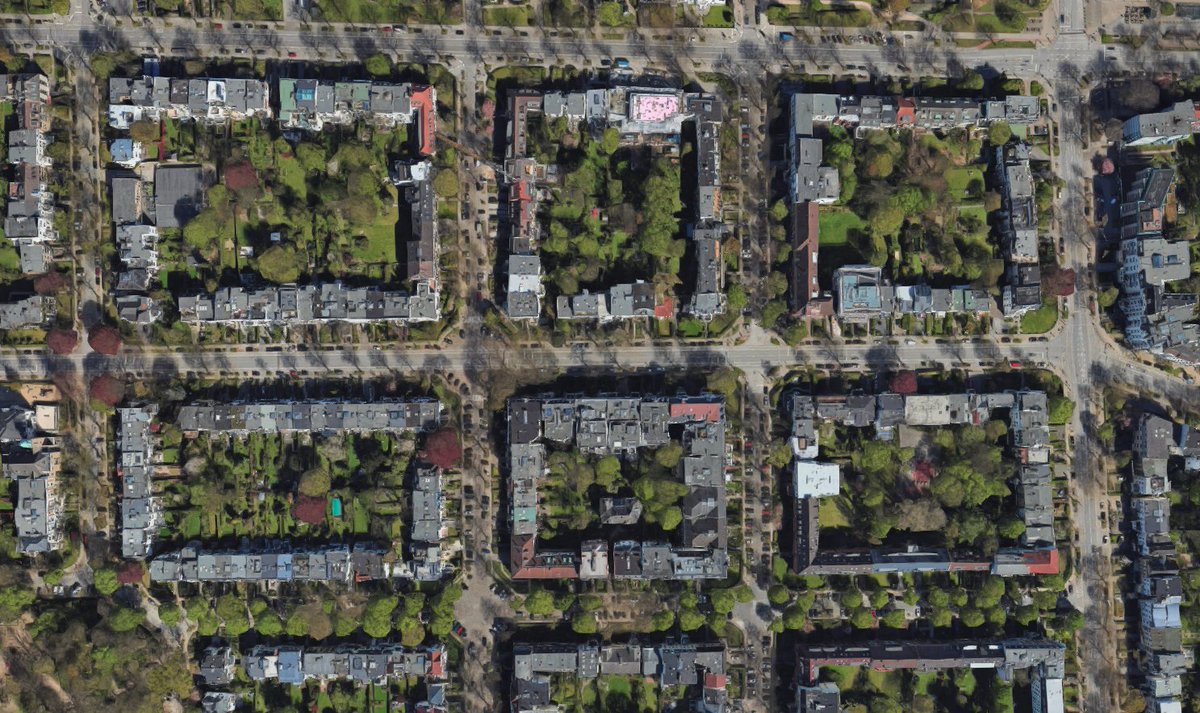
San Jose, CA and Hamburg, Germany at the same scale.
Which of the two urban environments do you think most people would prefer to live in?
9
16
101
19,976
Costa Mesa Jaywalker retweeted

13h
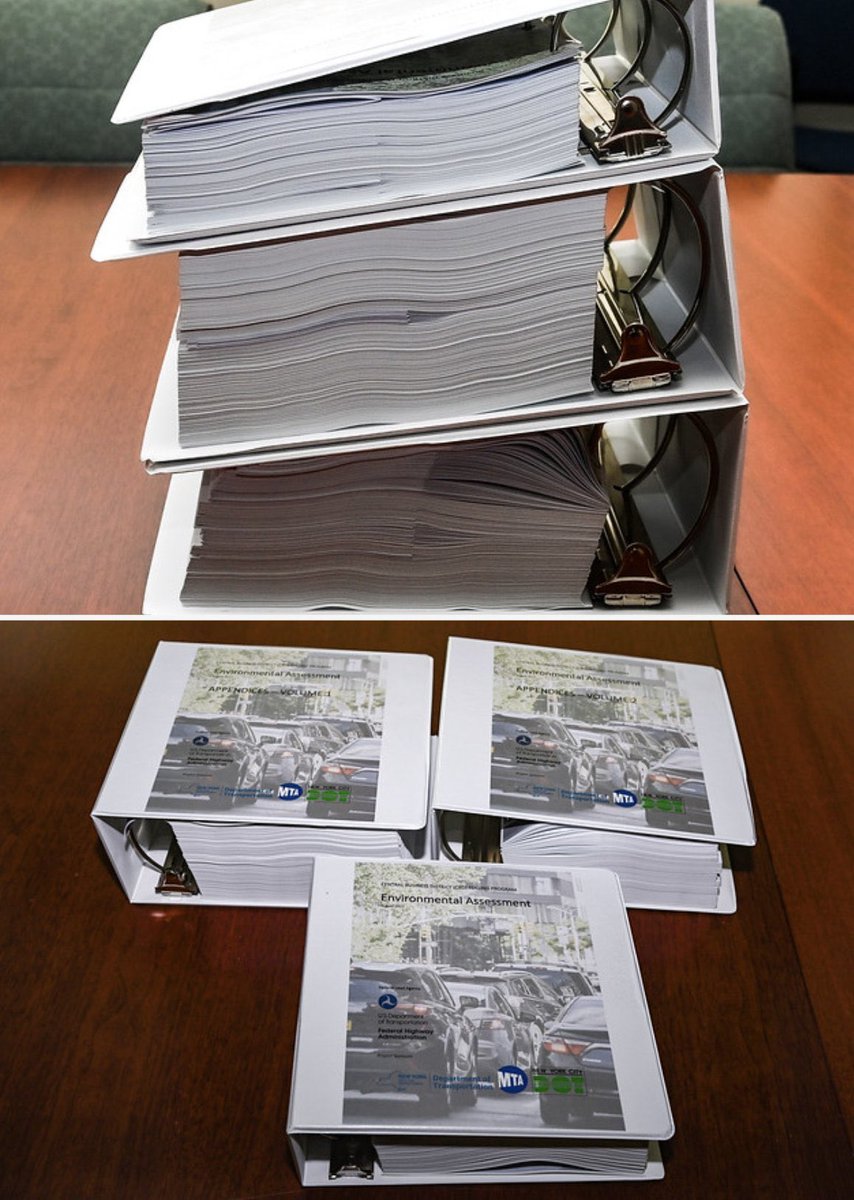
Now that everyone can see firsthand the success of congestion pricing in NYC, looking back on the environmental review process feels even more absurd.
4,000 pages and 3 years of review to study the environmental impact of… using cameras and prices to reduce traffic.
25
88
728
34,587
Costa Mesa Jaywalker retweeted

15h
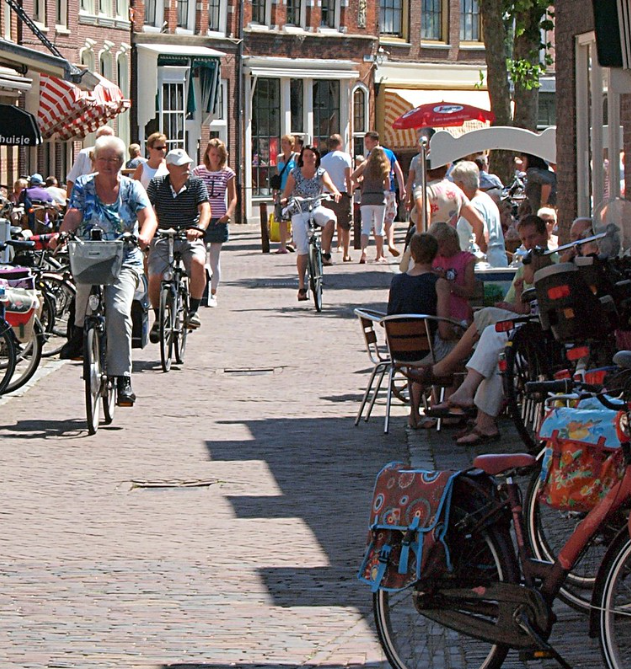
When many of the ordinary things people want to see & do are relatively close together, the bicycle is the most efficient way to get around.
8
19
133
1,766
Costa Mesa Jaywalker retweeted
11h
Having practical options for getting around is a lifestyle upgrade.
Jun 11

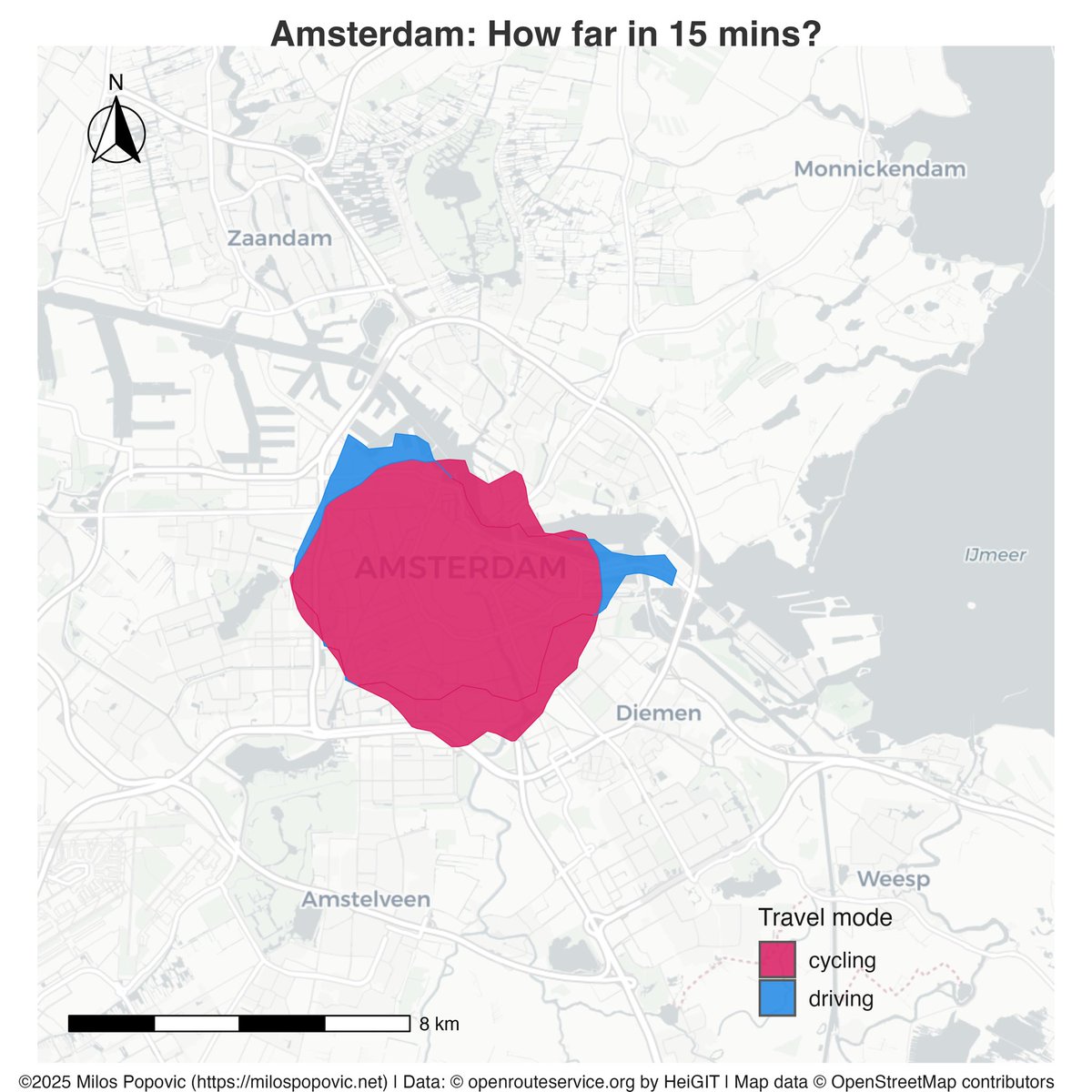
When in Amsterdam:
Don’t bother to drive.
Actually, don’t even bother to start the engine.
2
7
80
2,832
Costa Mesa Jaywalker retweeted
Jun 11
People who don't ride bikes should be delighted when other people ride bikes. Get as many drivers out of your way as possible.
🥳
23
50
389
4,979
Costa Mesa Jaywalker retweeted

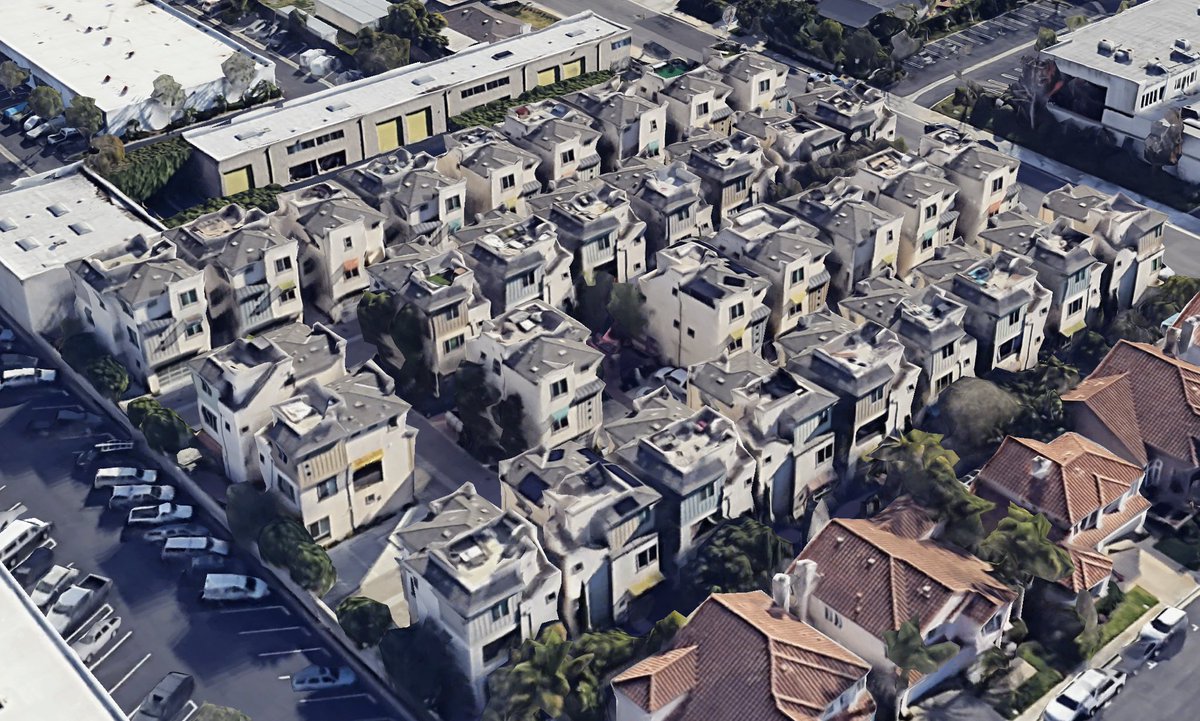
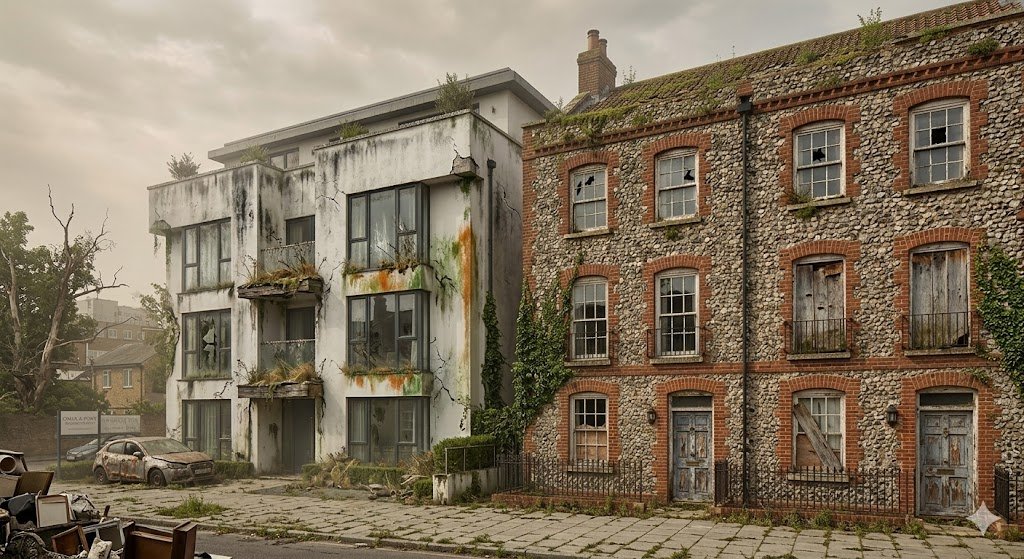
What will these buildings look like in 50 years with no maintenance
2
4
25
1,503
Costa Mesa Jaywalker retweeted

Jun 7
People will go on vacation to a place like this and then, back home, they’ll vote to make sure this never happens in their town.

104
8,788
84,972
1,229,681
Costa Mesa Jaywalker retweeted
Jun 6
People who sometimes use a bicycle for transportation are much better drivers because they have more than just a windshield perspective of the world around them.
13
37
375
7,377
Costa Mesa Jaywalker retweeted

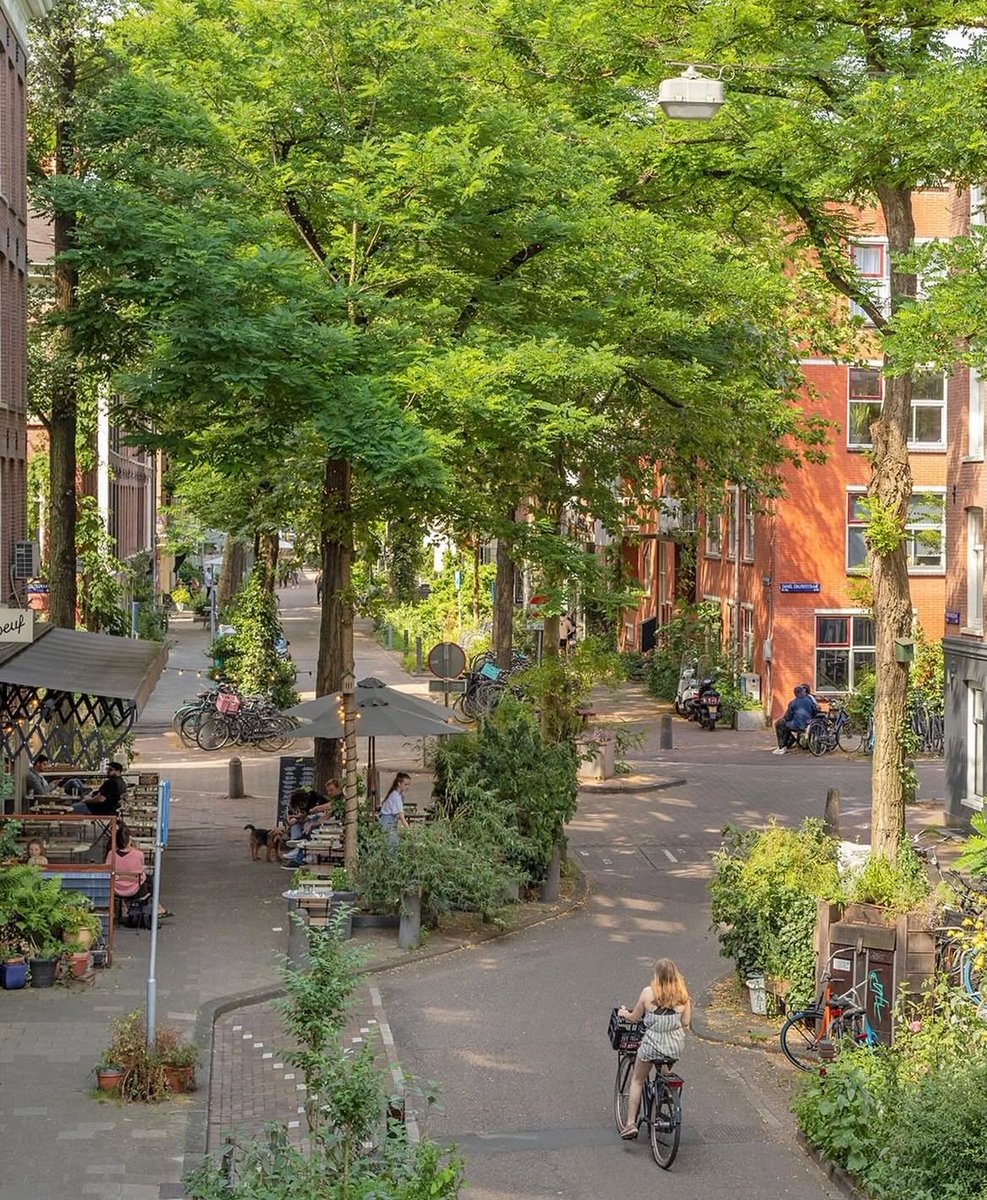
Terrible lo que hace fomentar la bici en las ciudades.
48
249
2,068
1,421,052
Costa Mesa Jaywalker retweeted

Such a scene is often framed as proof the Dutch are superhuman—they’re not.
The real miracle isn't the Dutch cyclist. It's the environment that allows ordinary people to do extraordinary things. Build the infrastructure, and you'll find your city is full of capable cyclists too.
167
153
1,577
197,449
Costa Mesa Jaywalker retweeted

I don’t get what the anti-bicycle people want. Drive instead? And add to traffic / parking woes?
104
35
771
22,798
Costa Mesa Jaywalker retweeted
May 26
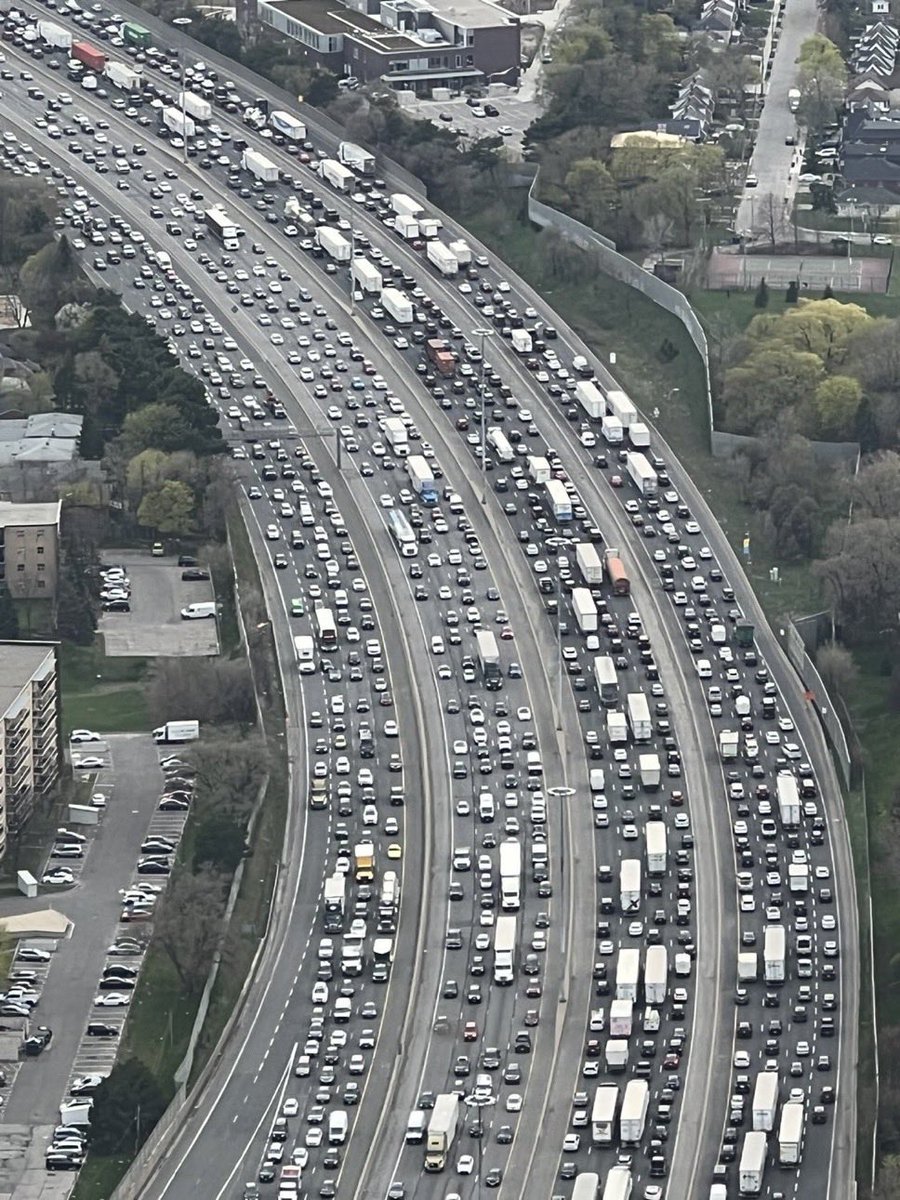
Bike lanes caused this traffic jam, I'm sure of it.

19
19
200
4,043
Costa Mesa Jaywalker retweeted

May 27
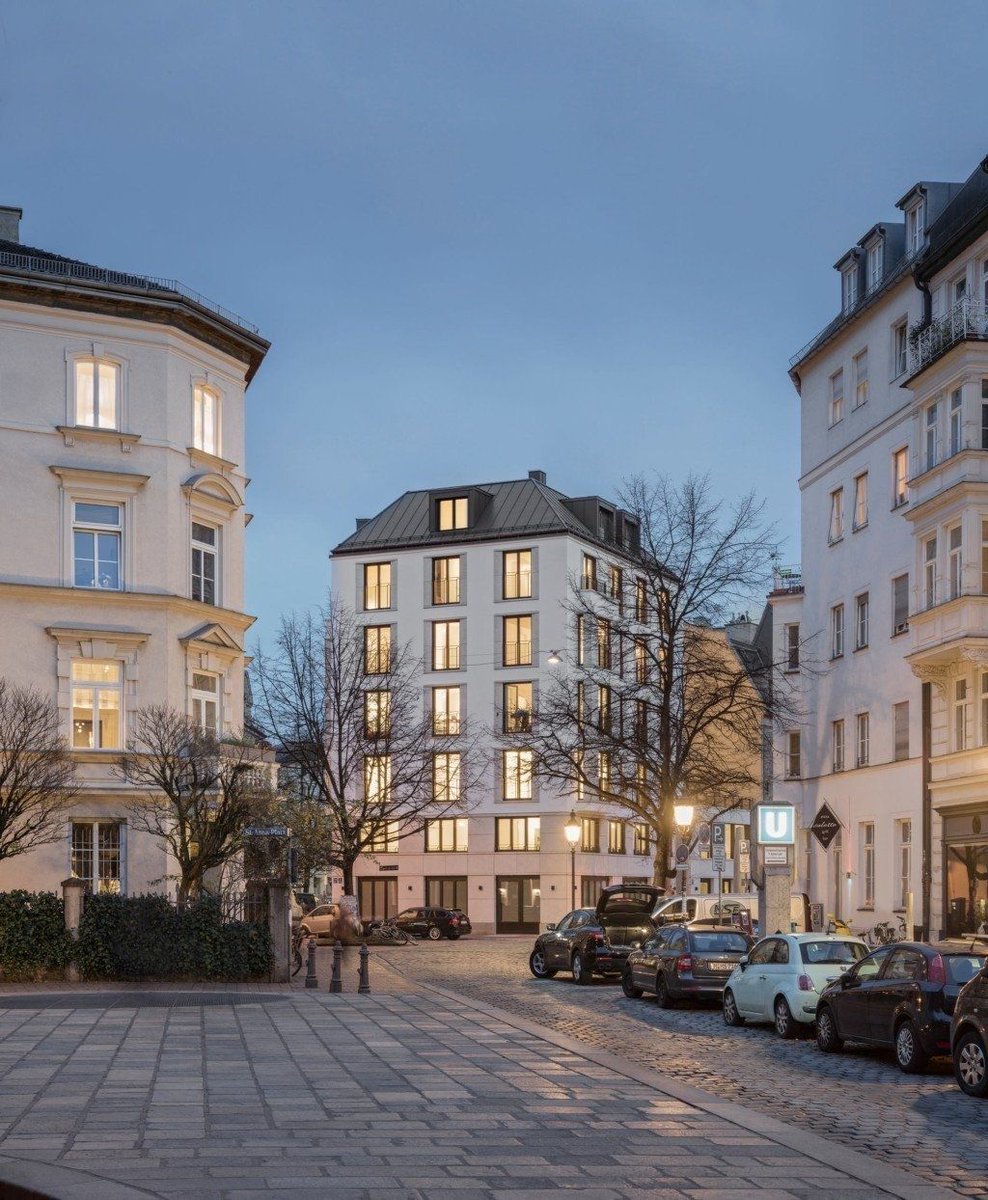
I really like the look and scale of this neighbourhood.
44
78
2,067
233,854
Costa Mesa Jaywalker retweeted

May 23
Bicycles are hugely space efficient, which is why they make a lot of sense in congested cities. This video demonstrates why there aren’t traffic jams in bike lanes.
421
356
4,366
1,631,249
Costa Mesa Jaywalker retweeted

This is amazing!
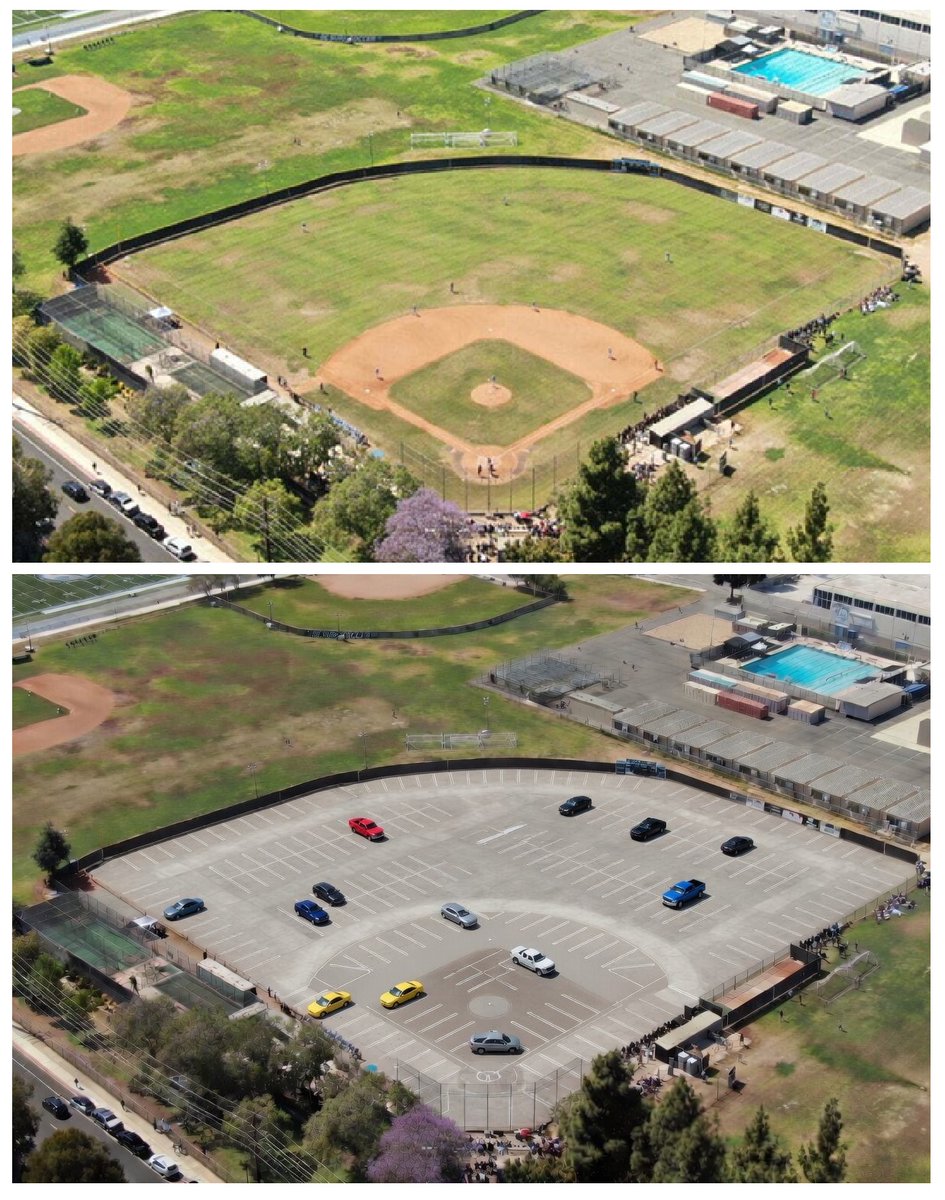
When a little league ran out of money and couldn't maintain its field, a local developer came in, bought the field, and redeveloped it into a parking lot for the nearby data center
He even kept the baseball diamond visible in the parking lot to give it some character
We need more of this in our communities!
302
121
3,538
1,132,532
Costa Mesa Jaywalker retweeted

May 18
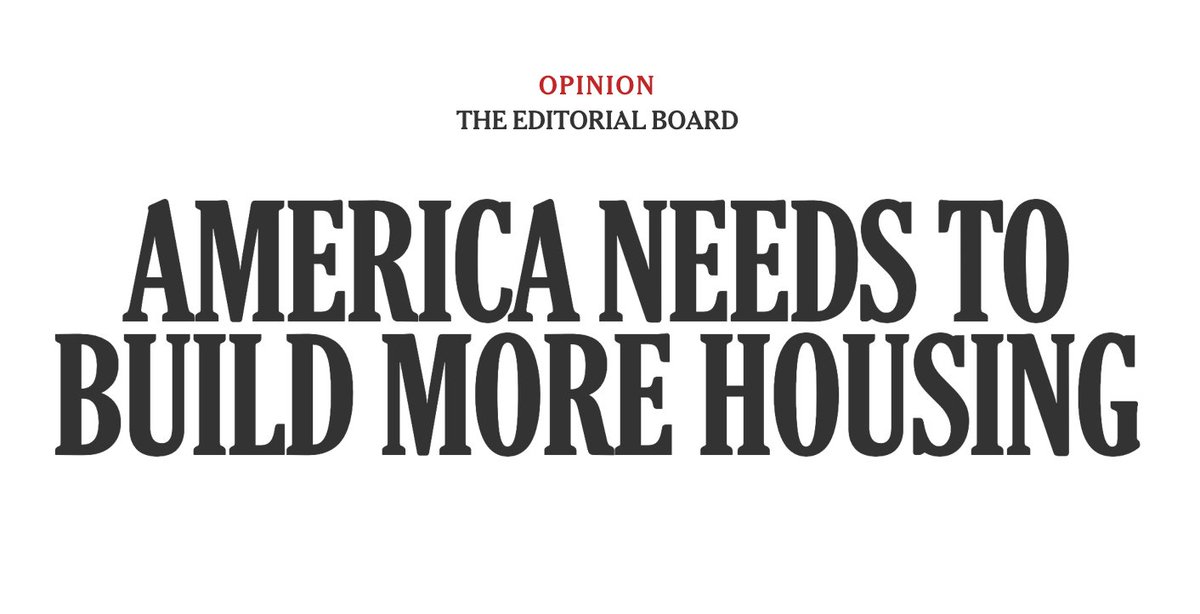
What every voter and apparently, the NY Times Editorial Board, should know about housing policy:
1. Rents reflect the balance of supply of apartments and demand for those apartments in a given area. That’s it; there’s no magic. If you want lower rents, you can hope for a recession that destroys jobs and, therefore, demand. Or you can add supply.
2. There is no amount of money that any big city government could feasibly spend that would add materially to supply. This is because, depending on the location, new apartments cost $250,000-1,000,000 to develop… building even a few hundred of those starts to stress any city budget, and many big cities need tens or hundreds of thousands.
3. On the other hand, investors (including pension funds and endowments, insurance companies, rich families, etc.) can collectively **easily** provide enough capital to build as much housing as we need **so long as they are confident they can get a reasonable return**.
To get those investors to fund the creation of the housing our society needs, we must do two things:
1. Dramatically reduce the time & complexity associated with securing governmental permission to develop housing. This means reviewing and simplifying the overlapping regulations that constrain housing production: zoning codes, building codes, parking, ADA, etc. But it also means changing the cultures within the relevant governmental agencies from “default no” to “how can we help you?”.
2. Provide certainty around on-going regulation of apartment operations.
The way investors get a return from building rentals is as follows: They hire managers to lease the apartments, collect the rents, pay operating expenses and any mortgage payments, and then send the investors the cashflow that remains.
But governments all over the country have been restricting the manner in which apartment buildings can be operated in all kinds of ways.
For example: Cities have been making it harder to screen tenants, while also making it much harder to evict tenants who don’t pay. You can see why both of those measures are politically popular. After all, who doesn’t want people to get second chances? And who wants anyone to get evicted? But, as a manager, the combination of those two regulations makes it much harder to predict, with any certainty, that the rent will get paid… and that makes it very difficult to get investors to provide capital to create more housing.
Another example: Rent control. Again, I understand why renters love rent control and why politicians want to give it to them. But, if, as has been the case in NY, LA and San Francisco, city governments hold annual rent increases below the rate of growth in the operating expenses of the buildings, the cashflow payable to the investors shrinks… making them much less likely to invest capital in building more apartments.
In conclusion: For ~every other good or service in the economy, we allow the market to function, and the result is that we have a surplus of choice at all price points (think of food or clothes or cars), which is spectacular for the consumer. If we want a surplus of choice at all price points in housing, we need to get comfortable with the idea of allowing the market to provide it.
And that means allowing investors to build rental apartments *and* allowing them to operate those apartments in a manner consistent with making a reasonable profit.
Remember: Every developer of rentals is either a landlord-in-waiting or hoping to sell to one.
74
137
969
160,570
Costa Mesa Jaywalker retweeted
May 20
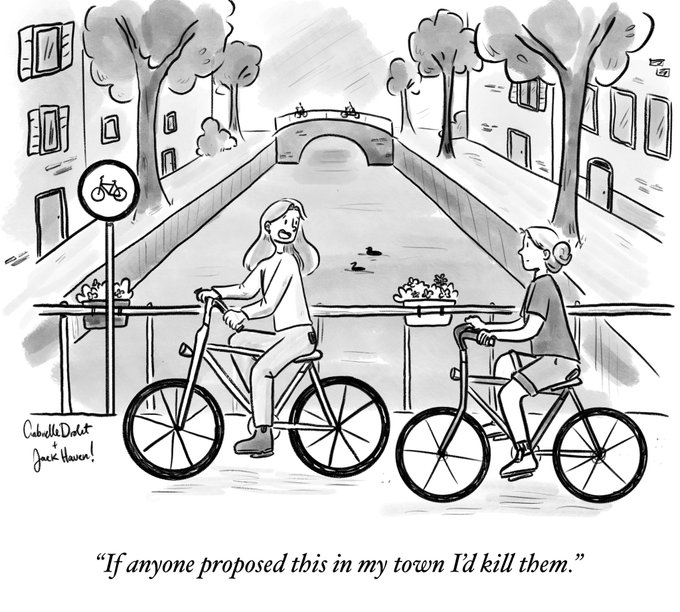
It's almost vacation season for NIMBYs.
1
80
641
7,717

Every successful urban trail built in the US over the past couple decades has the same problem: too narrow
May 13

The Atlanta Beltline being this packed with people at 7pm on a TUESDAY is just a delight. Every restaurant along the trail is packed, people everywhere socializing and being humans together. The dichotomy of this experience against Atlanta Freeway Hell just boggles the mind.
95
100
3,022
158,988
A bunch of comments point out how the cameraman’s speed is obnoxious to the walkers—which is a good point!
Different speeds sharing the same space is bad design, especially when that space is compact.
May 13
The Atlanta Beltline being this packed with people at 7pm on a TUESDAY is just a delight. Every restaurant along the trail is packed, people everywhere socializing and being humans together. The dichotomy of this experience against Atlanta Freeway Hell just boggles the mind.
1
2
110
(I’m not trying to criticize bicycling or the cameraman. I just think it’s telling that a lot of people are noticing this principle in this context and miss the ubiquitous one—fast cars everywhere).
25
Costa Mesa Jaywalker retweeted

May 13
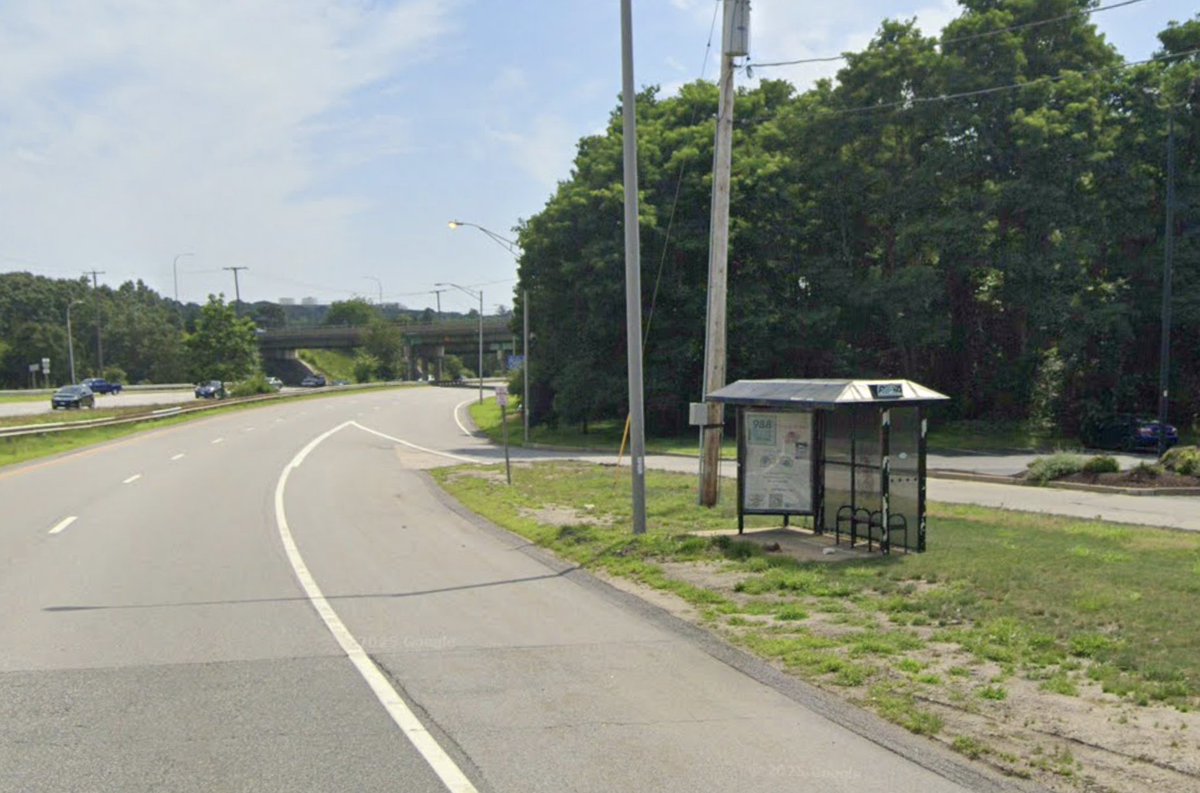
"There's no demand for transit in America!"
Transit in America:
59
102
2,201
30,387