
Agronomist (UFGD - Brazil) | MSc in plant pathology (Iowa State University) | Research specialist at @scndiagnostics (University of Missouri).
Joined January 2017
- Tweets 99
- Following 288
- Followers 178
- Likes 2,669
7 Photos and videos

Jeff Barizon retweeted

6 Mar 2025
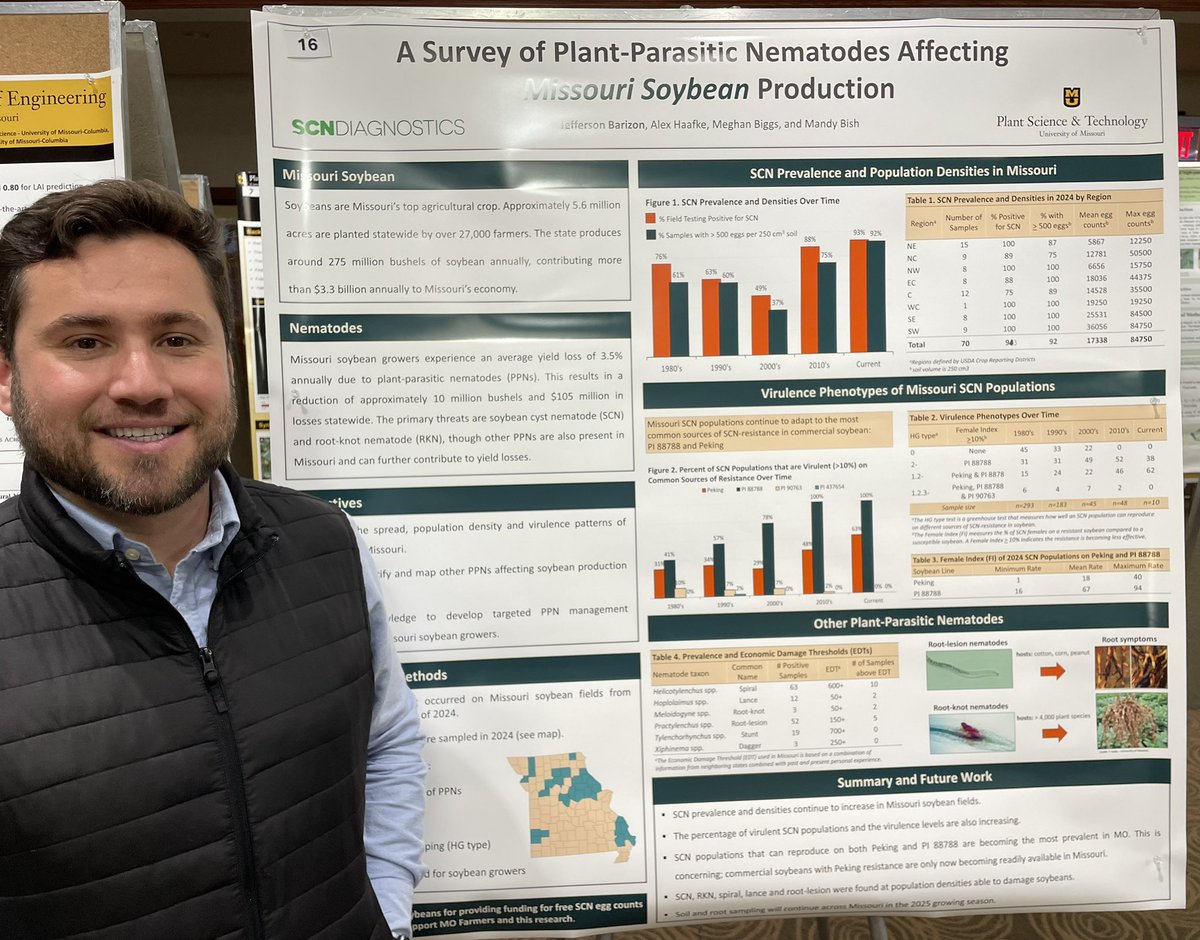
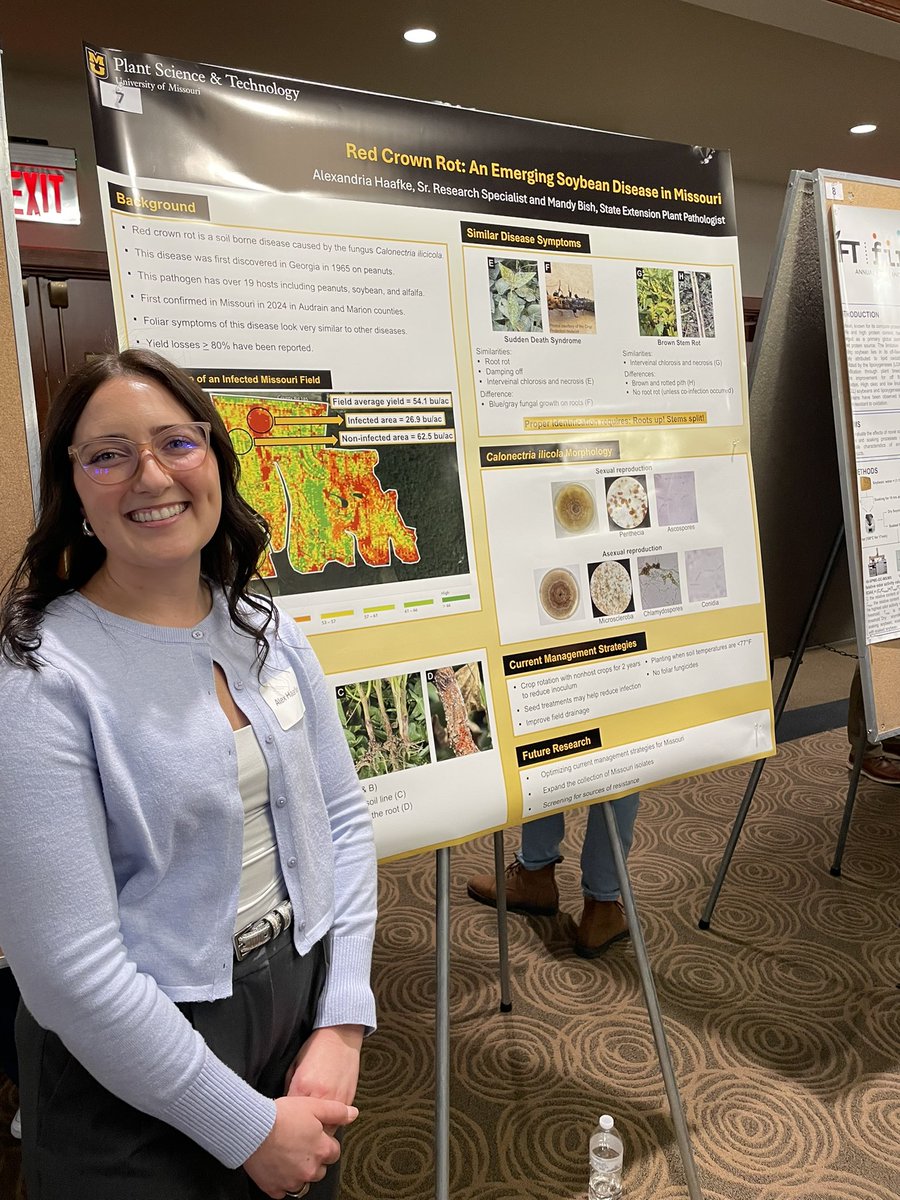
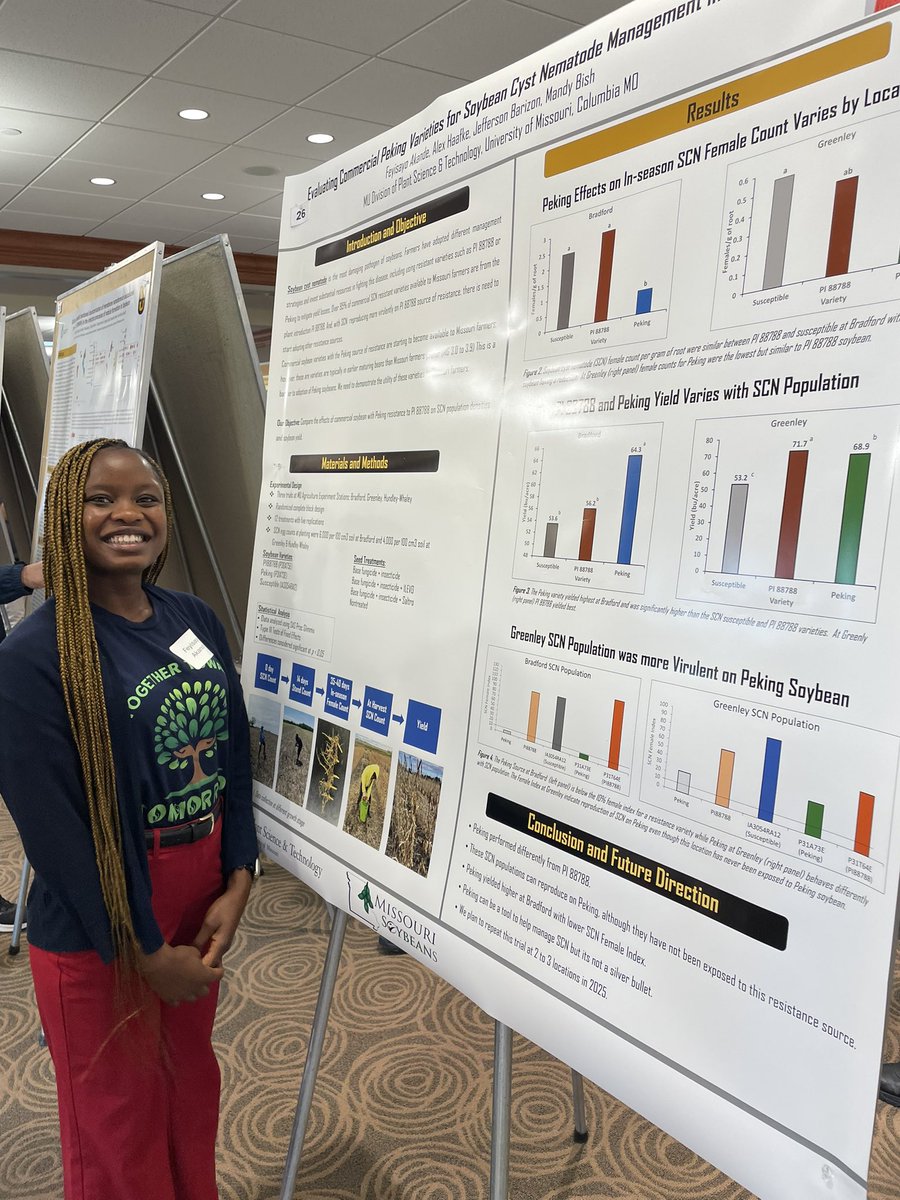
Mizzou Crop Path representing at the 2025 Missouri Soybean Center Symposium.
Congrats to @JeffBarizon on winning the poster competition with his presentation on plant parasitic nematodes in Missouri soybean.
@MUExtAgEnviron
@missourisoybean
@MizzouIPM
@cafnr
1
1
15
241
Jeff Barizon retweeted

26 Jul 2024
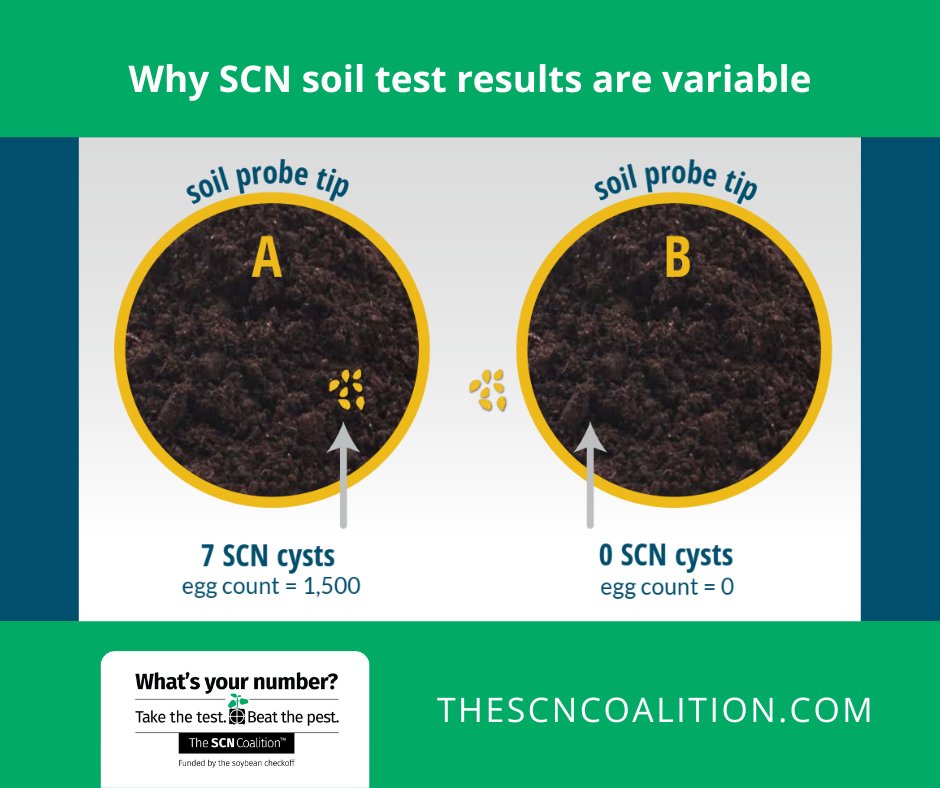
A half-inch difference in placement of a #soilprobe can mean the difference between 0-1,500 #SCN eggs in #soilsamples. Collect 15-20 core samples, 1 inch diameter, 8 inches deep, every 20 acres. Explore SCN soil sampling tips at bit.ly/3xT6JW7.
#SCN #Soybeans
2
2
728
Jeff Barizon retweeted
18 Apr 2024
What is the #SCN female index on PI 88788?
Greg Tylka, Iowa State University nematologist, explains how the SCN Profit Checker uses information like this to gauge potential yield and profit losses.
Visit scnprofitchecker.com. @UnitedSoy
#SCN #Soybeans #Farming #Nematode
6
12
886
Jeff Barizon retweeted
5 Apr 2024
Free SCN egg counts again in 2024 with support from @missourisoybean
ipm.missouri.edu/croppest/20… #2xAg2030 via @mizzouIPM, @muextension, @MUExtAgEnviron, @cafnr, @JeffBarizon
6
6
667
Jeff Barizon retweeted

2 Apr 2024
Nematodes that feed on corn reduced yield by an estimated 58.4 million bushels in 2023 in the U.S. and Ontario.
Local Extension has ID and management info, like @UF_IFAS's article at edis.ifas.ufl.edu/publicatio…
@LSUNematology @NematodeGuy @UFEntNem @activeplantnema @SON_nemaweb @UFcropnematodes @NemaAssayLab @activeplantnema @alabamaED @TheSCNCoalition @travisfaske @ppp_trey @DTelenko @cropdoc08 @IanMSmall1 @UFPlantPath #agtwitter #corn
📸from @tjcksn
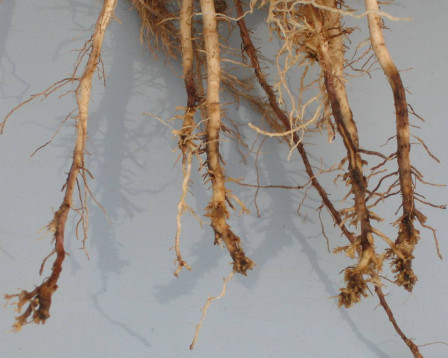
ALT root damage on corn from nematodes
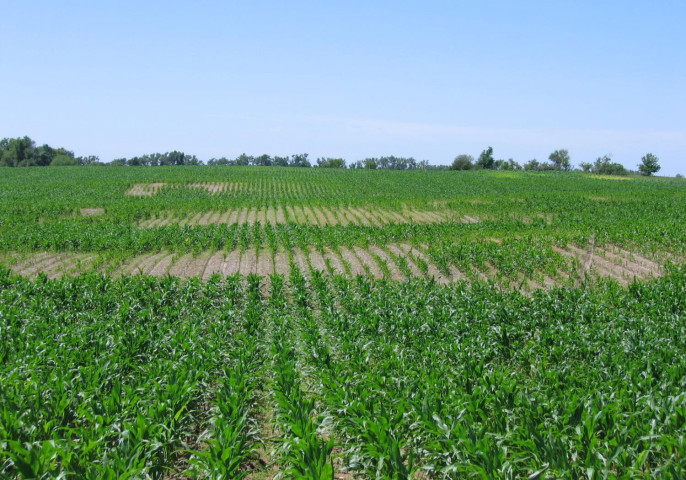
ALT field with symptoms of nematode feeding
13
40
2,400
Jeff Barizon retweeted
7 Mar 2024
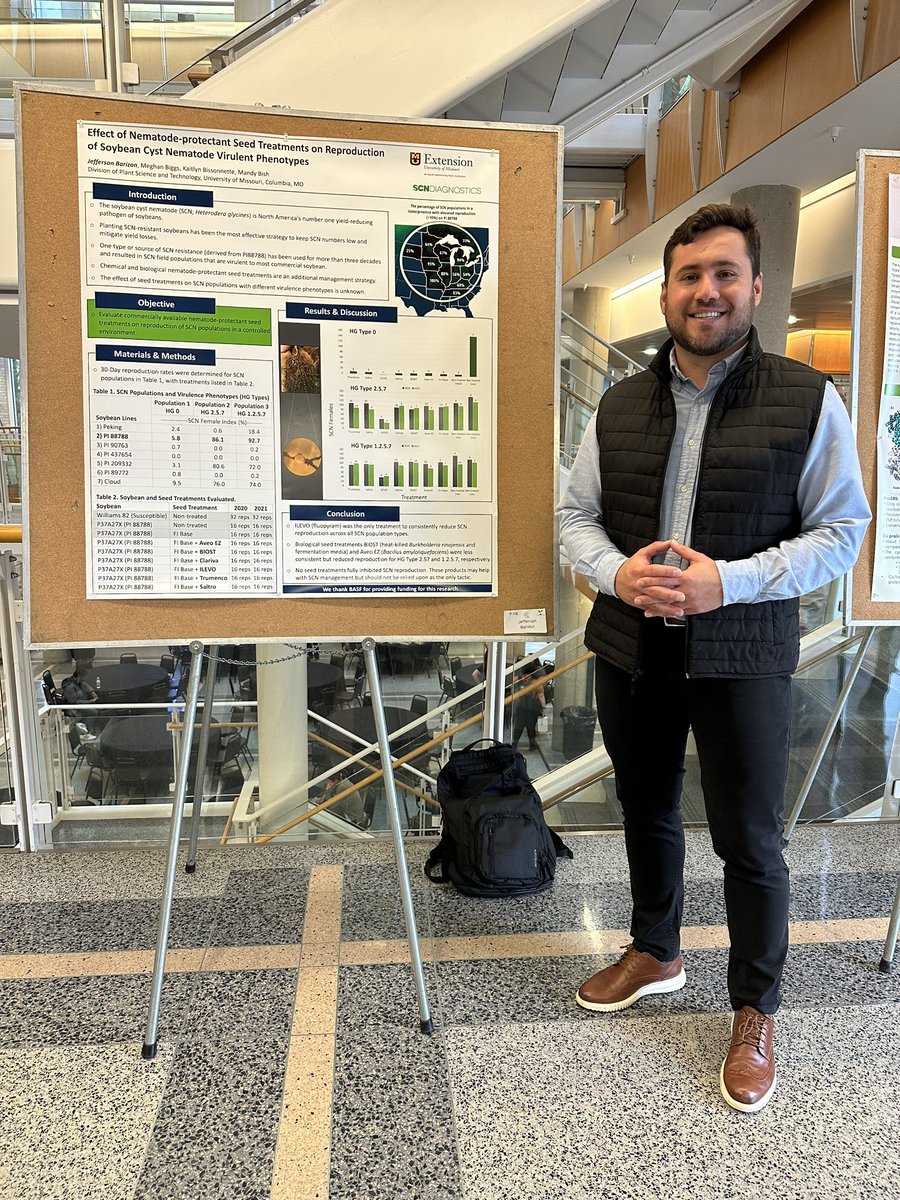
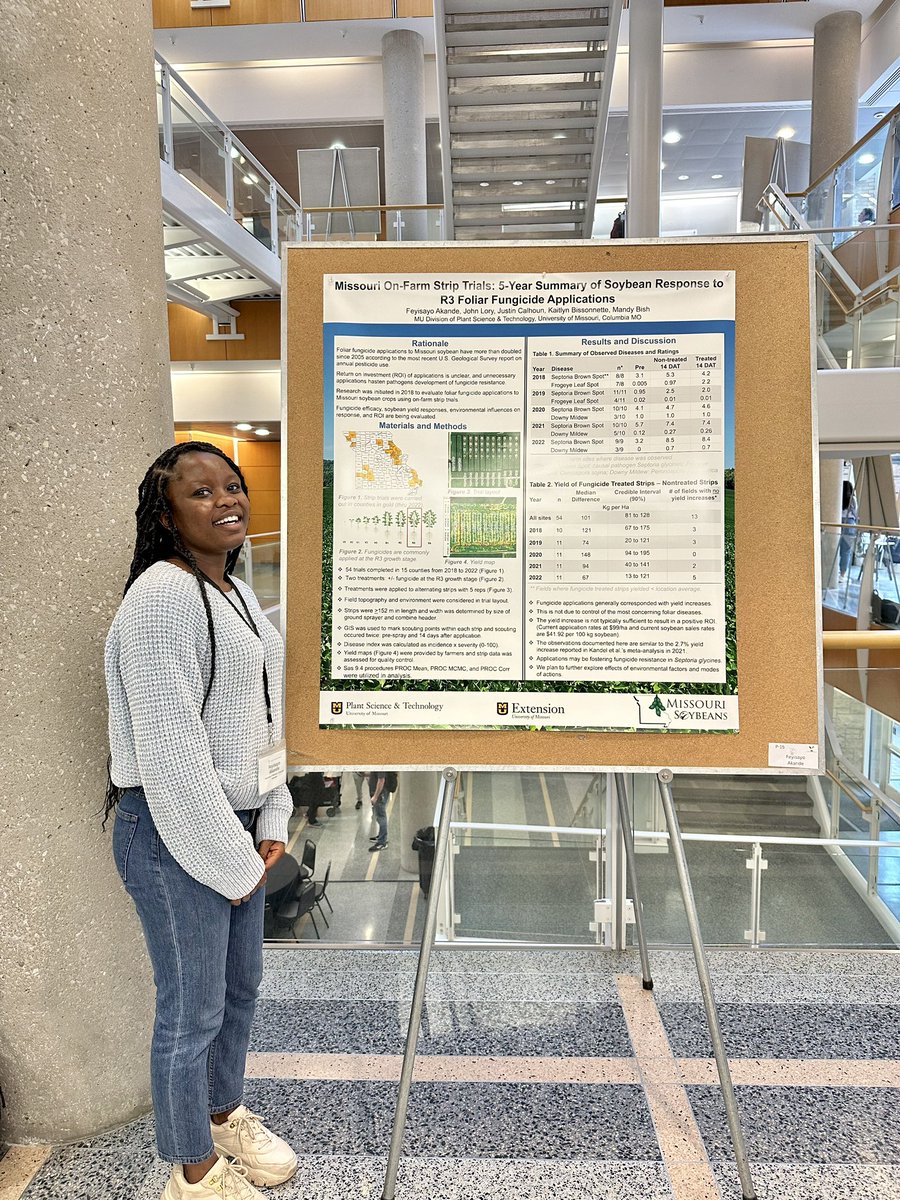
Thanks to PhD students @JeffBarizon and Feyi Akande for representing the crop pathology team at the MU Plant Research Symposium today.
@MUCAFNRresearch
@missourisoybean
@MizzouIPM
#2xAg2030
2
13
345
Jeff Barizon retweeted
29 Feb 2024
Estimating yield and profit losses from #SCN is easy — just enter this info in the SCN Profit Checker tool:
1. SCN egg count
2. SCN female index on PI 88788
3. Sand content
4. Soil pH
That's it! Try it now at scnprofitchecker.com.
@UnitedSoy
thescncoalition.com/profitch…
2
2
260
Jeff Barizon retweeted
31 Jan 2024
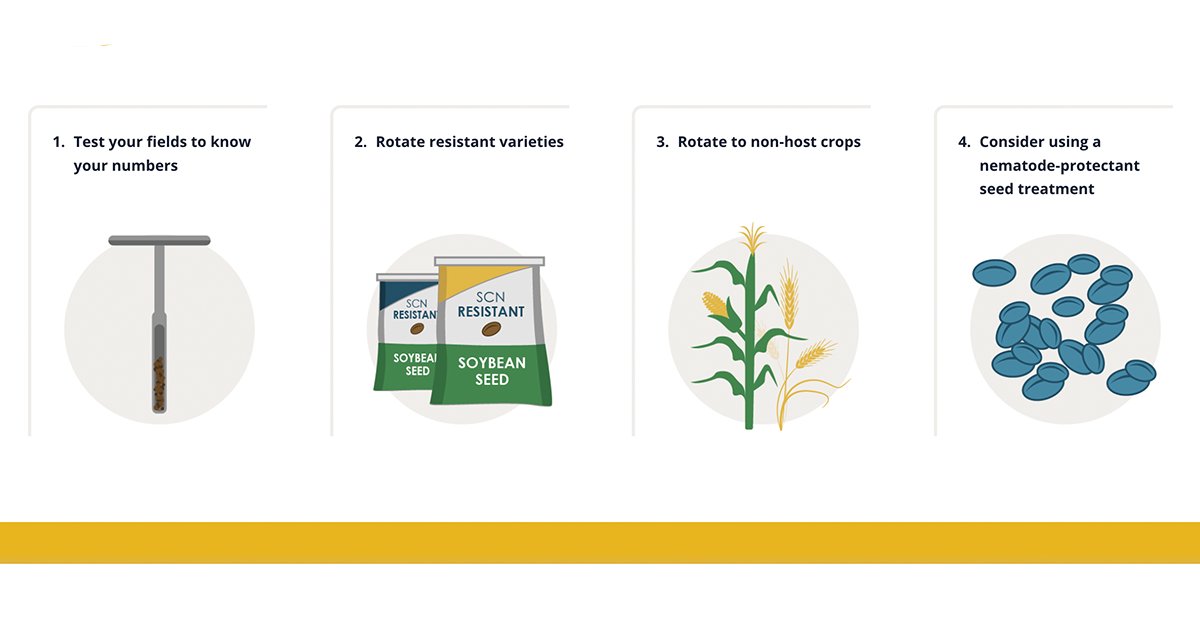
A successful active #SCN management plan should include these four components:
1. Soil sample your fields to know your numbers
2. Rotate SCN-resistant varieties
3. Rotate to non-host crops
4. Consider a nematode-protectant seed treatment
What’s your number?
2
4
430
Jeff Barizon retweeted
19 Jan 2024
Why is it important to know your SCN number?
Mandy Bish, assistant professor of plant pathology at the University of Missouri, explains why soybean farmers need to test soil for SCN to know their numbers and take action.
Learn more at thescncoalition.com.
2
5
565
Jeff Barizon retweeted
15 Jan 2024
“Of all treatments, ILEVO (fluopyram) and Saltro (pydiflumetofen) provided more consistent increases in yield over the non-treated check in a broader range of SCN environments, even when [SDS] FDX level was high.”
From the @PlantDiseaseJ article doi.org/10.1094/PDIS-02-23-0… by @kmbiss @JeffBarizon @cropdisease @MariamaBrown3 @MartinChilvers1 @travisfaske @ChelseaPlantDoc @tjcksn @yrkandel @ILplantdoc @dsmuelle @badgercropdoc @DTelenko @AlbertTenuta more
#agtwitter @SoyResearchInfo @TheSCNCoalition @UnitedSoy @soydisease
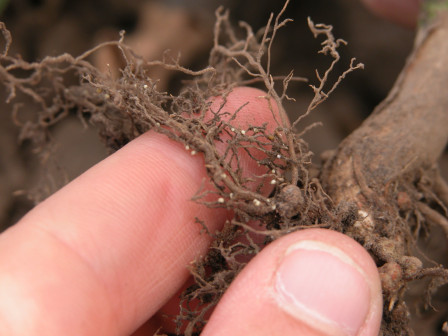
ALT Soybean cyst nematode females (white specks) on soybean roots. Image: Craig Grau and the University of Wisconsin-Madison Plant Pathology Teaching Images
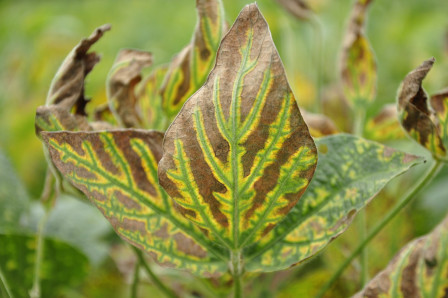
ALT Sudden death syndrome foliar symptoms. Image: B. Kleinke
14
41
4,223
Jeff Barizon retweeted
5 Dec 2023
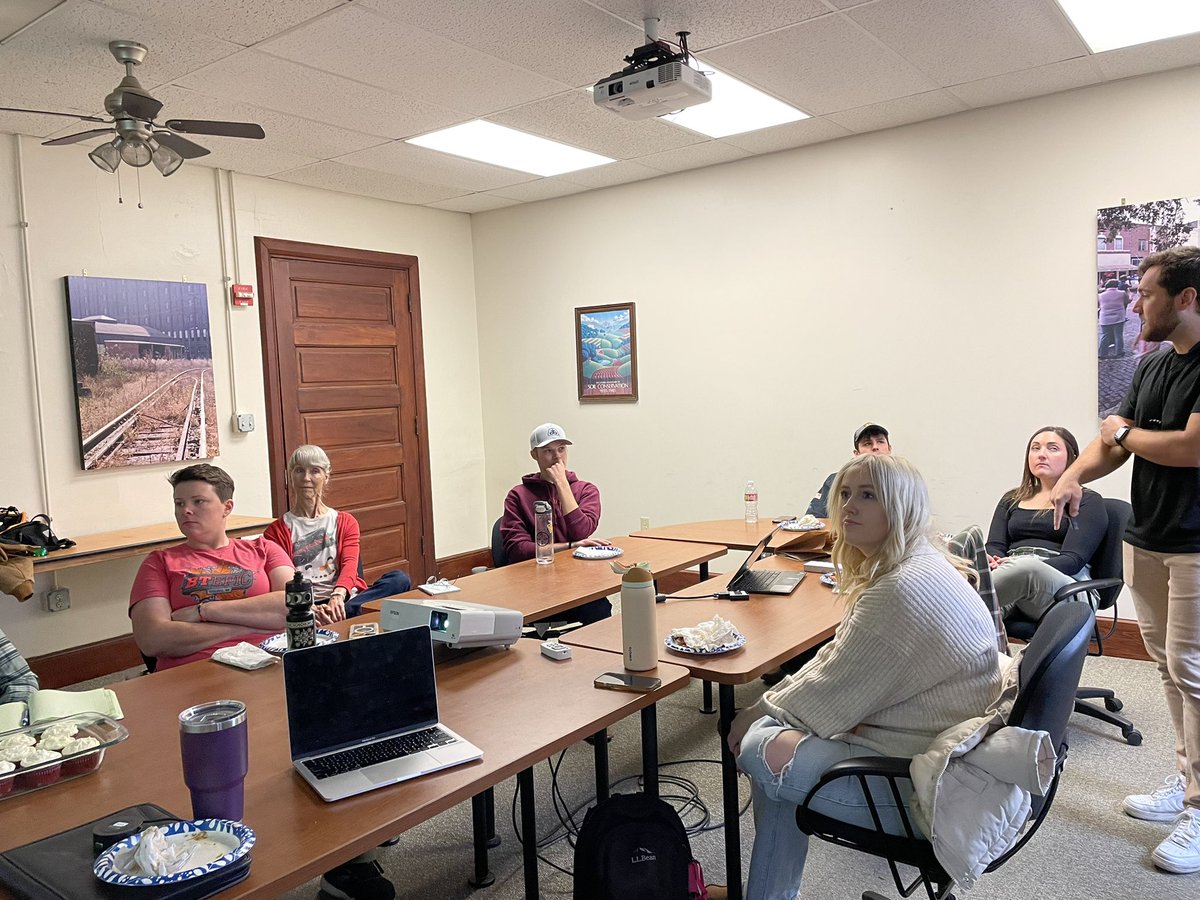
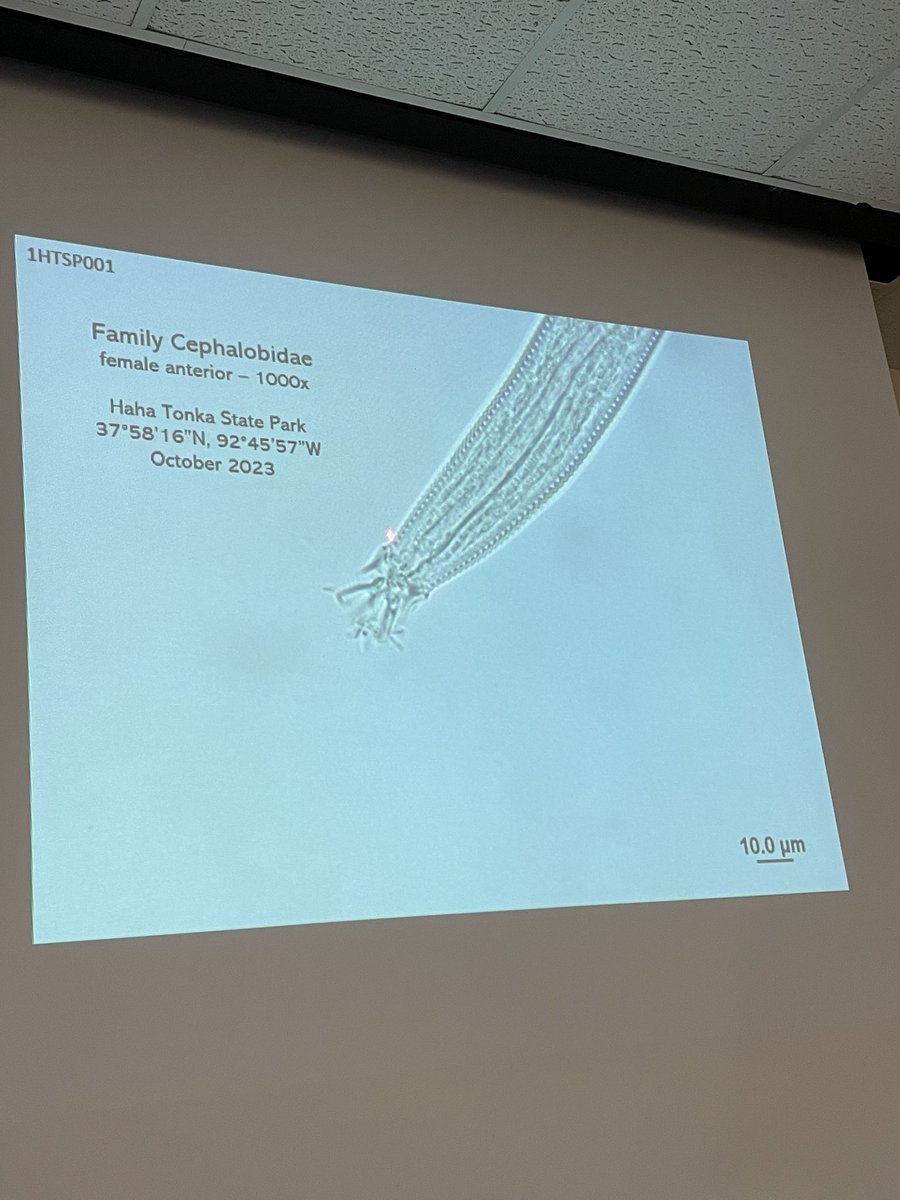
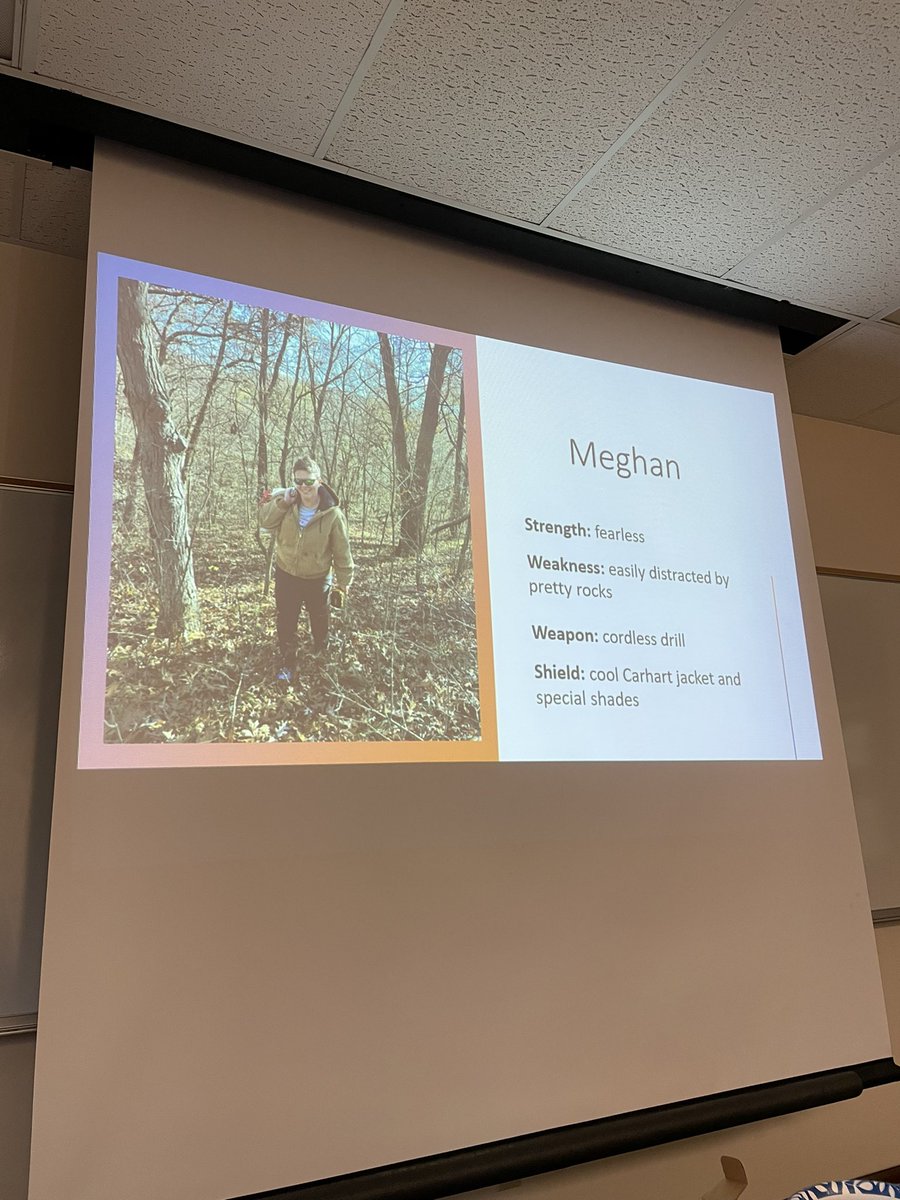
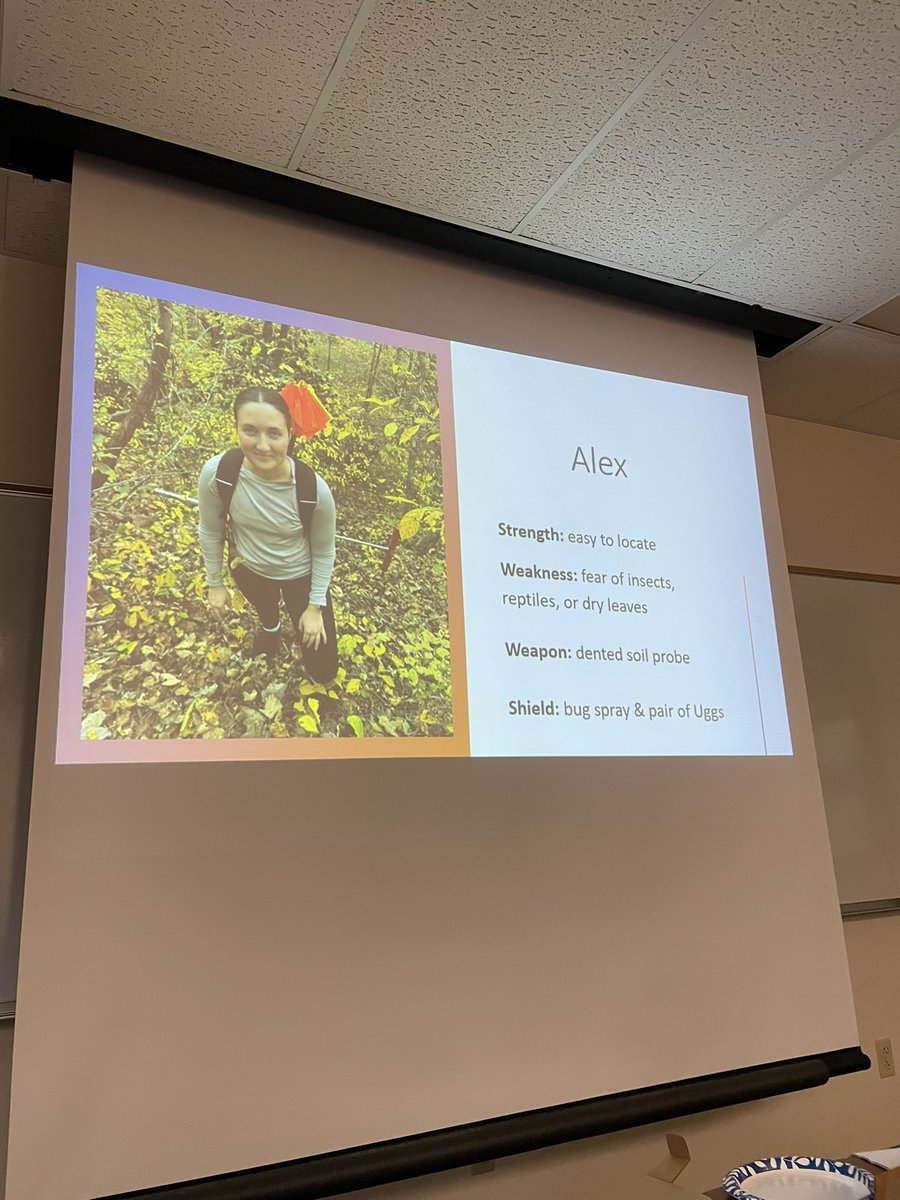
Lab meetings are an adventure when @JeffBarizon gets to discussing his PhD research.
@cafnr
@MizzouIPM
@MUExtAgEnviron
1
10
270
Jeff Barizon retweeted
15 Nov 2023
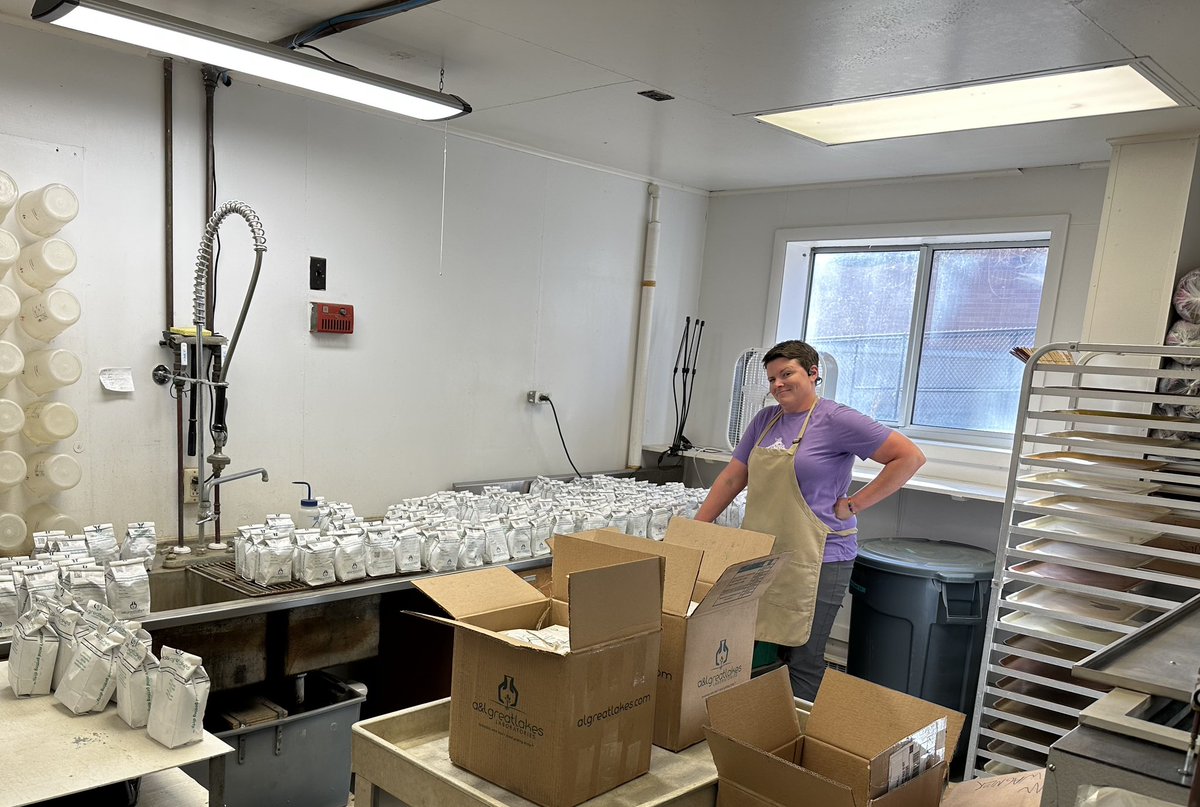
Fill the clinic! At-harvest soil samples continue arriving for SCN egg counts & nematode testing.
@JeffBarizon
@MizzouIPM
@missourisoybean
@MUExtAgEnviron
#2xAg2030
2
8
374

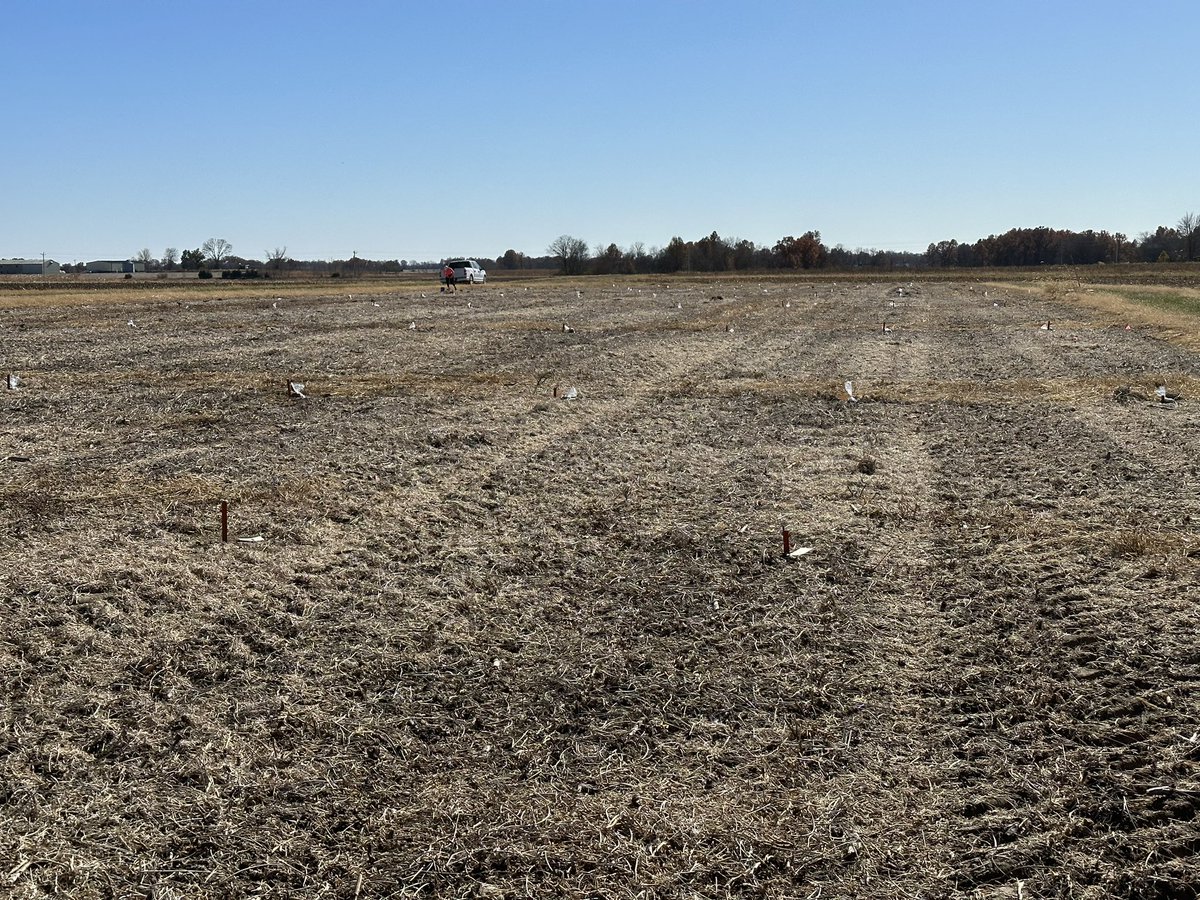
10 Nov 2023
The best time to soil sample for #SCN is at the end of the season. If you have not yet, there is still time!
Image from Peking vs PI88788 research conducted by the Missouri Field Crop Pathology team led by Dr. @MandyBish1.
10
550
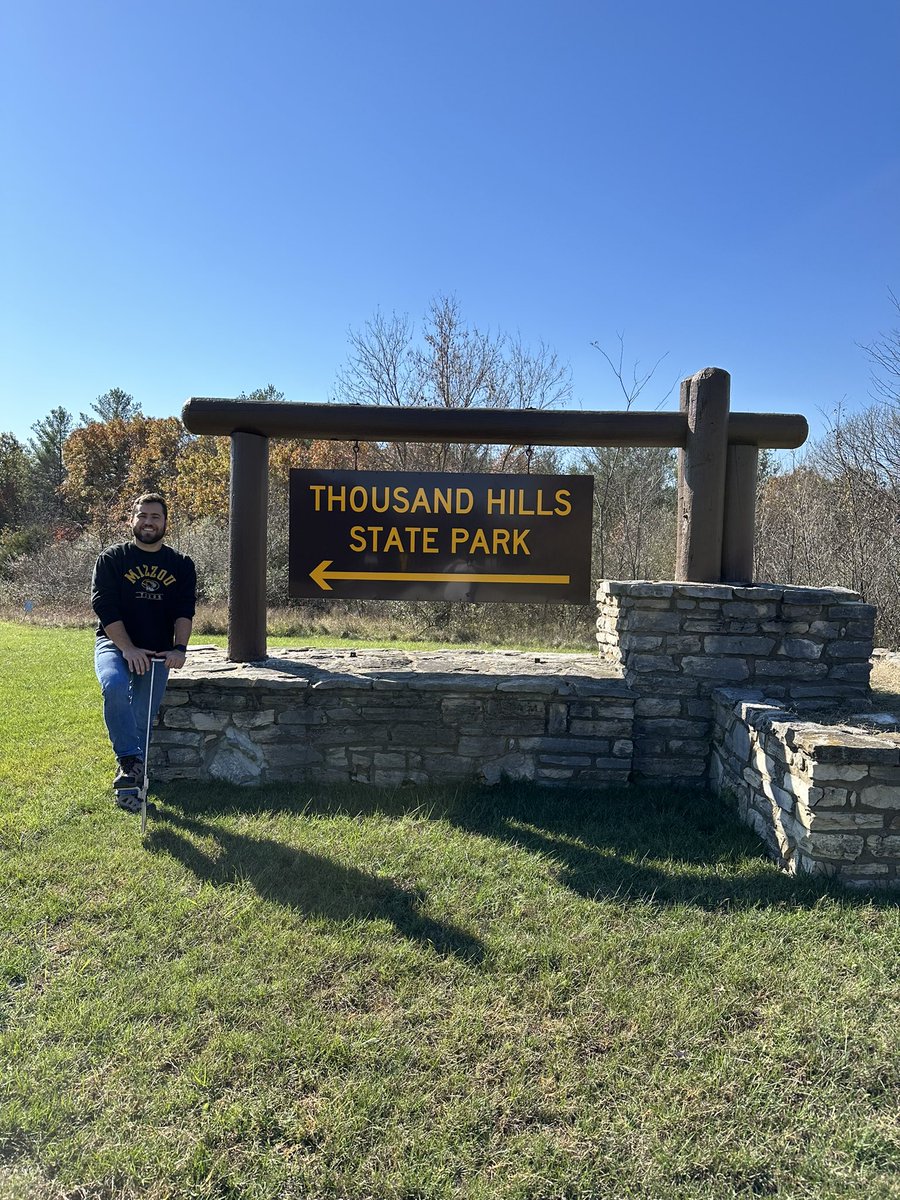
2 Nov 2023
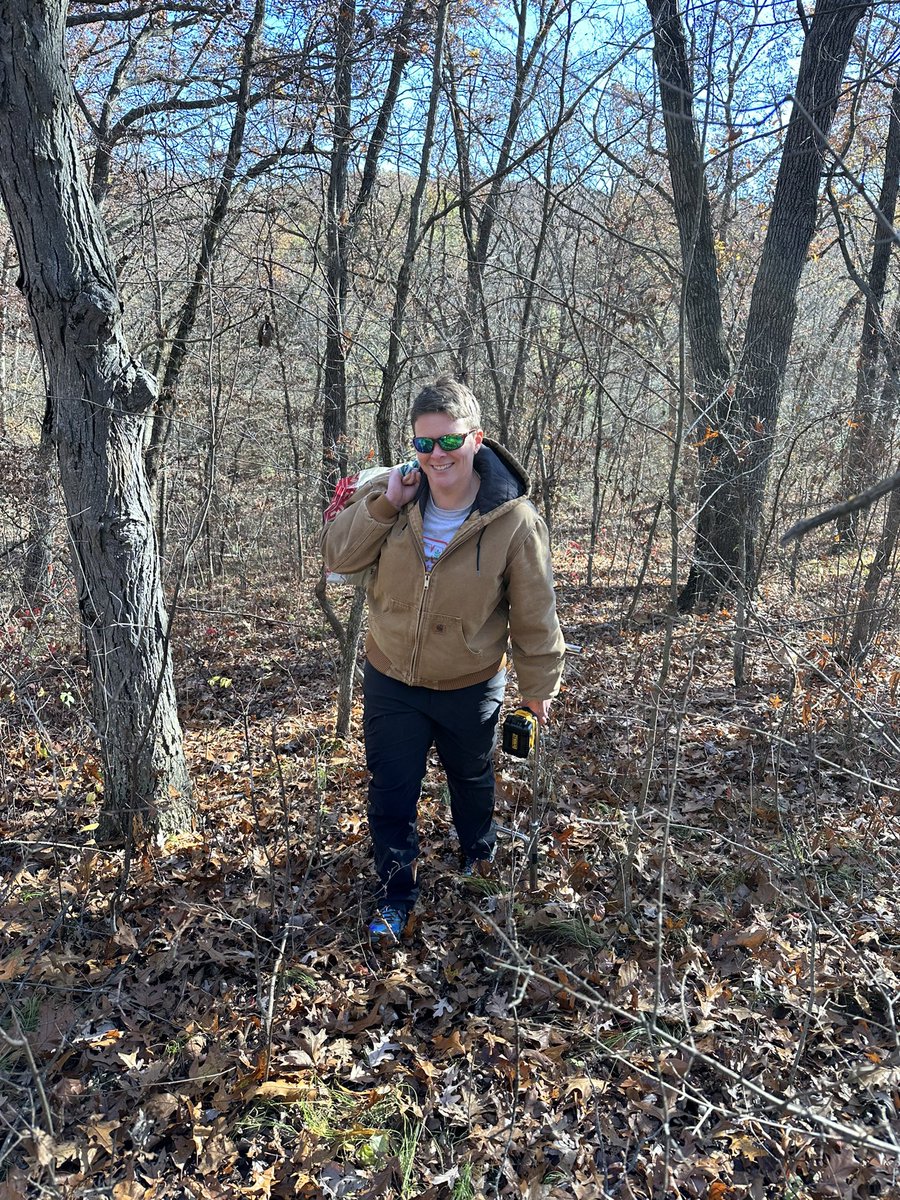
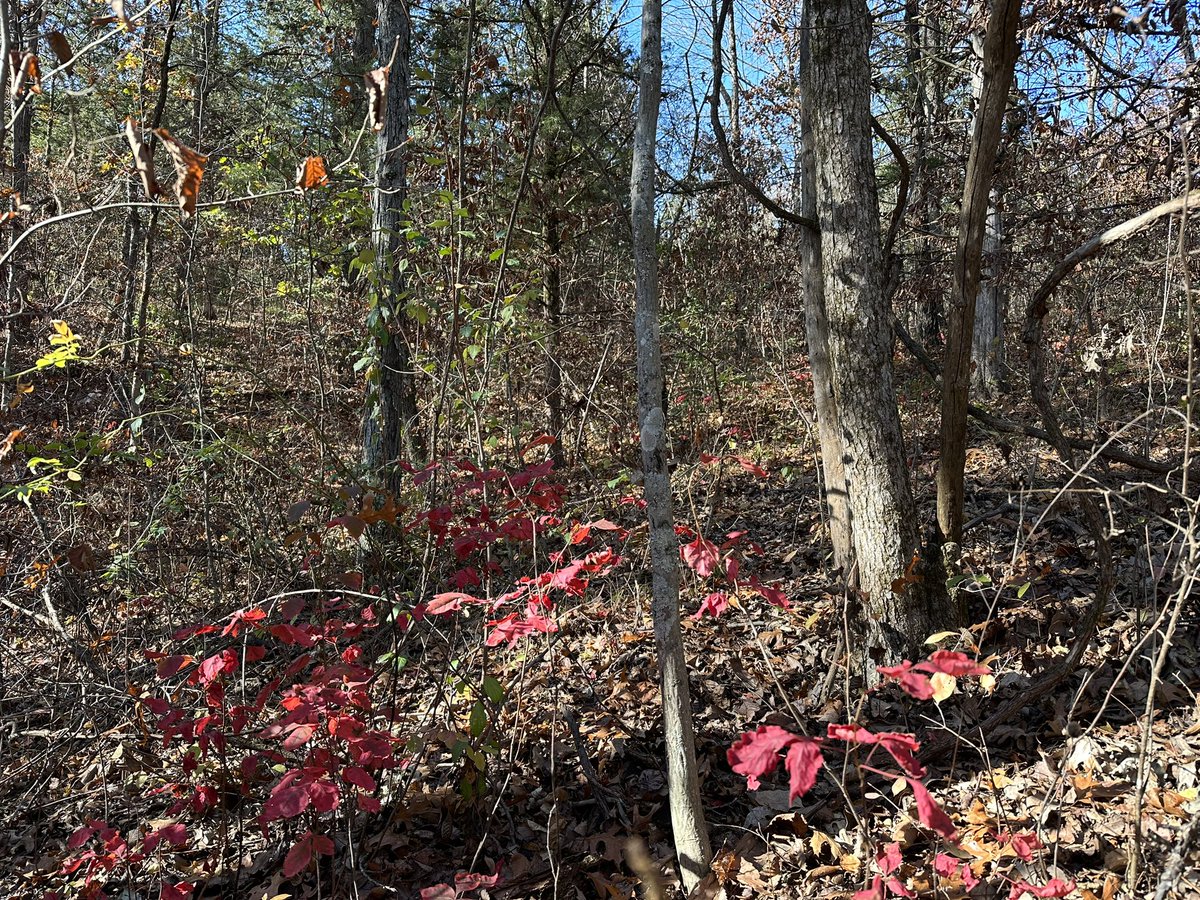
Soil sampling for #nematodes in undisturbed areas across Missouri as part of my PhD research. Lots of scratches but lots of fun as well. Thanks to the Missouri Department of Natural Resources and Thousand Hills State Park personnel. Go Tigers!
1
18
578
Jeff Barizon retweeted

13 Oct 2023
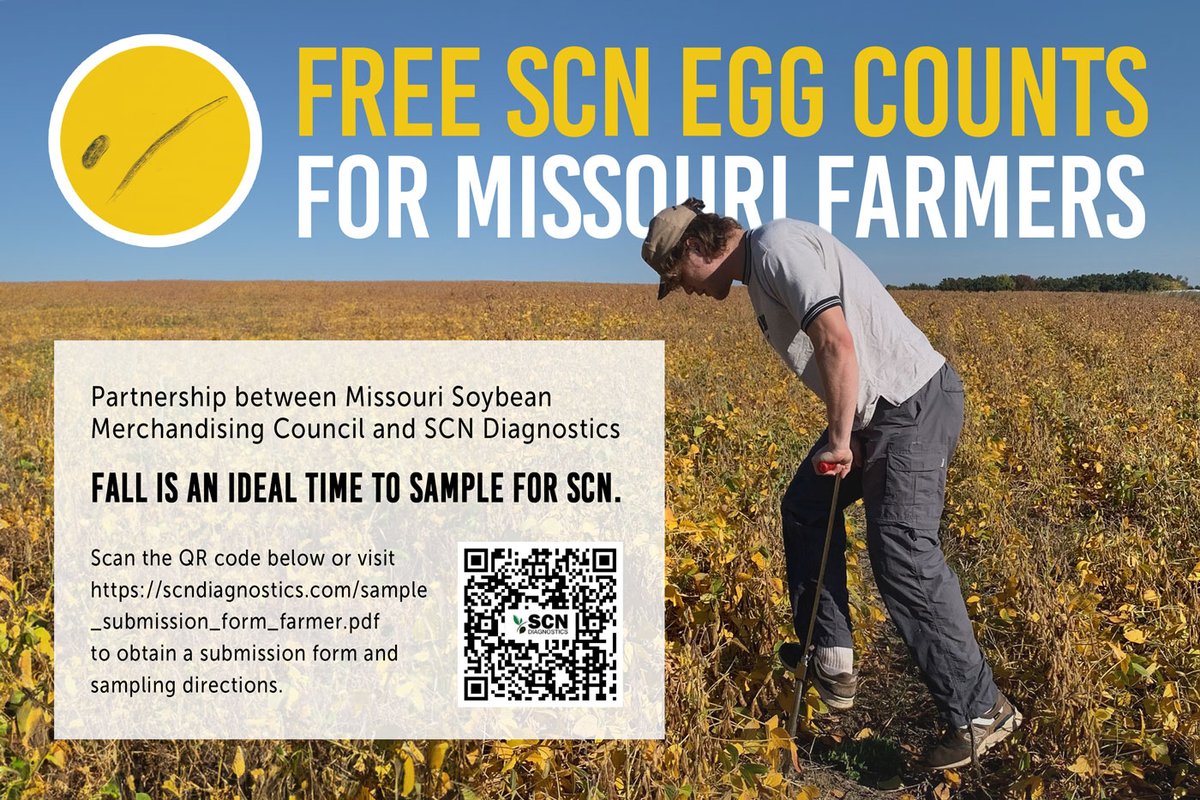
Free SCN Egg Counts for Missouri Farmers 📢 📢
Visit scndiagnostics.com/sample_su… to obtain a submission form and sampling directions.

2
2
298
Jeff Barizon retweeted

12 Oct 2023
Fall is a good time to sample fields for SCN.
Free samples for farmers courtesy of @missourisoybean and SCN Diagnostics.
@JeffBarizon
@MandyBish1
@missourisoybean
@MUExtAgEnviron
#2xAg2030
3
6
618
Jeff Barizon retweeted
9 Oct 2023
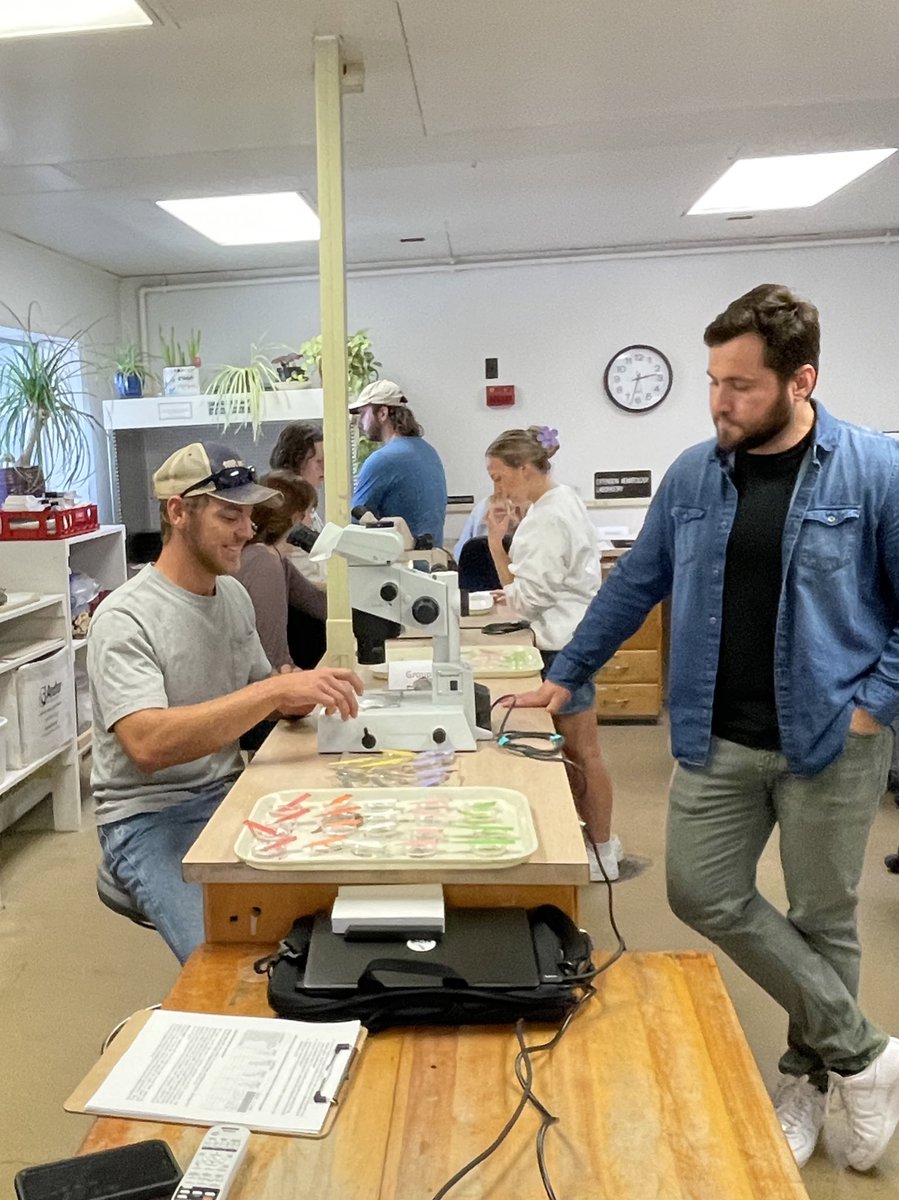
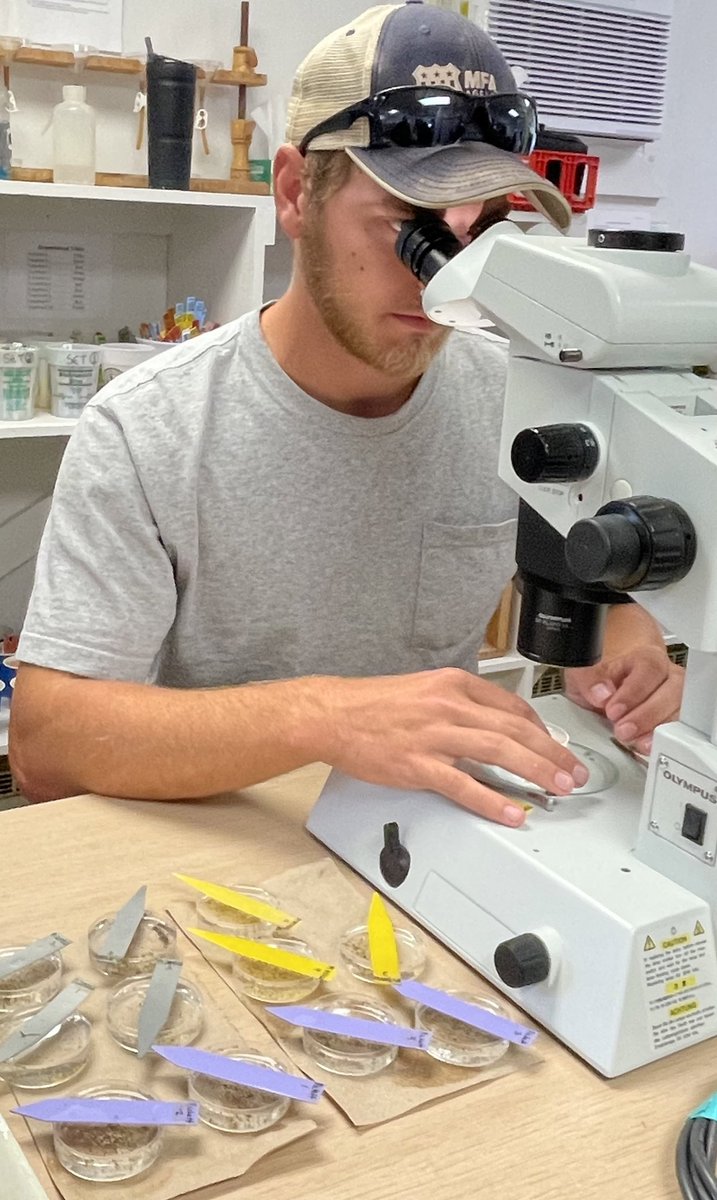
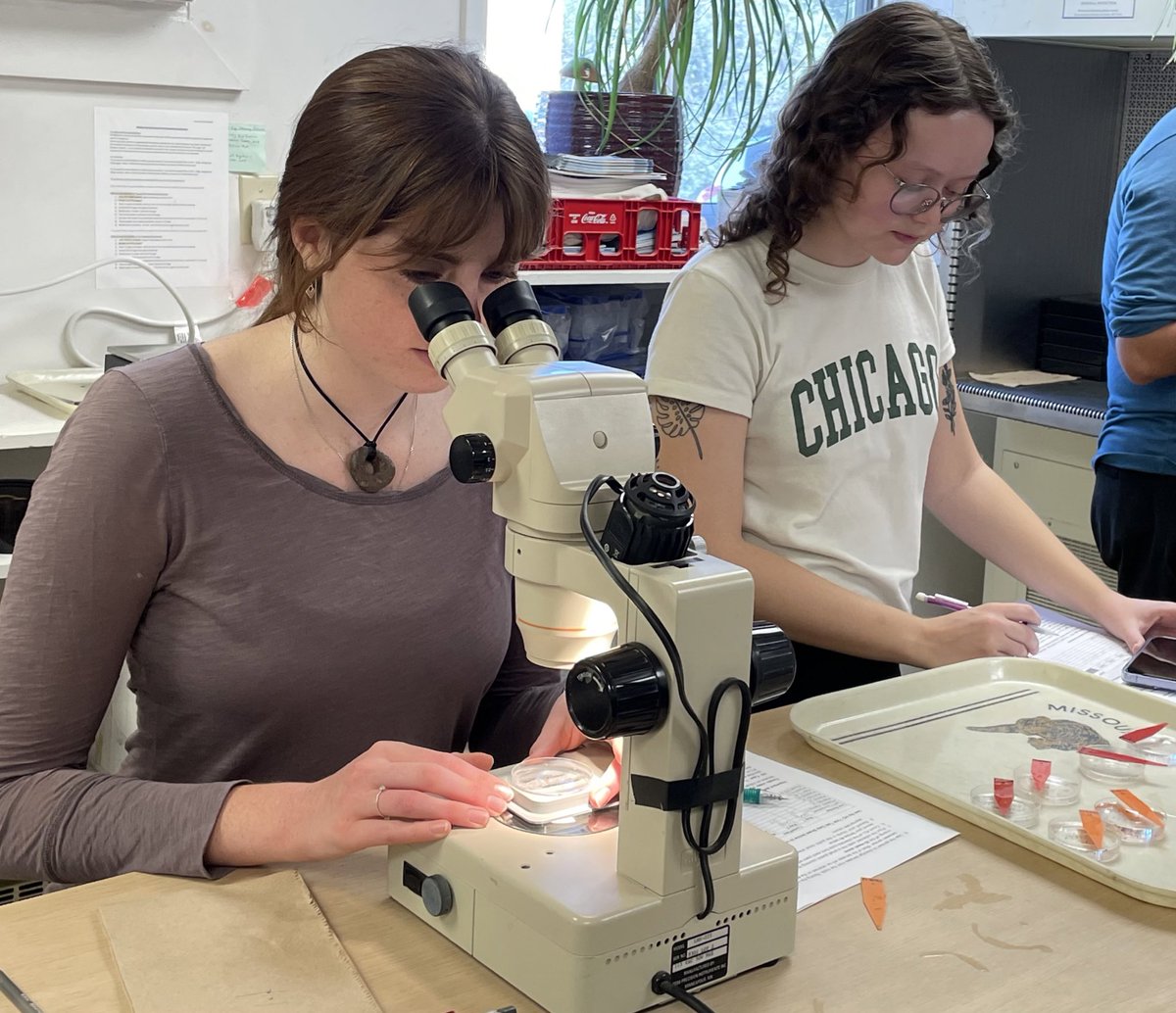
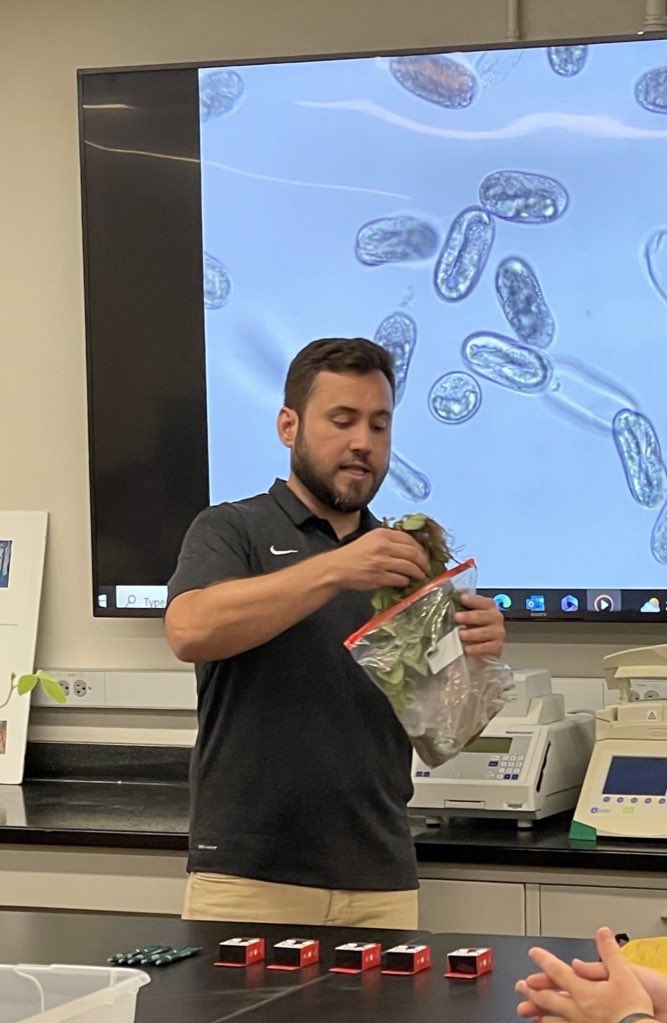
Today @cafnr students enrolled in plant path gained hands-on experience with soybean cyst nematodes.
@JeffBarizon loves nematodes & teaching. He did an excellent job prepping & walking students through HG type tests.
@MizzouIPM
@MUExtAgEnviron
@missourisoybean
#2xAg2030
3
12
670
Jeff Barizon retweeted
2 Oct 2023
It’s National #nematodeday and yes, @missourisoybean is offering free SCN egg counts to Missouri farmers.
Contact SCN Diagnostics for more details (scndiagnostics@missouri.edu)
@JeffBarizon
@MUExtAgEnviron
@MizzouIPM
#Ag2x2030
tiktok.com/t/ZPR7AU97A/
7
14
988
Jeff Barizon retweeted
18 Sep 2023
Test your nematode knowledge for a chance to win a prize.
@missourisoybean
@JeffBarizon
@MUExtAgEnviron
@MizzouIPM
#2xAg2030
18 Sep 2023

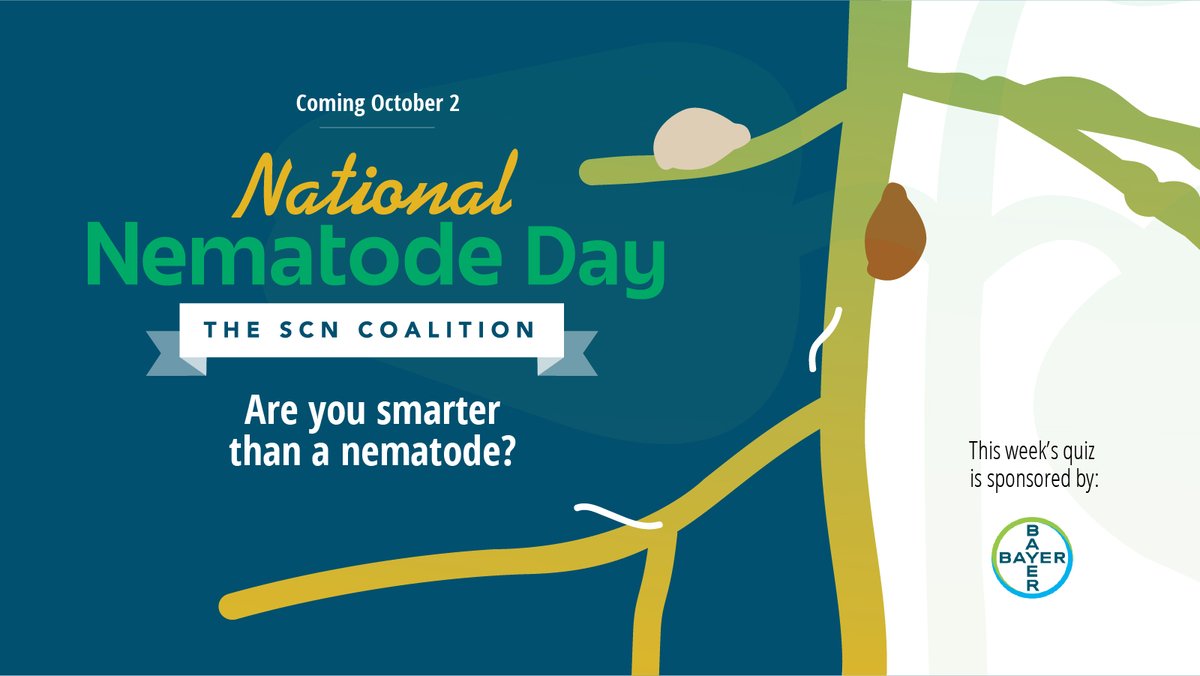
Are you smarter than a nematode? Take the test to see if you know which crops host Southern root-knot nematode.
Answer the quiz by noon (CT) Friday for a chance to win a prize.
Winners will be announced on #NematodeDay, Oct. 2, sponsored by @BayerUS.
bit.ly/47ZonVP
1
3
255
Jeff Barizon retweeted
21 Jun 2023
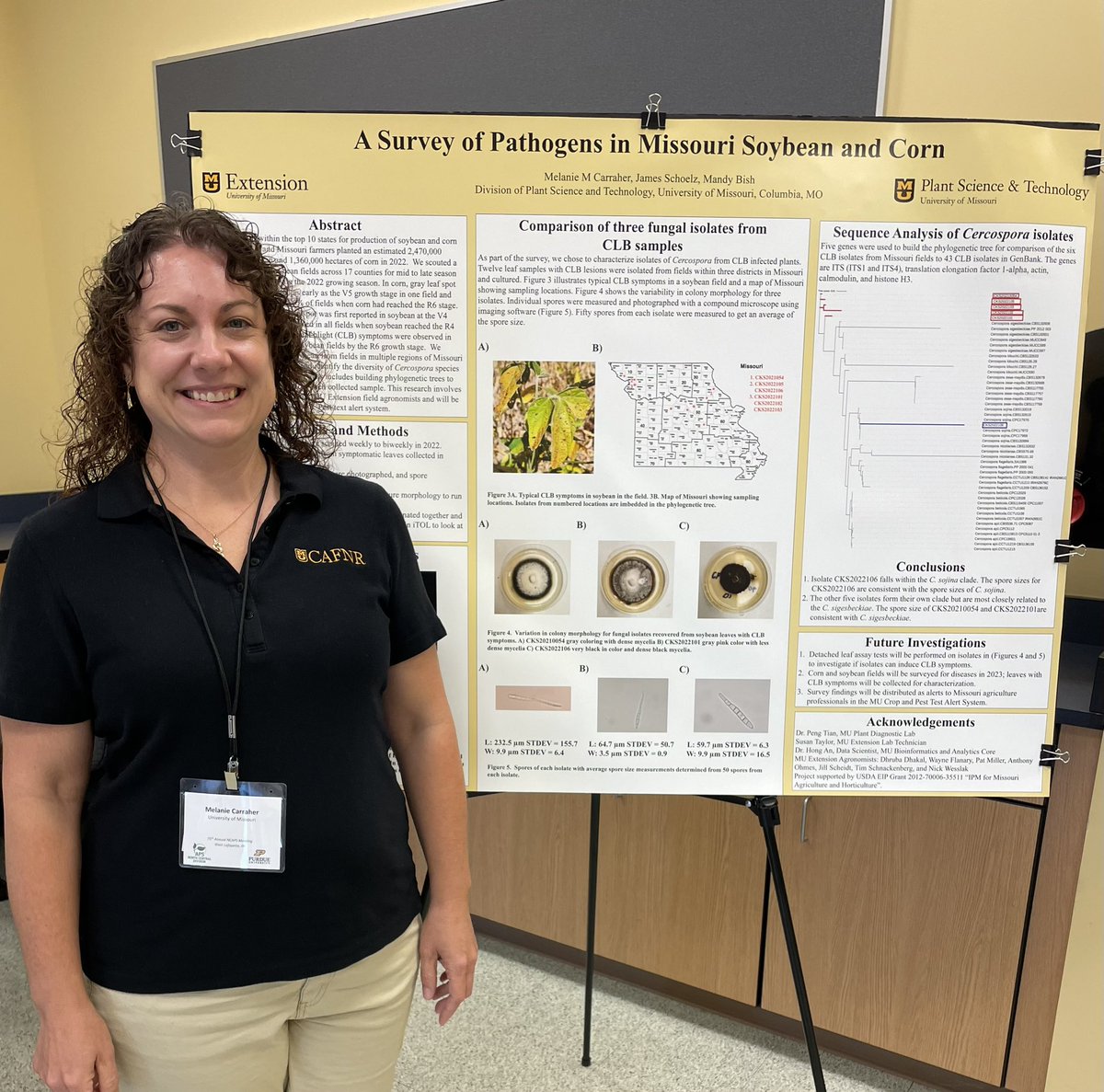
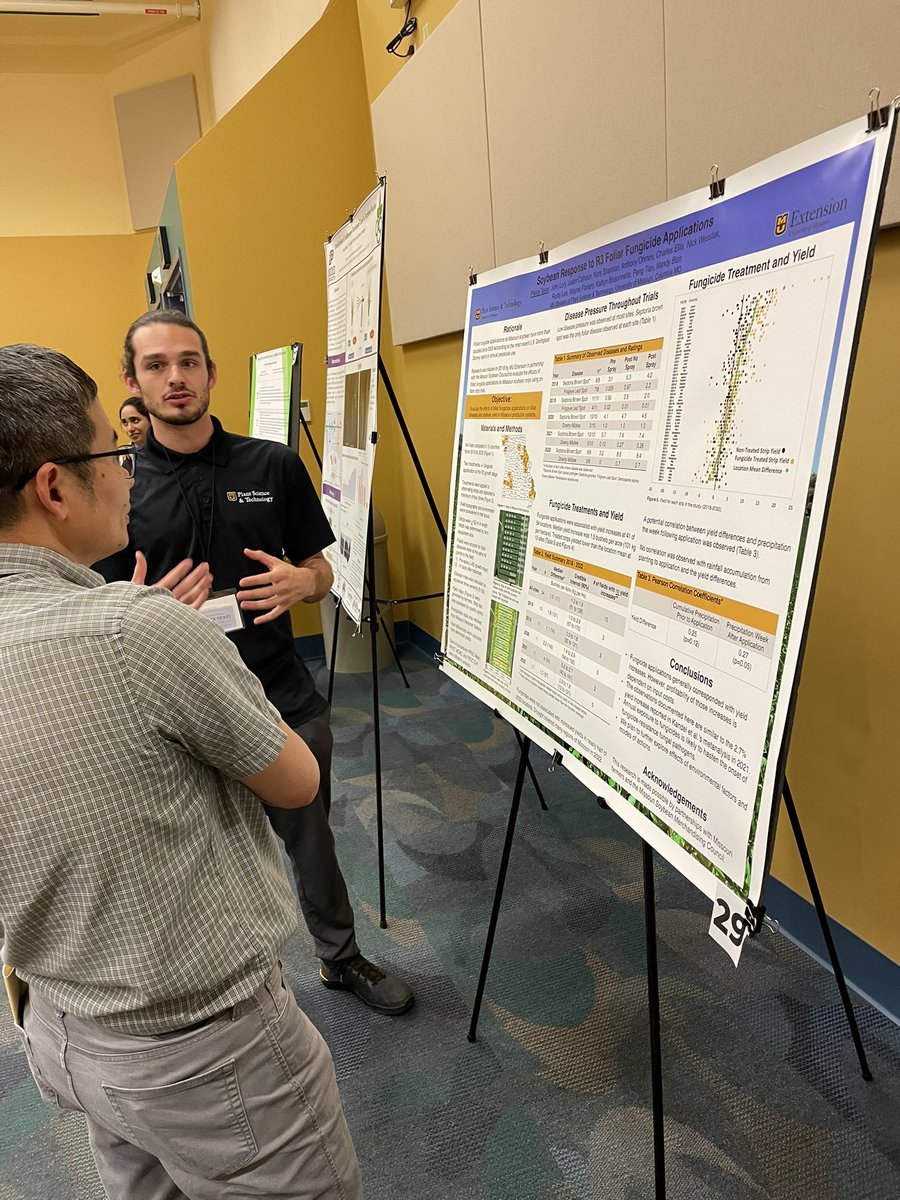
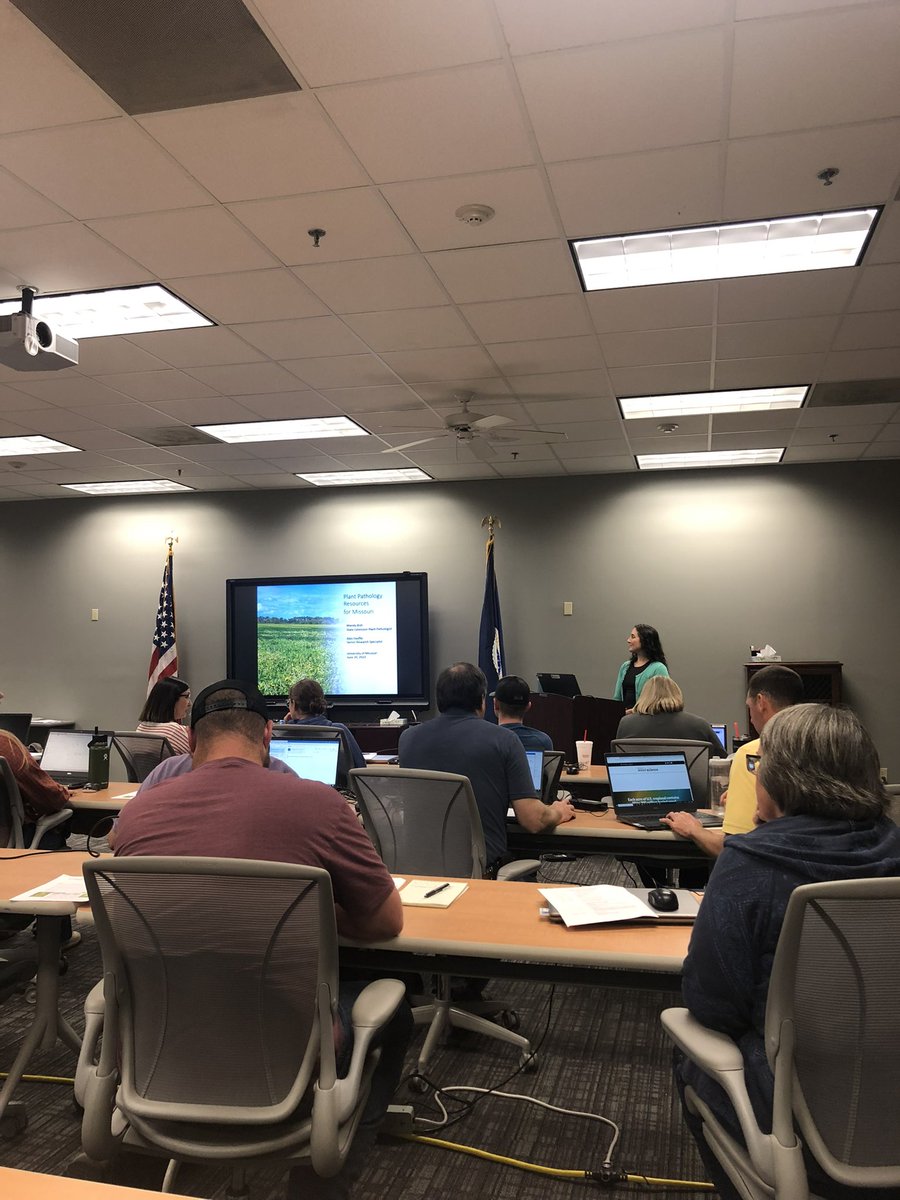
A busy week: @cafnr grad student Melanie Carraher & undergrad Pierce Taylor presented at the North Central APS meeting.
Senior Research Specialists Alex Haafke & @JeffBarizon helped train government partners & high school students
#2xAg2030
@MizzouIPM
@MUExtAgEnviron
1
3
15
945