
Films that move people. Stories that shift power. DM me to discuss your project.
Joined March 2009
- Tweets 83
- Following 8,114
- Followers 10,554
- Likes 2,378
Photos and videos
Jeremy Clancy Productions retweeted

Greedy privatised water companies treat our rivers and seas like an open sewer.
And they've ripped off the public with higher bills while handing nearly £90 BILLION to shareholders since privatisation.
In Parliament, I called for water to be brought back into public ownership.
166
828
1,752
23,711
Jeremy Clancy Productions retweeted

Jan 19
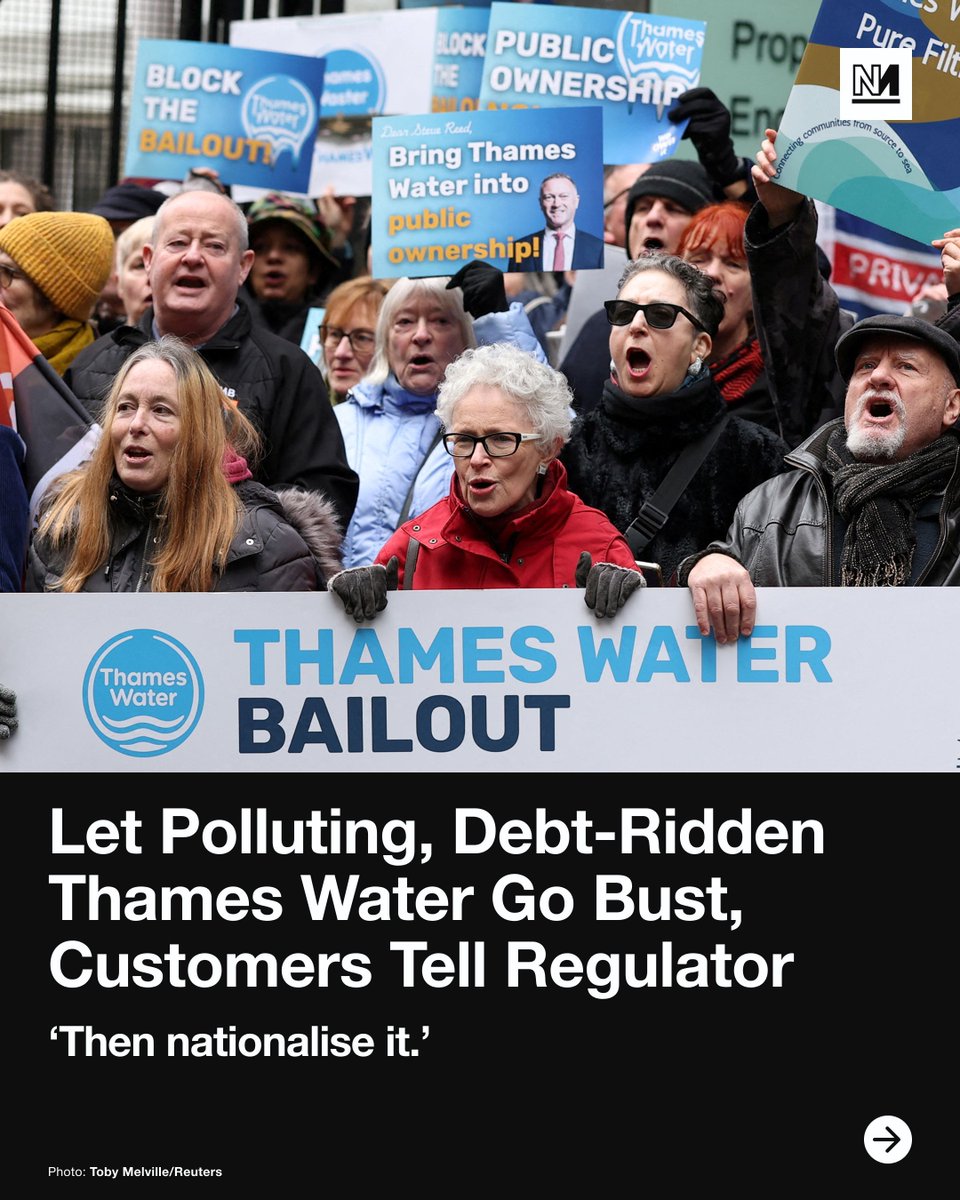
More than two thirds customers of Thames Water, which is breaching environmental regulations and struggling with billions of pounds of debt, want the utility provider to be brought under public ownership, a new survey has revealed.
The Survation poll, commissioned by We Own It, found that 68% of 1,000 respondents support nationalising the company. The poll also asked how much compensation shareholders should get if that were to happen, and the most popular answer was “no compensation”, selected by 36% of respondents.
Fifty-three percent of customers surveyed said it would be reasonable for them to stop paying their bills to protest bill increases, and 79% said Thames Water’s recent move of raising bills by 35% was unreasonable. Over a third said they expected to be unable to afford the increase.
Thames Water is in more than £20bn of debt, and in October was offered a rescue package by lenders that would involve writing off around a third of the debt pile and injecting at least another £5.4bn to stabilise its finances.
More than half of customers said the regulator, Ofwat, should reject this deal and allow the company into special administration, an insolvency process that involves recovering assets as soon as possible with the involvement of regulators.
“It is time for Thames Water, in its current form, to be put out of its misery,” said James Wallace, CEO of environmental campaign group River Action. “This poll shows just how angry the public is about the dire state of Thames Water and the ongoing damage its creaking infrastructure does to our rivers.”
Thames Water has failed to complete upgrades to 98 treatment plants, leading to raw sewage leaking into waterways, residents have said. In May 2025 Ofwat fined the company £104.5m for breaches of rules relating to its wastewater operations.
“People are absolutely sick of paying more and more for a broken water system, all while watching as shareholders continue to extract eye-watering profits,” said Sophie Conquest, lead campaigner at We Own It. “Public ownership would stop huge sums of money from leaking out of our water system.”
13
24
3,418
Jeremy Clancy Productions retweeted

Jun 12
Feargal Sharkey brands '£100billion' cost of nationalising water 'nonsense'.
Spot on.
They inflate investment by capitalising part of interest, repair/maintenance cost.
Govt says Thames Water is worth £21bn. KKR wouldn't pay £4bn.
Nationalise water.
mirror.co.uk/news/feargal-sh…
28
862
1,503
12,337
Jeremy Clancy Productions retweeted

15 Nov 2024
Anyone else been given a “friendly nudge” not to “tweet about Gaza/Israel so much” because “it could be misconstrued [in the media industry]”
I have.
To the person concerned: unlike you, I’m not a bully, biased or a coward. I’m evidence driven.
Try it again and I’ll out you.
791
7,113
24,981
1,098,044
Jeremy Clancy Productions retweeted

May 14
BREAKING 🚨🚨🚨
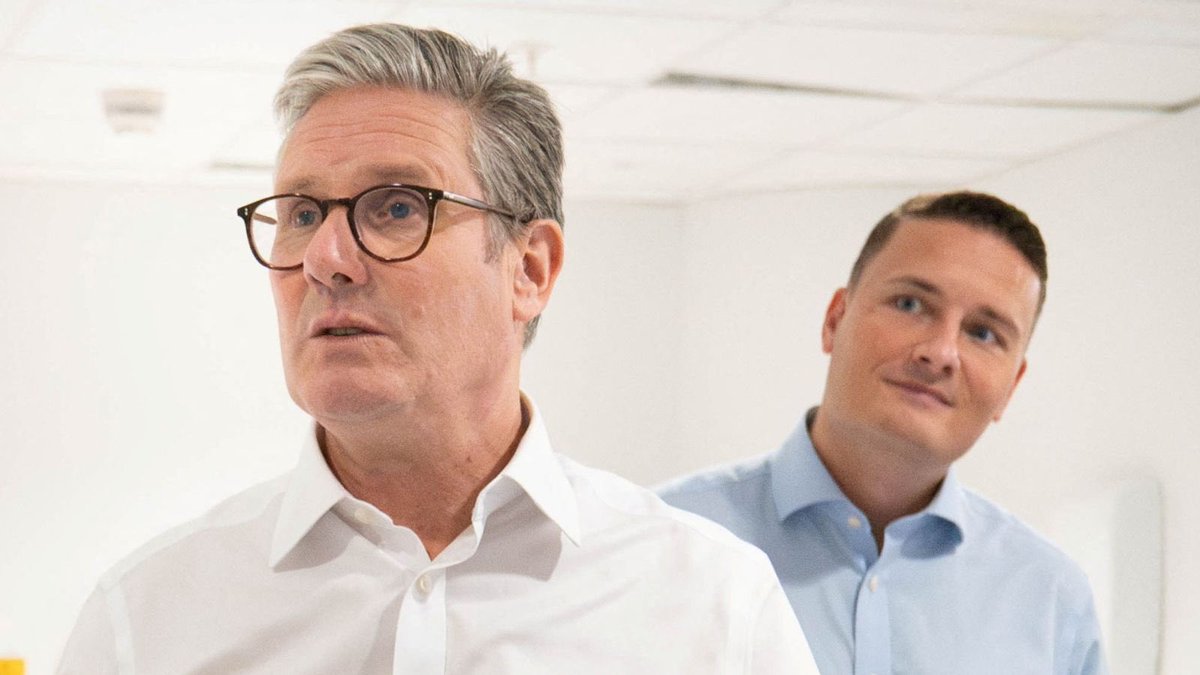
Britains least charismatic man launches coup against Britains 2nd least charismatic man.
59
1,399
15,652
222,648

😍Feargal Sharkey's absolutely right. Public ownership of water is a no-brainer,
And 82% of the public agrees.
vist.ly/4ww54
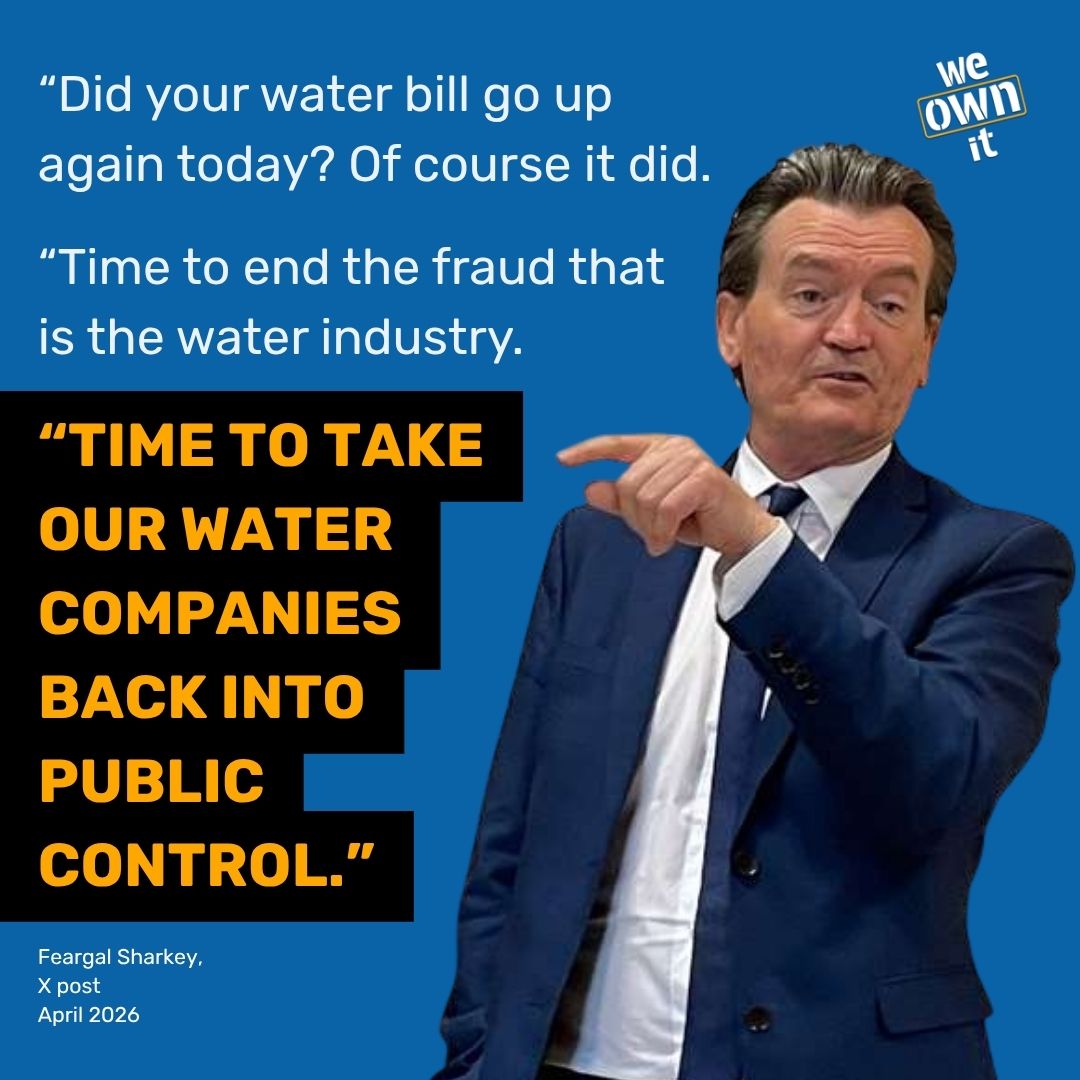
ALT Photo and quote from Feargal Sharkey, April 2026. "Did your water bill go up again today? Of course it did. Time to end the fraud that is the water industry. Time to take our water companies back into public control."
47
1,109
2,131
12,951

RT @Suzesuesuzie: @DahliaKurtz These two children in Gaza. Murdered by Israeli Nazis. Two brothers who didn’t have a bomb shelter. Israeli…
10,526