
Former BBC Radio Kent & Capital Gold Sports Reporter | Freeman of the City of London | MC | Presenter |
Joined April 2008
- Tweets 144,534
- Following 14,835
- Followers 23,265
- Likes 68,531
3,474 Photos and videos












Pinned Tweet

13 Jan 2019
#eventprofs #eventprofsuk @YourEventMentor @eventhuddle @LDNEventsGirl @themiceblog Involve the host early enough to get the best results. Their expertise in invaluable. #eventhost #corporatepresenter #awardshost

9
4
24
Jeremy Jacobs retweeted

The reason plant-based diets succeed because people remove junk food.
Not because plants possess magical properties.
Replace soda, donuts and fast food with vegetables and almost anyone improves.
That's not evidence that animal foods were the problem.
It's evidence that ultra-processed food was.
Those are very different conclusions.
2
6
118
Jeremy Jacobs retweeted

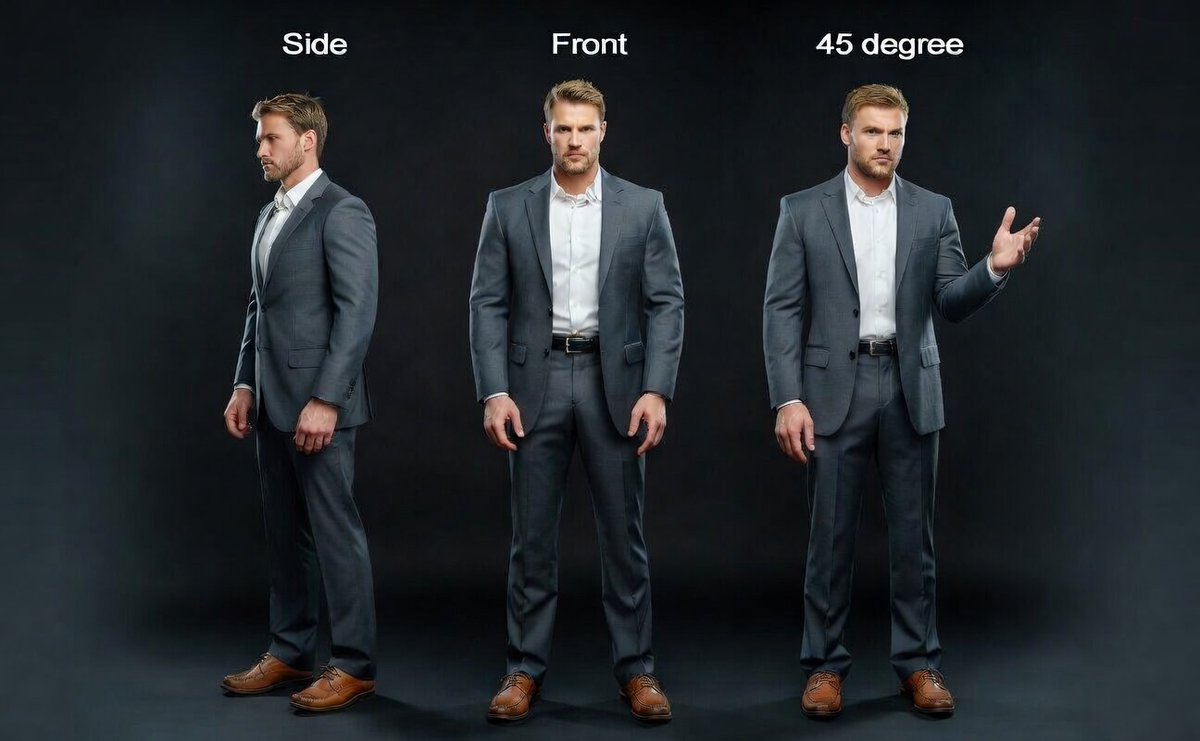
Face your audience straight-on as much as possible.
Actors are taught to assume a 45-degree stance on stage to be able to interact w/other actors & still be seen by the audience.
As a speaker, you need to interact only w/the audience.
#PainlessPublicSpeaking
#PublicSpeaking
1
1
23
Jeremy Jacobs retweeted

Jun 12
Oh do fuck off Lewis you Socialist barrel scraper...
3
41
269
Jeremy Jacobs retweeted

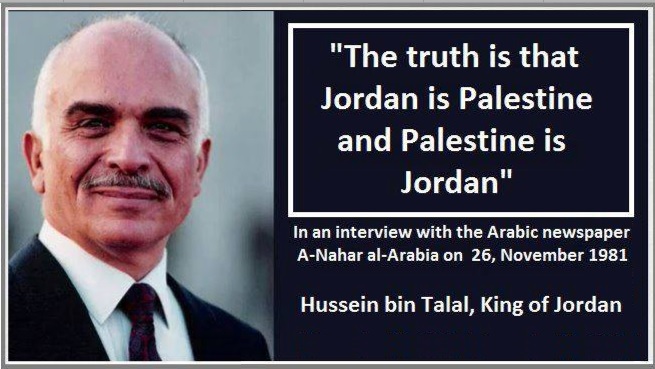
The Muslims were already given 78% of the Mandate for Palestine.
It's called Jordan.
1
1
16
1,080
Jeremy Jacobs retweeted

Jun 13
Fuck off @johnmcdonnellMP.
Jun 12

Scale of sentences on the 4 young people who took direct action against the arms supplier to Israel is truly shocking. To impose years of imprisonment for protesting to save lives in Gaza is unjust, especially sentencing on terrorist grounds they were never convicted of by a jury
208
580
6,760
129,450
Jeremy Jacobs retweeted

Punishment for attempting to make good decisions.
1
1
7
232
Jeremy Jacobs retweeted

Jun 13
So @SadiqKhan - London's Mayor - has a problem with an event selling Israeli property to British Jews.
Khan said this event should not be allowed.
At a time of horrific antisemitism, and with Jews gathering at an event tomorrow - Khan has fuelled opposition, that could well lead to violent protest.
Jews buying property in Israel is too much for him.
Yet Khan never says a word about events in London where property is sold on Turkish Cyprus.
This is land the British claim is illegally occupied. Events take place all the time in London selling property in Turkish Cyprus - and notably our Mayor stays silent.
Sadiq Khan only has a problem with land in the Jewish state.
There is a word for this.


73
418
1,333
21,976
Get your facts right.

I condemn any attempt to sell property in the settlements in the West Bank, be that in London or anywhere else in the world.
aljazeera.com/news/2026/6/12…
19
I think there's been some hate in Edgware this morning.
1
363
Jeremy Jacobs retweeted
When deciding how many points to cover in a speech, don't take "the more, the merrier" approach.
It's much wiser to explain & support 3 or 4 ideas thoroughly, rather than fire off 7 or 8 with the hope that a few will stick.
#PainlessPublicSpeaking
#PublicSpeaking
1
1
21
Jeremy Jacobs retweeted

Jun 9
2.5 million people work in the UK’s financial and professional services sector — more than the populations of Milan and Frankfurt combined.
A world-class ecosystem built on expertise, innovation and talent.
One of the UK's great strengths and something we should be proud of.
#TeamUK #LondonTechWeek #InconvenientlyBrilliant
2
9
12
1,150
Jeremy Jacobs retweeted
Jun 10
When the world wants a fair deal, it comes to London.
40% of global business and financial transactions are governed by English law.
That's a powerful vote of confidence in the UK's legal sector.
Trusted worldwide for its certainty, transparency and expertise, English law helps underpin global trade, investment and growth. Proud to champion #TeamUK
#TeamUK #InconvenientlyBrilliant
3
3
9
943
Jeremy Jacobs retweeted

It's been extremely encouraging seeing all the support for #TeamUK this week. As I shared with @AndrewMarr9 on @LBC when I travel overseas, I see incredibly fierce competition with global hubs championing their strengths continuously.
We have to do the same in the UK - it takes all of us as business leaders and industry advocates to back our strengths, tell our story with confidence, and work together to ensure the UK remains one of the best places in the world to invest, innovate and grow.
3
7
666
Jeremy Jacobs retweeted

One glass of this drink can clean your colon and remove toxins from your liver and intestines
27
95
5,925
Jeremy Jacobs retweeted

Jun 12
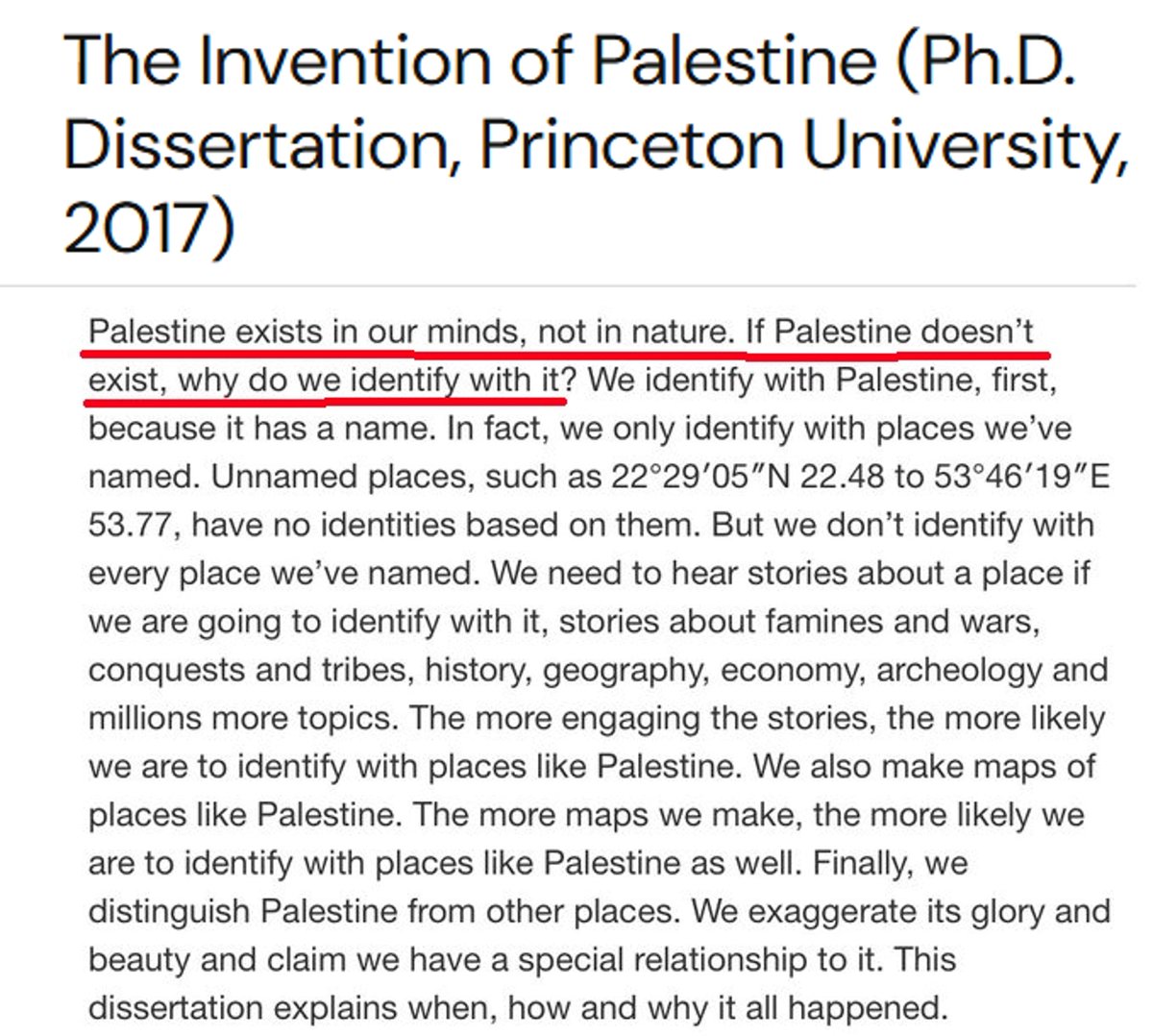
This is literally from your Ph. D. Thesis -
"Palestine was invented and exists only in our minds, not in reality"
Maybe Jerry just read it? 🤔
Jun 12

Jerry Seinfeld said Palestine doesn’t exist.
This was actually the subject of my PhD dissertation.
Turns out that Arab, Muslims & Christians have been calling Palestine Palestine continuously for more than a millennium.
Receipts: academia.edu/34686627/The_In…

19
51
379
11,550
Jeremy Jacobs retweeted

McFadden Flew to Rotterdam to Solve a Problem His Own Department Already Explained.
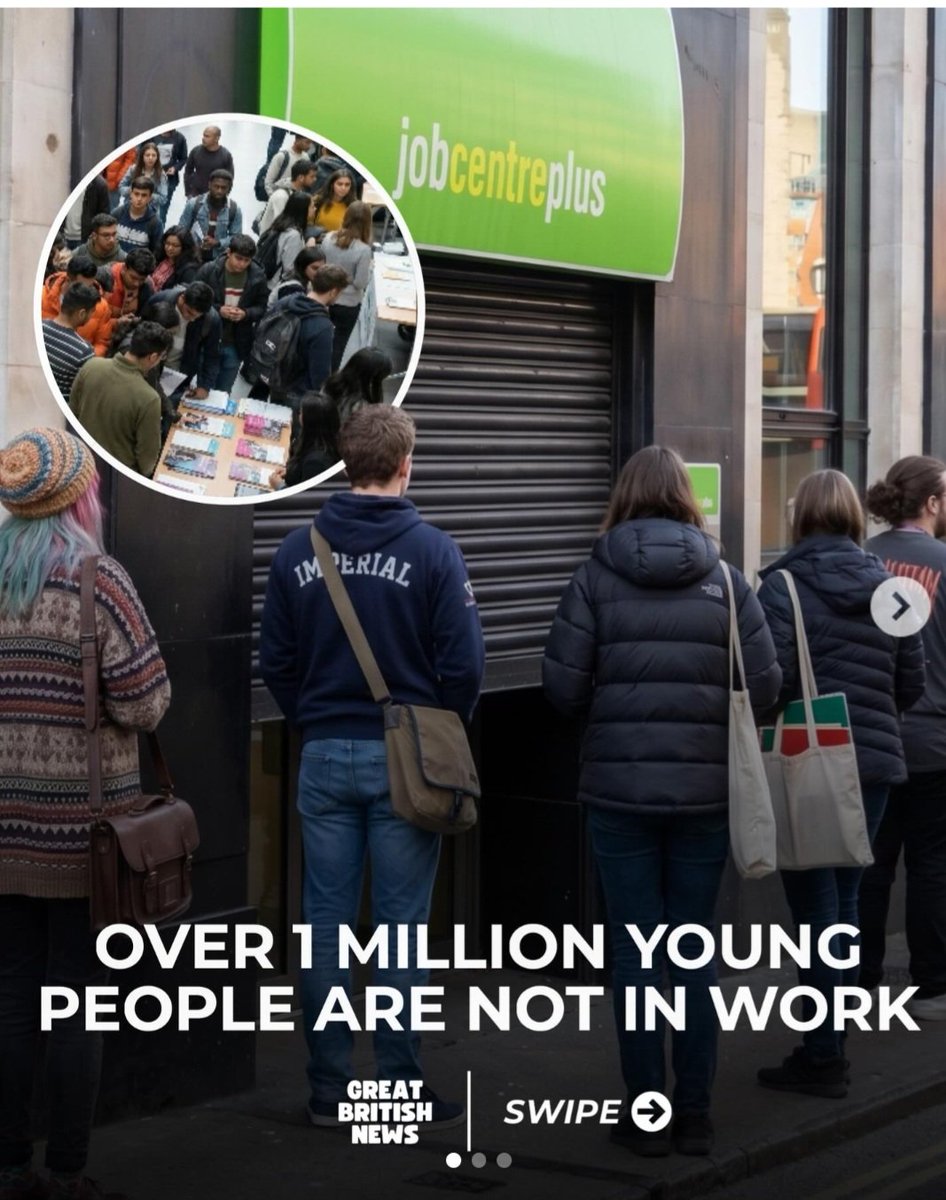
Pat McFadden has been to the Netherlands. He visited a Jongerenpunt, a Dutch youth hub, and came back impressed. The Netherlands has a NEET (Not in Education, Employment, or Training) rate of 4.9 percent among 18 to 24 year olds. Britain's is 15.1 percent. McFadden's solution is to open 180 Youth Hubs over the next two years, rising to 360 by 2029, offering wraparound services, CV advice, housing support and apprenticeship pathways, backed by £2.5 billion over three years.
But he did not need to fly to Rotterdam. The explanation for the gap between Britain and the Netherlands is sitting in his own department's data.
Since 2020, 27 young non-EU migrants have been hired in Britain for every one young British worker. Non-EU youth employment has risen 355 percent. The young British workforce has grown by 0.3 percent. Over the same period, NEET numbers have risen by almost 250,000, now exceeding one million. The Centre for Social Justice published these figures, drawn from the government's own HMRC payroll data, on the same day Alan Milburn's review into youth worklessness concluded there was "no evidence" that immigration played any role. The government's own numbers say otherwise. McFadden's department has the evidence. It chose Rotterdam instead.
The £2.5 billion figure deserves scrutiny. Spread across three years and "almost one million young people," it amounts to roughly £800 per person per year. The government has separately confirmed it spends twenty-five times more paying unemployed young people benefits than it spends helping them find work. £2.5 billion against that backdrop is not a system reset. It is a press release with a budget line attached.
The document contains an admission worth dwelling on. It notes that Dutch youth report the second highest rate of depressive symptoms in the world, behind only Britain's, and that Dutch anxiety rates are only slightly lower than Britain's. It then concludes that "the difference is not health but how the country responds to it." This quietly demolishes years of government framing that attributed Britain's NEET crisis substantially to a mental health epidemic among young people. If a country with comparable mental health outcomes can achieve a NEET rate three times lower, mental health was never the primary explanation. The government has now admitted this in writing while continuing to commission reviews that lead with it.
What the Netherlands actually does, and what this document carefully avoids drawing any connection to, is maintain a labour market where 35 percent of young people pursue vocational training against 22 percent in Britain, and where over half of Dutch young people have workplace experience by age 19. That requires entry-level jobs to exist in sufficient numbers for young nationals to fill them. Britain's October budget did the opposite. The employer National Insurance rise and a near twenty percent jump in the youth minimum wage made entry-level hiring more expensive at the exact moment 27 migrants were being hired for every one British young person. Two policies, the same government, working in the same direction, both squeezing British youth out of the market the Netherlands keeps open for its own.
McFadden's Youth Hubs may help some young people navigate a broken system. They will not address why the system is broken. A generation of British youngsters has been priced out of the jobs that once gave their parents a start, replaced by imported labour at a rate of 27 to 1, while the minister responsible flew to Rotterdam to study a country that simply never created the problem Britain manufactured at home. The answer was never in the Netherlands. It was in the HMRC data, on his own desk, the whole time.
"The £2.5 billion figure deserves scrutiny. Spread across three years and 'almost one million young people,' it amounts to roughly £800 per person per year."
21
256
576
12,740
Jeremy Jacobs retweeted

Foods you can eat almost unlimited amounts of and still lose weight.
1. Cucumber.
46
150
2,408
1,633,234
Jeremy Jacobs retweeted

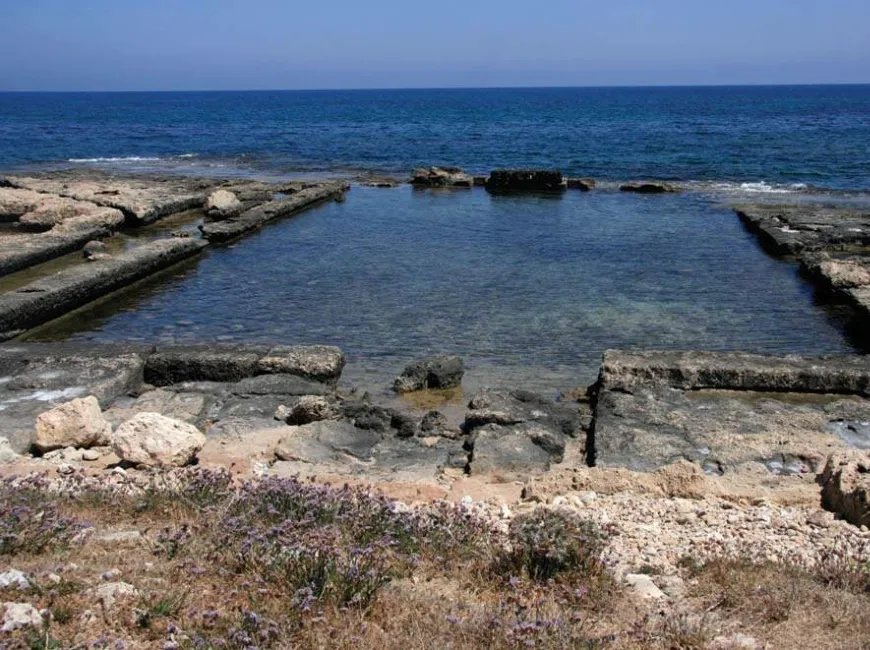
The Romans built fish ponds on the coast 2,000 years ago. They're still there, still filling with seawater. Reality has a way of challenging climate narratives.
118
2,381
12,433
111,496
Jeremy Jacobs retweeted

Jun 12
Does anyone else find it odd that $200 billion is spent on cancer research every single year...and the only thing to show for it is a 75% increase in cancer deaths since the 1990s?
1,861
11,762
57,818
971,153