
EU official. Service for Foreign Policy Instruments. Global Threats. All likes, opinions and statements are personal and do not reflect the position of the EU.
Joined May 2021
- Tweets 712
- Following 63
- Followers 67
- Likes 505
Photos and videos
Jesper PEDERSEN retweeted
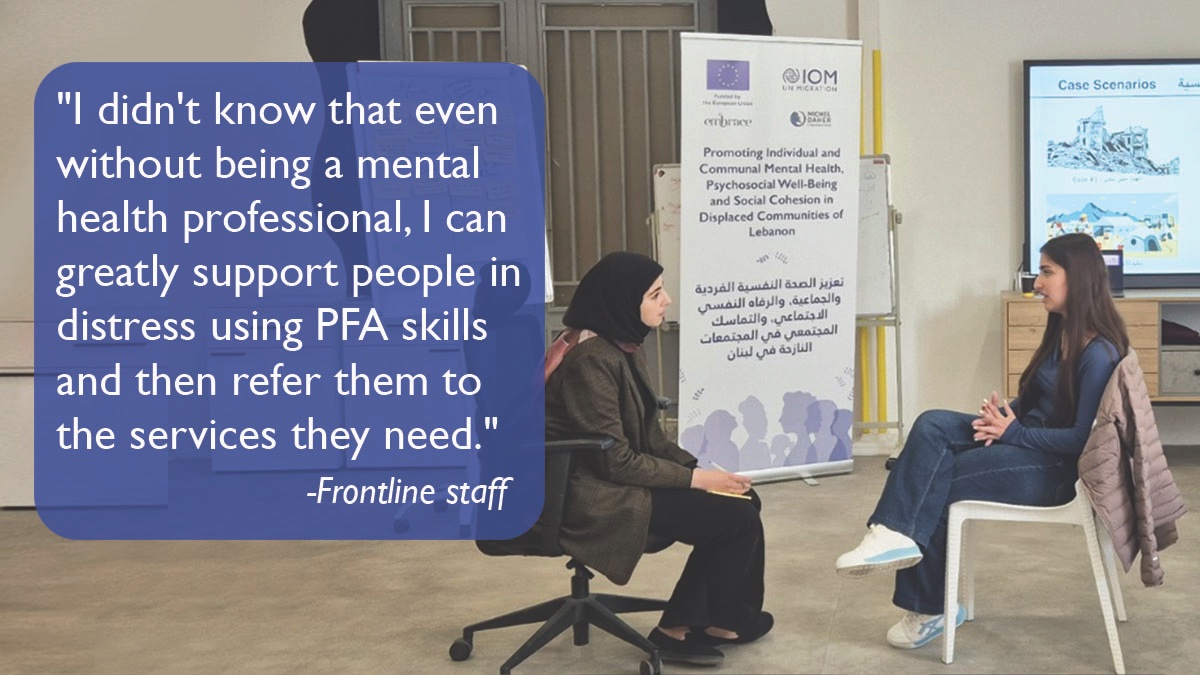
Proud to support individual and communal mental health, psychosocial well-being and social cohesion in displaced communities of Lebanon during crisis. This is how we are putting #EUForeignPolicy into action!
Jun 8

Frontline staff are the first to show up, and the first to respond. IOM, in coordination with the @NMHPLebanon -MoPH, trained 152 staff on Psychological First Aid across Lebanon as part of the crisis response.
This initiative is funded by @EU_FPI & @EUinLebanon
2
5
322
Jesper PEDERSEN retweeted
In #Lebanon, we partnered with @IOMLebanon & Lebanese organisations to ensure that essential mental health support reaches crisis affected & displaced communities - including journalists risking their lives to report from the frontlines. No one should face trauma alone. The EU is proud to fund support sessions as safe spaces for war reporters to process, heal & share. This is #EUForeignPolicy in action!
#WorldPressFreedomDay
4
5
372

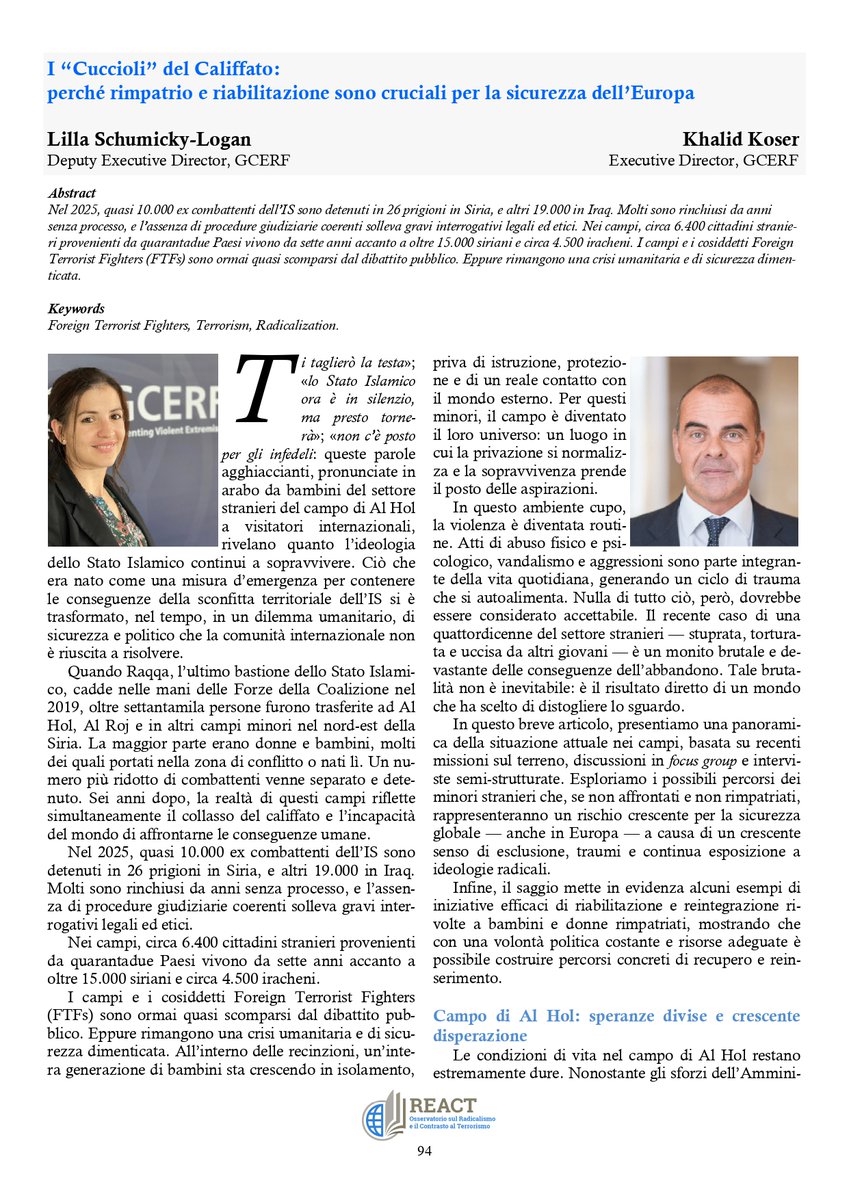
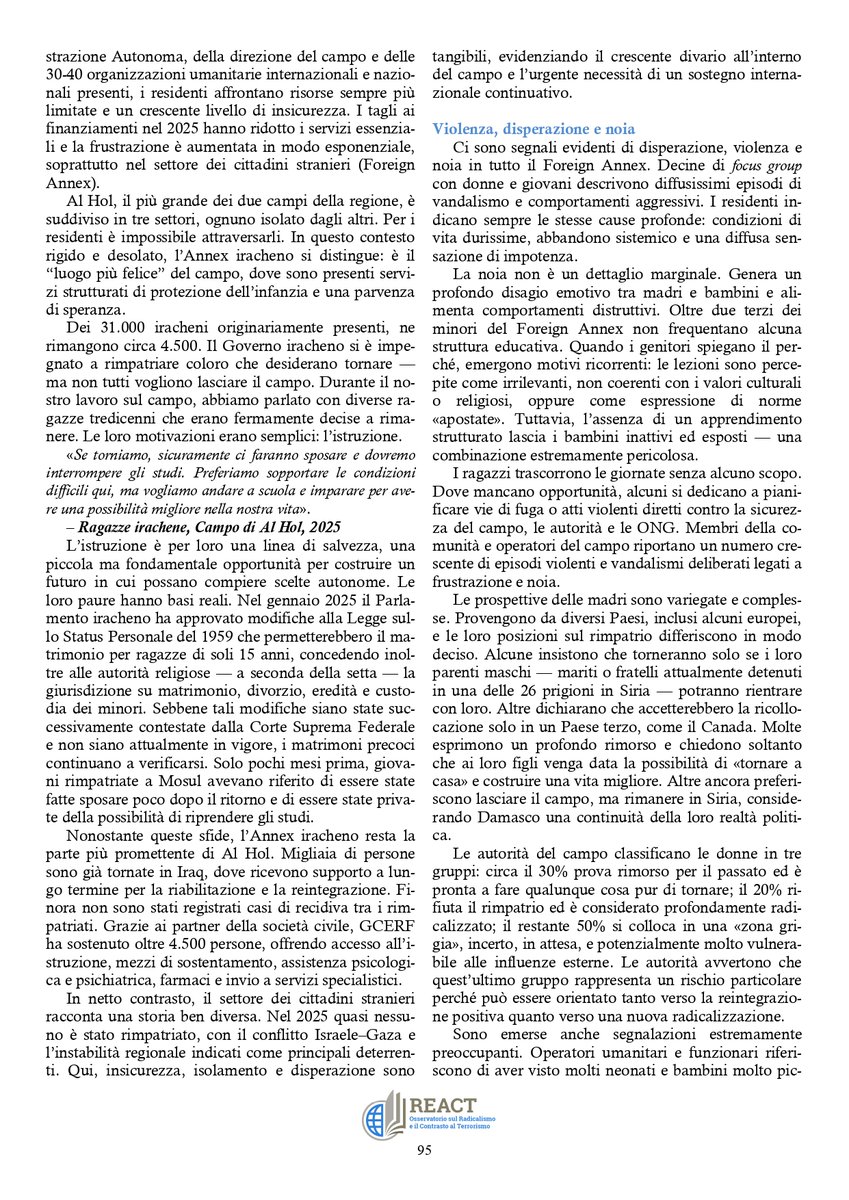
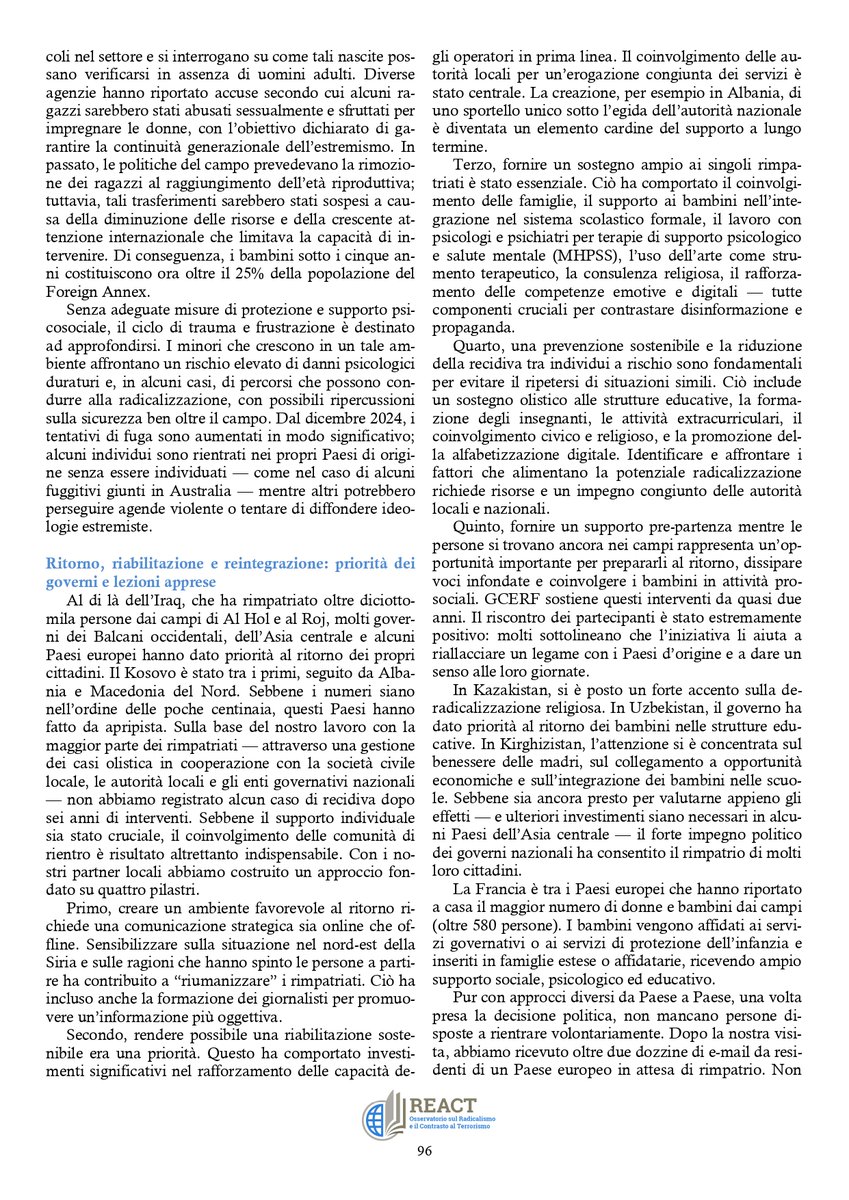
🇮🇹 Italian speakers, this article is worth your attention
The situation is even more volatile than described here - and much has already changed since this piece was written a few months ago.
Al-Hol, the camp at the centre of this report, officially closed in February 2026. The remaining families were transferred to Aq Burhan camp, northern Aleppo, which currently hosts around 3,000 people across approximately 730 families. Meanwhile, thousands escaped during the chaotic handover between Kurdish forces and the Syrian government, a dispersal that raises serious security concerns.
Yet, within this alarming picture, there are concrete reasons for hope worth highlighting.
📍Countries like Kosovo, Albania, and North Macedonia were among the first to repatriate their citizens from the camps. Central Asia, including Kazakhstan, Uzbekistan, and Kyrgyzstan, has launched structured programmes of repatriation, rehabilitation, and reintegration. Both regions are supported by GCERF. In Europe, France has brought back over 580 women and children, supporting them with psychological, educational, and social programmes.
The message is clear: repatriation is not just a humanitarian imperative. It is also a security choice. As long as these people – especially children - are not brought home and supported through serious de-radicalisation and reintegration programmes, the risk to Europe and the wider world remains real and growing.
Read the article. Share it. Don't let this crisis fade into silence.
@EU_Commission @eu_eeas @ItalyMFA
1
3
125
Jesper PEDERSEN retweeted

Apr 22
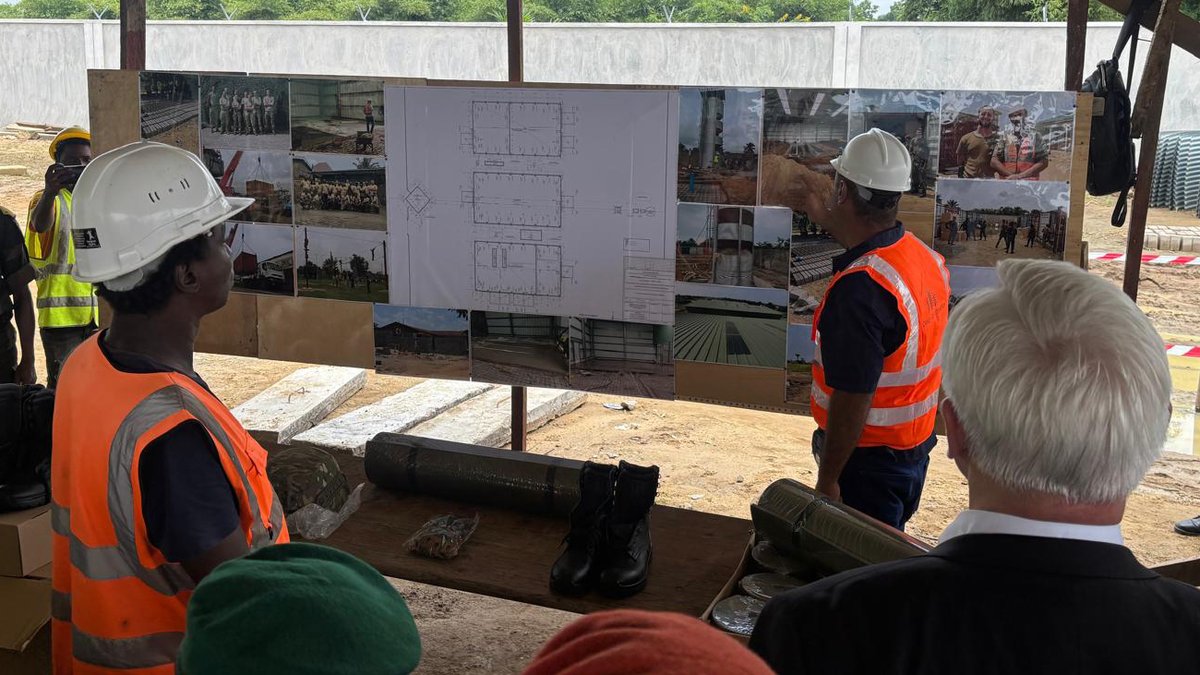
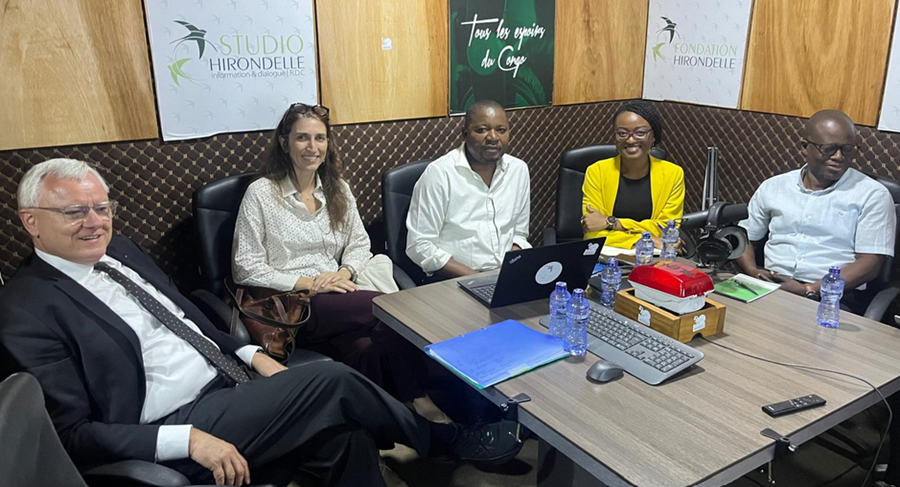
Always a great feeling if #EU support is so much appreciated by our partners. With the European Peace Facility, the 🇪🇺 Member States provide tangible support to partners. Proud of our @EU_FPI work on the implementation. Together with our wide ranging work on stabilisation
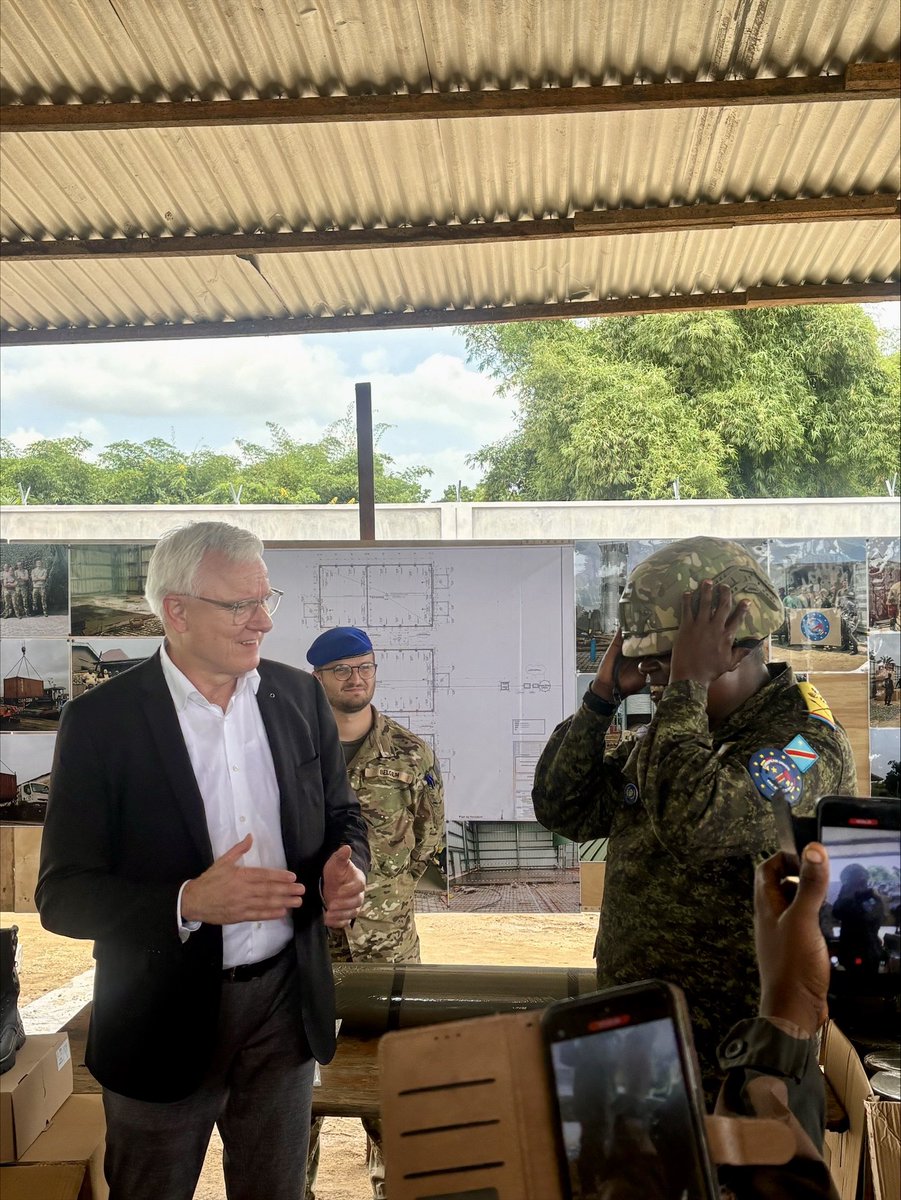

@pmwBxl, our Head of Service : "The EU remains a key partner for the DRC 🇨🇩 ”
During a recent visit, he highlighted the EU’s support through:
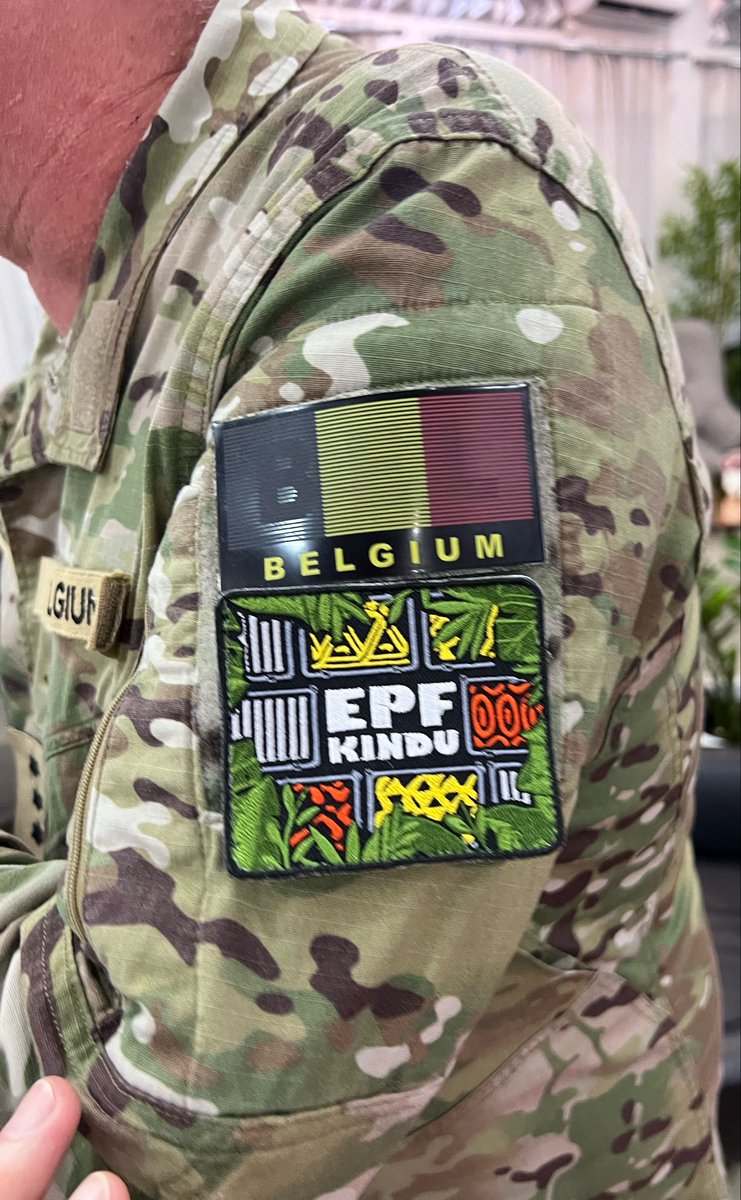
🔹€20M for military equipment to strengthen the Armed Forces of the DRC #FARDC through the European Peace Facility #EPF
🔹€24M for mediation & reconciliation in conflict zones
🔹Partnerships with @NRC_Norway & @Interpeace_Org for community dialogue
🔹Support for @HirondelleRDC to combat disinformation
This is #EUForeignPolicy in action!

2
6
476
Jesper PEDERSEN retweeted
Ahead of the general elections on 12 April in 🇵🇪, 100 observers have been deployed throughout the country to make an impartial and independent assessment of the electoral process. The 🇪🇺 Election Observation Mission (EOM) will be reinforced by EU diplomats and members of the @Europarl_EN, joining the mission in the coming days. This is #EUForeignPolicy in action! link.europa.eu/6BNtG6
Apr 7

Luego de 3 días de capacitación, los 50 observadores de corto plazo de la #moeueperú26 se desplegaron por todo el Perú. Con este grupo, la misión suma 100 observadores hasta el momento.
4
6
929
Jesper PEDERSEN retweeted
Today, on #MineAwarenessDay, we are proud to be a leading supporter to 🇺🇦 #Ukraine’s mine action efforts, as part of its broader recovery & resilience. With EU support, Ukraine has returned over 42,000 km² of land - an area around the size of Denmark- have been returned to productive use & more than one million explosive hazards have been neutralised, allowing communities to return home & farmers to safely cultivate their land again.
This is #EUForeignPolicy in action!
Discover more 🔗link.europa.eu/wTRbk6
9
26
1,225
Jesper PEDERSEN retweeted
We support humanitarian mine action worldwide, helping communities recover from conflict by reducing the threat posed by mines and explosive remnants of war. Armenia, Ukraine, Gaza, Libya and Lebanon are only a few places worldwide where we support mine clearance, risk education, and local capacity-building to enhance safety and resilience. This is #EUForeignPolicy in action!
Discover more 🔗link.europa.eu/wTRbk6
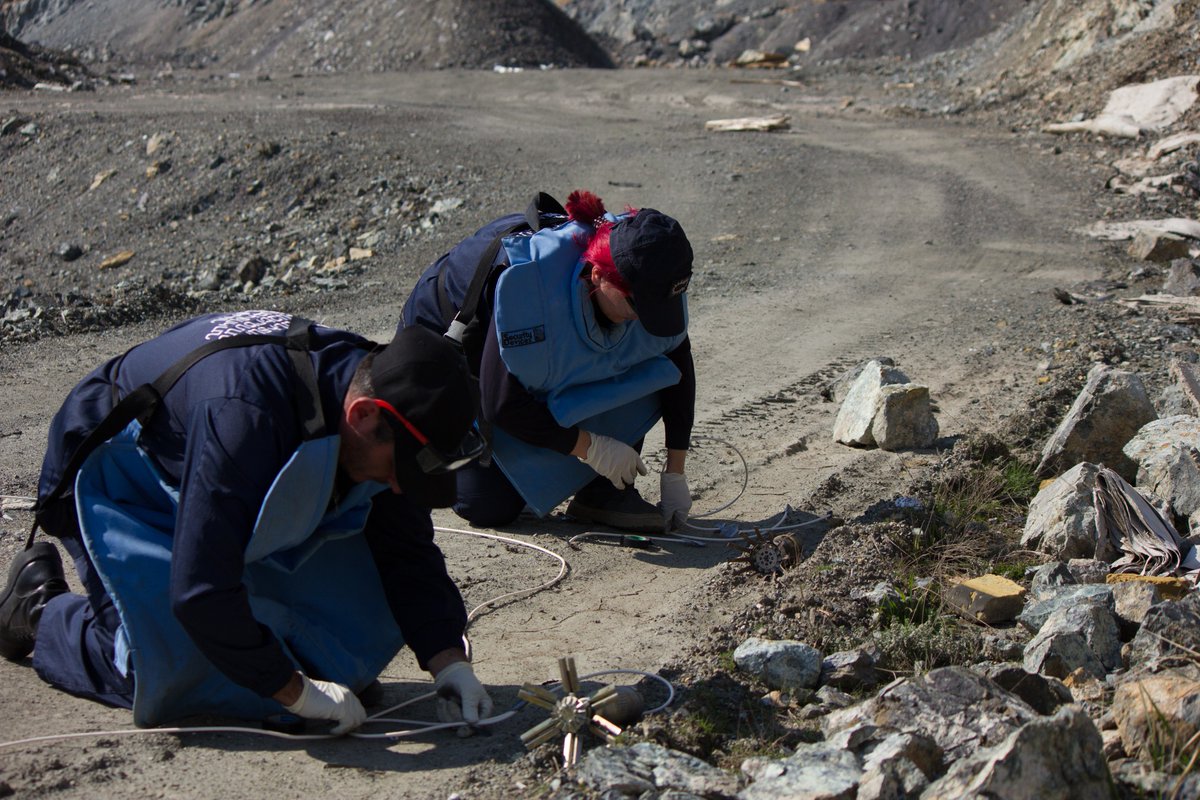
ALT Deminers wearing blue costumes, protections and gloves operating on the field
4
6
341
Jesper PEDERSEN retweeted
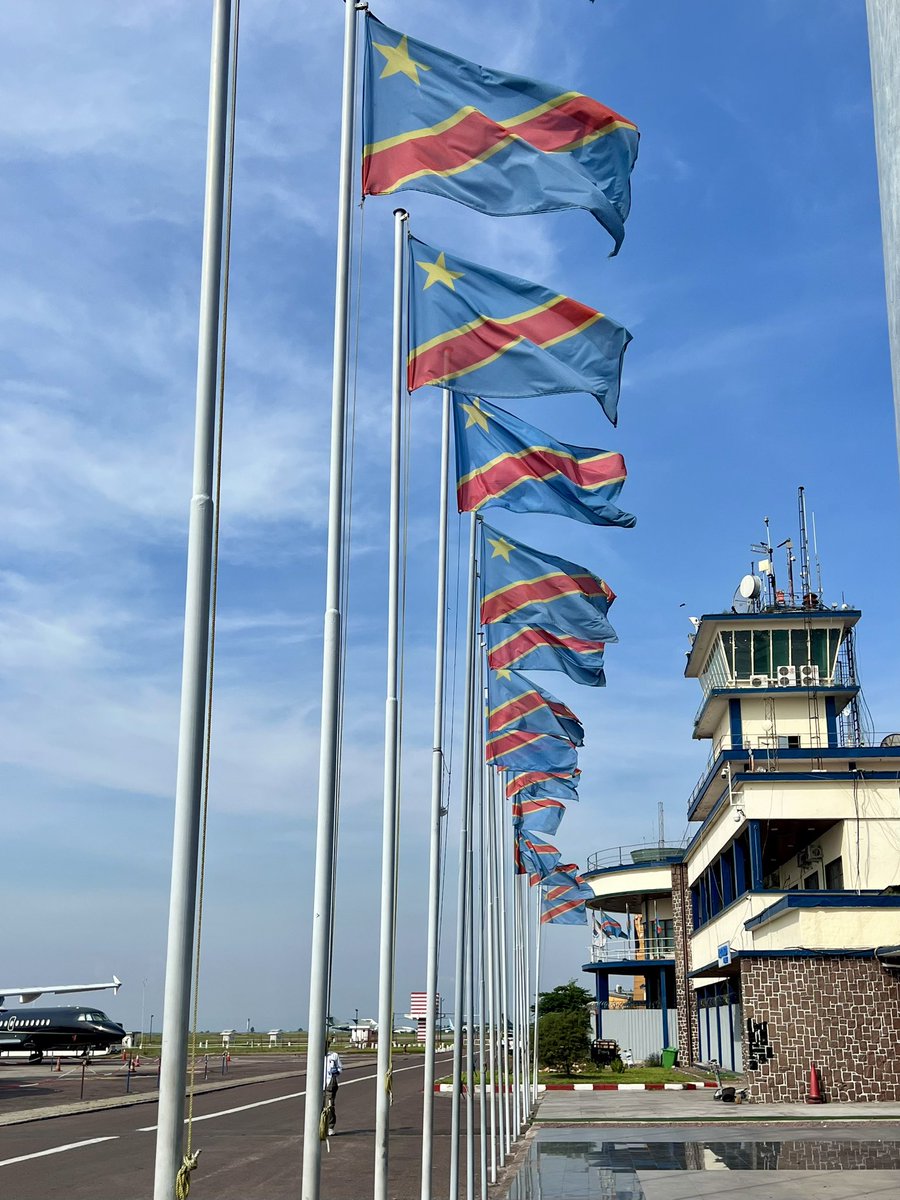
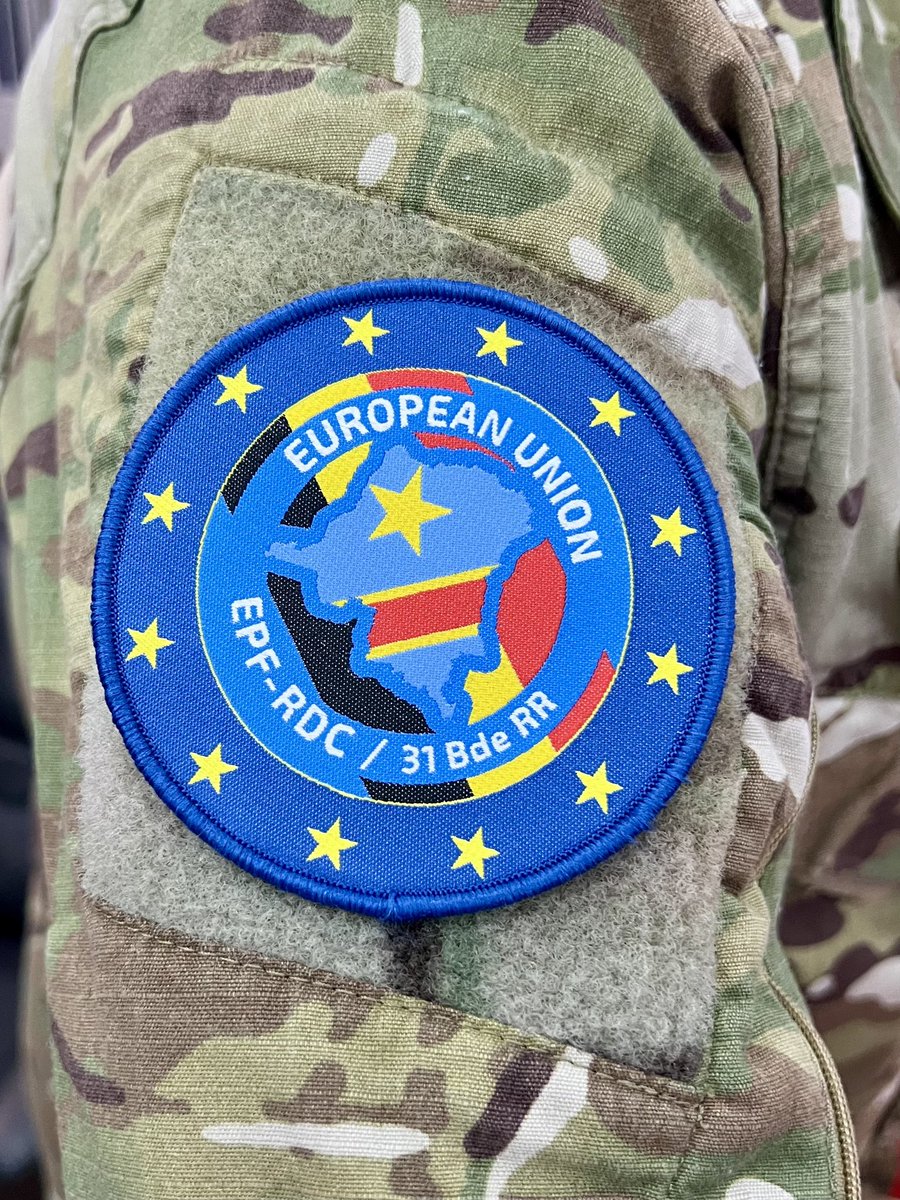
My stay in the Democratic Republic of Congo included talks with authorities such as @RDCongoMAE and 🇪🇺 ambassadors, a visit to #Kindu with @BelgiumDefence to handover equipment for 🇨🇩 soldiers, and conversations with partners on the ground, working on mediation and stabilisation
1
4
128
Jesper PEDERSEN retweeted
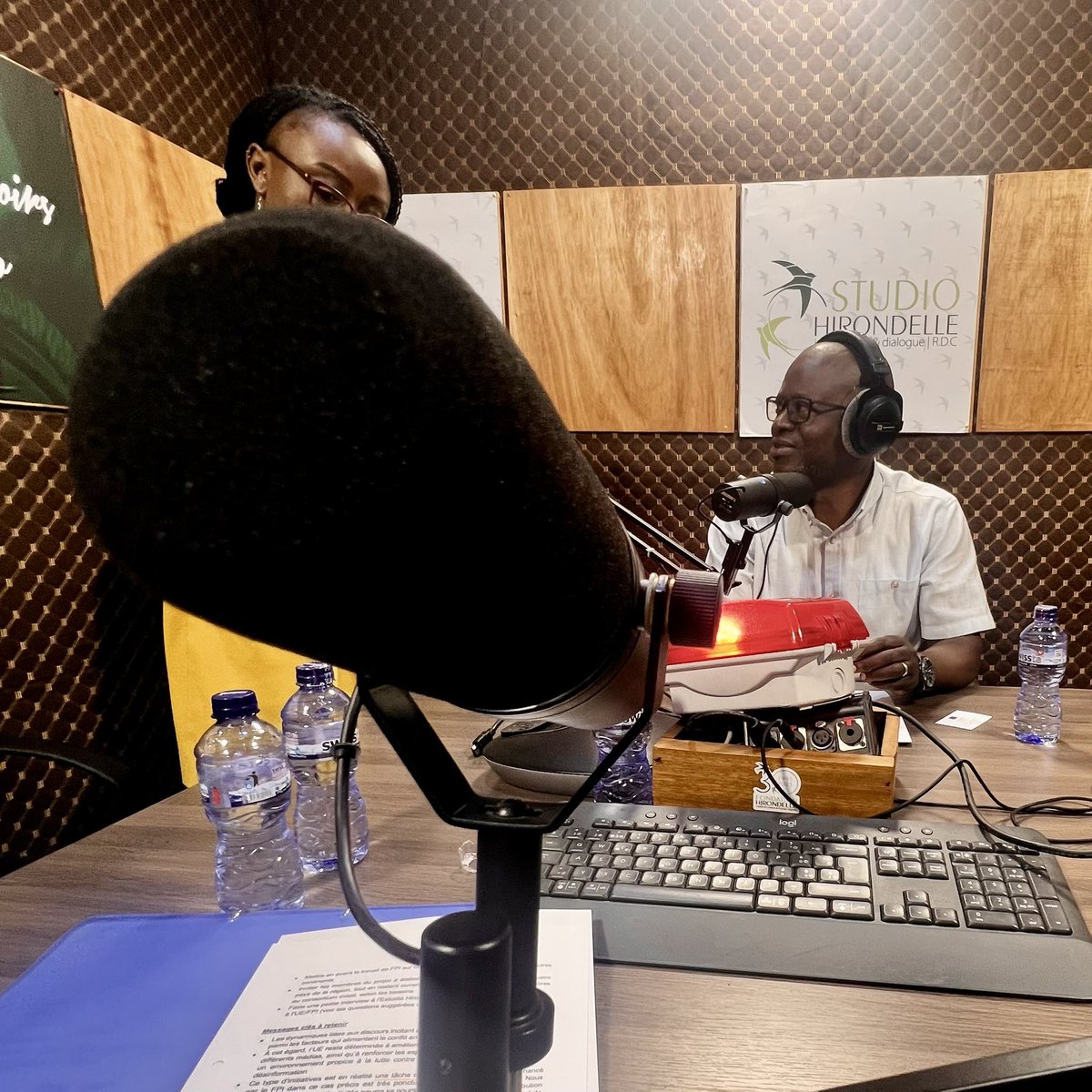
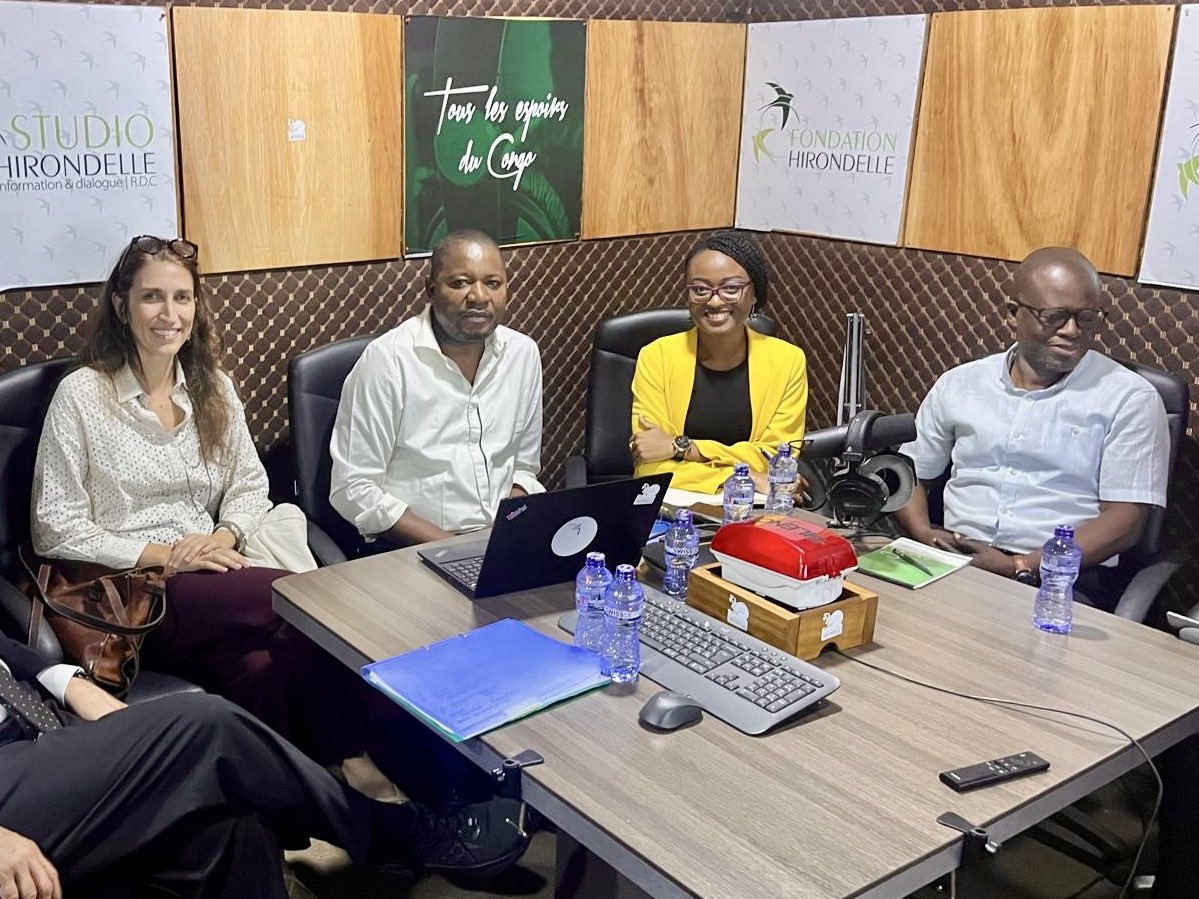
Wrapping up a visit to DRC 🇨🇩 with an interview at @HirondelleRDC. Great presentation of their excellent work on the media environment, disinformation and hate speech. And an opportunity to talk about the wide range of @EU_FPI activities on behalf of 🇪🇺.
1
1
5
216
Jesper PEDERSEN retweeted
We have partnered with @IOMLebanon to boost psychosocial care for displaced persons with disabilities in #Lebanon as conflict escalates. Healing minds of those most vulnerable is as critical as healing wounds. Watch the video and learn more.
This is #EUForeignPolicy in action!
📷 IOM
6
13
620
Jesper PEDERSEN retweeted
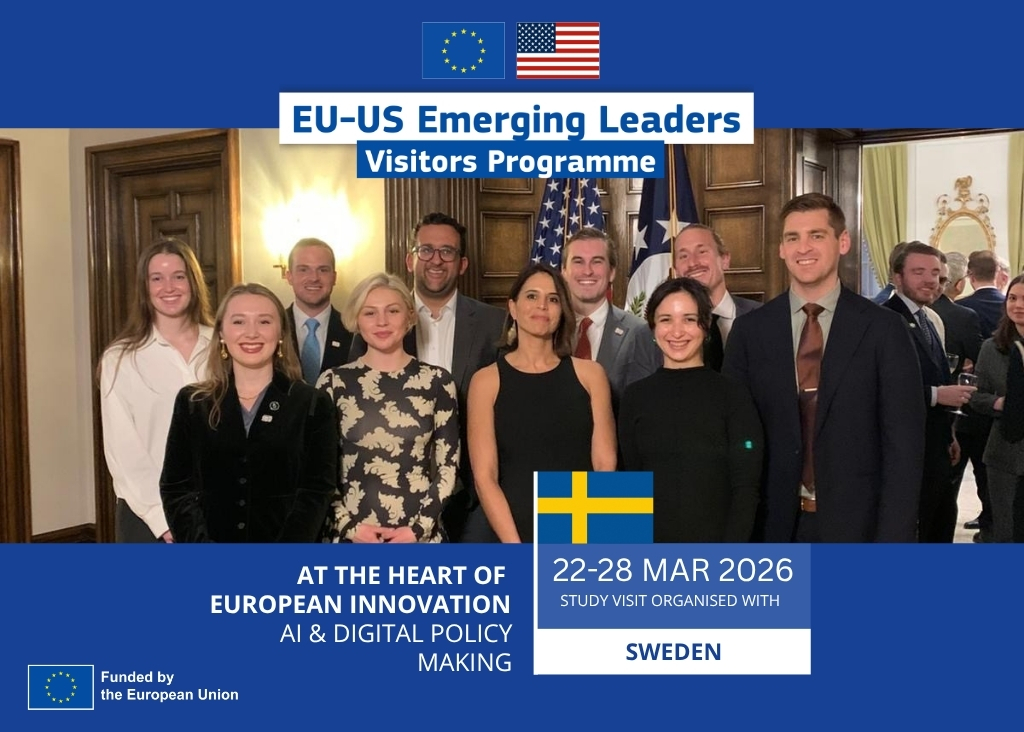
10 emerging US leaders have completed the Brussels leg of the EU–US Emerging Leaders Programme where they met with representatives of the EU Institutions.
Their discussions focused on:
✔️European Innovation
✔️The role of AI
✔️Digital Policymaking
Those were important exchanges that contribute to deeper transatlantic understanding. Next stop: Stockholm, where discussions will continue with Swedish institutions and experts on the future of digital policymaking.
#EUForeignPolicy in action!
4
6
647
Jesper PEDERSEN retweeted
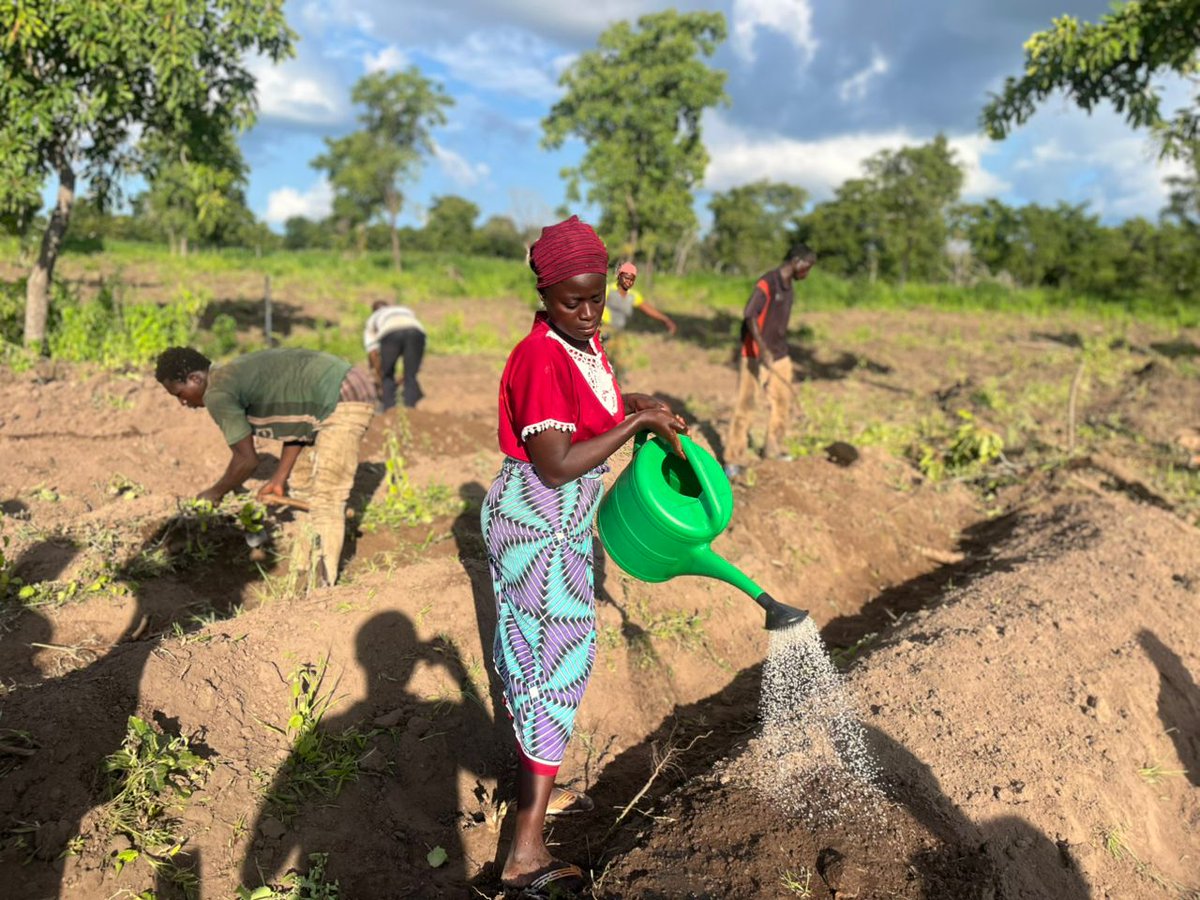
An EU-supported a regional dialogue on climate & security in Abidjan, Côte d’Ivoire, brought together partners from West Africa & the Sahel.
As climate change fuels resource pressure, conflict & displacement, the EU is working with @UNEP and regional partners to prioritise climate, peace & security.
Supporting shared solutions for more coordinated responses.
This is #EUForeignPolicy in action!
11
5
8
309
Jesper PEDERSEN retweeted
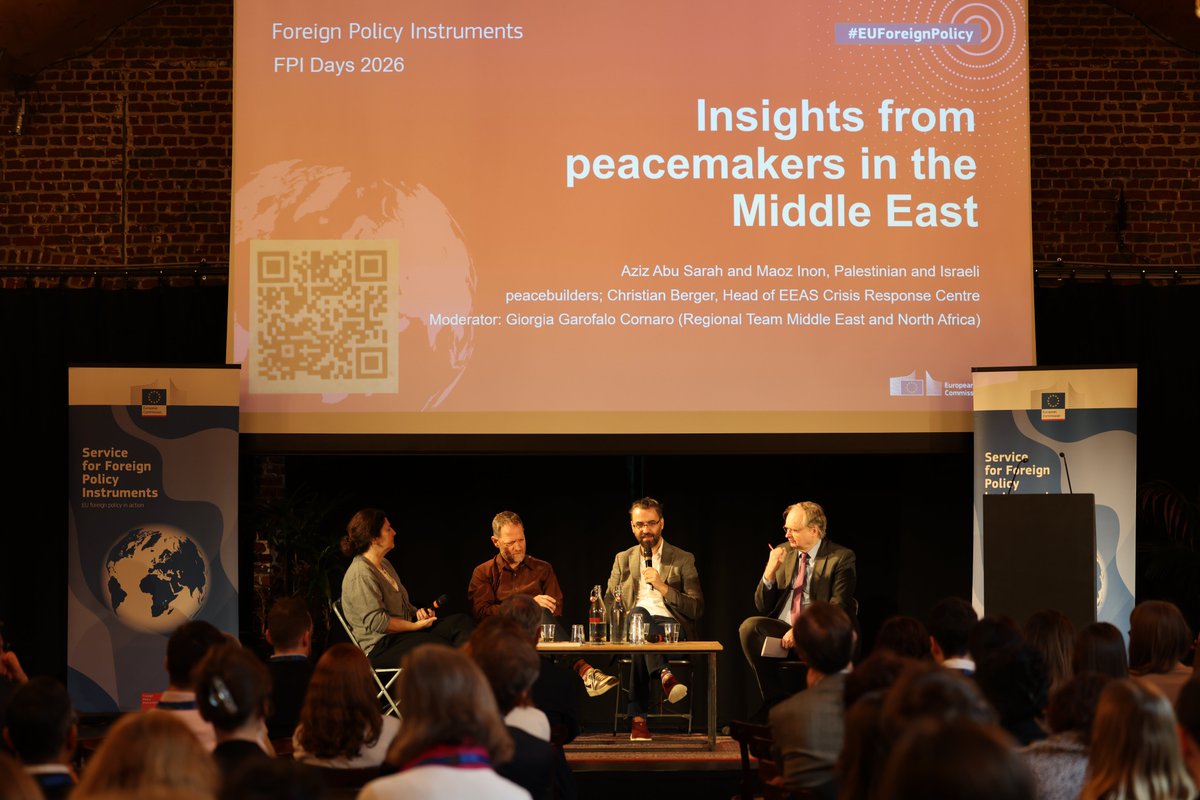
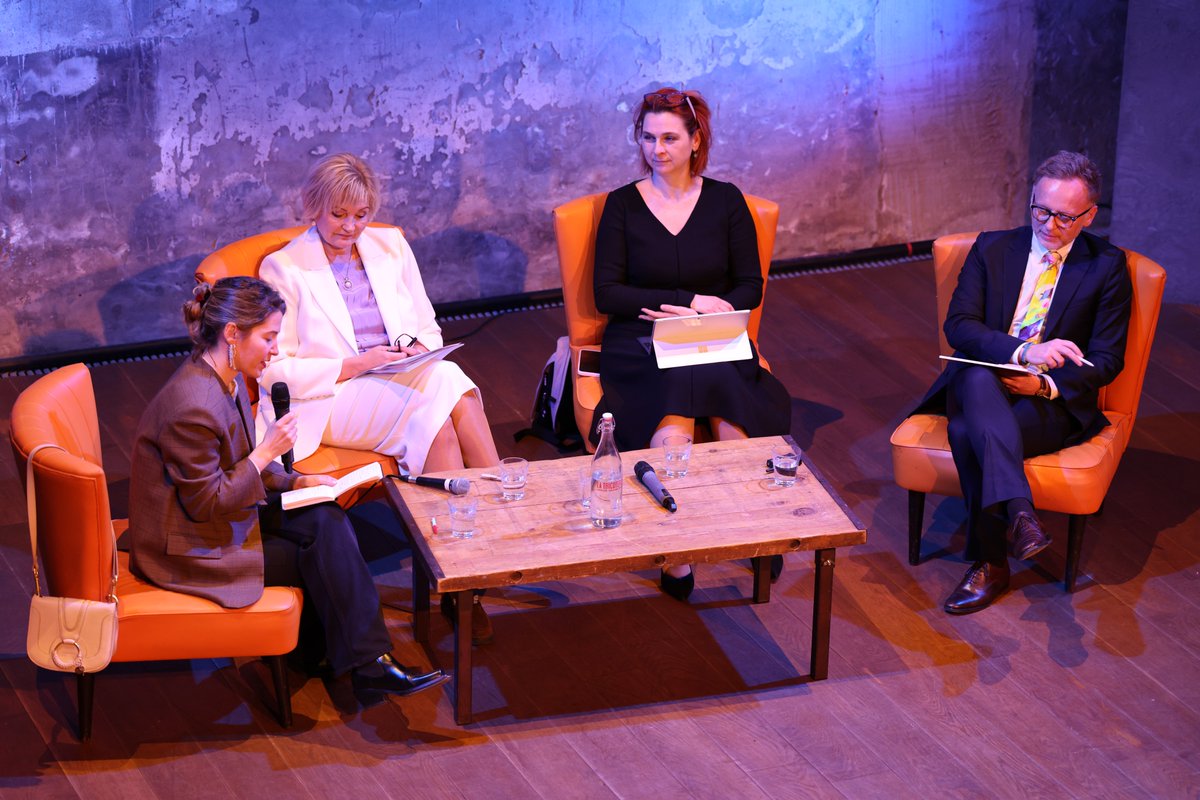
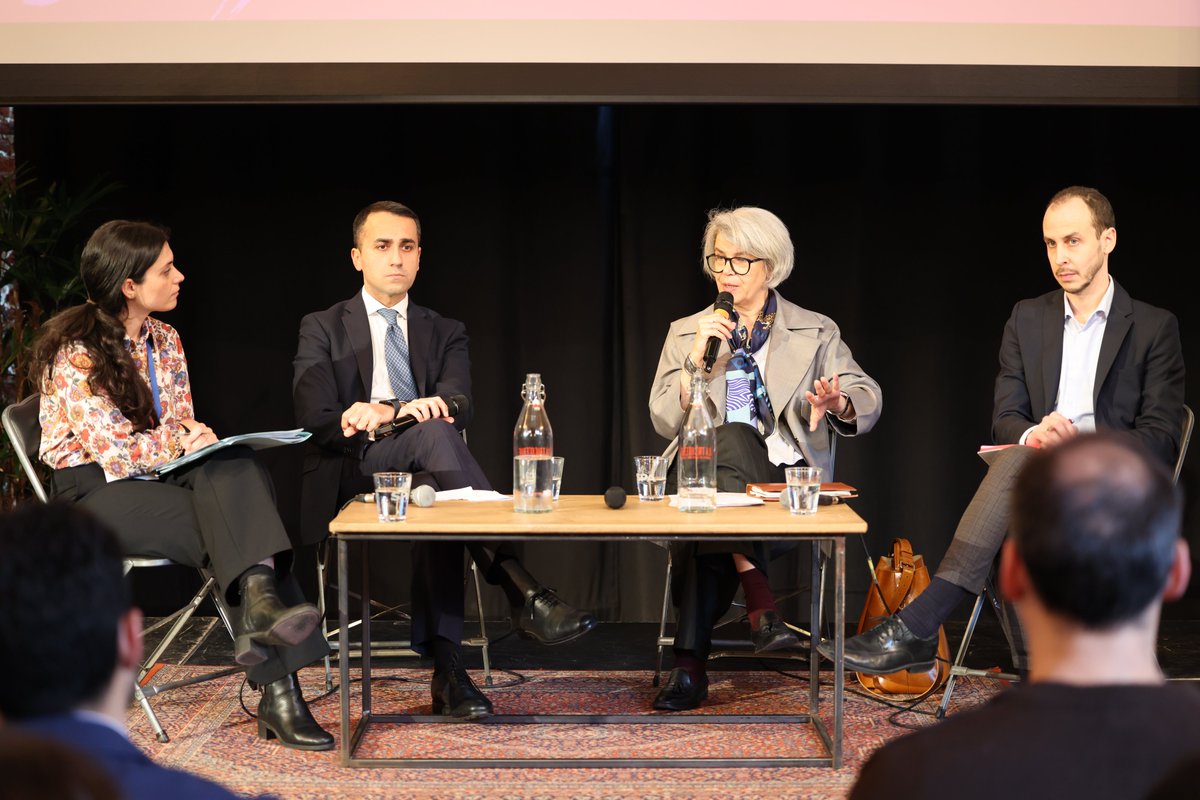
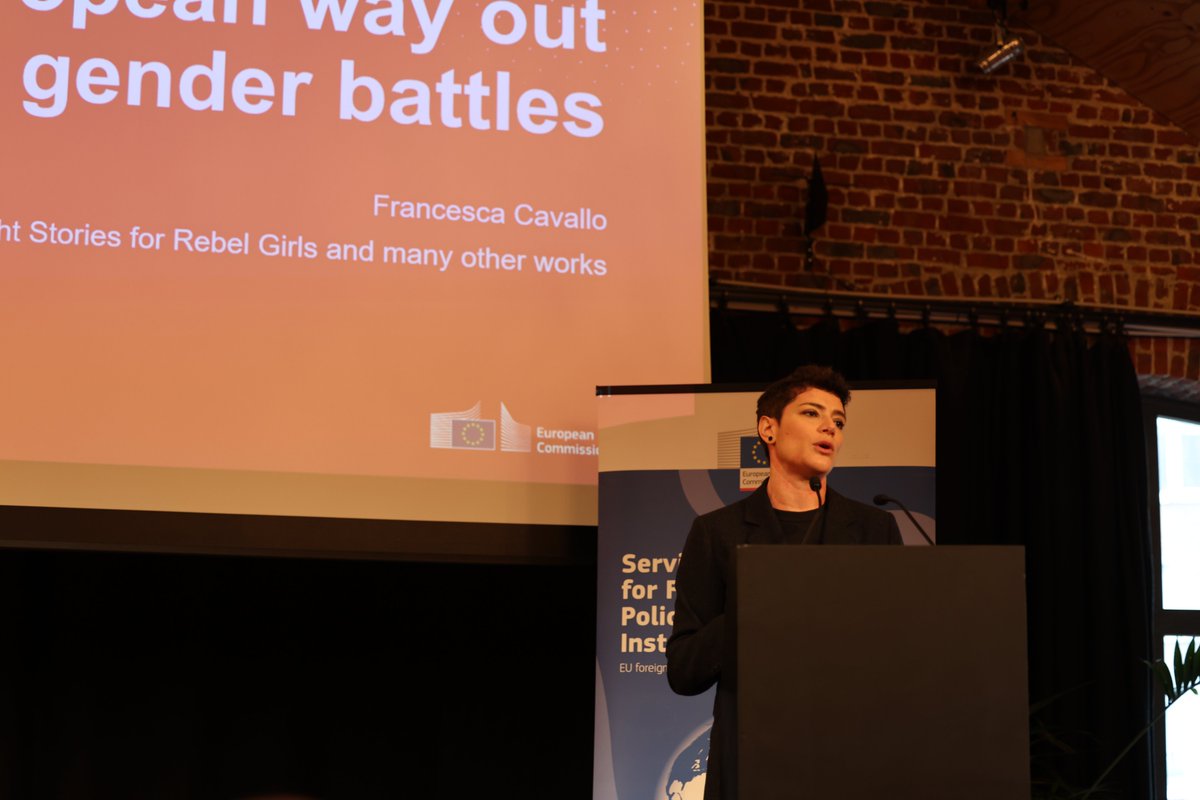
We are putting #EUForeignPolicy into action to tackle the challenges that define our times. On the second day of #FPIDays 2026, we reflected on gender equality, EU peace mediation, discussed the current situation with peacemakers in the #MiddleEast, as well as how to counter disinformation & #FIMI in the digital age.
9
7
12
553
Jesper PEDERSEN retweeted
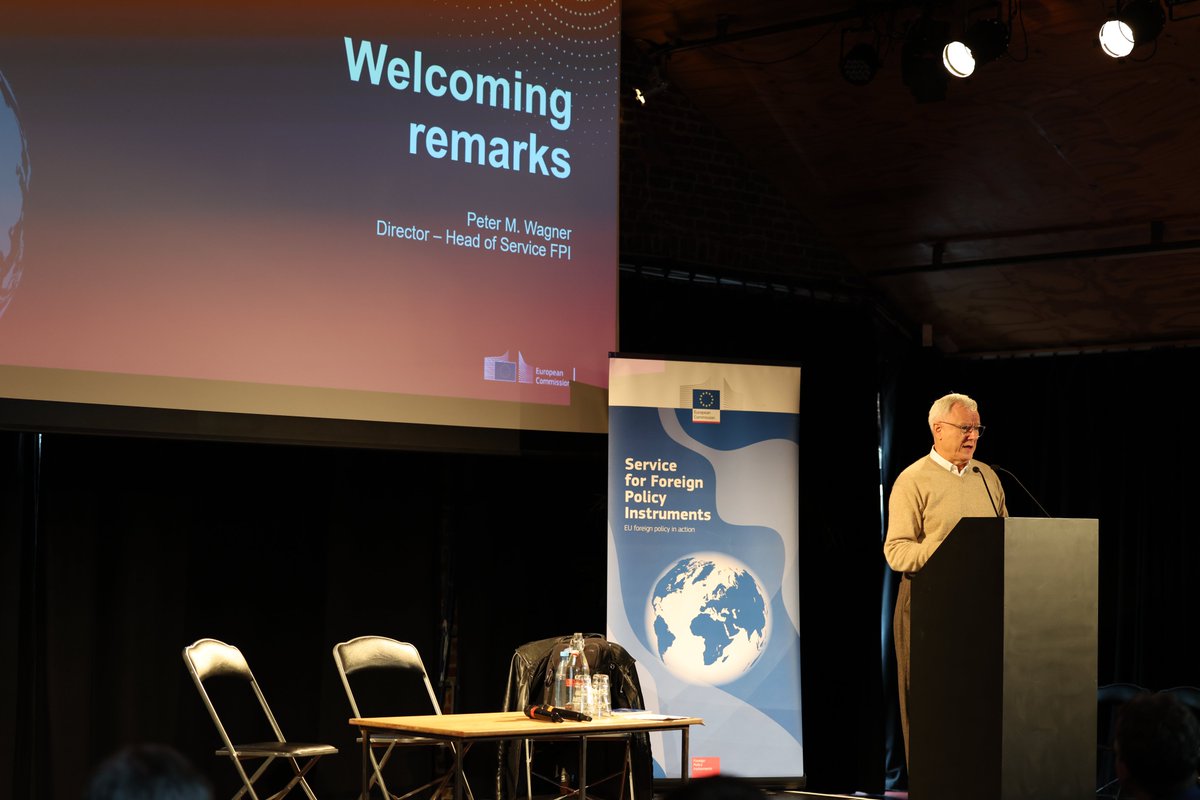
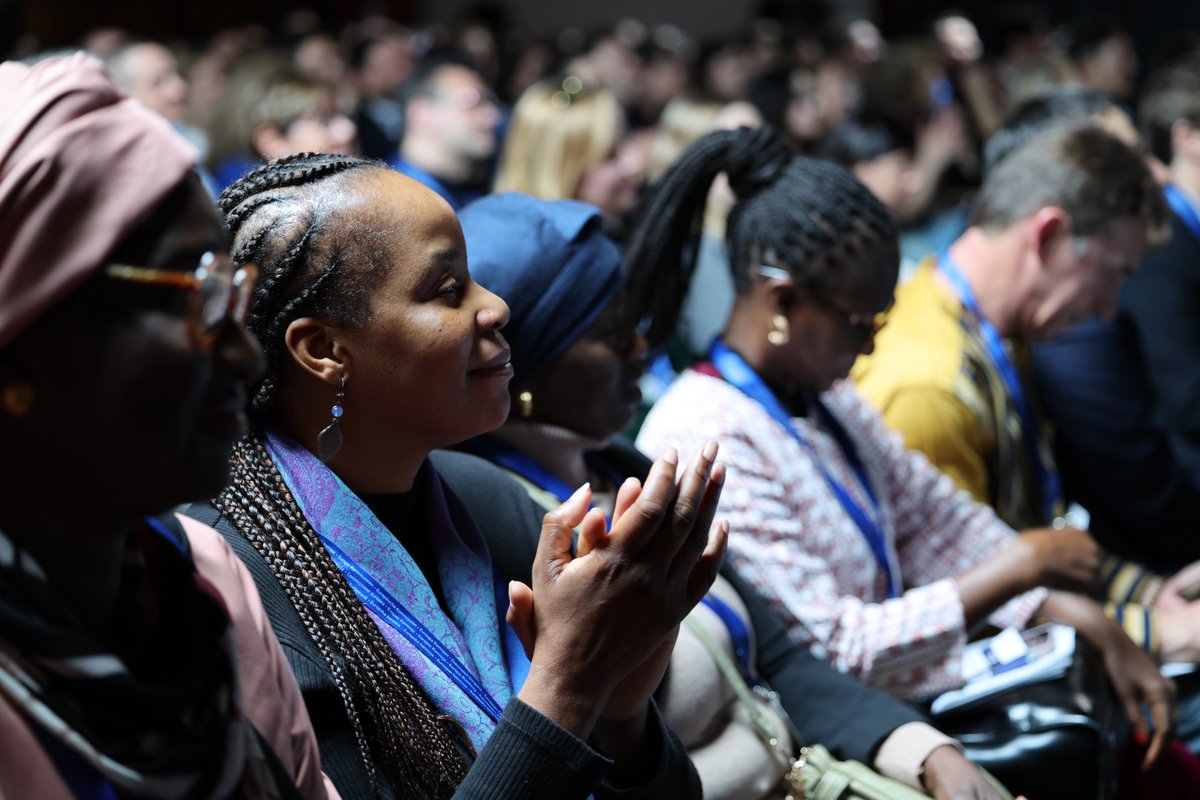
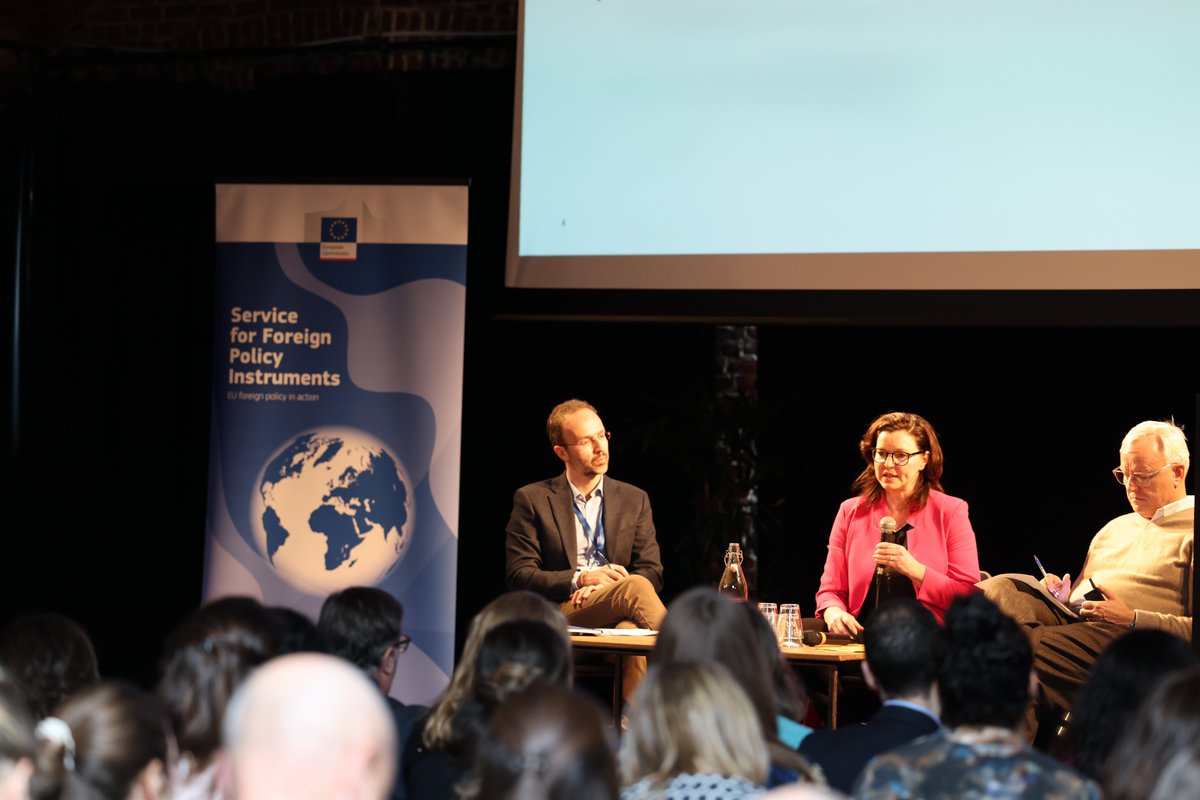
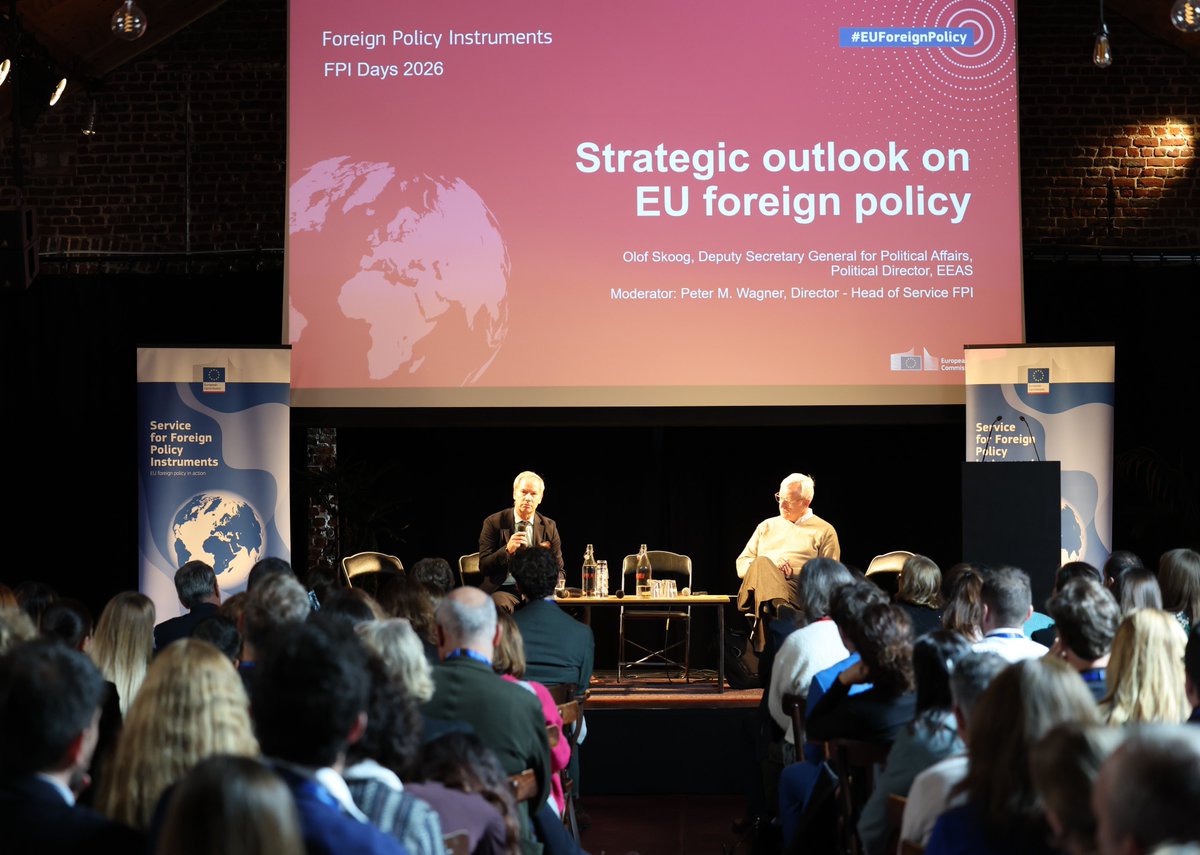
Hello from #FPIDays!
Our staff from HQ & the Regional Teams gather together to reflect on 15 years of our Service, share insights from peacemakers in the #MiddleEast, discuss the role of technology & AI in peace & security, as well as challenges in defence.
On the agenda thought provoking discussions on how we are putting #EUForeignPolicy into action! Stay tuned for more❗
1
3
11
751
Jesper PEDERSEN retweeted
Mar 10
Great start into the #FPIDays 2026 with a message from @kajakallas to our staff from Brussels and around the world 🌎🌍🌏. What do the F, the P and the I mean for our colleagues? Preparing for volatile times ahead, but also briefly looking back at 15 years serving the #EU 🇪🇺
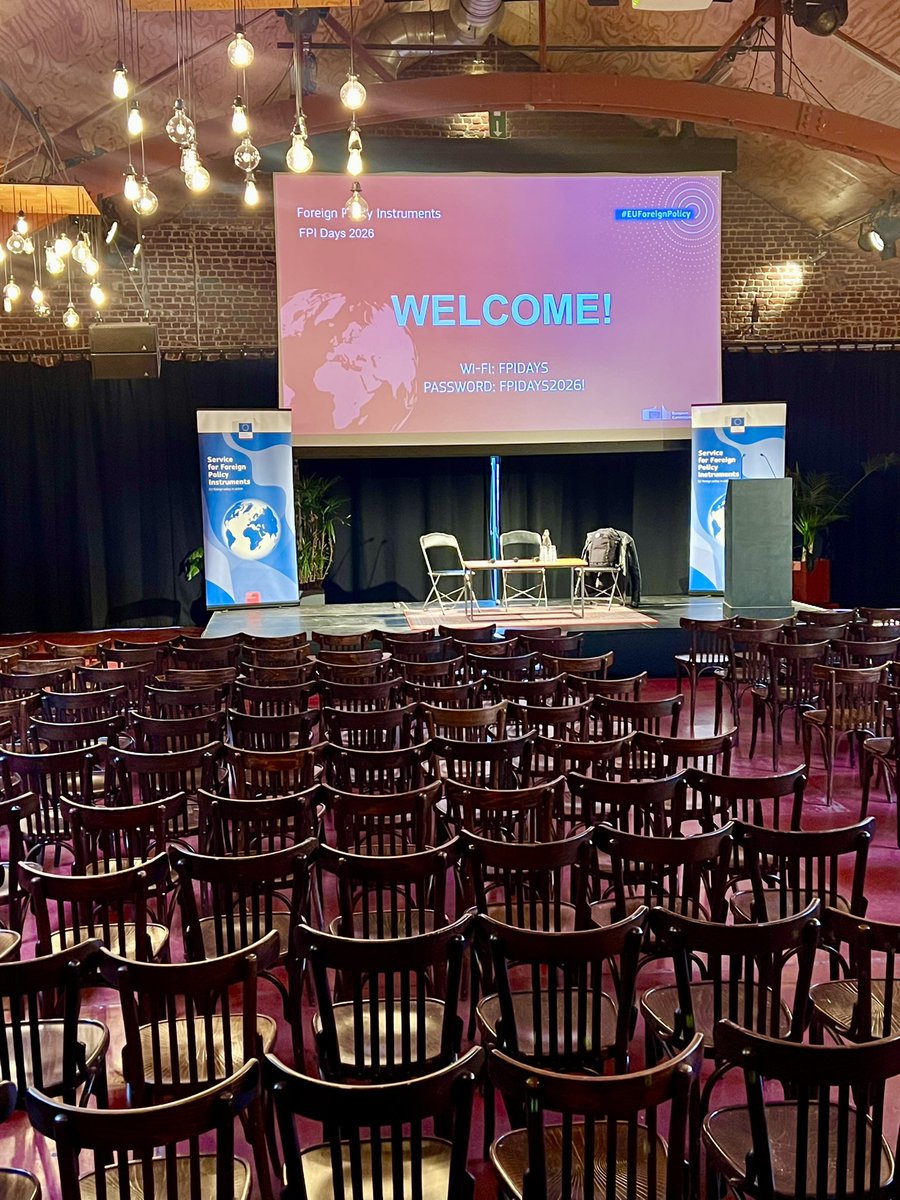
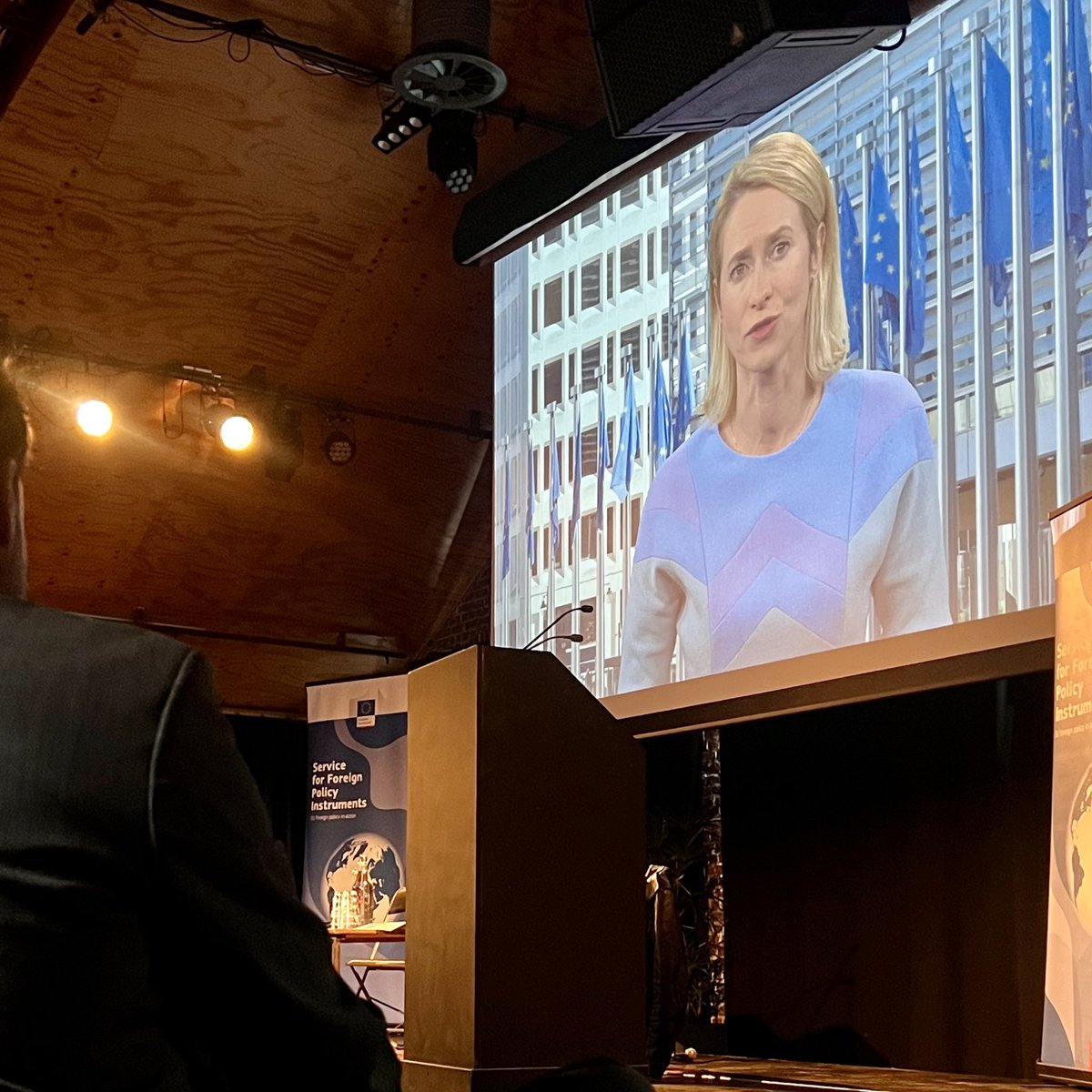
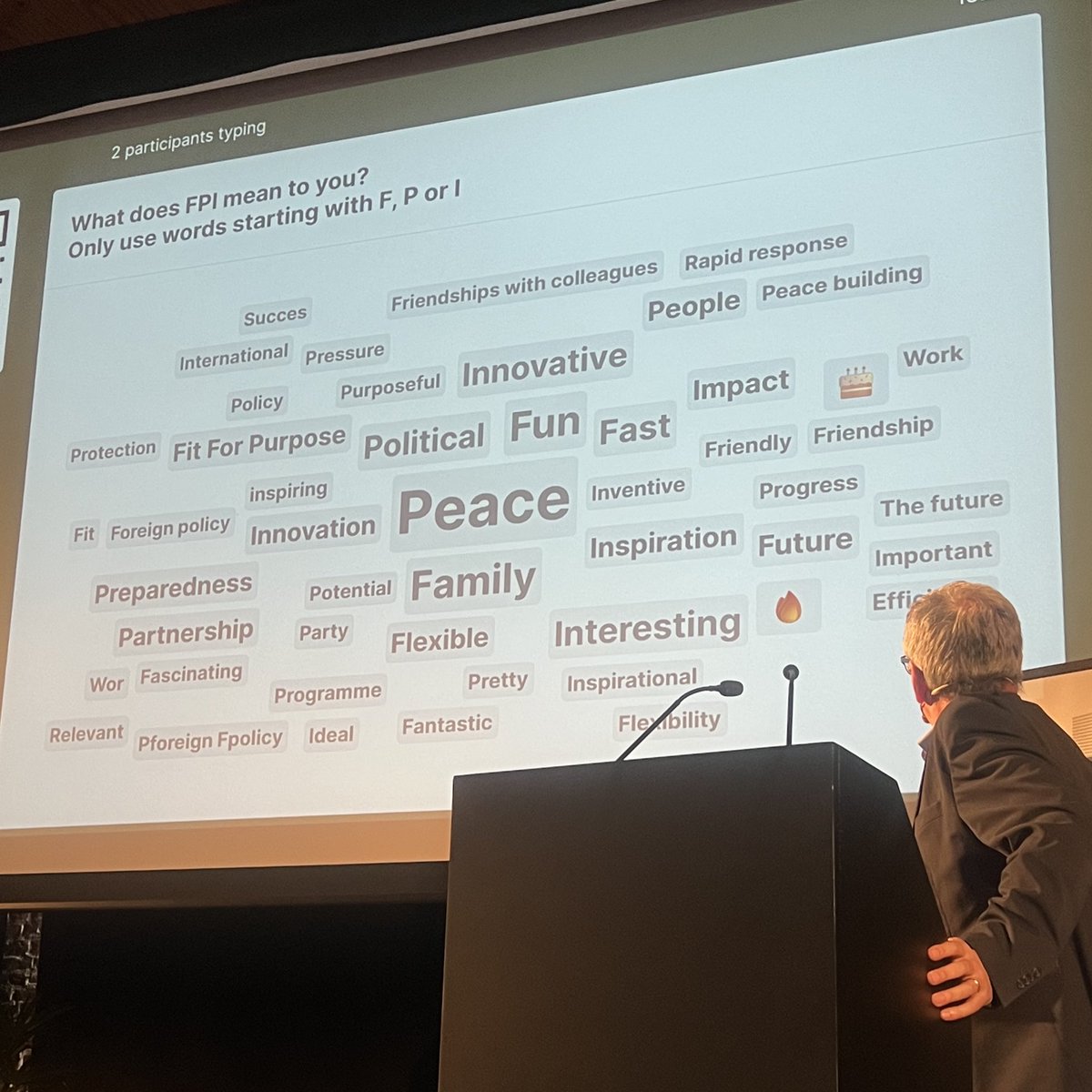
Hello from #FPIDays!
Our staff from HQ & the Regional Teams gather together to reflect on 15 years of our Service, share insights from peacemakers in the #MiddleEast, discuss the role of technology & AI in peace & security, as well as challenges in defence.
On the agenda thought provoking discussions on how we are putting #EUForeignPolicy into action! Stay tuned for more❗
1
5
365
Jesper PEDERSEN retweeted
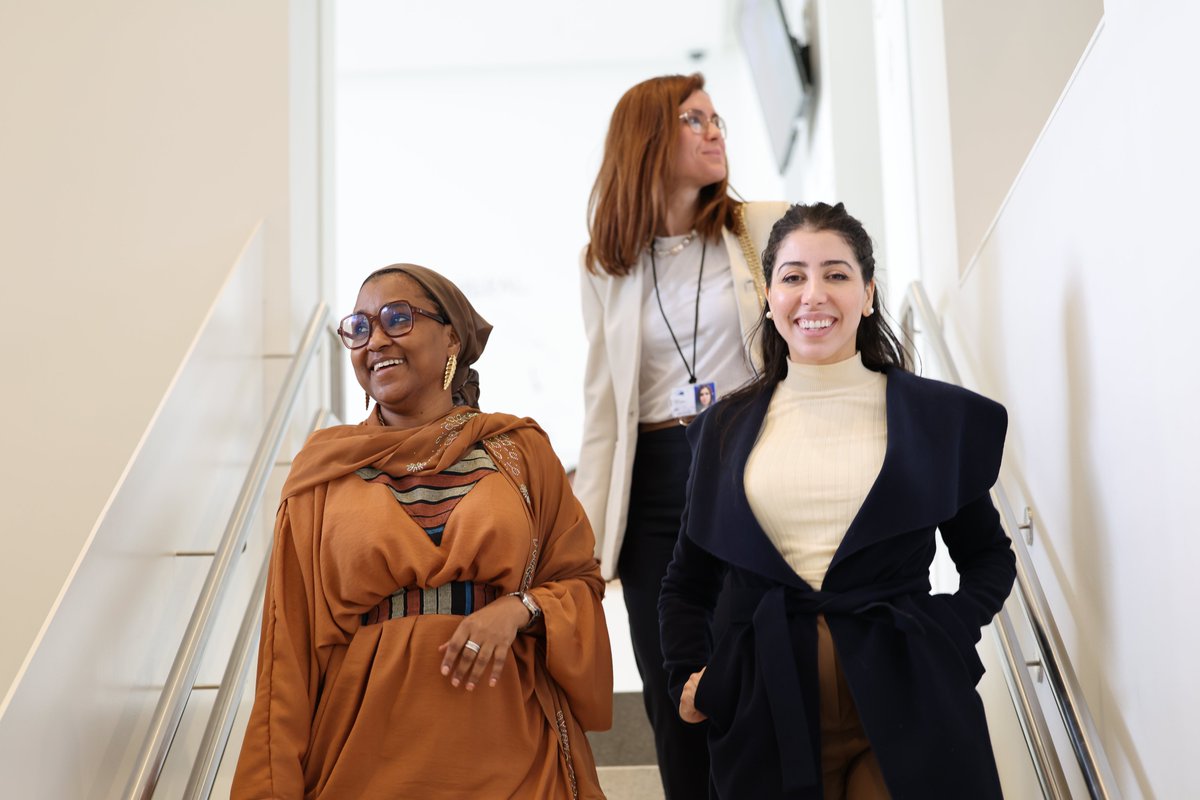
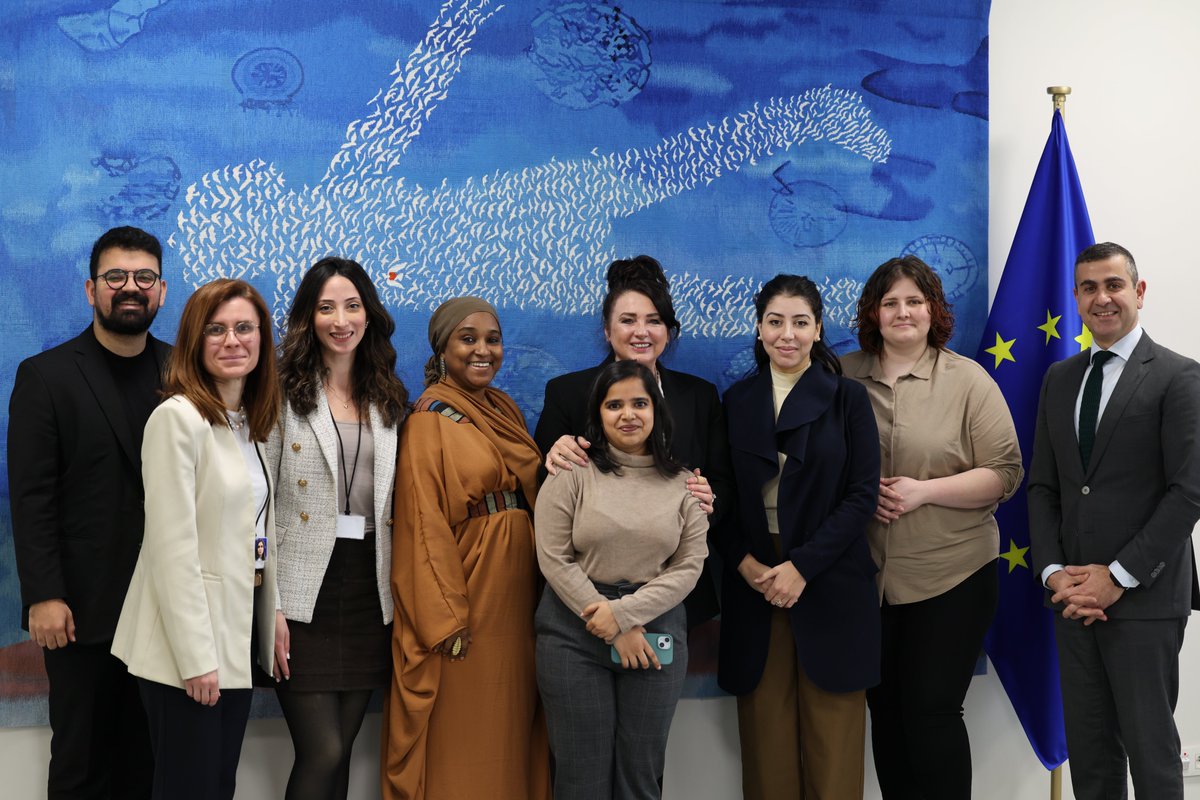
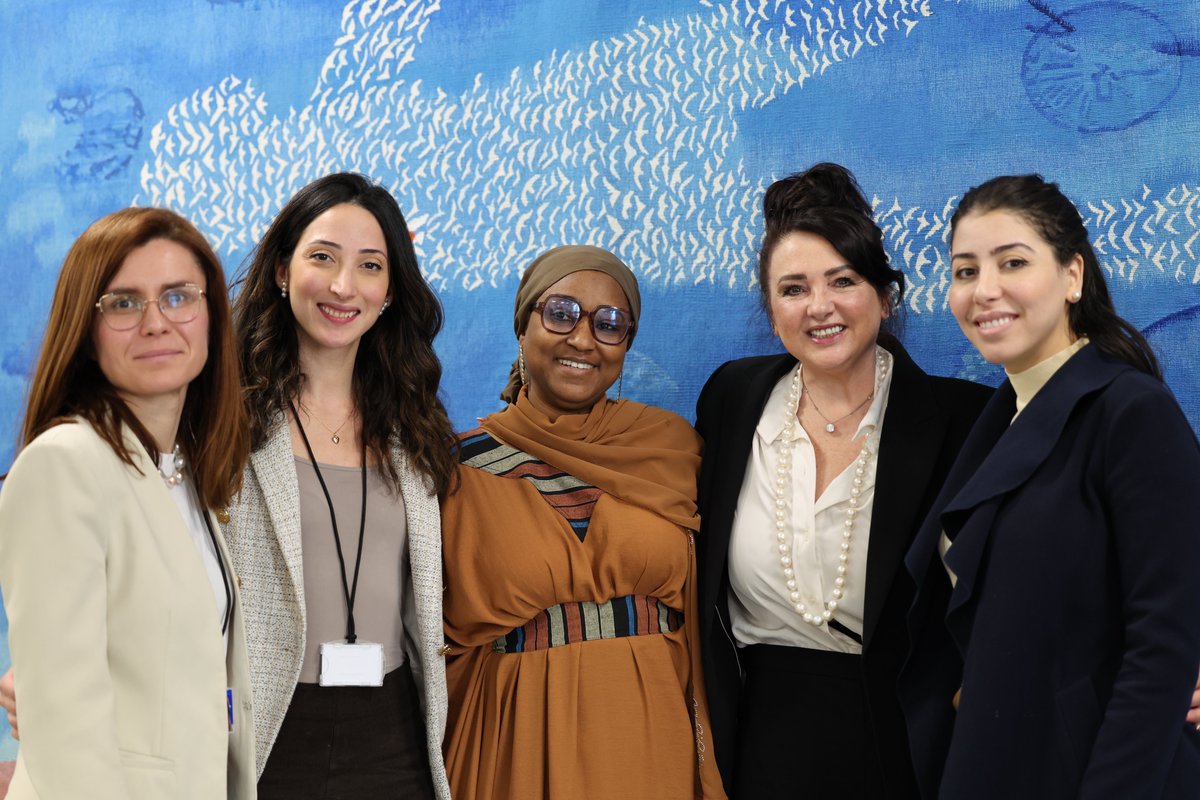
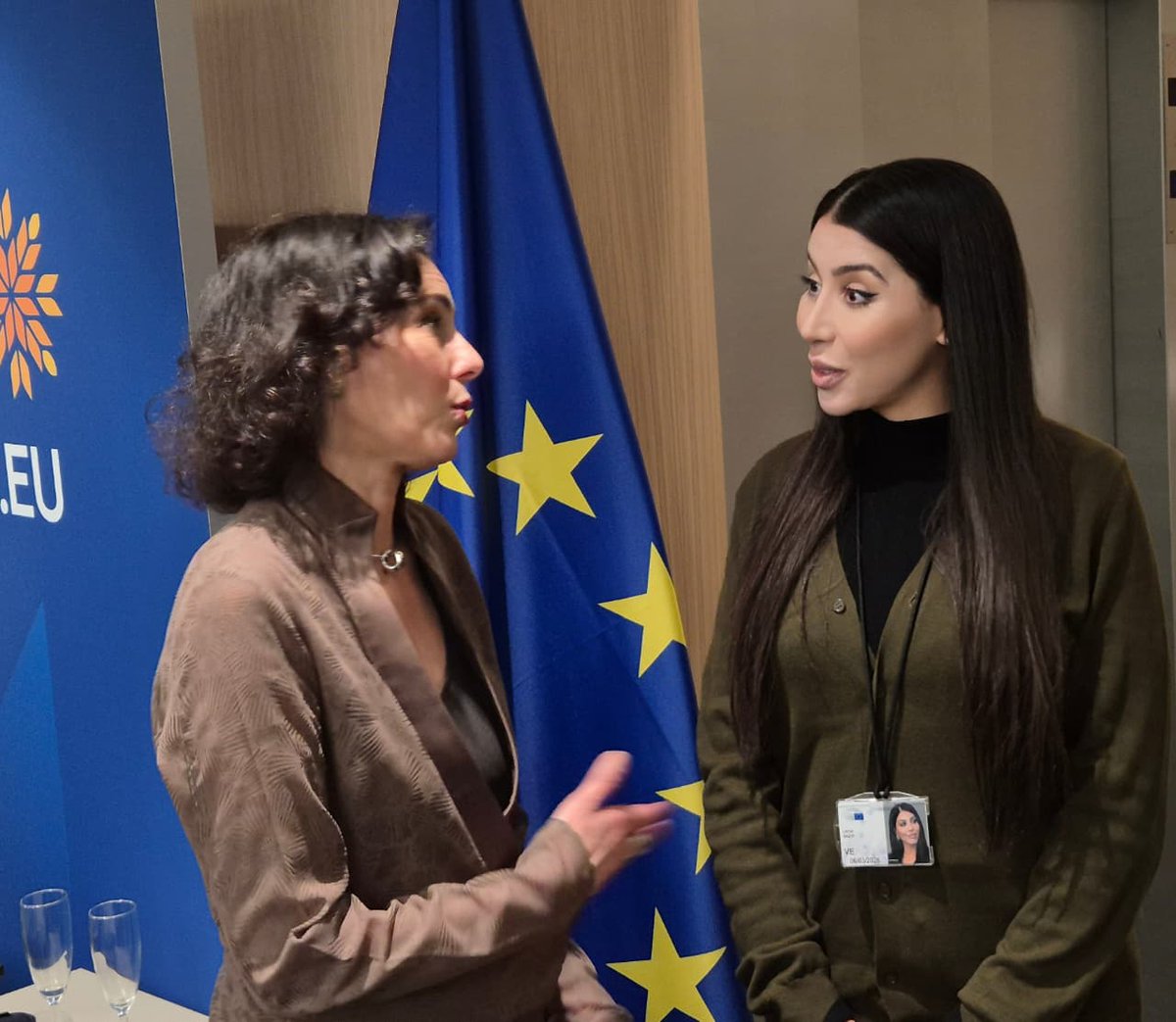
Happy International Women's Day! It was our honour to host an inspiring group of gender equality experts this week through the European Union Visitors Programme #EUVP
The visitors met with high level interlocutors, including the current and former European Commissioners for Equality @hadjalahbib @helenadalli, and witnessed the adoption of the new EU Gender Equality Strategy 2026-2030.
As the EU continues to step up its commitment to equality, we are glad to have these #EUVPAlumni as multipliers of this common value globally, ensuring that equality is a key element to decision making, from climate and digital policy to external action.
#EUForeignPolicy #WomenPeaceSecurity #InternationalWomensDay
2
4
17
735
Jesper PEDERSEN retweeted
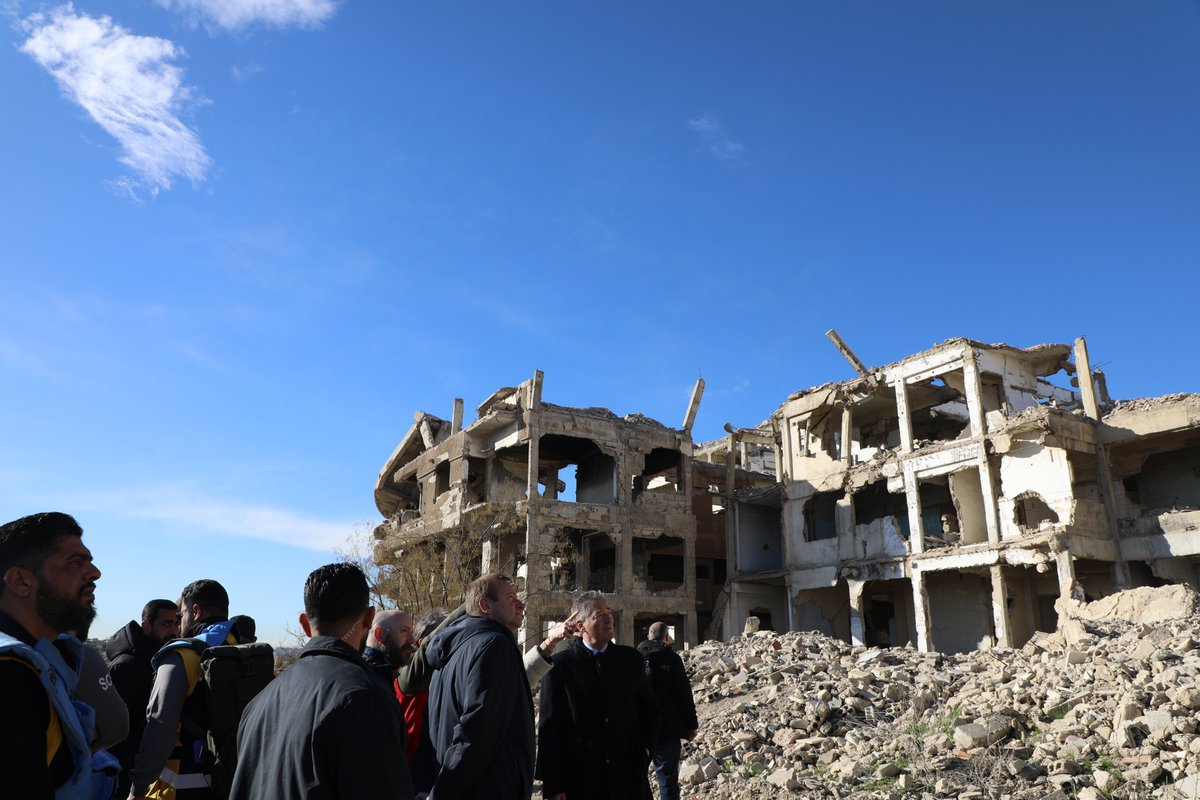
The #EU is committed to long-term recovery & stability in #Syria.
During a joint visit to Jobar with @UNMAS we underlined our commitment to enhance national mine action capacity & leadership of Syrian authorities to reduce the risk from explosive ordnance. This is #EUForeignPolicy in action!
4
10
715
Jesper PEDERSEN retweeted

26 Dec 2025
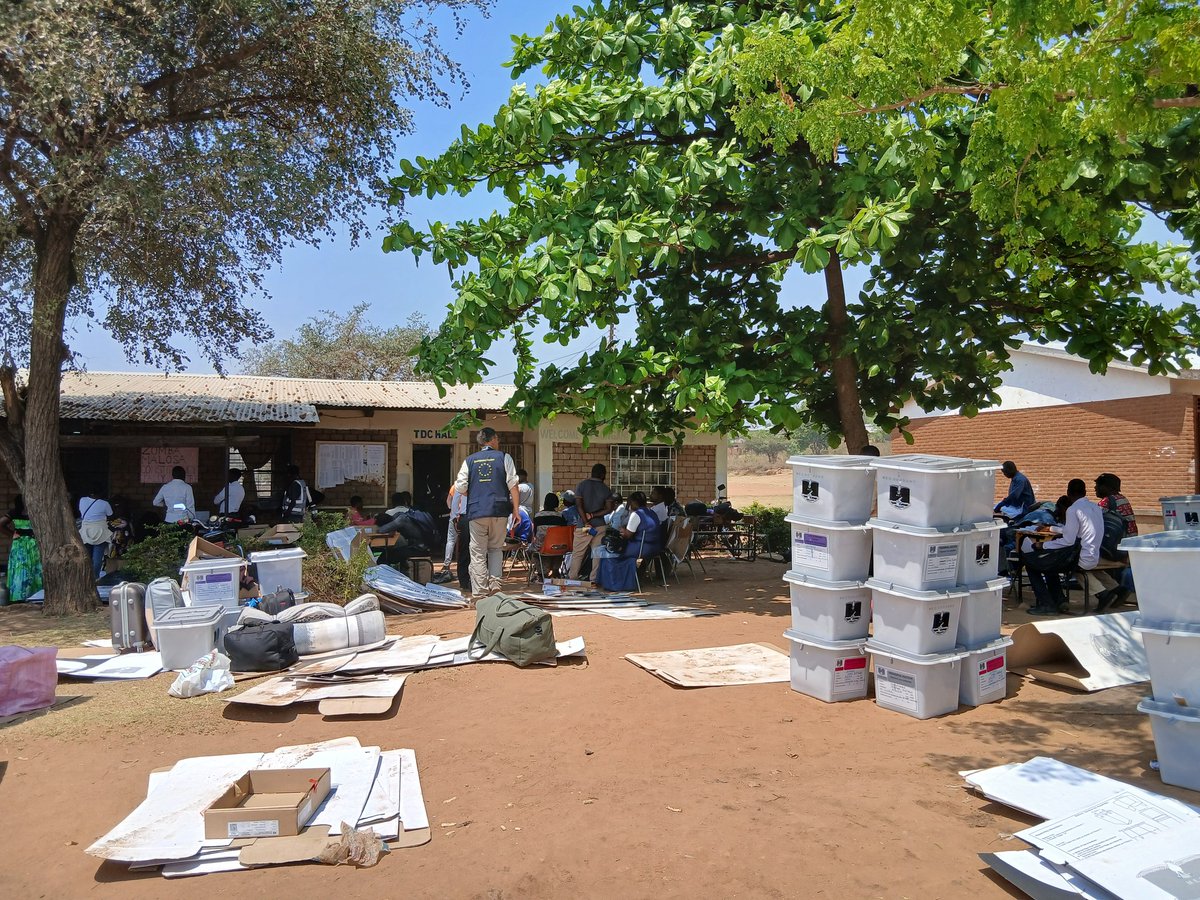
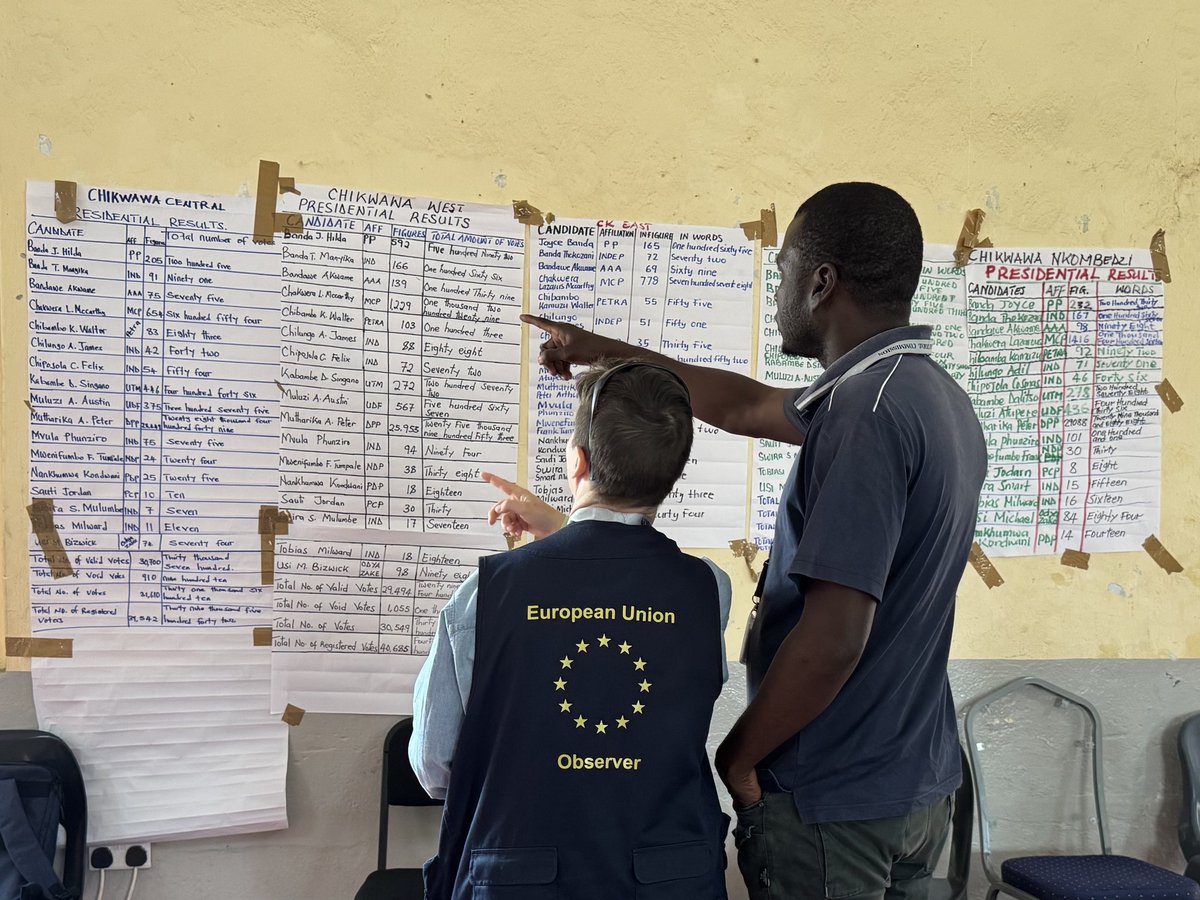
🌍 From Malawi to the Philippines, Kosovo, Guyana, Honduras & beyond – we are at the forefront of supporting democracy worldwide!
From field-tested security risk management to innovative methodologies, we ensure election observers deliver credible & impartial work - securely & safely! 🛡️
💪Stronger principles. Stronger protection. Successful missions 🔄
3
4
376
Jesper PEDERSEN retweeted
19 Dec 2025
In Cȏte d’Ivoire we’re taking the loudest, meanest, weirdest comments from social media & flipping them into laughs & real talks🎤
#LaissonsParlerLesGens podcast x #Kouman launched the Decouv’Rire Comedy Club - a stand-up show where hate turns into humour & rumour into conversation. This & more is what the #Kouman project is about – an initiative promoting collaboration between youth & media to counter hate speech & disinformation through inclusive & positive exchanges. Less hate, more empathy. Less noise, more dialogue.
LaissonsParlerLes Gens, Let the people talk - & laugh!
6
7
373