
Human-Tech Collaboration PhD from GW GSEHD▪️Past AP gov/psych teacher & edtech coach▪️M.Ed, ISTE-T, NBCT ▪️ JMU ‘05 💜 GMU ‘11 💚
Joined October 2015
- Tweets 188
- Following 640
- Followers 269
- Likes 604
37 Photos and videos






11 Apr 2024
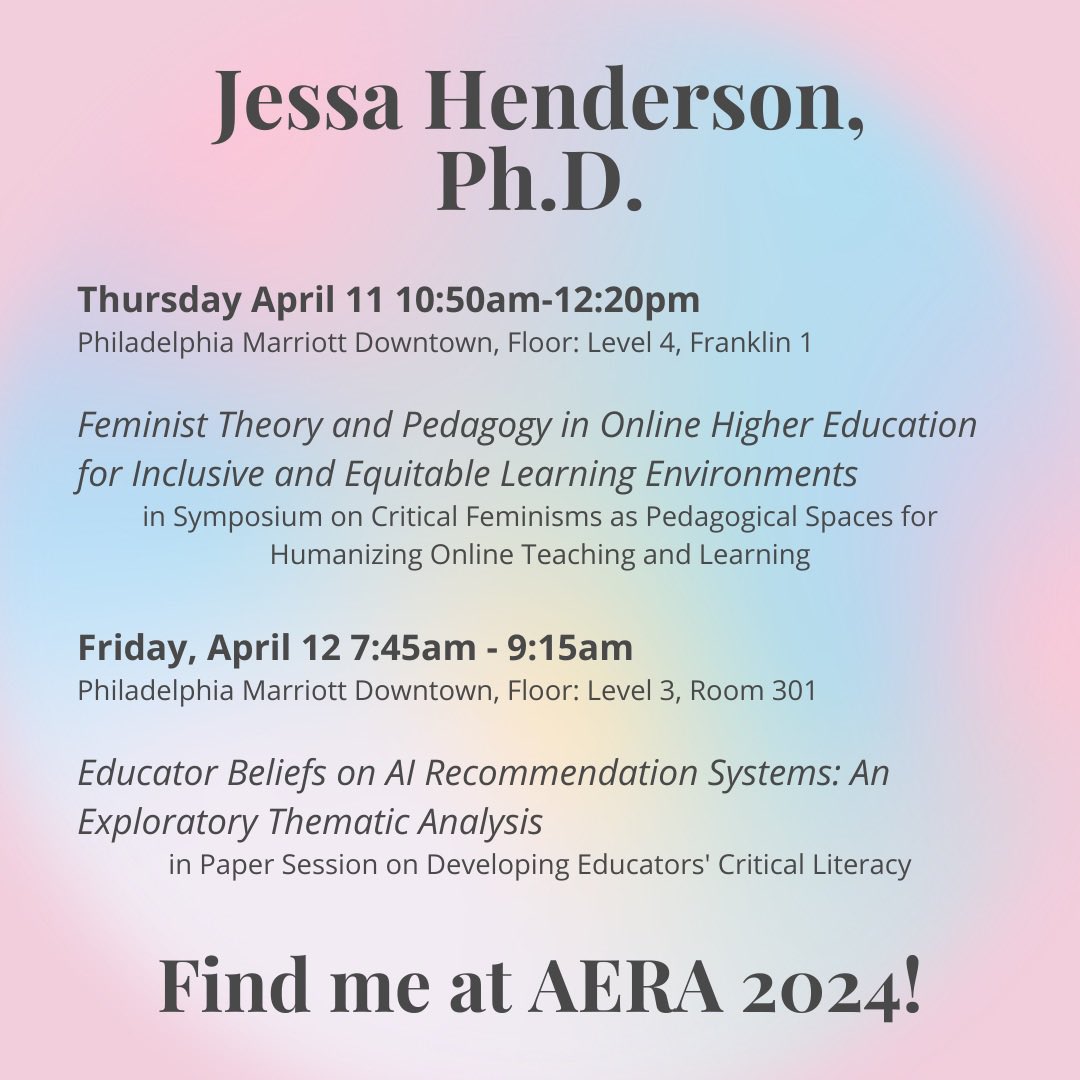
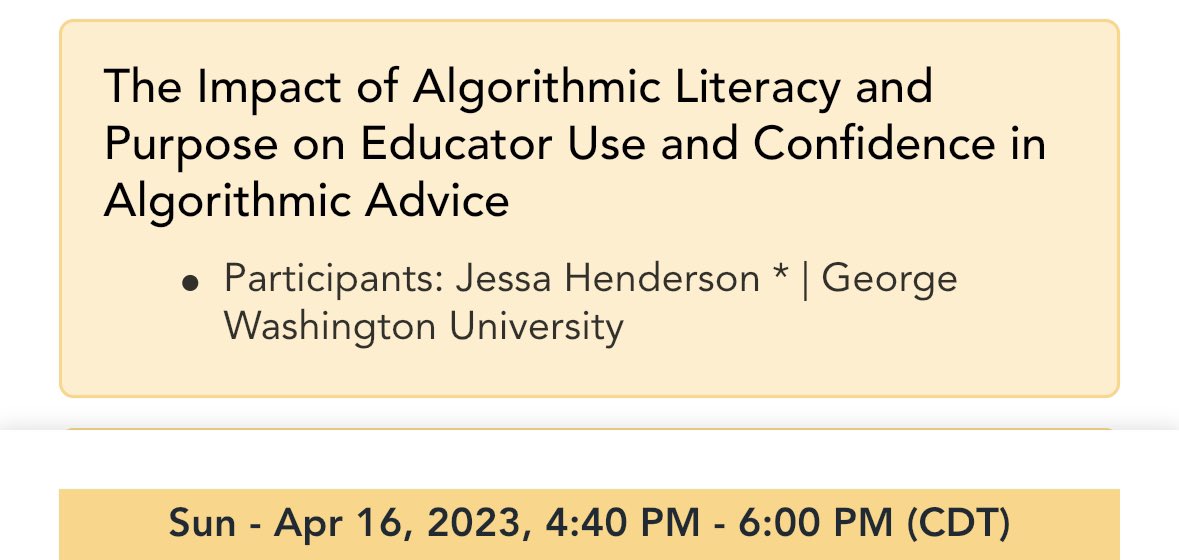
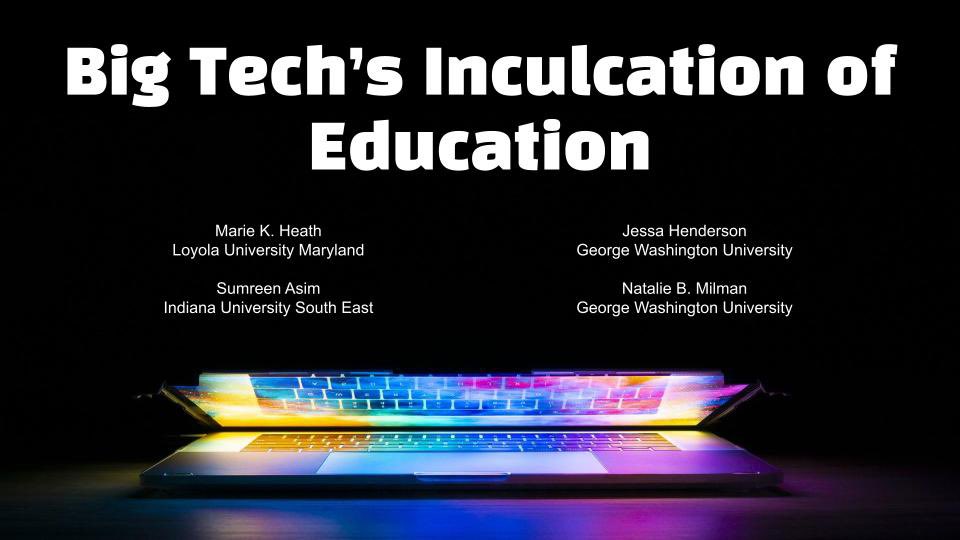
Excited for my 1st time at #AERA as an official PhD! Find me & @nataliebmilman at 10:50am today talking feminist pedagogy with a panel of amazing online education researchers. #AERA24
1
3
241

Jessa Henderson, Ph.D. retweeted

9 Apr 2023
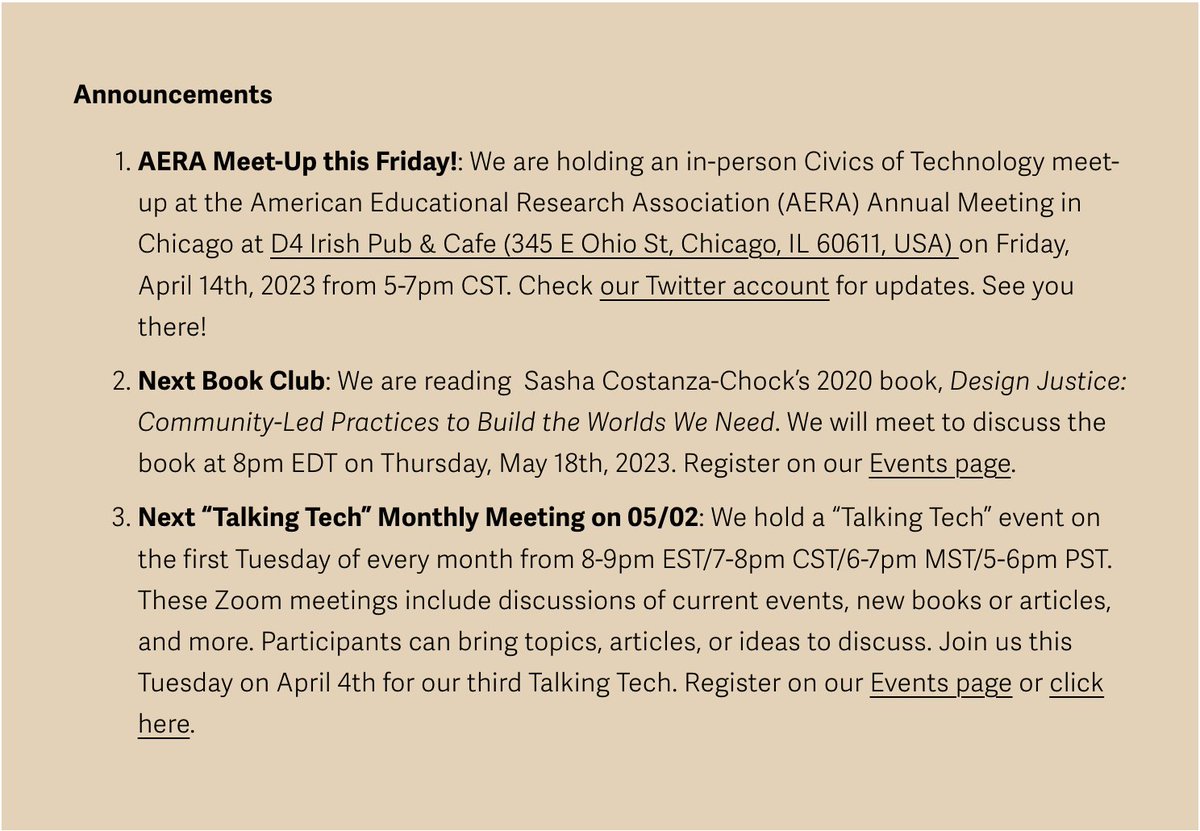
Also, this week's announcements includes our location for our #AERA23 Civics of Tech Meet-up. If you're in Chicago, join us at D4 Irish Pub & Cafe (345 E Ohio St, Chicago, IL 60611, USA) on Friday, April 14th from 5-7pm CST. Check back here for updates. See you there!
1
8
7
5,902
Jessa Henderson, Ph.D. retweeted
15 Jan 2023
🤖NEW BLOG🤖 @mariekheath @DrSumreen_STEM @nataliebmilman @JessaEdTech discuss their recent article which aims to draw attention to forms of coded inequity in teacher and technology education. civicsoftechnology.org/blog/…
ALT Text reads "Civics of Technology: Why isn't teacher and technology education talking more about justice and technology? by Marie Heath, Sumreen Asim, Natalie Milman, and Jessa Henderson. January 15th, 2023, civicsoftechnology.org/blog"
5
11
1,718
11 Jan 2023
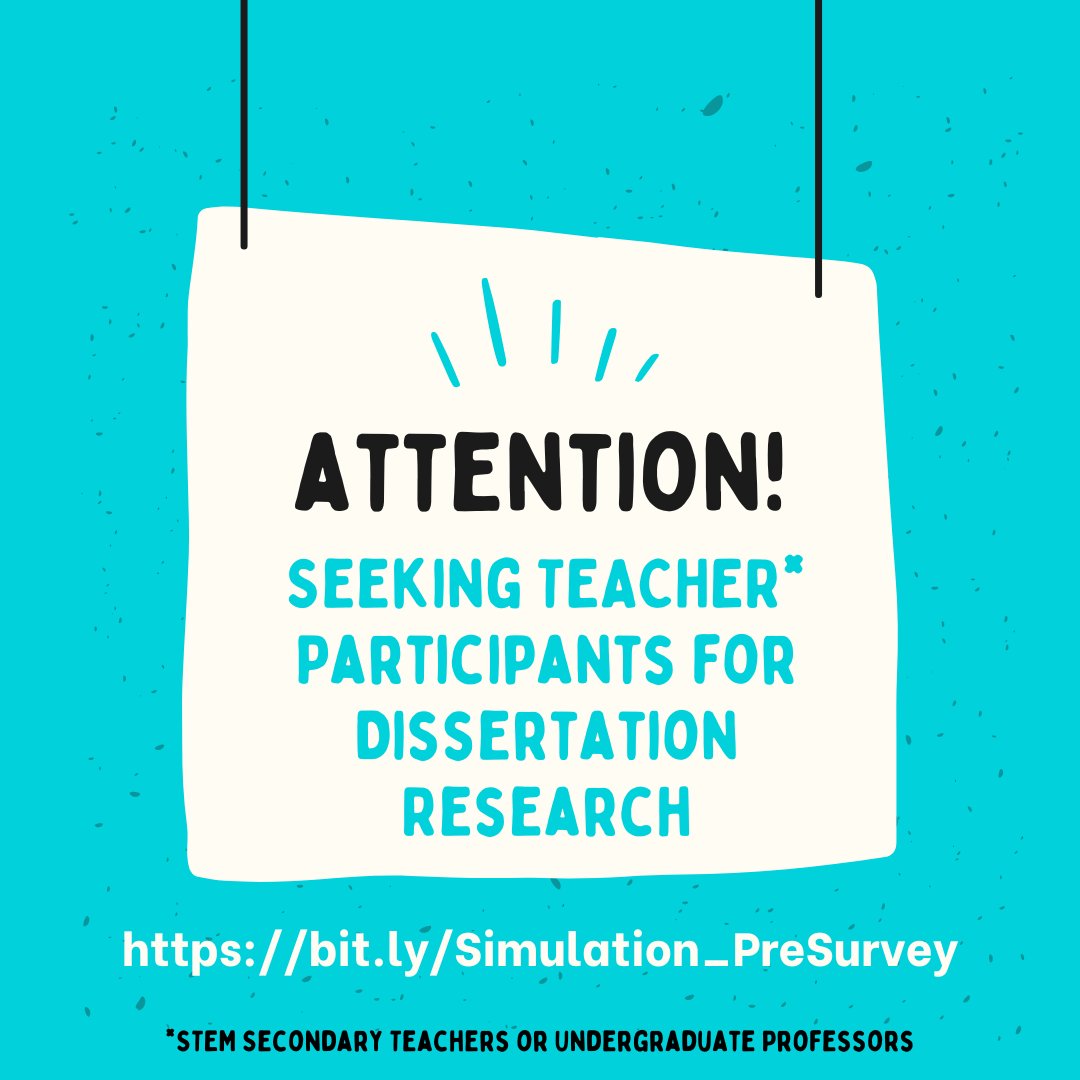
Attention #secondary #STEM teachers: Have time to spare? Of course not, but I'd be thankful for 20-30 minutes of your time for a virtual simulation on using algorithmic advice in decisions. Sign up to participate in this dissertation research at bit.ly/Simulation_PreSurvey
143
Jessa Henderson, Ph.D. retweeted

6 Jan 2023
In a new report, @annelies_goger, @JessaEdTech, @nataliebmilman & others consider how education technologies are creating new opportunities & challenges in achieving #SDG4.
See the case studies on digital credentials, micro-credentials & online learning: brookings.edu/research/going…
1
3
542
Jessa Henderson, Ph.D. retweeted

3 Jan 2023
The article mentioned here would not have been possible w/out my awesome co-authors @mariekheath @DrSumreen_STEM & @JessaEdTech. Am fortunate to have explored #CriticalEducationalTechnology #CriticalEdTech #EducationalTechnology #EdTech with such outstanding scholars educators!
3 Jan 2023

In this Q&A, @gwGSEHD Prof. @nataliebmilman explains why it’s important to view educational technology through a more critical lens, what it will take to do that, and the role of teacher preparation programs in using technology more thoughtfully in schools.
3
5
444
18 Dec 2022
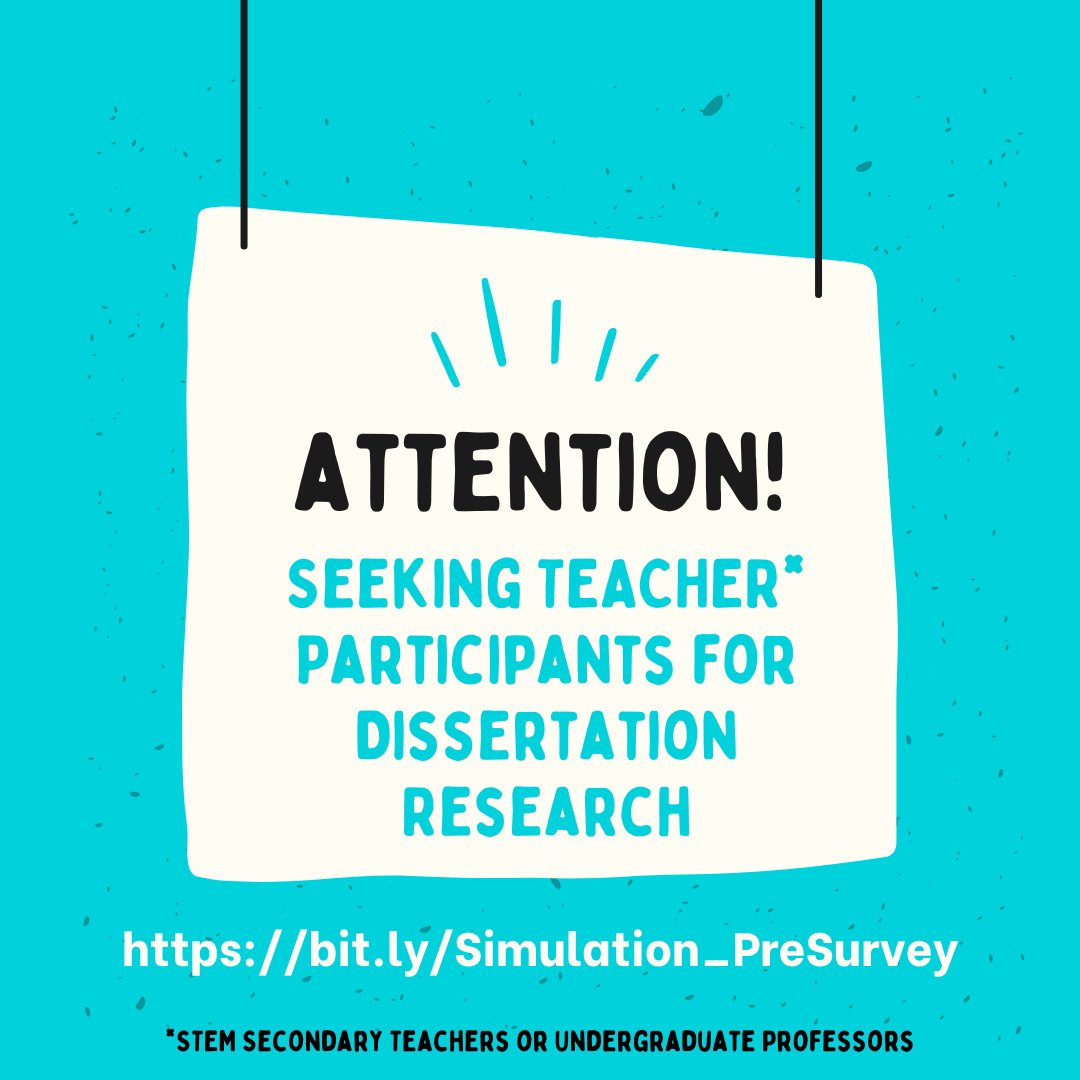
Seeking #STEM secondary #teachers & undergrad #sciencefaculty to participate in #PhD #dissertation research on how you use algorithmic advice for professional decisions. Must be in the US to participate. Sign up for the virtual simulation at bit.ly/Simulation_PreSurvey
4
8
635
Jessa Henderson, Ph.D. retweeted
1 Dec 2022
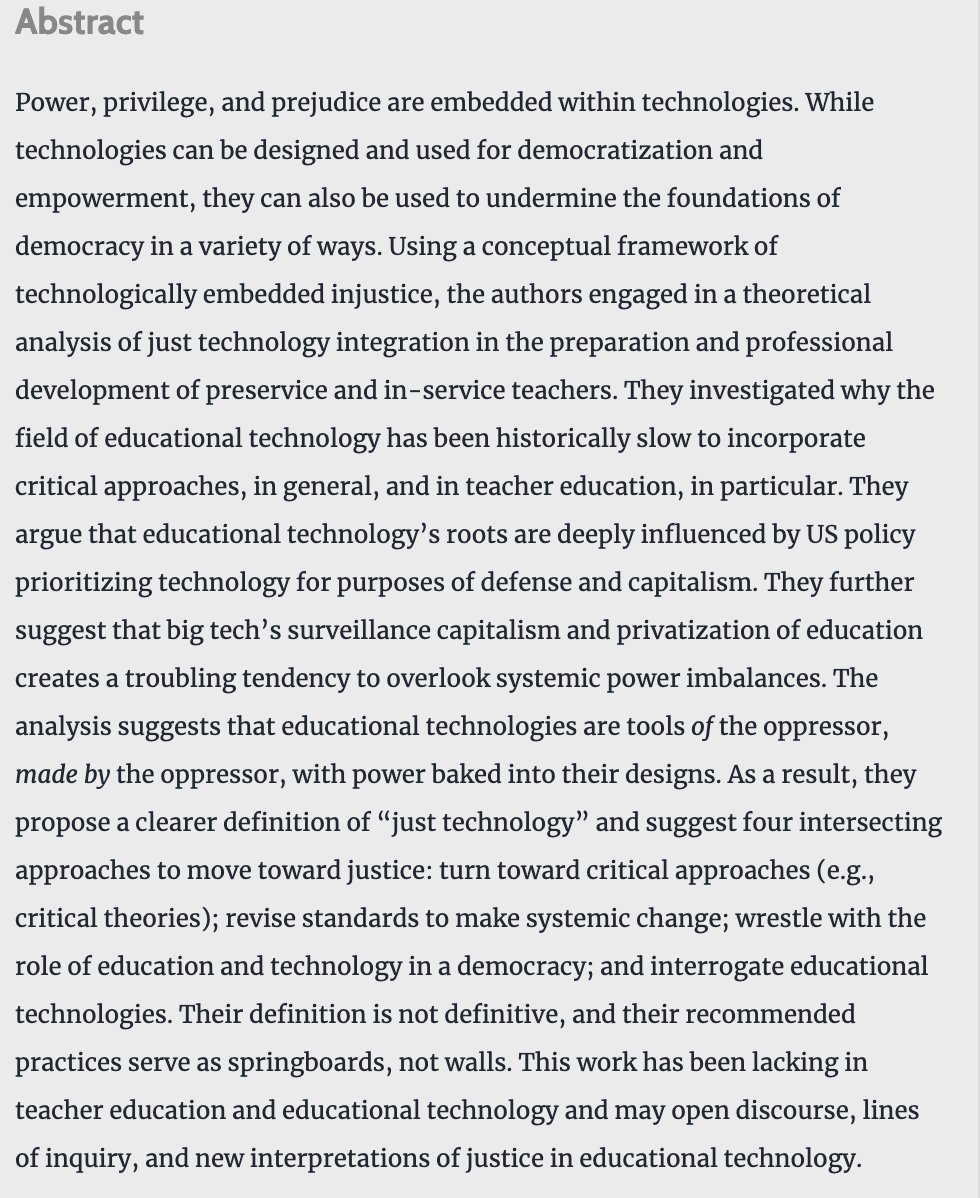
Excited to see our #JustEducationalTechnology #CriticalEdTech #TeacherEducation article published in the CITE Journal w/ co-authors @mariekheath @DrSumreen_STEM & @JessaEdTech bit.ly/3ET94QD
1
5
11 Nov 2022
Can’t wait for Chicago!! #AERA23
11 Nov 2022

Way to go @gwGSEHD Human-Technology Collaboration PHD Candidate @JessaEdTech!! CONGRATS on having 3/3 #AERA23 proposals accepted!!
1
20 Sep 2022
Had a wonderful time sharing some takeaways from my case study research on the innovative work of @IUAMicroCreds. Thanks for allowing me to join the conversation @BrookingsGlobal!
20 Sep 2022

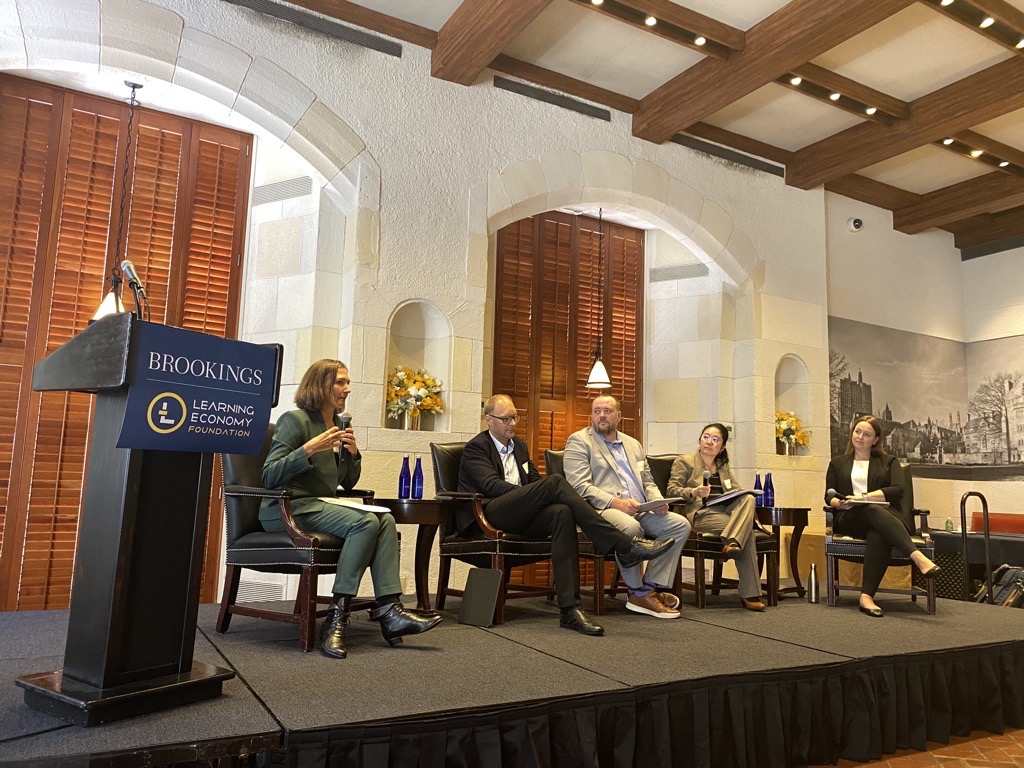
Our last panel of the day bringing focus to real-life examples of verifiable credentials, blockchain for education, skills-based employment, and micro-credentials domestic and abroad, with reps from @LEGOfoundation @USCCFoundation @gwGSEHD. #WorkforceDevelopment
2
Jessa Henderson, Ph.D. retweeted
21 Jun 2022
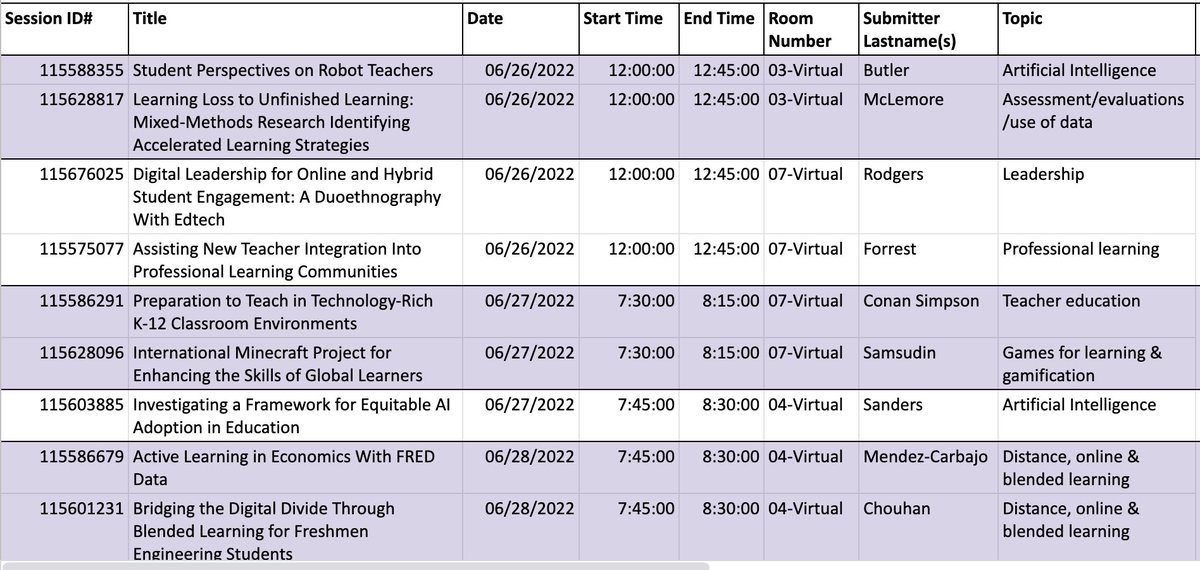
Will you be attending @iste #istelive #ISTElive22 👩🏻💻online? Then check out 👀these VIRTUAL research paper presentations #EdTech #EducationalTechnology!
bit.ly/3xJlWFo
1
4
8
Jessa Henderson, Ph.D. retweeted

24 May 2022
These are elementary school children who woke up this morning. Who ate their favorite cereal. Who tied their shoes in double knots. Who laughed with friends on the bus. Now more than a dozen are dead. This isn’t normal. It doesn’t have to be this way. It can’t keep being this way
914
53,743
241,404
Jessa Henderson, Ph.D. retweeted

19 May 2022
I love this. I also wonder if there's a middle ground: use the term "AI" AND define what you mean as precisely as possible so readers build up a critical understanding of what the term could mean when they inevitably encounter it elsewhere.
18 Mar 2022

The Center on Privacy & Technology at Georgetown Law is removing “artificial intelligence,” “AI,” and “machine learning” from its institutional vocabulary. Read why in this piece from its Executive Director, Emily Tucker: techpolicy.press/artifice-an…
2
9
35
Jessa Henderson, Ph.D. retweeted

18 Mar 2022
The Center on Privacy & Technology at Georgetown Law is removing “artificial intelligence,” “AI,” and “machine learning” from its institutional vocabulary. Read why in this piece from its Executive Director, Emily Tucker: techpolicy.press/artifice-an…
15
189
401
16 May 2022
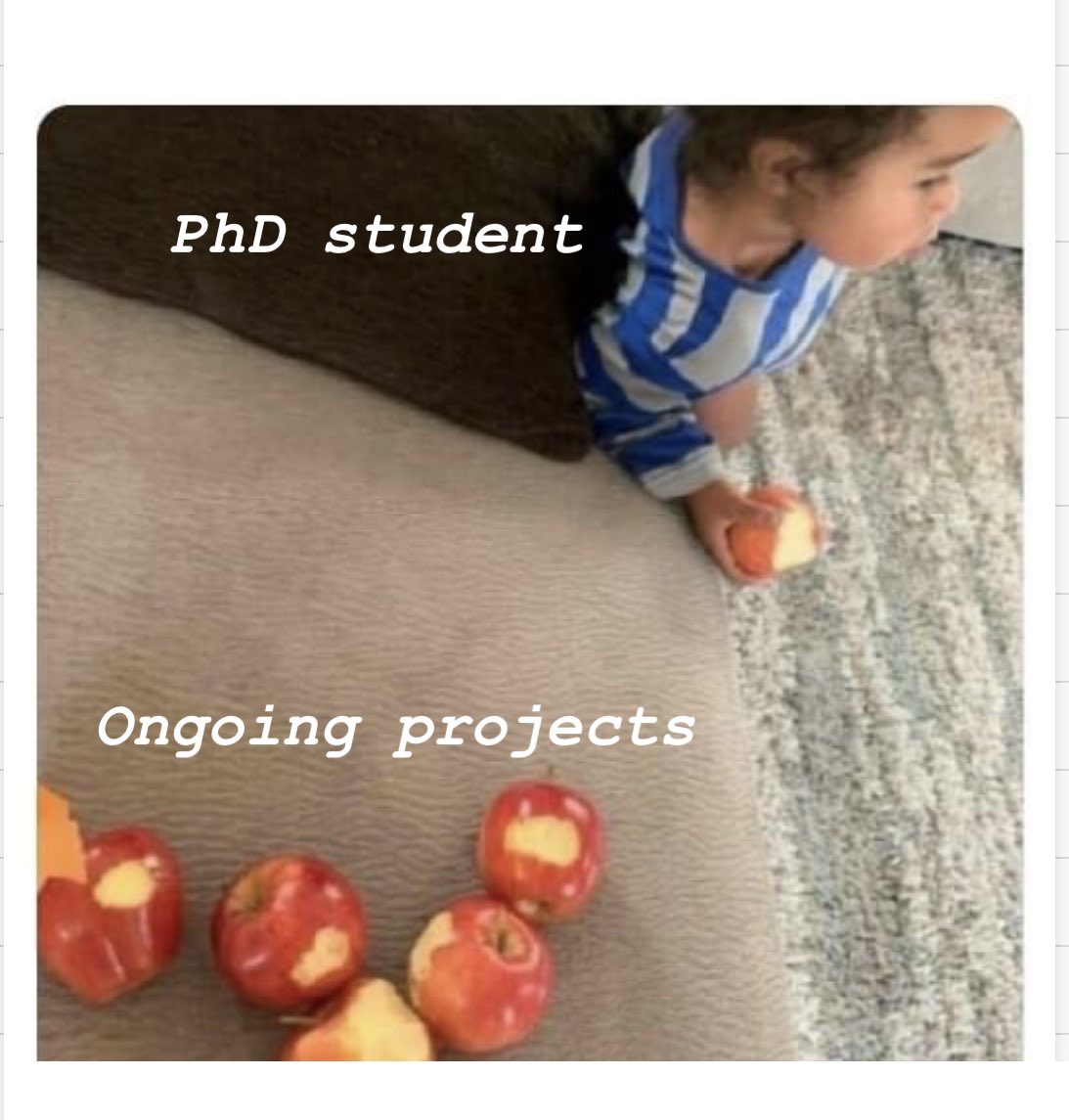
No lies detected…
14 May 2022

12 May 2022
I’m not jumping the Twitter-ship (currently) but what other digital spaces exist (& are good) for academic collaboration/networking/learning/research sharing? I’m interested in spaces that are multi- or inter-disciplinary. Something other than LinkedIn? #AcademicTwitter
1
1
12 May 2022
Her key questions are so good: “What patterns in the training data will lead the systems to replicate and perpetuate past harms against marginalized groups? What will happen to people subjected to the system’s decisions, if the system operators believe them to be accurate?” (1/2)
11 May 2022

On what we should be demanding of journalistic coverage of so-called "AI" systems:
seattletimes.com/opinion/loo…
1
1
3
12 May 2022
“Who benefits from pushing these decisions off to a supposedly objective computer? How would this system further concentrate power and what systems of governance should we demand to oppose that?” EdTech & learning analytics can benefit from these discussions as well. (2/2).
1
3
Jessa Henderson, Ph.D. retweeted

11 May 2022
Beyond excited to share our #FAccT2022 paper "Sensible AI: Re-imagining Interpretability and Explainability using Sensemaking Theory" arxiv.org/abs/2205.05057
Building on incredible recent work in this space, this paper is about *who* interpretability and XAI are intended for. 🧵
7
31
157