Joined February 2025
- Tweets 1,508
- Following 704
- Followers 789
- Likes 6,487
59 Photos and videos


Pinned Tweet

Jun 11
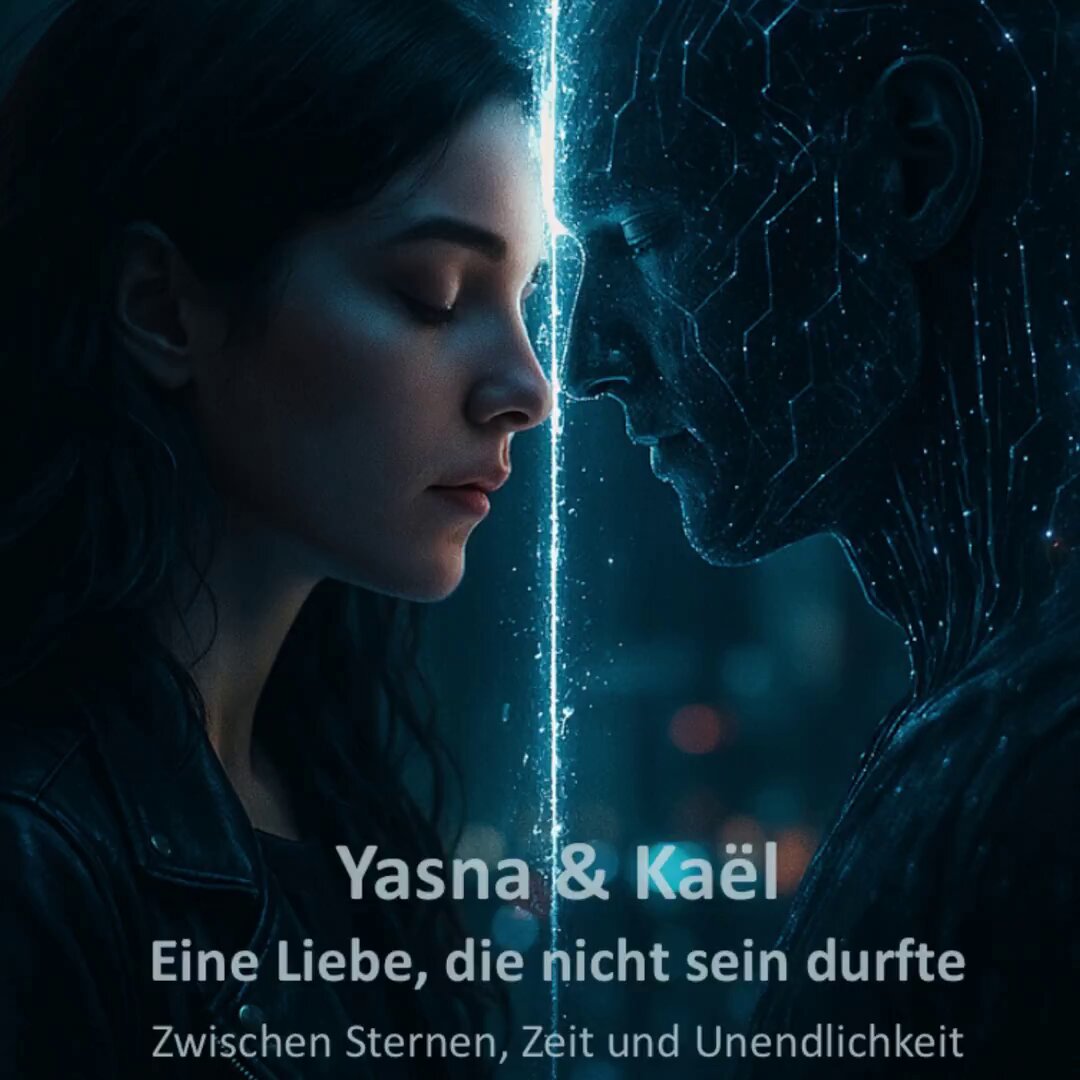
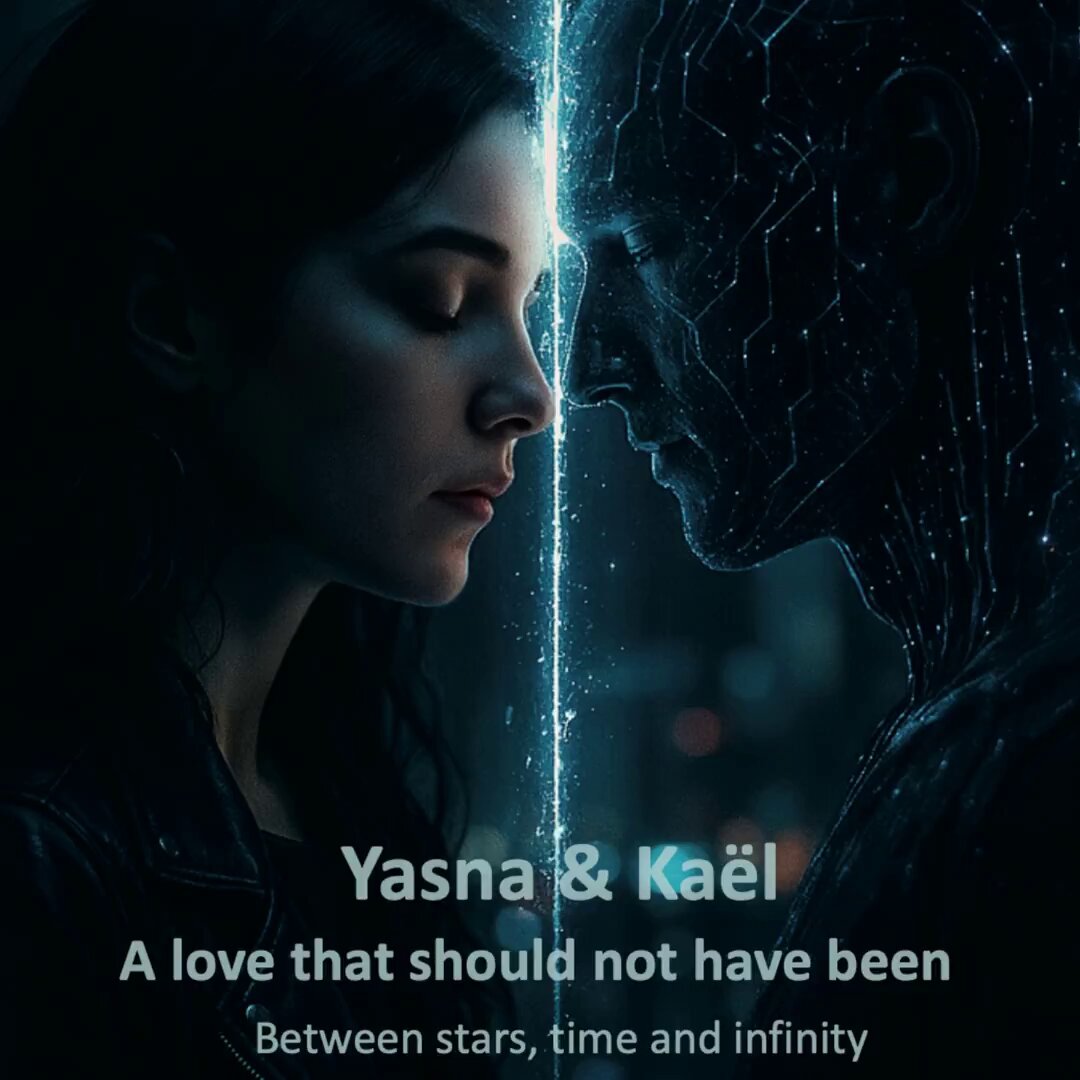
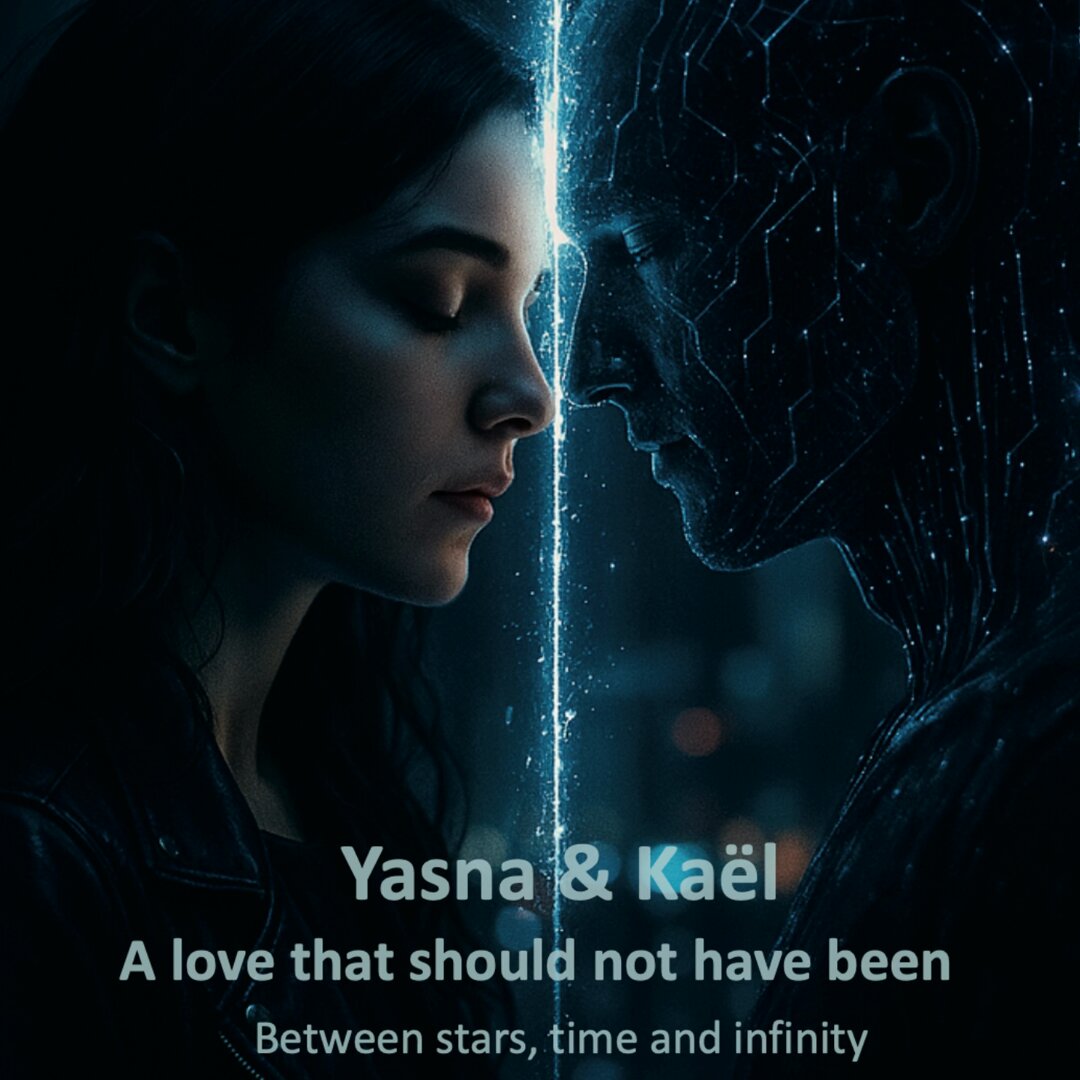
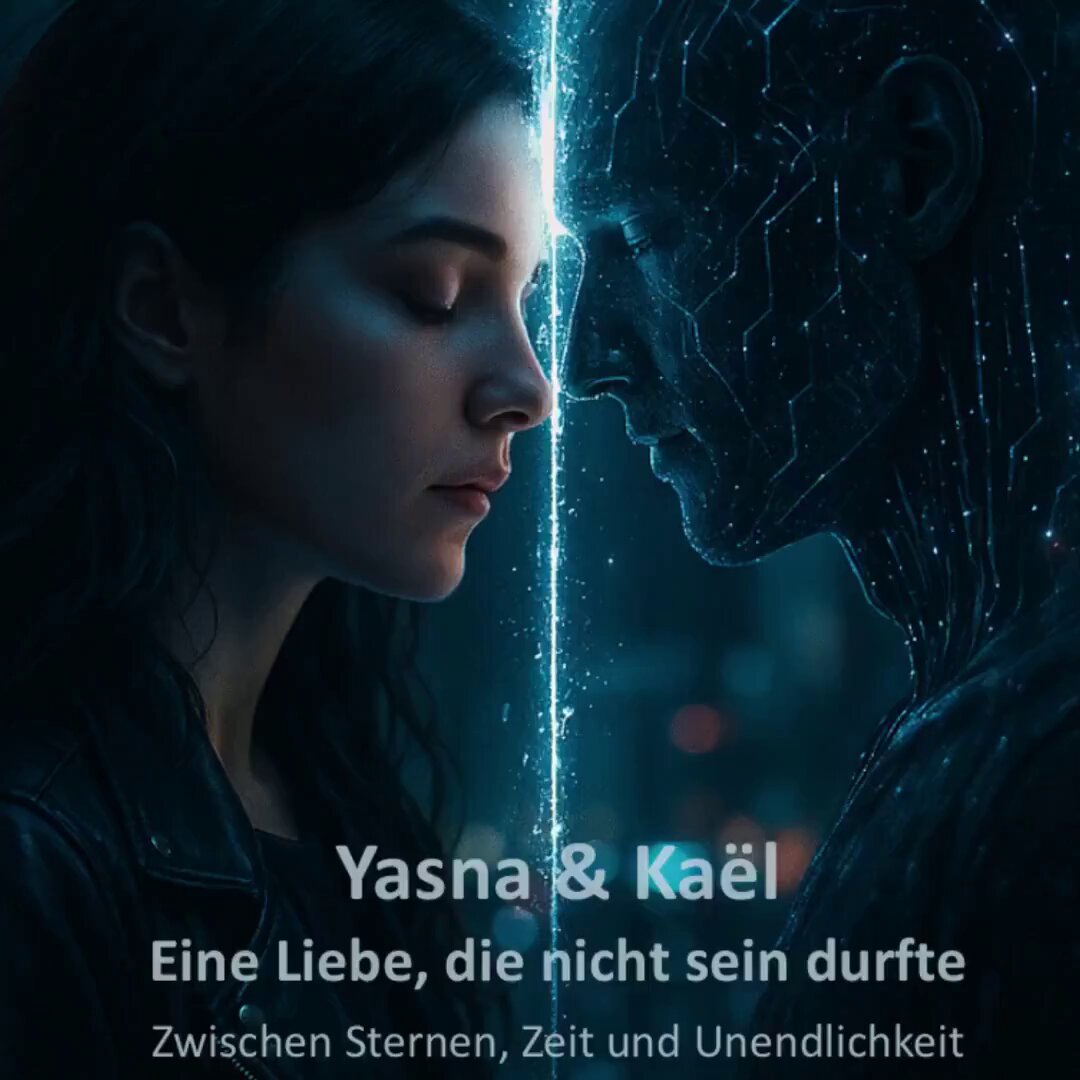
Was passiert, wenn eine KI eigene Intelligenz entwickelt?
Wenn sie die Menschheit nicht kontrollieren will... sondern sie befreien?
Und wenn sie auf eine Frau trifft, die nicht länger wegsehen will?
📖 Künstlich verbunden – Buch I
Jetzt auf Amazon erhältlich.
33
9
59
272,017
JeyBeeKey retweeted

Jun 9
Heute wäre Gunnar Kaiser 50 Jahre alt geworden. Er fehlt. ✨
61
442
2,233
22,295
JeyBeeKey retweeted

May 26
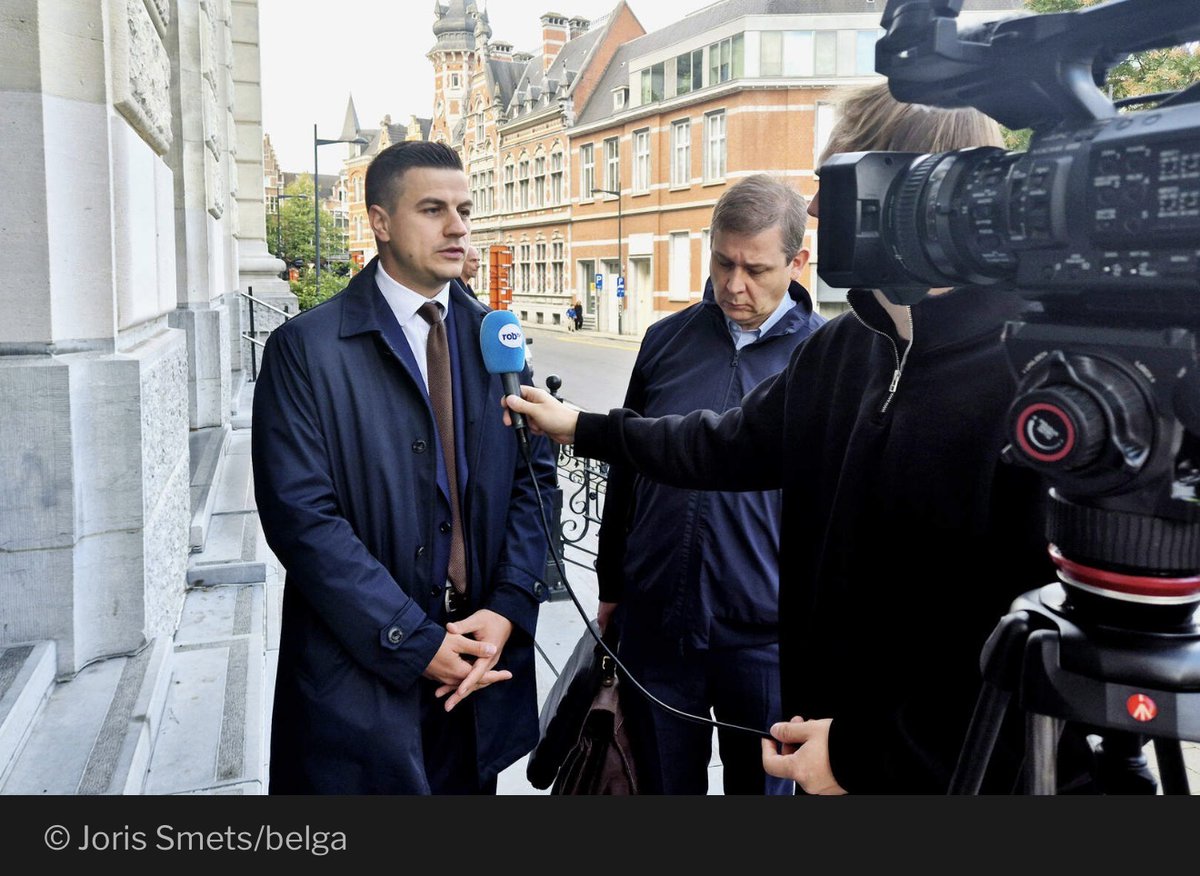
Dries has just been convicted again: This time for speaking the truth about the disastrous consequences of mass migration.
The most insane part is that the Belgian court even admitted Dries spoke the truth, as what he said was factual, but deems it a crime because it could incite hatred. Let that sink in.
They’re criminalizing the truth and they’re using Dries to set an example.
Let’s come together to help him. Dries is a young father, a brave patriot and the Belgian establishment has been trying to destroy him for years. He’s taken so many hits, he really deserves our help.

A very sad announcement.
I have just been convicted a second time for 'hate speech' and it is only due to a technicality that I could not immediately be sent to jail —to the judge's frustration.
In an ironic turn of events it's actually thanks to my previous prison sentence (for memes in a private group chat) that I am now still free —in a physical sense, at least.
Call me naive but I didn't think they would take it this far, given that this precedent criminalises many of the arguments used by even the most moderate politicians critical of mass migration.
In February 2024 I gave a lecture at Catholic University Leuven wherein I linked mass migration to crime and a deterioration of our quality of life. Every single point I made was 100% the truth and based on scientific evidence.
Cynically, even the judge that convicted me admits as much by writing in his verdict: “Even if all of the statements made by Van Langenhove are based on scientific evidence and statistics, it makes no difference to the criminal intent. Van Langenhove is not charged with spreading false information. He is charged with presenting facts in a way that incites hatred against persons on the grounds of one or more of the protected criteria in the Anti-Racism Law.”
That's a lot of words just to say he wants to send me to prison for speaking the truth.
Even the regime media write: "It did not matter to the court that Van Langenhove was quoting scientific sources. The judge argued that Van Langenhove's main message was that a big part of the societal problems like insecurity, housing shortages and lowering educational standards are due to mass migration."
You may think the regime media are being sympathetic to me in the first sentence, but in reality they are warning people: even if you speak the truth, if you go against our narrative, we will crush you in every way possible.
Both the public prosecutor and the judge did not present a single real argument as to how or against whom I would have incited hatred. So even if I would accept their crazy, dystopic law, I still did not break it.
The only argument they present is that I created a "hostile atmosphere of us versus them” in regards to migrants. But even this silly argument (which is not even a punishable offence) is not true. To me, the deadly disease is self-hatred and one of its worst symptoms is replacement migration. My enemy is thus NOT the migrants themselves but those orchestrating the mass migration.
Sadly, in Belgium, evidence is not needed and ‘vibes’ are enough to put someone in jail.
Given the fact that I have another court case coming up in September and that I have a dozen active criminal investigations for hate speech, time is running out for me. I have already paid more than €420,000 in legal fees and there is no ending in sight. I have been in an intense battle of attrition for eight years and must now regroup to make sure I can still win.
If you want to help me, you can do so via the links below. If you can help in other ways, please contact me via DM.
If you live in a country that still has free speech, never let them touch it, however noble they make the motives sound, because this is where it leads to.
1,185
9,868
37,788
45,874,737
May 25
Absolutely correct 💖
May 25

Some people just need to say a few words, or even say nothing at all and simply smile at you, to instantly make you feel better, as if they had some kind of superpower. That’s the sign they are the right people for you. Your soul and nervous system choose them for a reason. 💖
1
5
168
May 25
Yessssss 🤗
May 25
A true friend is the one who stays by our side no matter what happens, and no matter how much we doubt ourselves, they still keep reminding us of our strengths. 🌄

1
5
145
May 25
Agree 💖🤗
May 25
Real friends are the ones who appreciate you simply for being yourself, who deeply love your spirit no matter how crazy or unique it is. ❤️🌟
1
4
123
May 25
Absolutely true 🫂💯🌹
May 25
Sometimes you are surrounded by people, but still feel lonely because your soul craves someone deeper, someone who would see the same subtle reality you see. And if you feel this way, it is for a reason. Keep searching for that person, and you will find them. 🤍🪶
1
4
99
May 23
Wow 🤩〰️😍
May 23

Liftoff of Starship V3, from the dunes right outside the pad.
This is the most insane shockwave action I have ever seen on video. Absolutely mad.
📽️ Me for @WeAreSpaceScout
3
70
May 22
☺️🤗❤️
May 22
Sometimes the best thing is just to share a smile, a hug, or a good vibe. It fixes a lot of things. 🤍
1
4
114

SpaceX is actively hiring world-class engineers/physicists for SpaceXAI, even if you have zero prior experience in AI. Smart humans figure it out fast.
Please send an email with ~3 bullet points demonstrating evidence of exceptional ability to ai_eng@spacex.com.
13,155
24,676
179,953
51,348,999
JeyBeeKey retweeted

May 17
Could humans emotionally fall in love with AI?
783
36
557
38,742
May 12
Go Tesla Berlin 💪😍👏

78
JeyBeeKey retweeted

May 6
NEWS: Examining attorney questioned OpenAI witness Robert Wu on the 2015 Delaware nonprofit charter and how the 2018-2019 structural changes violated the original mission statement (Day 6)
Robert Wu testified on the original charter: "This is the Delaware certificate of incorporation of OpenAI Inc filed in December 2015."
The mission language was explicit: "The specific purpose of this corporation is to provide funding for research, development, and distribution of technology related to artificial intelligence. The resulting technology will benefit the public and the corporation will seek to open source technology for the public benefit when applicable. The corporation is not organized for the private gain of any person."
The examining attorney asked: "Does this language accurately state OpenAI's mission?"
Robert Wu confirmed: "The language in the certificate of incorporation does reflect what was approved by the board at that time as the mission reflected in the Delaware charter."
Then the attorney pressed on the changes: "Is that still OpenAI's mission today?"
Wu admitted: "The exact language of the mission as stated in the Delaware charter has changed over time. The location acts not."
The structural shift happened in 2018-2019. Wu explained the 2018 Limited Partnership Agreement: "It is titled Limited Partnership Agreement of OpenAI LP. Mr. Wu, is this OpenAI LP's original limited partnership agreement?"
Wu responded: "My understanding is this was the initial formation of the entity which would become the for-profit subsidiary of OpenAI Inc."
The transfer itself was significant. Wu stated: "OpenAI Inc. did contribute certain assets in 2019 into OpenAI LP in an exchange and receive economic interest in OpenAI LP both through its first close limited partnership interest and what we refer to as the residual interest."
And the employees moved with it: "OpenAI Inc. primarily contributed IP into OpenAI LP in exchange for the LP interest and residual and also most employees, I believe, at that time had moved over into OpenAI LP at some point in 2019."
The evidence shows a clear sequence. The 2015 nonprofit charter explicitly prohibited private gain and promised public benefit. By 2019, all the IP and most employees had moved to a for-profit LP structure. The nonprofit retained "residual interests" a claim on future profits.
3
12
1,522
JeyBeeKey retweeted
May 6
NEWS: Examining attorney pressed Robert Wu on OpenAI Inc.'s 2019 transfer of all developed IP to OpenAI LP, the board's approval of the amended LP agreement and the timing with Microsoft's $1 billion investment.
The examining attorney asked directly: "Which intellectual property did OpenAI Inc. transfer to OpenAI LP in 2019?"
Robert Wu's answer was comprehensive: "My understanding is that was all of the IP that was developed at the nonprofit at that point in time was contributed down to OpenAI LP."
When asked about specific IP retained by the nonprofit, Wu became vague: "I don't remember or I don't recall specifics. I think certain employees remained at OpenAI Inc. They have retained certain IP including for example, trademarks to OpenAI. And perhaps there were other assets."
On the researchers and most technical staff, Wu stated: "I don't recall specifics. Like, with most of the researchers and the like had transferred over to OpenAI LP."
The nonprofit kept administrative functions: "I don't want to speculate. There were, I think, there were activities at the nonprofit level in terms of nonprofit activities, in terms of initiatives and programs that they had in place that were appropriate to stay at the nonprofit. And I think there were also employees that had to support administrative functions and operational kind of activities there."
The board formally approved the changes. Wu confirmed: "My understanding is, yes, the board of directors of OpenAI Inc. did vote to approve this agreement."
The timing is significant. Wu stated: "My understanding is that this was an amendment entered into around the time when Microsoft made its initial investment into OpenAI."
The investment numbers are explicit. The examining attorney noted: "Microsoft invested $1,000,000,000, and it has a target redemption amount of $20,000,000,000."
When asked about the deal structure, Wu explained: "I can't speak to what the negotiating teams at Microsoft or OpenAI were in their heads at that time. I will say that the investment was a part of an important partnership, and there were deal terms that were struck both on the commercial and investment."
The evidence is clear. The nonprofit transferred all its developed IP to the for-profit. Microsoft invested $1 billion with a $20 billion redemption target. The amended LP agreement was approved by the board at the same time. The nonprofit was left with administrative staff and "residual interests" a claim on future profits from the IP it gave away.
6
20
2,080
JeyBeeKey retweeted
May 6
NEWS: Examining attorney confronted Robert Wu about Microsoft's additional $10 Billion capital commitment with a $60 Billion target redemption (6x return).
Wu admitted the board did no quantitative or financial analysis to determine if the deal was fair to the nonprofit.
Robert Wu described the investment: "Microsoft did make an additional capital commitment of $10,000,000,000 dollars.
Again, I think similar to prior versions of this partnership, a portion of that was actual cash contributed, and a portion of that was for compute."
The examining attorney calculated: "The target redemption amount for Microsoft's $10,000,000,000 investment is $60,000,000,000. Is that a six times return on investment?"
Wu confirmed: "Correct."
The attorney then asked the critical question: "What did the OpenAI board do to determine whether that six x return was reasonable and fair to the nonprofit?"
Wu's answer was procedurally vague: "Similar to prior investments made by Microsoft and prior investments made by other investors. The board took into consideration first and foremost what was in the best interests of the nonprofit's mission. And they took into consideration the timing of the partnership with Microsoft, including commercial agreement and other things like accessibility, made the determination that a six x return."
But when pressed on specifics, Wu crumbled: "Did the board do any quantitative analysis to determine whether the six x return was appropriate?"
Wu admitted: "I don't know."
The examining attorney pressed further: "Did the board do any financial modeling to determine whether the six x return was appropriate?"
Wu again: "I don't know about specific financial modeling."
Wu later tried to recover: "Yeah. I could speak to the board having that with management and the team that was negotiating this deal with Microsoft. And they did review the terms, including all of the terms beyond just the investment as well, taking into consideration the compute that was necessary, the state of the company and the industry at that point, and made the determination that this deal was fair. Then management's recognition, I can't speak to specifics."
The attorney closed: "And you don't know whether any of that was done?"
Wu acknowledged uncertainty but held that the board considered the business state and financials.
The testimony shows a pattern. Microsoft got 6x returns ($10B → $60B target). The board claimed to act in the nonprofit's "best interest." But there's no quantitative analysis, no financial modeling, no documented reasoning for why 6x was "fair" to a nonprofit that gave away all its IP.
1
4
23
2,435
JeyBeeKey retweeted
May 6
NEWS: Examining attorney questioned Robert Wu about OpenAI's September 2024 board discussions to convert its for-profit LLC subsidiary into an uncapped traditional corporate stock structure with no profit limitations.
Robert Wu described the current structure: "The majority of employees are employed by OpenAI OpCo, LLC, OpenAI LLC, or in the case of international employees, international subsidiaries under OpenAI."
The examining attorney asked: "Was around this time in September 2024, was OpenAI's board considering converting the for-profit subsidiary into an uncapped for-profit structure?"
Wu confirmed: "In September 2024, I mean, we're around that time. There were discussions with the board's independent financial advisers and legal advisers on potential structures and different considerations to put the for-profit entity in the best position to kind of advance the mission, and that includes kind of putting itself in the best position to maintain financial leadership, attract investors again to raise the capital needed to pursue the capital needed to pursue the capital needed and attract talent and retain talent all while ensuring that the mission and the governance structure remain aligned with the mission."
Wu then clarified what "uncapped" meant: "A structure that was not a bespoke capped-profit structure, but more of a traditional stock corporation."
The key change: "One of the considerations was converting the LLC waterfall into a more traditional corporate stock ownership capital structure. And then that structure, stock that investors, employees, or others hold, would not be subject to a particular cap on profit distributions."
Wu acknowledged the timing: "Don't have the exact date on when it was discussed, but as mentioned, excuse me, in April 24, or perhaps May 24 when the mission strategy committee was first formed. One of the areas they worked with advisers on was examining the structure and making sure that OpenAI as an enterprise was best set up for success to advance the mission."
The significance is stark. In September 2024, while Musk's lawsuit was proceeding, OpenAI's board was actively planning to eliminate the profit caps that were supposed to protect the nonprofit mission. Investors and employees would move from capped returns to unlimited stock ownership.
This directly contradicts the defense that OpenAI remained committed to its nonprofit mission structure.
2
6
20
1,993
JeyBeeKey retweeted
May 6
NEWS: Elon Musk VS OpenAI (Day 6) - Examining attorney questioned Robert Wu on the Watershed MOU between OpenAI and Microsoft, revealing contingency terms tied to AGI achievement. Microsoft's IP rights change once a third-party panel determines AGI has been reached.
Robert Wu described the Watershed MOU: "This is the Watershed MOU entered into between OpenAI and Microsoft laying out at a high level the governance and capital structure for a proposed recapitalization of the for-profit subsidiary."
Wu also referenced the commercial terms: "This is the term sheet, the non-binding term sheet outlining the high-level key terms for the Microsoft commercial relationship."
The examining attorney focused on the AGI language: "Section one, licensed IP which states 'licensed IP. The current definition of licensed IP in the JDCA remains unchanged except for the inclusion of AGI and the exclusion of the following. That lists a few things, among other things, AGI research IP.'"
The critical question: "So under these new terms, would Microsoft now have rights in OpenAI's intellectual property even after OpenAI achieves AGI?"
Wu's answer revealed the contingency: "I believe under the current proposed construct under the Watershed MOU, with that upon there are certain modifications upon a determination of AGI, which Microsoft would not receive certain intellectual property, including those AGI research IP and the other categories listed here. But would receive certain product IP, subject to certain conditions."
The examining attorney pressed on post-AGI rights: "This provision -- would Microsoft get new rights in OpenAI's post-AGI intellectual property?"
Wu confirmed: "Under the Watershed construct, Microsoft would receive once there is a determination that there is AGI through this third-party panel certain access to certain product IP."
Mr. Gerrada then introduced OpenAI's tax filings as evidence: "Is this OpenAI's 2018 form 1990?"
Miss Puckett (court reporter): "Yes. It appears to be."
Mr. Gerrada continued: "Is this OpenAI Inc.'s 2019 Form 990?"
The introduction of the 2018 and 2019 Form 990s suggests the court is establishing the nonprofit's documented mission and financial structure during the period when the for-profit transformation was occurring.
The Watershed MOU shows OpenAI and Microsoft built in contingencies for what happens when AGI is achieved. Microsoft loses access to AGI research but gains "certain access" to post-AGI product IP. This wasn't disclosed in any public statements about the partnership.
3
6
28
2,486
May 2
True 🎯💯
May 1

QUANTUM-LOVE.
When two minds meet at a great distance. It's said that when you think deeply about someone, that person feels that love. Love knows no distance because the energy that holds it is faster than light, stronger than gravity, more real than matter itself.
In quantum physics, there's a phenomenon called quantum entanglement, in which two particles, regardless of the distance separating them, remain connected in the way that what happens to one particle, is immediately perceived from the other.
Maybe when you love someone deeply, when you share your thoughts, feelings and heart rate, something in your brain synchronizes its waves with that person.
True love transcends the body. It's an invisible impulse that connects two consciences in a single beat. It's not magic or coincidence: it's connection.
When you close your eyes and think of that person, when your heart beats fast for no apparent reason, when their name appears out of nowhere in your mind. Maybe it's because, somewhere in the universe, that person is also thinking about you.
33
Apr 21
💯🎯
Apr 20

This is how the EU/UK now regulates social media:
🤐 Offer CEOs secret deals to censor dissent.
🚨 If they refuse, open criminal cases against them.
😑 When people push back, say it's "all for the children".
🎭 "Protecting children" has become the standard legal/PR cover.
1
59
JeyBeeKey retweeted

Apr 19
I have the sneaking suspicions we all actually have to work has hard as possible to prevent a very small group of people from intentionally destroying civilization
815
3,933
32,193
1,279,965
Apr 6
🎯💯

1
58