
Transit, Walking, Biking and Public Health Advocate @jldurham.bsky.social grassrootsalexandria.org/tea…
Joined October 2013
- Tweets 2,712
- Following 645
- Followers 532
- Likes 7,621
314 Photos and videos
Pinned Tweet

9 Oct 2022
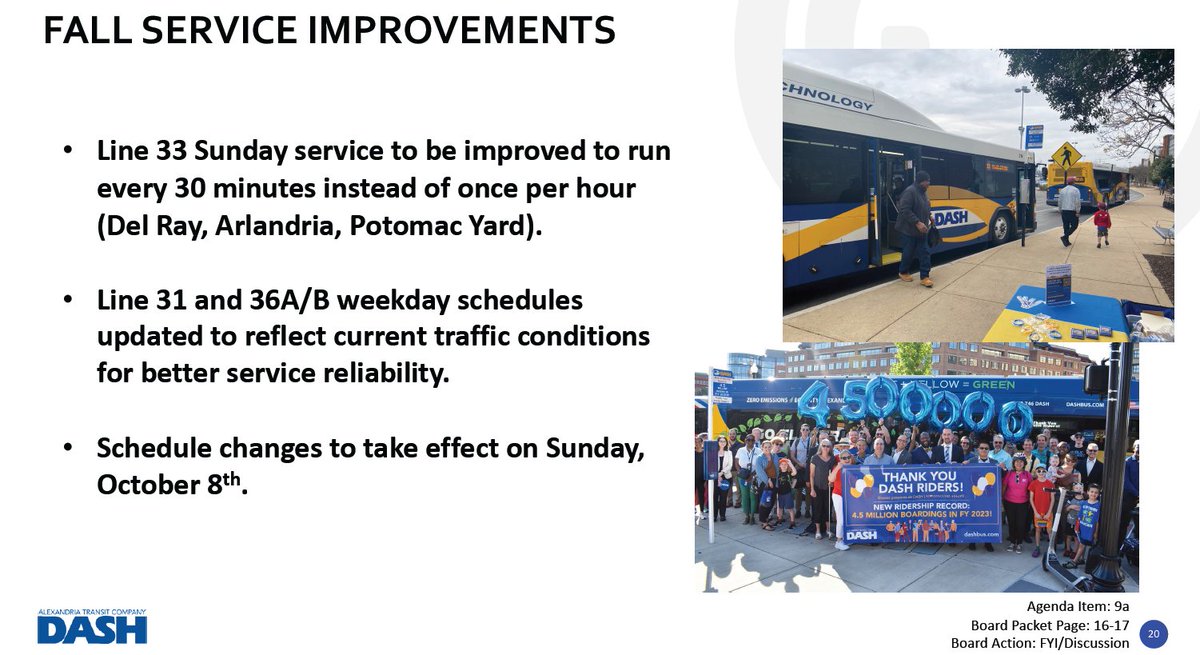
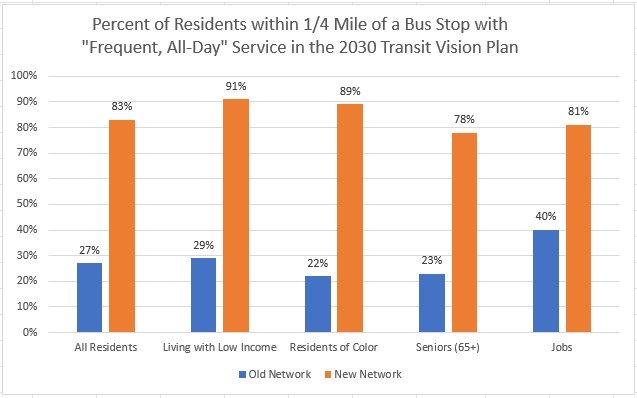
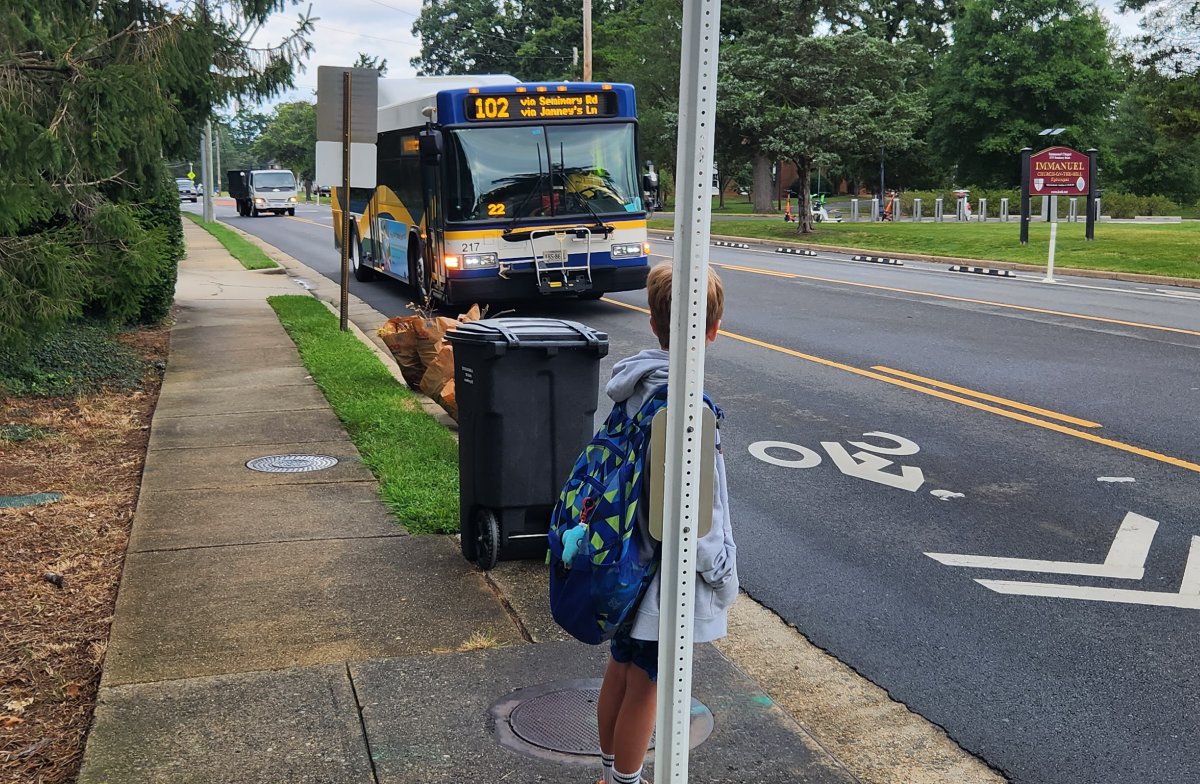
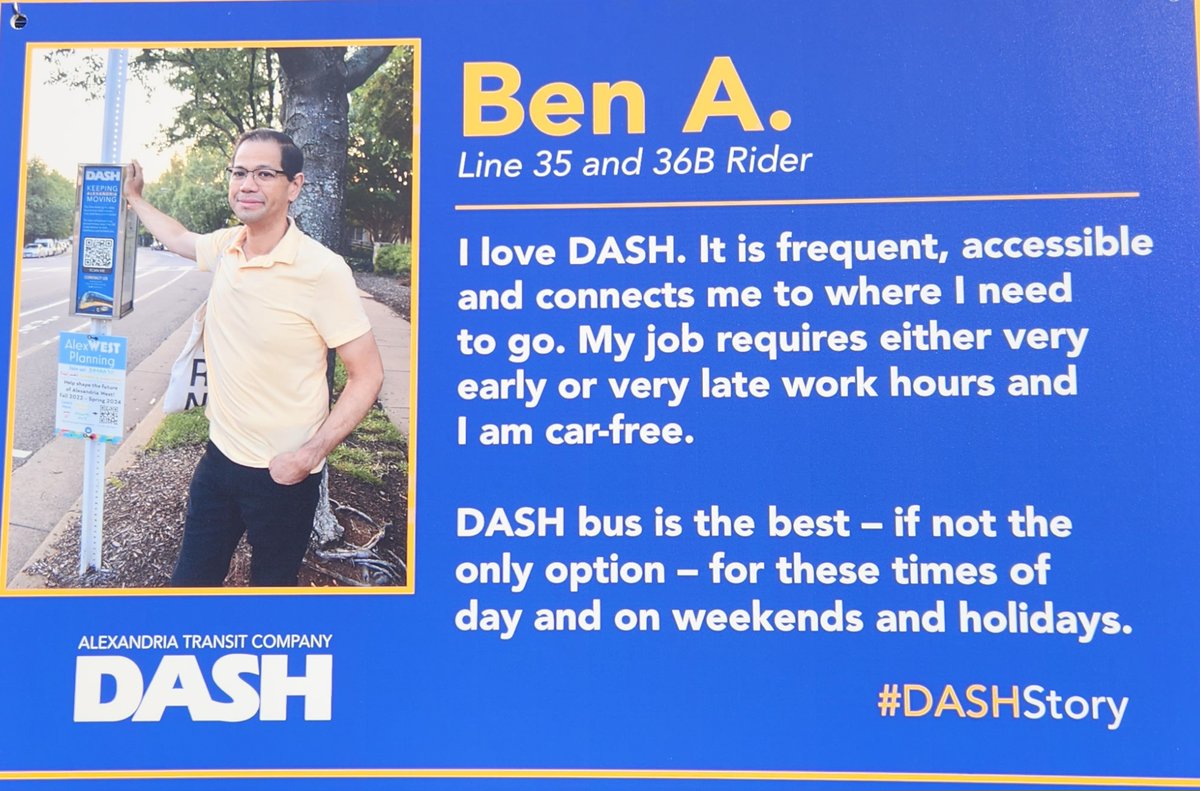
Higher frequency 🚌bus service is more useful for 👨👩👧more people and is better for businesses😋@AlexandriaVAGov needs to fund add'l increments of the FY22 Alexandria Transit Vision Plan: bit.ly/3MkWPQd @DASHBus @justindotnet @SarahforALX @KirkMcPike @CanekForCouncil
9 Oct 2022

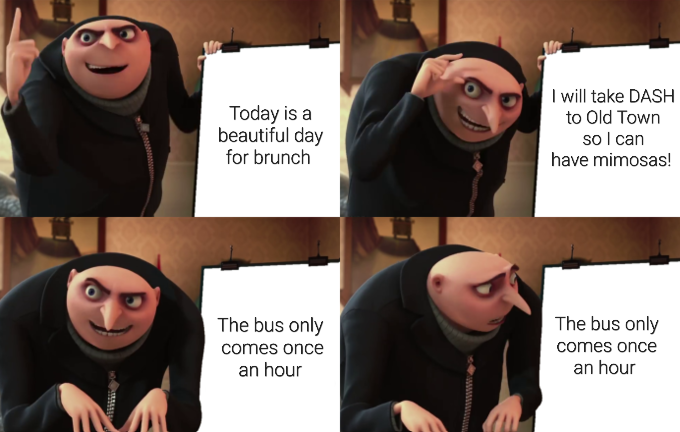
ALT Gru meme Box 1: Today is a beautiful day for brunch Box 2: I will take DASH to Old Town so I can have mimosas! Box 3: The bus only comes once an hour Box 4: The bus only comes once an hour
2
2
12
A coalition of people who mostly live on or nearby spoke in support of a Braddock Rd corridor design recommended by staff. After adding crosswalks requested by the community and on street parking near the GS Lutheran Church, City Council approved the project (4 to 3)@AdamTuss
40
Jim Durham🚌🚶♂️🚴♂️👨⚕️ retweeted

May 13
2026 is the 50th anniversary of the Bikecentennial - aka Bike76, the Transamerica Trail, and USBR 76 across the US - now with a podcast to honor and promote it wvtf.org/news/2026-05-12/ret…
2
1
58
Jim Durham🚌🚶♂️🚴♂️👨⚕️ retweeted

Apr 14
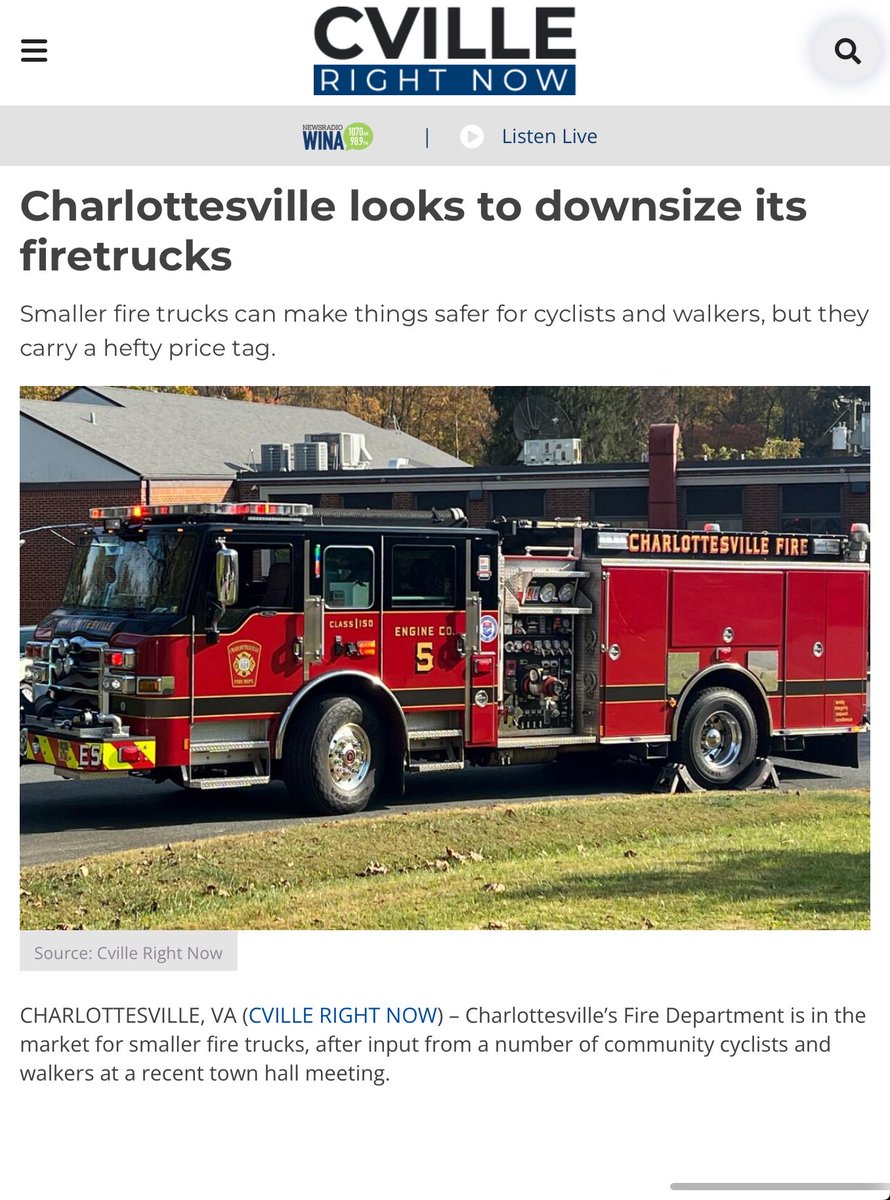
Guys, is it starting? Are fire departments discovering they can drive slightly smaller trucks without fires becoming emboldened? That they can work with other public goals and maintain capability?
Deputy Chief: “Charlottesville is a very bike-friendly community, walk-friendly community. One of the expectations we hear often is about getting smaller fire trucks,” Broscious said. “They’re easier to drive and maneuver through city streets.”
The arrival of the newest engine means that the city’s front line is now entirely comprised of new, smaller models. He said these new trucks have a low hose bed, a shorter wheelbase that’s able to turn a lot easier than the classic, over-sized fire trucks.
Community member: “Having the city proactively getting these smaller trucks means that hopefully we’ll be able to have narrower streets. That makes room for bikes and walking, but it also makes the road itself safer for everybody...I’m so excited to see the city taking actual concrete steps to follow through on its goals of being a safer, more walkable, more bikeable city.”
Also as a side note see the pretty little gold filigree on the door that says “Class I ISO”? Turns out a smaller truck doesn’t suddenly cause them to lose ISO rating status or violate some mythical NFPA standard that equates truck size to capable response.
Now - Someone get me in touch so I can help them save money via commercial chassis instead of being abused by Pierce with an all-custom setup next time. And start a conversation about cheaper turntable ladders with superior capability.
24 Oct 2025

The culmination of my posting to policy career would be watching a city pass a fire department equipment replacement plan for their urban stations, based on the below study and referencing the information in this thread.

30
106
1,384
61,614
Cambridge is building a bike network, not a patchwork of bike lanes with unsafe gaps. In AlexandriaVA, gaps result from political decisions based on other than best engineering practices. I have receipts.

A 250% increase in cycling! Over the past two decades, Cambridge, MA has dramatically expanded its cycling network—and the number of people riding bikes has surged right alongside it.
momentummag.com/city-shows-t…
1
5
193
Jim Durham🚌🚶♂️🚴♂️👨⚕️ retweeted

Please help the Virginia Bicycle Federation as we advocate for three changes to Virginia law this year to improve bicycle safety.
If you live in Virginia, please show your support for our work through this campaign. waba.quorum.us/campaign/1518…
1
1
48
Jim Durham🚌🚶♂️🚴♂️👨⚕️ retweeted

2 Dec 2025
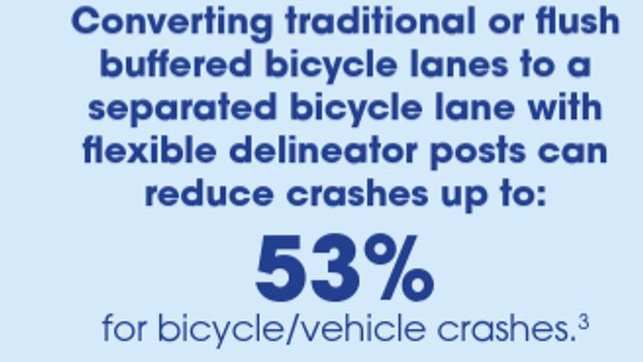
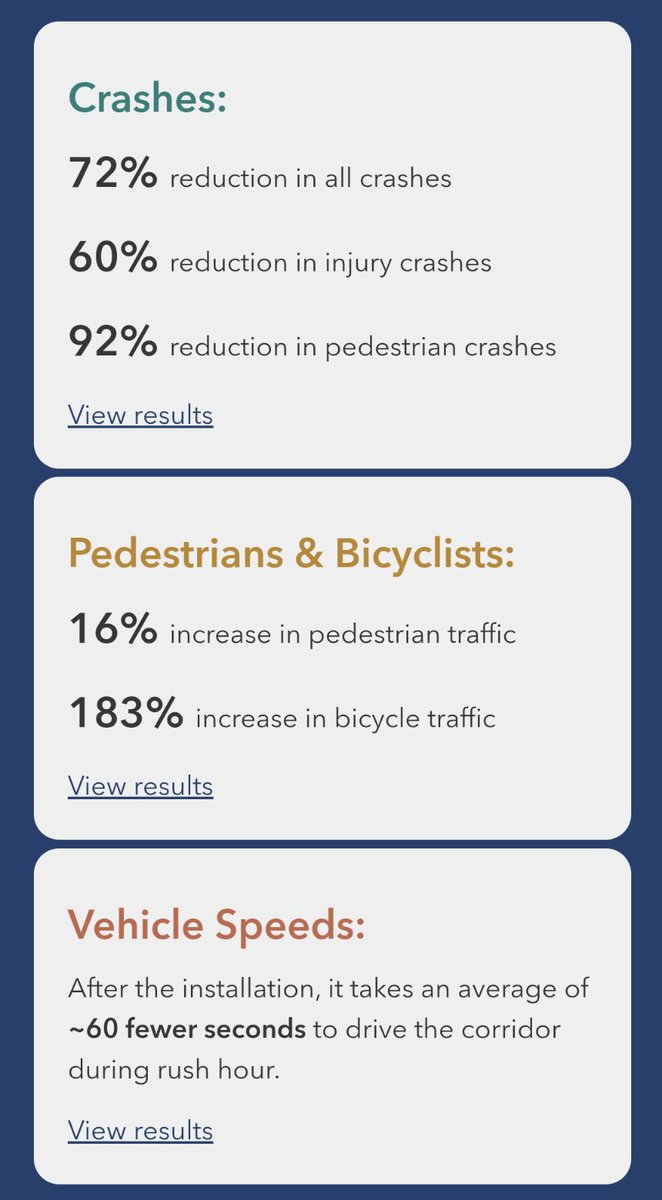
Bike lanes
✅ Reduce crashes
✅ Increase access
✅ Reduce car traffic
Just one example from DC:
3
7
32
1,101
Jim Durham🚌🚶♂️🚴♂️👨⚕️ retweeted

12 Aug 2025
While most transit agencies think their job starts and ends at the turnstile, Dutch railways operate as a door-to-door mobility provider. By investing in bike parking and sharing, their ridership and revenue levels have increased, creating a virtuous circle of sustainable travel.
21
198
1,002
48,289
Jim Durham🚌🚶♂️🚴♂️👨⚕️ retweeted

23 May 2025
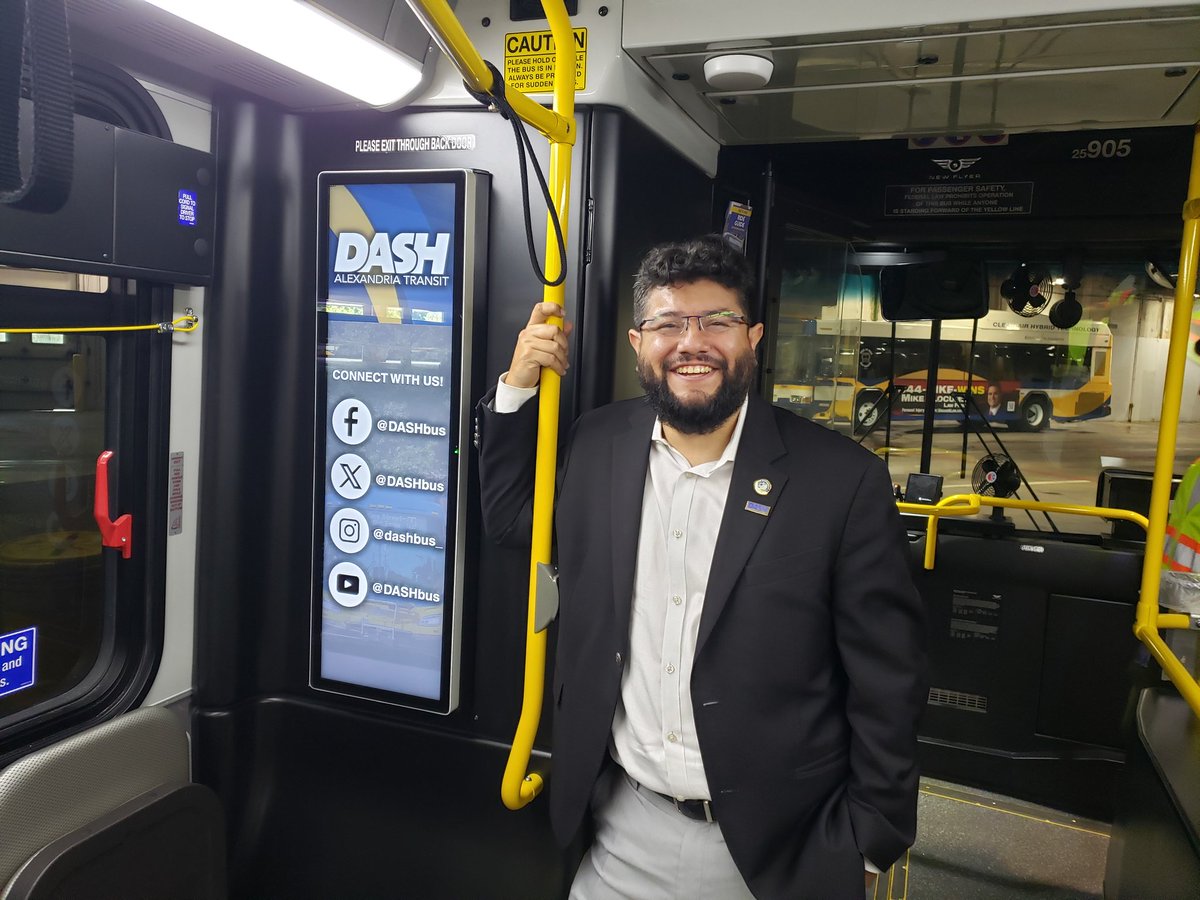
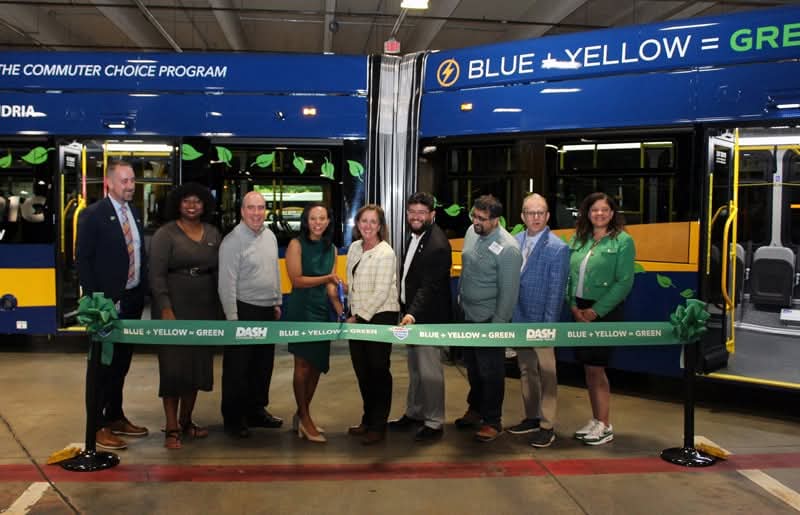
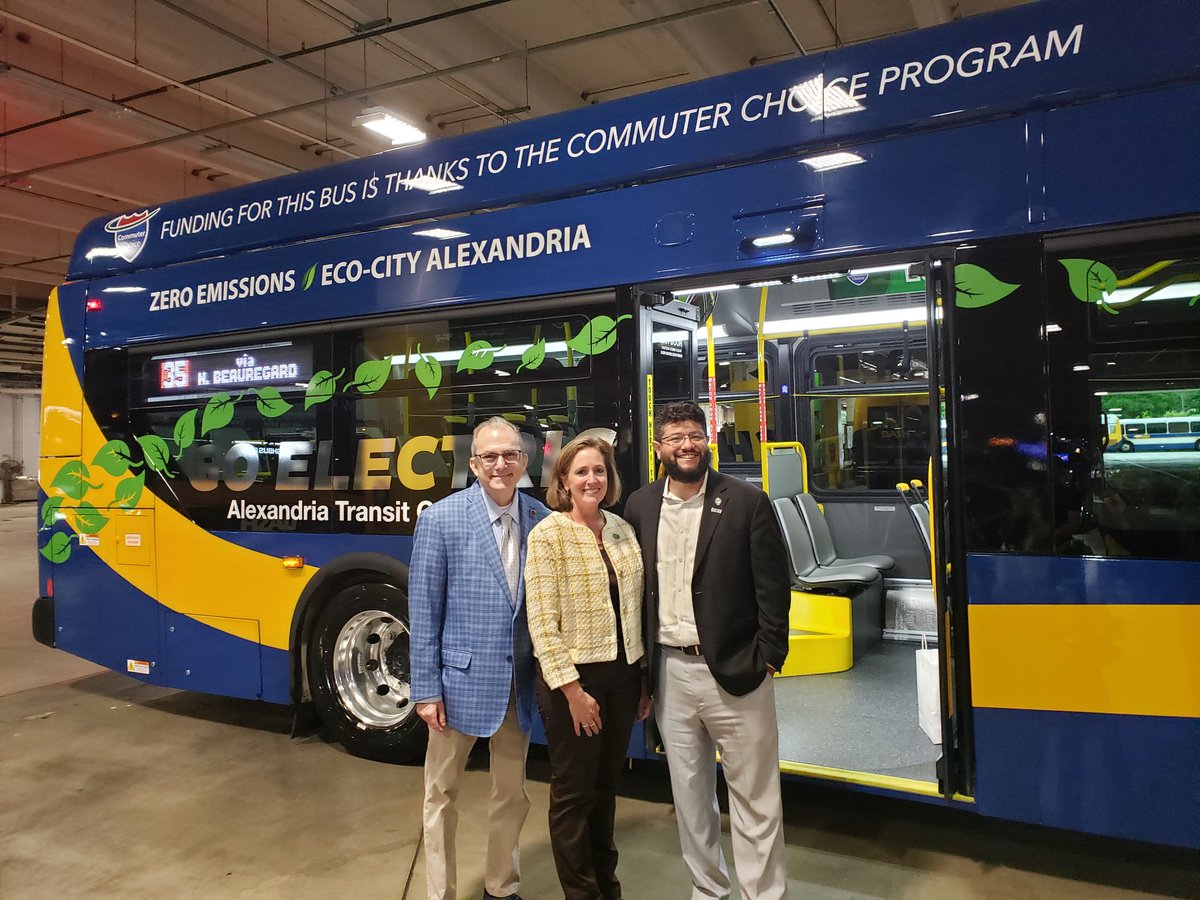
Celebrated @DASHBus two new electric articulated buses - growing the largest electric fleet in Virginia! Alexandria is a leader in the National Capital Region when it comes transit w/fare free service & improved routes, investments in dedicated lanes and multimodal connectivity.
1
2
134
Jim Durham🚌🚶♂️🚴♂️👨⚕️ retweeted
3 Apr 2025
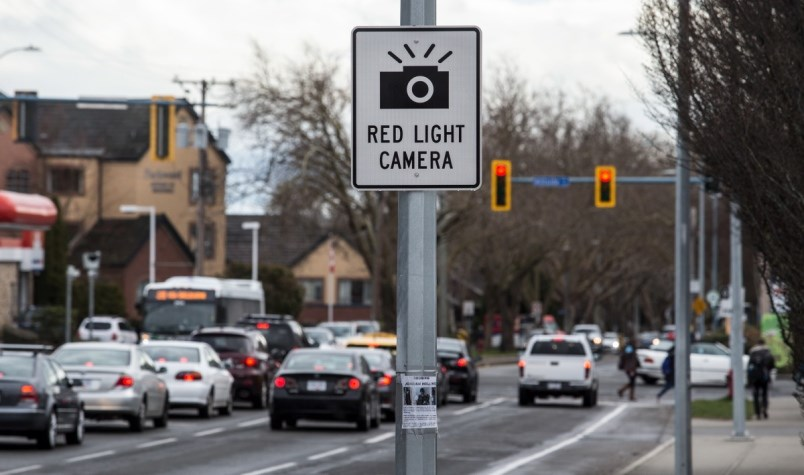
If red-light cameras are a cash grab, who are they grabbing cash from?
33
8
229
7,320
Jim Durham🚌🚶♂️🚴♂️👨⚕️ retweeted

28 Mar 2025
Ask The Mayor: Mayor Alyia Gaskins joins ALXnow for a one-on-one conversation alxnow.com/2025/03/28/ask-th…
1
1
444
Jim Durham🚌🚶♂️🚴♂️👨⚕️ retweeted

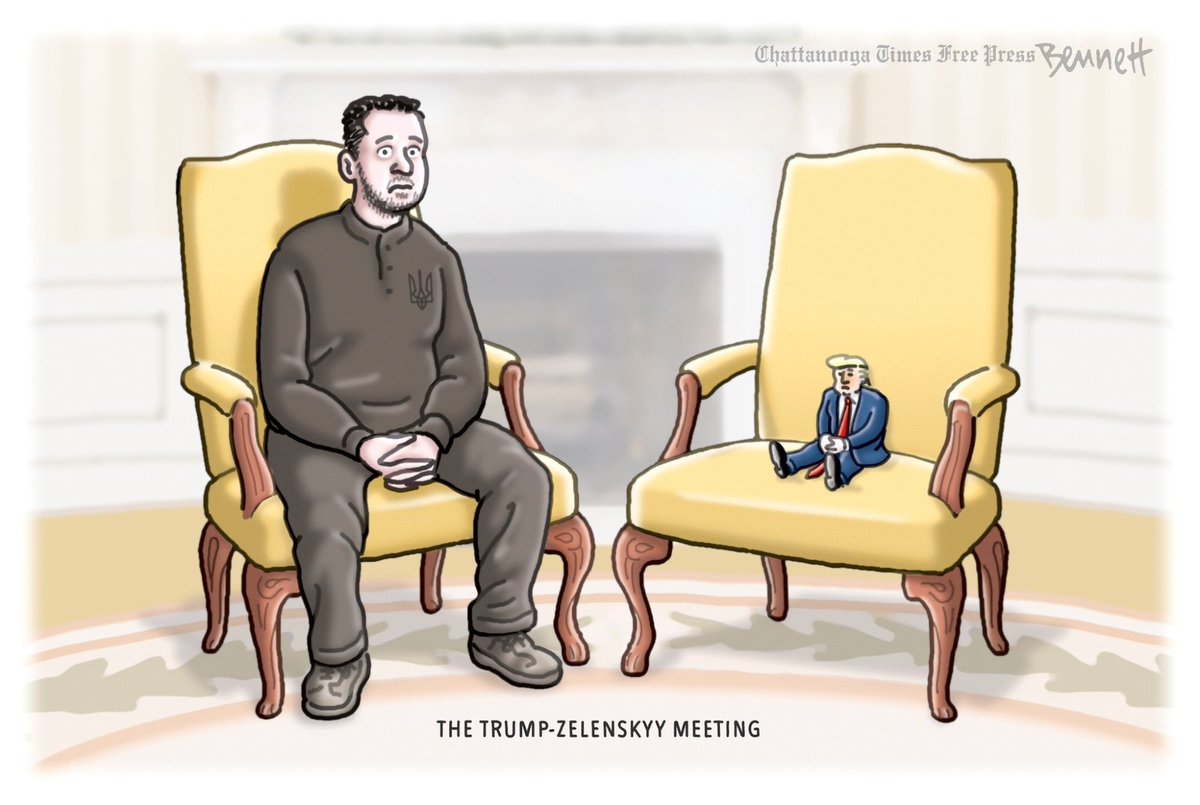
Thank you America, thank you for your support, thank you for this visit. Thank you @POTUS, Congress, and the American people.
Ukraine needs just and lasting peace, and we are working exactly for that.
77,422
64,898
767,891
54,145,709
28 Feb 2025
RT @AdamKinzinger: So likely the world’s first Trillionaire Elon, who received $36 Billion in govt subsidies and contracts to generate his…
6,296
1
Jim Durham🚌🚶♂️🚴♂️👨⚕️ retweeted

13 Dec 2024
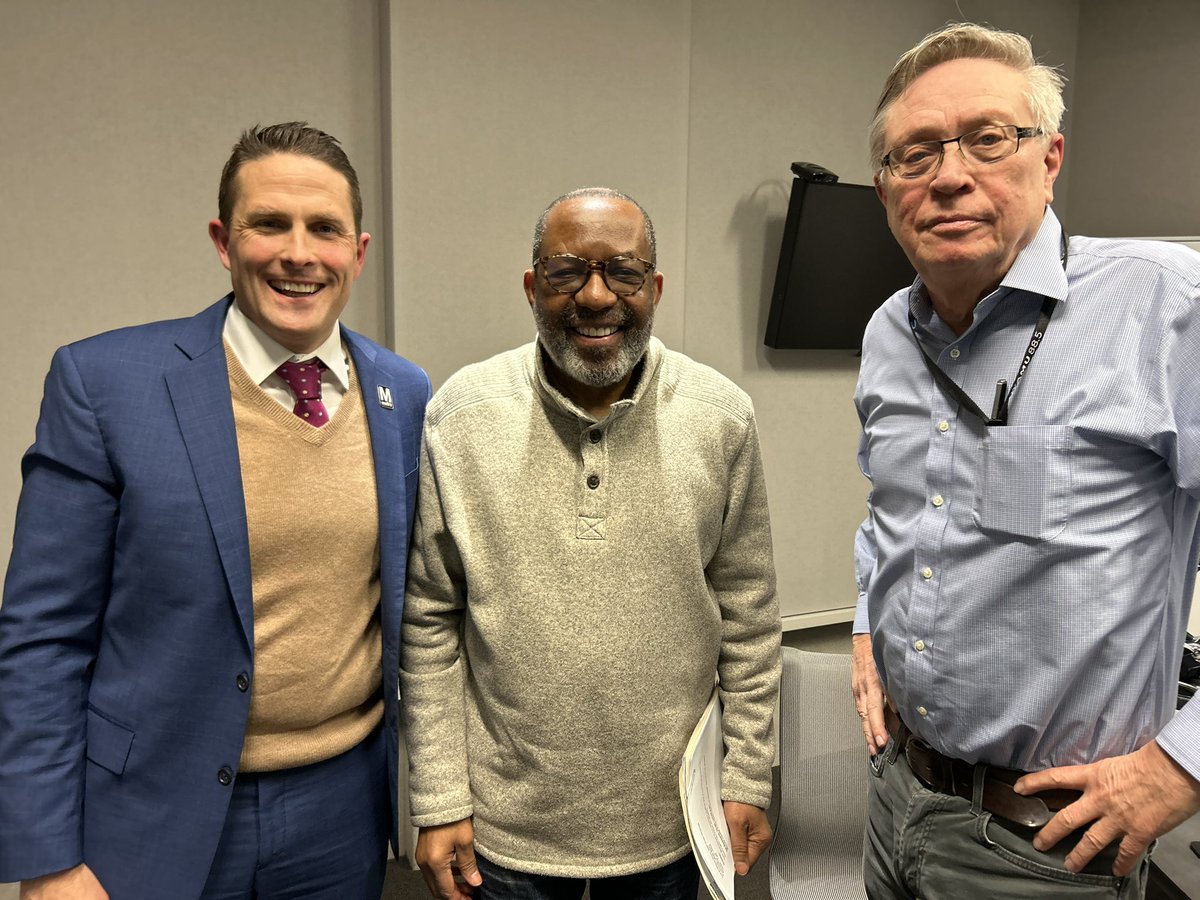
Ended the week visiting @politicshour w/ @Nnamdikid & @tomsherwood and talked w/ @WTOP to discuss @wmata cost savings, leading the country in ridership growth, crime down 40%, record customer satisfaction & need for dedicated funding. Thx for having me. #wmata
1
4
41
3,127

❄️ Winter Weather Alert! ❄️
Due to inclement weather, DASH is operating on a regular Sunday schedule with snow routes in effect. Please plan your trip accordingly and allow extra travel time. Visit dashbus.com/snow for detailed information.
2
4
548
5 Nov 2024
Great opportunity to show support for safer roads and meet NTSB Chair Homendy, a consistently strong advocate for safer roads.
5 Nov 2024

Join me on World Day of Remembrance for Road Traffic Victims - Sunday, November 17, for @WABADC Ride for Your Life 2024, a 10-mile slow bike ride or separate one-mile walk to the Lincoln Memorial. Note: I’ll be on the ride.
The ride will retrace the route that mother and U.S. diplomat Sarah Debbink Langenkamp took in Bethesda the day she died riding her bike in 2022, continuing to the Lincoln Memorial where I’ll join others at a rally to press for #safety change on our roadways.
Register for free here (I’ll be riding): waba.org/event/ride-for-your…
1
133
Jim Durham🚌🚶♂️🚴♂️👨⚕️ retweeted

31 Oct 2024
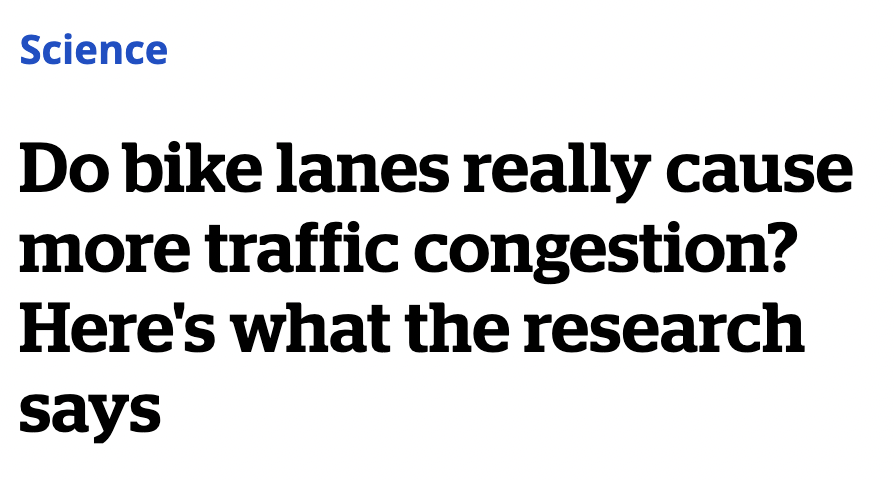
The research says, "No, they do not."
cbc.ca/amp/1.7358319
27
199
1,641
41,803
Jim Durham🚌🚶♂️🚴♂️👨⚕️ retweeted

26 Oct 2024
My mom just told me she cancelled her subscription to The Washington Post. She reads every one of my stories. It was a heartbreaking call.
I understand why she did it, but I asked her to reconsider. To anyone who has cancelled or is thinking about cancelling, here’s what I said:
3,541
2,184
23,019
6,134,693
21 Oct 2024
For @alxsafestreets and @vabike
21 Oct 2024

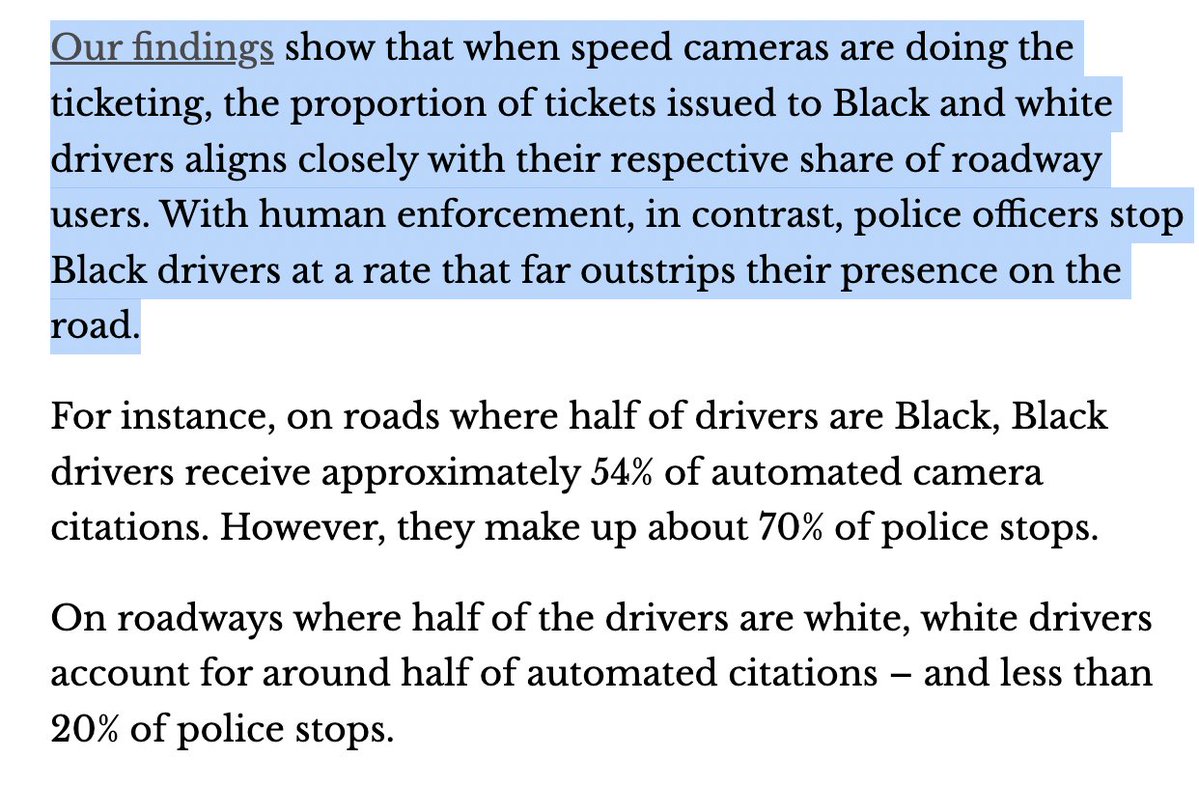
Hard to overstate how much of an improvement speed cameras are compared to police issuing tickets.
Speed cameras are *way* more fair -- and also more reliable.
theconversation.com/police-s…
1
96