
Joined November 2019
- Tweets 500
- Following 208
- Followers 1,452
- Likes 1,518
64 Photos and videos


Pinned Tweet

26 Jul 2025
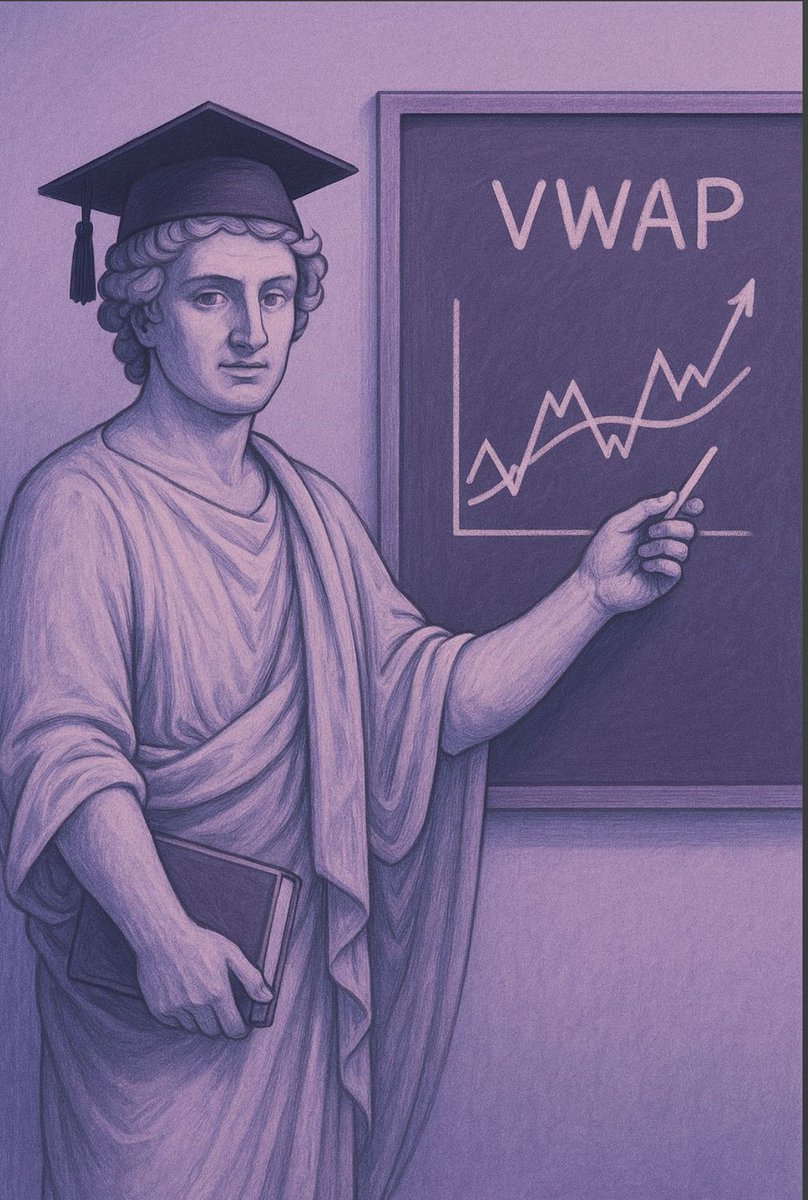
Trading Tools That Actually Work 4.1
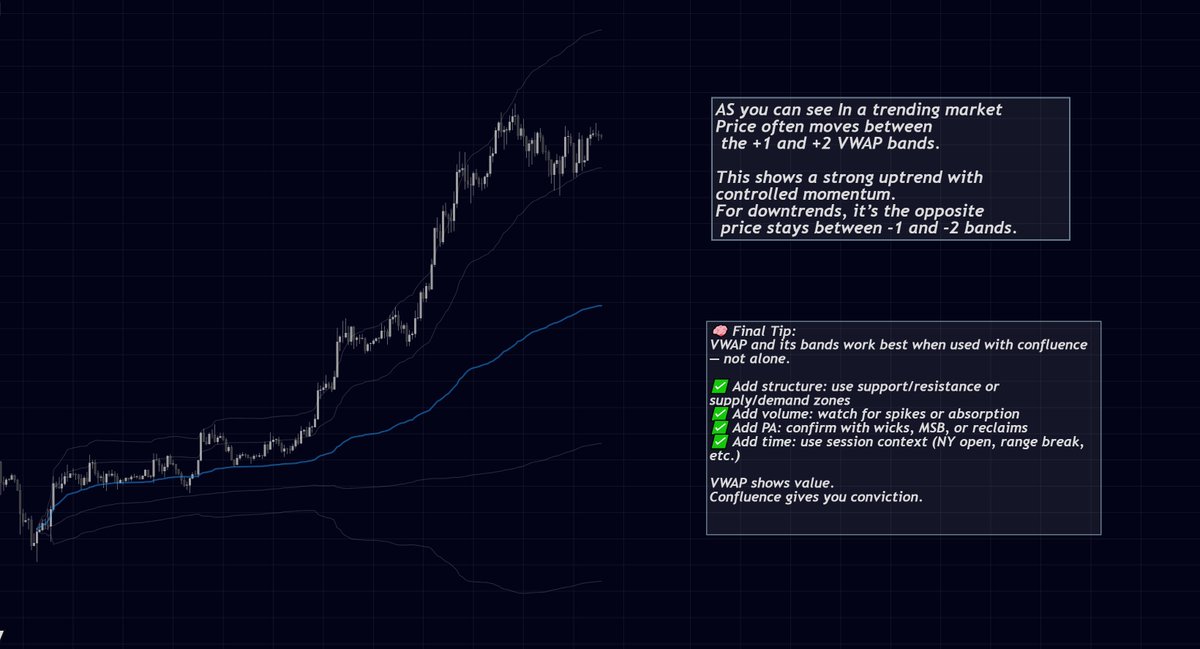
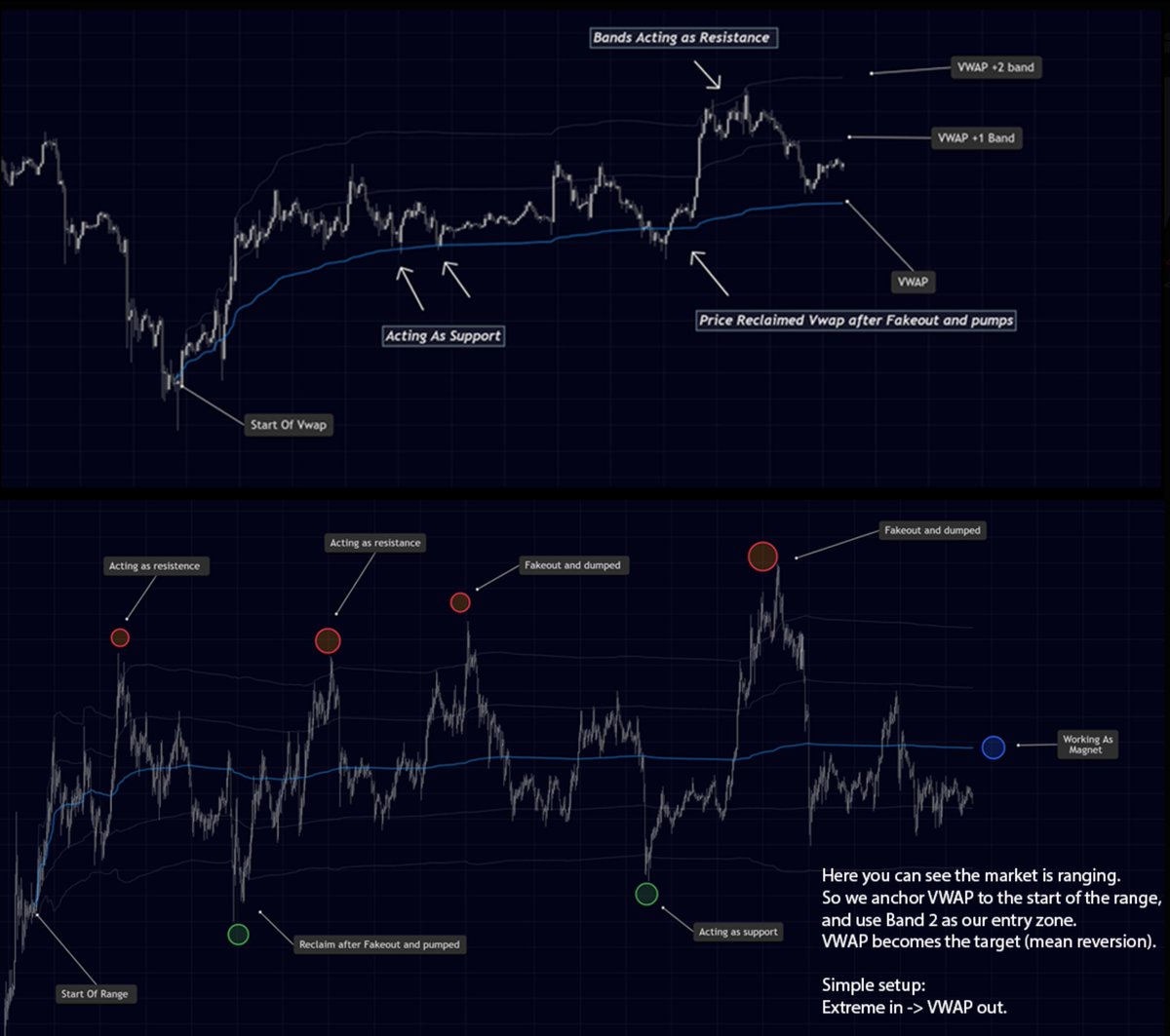
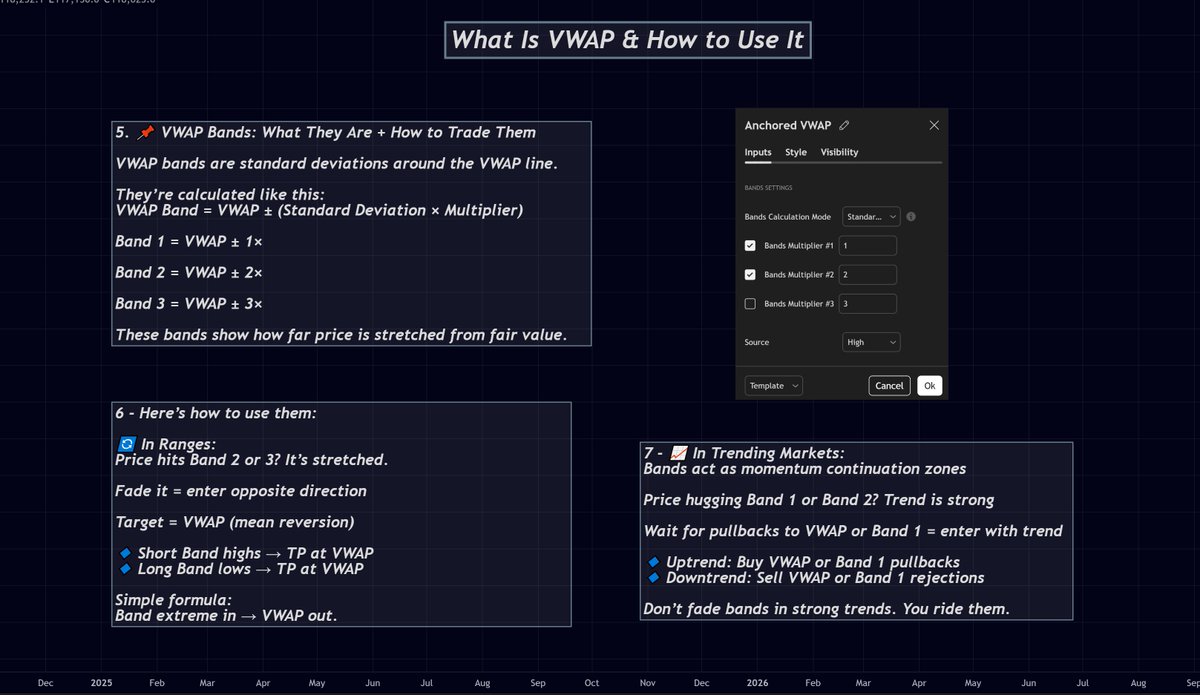
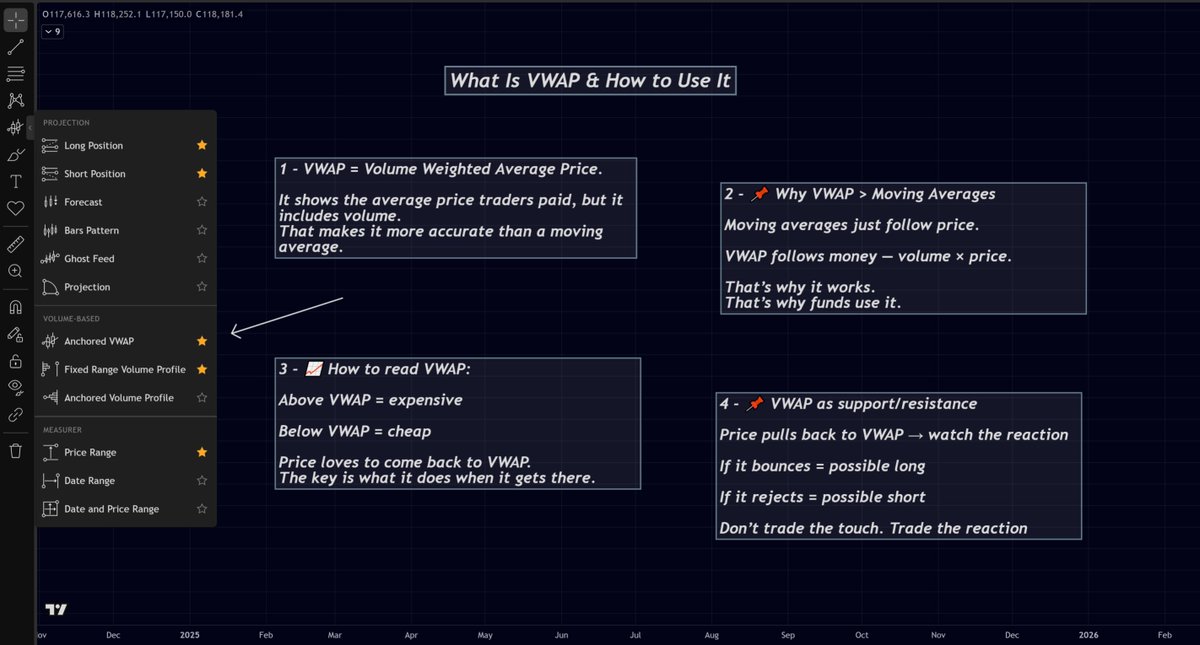
VWAP: What It Is, How It Works, and How to Use It
No fluff. Just real info and setups.
VWAPs play a very important role in my trading system.
In these threads, I’ll explain everything I know about them.
Let’s go 🧵
31
193
1,193
146,482
Feb 25
TV Premium annual finishing in 2 months. Let’s see if I will be renewing that or not. 🤔
@anthdm vs @tradingview
1
3
279
16 Oct 2025
📊 Trading Is Not Just About Strategy — It’s About Conditions
Market Conditions > Strategies
There are mainly two types of markets you’ll face:
Trending market: where price keeps moving in one clear direction.
Range-bound market: where price moves sideways between support and resistance.
If you’re good at trend trading but start taking setups in a range market, you’ll take more Ls than usual.
And vice versa — if you’re a range trader trying to catch breakouts in a strong trend, you’ll keep getting trapped.
That doesn’t mean your system is broken or your setup is bad — it just means you’re using the right strategy in the wrong environment.
The first step toward consistency is knowing what type of market you’re in before even thinking about entries.
---
🎯 Not Every Setup Deserves the Same Confidence
Once you understand the environment, the next thing is learning setup quality.
Not every trade setup is equal — you’ve got B-grade, A-grade, and A setups, and the difference matters more than most people think.
---
🟢 B-Grade setups
These are your easiest plays — clean charts, strong direction, and good structure.
You don’t have to overthink entries here; the market is already helping you.
Even small execution mistakes usually won’t hurt much.
---
🟡 A-Grade setups
These require patience and timing.
You might not have every factor in your favor, so you wait for confirmation — like a clean retest, volume shift, or market reaction.
Execution matters more here because the margin for error is smaller.
---
🔴 A setups
These are rare, and they show up in tough or unclear markets.
You need everything lined up — structure, confirmation, timing, risk.
There’s no room for guessing or forcing trades here.
If it doesn’t meet all your criteria, you skip it — simple as that.
---
⚖️ Matching Setup Quality With Market Type
If you’re in a trending market and you’re a trend trader, you can even take B-level setups and still do well — the market momentum is on your side.
But if you’re trying to catch reversals in that same trend, you need to wait for A setups — strong confirmation, exhaustion, and clean structure — to get proper reward.
And it works the other way too —
if you’re in a range-bound market and trading reversals, you’ll find plenty of smooth opportunities.
But if you try to force breakouts in that environment, you’ll likely get trapped unless it’s an A setup backed by strong conviction.
---
The key is knowing when to ease up and when to tighten your filters.
In favorable markets, even B setups can pay well.
In uncertain markets, only A setups are worth your risk.
---
At the end of the day,
> 🧠 It’s not about trading more — it’s about trading in sync with the market and knowing which setups deserve your capital.
💬 If you want me to show how to actually identify market conditions clearly, drop a comment below — I’ll make a detailed thread on it soon.
8
5
29
974
29 Jul 2025
If the market starts crashing soon…
Are you going to get stopped out on your trades?
Or will you be sitting 10–30% down on your alts, holding the bag again? 🤔
7
1
35
2,107
28 Jul 2025
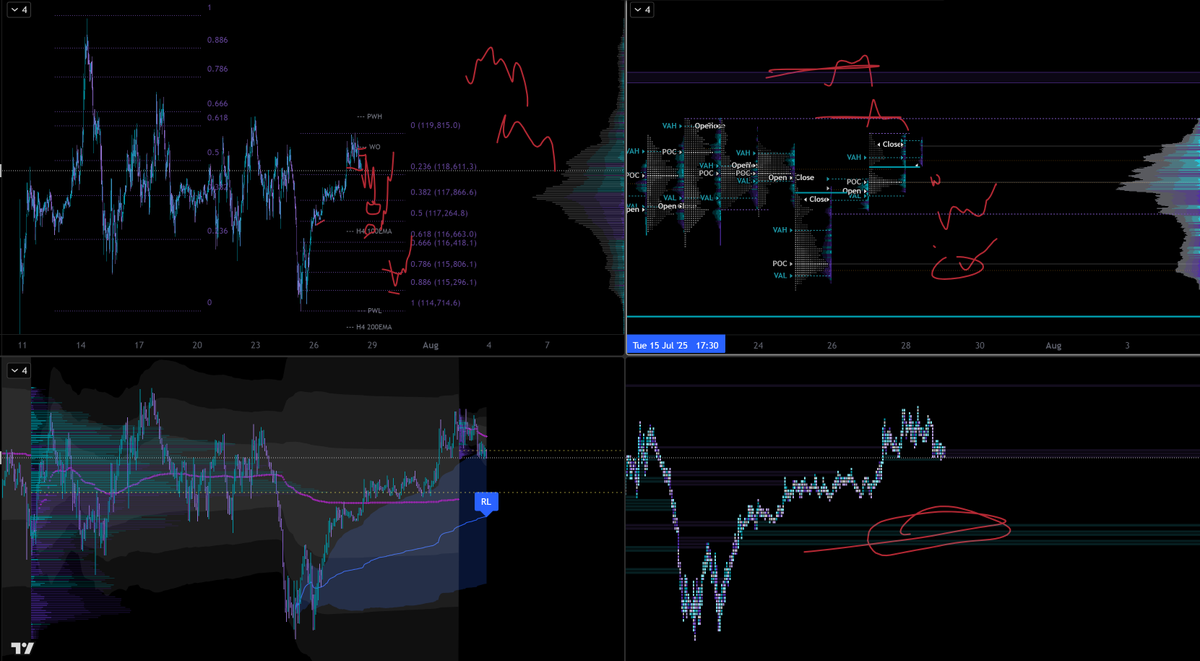
You know it was a good session when your charts look this messy after
80 mins, 10 trades on BTC and alts.
11
4
53
4,165
26 Jul 2025
Trading Tools That Actually Work 4.1
VWAP: What It Is, How It Works, and How to Use It
No fluff. Just real info and setups.
VWAPs play a very important role in my trading system.
In these threads, I’ll explain everything I know about them.
Let’s go 🧵
31
193
1,193
146,482
28 Jul 2025
GM to everyone who actually read this and went out to practice it 🙏
You can join my Telegram — I’ll try to guide as many of you as I can for free obv
t.me/ACJimmyXBT
And to the people who just bookmarked it (we both know you’re never opening it again)…
At least you could’ve dropped a follow 😮💨
Still dropping Part 2 this week.
You’re welcome.
4
4
40
3,486
26 Jul 2025
Opened X to find some alpha, but all I found was Grok telling everyone their stalker is Elon 💀
So @grok, Name the most famous person that visited my profile in past 3 years?
1
26
2,369
26 Jul 2025
That’s it for this one.
If you found it helpful and want more, I’m working on two follow-up threads:
👉 Anchored VWAP — how to anchor to swings, breakouts, or news events
👉 Session VWAPs — how I use Daily, Weekly, Monthly VWAPs to time bigger moves
If you're interested, drop a comment.
And post your charts below — so I know you’re not just bookmarking, but actually practicing this stuff.
22
4
98
8,811
23 Jul 2025
If you could give ONE piece of advice to yourself when you first started trading…
What would it be?
let’s help the next generation of traders.
#trading #stocks #crypto #investing
56
4
49
3,146
21 Jul 2025
Market Update : Market’s on easy mode.
Just ride the breakouts.
This won’t last forever — make it count
Some dumb mfer with half your IQ
Is making 10X more than you
B/c he isn't smart enough
To doubt himself
Remember that
1
2
48
1,919
16 Jul 2025
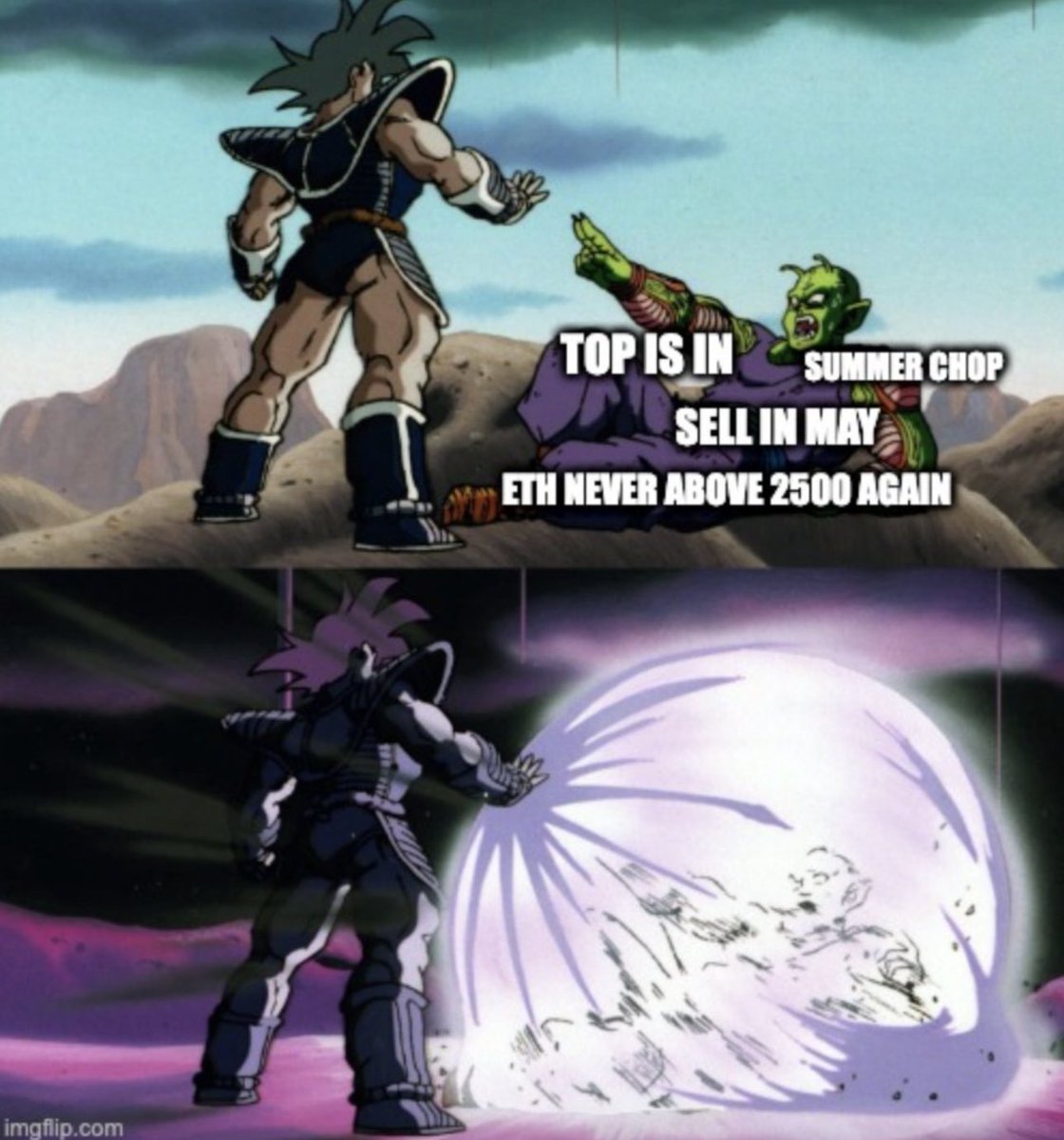
Moment of silence for the bears. Wait never mind, let them suffer 🤪
All they had to do was watch the monthly open… but no, they shorted the soul out of the market.
1
4
21
1,229
3 Jul 2025
GM
Taking TA requests 📊
Drop your ticker timeframe below 👇
I’ll chart a few today.
#Crypto #TA #TradingView
20
39
2,358